4 Modern Landscape Ideas for Joliet, IL | Zone 5b Garden Design
Native plants from the Central US forest-grasslands transition (Zone 5b) — Humid continental (hot summer) climate
Why Modern/Minimalist Gardens in Joliet?
Modern landscape design suits Joliet better than most people expect, because the city's raw material is already hard-edged: Joliet-Lemont dolomite quarried right here built Union Station, the old Correctional Center and half the retaining walls in town, and the flat prairie grid of Will County gives you long clean sightlines that a fussy garden fights and a modern one uses. Two very different kinds of house are driving this. On the older streets around Nowell Park and the west side there is a real stock of 1950s and 60s low-slung ranches and split-levels — flat and shallow-pitch roofs, horizontal window bands, attached garages — that were mid-century modern before anyone called it that, and that respond immediately to a gravel court and a corten planter. On the other side of the city, the newer builds filling in around Wesmere, Lakewood Falls and the Caton Farm Road corridor come with big blank facades and even bigger blank lawns that are begging for structure.
The climate does most of the plant selection for you. Joliet is USDA Zone 5b, with design winter lows between -15°F and -10°F, about 38 inches of precipitation and roughly 30 inches of snow a year, and a growing season near 170 days between an early-May last frost and a mid-October first frost. That rules out the agaves and yuccas that carry desert-modern gardens in Phoenix or Denver — with two useful exceptions. Yucca filamentosa 'Color Guard' and 'Ivory Tower' are hardy to Zone 4 and give you the same architectural rosette, and Agave parryi var. neomexicana will genuinely overwinter in Joliet if it is planted in a raised gravel bed that never sits wet. Everything else comes from the tallgrass prairie that used to be here, which is fortunate, because prairie grasses are the most architectural plants that grow in Zone 5b: Calamagrostis x acutiflora 'Karl Foerster' stands as a rigid vertical from June until you cut it in March, Panicum virgatum 'Northwind' holds a perfect upright column through wet snow, Sporobolus heterolepis makes a fine-textured emerald mound, and Schizachyrium scoparium 'Standing Ovation' turns copper for the whole winter. Pair those with Nepeta x faassenii 'Walker's Low', Perovskia atriplicifolia 'Little Spire' and Salvia nemorosa 'Caradonna' for the purple haze and Buxus 'Green Velvet' or Taxus x media 'Densiformis' for the clipped green geometry, and the palette is done.
Hardscape is where Joliet projects succeed or fail, and the reason is Will County soil. Drummer silty clay loam and Elliott silt loam are deep black prairie mollisols — superb for growing, terrible for bearing. They hold water into April, then shrink and crack in an August dry spell, and that seasonal swing plus a 42-inch frost depth will lift and crack any slab poured on bare ground. A modern landscape is mostly large uninterrupted planes, so a hairline crack or a half-inch of settlement across a 20-foot concrete terrace is the whole design ruined. Budget for the base, not just the surface: 8-12 inches of compacted CA-6, geotextile fabric over the subgrade on the wettest lots, control joints planned as part of the pattern rather than cut in wherever, and frost-depth footings under every pergola post and freestanding wall. The dolomite bedrock sitting close to the surface near the Des Plaines bluffs cuts both ways — great bearing where you hit it, expensive excavation when you need depth.
Then there is water, which Joliet takes more seriously than any other city in the region. The deep sandstone aquifer under the city is being drawn down faster than it recharges, which is why Joliet is building a pipeline to bring in Lake Michigan water later this decade, and why the water conservation ordinance is in force year-round: lawn sprinkling only between 6-10 a.m. and 6-10 p.m., even-numbered addresses on even days, odd on odd. Replacing turf with gravel courts, planted islands and clean concrete is not an aesthetic pose here; it is the cheapest way to stop caring about the sprinkler calendar. An established bed of 'Karl Foerster', Sporobolus heterolepis, Amsonia hubrichtii and Sedum 'Autumn Joy' needs essentially no supplemental water after its second summer, and it looks its best in October when the lawn next door has gone dormant and brown.
4 Modern/Minimalist Design Ideas for Joliet

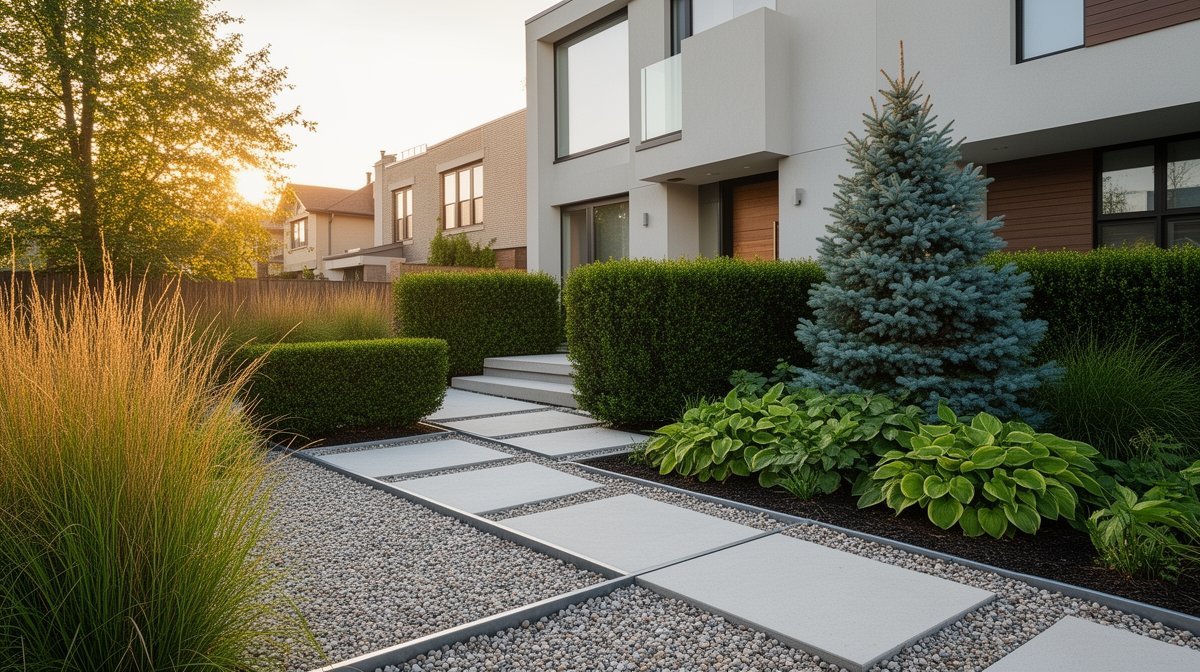
The Sweeping Walk with Prairie Grass Islands
$14-26/sqftA contemporary house with a dramatic single-slope roof, white stucco paired with dark vertical board-and-batten, black window frames running floor to ceiling and a black flush front door. A broad poured-concrete walk sweeps in a long S-curve from the sidewalk to the entry, and the whole design lives in that curve. On either side, lawn is interrupted by mulched island beds of upright grasses catching the low sun, low blue-green mounds, and drifts of purple flower spikes; a young maple sits in a clean mulch ring on the left and slim columnar evergreens mark the house corners. A low concrete planter box beside the door holds clipped green forms.

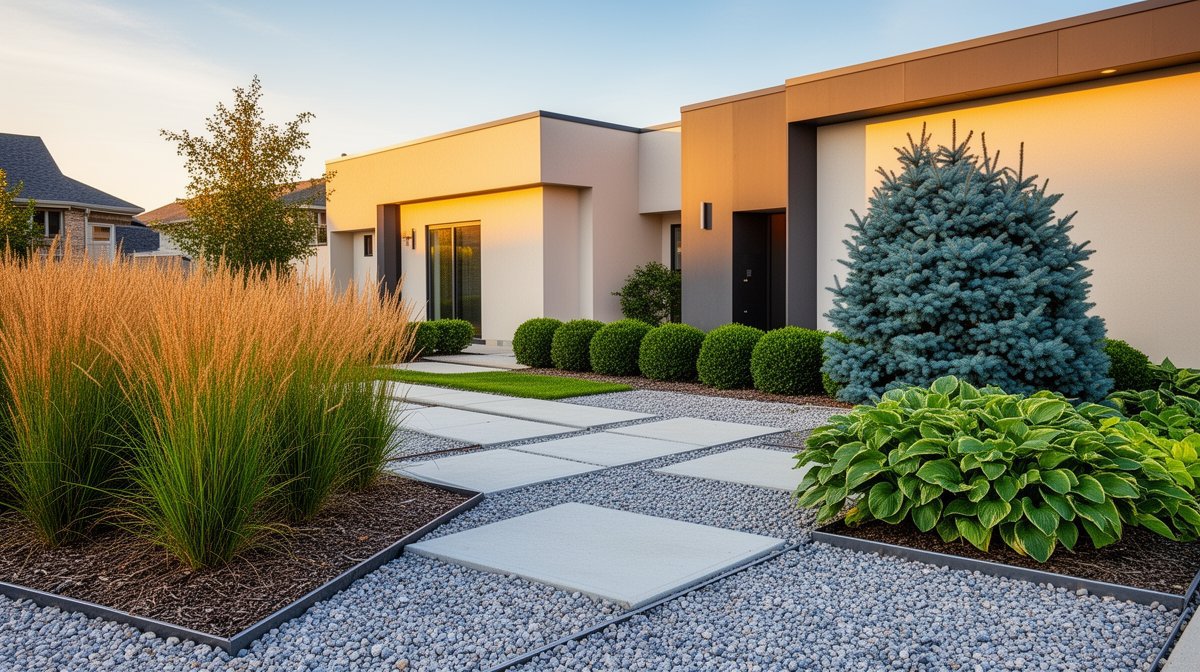
The Zero-Lawn Gravel Court with Corten Beds
$12-22/sqftA low flat-roofed mid-century ranch in white stucco with a black window band, black entry door and a plain white garage door — and no lawn at all. The entire front is a field of golden pea gravel, cut by wedge-shaped raised beds edged in weathering steel and filled with dark mulch. Inside them, big blue-grey rosettes sit as focal sculpture among upright grass plumes and purple flower spikes, with tight clipped green spheres holding the line along the foundation. A wide concrete driveway runs to the garage. The geometry is deliberately angular so the beds read as one composition rather than scattered planting, and it eliminates mowing and sprinkling entirely.

The Circular Concrete Fire Terrace
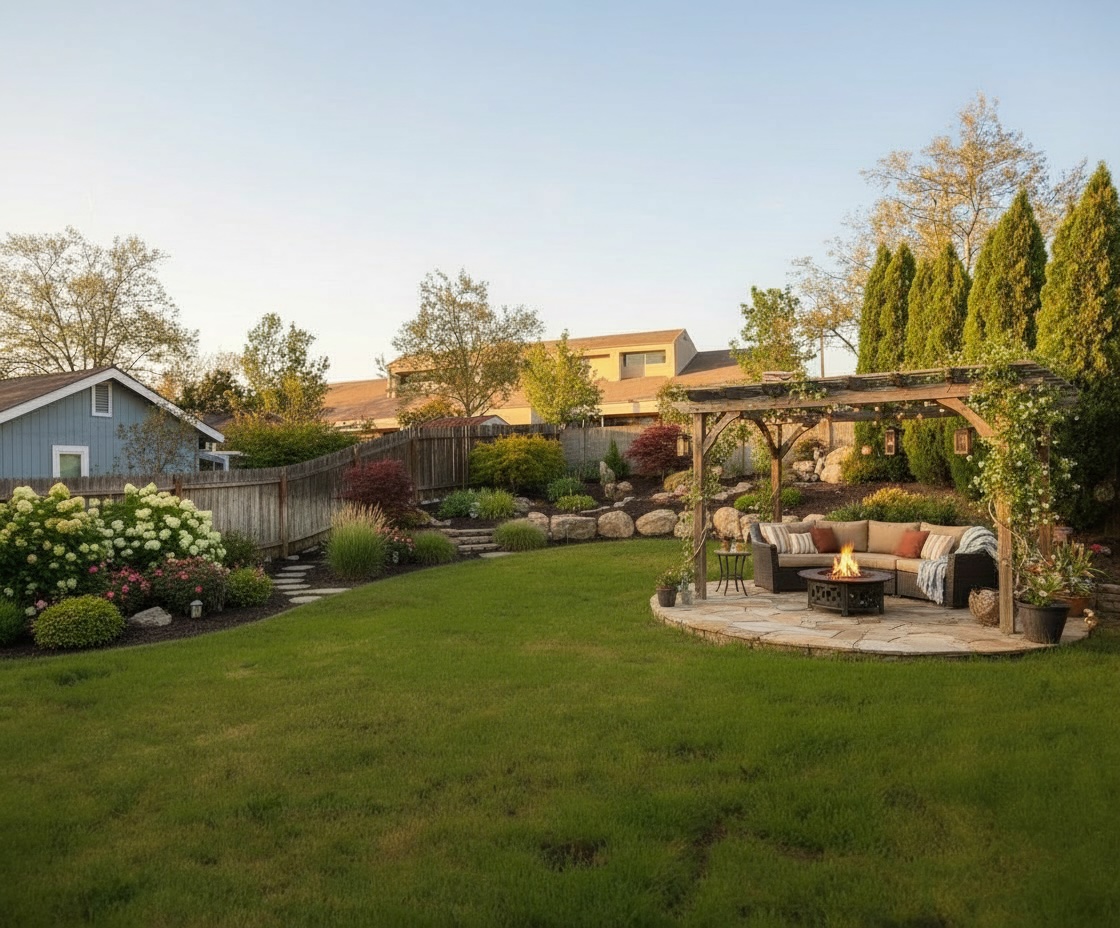
$20-36/sqftA perfect circle of poured concrete set out in the lawn behind a two-story white modern farmhouse with black window frames and sliding glass doors. A round concrete gas fire bowl holds the centre, ringed by low modern lounge chairs and a long sofa in soft blush cushions, with string lights carried overhead from the house to a big shade tree at the edge. The terrace is not attached to the house — it floats in the yard, and the mulched collar of feathery grasses planted right up to its rim is what makes the circle feel intentional instead of stranded. Beyond it the lawn runs clean to a wood fence and open ground.

The Glass Pavilion Pool Deck
$45-90/sqft (pool area inclusive)A single-storey flat-roofed glass pavilion glowing warm at dusk, opening onto a rectangular pool with a shallow tanning ledge and submerged lighting. The deck is large-format light concrete, and a run of floating concrete stepping pads crosses a strip of lawn to link the seating area back to the house. A modern outdoor sofa and armchairs sit on the far side, low bollard lights line the paths, and the planting is deliberately restrained: mulched bands of fine grasses along the deck edges, uplit so the plumes glow, and a rank of narrow columnar evergreens screening the dark fence line. The whole palette is white, pale concrete, dark frames, wheat and green.
See how a modern/minimalist garden looks on YOUR property
Upload a photo of your Joliet yard and visualize your dream garden in seconds.
Try ProScapeAI Free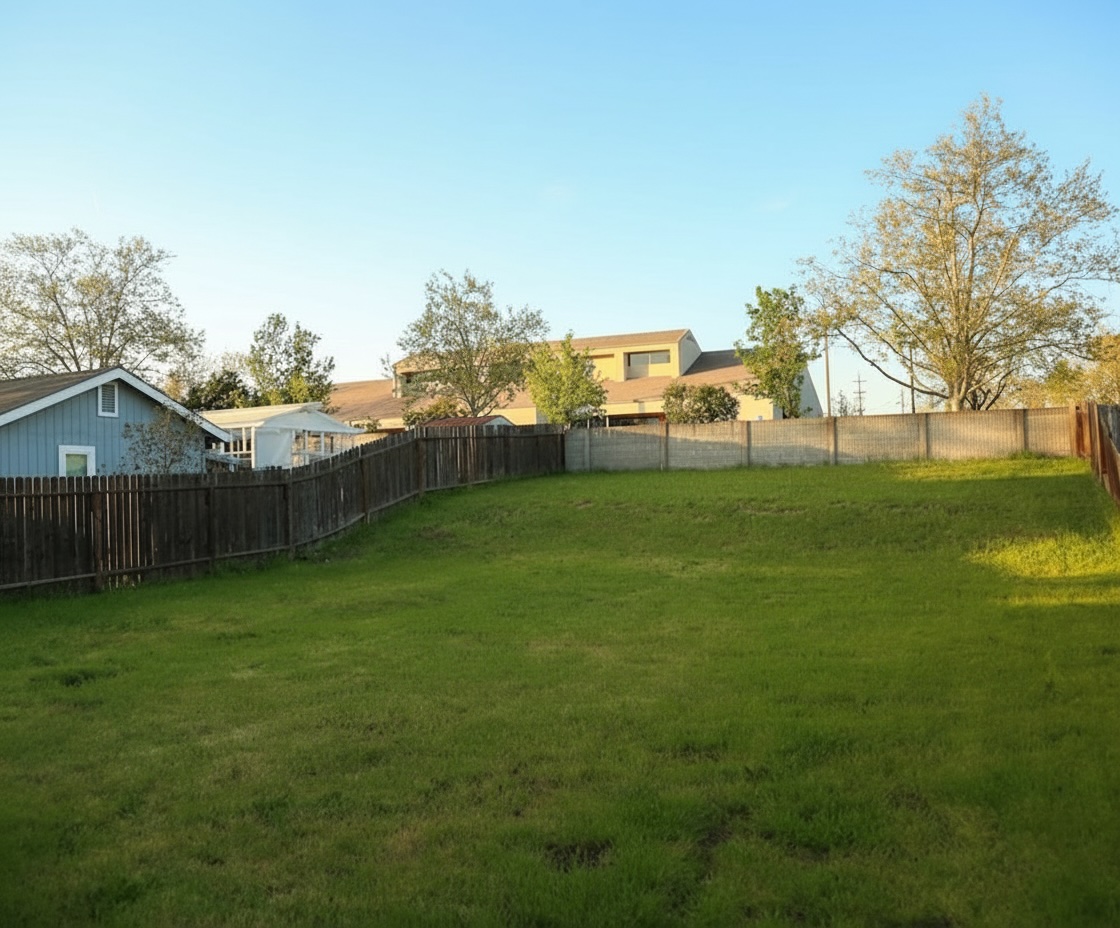
Featured Trees & Shrubs for Modern/Minimalist Gardens
Browse all 168 plants for Joliet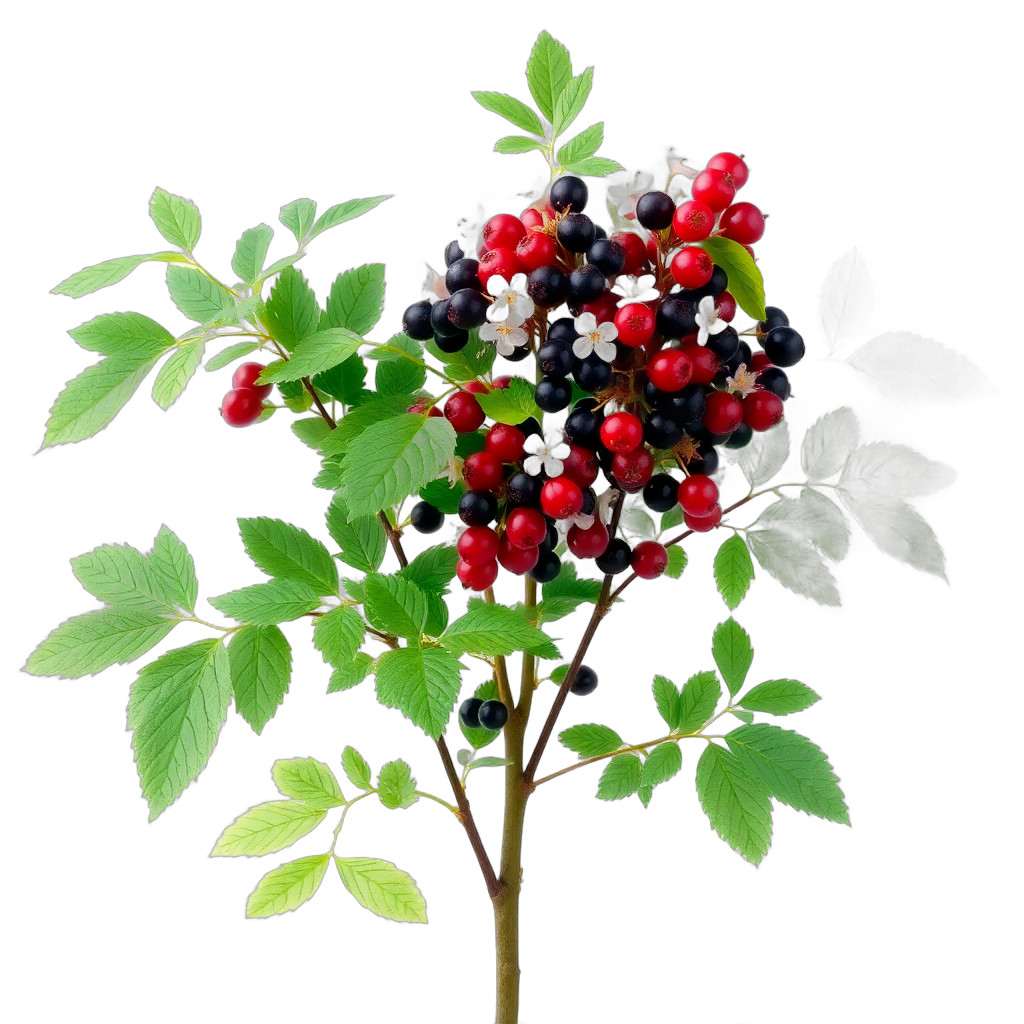
American Black Currant
Ribes americanum
grows to 5 feet, white,yellow blooms in spring. Attracts hummingbirds.

Clove Currant
Ribes odoratum
grows to 6 feet, yellow blooms in spring. Attracts hummingbirds.

Fragrant Sumac
Rhus aromatica
grows to 4 feet, yellow blooms in spring. Attracts butterflies.

Golden Currant
Ribes aureum
grows to 6 feet, yellow blooms in spring. Attracts hummingbirds.
Featured Grasses & Groundcovers for Modern/Minimalist Gardens
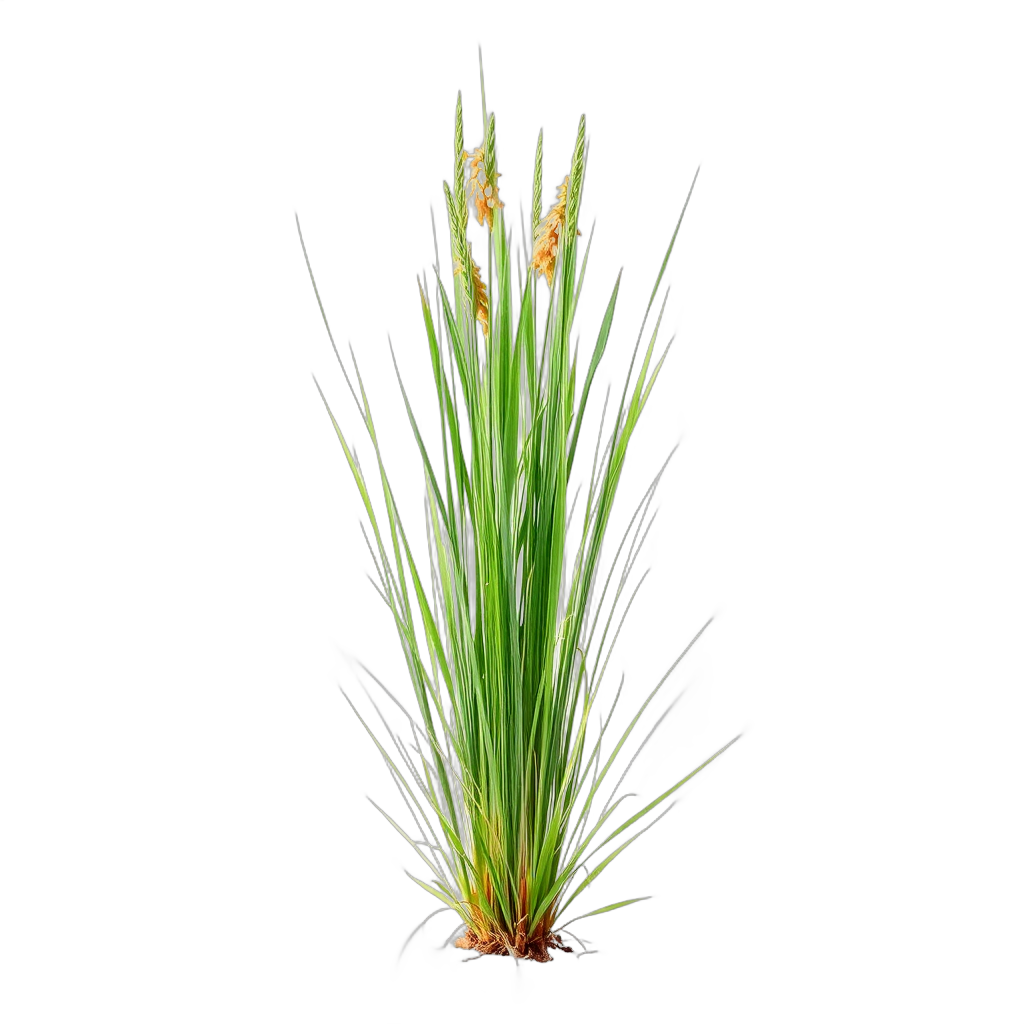
Eastern Gamagrass
Tripsacum dactyloides
grows to 6 feet, blooms in summer. Yellow fall color.
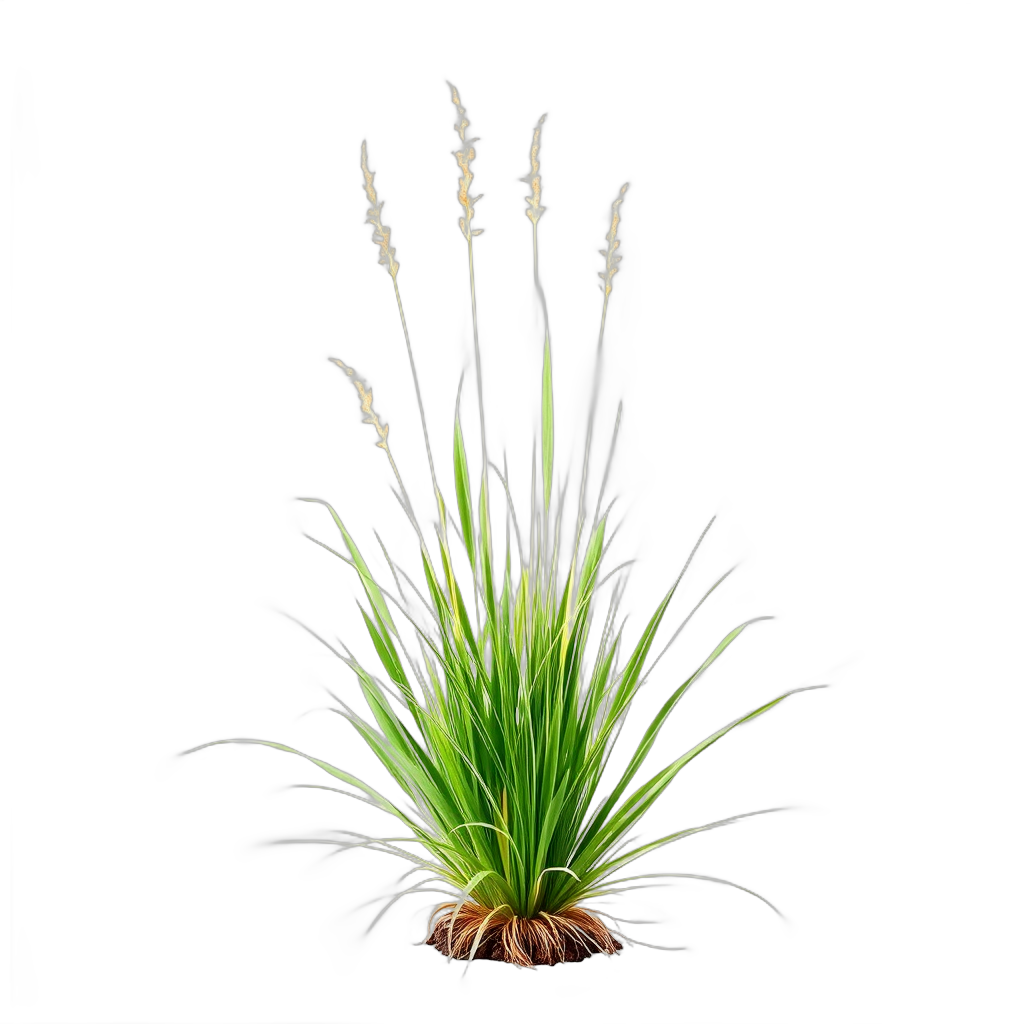
Northern Sea Oats
Chasmanthium latifolium
grows to 4 feet, blooms in fall. Bronze fall color.
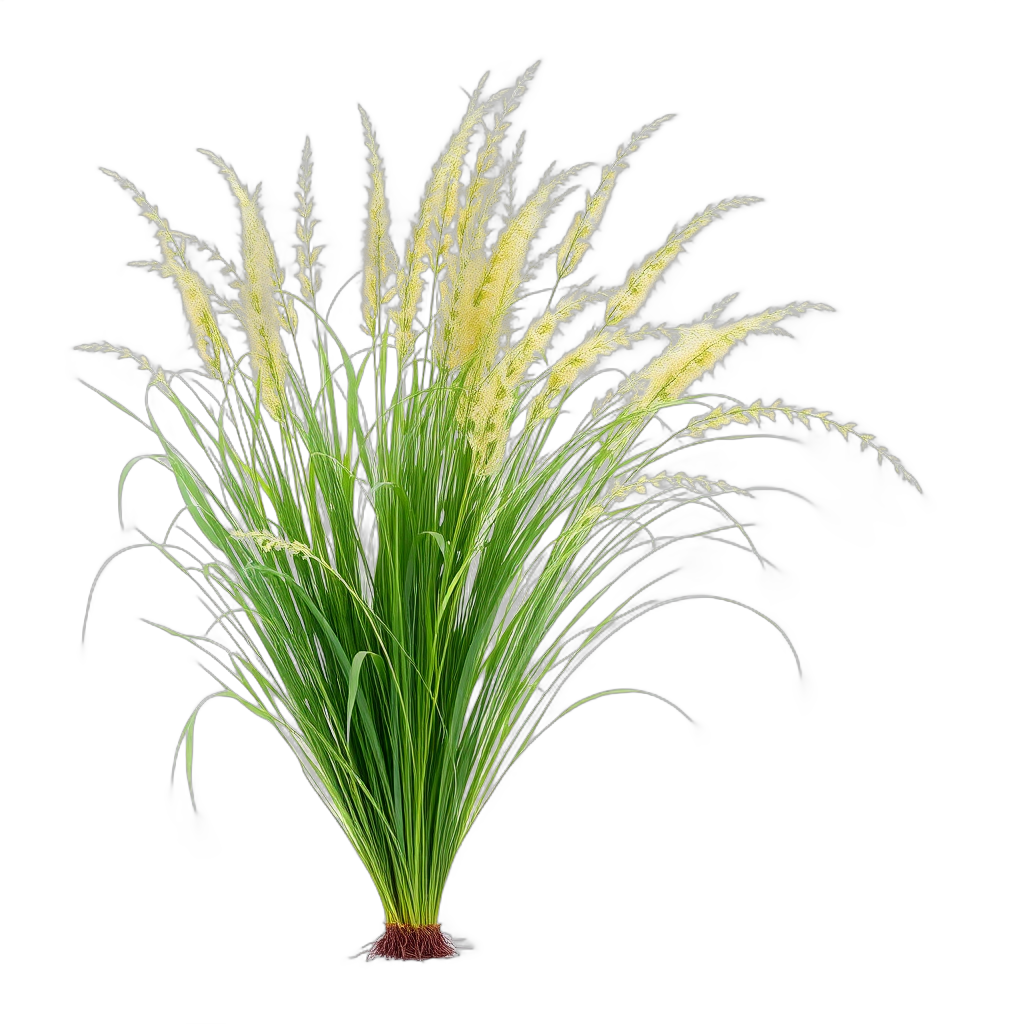
Adagio Maiden Grass
Miscanthus sinensis 'Adagio'
low-growing ground cover, pink blooms in summer. Orange fall color.
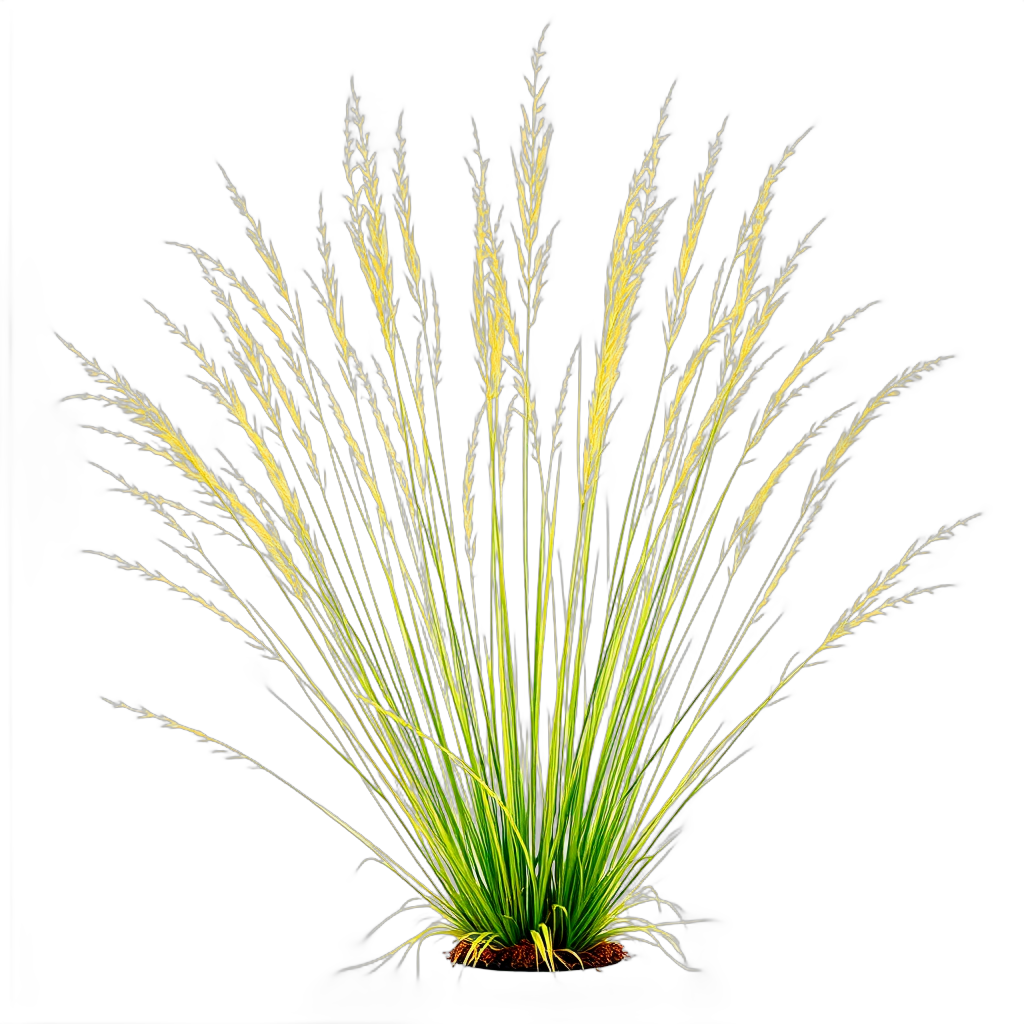
All Gold Japanese Forest Grass
Hakonechloa macra 'All Gold'
low-growing ground cover, blooms in summer.
Featured Flowers & Perennials for Modern/Minimalist Gardens
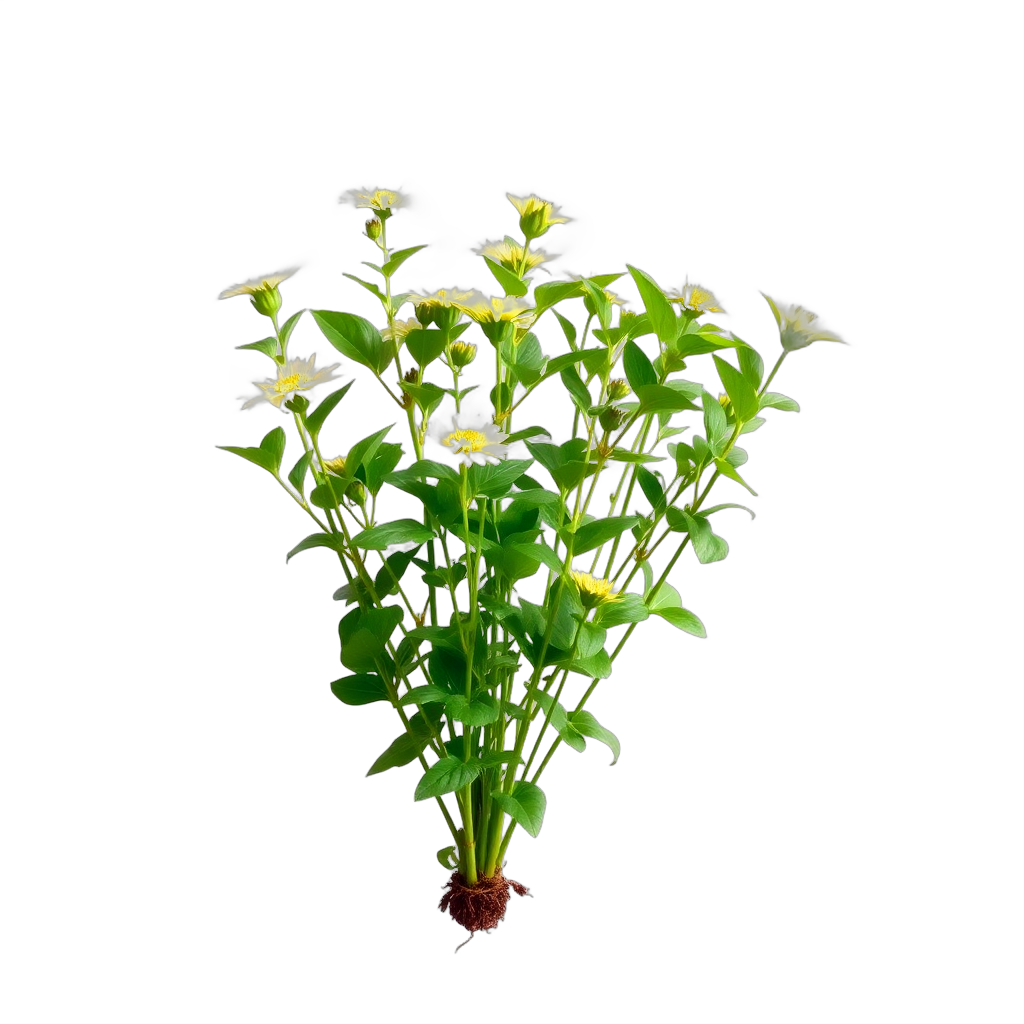
Cup Plant
Silphium perfoliatum
medium-sized at 7 feet, yellow blooms in summer. Attracts butterflies.
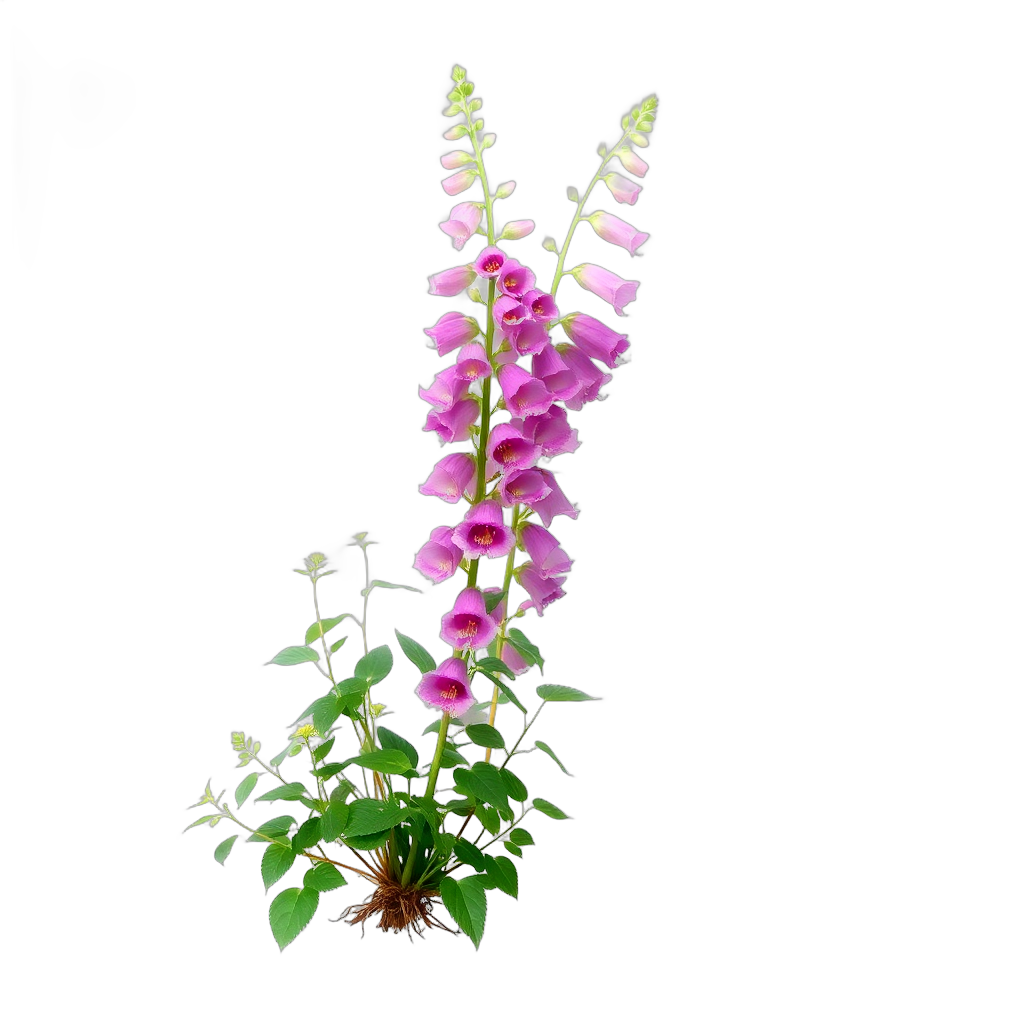
Foxglove Beardtongue
Penstemon digitalis
grows to 3 feet, white blooms in spring. Attracts hummingbirds.
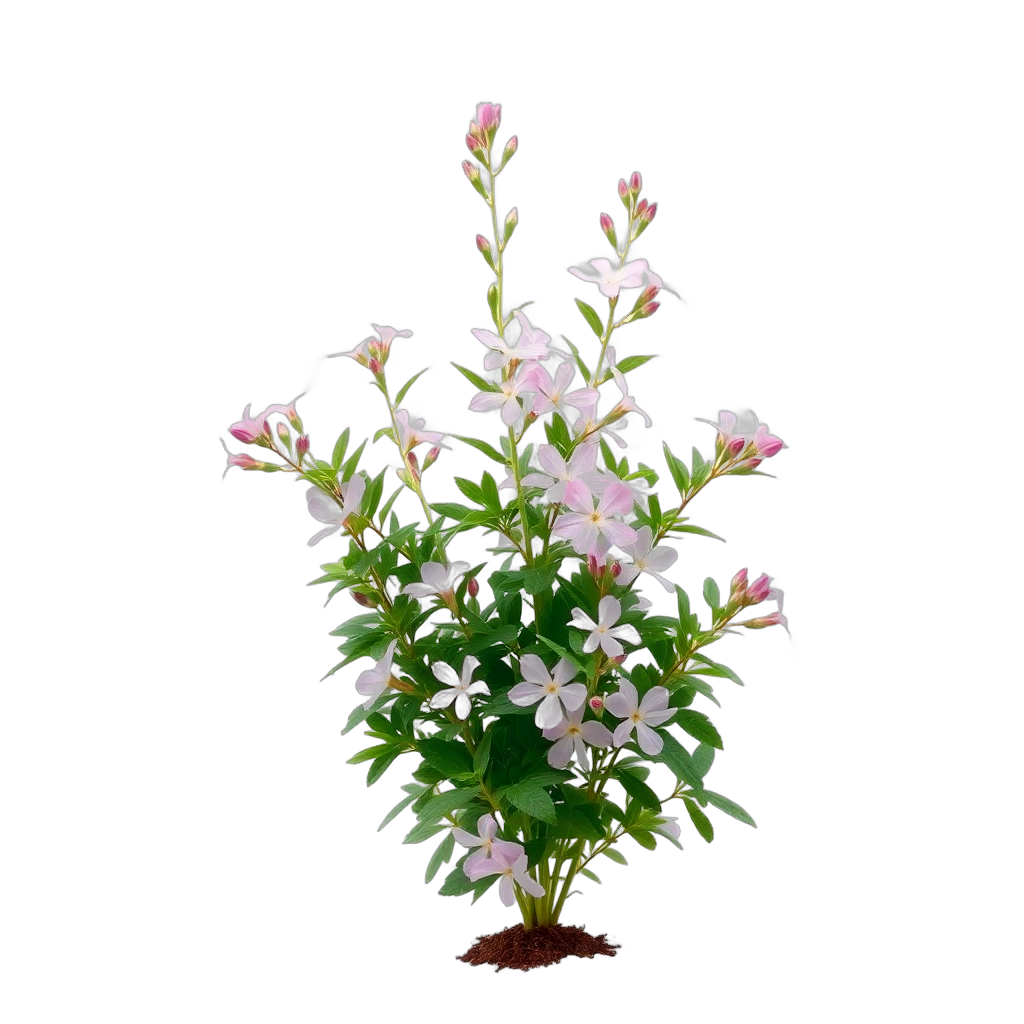
Garden Phlox
Phlox paniculata
grows to 3 feet, multi blooms in summer. Attracts hummingbirds.

Gloriosa Daisy
Rudbeckia hirta
low-growing ground cover, yellow blooms in summer. Attracts butterflies.
Zone and sun checks come from our database — confirm with your local nursery before you buy.
Bloom Calendar for Joliet
spring
Foxglove Beardtongue, American Black Currant, Clove Currantsummer
Cup Plant, Garden Phlox, Gloriosa Daisyfall
Northern Sea Oatswinter
Limited bloomsDesign Tips for Joliet (Zone 5b)
- Spend on the base before the surface — 8-12 inches of compacted CA-6 and 42-inch footings are what keep a modern concrete plane looking modern; Will County's Drummer clay swells wet and shrinks dry, and one settled joint reads as failure across a large uninterrupted slab
- Use tallgrass prairie species as your architecture instead of importing desert plants: Calamagrostis x acutiflora 'Karl Foerster' and Panicum virgatum 'Northwind' stay rigidly upright under Joliet's 30 inches of annual snow and give you eight months of structure a clipped hedge cannot
- If you want the rosette look, raise the bed — Agave parryi var. neomexicana and Yucca filamentosa 'Color Guard' survive -10°F here easily but rot at grade in prairie clay; a gravel-mulched bed of 50/50 soil and coarse grit, pitched to drain, is the whole trick
- Delete turf rather than shrinking it: gravel courts and planted islands take a Joliet front yard completely out of the 6-10 a.m. / 6-10 p.m. odd-even sprinkling ordinance, and that matters more each year as the city transitions off its depleted deep aquifer
- Plan for pH 7.2-8.0 over the Joliet-Lemont dolomite — specify Hydrangea paniculata 'Limelight', Amsonia hubrichtii, Sedum 'Autumn Joy' and Taxus x media 'Densiformis', all of which are indifferent to alkaline soil, and leave the acid-lovers out of the design entirely
- Light the grasses and the edges, not the lawn: in-grade uplights behind 'Karl Foerster' and low bollards along a concrete walk are what carry a modern Joliet landscape through the long dark half of the year, when the garden is seen mostly from indoors
- Cut all grasses back in late March rather than autumn — the standing plumes are the winter design, they trap snow that insulates the crowns, and a modern garden stripped bare in October looks abandoned for five straight months
Where to Source Plants in Joliet
Skip the big-box stores. These independent Joliet nurseries specialize in the plants that make modern/minimalist gardens thrive in Zone 5b.
Allied Nursery & Garden Center
South Joliet
Family-run since 1992 with on-site hoop houses; the closest source in the city for Zone 5b grasses, Taxus, Buxus and structural shrubs, plus bulk gravel, decorative rock and mulch
The Fields on Caton Farm
Crest Hill (Caton Farm Road)
Family-owned retail garden center inside a 210-acre working nursery with a 5-acre display garden — good for seeing mature specimen trees and grass masses at full size before committing
Alsip Home & Nursery
Frankfort (La Grange Road)
Independent since 1969; acres of trees and evergreens plus their own greenhouses — the widest selection of columnar conifers and architectural specimens within a 20-minute drive of Joliet
The Growing Place
Naperville / Aurora
Long-established independent garden center with an unusually deep perennial and grass bench, plus container design services for modern planters
Modern/Minimalist Landscaping Costs in Joliet
| Project Scope | Estimated Cost |
|---|---|
| Front yard modern conversion (turf removal, gravel, steel edging, structural planting) | $7,000 - $16,000 |
| Poured concrete terrace or walk (300-450 sqft, base included) | $9,000 - $20,000 |
| Detached fire terrace with gas fire bowl and seating | $16,000 - $38,000 |
| Corten steel raised planter bed, fabricated and filled | $600 - $1,600 each |
| Low-voltage LED uplighting and bollard scheme (12-18 fixtures) | $3,500 - $9,000 |
| Pool deck plus full backyard modern landscape | $90,000 - $180,000 |
| AI visualization with ProScapeAI | Free to start |
Estimates based on Joliet, IL-area contractor rates as of 2026. Actual costs vary by site conditions, materials, and contractor.
Joliet Climate & Growing Zone
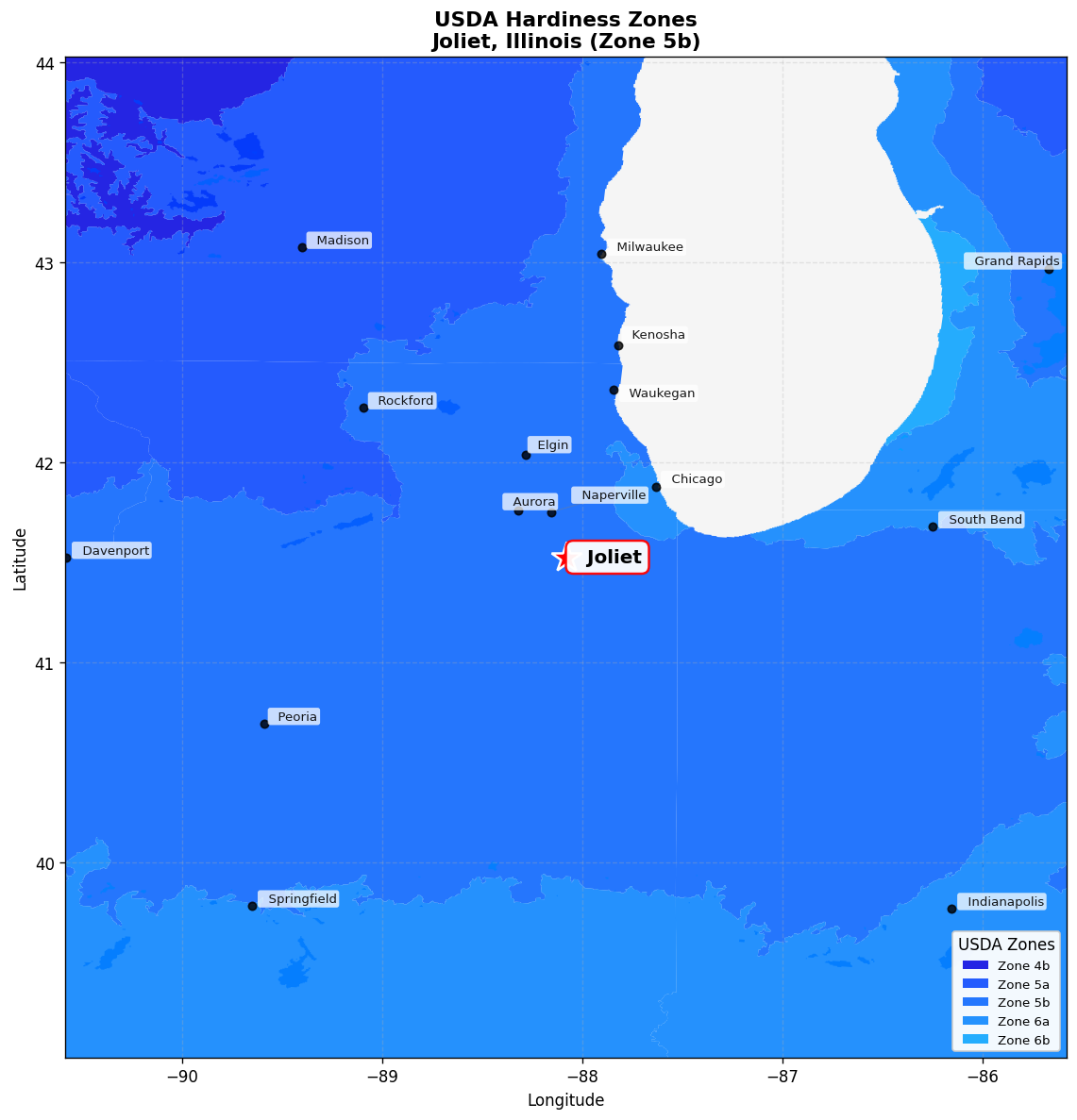
USDA Zone 5b
Hardiness zone for Joliet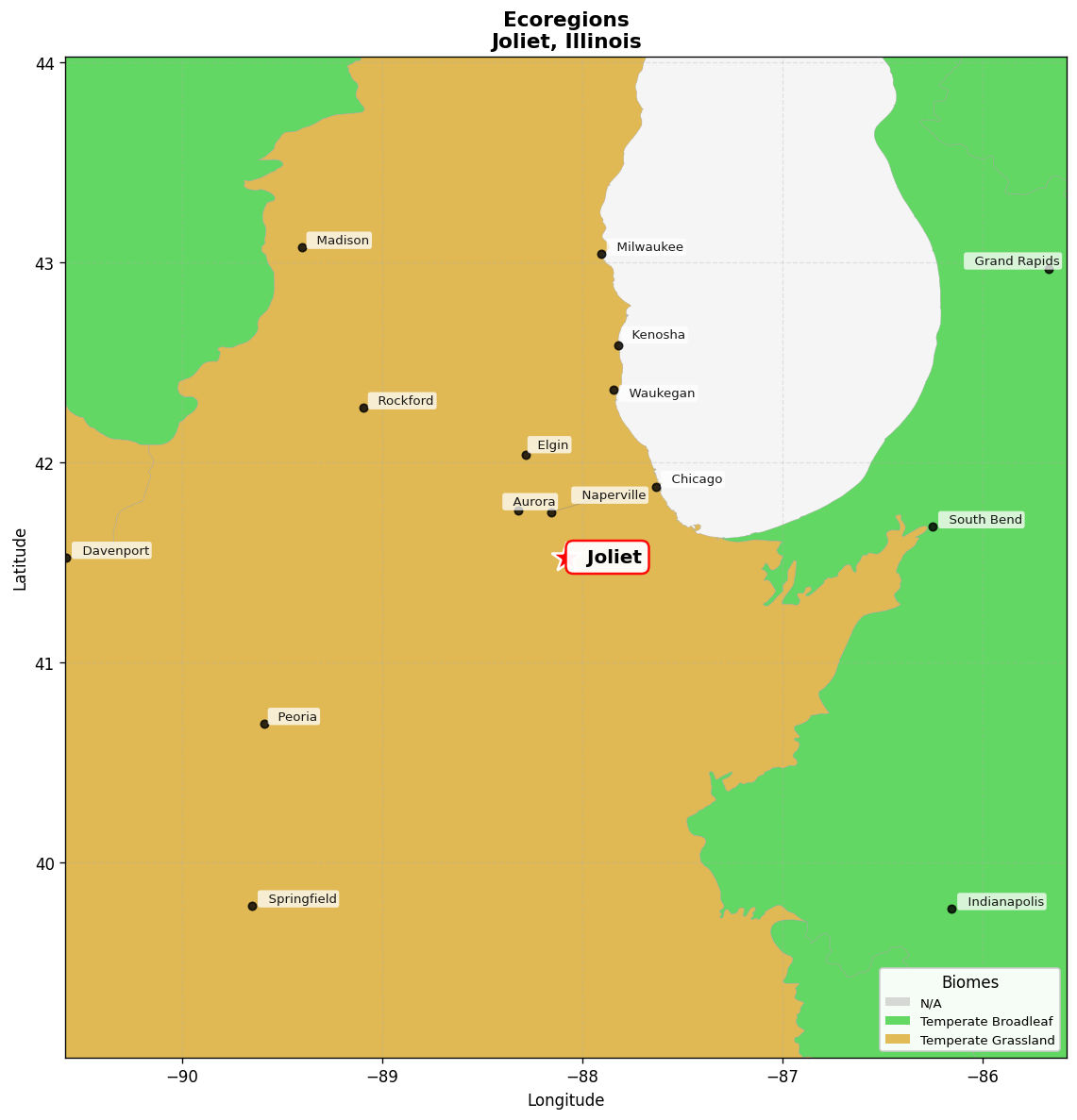
Central US forest-grasslands transition
Native ecoregionFrequently Asked Questions
How much does a modern landscape cost in Joliet?
Will County pricing tracks the Chicago metro closely. A front-yard modern conversion of 500-700 sqft — turf removal, gravel field, steel or corten edging, and structural planting — runs roughly $7,000-16,000 installed, or under $5/sqft if you handle the gravel and planting yourself. A poured concrete terrace of 300-450 sqft runs $9,000-20,000, and a detached fire terrace with a gas bowl and seating lands between $16,000 and $38,000. Pool-and-deck backyards commonly run $90,000-180,000 in this market. Note that base preparation is 25-35% of any hardscape number here and is not the place to economise.
Can I use agaves and other architectural rosettes in Zone 5b?
A few, with one non-negotiable condition: they must never sit in wet soil over winter. Agave parryi var. neomexicana is the reliable cold-hardy species and will take Joliet's -10°F if it is planted in a raised bed of 50/50 soil and coarse grit, gravel-mulched, and pitched to drain. Yucca filamentosa 'Color Guard' and 'Ivory Tower' are hardy to Zone 4 and need no coddling at all. Hesperaloe parviflora is worth a gamble in a hot south-facing gravel bed. Anything blue and Mexican beyond that belongs in a container that comes into the garage in November.
Which grasses hold their shape through a Joliet winter?
This is the key question for modern design, because the grasses are your winter architecture from November to March. Calamagrostis x acutiflora 'Karl Foerster' and Panicum virgatum 'Northwind' are the two that stay genuinely upright under 30 inches of annual snow — 'Northwind' in particular does not flop. Schizachyrium scoparium 'Standing Ovation' was bred for exactly this and holds a copper column all winter. Sporobolus heterolepis is a prairie native that keeps a tidy dome. Avoid Miscanthus in exposed spots where it splays open, and cut everything back in late March, not autumn.
What has to happen under a concrete or paver terrace in Will County?
More than most homeowners budget for. Drummer and Elliott clay loams swell wet and shrink dry, and the frost depth here is 42 inches. Excavate 8-12 inches below finished grade, lay geotextile fabric on the subgrade of a wet lot, then compact CA-6 crushed stone in 3-4 inch lifts with a plate compactor. For poured concrete, plan control joints as part of the pattern at roughly 10-foot intervals and specify fibre or wire reinforcement. Every pergola post, wall footing and column has to go to 42 inches. A modern design is one big flat plane, so any settlement shows immediately.
How do Joliet's watering rules affect a modern landscape?
They favour it heavily. The city's water conservation ordinance runs year-round: sprinkling only from 6-10 a.m. and 6-10 p.m., even-numbered addresses on even days and odd-numbered on odd days, with no exceptions beyond temporary new-sod permits. Joliet is drawing down its deep sandstone aquifer and building a Lake Michigan supply pipeline, so long-term water pricing is going one direction. Gravel courts and prairie-grass beds need supplemental water only in their first two summers; after that Calamagrostis, Sporobolus, Amsonia hubrichtii and Sedum 'Autumn Joy' handle a normal Joliet August unassisted.
When is the best time of year to build in Joliet?
Hardscape is best from late April through October — concrete pours need overnight temperatures above about 40°F without heated blankets, and the ground is typically frozen or saturated from December through March. Planting is best in September and early October, when soil is still warm and autumn rain does the watering, or from mid-April to late May. The last spring frost is in the first ten days of May and the first fall frost is around mid-October. Contractor schedules in Will County are tightest from May to July, so booking a build in late winter usually gets a better slot and a better price.
Do I need a permit for a patio, pergola, or pool?
Planting, mulch, gravel beds and edging need no permit. Patios, decks, pergolas, retaining walls above a set height, driveway work and pools all require a City of Joliet permit, and pools additionally require fencing and barrier compliance. Anything that changes drainage or grading toward a neighbouring lot gets scrutinised — Will County's flat clay means stormwater is the most commonly tripped-over requirement on the whole permit list. Confirm current thresholds with the City of Joliet before ordering materials; this design guide does not substitute for permit review or engineering.