4 Desert Garden Ideas for Jurupa Valley, CA | Inland Empire Heat in Zone 10a
Native plants from the California coastal sage and chaparral (Zone 10a) — Cold semi-arid climate
For a desert garden in Jurupa Valley, CA, a zone 10a city with a cold semi-arid climate, start with Fouquieria splendens, Agave 'Blue Glow' and Penstemon parryi, the plants this guide's first design is built on.
Why Desert/Xeriscape Gardens in Jurupa Valley?
Jurupa Valley has the heat, the light and the low rainfall for a desert garden. The city gets roughly 10 inches of rain a year, almost all of it from November to March, and summer highs run in the mid-90s with heat waves above 105°F. That suits Agave 'Blue Glow', Hesperaloe parviflora, Parkinsonia 'Desert Museum' and Opuntia basilaris. Mira Loma, Pedley and Sunnyslope have the larger lots where a boulder-and-gravel wash can run the length of the yard.
The difference from a true desert is winter. Zone 10a lows sit in the high 30s, with occasional nights near 28–30°F in the Santa Ana River bottom around Rubidoux and Glen Avon, and cold air pools in low spots. Tender low-desert plants such as Echinocactus grusonii, Agave attenuata and Aloe vera can scar or die in a hard frost, so site them against south-facing walls or under the canopy of a Palo Verde, and keep frost cloth on hand for nights forecast below 32°F. Plants from high deserts and chaparral, such as Salvia dorrii, Eriogonum fasciculatum and Penstemon parryi, take the cold without any help.
Near the Santa Ana River it is sandy alluvial loam that drains quickly, while on the Jurupa Hills ground is rockier and shallow. Expect alkaline to neutral pH, often 7 or higher, which cacti and agave like. The common failure is overwatering: succulents planted in fast-draining soil rot when a lawn-era sprinkler head keeps wetting them. Switch to drip, cap the zone, and water established plants only every two to three weeks in summer, going monthly or less after winter rain.
Properties near the Jurupa Hills and the Santa Ana River riparian edge should keep the first five feet around the house free of combustible mulch, using gravel or bare mineral soil, and choose high-moisture plants such as Delosperma 'Fire Spinner', Aloe striata and Dymondia margaretae beyond that. The city's water-efficient landscape chapter (Chapter 9.283) ties to the Jurupa Community Services District's water conservation ordinance, and JCSD runs a turf removal rebate limited to one application per address, with front and back yards applied for together. Confirm the current amount and the pre-approval steps before you pull up the lawn, and check your HOA guidelines, since California law limits HOA bans on low-water plants.
4 Desert/Xeriscape Design Ideas for Jurupa Valley
AI-generated image
The Boulder Wash Front Yard
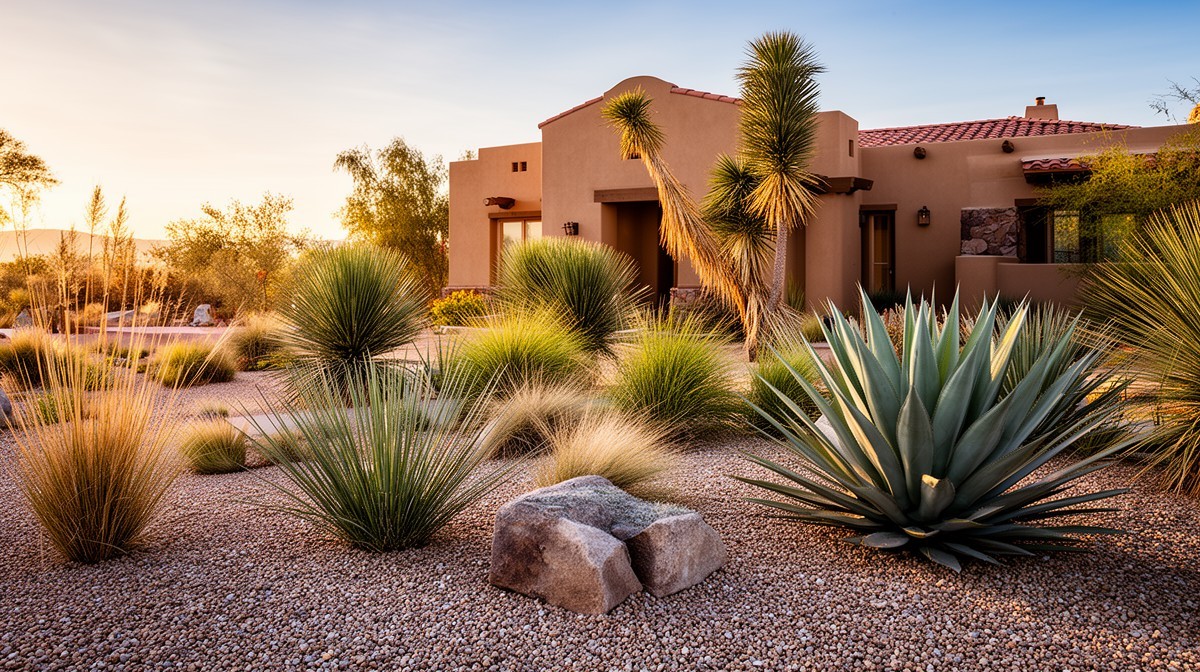
$12–26/sqftA dry creek bed of rounded river rock winds across a Rubidoux front yard, bordered by three large granite boulders half-buried to look as if the water placed them. Fouquieria splendens (ocotillo) stands against the stucco wall at the back, Agave 'Blue Glow' clusters at the bend, and Penstemon parryi sends up magenta flower spikes in March. The wash also takes roof runoff from a downspout, so the garden collects winter rain where it falls.
Try this on your yard: The Boulder Wash Front YardAI-generated image
The Cactus and Succulent Pad
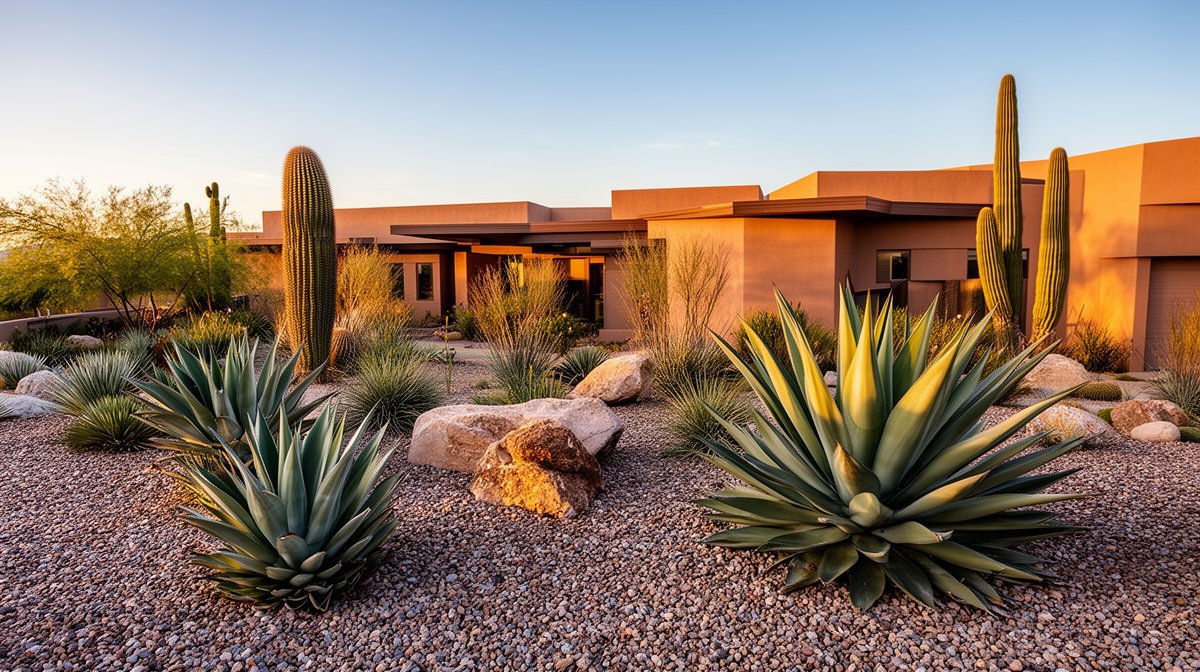
$10–24/sqftA gravel-topped rectangle in the front of a Pedley ranch house holds a golden barrel cactus, a stand of Opuntia basilaris and three upright Cylindropuntia, set in sunlit rows with 3 to 4 feet between plants. Aloe striata and Aeonium 'Zwartkop' soften the base near the porch shade, and a bright rust-colored pot anchors one corner. Low, tidy and nearly silent, it works well for owners who want something that looks done on day one.
Try this on your yard: The Cactus and Succulent PadAI-generated image
The Palo Verde Courtyard
$16–34/sqftA courtyard framed by a block wall and a pergola at the back of a Mira Loma home is shaded by a multi-stem Parkinsonia 'Desert Museum' whose green bark and yellow spring flowers brighten the stucco. Leucophyllum frutescens 'Green Cloud' makes a loose, silvery hedge along the wall, and Calliandra eriophylla adds red powder-puff blooms in late winter. The patio sits on a decomposed granite floor and holds a fire pit table for cool evenings.
Try this on your yard: The Palo Verde CourtyardAI-generated image
The Fire-Smart Edge Garden
$12–28/sqftOn a large lot at the edge of the Jurupa Hills, a five-foot band of bare gravel hugs the house wall, then low, high-moisture plants carry the garden outward: Delosperma 'Fire Spinner' in orange and magenta, Aloe striata in blue-green rosettes, and Yucca 'Color Guard' striped yellow. Larger Agave americana sit well apart so canopies never touch. It looks sparse on purpose and keeps embers from finding anything to burn.
Try this on your yard: The Fire-Smart Edge GardenSee how a desert/xeriscape garden looks on YOUR property
Upload a photo of your Jurupa Valley yard and visualize your dream garden in seconds.
Try ProScapeAI Free

AI-generated image
Featured Trees & Shrubs for Desert/Xeriscape Gardens
Browse all 212 plants for Jurupa Valley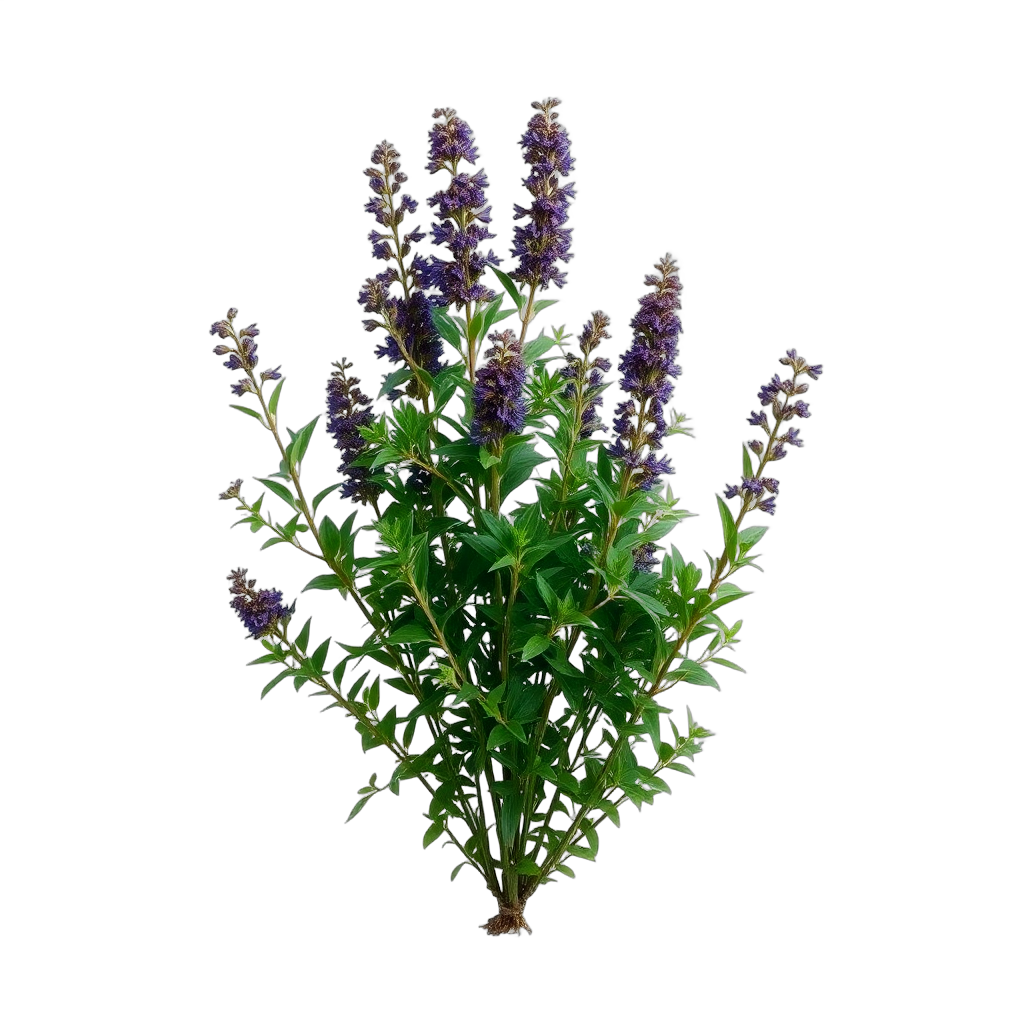
Black Sage
Salvia mellifera
grows to 4 feet, white blooms in spring. Attracts butterflies.
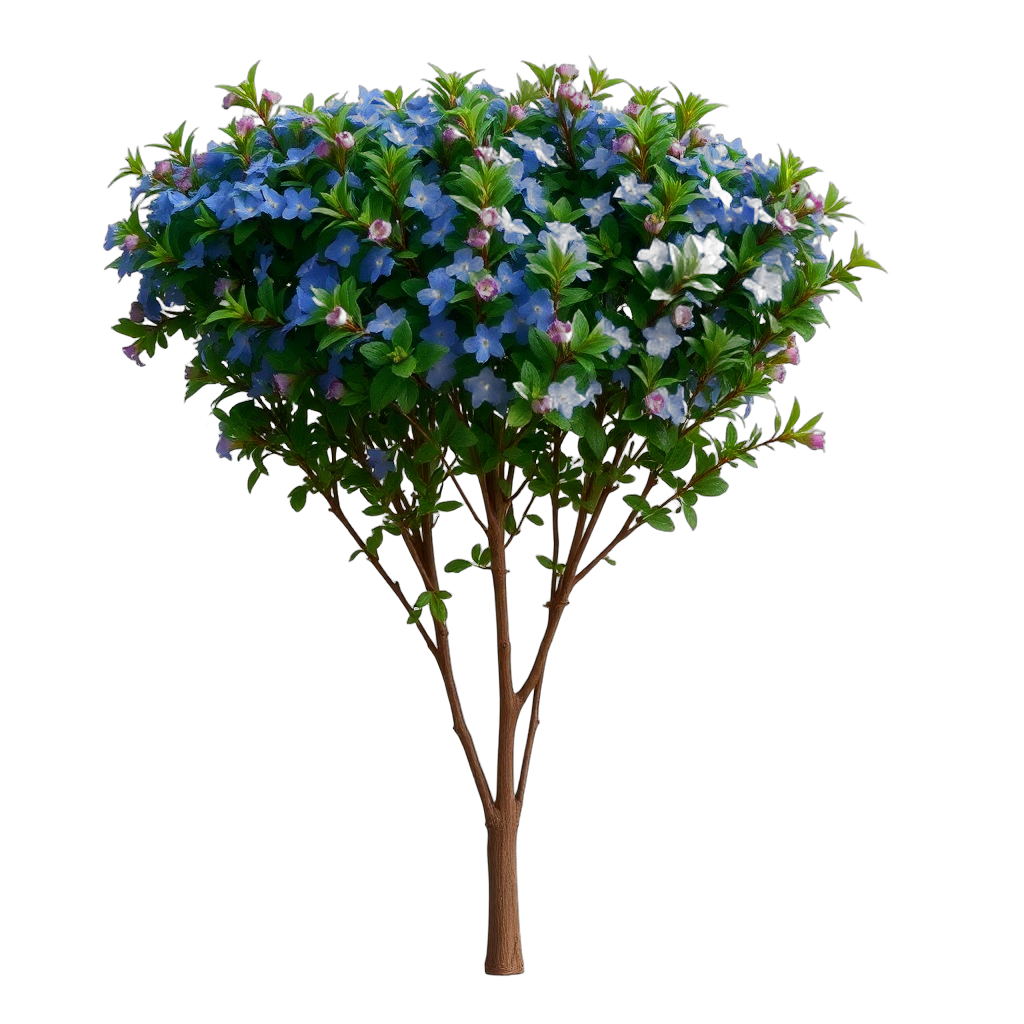
Blue Blossom
Ceanothus thyrsiflorus
medium-sized at 12 feet, blue blooms in spring. Attracts butterflies.
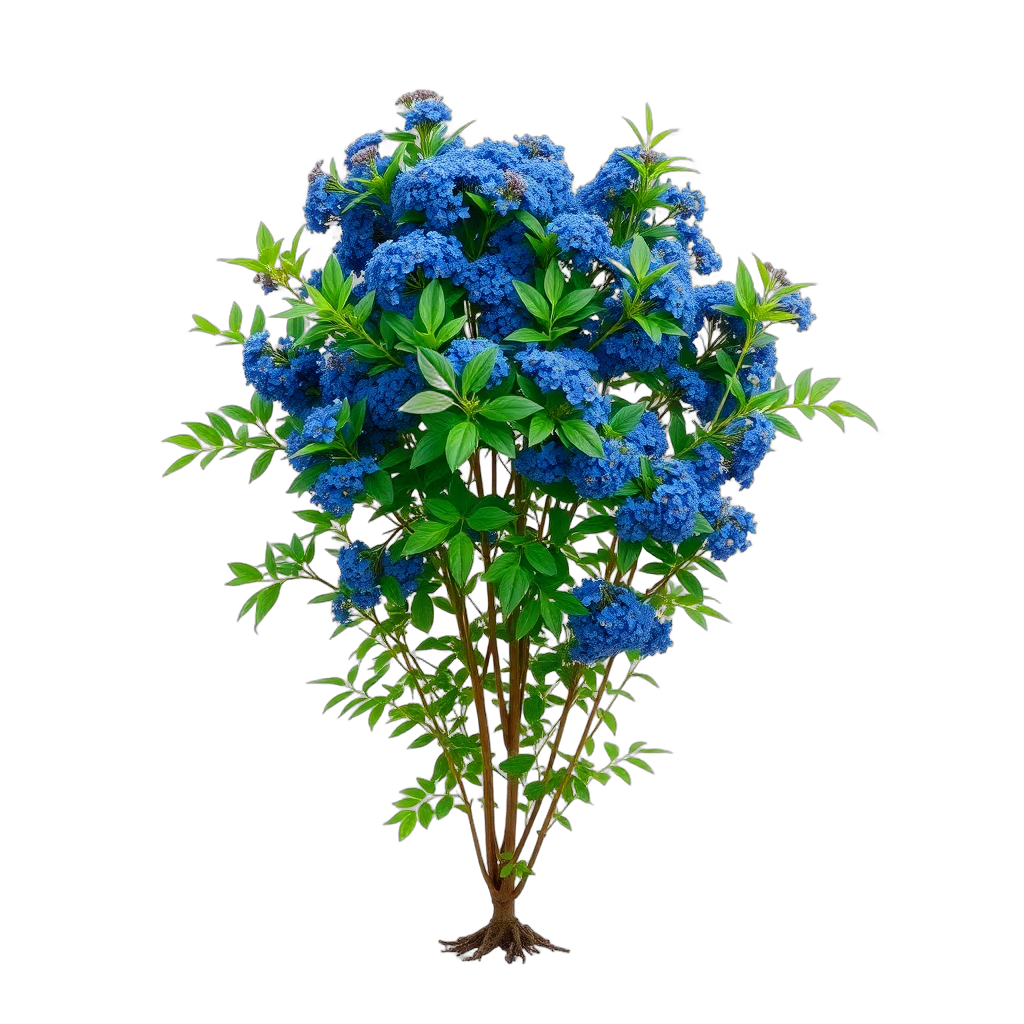
Blue Elderberry
Sambucus cerulea
medium-sized at 15 feet, white blooms in spring. Attracts butterflies.
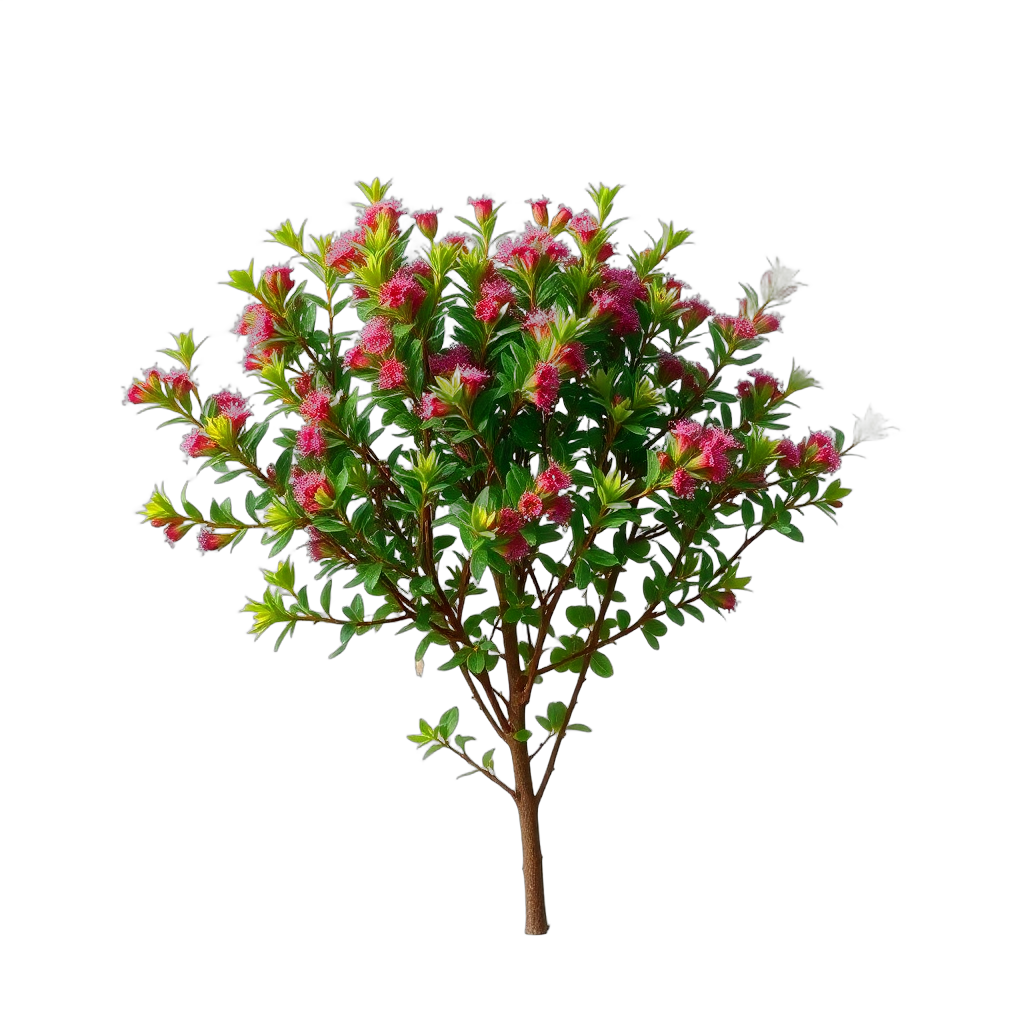
Buckbrush
Ceanothus cuneatus
medium-sized at 7 feet, white blooms in spring. Attracts butterflies.
Featured Grasses & Groundcovers for Desert/Xeriscape Gardens
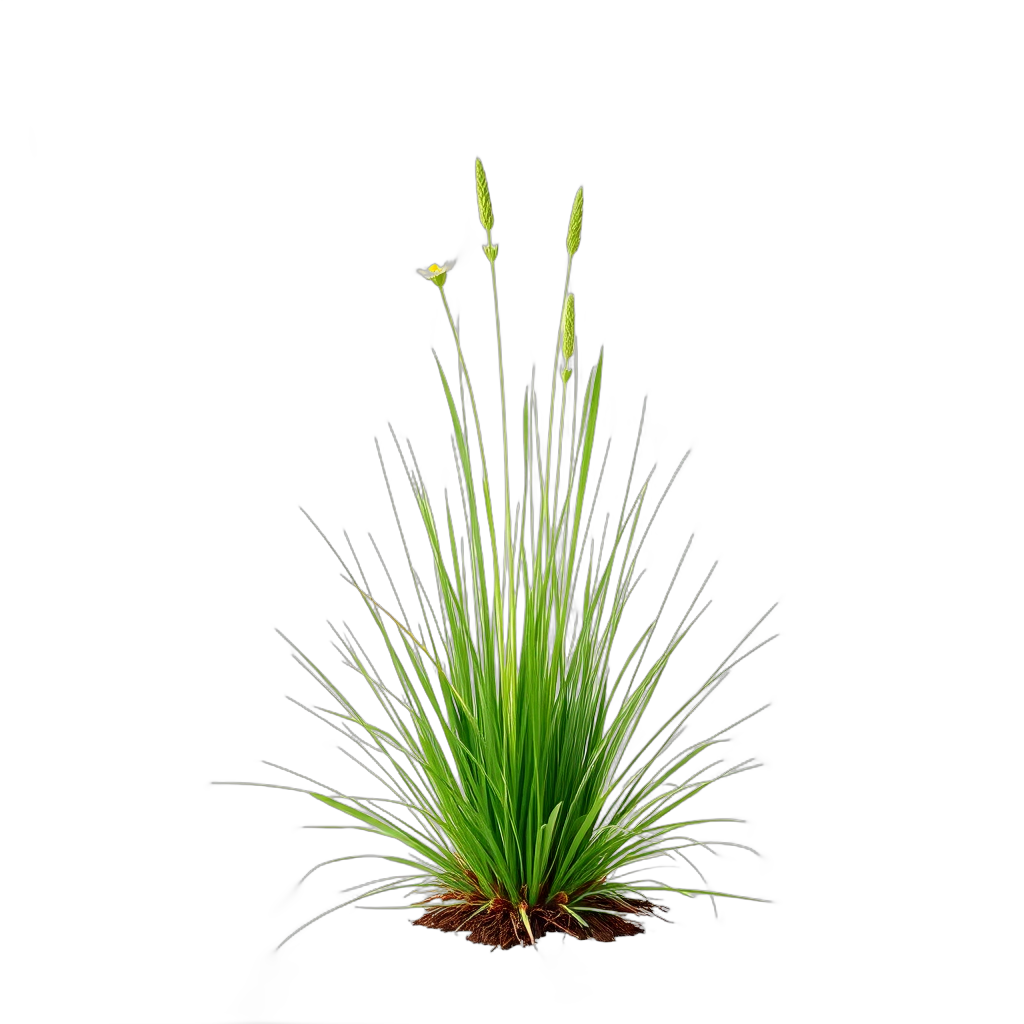
California Brome
Bromus carinatus
low-growing ground cover, blooms in spring. Yellow fall color.
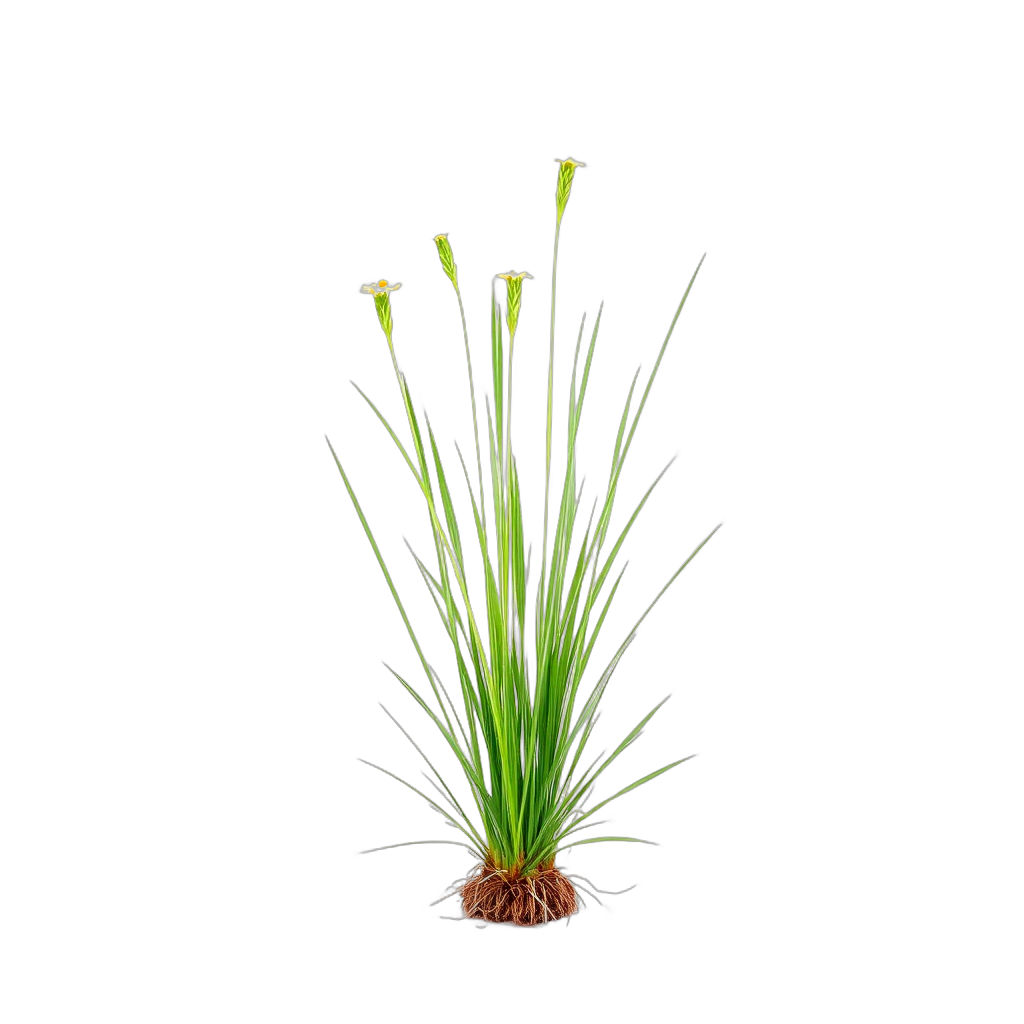
California Melic
Melica californica
low-growing ground cover, blooms in spring.
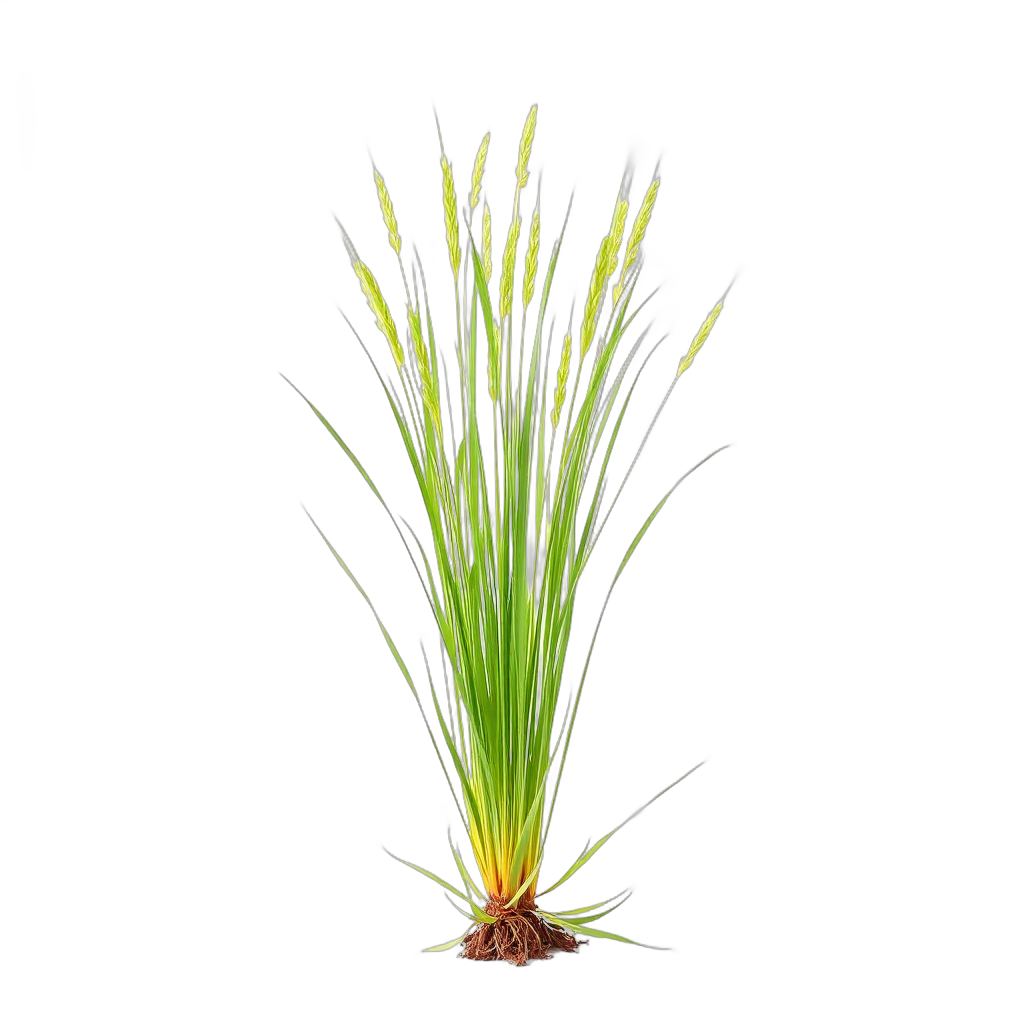
California Oatgrass
Danthonia californica
low-growing ground cover, blooms in spring. Yellow fall color.
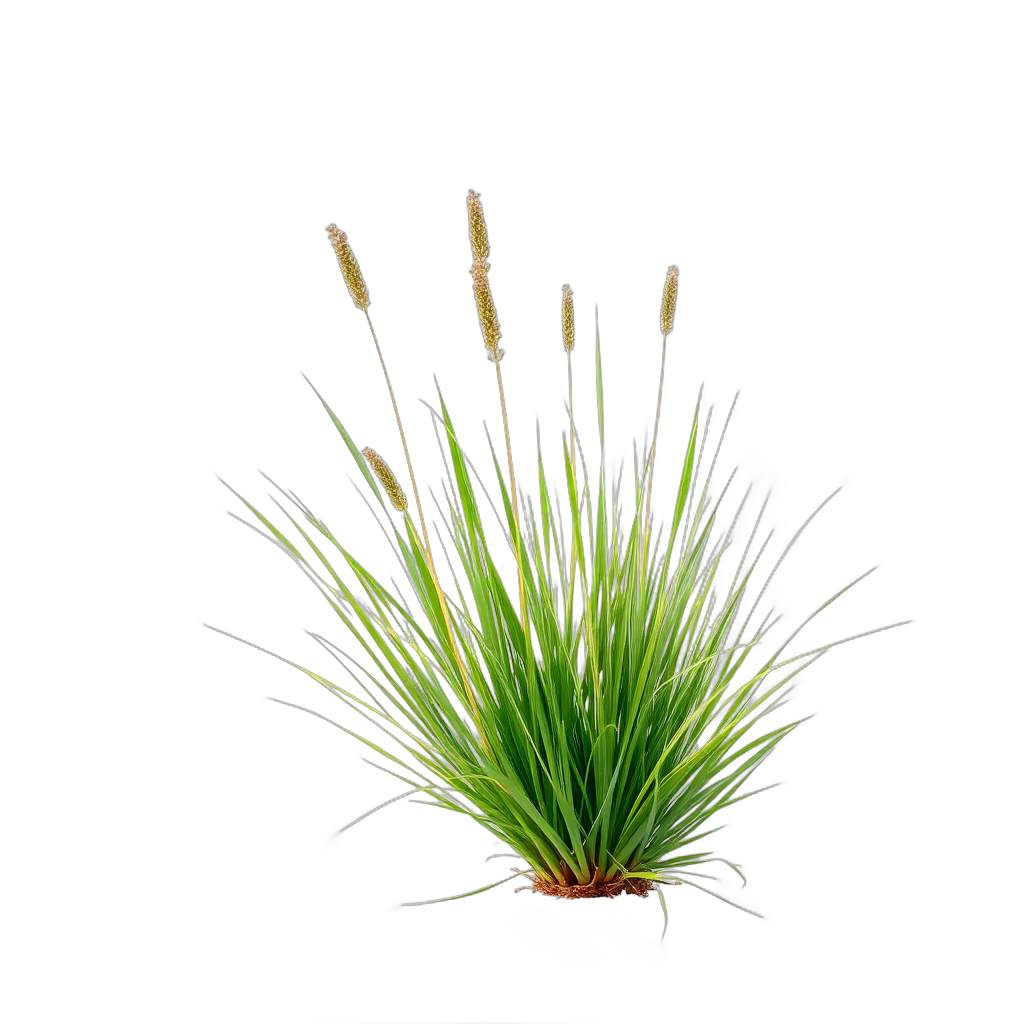
Deer Grass
Muhlenbergia rigens
grows to 3 feet, yellow blooms in fall. Evergreen year-round.
Featured Flowers & Perennials for Desert/Xeriscape Gardens
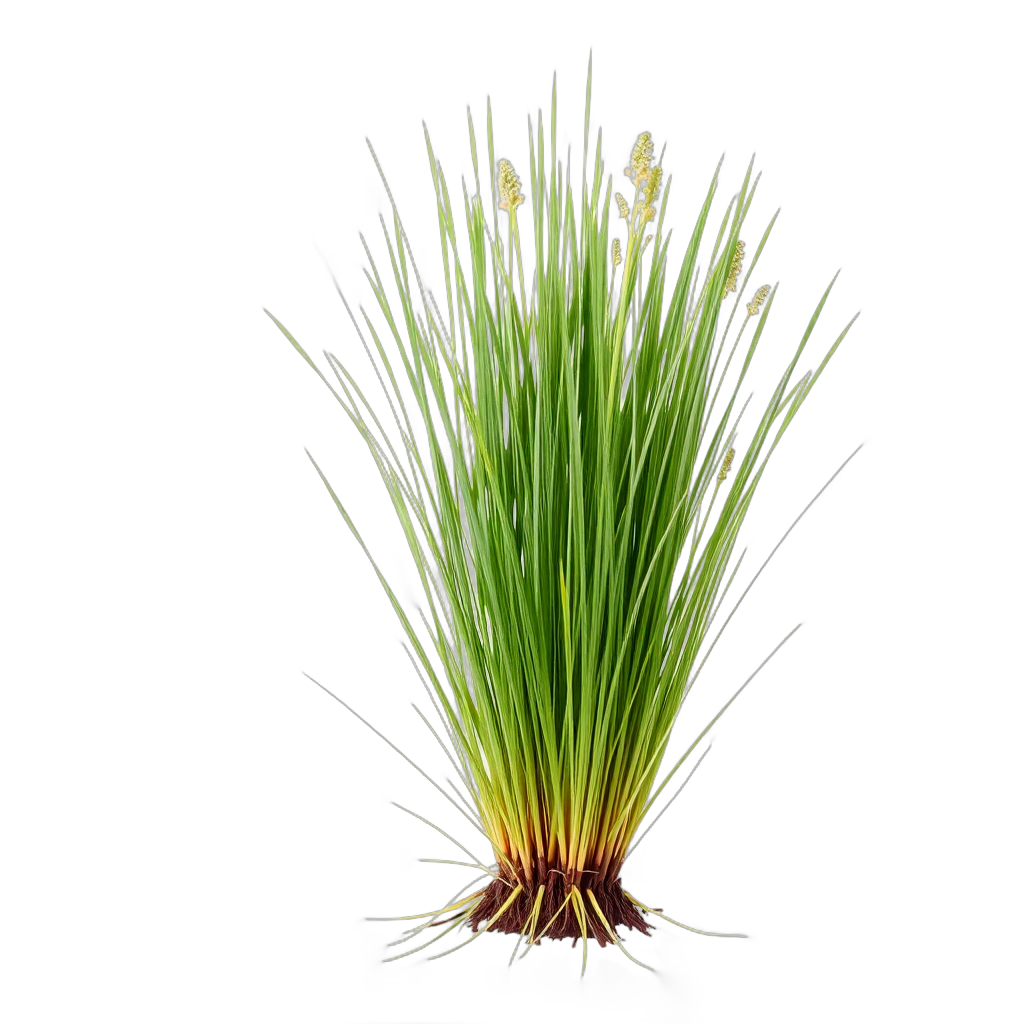
California Gray Rush
Juncus patens
low-growing ground cover, blooms in summer. Evergreen year-round.
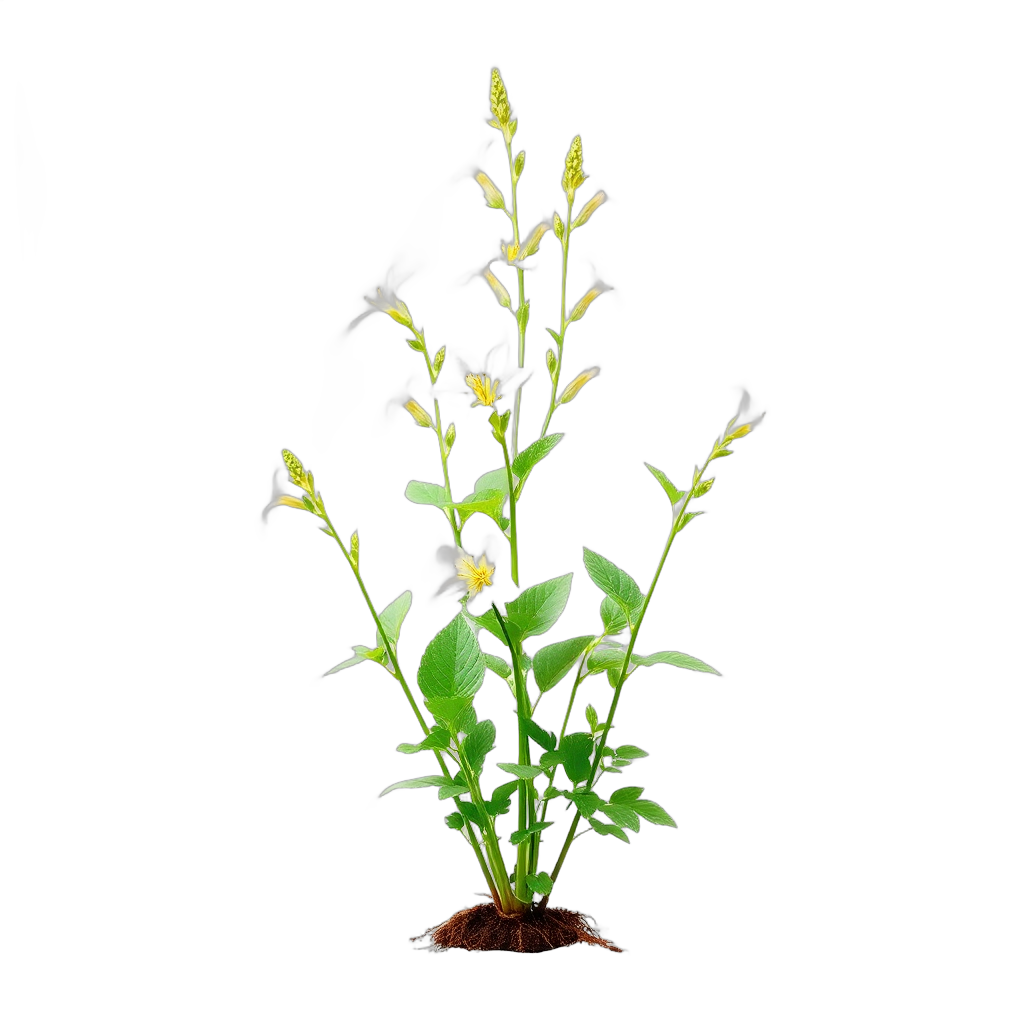
Beach Evening Primrose
Camissonia cheiranthifolia
low-growing ground cover, yellow blooms in spring. Attracts butterflies.
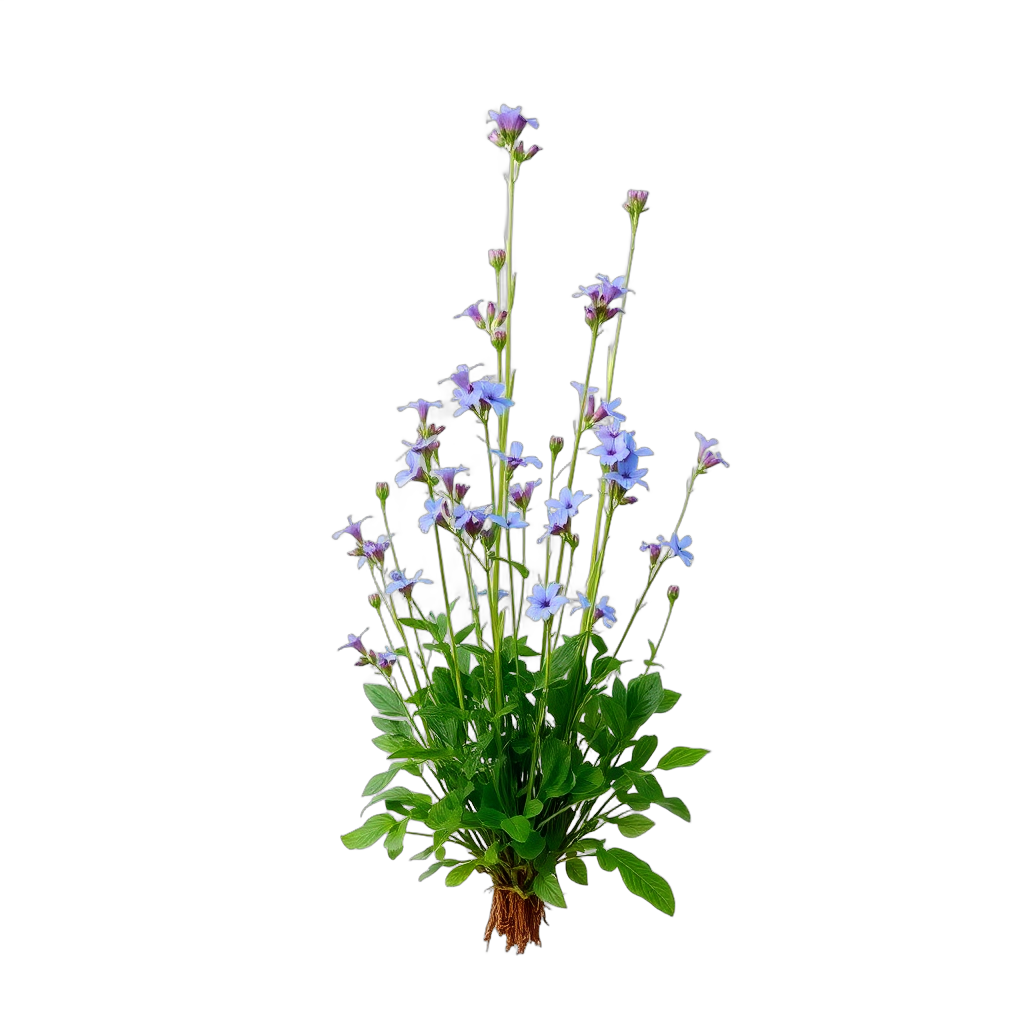
Blue Dicks
Dichelostemma capitatum
low-growing ground cover, blue blooms in spring. Pollinator-friendly.
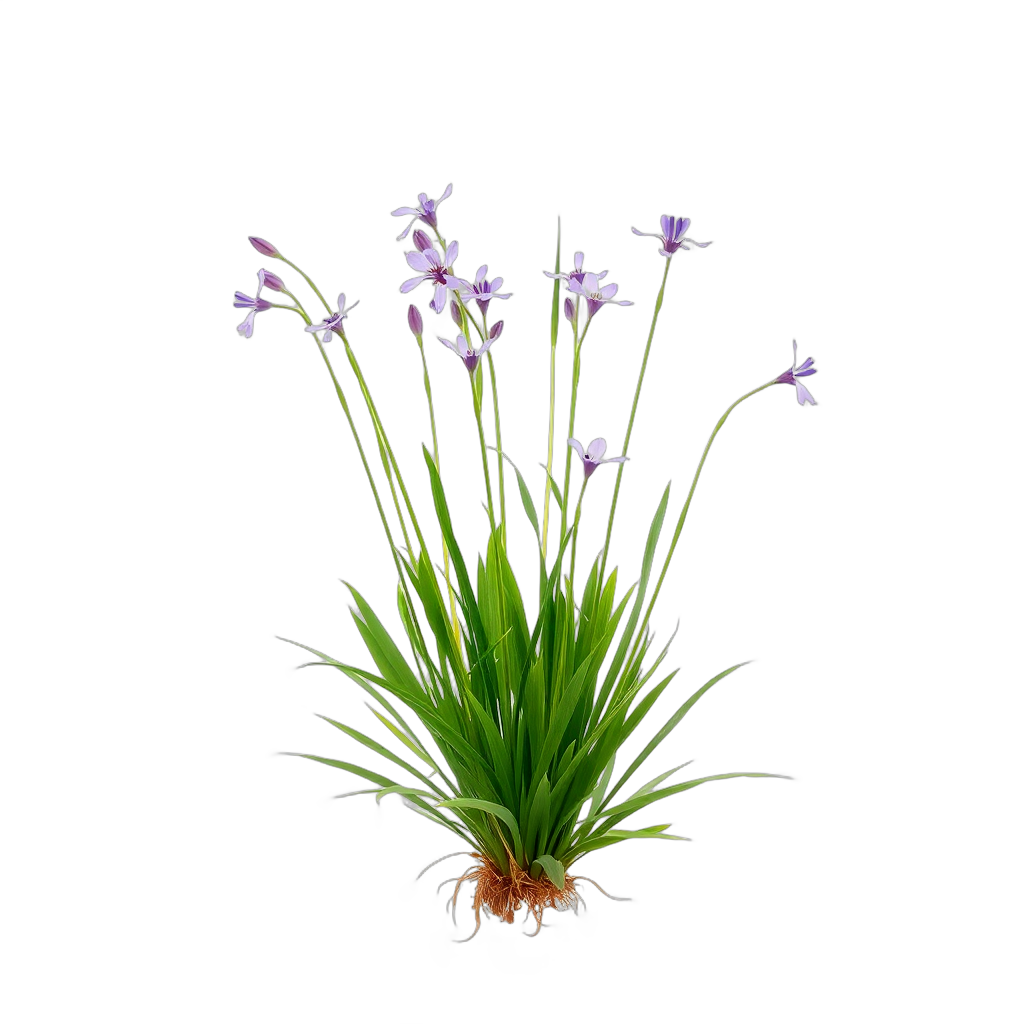
Blue-Eyed Grass
Sisyrinchium bellum
low-growing ground cover, blue blooms in spring. Attracts butterflies.
Zone and sun checks come from our database — confirm with your local nursery before you buy.
Bloom Calendar for Jurupa Valley
spring
Beach Evening Primrose, Blue Dicks, Blue-Eyed Grasssummer
California Gray Rush, Hooker's Evening Primrose, Hummingbird Mintfall
California Fuchsiawinter
Limited bloomsDesign Tips for Jurupa Valley (Zone 10a)
- Plant shrubs and trees from October to March: winter rain handles establishment and you avoid July and August highs that can pass 105°F in Jurupa Valley
- Keep Echinocactus grusonii and Agave attenuata against a south-facing wall or under a Palo Verde canopy: nights near 28–30°F in the Santa Ana River bottom can scar them
- Put succulents on a raised, gravel-topped mound, not flat ground: fast-draining alluvial soil is good, but a sprinkler head still rots them, so convert to drip first
- Use decomposed granite for paths and rock mulch around plants, two to three inches deep: it keeps weeds down after winter rain when seeds germinate
- Test pH before planting: Jurupa Valley soil often tests 7 or higher, which suits agave, cactus and Salvia dorrii and rules out azalea and hydrangea
- Keep the first five feet around the house gravel or bare soil on Jurupa Hills lots: plant Aloe striata and Delosperma 'Fire Spinner' beyond it
- Call JCSD before you remove the lawn: the turf rebate allows one application per address and front and back yards must be filed together
Where to Source Plants in Jurupa Valley
Skip the big-box stores. These independent Jurupa Valley nurseries specialize in the plants that make desert/xeriscape gardens thrive in Zone 10a.
Parkview Nursery
Riverside (Jackson Street), about 10 miles south of Jurupa Valley
Locally owned garden center open more than 40 years, with heat-wise and water-wise plants, a California Friendly program, pottery and bulk landscape material
Louie's Nursery & Garden Center
Woodcrest, Riverside, about 15 miles from Jurupa Valley
Family-run garden center since 1977 with citrus, avocado, roses, succulents, shade trees, some natives, organic amendments and delivery
Riverside-Corona Resource Conservation District Native Plant Nursery
Riverside (Glenwood Drive), about 12 miles from Jurupa Valley
Conservation district nursery growing California natives, native milkweed and restoration stock; it keeps few plants on hand and grows mostly on contract, so call ahead, and ask the district for current sale dates
Desert/Xeriscape Landscaping Cost Ranges
| Project Scope | Estimated Cost |
|---|---|
| Drip irrigation system (500 sqft of planted area) | $1,200–$2,200 |
| Block fire pit, stacked block, capped (1 fire pit) | $580–$770 |
| Landscape gravel court (200 sqft) | $170–$370 |
| AI visualization (ProScapeAI) | Free to start |
National average installed ranges for 2026 from our landscaping price list (Homewyse and other published sources). Prices in Jurupa Valley, CA vary with site, materials and contractor, so get two or three local quotes.
Jurupa Valley Climate & Growing Zone
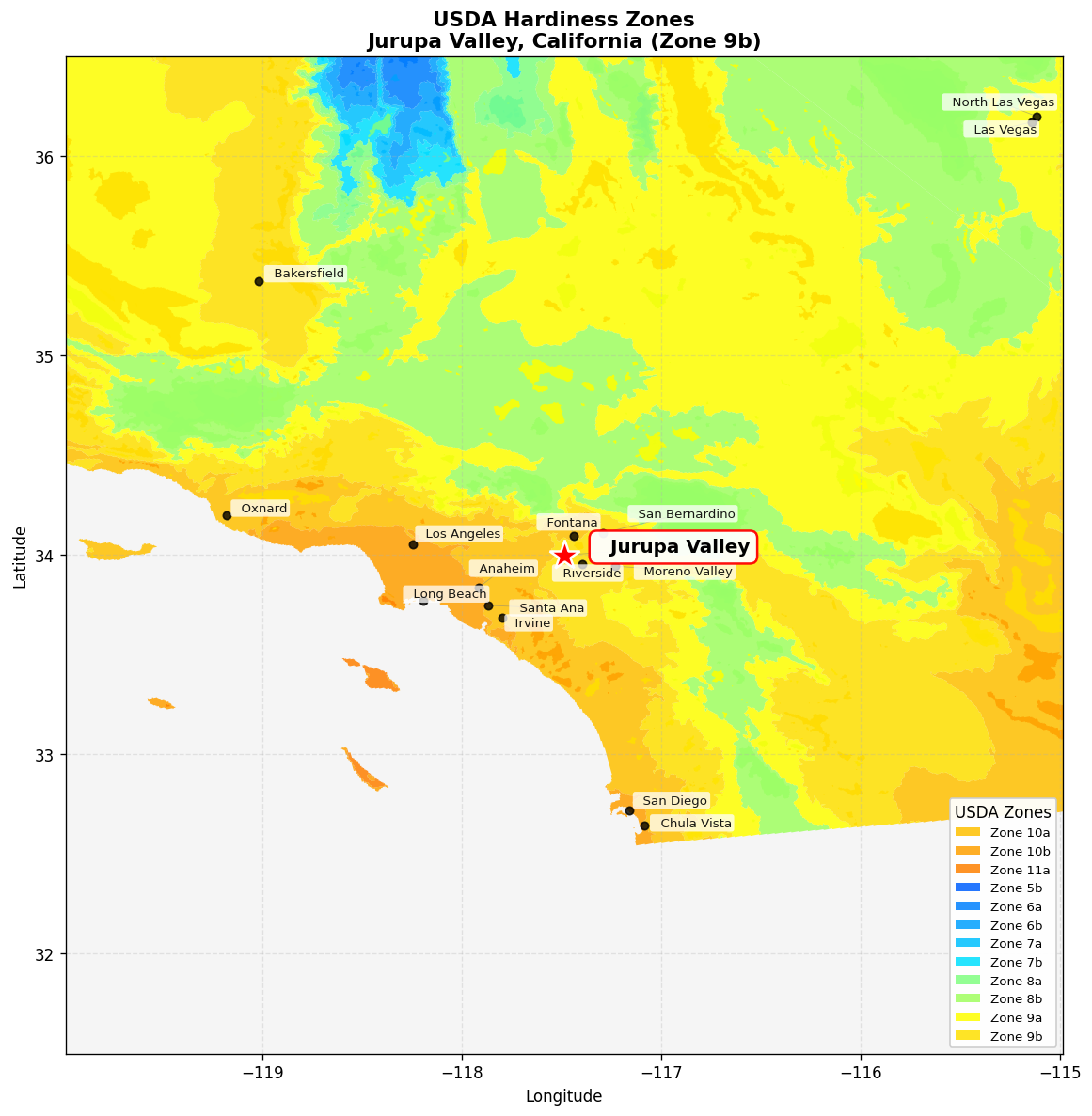
USDA Zone 10a
Hardiness zone for Jurupa Valley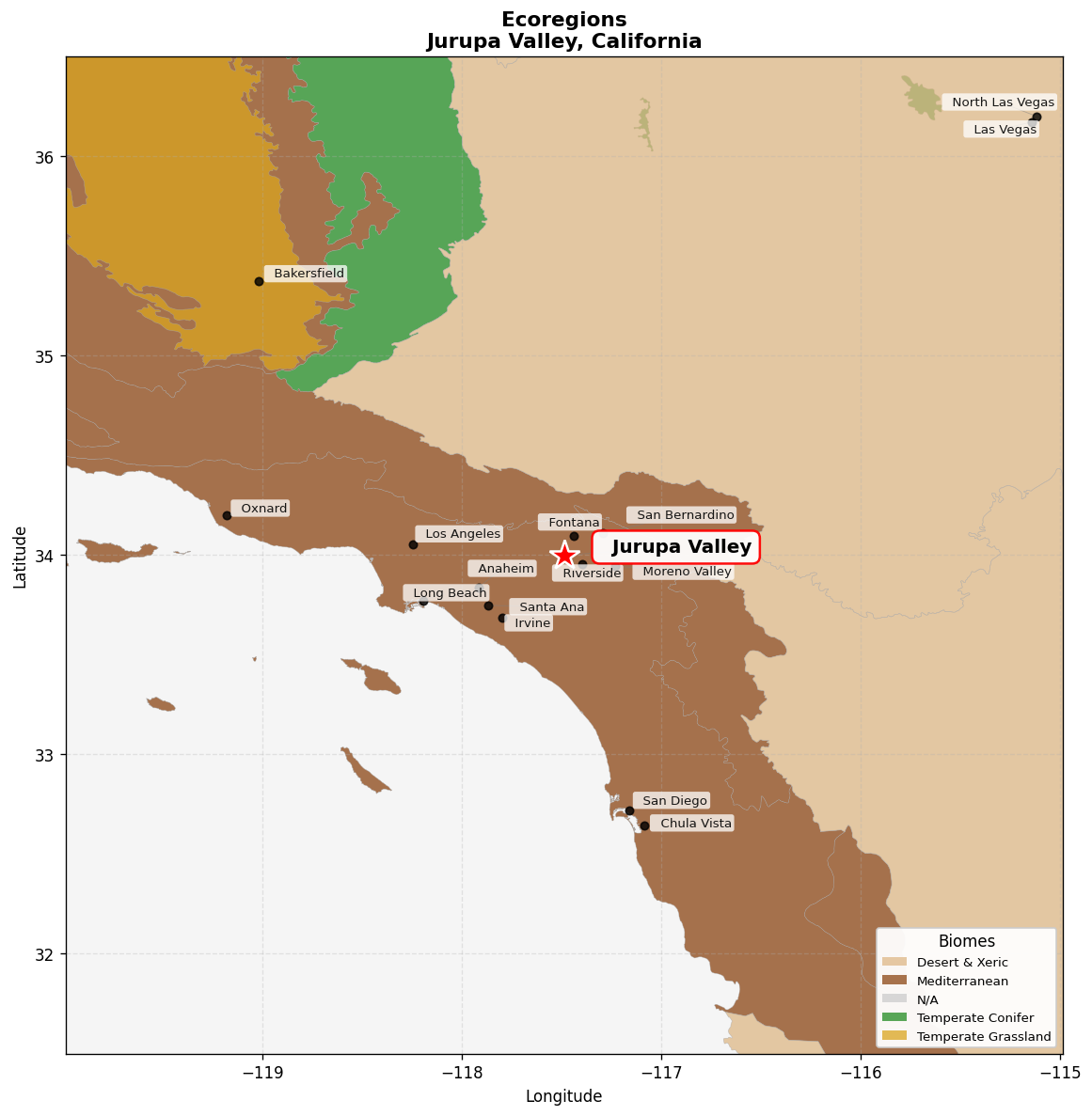
California coastal sage and chaparral
Native ecoregionFrequently Asked Questions
How much does a desert garden cost in Jurupa Valley?
Large specimen cactus and agave cost the most per plant, and ocotillo and big boulders add delivery and crane fees. Inland Empire labor usually runs below coastal Southern California rates, but ask three contractors for itemized bids and a plant list with sizes.
Is a desert garden low maintenance in Jurupa Valley?
After the first year, yes. Expect to water established plants every two to three weeks in summer and once a month or less after winter rain, pull winter weeds from gravel in January and February, and deadhead Hesperaloe parviflora once flowers fade. Cacti and agave need almost no pruning; Leucophyllum frutescens 'Green Cloud' wants a light shear after bloom.
When is the best time to plant a desert garden in Jurupa Valley?
October through March for shrubs, trees and perennials, so roots grow on winter rain. Succulents and cacti can be planted from April to June because warm soil helps them root, but protect them from afternoon sun for the first month. Avoid planting in July and August heat waves, when highs can pass 105°F.
Do I need a permit, and is there a lawn removal rebate?
Plants and gravel generally do not need a building permit, but retaining walls, patios and electrical work do, so check with the City of Jurupa Valley Building and Safety division. Landscape requirements are in Chapter 9.283 of the municipal code, which ties to the Jurupa Community Services District's water conservation ordinance. JCSD offers a turf removal rebate limited to one application per address, and front and back yards must be applied for together, so contact JCSD for pre-approval and the current amount before you start.
What survives the heat and the cold here?
Agave 'Blue Glow', Hesperaloe parviflora, Parkinsonia 'Desert Museum', Opuntia basilaris and Fouquieria splendens all handle summers above 100°F. Winter is the limiting factor: nights near 28–30°F in the river bottom can scar Echinocactus grusonii and Agave attenuata, so plant them near south-facing walls and keep frost cloth ready. Salvia dorrii and Eriogonum fasciculatum shrug off the cold.
How do I make a desert garden fire-smart in the Jurupa Hills?
Keep the first five feet around the house as gravel or bare mineral soil, with no bark mulch and no shrubs against the wall. Use high-moisture plants such as Aloe striata, Delosperma 'Fire Spinner' and Dymondia margaretae beyond that, and space larger plants so canopies do not touch. Avoid juniper, pampas grass and Italian cypress near the structure. Ask the local fire authority for current defensible-space guidance for your lot.