4 Cottage Garden Ideas for Kansas City, KS | Zone 6b English Design
Native plants from the Central Tallgrass prairie (Zone 6b) — Humid continental (hot summer) climate
Why Cottage/English Gardens in Kansas City?
Kansas City, Kansas is quietly one of the best cottage-garden towns in the Midwest, and the housing stock is the reason. Westheight Manor's 1910s and 1920s Colonial Revivals, Craftsman bungalows and Tudors were built with deep front setbacks, porches and low front walls — exactly the frame an English cottage border needs. Strawberry Hill's narrow Victorian frame houses stacked above the Kaw, the brick-and-clapboard bungalows of Rosedale, and the compact worker cottages of Argentine, Armourdale and Turner all share the same trait: a small, well-proportioned facade that a romantic, layered planting flatters instead of overwhelming. Even the newer subdivisions out toward Piper and Delaware Ridge, which arrive with a blank lawn and two foundation shrubs, are ideal candidates — a picket fence, an arbor and two deep borders turn a builder-grade front yard into something that looks fifty years old in three seasons.
Zone 6b is the reason a true English palette works here when it fails further south. Winter lows in Wyandotte County settle between -5°F and 0°F in a normal year, which is precisely the chill that Paeonia lactiflora 'Festiva Maxima' and 'Sarah Bernhardt' peonies, bearded iris and lilacs need to set flower buds — plants that sulk in Dallas or Atlanta are bulletproof in KCK. The growing season runs roughly 190 days, from a last frost around April 12 to a first frost near October 20, and Kansas City, Kansas collects about 39 inches of precipitation a year, most of it in violent May and June thunderstorms rather than the steady English drizzle. The genuine constraint is not cold but the July–August combination of upper-80s to low-90s heat with Gulf dewpoints in the 70s. That humidity is what kills cottage gardens here, through powdery mildew and blackspot, so cultivar choice does the heavy lifting: Phlox paniculata 'David' instead of the old mildew-prone garden phlox, Leucanthemum × superbum 'Becky' instead of floppy shasta seedlings, and disease-resistant roses such as Rosa 'New Dawn', Rosa 'Bonica' and Rosa 'Darlow's Enigma' instead of fussy hybrid teas.
Soil is the second decision. The Wyandotte County uplands are deep silty clay loam over loess and glacial till; the Kaw and Missouri bottoms in Armourdale and Fairfax are alluvial silt; and along the Strawberry Hill and Quindaro bluffs, limestone sits close enough to the surface to keep the pH neutral to mildly alkaline, commonly in the 6.8–7.5 range. That alkalinity quietly decides your plant list. Azaleas, rhododendrons and blue-flowered Hydrangea macrophylla will fight you every year, while lilacs, peonies, bearded iris, Nepeta × faassenii 'Walker's Low', Baptisia australis and clematis behave as if they were bred for the site — because in prairie terms, they nearly were. For the clay itself, raise every cottage border 6–8 inches above grade with compost and expanded shale rather than digging amended pockets into it; a soft hole in tight clay becomes a bathtub that drowns lavender and delphinium over a wet Kansas winter.
Finally, plan around water and weather the way locals do. BPU draws Kansas City, Kansas's water from the Missouri and Kansas rivers, so KCK rarely sees the hard drought restrictions common in western Kansas — but an August bill on a thirsty new border still stings, which is why deep-rooted prairie companions like Echinacea purpurea 'Magnus', Rudbeckia fulgida 'Goldsturm' and Sporobolus heterolepis belong in the back half of even a very English design. The city also sits under a long-running federal consent decree to reduce combined sewer overflows, so anything that keeps roof and driveway runoff on your own lot — a rain garden at the downspout, a gravel-bottomed border, deep-rooted tallgrass species — is working with the Unified Government rather than against it. And build for weather: hail and 60 mph straight-line winds arrive most springs, so stake Delphinium 'Magic Fountains' and Alcea rosea 'Chater's Double' early, set arbors in concrete footings below the 30–36 inch frost line, and keep the tallest spires out of the wind funnel between houses.
4 Cottage/English Design Ideas for Kansas City

The Rose Arbor and Picket Fence Entry
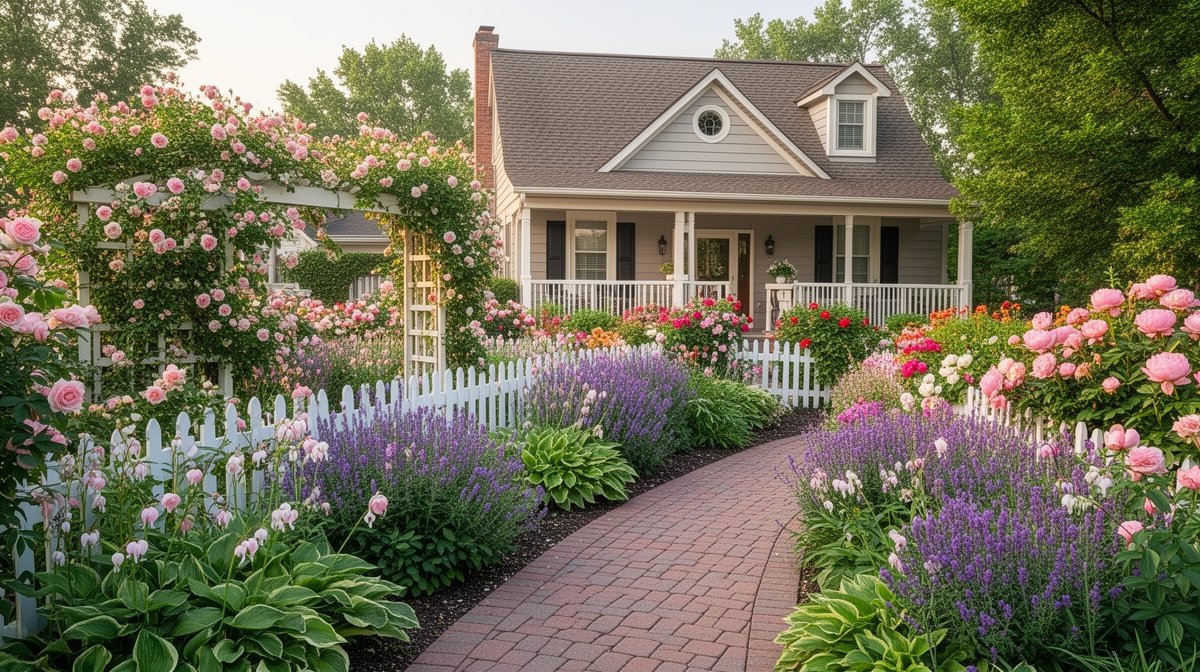
$18-32/sqftA low white picket fence and matching gate close off the front garden, and a rustic timber arbor buried in pink climbing roses frames the opening over a herringbone brick walk that curves to the cream two-story's white front door. Behind the pickets, the beds run deep and unapologetically full: crimson and blush roses at the back, silver-blue lavender and catmint spilling over the front edge, and drifts of white bloom scrambling through the gaps. The brick walk matters as much as the flowers — a full-thickness clay paver on a compacted base is the one path material that survives a Kansas City freeze-thaw winter without heaving, and it warms the whole composition in low evening light.

The White Arch and Foxglove Porch Garden
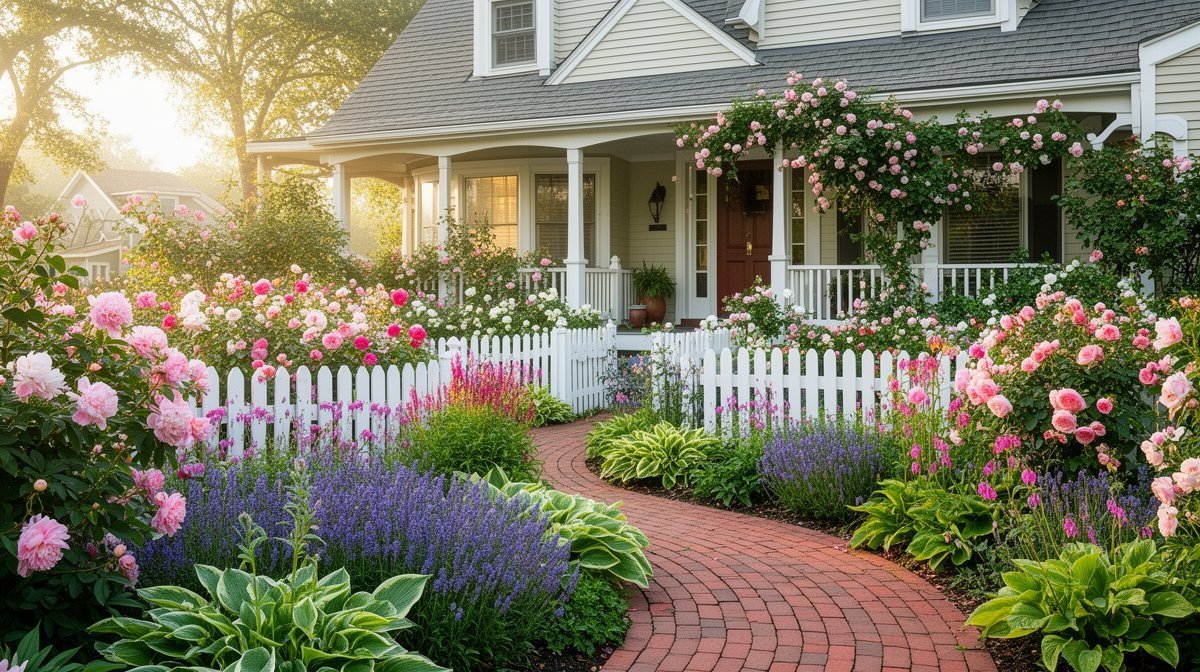
$16-28/sqftA painted white arch smothered in cream climbing roses spans a flagstone walk that sweeps in a lazy S from the sidewalk to a Craftsman porch, and the whole front yard is organized around that one gesture. The borders on either side are built in three tiers — foxglove spires in pink, white and violet at the back, mounded shrub roses and airy catmint in the middle, low silver and white edging at the front — while hanging baskets on the porch repeat the colours at eye level. A mature shade tree on the left keeps half the bed in dappled light, which in a Kansas City July is the difference between foxgloves that finish their season and foxgloves that cook by the Fourth.

The Bistro Table Lawn Room
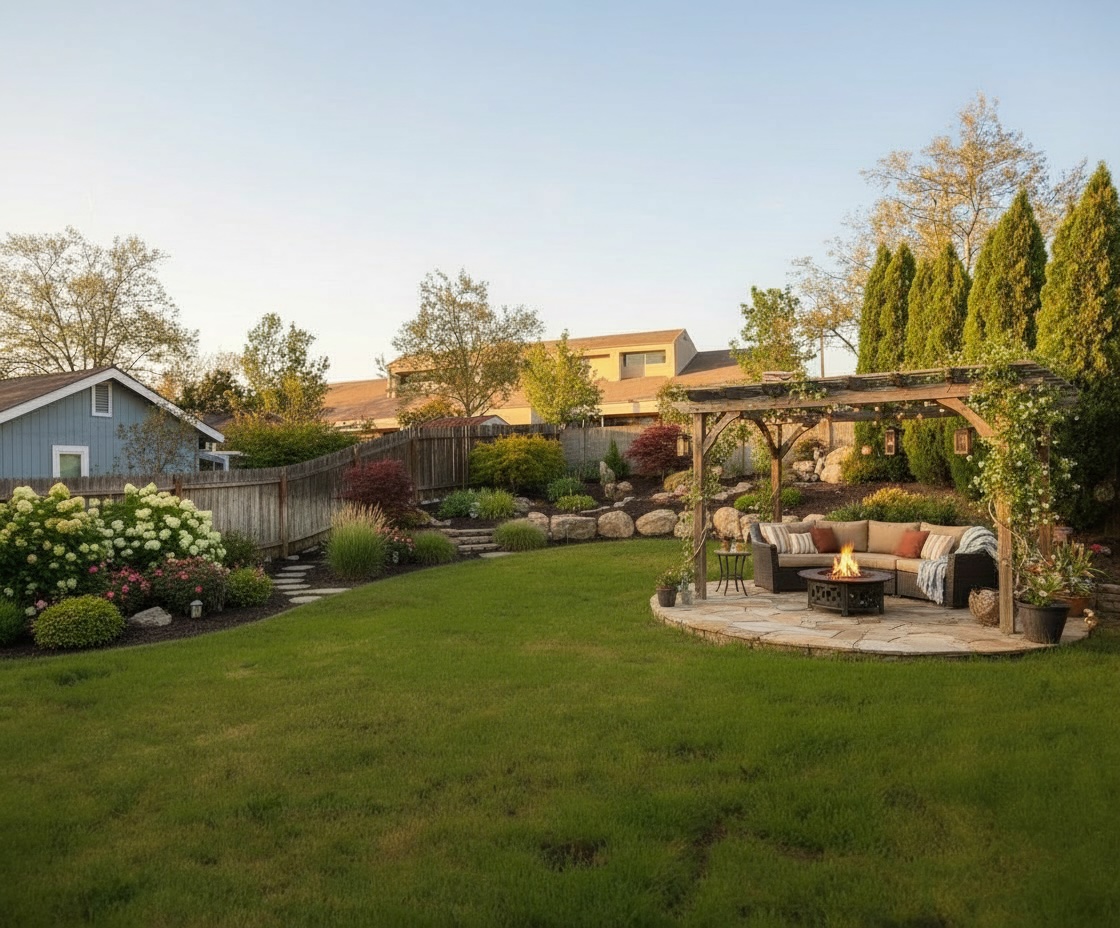
$14-26/sqftTwo mature trees frame the view back to the house, and a white arched pergola dressed in pink climbing roses marks the threshold into an outdoor room carved straight out of the lawn: an irregular flagstone pad just big enough for a round bistro table and two scrolled metal chairs. Deep mixed borders press in from both sides — delphinium and foxglove spires above lavender-blue catmint, blush roses, orange annuals and white daisies — with a clipped hedge behind holding the whole loose planting together, and an old bicycle propped in the border as the one piece of deliberate whimsy. Keeping the seating area small is the trick; a 10 by 10 foot stone pad reads as intimate and costs a fraction of a full patio.

The Pergola Dining Terrace and Birdbath Lawn
$22-40/sqftA timber pergola attached to the back of the white cottage is wrapped in cream climbing roses and shelters a long dining table for six, opening straight onto a lawn with a carved stone birdbath set in a small circular island bed at its centre. The borders wrap three sides in classic English layers — blush and crimson roses, foxglove spires, violet salvia and white hydrangea panicles — and a tall green screen along the back fence hides the neighbours without a single foot of new fencing. It is a design built for the Kansas City calendar: the pergola makes the terrace usable at 92°F in July, and the roses and salvia keep it in bloom from late May well into October.
See how a cottage/english garden looks on YOUR property
Upload a photo of your Kansas City yard and visualize your dream garden in seconds.
Try ProScapeAI Free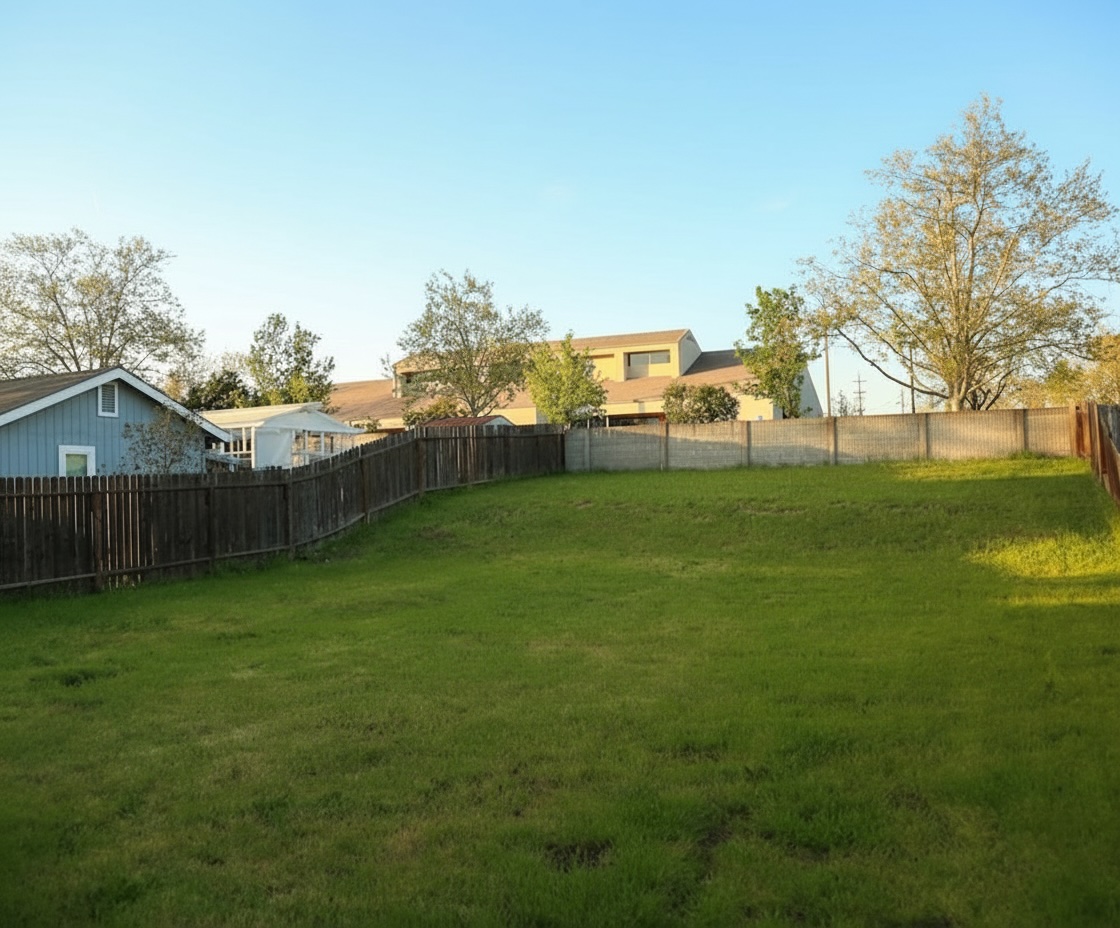
Featured Trees & Shrubs for Cottage/English Gardens
Browse all 194 plants for Kansas City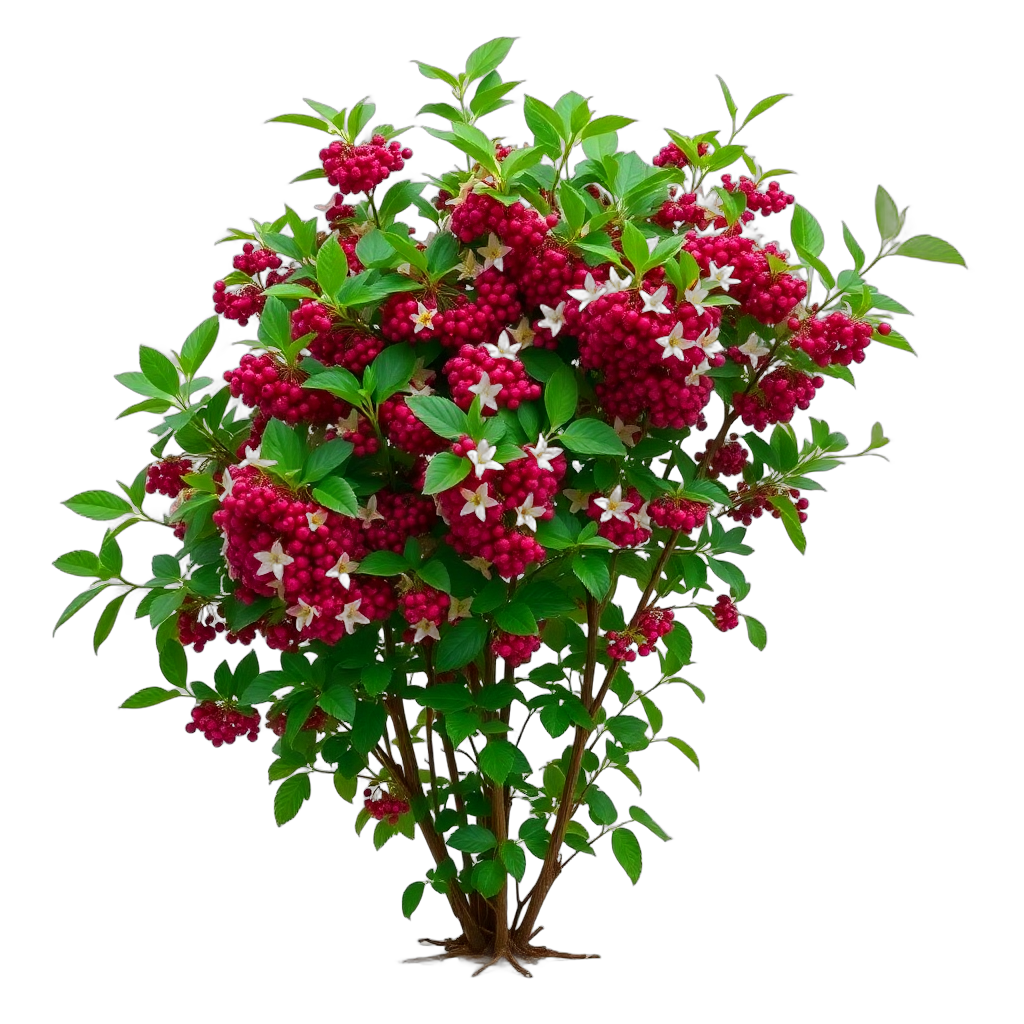
Clove Currant
Ribes odoratum
grows to 6 feet, yellow blooms in spring. Attracts hummingbirds.

Fragrant Sumac
Rhus aromatica
grows to 4 feet, yellow blooms in spring. Attracts butterflies.
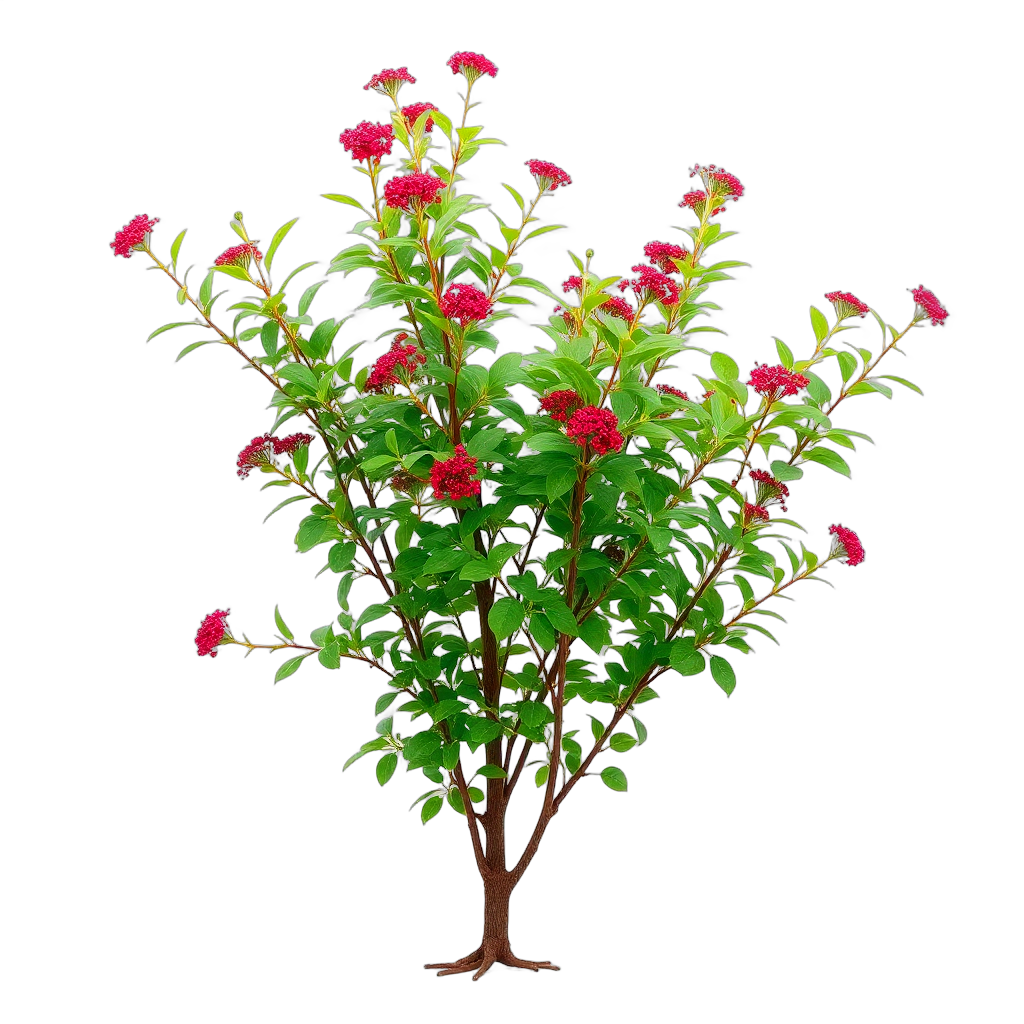
Smooth Sumac
Rhus glabra
medium-sized at 12 feet, white,green blooms in summer. Attracts butterflies.
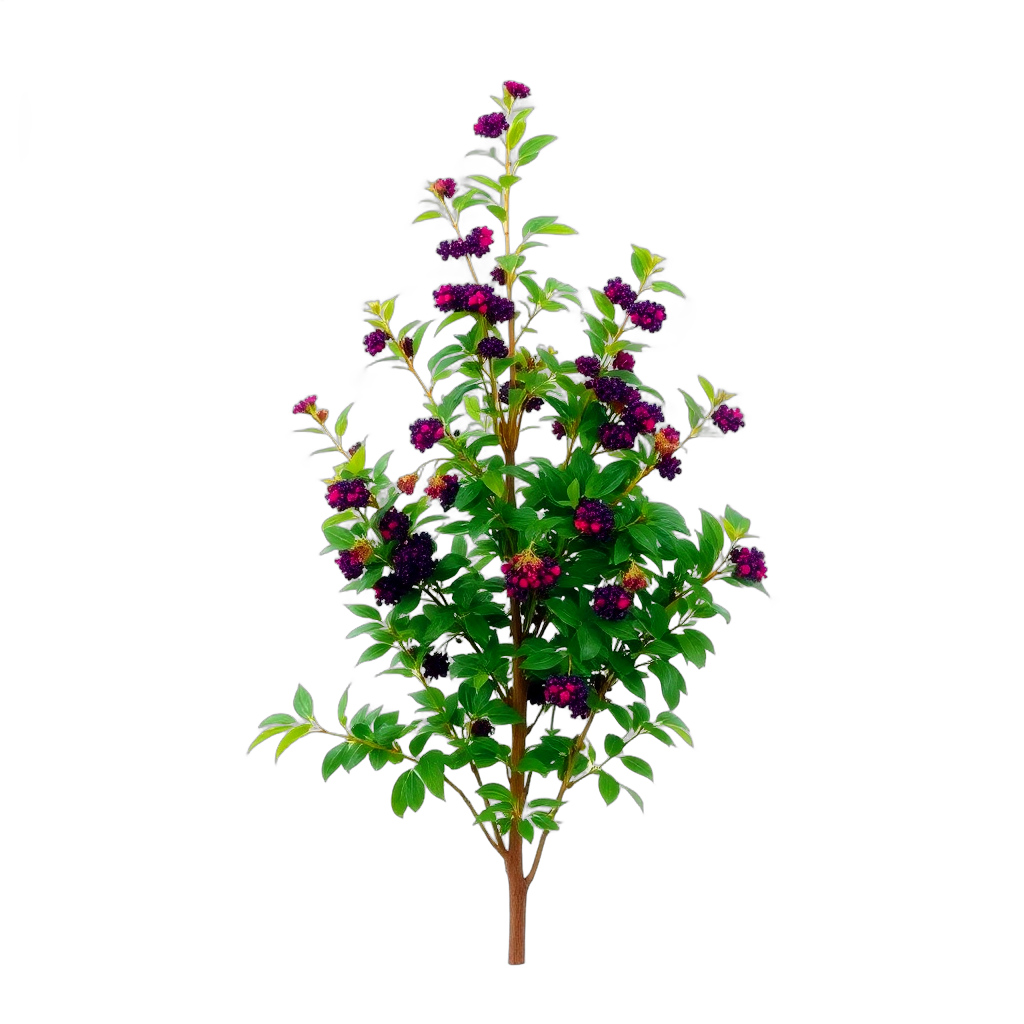
American Beautyberry
Callicarpa americana
grows to 6 feet, pink blooms in summer. Pollinator-friendly.
Featured Grasses & Groundcovers for Cottage/English Gardens
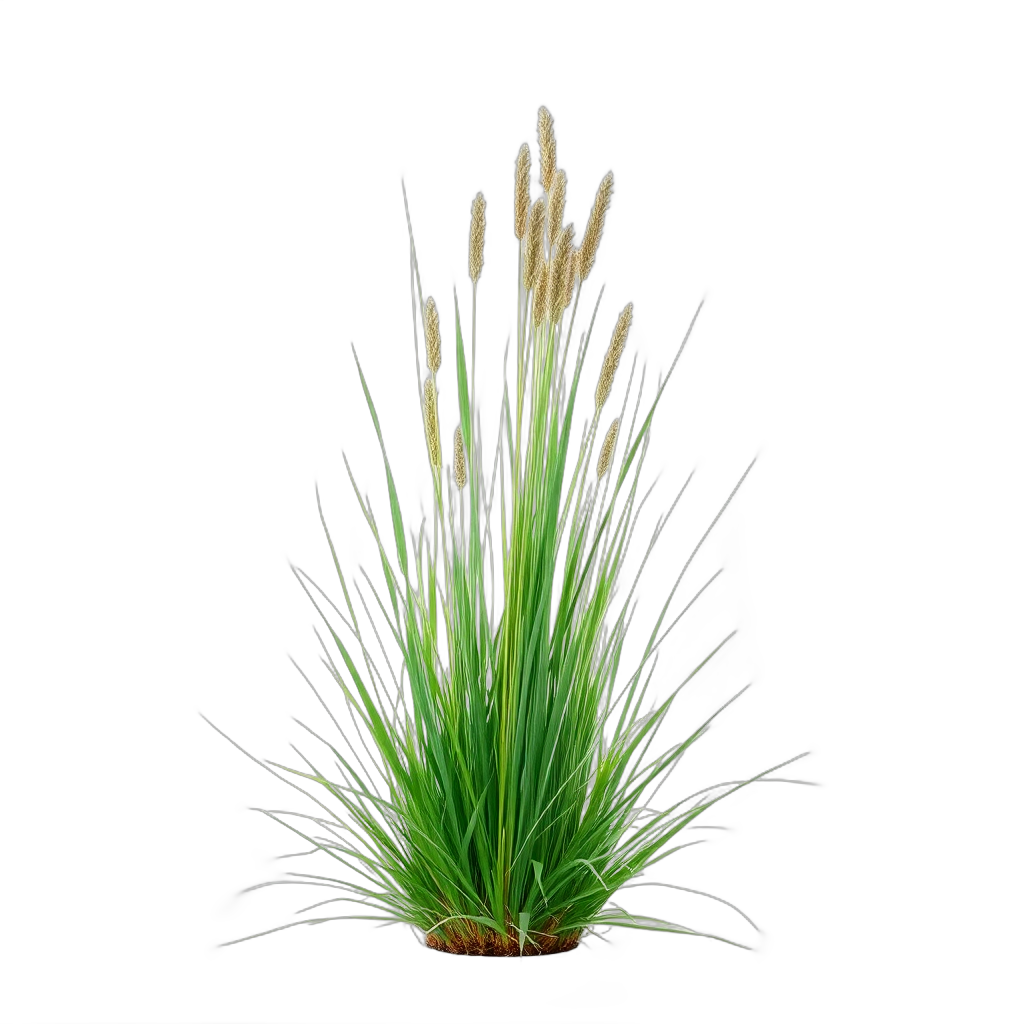
Big Bluestem
Andropogon gerardii
medium-sized at 7 feet, purple blooms in fall. Bronze,burgundy fall color.
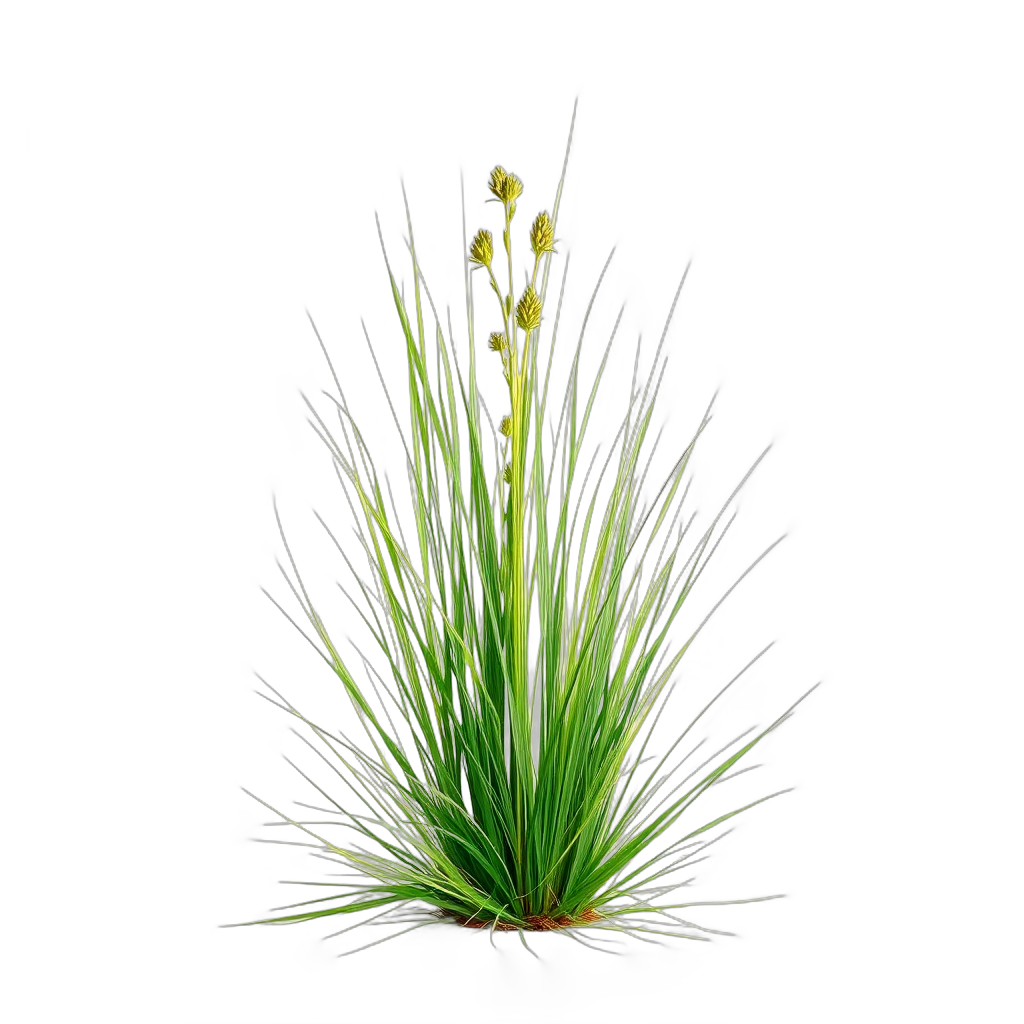
Canada Wild Rye
Elymus canadensis
grows to 4 feet, blooms in summer. Yellow fall color.
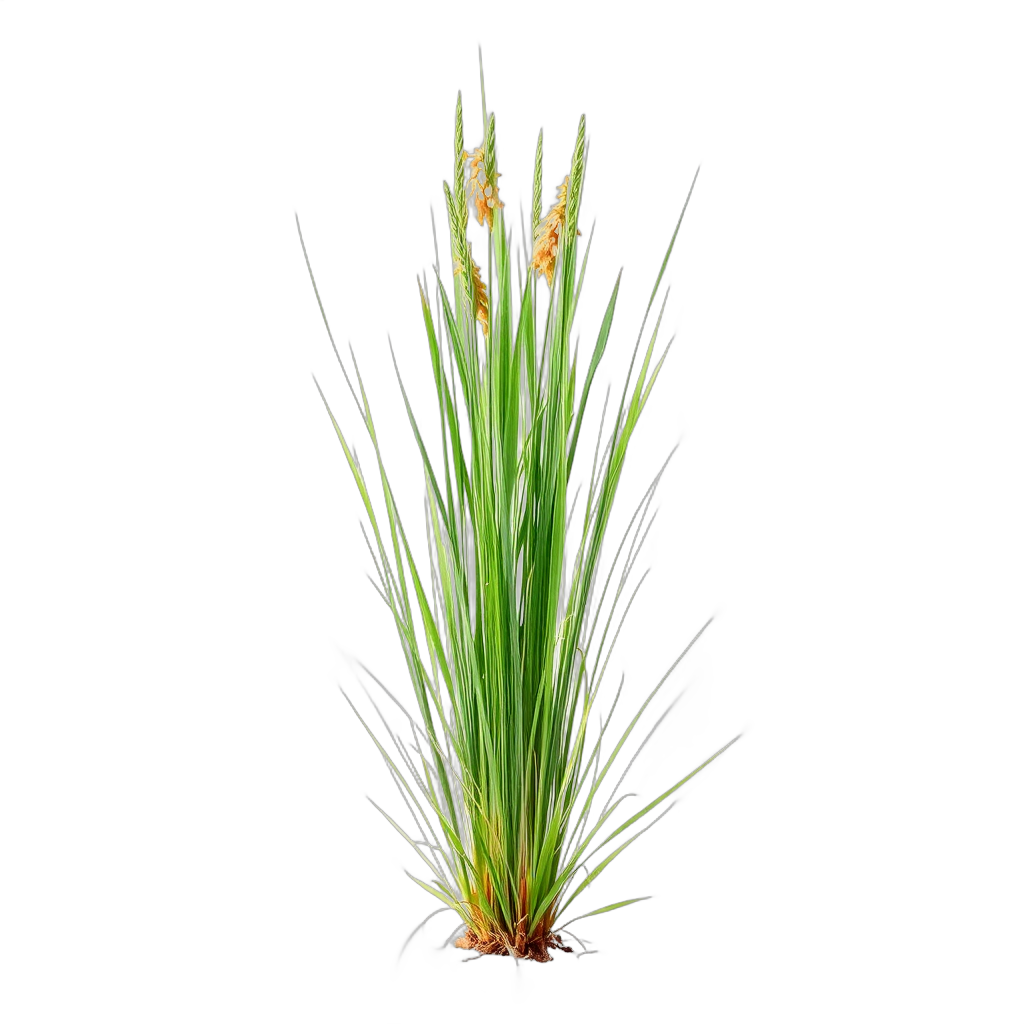
Eastern Gamagrass
Tripsacum dactyloides
grows to 6 feet, blooms in summer. Yellow fall color.
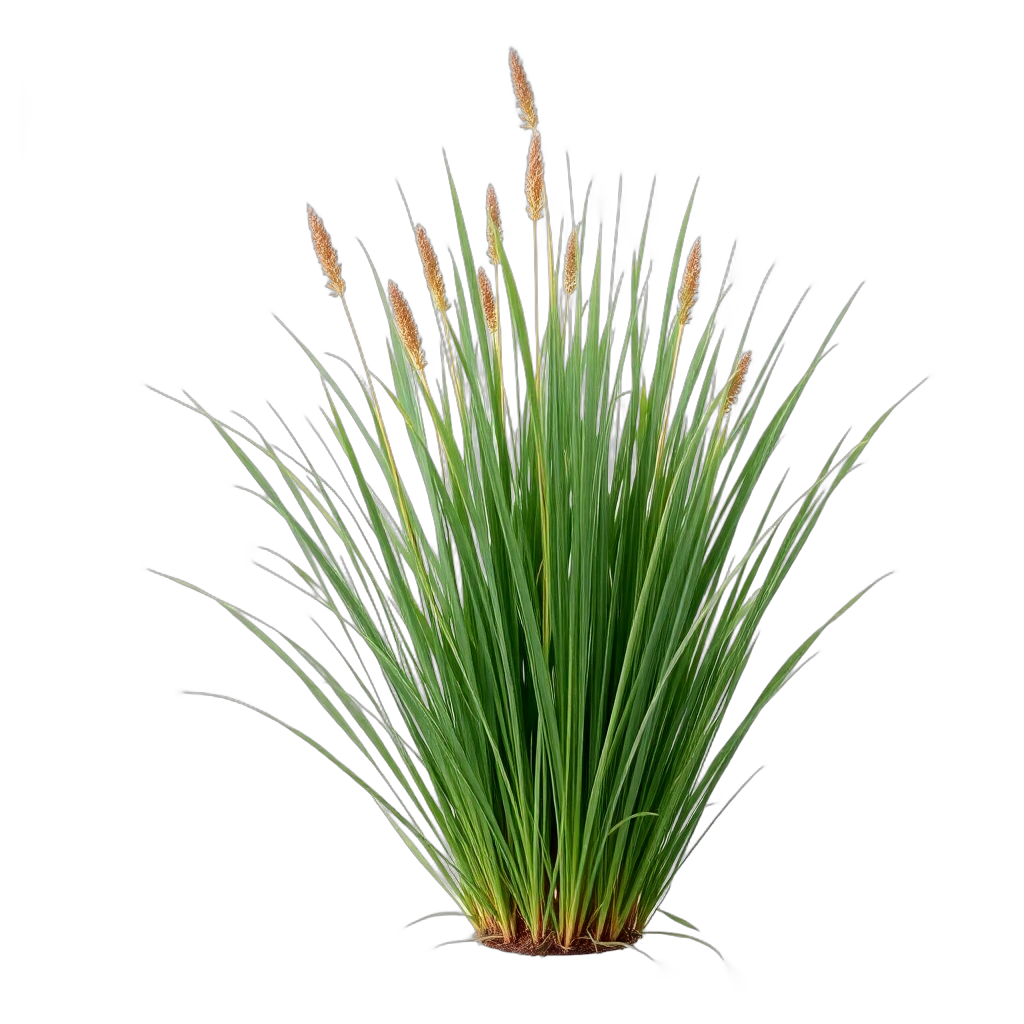
Heavy Metal Switchgrass
Panicum 'Heavy Metal'
grows to 4 feet, pink blooms in summer. Yellow fall color.
Featured Flowers & Perennials for Cottage/English Gardens
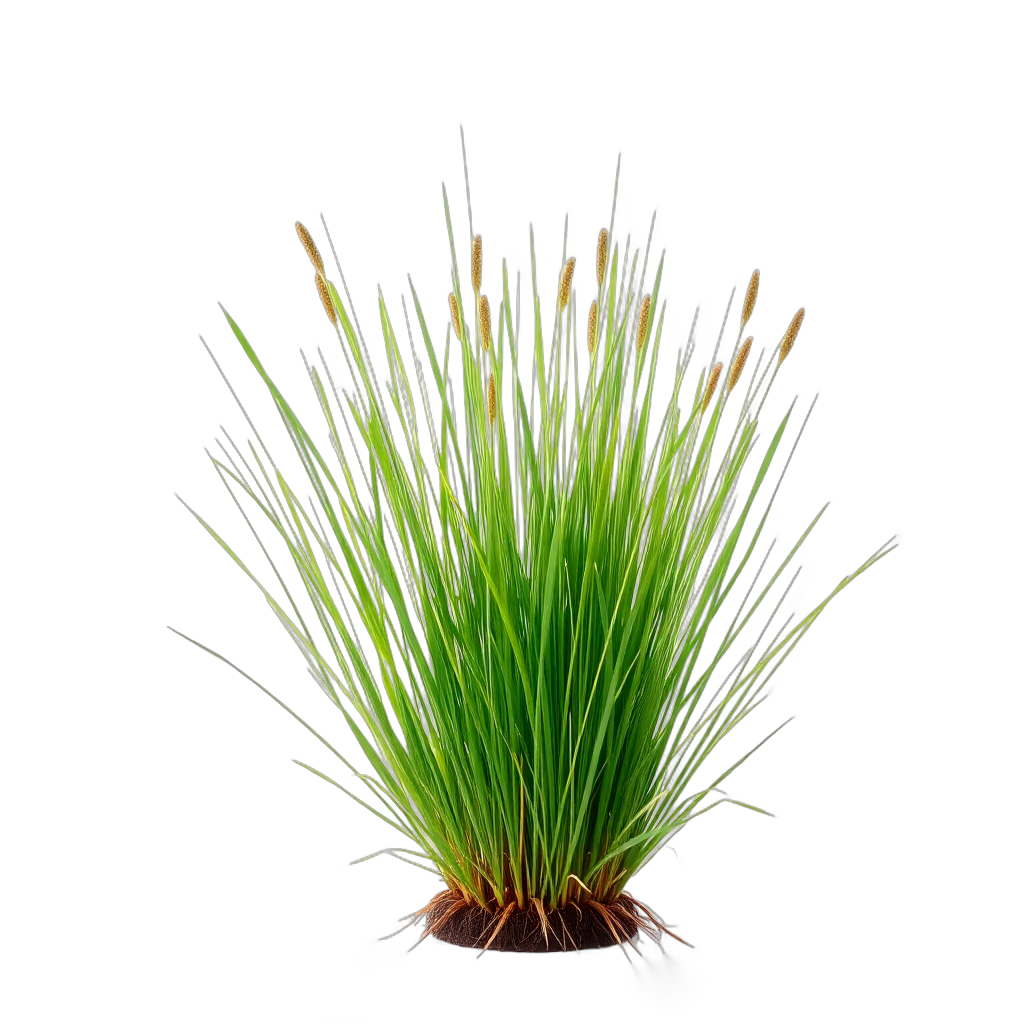
Path Rush
Juncus tenuis
low-growing ground cover, blooms in summer. Evergreen year-round.
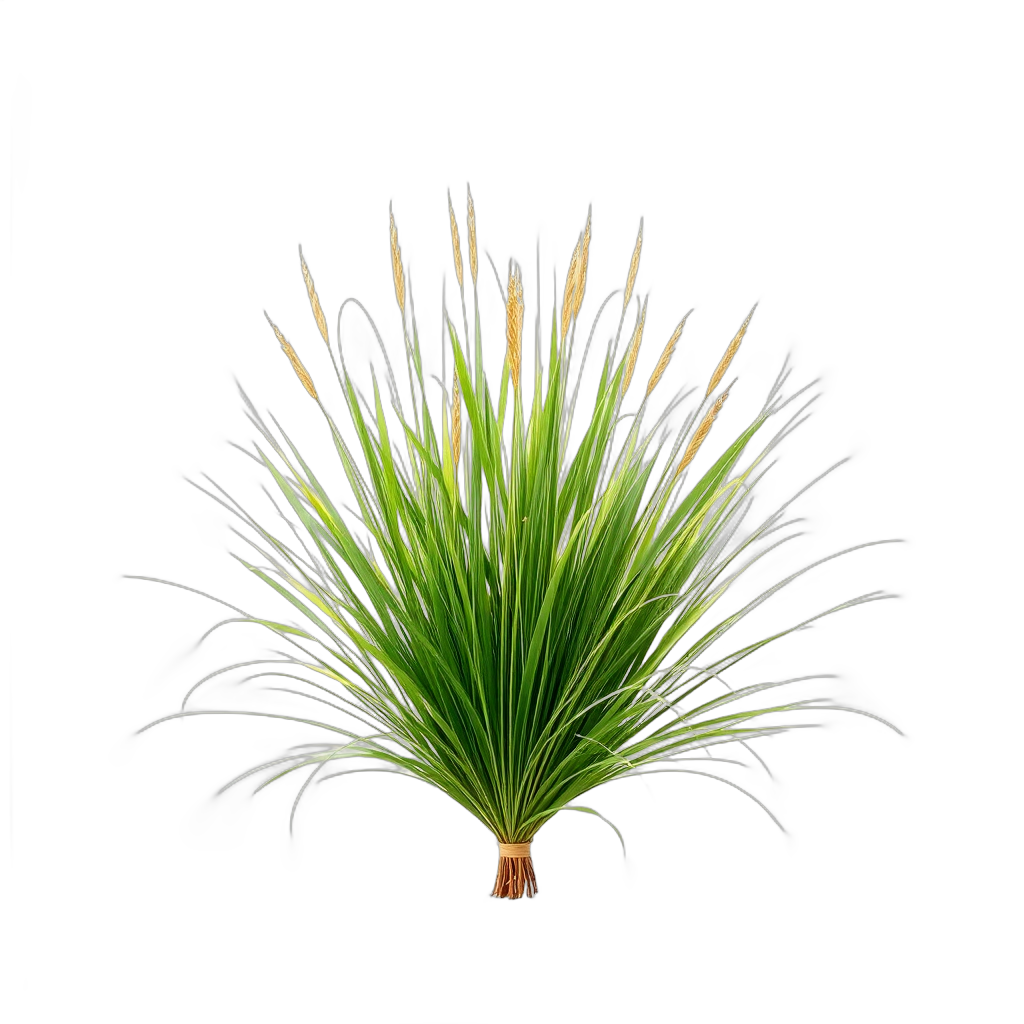
Prairie Cordgrass
Spartina pectinata
grows to 6 feet, blooms in summer. Yellow fall color.
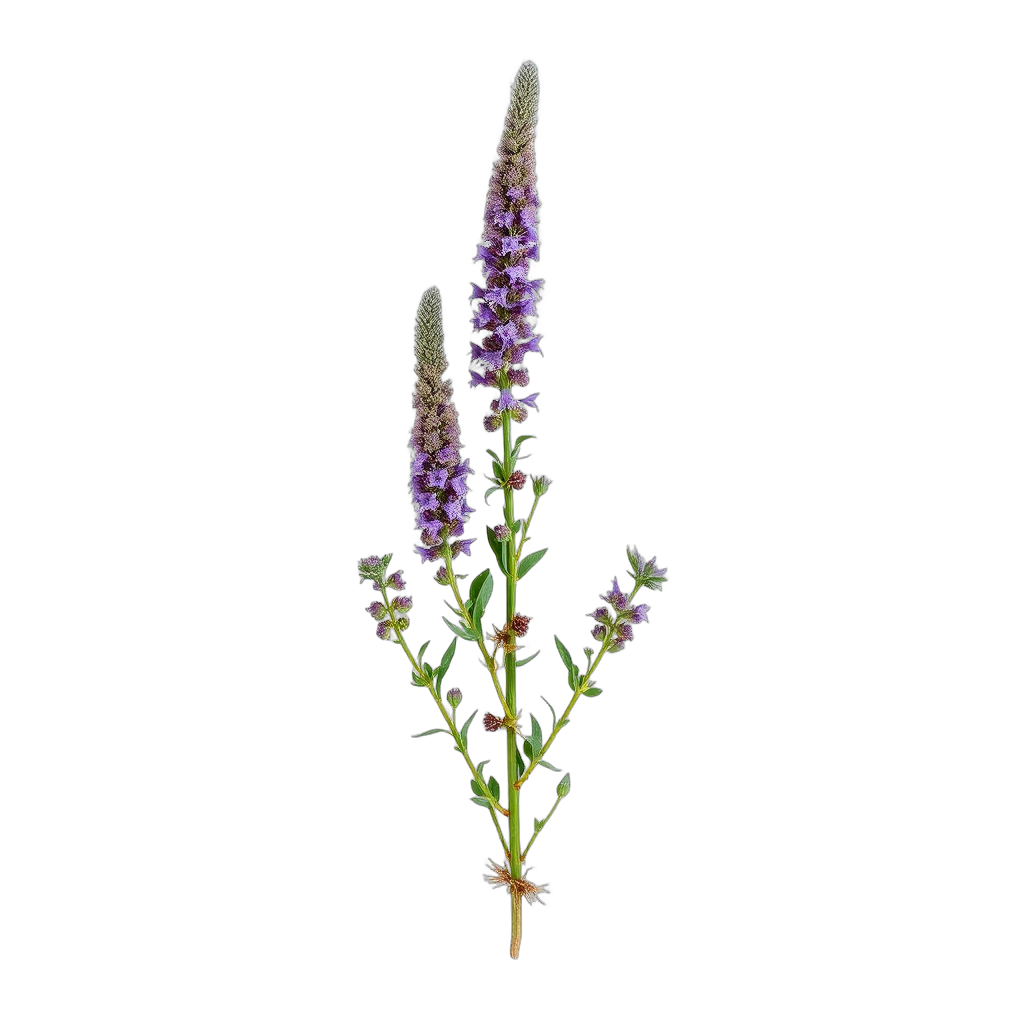
Anise Hyssop
Agastache foeniculum
grows to 3 feet, purple blooms in summer. Attracts hummingbirds.
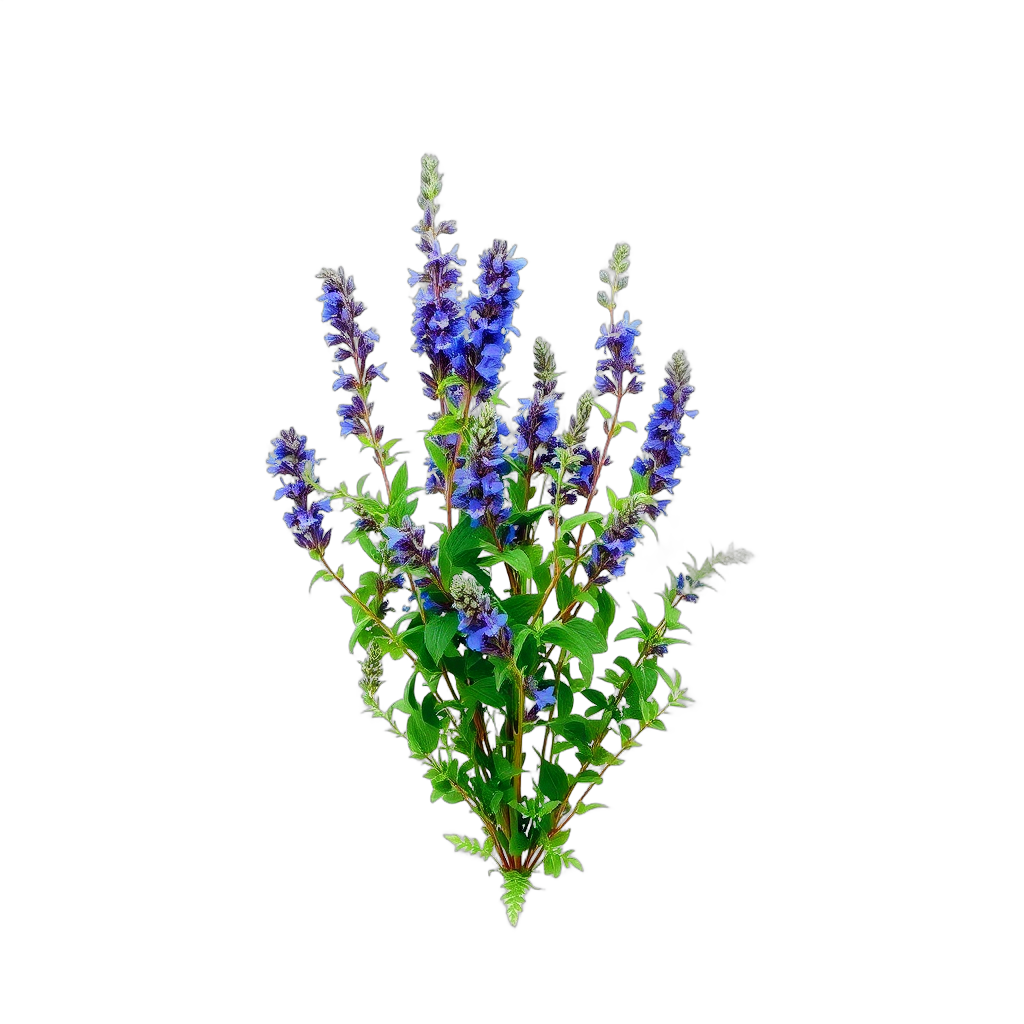
Azure Sage
Salvia azurea
grows to 4 feet, blue blooms in fall. Attracts hummingbirds.
Zone and sun checks come from our database — confirm with your local nursery before you buy.
Bloom Calendar for Kansas City
spring
Blue False Indigo, Foxglove Beardtongue, Golden Alexandersummer
Path Rush, Prairie Cordgrass, Anise Hyssopfall
Azure Sage, Maximilian Sunflower, New England Asterwinter
Limited bloomsDesign Tips for Kansas City (Zone 6b)
- Raise every border 6-8 inches above grade on Wyandotte County clay loam and blend in expanded shale; a soft amended hole dug into tight clay turns into a winter bathtub and is the number one killer of lavender and delphinium in KCK
- Let the alkaline soil choose the plants instead of fighting it - lilacs, peonies, bearded iris, Baptisia australis and Nepeta thrive at pH 7 in Kansas City, while azaleas and blue Hydrangea macrophylla will need chelated iron forever
- Buy humidity resistance, not just cold hardiness: with July dewpoints in the 70s, Phlox paniculata 'David', Leucanthemum x superbum 'Becky' and blackspot-resistant roses such as Rosa 'Bonica' stay clean while older cultivars defoliate by August
- Set arbor, pergola and fence posts in concrete footings below the 30-36 inch frost line - Kansas City freeze-thaw cycles will slowly walk a shallow-set post out of plumb, and a leaning rose arbor is a five-year problem
- Blend Central Tallgrass Prairie species into the back third of an English border: Echinacea purpurea 'Magnus', Rudbeckia fulgida 'Goldsturm', Schizachyrium scoparium 'Standing Ovation' and Sporobolus heterolepis carry the planting through a dry August with no supplemental water
- Stake the tall spires in early May, before the storms - hail and 60 mph straight-line winds are a normal Kansas spring, and Delphinium 'Magic Fountains' and Alcea rosea 'Chater's Double' snap at the base once they are top-heavy
- Plant for a long season rather than one June peak: peonies and bearded iris in May, roses and Nepeta from June, Phlox and Echinacea through the heat, then Symphyotrichum oblongifolium 'Raydon's Favorite' and Sedum 'Autumn Joy' to carry colour to the October 20 first frost
Where to Source Plants in Kansas City
Skip the big-box stores. These independent Kansas City nurseries specialize in the plants that make cottage/english gardens thrive in Zone 6b.
Family Tree Nursery
Shawnee (Nieman Road), minutes west of KCK
Kansas City's family-owned garden center since 1964; grows most of its own bedding plants and carries a deep Zone 6b perennial, rose and shrub bench
Suburban Lawn & Garden
105th & Roe, Overland Park
Independent Kansas garden center operating since the 1950s; grows most of its trees, shrubs and flowers at its own Edgerton, Kansas nursery, with a strong rose and cottage-perennial selection
Grass Pad
Bonner Springs (Wyandotte County)
Regional Kansas independent best known for turf, soil amendments and compost by the yard, plus shrubs, trees and mulch for cottage bed prep
Soil Service Garden Center
Troost Avenue, south Kansas City
Family-owned since 1934; bulk compost, mulch and soil blends alongside a well-curated perennial, peony and heirloom-plant selection for KC-area gardens
Cottage/English Landscaping Costs in Kansas City
| Project Scope | Estimated Cost |
|---|---|
| Deep front cottage border, 300-500 sqft (bed prep + planting) | $4,000 - $10,000 |
| Cedar picket fence + rose arbor entry | $3,500 - $9,000 |
| Flagstone or clay-brick walk, 150-300 sqft | $4,500 - $12,000 |
| Cedar pergola dining terrace with cut-stone paving | $12,000 - $28,000 |
| Full backyard cottage scheme (terrace + wrap-around borders) | $18,000 - $45,000 |
| Bulk compost + expanded shale bed prep, per 1,000 sqft | $900 - $2,200 |
| AI visualization with ProScapeAI | Free to start |
Estimates based on Kansas City, KS-area contractor rates as of 2026. Actual costs vary by site conditions, materials, and contractor.
Kansas City Climate & Growing Zone
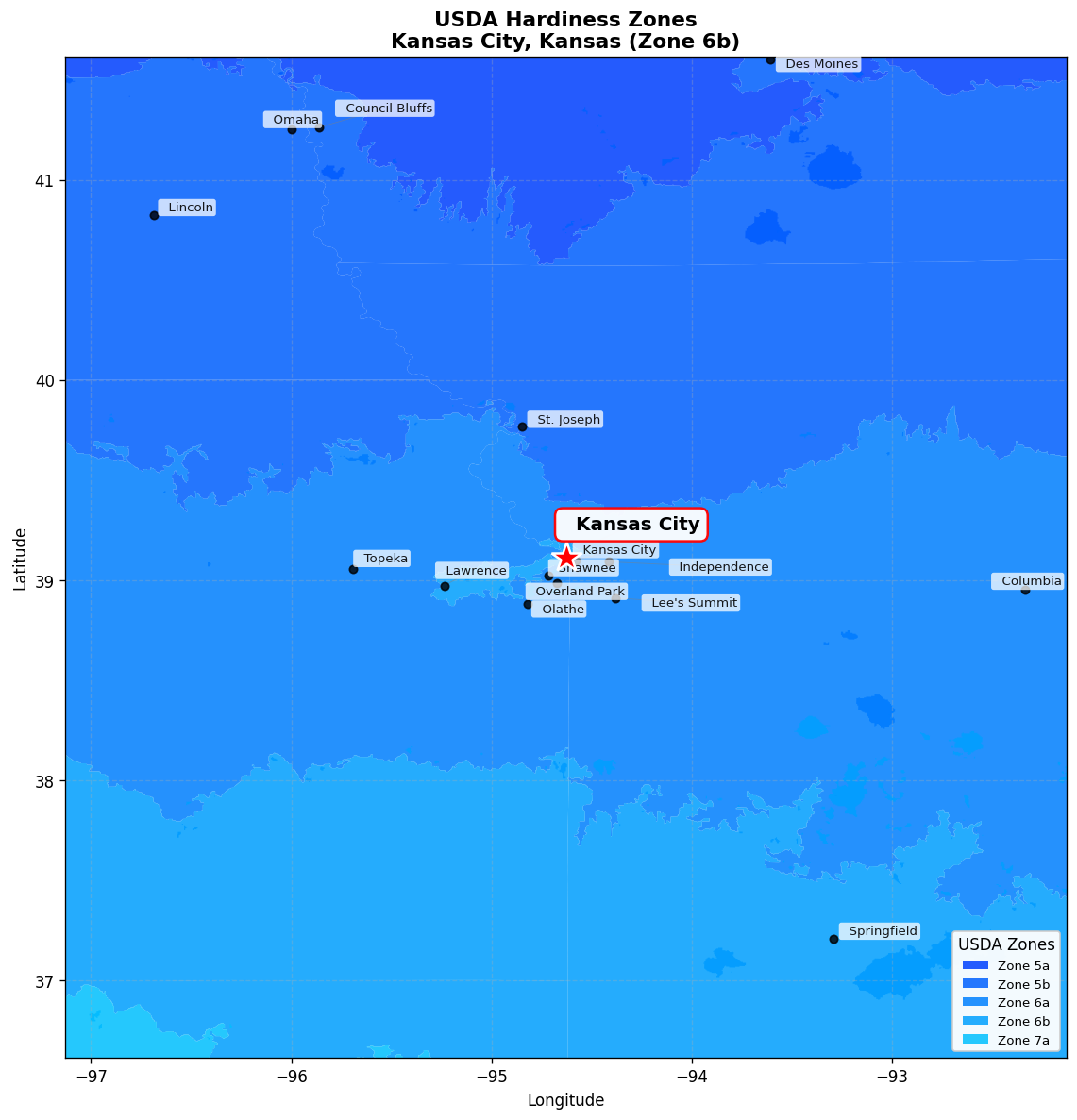
USDA Zone 6b
Hardiness zone for Kansas City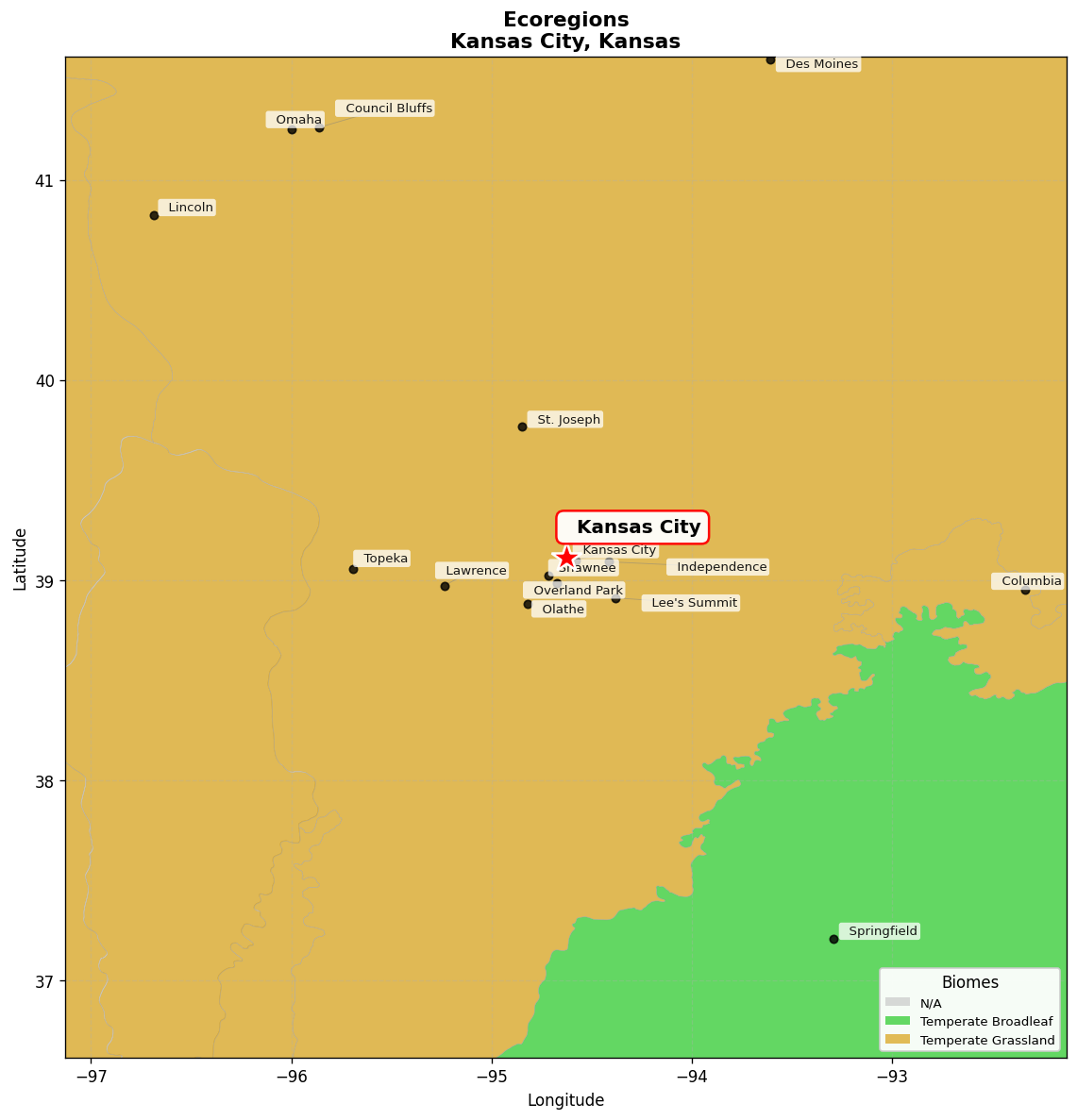
Central Tallgrass prairie
Native ecoregionFrequently Asked Questions
How much does a cottage garden cost in Kansas City, Kansas?
Installed costs in the KCK metro run roughly 10-20% under coastal-metro pricing. A single deep front border of 300-500 sqft, properly bed-prepped and planted with roses, Nepeta racemosa 'Walker's Low' and Digitalis, lands around $4,000-$10,000. Adding a cedar picket fence and rose arbor typically adds $3,500-$9,000 depending on frontage. A flagstone walk or bistro pad of 150-300 sqft runs $4,500-$12,000, and a full backyard scheme with a cedar pergola dining terrace and wrap-around borders generally falls between $18,000 and $45,000. Doing your own planting behind a professional bed prep is the single biggest saving: expect $6-$10/sqft DIY versus $16-$30/sqft installed.
Which roses actually survive Kansas City, Kansas winters and summers?
Look for cold-hardiness to Zone 5 plus real blackspot resistance, because a -5 to 0 degree Fahrenheit January and a 75-degree-dewpoint August are two very different tests. Rosa 'New Dawn' is the classic KC arbor climber and shrugs off both. Rosa 'Zephirine Drouhin' is thornless and good on a gate you brush past daily. For shrub roses, Rosa 'Bonica', Rosa 'Sally Holmes', Rosa 'Iceberg' and the Rosa 'Double Knock Out' family perform without a spray program. The Buck roses bred at Iowa State, such as Rosa 'Carefree Beauty', are another safe Midwest bet. Skip grafted hybrid teas unless you are prepared to mound them every November.
Will lavender survive in Wyandotte County clay?
Only if you fix the drainage first, and then choose the right cultivar. Lavender in Kansas City dies from wet feet in a February thaw, not from the cold. Plant Lavandula angustifolia 'Phenomenal' or 'Munstead' on a berm or in a border raised 6-8 inches above grade, cut with roughly one-third expanded shale or pea gravel, and mulch with gravel rather than hardwood right at the crown. Never dig an amended hole into unbroken clay. If you would rather not fuss, Nepeta racemosa 'Walker's Low' and Nepeta 'Cat's Pajamas' deliver the same blue-grey haze and longer bloom with total indifference to KCK soil.
Does Kansas City, Kansas soil need amending before I plant?
Almost always. The Wyandotte County uplands are silty clay loam over loess, generally pH 6.8-7.5, which is fertile but tight and slow-draining. Get a soil test through K-State Research and Extension's Wyandotte County office before you spend money on the wrong amendment. As a working rule, spread 3-4 inches of compost plus 2 inches of expanded shale across the whole bed footprint and till it in once, rather than amending individual holes. The alkaline pH also means you should skip azaleas, rhododendrons and blue Hydrangea macrophylla and lean into peonies, bearded iris, Syringa vulgaris and Baptisia australis, which all prefer it.
When should I plant a cottage garden in Kansas City, Kansas?
There are two good windows. Mid-September through late October is the best of the two: soil is still warm, autumn rain does the watering, and roots establish before the ground freezes, so plants come out of a Zone 6b winter already settled. Mid-April through May is the second window, once the last frost around April 12 has passed. Avoid planting between late June and mid-August, when heat indices routinely exceed 100 degrees Fahrenheit and new roots cannot keep up. Bare-root roses and peonies are the exception to everything: plant those in late March or in October, and set peony eyes no deeper than 1-2 inches or they will never bloom.
How much watering does a cottage garden need through a KCK summer?
Budget roughly 1 to 1.5 inches per week during the first two summers, delivered in one or two deep soakings rather than daily sprinkling. Kansas City, Kansas averages about 39 inches of precipitation a year, but July and August routinely go 10-20 days dry between storms. Drip line or soaker hose under 3 inches of hardwood mulch is the right answer here: it keeps water off rose foliage, which is how blackspot spreads in humid weather, and cuts consumption by roughly a third against overhead spray. After year three, established Echinacea purpurea 'Magnus', Rudbeckia fulgida 'Goldsturm', Baptisia australis and Sporobolus heterolepis will carry most of the border on rainfall alone.
Do I need a permit for a fence or arbor in Kansas City, Kansas?
Planting beds, walks and mulch need nothing. Fences in Kansas City, Kansas generally do require a permit from the Unified Government, and height limits are stricter in front yards than in back, so confirm your setback and height before you buy cedar. Freestanding arbors and pergolas are usually treated as accessory structures, with thresholds that depend on size and whether they are attached to the house; anything roofed or attached will normally need review. If you are in the Westheight Manor historic district, exterior changes visible from the street can carry extra review. Call the Unified Government first, and never assume design work is the same thing as an approval.