4 English Cottage Garden Ideas for Topeka, KS | Hardy Roses and Peonies for Zone 6a
Native plants from the Central Tallgrass prairie (Zone 6a) — Humid continental (hot summer) climate
Why Cottage/English Gardens in Topeka?
The Victorian and Queen Anne houses of Potwin Place, the brick Tudors and period revivals of Collins Park, and the bungalows and foursquares around College Hill and Central Park all sit behind modest front yards with a sidewalk right in front, which is the scale where a picket fence, a rose over the gate and a three-layer border read as one picture. Out in Westboro and the 1950s and 1960s ranch streets of southwest Topeka the lots are wider and flatter, and there the style works best as a deep border along the front walk rather than a yard-wide meadow of flowers.
In Topeka the July heat and the wet spring do more damage than Zone 6a cold. At Philip Billard Municipal Airport the 1991-2020 normals put the January average low at 20°F and the coldest night of a typical winter around -4°F, cold enough to give peonies, lilacs and old roses all the chilling they need. Summer decides what lasts: July highs average about 90°F, and with roughly 36.5 inches of precipitation a year, much of it arriving in May and June storms, Topeka summers are humid as well as hot. That combination is why Paeonia lactiflora 'Sarah Bernhardt' and 'Festiva Maxima' are the backbone of a Topeka cottage garden, while true English Delphinium elatum fades by July and is best treated as a one-season plant. For the blue spires that last, use Salvia nemorosa 'Caradonna', Veronica spicata 'Royal Candles' and Baptisia australis, which is native to the Kansas tallgrass prairie and laughs at both the heat and the wind.
Choose roses the same way. Pick cold-hardy, disease-tolerant plants and give them sun and air: Rosa 'New Dawn' and the thornless Rosa 'Zephirine Drouhin' for arbours, Rosa 'John Cabot' where a climber must shrug off a hard winter, and Rosa 'Olivia Rose Austin' for the shrub layer. Lavender survives the cold but rots in wet clay, so Lavandula × intermedia 'Phenomenal' and Lavandula angustifolia 'Munstead' belong in a raised, gritty bed, never in a low corner where spring rain sits.
Soil is where Topeka splits by neighborhood. North Topeka and Oakland sit on Kansas River floodplain soil, siltier and sandier and easy to dig, while the uplands south and west of the river are heavy silty clay loam over limestone and shale, slow to drain and hard as brick in an August dry spell. North of the river you are also in the glaciated corner of Kansas, where glacial till turns up in subdivisions. Have the beds tested through the Shawnee County Extension office before you plant, work in several inches of compost, and raise rose and lavender beds 6-8 inches so their crowns stay out of the water that collects in clay every April.
4 Cottage/English Design Ideas for Topeka

AI-generated image
The Potwin Picket Fence Border
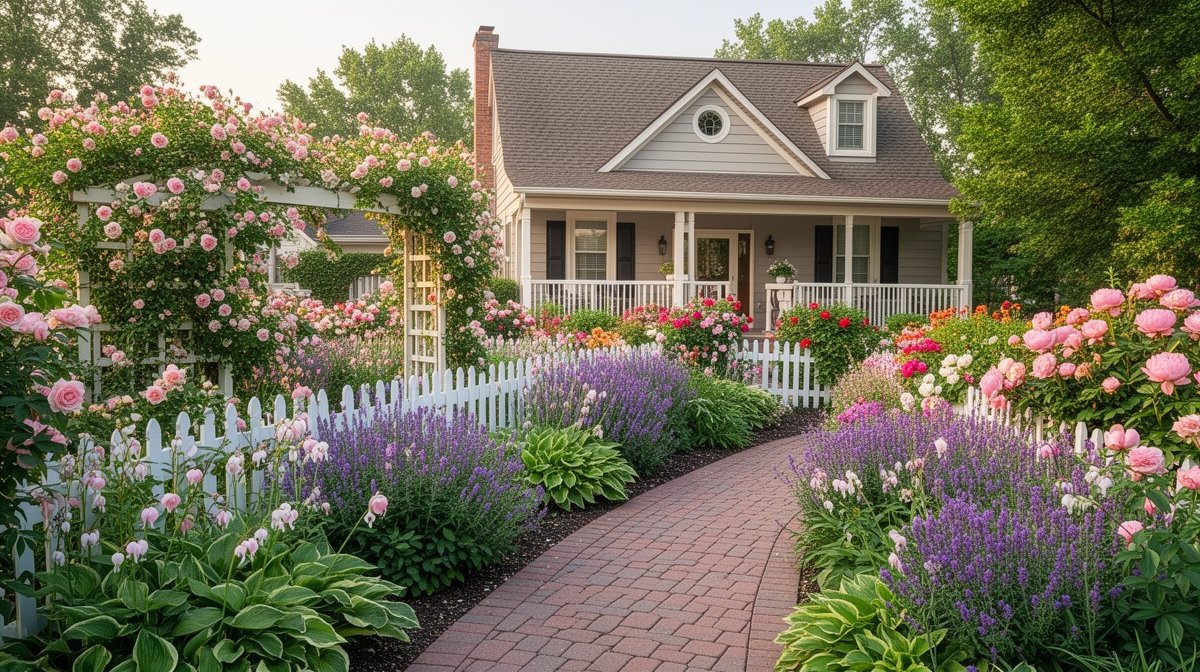
$20–40/sqftA white wooden picket fence runs along the sidewalk in front of a two-story Victorian with a wraparound porch, and a cedar arch over the gate carries a pale pink climbing rose. Inside the fence, a curved clay-brick path leads to the porch steps through a border stacked in three layers: peonies and Baptisia at the back, catmint and salvia in the middle, and lady's mantle spilling onto the brick. The south-facing frontage takes full afternoon sun, so the roses and peonies sit in front and the shade-tolerant hosta goes under the porch eaves.

AI-generated image
The Collins Park Tudor Walk
$22–42/sqftA flagstone walk set in creeping thyme runs from the street to the arched front door of a brick Tudor revival, with clipped boxwood balls marking the start of the path and the steps. Either side of the walk, borders of white and pink phlox, foxglove and hardy geranium sit in front of a pair of Annabelle hydrangeas that catch afternoon shade from a mature oak. It is a tidy, formal-leaning cottage look that suits brick and half-timbering, and it keeps flowering from the May peonies into September.

AI-generated image
The Bungalow Porch Rose Garden
$15–30/sqftA deep front porch on a Craftsman bungalow looks over a small square front yard where the lawn is gone and four simple beds sit around a gravel center with a birdbath. Shrub roses fill the sunny beds nearest the street, lavender and catmint line the gravel, and a thornless climbing rose is trained up the porch posts so the scent reaches the swing. The east-facing porch gets morning sun, which dries the rose leaves early and keeps blackspot down through a humid Topeka June.

AI-generated image
The Ranch Backyard Cutting Garden
$18–38/sqftBehind a long brick ranch house, a cedar pergola at the end of the patio frames a back garden laid out as four raised cutting beds around a brick path. Tall hollyhocks and peonies line the back fence where they get afternoon sun and some shelter from the south wind, with zinnias, coneflowers and phlox in the beds for summer bouquets. A Limelight hydrangea fills the corner by the patio, and a climbing rose covers the pergola for shade over the table.
See how a cottage/english garden looks on YOUR property
Upload a photo of your Topeka yard and visualize your dream garden in seconds.
Try ProScapeAI Free

AI-generated image
Featured Trees & Shrubs for Cottage/English Gardens
Browse all 194 plants for Topeka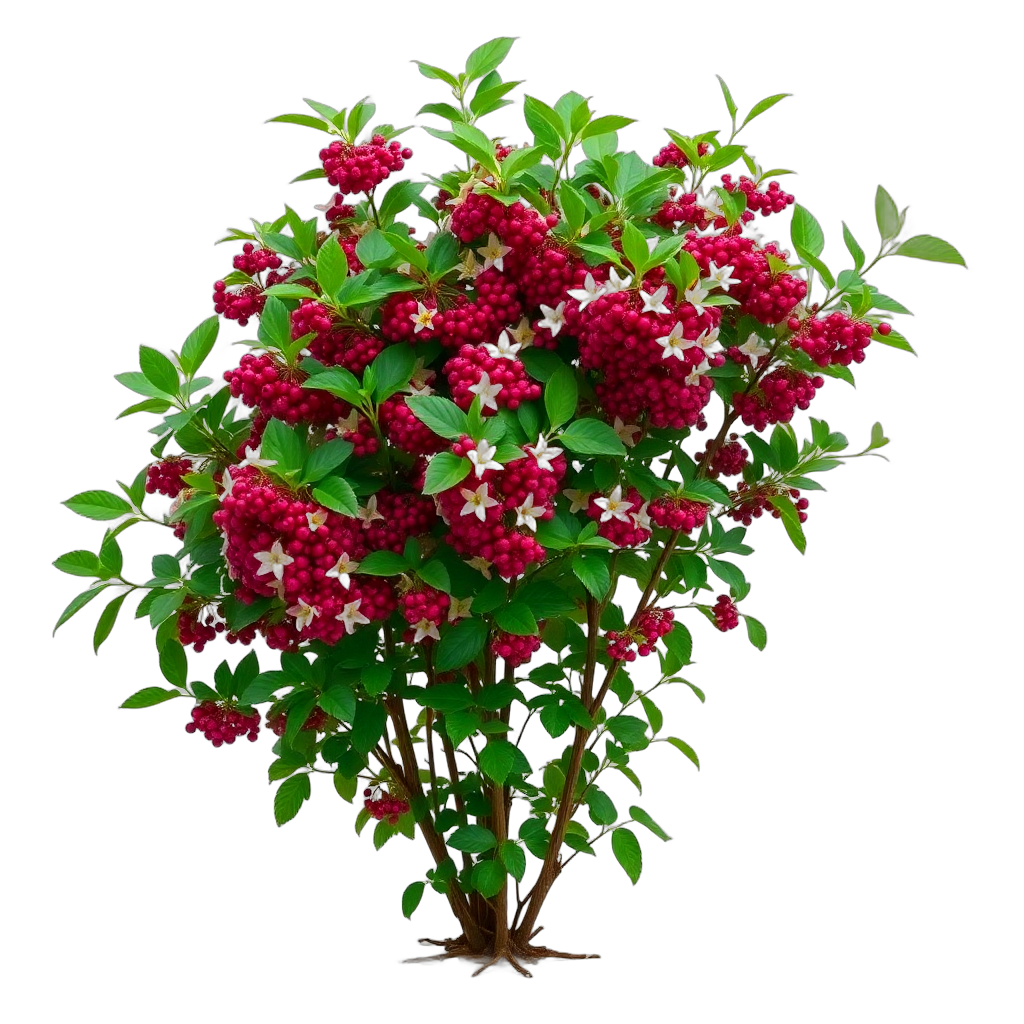
Clove Currant
Ribes odoratum
grows to 6 feet, yellow blooms in spring. Attracts hummingbirds.
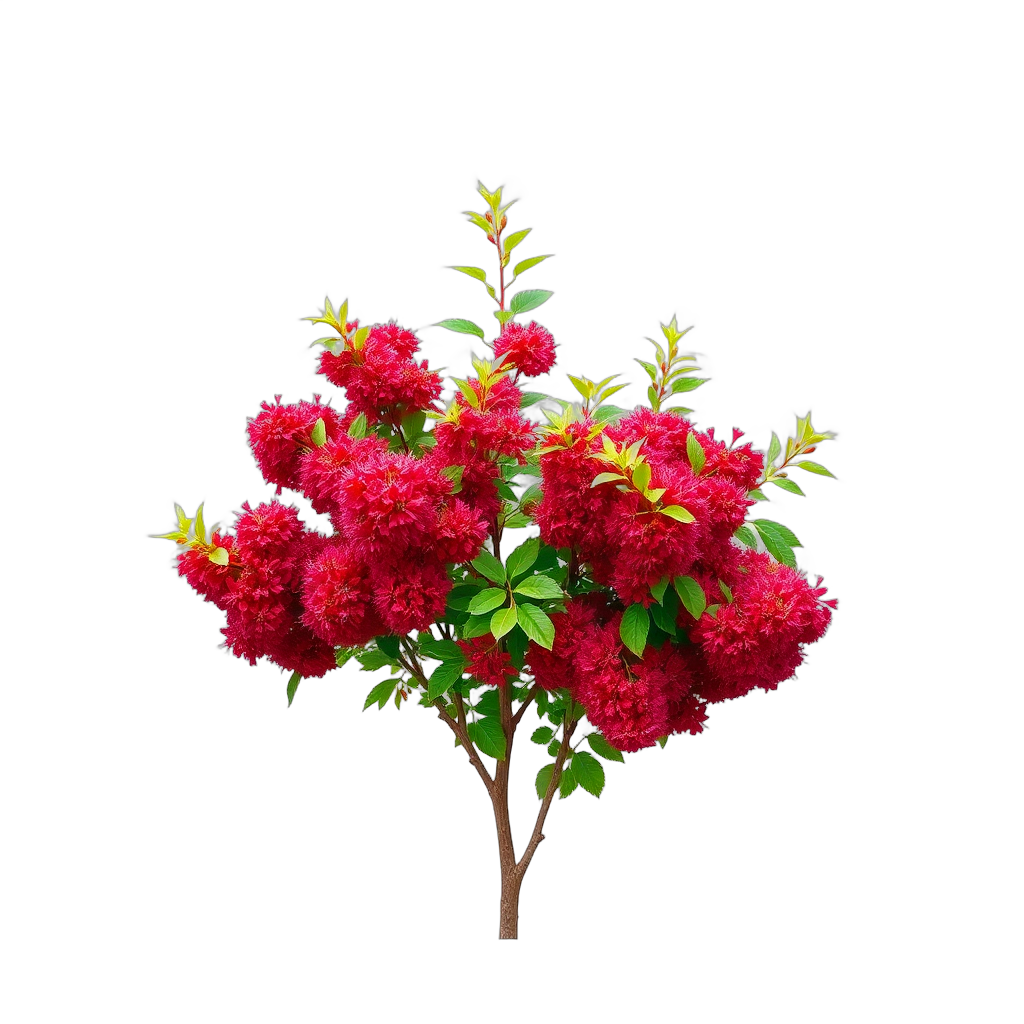
Fragrant Sumac
Rhus aromatica
grows to 4 feet, yellow blooms in spring. Attracts butterflies.
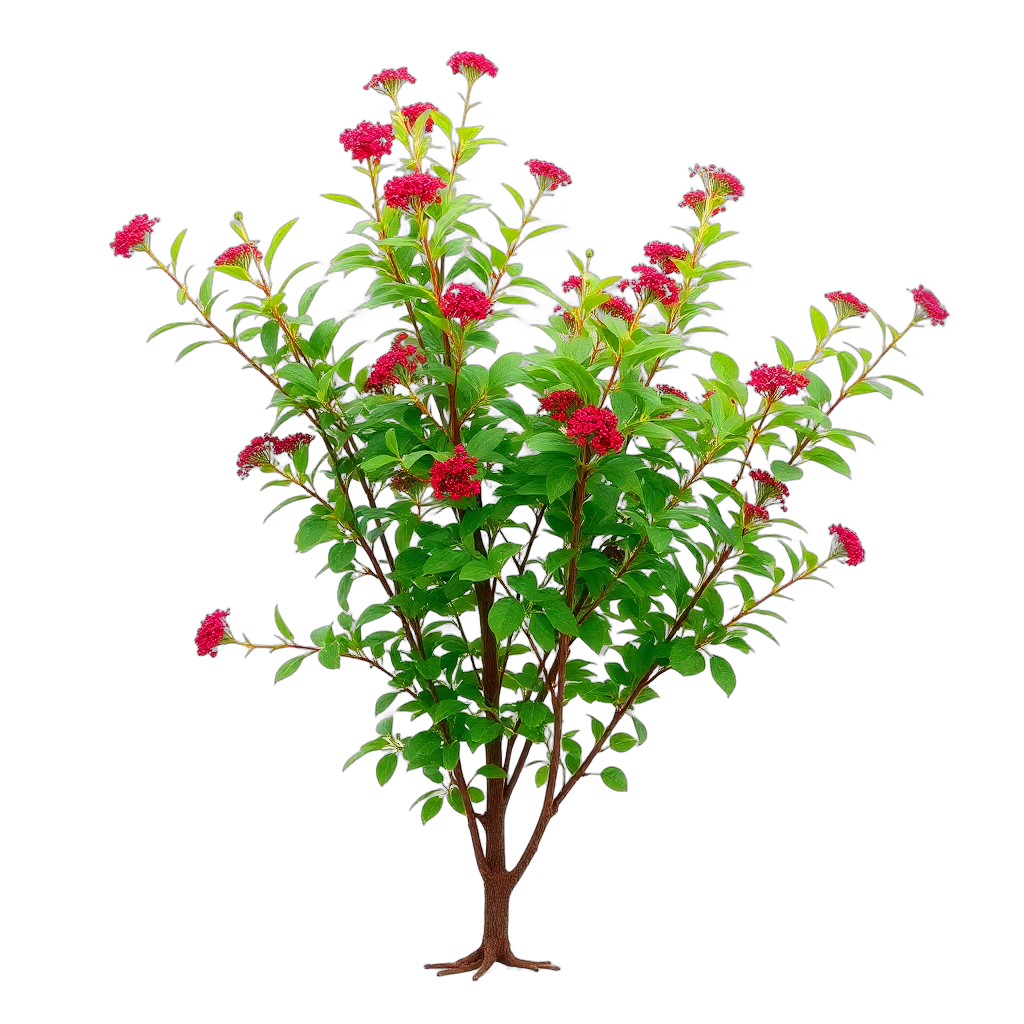
Smooth Sumac
Rhus glabra
medium-sized at 12 feet, white,green blooms in summer. Attracts butterflies.
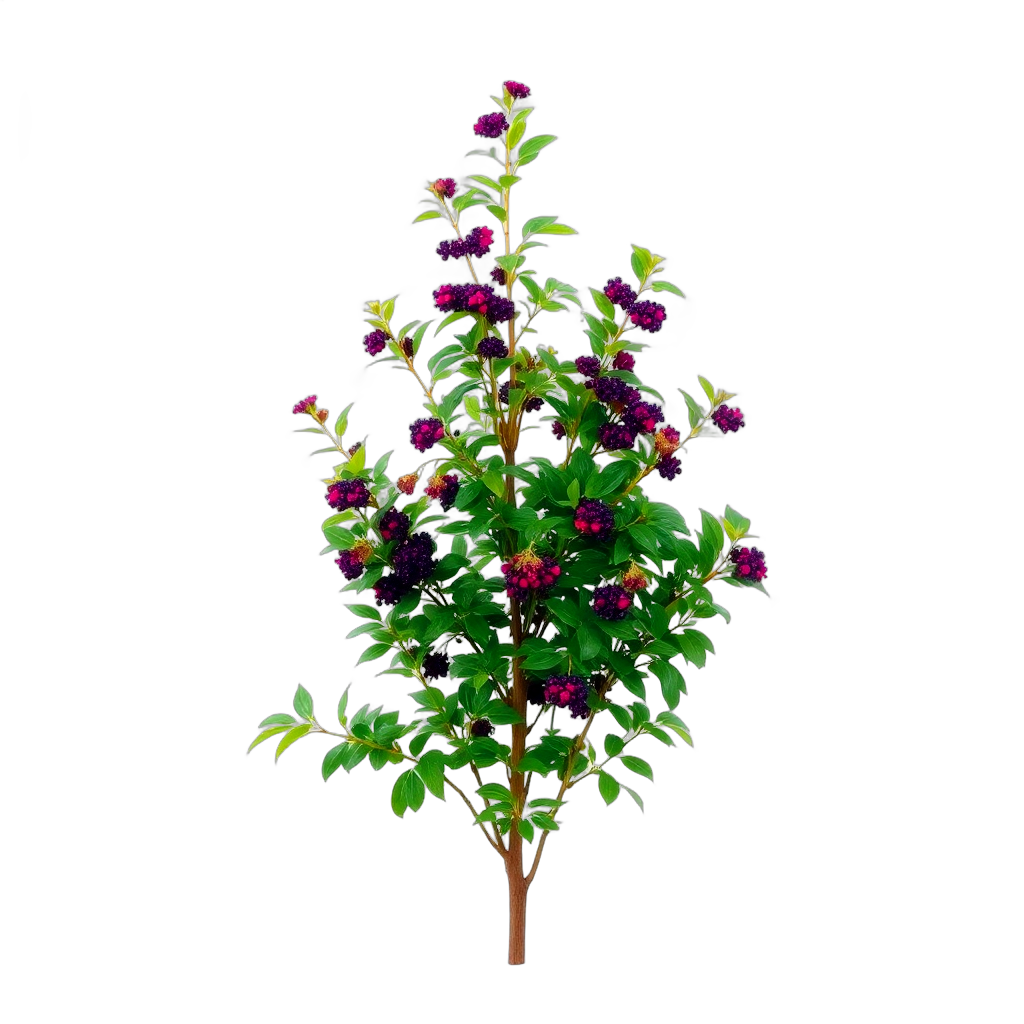
American Beautyberry
Callicarpa americana
grows to 6 feet, pink blooms in summer. Pollinator-friendly.
Featured Grasses & Groundcovers for Cottage/English Gardens
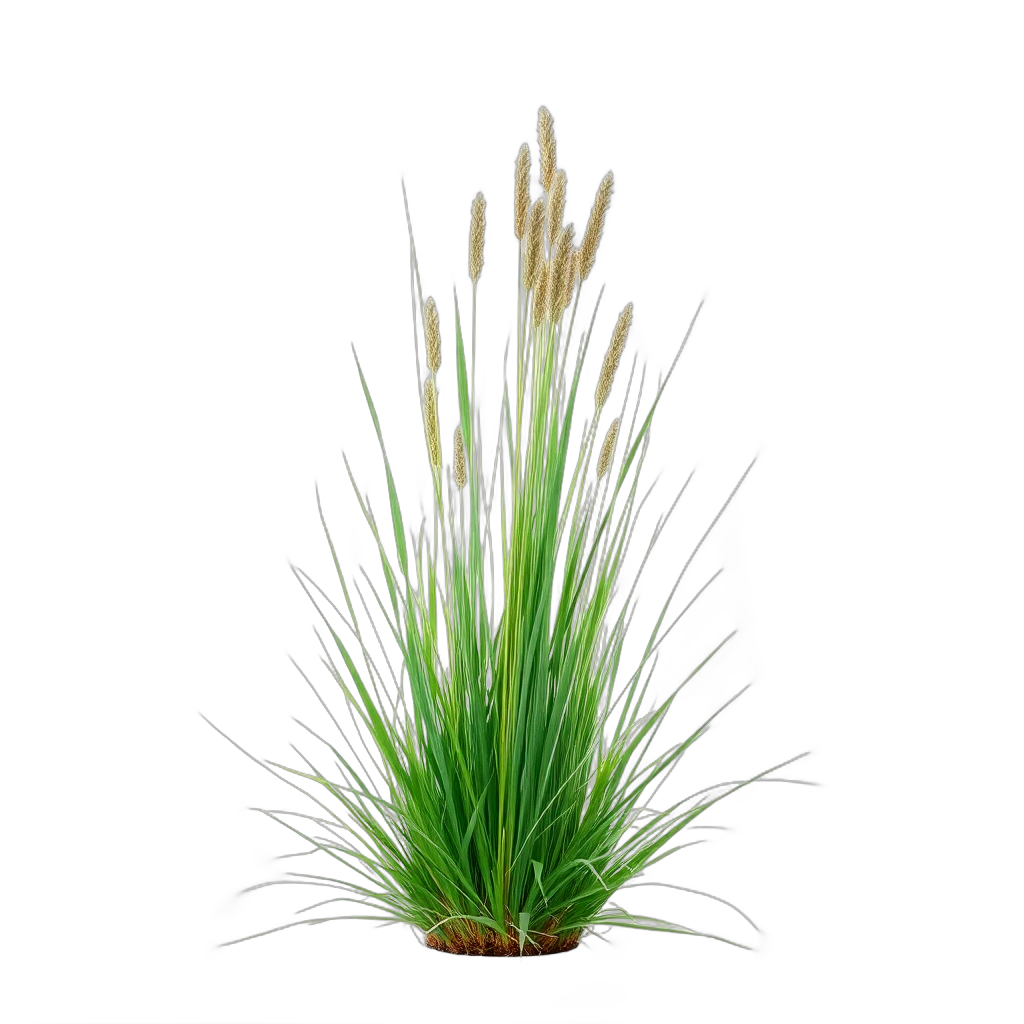
Big Bluestem
Andropogon gerardii
medium-sized at 7 feet, purple blooms in fall. Bronze,burgundy fall color.
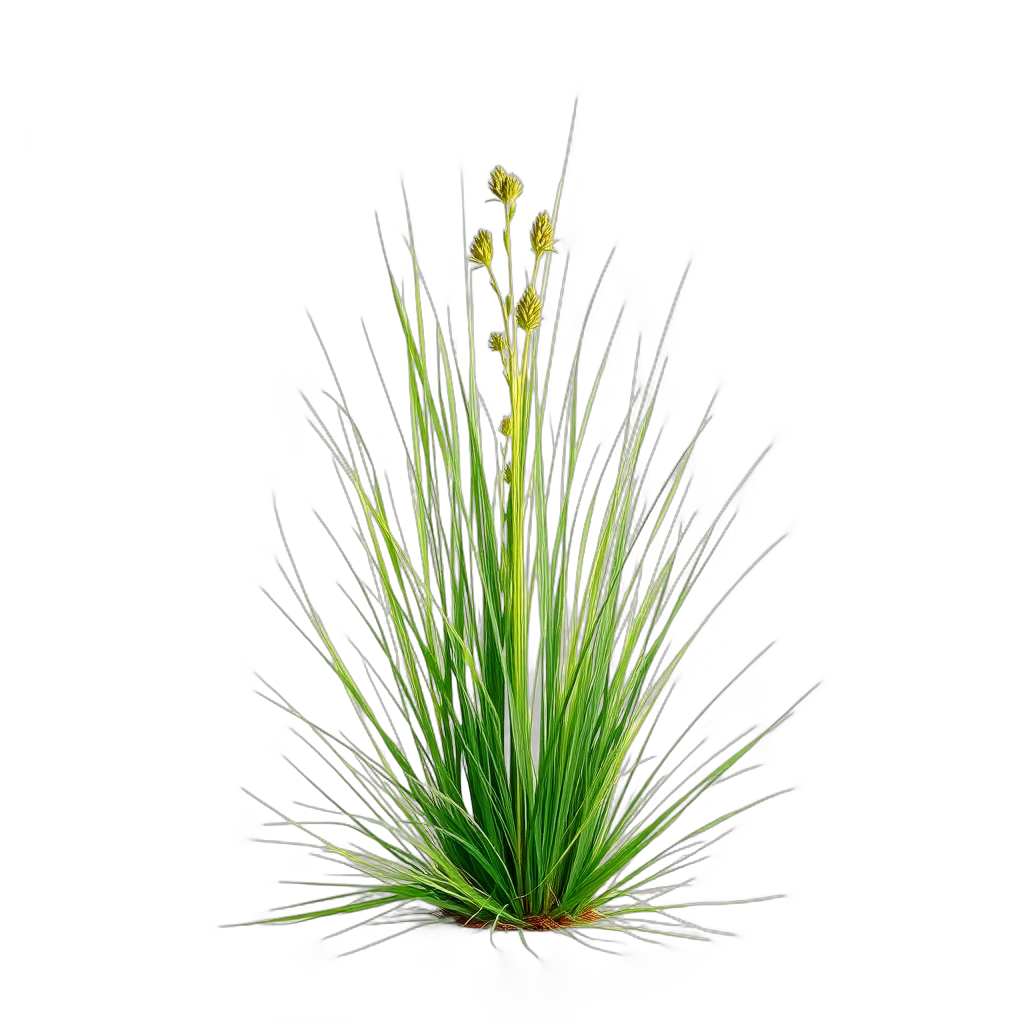
Canada Wild Rye
Elymus canadensis
grows to 4 feet, blooms in summer. Yellow fall color.
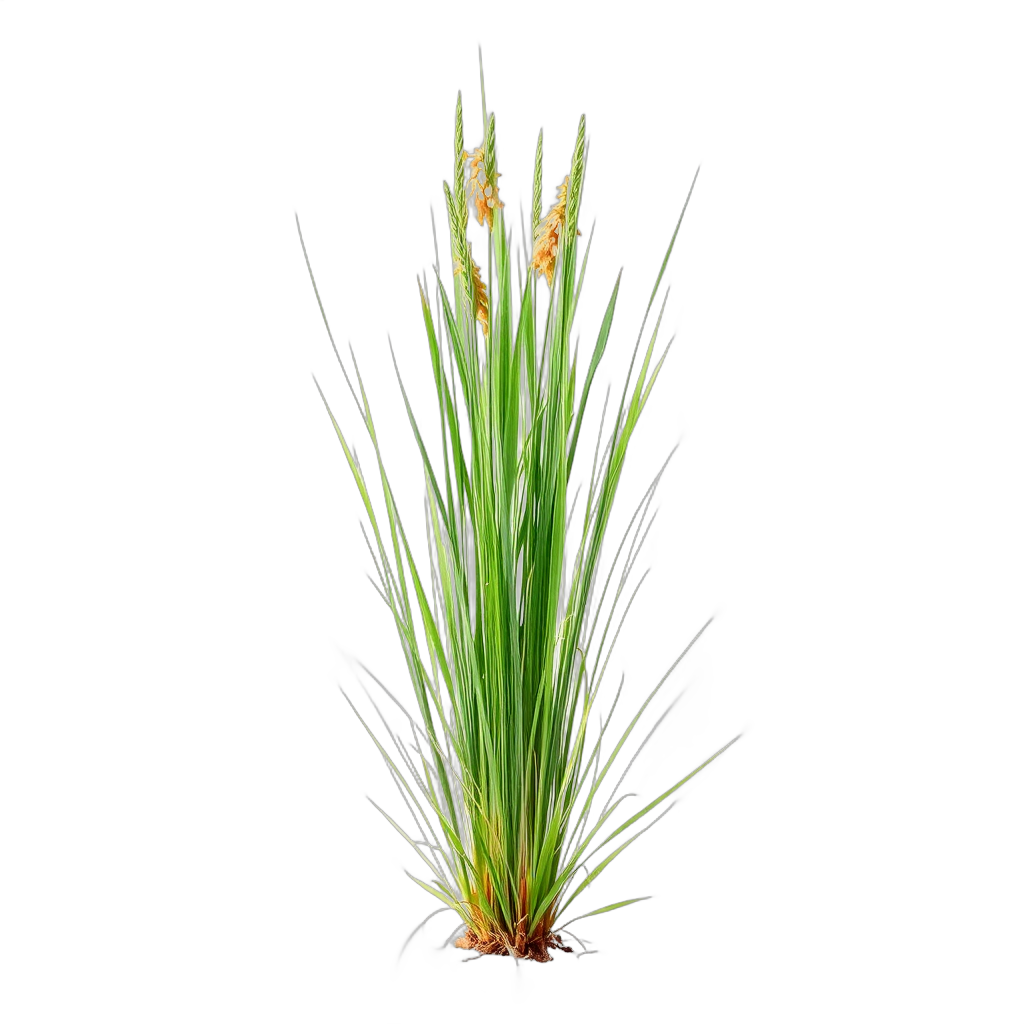
Eastern Gamagrass
Tripsacum dactyloides
grows to 6 feet, blooms in summer. Yellow fall color.
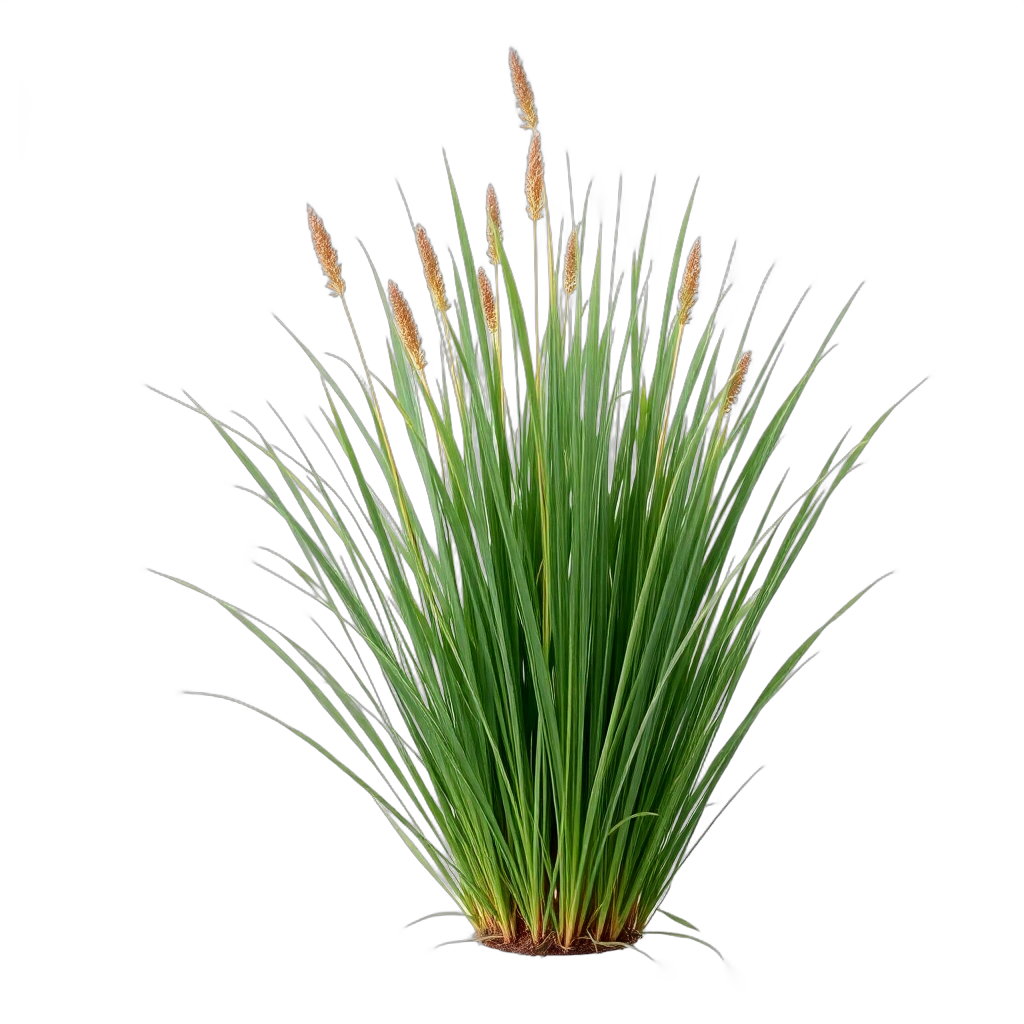
Heavy Metal Switchgrass
Panicum 'Heavy Metal'
grows to 4 feet, pink blooms in summer. Yellow fall color.
Featured Flowers & Perennials for Cottage/English Gardens
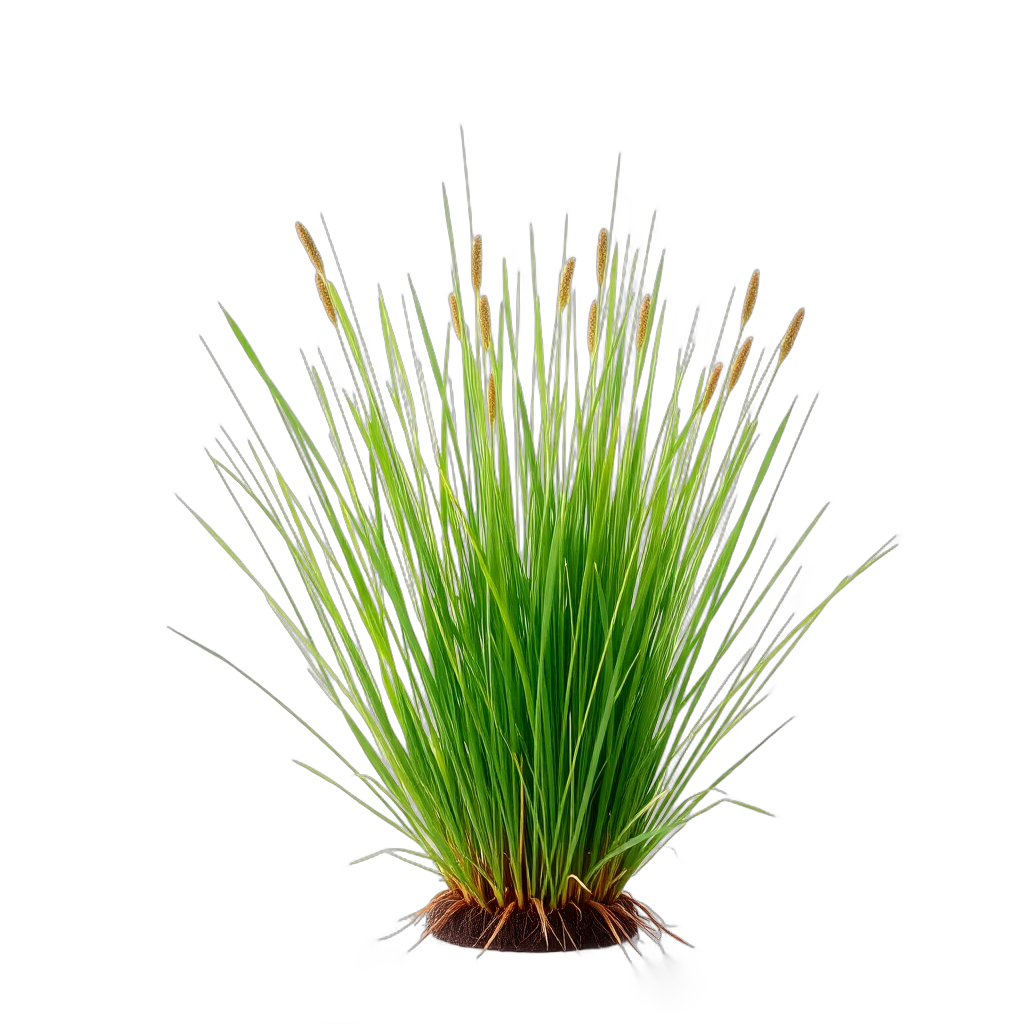
Path Rush
Juncus tenuis
low-growing ground cover, blooms in summer. Evergreen year-round.
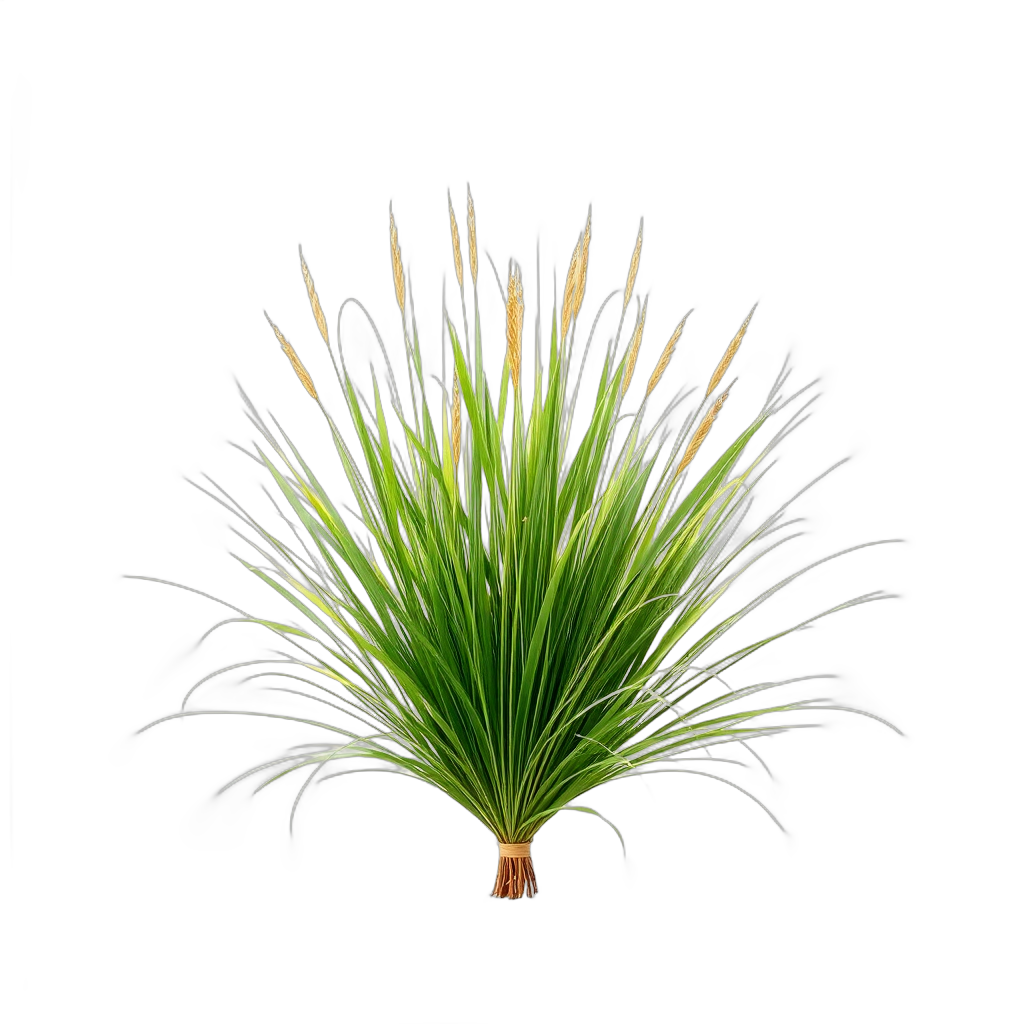
Prairie Cordgrass
Spartina pectinata
grows to 6 feet, blooms in summer. Yellow fall color.
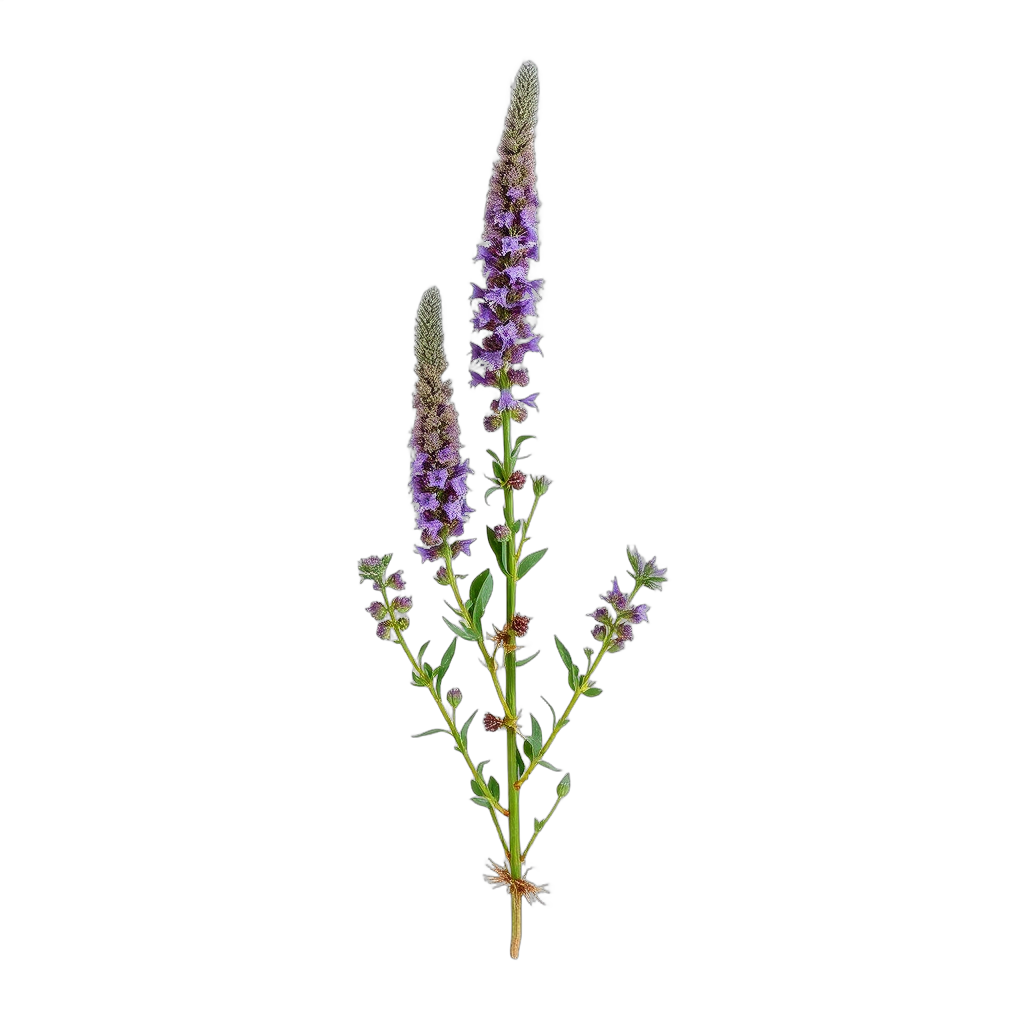
Anise Hyssop
Agastache foeniculum
grows to 3 feet, purple blooms in summer. Attracts hummingbirds.
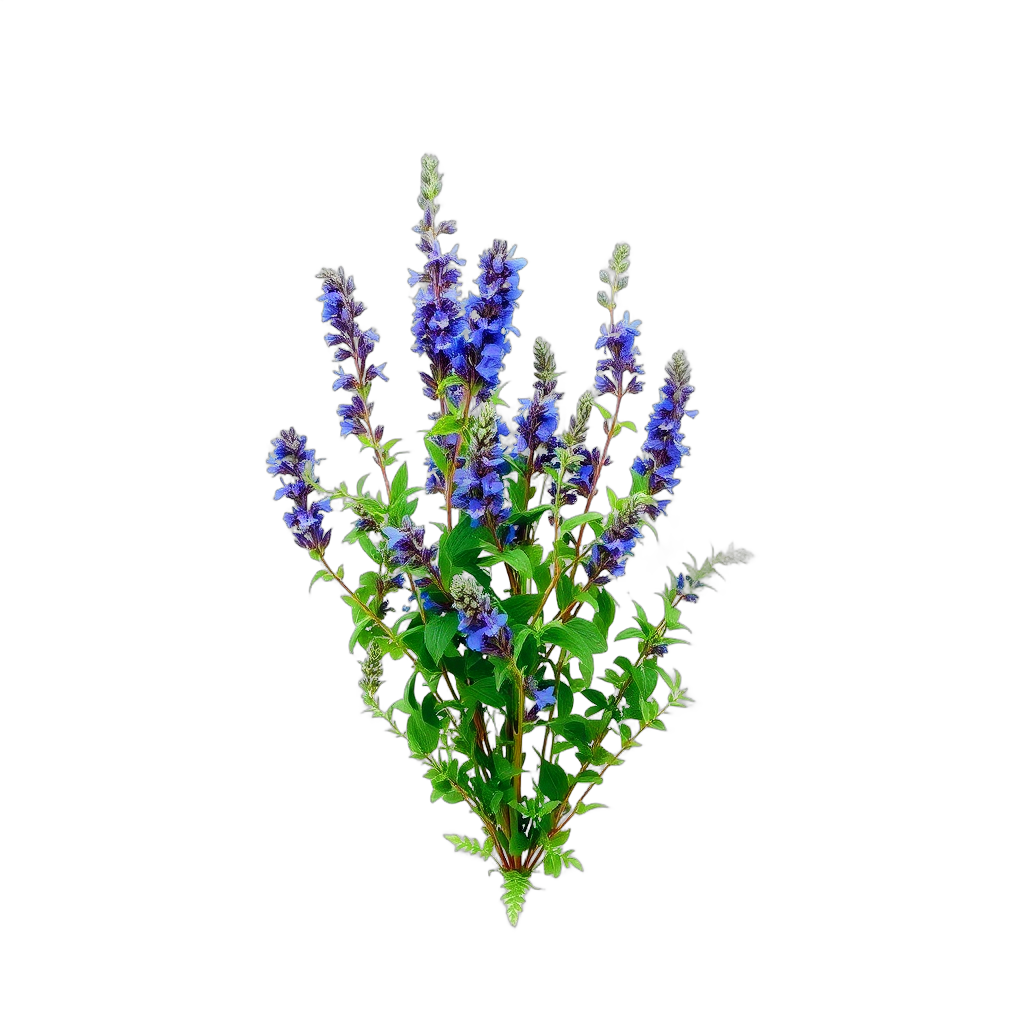
Azure Sage
Salvia azurea
grows to 4 feet, blue blooms in fall. Attracts hummingbirds.
Zone and sun checks come from our database — confirm with your local nursery before you buy.
Bloom Calendar for Topeka
spring
Blue False Indigo, Foxglove Beardtongue, Golden Alexandersummer
Path Rush, Prairie Cordgrass, Anise Hyssopfall
Azure Sage, Maximilian Sunflower, New England Asterwinter
Limited bloomsDesign Tips for Topeka (Zone 6a)
- Raise rose and lavender beds 6-8 inches above the upland clay south and west of the Kansas River; wet crowns in April kill more lavender in Topeka than the -4°F winter low ever does
- Test the soil through the Shawnee County Extension office on SW Western Avenue before you add lime or sulfur; beds limed or sulfured on a guess often end up worse
- Put peonies at the heart of the border: Paeonia lactiflora 'Sarah Bernhardt' and 'Festiva Maxima' love Zone 6a winters, bloom every May for decades, and need planting no deeper than about 2 inches
- Swap heat-hating English classics for prairie-tough lookalikes: Baptisia australis and Salvia nemorosa 'Caradonna' for delphinium blue, Veronica spicata 'Royal Candles' for lupin spires
- Place roses where they get morning sun and moving air; with about 36.5 inches of rain a year and humid June storms, dry leaves by mid-morning are the cheapest blackspot control there is
- Shelter tall plants like Alcea rosea 'Chater's Double' along a fence or wall on the south and west side, because Kansas summer winds flatten unstaked hollyhocks and foxgloves
- Run drip irrigation on a timer under the mulch for July and August, when highs average about 90°F; water early in the morning and keep spray off rose and phlox leaves
Where to Source Plants in Topeka
Skip the big-box stores. These independent Topeka nurseries specialize in the plants that make cottage/english gardens thrive in Zone 6a.
Jackson's Greenhouse
North Topeka (NW Lower Silver Lake Road)
Long-running Topeka garden center and working greenhouse with nursery stock, perennials, annuals, tropicals and bulk seed; a local source for cottage perennials and roses
Skinner Garden Store
Northwest Topeka (NW Lower Silver Lake Road)
Garden store carrying trees, shrubs, roses, perennials, vines and groundcovers, with landscape design, installation and delivery
Kaw Valley Greenhouses
North Topeka (US-24 and Kansas Avenue)
Family-owned grower since 1967 running a spring seasonal garden center, roughly April to June, with locally grown annuals, perennials and vegetables
Cottage/English Landscaping Costs in Topeka
| Project Scope | Estimated Cost |
|---|---|
| Front cottage border with brick or flagstone path (400–600 sqft) | $8,000 – $22,000 |
| Clay brick walkway on a compacted base (150–250 sqft) | $3,500 – $9,000 |
| Cedar picket fence with gate and rose arch (60–100 linear ft) | $3,000 – $8,000 |
| Stained cedar pergola over a patio | $4,000 – $11,000 |
| Raised cedar cutting beds with drip irrigation (4 beds) | $2,500 – $6,000 |
| Full back cottage garden: patio, pergola, beds and borders | $25,000 – $70,000 |
| AI visualization (ProScapeAI) | Free to start |
Estimates based on Topeka, KS-area contractor rates as of 2026. Actual costs vary by site conditions, materials, and contractor.
Topeka Climate & Growing Zone
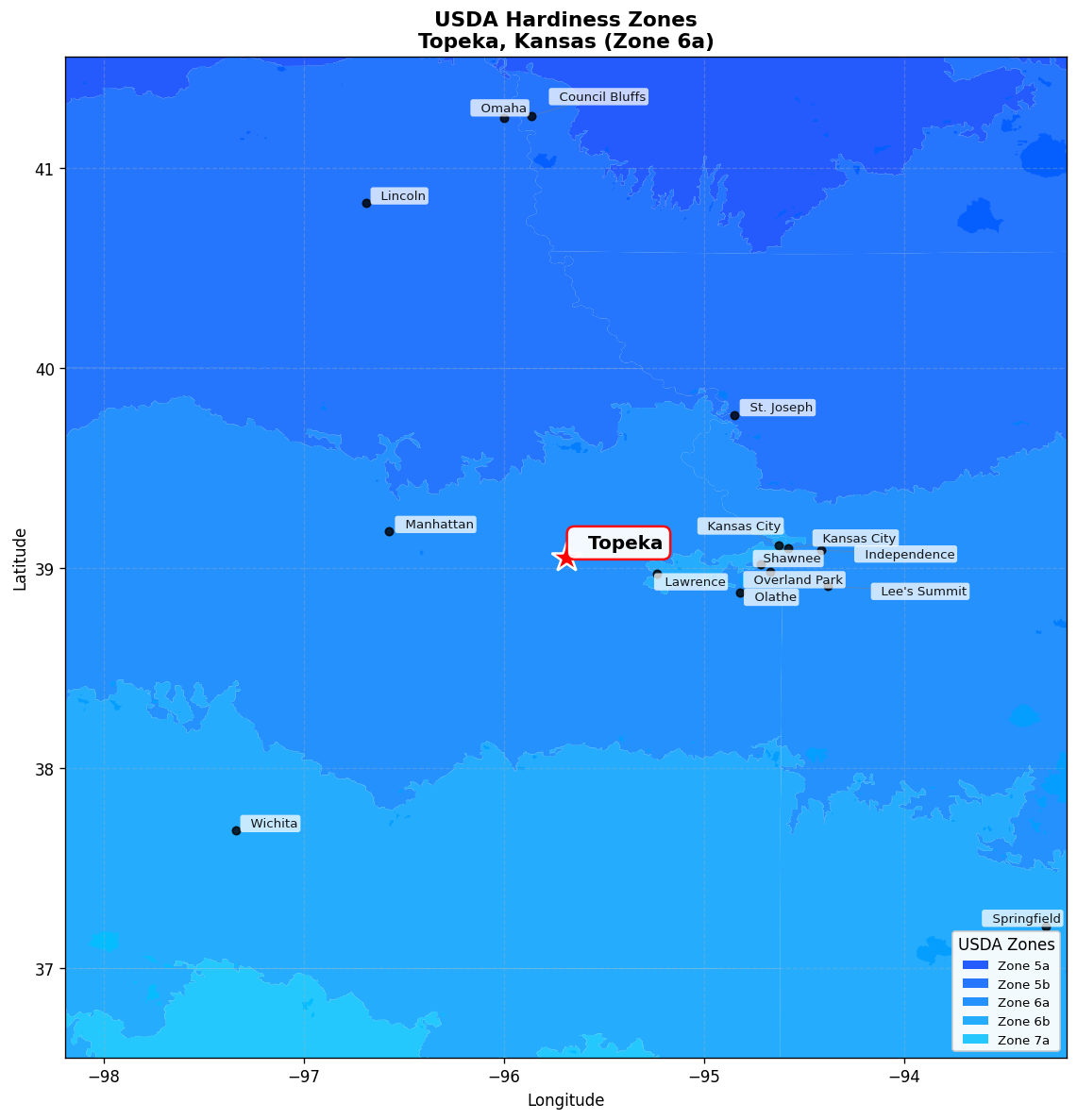
USDA Zone 6a
Hardiness zone for Topeka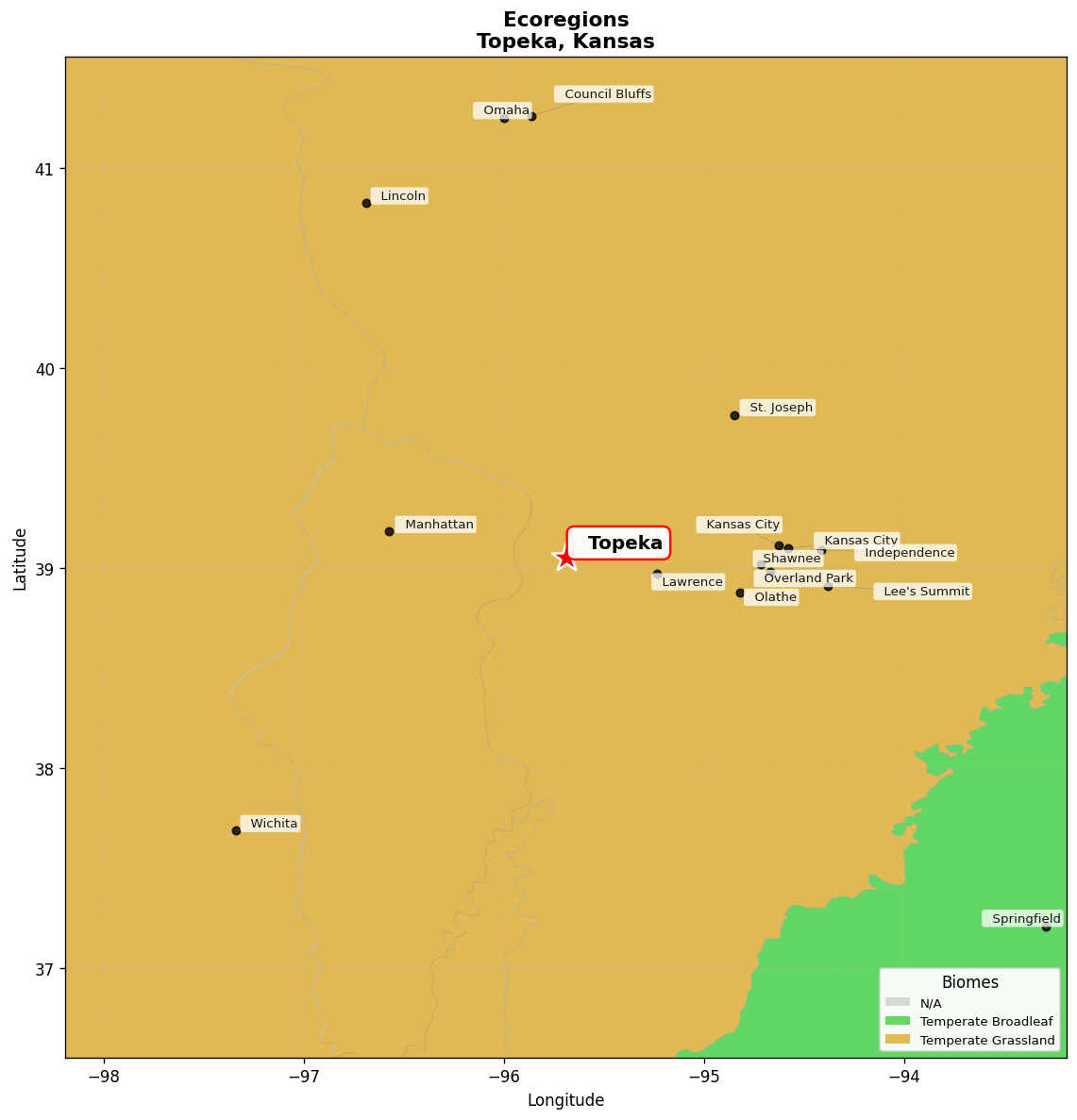
Central Tallgrass prairie
Native ecoregionFrequently Asked Questions
How much does a cottage garden cost in Topeka, KS?
Topeka install pricing generally runs below the Kansas City metro, but plants and stone cost about the same everywhere. As a rough guide, a planted front cottage border with a brick or flagstone path runs about $15–40 per square foot installed, so a 400–600 sqft front yard often lands between $8,000 and $22,000. A cedar picket fence and gate arch adds several thousand dollars, and a full back garden with patio, pergola and raised beds commonly runs $25,000–70,000. Planting it yourself from one-gallon pots of Nepeta 'Walker's Low', Salvia 'Caradonna' and bare-root peonies can bring a border in under $10 per square foot. Get two or three local quotes, because prices move with the season.
Which roses survive Topeka winters and summers?
Choose roses that are both cold-hardy and disease-tolerant. With the coldest night of a typical Topeka winter near -4°F, most hybrid teas die back hard and then struggle with blackspot in the humid June that follows. Rosa 'New Dawn' and the thornless Rosa 'Zephirine Drouhin' are dependable climbers for arbours, Rosa 'John Cabot' (a Canadian Explorer rose) handles far colder winters than Topeka sends, and Rosa 'Olivia Rose Austin' and the Knock Out family carry the shrub layer. Give every rose six or more hours of sun, morning sun if possible, water at the base, and mulch the crowns in late November. The Reinisch Rose Garden in Gage Park is a good place to see which roses hold up locally before you buy.
Is a cottage garden high maintenance in Topeka's climate?
It is more work than a lawn but less than people fear if you pick the right plants. The main jobs are watering through July and August when highs average about 90°F, deadheading, cutting the perennials back in late winter, and dividing crowded clumps every three to four years. Long-lived plants like Paeonia 'Sarah Bernhardt', Baptisia australis, Echinacea 'Magnus' and Nepeta 'Walker's Low' carry most of the border with very little fuss. Delphiniums and other English classics that hate the heat are where the effort goes, so use them sparingly or swap in Salvia 'Caradonna' and Veronica 'Royal Candles'.
When is the best time to plant a cottage garden in Topeka?
September to mid-October is the best window: the soil is still warm, summer heat has broken, and roots grow through the autumn before the ground freezes. It is also the right time to plant peonies, with the eyes no more than about 2 inches below the soil, or they will sit and refuse to bloom. Spring planting works once frost risk has passed, usually by late April, and container roses and perennials go in through May. Avoid starting new beds in July and August, when heat and dry spells make it hard for young plants to root.
Do I need a permit for a fence, pergola or patio in Topeka?
Planting beds and paths do not usually need a permit, but fences, pergolas, walls and structures can, and front-yard fences have their own height limits. Rules also differ if your property is in a local historic district or outside the city limits in Shawnee County. Before you build a picket fence or pergola, check with the City of Topeka Development Services Division, and set any posts or footings below the frost line the city requires so the clay does not heave them out of plumb.
What cottage plants fail in Topeka, and what should I plant instead?
The plants that fail here are the ones bred for a cool English summer. Delphinium elatum usually collapses in July heat, so use Salvia nemorosa 'Caradonna' or Baptisia australis for blue spires. Lupins rarely last; Veronica spicata 'Royal Candles' gives a similar upright shape. Lavender dies in wet clay rather than cold, so plant Lavandula × intermedia 'Phenomenal' in a raised, gravel-mulched bed. Old phlox gets powdery mildew in humid summers, so choose mildew-resistant Phlox paniculata 'Jeana' or 'David'.
How do I deal with the heavy clay soil in Topeka?
On the upland clays south and west of the Kansas River, build up rather than dig down. Work 3-4 inches of compost into the top 8-10 inches of soil, then raise the bed another 6-8 inches for roses and lavender so their crowns drain. Get a soil test through the Shawnee County Extension office first; it tells you the pH and nutrients so you add only what the bed needs. In North Topeka and Oakland the river soils drain faster and dry out sooner, so the job there is adding organic matter and mulch to hold water in summer.