4 Cottage Garden Ideas for Olathe, KS | Zone 6a Landscape Design
Native plants from the Central Tallgrass prairie (Zone 6a) — Humid continental (hot summer) climate
Why Cottage/English Gardens in Olathe?
Olathe is one of the few Kansas City suburbs where an English cottage garden reads as at home rather than imported. The 1900s foursquares and Craftsman bungalows around the historic Santa Fe Street district downtown, the 1970s and 1980s ranches and split-levels in Havencroft, Brougham and Persimmon Hill, and the shingled two-story traditionals filling Cedar Creek, Stone Creek and Arbor Creek all share exactly what a cottage border needs: a modest front setback, one clear path from sidewalk to door, and a facade plain enough that the flowers can do the talking. A white picket fence and a rose arbor look theatrical on a sprawling estate lot; on an Olathe quarter-acre with a 25-foot setback they simply look finished. The one thing to check before you order the pickets is your covenant - several of the west-side associations along Cedar Creek Parkway and K-7 have front-yard fence and hedge-height rules that shape where the enclosure can go.
Olathe sits squarely in USDA Zone 6a, where the average coldest night of the year lands between -10 and -5 degrees F, while the Koppen Dfa classification promises the other half of the problem: a July that averages close to 89 degrees F with Gulf-fed dew points in the 70s. Add roughly 39 to 41 inches of precipitation a year - much of it arriving in violent May and June thunderstorms - plus an average of about 19 inches of snow, and you have a climate that quietly executes most imported English plant lists. Tall Delphinium elatum flops in the first storm, Provence lavender rots in August humidity, and old garden roses black-spot to bare canes by Labor Day. The cottage look survives here on a substitution list: Lavandula x intermedia 'Phenomenal' instead of Provence lavender, Phlox paniculata 'David' instead of mildew-prone heirloom phlox, and Rosa 'New Dawn' or 'Olivia Rose Austin' instead of fussy hybrid teas.
Under nearly every Olathe lot sits deep loess-derived silty clay loam - the Sharpsburg and Grundy soils that built Johnson County farm ground. They hold water like a sponge through a wet March, then shrink and crack open by mid-August, and their pH runs neutral to slightly alkaline, generally 6.5 to 7.5. That single number decides half your plant list. Blue Hydrangea macrophylla, azalea, rhododendron and blueberry sulk and yellow here without constant acidification, while Baptisia australis, Nepeta 'Walker's Low', Echinacea purpurea 'Magnus' and Hydrangea paniculata 'Limelight' behave as though they were bred for it - because the prairie species among them essentially were. The practical answer on clay is to build beds up rather than dig them down: 8 to 12 inches of raised, compost-amended soil over broadforked native ground drains, while a hole dug into clay and backfilled with fluffy potting mix becomes a bathtub that drowns roses over winter.
The City of Olathe runs its own water utility, and the city's water conservation plan reports that more than 70 percent of the water delivered to Olathe homes and businesses in summer goes onto lawns. That figure is the strongest financial argument for a cottage garden anyone in Johnson County can make. A tall fescue lawn needs roughly an inch of supplemental water a week from late June through early September; a two-year-old cottage border built on deep-rooted prairie perennials and Mediterranean subshrubs typically wants a deep soak every ten to fourteen days in the same stretch. Run inline drip under 3 inches of hardwood mulch rather than spray heads, keep water off rose and phlox foliage to hold black spot and mildew down, and check the city's grading and stormwater guidance before you regrade or add a retaining wall on one of Olathe's rolling creek-side lots near Cedar Creek, Indian Creek or Mill Creek.
4 Cottage/English Design Ideas for Olathe

The Picket Fence Rose Arbor
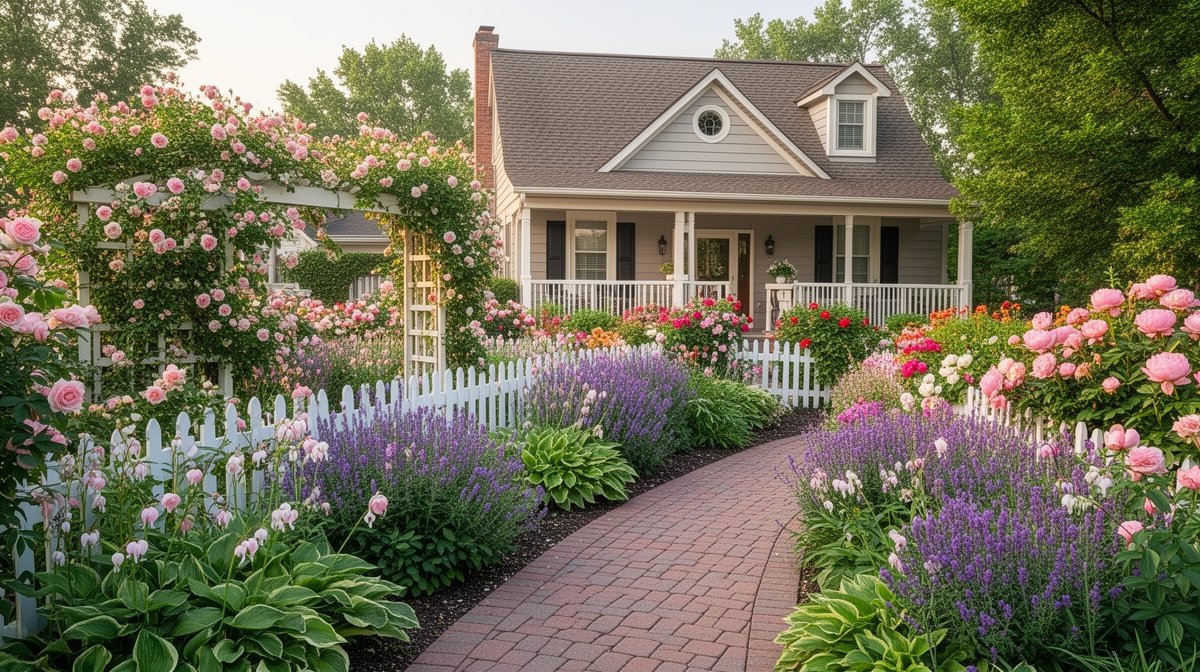
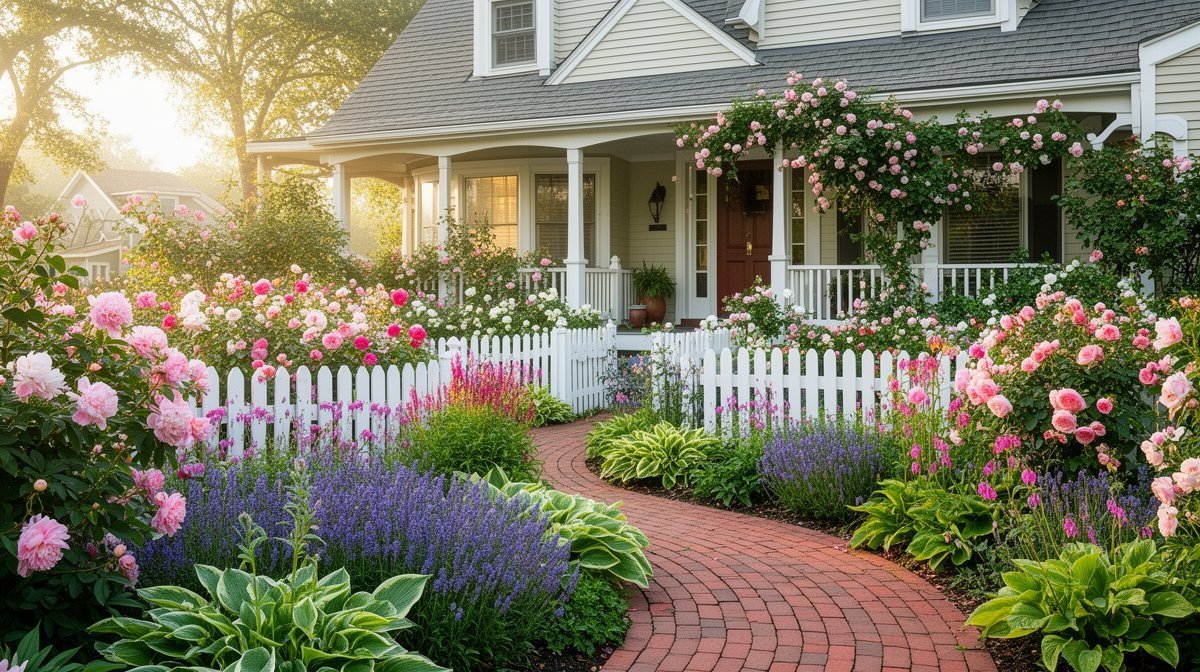
$16-30/sqftA low white picket fence closes the front yard off from the sidewalk, and a single arched arbor smothered in blush and cream climbing roses frames a gate onto a running-bond brick paver path. Inside the fence the planting is layered rather than random: clipped boxwood mounds hold the structure at the bed corners, long drifts of lavender and catmint run the fence line with cobalt annual lobelia pooled at their feet, and taller shrub roses in pink and white break the fence rhythm at the outer corners. The house behind is a plain white cottage with a single dormer and a brick chimney, hanging baskets at the porch posts, which is precisely the sort of unfussy Olathe facade that a rose arbor transforms.

The Curved Flagstone Welcome
$18-34/sqftHere the straight builder walk is gone, replaced by an irregular Kansas flagstone path that swings out into the lawn and back to a covered front porch, with a white lattice arbor marking the halfway point. Two deep kidney-shaped borders flank the curve and are packed the way a real cottage garden is packed - zinnias, marigolds, salvia, verbena and lavender jostling with grass clumps and taller spires, no bare mulch anywhere by July. A mature shade tree on the left throws the whole west side into afternoon shadow, window boxes of red geraniums repeat the border colors up at eye level, and low path lights are tucked at the bed edge for evening.

The Foxglove Pergola Tea Garden
$14-26/sqftA square white pergola sits out in the lawn, its posts and beams disappearing under pink climbing roses, sheltering a small flagstone pad with a round bistro table and two scrolled metal chairs. What makes the design work is what surrounds it: waist-to-shoulder-high borders of foxglove spires in pink, cream and lilac, mounded lavender, white shasta daisies and orange calendula, with silvered lamb's ear and a big blue-green hosta softening the front edge where the borders meet the grass. A single mown lawn corridor runs from the pergola back to the house steps, which is the whole trick - one clean green line keeps an exuberant planting from reading as chaos.

The Fountain Courtyard Dining Room
$22-42/sqftA larger pergola, again wrapped in pink and white climbing roses, roofs a paver dining patio set for six against a cedar privacy fence topped with lattice panels. Out on the lawn a carved stone pedestal fountain acts as the second focal point, and the whole composition is organized by a long sweeping steel edge that carves the grass into a soft curve and lets the borders bulge and recede around it. Those borders mix repeat-flowering pink shrub roses, purple veronica spikes, catmint, lady's mantle and hosta, with clematis threaded up the pergola posts so the columns flower at eye level after the roses have finished their first flush.
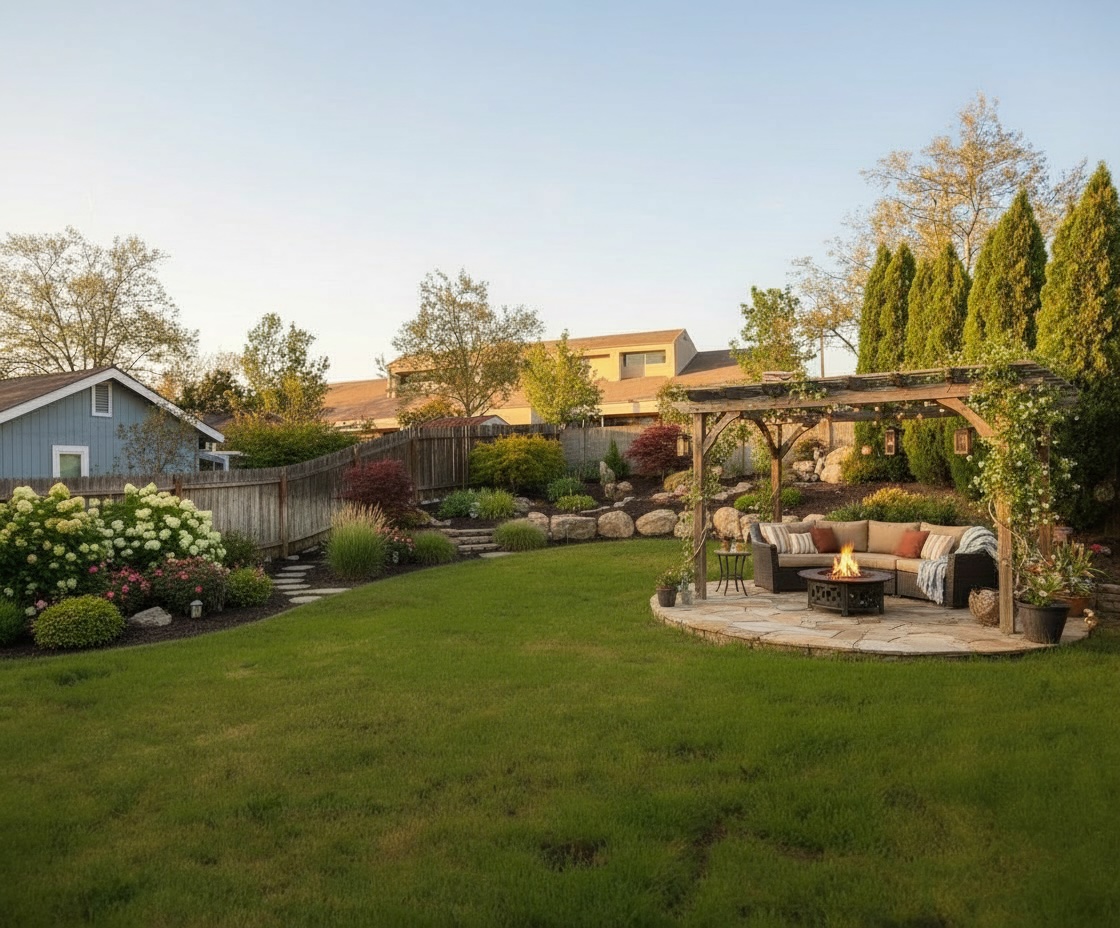
See how a cottage/english garden looks on YOUR property
Upload a photo of your Olathe yard and visualize your dream garden in seconds.
Try ProScapeAI Free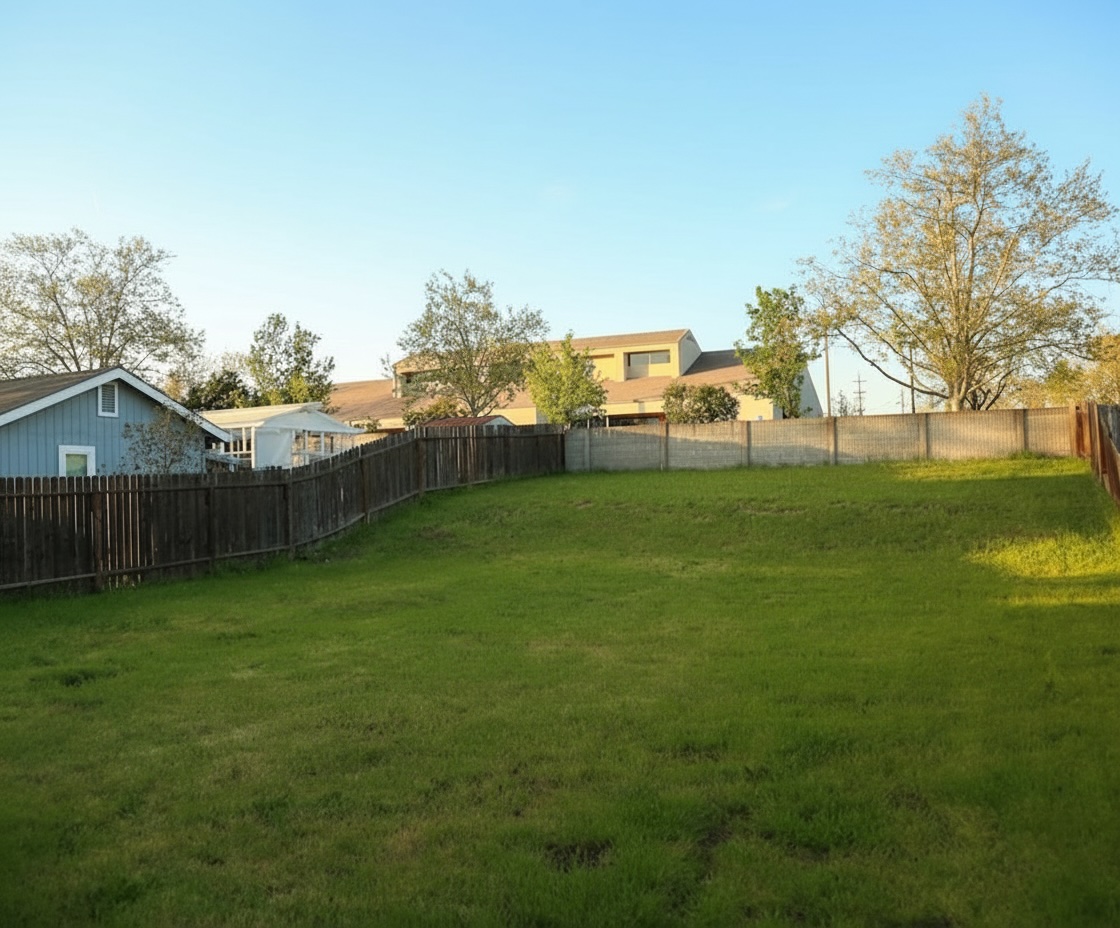
Featured Trees & Shrubs for Cottage/English Gardens
Browse all 194 plants for Olathe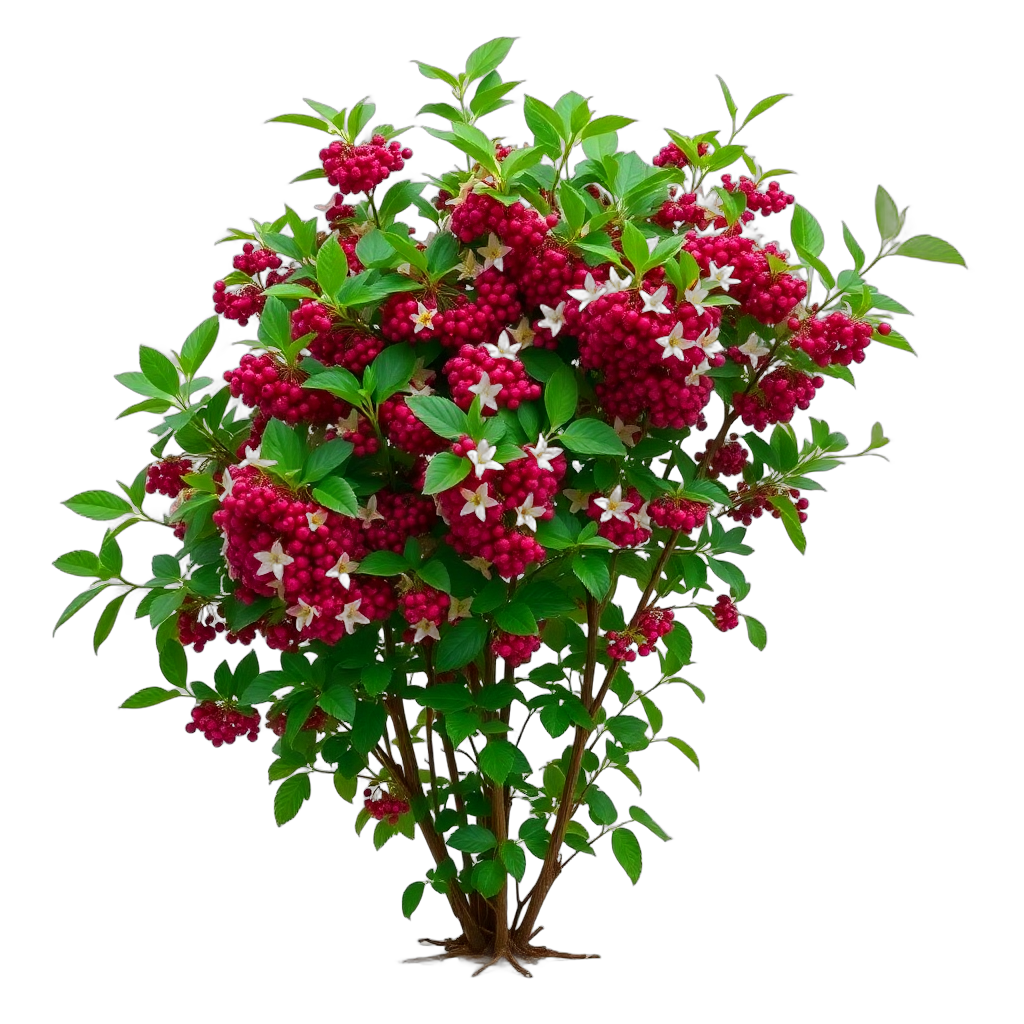
Clove Currant
Ribes odoratum
grows to 6 feet, yellow blooms in spring. Attracts hummingbirds.

Fragrant Sumac
Rhus aromatica
grows to 4 feet, yellow blooms in spring. Attracts butterflies.
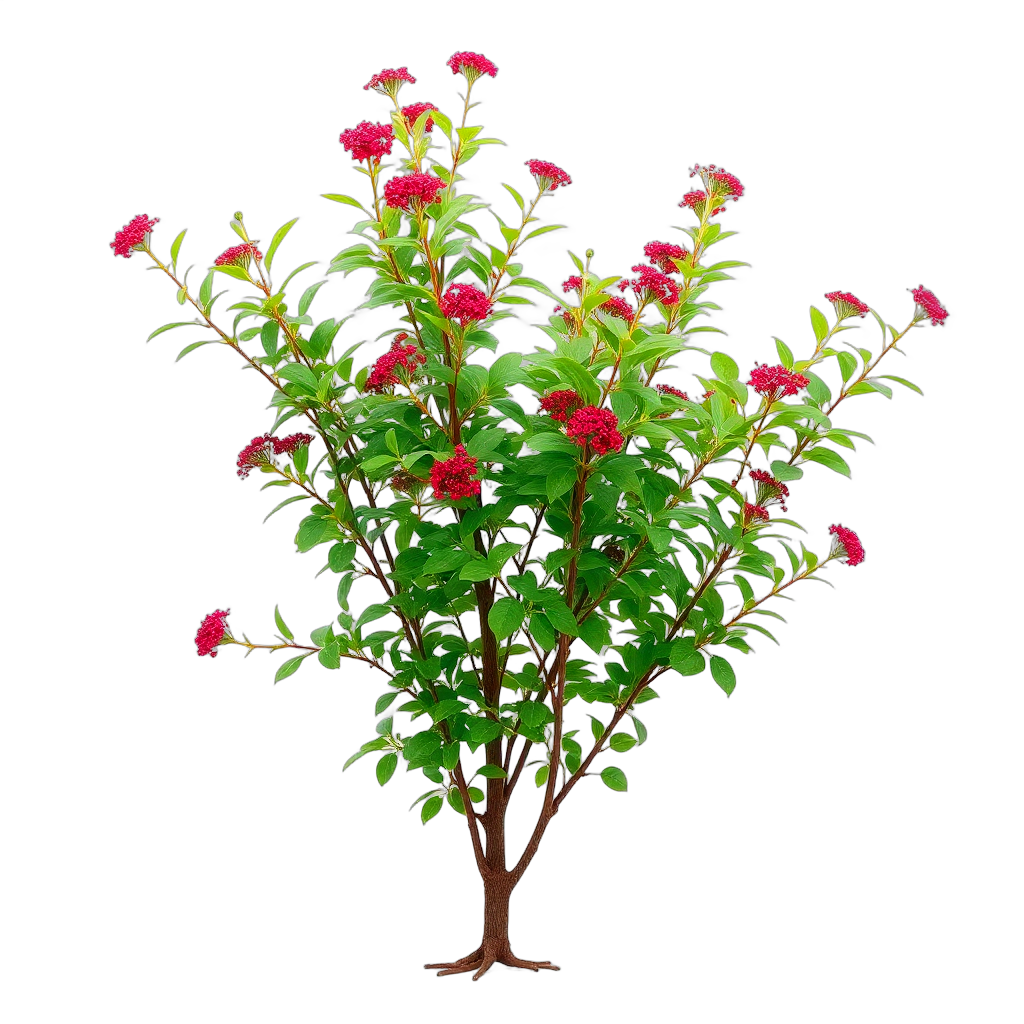
Smooth Sumac
Rhus glabra
medium-sized at 12 feet, white,green blooms in summer. Attracts butterflies.
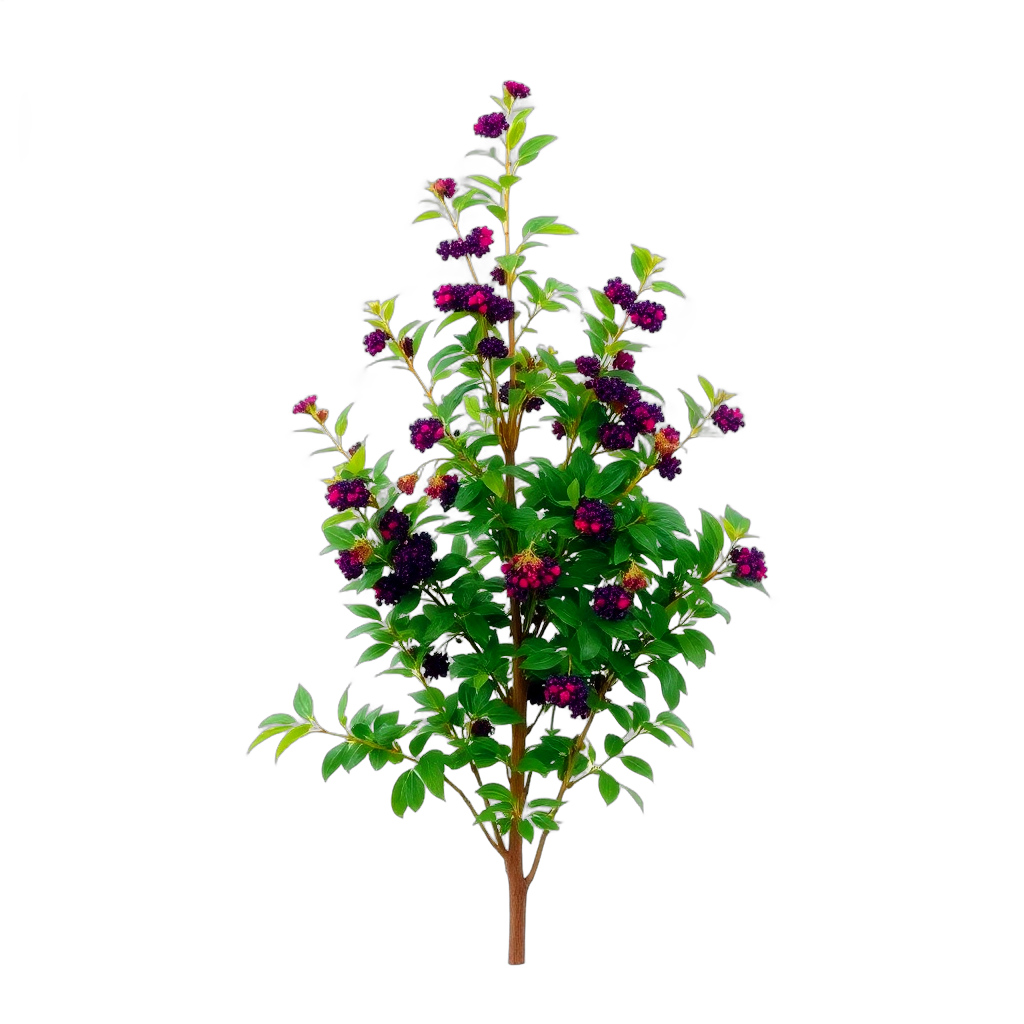
American Beautyberry
Callicarpa americana
grows to 6 feet, pink blooms in summer. Pollinator-friendly.
Featured Grasses & Groundcovers for Cottage/English Gardens
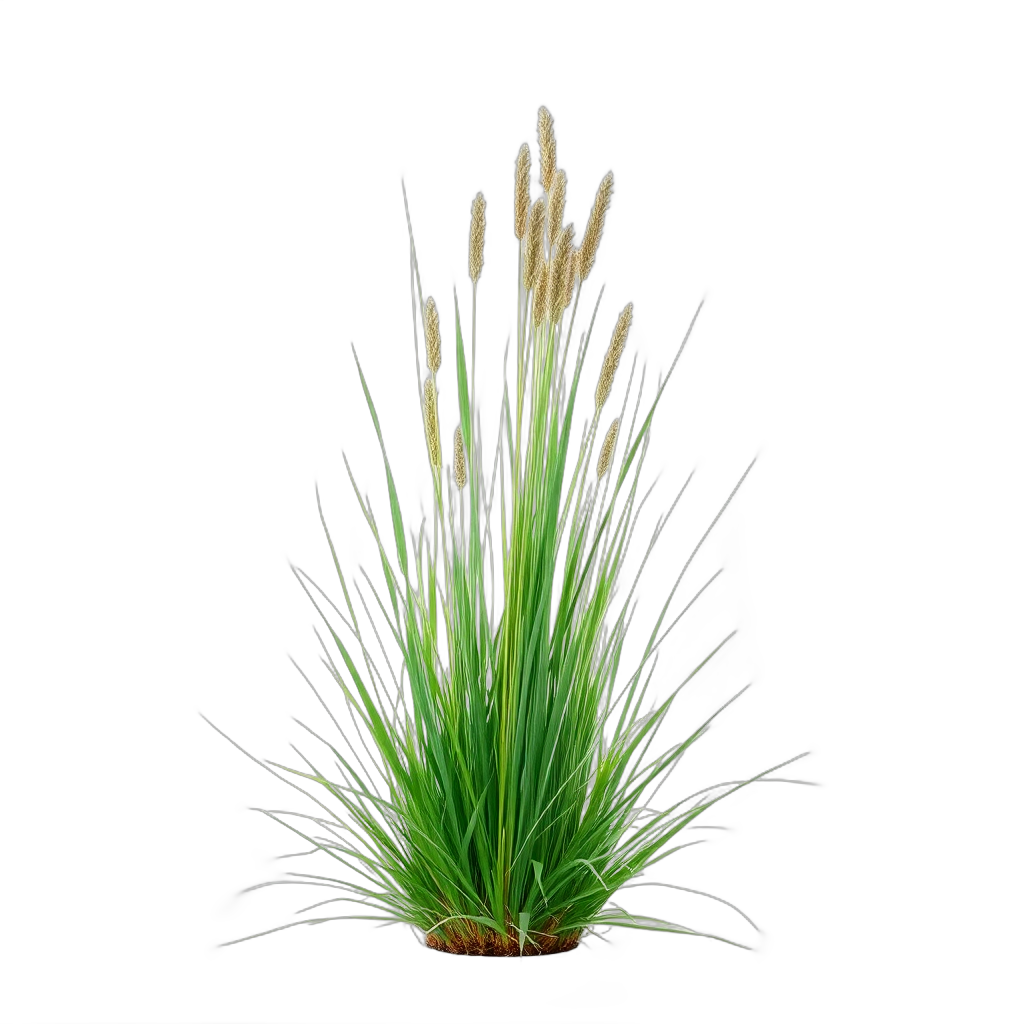
Big Bluestem
Andropogon gerardii
medium-sized at 7 feet, purple blooms in fall. Bronze,burgundy fall color.
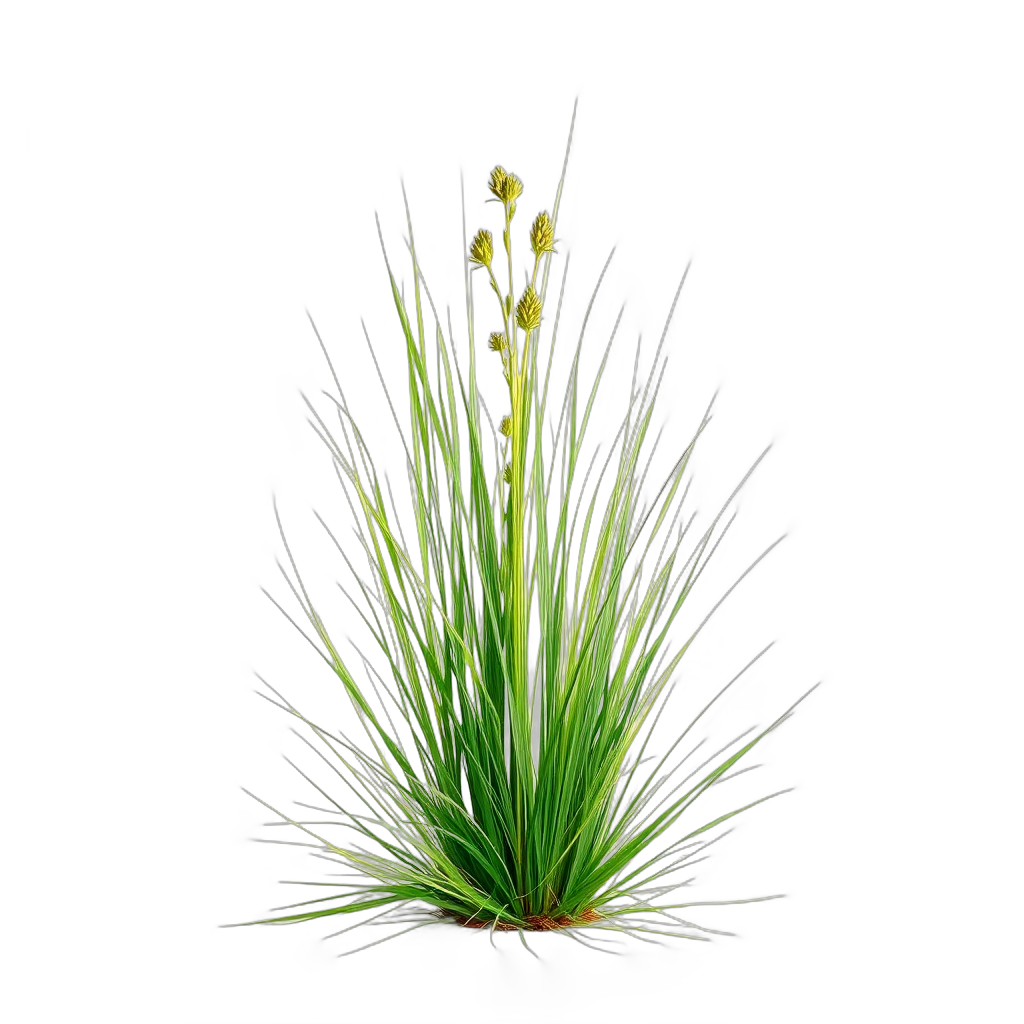
Canada Wild Rye
Elymus canadensis
grows to 4 feet, blooms in summer. Yellow fall color.
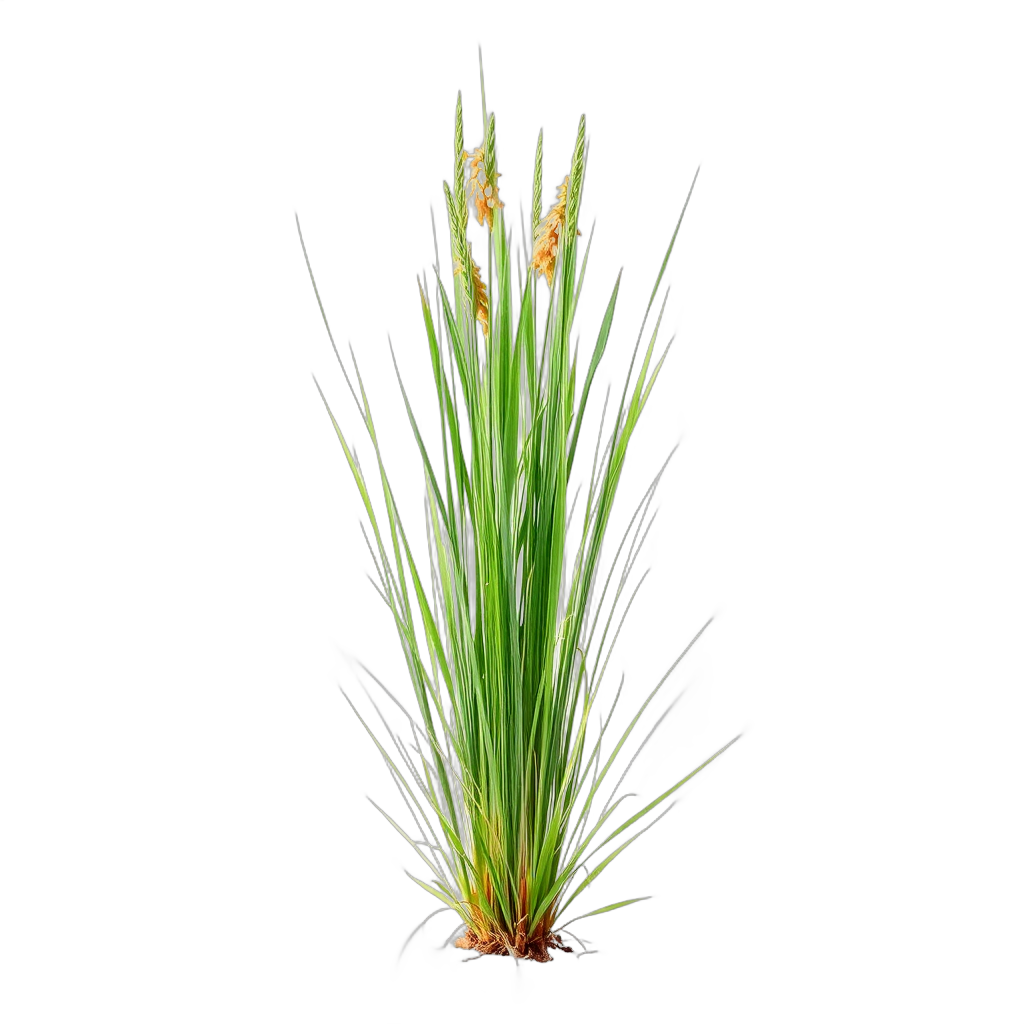
Eastern Gamagrass
Tripsacum dactyloides
grows to 6 feet, blooms in summer. Yellow fall color.
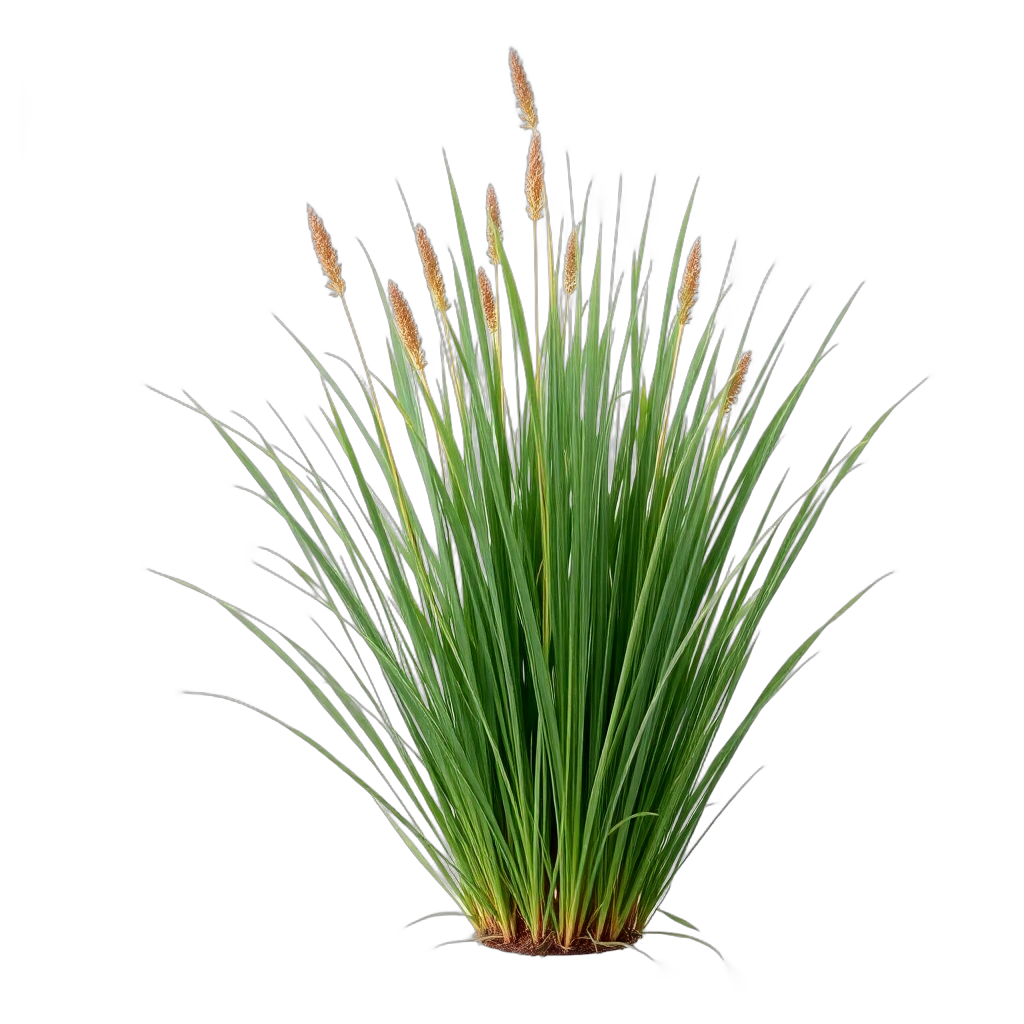
Heavy Metal Switchgrass
Panicum 'Heavy Metal'
grows to 4 feet, pink blooms in summer. Yellow fall color.
Featured Flowers & Perennials for Cottage/English Gardens
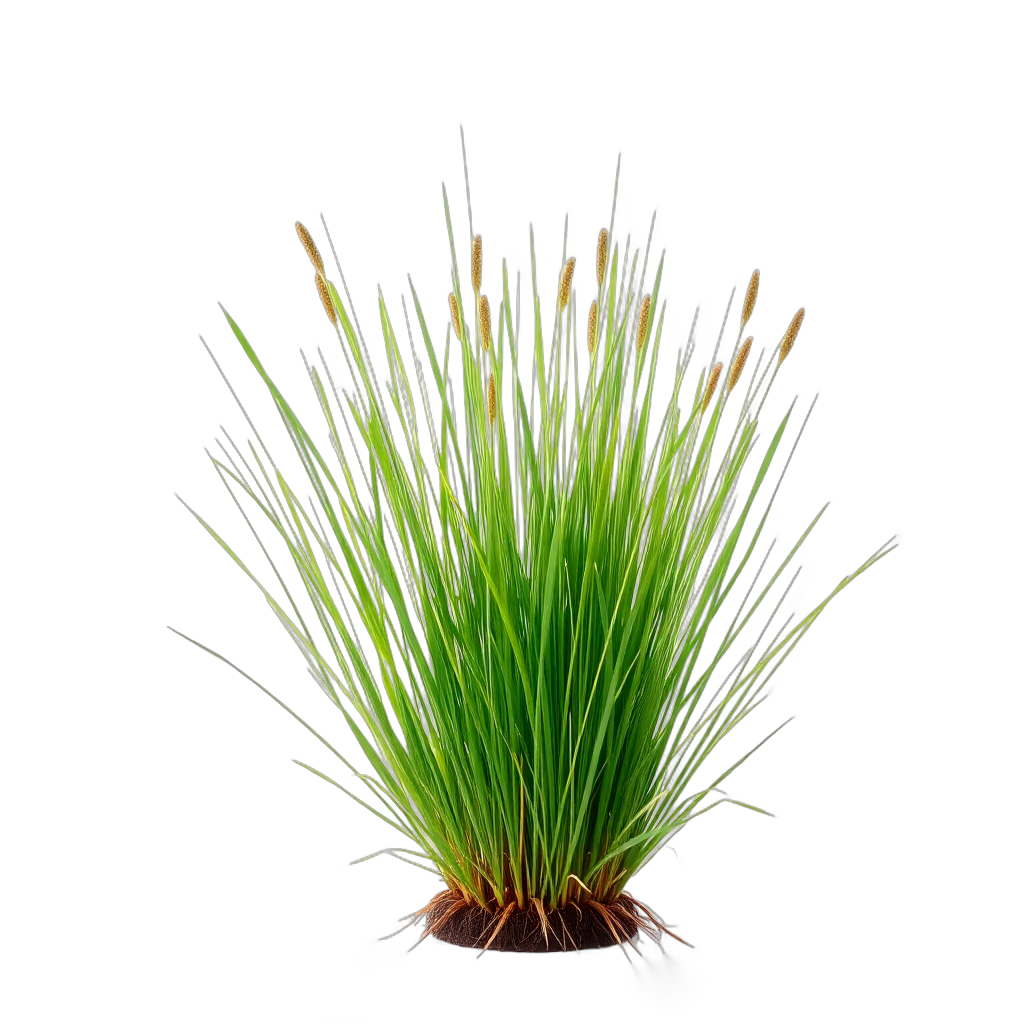
Path Rush
Juncus tenuis
low-growing ground cover, blooms in summer. Evergreen year-round.
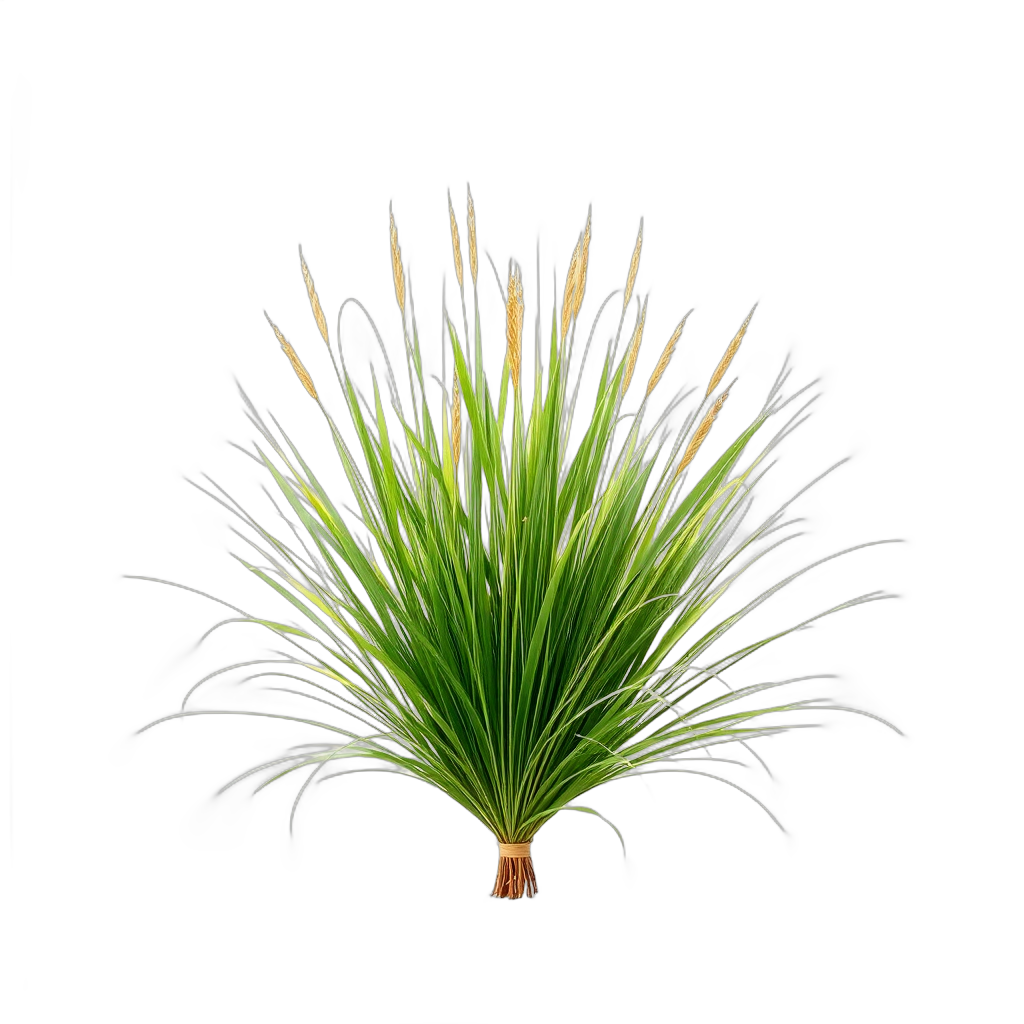
Prairie Cordgrass
Spartina pectinata
grows to 6 feet, blooms in summer. Yellow fall color.
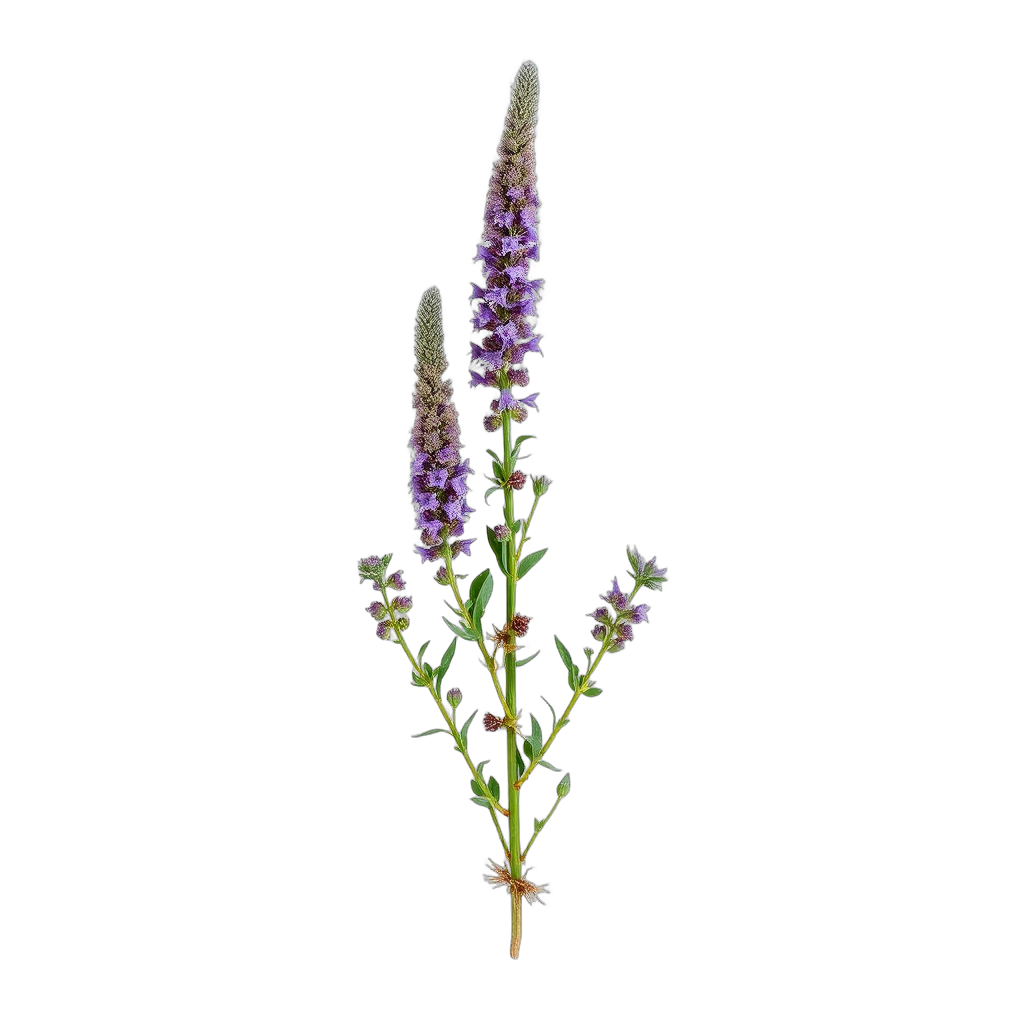
Anise Hyssop
Agastache foeniculum
grows to 3 feet, purple blooms in summer. Attracts hummingbirds.
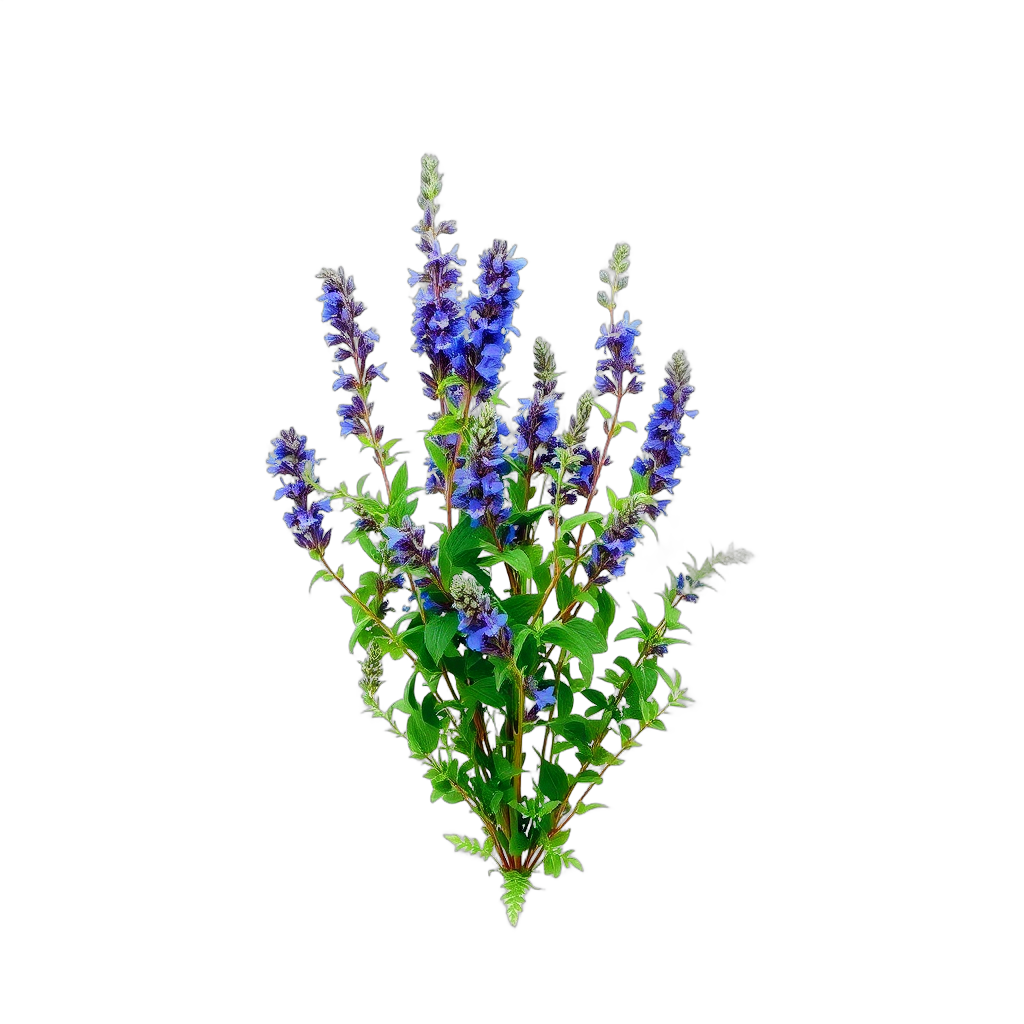
Azure Sage
Salvia azurea
grows to 4 feet, blue blooms in fall. Attracts hummingbirds.
Zone and sun checks come from our database — confirm with your local nursery before you buy.
Bloom Calendar for Olathe
spring
Blue False Indigo, Foxglove Beardtongue, Golden Alexandersummer
Path Rush, Prairie Cordgrass, Anise Hyssopfall
Azure Sage, Maximilian Sunflower, New England Asterwinter
Limited bloomsDesign Tips for Olathe (Zone 6a)
- Raise every border 8 to 12 inches above the lawn - Olathe's Sharpsburg silty clay loam holds winter water, and a proud, compost-built bed is the single change that keeps Rosa 'Olivia Rose Austin' and Lavandula x intermedia 'Phenomenal' alive past their second February
- Test your pH before you fall in love with blue hydrangeas: most Olathe soil runs 6.5 to 7.5, so plant Hydrangea paniculata 'Limelight' or 'Little Lime' instead of Hydrangea macrophylla and skip azalea and rhododendron entirely
- Lean on tallgrass prairie natives for the backbone - Baptisia australis, Echinacea purpurea 'Magnus', Rudbeckia fulgida 'Goldsturm' and Schizachyrium scoparium 'Standing Ovation' give the loose cottage silhouette while their taproots handle a Kansas flash drought that would flatten a delphinium
- Choose mildew-resistant selections on purpose: Phlox paniculata 'David', Monarda 'Jacob Cline' and Nepeta 'Cat's Pajamas' stay clean through a 70-degree-dew-point Olathe August, while heirloom phlox and bee balm are bare stems by mid-July
- Stake early, not after the storm - May and June deliver Olathe's wettest weather with straight-line winds, so get grow-through rings over Delphinium 'Magic Fountains', Digitalis and peonies in April while they are still 8 inches tall
- Irrigate with inline drip under 3 inches of shredded hardwood mulch rather than spray heads; it keeps foliage dry against black spot and directly attacks the outdoor water use that the city's conservation plan puts at more than 70 percent of summer demand
- Plant in the fall window from mid-September to late October whenever you can - warm soil and autumn rain root perennials and shrub roses so well that they skip most of the sulking a Zone 6a spring planting goes through
Where to Source Plants in Olathe
Skip the big-box stores. These independent Olathe nurseries specialize in the plants that make cottage/english gardens thrive in Zone 6a.
Grass Pad
North Olathe, off Old 56 Highway
Olathe's home-town garden centre since 1983, with nursery stock, shrubs, trees, bulk mulch and the best cool-season grass seed selection in the metro for the lawn strips a cottage garden frames
Family Tree Nursery
Overland Park, near 84th and Farley
Five-acre independent garden centre open more than 60 years, with dedicated rose, perennial and English-style annual departments plus an in-house container design team
Suburban Lawn & Garden
Lenexa, K-7 and Prairie Star Parkway
26-acre garden centre with ball-and-burlap trees, perennials, statuary and bulk compost, the closest large independent to west Olathe
Rolling Meadows Garden Center
Overland Park, 151st Street near the Olathe line
Independent design-led garden centre supporting local growers, with statuary, fountains, bulk mulch and topsoil - useful for the fountain-and-pergola end of a cottage scheme
Cottage/English Landscaping Costs in Olathe
| Project Scope | Estimated Cost |
|---|---|
| Front-yard cottage border (300-500 sqft, soil prep and planting) | $3,500 - $9,000 |
| Cedar rose arbor plus brick or flagstone front path | $4,500 - $12,000 |
| Painted cedar picket fence, 100 linear feet installed | $3,000 - $7,000 |
| Backyard pergola with flagstone or paver seating pad and borders | $14,000 - $35,000 |
| Cast stone pedestal fountain, set and plumbed | $1,200 - $4,500 |
| Compost and raised bed build-up, per 100 sqft of border | $250 - $650 |
| AI visualization with ProScapeAI | Free to start |
Estimates based on Olathe, KS-area contractor rates as of 2026. Actual costs vary by site conditions, materials, and contractor.
Olathe Climate & Growing Zone
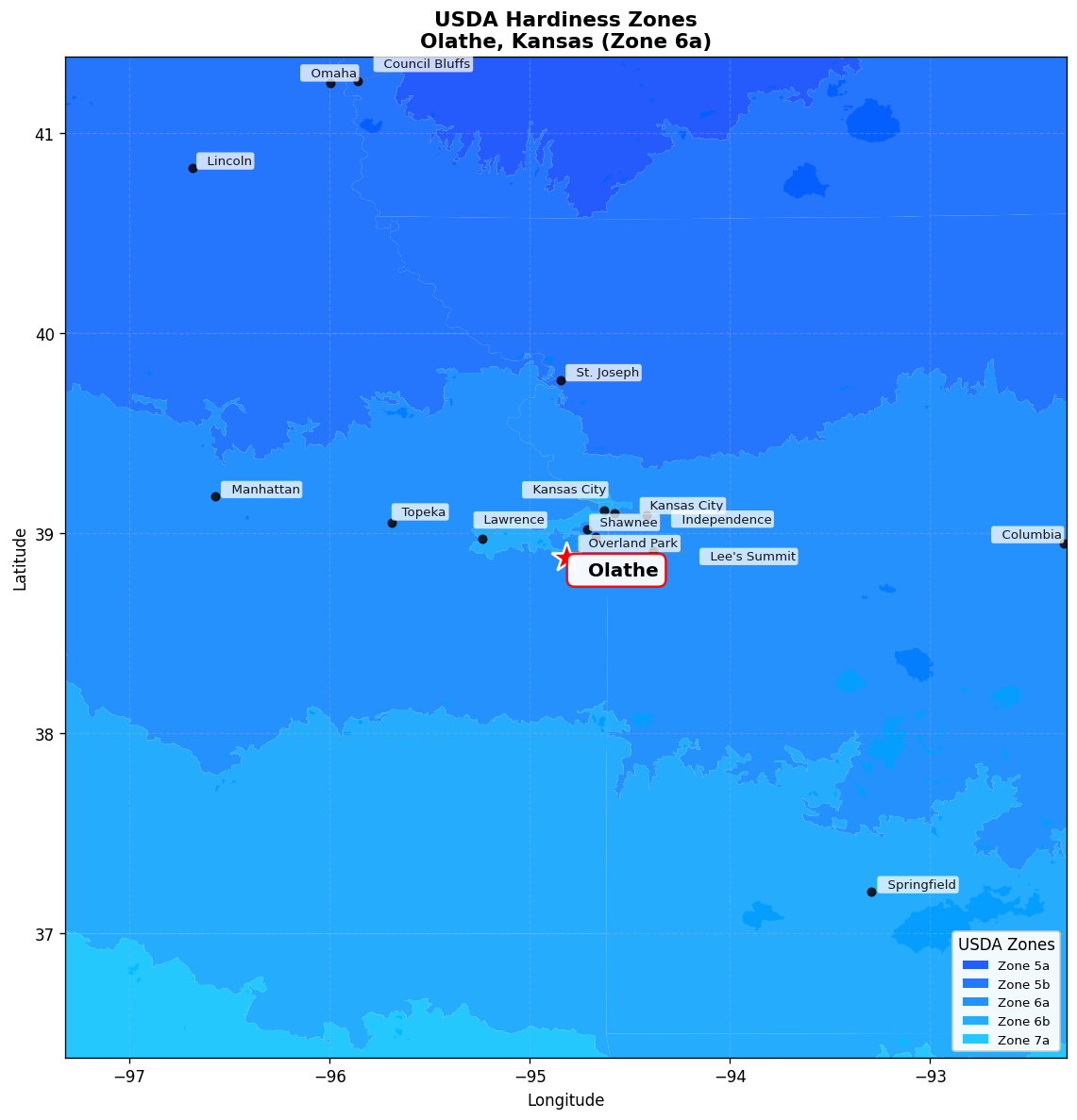
USDA Zone 6a
Hardiness zone for Olathe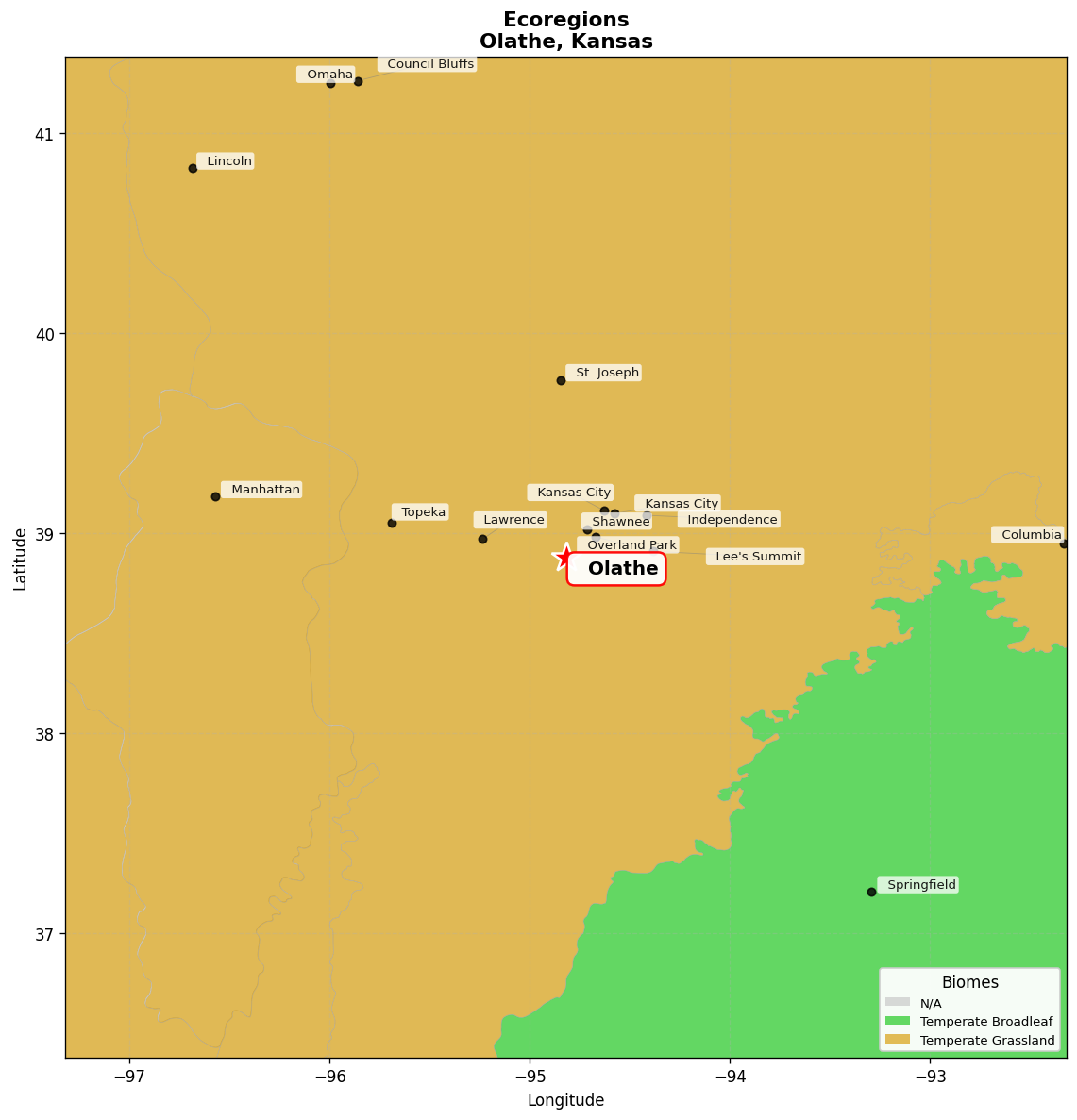
Central Tallgrass prairie
Native ecoregionFrequently Asked Questions
How much does a cottage garden cost in Olathe?
Johnson County installation pricing runs close to the national average, a little under Kansas City's downtown premium. A single front-yard cottage border along a 40-foot walk, prepped and planted, typically runs $3,500 to $9,000. Add a cedar arbor and a brick or flagstone path and you are at $8,000 to $20,000 for the whole front-yard picture. A backyard pergola with a flagstone or paver seating pad and surrounding borders lands between $14,000 and $35,000 depending on patio size. Doing your own planting and paying a crew only for hardscape and soil prep usually cuts 30 to 40 percent, and a starter border of Nepeta 'Walker's Low', Salvia 'Caradonna' and Echinacea 'Magnus' plugs can be under $500 in plants.
Which roses actually survive Olathe winters and summers?
You need cold hardiness to Zone 6a and black spot resistance for a humid July, and that pair rules out most hybrid teas without a spray program. The reliable Olathe list is Rosa 'New Dawn' and 'Zephirine Drouhin' for arbors, Rosa 'Olivia Rose Austin' and 'The Generous Gardener' for scented English shrubs, and Rosa 'Bonica', 'Sally Holmes' and the Knock Out group (Rosa 'Radtko') for borders that must look decent with no attention. Plant with the graft union 2 inches below grade to protect it from a -10 degree F night, mound compost over the crowns in late November, and prune in late March once forsythia breaks - not in fall, which invites winter dieback.
Will lavender survive Olathe's clay and humidity?
Only if you fix the drainage first, and only with the right species. Straight Lavandula angustifolia 'Provence' types rot in Sharpsburg clay within two winters. Lavandula x intermedia 'Phenomenal' was selected in the humid eastern United States and is the one that consistently makes it through Kansas winters, with Lavandula angustifolia 'Munstead' a close second in a hot dry spot. Plant on a berm or in a bed raised 8 to 12 inches, cut 30 to 40 percent coarse sand or expanded shale into the top foot, mulch with pea gravel rather than hardwood so the crown stays dry, and shear by a third right after the first flush in late June.
What should I do about Olathe's heavy clay soil?
Build up instead of digging down. Olathe's loess-derived silty clay loam holds winter water and then bakes to concrete in August, so a planting hole excavated in clay and backfilled with light mix becomes a sump. Broadfork or till the native ground 6 inches, then spread 4 to 6 inches of composted manure or leaf compost over the whole bed footprint and mix it into the top layer, so the finished bed sits proud of the lawn. Never amend one hole at a time. On sloping lots near Cedar Creek or Indian Creek add a shallow swale or French drain on the uphill bed edge, and check the city's stormwater and grading guidance before you move any real volume of soil.
When is the best time to plant a cottage garden in Olathe?
There are two windows. Mid-April through late May, after the average last frost around April 15, is the classic one and gives roses and perennials a full season to root before their first winter. The better-kept secret is mid-September through late October: soil is still near 70 degrees F, autumn rain does the watering, and plants set roots all winter for a much stronger second spring. Avoid planting in July and August, when a 95 degree F afternoon plus 70-degree dew points will cook anything not yet established. Bare-root roses and Digitalis and Delphinium plugs go in earliest, from late March.
How much water does a cottage border need compared with a fescue lawn?
Far less after establishment, which matters in a city whose conservation plan attributes more than 70 percent of summer water use to lawns. Tall fescue in Olathe wants roughly 1 to 1.25 inches a week from late June through early September to stay green. A cottage border in its third year, built around deep-rooted Baptisia australis, Echinacea purpurea 'Magnus', Amsonia hubrichtii and Perovskia, generally needs one deep soak every ten to fourteen days in the same stretch. Water it with inline drip under 3 inches of mulch and at the base of the plant - overhead spray on Phlox paniculata and rose foliage in Kansas humidity guarantees mildew and black spot.
Can I put a picket fence and arbor in my Olathe front yard?
Physically yes, and cottage design almost demands the enclosure, but two things decide the details. First, many Olathe subdivisions - Cedar Creek and several of the newer west-side associations in particular - have covenants governing front-yard fence height, material and colour, so read them before ordering cedar. Second, the city applies its own zoning standards to fences and to structures near lot lines and sight triangles at corner lots, and a freestanding arbor or pergola over a certain size can be treated as a structure. Call Olathe's planning counter with your dimensions and setbacks first; it is a five-minute conversation that prevents a very expensive rebuild.