4 Modern Landscape Ideas for Kenosha, WI | Zone 6a Lakefront Designs
Native plants from the Central US forest-grasslands transition (Zone 6a) — Humid continental (hot summer) climate
For a modern garden in Kenosha, WI, a zone 6a city with a humid continental (hot summer) climate, start with Calamagrostis × acutiflora 'Karl Foerster', Panicum virgatum 'Northwind' and Sedum 'Autumn Joy', the plants this guide's first design is built on.
Why Modern/Minimalist Gardens in Kenosha?
Kenosha is a good place for a modern landscape. The new lakefront condos and townhomes near Harbor Park, the renovated brick and loft buildings downtown, and the newer subdivisions in Pleasant Prairie and on the west side all have flat, simple facades that suit clean lines, big blocks of one plant and a restrained set of materials. A modern yard also means fewer plant types and less mowing, which is welcome when the growing season is short.
Zone 6a means winter lows of -10 to -5°F and about 35 inches of precipitation a year. That rules out many of the plants used in modern gardens farther south, such as lavender-heavy Mediterranean designs and Italian cypress. The workhorse grasses do well: Calamagrostis × acutiflora 'Karl Foerster', Panicum virgatum 'Northwind' and 'Shenandoah', Schizachyrium scoparium 'Standing Ovation' and Sporobolus heterolepis. Add evergreens that hold color in winter, such as Juniperus chinensis 'Blue Point', Taxus × media 'Densiformis' and Thuja occidentalis 'Smaragd', so beds are not bare in February. The growing season runs from a last frost around early May to a first frost in mid-October.
Close to the shore, spring is cooler and later, and onshore wind can scorch evergreens in winter, so use tougher selections such as Juniperus horizontalis 'Blue Chip' and Pinus mugo 'Slowmound' along the east side of a house. Further west, beds get more heat and less wind, and Hydrangea paniculata 'Limelight' and Rhus aromatica 'Gro-Low' do well.
The soil is glacial till: heavy clay loam over limestone-rich subsoil, pH often 7.0–8.0. Grasses and sedums tolerate that. Amend beds with compost, and set edging and hardscape on 4–6 inches of compacted stone base, with a frost depth of about three feet in a hard winter. Choose materials that survive freeze and thaw: poured concrete with control joints, Wisconsin limestone, and Corten or powder-coated steel edging. Confirm setbacks and any drainage rules with the City of Kenosha before building anything large.
4 Modern/Minimalist Design Ideas for Kenosha
AI-generated image
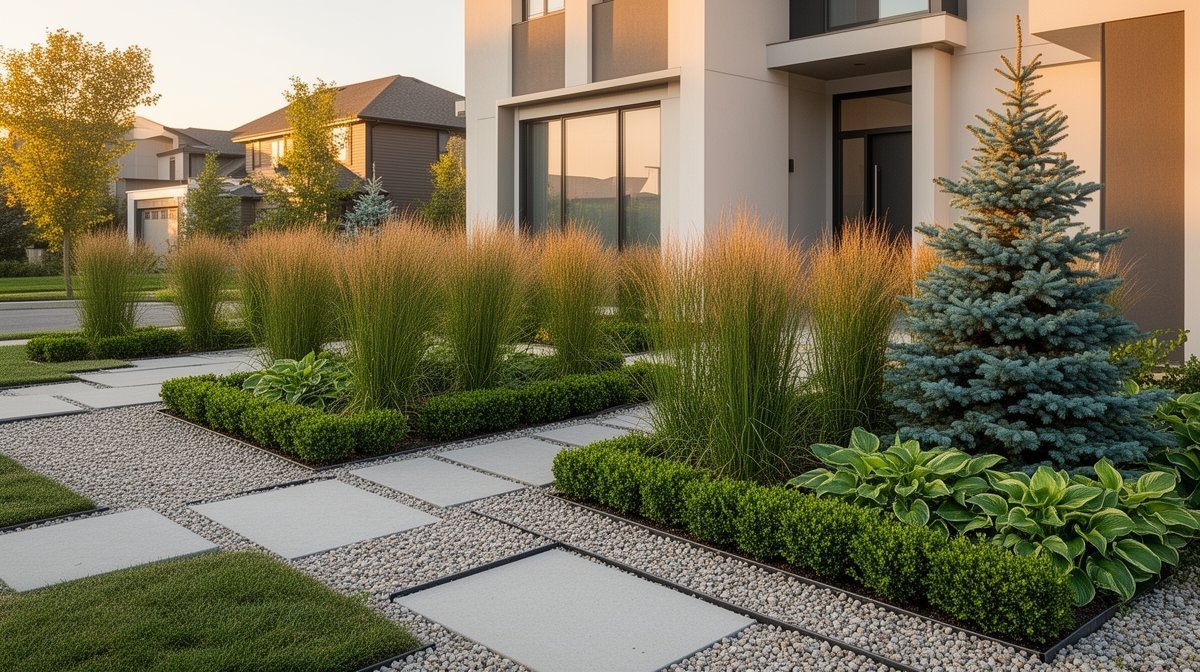
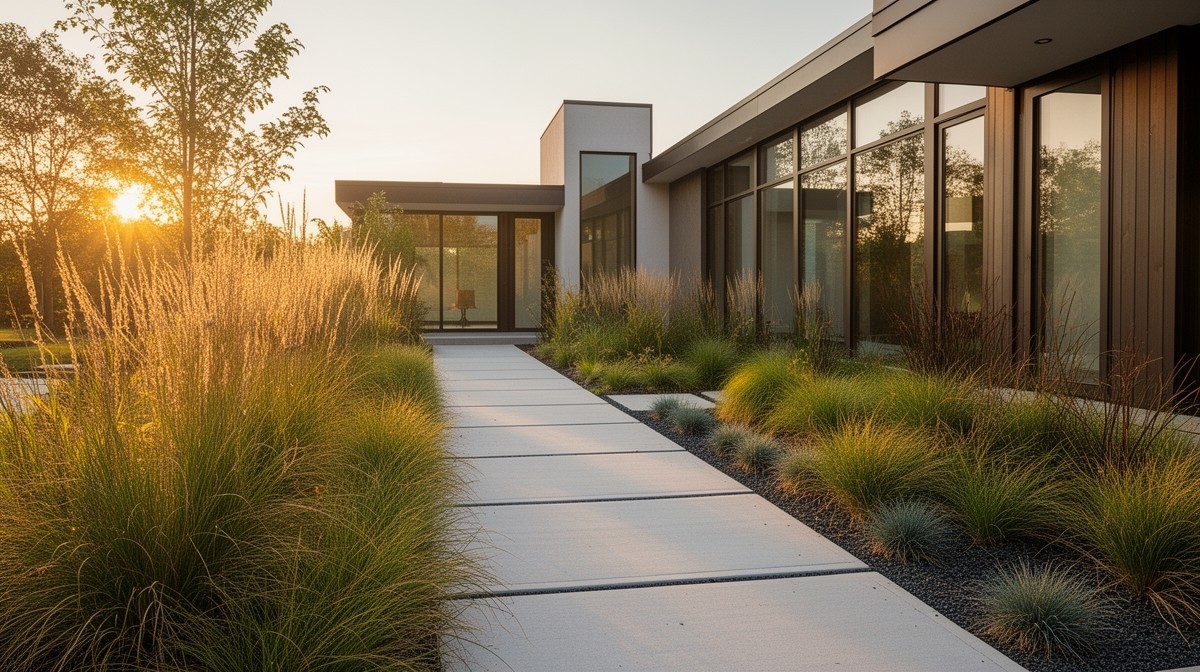
The Grass and Limestone Front Yard
$16–34/sqftA low-slung ranch or contemporary home gets a front yard of drifts of Karl Foerster feather reed grass against the foundation, with a straight poured concrete walk and a bed of crushed limestone mulch. Three clipped junipers anchor the corner. Morning sun lights the plumes from the east, and the plants stay upright through snow.
Try this on your yard: The Grass and Limestone Front YardAI-generated image
The Harbor Townhome Terrace
$30–60/sqftA small ground-level terrace behind a lakefront townhome is paved in large-format porcelain pavers, edged by a Corten steel planter holding Sporobolus heterolepis and Nepeta 'Walker's Low'. A single serviceberry gives height and fall color. Plants are chosen to handle wind off the lake and de-icing salt on the street side.
Try this on your yard: The Harbor Townhome TerraceAI-generated image
The Entertaining Back Patio
$28–55/sqftA rectangular concrete patio sits off a back door, with a built-in bench wall in cedar and a fire pit at one end. Beds of Shenandoah switchgrass and Rudbeckia fulgida 'Goldsturm' wrap the edges, with a row of Thuja 'Smaragd' on the lot line for privacy. The patio faces south and west, so evenings stay usable into October.
Try this on your yard: The Entertaining Back PatioAI-generated image
The Rain Garden Courtyard Edge
$18–38/sqftA shallow rain garden catches roof runoff from a downspout, planted with a tidy block of Carex and Joe Pye weed behind a steel edge. A straight limestone stepping path crosses a gravel yard to the side gate. The garden handles spring melt on heavy clay instead of leaving a soggy corner.
Try this on your yard: The Rain Garden Courtyard EdgeSee how a modern/minimalist garden looks on YOUR property
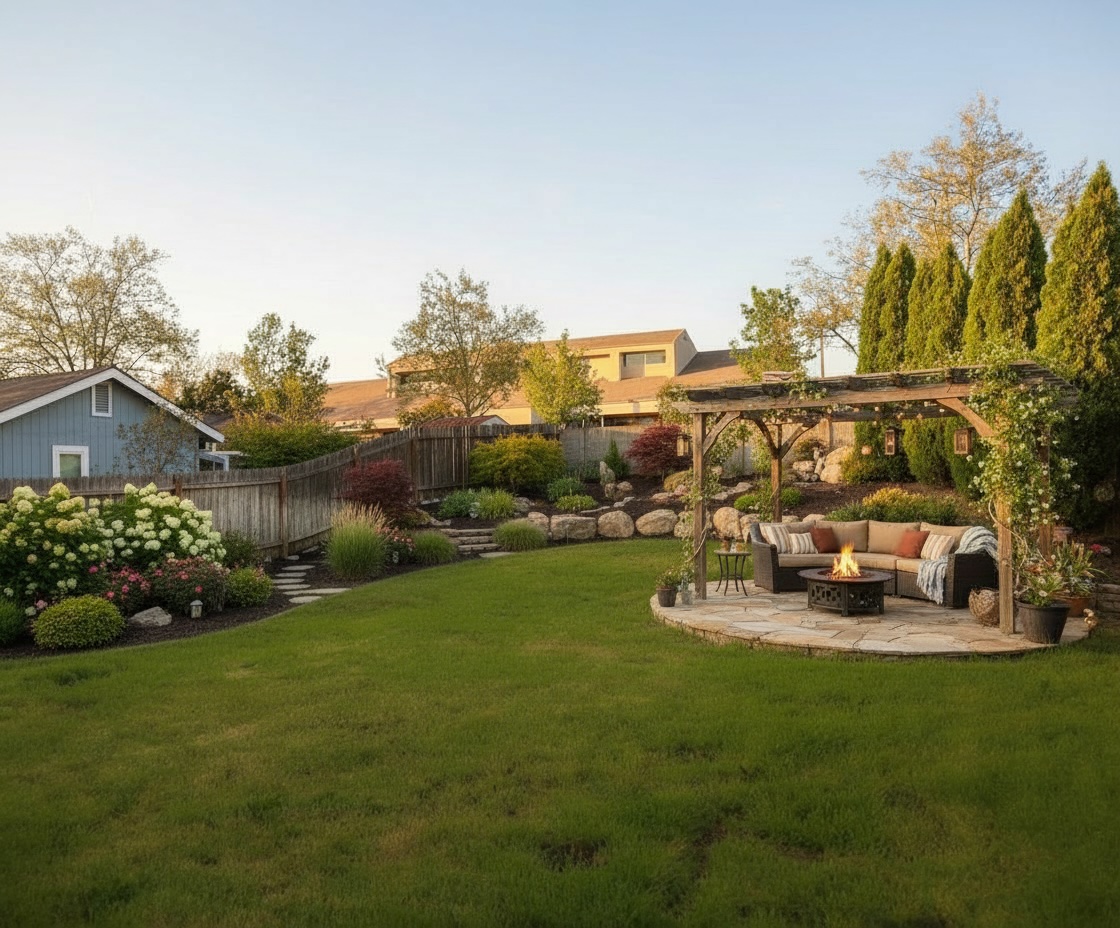
Upload a photo of your Kenosha yard and visualize your dream garden in seconds.
Try ProScapeAI Free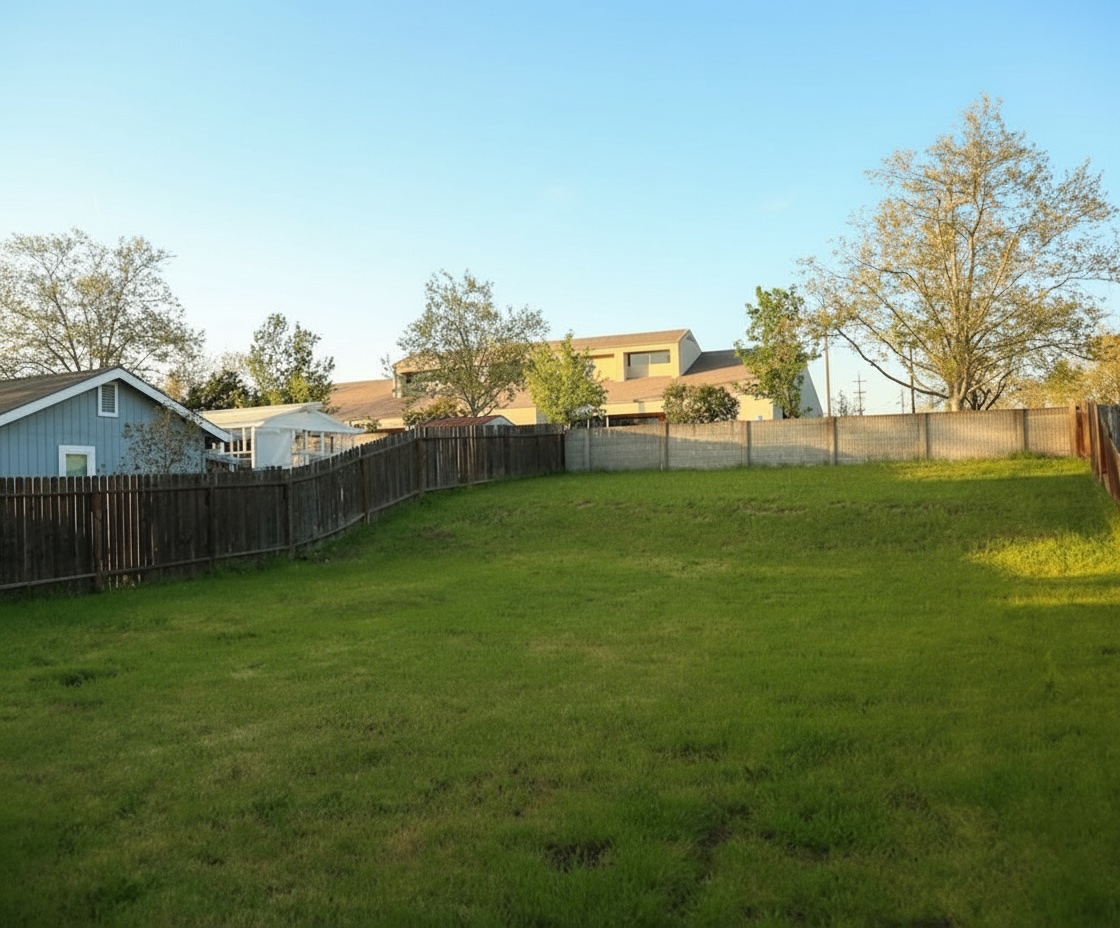
AI-generated image
Featured Trees & Shrubs for Modern/Minimalist Gardens
Browse all 169 plants for Kenosha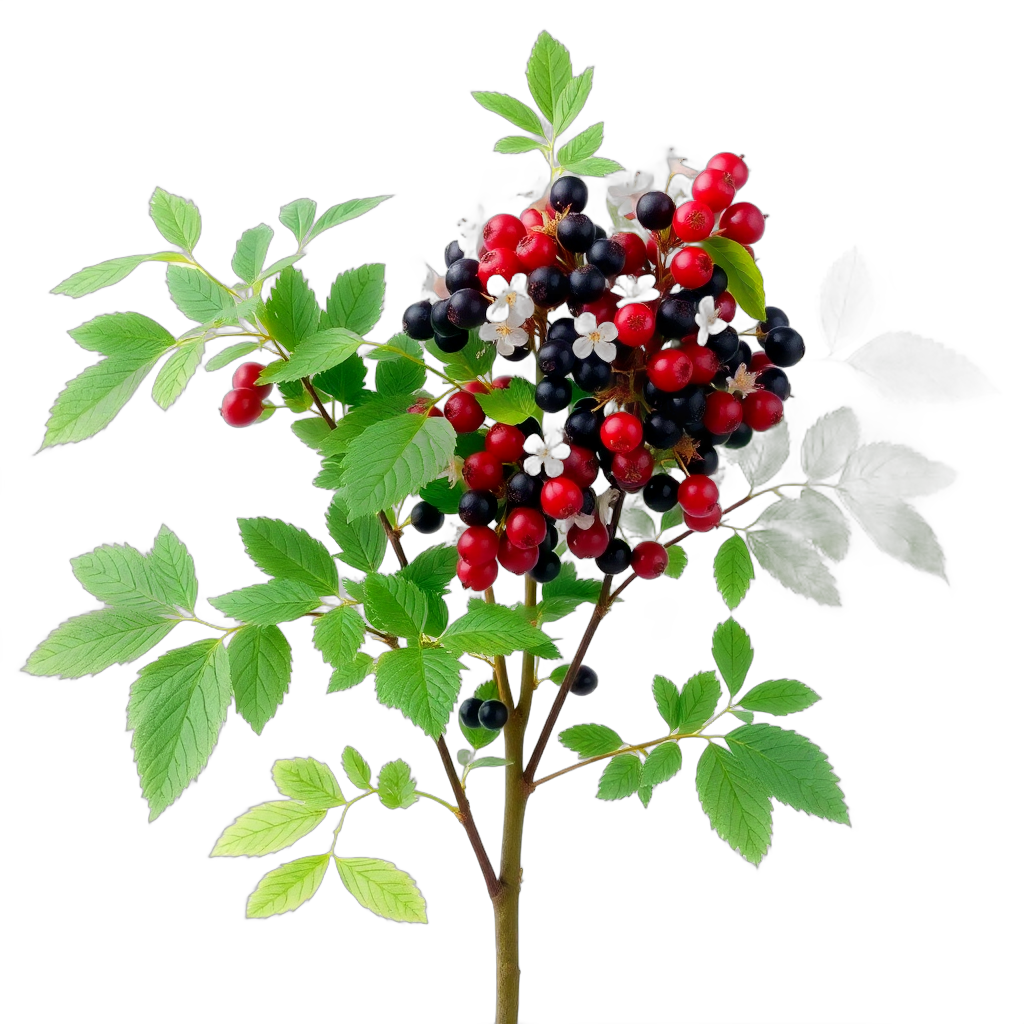
American Black Currant
Ribes americanum
grows to 5 feet, white,yellow blooms in spring. Attracts hummingbirds.
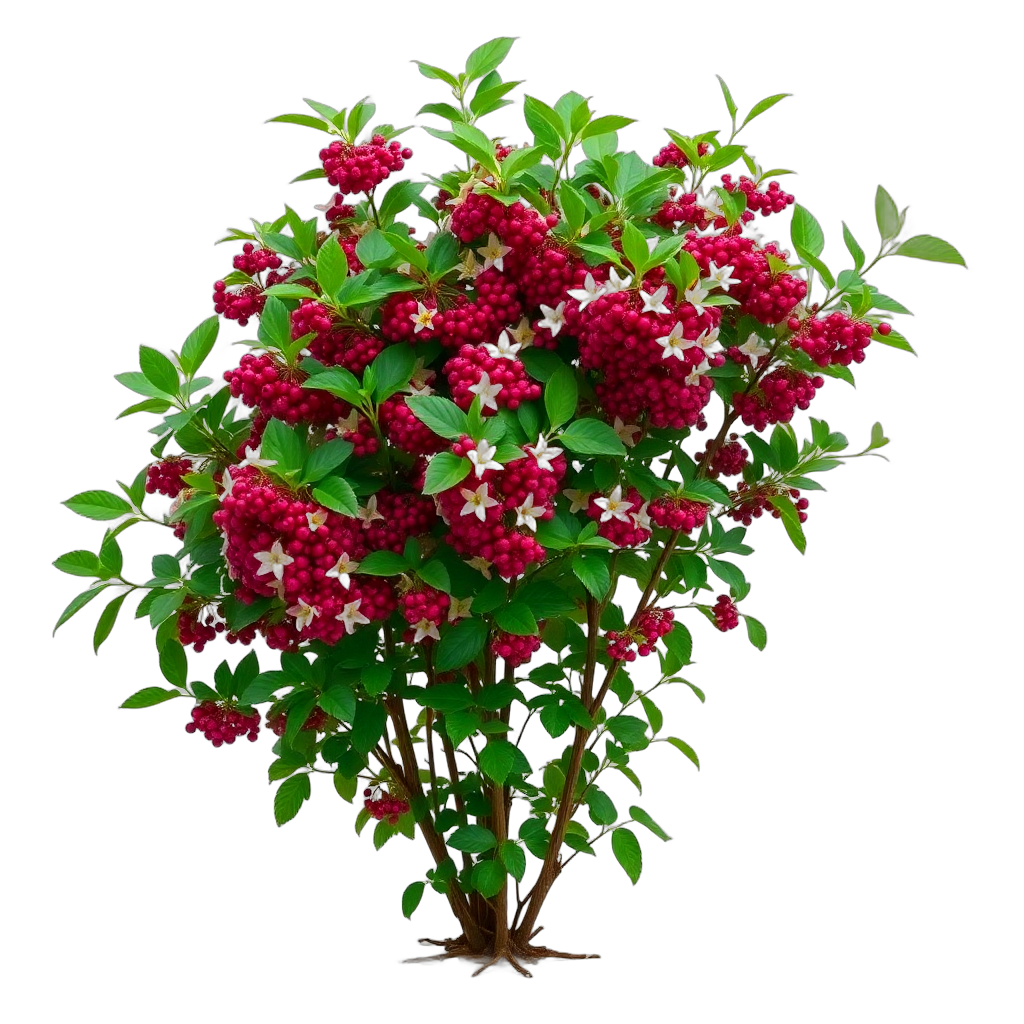
Clove Currant
Ribes odoratum
grows to 6 feet, yellow blooms in spring. Attracts hummingbirds.
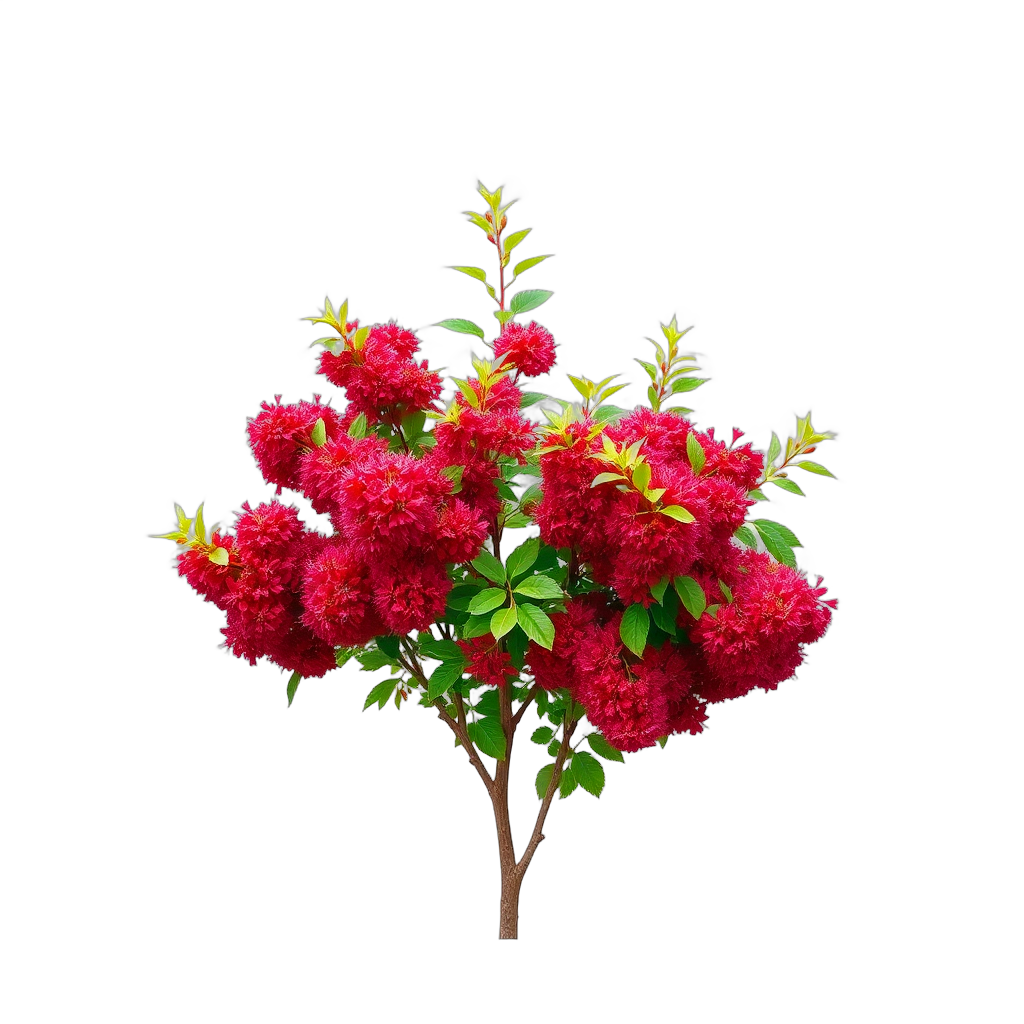
Fragrant Sumac
Rhus aromatica
grows to 4 feet, yellow blooms in spring. Attracts butterflies.
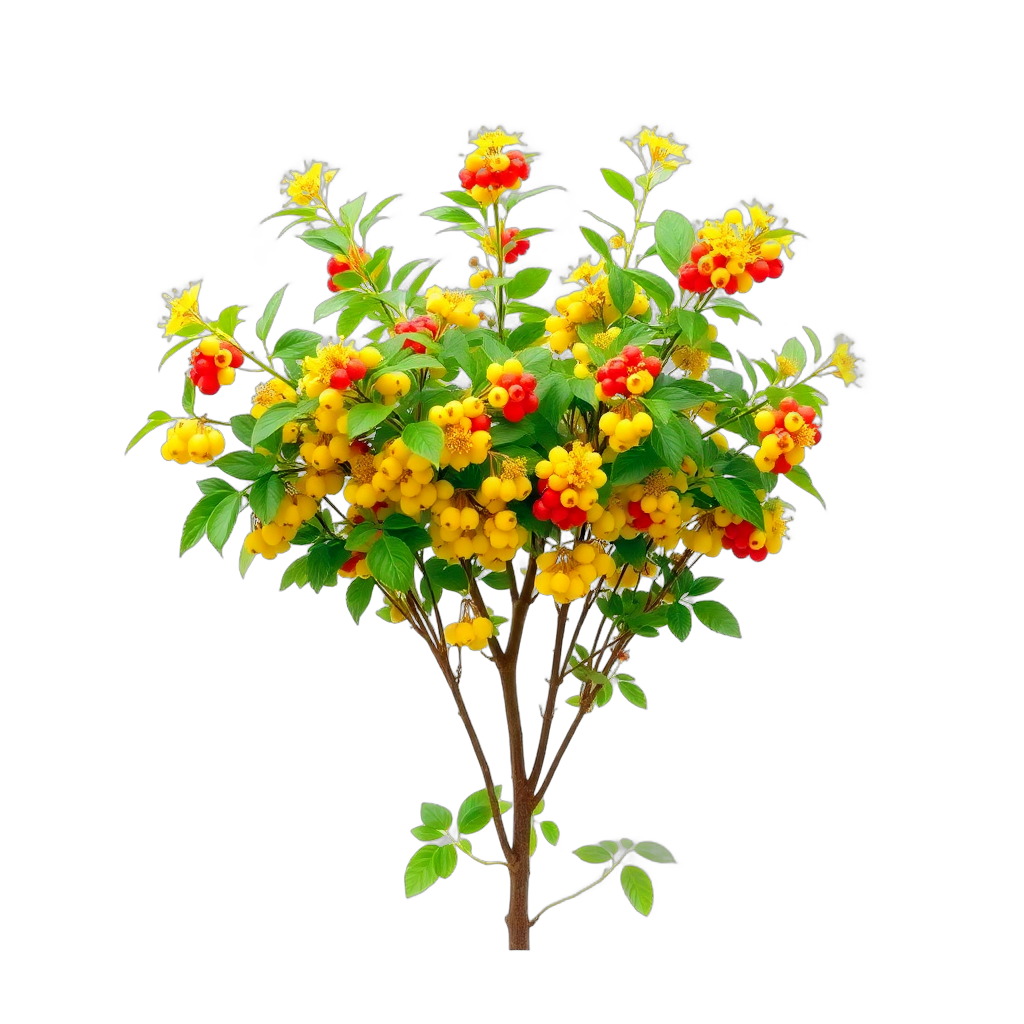
Golden Currant
Ribes aureum
grows to 6 feet, yellow blooms in spring. Attracts hummingbirds.
Featured Grasses & Groundcovers for Modern/Minimalist Gardens
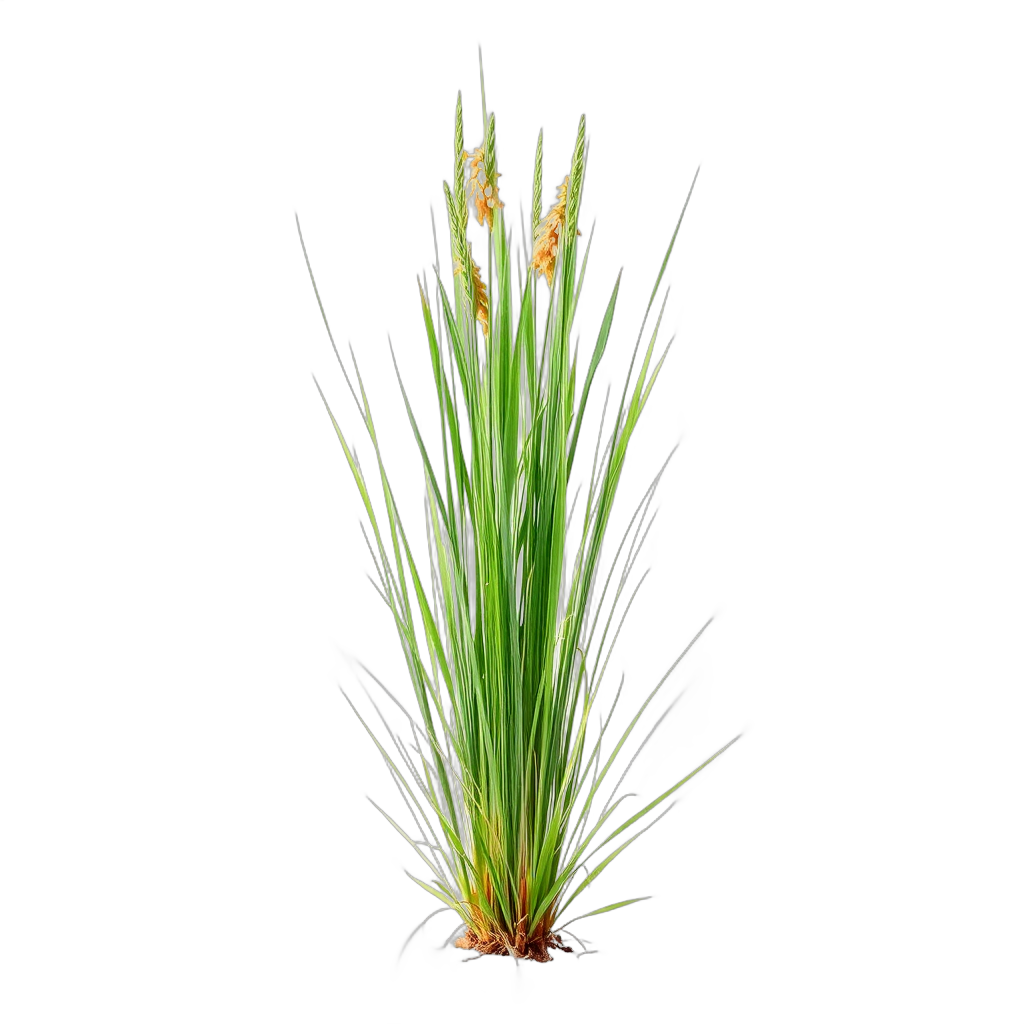
Eastern Gamagrass
Tripsacum dactyloides
grows to 6 feet, blooms in summer. Yellow fall color.
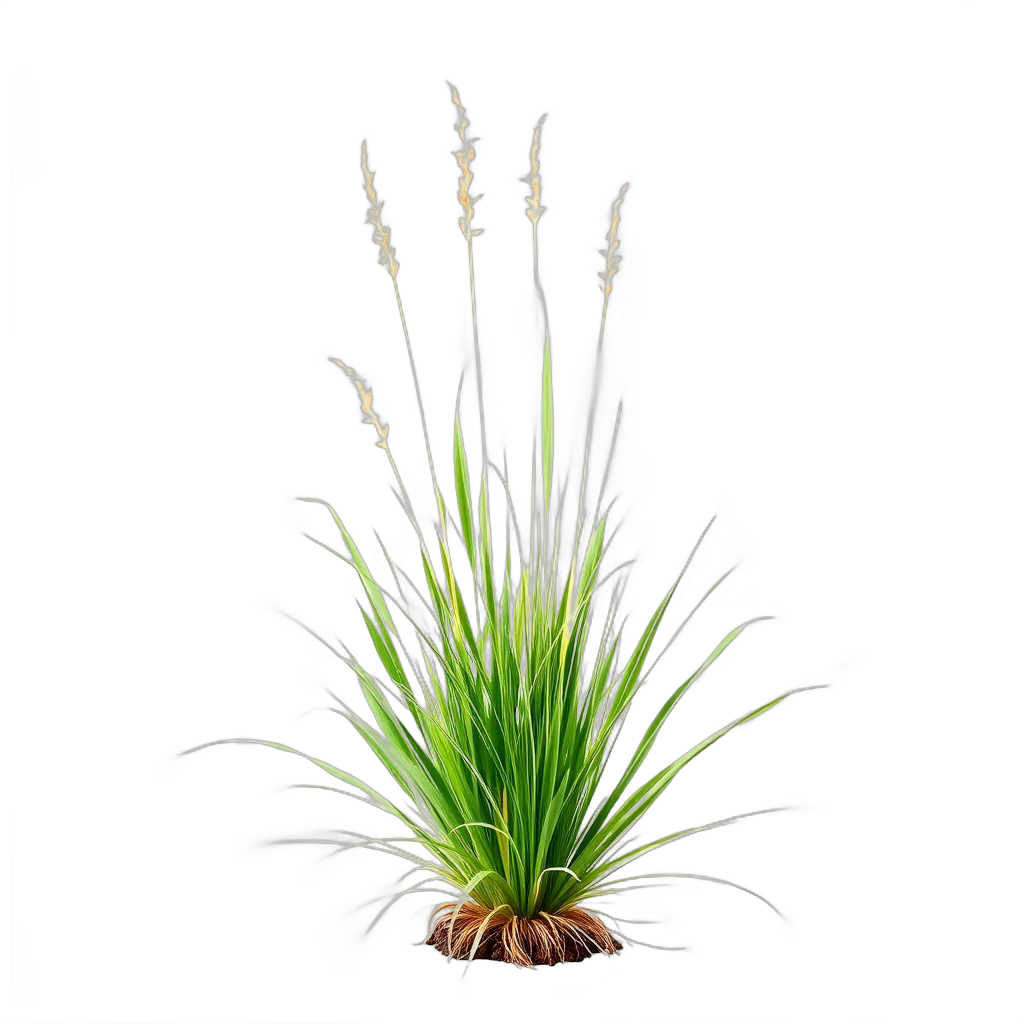
Northern Sea Oats
Chasmanthium latifolium
grows to 4 feet, blooms in fall. Bronze fall color.
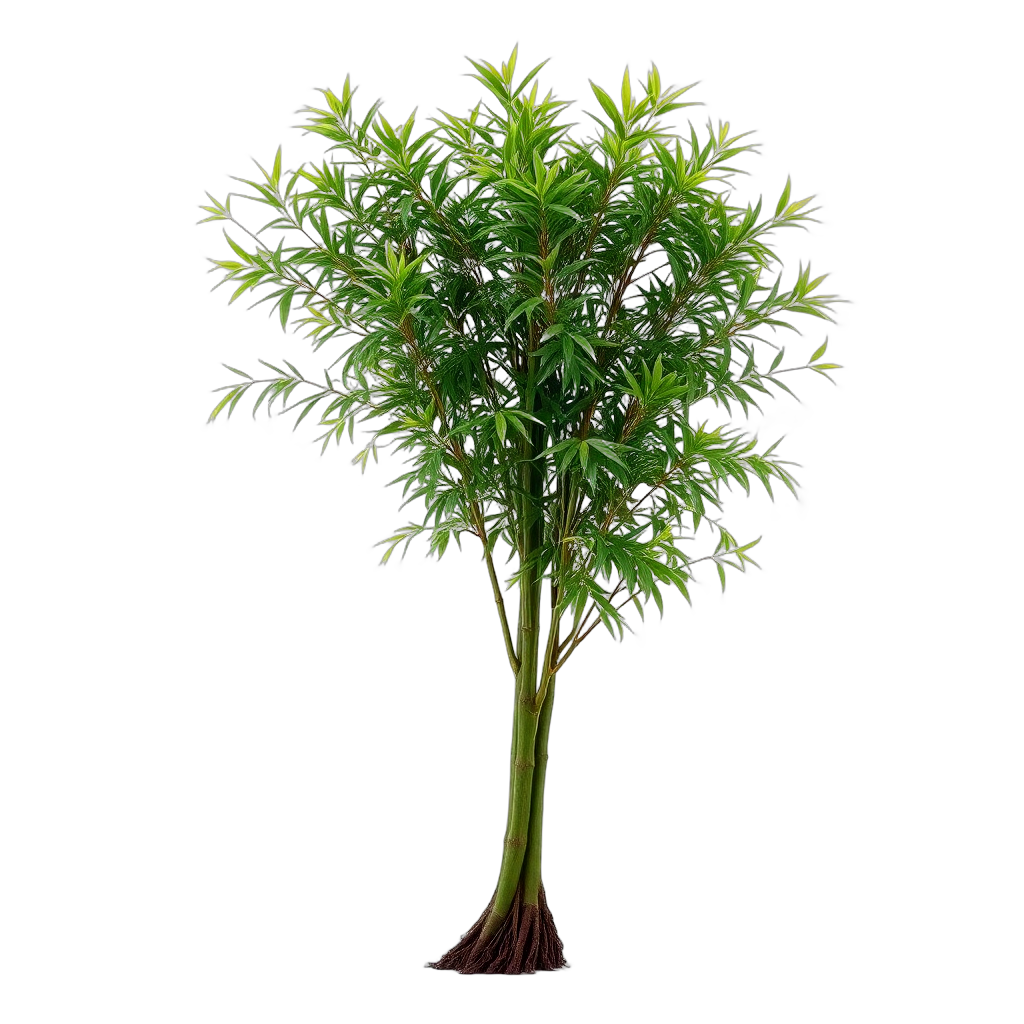
Broad-leaf Bamboo
Sasa palmata
medium-sized at 7 feet, blooms in none. Evergreen year-round.
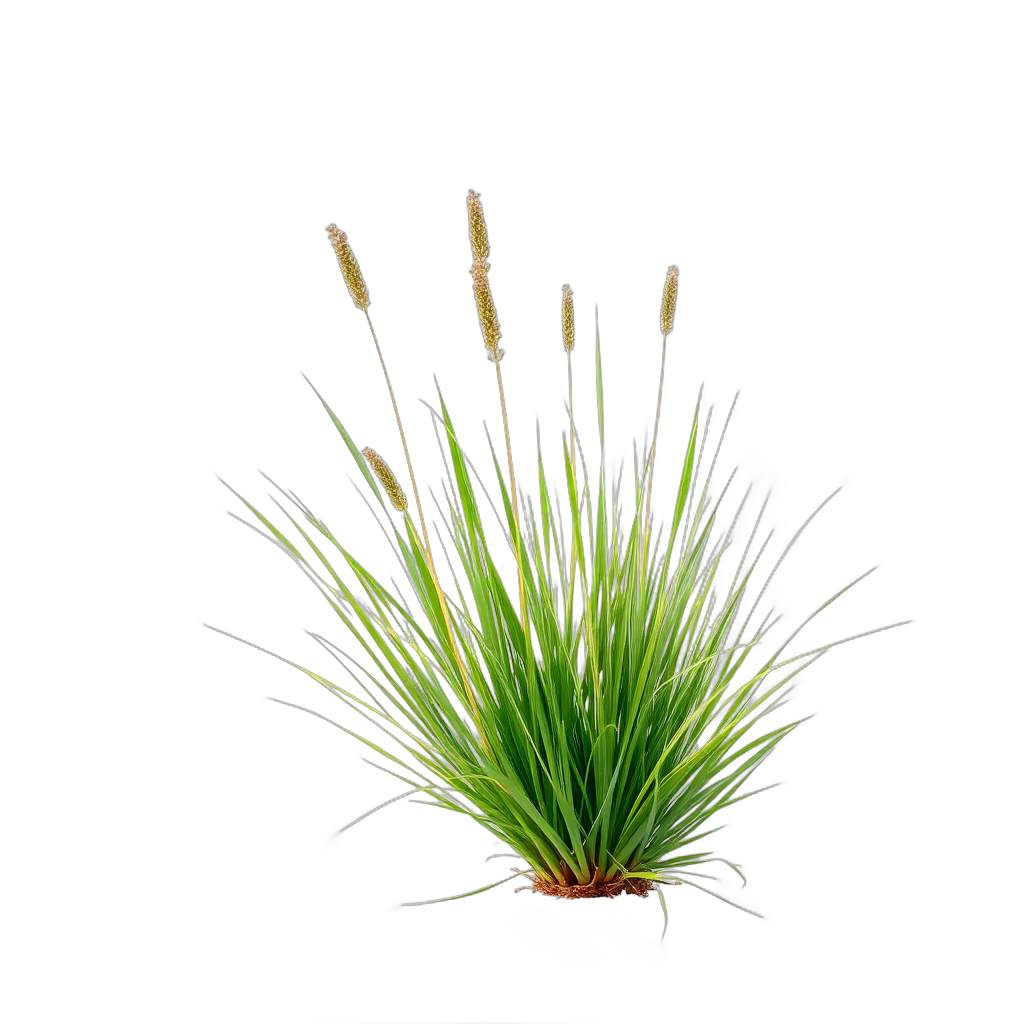
Deer Grass
Muhlenbergia rigens
grows to 3 feet, yellow blooms in fall. Evergreen year-round.
Featured Flowers & Perennials for Modern/Minimalist Gardens
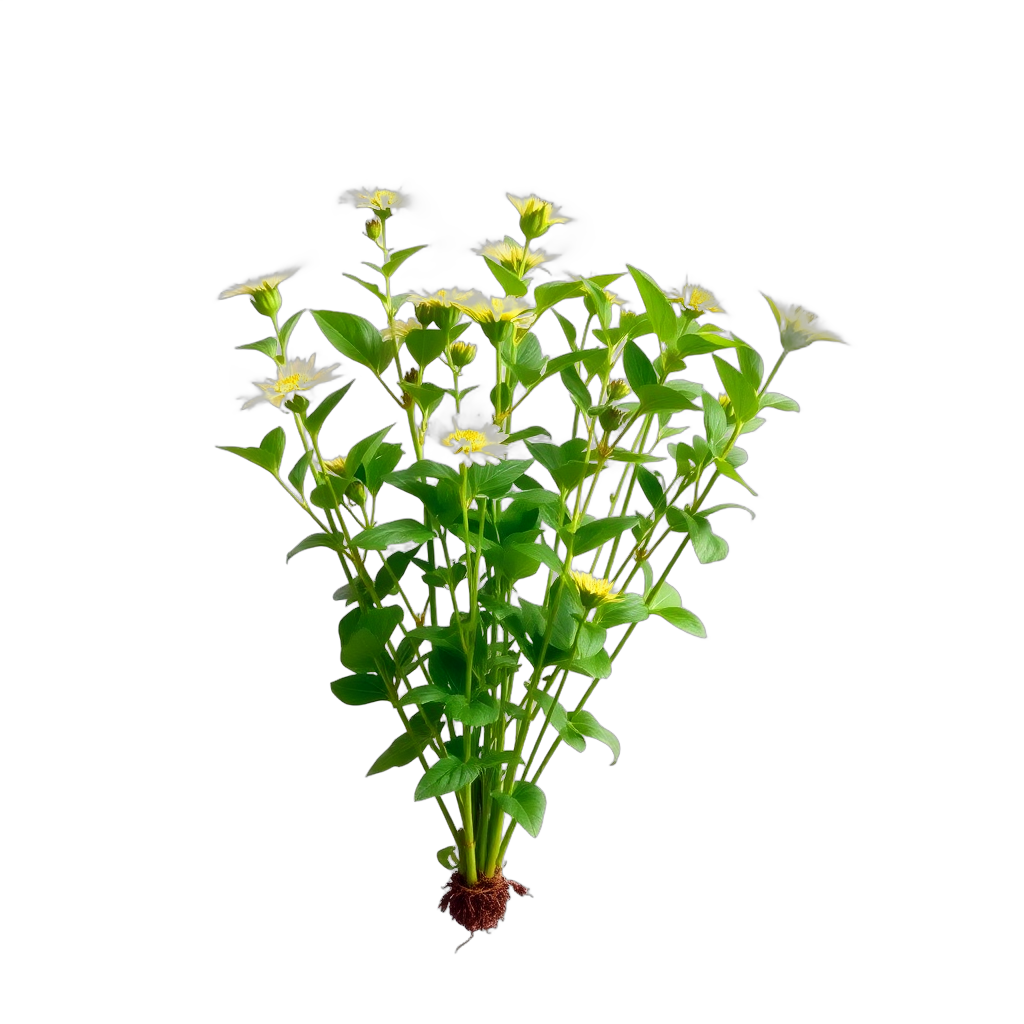
Cup Plant
Silphium perfoliatum
medium-sized at 7 feet, yellow blooms in summer. Attracts butterflies.
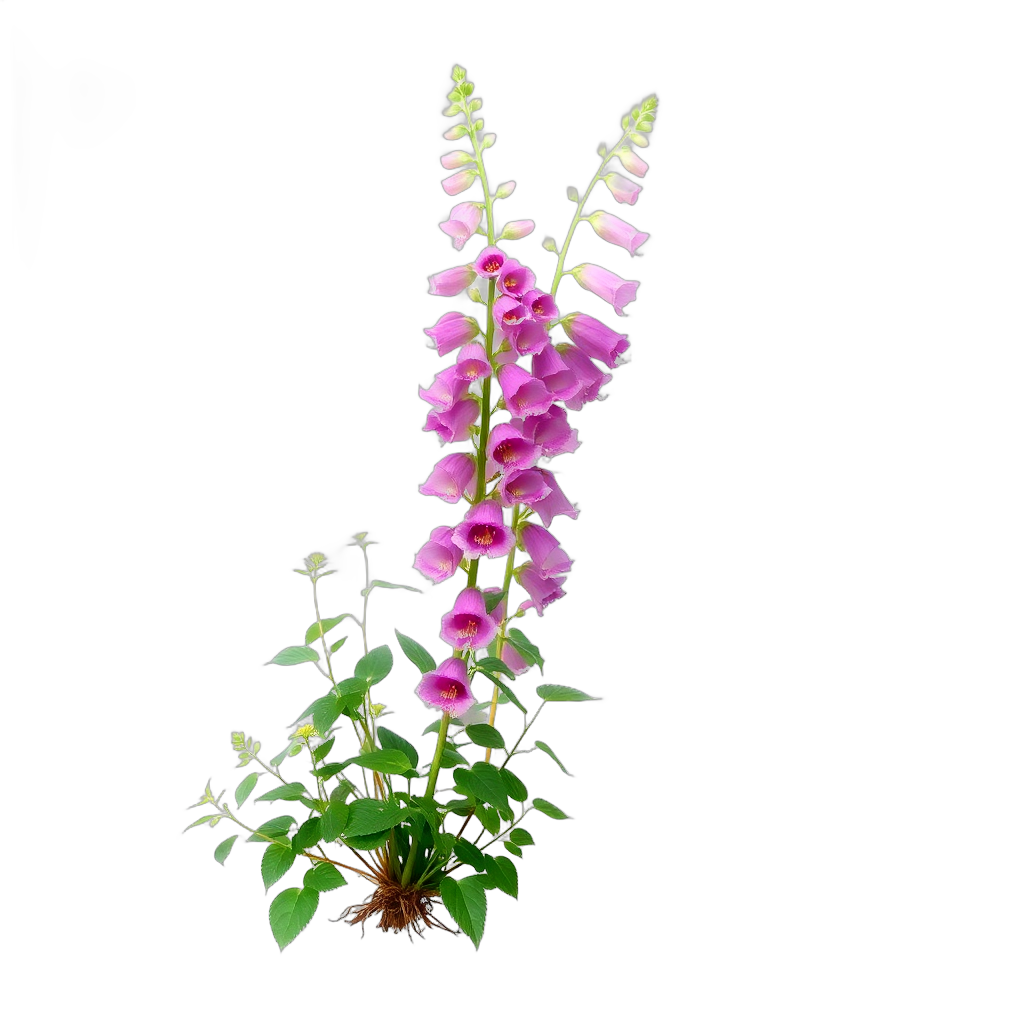
Foxglove Beardtongue
Penstemon digitalis
grows to 3 feet, white blooms in spring. Attracts hummingbirds.
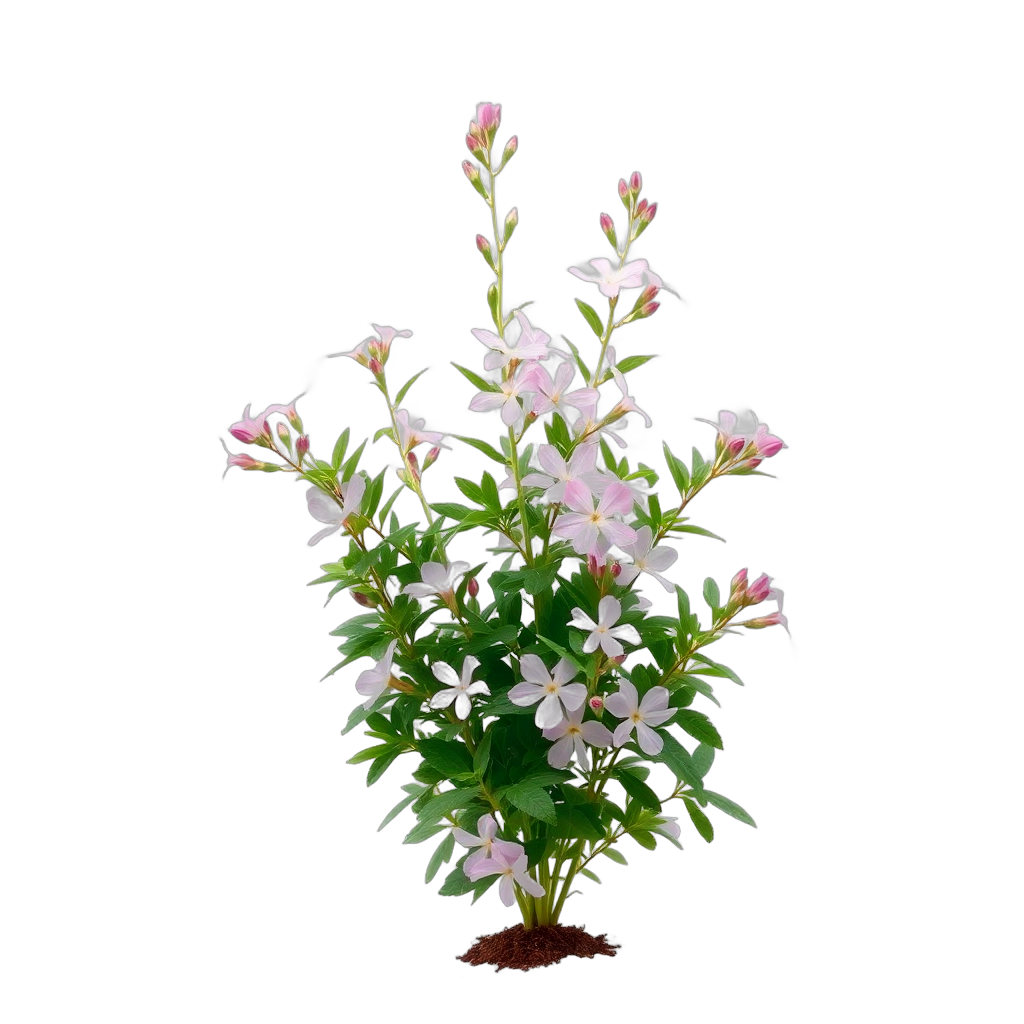
Garden Phlox
Phlox paniculata
grows to 3 feet, multi blooms in summer. Attracts hummingbirds.

Gloriosa Daisy
Rudbeckia hirta
low-growing ground cover, yellow blooms in summer. Attracts butterflies.
Zone and sun checks come from our database — confirm with your local nursery before you buy.
Bloom Calendar for Kenosha
spring
Foxglove Beardtongue, American Black Currant, Clove Currantsummer
Cup Plant, Garden Phlox, Gloriosa Daisyfall
Northern Sea Oatswinter
Limited bloomsDesign Tips for Kenosha (Zone 6a)
- Pick grasses hardy to Zone 5: Karl Foerster, Northwind, Shenandoah and Sporobolus heterolepis all take -15°F and stand through snow
- Use fewer plant types in bigger blocks of 7–15 plants, so the yard reads as modern instead of busy
- Set concrete and pavers on 4–6 inches of compacted stone base because frost reaches three feet in a hard winter, and add control joints
- Keep salt-tolerant plants such as Sedum, Juniperus horizontalis and Panicum near streets and driveways
- Amend clay with compost and test soil: pH 7.0–8.0 suits grasses and sedums but not hydrangeas like Endless Summer
- Plant evergreens such as Taxus 'Densiformis' and Thuja 'Smaragd' so beds still show structure in February
- Leave grass plumes standing until March for winter interest and cut them back before new growth starts
Where to Source Plants in Kenosha
Skip the big-box stores. These independent Kenosha nurseries specialize in the plants that make modern/minimalist gardens thrive in Zone 6a.
The Swartz Nurseries
Kenosha (30th Avenue)
Kenosha retail nursery offering nursery stock and landscape design and installation, with plant care information and a limited plant warranty
Milaeger's Racine
Racine (about 12 miles north of Kenosha)
Large independent garden center with garden soils, fertilizer, tools, fountains, pottery and yard art, plus a design center; call ahead for current perennial and rose stock
Modern/Minimalist Landscaping Cost Ranges
| Project Scope | Estimated Cost |
|---|---|
| Concrete patio with saw-cut joints (300 sqft) | $3,100–$3,800 |
| Low-voltage landscape lighting (6 fixtures) | $1,200–$2,000 |
| Composite decking boards, surface only on existing framing (200 sqft) | $4,700–$5,800 |
| AI visualization (ProScapeAI) | Free to start |
National average installed ranges for 2026 from our landscaping price list (Homewyse and other published sources). Prices in Kenosha, WI vary with site, materials and contractor, so get two or three local quotes.
Kenosha Climate & Growing Zone
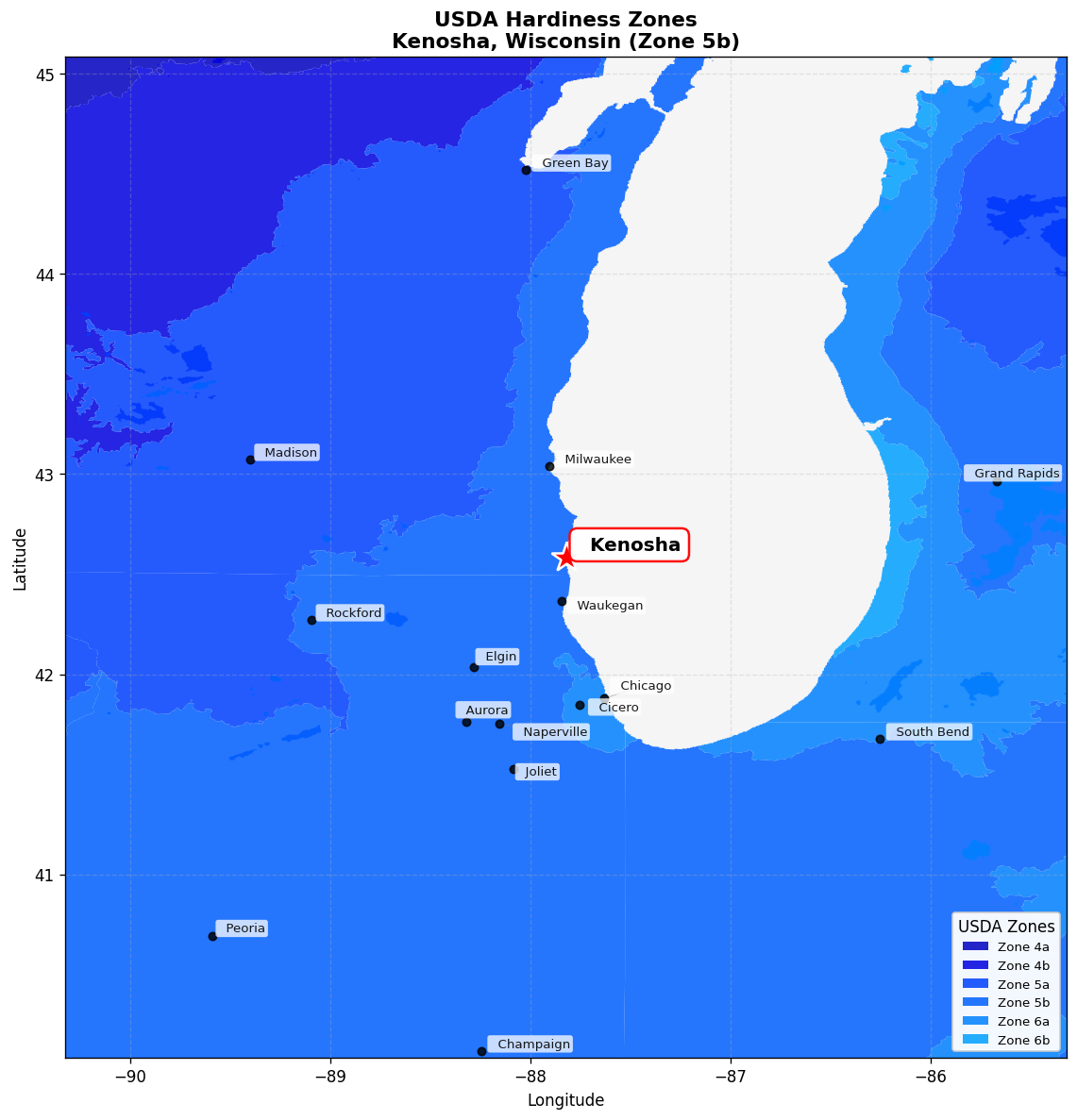
USDA Zone 6a
Hardiness zone for Kenosha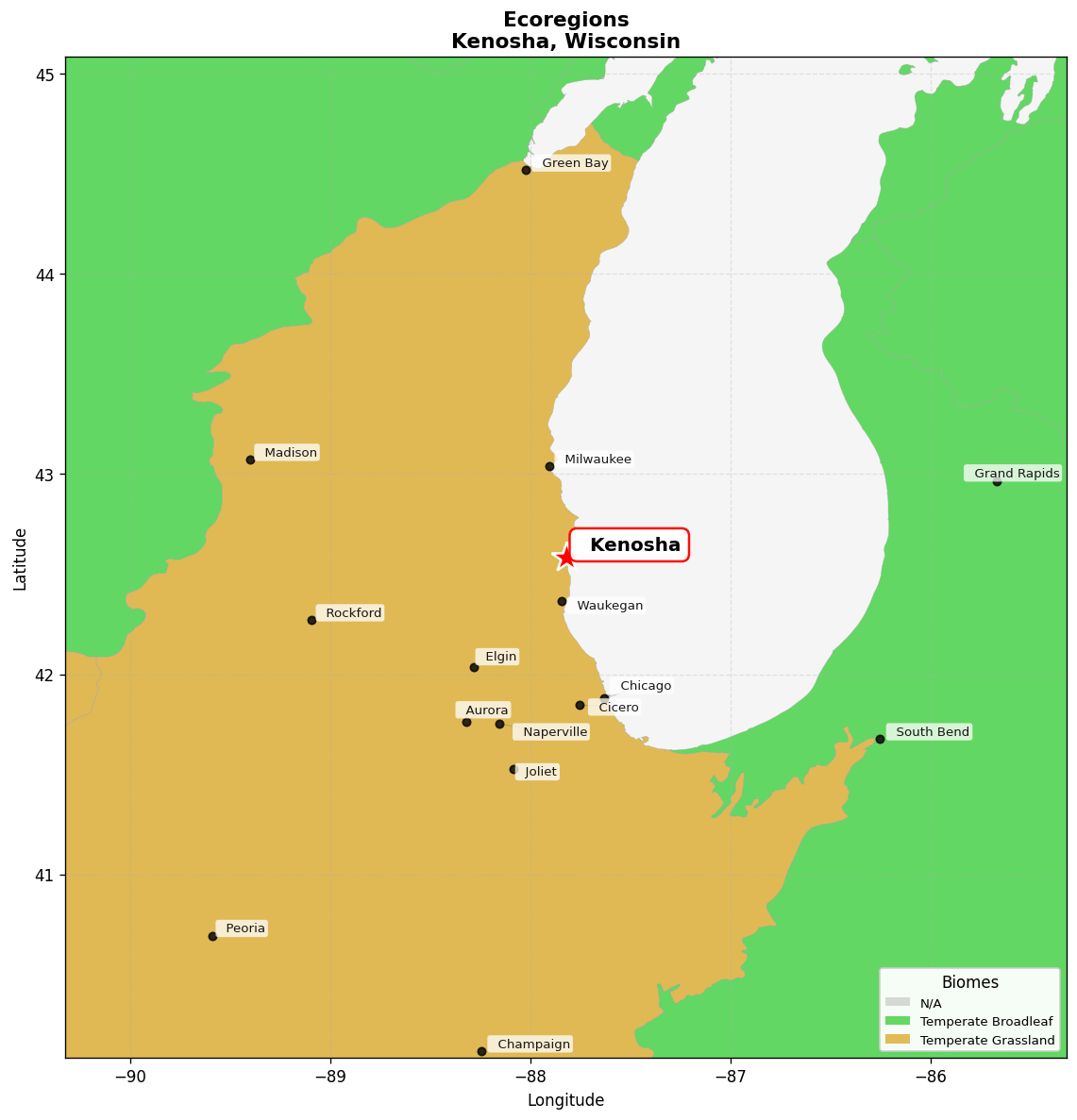
Central US forest-grasslands transition
Native ecoregionFrequently Asked Questions
How much does a modern landscape cost in Kenosha, WI?
Labor in southeast Wisconsin runs a little below Chicago and close to the national average. Costs vary with site, access, materials and local labor rates, so get two or three local quotes before you budget.
Is a modern landscape low maintenance in Kenosha?
Mostly. Cut grasses such as Karl Foerster and Northwind to 4–6 inches in March, divide every five to seven years, and mulch in spring. There is no mowing for the grass beds, and few plant types to track. Salt from winter roads can burn plants near streets, so keep Sedum and Juniperus near the curb.
When should I plant in Kenosha?
Plant from mid-May, after the last frost around early May, through mid-September. Grasses establish best in late spring so they have a full summer of root growth. Fall planting works for shrubs and evergreens, but mulch well against winter wind.
Do I need a permit for a patio, wall or fence?
Zoning in the City of Kenosha governs fence height, setbacks and structures, and larger patios and walls may need a permit or stormwater review. Check with the city before building, and call Digger's Hotline (811) before digging.
What survives Kenosha winters in a modern garden?
Calamagrostis 'Karl Foerster', Panicum 'Northwind', Sporobolus heterolepis, Sedum 'Autumn Joy' and Echinacea 'PowWow Wild Berry' all take -15°F. Italian cypress, many Mediterranean plants and Japanese maples in exposed spots do not. Substitute Thuja 'Smaragd' for Italian cypress.
How does the lake affect plant choices?
Within a mile or two of the shore, spring is later and cooler and winter wind can burn evergreens. Use Juniperus horizontalis 'Blue Chip' or Pinus mugo 'Slowmound' on exposed east sides, and save more tender broadleaf evergreens for sheltered spots.
What soil do I have, and does it matter for grasses?
Most Kenosha soil is clay loam with a pH of 7.0–8.0. Switchgrass, little bluestem and feather reed grass tolerate that well. Hydrangea 'Endless Summer' and rhododendrons do not. Add compost and avoid overwatering on clay.