4 English Cottage Garden Ideas for Kenosha, WI | Zone 6a Lakefront Borders
Native plants from the Central US forest-grasslands transition (Zone 6a) — Humid continental (hot summer) climate
For a cottage garden in Kenosha, WI, a zone 6a city with a humid continental (hot summer) climate, start with Rosa 'William Baffin' on the arch, Paeonia lactiflora 'Sarah Bernhardt' and Lavandula angustifolia 'Munstead', the plants this guide's first design is built on.
Why Cottage/English Gardens in Kenosha?
Kenosha has the houses a cottage garden wants. The brick and clapboard homes around Library Park and the Lakeshore Drive streets, the bungalows and two-flats on the near north side, and the postwar capes in Allendale and Carthage-area neighborhoods all sit close to the sidewalk, with front yards shallow enough that a deep border reads from the street. A picket fence, a rose over the gate and a path of brick or gravel suit all of them. The lots are modest, and a cottage planting 400 square feet deep looks deliberate where the same plants spread across a suburban acre would look thin.
Zone 6a means winter lows of -10 to -5°F, and that decides the plant list. The classics that sulk in Virginia do well here. Paeonia lactiflora 'Sarah Bernhardt' and 'Festiva Maxima' bloom reliably, Delphinium elatum 'Pacific Giants' and 'Blue Bird' last several seasons, and Lupinus 'Gallery Blue' and Digitalis × mertonensis come back dependably. Where the traditional list fails is the rose: hybrid teas and most English roses die to the ground or worse in a bad January. Substitute Rosa 'William Baffin', Rosa 'John Davis', Rosa 'Morden Blush' and Rosa 'Winnipeg Parks', all bred for Canadian winters. The city gets about 35 inches of rain a year, and the growing season runs from a last frost around early May to a first frost in mid-October, about 160 days.
Lake Michigan shapes the first half of that season. Within a mile or two of the shore, spring arrives later and cooler than in the western part of the county, which holds back bloom on tulips and early peonies by a week or more and protects the buds from a late April freeze. It also means east-side beds along Sheridan Road take a raw onshore wind, so choose Nepeta × faassenii 'Walker's Low', Salvia nemorosa 'Caradonna' and Geranium 'Rozanne', which shrug off wind, over tall staked plants without shelter.
The ground here is glacial till: heavy clay loam over limestone-rich subsoil, with a pH that often runs neutral to alkaline, around 7.0–8.0. That suits lavender and clematis better than it suits hydrangeas, which turn chlorotic. Build borders up 4–6 inches with compost, keep Lavandula angustifolia 'Munstead' and 'Hidcote' on the best-drained, sunniest edge, and plan on frost reaching three feet down, so footings for arbors and fence posts must go deep. Before building anything in the Library Park or Civic Center historic districts, confirm with the City of Kenosha whether a review is needed for exterior changes visible from the street.
4 Cottage/English Design Ideas for Kenosha
AI-generated image
The Lakeshore Picket Gate Border
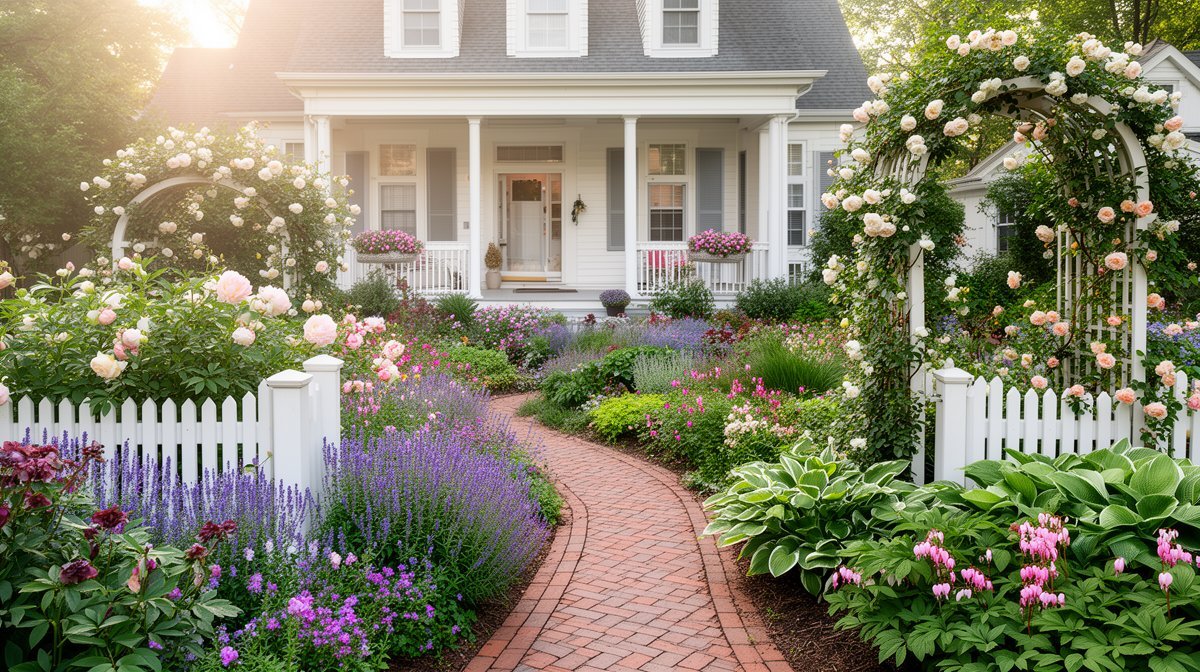
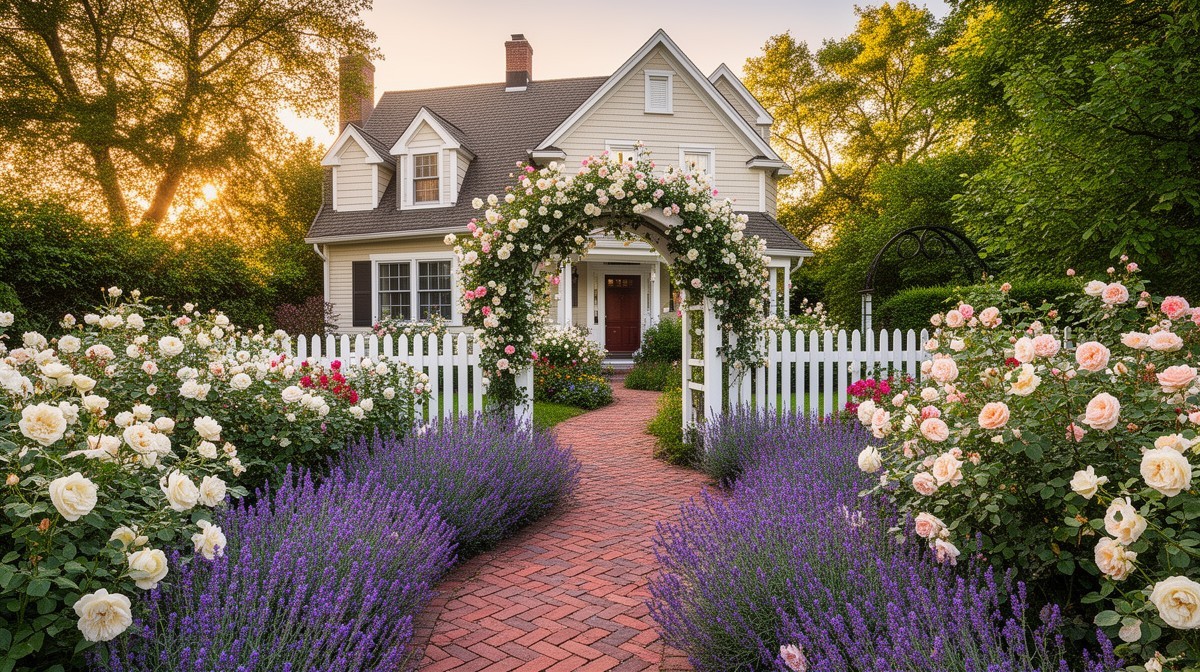
$18–38/sqftA white cedar picket fence runs the full frontage of a brick Lakeshore Drive-style house, with a rose arch over a gravel walk to the porch. Rosa 'William Baffin' climbs the arch, lavender lines the walk, and peonies and catmint fill a border 4 feet deep along the fence. Morning sun from the east dries the foliage early, and the house wall blocks the worst of the lake wind.
Try this on your yard: The Lakeshore Picket Gate BorderAI-generated image
The Bungalow Porch Border
$22–45/sqftA 1920s bungalow with a deep porch gets a three-layer border: delphinium and foxglove at the back against the foundation, phlox and coneflower in the middle, and hardy geranium at the front over a flagstone path. Clay pots of annuals sit on the porch steps. The south-facing bed gets full sun, and the foundation holds a little extra warmth in spring.
Try this on your yard: The Bungalow Porch BorderAI-generated image
The Back Yard Tea Circle
$20–42/sqftA circle of crushed limestone is set into the back lawn with a round bistro table and two chairs, and a cedar arch behind it carries a white clematis. Billowing borders of peony, catmint and Siberian iris wrap around two sides, with a native serviceberry in the corner for height and berries. Fence panels on the lot line give the planting a backdrop and a bit of shelter.
Try this on your yard: The Back Yard Tea CircleAI-generated image
The Pleasant Prairie Cottage-Prairie Mix
$14–30/sqftOn a larger suburban lot, a curving mulch path winds between loose beds that mix cottage and prairie plants. Purple coneflower, rudbeckia and tall switchgrass sit beside delphinium and shrub roses, and a split-rail fence marks the edge. Birds and pollinators visit all summer, and the grasses give structure through a snowy winter when the perennials are cut back.
Try this on your yard: The Pleasant Prairie Cottage-Prairie MixSee how a cottage/english garden looks on YOUR property
Upload a photo of your Kenosha yard and visualize your dream garden in seconds.
Try ProScapeAI Free

AI-generated image
Featured Trees & Shrubs for Cottage/English Gardens
Browse all 169 plants for Kenosha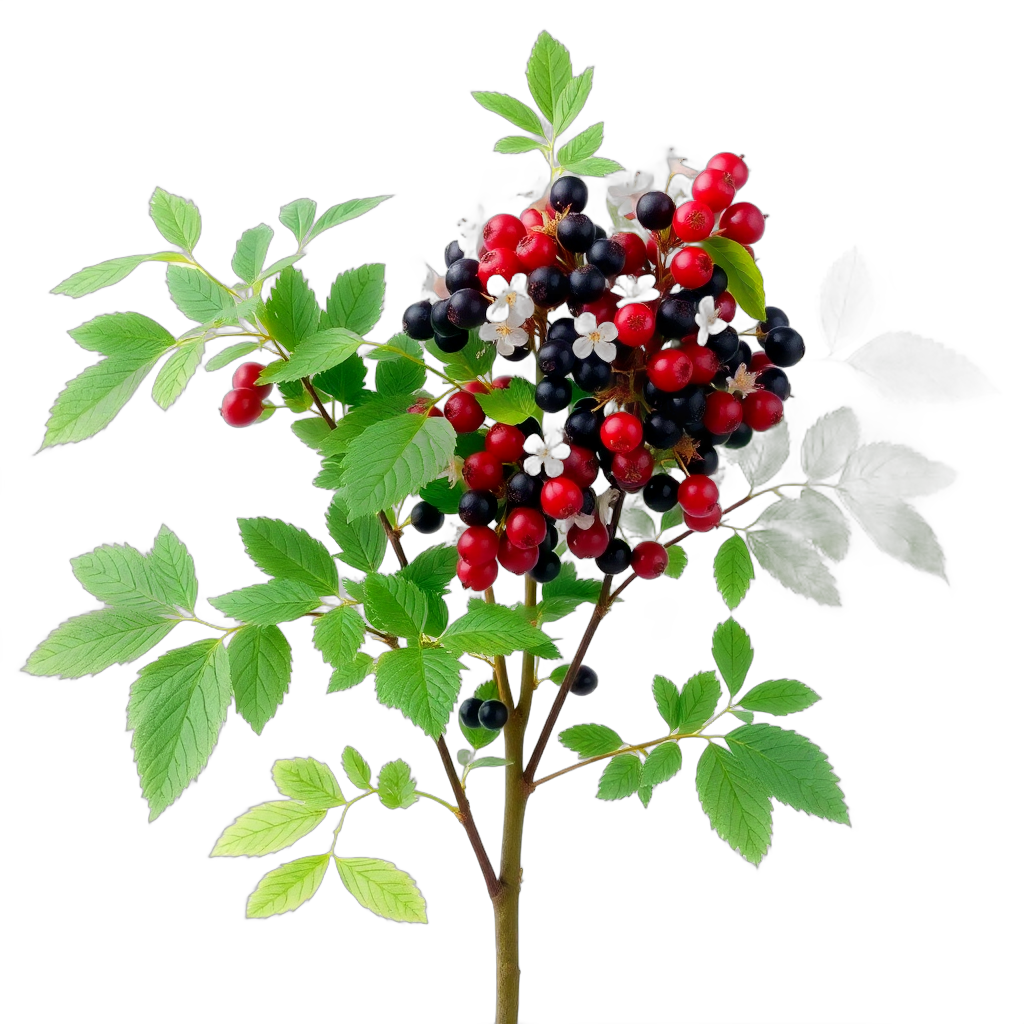
American Black Currant
Ribes americanum
grows to 5 feet, white,yellow blooms in spring. Attracts hummingbirds.
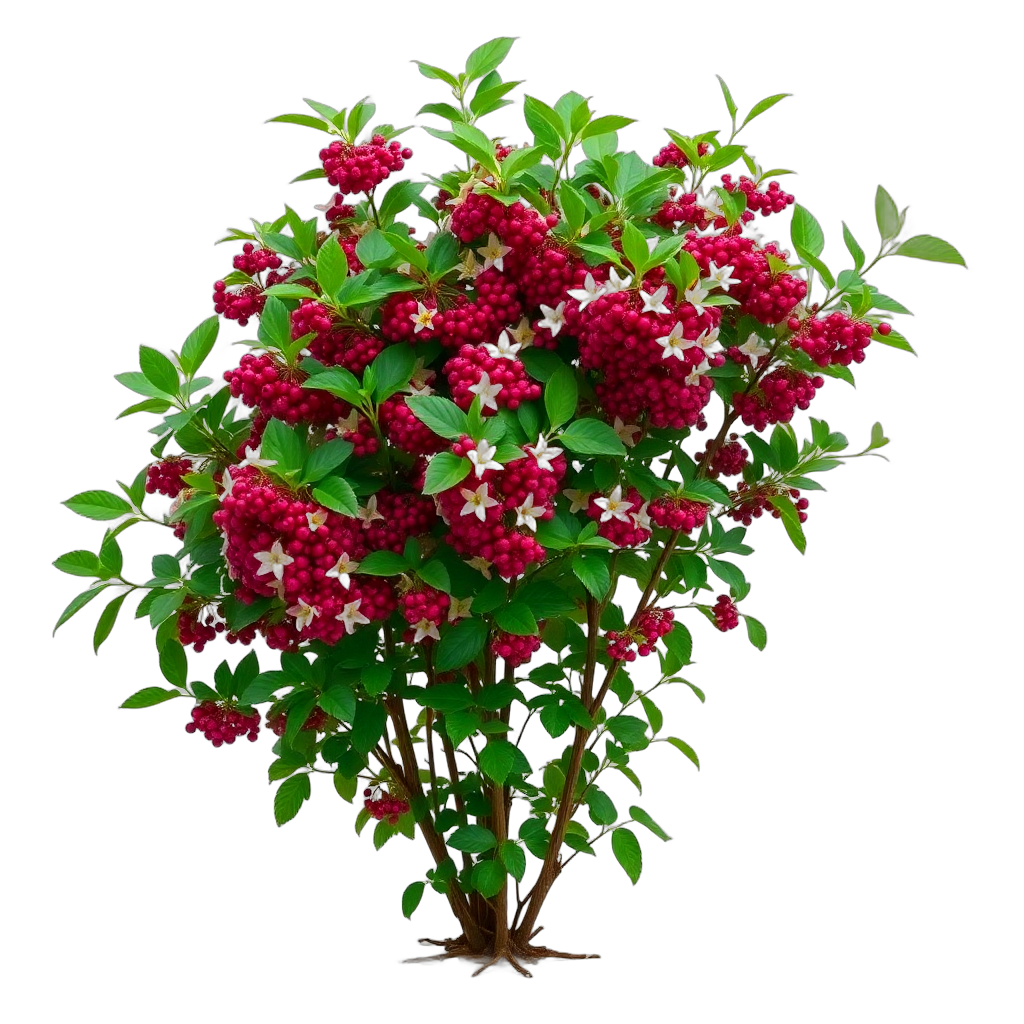
Clove Currant
Ribes odoratum
grows to 6 feet, yellow blooms in spring. Attracts hummingbirds.
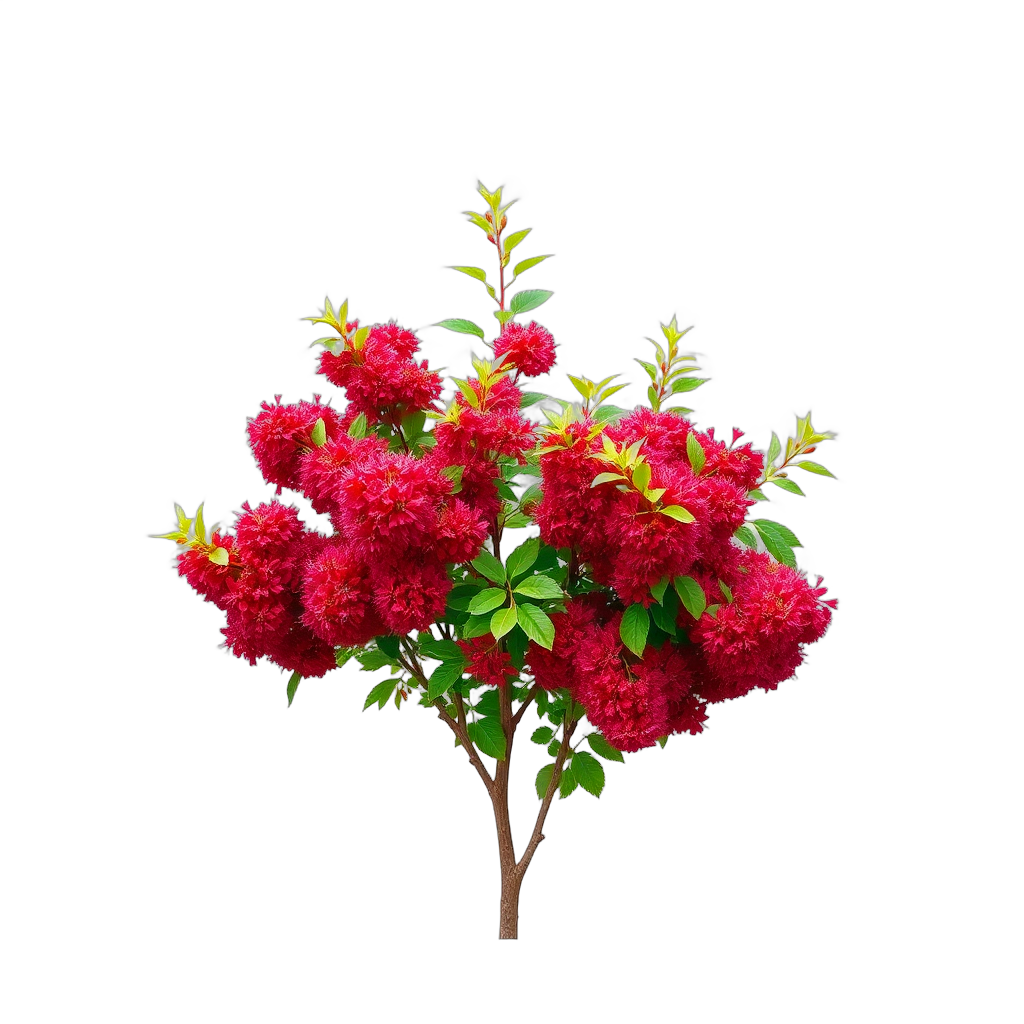
Fragrant Sumac
Rhus aromatica
grows to 4 feet, yellow blooms in spring. Attracts butterflies.
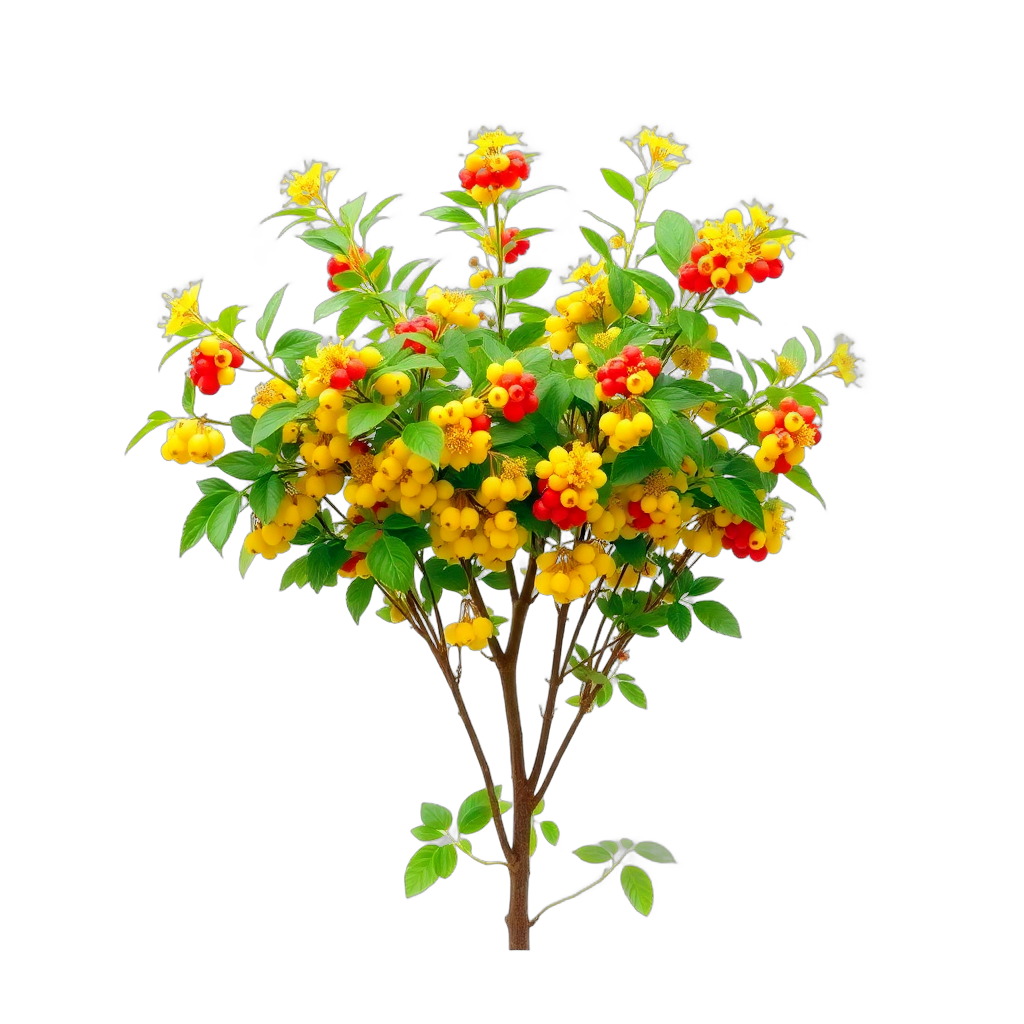
Golden Currant
Ribes aureum
grows to 6 feet, yellow blooms in spring. Attracts hummingbirds.
Featured Grasses & Groundcovers for Cottage/English Gardens
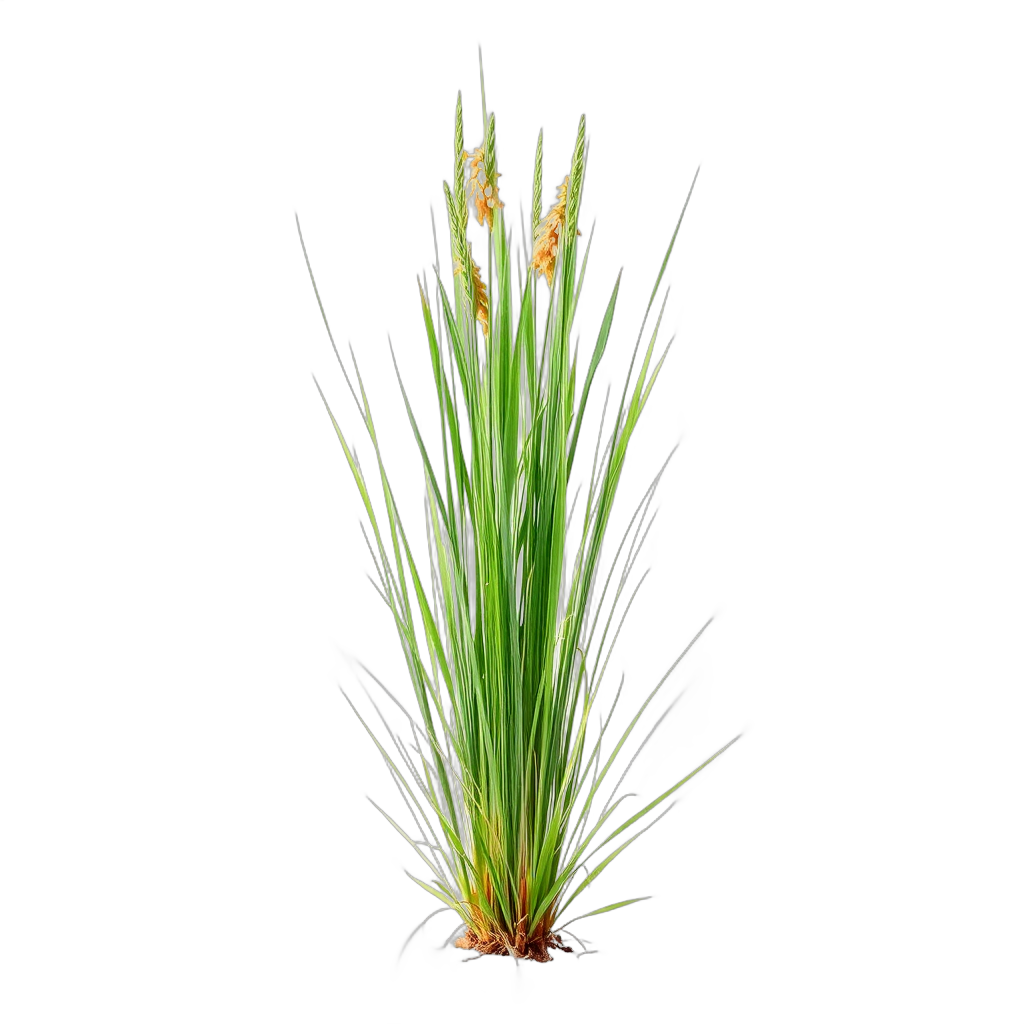
Eastern Gamagrass
Tripsacum dactyloides
grows to 6 feet, blooms in summer. Yellow fall color.
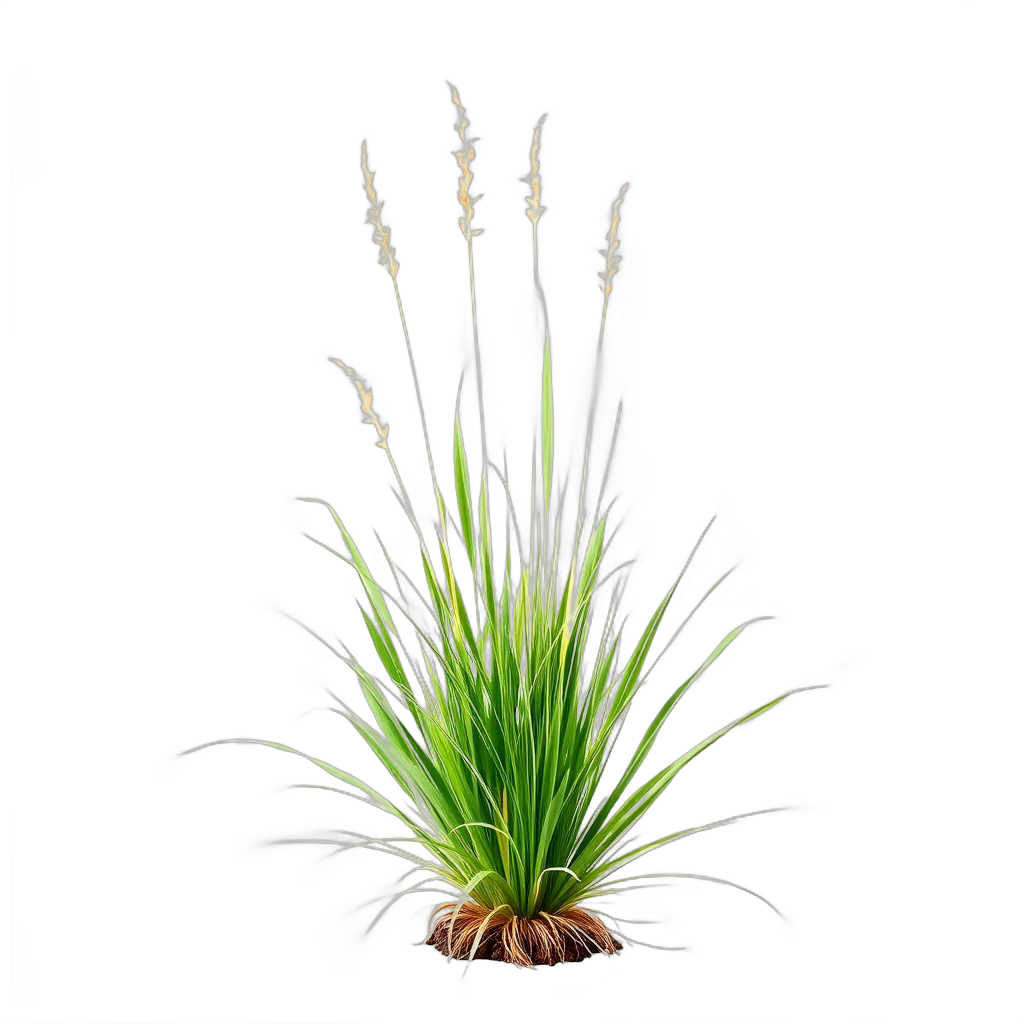
Northern Sea Oats
Chasmanthium latifolium
grows to 4 feet, blooms in fall. Bronze fall color.
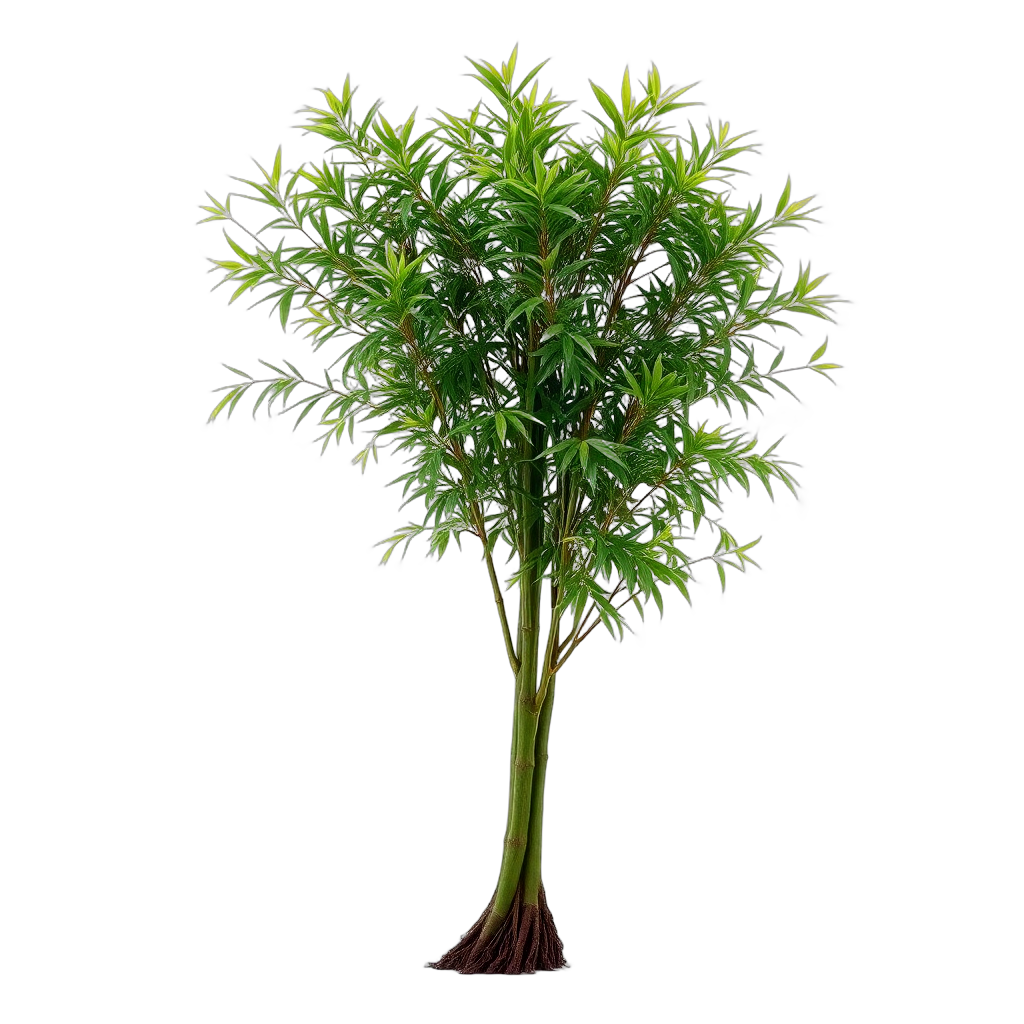
Broad-leaf Bamboo
Sasa palmata
medium-sized at 7 feet, blooms in none. Evergreen year-round.
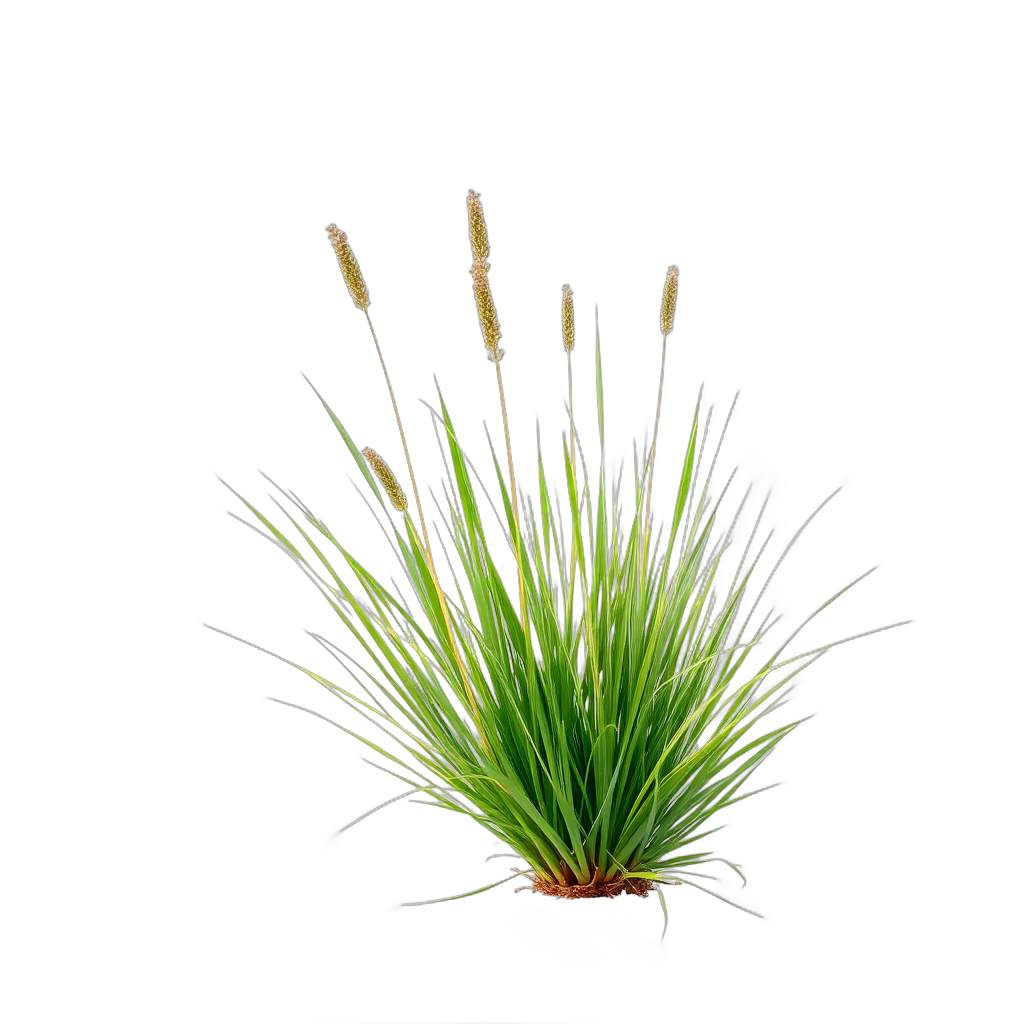
Deer Grass
Muhlenbergia rigens
grows to 3 feet, yellow blooms in fall. Evergreen year-round.
Featured Flowers & Perennials for Cottage/English Gardens
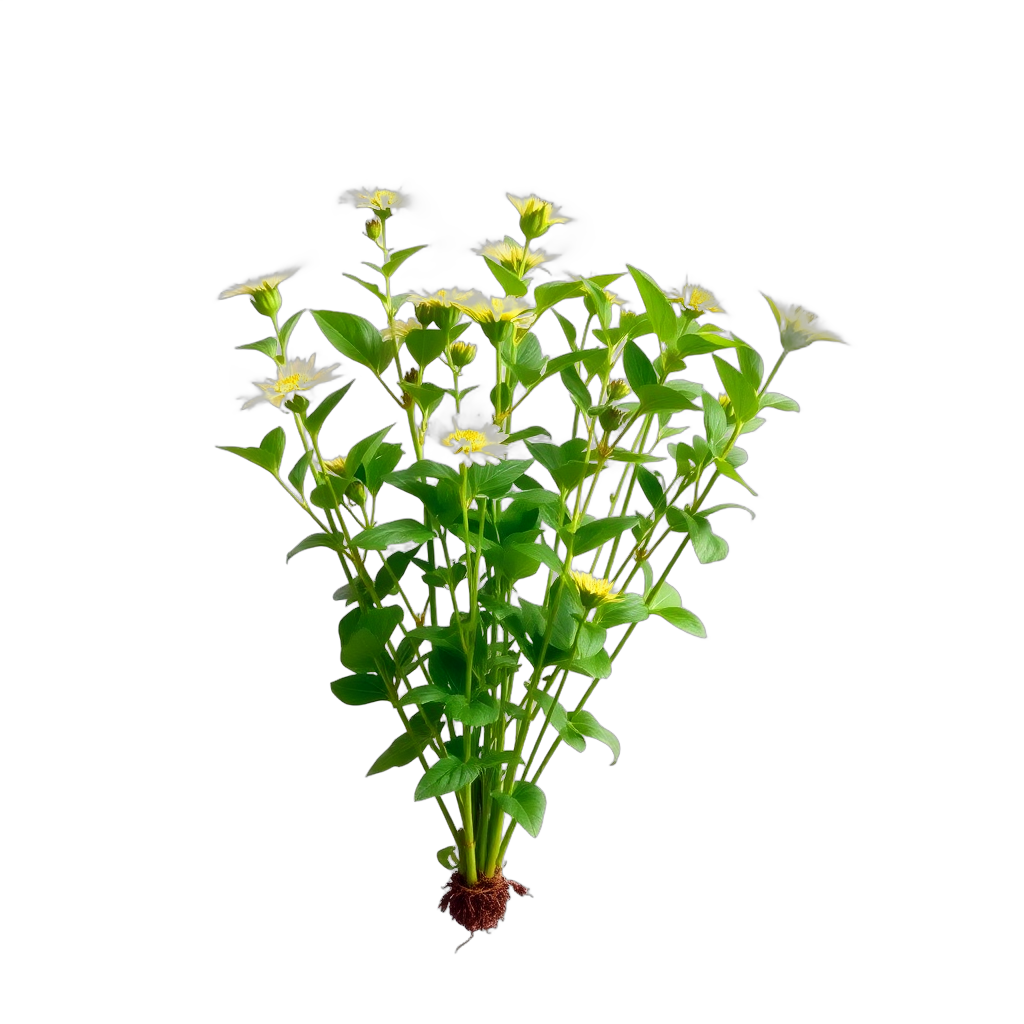
Cup Plant
Silphium perfoliatum
medium-sized at 7 feet, yellow blooms in summer. Attracts butterflies.
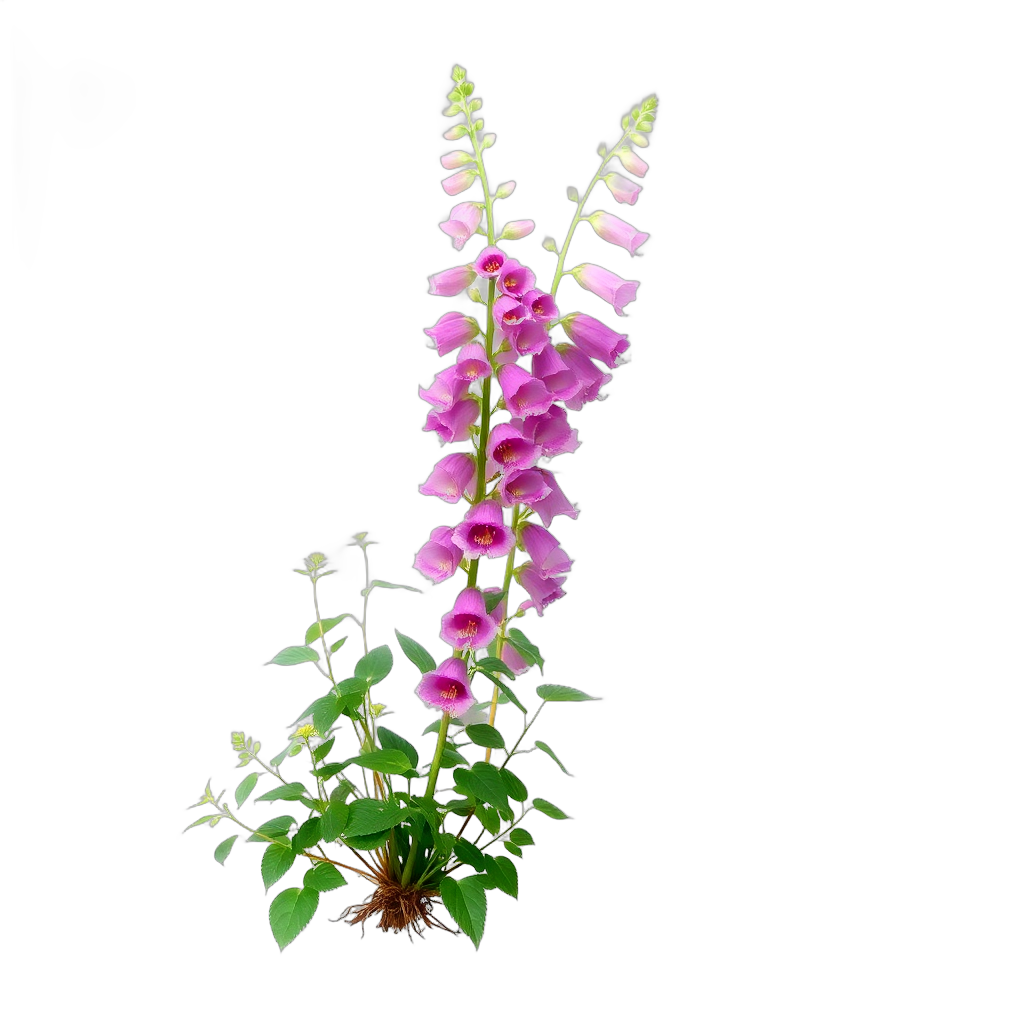
Foxglove Beardtongue
Penstemon digitalis
grows to 3 feet, white blooms in spring. Attracts hummingbirds.
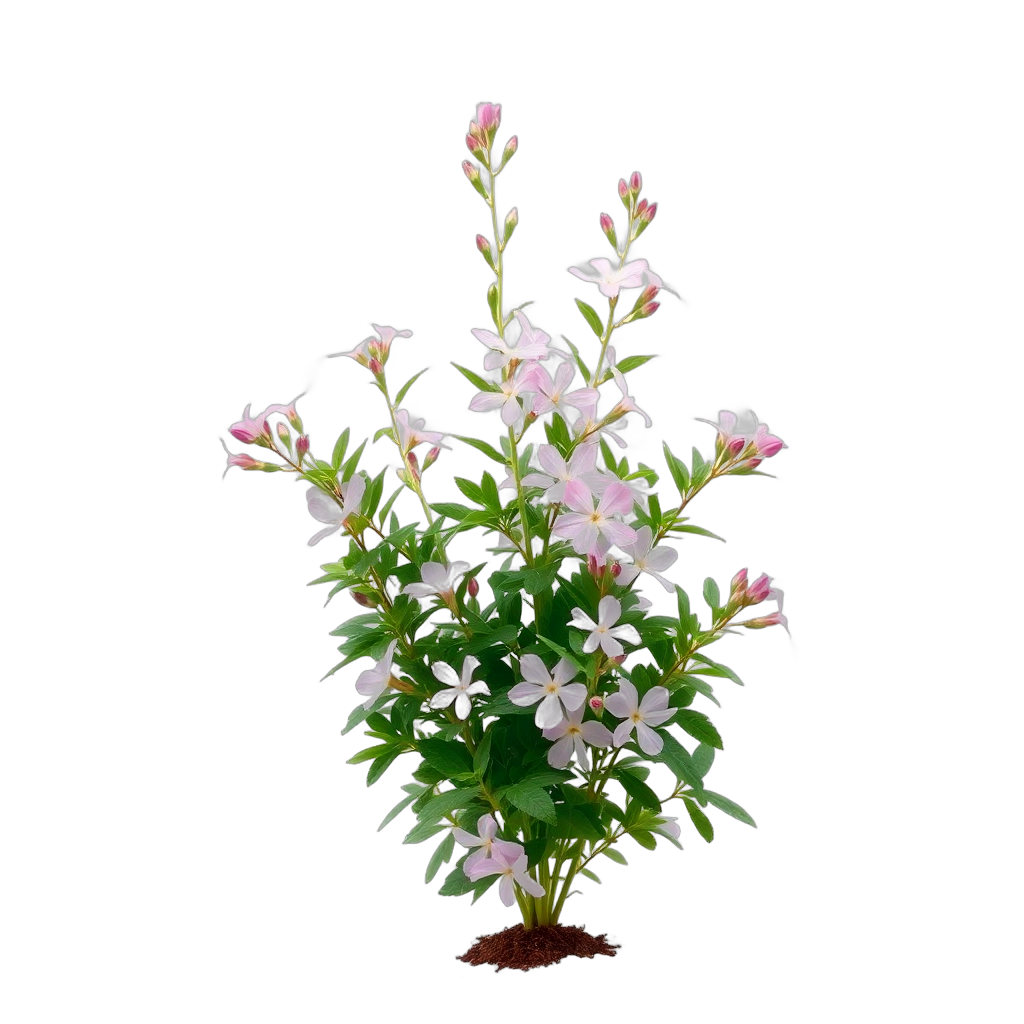
Garden Phlox
Phlox paniculata
grows to 3 feet, multi blooms in summer. Attracts hummingbirds.

Gloriosa Daisy
Rudbeckia hirta
low-growing ground cover, yellow blooms in summer. Attracts butterflies.
Zone and sun checks come from our database — confirm with your local nursery before you buy.
Bloom Calendar for Kenosha
spring
Foxglove Beardtongue, American Black Currant, Clove Currantsummer
Cup Plant, Garden Phlox, Gloriosa Daisyfall
Northern Sea Oatswinter
Limited bloomsDesign Tips for Kenosha (Zone 6a)
- Pick roses bred for Zone 5: Rosa 'William Baffin', 'John Davis' and 'Morden Blush' take -15°F, and hybrid teas will not make it through a Kenosha January
- Mound mulch or leaves over rose crowns after the ground freezes in late November, and pull it back in April
- Test your soil before planting: glacial clay in this county often runs pH 7.0–8.0, so lavender and clematis are happy and hydrangeas like Endless Summer yellow
- Build borders up 4–6 inches with compost over the clay, and keep Lavandula angustifolia 'Munstead' on the best-drained sunny edge
- Near the lake, plan for wind: choose Geranium 'Rozanne', Salvia 'Caradonna' and Echinacea 'Magnus' over tall delphinium, or stake early in May
- Set fence and arbor posts below the frost line, about three feet down, so they do not heave each spring
- Add late-season color with Sedum 'Autumn Joy' and Symphyotrichum novae-angliae 'Purple Dome' so the border still looks good in October
Where to Source Plants in Kenosha
Skip the big-box stores. These independent Kenosha nurseries specialize in the plants that make cottage/english gardens thrive in Zone 6a.
The Swartz Nurseries
Kenosha (30th Avenue)
Kenosha retail nursery offering nursery stock and landscape design and installation, with plant care information and a limited plant warranty
Milaeger's Racine
Racine (about 12 miles north of Kenosha)
Large independent garden center with garden soils, fertilizer, tools, fountains, pottery and yard art, plus a design center; call ahead for current perennial and rose stock
Cottage/English Landscaping Cost Ranges
| Project Scope | Estimated Cost |
|---|---|
| Flagstone walkway on stone dust (100–200 sqft) | $3,000–$7,600 |
| Picket fence, 4 ft tall (60 linear ft) | $1,500–$2,400 |
| Brick paver walk (100 sqft) | $2,000–$2,600 |
| AI visualization (ProScapeAI) | Free to start |
National average installed ranges for 2026 from our landscaping price list (Homewyse and other published sources). Prices in Kenosha, WI vary with site, materials and contractor, so get two or three local quotes.
Kenosha Climate & Growing Zone
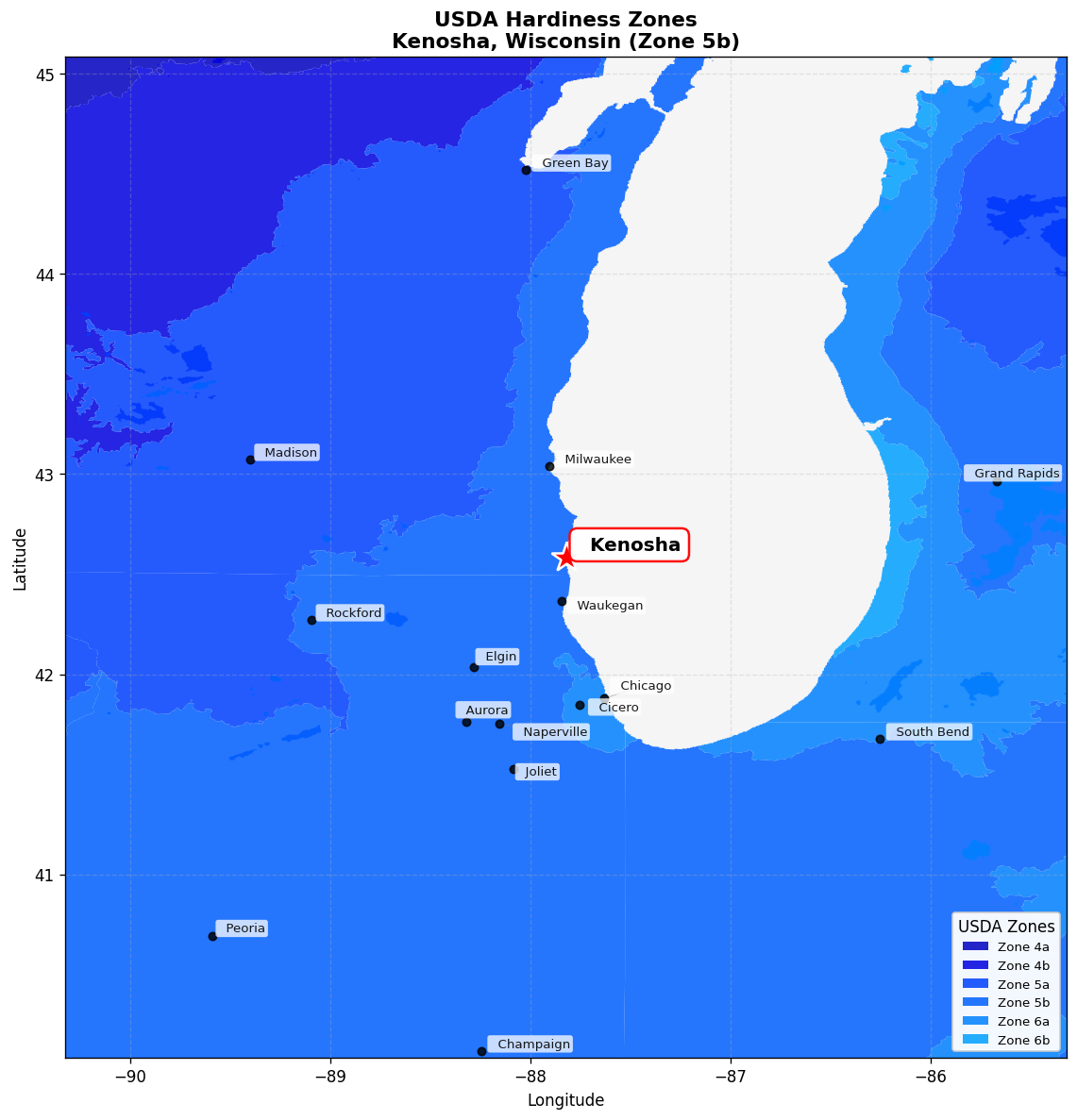
USDA Zone 6a
Hardiness zone for Kenosha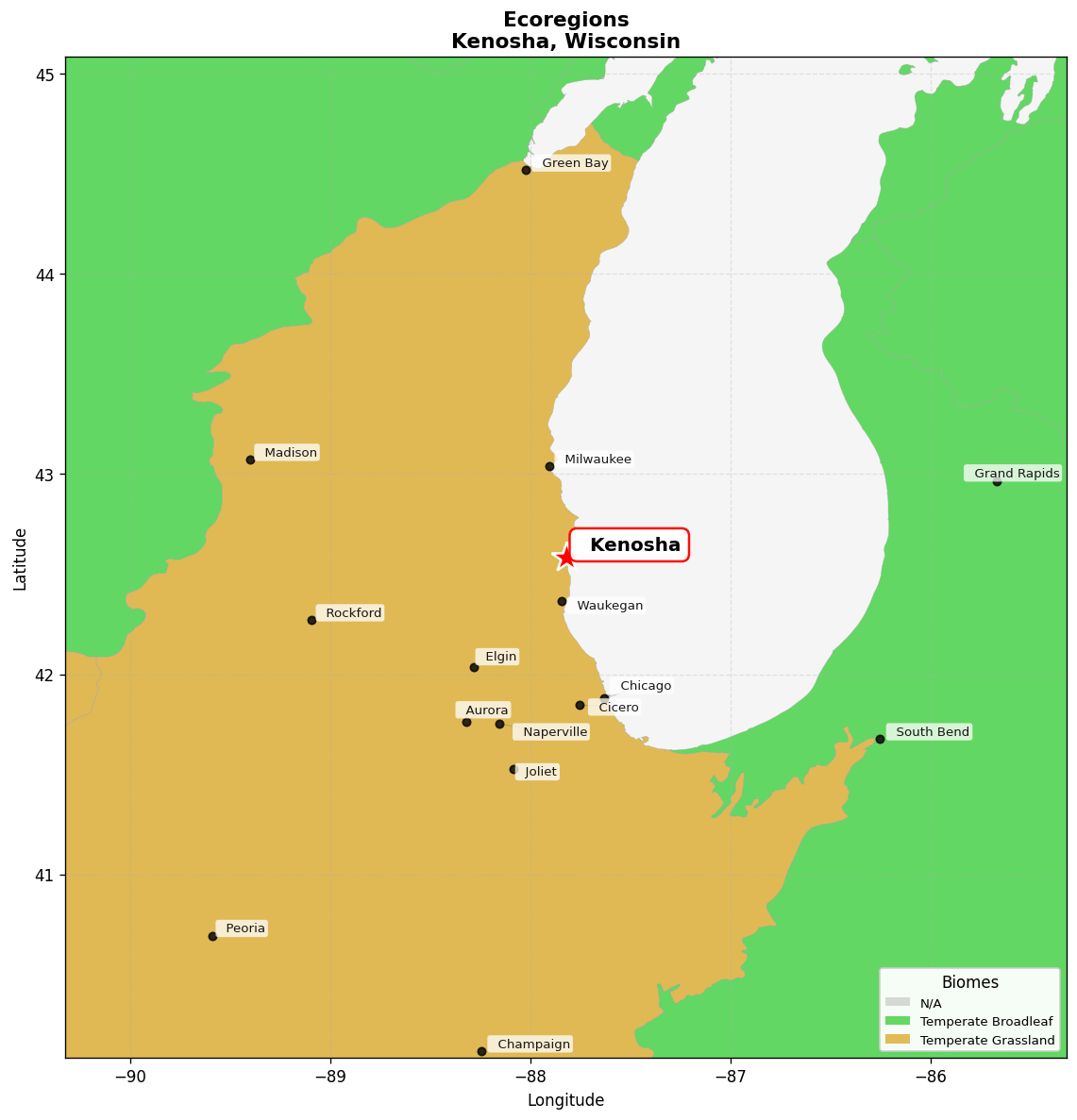
Central US forest-grasslands transition
Native ecoregionFrequently Asked Questions
How much does a cottage garden cost in Kenosha, WI?
Labor in southeast Wisconsin runs a little below Chicago and close to the national average. Costs vary with site, access, materials and local labor rates, so get two or three local quotes before you budget.
Which roses survive a Kenosha winter?
Stick to roses bred for Canada. Rosa 'William Baffin', Rosa 'John Davis', Rosa 'Morden Blush' and Rosa 'Winnipeg Parks' handle -15°F without protection. Hybrid teas and most David Austin varieties will die back hard, and may die outright. After the ground freezes in late November, mound mulch or leaves over the crowns, and pull it back in April when forsythia blooms.
Is a cottage garden low maintenance in this climate?
It takes moderate upkeep. The big jobs are cutting perennials back in March, deadheading delphinium in June to force a second bloom, and dividing peonies and iris every five to seven years. Lake Michigan breezes keep summer humidity lower than in the Ohio valley, which reduces mildew on phlox. Mulch 2–3 inches deep and water at the base during dry spells in July.
When should I plant in Kenosha?
Plant perennials from mid-May, after the last frost around early May, through mid-September. Fall planting gives roots time before the ground freezes in late November. Bare-root roses go in as soon as the soil is workable in April. Peonies are best moved or divided in September and October, and should be set with the eyes no more than two inches below the soil.
Do I need a permit or approval for a fence or arbor?
Fences and structures are regulated by the City of Kenosha's zoning rules, and heights and setbacks vary by district. Homes in the Library Park and Civic Center historic districts may face review for exterior changes visible from the street. Confirm the requirements with the city before building, and call Digger's Hotline (811) before digging fence posts.
What cottage plants fail here, and what replaces them?
Lavandula angustifolia 'Hidcote' can die in a wet winter on clay, and hydrangeas such as Hydrangea macrophylla 'Endless Summer' struggle in alkaline soil. Put lavender on the best-drained raised edge and use Hydrangea paniculata 'Limelight' and Hydrangea arborescens 'Annabelle' instead. Tall delphinium needs staking against the lake wind.
Is the lake effect good or bad for a cottage garden?
Both. Near the shore, spring is cooler and later, so bloom runs a week or more behind inland yards, which protects early buds from a late frost. Onshore wind dries and batters tall plants, so shorter, sturdier cottage plants such as Geranium 'Rozanne', Salvia nemorosa 'Caradonna' and Echinacea 'Magnus' do better on the east side than delphinium.