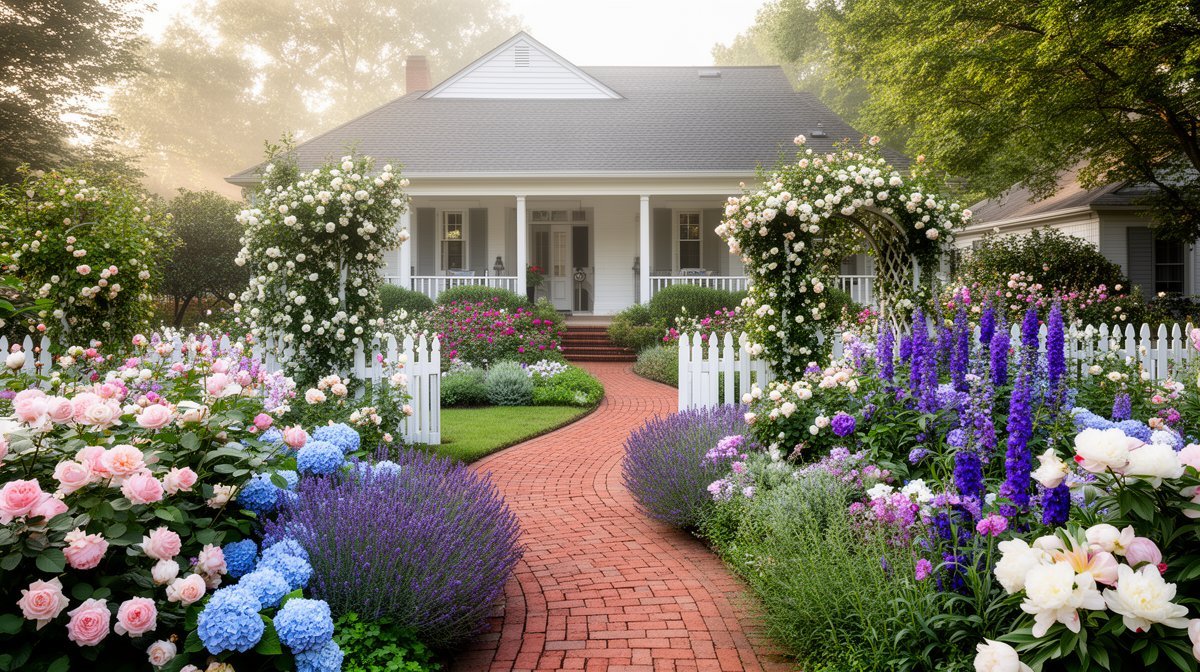
4 Cottage Garden Ideas for Knoxville, TN | English Border Design for Zone 7a
Native plants from the Appalachian-Blue Ridge forests (Zone 7a) — Humid subtropical climate
Why Cottage/English Gardens in Knoxville?
Knoxville is built for cottage gardens in a way few Southern cities are. The 1890s Queen Annes of Old North Knoxville, the 1920s brick bungalows of Fountain City, the Tudor and Colonial Revival houses lining Sequoyah Hills, and the 1920s homes of Holston Hills all predate the era of the flat lawn and three foundation shrubs — they were drawn with porches, picket fences, and deep front beds already in mind. The Ridge-and-Valley terrain helps too: Knoxville lots roll, and a gentle grade is exactly what turns a flat perennial border into the layered, spilling English look. You are also about 75 miles from McMinnville, Tennessee — the self-styled Nursery Capital of the World — so field-grown roses, dogwoods, and shrubs cost less here than almost anywhere in the country.
Zone 7a means average winter lows of 0 to 5°F, cold enough to give you the true English perennials the Deep South cannot hold. Peonies set buds reliably in Knox County, and Paeonia 'Festiva Maxima' and 'Sarah Bernhardt' return for decades if the eyes sit no deeper than 1.5 inches. Winter is not the problem. Roughly 48 inches of rain a year landing in an Appalachian valley that traps humidity like a lid is the problem, and blackspot and powdery mildew arrive by late May. Hybrid teas and most David Austin English roses defoliate by August here. Substitute deliberately: Rosa 'New Dawn' and Rosa 'Peggy Martin' for climbers, Rosa 'Olivia Rose Austin' for the Austin look with genuine disease tolerance, Rosa 'Belinda's Dream' and Rosa 'Carefree Beauty' for shrub mass. Do the same with lavender — Lavandula angustifolia 'Munstead' rots in a Knoxville August, while Lavandula x intermedia 'Phenomenal' shrugs it off.
The ground under most of the city is cherty red clay weathered from Knox dolomite and limestone — sticky in February, brick-hard in September, and studded with chert gravel that will stop a shovel. It usually tests between pH 5.5 and 6.5, which suits Hydrangea quercifolia, Cornus florida, and Phlox paniculata, but limestone pockets near the ridges can run close to neutral, so a UT Extension soil test through the Knox County office is the cheapest money you will spend. Build beds up 6 to 8 inches with composted pine fines instead of digging pits into clay, and plant in October — Knoxville's mild, wet winters give roots six months of head start before the first 90°F day. Late June brings Japanese beetles, so budget for two ugly weeks on the roses rather than a spray program that also kills the bees working your nepeta.
4 Cottage/English Design Ideas for Knoxville
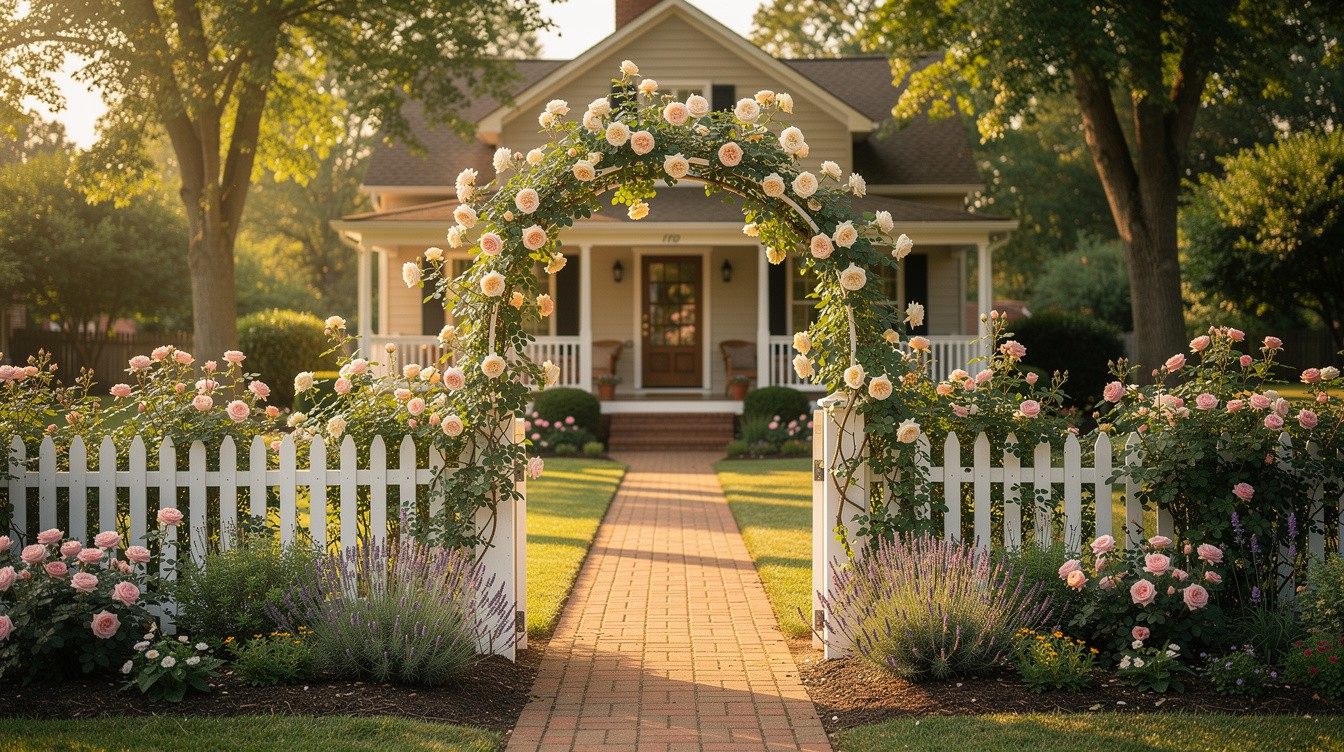
The Rose Arbor Gate
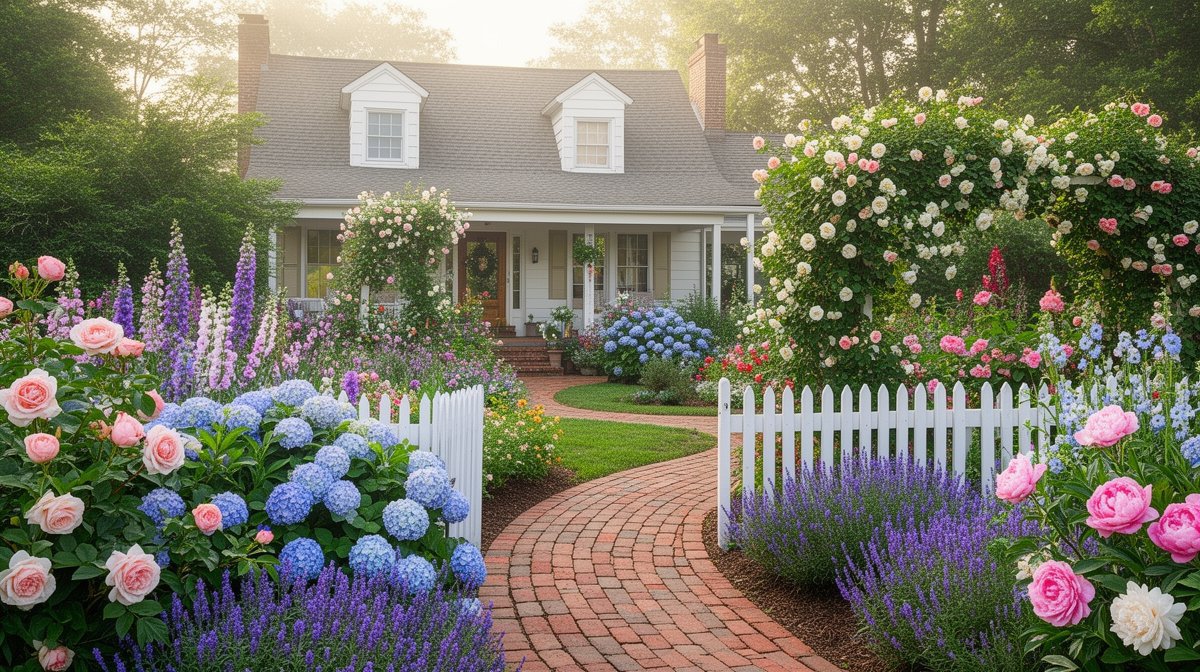
$18–32/sqftA white picket fence runs the full front property line, broken at the center by an arbor smothered in blush and cream climbing roses that frames the house like a proscenium. A running-bond clay brick walk carries straight from the gate to the porch steps, and the beds on either side of the fence are planted in two simple layers: shrub roses at fence height behind, and a continuous ribbon of silver-leaved lavender at the front, which is what makes the composition read as designed rather than merely floral. Mature canopy trees on both sides throw dappled late-day light across the whole scene — the exact west-facing condition of a hundred Fountain City lots.
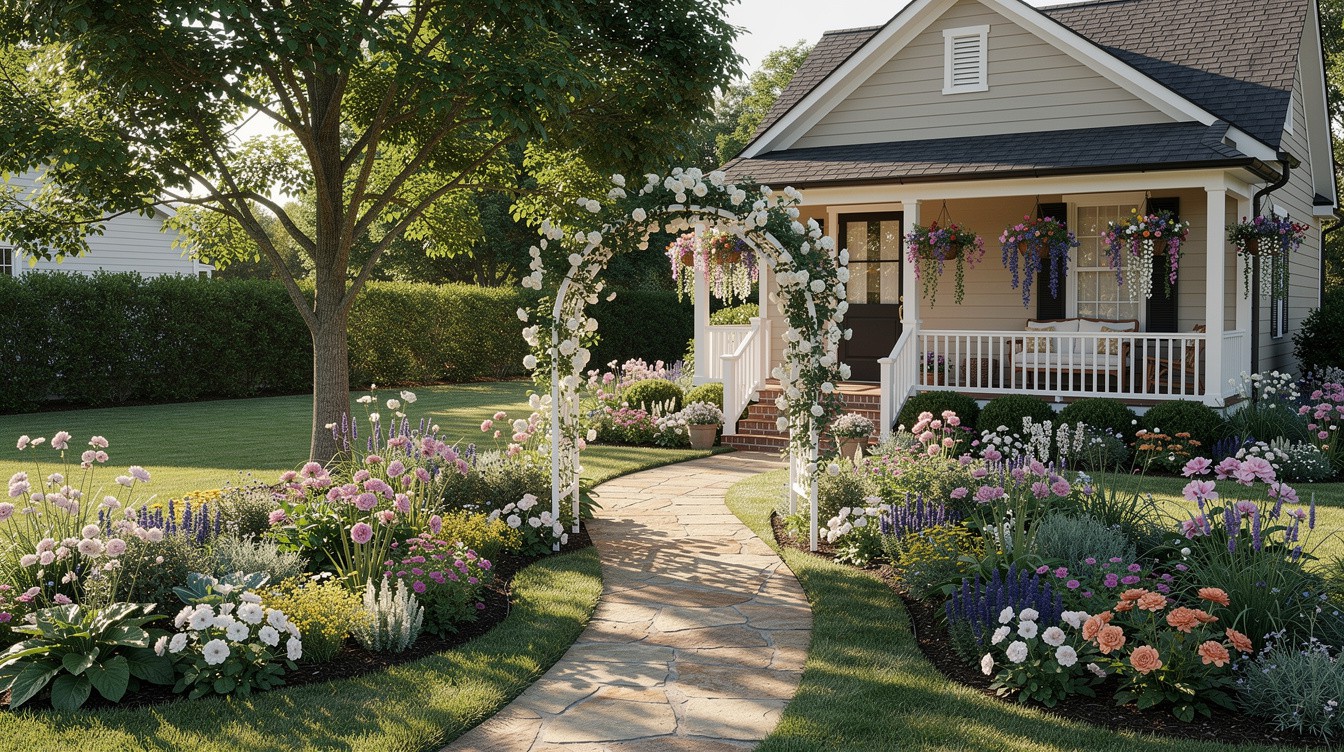
The Flagstone Ribbon Border
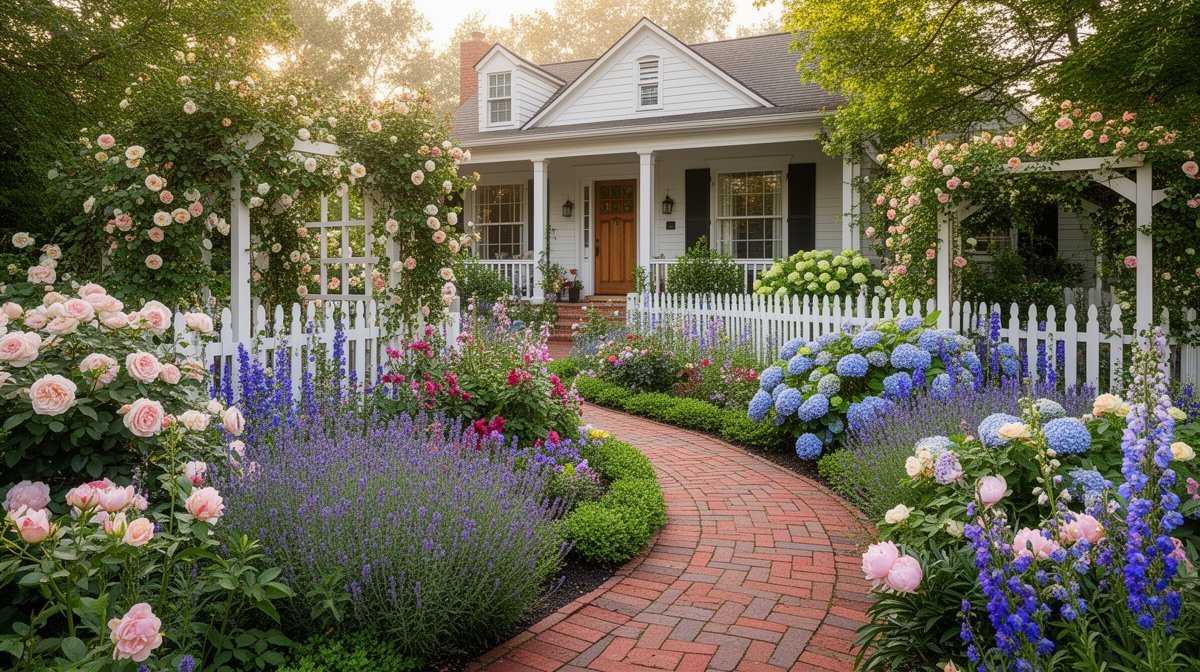
$22–40/sqftAn irregular Crab Orchard flagstone path curves from the sidewalk to the porch instead of running straight, and every foot of the curve is deepened into a mixed border two to five feet wide. The planting is a true English four-season sequence — bulbs, then late-spring salvias, then a July peak of phlox and daisies, then paniculata hydrangeas turning pink into October. A clipped evergreen hedge along the property line does the quiet work of holding the whole loose composition together, and hanging baskets on the porch repeat the border colors at eye level.
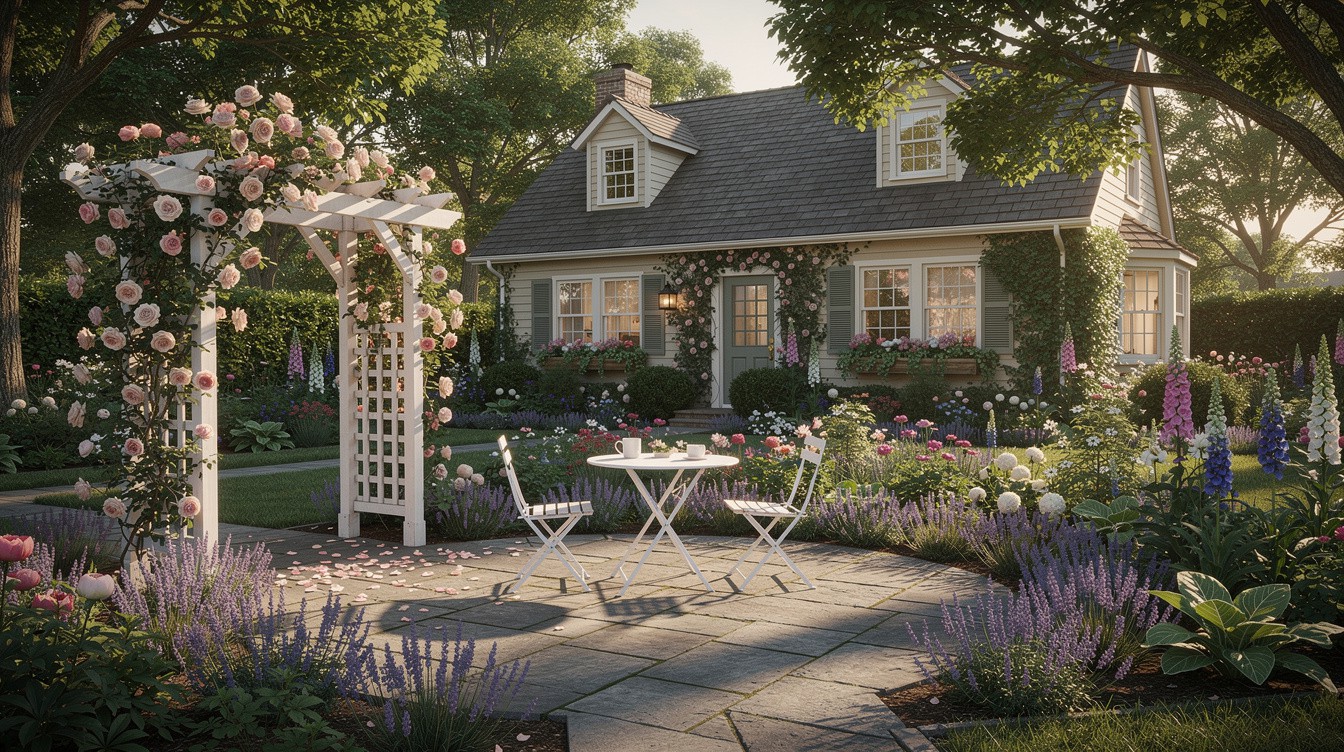
The Lavender Bistro Court
$25–45/sqftA small square of large-format flagstone tucked into the back garden holds nothing but a bistro table and two folding chairs, and that restraint is the point. Lavender edges three sides of the paving so every trip out for coffee brushes the foliage, a white arbor and lattice panel carry climbing roses to create a green wall where a fence would feel hard, and the deep border behind runs vertical spires against the roses. Window boxes and climbing roses on the house tie the building into the planting so the patio reads as a room rather than a slab.
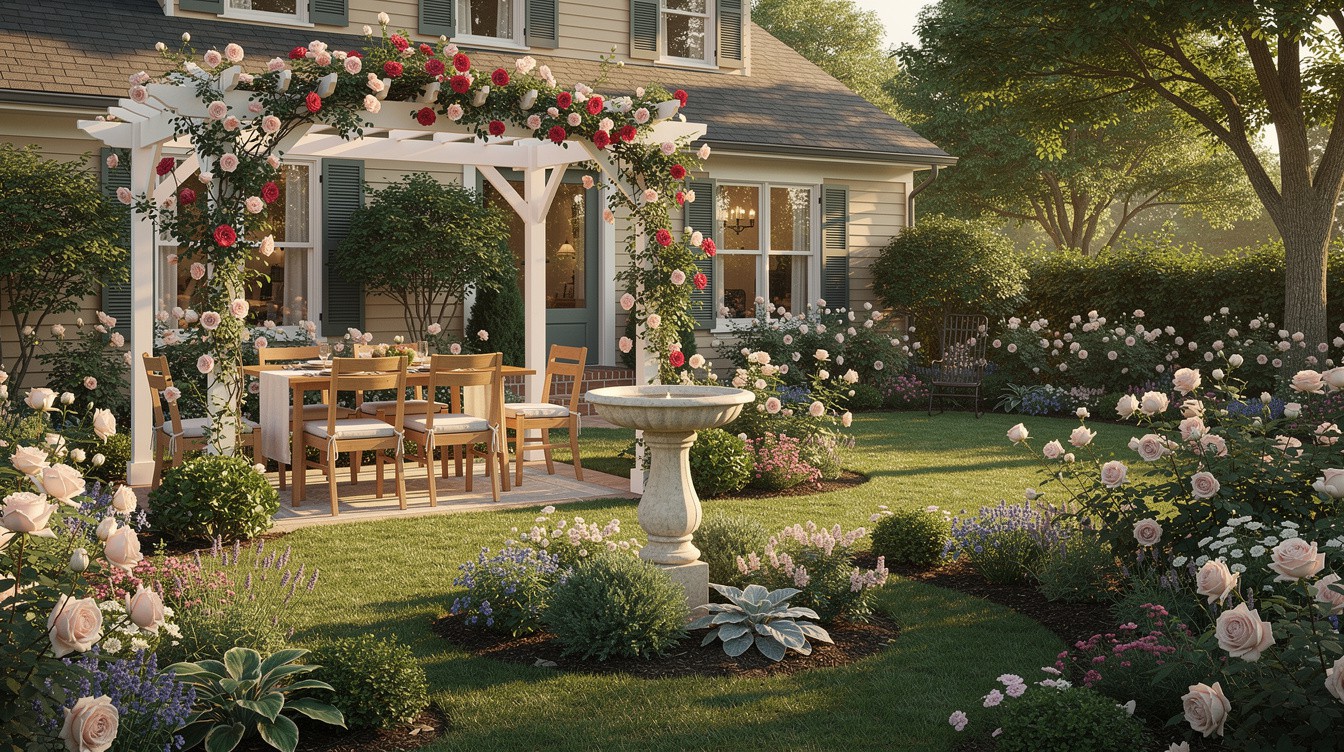
The Pergola and Birdbath Lawn Room
$20–38/sqftA white pergola off the back of the house carries a two-color climbing rose display — crimson threaded through blush — over a full outdoor dining table, and the lawn beyond is shaped into a soft oval with a cast-stone birdbath at its center as the focal point. The borders wrap the lawn in generous curves rather than straight lines, mixing shrub roses with silver and chartreuse foliage so the beds still read well in September when the flowers have thinned. It is the classic English structure: a firm architectural element, one ornament, and everything else soft.
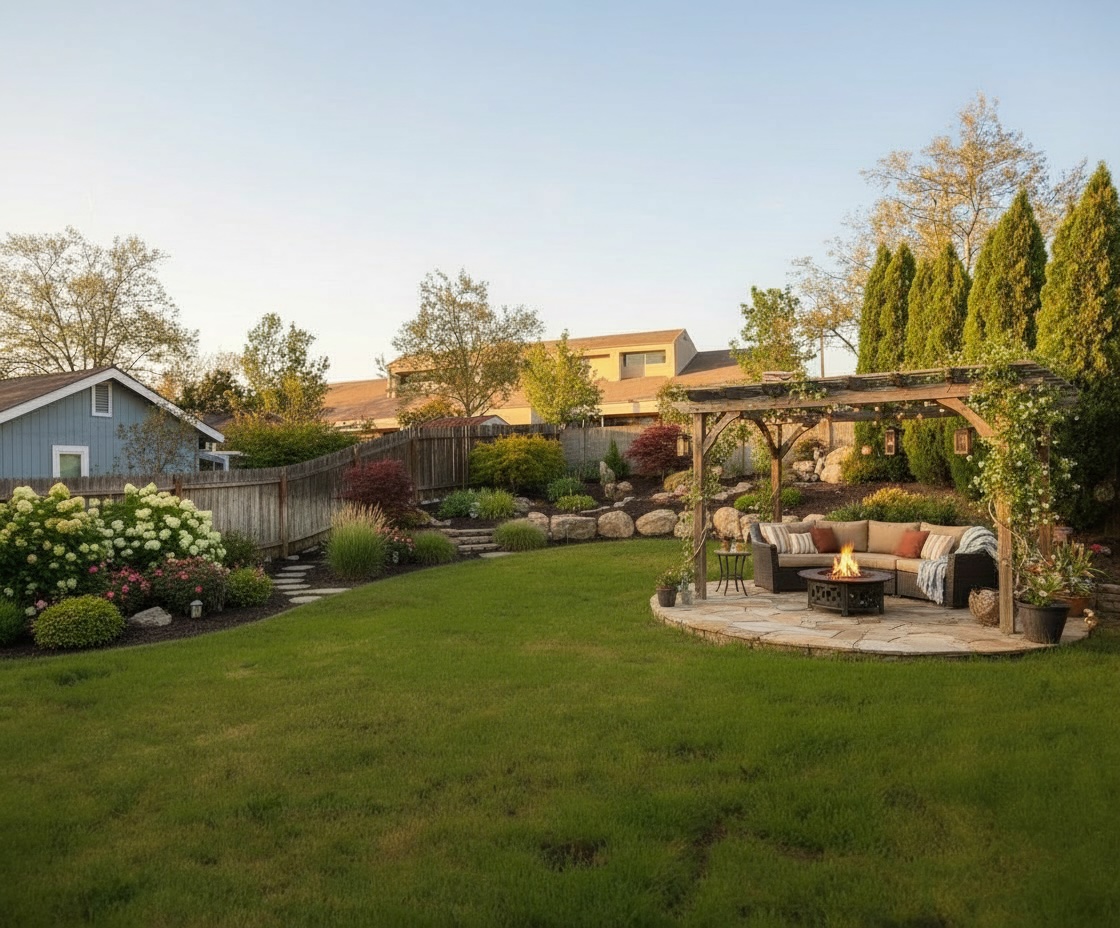
See how a cottage/english garden looks on YOUR property
Upload a photo of your Knoxville yard and visualize your dream garden in seconds.
Try ProScapeAI Free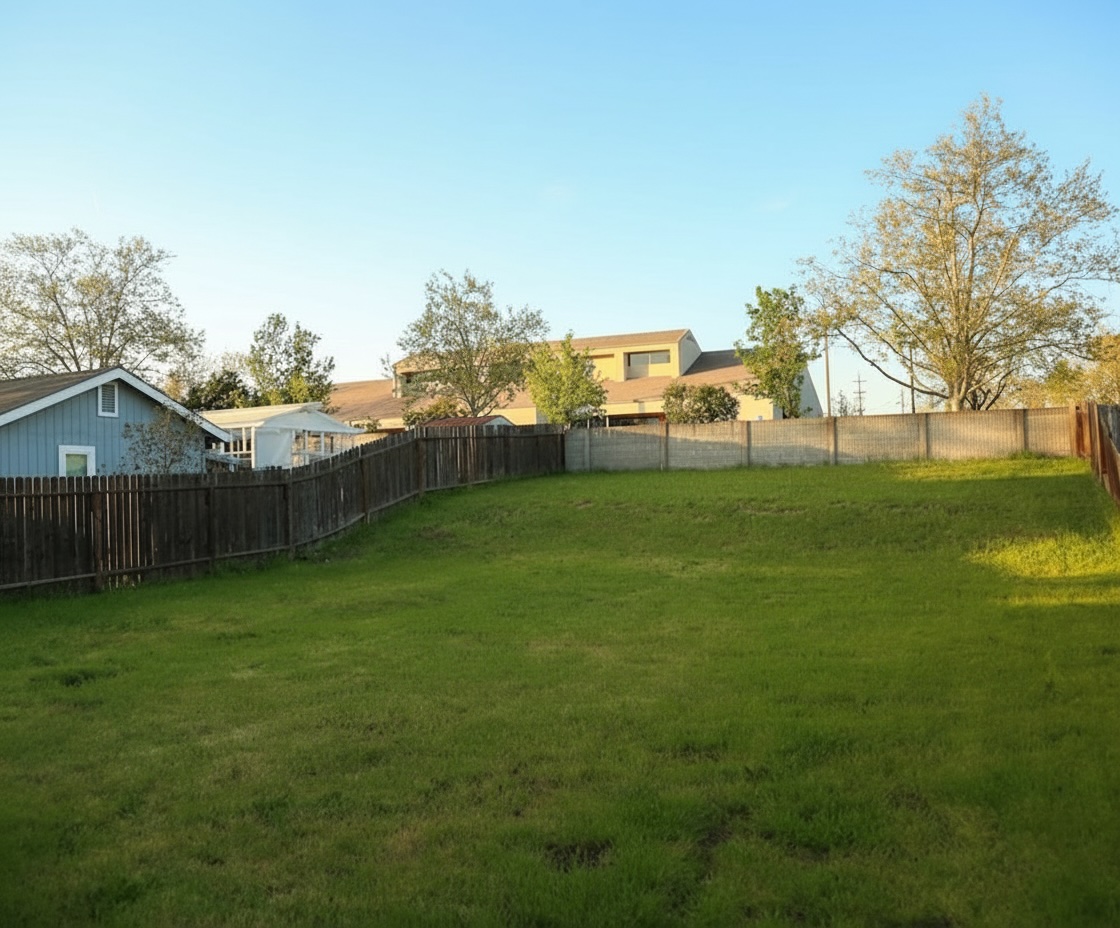
Featured Trees & Shrubs for Cottage/English Gardens
Browse all 114 plants for Knoxville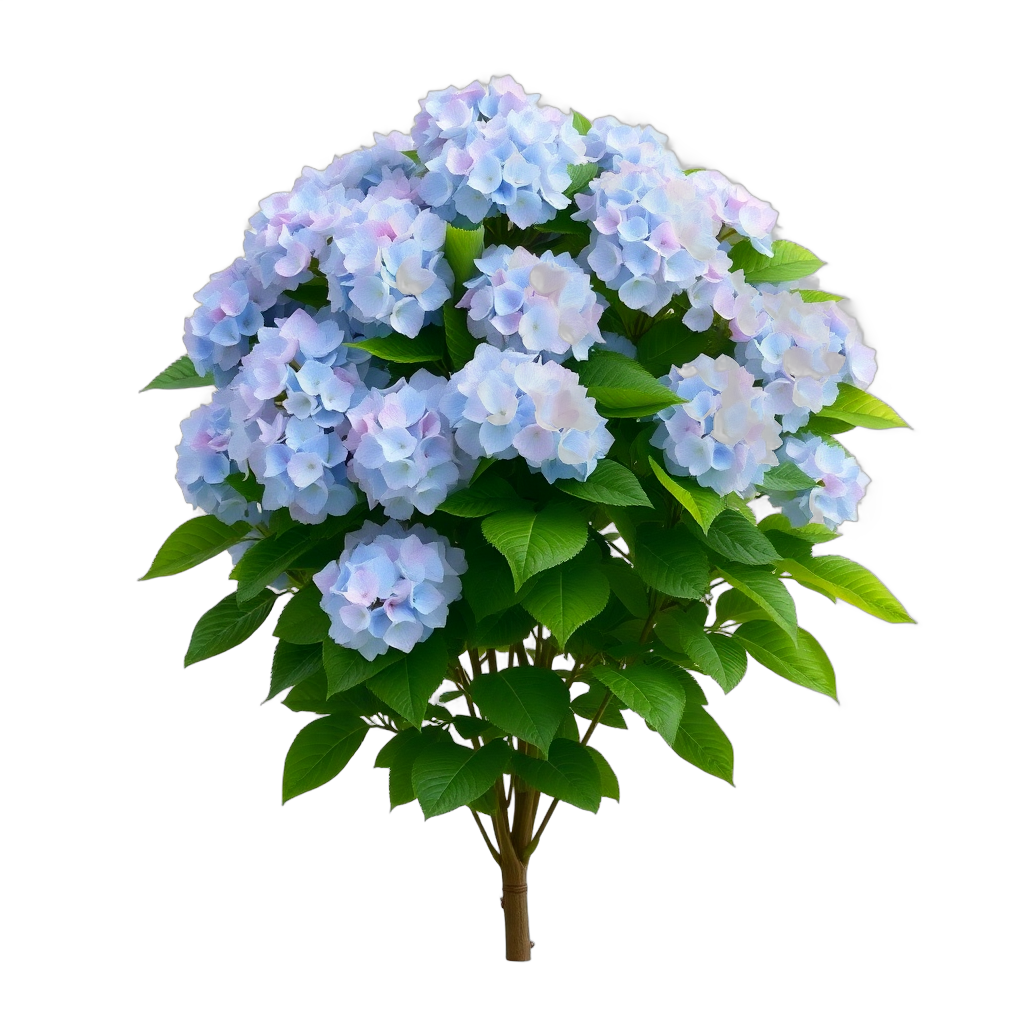
Annabelle Hydrangea
Hydrangea arborescens 'Annabelle'
grows to 5 feet, white blooms in summer. Pollinator-friendly.
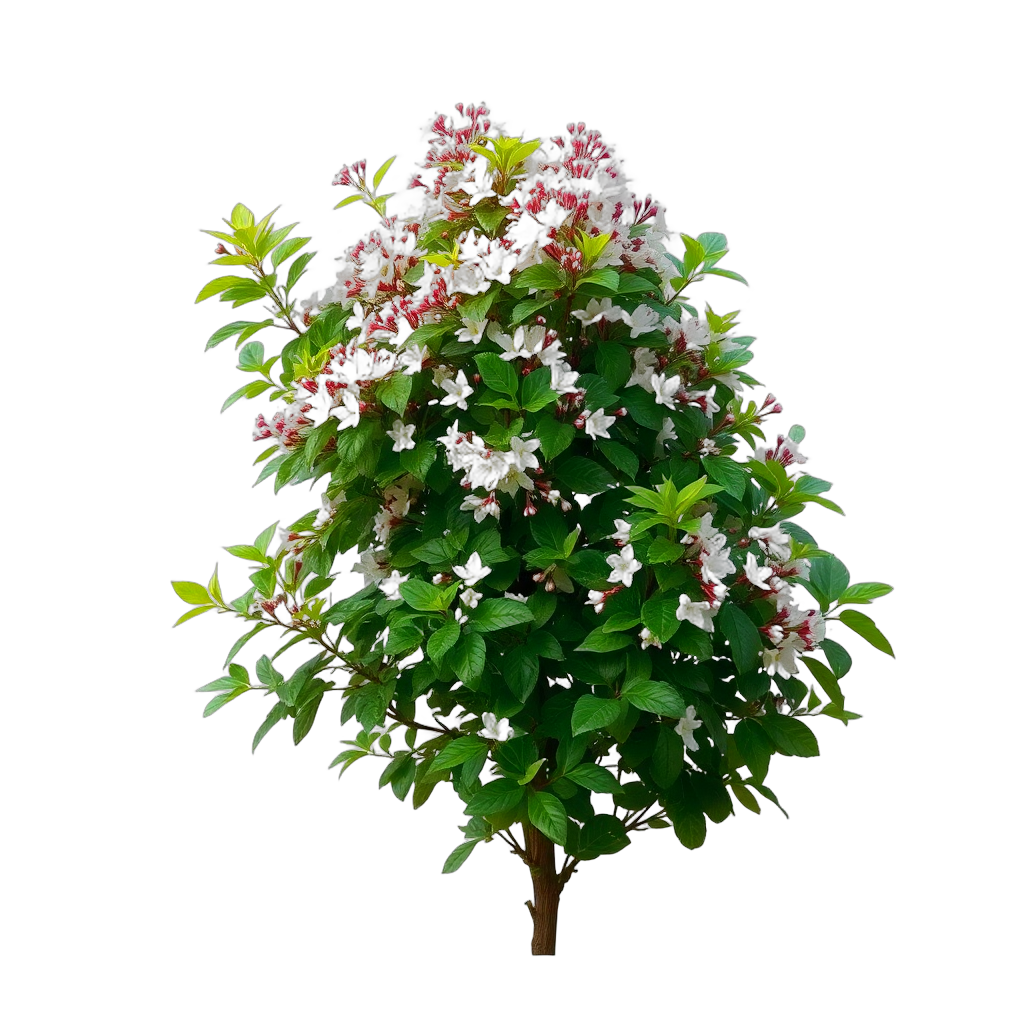
Arrowwood Viburnum
Viburnum dentatum
medium-sized at 10 feet, white blooms in spring. Pollinator-friendly.
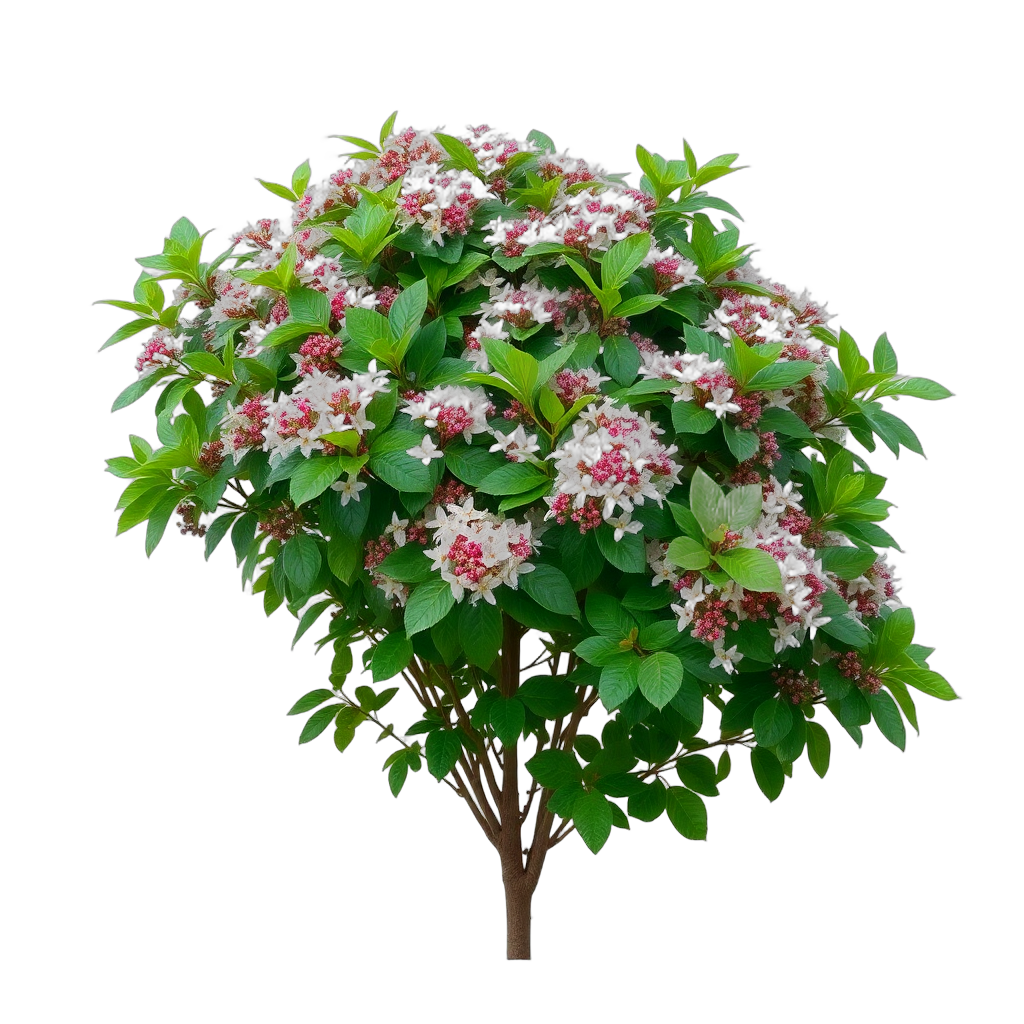
Blackhaw Viburnum
Viburnum prunifolium
medium-sized at 12 feet, white blooms in spring. Pollinator-friendly.
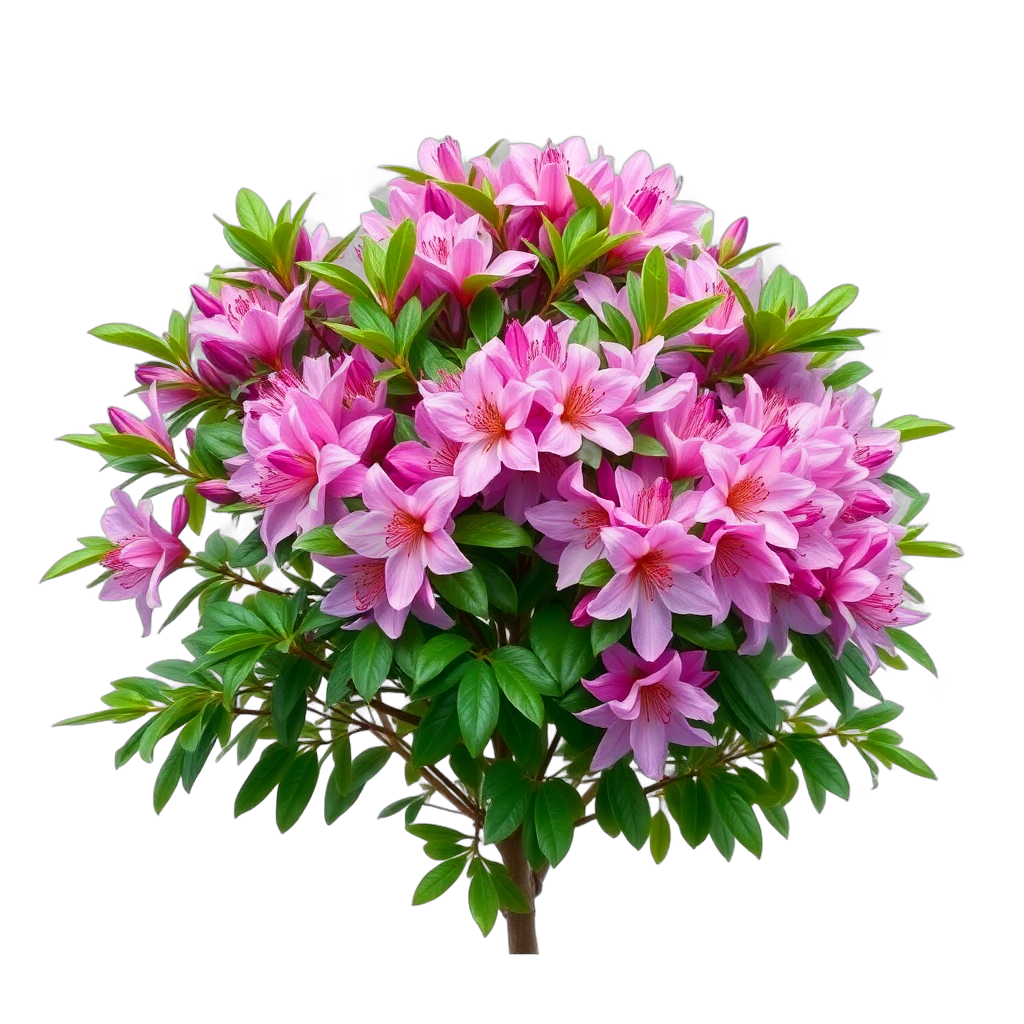
Carolina Rhododendron
Rhododendron carolinianum
grows to 5 feet, pink blooms in spring. Attracts butterflies.
Featured Grasses & Groundcovers for Cottage/English Gardens
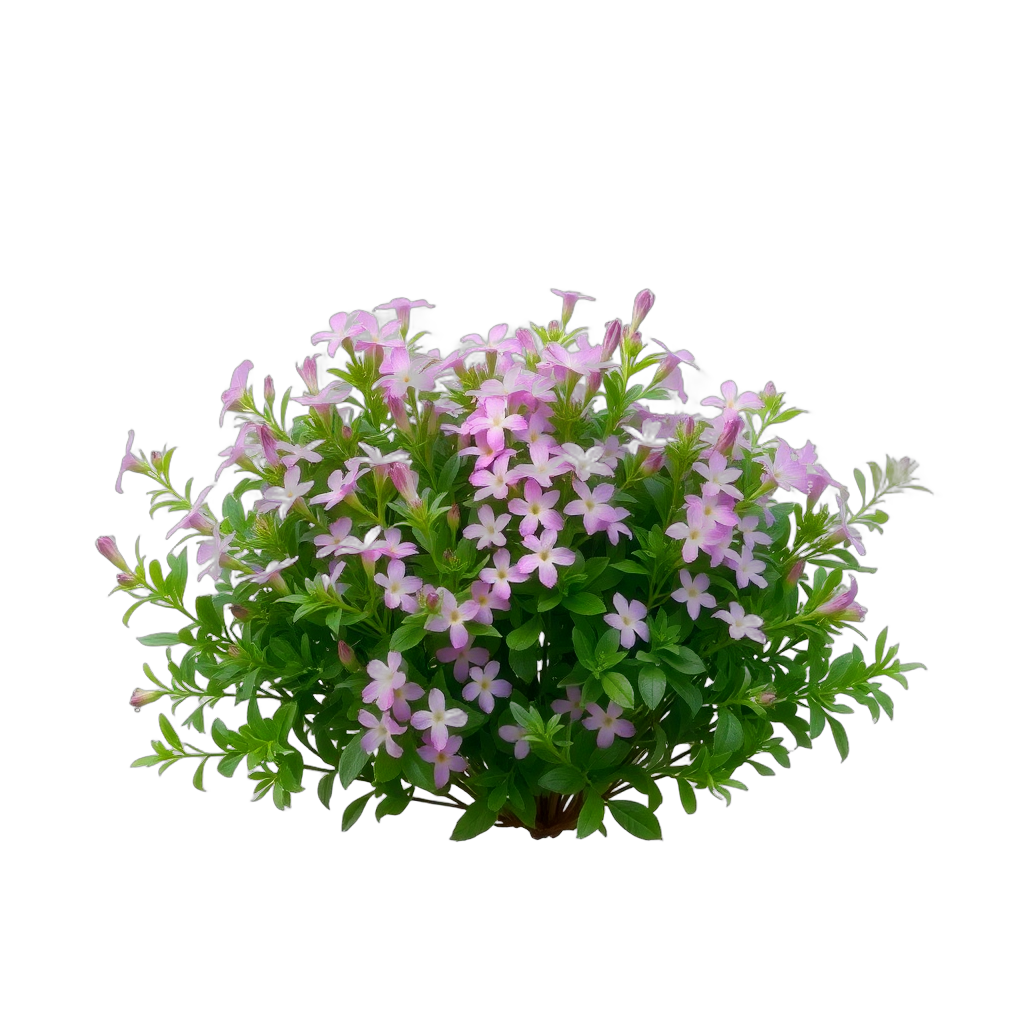
Creeping Phlox
Phlox subulata
low-growing ground cover, multi blooms in spring. Attracts butterflies.
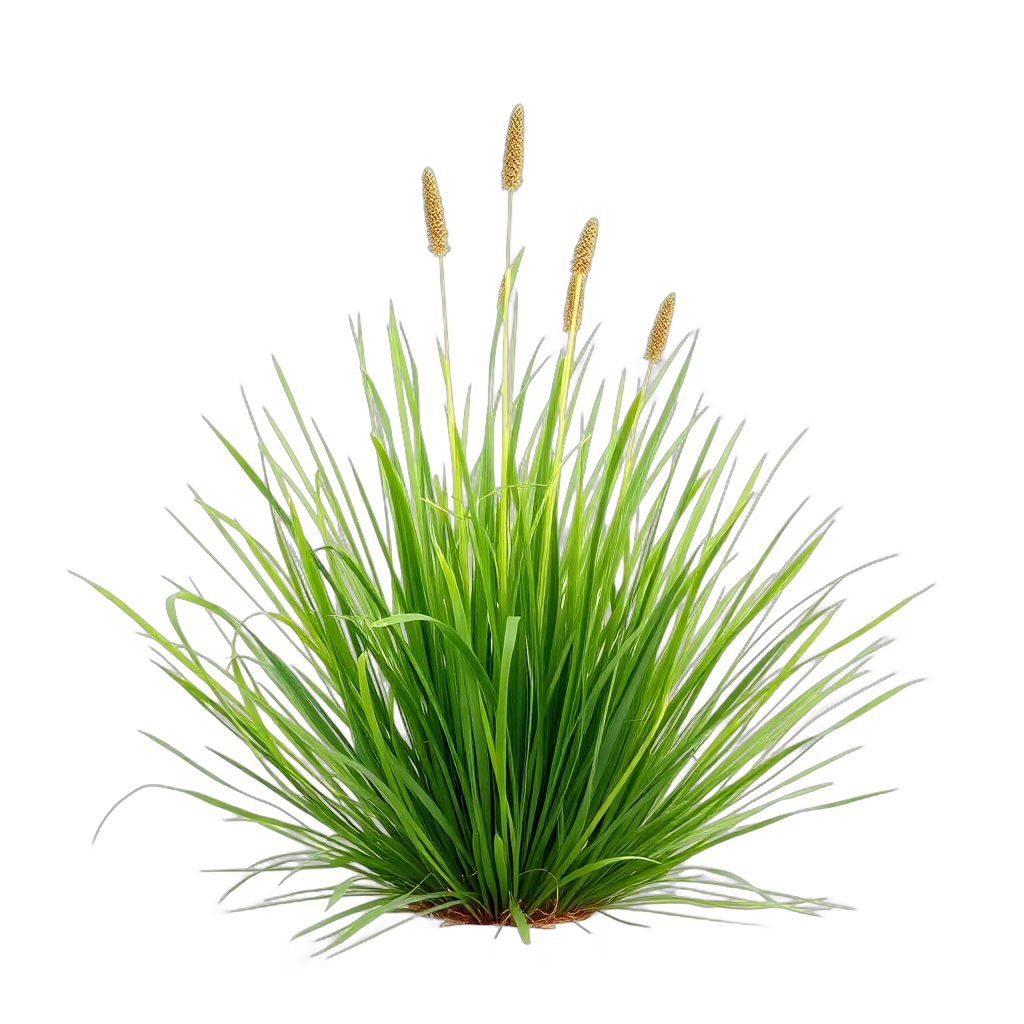
Pennsylvania Sedge
Carex pensylvanica
low-growing ground cover, blooms in spring.

Bermuda Grass
Cynodon dactylon
low-growing ground cover, blooms in summer. Brown fall color.

St. Augustine Grass
Stenotaphrum secundatum
low-growing ground cover, blooms in summer. Brown fall color.
Featured Flowers & Perennials for Cottage/English Gardens
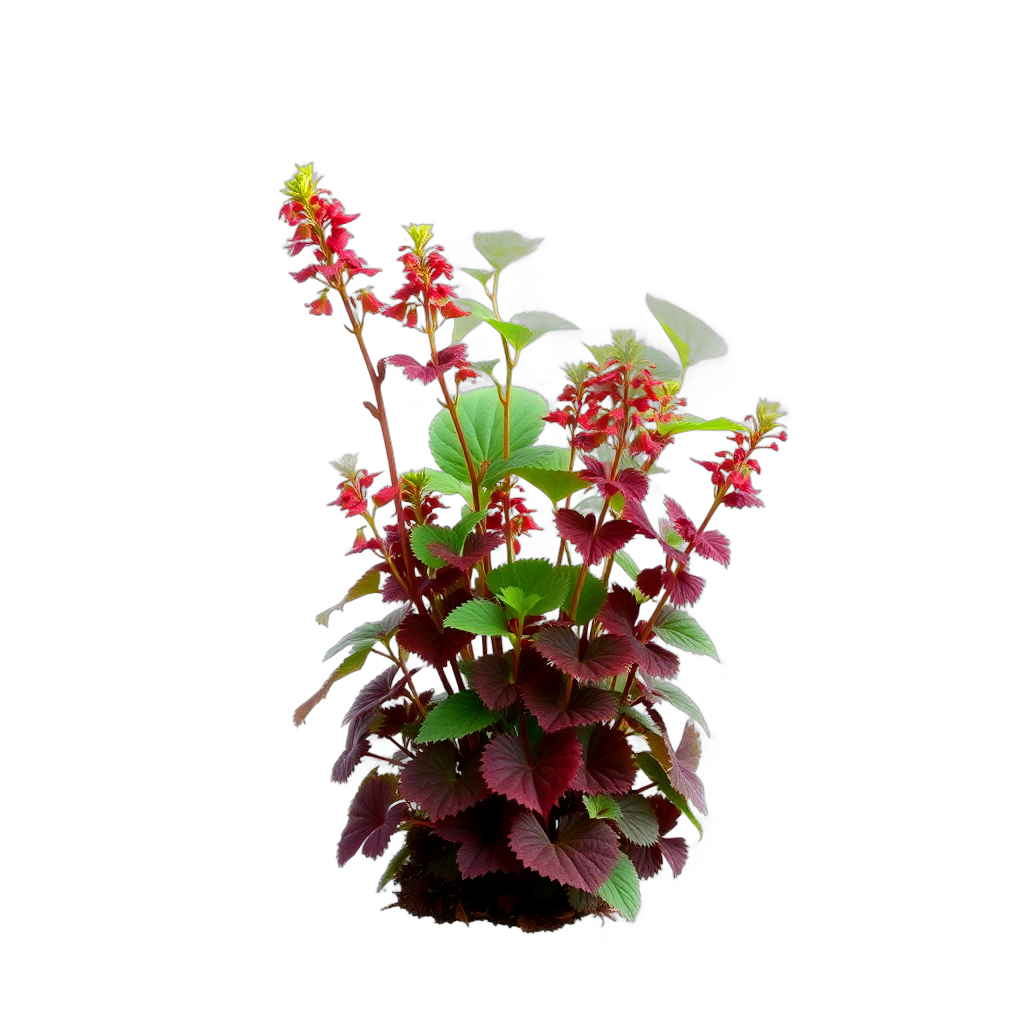
American Alumroot
Heuchera americana
low-growing ground cover, white blooms in spring. Pollinator-friendly.
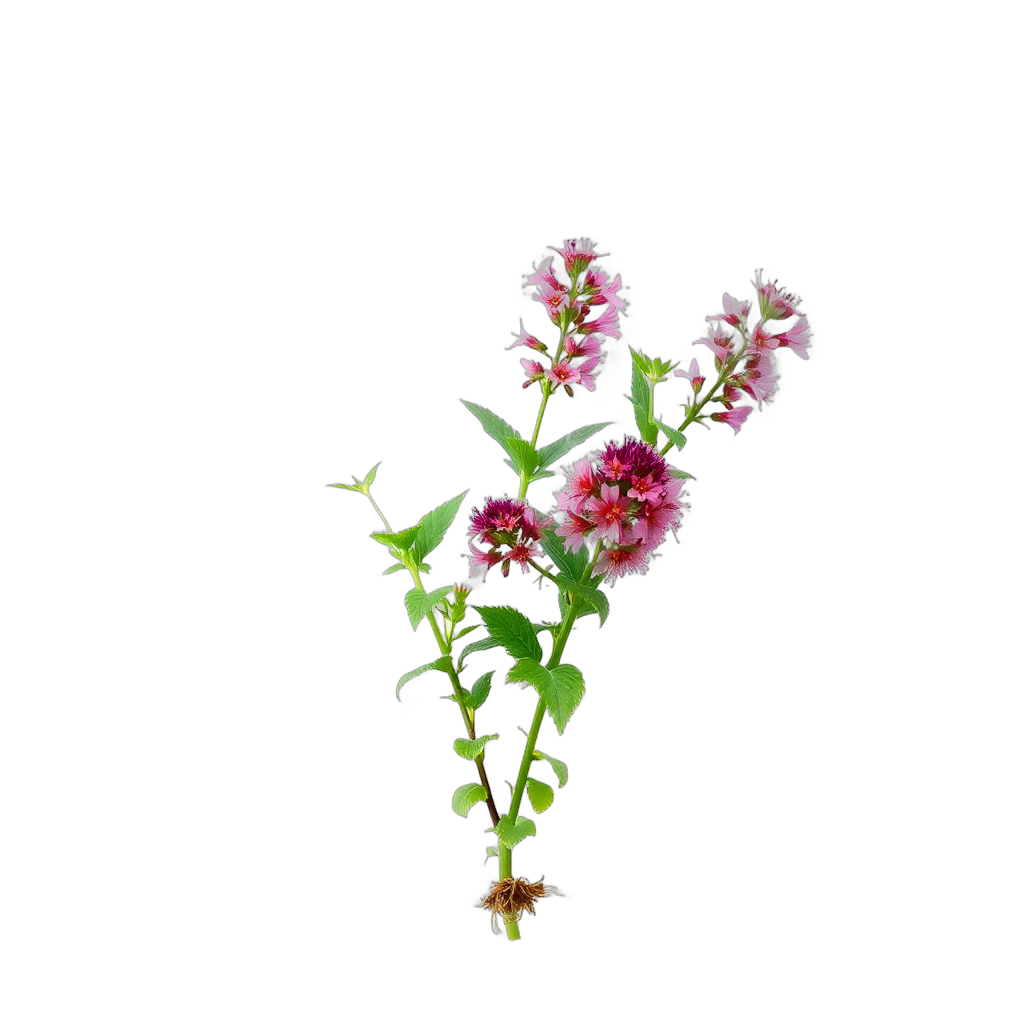
Bee Balm
Monarda didyma
grows to 3 feet, red blooms in summer. Attracts hummingbirds.
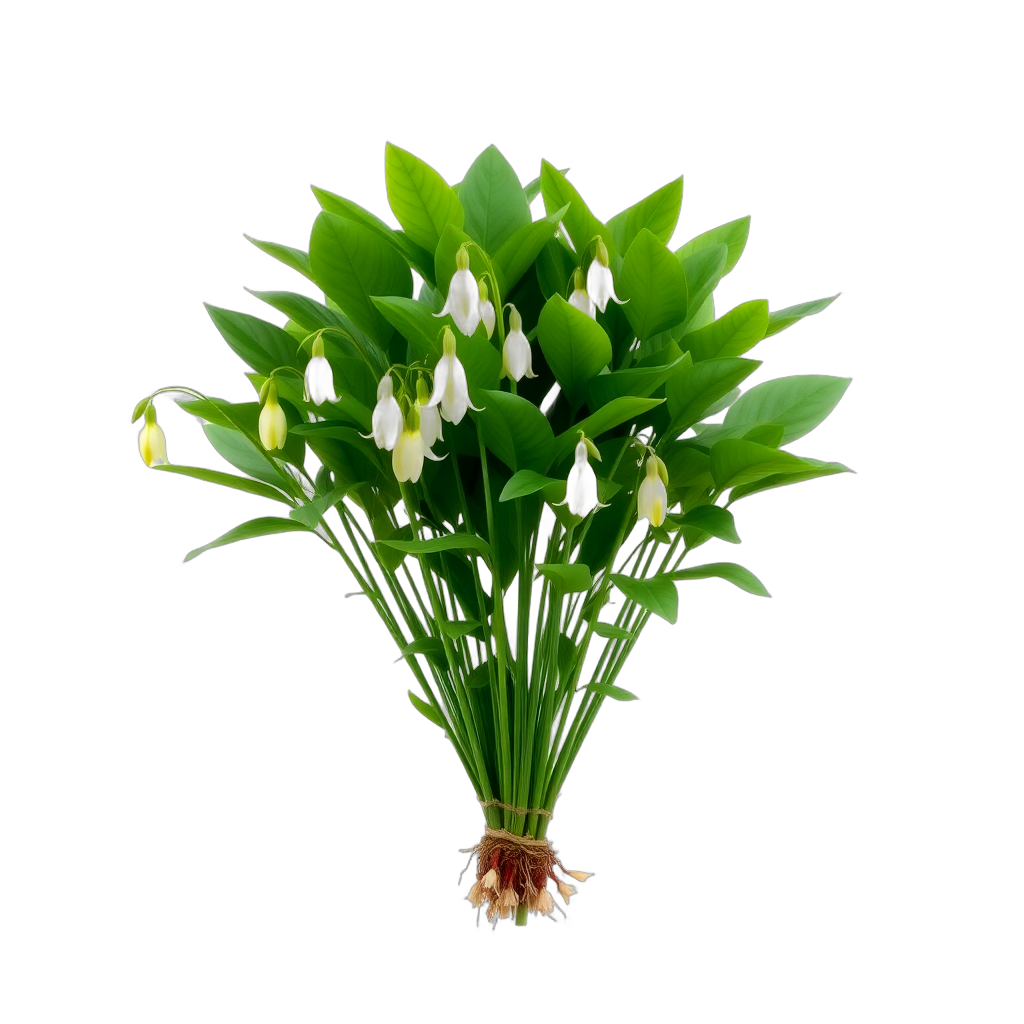
Bellwort
Uvularia grandiflora
low-growing ground cover, yellow blooms in spring. Pollinator-friendly.
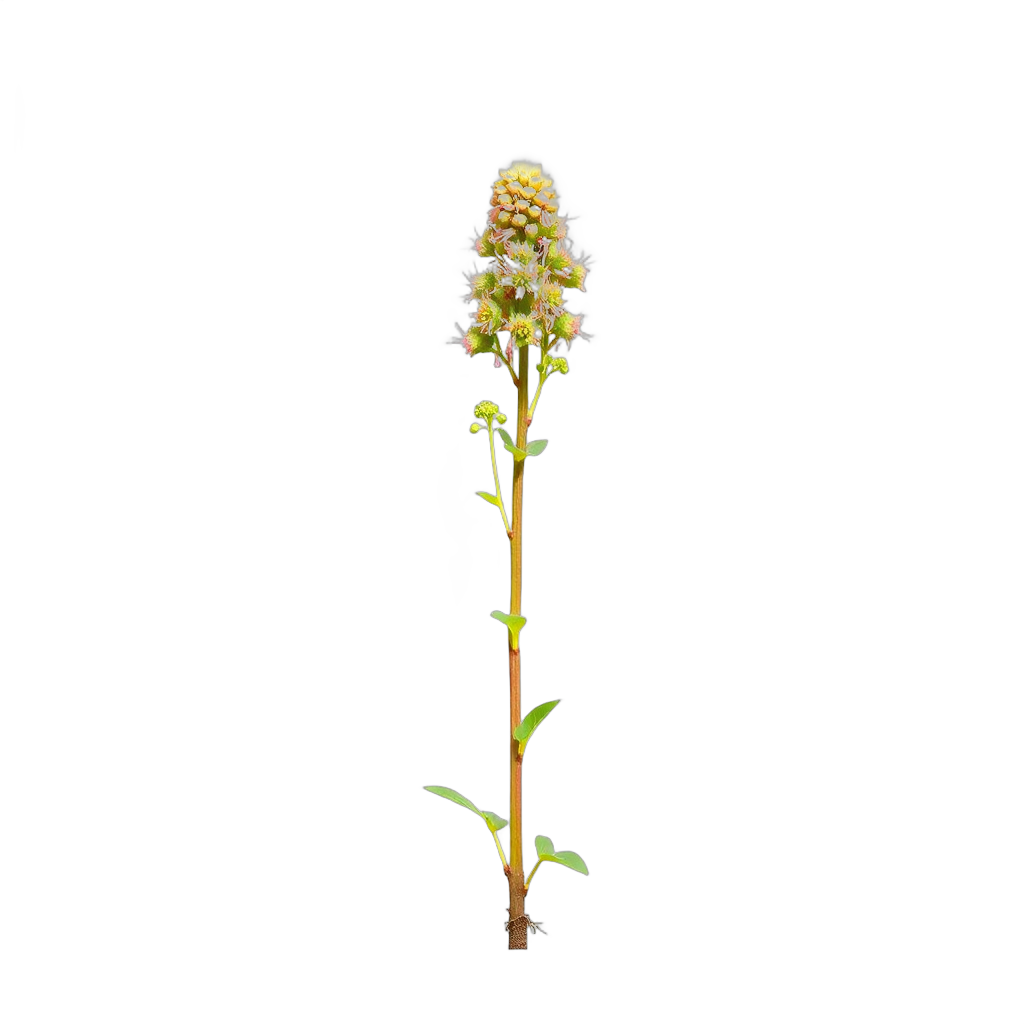
Bishop's Cap
Mitella diphylla
low-growing ground cover, white blooms in spring. Pollinator-friendly.
Bloom Calendar for Knoxville
spring
American Alumroot, Bellwort, Bishop's Capsummer
Bee Balm, Black Cohosh, Black Cohoshfall
Limited bloomswinter
Limited bloomsDesign Tips for Knoxville (Zone 7a)
- Choose roses by disease resistance before color — in 48 inches of Appalachian rain, Rosa 'New Dawn', 'Peggy Martin', 'Belinda's Dream', and 'Olivia Rose Austin' will still be in leaf in September while a hybrid tea is bare canes
- Build every bed UP 6 to 8 inches with composted pine fines rather than digging holes in Knox dolomite clay; a pit backfilled with soft soil becomes a bathtub during a wet East Tennessee February
- Use Cornus florida 'Appalachian Spring' where you want the dogwood — it was released by the University of Tennessee right here in Knoxville and is the only reliably anthracnose-resistant flowering dogwood on the market
- Give the loose planting a hard edge: a picket fence, a clipped Ilex glabra 'Shamrock' hedge, or a brick mowing strip is what separates an English garden from an overgrown one, and boxwood blight makes inkberry the safer hedge choice in Knox County
- Plan the July gap now — Knoxville borders peak in late May and again in September, so carry the humid mid-summer with Phlox paniculata 'Jeana', Leucanthemum 'Becky', Echinacea 'Magnus', and foliage from Stachys 'Helen von Stein' and Amsonia hubrichtii
- On a sloped Sequoyah Hills or Holston Hills lot, run a shallow French drain along the uphill edge of every bed before you plant; it costs a few hundred dollars and prevents the winter waterlogging that kills more lavender and roses here than any pest
Where to Source Plants in Knoxville
Skip the big-box stores. These independent Knoxville nurseries specialize in the plants that make cottage/english gardens thrive in Zone 7a.
Ellenburg Landscaping & Nursery
West Hills
Retail garden center combined with full-service landscape design and installation.
Thress Nursery Gardens
Powell area
Established 1955; offers quality trees, shrubs, perennials, and houseplants.
Beaver Creek Nursery at Briar Thicket
Bybee (East Tennessee)
Specializes in rare, unusual, and hard-to-find plants for collectors and landscapers.
Minge's Greenhouse Nursery
Northwest Knoxville
Greenhouse-grown specialty plants and seasonal selections.
Cottage/English Landscaping Costs in Knoxville
| Project Scope | Estimated Cost |
|---|---|
| Front yard cottage border conversion (400 sqft of amended bed + plants) | $4,500 – $11,000 |
| Picket fence (60 linear ft) + rose arbor gate | $2,500 – $6,000 |
| Flagstone or clay brick walkway (100–150 sqft) | $2,500 – $6,500 |
| Backyard patio (250 sqft) with wrapped perennial borders | $15,000 – $35,000 |
| Cedar pergola, 12x14, installed on pier footings | $6,000 – $15,000 |
| AI visualization with ProScapeAI | Free to start |
Estimates based on Knoxville, TN-area contractor rates as of 2026. Actual costs vary by site conditions, materials, and contractor.
Knoxville Climate & Growing Zone
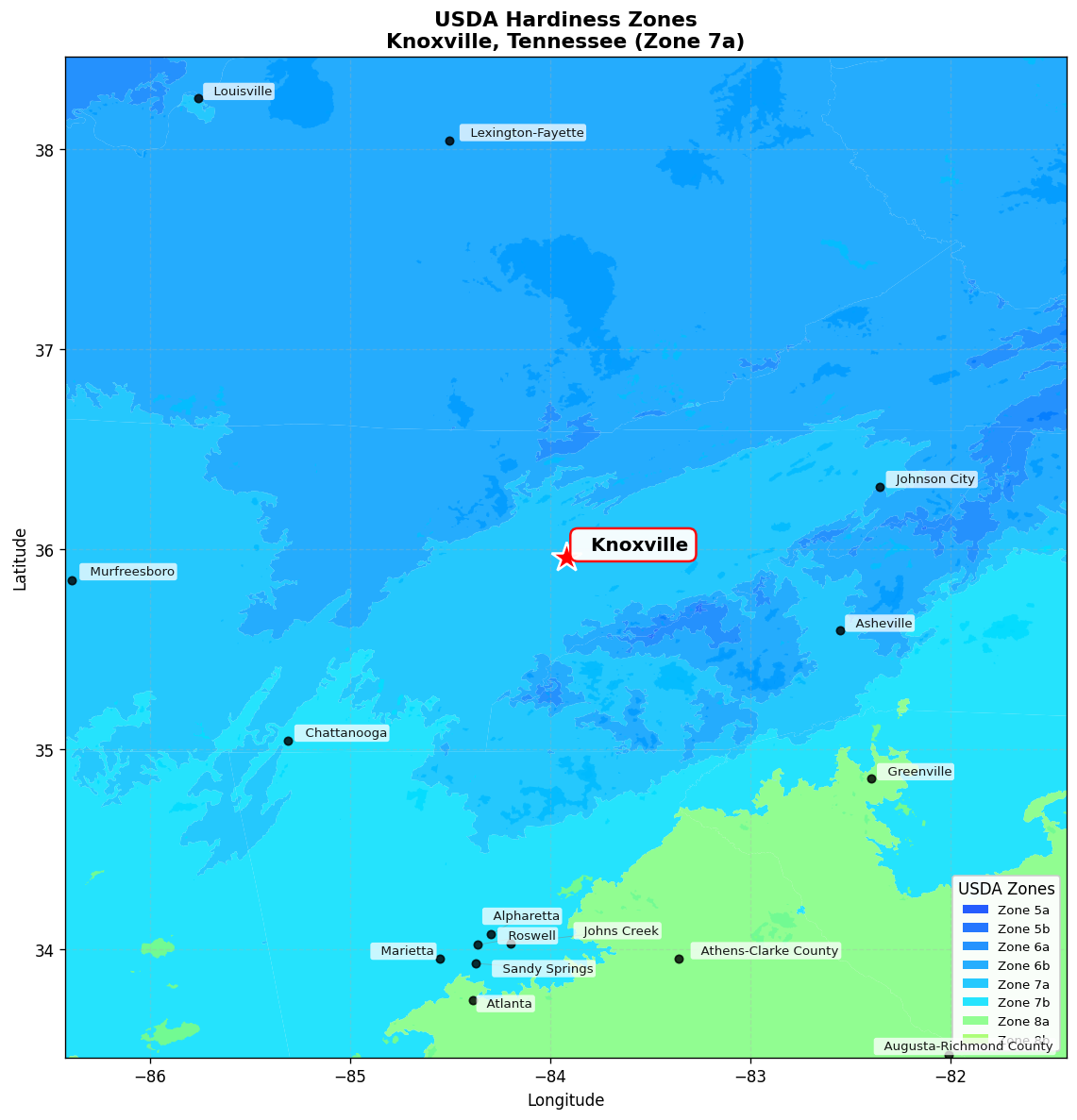
USDA Zone 7a
Hardiness zone for Knoxville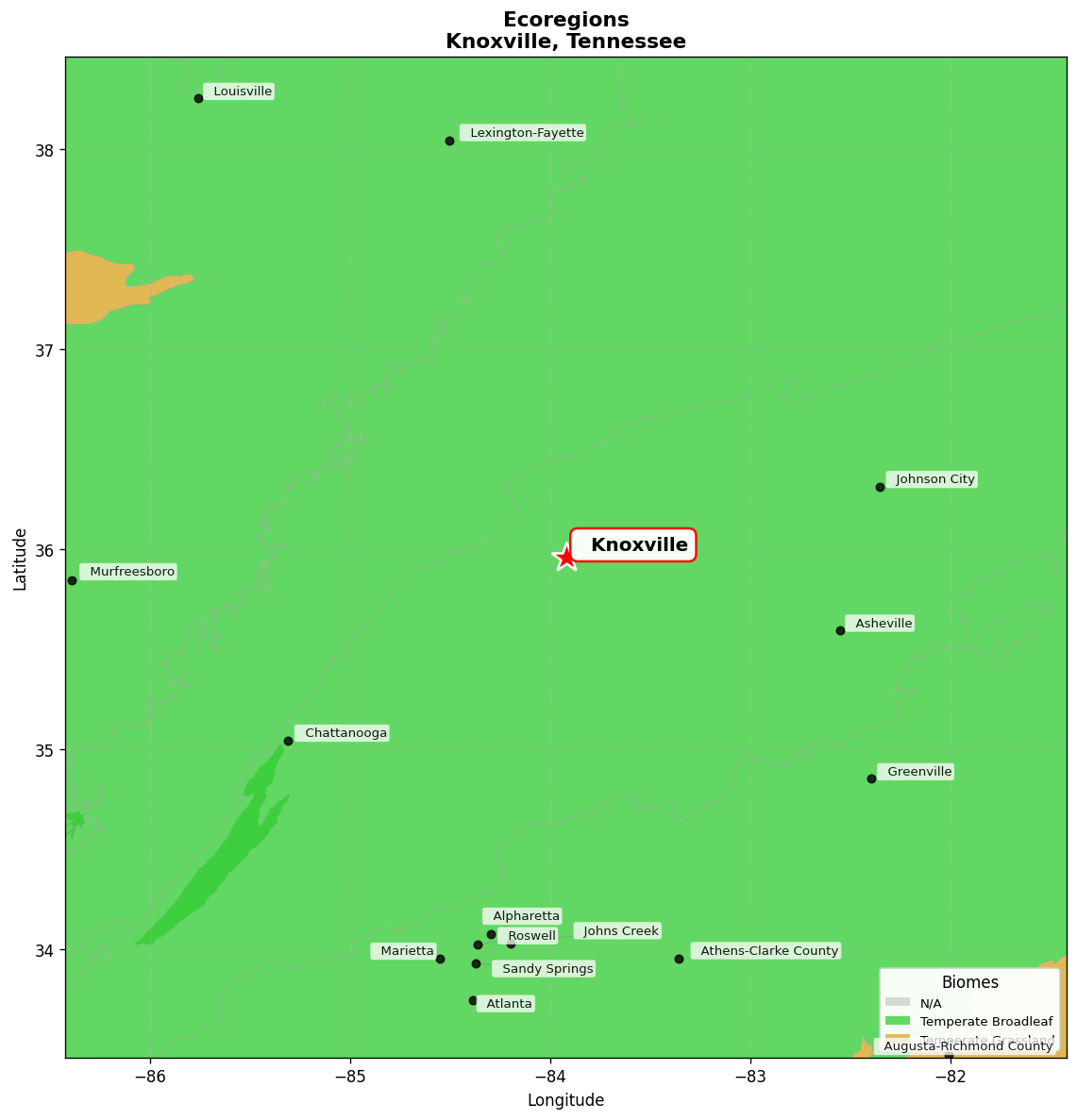
Appalachian-Blue Ridge forests
Native ecoregionFrequently Asked Questions
Which roses actually survive Knoxville humidity without a spray program?
Blackspot is the deciding factor, not cold. Knoxville's 48 inches of rain and stagnant valley humidity defoliate hybrid teas and most classic David Austin varieties by August. The reliable performers here are Rosa 'New Dawn' and Rosa 'Peggy Martin' for climbers, Rosa 'Dublin Bay' if you want red on a pergola, Rosa 'Belinda's Dream' and Rosa 'Carefree Beauty' as shrubs, and Rosa 'Olivia Rose Austin' if you want the cupped English flower with real disease tolerance. Rosa 'Zephirine Drouhin' is famously thornless but mildews badly in East Tennessee — skip it. Give every rose at least six hours of sun and three feet of air on all sides; crowding causes more blackspot in Knoxville than rain does.
Can I actually grow lavender in East Tennessee clay?
Yes, but only one group of it. Lavandula angustifolia cultivars like 'Munstead' and 'Hidcote' — the English lavenders every cottage garden book recommends — routinely rot out in their second Knoxville summer, killed by warm nights and wet clay rather than cold. Lavandula x intermedia 'Phenomenal' and 'Grosso' are the lavandin hybrids bred for exactly this problem and they hold up for years here. Plant them on a berm or raised bed at least 8 inches above grade, cut native clay 50/50 with pea gravel or #78 limestone chip, mulch with gravel rather than bark, and never irrigate them after the first season. Where even that fails, Nepeta 'Walker's Low' gives the same purple-and-silver haze with no drainage demands at all.
What replaces delphiniums, foxgloves, and hollyhocks that won't survive our summers?
The vertical spire is the signature of an English border, and the classic three all struggle in Zone 7a heat: delphiniums melt by July, Digitalis purpurea is biennial, and hollyhocks rust badly in Appalachian humidity. Get the same silhouette from Salvia nemorosa 'Caradonna' and 'May Night', Veronica spicata 'Royal Candles', Baptisia australis, Penstemon digitalis 'Husker Red', Agastache 'Blue Fortune', and Liatris spicata. For the taller back-of-border spire, Veronicastrum virginicum 'Fascination' is a native that hits five feet and never needs staking. If you want real foxgloves, treat Digitalis 'Dalmatian Purple' as a spring annual planted from October pots — cheap, and it flowers before the heat arrives.
How much does a cottage garden cost in Knoxville?
East Tennessee installation labor runs well below national metro rates, so cottage gardens are unusually affordable here. Converting a typical 400 sqft front yard to layered borders with amended raised beds, roses, and perennials runs $4,500–11,000 installed. A 60-foot picket fence with a rose arbor gate lands around $2,500–6,000. A flagstone or brick front walk of 100–150 sqft runs $2,500–6,500. A full backyard with patio, pergola, and wrapped borders generally falls between $15,000 and $35,000. DIY is genuinely viable in this style: the plants are the budget, and quart-size perennials from Thress Nursery Gardens or Ellenburg fill a border for a fraction of gallon prices if you can wait one season.
When is the best time to plant a cottage garden in Knoxville?
October through early December, without close competition. Knoxville's winters are mild and wet, so roots establish all through the dormant season and plants arrive at May already anchored. Bare-root roses and peonies both want this window. Late February through March is the acceptable second option. Avoid planting anything from June through mid-September: heat plus the reliable late-summer dry spell will kill new perennials faster than the winter ever would. Spring bulbs go in from late October through November once soil drops below 60°F, and tall fescue lawns want overseeding in early-to-mid September — the single most important date on a Knoxville lawn calendar.
How do I deal with Japanese beetles and deer in a Knoxville rose garden?
Japanese beetles emerge in the last week of June and run roughly four to six weeks, and they target roses, Hibiscus, and lindens hardest. Do not hang pheromone traps — they pull beetles in from the whole block. Hand-pick into soapy water in the early morning when they are sluggish, accept that mid-July looks rough, and choose roses that flush again in September so the season ends well. Deer pressure is real in Sequoyah Hills, Holston Hills, and anywhere backing onto greenway or ridge woodland. Deer will not touch Lavandula, Nepeta, Salvia, Achillea, Amsonia, or Stachys — build your border structure from those and treat roses as the one thing you protect, with a repellent rotated every three to four weeks.