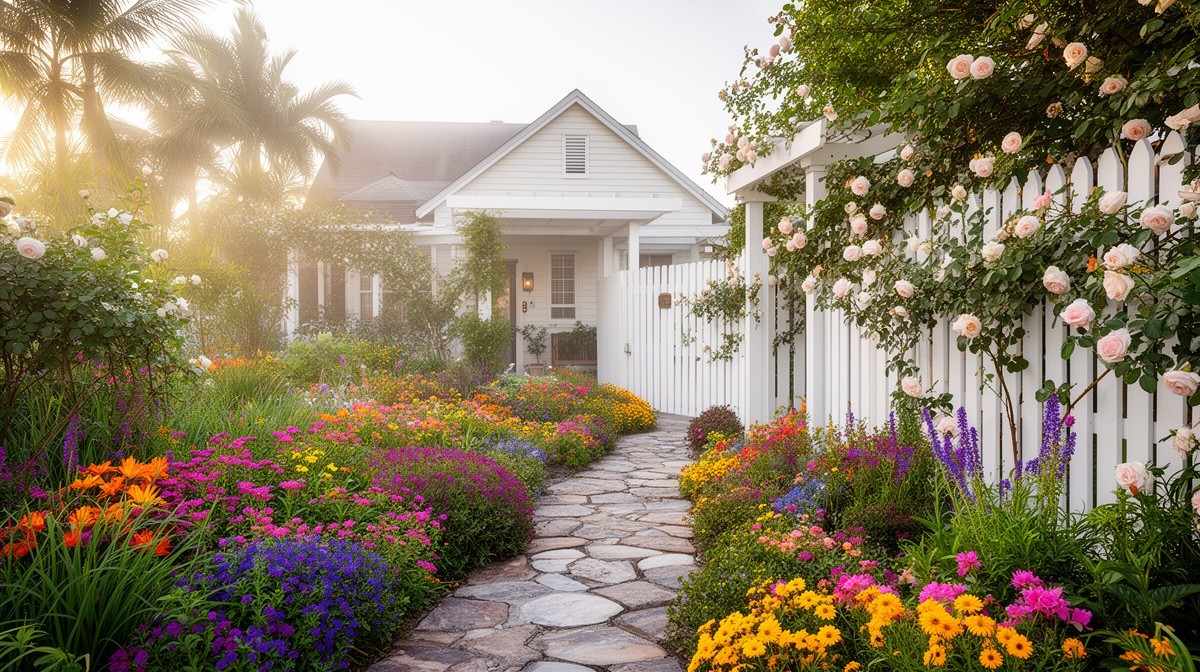
4 English Cottage Garden Ideas for Miami Beach, FL | Heat-Proof Borders for Zone 11a
Native plants from the Everglades flooded grasslands (Zone 11a) — Tropical monsoon climate
For a cottage garden in Miami Beach, FL, a zone 11a city with a tropical monsoon climate, start with Rosa 'Old Blush', Plumbago auriculata and Salvia guaranitica 'Black and Blue', the plants this guide's first design is built on.
Why Cottage/English Gardens in Miami Beach?
A cottage garden works on Miami Beach where the lots are small and the houses are old. Flamingo Park, Palm View and the streets of Normandy Isles hold 1920s–50s bungalows, Mediterranean cottages and low Moderne homes that sit close to the sidewalk behind a short front yard, which is exactly the scale a layered border needs. A white picket or low coral-rock wall, an arbor over the gate and a path that curves is all it takes to make a 30-foot frontage read as a garden.
The classic English plant list does not carry over. NOAA's 1991–2020 normals for Miami International Airport, on the mainland, show a January average low of 61°F, a July average high near 91°F and about 67 inches of rain a year, nearly 52 of them from May through October. Delphinium, foxglove, peony, hybrid tea roses and Lavandula angustifolia 'Hidcote' do not last through a Zone 11a summer, and lavender in general rots in the wet season. The substitutes keep the look: Salvia guaranitica 'Black and Blue' and Salvia leucantha 'Santa Barbara' for the spires, Plumbago auriculata for the soft blue mass, Rosmarinus officinalis 'Tuscan Blue' for the gray foliage, and Pentas lanceolata 'New Look Red' for the long color. Roses can still be the centerpiece if they are the right ones: Rosa 'Old Blush' and Rosa 'Mutabilis', both grown on Fortuniana rootstock to resist root-knot nematodes, bloom most of the year.
The soil sets the next limit. It is barrier-island sand over limestone and shell fragments, alkaline at commonly pH 7.5 or higher, free draining and low in organic matter. Roses and gardenias show iron chlorosis there, so mix in compost, mulch with cypress or pine bark, and feed with chelated iron. Salt wind burns roses on the exposed side of a bayfront lot, so the picket fence and the borders belong inside the front setback, with a hedge of Chrysobalanus icaco 'Horizontal' as a windbreak.
The city's landscape standards (Chapter 126) emphasize drought- and salt-tolerant vegetation, and the water rules bar irrigation from 10 a.m. to 4 p.m. with alternate days by odd or even address. Fences, tree removal and work in a local historic district can need review, so confirm with the City of Miami Beach before building a picket fence or removing a tree.
4 Cottage/English Design Ideas for Miami Beach
AI-generated image
The Coral Rock Gate Garden
$22–46/sqftA low whitewashed coral-rock wall with a painted picket gate fronts a pastel 1930s bungalow, and an arbor over the gate carries pink 'Old Blush' roses and plumbago. Behind the wall, rosemary and blue salvia spill over the capstone, with a curving shell path leading to a shaded porch. The morning sun from the east dries the rose leaves quickly, which keeps blackspot down in the wet season.
Try this on your yard: The Coral Rock Gate GardenAI-generated image
The Porch Pots and Pentas Border
$18–38/sqftA deep 1940s porch with a swing and white railing is lined with terracotta pots of scarlet pentas and trailing sweet potato vine, and a three-layer border of firecracker color runs below it. Tall Salvia coccinea reaches the rail at the back, Gaillardia pulchella fills the middle, and a ribbon of Mexican heather finishes the front edge. A sunny strip of sandy bed that would burn a conventional border instead blooms through most of the year.
Try this on your yard: The Porch Pots and Pentas BorderAI-generated image
The Shell Tea Circle
$20–42/sqftA round circle of crushed shell sits in the back garden with a café table, two metal chairs and a painted arch behind them wrapped in jasmine. White crape jasmine and Arabian jasmine perfume the space after sunset, spider lily fills a damp corner, and a loose hedge of firebush marks the boundary. The circle costs little to build and spends the budget on fragrance, which carries in the warm, still evening air.
Try this on your yard: The Shell Tea CircleAI-generated image
The Native Pollinator Cottage Strip
$14–30/sqftA narrow side-yard strip between a Mediterranean cottage and the neighbor's fence is planted as a pollinator border: golden coreopsis, scarlet sage and blue porterweed mass above a path of stepping stones. Maypop vine climbs the fence behind, and the whole strip stays in bloom through most of the year with almost no fertilizer. It is a cottage garden built from Florida natives, which suits the alkaline, sandy soil better than most imported perennials.
Try this on your yard: The Native Pollinator Cottage StripSee how a cottage/english garden looks on YOUR property
Upload a photo of your Miami Beach yard and visualize your dream garden in seconds.
Try ProScapeAI Free

AI-generated image
Featured Trees & Shrubs for Cottage/English Gardens
Browse all 150 plants for Miami Beach
Cabbage Palm
Sabal palmetto
reaches 40 feet tall, white,yellow blooms in spring. Pollinator-friendly.

California Fan Palm
Washingtonia filifera
reaches 40 feet tall, white blooms in spring. Pollinator-friendly.

Canary Island Date Palm
Phoenix canariensis
reaches 40 feet tall, yellow blooms in spring. Pollinator-friendly.

Chilean Wine Palm
Jubaea chilensis
large shade tree reaching 60+ feet, purple,yellow blooms in summer. Pollinator-friendly.
Featured Grasses & Groundcovers for Cottage/English Gardens
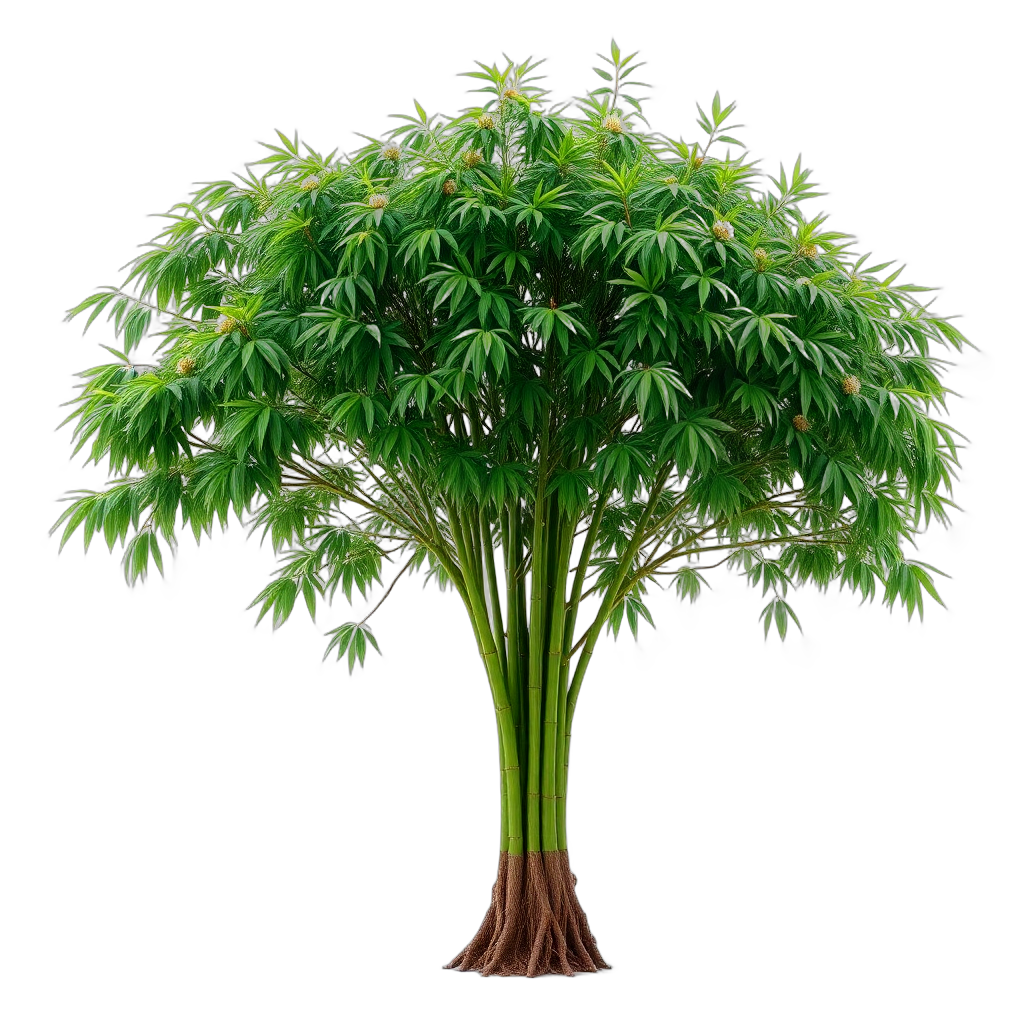
Giant Bamboo
Dendrocalamus giganteus
large shade tree reaching 90+ feet, blooms in none. Evergreen year-round.
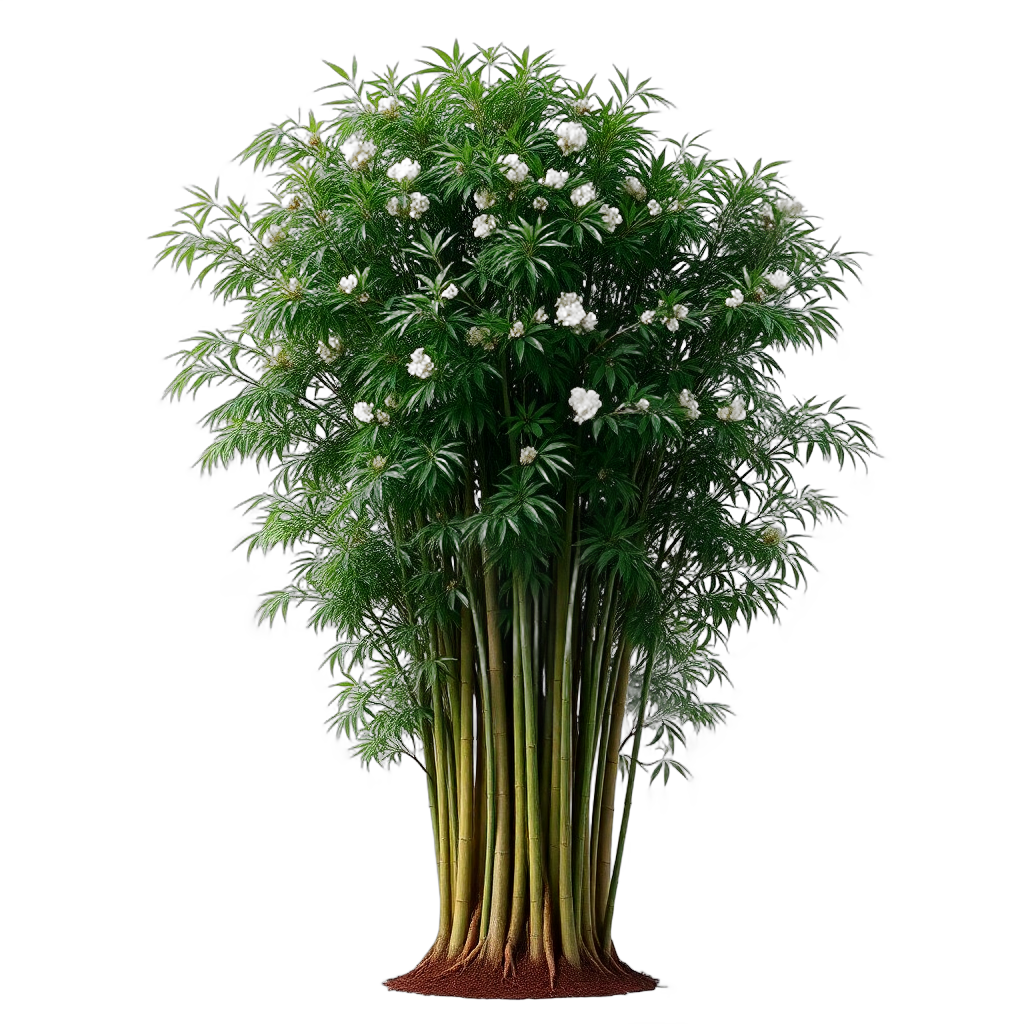
Giant Timber Bamboo
Bambusa oldhamii
large shade tree reaching 50+ feet, blooms in none. Evergreen year-round.
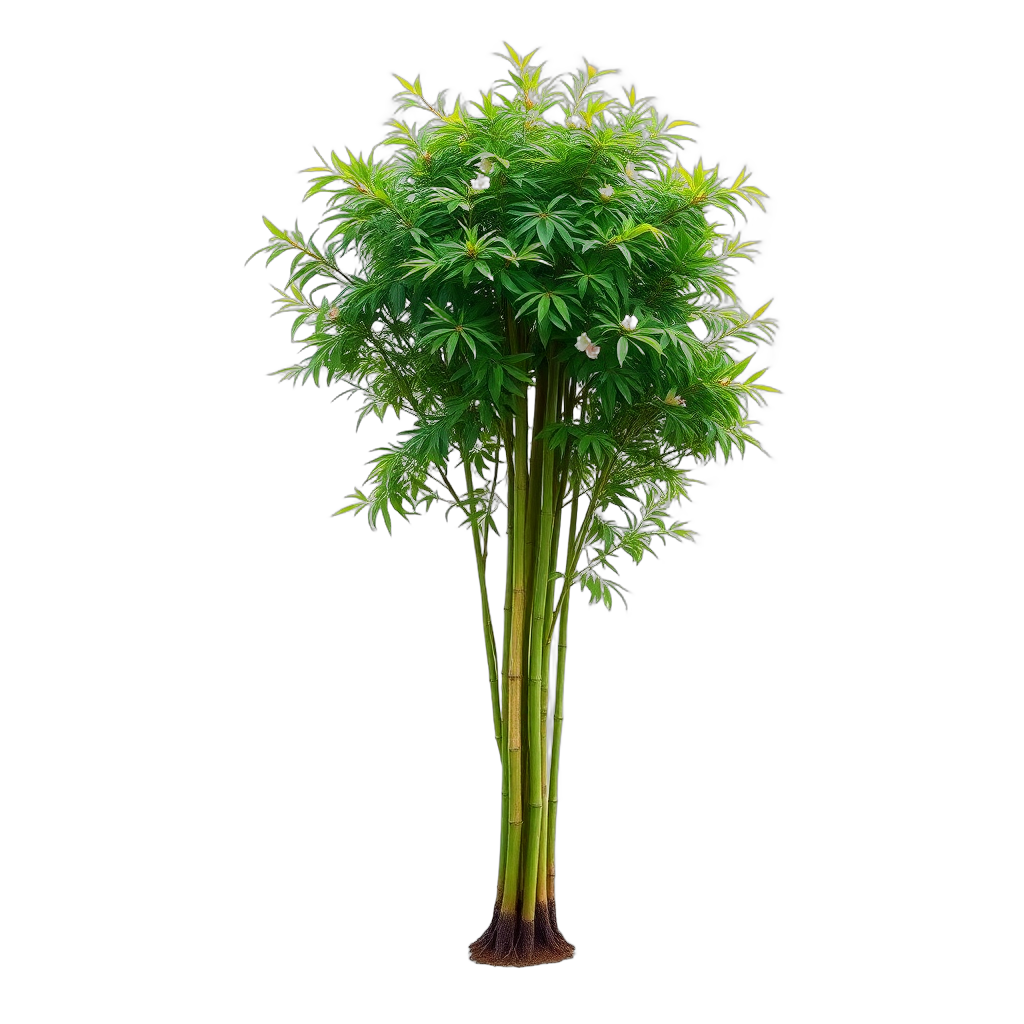
Hedge Bamboo
Bambusa multiplex
reaches 20 feet tall, blooms in none. Evergreen year-round.
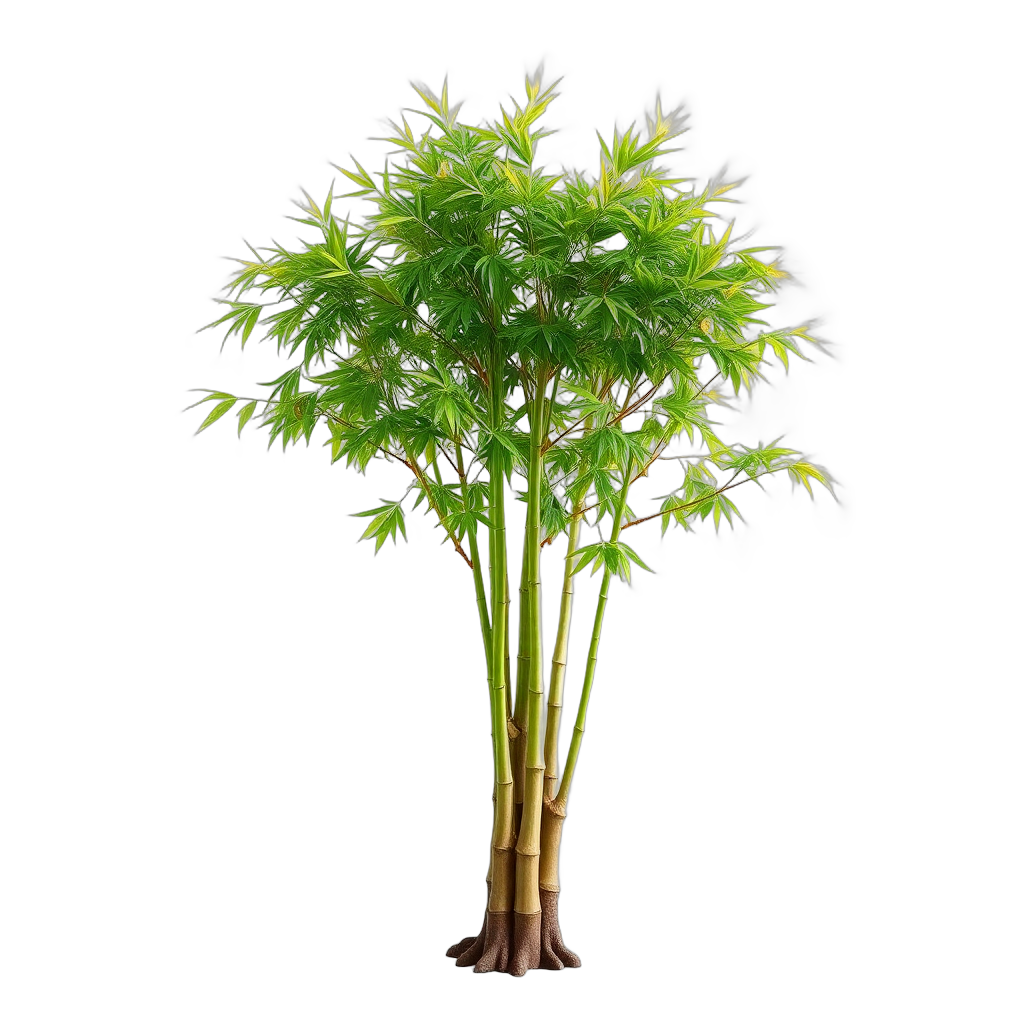
Yellow Groove Bamboo
Phyllostachys aureosulcata
reaches 30 feet tall, blooms in none. Evergreen year-round.
Featured Flowers & Perennials for Cottage/English Gardens

American White Water Lily
Nymphaea odorata
low-growing ground cover, white,pink blooms in summer. Attracts butterflies.

Broadleaf Arrowhead
Sagittaria latifolia
low-growing ground cover, white blooms in summer. Attracts butterflies.

European White Water Lily
Nymphaea alba
low-growing ground cover, white blooms in summer. Attracts butterflies.

Water Fern
Azolla filiculoides
low-growing ground cover, blooms in none. Red fall color.
Zone and sun checks come from our database — confirm with your local nursery before you buy.
Bloom Calendar for Miami Beach
spring
Wild Celery, African Daisy, African Daisy Hybridsummer
American White Water Lily, Broadleaf Arrowhead, European White Water Lilyfall
American White Water Lily, Broadleaf Arrowhead, African Daisywinter
Limited bloomsDesign Tips for Miami Beach (Zone 11a)
- Swap the cold-climate staples: Salvia guaranitica 'Black and Blue', Salvia leucantha 'Santa Barbara' and Plumbago auriculata give the blue spires and softness that delphinium and lavender cannot in Zone 11a
- Buy roses grafted on Fortuniana rootstock: Rosa 'Old Blush' and Rosa 'Mutabilis' bloom most of the year and handle sandy, nematode-prone soil
- Expect alkaline sand at pH 7.5 or higher: mulch with cypress or pine bark, add compost to every planting hole and use chelated iron on roses and gardenias that show yellow new leaves
- Keep the borders inside the front setback and behind a hedge of Chrysobalanus icaco 'Horizontal' if the lot is exposed to bay wind, since salt spray scorches roses on the street edge
- Plant perennials from October to February and hedges in late May or June, and plan around hurricane season from June 1 to November 30
- Water under the city's schedule: no irrigation from 10 a.m. to 4 p.m. and alternate days by odd or even address, with drip for the new plantings
- Source Florida natives like Coreopsis leavenworthii and Salvia coccinea from growers such as Plant Creations in Homestead, which sells mostly Florida natives and subtropical plants
Where to Source Plants in Miami Beach
Skip the big-box stores. These independent Miami Beach nurseries specialize in the plants that make cottage/english gardens thrive in Zone 11a.
Fairchild Plant Nursery
Old Cutler Road, south Miami-Dade
Run by Fairchild Tropical Botanic Garden, with more than 150 varieties including native and tropical plants, flowering trees and edible plants
Plant Creations
Homestead (SW 172nd Avenue)
Grower of hundreds of plants, mostly Florida natives and subtropical species, selling to retail customers and landscape contractors
Ready-to-Grow Gardens
Southwest Miami (SW 122nd Avenue)
Organically grown vegetable and herb plants, tropical fruit trees and native and butterfly plants
Cottage/English Landscaping Cost Ranges
| Project Scope | Estimated Cost |
|---|---|
| Picket fence, 4 ft tall (60 linear ft) | $1,500–$2,400 |
| Brick paver walk (100 sqft) | $2,000–$2,600 |
| Wood garden arbor (8 sqft footprint, about 4 x 2 ft) | $750–$1,100 |
| AI visualization (ProScapeAI) | Free to start |
National average installed ranges for 2026 from our landscaping price list (Homewyse and other published sources). Prices in Miami Beach, FL vary with site, materials and contractor, so get two or three local quotes.
Miami Beach Climate & Growing Zone
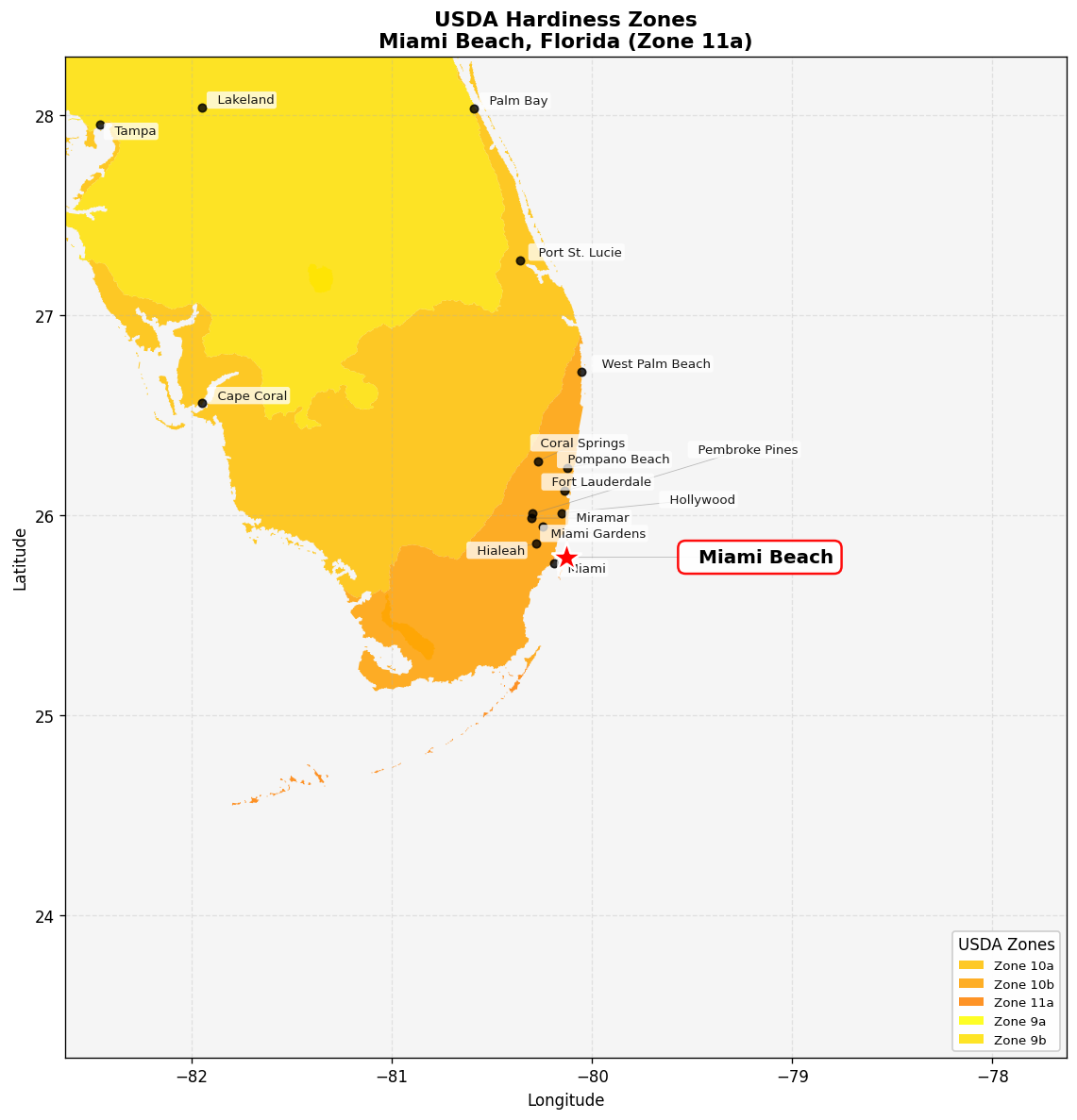
USDA Zone 11a
Hardiness zone for Miami Beach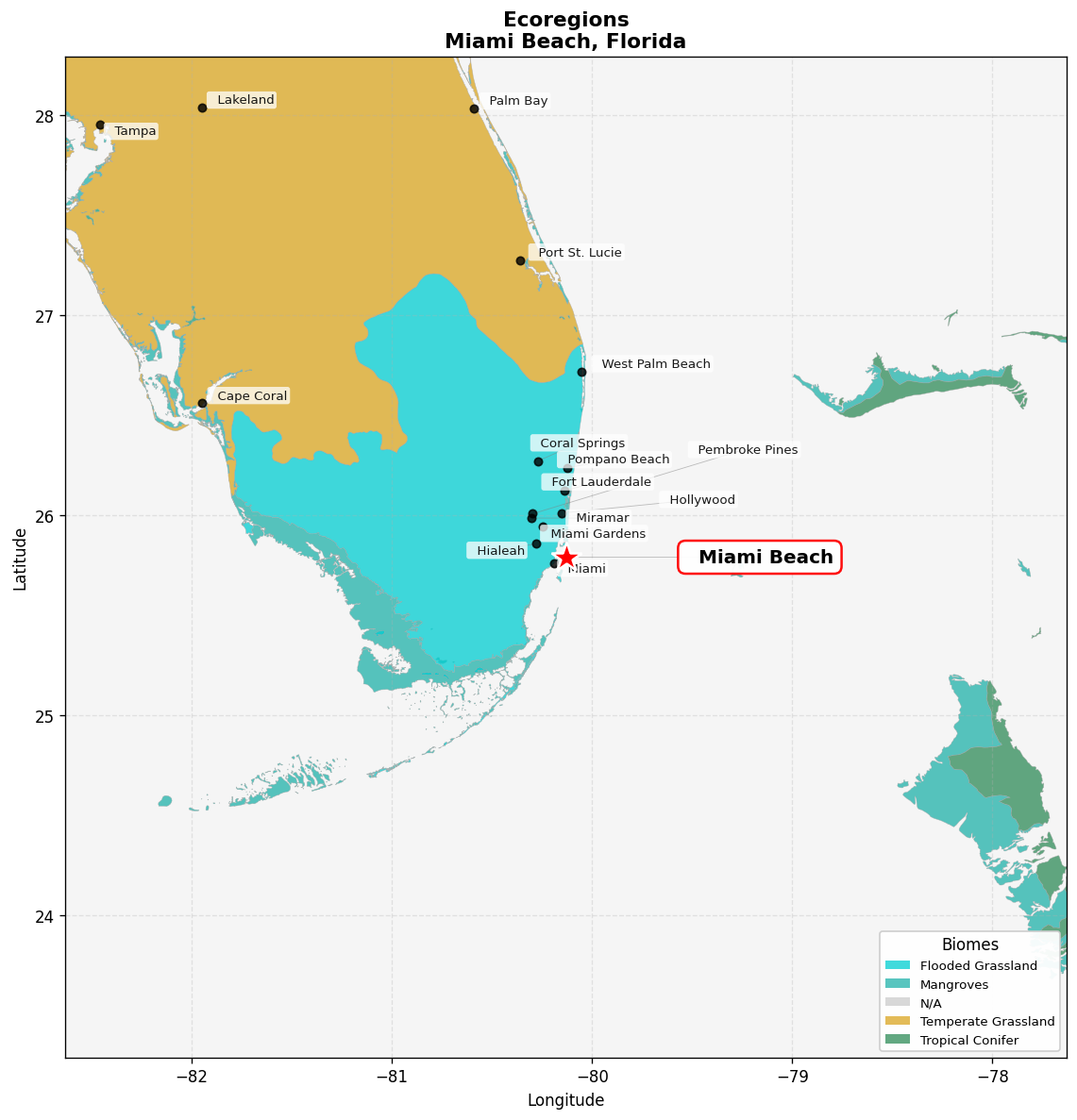
Everglades flooded grasslands
Native ecoregionFrequently Asked Questions
How much does a cottage garden cost in Miami Beach, FL?
Costs vary with site, access, materials and local labor rates, so get two or three local quotes before you budget.
Which roses survive Miami Beach's heat and humidity?
Rosa 'Old Blush' and Rosa 'Mutabilis' are two of the most reliable, blooming most of the year in Zone 11a. Both do best grafted on Fortuniana rootstock, which handles root-knot nematodes in sandy soil. Hybrid teas and English roses defoliate in the long wet season, which NOAA's normals for Miami International Airport put at about 52 of the 67 annual inches from May through October. Plant roses in the morning sun, water at the base and keep them inside the front setback, away from salt wind.
Can lavender and delphinium grow in Miami Beach?
Not reliably. Delphinium and foxglove need a cold winter, and Miami Beach's January average low is 61°F by NOAA's normals for Miami International Airport. Lavender rots in the humid wet season and prefers neutral to slightly alkaline soil with sharp drainage, which is hard to hold with 67 inches of annual rain. Use Salvia guaranitica 'Black and Blue' or Salvia leucantha 'Santa Barbara' for the spires and Rosmarinus officinalis 'Tuscan Blue' for the gray, aromatic foliage.
When is the best time to plant a cottage garden in Miami Beach?
October through February is the best window for perennials, roses and annuals, because the heat has eased and the dry season lets roots settle without constant storms. Shrubs and hedges such as Chrysobalanus icaco 'Horizontal' do well planted in late May and June at the start of the rains. Avoid transplanting in the hottest part of the day in July and August, when highs average about 91°F, and plan around hurricane season, which runs June 1 to November 30.
Do I need a permit or HOA approval for a fence or garden in Miami Beach?
The city's landscape standards (Chapter 126) emphasize drought- and salt-tolerant vegetation. The city's water rules bar irrigation from 10 a.m. to 4 p.m. with alternate days for odd and even addresses, and Miami-Dade County offers a landscape irrigation rebate that residents may qualify for. A fence, tree removal or work in a local historic district can need review, so confirm the requirements with the City of Miami Beach before construction begins. Condo and homeowner associations have their own rules on top.
Why do roses and gardenias turn yellow in Miami Beach soil?
The sandy soil is alkaline, often pH 7.5 or higher, which locks up iron. New leaves turn pale yellow with green veins. Work compost into the planting hole, mulch with cypress or pine bark, and apply chelated iron on a schedule. The more lasting fix is choosing plants that tolerate the soil, such as Plumbago auriculata, Rosmarinus officinalis 'Tuscan Blue' and Coreopsis leavenworthii.
How do I keep a cottage garden alive through a hurricane season?
Choose flexible plants that recover quickly, such as Salvia guaranitica 'Black and Blue', Hamelia patens and Pentas lanceolata 'New Look Red', which regrow from cut-back stems after a storm. Stake climbing roses on a sturdy arbor and cut them back before a named storm arrives. Move potted plants indoors, and replant a flattened border after the storm instead of replacing the whole garden, since most of these perennials regrow in weeks.