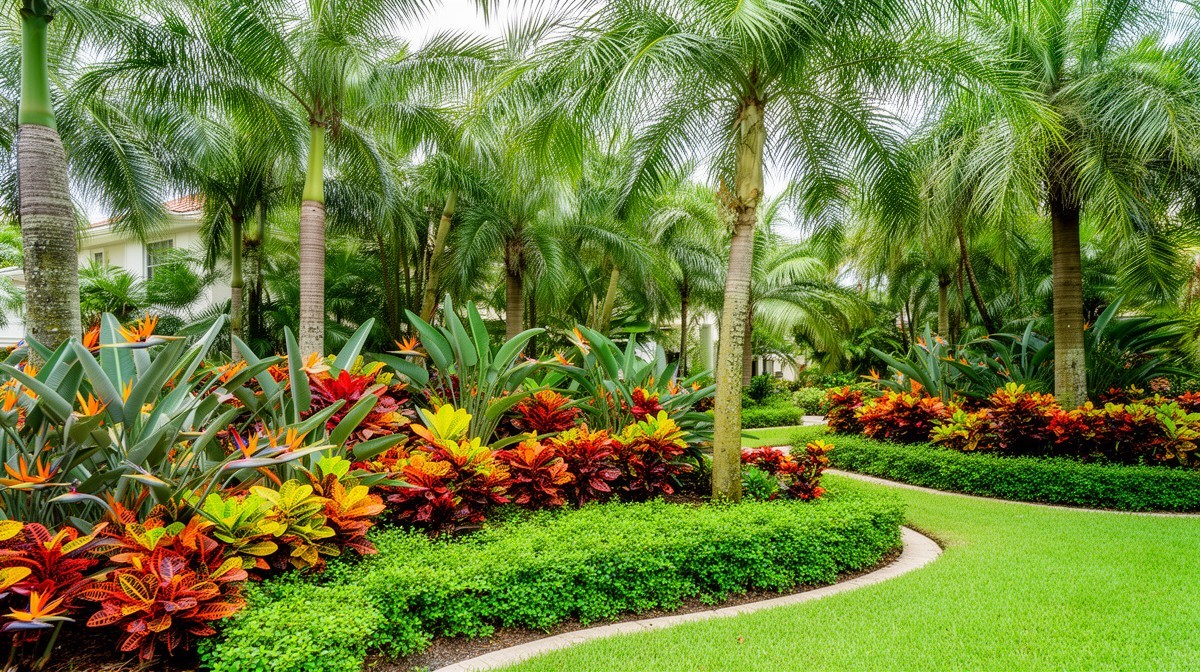
4 Tropical Garden Ideas for Miami Beach, FL | Salt-Tolerant Designs for Zone 11a
Native plants from the Everglades flooded grasslands (Zone 11a) — Tropical monsoon climate
For a tropical garden in Miami Beach, FL, a zone 11a city with a tropical monsoon climate, start with Coccothrinax argentata, Thrinax radiata and Zamia integrifolia, the plants this guide's first design is built on.
Why Tropical/Lush Gardens in Miami Beach?
Miami Beach already has the architecture a tropical garden needs. The Art Deco and MiMo apartment fronts of North Beach, the Mediterranean Revival houses of the Sunset Islands and La Gorce, and the flat-roofed 1950s homes of Normandy Shores all sit low, light-colored and close to the street, so a planting that reads as sculpture from the sidewalk beats a lawn. USDA lists the city in Zone 11a, where hard freezes are rare, and that opens up the whole palm and foliage palette. Salt wind and sandy soil close part of it again.
NOAA's 1991–2020 normals for Miami International Airport, on the mainland, give a January average low of 61°F, a July average high of about 91°F and roughly 67 inches of rain a year, with about 52 inches of it falling from May through October. Heat and humidity are a given, so the plant list is built around salt. Coccothrinax argentata (Florida silver palm), Thrinax radiata (Florida thatch palm), Coccoloba uvifera (sea grape) and Conocarpus erectus 'Sericeus' (silver buttonwood) take ocean and bay wind that scorches the big-leaf plants sold in most catalogs. Heliconia rostrata and Alocasia 'Polly' belong in the lee of the house or inside a courtyard wall, not on the street side of a bayfront lot.
The ground is barrier-island sand over limestone and shell fragments: alkaline, commonly pH 7.5 or higher, fast draining and thin in organic matter. Ixora and queen palms show yellow new growth from iron and manganese deficiency in that soil, so plants adapted to high pH look better with less feeding. Zamia integrifolia (coontie), Thrinax radiata and Clusia guttifera are all comfortable there. The water table is shallow, and some streets flood on the fall king tides, so raised beds and mounded planting areas keep roots out of standing brackish water.
The City of Miami Beach landscape standards (Chapter 126) emphasize drought-tolerant and salt-tolerant vegetation, which matches this palette. The city's water rules bar irrigation from 10 a.m. to 4 p.m. and alternate watering days by odd or even address, and Miami-Dade County offers a landscape irrigation rebate that homeowners may qualify for. Properties in a local historic district, and any project involving tree removal or planting in the public right-of-way, should be confirmed with the city before work starts.
4 Tropical/Lush Design Ideas for Miami Beach
AI-generated image
The Deco Front Yard Palm Grove
$12–26/sqftA white-stucco 1940s duplex sits behind a front yard of crushed white shell and a tight grove of silver palms, with the pale undersides of the fronds catching the morning light from the east. A low hedge of small-leaf clusia follows the property line, coontie fills the gaps at ground level, and a single concrete stepping-stone path runs straight to the door. The planting reads as a tidy tropical frame for the building and needs almost no water once established.
Try this on your yard: The Deco Front Yard Palm GroveAI-generated image
The Lee-Side Courtyard
$24–48/sqftA walled courtyard behind a Mediterranean Revival house holds the leafy plants that cannot take open salt wind: broad-leaved aroids, bird of paradise and clumping heliconias packed in layers against a stucco wall painted soft coral. Bromeliads wedged into a limestone planter pick up the color, a small fountain covers street noise, and the canopy of one large gumbo limbo shades the afternoon. The wall does the work of a windbreak, which is what lets this much foliage survive on the Beach.
Try this on your yard: The Lee-Side CourtyardAI-generated image
The Sea Grape Bayside Screen
$10–22/sqftOn a bayfront lot, a ragged but dense hedge of sea grape and silver buttonwood stands between the seawall and the lawn, cutting the wind and screening the neighbor's dock without a fence. Firebush and gamagrass soften the edge in the foreground, and a crushed-shell path runs to a seat at the water. The mix tolerates salt spray, brackish flooding and the occasional hurricane gust better than almost anything else sold.
Try this on your yard: The Sea Grape Bayside ScreenAI-generated image
The Pool Deck Palm and Bougainvillea Terrace
$30–60/sqftAround a rectangular pool, a bleached-coral paver deck is broken by planting pockets of Christmas palms and white frangipani, with bougainvillea trained up a south-facing wall to catch the afternoon sun. Orange and pink bloom runs from the wall to the water, and the fallen petals sweep off the pavers instead of staining them. Container plantings of agave in glazed pots fill the corners where there is no soil depth.
Try this on your yard: The Pool Deck Palm and Bougainvillea TerraceSee how a tropical/lush garden looks on YOUR property
Upload a photo of your Miami Beach yard and visualize your dream garden in seconds.
Try ProScapeAI Free

AI-generated image
Featured Trees & Shrubs for Tropical/Lush Gardens
Browse all 150 plants for Miami Beach
Cabbage Palm
Sabal palmetto
reaches 40 feet tall, white,yellow blooms in spring. Pollinator-friendly.

California Fan Palm
Washingtonia filifera
reaches 40 feet tall, white blooms in spring. Pollinator-friendly.

Canary Island Date Palm
Phoenix canariensis
reaches 40 feet tall, yellow blooms in spring. Pollinator-friendly.

Chilean Wine Palm
Jubaea chilensis
large shade tree reaching 60+ feet, purple,yellow blooms in summer. Pollinator-friendly.
Featured Grasses & Groundcovers for Tropical/Lush Gardens
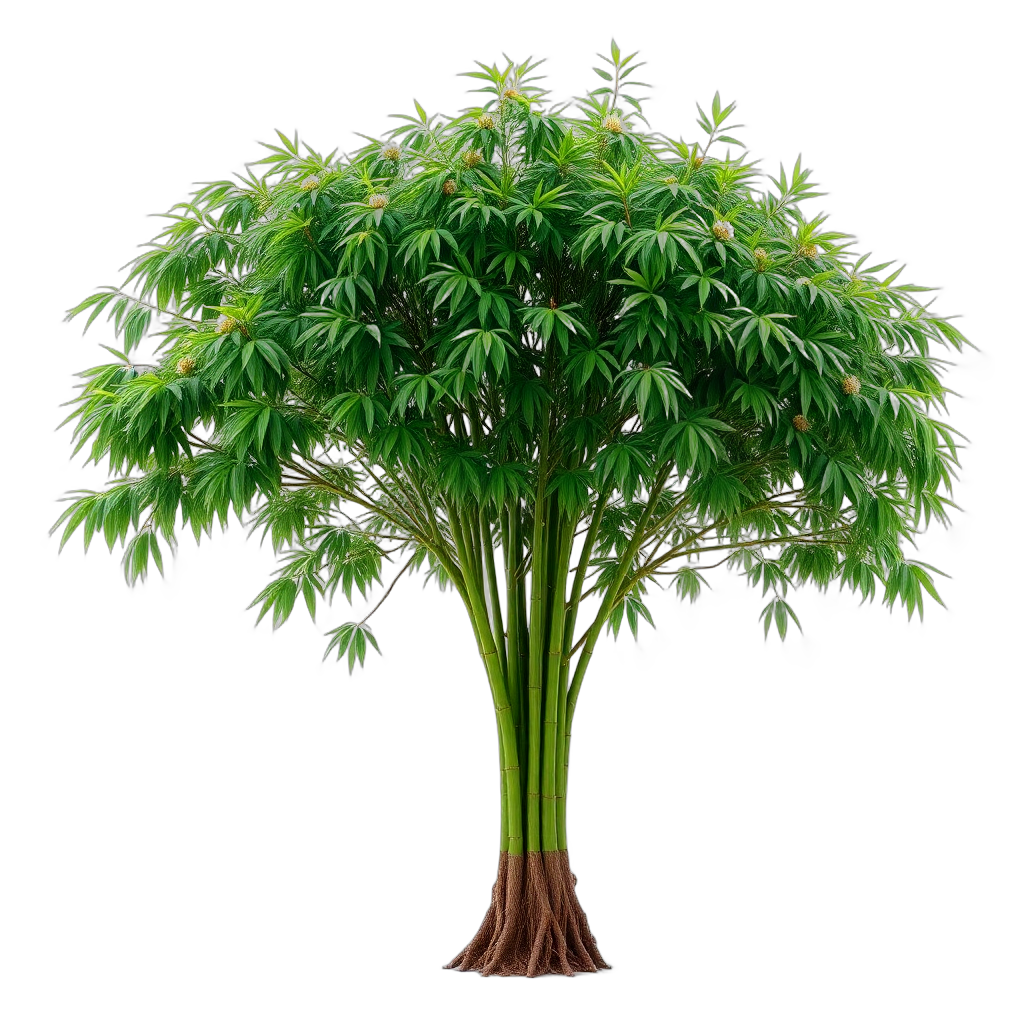
Giant Bamboo
Dendrocalamus giganteus
large shade tree reaching 90+ feet, blooms in none. Evergreen year-round.
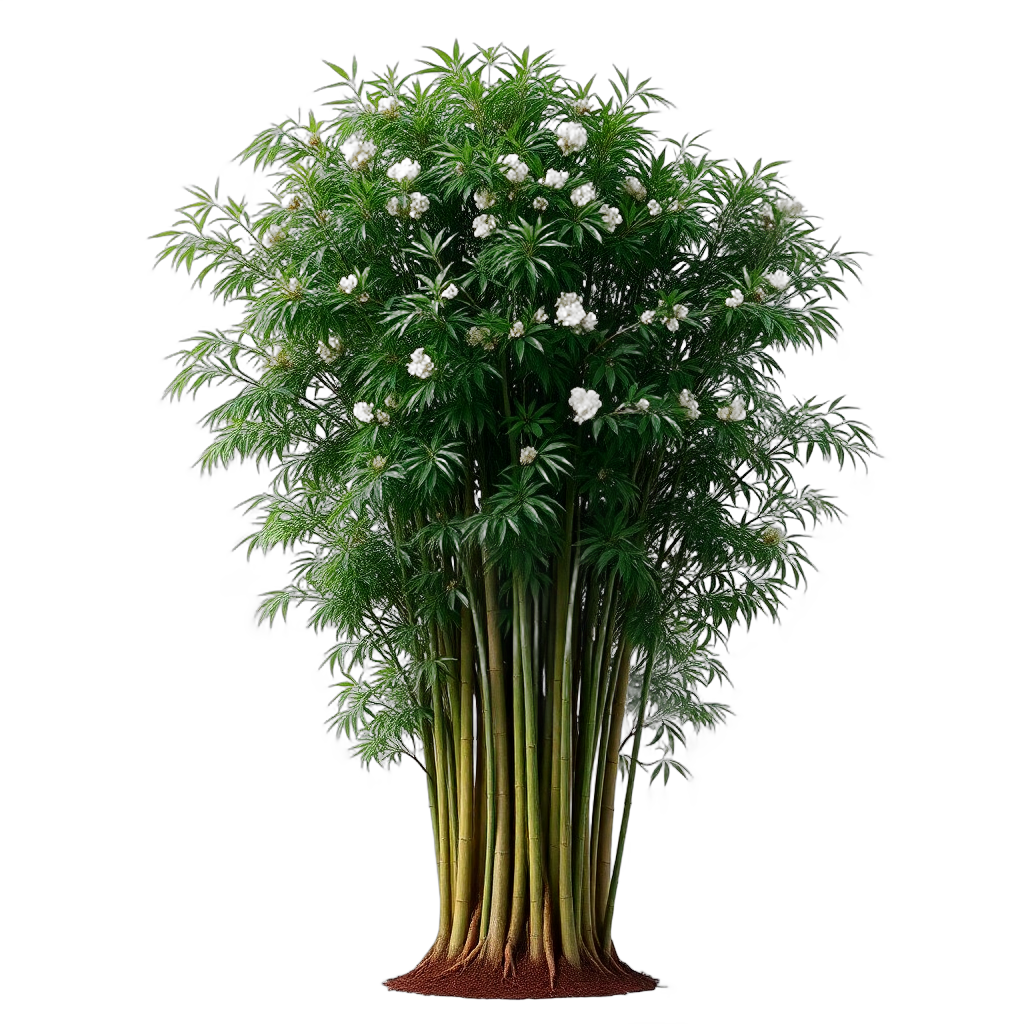
Giant Timber Bamboo
Bambusa oldhamii
large shade tree reaching 50+ feet, blooms in none. Evergreen year-round.
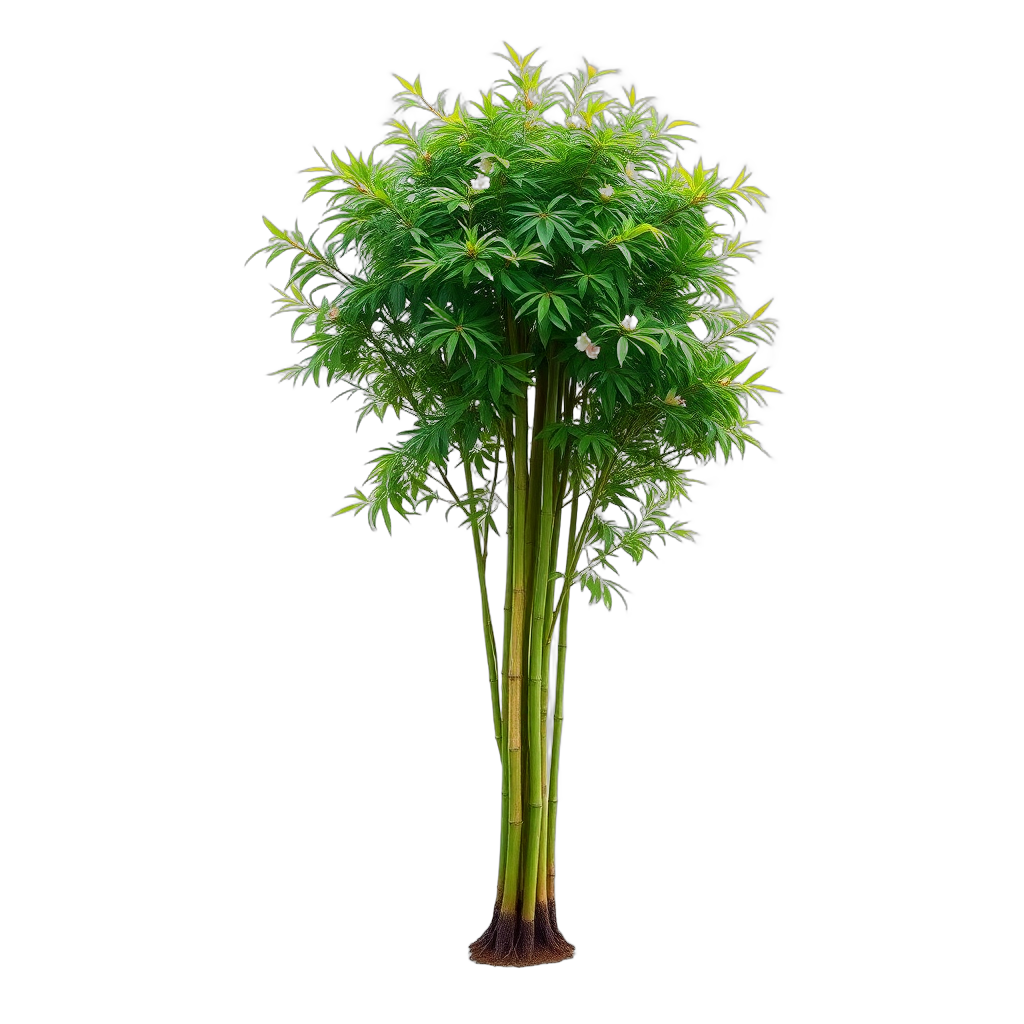
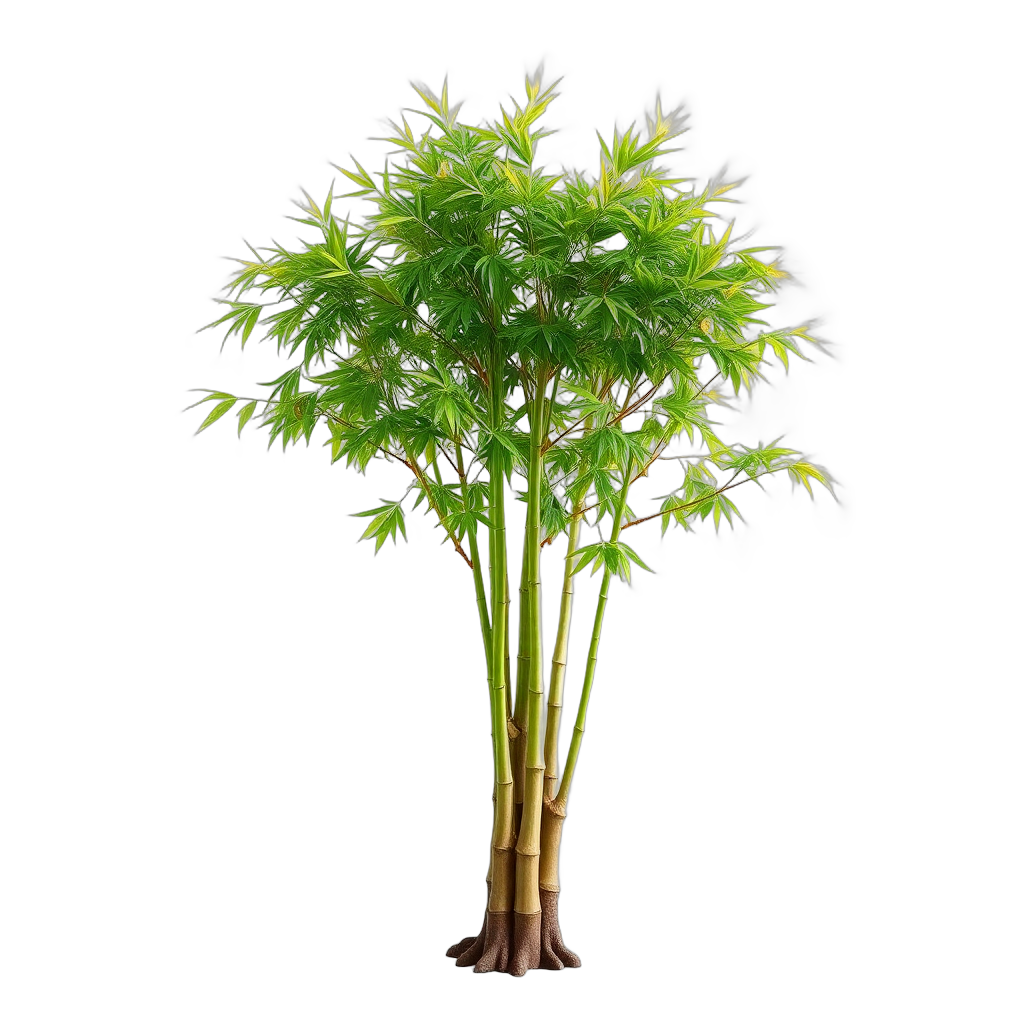
Hedge Bamboo
Bambusa multiplex
reaches 20 feet tall, blooms in none. Evergreen year-round.
Yellow Groove Bamboo
Phyllostachys aureosulcata
reaches 30 feet tall, blooms in none. Evergreen year-round.
Featured Flowers & Perennials for Tropical/Lush Gardens

American White Water Lily
Nymphaea odorata
low-growing ground cover, white,pink blooms in summer. Attracts butterflies.

Broadleaf Arrowhead
Sagittaria latifolia
low-growing ground cover, white blooms in summer. Attracts butterflies.

European White Water Lily
Nymphaea alba
low-growing ground cover, white blooms in summer. Attracts butterflies.

Water Fern
Azolla filiculoides
low-growing ground cover, blooms in none. Red fall color.
Zone and sun checks come from our database — confirm with your local nursery before you buy.
Bloom Calendar for Miami Beach
spring
Wild Celery, African Daisy, African Daisy Hybridsummer
American White Water Lily, Broadleaf Arrowhead, European White Water Lilyfall
American White Water Lily, Broadleaf Arrowhead, African Daisywinter
Limited bloomsDesign Tips for Miami Beach (Zone 11a)
- Pick palms for salt first: Coccothrinax argentata and Thrinax radiata hold up in open ocean and bay wind where queen palms and many ornamentals brown out
- Use walls and buildings as windbreaks: Thaumatophyllum xanadu 'Xanadu', Heliconia psittacorum 'Andromeda' and bromeliads need the lee side of a courtyard wall, not the street edge
- Expect alkaline sand at pH 7.5 or higher: choose plants adapted to limestone soil, and use a manganese-containing palm fertilizer on any palm showing frizzled fronds
- Mound beds 12 inches above grade on low lots: fall king tides leave brackish water standing, and raised ground keeps Conocarpus erectus 'Sericeus' and Chrysobalanus icaco 'Horizontal' roots out of it
- Plant at the start of the rainy season in late May or June so storms do the first watering, and brace trees before hurricane season peaks
- Water under the city's schedule: no irrigation from 10 a.m. to 4 p.m., alternate days for odd and even addresses, and drip for the new plantings
- Buy Florida natives from growers such as Plant Creations, which sells mostly Florida natives and subtropical plants, then confirm availability before driving to Homestead
Where to Source Plants in Miami Beach
Skip the big-box stores. These independent Miami Beach nurseries specialize in the plants that make tropical/lush gardens thrive in Zone 11a.
Fairchild Plant Nursery
Old Cutler Road, south Miami-Dade
Run by Fairchild Tropical Botanic Garden, with more than 150 varieties including aroids, palms and cycads, native and tropical plants and tropical fruit trees
Plant Creations
Homestead (SW 172nd Avenue)
Grower of hundreds of plants, mostly Florida natives and subtropical species, selling to retail customers and landscape contractors
Ready-to-Grow Gardens
Southwest Miami (SW 122nd Avenue)
Organically grown vegetable and herb plants, tropical fruit trees and native and butterfly plants
Tropical/Lush Landscaping Cost Ranges
| Project Scope | Estimated Cost |
|---|---|
| Interlocking concrete pavers patio (200 sqft) | $4,300–$5,700 |
| Low-voltage landscape lighting (6 fixtures) | $1,200–$2,000 |
| Tree planting labor, tree not included (2 trees) | $1,200–$1,500 |
| AI visualization (ProScapeAI) | Free to start |
National average installed ranges for 2026 from our landscaping price list (Homewyse and other published sources). Prices in Miami Beach, FL vary with site, materials and contractor, so get two or three local quotes.
Miami Beach Climate & Growing Zone
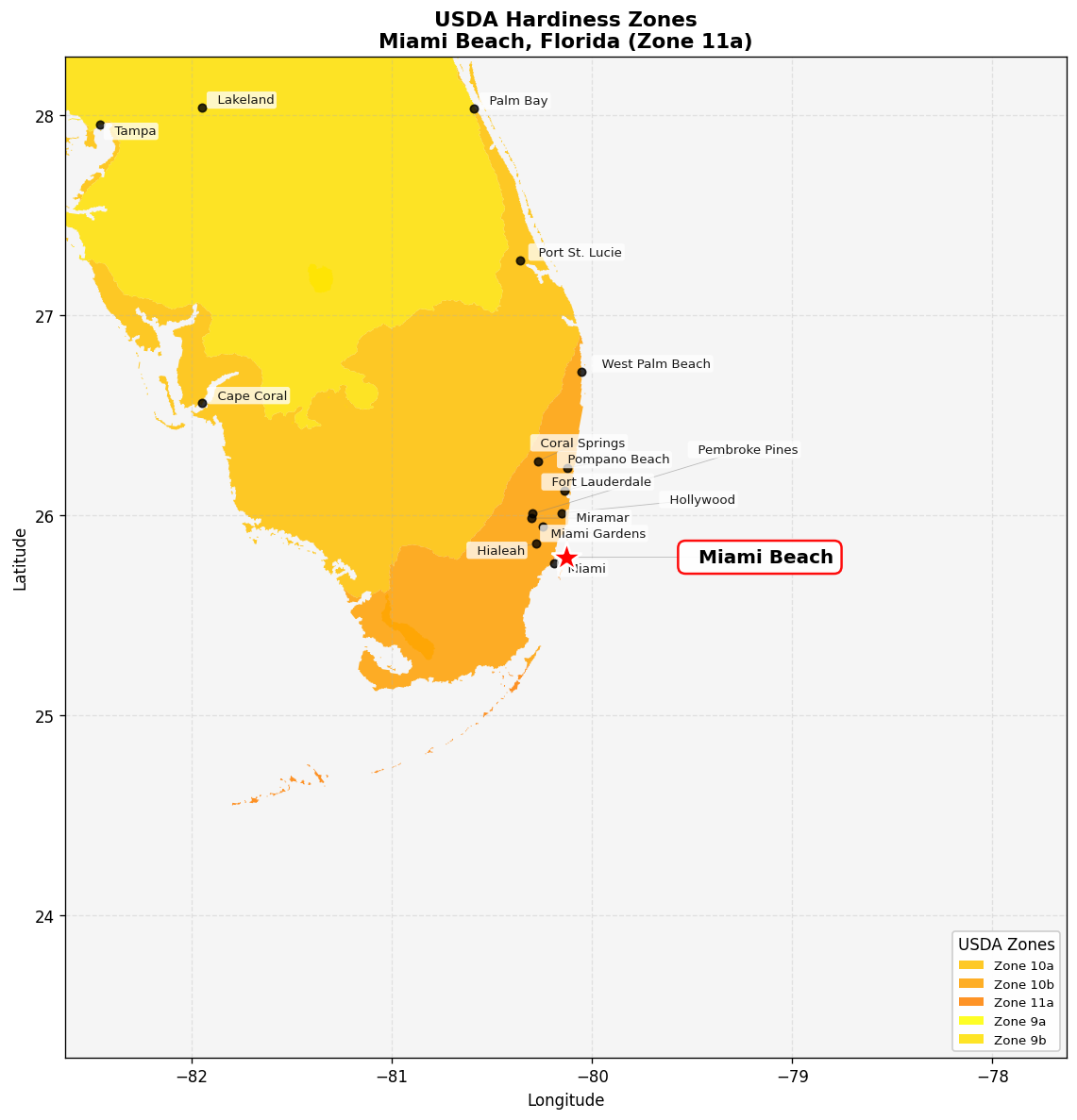
USDA Zone 11a
Hardiness zone for Miami Beach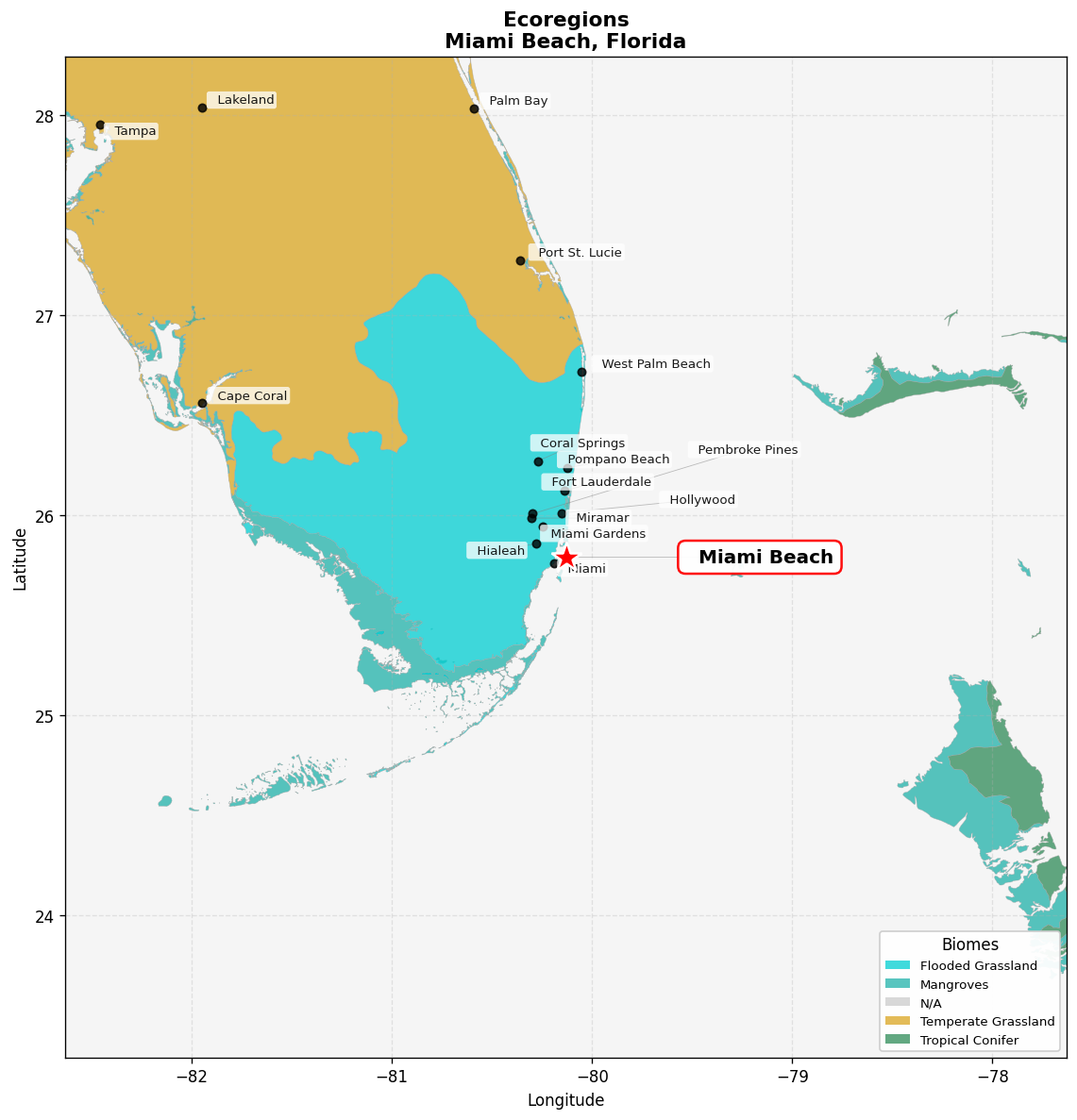
Everglades flooded grasslands
Native ecoregionFrequently Asked Questions
How much does a tropical garden cost in Miami Beach, FL?
Small stock such as one-gallon Coccothrinax argentata or Chrysobalanus icaco 'Red Tip' keeps the plant line of the budget low, though it takes a few years to fill in. Costs vary with site, access, materials and local labor rates, so get two or three local quotes before you budget.
Is a tropical garden low maintenance in Miami Beach's climate?
It can be, if the plants match the site. NOAA's 1991–2020 normals for Miami International Airport show a January average low of 61°F, so nothing freezes in most years, and growth is year-round. That also means hedges of Clusia guttifera and Conocarpus erectus 'Sericeus' need pruning several times a year. Native and salt-adapted selections such as Zamia integrifolia and Thrinax radiata ask for little beyond a spring feeding and the removal of dead fronds. The high-maintenance plants are the big-leaf foliage choices that need shelter, constant moisture and regular fertilizer.
When is the best time to plant in Miami Beach?
Palms, trees and hedges establish fastest when planted at the start of the wet season in late May and June, when afternoon rain does part of the watering. NOAA's normals show about 52 inches of the 67-inch annual rainfall arriving from May through October. Hurricane season runs June 1 to November 30, so stake and brace new trees properly. October through February is the other good window for shrubs and perennials, because the heat has eased and the dry season lets the roots grow without storm risk.
Do I need a permit or follow water rules for landscaping in Miami Beach?
The city's landscape standards, Chapter 126, emphasize drought-tolerant and salt-tolerant vegetation, and the city's water rules bar irrigation from 10 a.m. to 4 p.m. with alternate days for even and odd addresses. Miami-Dade County offers a landscape irrigation rebate, so ask about eligibility before buying a controller. Tree removal, work in the public right-of-way and work in a local historic district can each require approval, so confirm with the City of Miami Beach before cutting or building.
What survives salt spray and wind in Miami Beach?
Coccothrinax argentata, Thrinax radiata, Coccoloba uvifera, Conocarpus erectus 'Sericeus' and Chrysobalanus icaco 'Horizontal' handle oceanfront and bayfront exposure. Sabal palmetto is the sturdiest palm in a hurricane. Large-leaf plants such as Heliconia rostrata and Alocasia 'Polly' tatter in open wind, so use them behind a wall or building. Rinse new plantings with fresh water after a salt-laden storm if they are close to the water.
Why do plants turn yellow in Miami Beach soil?
The sandy soil is alkaline, often pH 7.5 or higher, which locks up iron and manganese. Ixora, gardenia and queen palms commonly show pale new leaves or frizzled fronds as a result. A slow-release palm fertilizer with manganese and chelated iron helps, but the better fix is choosing plants adapted to limestone soil, such as Zamia integrifolia, Thrinax radiata and Bougainvillea 'Barbara Karst'.
How do king tides and flooding affect a Miami Beach garden?
Some streets and low yards flood on the highest fall tides, and the water is brackish. Plants that sit in it for days die back unless they are salt-tolerant. Mounded beds 12 inches or more above the surrounding grade, gravel or shell instead of lawn, and species such as Conocarpus erectus 'Sericeus', Coccoloba uvifera and Chrysobalanus icaco 'Horizontal' cope far better than turf or most shrubs. Check the lot's elevation against nearby street levels before choosing where to plant.