4 Desert Garden Ideas for Midland, TX | Cold-Hardy Xeriscape for Zone 8a
Native plants from the Western shortgrass prairie (Zone 8a) — Cold semi-arid climate
Why Desert/Xeriscape Gardens in Midland?
Midland does not need to pretend to be a desert. The city gets about 13.5 inches of rain a year (1991–2020 normals at the airport), less than many people expect for Texas, and July highs average 95.8°F. It sits on the southern edge of the Llano Estacado, where the native cover is shortgrass prairie: blue grama, buffalograss and sideoats grama, broken by mesquite, yucca, prickly pear and the silver cenizo that flowers purple after a summer storm. A desert garden here is the land around the city, cleaned up and put next to the house.
The catch is winter. Midland is Zone 8a: the coldest night of a normal year falls around 13–14°F, and the record low is −11°F. That rules out a lot of the Sonoran look. Saguaro, golden barrel cactus, Agave americana and 'Desert Museum' palo verde are the classics that can die in one hard freeze. Use their tougher cousins instead: Agave havardiana and Agave parryi for big blue rosettes, Echinocereus triglochidiatus (claret cup) and Opuntia engelmannii in place of golden barrel, Chilopsis linearis 'Bubba' or native honey mesquite in place of palo verde, and Yucca rostrata for the trunked silhouette. Fill between them with Leucophyllum langmaniae 'Lynn's Legacy', Melampodium leucanthum (blackfoot daisy), Zinnia grandiflora and Bouteloua gracilis 'Blonde Ambition'.
Below the surface, much of Midland is caliche, a hard calcium carbonate layer, and the soil above it runs alkaline at roughly pH 7.8–8.4. Desert plants like the lime but hate standing water, and caliche holds water like a dish. The answer is height: mound beds 12–18 inches, mix in coarse gravel, and punch a drainage hole through the caliche under every shrub and tree. Frost depth is shallow here, so boulders and flagstone set on compacted base rarely heave; what moves them is a wet, poorly drained pocket.
Water rules point the same way. The City of Midland lists Stage 1 water shortage conditions and a four-day outdoor watering schedule split by even and odd addresses, with fines of up to $500. A desert garden on drip barely notices those limits once it is established; most of the plants above want a deep soak every two to four weeks in summer and nothing in winter. Add a plan for the spring west wind, which dries new plants and drifts sand into beds, and you have a yard that looks right in the Permian Basin and costs very little to keep.
4 Desert/Xeriscape Design Ideas for Midland

AI-generated image
The Caliche Berm Front Yard
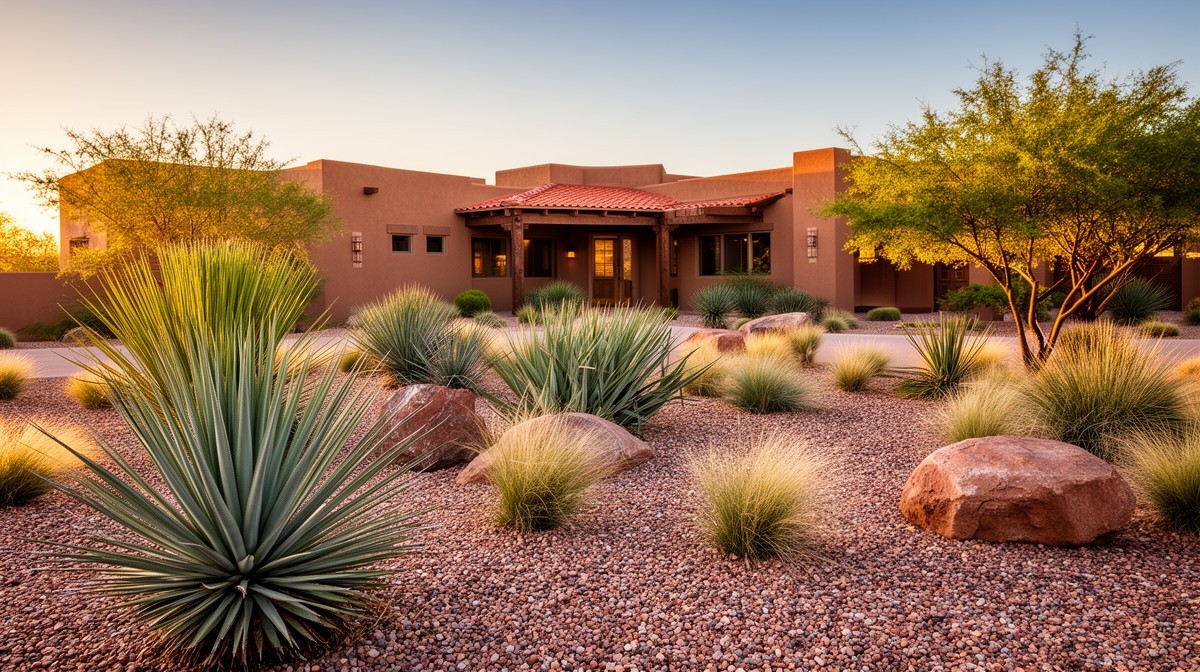
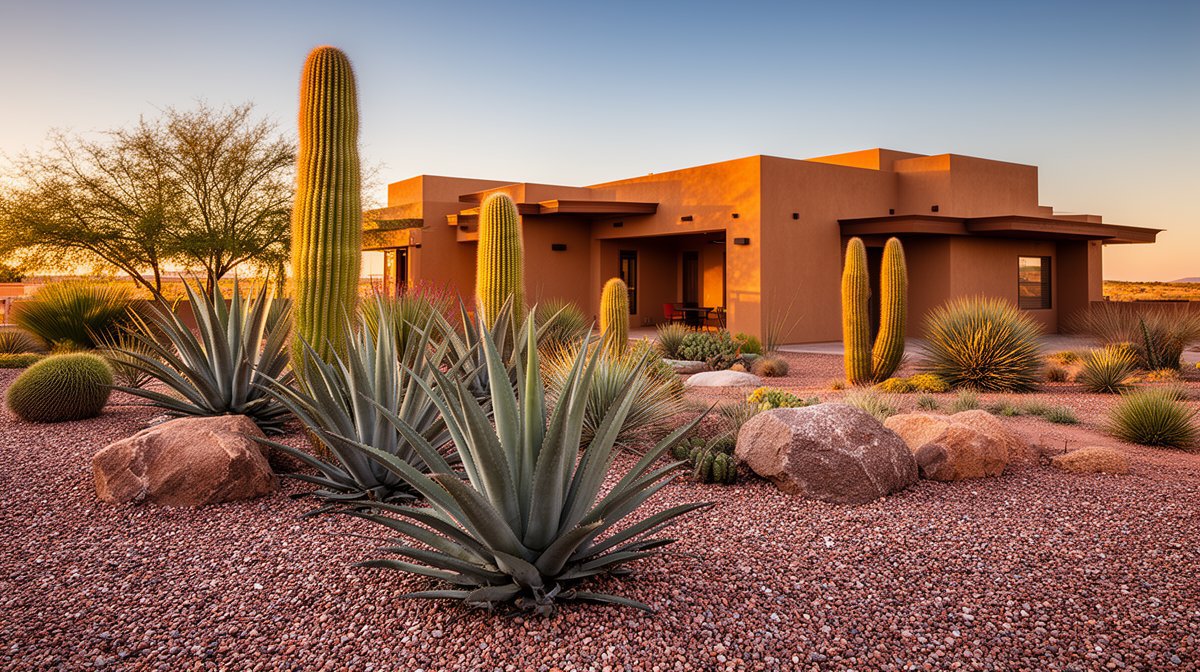
$10–20/sqftA brick ranch house loses its front lawn to two low, curving berms of gravelly soil, each topped with a Yucca rostrata and ringed with Agave havardiana, claret cup cactus and blackfoot daisy. Tan crushed granite fills the swale between the berms, and a few weathered red sandstone boulders sit half-buried at the ends as if they had always been there. The yard faces west, so the late sun lights the agaves from behind and the berms keep every crown well above the caliche below.

AI-generated image
The Shortgrass Prairie Meadow
$4–10/sqftInstead of turf, the backyard is sown with a mix of buffalograss and blue grama, mowed short near the patio and left to grow into a soft, wheat-colored meadow toward the back fence. Drifts of 'Blonde Ambition' grama, Zinnia grandiflora and Engelmann's daisy run through the taller grass, and a pair of honey mesquites near the corner give light shade. It looks like the land outside town in a good year, and it lives on rain once established.

AI-generated image
The Cenizo Windbreak Courtyard
$18–38/sqftA back patio of rust-colored flagstone is sheltered on the west and north by a loose hedge of cenizo, interplanted with a few Arizona cypress for height, so the spring wind slows before it reaches the chairs. A low stone seat wall curves around a gas fire bowl, with Hesperaloe parviflora and Agave parryi in the gravel at its foot. After a summer storm the whole hedge turns purple within days, and the courtyard faces east, so mornings are bright and afternoons fall into the shade of the house.

AI-generated image
The Dry Creek Side Yard
$12–25/sqftA narrow side yard that used to be bare dirt and a hose becomes a dry creek bed of rounded river rock that catches roof runoff from a downspout and carries it toward the back. Its banks hold Nolina texana, Dasylirion wheeleri and claret cup cactus, with a desert willow at the wide end for color in early summer. When one of Midland's rare heavy storms comes through, the creek takes the water to the plants instead of against the foundation.
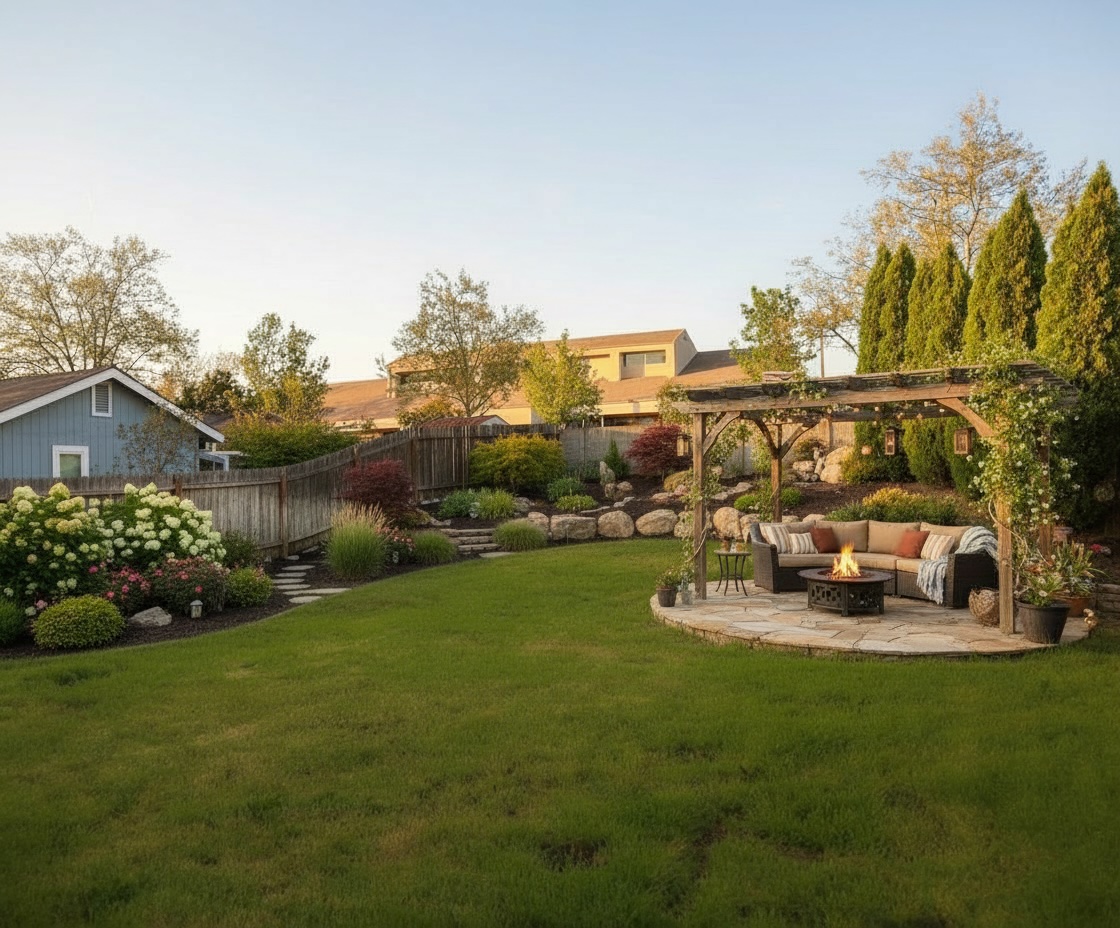
See how a desert/xeriscape garden looks on YOUR property
Upload a photo of your Midland yard and visualize your dream garden in seconds.
Try ProScapeAI Free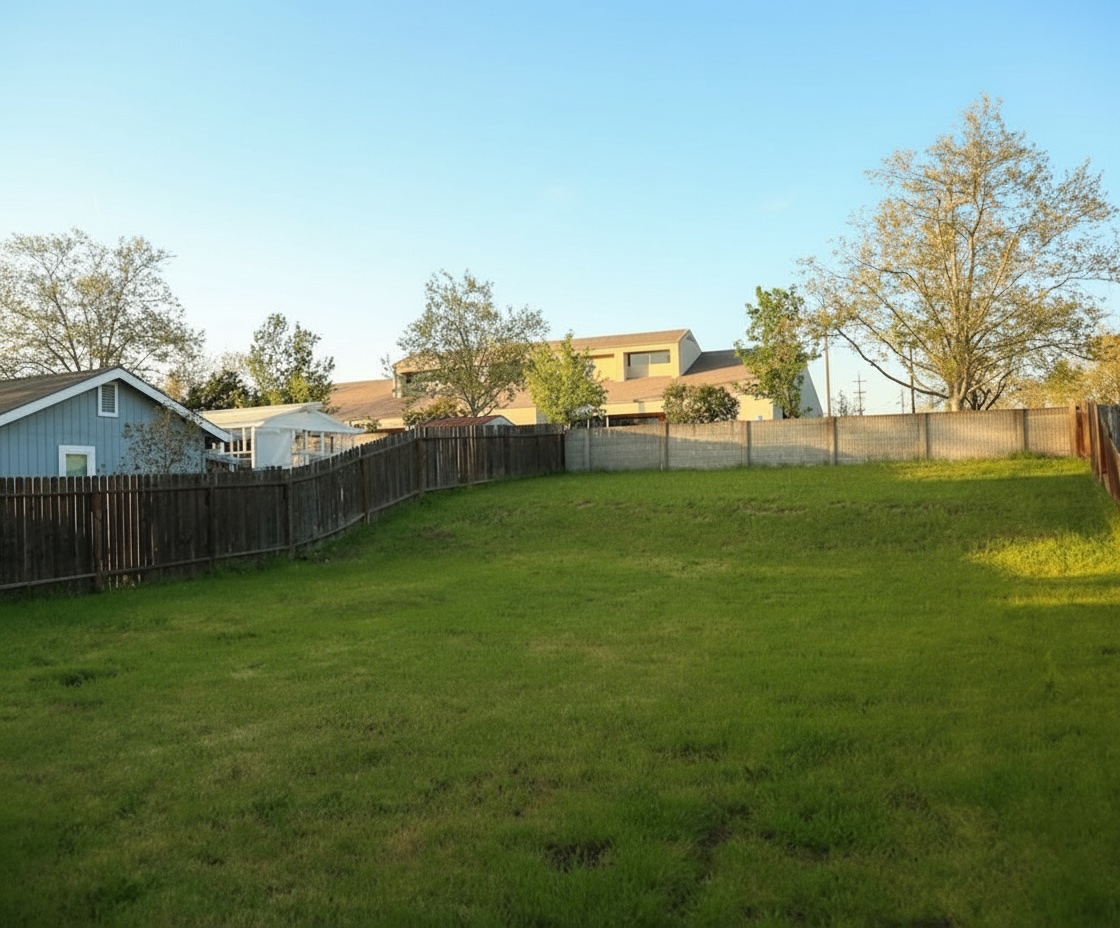
AI-generated image
Featured Trees & Shrubs for Desert/Xeriscape Gardens
Browse all 159 plants for Midland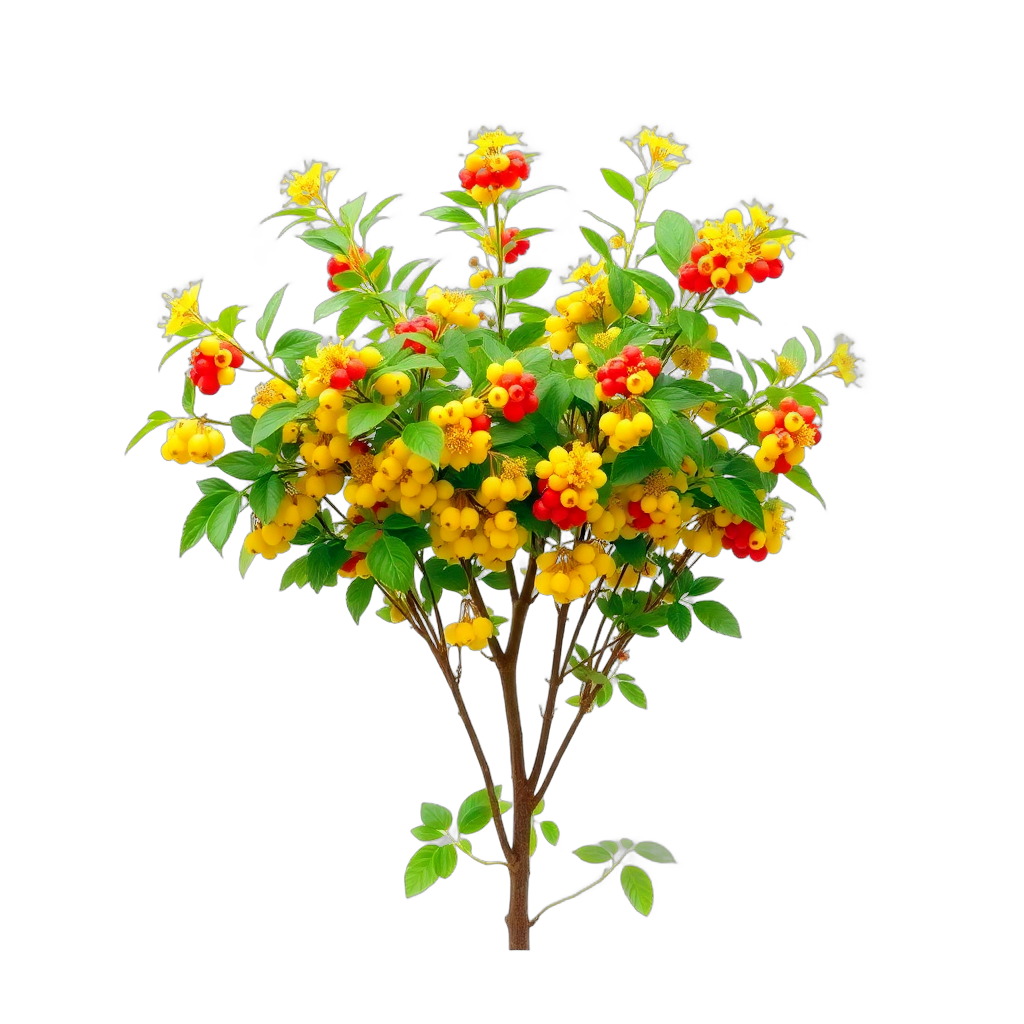
Golden Currant
Ribes aureum
grows to 6 feet, yellow blooms in spring. Attracts hummingbirds.
Featured Grasses & Groundcovers for Desert/Xeriscape Gardens
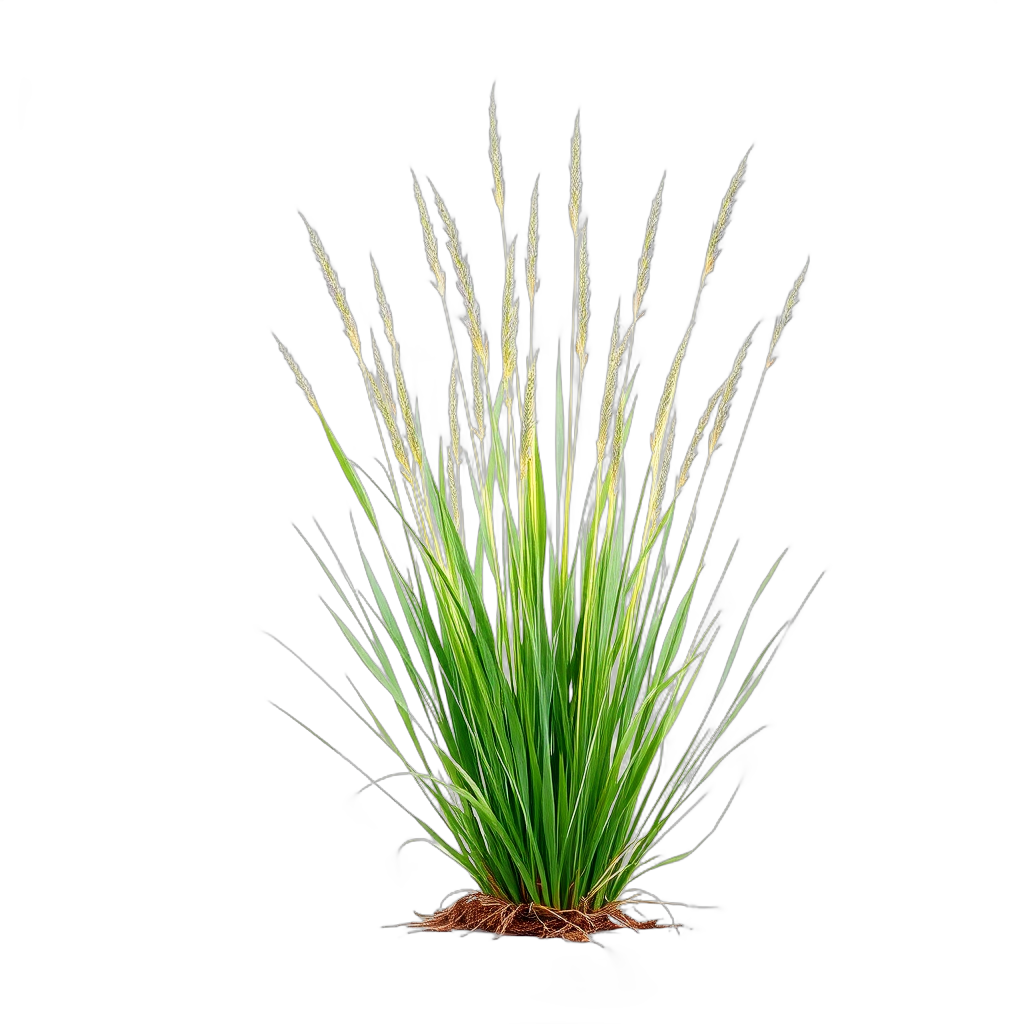
Blue Grama Grass
Bouteloua gracilis
low-growing ground cover, purple blooms in summer. Yellow fall color.
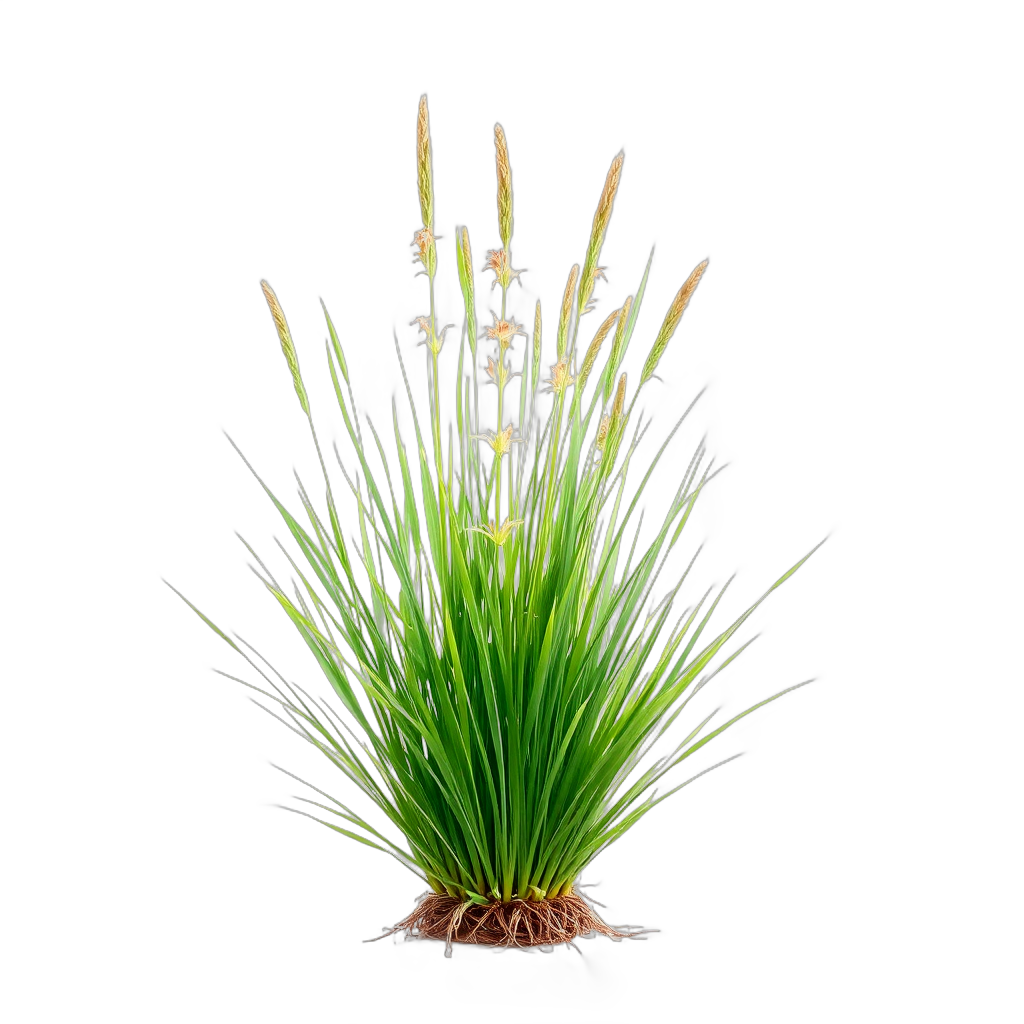
Buffalo Grass
Buchloe dactyloides
low-growing ground cover, blooms in summer. Yellow fall color.
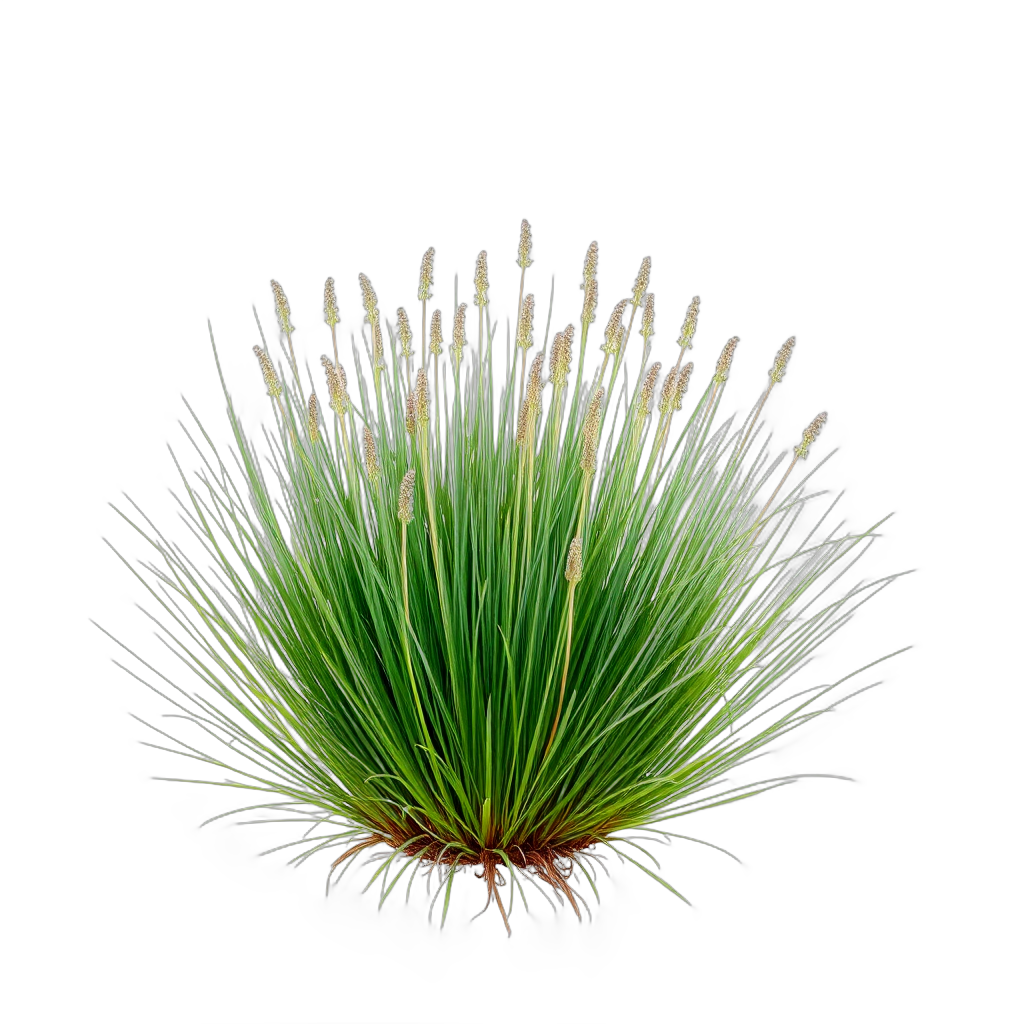
Little Bluestem
Schizachyrium scoparium
grows to 3 feet, blooms in summer. Red,burgundy fall color.
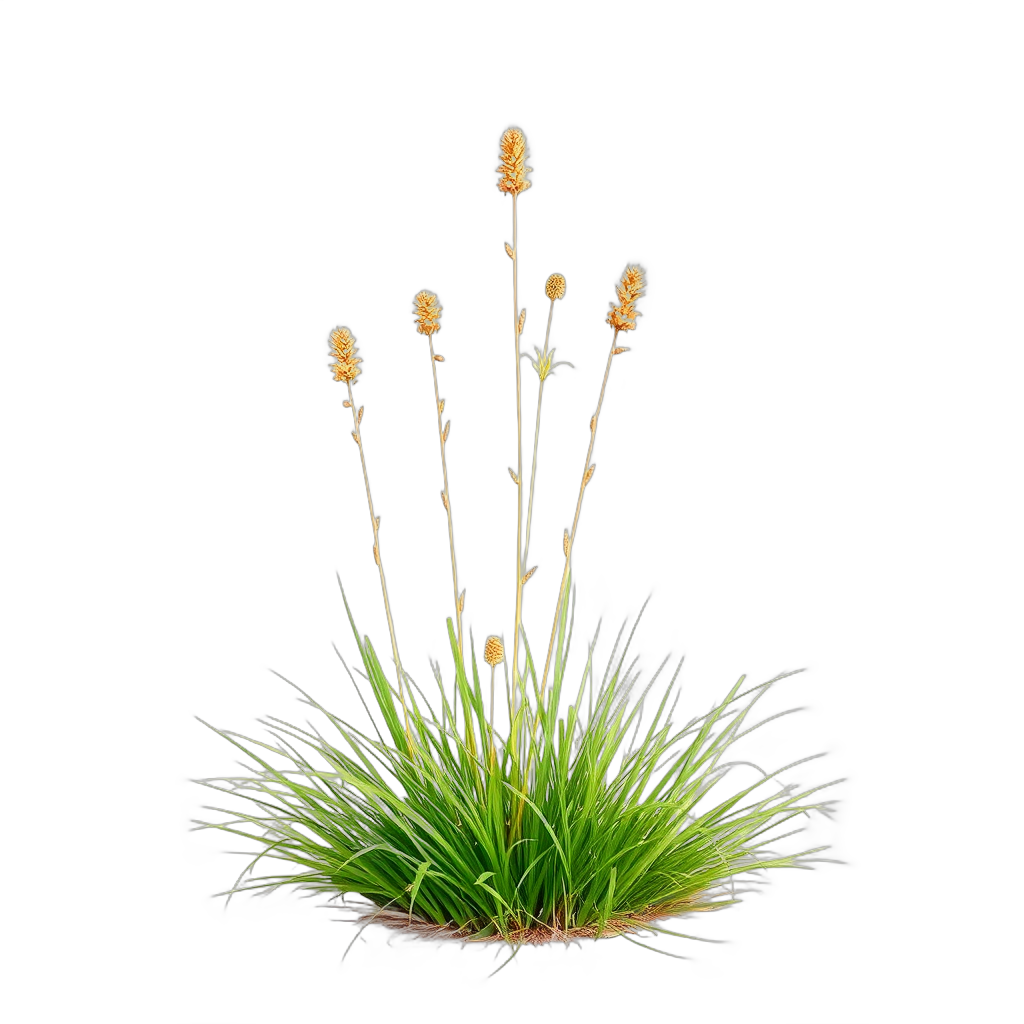
Sand Dropseed
Sporobolus cryptandrus
low-growing ground cover, blooms in summer. Orange fall color.
Featured Flowers & Perennials for Desert/Xeriscape Gardens
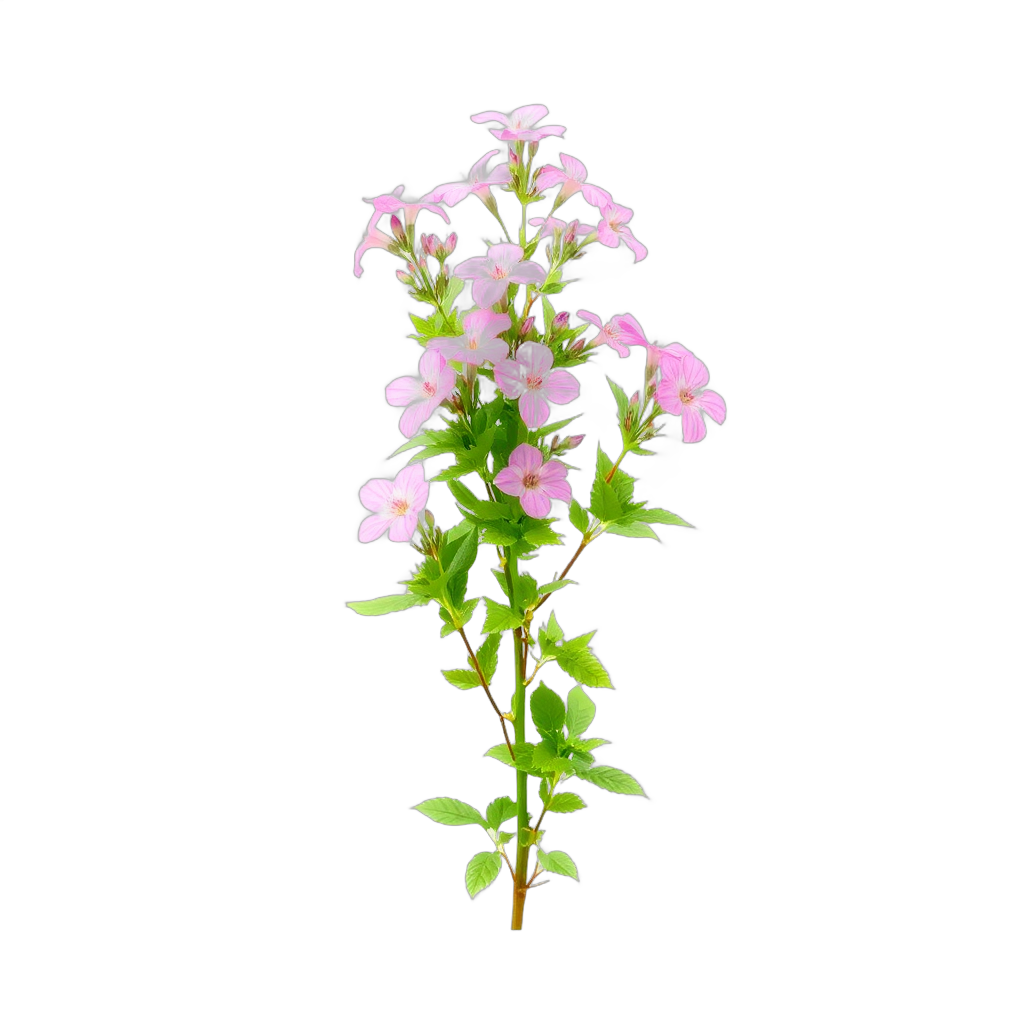
Hood's Phlox
Phlox hoodii
low-growing ground cover, white blooms in spring. Attracts butterflies.
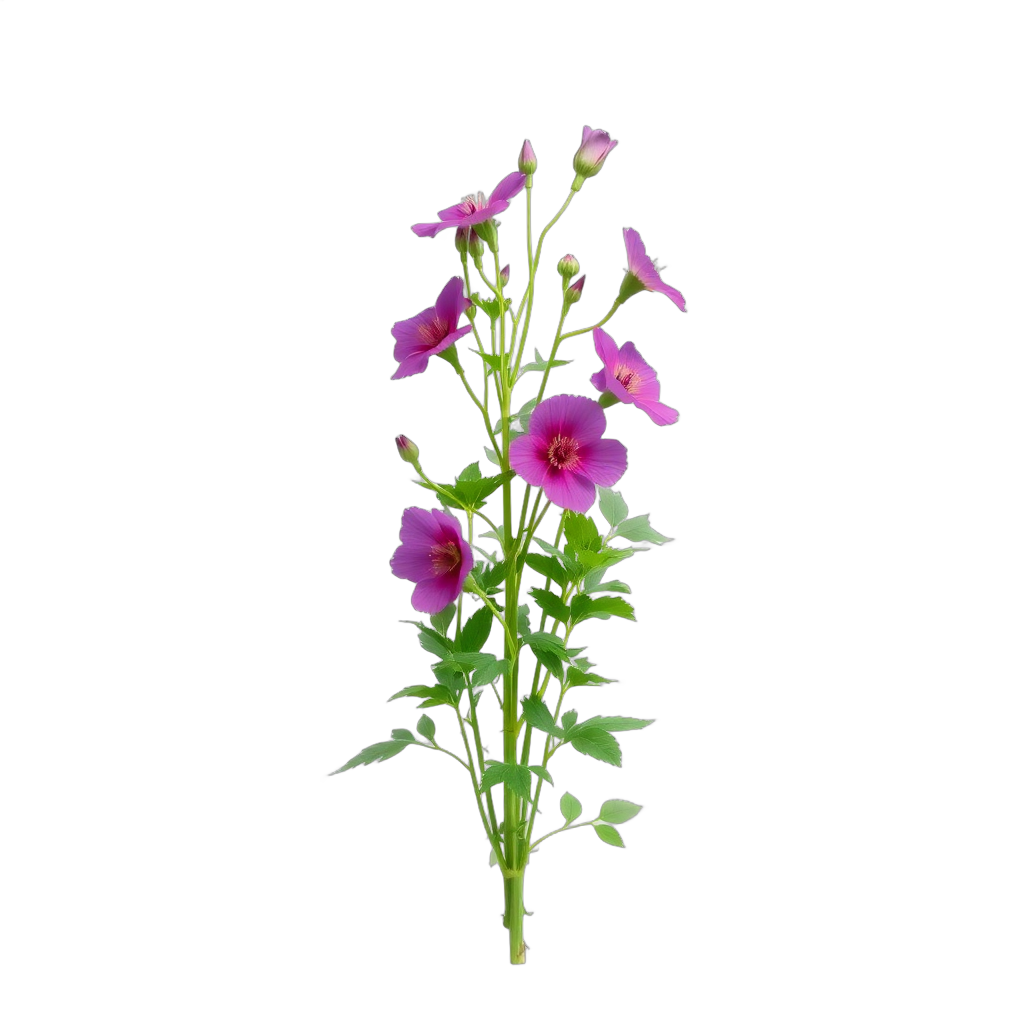
Purple Poppy Mallow
Callirhoe involucrata
low-growing ground cover, purple blooms in summer. Attracts butterflies.
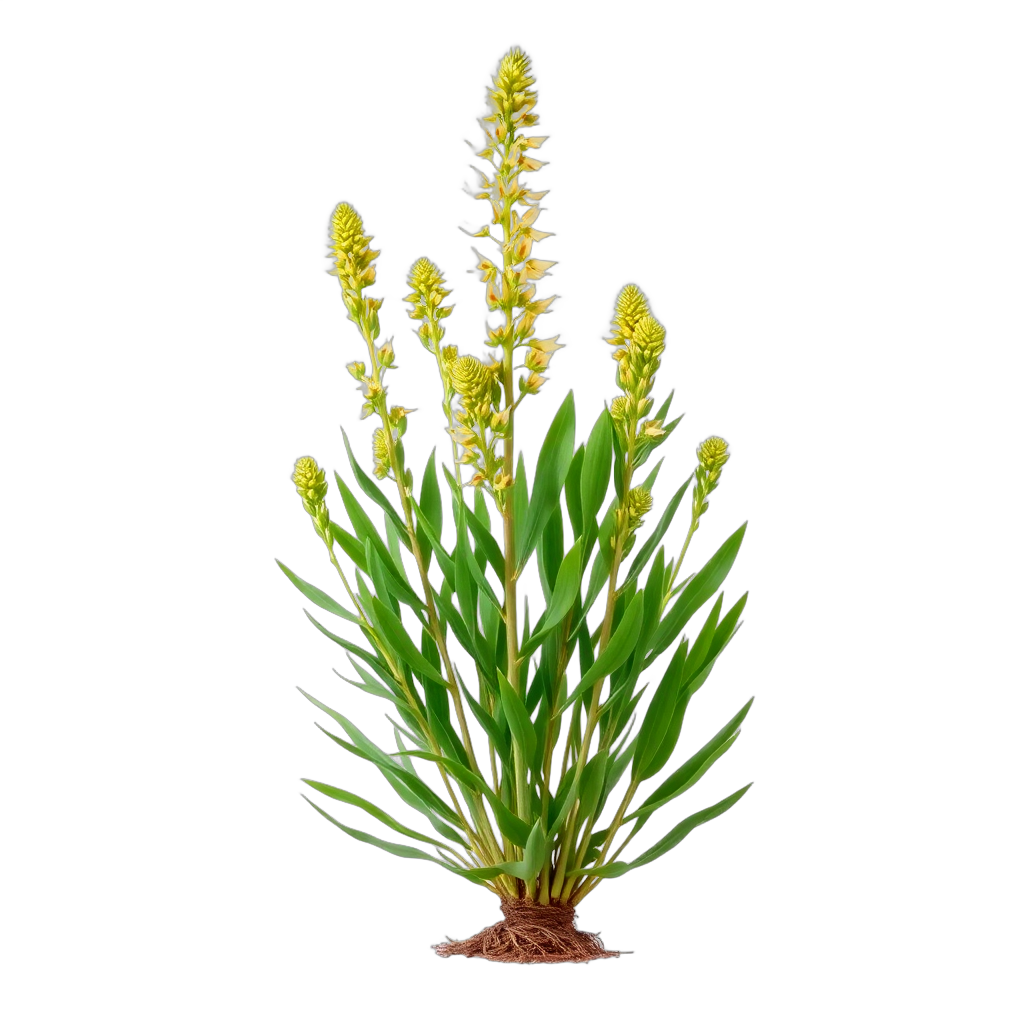
Soapweed Yucca
Yucca glauca
low-growing ground cover, white blooms in spring. Pollinator-friendly.
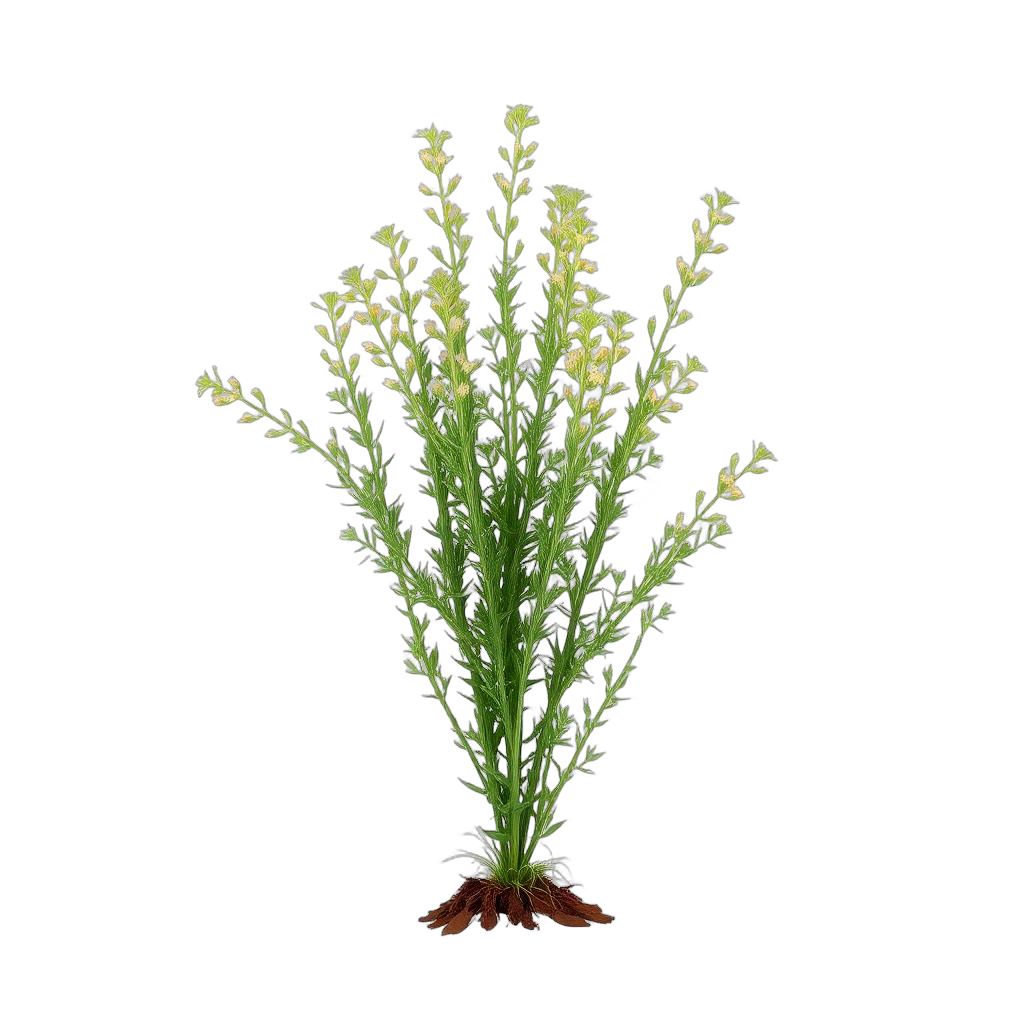
White Sage
Artemisia ludoviciana
low-growing ground cover, white blooms in summer. Fragrant.
Zone and sun checks come from our database — confirm with your local nursery before you buy.
Bloom Calendar for Midland
spring
Hood's Phlox, Soapweed Yucca, Golden Currantsummer
Purple Poppy Mallow, White Sage, Blue Grama Grassfall
Limited bloomswinter
Limited bloomsDesign Tips for Midland (Zone 8a)
- Raise every cactus and agave bed 12–18 inches above grade; Midland's caliche holds water like a dish, and wet roots in a 13–14°F winter night are what kill desert plants here
- Replace the cold-tender Sonoran classics with hardy stand-ins: Agave havardiana for Agave americana, Echinocereus triglochidiatus for golden barrel, Chilopsis linearis 'Bubba' for palo verde
- Use cenizo as the backbone shrub; Leucophyllum frutescens 'Green Cloud' and Leucophyllum langmaniae 'Lynn's Legacy' take full sun, alkaline soil and wind, and flower after summer rain
- Plant a windbreak on the west and north before you plant the rest, so spring winds do not dry out and sandblast the young agaves and grasses
- Give drip lines a filter and flush them each spring, because Midland's mineral-heavy water clogs emitters and a clogged emitter is a dead plant by July
- Leave the soil pH alone; at pH 7.8–8.4 the native and desert plants are already happy, so spend the money on gravel for drainage rather than on amendments
- Steer roof runoff from downspouts into a dry creek or a planted basin; with only about 13.5 inches of rain a year, every heavy storm is worth catching
Where to Source Plants in Midland
Skip the big-box stores. These independent Midland nurseries specialize in the plants that make desert/xeriscape gardens thrive in Zone 8a.
Alldredge Gardens
North Midland (Fairgrounds Road)
Large Midland nursery and garden center with flowers, trees, shrubs and houseplants, plus landscape design, irrigation, hardscaping and lighting services
Agave Garden
West Midland (Loop 250)
Nursery and garden center listed with the Midland Chamber of Commerce
Desert/Xeriscape Landscaping Costs in Midland
| Project Scope | Estimated Cost |
|---|---|
| Desert front yard with berms, gravel, boulders and drip (500–800 sqft) | $5,000 – $16,000 |
| Lawn conversion to buffalograss and native meadow, per sqft | $4 – $10/sqft |
| Dry-laid flagstone patio with seat wall (250–400 sqft) | $6,000 – $15,000 |
| Dry creek bed with river rock for roof runoff (100–200 sqft) | $1,500 – $5,000 |
| Cenizo and Arizona cypress windbreak planting, per linear foot | $25 – $60/linear ft |
| Full desert backyard with patio, berms, meadow and drip | $18,000 – $55,000 |
| AI visualization (ProScapeAI) | Free to start |
Estimates based on Midland, TX-area contractor rates as of 2026. Actual costs vary by site conditions, materials, and contractor.
Midland Climate & Growing Zone
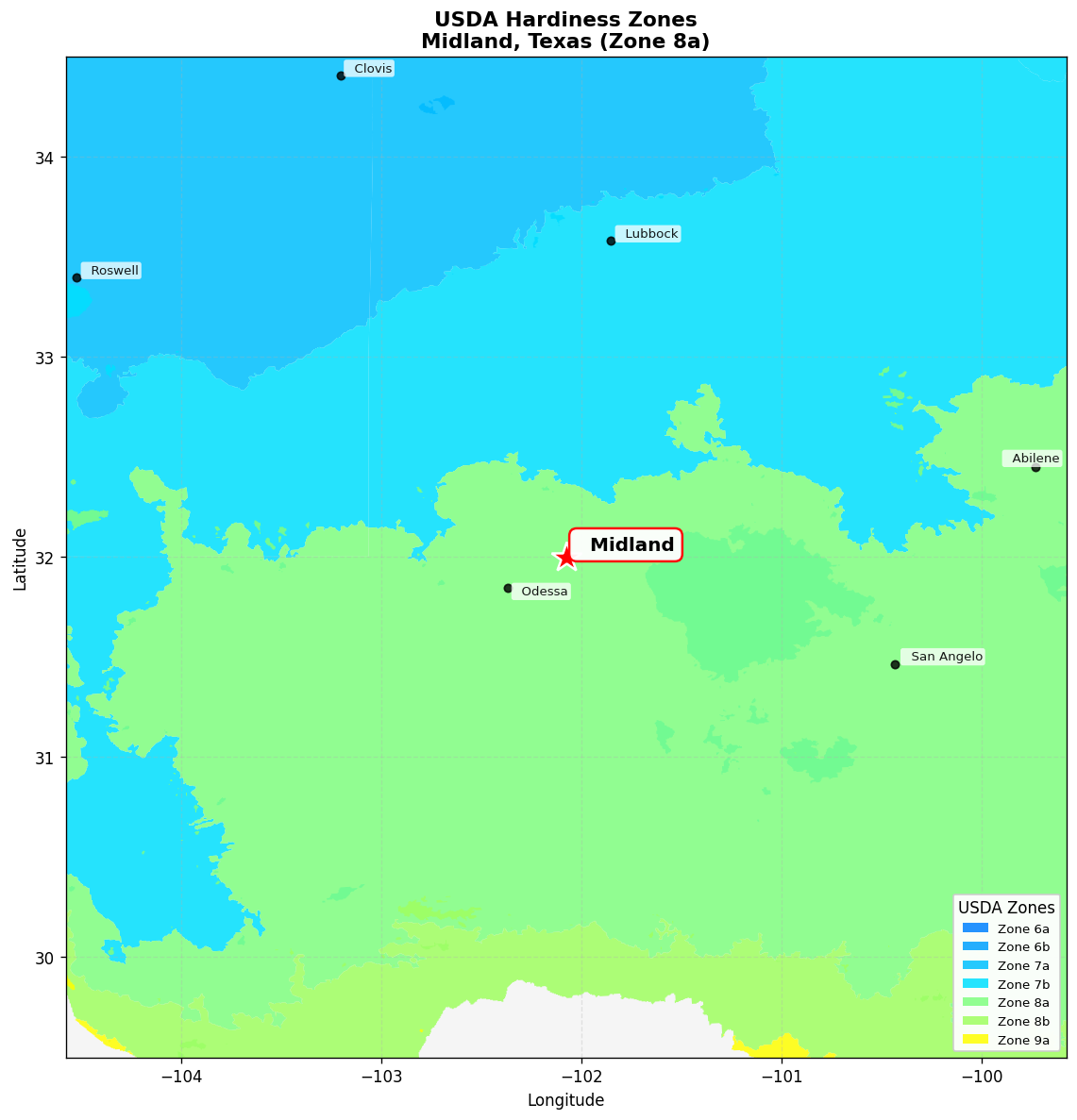
USDA Zone 8a
Hardiness zone for Midland
Western shortgrass prairie
Native ecoregionFrequently Asked Questions
How much does a desert garden cost in Midland, TX?
A planted desert front yard with gravel, boulders and drip irrigation usually costs $10–20 per square foot installed, so a 600-square-foot frontage runs about $6,000–12,000. Converting a backyard to buffalograss and native meadow is much cheaper, around $4–10 per square foot. Flagstone patios and seat walls push a courtyard to $18–38 per square foot. Large trunked Yucca rostrata and big boulders are the costly items; small agaves and one-gallon Leucophyllum langmaniae 'Lynn's Legacy' are inexpensive and fill in within two seasons.
Which desert plants survive a Midland winter?
Plan for a normal winter low near 13–14°F and a rare night far colder; the record is −11°F. Agave havardiana, Agave parryi, Yucca rostrata, Dasylirion wheeleri, Nolina texana, Opuntia engelmannii and Echinocereus triglochidiatus all handle it. Saguaro, golden barrel cactus, Agave americana and 'Desert Museum' palo verde are risky and often die in a hard freeze. Swap golden barrel for claret cup cactus and palo verde for Chilopsis linearis 'Bubba' or honey mesquite. Keep cacti dry in winter: cold plus wet soil kills them faster than cold alone.
Is a desert garden low maintenance in Midland?
Very, once it is past its first summer. Established agaves, yuccas and cenizo need a deep soak every two to four weeks in the hottest months and little or nothing in winter, which fits easily inside Midland's watering schedule. Yearly jobs are cutting Bouteloua gracilis 'Blonde Ambition' and other grasses back in late February, pulling tumbleweed and goathead seedlings after spring rain, raking wind-blown grit out of gravel, and flushing drip lines that clog from mineral-heavy water.
When should I plant a desert garden in Midland?
Plant agaves, yuccas and cacti from April through early June, when the soil is warm and roots grow fast, and do not water them for the first week or two. Shrubs such as cenizo and trees such as desert willow do well in September and October, when heat eases and the roots have the fall and spring to settle. Sow buffalograss and blue grama in late spring once nights stay warm. July and August, when roughly 24 days a year top 100°F, are the months to avoid.
What are Midland's watering rules, and can my HOA block a xeriscape?
The City of Midland currently lists Stage 1 (Mild) water shortage conditions: even-numbered addresses may water outdoors on Sunday, Monday, Wednesday and Friday, odd-numbered addresses on Sunday, Tuesday, Thursday and Saturday, and violations can bring a fine of up to $500. Check the city's Utilities page for the current stage before you start. On HOAs, Texas Property Code section 202.007 generally stops an association from banning drought-tolerant landscaping, though it can require you to get plans approved first, so submit a simple drawing before you dig.
What do I do about caliche when planting?
Dig a test hole. If you hit hard white rock within a foot or two, either break through it under every shrub and tree so water can drain, or build raised beds and berms 12–18 inches high and plant on top. Desert plants like Midland's alkaline soil, around pH 7.8–8.4, so you do not need to acidify it, just give it drainage. Mix coarse gravel into the berm soil and keep organic amendments light. The Texas A&M AgriLife Extension office for Midland County, 2445 E Highway 80, phone (432) 686-4700, can help with soil testing.
Can I grow native buffalograss instead of a lawn in Midland?
Yes, and it is the best fit for a desert garden that still wants something to walk on. Buchloe dactyloides 'Prestige' and other improved buffalograss varieties are native to these plains, stay short, and go brown and dormant in drought rather than dying, then green up after rain. Plant plugs in late spring, water every few days until they knit together, then cut back to an occasional deep soak. Mix in blue grama for a softer, meadow look along the edges.