4 Desert Garden Ideas for Amarillo, TX | Cold-Hardy Xeriscape Design for Zone 7a
Native plants from the Western shortgrass prairie (Zone 7a) — Cold semi-arid climate
Why Desert/Xeriscape Gardens in Amarillo?
Amarillo sits at 3,676 feet on the Llano Estacado, and the shortgrass prairie wrapping the city is already a xeriscape. Amarillo averages roughly 20 inches of rain a year against something close to 65 inches of pan evaporation, a deficit no sprinkler schedule fixes cheaply — and every gallon of that irrigation comes out of the Ogallala Aquifer or Lake Meredith. On tiered summer water rates, a 5,000 sqft fescue lawn is one of the most expensive decorative objects a homeowner in Puckett or Sleepy Hollow can own. Gravel-and-grass xeriscape is not a compromise on this ground; it is what was here before the sod trucks arrived, and in Wolflin, Belmar, Westover Park, and the newer builds out toward Bushland it now reads as the confident choice rather than the cheap one.
The trap is copying Phoenix. Amarillo is USDA Zone 7a — typical winter lows of 0 to 5°F, a February 2021 low near -11°F, and a record around -16°F — so the palette has to be cold-desert, not Sonoran. Agave americana and blue palo verde will not see a second January here. Their substitutes are better anyway: Agave havardiana and Agave neomexicana hold the same architectural rosette down to roughly -20°F, Yucca rostrata 'Sapphire Skies' delivers the blue fountain silhouette, Dasylirion wheeleri supplies the sputnik form, and Chilopsis linearis 'Bubba' desert willow or native honey mesquite stands in for the palo verde while actually blooming from June through frost. Swap Italian cypress for Juniperus scopulorum 'Blue Arrow' for the same reason — Cupressus sempervirens browns out in the first hard Panhandle norther.
Then design for the wind. Amarillo averages about 13.5 mph year-round, and 50–60 mph spring gusts are routine from March through May, which shreds broad leaves, sandblasts stems, and is the real reason shredded bark is the wrong mulch here — 3/8-inch crushed local rock stays put where bark ends up in the neighbor's yard by April. Underneath, most lots sit on Pullman clay loam over a caliche hardpan, often within 18–30 inches of grade, at a soil pH of 7.8–8.4. That caliche pan perches water in an augered planting hole, so agaves and cacti belong in raised, gravel-amended berms rather than pits, and acid-lovers stay off the list entirely. Add three to five severe hail days a year in Randall and Potter counties and the case for tough, low, sculptural plantings over fragile specimens writes itself.
4 Desert/Xeriscape Design Ideas for Amarillo
The Caprock Gravel Court
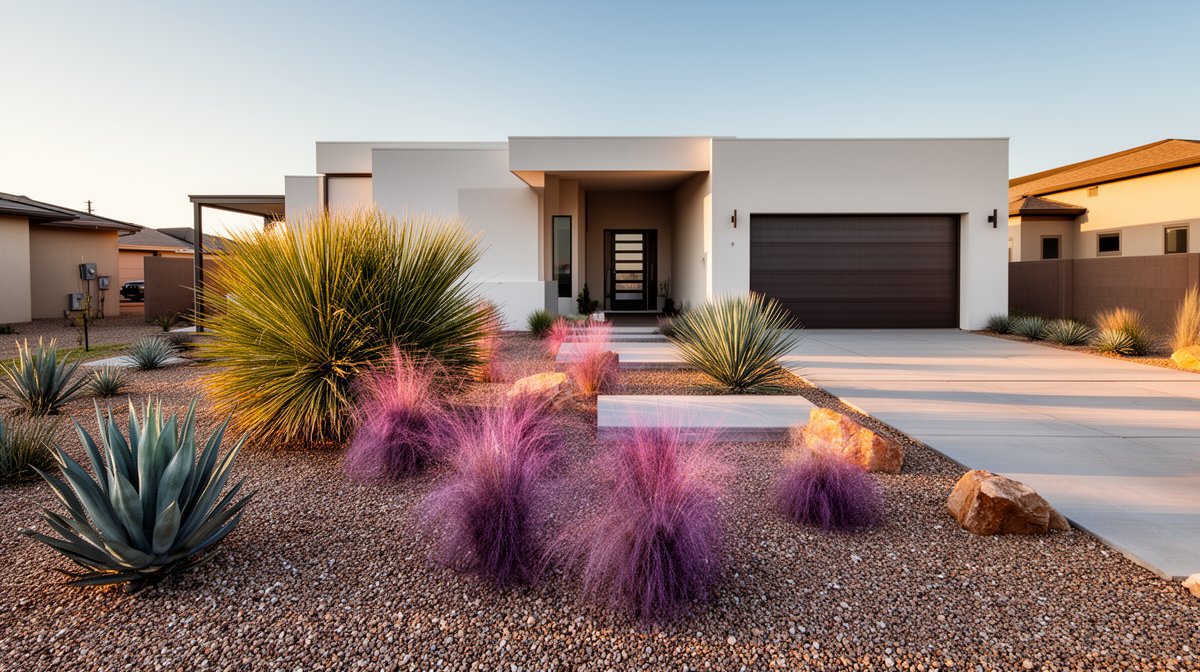
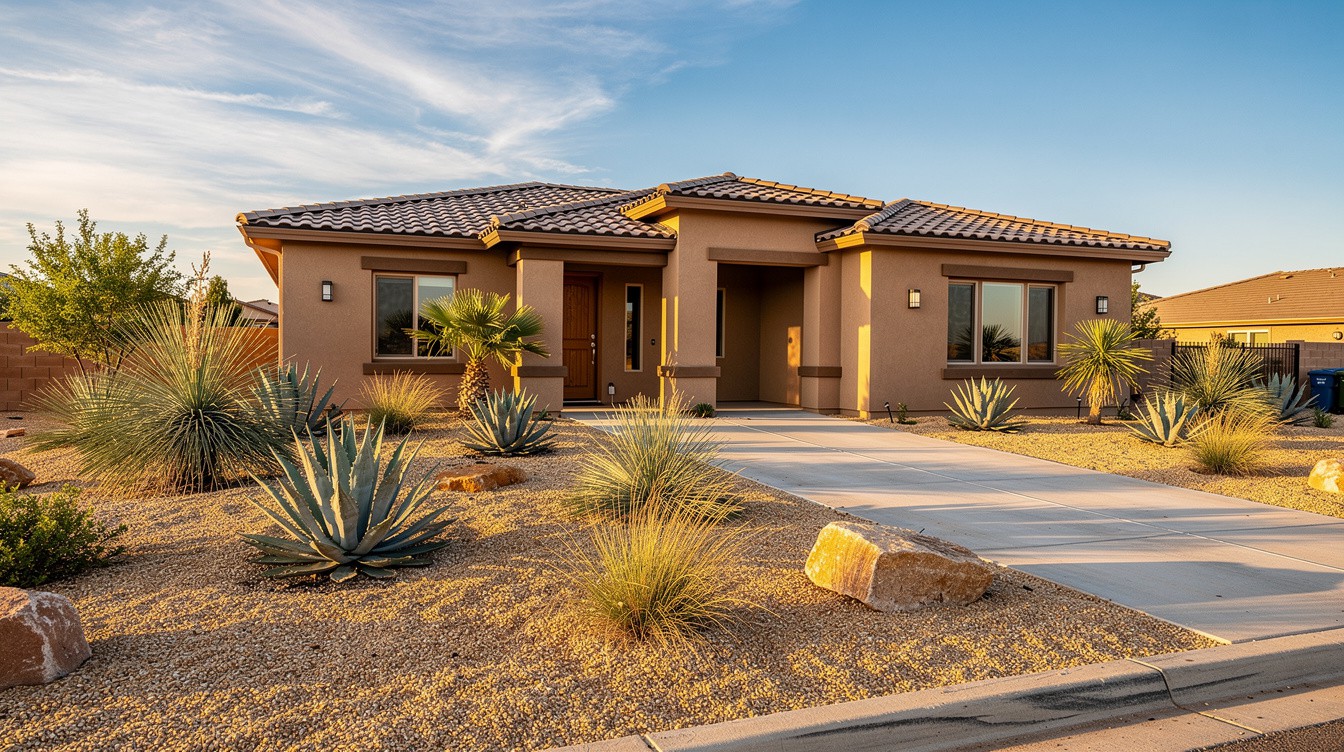
$7–14/sqftA tile-roofed stucco ranch with the entire front lawn replaced by a buff gravel field, organized by widely-spaced sculptural rosettes rather than by beds. Big blue Agave havardiana sit as solitary specimens, feathery Nolina texana clumps and 'Blonde Ambition' blue grama break up the gravel plane, and low Palo Duro sandstone boulders anchor the composition at the walk edges. A wide broom-finished drive and entry walk carries all the foot traffic so nobody ever walks on the gravel. One swap from the photo: the fan palm is the weak link — a Trachycarpus is a coin flip below 5°F, and a multi-trunk Yucca faxoniana or Nolina lindheimeriana gives you the same trunked silhouette with -10°F insurance.
The Arroyo Walk
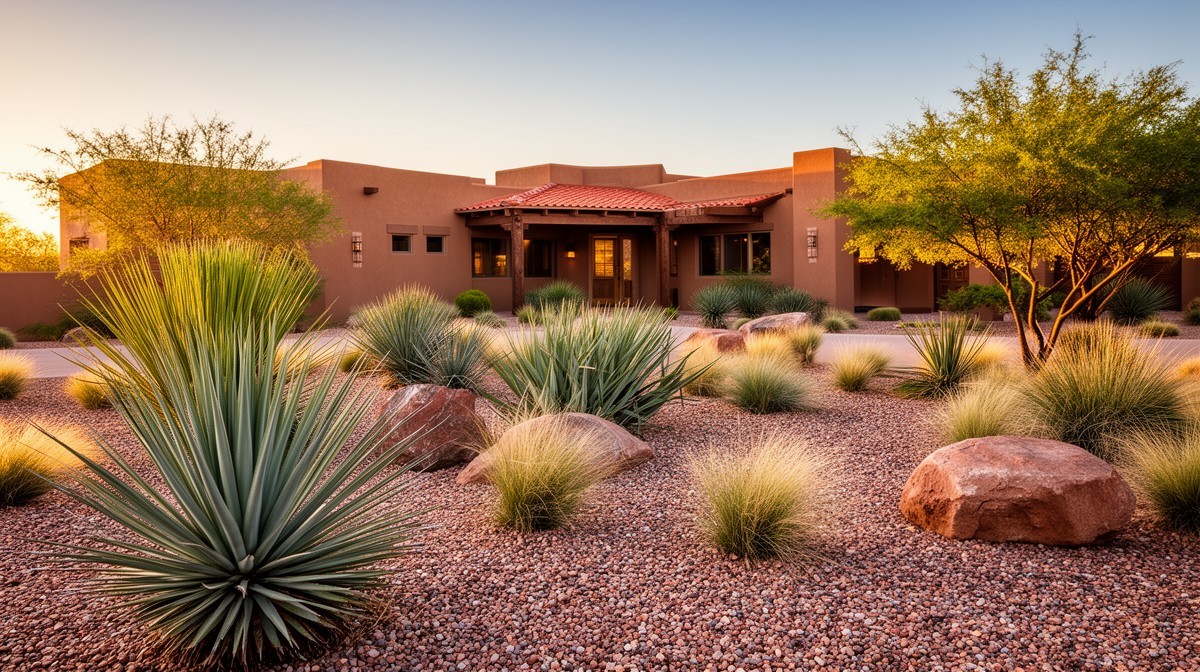
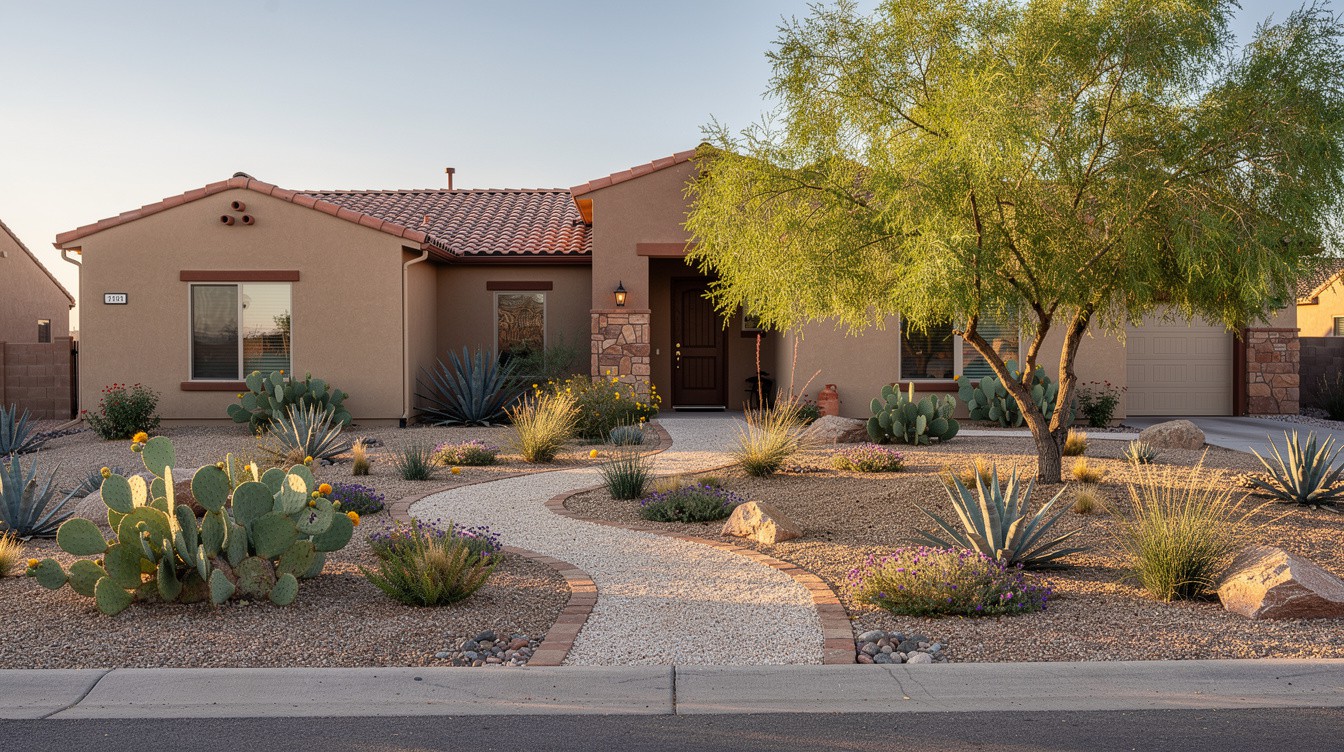
$8–16/sqftA curving decomposed-granite path with a clay-brick soldier-course edge sweeps from the street to a stone-veneer entry, splitting two gravel fields of different tone. Masses of Opuntia engelmannii var. lindheimeri and purple-padded Opuntia macrocentra hold the outer corners, Agave parryi var. parryi punctuates the middle distance, and drifts of Melampodium leucanthum, Berlandiera lyrata and Callirhoe involucrata fill in with white, yellow and magenta from April to October. A river-rock swale runs along the low side — not decoration, but the working outlet for the 3-inch thunderstorm cells that dump most of Amarillo's annual rainfall between May and September.
The Windbreak Fire Court
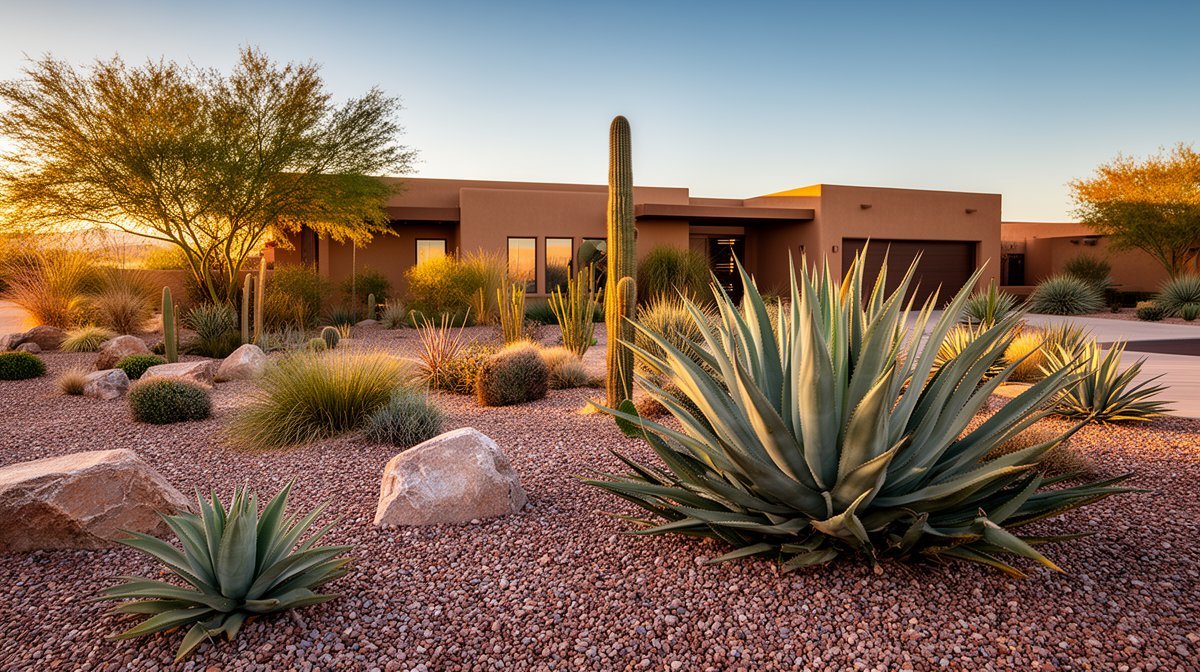
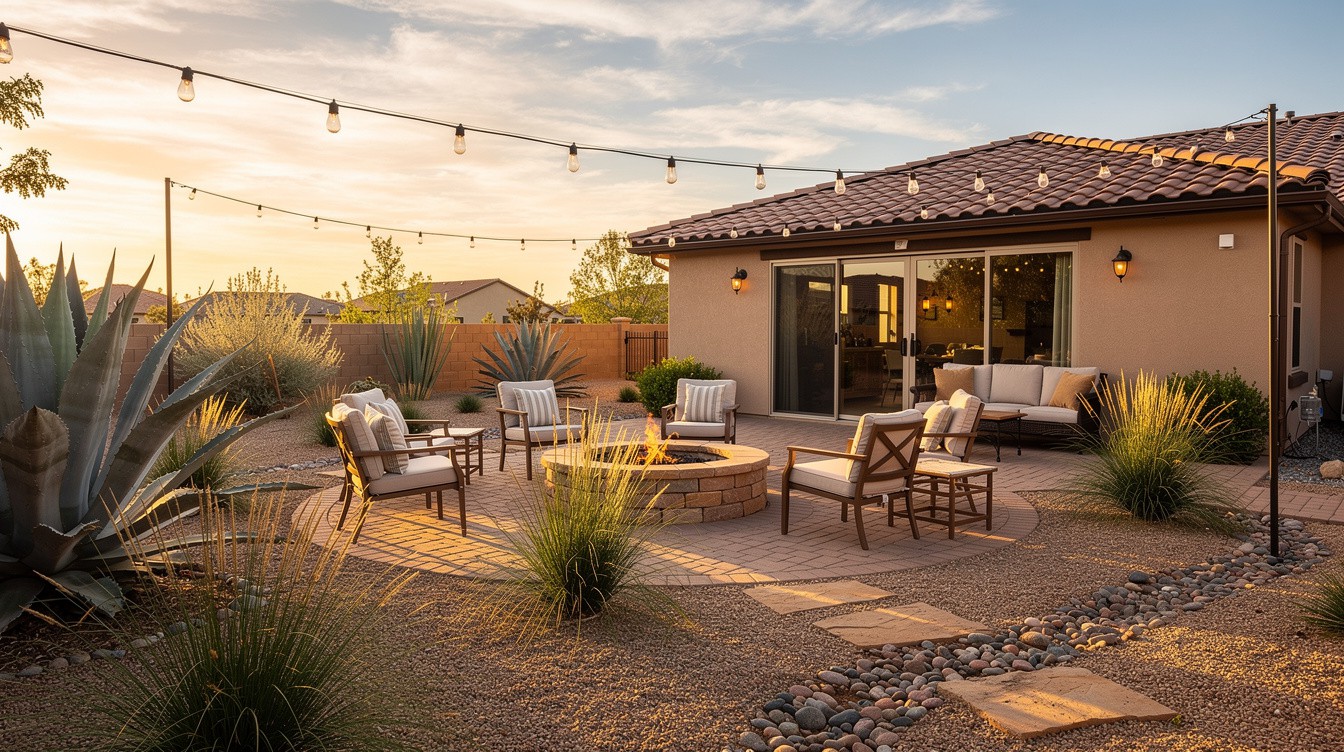
$14–28/sqftA tumbled-paver terrace with a dry-stack stone fire pit at its center, wrapped by a 6-foot CMU wall that does the real work: it drops the March wind enough to make the space usable, which is the whole reason Amarillo patios succeed or fail. A giant Agave havardiana anchors the foreground, Sporobolus wrightii 'Windbreaker' giant sacaton and Schizachyrium scoparium 'Standing Ovation' catch the low sun without folding over, and Muhlenbergia reverchonii 'Undaunted' ruby muhly supplies the pink autumn haze that pink muhly (Muhlenbergia capillaris) cannot reliably deliver at Zone 7a. Note the string lights: they run on rigid steel posts, not tree to tree — Panhandle gusts will tear a tree-strung catenary down in a season.
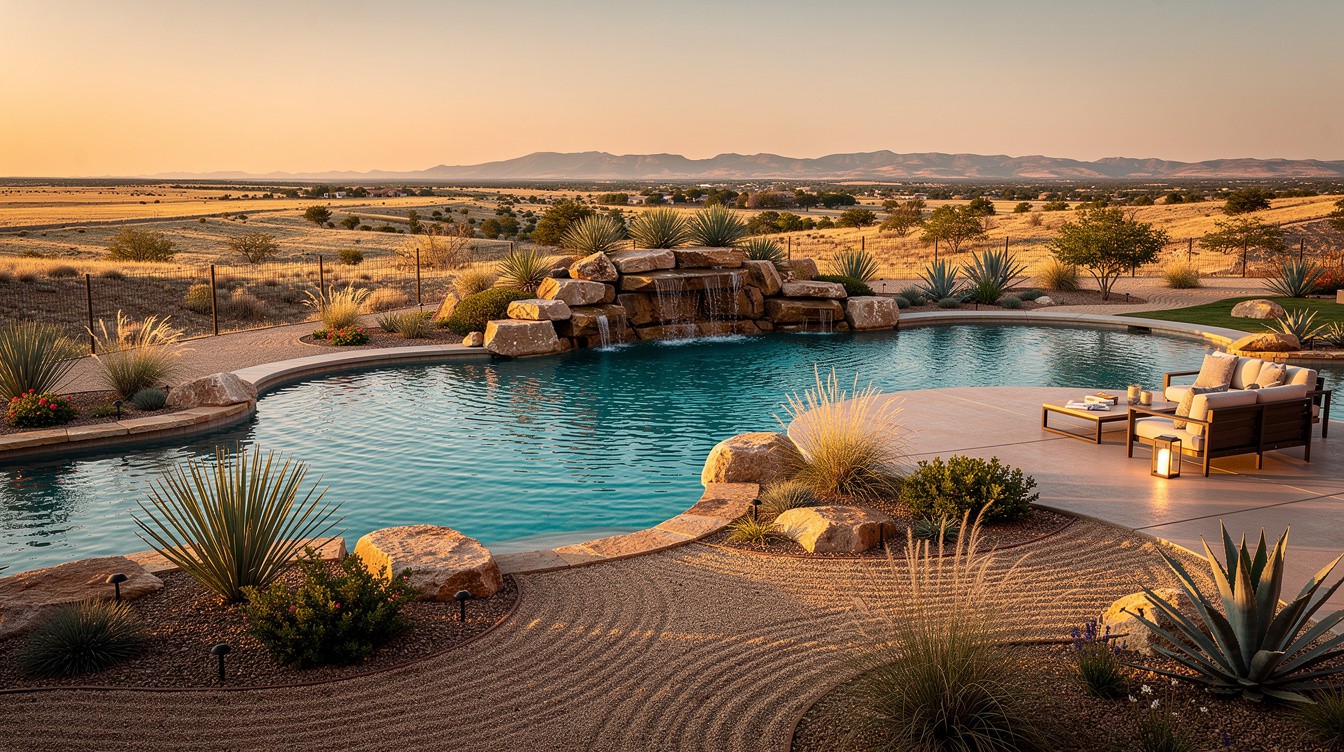
The Canyon Rim Pool
$45–95/sqft (pool area inclusive)A freeform pool with a stacked-boulder waterfall reads as a spring-fed pool at the head of a draw, with the fence line dissolved into a wire-mesh view panel so the Llano Estacado horizon becomes the far wall of the garden. Raked crushed-granite swirls replace lawn between the deck and the property line, Yucca rostrata and Yucca elata repeat down both sides in loose rhythm, and Hesperaloe parviflora 'Brakelights' throws coral spikes at hummingbird height all summer. Fallugia paradoxa Apache plume and Cercocarpus montanus at the far edge deliberately blur into the real shortgrass prairie beyond — both grow wild in Palo Duro Canyon twenty minutes south.
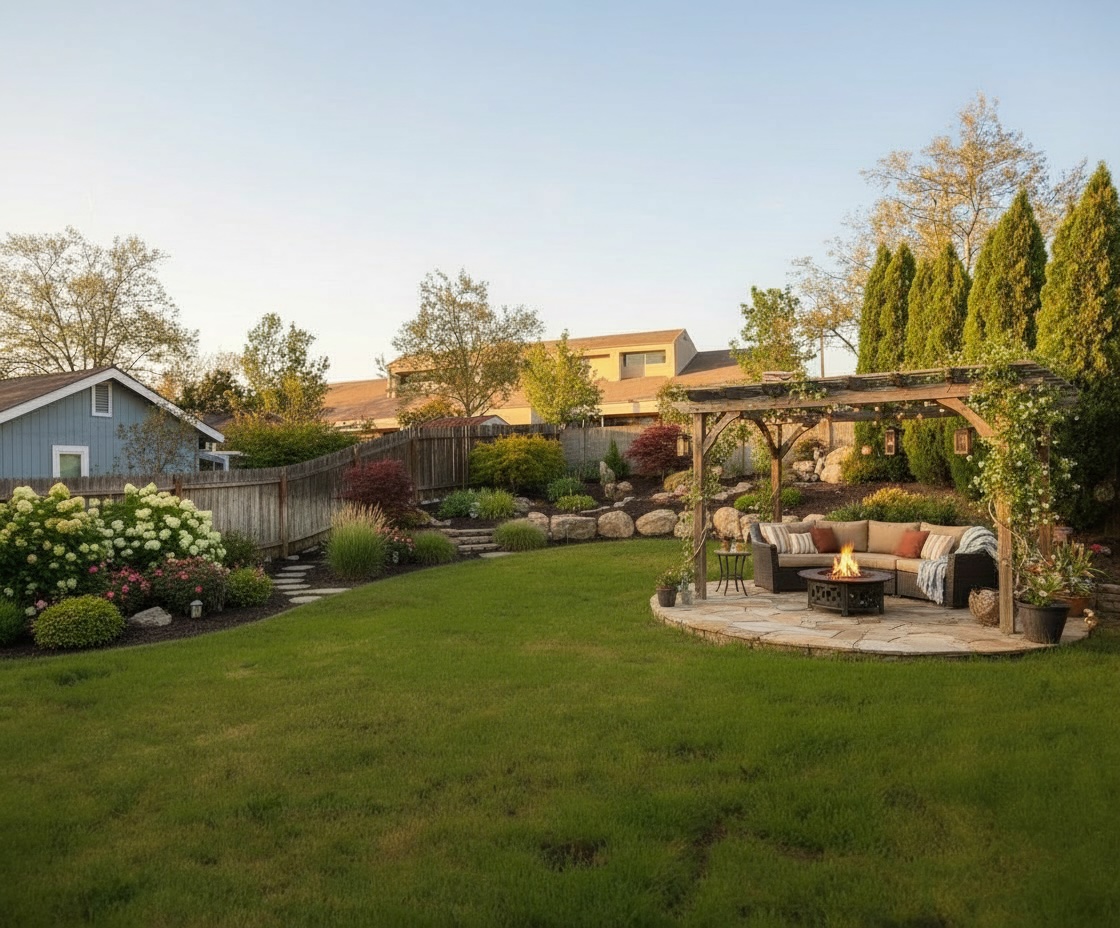
See how a desert/xeriscape garden looks on YOUR property
Upload a photo of your Amarillo yard and visualize your dream garden in seconds.
Try ProScapeAI Free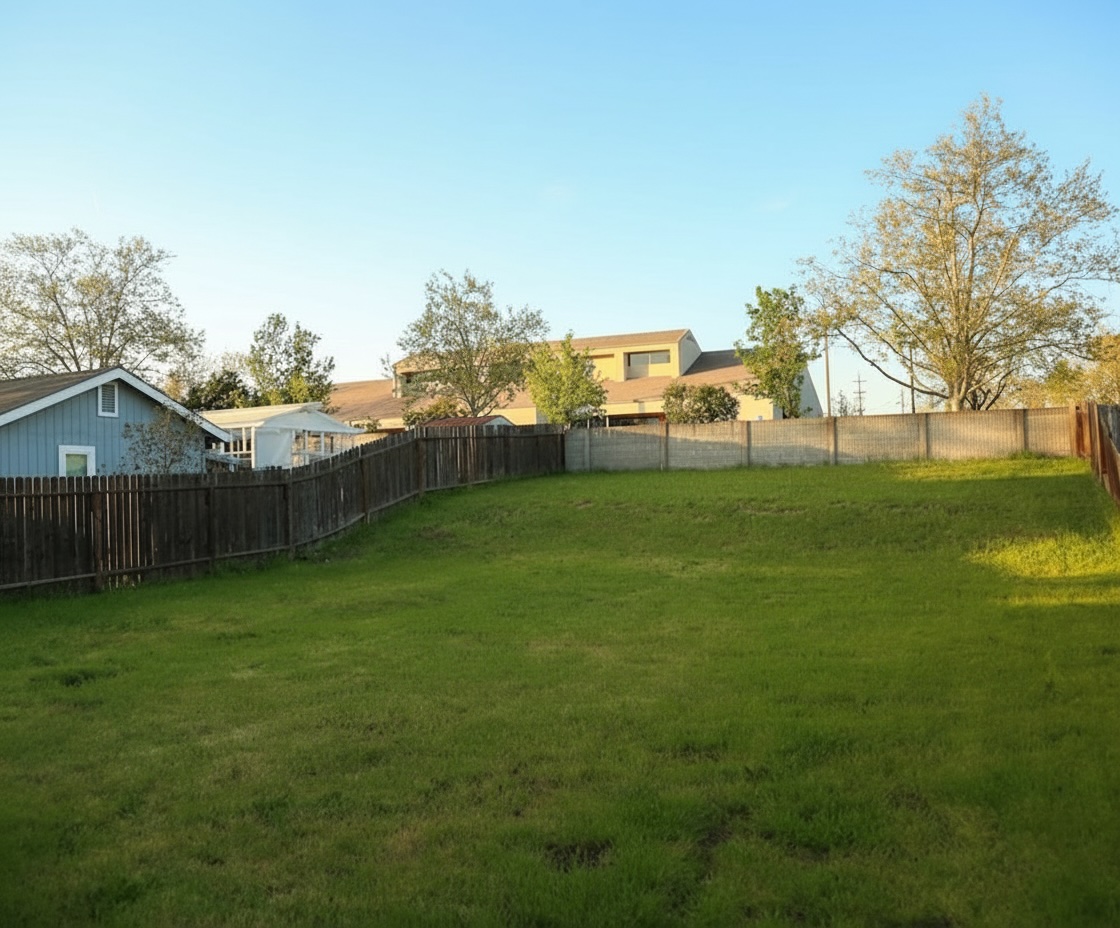
Featured Trees & Shrubs for Desert/Xeriscape Gardens
Browse all 24 plants for Amarillo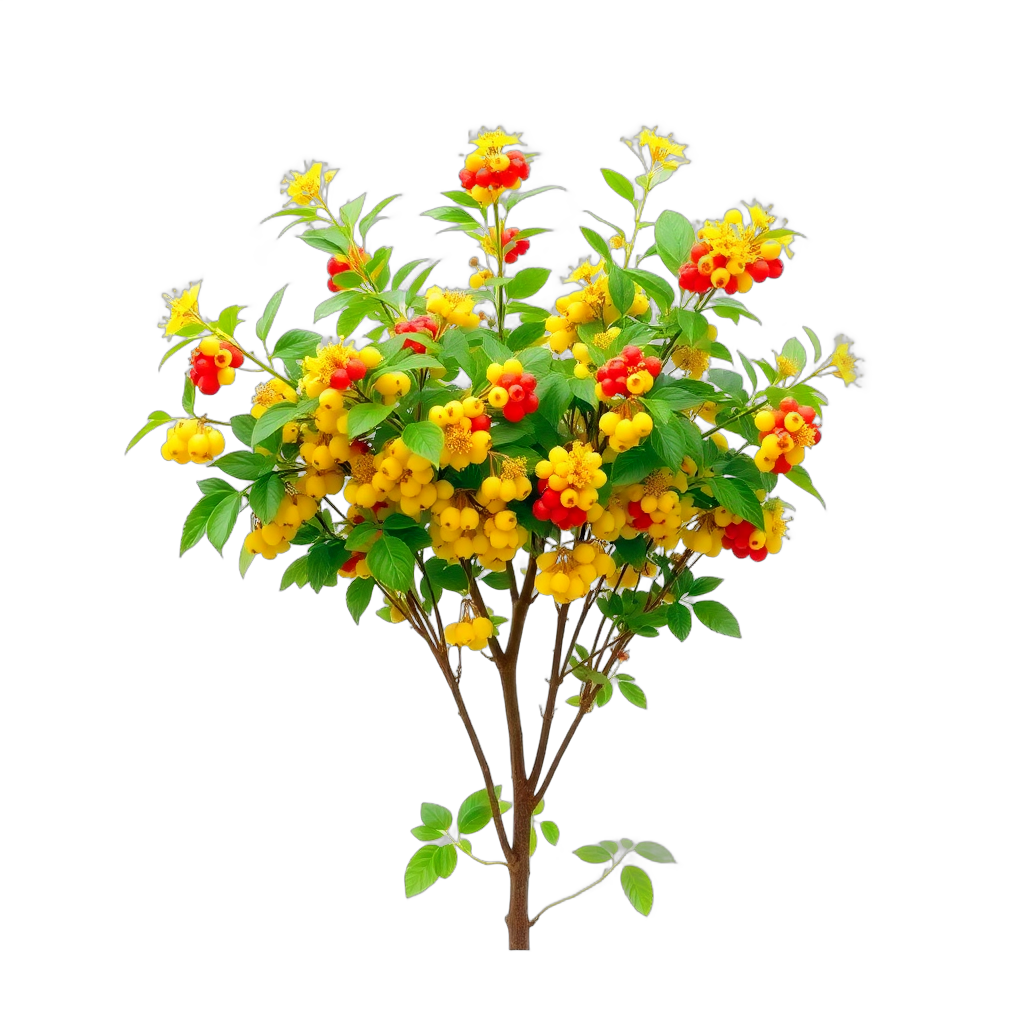
Golden Currant
Ribes aureum
grows to 6 feet, yellow blooms in spring. Attracts hummingbirds.

Windmill Palm
Trachycarpus fortunei
reaches 20 feet tall, yellow blooms in spring. Pollinator-friendly.

Almond
Prunus dulcis
medium-sized at 10 feet, pink,white blooms in spring. Attracts butterflies.

Banana
Musa acuminata
medium-sized at 12 feet, purple,yellow blooms in spring. Attracts hummingbirds.
Featured Grasses & Groundcovers for Desert/Xeriscape Gardens
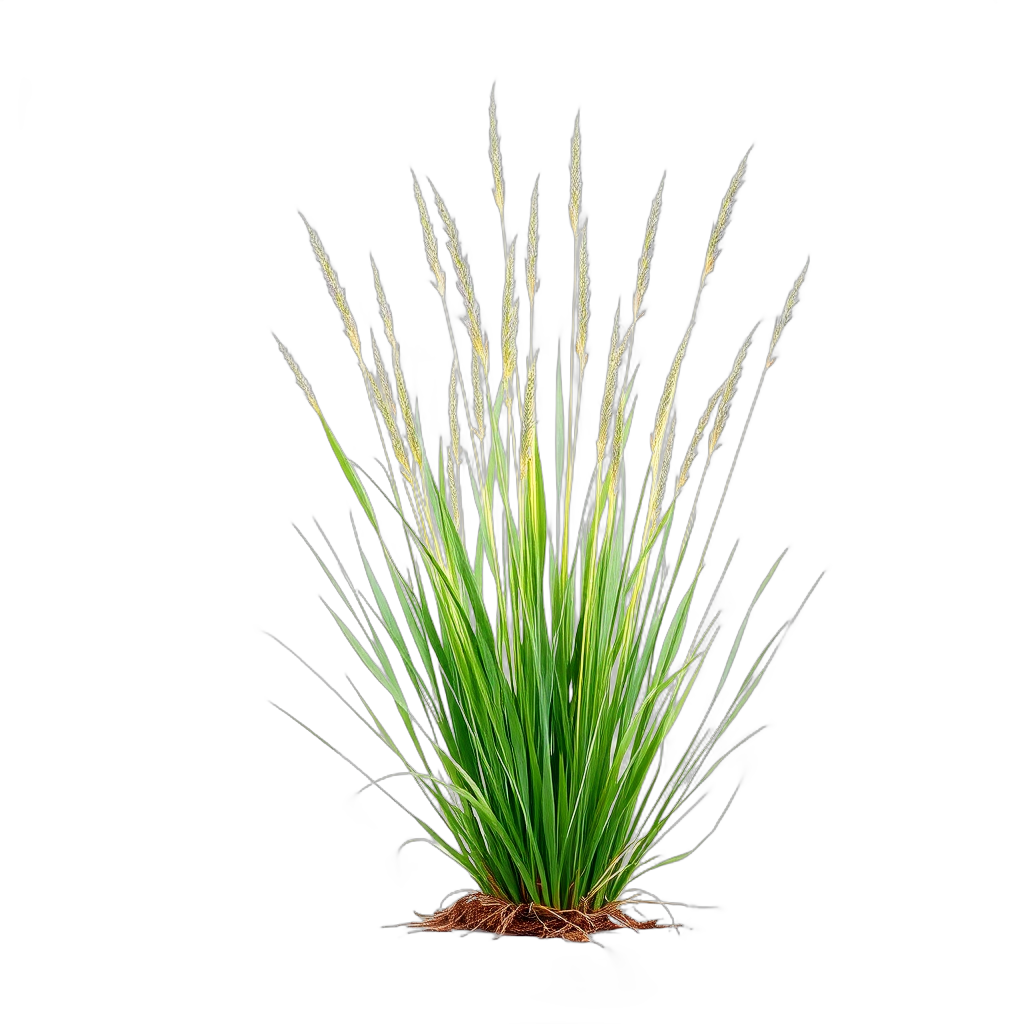
Blue Grama Grass
Bouteloua gracilis
low-growing ground cover, purple blooms in summer. Yellow fall color.
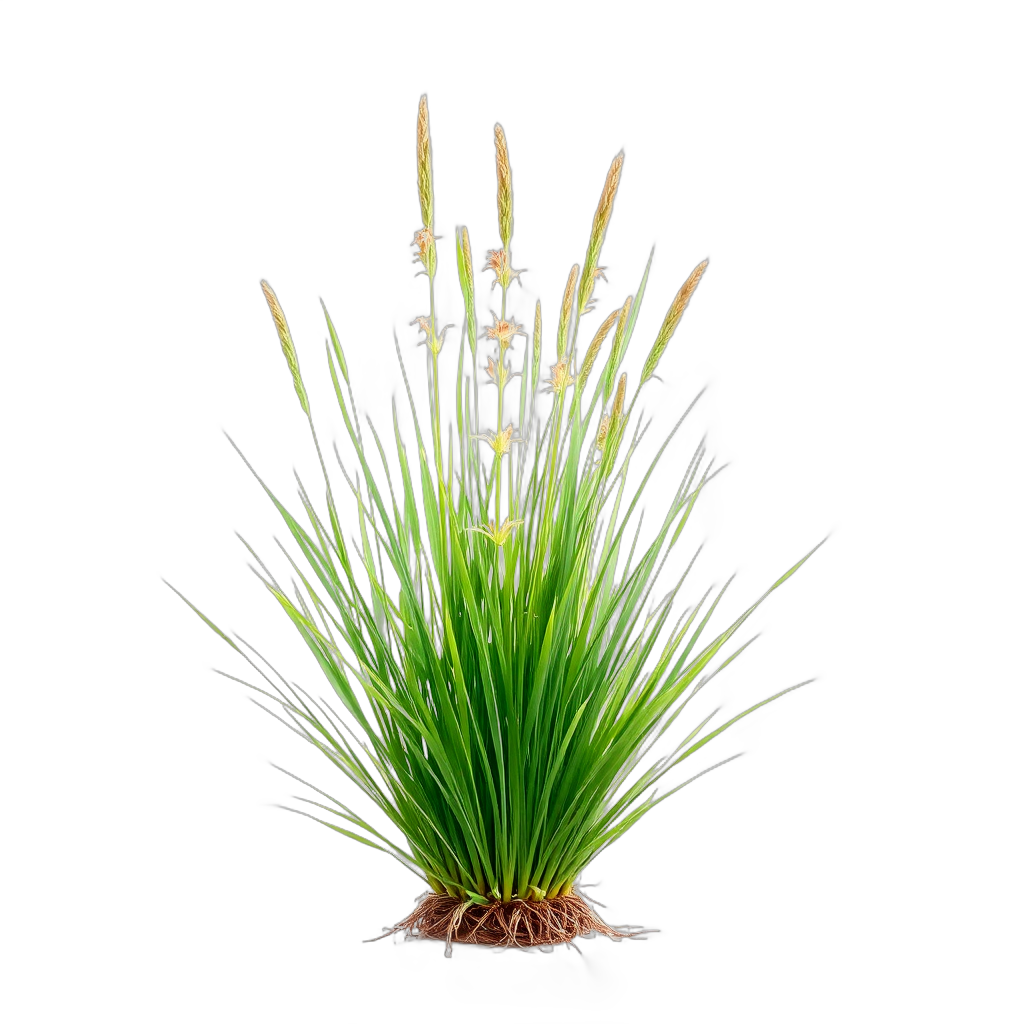
Buffalo Grass
Buchloe dactyloides
low-growing ground cover, blooms in summer. Yellow fall color.
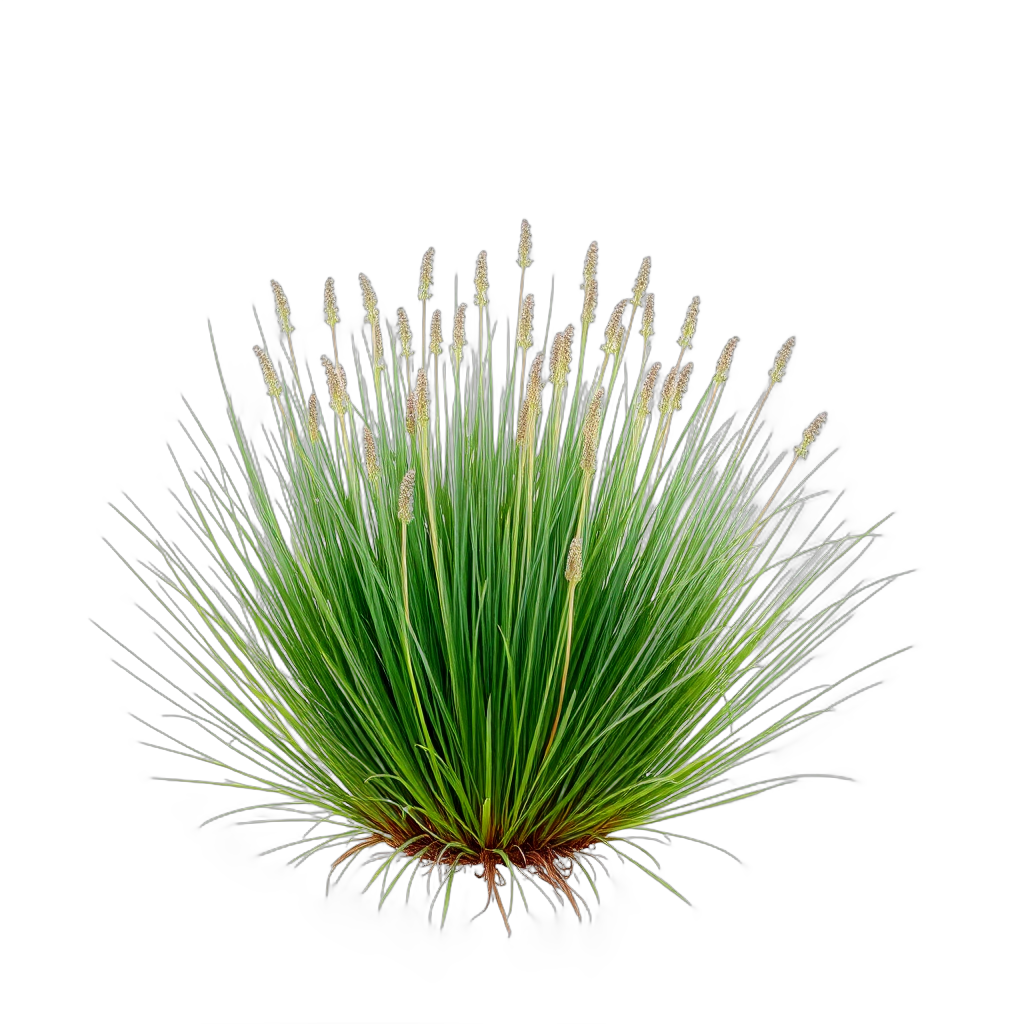
Little Bluestem
Schizachyrium scoparium
grows to 3 feet, blooms in summer. Red,burgundy fall color.
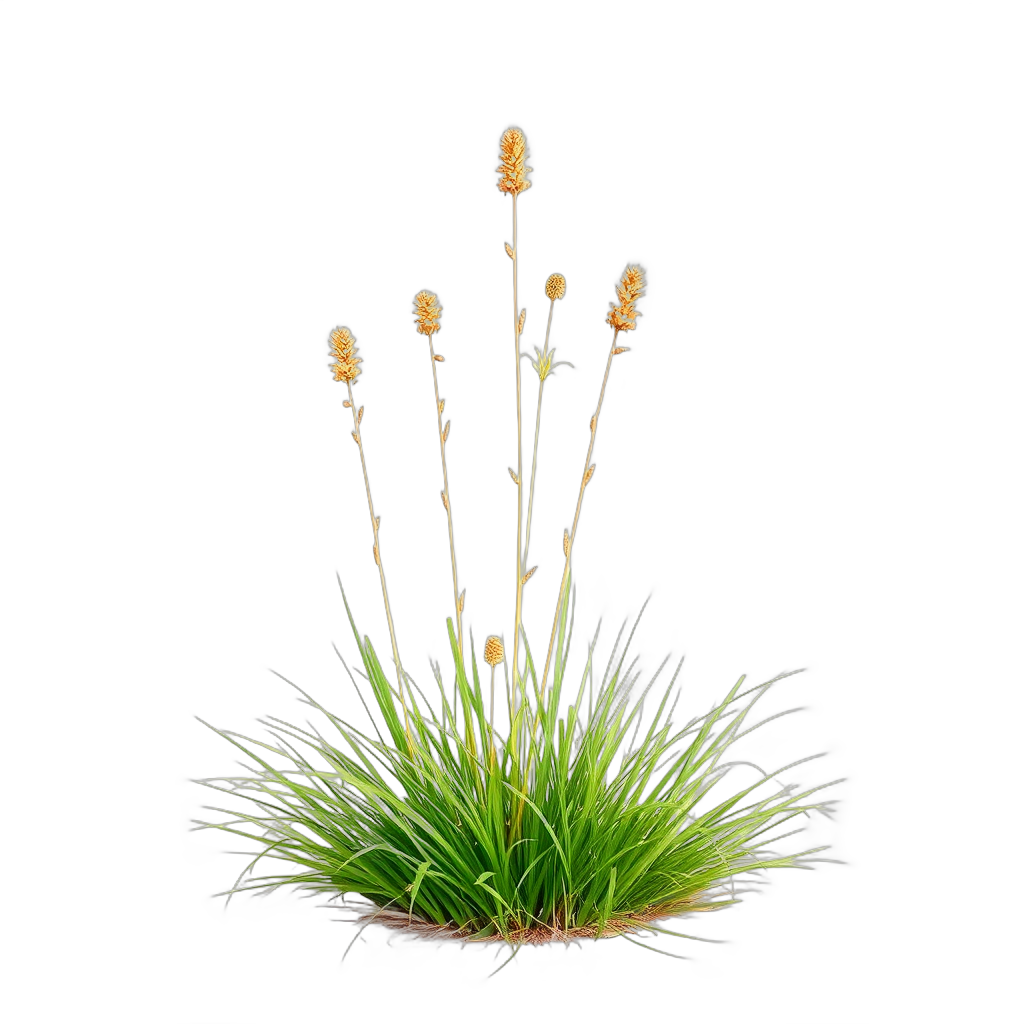
Sand Dropseed
Sporobolus cryptandrus
low-growing ground cover, blooms in summer. Orange fall color.
Featured Flowers & Perennials for Desert/Xeriscape Gardens
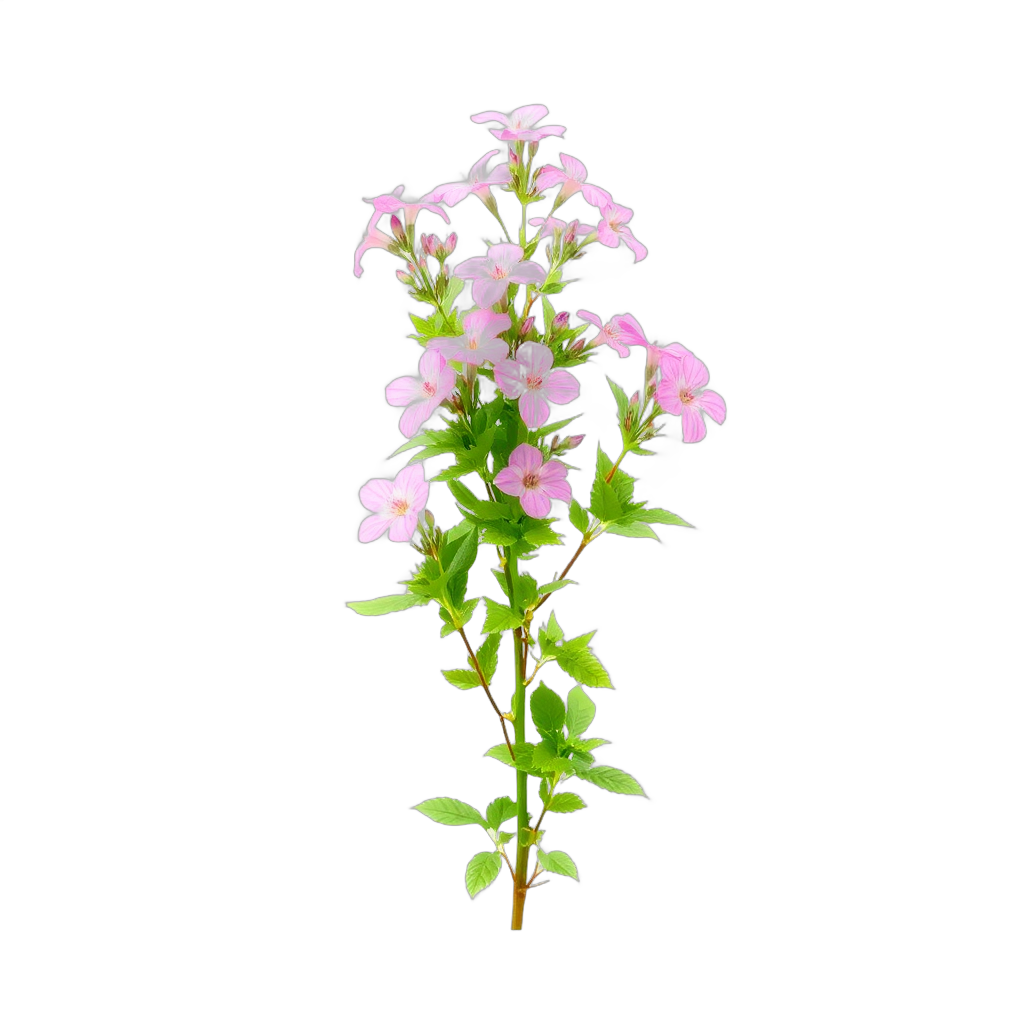
Hood's Phlox
Phlox hoodii
low-growing ground cover, white blooms in spring. Attracts butterflies.
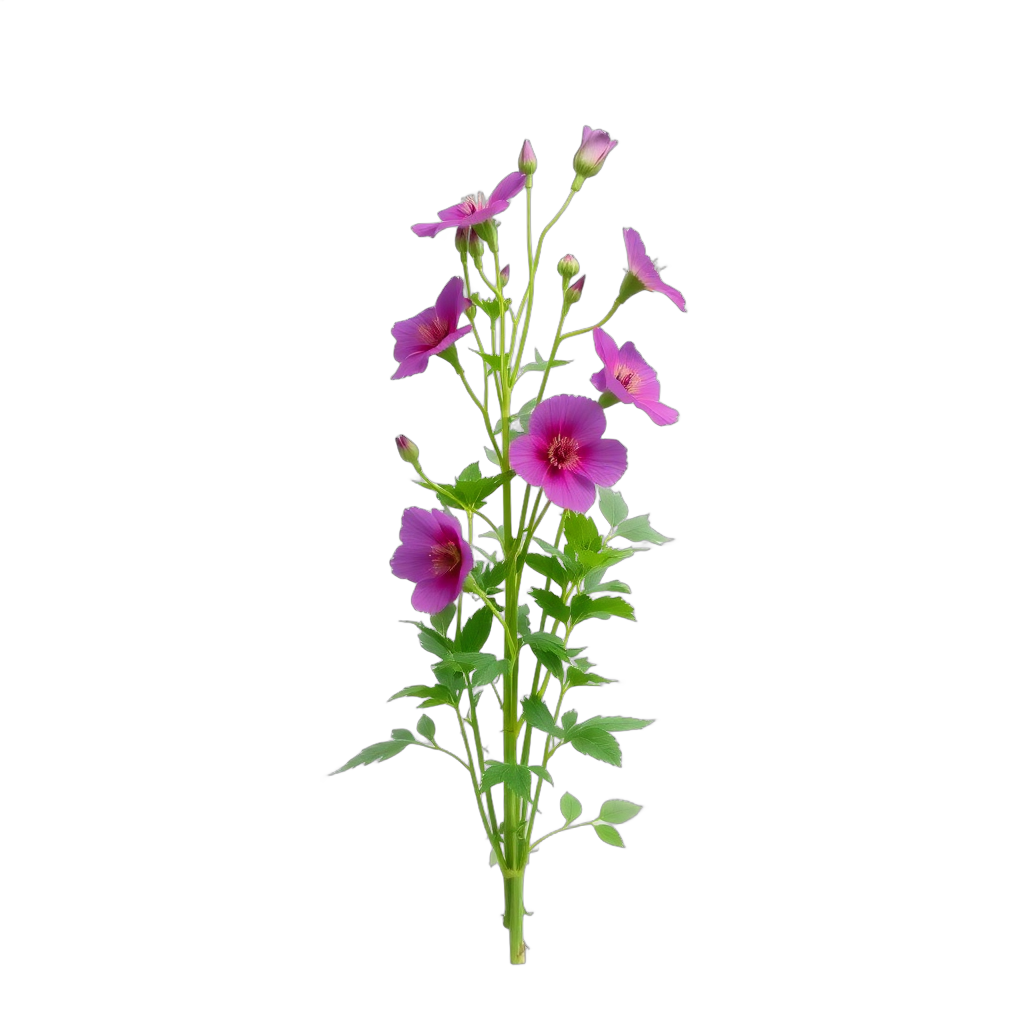
Purple Poppy Mallow
Callirhoe involucrata
low-growing ground cover, purple blooms in summer. Attracts butterflies.
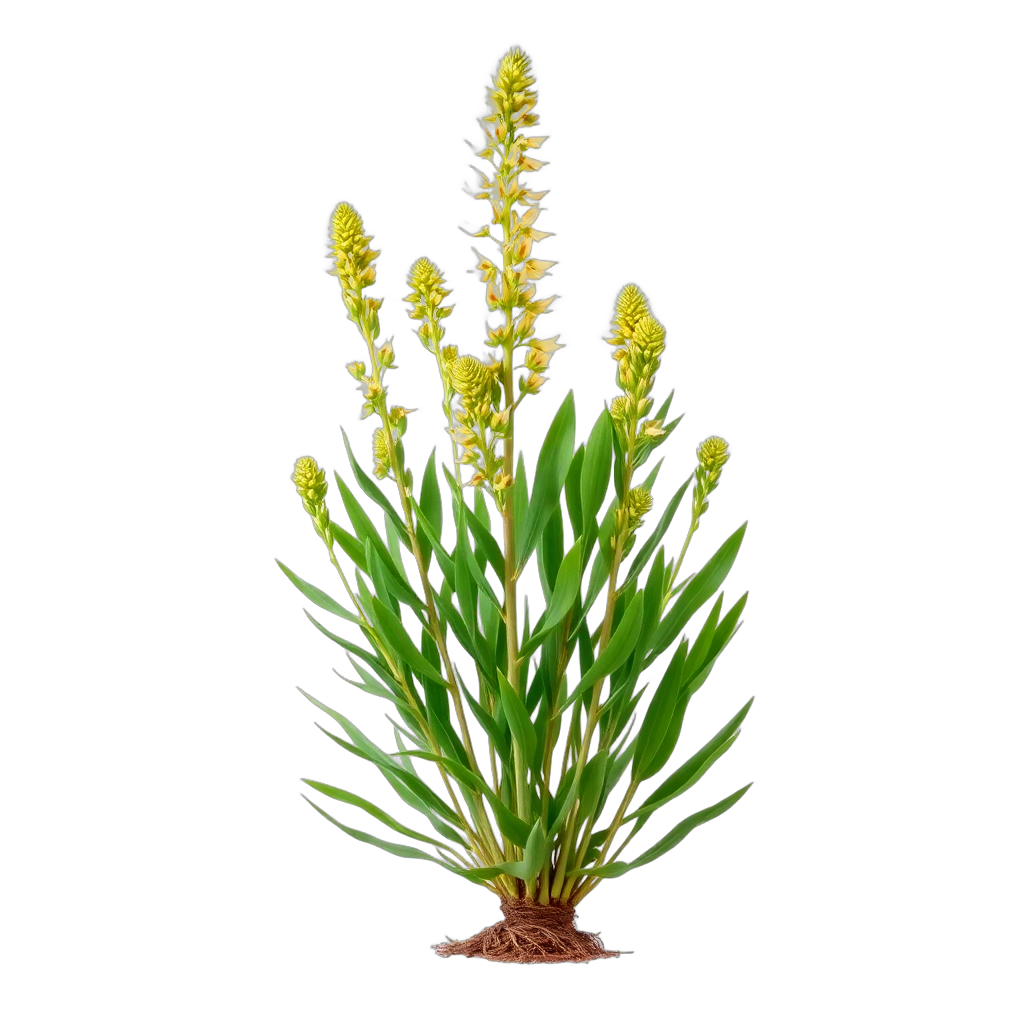
Soapweed Yucca
Yucca glauca
low-growing ground cover, white blooms in spring. Pollinator-friendly.
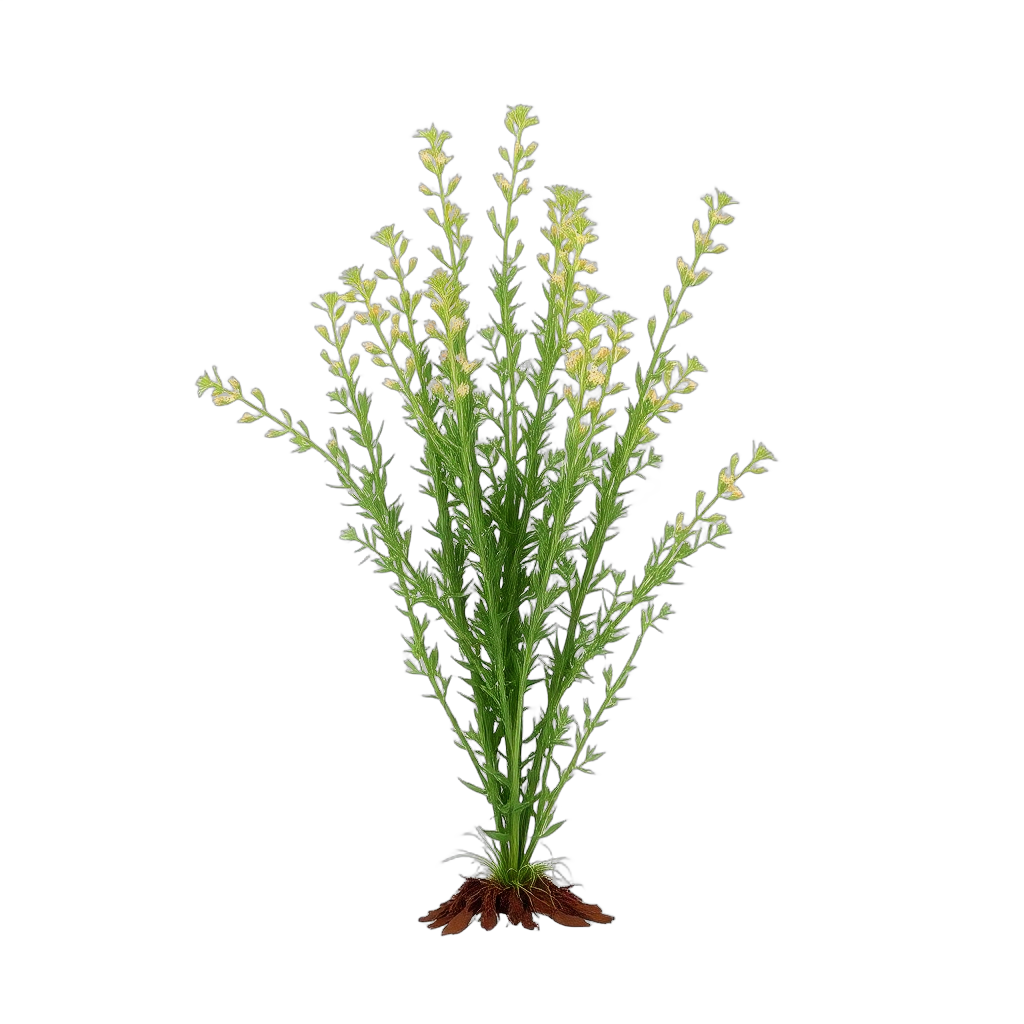
White Sage
Artemisia ludoviciana
low-growing ground cover, white blooms in summer. Fragrant.
Bloom Calendar for Amarillo
spring
Hood's Phlox, Soapweed Yucca, Golden Currantsummer
Purple Poppy Mallow, White Sage, Blue Grama Grassfall
Limited bloomswinter
Limited bloomsDesign Tips for Amarillo (Zone 7a)
- Berm every succulent — auger a hole into Pullman clay loam over caliche and you have built a bathtub; Agave havardiana and Opuntia macrocentra want their crowns 6–10 inches above grade in 50/50 native soil and crushed rock
- Substitute deliberately instead of gambling: Agave neomexicana for Agave americana, Juniperus scopulorum 'Blue Arrow' for Italian cypress, Muhlenbergia reverchonii 'Undaunted' for pink muhly, and Chilopsis linearis 'Bubba' for palo verde — each swap keeps the form and adds 15°F of cold margin
- Build a dry creek before you need one; Amarillo's 20 inches arrives in a handful of May-to-September cells, and a river-rock swale with a boulder check dam every 10 feet is cheaper than regrading after the first 3-inch storm
- Check the soil pH before ordering plants — at 7.8–8.4 anything that wants acid (azalea, pin oak, red maple, blueberry) will go chlorotic yellow by July; Quercus muehlenbergii chinkapin oak and Pistacia chinensis give you the same shade without the iron chelate habit
- Anchor string lights and shade sails to 4x4 steel posts set 30 inches in concrete, never to tree limbs or fence tops — a 55 mph April gust is the design load, not an exception
- Plant hail-resilient forms in the front yard: Bouteloua gracilis 'Blonde Ambition', Hesperaloe parviflora 'Brakelights' and Nolina texana shrug off a hailstorm and regrow, while broad-leafed hostas or cannas look like confetti after one Randall County cell
Where to Source Plants in Amarillo
Skip the big-box stores. These independent Amarillo nurseries specialize in the plants that make desert/xeriscape gardens thrive in Zone 7a.
Coulter Gardens & Nursery
South Amarillo
Local nursery and landscaping business since 1979 with trees, shrubs, flowers, and garden supplies.
Double D Nursery
South Georgia Street
Amarillo's largest retail and wholesale nursery with trees, shrubs, perennials, flagstone, and boulders.
Nettie's Greenhouse
Washington Street
Greenhouse shop with tropical plants, terrariums, and pottery, staffed by certified horticulturists.
Desert/Xeriscape Landscaping Costs in Amarillo
| Project Scope | Estimated Cost |
|---|---|
| Front-yard turf-to-gravel xeriscape conversion (600–1,000 sqft) | $5,500 – $11,000 |
| Buffalograss lawn conversion, sod or seed (2,000 sqft) | $1,200 – $4,500 |
| Paver fire-pit court with CMU wind wall and lighting | $12,000 – $30,000 |
| Freeform pool with boulder feature + full xeriscape surround | $70,000 – $160,000 |
| Specimen Yucca rostrata or Agave havardiana (5–15 gal, installed) | $180 – $600 each |
| AI visualization with ProScapeAI | Free to start |
Estimates based on Amarillo, TX-area contractor rates as of 2026. Actual costs vary by site conditions, materials, and contractor.
Amarillo Climate & Growing Zone
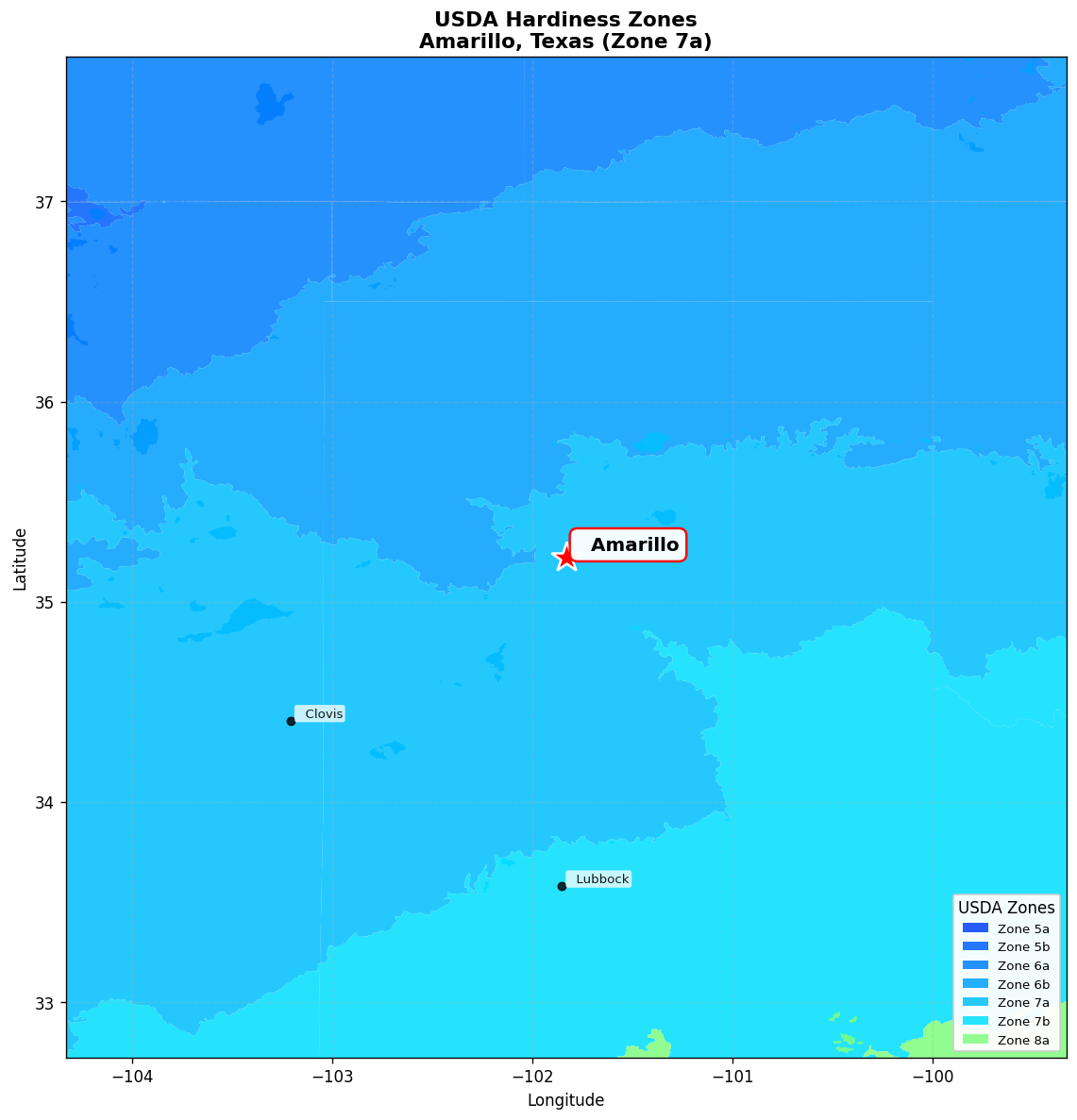
USDA Zone 7a
Hardiness zone for Amarillo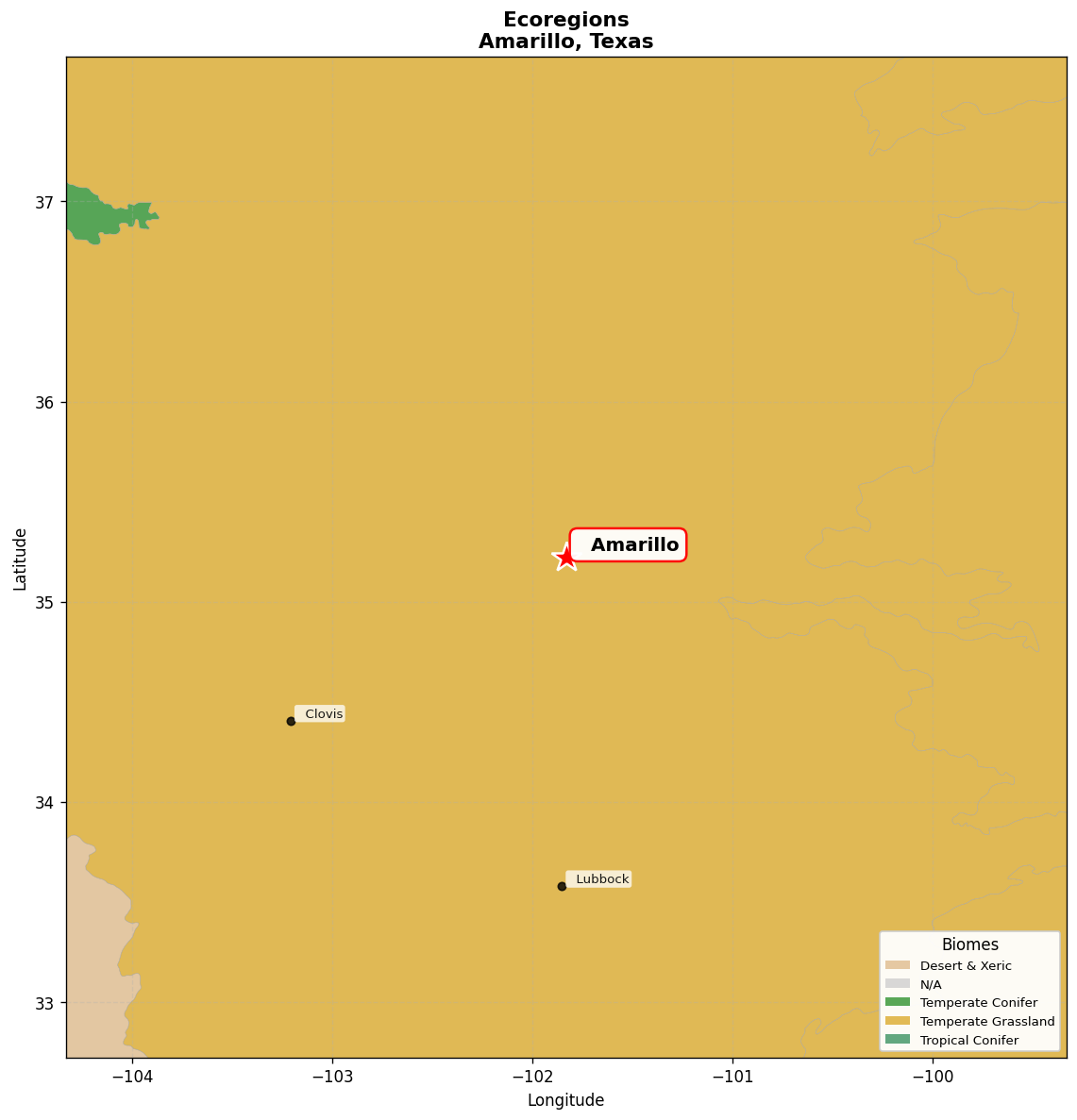
Western shortgrass prairie
Native ecoregionFrequently Asked Questions
How much does xeriscaping cost in Amarillo?
Amarillo crews bill roughly $45–70/hour and installed landscape costs run 20–30% under Dallas or Denver, which makes stone-heavy xeriscape unusually affordable here. A typical 800 sqft front-yard conversion — sod stripped, 6-inch caliche base scarified, 3 inches of crushed rock, steel edging, boulders and 25–35 plants — lands at $5,500–11,000 installed, or under $3/sqft if you haul gravel yourself. Watch the gravel spec: locally quarried crushed rock runs about $45–75/ton delivered, while decomposed granite trucked up from the Hill Country can hit $90–140/ton. Specimen material is the other swing factor; a 15-gallon Yucca rostrata or a mature Agave havardiana runs $250–600 installed.
Which agaves and cacti actually survive an Amarillo winter?
The reliable list is short and specific: Agave havardiana, Agave neomexicana, Agave parryi var. parryi, and Agave montana all take -10 to -20°F. Agave ovatifolia is borderline and wants a protected south wall. Agave americana, the standard Phoenix and Tucson plant, is a Zone 8b plant and turns to mush in a normal Amarillo January. On the cactus side, Opuntia engelmannii var. lindheimeri, Opuntia macrocentra, Opuntia polyacantha, Cylindropuntia imbricata tree cholla and Echinocereus triglochidiatus claret cup are all locally proven — the last three grow wild in Palo Duro Canyon. Cold is rarely what kills them here; winter wet in caliche-perched soil is. Plant every one in a raised berm of 50/50 native soil and crushed rock.
Can I keep any lawn, and which grass uses the least water in Amarillo?
Yes — just make it buffalograss, not fescue. Bouteloua dactyloides cultivars bred for the southern plains ('Prestige' and '609' as vegetative sod, 'Cody' and 'Bowie' from seed) survive on roughly 12–18 inches of water a year here, going dormant tan in deep summer drought and greening back after a storm. Blue grama 'Hachita' blended in adds texture and drought depth. By comparison, tall fescue needs 40–50 inches of applied water in an Amarillo summer and bermudagrass 30–35. The move most homeowners make is keeping a 400–800 sqft buffalograss panel where kids and dogs actually use it, and converting everything else to gravel and plants.
What mulch and gravel hold up in Panhandle wind?
Shredded bark and pine straw are a waste of money in Amarillo — with 13.5 mph average wind and routine 50–60 mph spring gusts, they migrate into the street and the neighbor's pool within a season. Use angular crushed rock in the 3/8 to 3/4-inch range, three inches deep; angular stone locks together and stays where pea gravel rolls. Larger 1–2 inch rock is worth the extra cost on the windward side of the house and along fence lines where funneling accelerates gusts. Skip landscape fabric under planting beds — it traps blown silt on top and forms the perfect weed seedbed while strangling the crowns of grasses like 'Blonde Ambition' as they spread.
When is the best time to install a xeriscape in Amarillo?
Split it by plant type. Woody material — Chilopsis linearis, Fallugia paradoxa, Cercocarpus montanus, junipers, Ericameria nauseosa — goes in September 15 to November 1, so roots establish through the cool months before the wind and heat arrive. Succulents and cacti are the exception: plant Agave havardiana, Yucca rostrata, Dasylirion and Opuntia in late April through June, after the average last freeze around April 19, so they root out fully before facing wet winter soil. Hardscape can be built almost year-round, though pour concrete outside the deepest freeze weeks and avoid March-April if wind-blown grit in a fresh finish bothers you.
Will my HOA or the City of Amarillo let me remove my front lawn?
Texas is unusually friendly here. Texas Property Code §202.007 bars an HOA from flatly prohibiting drought-resistant landscaping or water-conserving turf, though the association can require you to submit a plan for approval and can set reasonable aesthetic standards — so bring a drawing, not a demolition crew. The City of Amarillo does not require a permit for planting, gravel conversion, or bed work. Permits do apply to retaining walls over 4 feet, pools and their required barriers, and fences above the allowed height; footings for permanent structures are typically set below the roughly 18-inch frost line. One statewide rule catches people out: in Texas, installing or substantially modifying an in-ground irrigation system requires a TCEQ-licensed irrigator.