4 Desert Garden Ideas for Odessa, TX | Sand, Sotol and Shinnery Oak for Zone 8a
Native plants from the Western shortgrass prairie (Zone 8a) — Cold semi-arid climate
Why Desert/Xeriscape Gardens in Odessa?
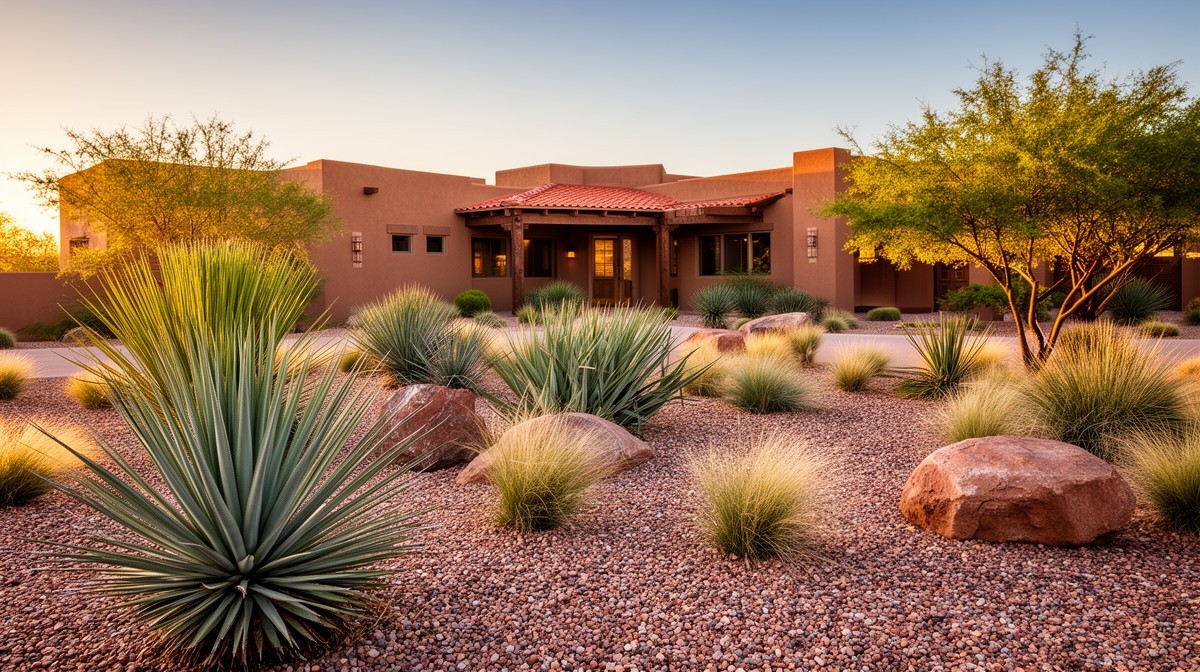
Drive west out of Odessa on I-20 and the ground tells you what to plant. The sand gets deeper toward the Monahans dunes, the low shinnery oak and sand sagebrush take over from the mesquite, and the town gets only about 13.5 inches of rain a year (1991–2020 normals at the airport the city shares with Midland). July afternoons average close to 96°F. A thirsty lawn spends that whole summer on life support. A desert garden built from the plants already growing on those sandhills and caliche flats looks settled the first year and gets better every year after.
Pick for cold first and heat second. Odessa falls in USDA Zone 8a, which means a typical January or February brings a night somewhere between 10 and 15°F, and the Permian Basin has gone below 0°F more than once. Saguaro, golden barrel and Agave americana are photographed in every desert magazine, and every one of them can turn to mush after a single blue norther. The West Texas replacements look just as bold: Agave neomexicana for silver rosettes, Cylindropuntia imbricata (tree cholla) and Opuntia macrocentra for cactus shapes, Yucca elata for a tall soaptree trunk, and Fallugia paradoxa (Apache plume) where you might have wanted a palo verde's airy look. Underplant with Sphaeralcea ambigua (globemallow), Calylophus berlandieri 'Texas Sundrops' and Berlandiera lyrata (chocolate daisy) for color from April to frost.
Soil here is mostly sand or sandy loam, alkaline at roughly pH 7.8–8.4, with a caliche hardpan that may start a few inches down or two feet down depending on the street. The sand drains fast, the caliche does not, so water that soaks through the top layer sits on that white rock and rots roots from below. Test before you plant: dig to the caliche, fill the hole, and see if it is empty by morning. If not, chip a chimney through it or grow on a raised mound. Odessa's frost depth is shallow, so stone and steel edging set on packed base stay level for years; blowing sand in March and April is what buries a young planting.
The city's own water plan favors this kind of yard. Odessa buys water through the Colorado River Municipal Water District, and its Water Conservation and Drought Contingency Plan (Ordinance 2016-43) asks residents to keep sprinklers off from 10:00 am to 6:00 pm in mild drought, then makes that a rule, with designated days, once conditions reach moderate. A sandhill garden on drip takes a long drink every few weeks in summer and is left alone through winter. For families in West Odessa on private wells, the same plant list protects the aquifer and copes with hard well water far better than St. Augustine.
4 Desert/Xeriscape Design Ideas for Odessa

AI-generated image
The Sandhill Front Walk
$8–17/sqftA ranch house with a deep front setback gets a meandering path of compacted decomposed granite from the curb to the porch, lined on both sides by sand sagebrush, shinnery oak and clumps of purple threeawn. The look borrows straight from the dunes west of town: pale sand-colored mulch, silvery feathery foliage and grasses that catch the low light. Morning sun hits the porch side, so the hottest, driest spot near the street is given to the toughest plants.

AI-generated image
The Playa Rain Basin
$6–14/sqftThe lowest corner of a backyard is shaped into a shallow, saucer-shaped basin, a small copy of the playa lakes that dot the Llano Estacado, and roof water from two downspouts is piped into it. Alkali sacaton and Apache plume ring the rim where water stands briefly after a storm, while the drier slopes hold soaptree yucca and globemallow. Most months it is a dry, grassy dip; after a June thunderstorm it is the greenest corner of the yard.

AI-generated image
The Cholla and Sotol Rock Garden
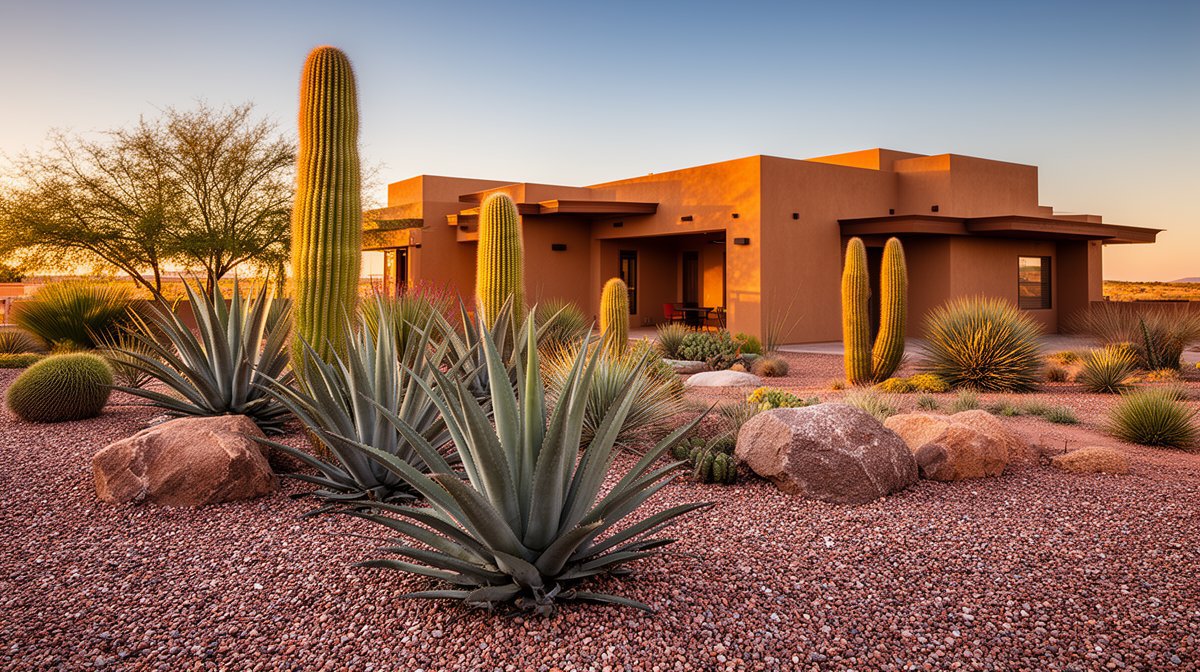
$14–30/sqftAgainst a south-facing block wall, a raised bed of crushed caliche and gravel holds a few large tan boulders with tree cholla, Agave neomexicana and Texas sotol tucked between them. The wall stores the day's heat and gives the cacti a warmer microclimate on a 10°F night, and the raised bed keeps their roots out of the hardpan. Chocolate daisy fills the cracks and scents the yard in early morning.

AI-generated image
The Pipe-Rail Ranch Courtyard
$15–32/sqftA gravel courtyard is fenced on the street side with welded oilfield pipe rail, a common sight on Permian Basin ranches, and furnished with a galvanized stock tank planted as a raised bed. Inside, a single honey mesquite gives patchy shade over a flagstone pad, red yucca lines the rail, and Apache plume softens the corners with pink seed plumes.
See how a desert/xeriscape garden looks on YOUR property
Upload a photo of your Odessa yard and visualize your dream garden in seconds.
Try ProScapeAI Free

AI-generated image
Featured Trees & Shrubs for Desert/Xeriscape Gardens
Browse all 159 plants for Odessa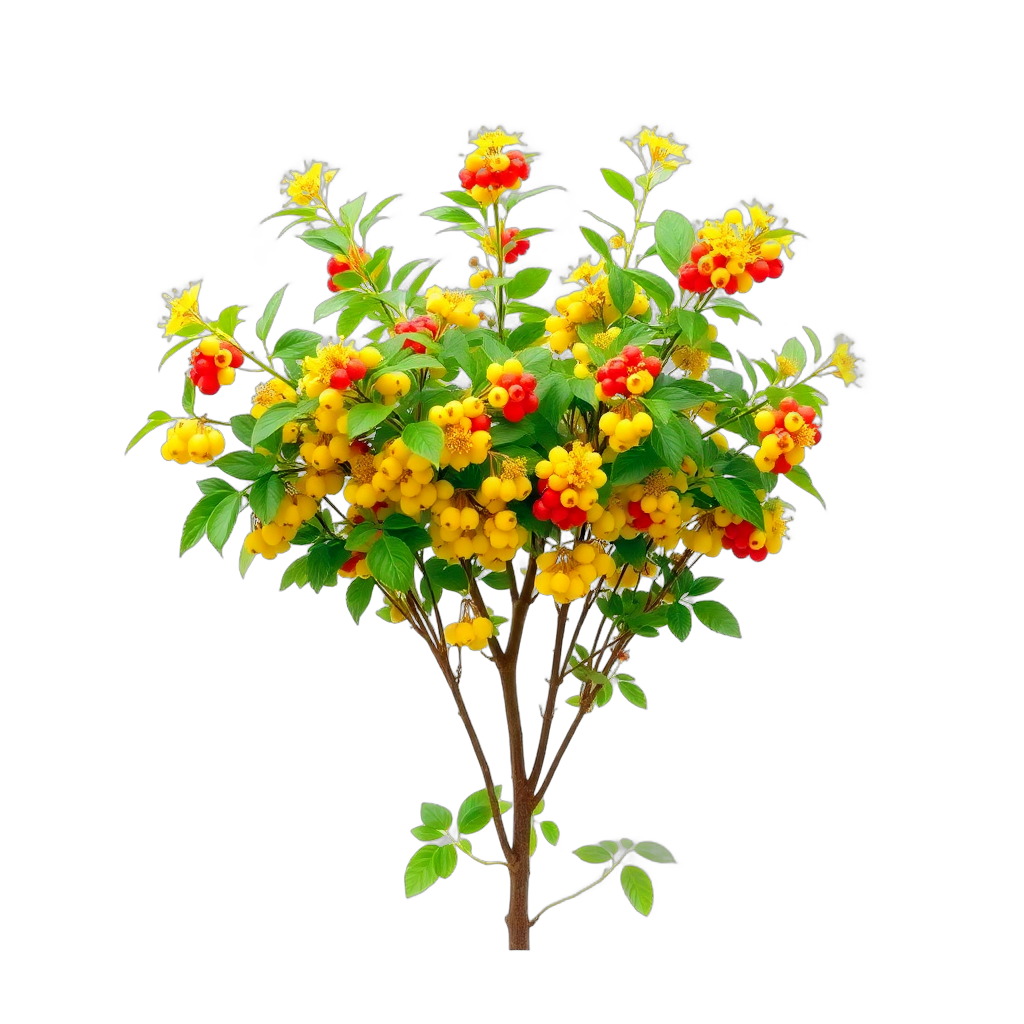
Golden Currant
Ribes aureum
grows to 6 feet, yellow blooms in spring. Attracts hummingbirds.
Featured Grasses & Groundcovers for Desert/Xeriscape Gardens
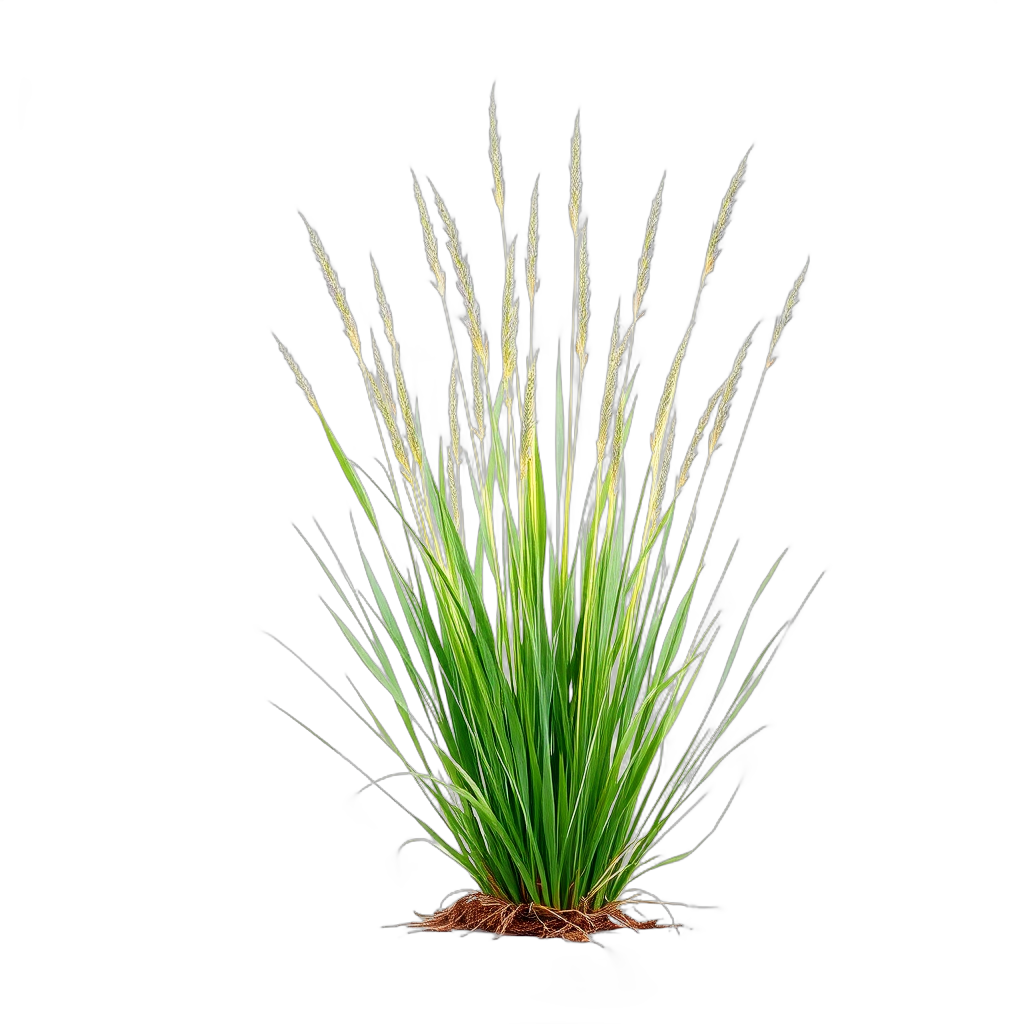
Blue Grama Grass
Bouteloua gracilis
low-growing ground cover, purple blooms in summer. Yellow fall color.
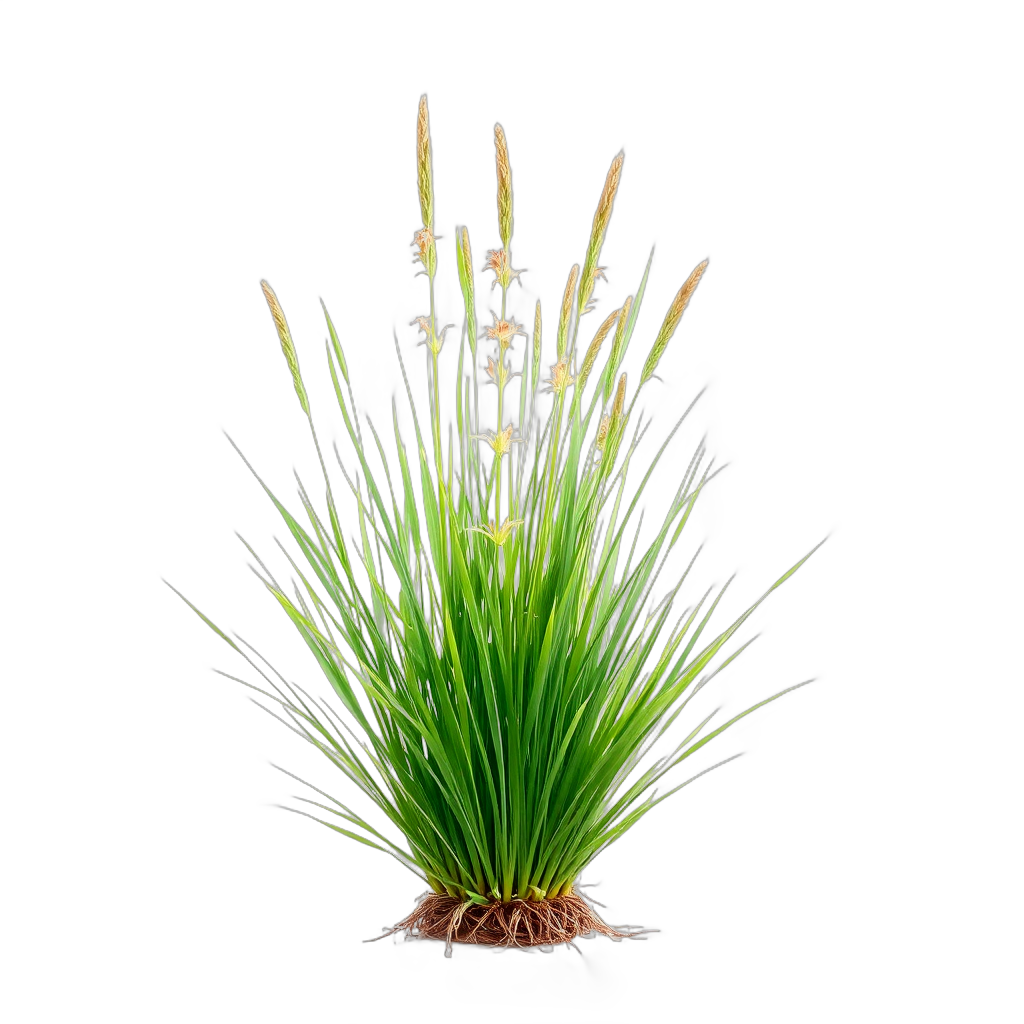
Buffalo Grass
Buchloe dactyloides
low-growing ground cover, blooms in summer. Yellow fall color.
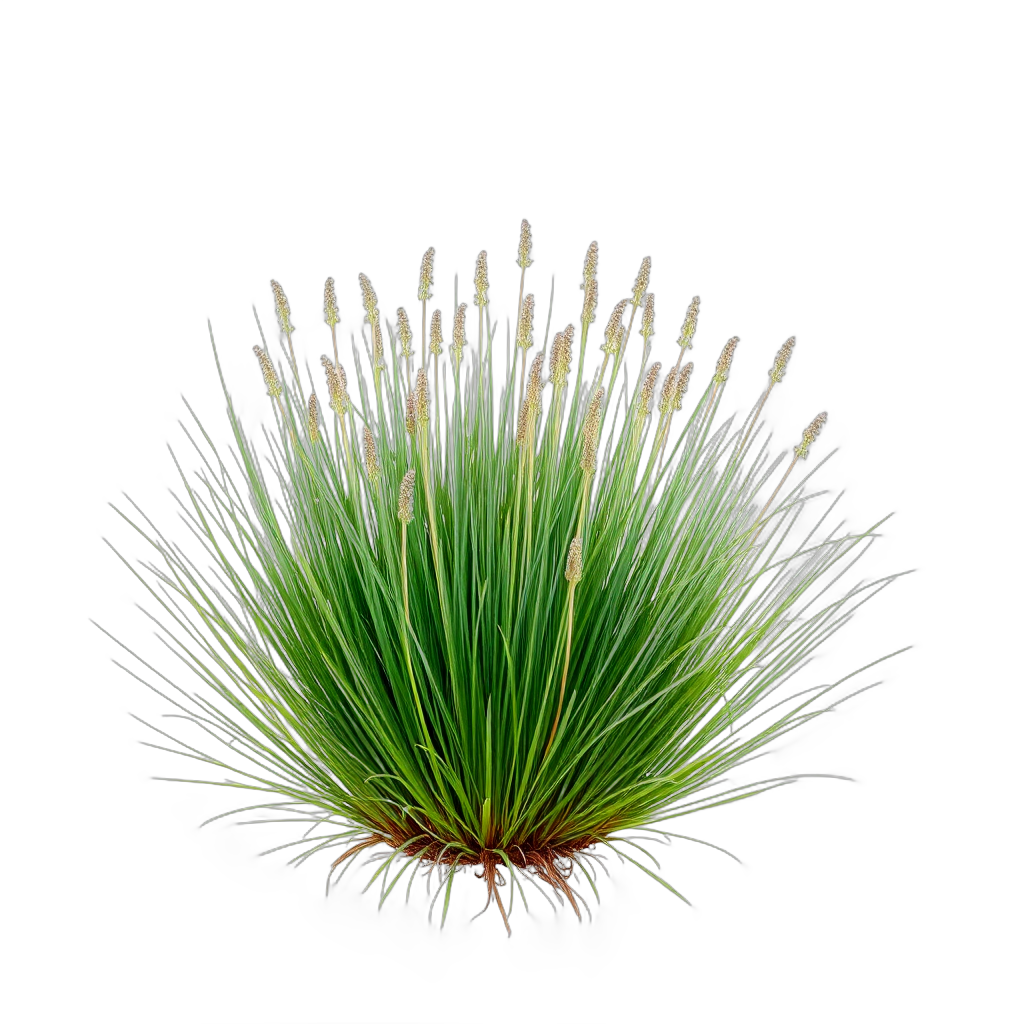
Little Bluestem
Schizachyrium scoparium
grows to 3 feet, blooms in summer. Red,burgundy fall color.
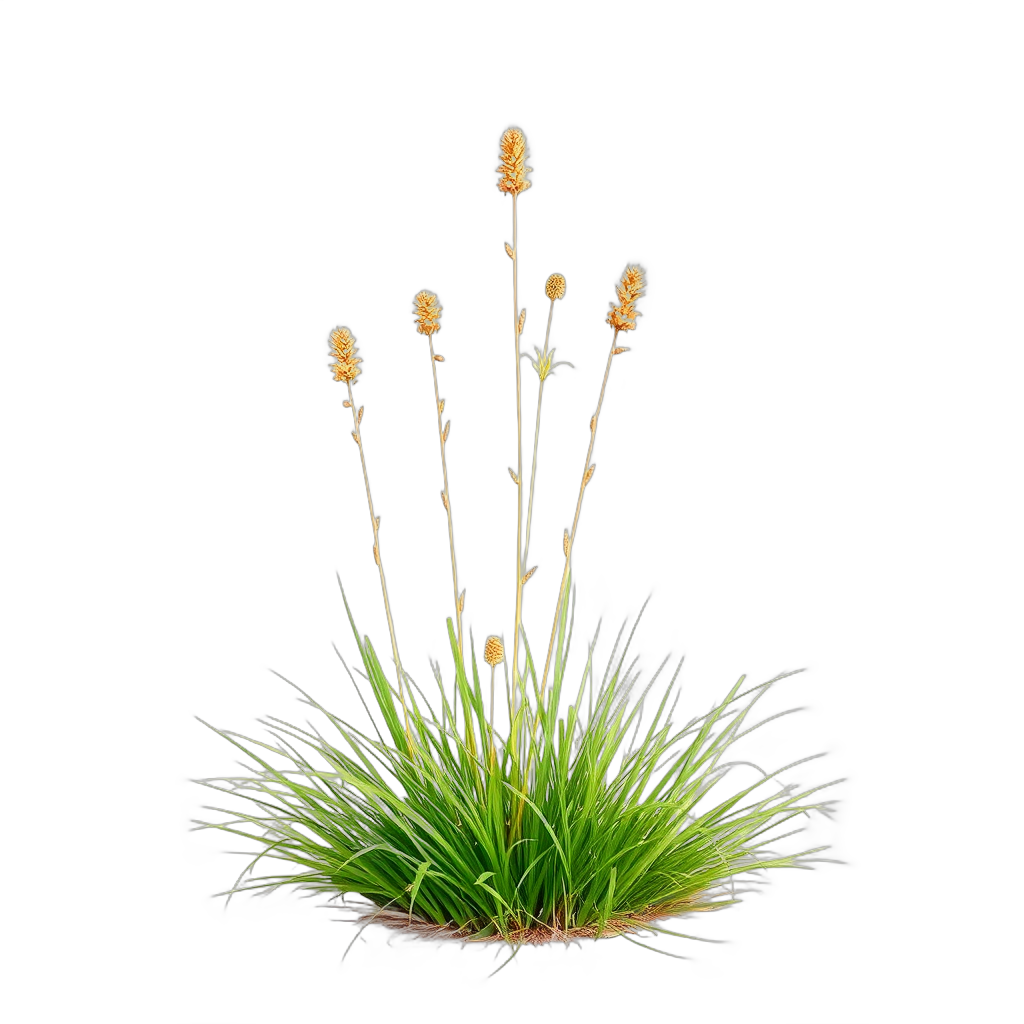
Sand Dropseed
Sporobolus cryptandrus
low-growing ground cover, blooms in summer. Orange fall color.
Featured Flowers & Perennials for Desert/Xeriscape Gardens
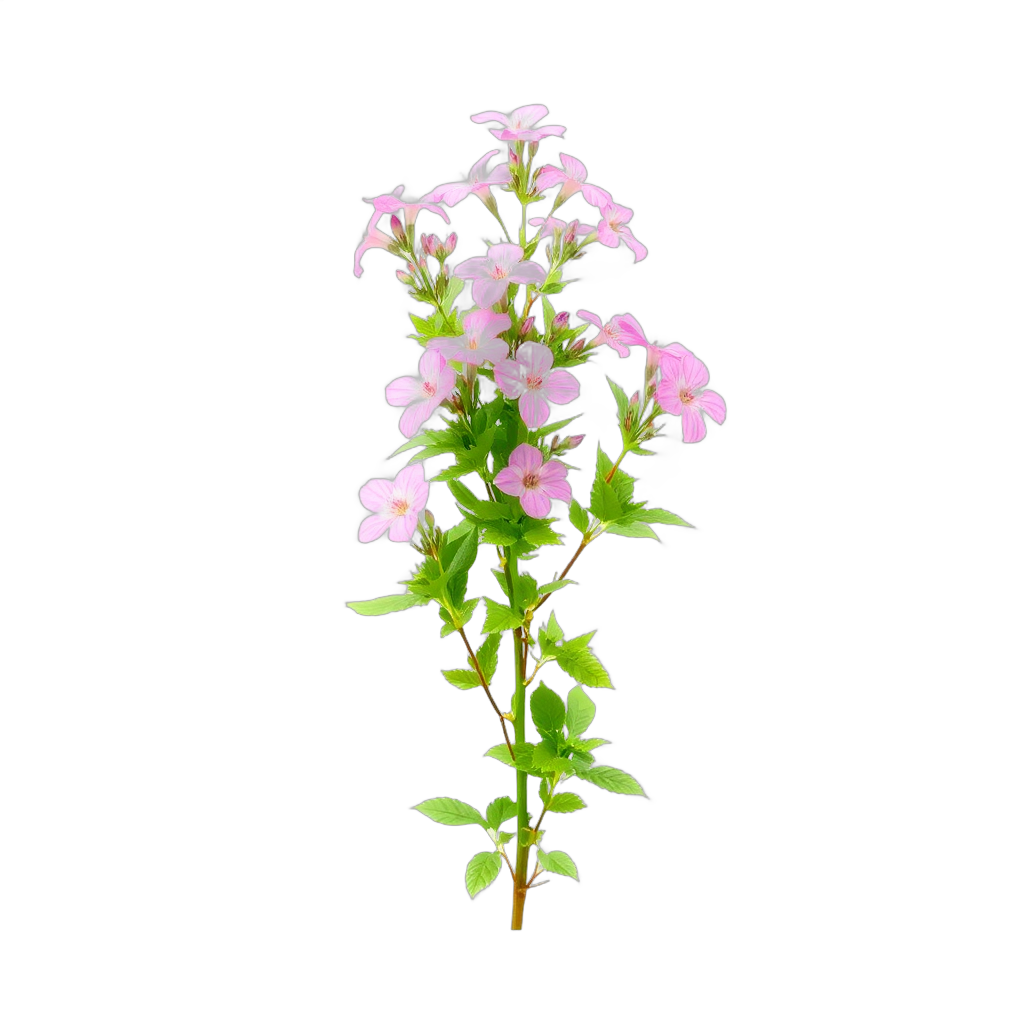
Hood's Phlox
Phlox hoodii
low-growing ground cover, white blooms in spring. Attracts butterflies.
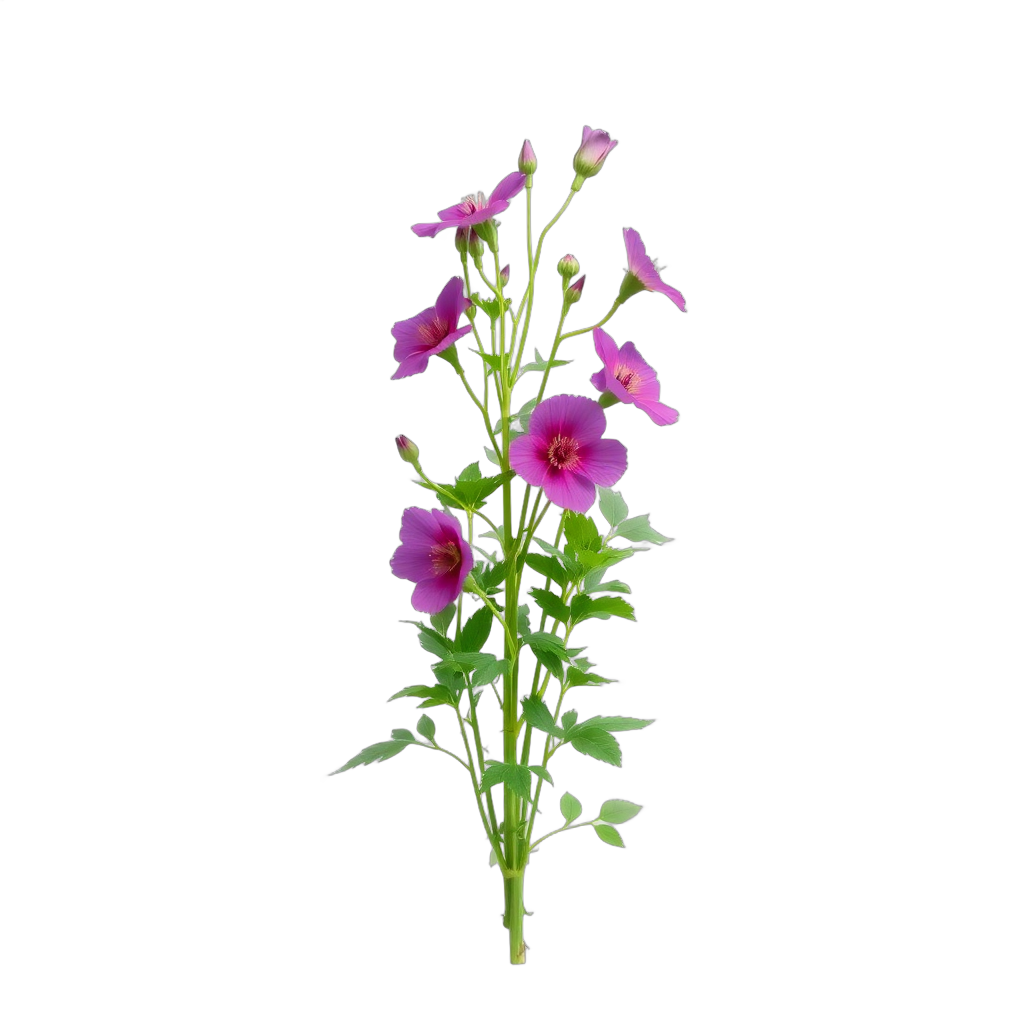
Purple Poppy Mallow
Callirhoe involucrata
low-growing ground cover, purple blooms in summer. Attracts butterflies.
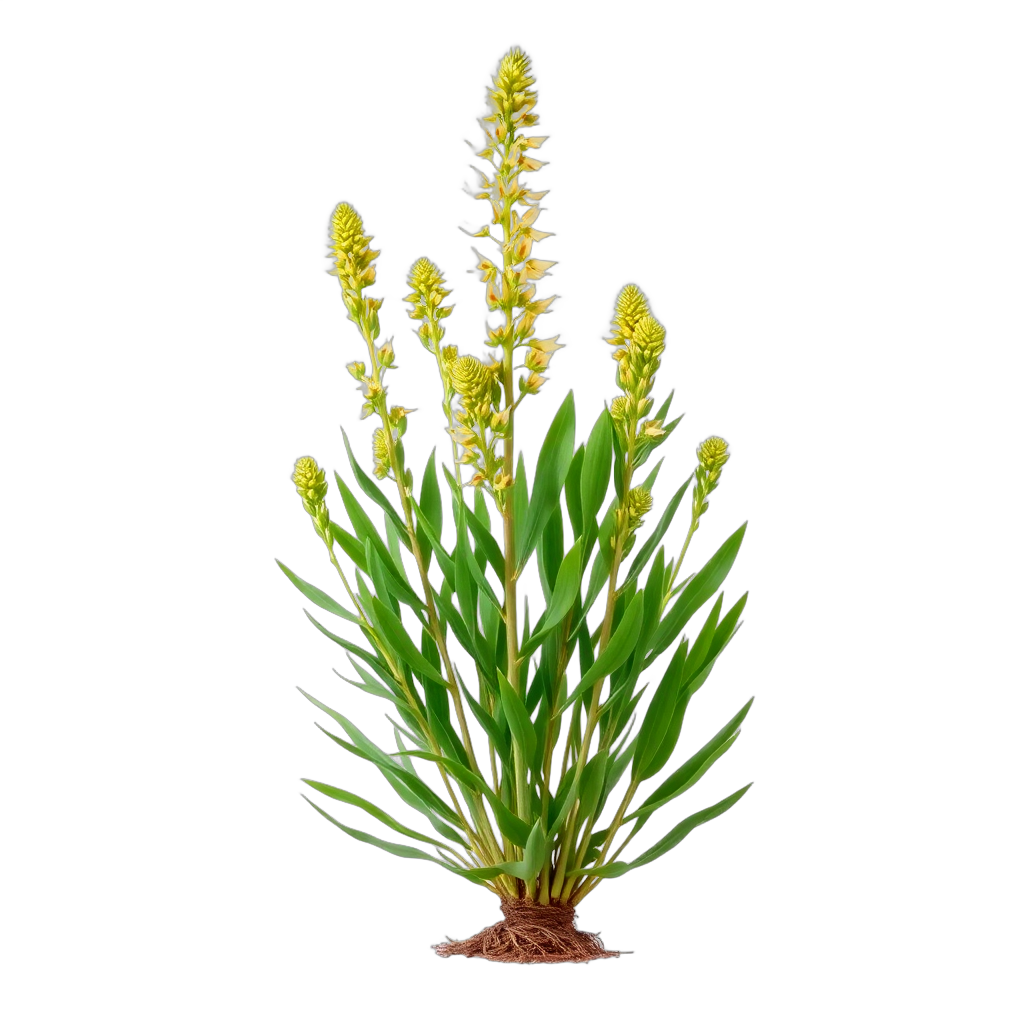
Soapweed Yucca
Yucca glauca
low-growing ground cover, white blooms in spring. Pollinator-friendly.
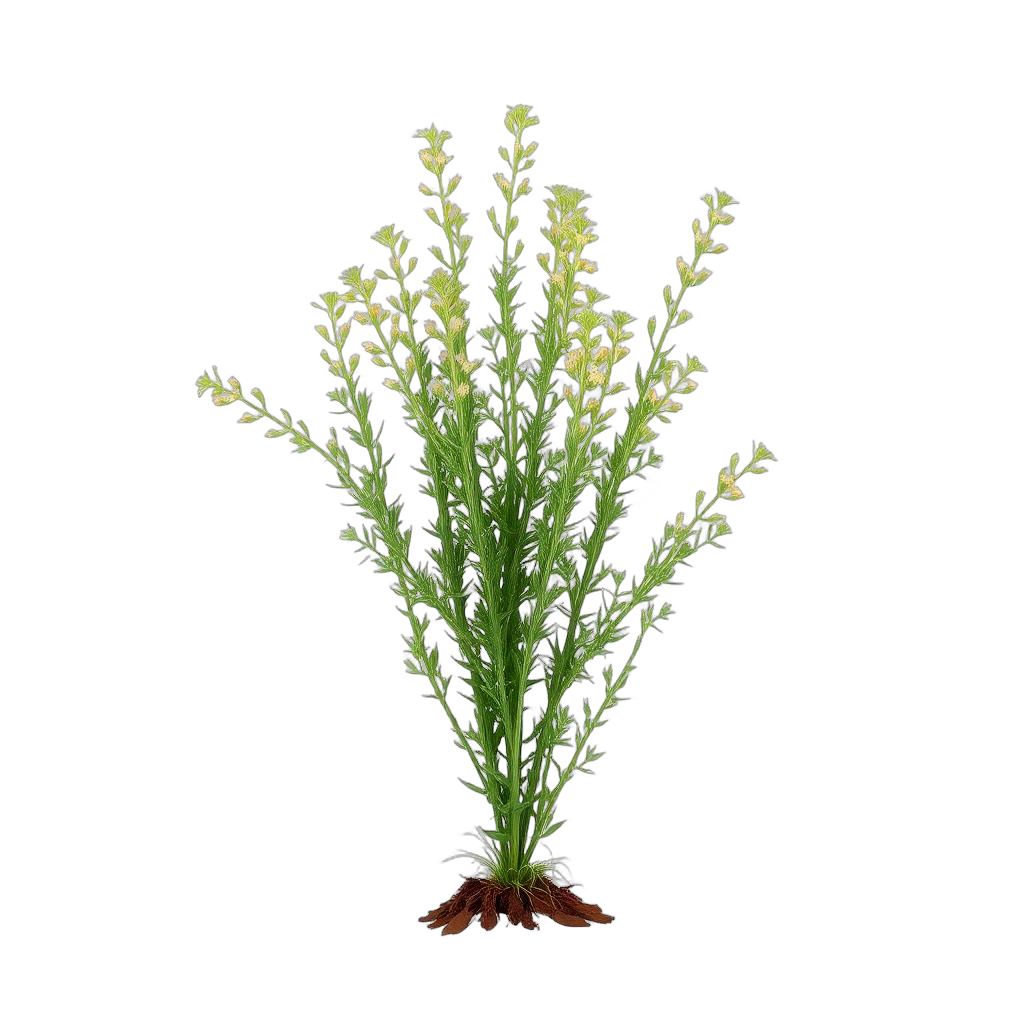
White Sage
Artemisia ludoviciana
low-growing ground cover, white blooms in summer. Fragrant.
Zone and sun checks come from our database — confirm with your local nursery before you buy.
Bloom Calendar for Odessa
spring
Hood's Phlox, Soapweed Yucca, Golden Currantsummer
Purple Poppy Mallow, White Sage, Blue Grama Grassfall
Limited bloomswinter
Limited bloomsDesign Tips for Odessa (Zone 8a)
- Dig one test hole down to the caliche before you draw anything, fill it with water and check it next morning; if it still holds water, every tree needs a chimney chipped through the hardpan or a raised mound
- Copy the dunes west of town: Artemisia filifolia, Quercus havardii and Aristida purpurea are built for Odessa's deep sand and will outlast nursery plants shipped in from wetter places
- Give cacti and agaves a south-facing wall; stored heat from the block can be the difference on a 10°F night for Cylindropuntia imbricata or Agave neomexicana
- Route roof runoff into a shallow playa-style basin rather than off the lot; with about 13.5 inches a year, one June storm can water Sporobolus airoides and Fallugia paradoxa for weeks
- Program drip valves to run before 10:00 am or after 6:00 pm, the hours the city plan protects in drought, and fit the rain or moisture shutoff the irrigation ordinance requires
- Skip compost-heavy amendments and acid fertilizers; the natives are adapted to pH near 8, and rich soil only makes them floppy and short-lived
- Stabilize decomposed granite paths with a binder so March and April winds do not strip them; loose fines blow off in a single dust storm
Where to Source Plants in Odessa
Skip the big-box stores. These independent Odessa nurseries specialize in the plants that make desert/xeriscape gardens thrive in Zone 8a.
Alldredge Gardens
North Midland (Fairgrounds Road), about 20 miles east
Large independent nursery and garden center with trees, shrubs, flowers and houseplants, plus landscape design, irrigation, hardscaping and lighting services
Sandy's Nursery
South of downtown Midland
Family-run nursery since 2003 selling trees, flowers, indoor plants and garden supplies, with landscaping and maintenance services
Agave Garden
West Midland (Loop 250), the closest of the three to Odessa
Nursery and garden center listed with the Midland Chamber of Commerce
Desert/Xeriscape Landscaping Costs in Odessa
| Project Scope | Estimated Cost |
|---|---|
| Sandhill-style front yard with DG path and drip (500–800 sqft) | $4,500 – $13,000 |
| Graded rain basin fed by downspouts (150–300 sqft) | $1,200 – $4,000 |
| Raised cactus and boulder bed against a wall (100–200 sqft) | $1,800 – $6,000 |
| Welded oilfield pipe-rail fence, per linear foot | $30 – $70/linear ft |
| Galvanized stock tank planter, filled and planted | $500 – $1,500 |
| Whole backyard with courtyard, basin, rock garden and drip | $15,000 – $50,000 |
| AI visualization (ProScapeAI) | Free to start |
Estimates based on Odessa, TX-area contractor rates as of 2026. Actual costs vary by site conditions, materials, and contractor.
Odessa Climate & Growing Zone
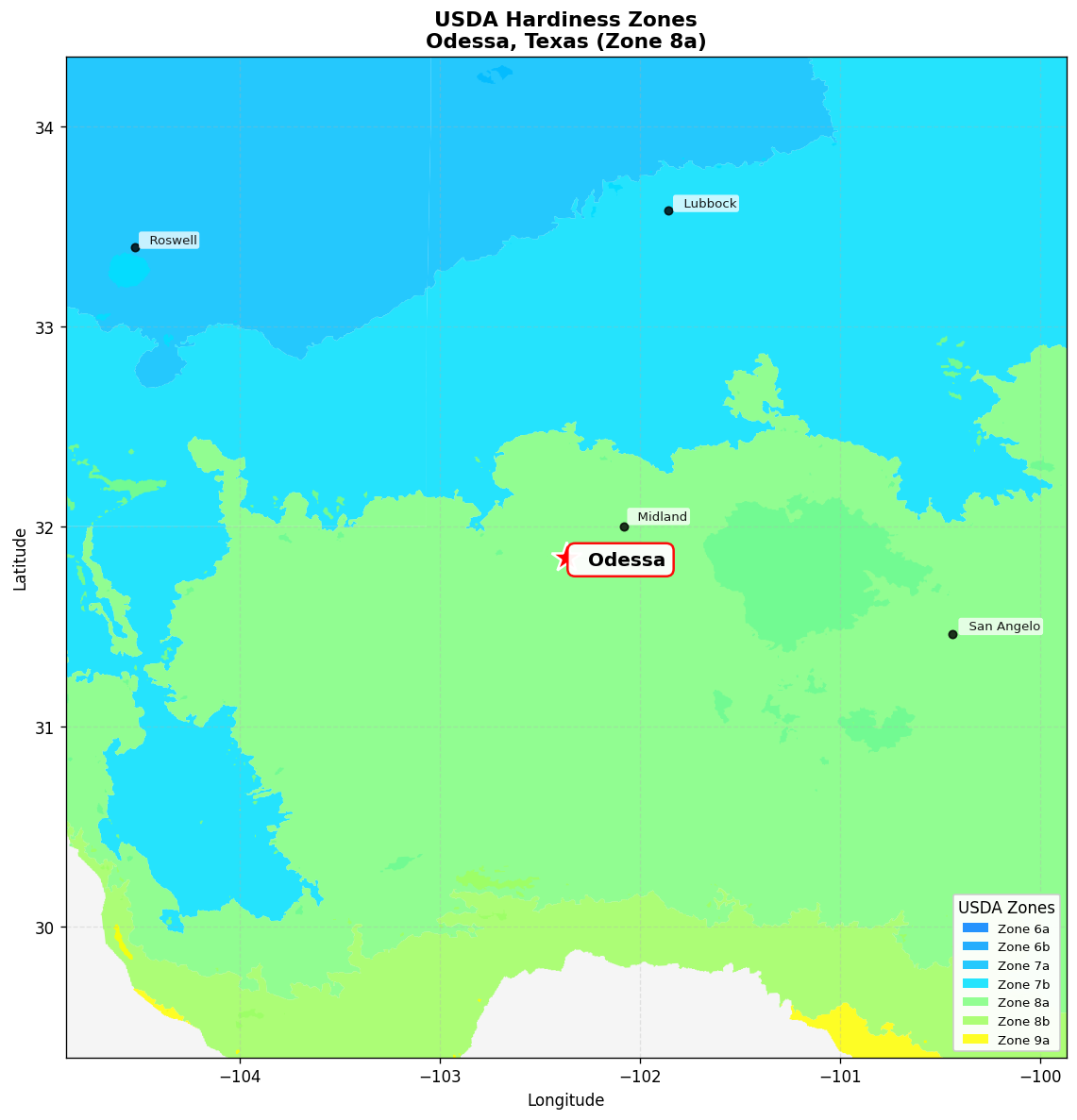
USDA Zone 8a
Hardiness zone for Odessa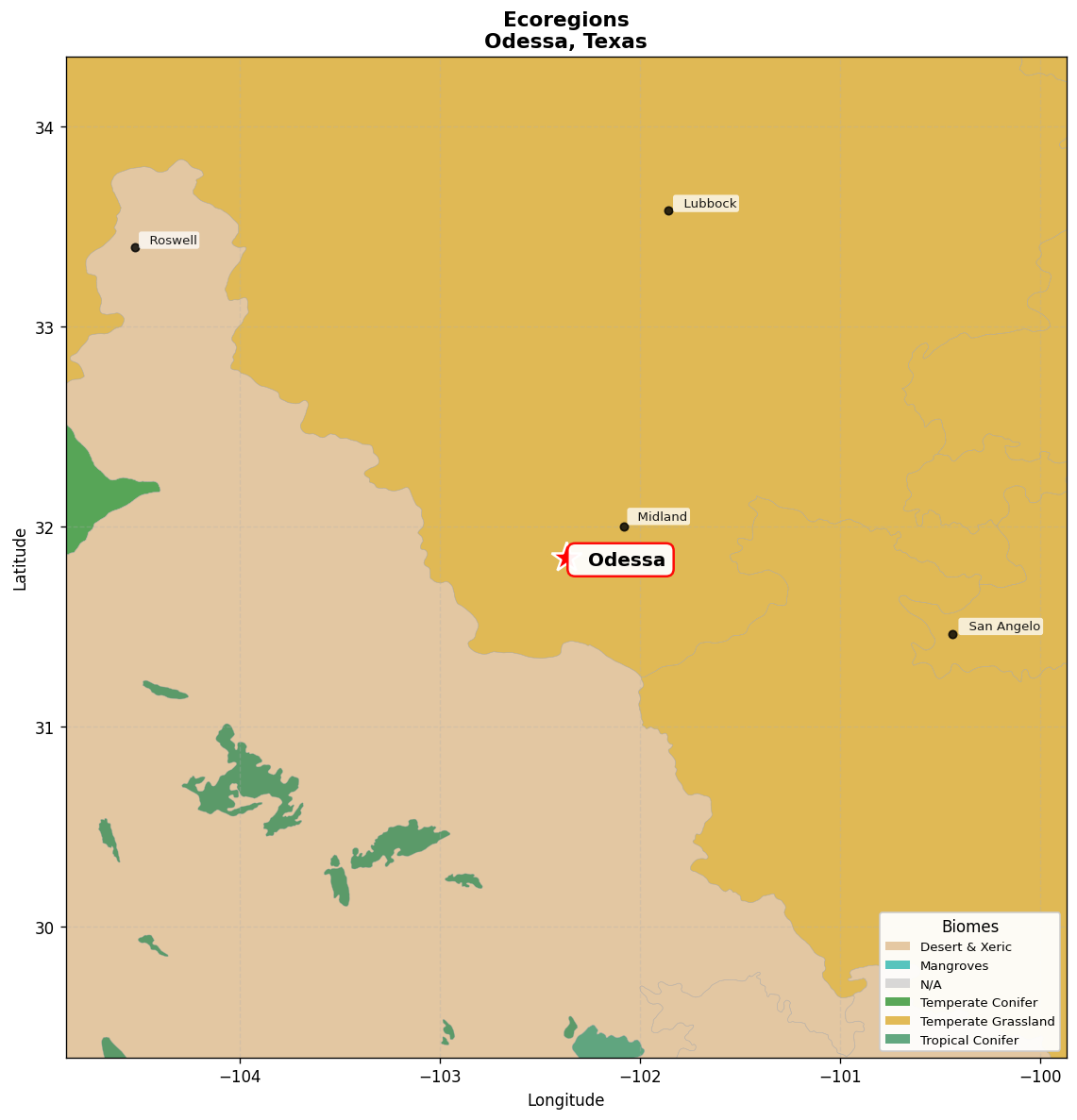
Western shortgrass prairie
Native ecoregionFrequently Asked Questions
What does a desert yard cost to install in Odessa, TX?
Budget roughly $8–17 per square foot for a simple sandhill planting with a decomposed granite path, and $14–32 for rock gardens, pipe-rail courtyards and boulder work. On a 700-square-foot front yard that is about $5,500–12,000 for the simpler version. Permian Basin crews compete with oilfield pay, so labor often lands somewhere around $45–75 an hour per worker. Boulders are sold by the ton plus trucking, and digging through caliche is usually priced separately, so ask for both on the quote.
How much work is a desert garden after it is planted?
Little. In the first summer, water new plants weekly; after that, Agave neomexicana, Yucca elata and Artemisia filifolia usually get by on a soak every three or four weeks in July and August and rain the rest of the year. The yearly list is short: clip Aristida purpurea and Sporobolus airoides to a few inches in late winter, pull goatheads in spring, sweep drifted sand off paths and clear tumbleweeds out of the cholla with long tongs.
What will survive a hard Odessa freeze?
Expect a low between 10 and 15°F most winters and the occasional night near or under 0°F. Agave neomexicana, Yucca elata, Dasylirion texanum, Cylindropuntia imbricata, Opuntia macrocentra, Quercus havardii and Fallugia paradoxa are native to this region or close to it and come through. Saguaro, golden barrel and Agave americana do not; tree cholla and Agave neomexicana give you the same bold shapes without the loss. Wet soil in winter kills more of them than cold alone, so drainage is part of cold hardiness.
What is the best month to plant in Odessa?
Spring, from April to early June, for cactus, agave and sotol, because they root in warm soil; hold off watering a newly set cactus for about a week. Fall, September through October, suits shrubs like Fallugia paradoxa and Quercus havardii and grasses like Sporobolus airoides, giving roots a cool season to settle. Seed Calylophus berlandieri 'Texas Sundrops' and globemallow in fall or very early spring. Do not plant in July or August, when afternoons often pass 100°F.
Does Odessa limit outdoor watering?
Yes, by drought stage under Ordinance 2016-43. At the mild stage the city asks for voluntary limits, including no irrigation from 10:00 am to 6:00 pm. At the moderate stage hose-end sprinklers and automatic systems may run only on days the city designates, never between 10:00 am and 6:00 pm, and severe drought adds more cuts. Installing a new irrigation system requires a design reviewed by the City, separate zones by plant type and a rain or moisture shutoff device. Call the Utilities Department to learn the stage currently in force.
My HOA wants a lawn. Can it stop a xeriscape?
Not outright. Texas Property Code section 202.007 keeps property owners' associations from banning drought-tolerant landscaping, though they may require plans and approval first. If your north Odessa subdivision has an architectural committee, give them a sketch with the plants named, for example Yucca elata, Artemisia filifolia and Sporobolus airoides, and get the approval in writing before removing grass. Fences such as pipe rail may need a city permit.
Is a desert garden a good choice on a West Odessa water well?
It is about the best choice. Much of West Odessa sits outside city limits on private wells, so city drought stages do not apply, but Permian Basin groundwater is often hard and somewhat salty. Sporobolus airoides (alkali sacaton), Quercus havardii, Prosopis glandulosa and Artemisia filifolia tolerate that water far better than turf. Test the well, irrigate by drip at the root zone, and after a good rain let the extra water rinse salts down past the roots.