4 English Cottage Garden Ideas for Murfreesboro, TN | Zone 7a Roses on Limestone Clay
Native plants from the Interior Plateau US Hardwood Forests (Zone 7a) — Humid subtropical climate
Why Cottage/English Gardens in Murfreesboro?
Murfreesboro is a good town for an English cottage garden because so much of it was built to sit behind one. The Victorian and Queen Anne houses along East Main Street near downtown, the brick ranches of the 1950s and 60s around Mercury Boulevard and the MTSU side of Tennessee Boulevard, and the new two-story craftsman-style houses filling Blackman, Siegel and Barfield all have front porches and front walks that a cottage border is made to frame. The style asks for layers: a climbing rose over the gate, catmint and lavender spilling onto the path, and phlox and coneflowers standing up behind them. On a typical 0.2-acre subdivision lot that is not a huge planting, and it does more for the house than another strip of fescue and three boxwoods.
The climate is kind to most of the English list, with two exceptions. NOAA's 1991–2020 normals for Murfreesboro put the January average low at 27.5°F and the July average high at 89.2°F, with Zone 7a extremes of 0–5°F on the worst nights. The median last frost is April 9 and the first is October 27, about 202 growing days. That winter gives peonies such as Paeonia 'Sarah Bernhardt' all the chill they want. The problem is water: about 55–56 inches of rain a year, with the wettest months in winter and early summer. Delphinium elatum will not come back after a muggy July here, so treat it as a spring annual, and Lavandula angustifolia 'Hidcote' tends to rot in its second or third wet winter. Use Lavandula × intermedia 'Phenomenal' for the lavender ribbon, Salvia nemorosa 'May Night' and Digitalis purpurea 'Camelot Rose' for spires, and Phlox paniculata 'Jeana', a mildew-resistant phlox found growing wild near Nashville, for the July color.
Soil is where Murfreesboro differs. Murfreesboro sits in the Central Basin, on Ordovician limestone. The Talbott series, a firm, plastic silty clay over limestone 20–40 inches down, has its USDA type location in Rutherford County a few miles from the courthouse, and it is strongly to slightly acid in the subsoil and mildly alkaline near the rock. Elsewhere the rock is right at the surface: the cedar glades around town are flat limestone with only a skin of soil. So test first. Lime the rose and lavender beds toward pH 6.5, raise every border 8–12 inches with compost and topsoil rather than digging into clay that holds winter water, and expect to hit rock when you dig a planting hole for an arbour post.
The glades also give Murfreesboro a cottage plant few places have. Echinacea tennesseensis, the Tennessee coneflower, grows wild in only a handful of Middle Tennessee counties, Rutherford among them. The garden selection Echinacea tennesseensis 'Rocky Top' is a natural front-of-border plant for a sunny, lean bed, and it pairs well with Rosa 'New Dawn' and Nepeta × faassenii 'Walker's Low'.
4 Cottage/English Design Ideas for Murfreesboro

AI-generated image
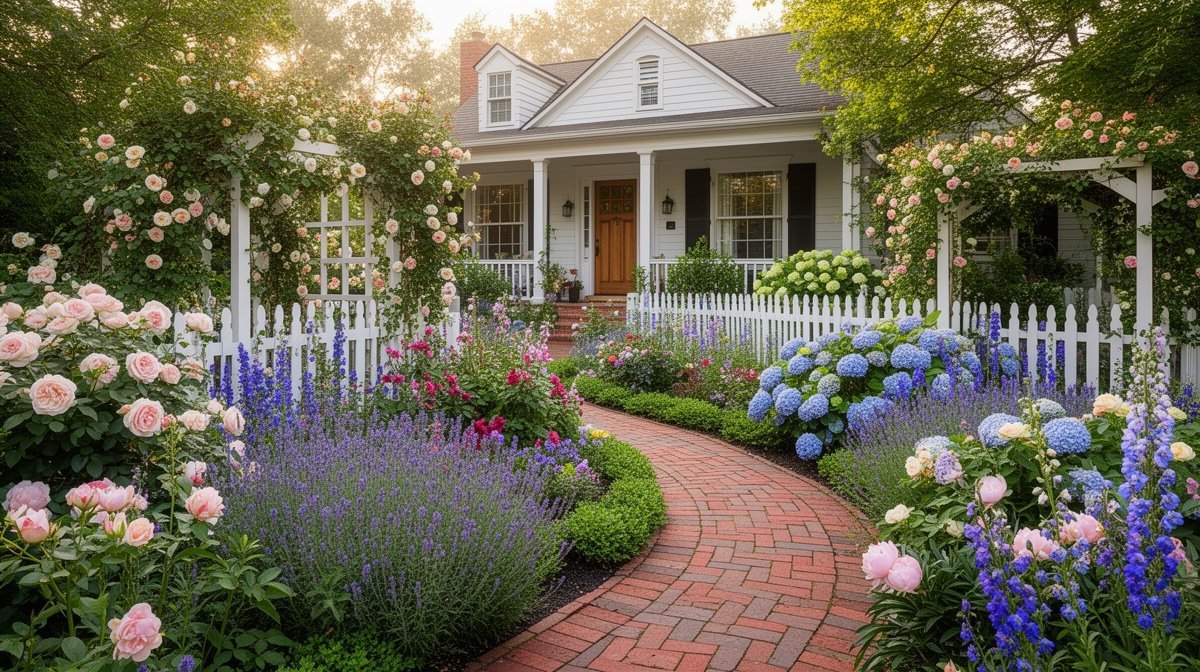
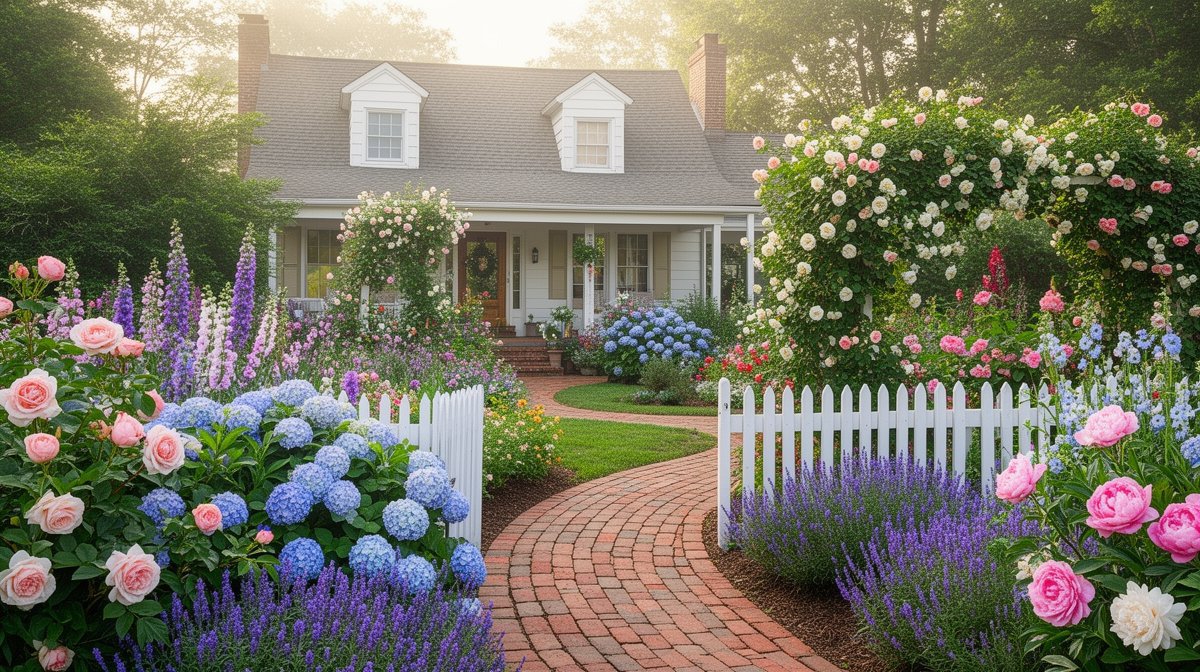
The East Main Picket and Rose Gate
$20–40/sqftA white picket fence runs across the front of a two-story Victorian with a wraparound porch, and a cedar arch over the gate carries a pale pink climbing rose. A brick walk curves to the steps between raised borders of lavender, catmint and peonies, with the bed facing south-east so the roses get morning sun and dry off early. A redbud planted at the side corner gives pink in late March before the roses take over in May.

AI-generated image
The Ranch House Porch Border
$12–24/sqftA low brick ranch with a short covered stoop gets a 6-foot-deep curved border along the whole front, built up 10 inches above the clay with a fieldstone edge. Tall phlox and foxglove stand at the back against the brick, roses and salvia fill the middle, and catmint softens the edge of the concrete walk. The west end, which gets the hot afternoon sun, holds the toughest plants: Knock Out roses and Tennessee coneflower.

AI-generated image
The Subdivision Backyard Arbour Walk
$15–30/sqftBehind a new two-story house in a Blackman or Siegel subdivision, a gravel path runs from the patio to a cedar arbour and bench at the back fence, cutting through the builder's lawn. Borders on both sides mix shrub roses, hydrangeas and long-flowering perennials, so the garden still has color in August when the English classics have quit. The arbour faces the house so the view from the kitchen window ends on roses instead of a privacy fence.

AI-generated image
The Limestone Glade Cottage Corner
$10–22/sqftWhere a yard has limestone near the surface, as many lots east of town do, the rock becomes the garden: flat limestone slabs set as stepping stones lead to a small seating spot with a bistro table. Around it, lean, gravelly beds hold glade natives and the dry-loving cottage plants, with lavender and Tennessee coneflower in the sunniest pockets.
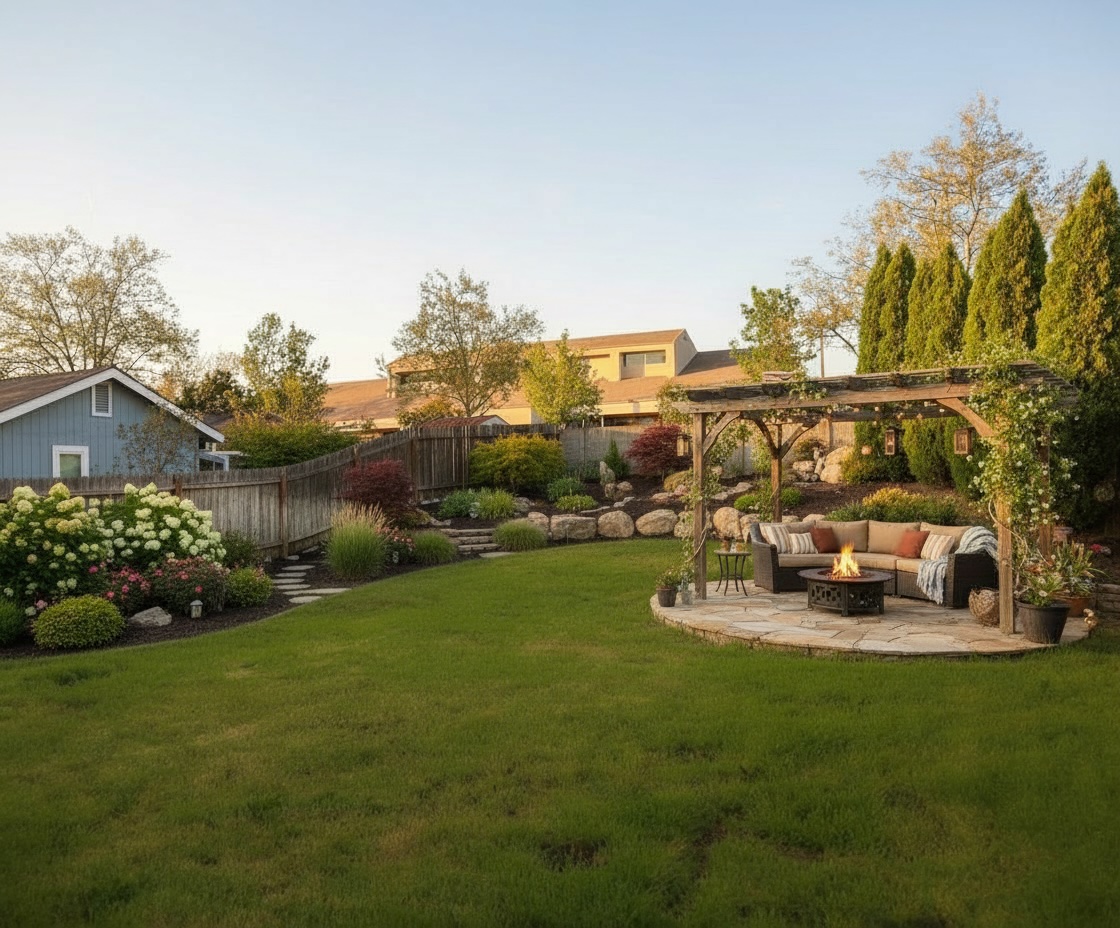
See how a cottage/english garden looks on YOUR property
Upload a photo of your Murfreesboro yard and visualize your dream garden in seconds.
Try ProScapeAI Free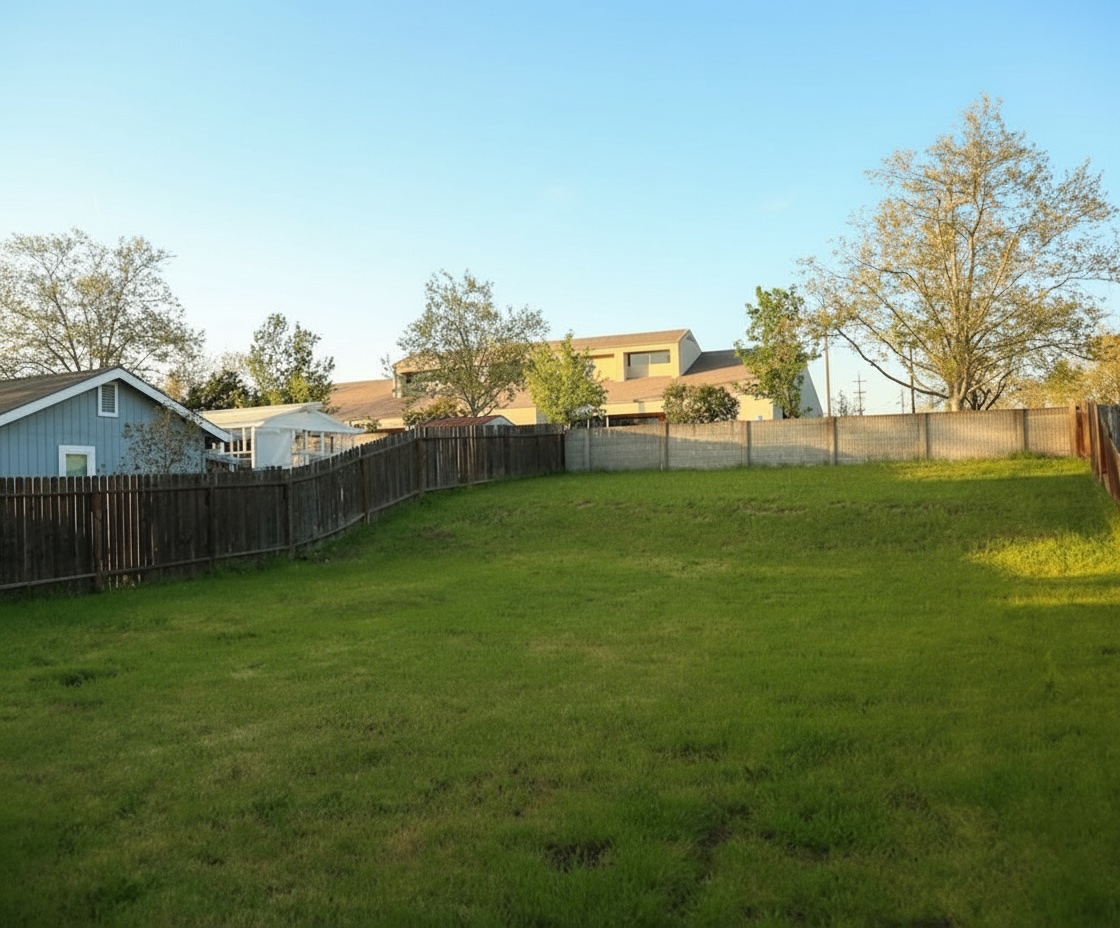
AI-generated image
Featured Trees & Shrubs for Cottage/English Gardens
Browse all 173 plants for Murfreesboro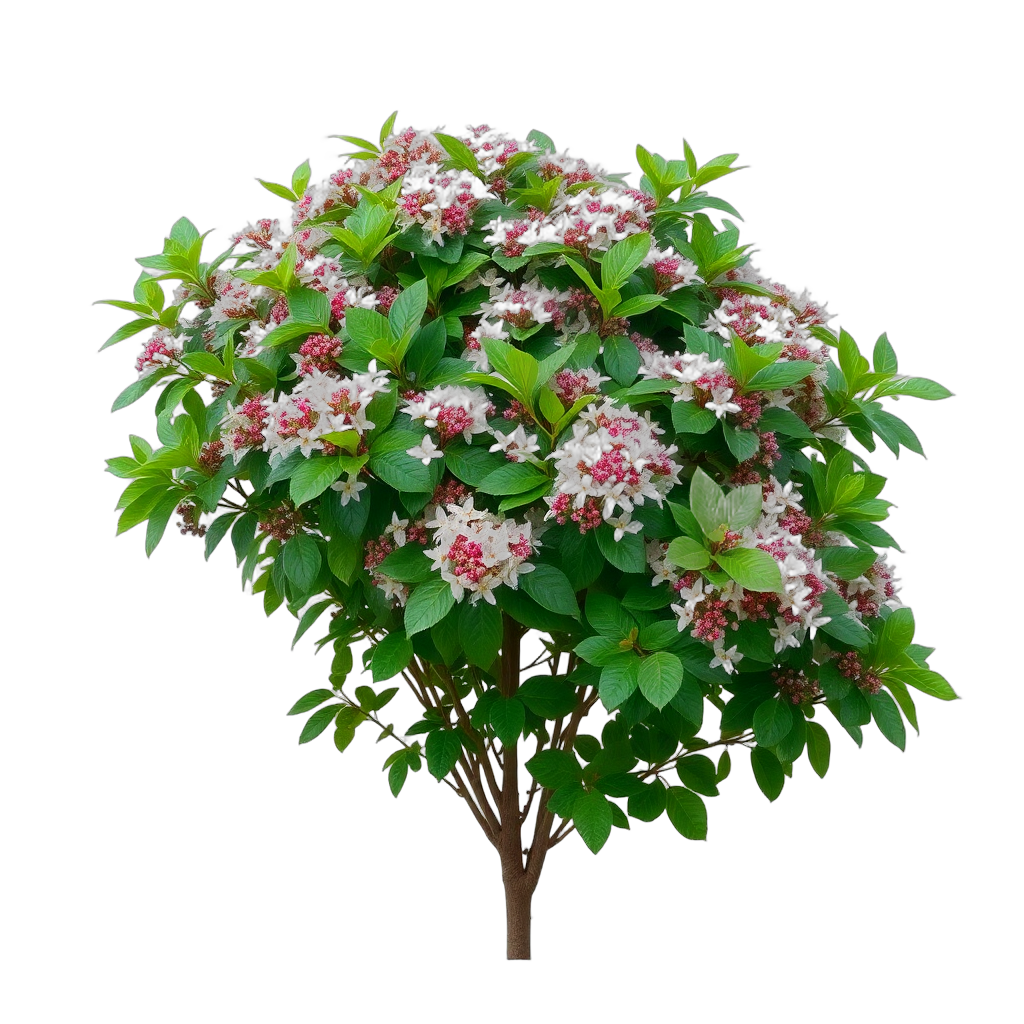
Blackhaw Viburnum
Viburnum prunifolium
medium-sized at 12 feet, white blooms in spring. Pollinator-friendly.
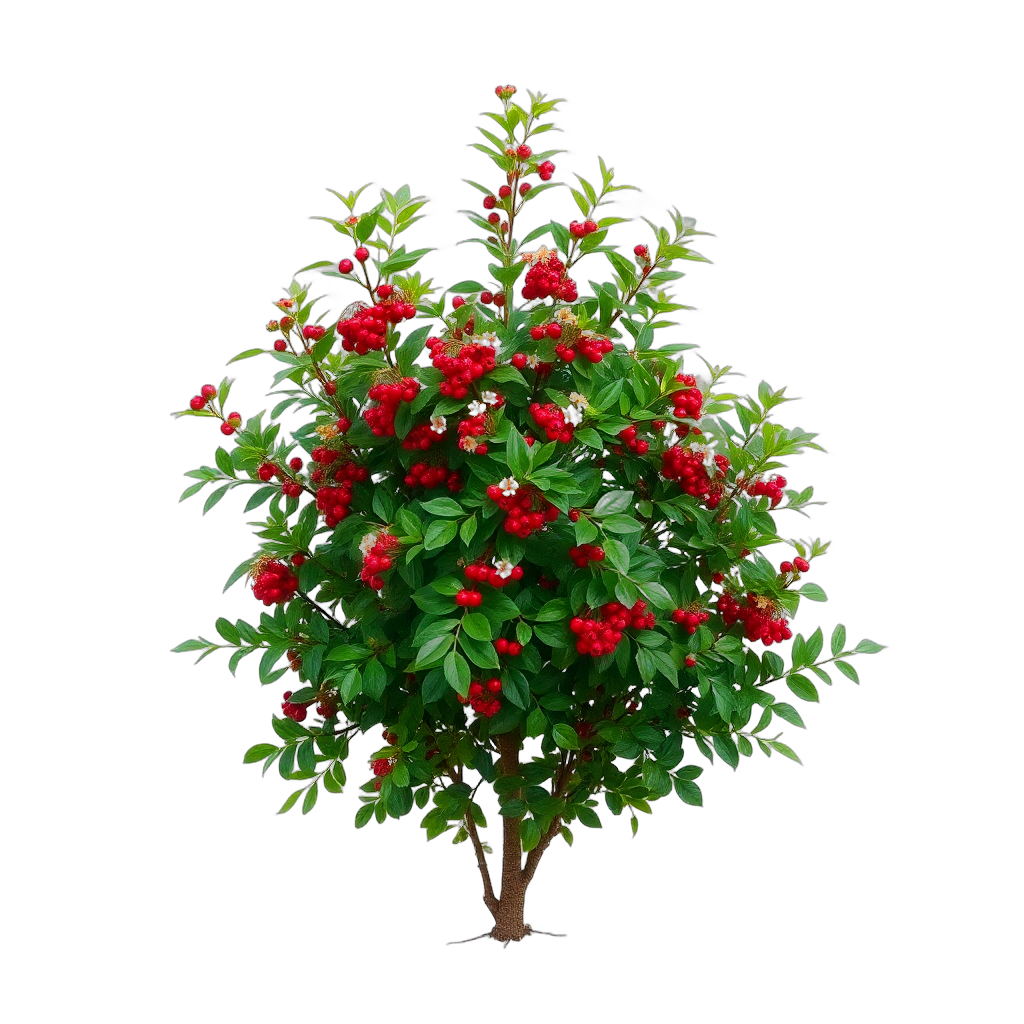
Coralberry
Symphoricarpos orbiculatus
grows to 6 feet, pink blooms in summer. Pollinator-friendly.
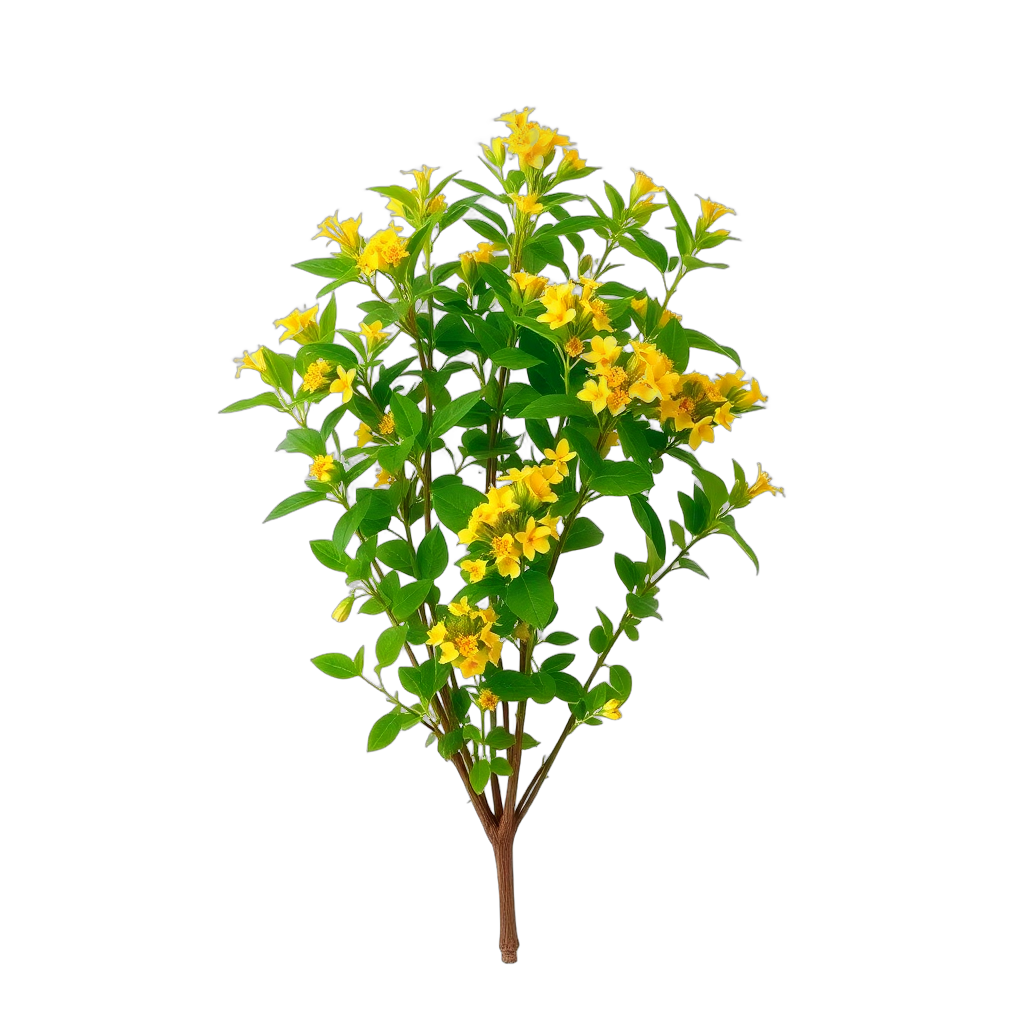
Shrubby St. John's Wort
Hypericum prolificum
grows to 4 feet, yellow blooms in summer. Pollinator-friendly.
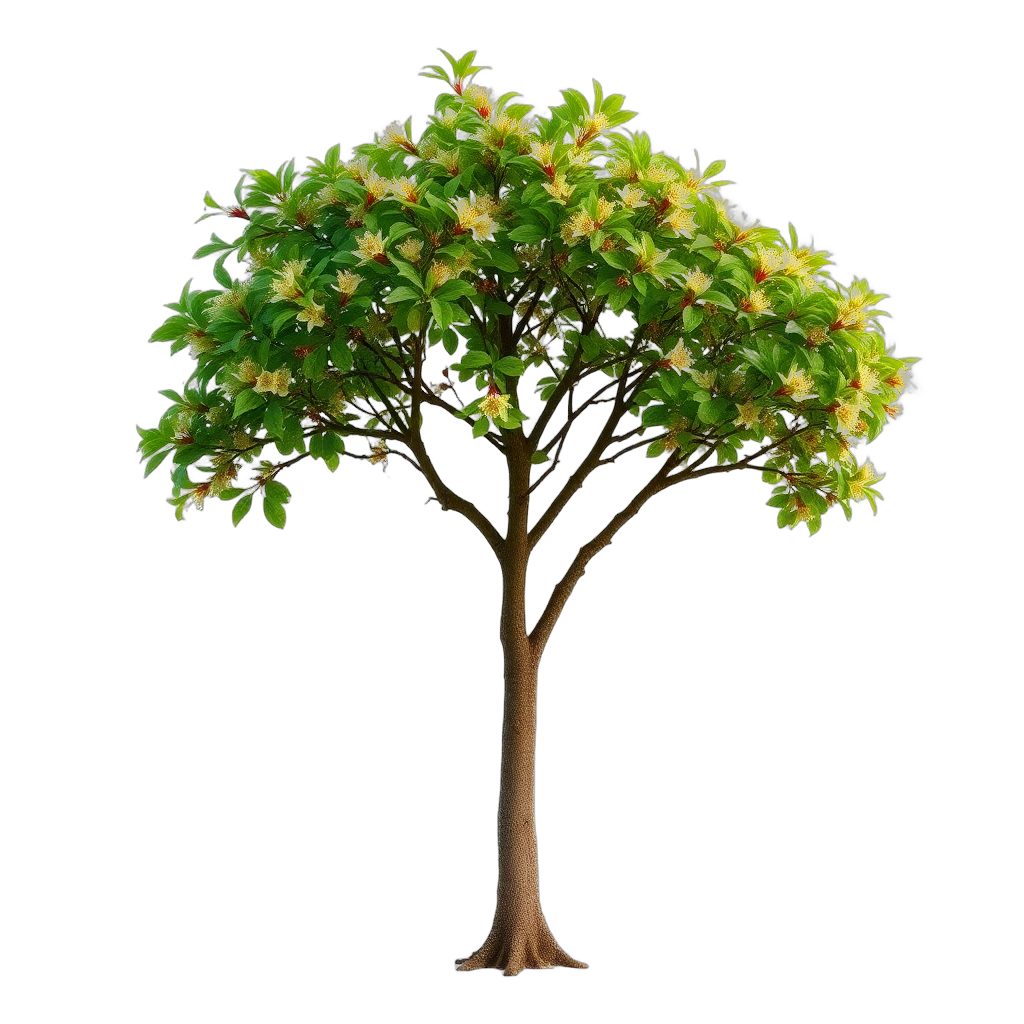
Vernal Witch Hazel
Hamamelis vernalis
medium-sized at 8 feet, yellow blooms in spring. Pollinator-friendly.
Featured Grasses & Groundcovers for Cottage/English Gardens
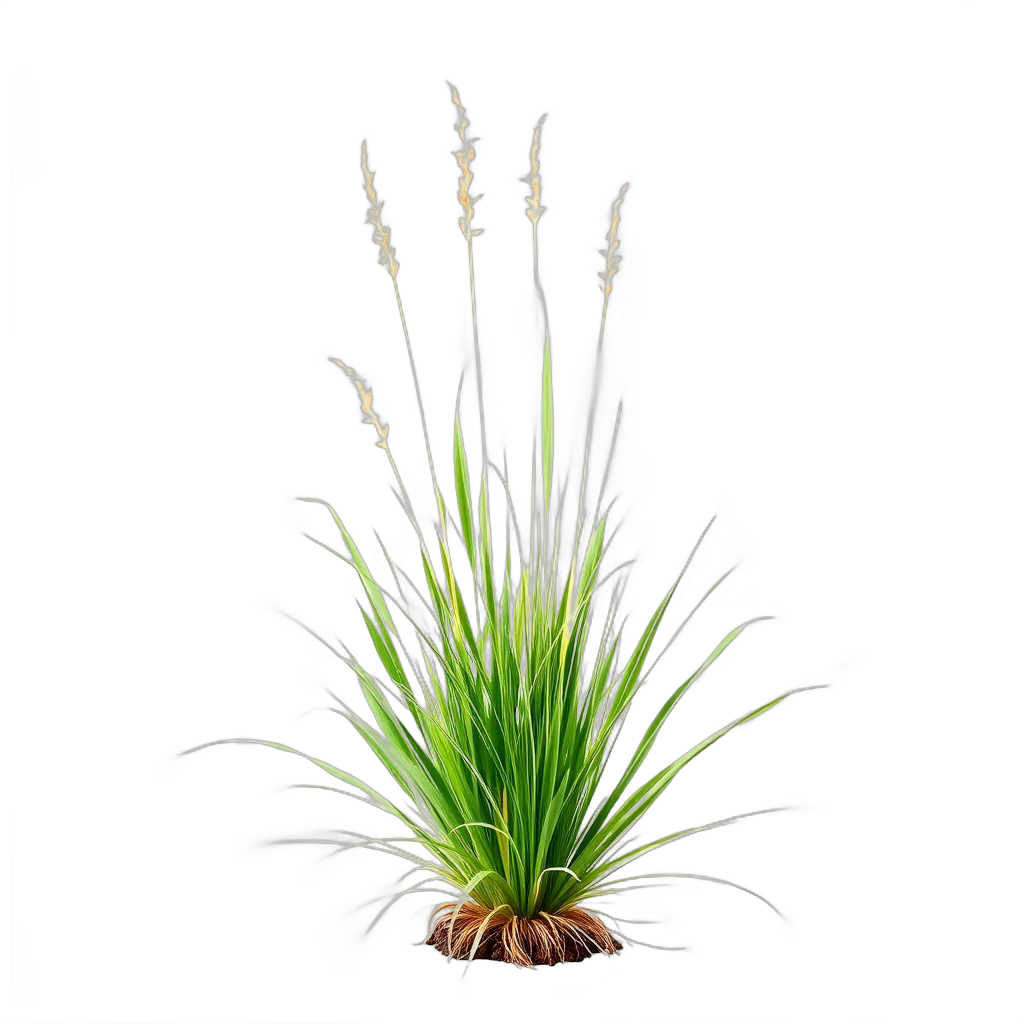
Northern Sea Oats
Chasmanthium latifolium
grows to 4 feet, blooms in fall. Bronze fall color.
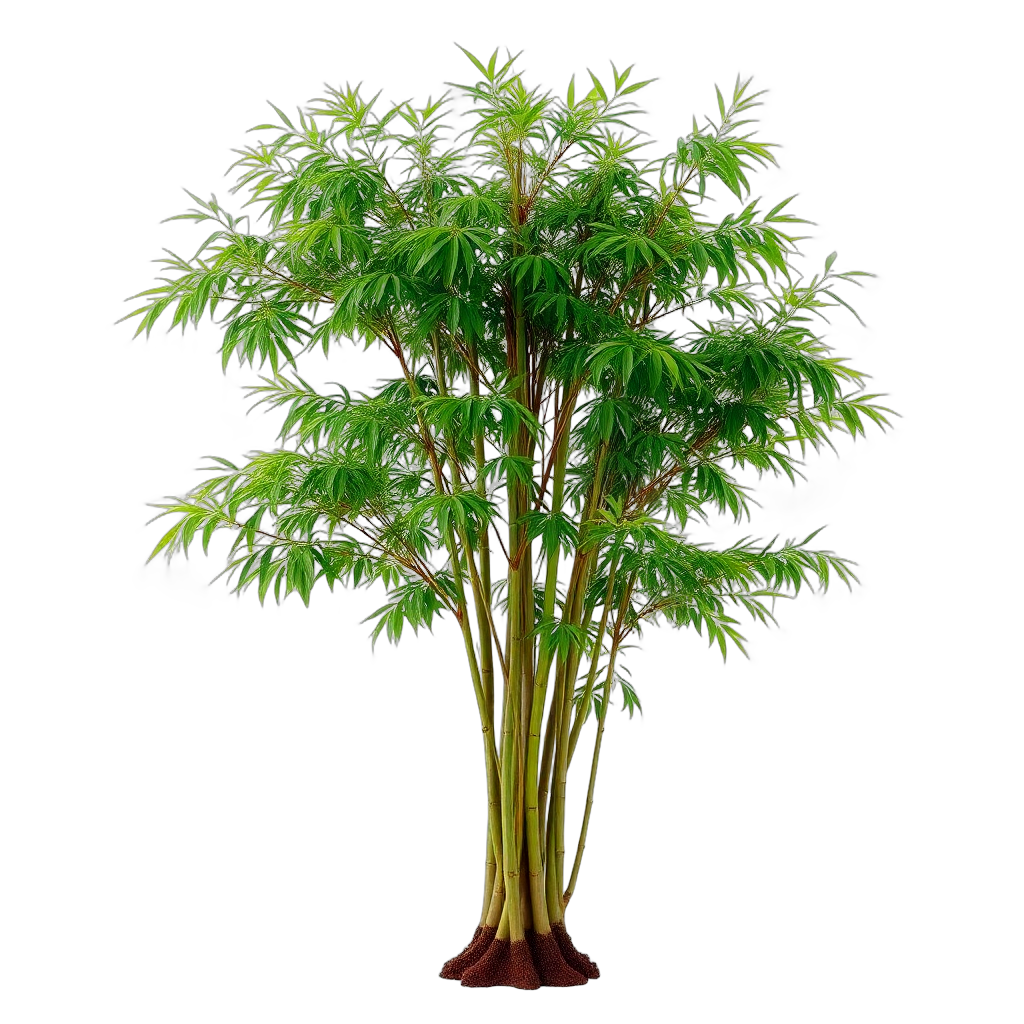
Arrow Bamboo
Pseudosasa japonica
medium-sized at 15 feet, blooms in none. Evergreen year-round.
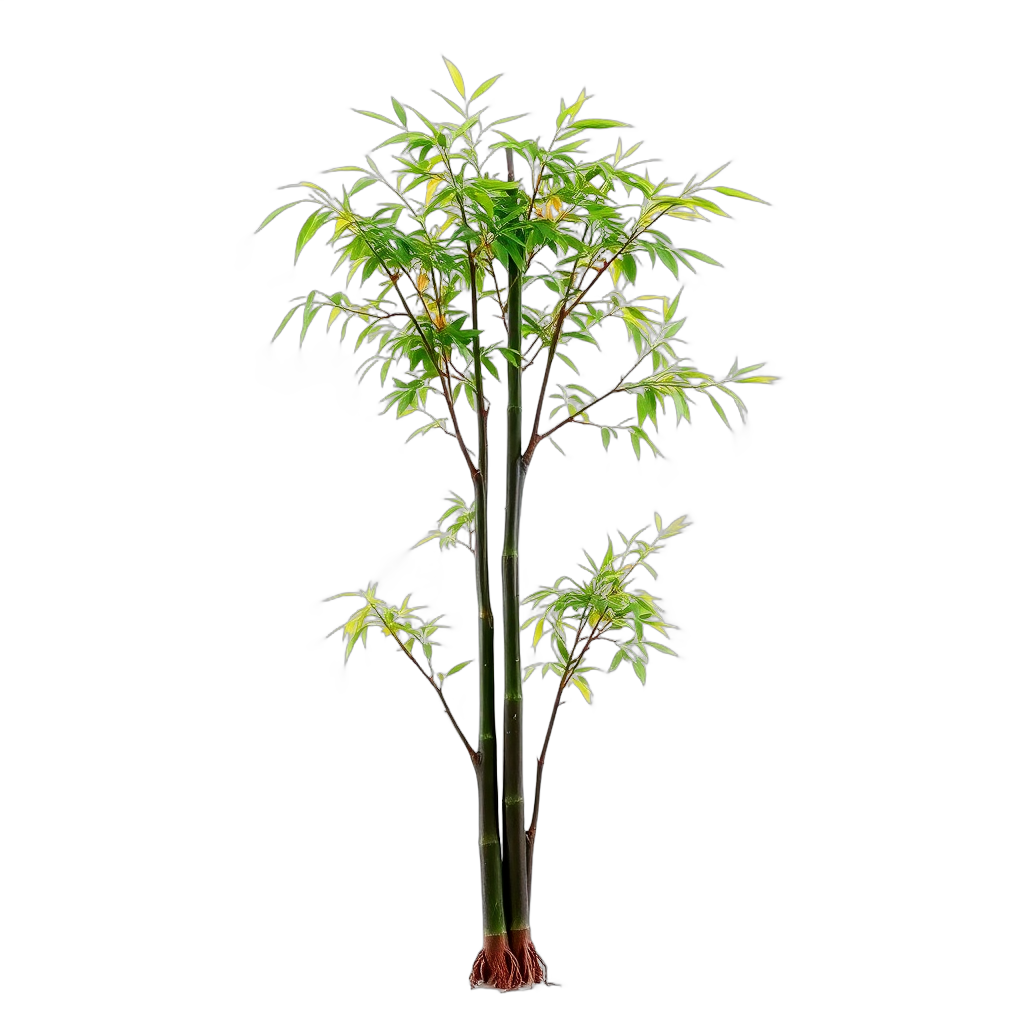
Black Bamboo
Phyllostachys nigra
reaches 25 feet tall, blooms in none. Evergreen year-round.
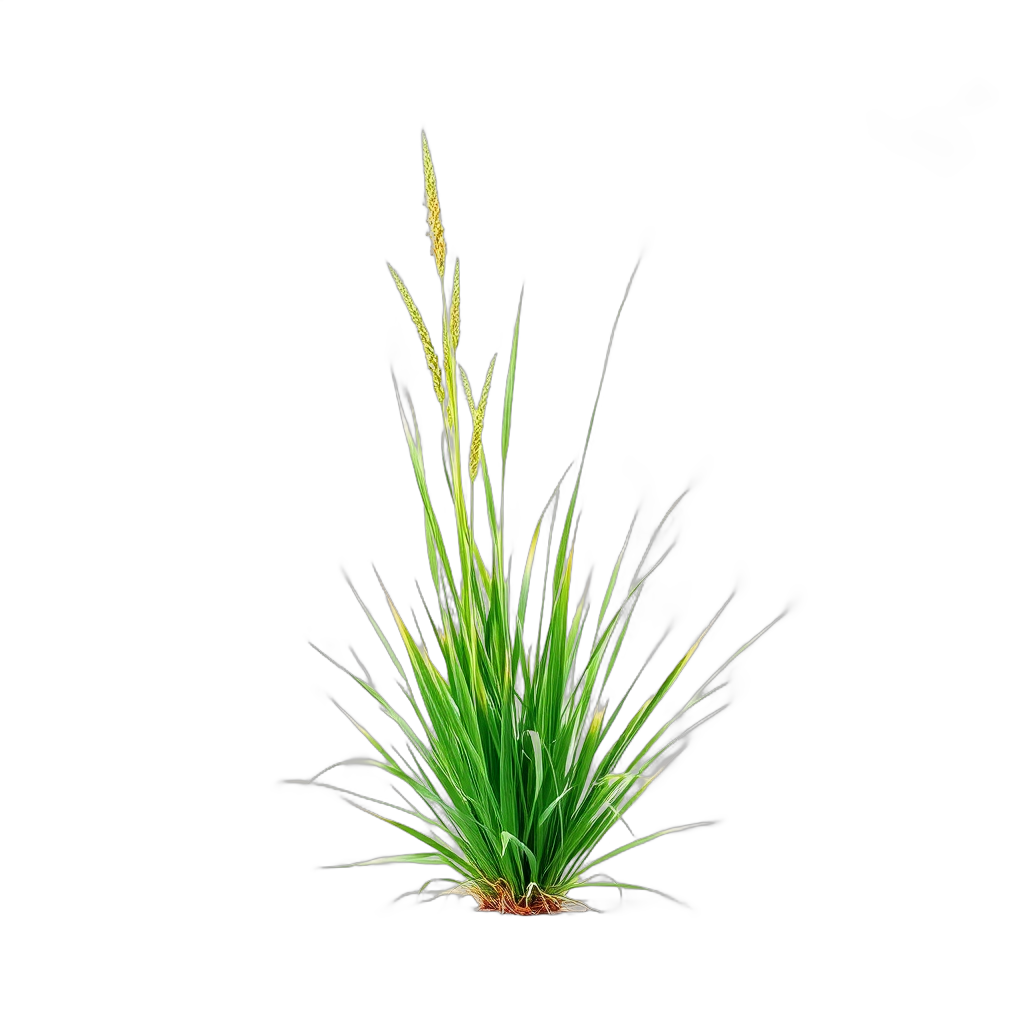
Bull Grass
Muhlenbergia emersleyi
grows to 4 feet, purple blooms in fall. Yellow fall color.
Featured Flowers & Perennials for Cottage/English Gardens
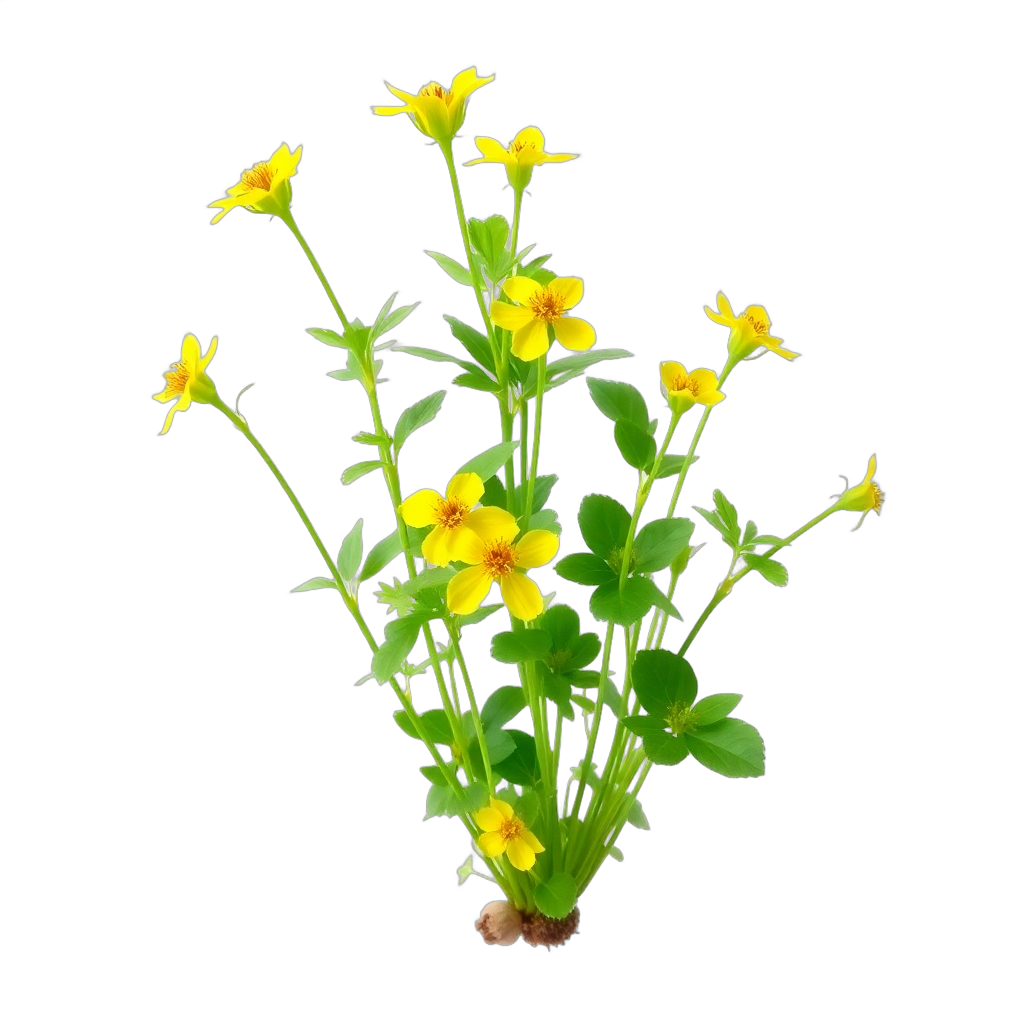
Celandine Poppy
Stylophorum diphyllum
low-growing ground cover, yellow blooms in spring.
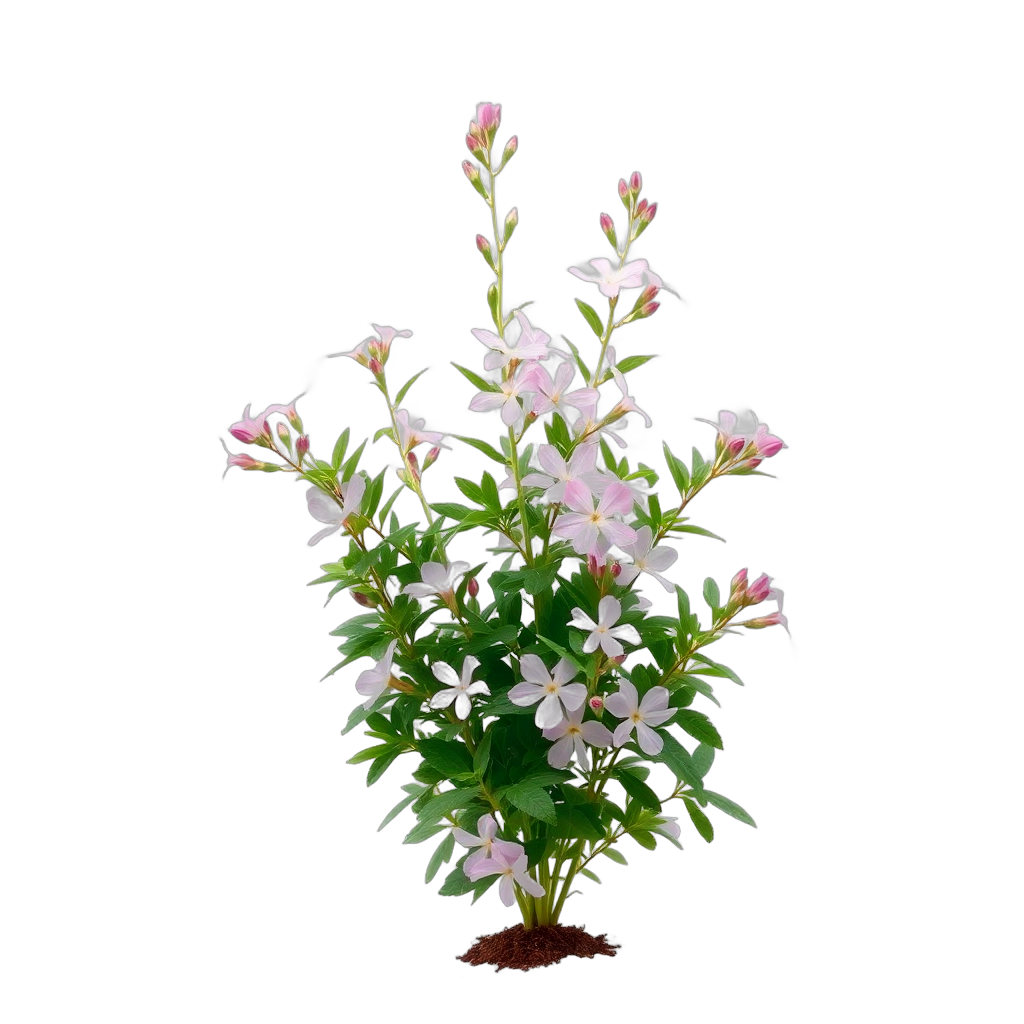
Garden Phlox
Phlox paniculata
grows to 3 feet, multi blooms in summer. Attracts hummingbirds.
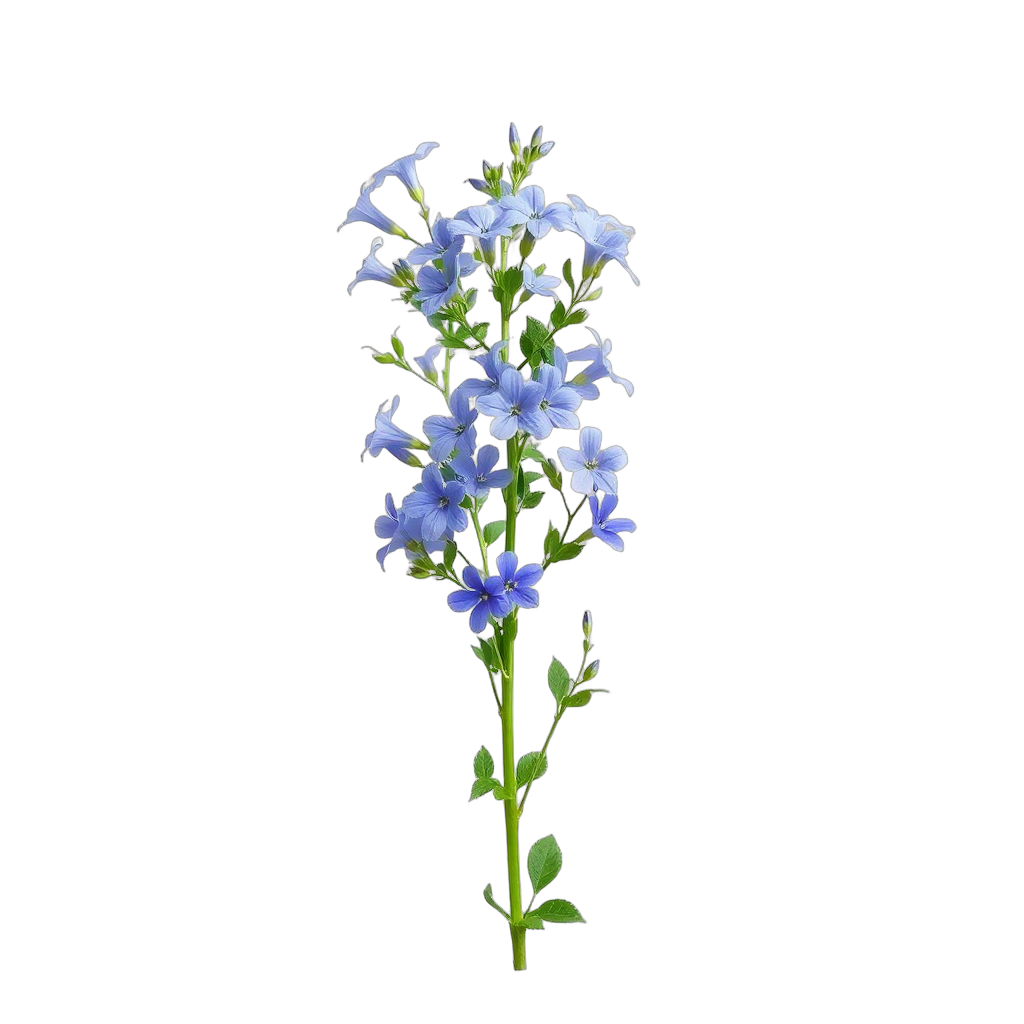
Wild Blue Phlox
Phlox divaricata
low-growing ground cover, blue blooms in spring. Attracts butterflies.

Water Fern
Azolla filiculoides
low-growing ground cover, blooms in none. Red fall color.
Zone and sun checks come from our database — confirm with your local nursery before you buy.
Bloom Calendar for Murfreesboro
spring
Celandine Poppy, Wild Blue Phlox, Blackhaw Viburnumsummer
Garden Phlox, Coralberry, Shrubby St. John's Wortfall
Northern Sea Oatswinter
Limited bloomsDesign Tips for Murfreesboro (Zone 7a)
- Raise every cottage border 8–12 inches: Murfreesboro's Talbott clay holds water through a winter that brings 4.5–5.5 inches of rain a month, and wet crowns kill more roses and lavender here than the cold
- Get a soil test through the UT Extension office in Rutherford County before liming; the clay subsoil can be strongly acid while soil near limestone is alkaline, and only a test tells you which you have
- Put roses on the east or south-east side of the house so morning sun dries the leaves; with 55-plus inches of rain a year, wet foliage is what brings blackspot
- Plan for August as well as May: Phlox paniculata 'Jeana', Echinacea purpurea 'Magnus' and Hydrangea arborescens 'Annabelle' keep the border going when 89°F highs finish off the foxgloves
- Use the rock you dig up: limestone pieces from your own lot make a better border edge and stepping stones than bought pavers, and they match the cedar glade landscape
- Choose native redbud, Cercis canadensis 'Appalachian Red', for a small flowering tree instead of Bradford pear, which spreads into fields and fencerows across Middle Tennessee
- Plant peonies such as Paeonia 'Sarah Bernhardt' in October with the eyes only 1–2 inches deep; Zone 7a winters give them plenty of chill, but planting too deep means no flowers
Where to Source Plants in Murfreesboro
Skip the big-box stores. These independent Murfreesboro nurseries specialize in the plants that make cottage/english gardens thrive in Zone 7a.
Martin's Home & Garden
Northwest Broad Street
Garden centre tied to the Martin family farm, selling outdoor plants, seedlings, houseplants, landscape supplies and local Tennessee market goods
Evans Plant Farm
Manchester Pike, south-east Murfreesboro
Family-owned greenhouse grower in business since 1980, with annuals, perennials, ferns, shrubs, vegetable starts, mulch and potting soil
Southbranch Nursery
South Church Street
Full-service garden centre open since 1993, stocking Monrovia shrubs and perennials and supplies for do-it-yourself landscaping, with installation available
Cottage/English Landscaping Costs in Murfreesboro
| Project Scope | Estimated Cost |
|---|---|
| Raised front cottage border (300–500 sqft) | $5,000 – $12,000 |
| Brick front walk on a crushed-stone base (100–200 sqft) | $3,000 – $7,500 |
| Cedar picket fence with gate arch (40–60 linear ft) | $2,500 – $6,000 |
| Cedar arbour with bench, installed | $1,800 – $4,500 |
| Backyard cottage garden: gravel path, arbour, two borders | $15,000 – $35,000 |
| Soil test, lime and compost for new beds (per 500 sqft) | $300 – $800 |
| AI visualization (ProScapeAI) | Free to start |
Estimates based on Murfreesboro, TN-area contractor rates as of 2026. Actual costs vary by site conditions, materials, and contractor.
Murfreesboro Climate & Growing Zone
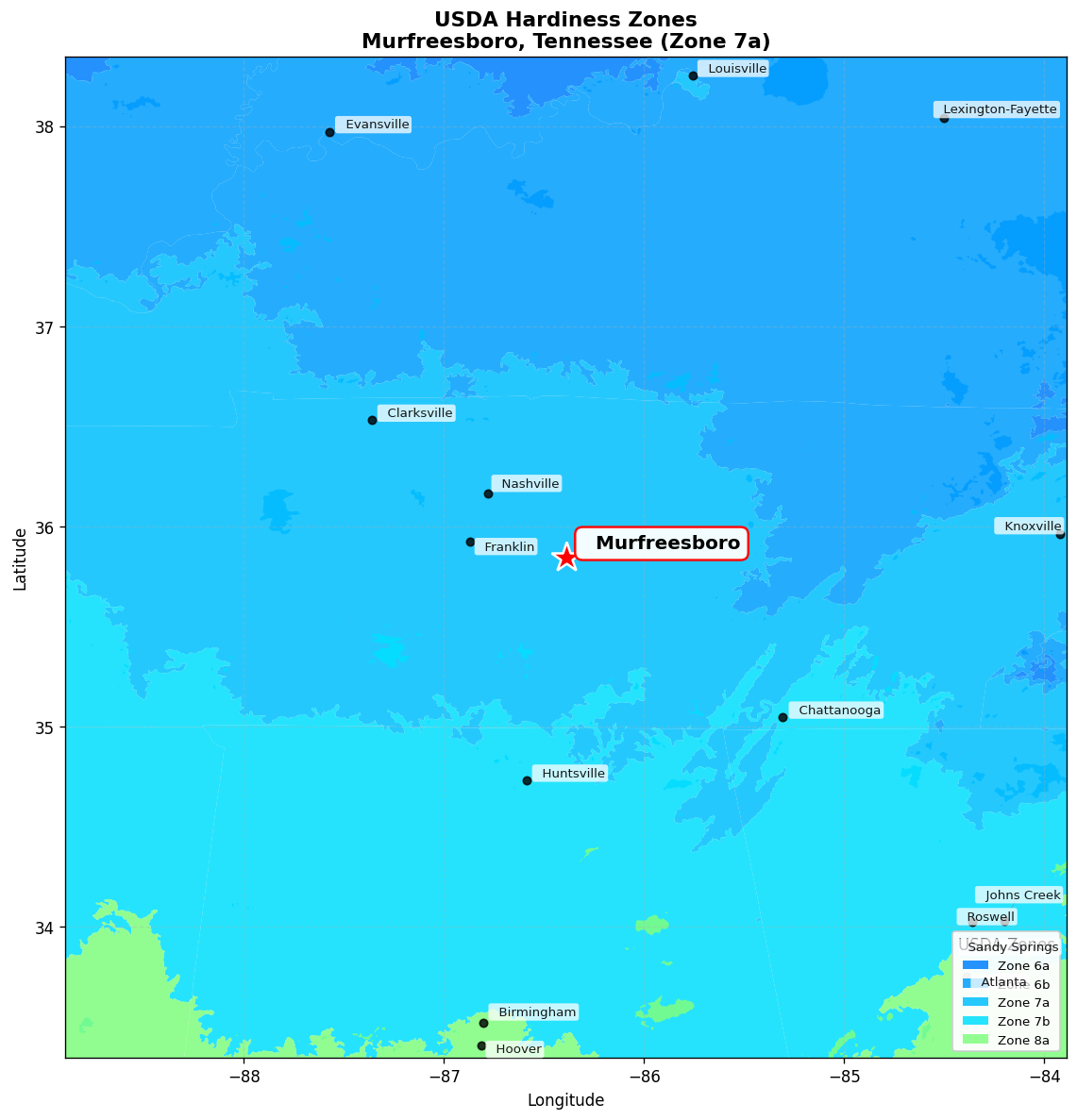
USDA Zone 7a
Hardiness zone for Murfreesboro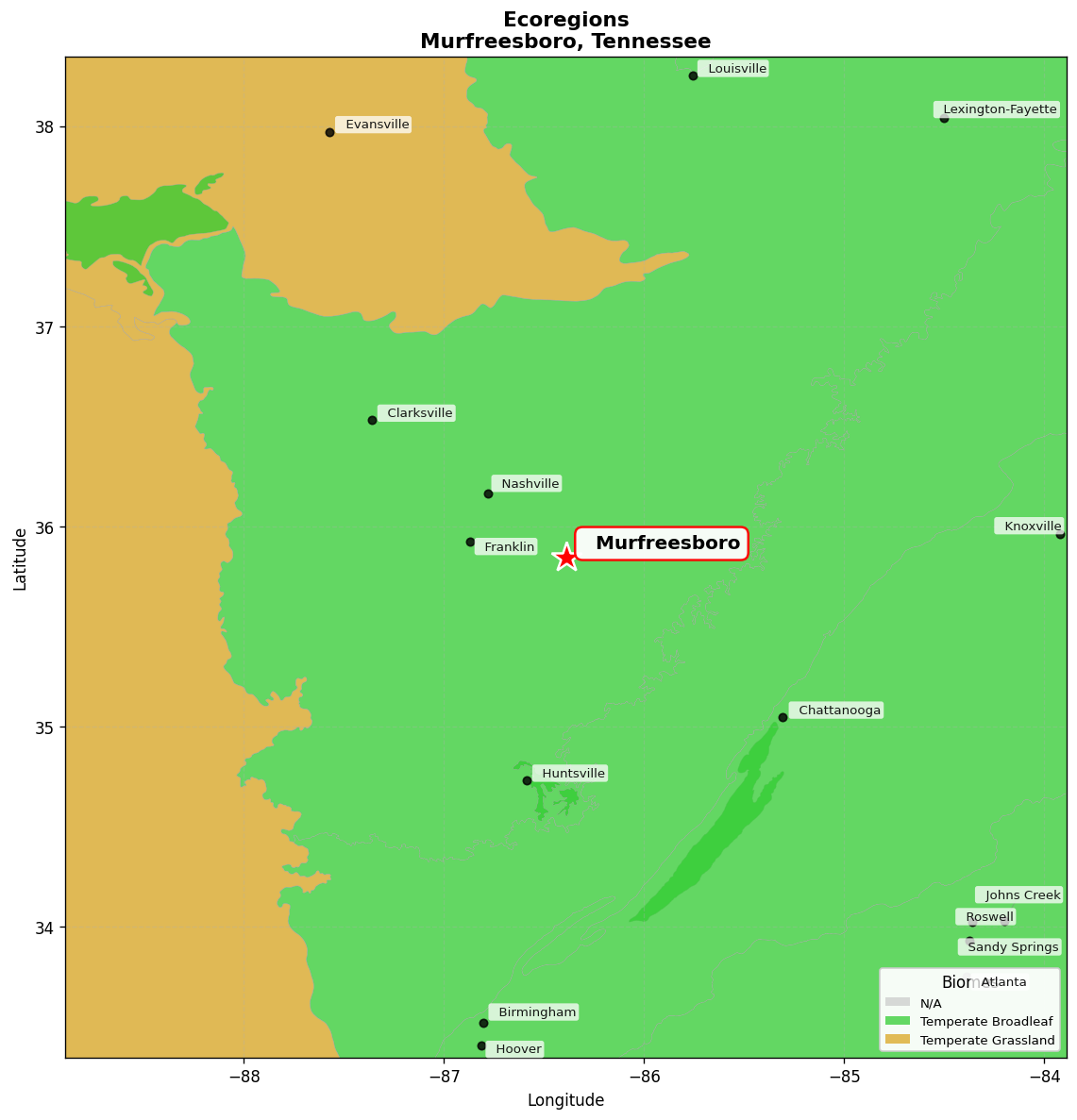
Interior Plateau US Hardwood Forests
Native ecoregionFrequently Asked Questions
How much does a cottage garden cost in Murfreesboro?
Middle Tennessee install labor usually runs around $50–80 per hour per crew member, a little under Nashville rates. A raised front cottage border of 300–500 sqft, planted with Rosa 'Double Knock Out', Nepeta × faassenii 'Walker's Low' and Phlox paniculata 'Jeana', usually runs $5,000–12,000 installed. Add a picket fence and gate arch and a brick walk and it climbs to $12,000–25,000. A backyard with an arbour, gravel path and two full borders is commonly $15,000–35,000. Planting it yourself from one-gallon pots brings the border cost down to roughly $6–10 per square foot.
Which roses hold up in Murfreesboro's heat and rain?
With 55-plus inches of rain and humid summers, disease resistance matters more than anything else. Rosa 'New Dawn' is the reliable climber for an arch or fence, the Knock Out family and Rosa 'The Fairy' carry the shrub layer, and Rosa 'Olivia Rose Austin' is one of the more blackspot-resistant English roses. Plant them where they get at least six hours of sun, with morning sun to dry the leaves, space them for airflow, and water with drip at the base. Rose rosette disease is present in Tennessee, so remove any plant that shows red, bristly witches-broom growth.
Can lavender and delphinium grow in Murfreesboro?
Lavender, yes, with the right type and the right bed. Lavandula × intermedia 'Phenomenal' handles humid summers far better than Lavandula angustifolia 'Hidcote' or 'Munstead', which often rot in a wet clay winter. Plant it in a raised bed with grit mixed in, mulch with gravel and lime to about pH 6.5. True Delphinium elatum is a different story: it flowers in late spring and then fades in the July heat, so treat it as an annual or use Salvia nemorosa 'May Night' and Digitalis purpurea 'Camelot Rose' for the blue and pink spires.
When should I plant a cottage garden in Murfreesboro?
Fall is best: mid-September to mid-November, when the soil is still warm and the rain returns. Roots grow through the mild part of winter and the plants are ready for spring. Peonies such as Paeonia 'Sarah Bernhardt' go in during October. Spring planting from late March through April also works; the median last frost is April 9. Avoid planting in July and August, when highs average about 89°F and the clay bakes hard.
What should I know about digging in Murfreesboro soil?
Expect clay and expect rock. Much of the area sits on Talbott silty clay with limestone 20–40 inches down, and in glade areas the rock is almost at the surface. Rutherford County is also karst country, so sinkholes and open rock seams are common in some neighborhoods. Frost depth is only about 12 inches, so arbour posts are set more for the rock than for the cold. Build beds up instead of down, use a soil test from UT Extension before liming, and call Tennessee 811 before you dig post holes for an arbour or fence.
Do I need approval for a fence, arbour or new borders?
Planting borders does not normally need a permit, but fences and structures are a different matter. Most newer subdivisions in Blackman, Siegel and Barfield have HOA rules on fence height, material and color, so get written approval before ordering a picket fence. If your house is in a locally designated historic area near downtown, check with the City of Murfreesboro planning department before changing fences or front-yard features. The city also bills a monthly stormwater user fee, which is one more reason to choose gravel and dry-laid brick over new concrete.
Is the Tennessee coneflower a good cottage plant?
Yes. Echinacea tennesseensis grows wild only in the cedar glades of a few Middle Tennessee counties, including Rutherford. Its petals turn upward rather than drooping like Echinacea purpurea 'Magnus', and it wants full sun and lean, well-drained soil. Buy the nursery-grown selection 'Rocky Top' rather than digging plants, put it at the front of a sunny border and do not over-feed it.