4 Desert Garden Ideas for Nampa, ID | Sagebrush Steppe Designs, Zone 7a
Native plants from the Snake-Columbia shrub steppe (Zone 7a) — Cold semi-arid climate
For a desert garden in Nampa, ID, a zone 7a city with a cold semi-arid climate, start with Artemisia tridentata ssp. wyomingensis, Ericameria nauseosa and Festuca idahoensis 'Joseph', the plants this guide's first design is built on.
Why Desert/Xeriscape Gardens in Nampa?
Nampa sits in the Snake-Columbia shrub steppe, so a desert garden here draws on local plants instead of Arizona imports. Wyoming big sagebrush, Idaho fescue, bluebunch wheatgrass, rabbitbrush and bitterbrush grew on this valley floor before the canals arrived, and they turn a lawn replacement into a landscape that looks like the foothills just north of town. Many Nampa homes, from 1950s ranches near Lakeview Park to newer builds around Sunnyslope and the Lake Lowell shore, have wide sunny lots where a native palette suits the setting.
NOAA's 1991–2020 normals for the Nampa Sugar Factory station show about 11 inches of precipitation a year, with just 0.26 inch in July and 0.20 inch in August. July highs average 93°F, January lows average 23°F, and the station sees roughly one day a year below 0°F. The 50% dates for the last and first 32°F frost are April 29 and October 13, a 164-day season in USDA Zone 7a. A desert palette hardy to Zone 5 or colder is the safe choice: Artemisia tridentata ssp. wyomingensis, Ericameria nauseosa, Eriogonum umbellatum 'Kannah Creek', Penstemon strictus and Achnatherum hymenoides 'Paloma'. Hot-desert cactus from Arizona sulk in a Nampa winter, so use the cold-hardy Opuntia polyacantha, Yucca glauca and Agave parryi var. huachucensis, and give them gritty, fast-draining soil.
Irrigated ground across the Nampa area is mostly silt loam, alkaline, and in some spots capped by caliche, a cemented lime layer that blocks drainage. Sagebrush and bitterbrush grow in exactly this kind of soil; the failure risk is overwatering and compost-rich beds, not the soil itself. Skip amendments, plant into the native ground, top-dress with 2–3 inches of 3/4-inch minus decomposed granite or crushed basalt, and water deeply for the first summer only.
Many Nampa lots draw irrigation water from a canal-fed pressurized system or an irrigation district rather than the city tap, so find out which you have and when it shuts off in fall before you design zones. Check your HOA's front-yard rules, since some require a share of live lawn, and call the City of Nampa about permits for retaining walls and fences. A mature sagebrush garden needs a haircut once a year and an occasional deep soak in August, and little else.
4 Desert/Xeriscape Design Ideas for Nampa
AI-generated image
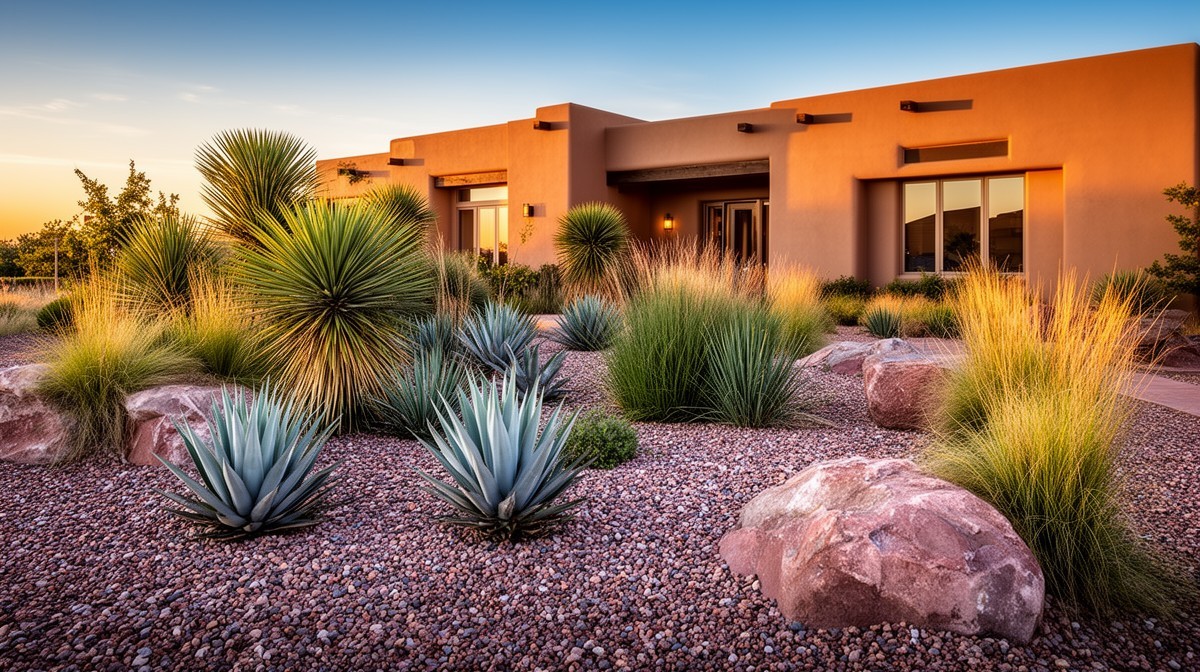
The Sagebrush Steppe Front Yard
$8–18/sqftA ranch-style home with a worn lawn becomes a sweep of sagebrush and bunchgrass, a bit like the foothills slope north of Nampa. A curved decomposed granite path winds between mounded Wyoming sagebrush, with silver-blue fescue in the gaps and a ring of bright purple penstemon along the walk. Late summer is when it works best: the rabbitbrush flowers gold against the silver foliage and the plumes of Indian ricegrass catch the low evening light.
Try this on your yard: The Sagebrush Steppe Front YardAI-generated image
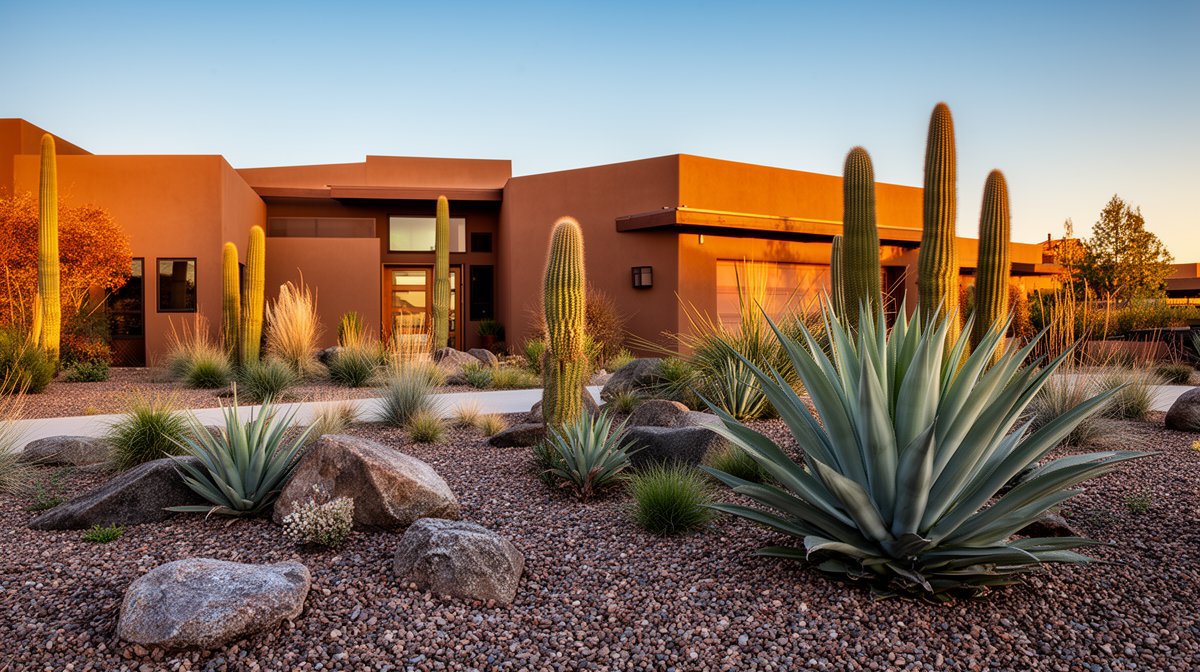
The Basalt and Prickly Pear Rock Garden
$14–30/sqftA mounded berm of gravelly soil holds three basalt boulders, with clumps of yucca, prickly pear and Parry's agave growing between them. A red-flowering Hesperaloe sends coral spikes up through the gravel in June, and orange-flowered ice plant fills the gaps. It sits on the south side of the house, a bake-oven spot in July where nothing else survives without extra water.
Try this on your yard: The Basalt and Prickly Pear Rock GardenAI-generated image
The Dry Creek Wash with Rabbitbrush
$16–32/sqftA dry streambed of rounded river rock winds across a backyard, doubling as a drainage swale that carries irrigation runoff to a low basin. Rabbitbrush and bitterbrush line its banks, a single curl-leaf mountain mahogany stands at the bend, and a flagstone stepping path crosses the wash to a gravel sitting area. The wash is dry most of the year and reads as a creek bed after a storm.
Try this on your yard: The Dry Creek Wash with RabbitbrushAI-generated image
The Gravel Courtyard and Fire Pit
$18–38/sqftA circular gravel patio, ringed by native bunchgrasses and sagebrush, surrounds a steel fire ring with a few cedar benches. The planting steps down in height from the fence line: tall bitterbrush at the back, mid-height sage in the middle, and a front fringe of low grasses and flowers. A single Rocky Mountain juniper at the fence gives winter structure and evergreen privacy.
Try this on your yard: The Gravel Courtyard and Fire PitSee how a desert/xeriscape garden looks on YOUR property
Upload a photo of your Nampa yard and visualize your dream garden in seconds.
Try ProScapeAI Free

AI-generated image
Featured Trees & Shrubs for Desert/Xeriscape Gardens
Browse all 153 plants for Nampa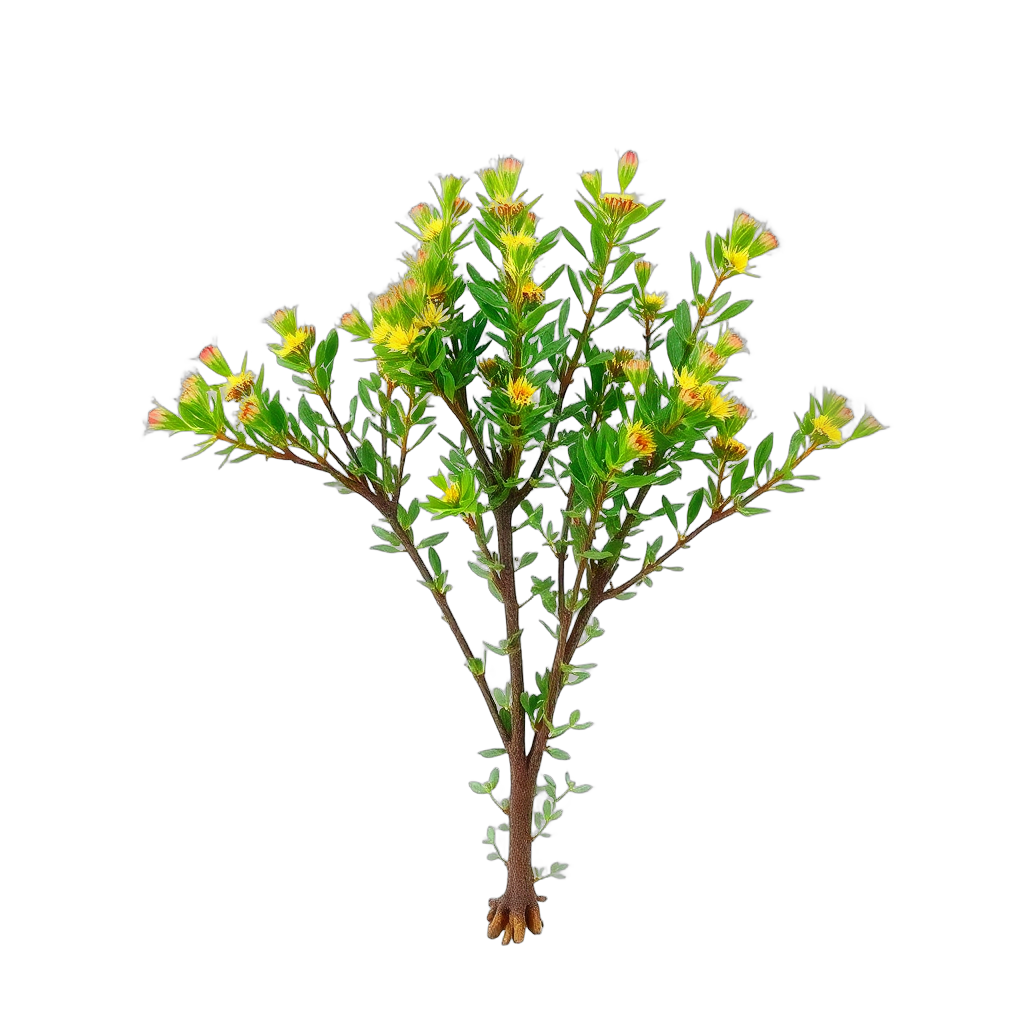
Antelope Bitterbrush
Purshia tridentata
grows to 6 feet, yellow blooms in spring. Fragrant.
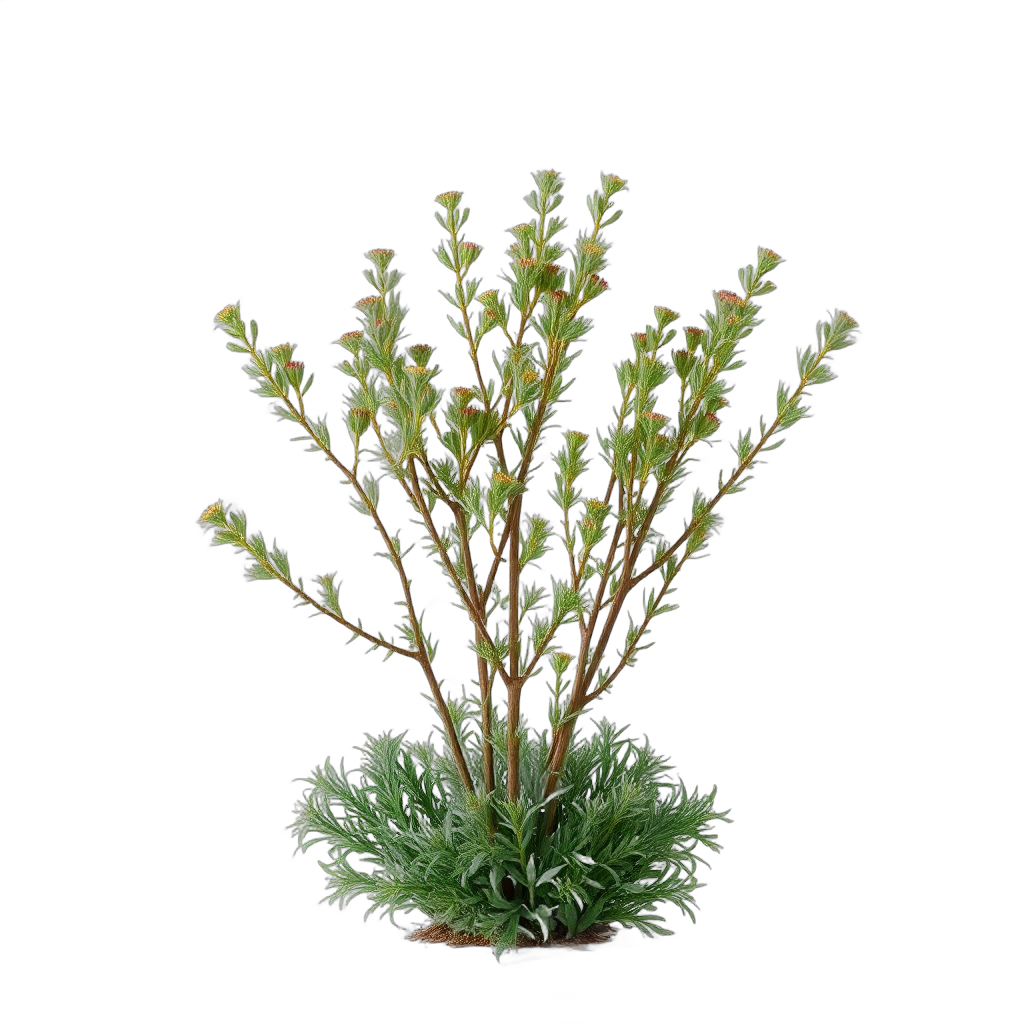
Big Sagebrush
Artemisia tridentata
grows to 6 feet, yellow blooms in fall. Evergreen year-round.

Cabbage Palm
Sabal palmetto
reaches 40 feet tall, white,yellow blooms in spring. Pollinator-friendly.

Windmill Palm
Trachycarpus fortunei
reaches 20 feet tall, yellow blooms in spring. Pollinator-friendly.
Featured Grasses & Groundcovers for Desert/Xeriscape Gardens
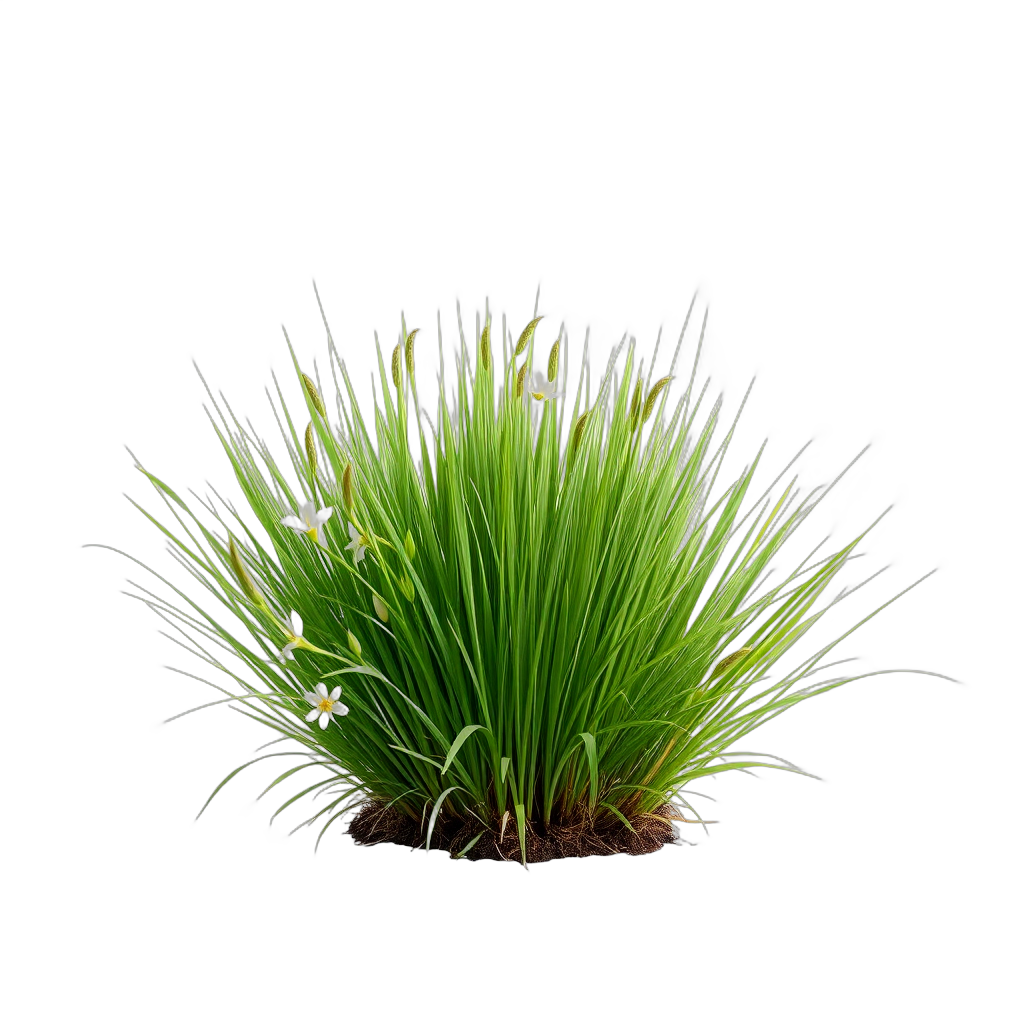
Sandberg Bluegrass
Poa sandbergii
low-growing ground cover, blooms in summer.
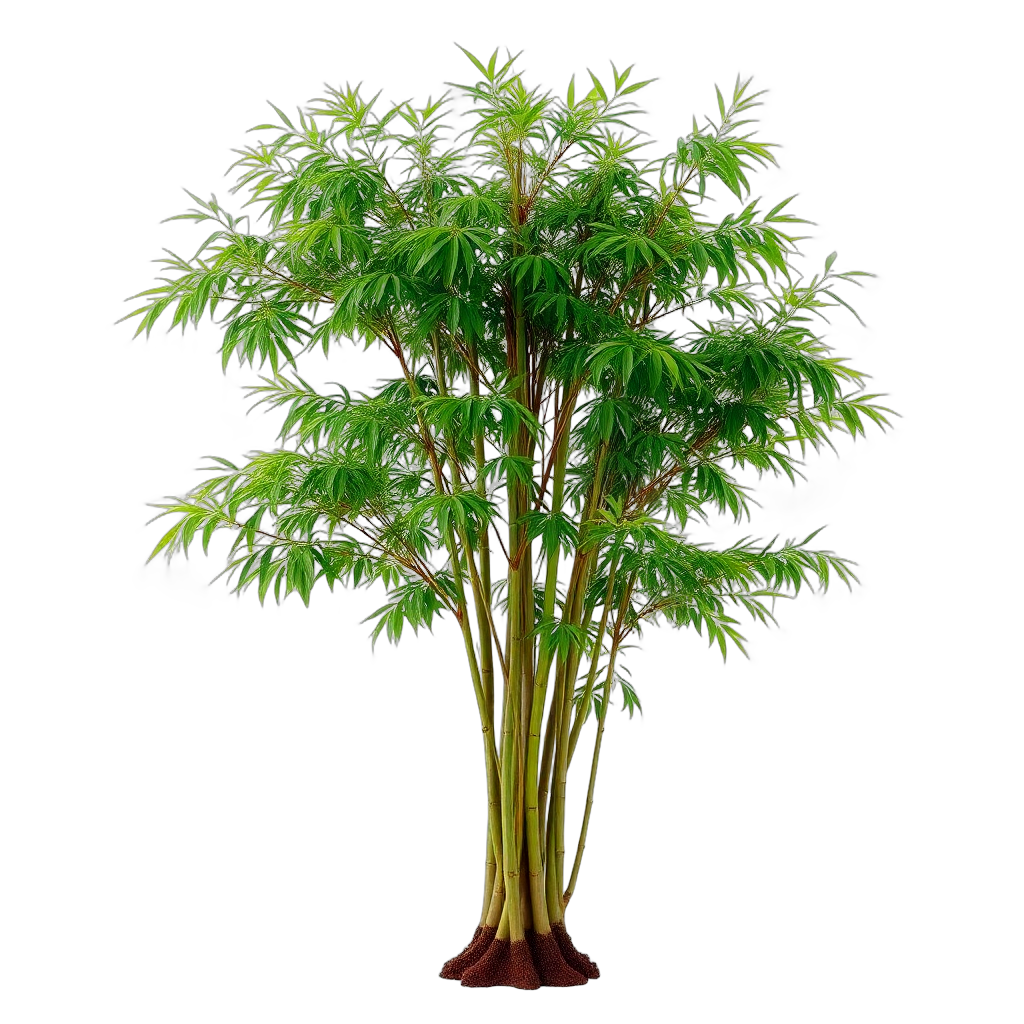
Arrow Bamboo
Pseudosasa japonica
medium-sized at 15 feet, blooms in none. Evergreen year-round.
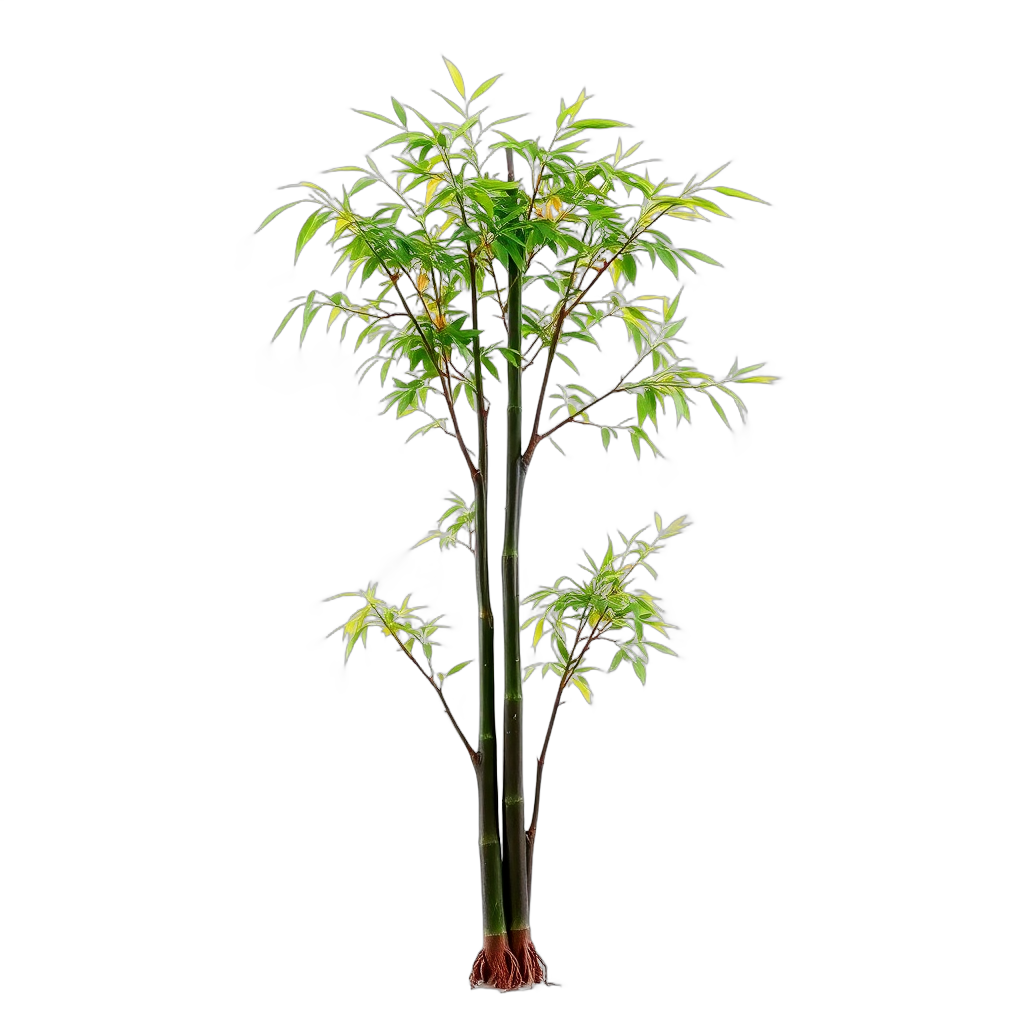
Black Bamboo
Phyllostachys nigra
reaches 25 feet tall, blooms in none. Evergreen year-round.
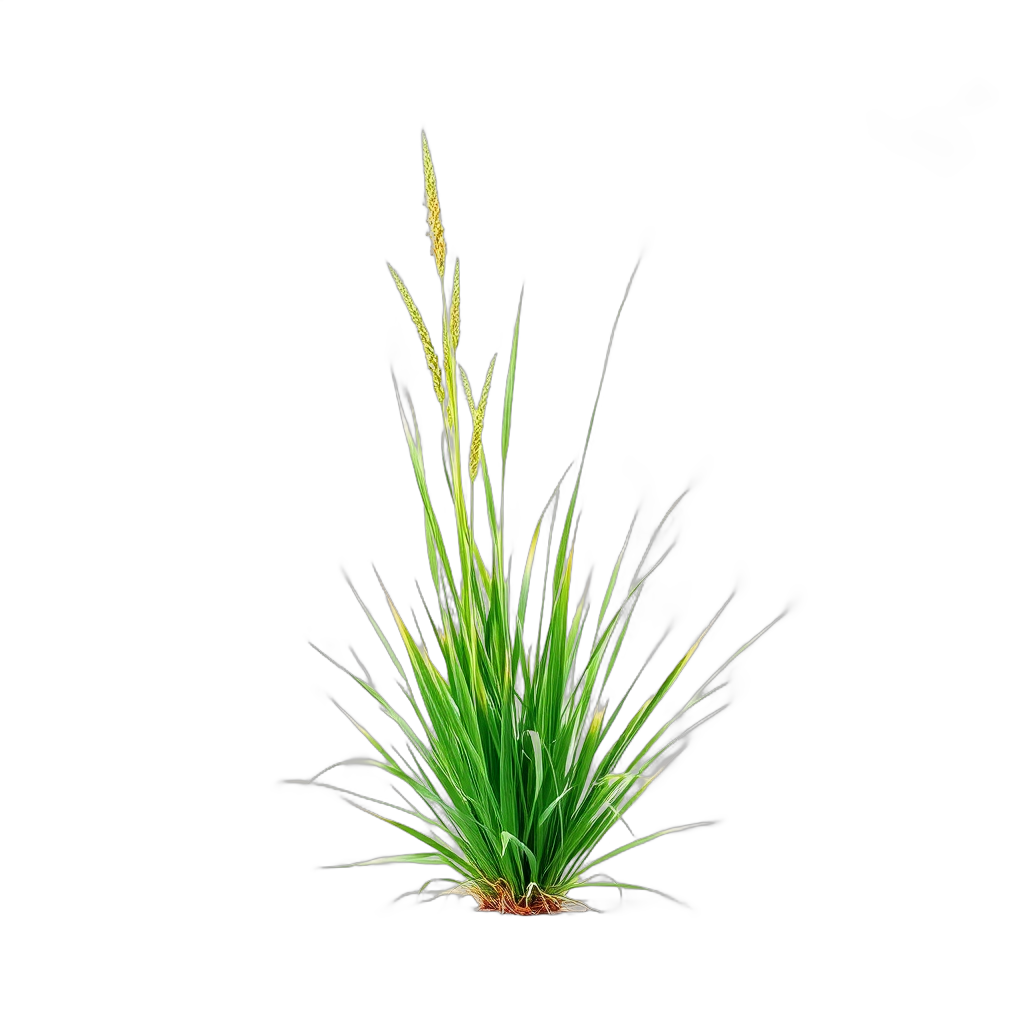
Bull Grass
Muhlenbergia emersleyi
grows to 4 feet, purple blooms in fall. Yellow fall color.
Featured Flowers & Perennials for Desert/Xeriscape Gardens

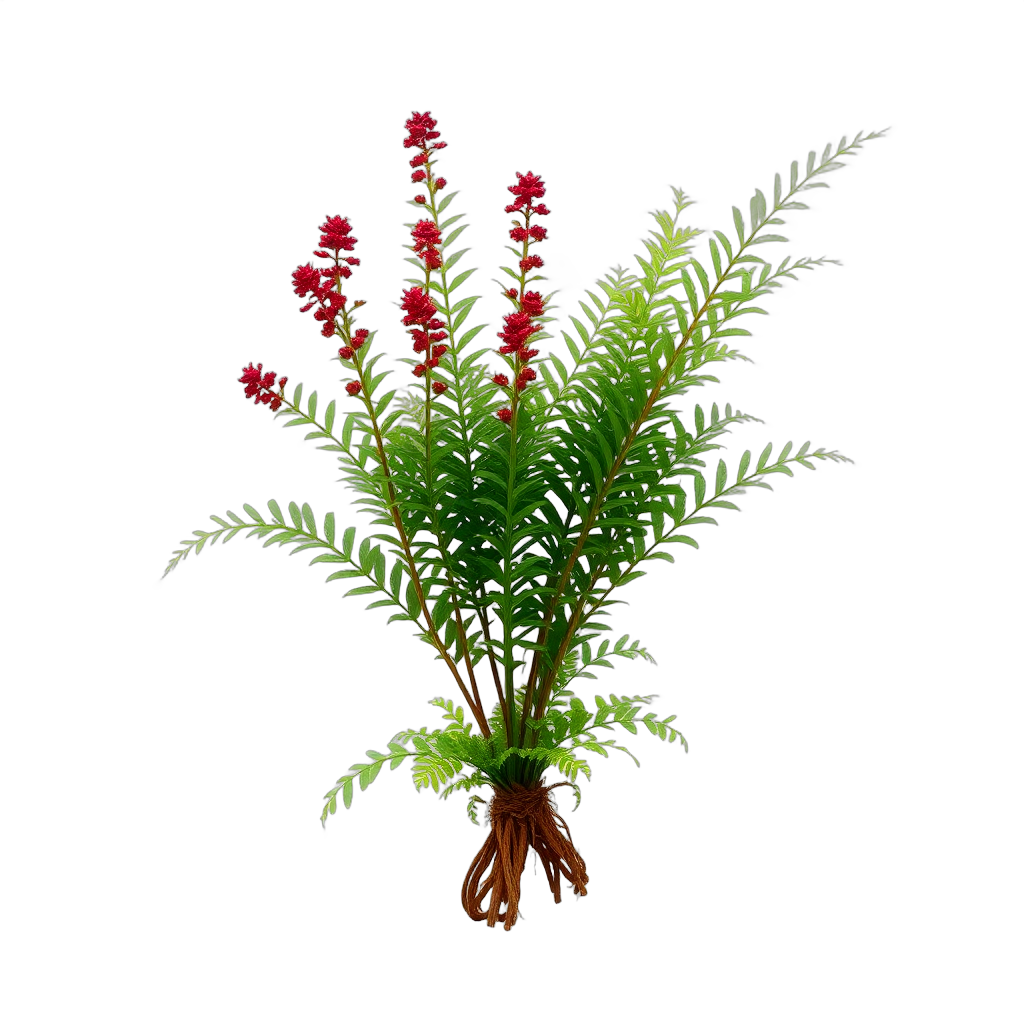
Water Fern
Azolla filiculoides
low-growing ground cover, blooms in none. Red fall color.
Holly Fern
Cyrtomium falcatum
low-growing ground cover, blooms in none. Evergreen year-round.
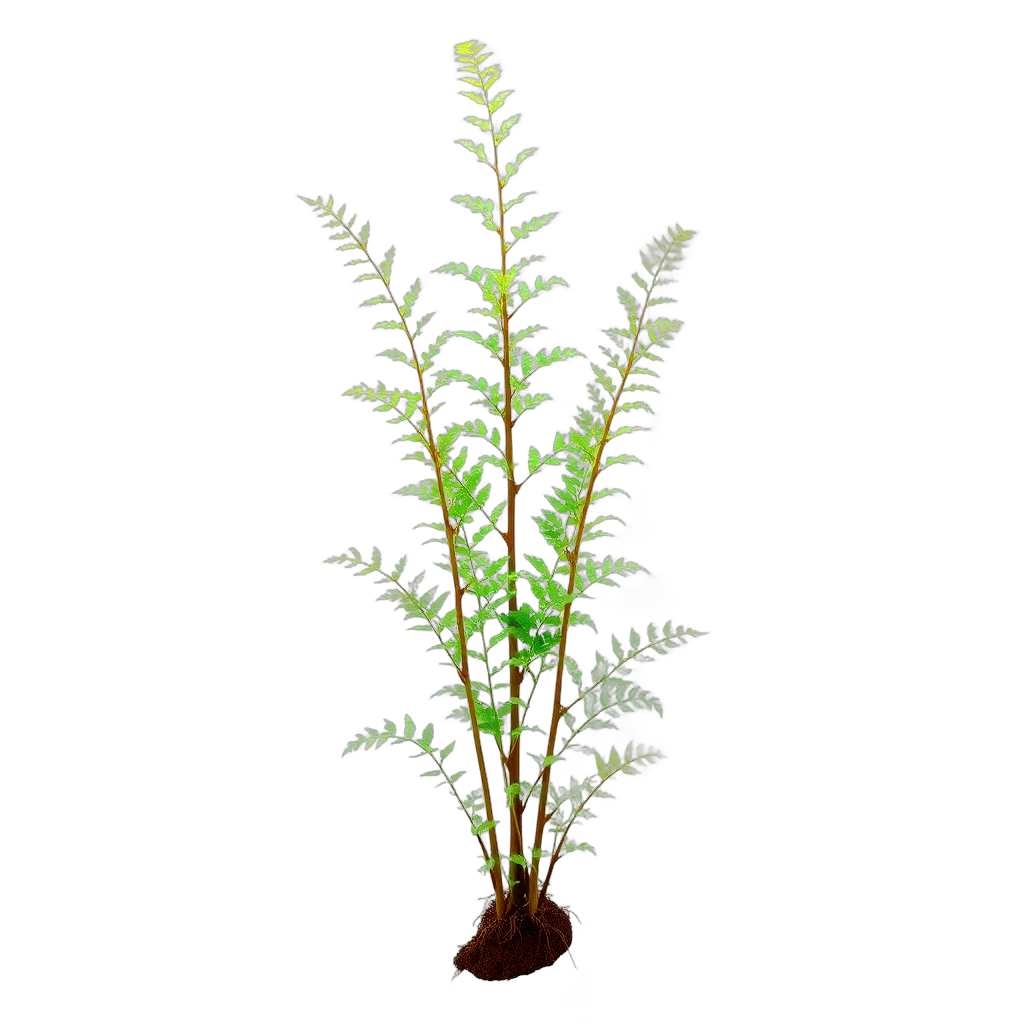
Lady Fern
Athyrium filix-femina
low-growing ground cover, blooms in none.
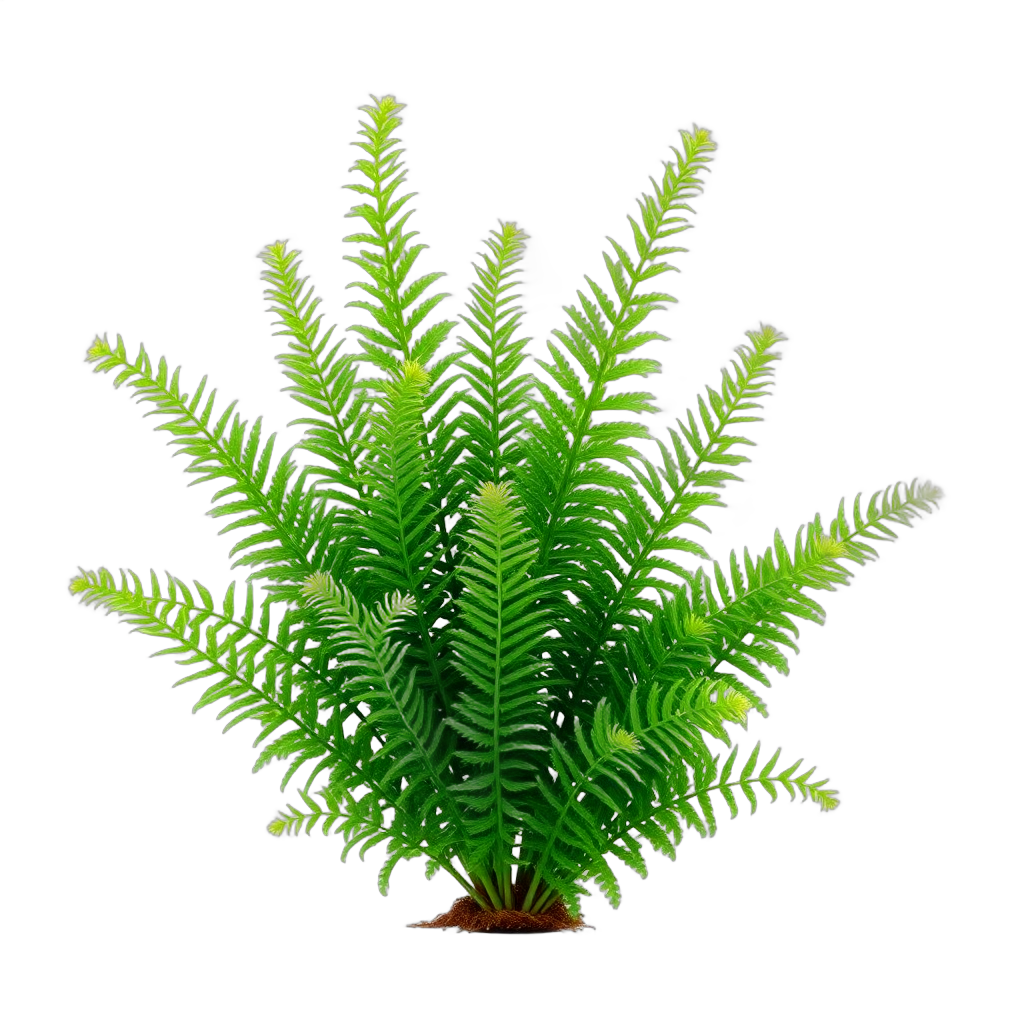
Ostrich Fern
Matteuccia struthiopteris
grows to 4 feet, blooms in none. Yellow fall color.
Zone and sun checks come from our database — confirm with your local nursery before you buy.
Bloom Calendar for Nampa
spring
Antelope Bitterbrush, Bishop's Cap, Bistortsummer
Sandberg Bluegrass, Angel's Fishing Rod, Anise Sagefall
Big Sagebrush, Anise Sage, California Fuchsiawinter
Limited bloomsDesign Tips for Nampa (Zone 7a)
- Do not amend: sagebrush, bitterbrush and rabbitbrush evolved in this alkaline silt loam, so compost makes them floppy and short-lived; dig the hole, backfill with native soil and mulch with 3/4-inch minus gravel
- Test for caliche: dig an 18-inch hole and fill it with water; if it still holds after a day, break through the hardpan with a bar or plant on a raised berm
- Water deeply in year one: Artemisia tridentata ssp. wyomingensis and Purshia tridentata need a deep soak every 10–14 days through the first summer, then roughly one soak a month in August heat
- Plant after the heat: the 50% first frost is October 13 and last frost is April 29, so September to mid-October gives roots a full winter to establish before 93°F Julys
- Use cold-hardy succulents: Opuntia polyacantha, Yucca glauca and Agave parryi var. huachucensis survive January lows near 23°F in fast-draining gravel; skip Agave americana
- Check your irrigation source: ask your irrigation district or city water provider about shutoff dates before you lay out drip zones, and keep native plants on a separate zone from any lawn
- Cut back once a year: shear Ericameria nauseosa by a third in March and leave sagebrush alone except for dead wood, which keeps the silver mounded shape
Where to Source Plants in Nampa
Skip the big-box stores. These independent Nampa nurseries specialize in the plants that make desert/xeriscape gardens thrive in Zone 7a.
Franz Witte Nampa Garden Center & Nursery
North Nampa
Large independent garden center and nursery with horticulturists trained in Idaho plants, a wide tree, shrub and perennial selection, and delivery and installation on items bought there
Edwards Greenhouse
Boise (Garden City area)
Independent greenhouse selling annuals, perennials, nursery stock, trees and conifers, plus soil, seeds and garden supplies, about 20 miles east of Nampa
Desert/Xeriscape Landscaping Cost Ranges
| Project Scope | Estimated Cost |
|---|---|
| Drip irrigation system (500 sqft of planted area) | $1,200–$2,200 |
| Block fire pit, stacked block, capped (1 fire pit) | $580–$770 |
| Landscape gravel court (200 sqft) | $170–$370 |
| AI visualization (ProScapeAI) | Free to start |
National average installed ranges for 2026 from our landscaping price list (Homewyse and other published sources). Prices in Nampa, ID vary with site, materials and contractor, so get two or three local quotes.
Nampa Climate & Growing Zone
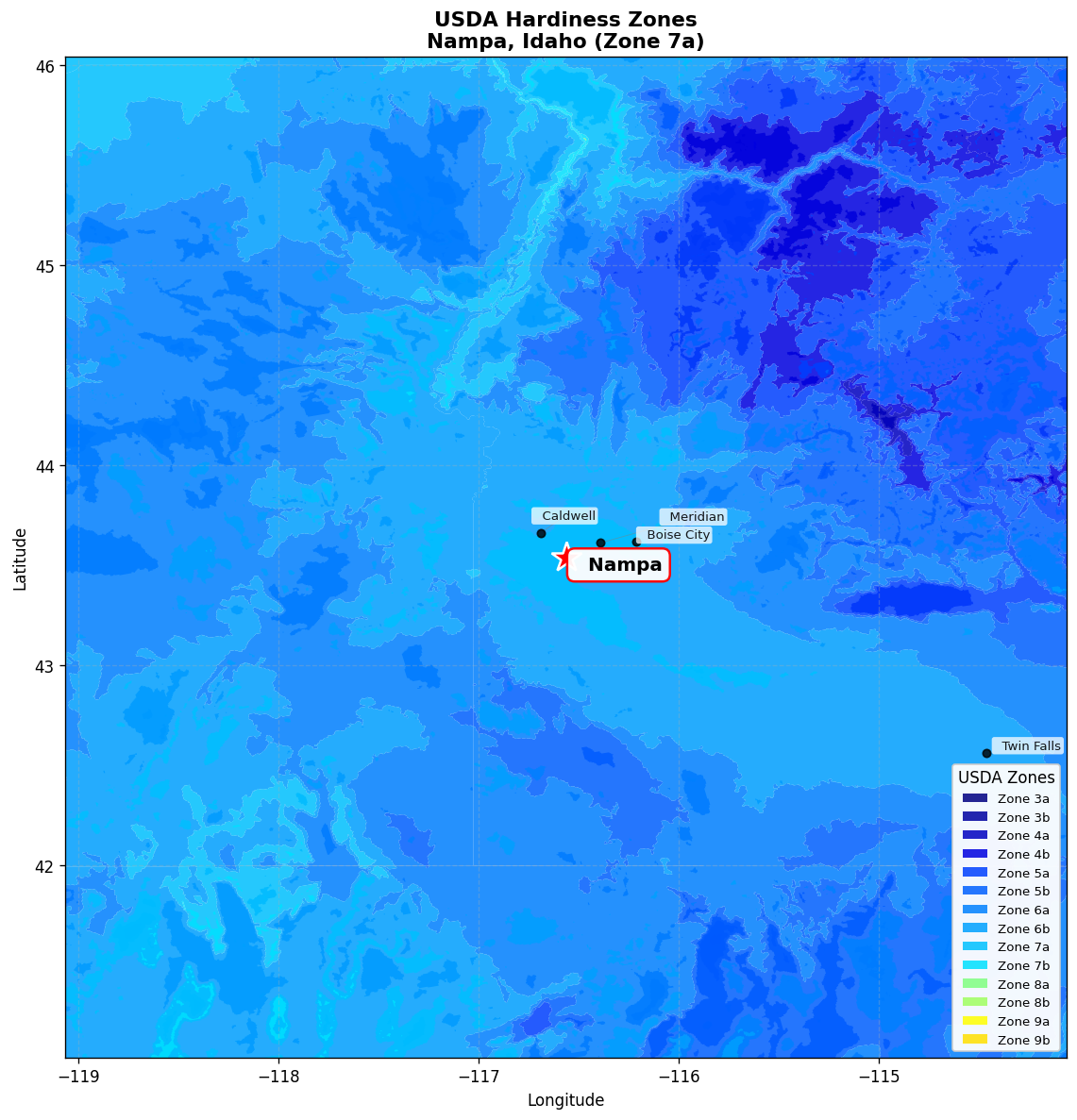
USDA Zone 7a
Hardiness zone for Nampa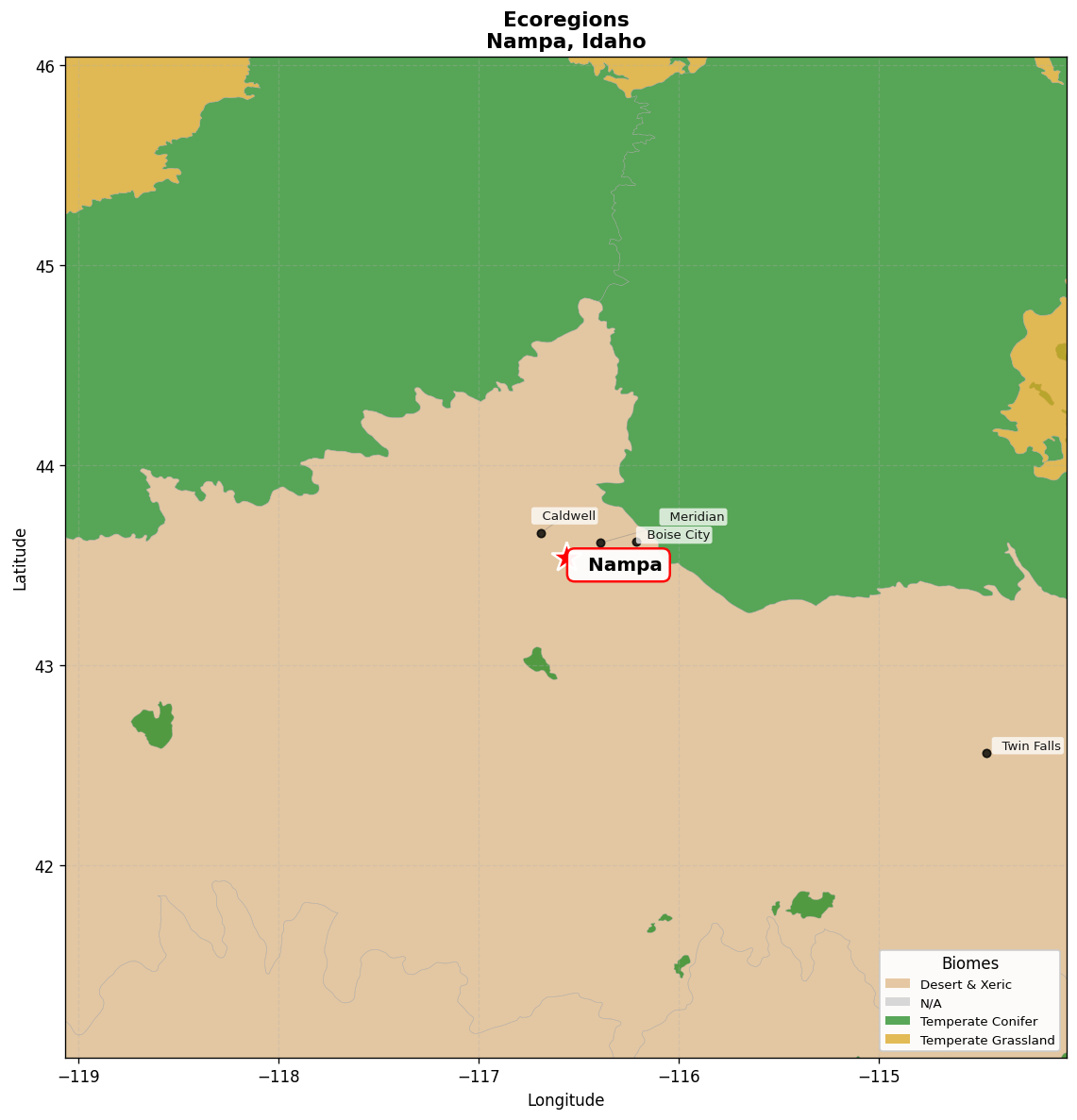
Snake-Columbia shrub steppe
Native ecoregionFrequently Asked Questions
How much does a desert garden cost in Nampa, ID?
Buying Artemisia tridentata ssp. wyomingensis and Festuca idahoensis 'Joseph' in one-gallon pots and planting yourself cuts plant cost by about a third. Get at least three quotes, because contractors price boulders and haul-away differently.
Is a desert garden low maintenance in Nampa?
Yes, once established. With about 11 inches of annual precipitation (NOAA 1991–2020 normals) and July highs near 93°F, native plants such as Artemisia tridentata ssp. wyomingensis and Ericameria nauseosa need deep water through their first summer and then very little. Expect one haircut in early spring, a pass for weeds in the gravel, and a quick check of the emitters each April. Never fertilize sagebrush: rich soil makes it floppy and short-lived.
When is the best time to plant in Nampa?
September through mid-October is the best window, because soil is warm, the heat is gone and roots establish through winter. March to early May is second best. NOAA puts the 50% last spring frost at April 29 and the first fall frost at October 13, a 164-day season, so wait until early May for tender picks like Hesperaloe parviflora 'Brakelights' and Agave parryi var. huachucensis.
Do I need a permit or HOA approval in Nampa?
A plain planting change usually needs no permit, but retaining walls, tall fences, patio covers and anything with gas or electric lines can. Confirm the current rules with the City of Nampa before you build, and read your HOA covenants first: some require a share of live lawn in the front yard or restrict boulders and gravel. Also check your irrigation source and shutoff date before you tie a new drip zone into it.
What desert plants survive Nampa's winters?
January lows average 23°F and the station sees about one day a year below 0°F, so choose cold-hardy plants. The sure bets are Artemisia tridentata ssp. wyomingensis, Ericameria nauseosa, Purshia tridentata, Penstemon strictus, Eriogonum umbellatum 'Kannah Creek', Opuntia polyacantha and Yucca glauca. Agave parryi var. huachucensis and Hesperaloe parviflora 'Brakelights' survive in sharp-draining soil in a sheltered spot; skip tender Arizona cacti and Agave americana.
What about caliche and the alkaline soil?
Native shrub-steppe plants evolved in this soil, so alkaline silt loam above pH 7.5 is not a problem for them. Caliche is the risk, because a cemented layer holds water around roots and rots them. Dig a test hole 18 inches deep, fill it with water and see whether it drains within a day. If not, break through the layer with a digging bar or plant on a raised berm. Skip compost and mulch with 3/4-inch minus decomposed granite or crushed basalt instead of bark.
Can I mix in some green with a desert design?
Yes, a small mown panel or a few accents of Buchloe dactyloides 'Legacy' buffalograss and Rhus trilobata fit the style without large water use. Salvia nemorosa 'Caradonna' and Gaillardia aristata 'Arizona Sun' add color from June to September on very little water. Keep these on their own drip zone so the sage and bitterbrush do not get extra water.