4 Desert Garden Ideas for Spokane, WA | Xeriscape Landscape Design in Zone 6b
Native plants from the Northern Rockies conifer forests (Zone 6b) — Temperate climate
Why Desert/Xeriscape Gardens in Spokane?
Xeriscaping in Spokane isn't an imported fashion — it's a return to what this landscape actually is. Spokane sits where the Northern Rockies conifer forests meet the Columbia Basin shrub-steppe, receives only about 16.5 inches of precipitation a year, and gets essentially none of it between July and September. Drive twenty minutes west and you're in native bunchgrass, sagebrush, and basalt scabland; the brittle prickly pear (Opuntia fragilis) and plains prickly pear grow wild in eastern Washington. A gravel-and-boulder front yard here isn't pretending to be Tucson — it's dropping the pretense that Spokane is Seattle.
The economics are unusually persuasive. Lawns in Spokane demand roughly weekly deep irrigation from June through September to stay green, and the City of Spokane's SpokaneScape program pays you to remove them — a utility-bill credit of up to $500 for approved turf-to-water-wise conversions. Between the rebate, the roughly 50% summer water reduction a converted yard delivers, and the near-elimination of mowing, a xeriscape front yard in Comstock or Shadle Park often pays for its own materials within a few seasons. Basalt is the local cheat code: boulders and columns quarried within miles of town cost a fraction of imported stone and anchor the style instantly.
What separates Spokane xeriscape from Phoenix xeriscape is winter. Zone 6b lows of -5°F and 45 inches of annual snow rule out saguaros, ocotillo, and nearly all tender agaves — the palette here is the cold-hardy high-desert list: Yucca glauca and Yucca filamentosa, Opuntia polyacantha, big sagebrush and 'Powis Castle' artemisia, rabbitbrush, blue oat grass, penstemon, and blanket flower. The other winter rule is drainage: cold-hardy desert plants die in Spokane not from frost but from sitting wet through freeze-thaw cycles, so every cactus and yucca wants a raised or sloped position in gravelly, unamended mineral soil topped with rock mulch — never bark, never compost against the crown. Get the drainage right and these plants are effectively permanent, asking for nothing but a spring tidy-up in exchange for a landscape that looks composed in July heat and sculptural under January snow.
4 Desert/Xeriscape Design Ideas for Spokane
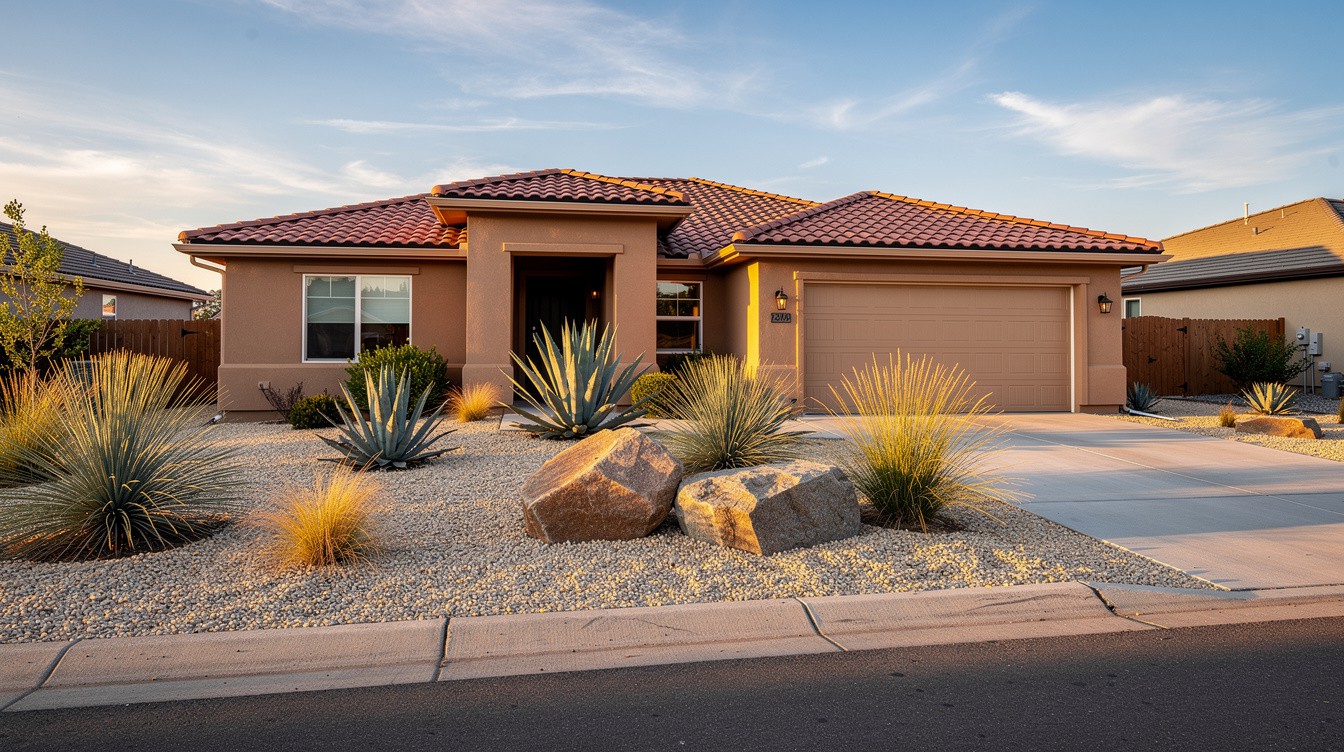
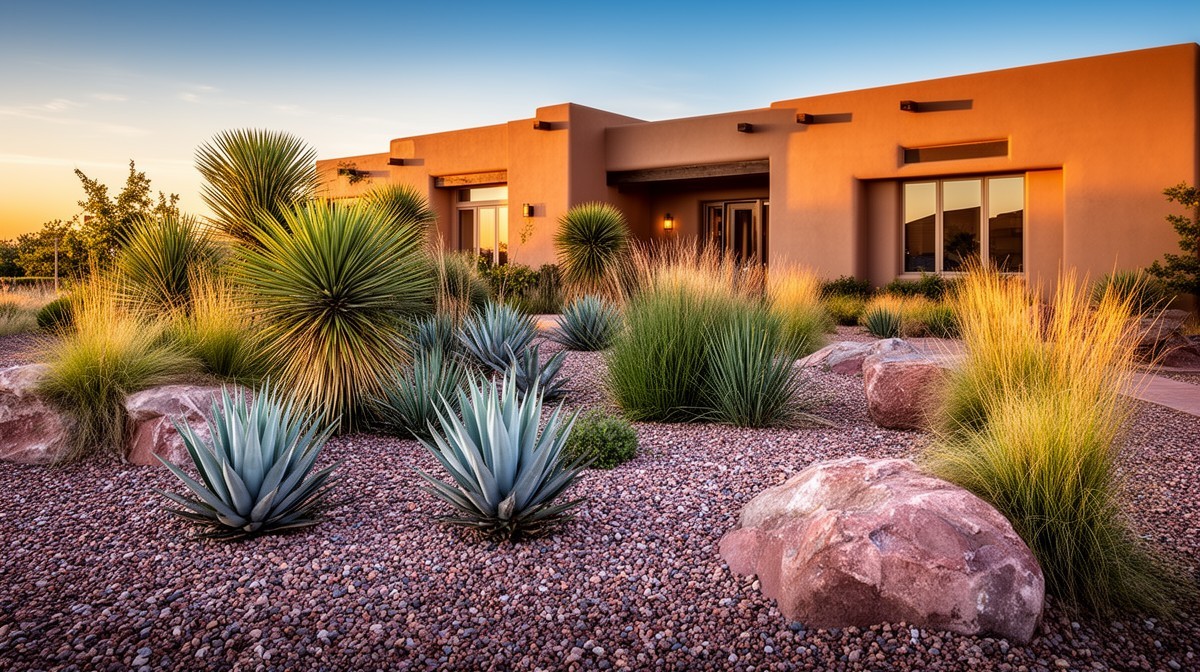
The Boulder-and-Beargrass Courtyard
$6–12/sqftA stucco ranch with a terracotta tile roof and recessed entry rises from a front yard done entirely in buff pea gravel — no lawn, no bark, no apology. Two massive granite boulders anchor the composition mid-yard, surrounded by fountains of narrow-leaf blue yucca, golden thread-fine grasses backlit by the low sun, and silvery rosettes tucked against the walkway. A clean concrete driveway and mow strip frame the gravel field. It is the lowest-maintenance front yard on this list: the boulders never need water, and the yucca-and-grass palette gets by on a handful of deep soakings per summer.
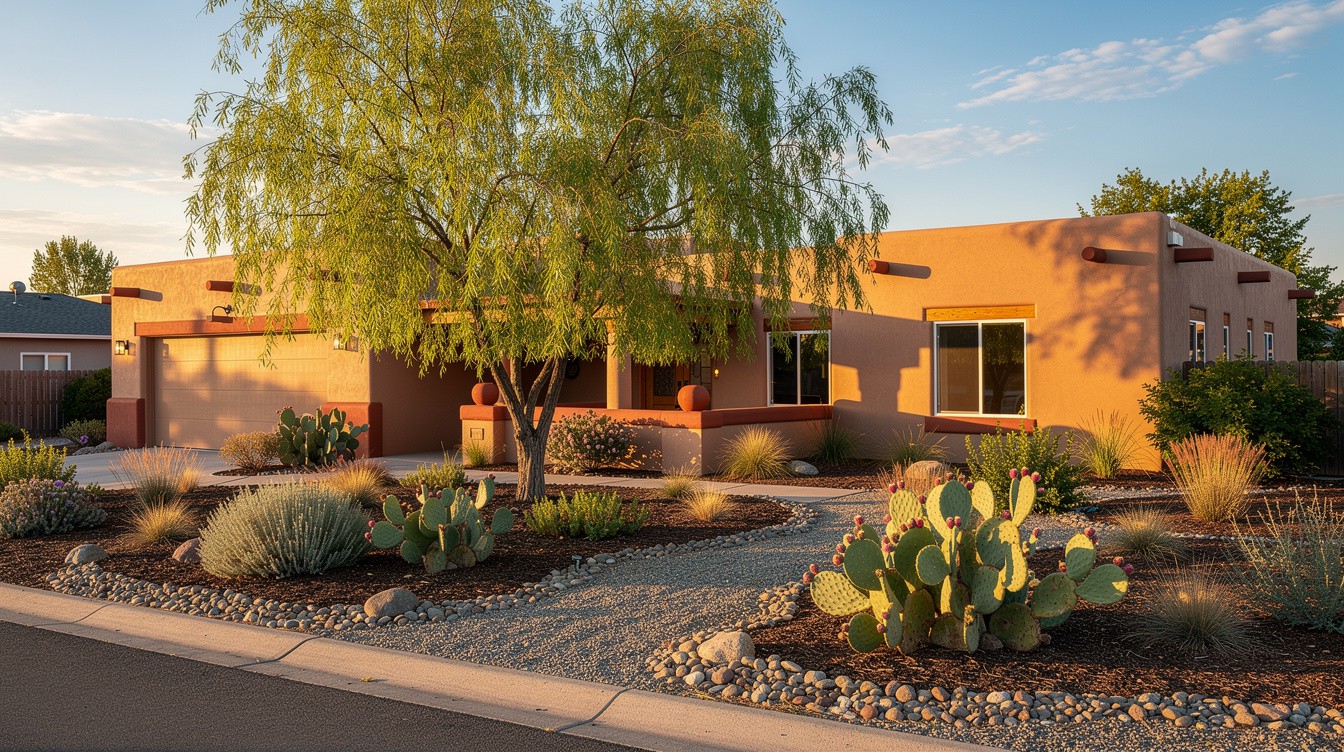
The Pueblo Dry-Creek Front Yard
$8–15/sqftAn adobe-style home with protruding vigas and deep earth tones gets a front yard organized around a meandering dry creek: a gravel channel edged in rounded river rock that swings past a graceful willow-type shade tree and a showpiece cluster of paddle cactus heavy with magenta fruit. Mounded beds of silver sage, feathery grasses, and gold-blooming shrubs rise from dark cocoa-brown mulch on either side, so the yard reads as high-desert wash rather than rock lot. In Spokane, plant the paddles as cold-hardy Opuntia polyacantha and let the dry creek double as real stormwater routing for spring snowmelt.
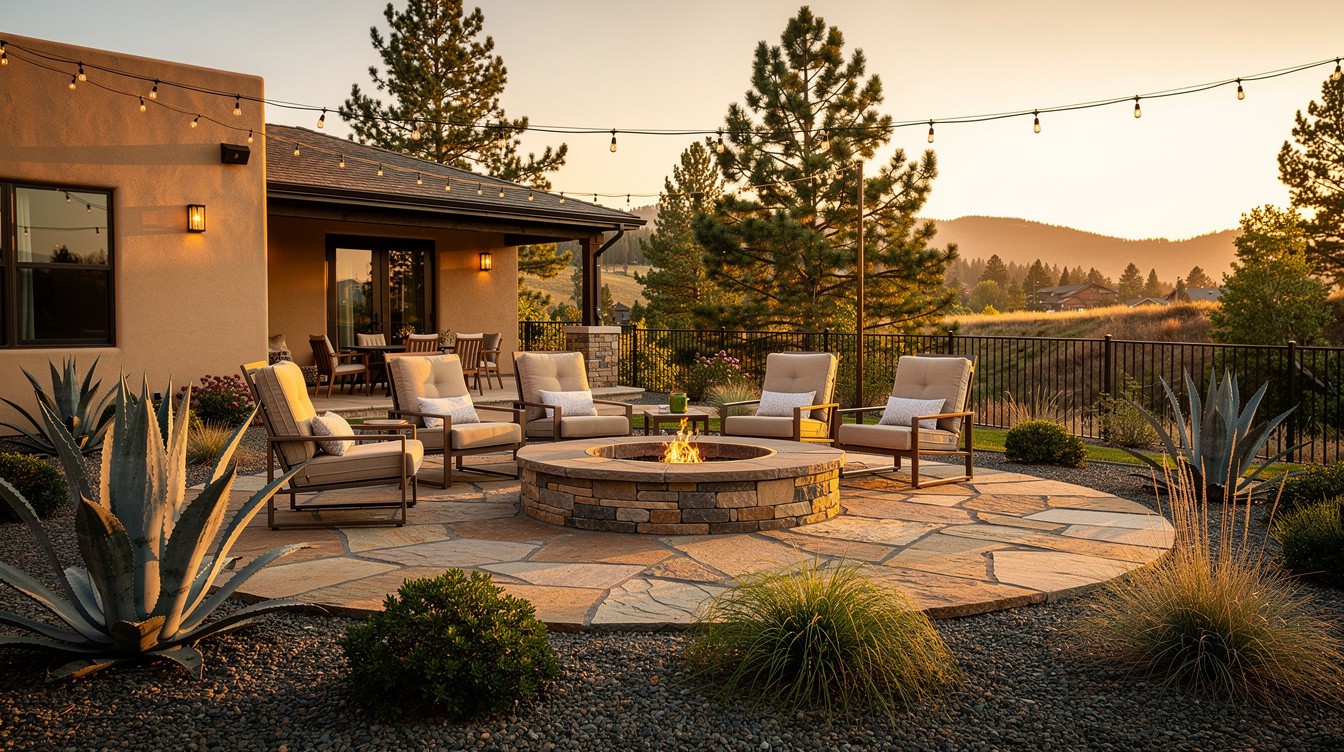
The Agave Fire-Pit Overlook
$15–30/sqftA warm-toned stucco home opens onto an irregular flagstone patio where six cushioned armchairs circle a round stacked-stone gas fire pit, with string lights sweeping overhead and ponderosa-covered hills rolling away beyond a low black metal fence. Huge blue agave rosettes flank the patio like living sculpture, backed by clipped green mounds and drifts of fine grass rising from pea gravel. In Spokane, those sentinel agaves are the one honest substitution: use Agave parryi in steep, gravel-mulched raised pockets — or big frost-proof pots of tender agave overwintered in the garage — and let Yucca 'Color Guard' carry the year-round spike.
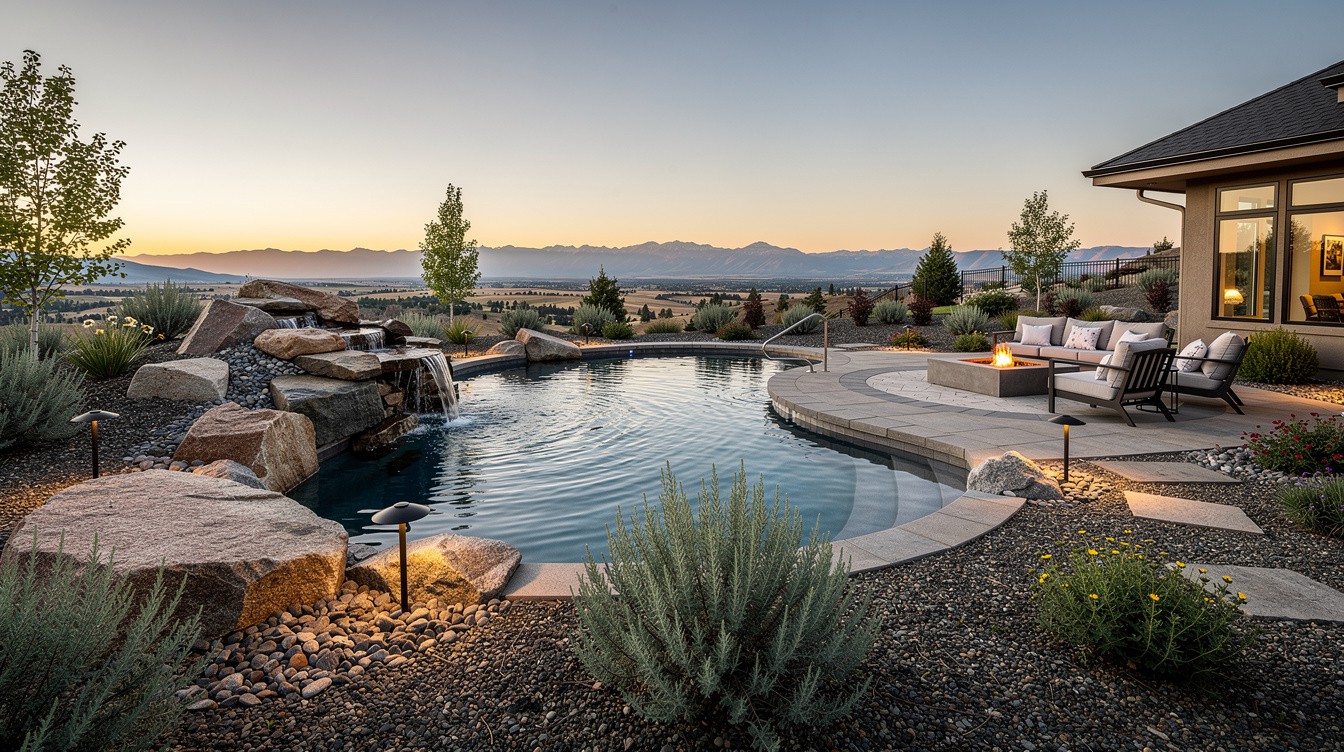
The Rimrock Pool Panorama
$60–120/sqft (pool area inclusive)On a hilltop lot with a full mountain-and-valley panorama, a freeform pool wraps around a massive boulder outcrop with a sheeting waterfall, its far edge nearly vanishing into the view. The surrounding grade is pure Inland Northwest xeriscape — dark crushed gravel studded with silver sagebrush-toned shrubs, young aspens, golden blanket flower, and mushroom path lights — while a curved paver terrace behind the pool holds a sofa group around a rectangular gas fire table. It is the region's most ambitious outdoor-living formula: desert planting that needs almost no water beside the one glorious place all the water went.
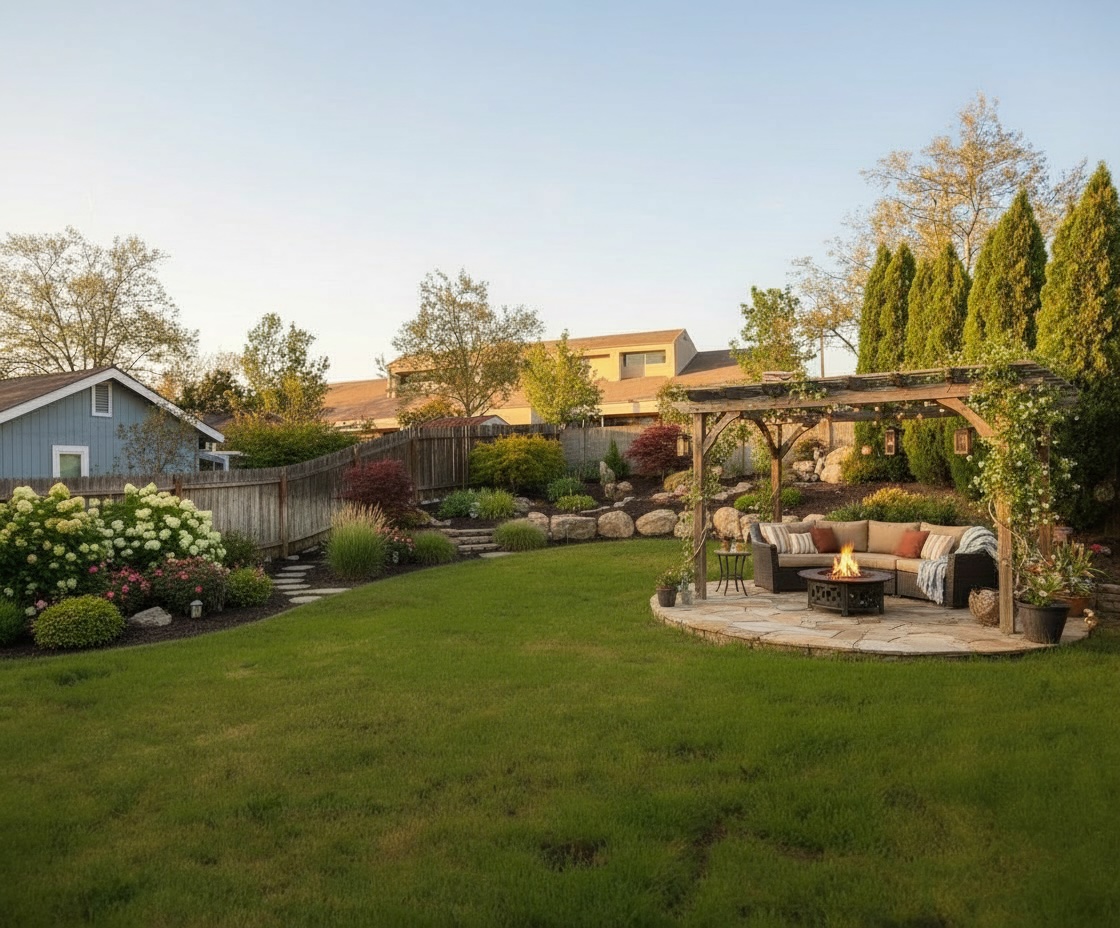
See how a desert/xeriscape garden looks on YOUR property
Upload a photo of your Spokane yard and visualize your dream garden in seconds.
Try ProScapeAI Free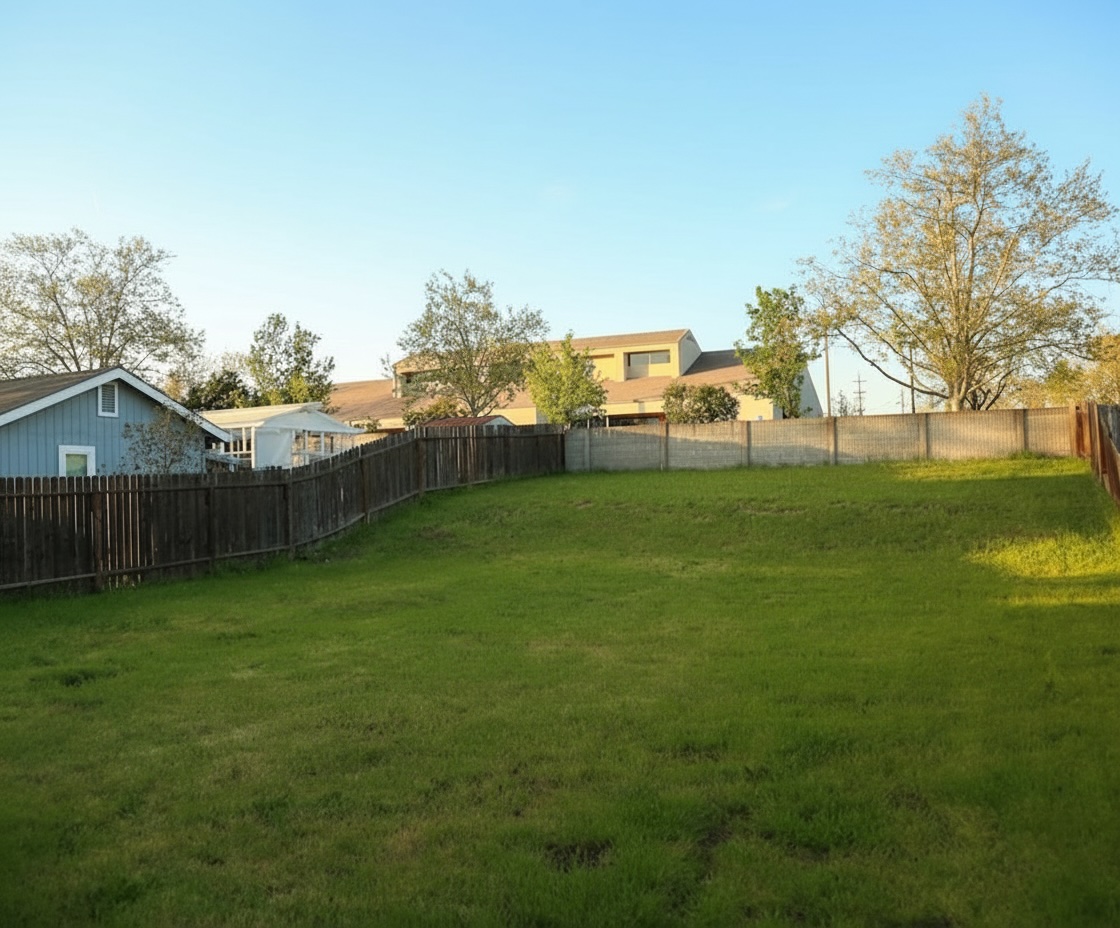
Featured Trees & Shrubs for Desert/Xeriscape Gardens
Browse all 49 plants for Spokane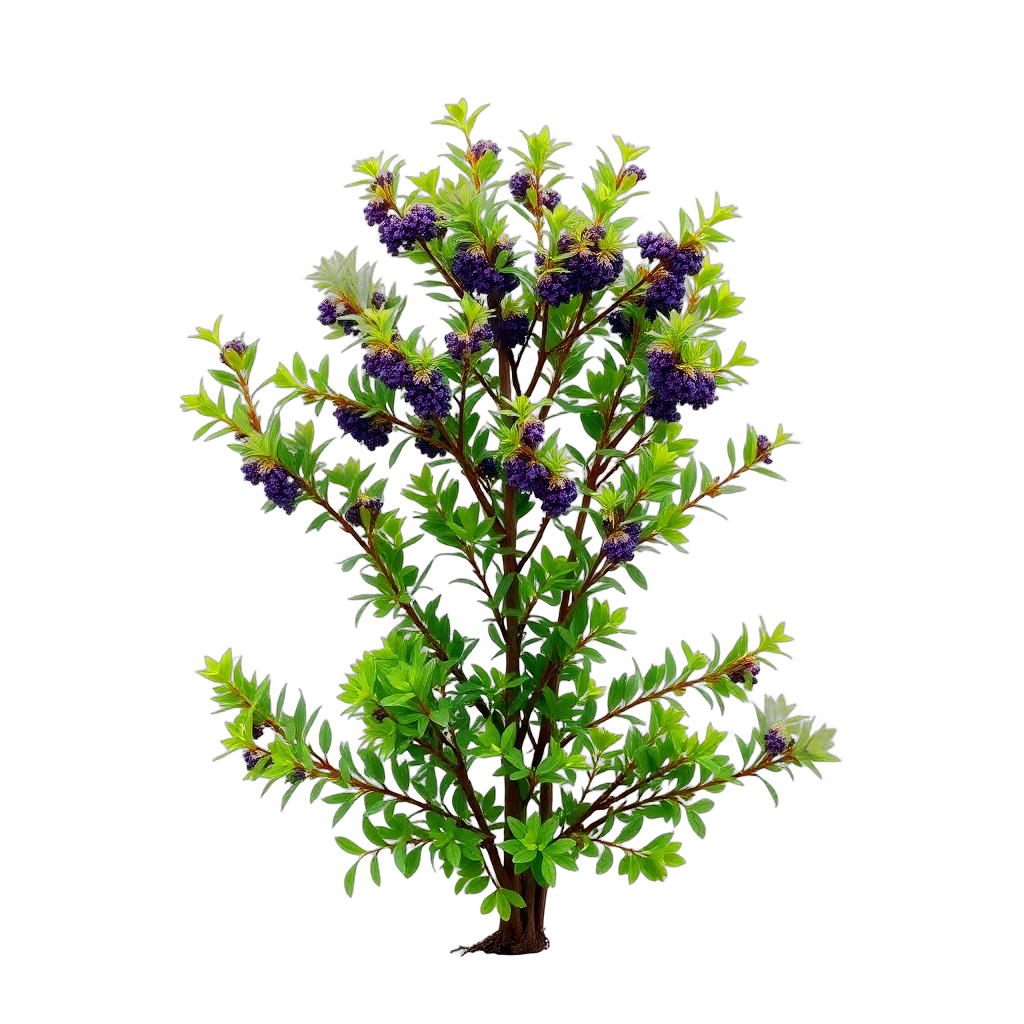
Creeping Mahonia
Mahonia repens
low-growing ground cover, yellow blooms in spring. Pollinator-friendly.
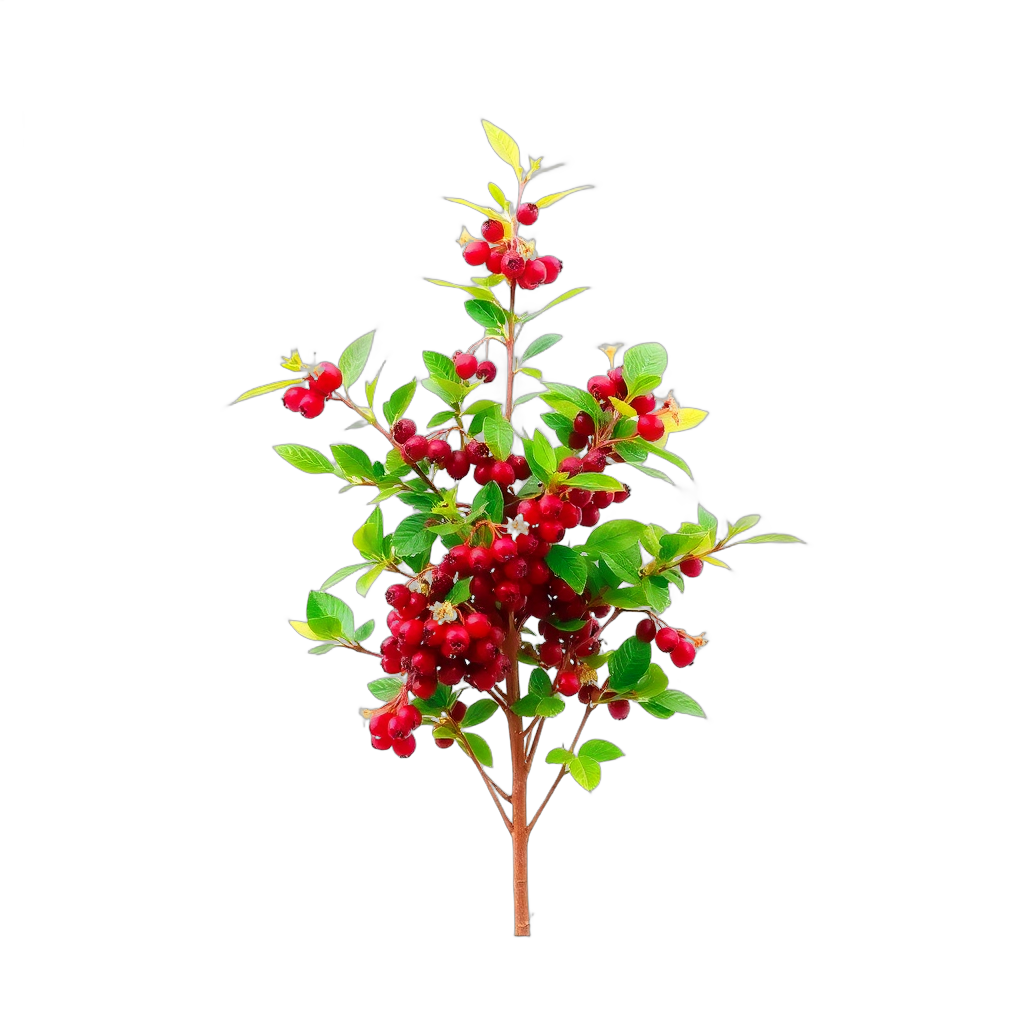
Grouseberry
Vaccinium scoparium
low-growing ground cover, pink blooms in spring. Attracts butterflies.
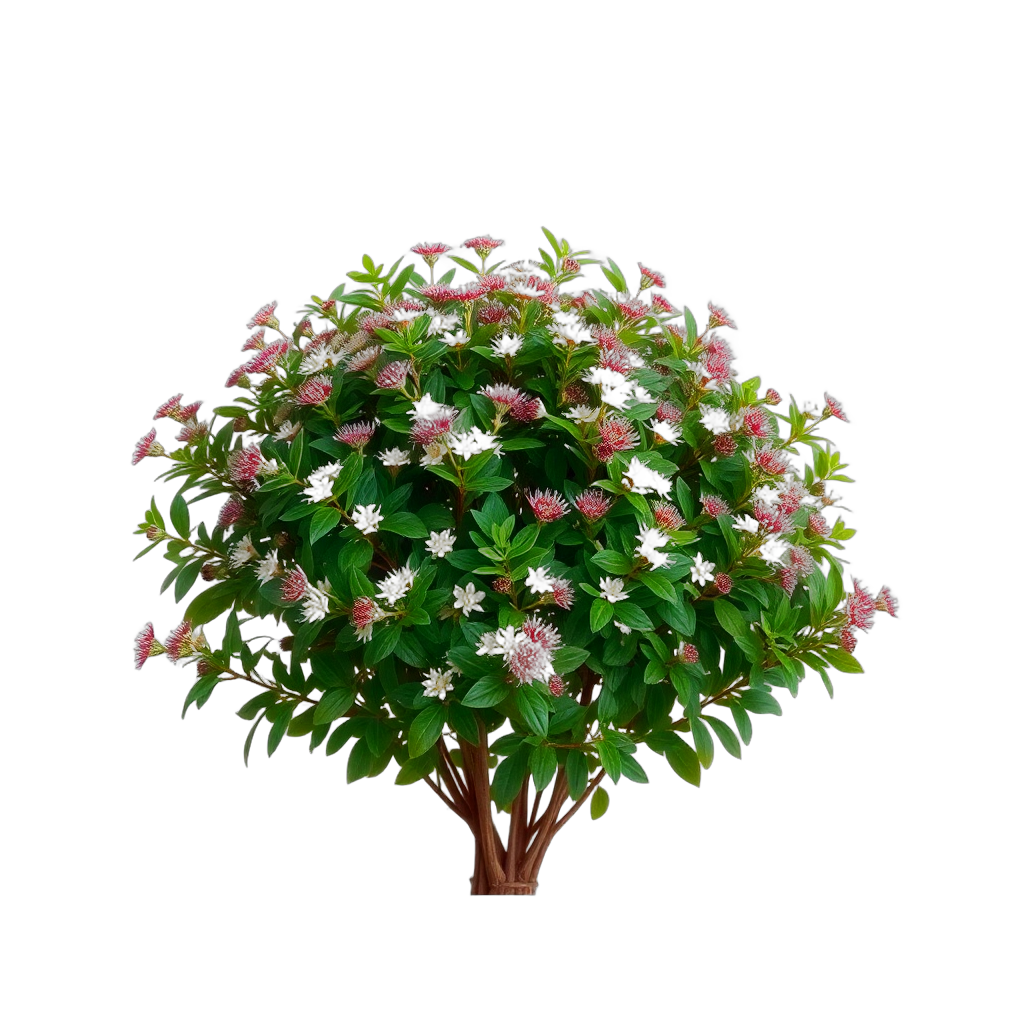
Labrador Tea
Ledum glandulosum
grows to 4 feet, white blooms in spring. Evergreen year-round.
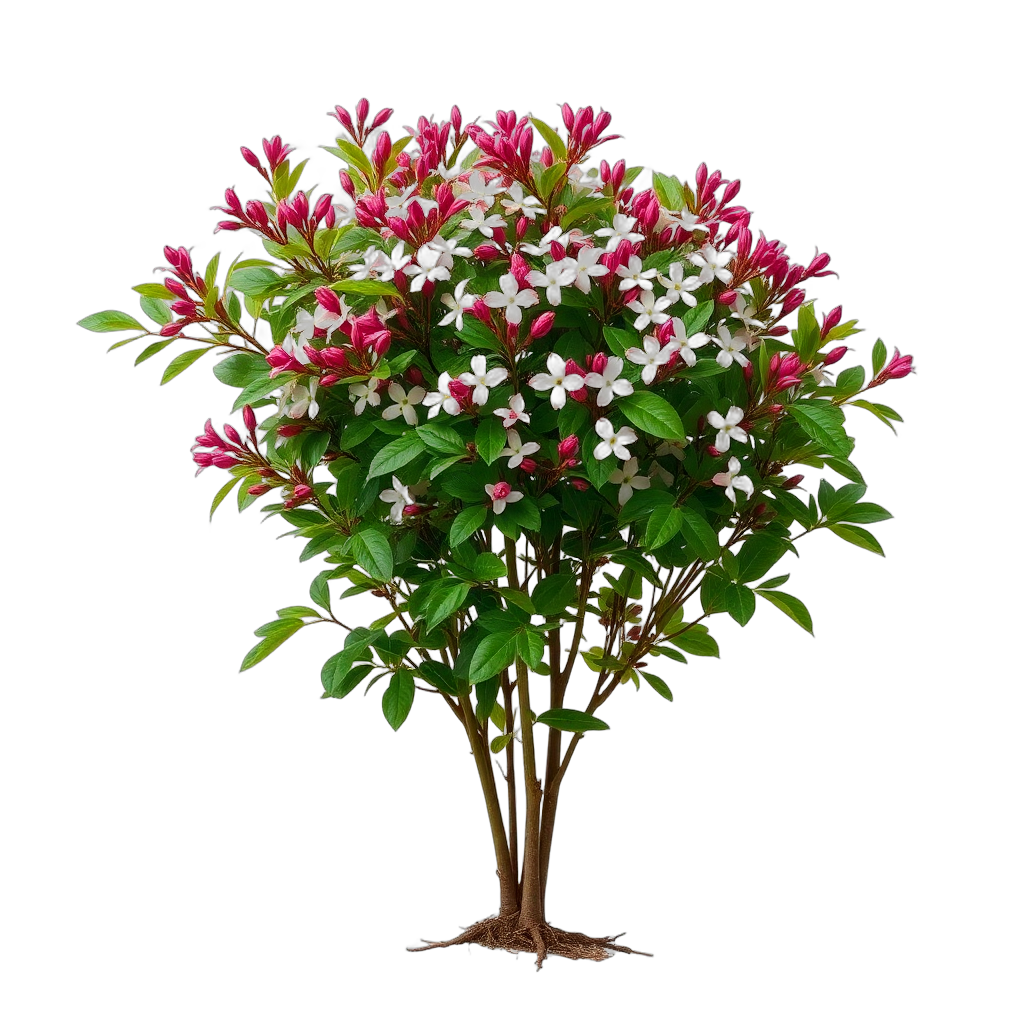
Red Osier Dogwood
Cornus sericea
medium-sized at 8 feet, white blooms in spring. Pollinator-friendly.
Featured Grasses & Groundcovers for Desert/Xeriscape Gardens

Kentucky Bluegrass
Poa pratensis
low-growing ground cover, blooms in spring. Brown fall color.
Featured Flowers & Perennials for Desert/Xeriscape Gardens
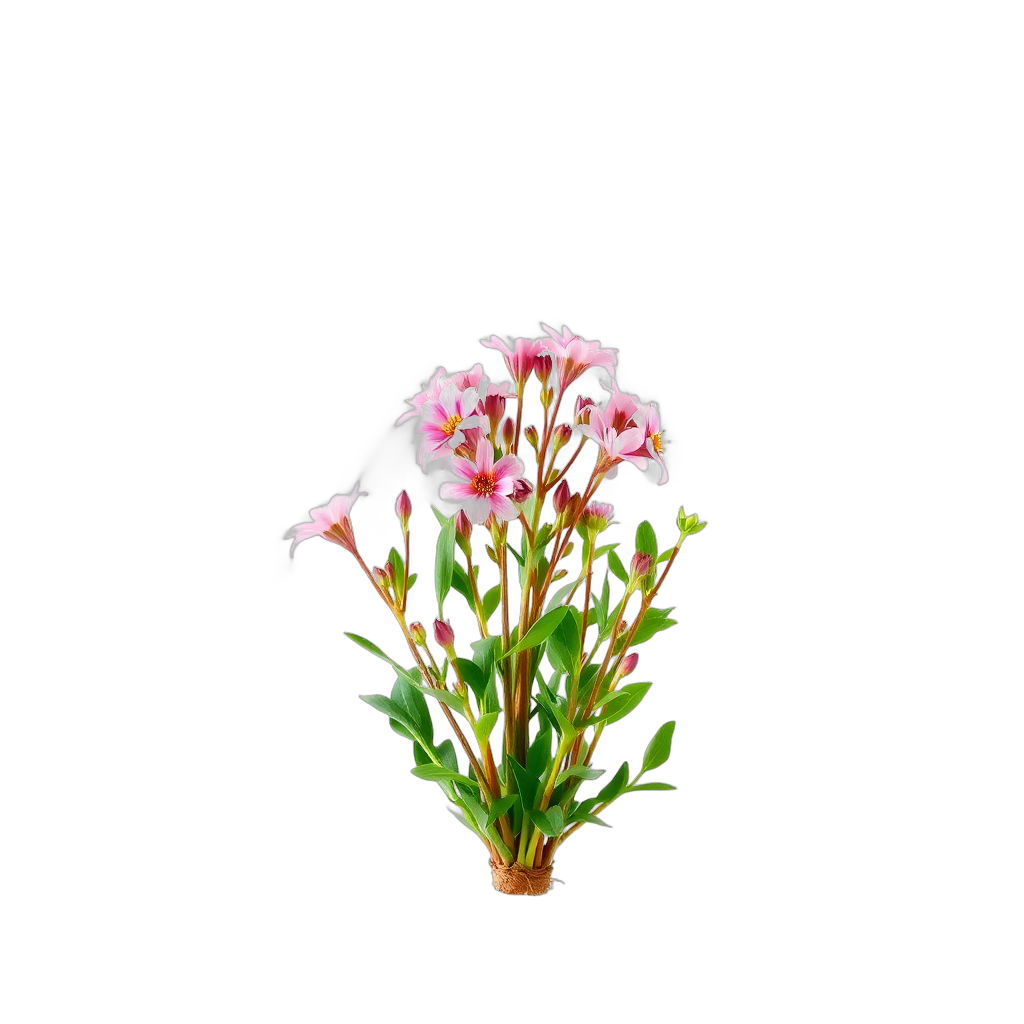
Bitterroot
Lewisia rediviva
low-growing ground cover, pink blooms in spring.
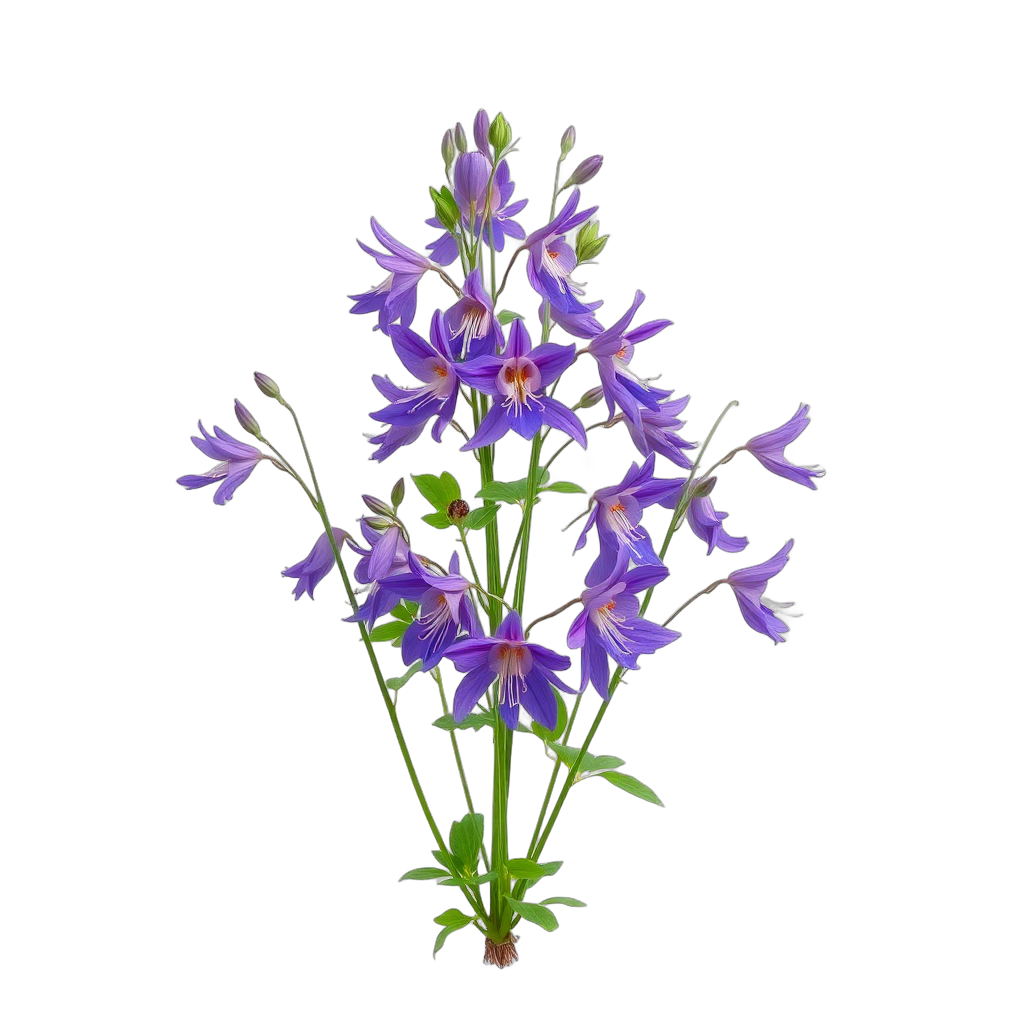
Colorado Columbine
Aquilegia caerulea
low-growing ground cover, blue blooms in spring. Attracts hummingbirds.
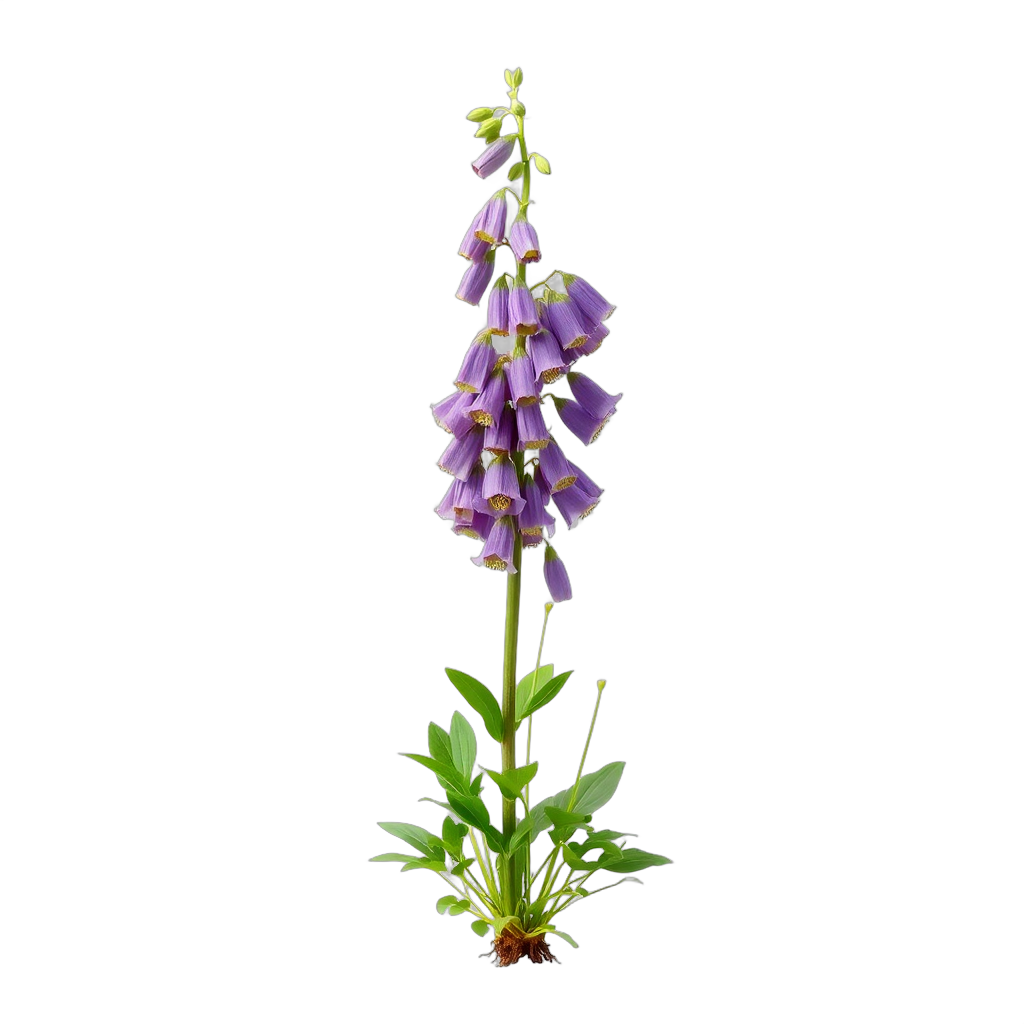
Columbian Monkshood
Aconitum columbianum
grows to 3 feet, purple blooms in summer. Pollinator-friendly.
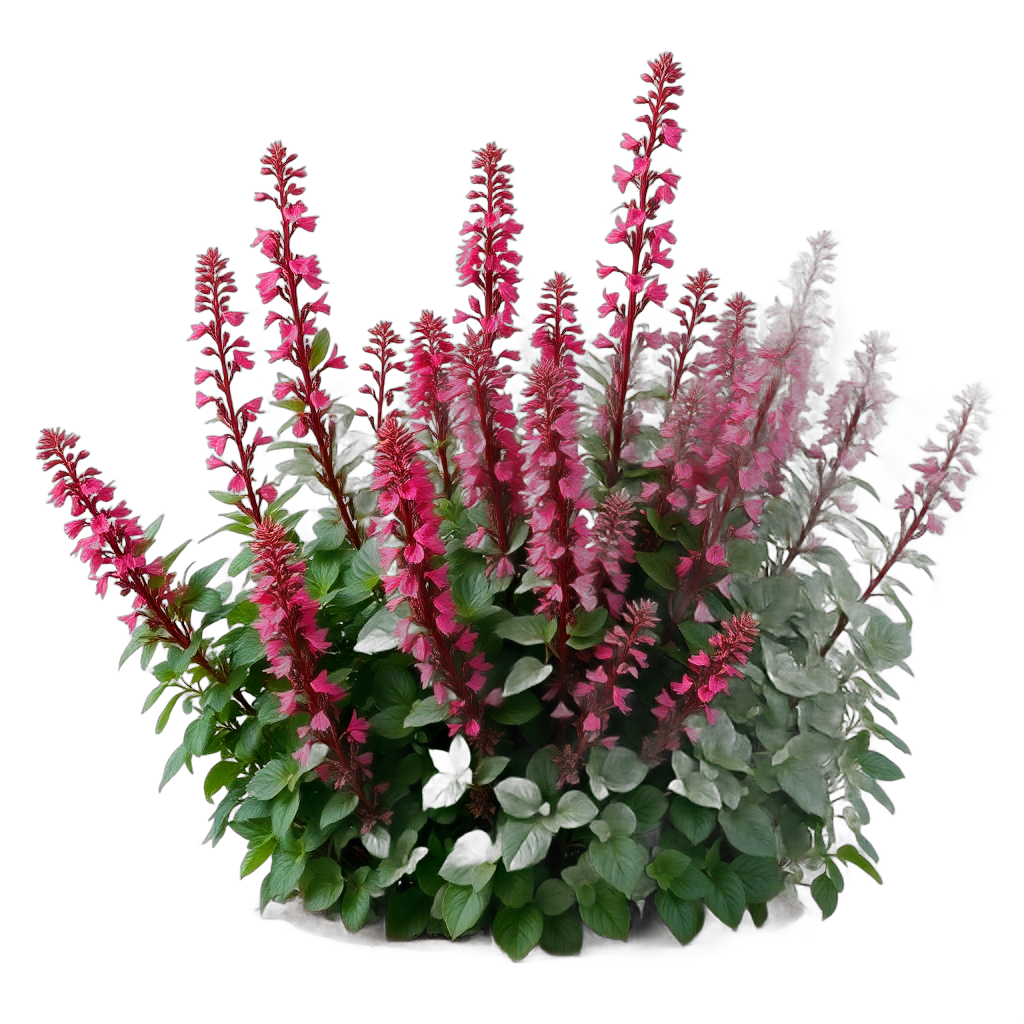
Coral Bells
Heuchera cylindrica
low-growing ground cover, white blooms in spring. Attracts hummingbirds.
Bloom Calendar for Spokane
spring
Bitterroot, Colorado Columbine, Coral Bellssummer
Columbian Monkshood, Mountain Death Camas, Pipsissewafall
Limited bloomswinter
Limited bloomsDesign Tips for Spokane (Zone 6b)
- Apply for SpokaneScape before you lift a single square foot of sod — approval must come first, and the up-to-$500 utility credit plus 50% summer water savings makes Spokane one of the few cold-winter cities that literally pays for xeriscaping
- Buy basalt, not imported flagstone-country boulders — columnar and fractured basalt is quarried locally, costs a fraction of trucked-in stone, and instantly ties the design to the Spokane scabland it came from
- Plant every cactus, yucca, and agave on a berm or slope with crushed-rock mulch and lean mineral soil — in Spokane the winter wet kills desert plants long before the cold does
- Use the native shrub-steppe palette as your backbone — big sagebrush, rabbitbrush, Opuntia polyacantha, and bunchgrasses evolved twenty minutes west of downtown and need zero supplemental water once established
- Design one-third of the yard as winter silhouette — boulders, yucca, dwarf pines, and standing feather reed grass keep a gravel garden sculptural under Spokane's 45 inches of annual snow
- Keep tender showpieces mobile: a blue agave or ocotillo in a large frost-proof pot delivers the full Sonoran statement all summer, then rides out January in the garage — the only way those plants ever see a Spokane winter
Where to Source Plants in Spokane
Skip the big-box stores. These independent Spokane nurseries specialize in the plants that make desert/xeriscape gardens thrive in Zone 6b.
Ritters Garden & Gift
North Spokane
Locally-owned full-service garden center with plants, home decor, pottery, and DIY terrarium offerings.
The Plant Farm
Spokane Valley
Family-owned nursery growing 95% of their plants on-site in 30+ greenhouses across 10 acres.
Smart Gardens Nursery
North Spokane
Independent nursery specializing in landscape design consulting with extensive plant selection.
Greenacres Nursery
Otis Orchards
Largest retail and wholesale nursery in the Inland Northwest with 17 acres of deciduous and coniferous trees.
Desert/Xeriscape Landscaping Costs in Spokane
| Project Scope | Estimated Cost |
|---|---|
| Front yard turf-to-xeriscape conversion (gravel, boulders, hardy plants, drip) | $4,000 – $10,000 (minus up to $500 SpokaneScape credit) |
| Dry creek bed with river rock and landscape fabric (30–60 ft) | $1,500 – $4,500 |
| Flagstone fire-pit patio with gas line and seating (250–450 sqft) | $9,000 – $22,000 |
| Local basalt boulder and column placement (delivered + set) | $150 – $600 per stone |
| Freeform pool with boulder waterfall + xeriscape surround | $100,000 – $200,000 |
| AI visualization with ProScapeAI | Free to start |
Estimates based on Spokane, WA-area contractor rates as of 2026. Actual costs vary by site conditions, materials, and contractor.
Spokane Climate & Growing Zone
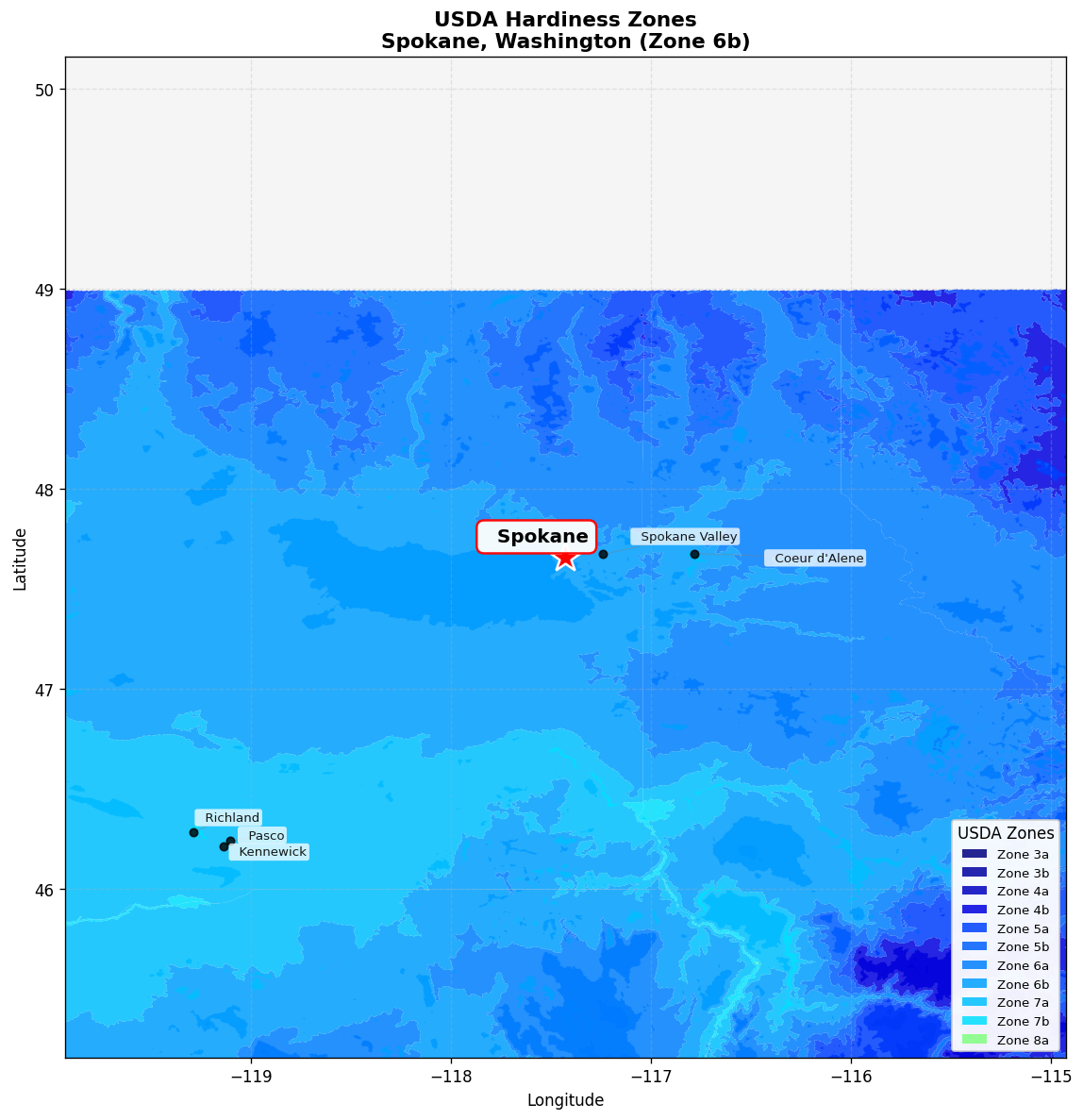
USDA Zone 6b
Hardiness zone for Spokane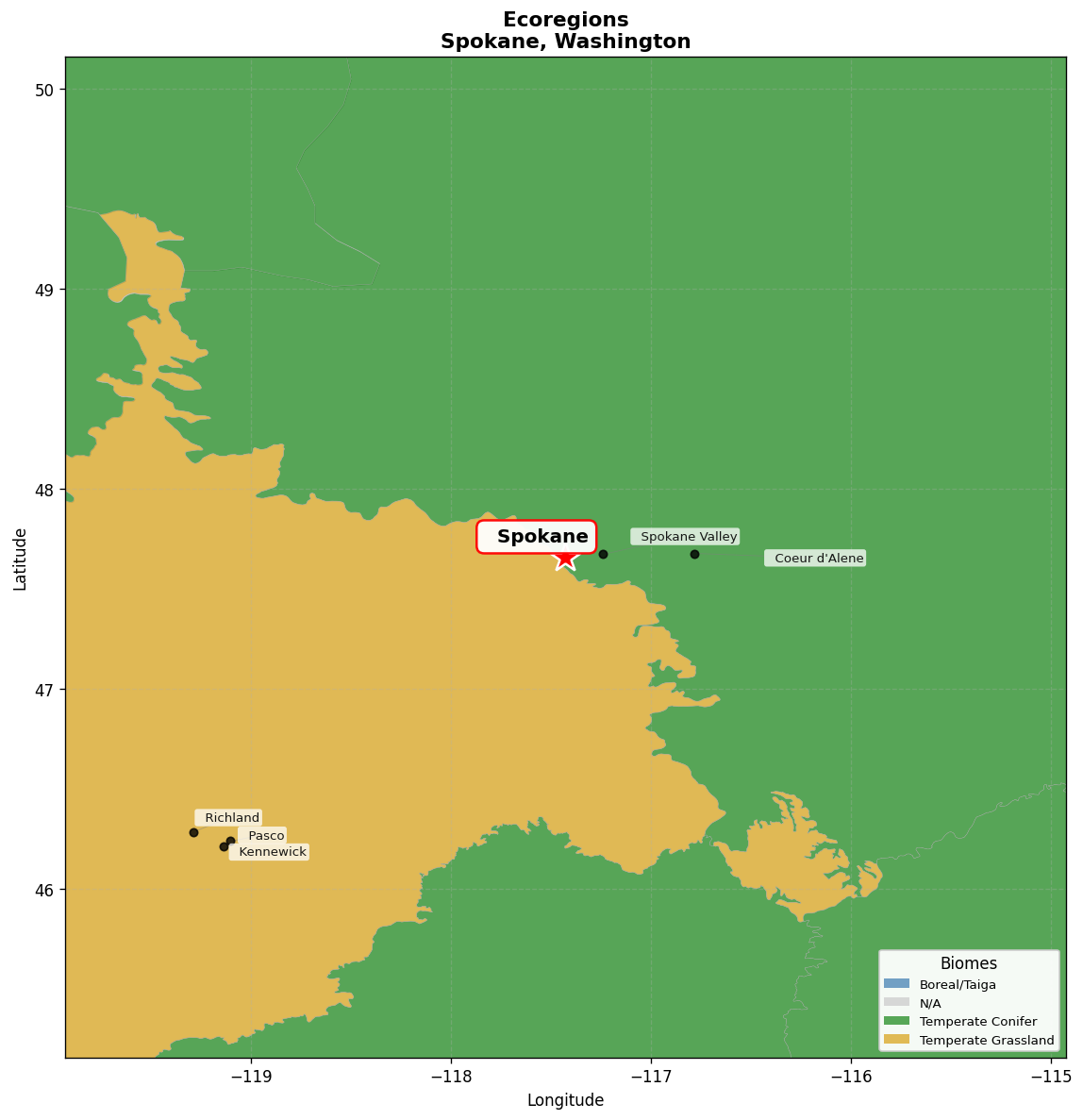
Northern Rockies conifer forests
Native ecoregionFrequently Asked Questions
How much does xeriscaping cost in Spokane — and what does the SpokaneScape rebate cover?
A professional turf-to-xeriscape conversion on a typical 500–800 sqft Spokane front yard runs $4,000–10,000 installed (gravel, boulders, drip, hardy plants); DIY versions come in around $2–4/sqft. The City of Spokane's SpokaneScape program credits up to $500 on your utility bill for approved conversions — you apply before starting, replace live turf with a design that reaches at least 50% plant coverage at maturity, and use drip irrigation. Water utility customers outside city limits should check with Spokane County or their district, as programs differ. Between the rebate and summer water savings, small conversions frequently recoup material costs within three to four seasons.
Which cacti and desert plants actually survive Spokane's Zone 6b winters?
More than most people expect — if drainage is sharp. Hardy prickly pears (Opuntia polyacantha, O. fragilis — both native to eastern Washington — and O. humifusa) take -20°F. Yucca glauca and Yucca filamentosa are bombproof. Agave parryi and Agave neomexicana can survive to around -10°F but only in steep, gravel-mulched, bone-dry winter positions; treat them as experiments. Escobaria vivipara is a hardy native ball cactus for collectors. What will not survive: saguaro, ocotillo, most columnar cacti, tender agaves like blue agave (Agave tequilana), and echeveria — use those as summer container plants and overwinter them indoors.
Why do desert plants die in Spokane winters, and how do I prevent it?
Wet, not cold, is the killer. Cold-hardy cacti and yuccas evolved for dry winters; Spokane parks weeks of melting snow on the soil surface, and a crown that sits saturated through freeze-thaw cycles rots by March. Prevention is all drainage: plant on berms, slopes, or raised beds of gravelly mineral soil (skip the compost — lean soil is correct here), mulch with 2–3 inches of crushed rock rather than bark, keep crowns proud of grade, and never let irrigation run past mid-September. Prickly pears shriveling and flopping in November is normal dehydration armor, not death — they re-inflate in April.
Will a gravel yard look bleak under Spokane snow half the year?
Not if you design for winter mass. Boulders, basalt columns, yuccas, dwarf pines and junipers, and standing grasses like Karl Foerster all hold strong silhouettes above snow — a well-built xeriscape actually carries winter better than a flat dormant lawn. The local advantage is basalt: dark columnar stone against snow is the signature Inland Northwest look. Aim for roughly a third of the plant palette in evergreen structure (pines, junipers, yucca), a third in standing grasses and seed heads left up until March, and a third in seasonal bloomers like penstemon and blanket flower that own the summer.
When is the best time to install a xeriscape in Spokane?
Spring — late April through June — is ideal for the planting phase, giving yuccas, cacti, and native shrubs a full warm season to root before winter. Cacti and agaves in particular should never be fall-planted here; they need to be firmly established before their first freeze-thaw winter. Gravel, boulder, and dry-creek hardscape can go in any time the ground is workable, typically April through November. If you're claiming the SpokaneScape credit, sequence matters: submit the application and get approval first, then remove turf, then install. Summer installs are fine for the hardscape but plan on hand-watering new plants through their first rainless July–September.
Do I need a permit or approval for a xeriscape conversion in Spokane?
No permit is needed to remove a lawn and replace it with gravel and plants inside Spokane city limits — the SpokaneScape application is a rebate approval, not a permit, though it does require your design to meet plant-coverage and drip-irrigation standards. Standard permits still apply to the bigger add-ons: retaining walls over 4 feet, pools, and any roofed structure. Two cautions: call 811 before excavating or setting boulders (irrigation mains and gas lines run shallow), and HOA communities in Eagle Ridge, Painted Hills-area developments, and Liberty Lake often have landscaping covenants that specify minimum plant coverage — get written approval before the gravel truck arrives.