English Cottage Garden Ideas for Naperville, IL | Zone 5b Design
Native plants from the Central US forest-grasslands transition (Zone 5b) — Humid continental (hot summer) climate
Why Cottage/English Gardens in Naperville?
Naperville was built for cottage gardens long before anyone in DuPage County used the phrase. The Historic District around Main, Julian and Loomis Streets still holds the 1840s–1890s Greek Revival, Italianate and Queen Anne houses that Naper Settlement exists to protect, and their deep setbacks, full-width porches and picket-fence frontages are exactly the architecture an English border was invented to frame. Out in the newer subdivisions — Cress Creek, Ashbury, Brookdale, Tall Grass, White Eagle, Hobson West — the vocabulary shifts to Colonial, Cape Cod and shingled two-story builds on 8,000–12,000 sqft lots, but the design problem is identical: a wide, flat, sun-drenched front yard that reads as blank turf nine months of the year. A rose arbor over the walk, a picket line at the sidewalk, and borders four feet deep planted with Nepeta 'Walker's Low' and Lavandula x intermedia 'Phenomenal' fix that for a fraction of what hardscape costs.
Naperville sits in USDA Zone 5b, so every plant in the design has to shrug off winter lows of -15°F to -10°F, roughly 38 inches of annual rain, about 30 inches of snow, and a humid Dfa summer with July highs near 84°F. That combination is generous to half the classic cottage palette and merciless to the other half. English lavender fails here from wet clay in a February thaw, not from cold — Lavandula angustifolia 'Munstead' and 'Hidcote' sulk and rot, while the hybrid Lavandula x intermedia 'Phenomenal' comes through Chicago-area winters year after year when it is set on a raised, gritty berm. Peonies are the opposite story: Paeonia 'Sarah Bernhardt' and 'Coral Charm' actually need the winter chill and will outlive your mortgage. Plan around a frost window of roughly May 5 to October 10 — a 160- to 170-day season that rewards a succession of bloom rather than one June crescendo.
Soil is the single biggest thing separating a Naperville cottage garden from an English one. The county sits on Wisconsin-age glacial till over dolomite limestone, so the topsoil is superb prairie silt loam of the Drummer and Plano series while the subsoil is dense, slow clay and the pH usually runs 7.2–7.8 — alkaline, not the acid loam most English rose books assume. The practical consequences are specific. Hydrangea macrophylla 'Endless Summer' will bloom pink here no matter what the tag promises, so build the structure from Hydrangea paniculata 'Limelight' and Hydrangea arborescens 'Annabelle' instead — the latter an Illinois plant, found downstate and introduced through the University of Illinois. Skip pin oak and Acer x freemanii 'Autumn Blaze' unless you enjoy fighting iron chlorosis. And dig every rose and peony hole wide rather than deep, backfilling with compost and coarse grit so winter water can move sideways through the clay instead of standing in a bathtub around the crown.
Naperville has drawn Lake Michigan water through the DuPage Water Commission since 1992, and the city runs a seasonal lawn-sprinkling ordinance from mid-May into mid-September — odd-numbered addresses sprinkle on odd days, even on even, with a midday ban in the hottest hours. Confirm the current dates with the city before you commit to an irrigation schedule, then design so you barely need one: once established, Baptisia australis, Echinacea purpurea 'Magnus', Rudbeckia fulgida 'Goldsturm' and Nepeta drink a fraction of what the bluegrass they replaced did. Budget attention for two local pressures instead. Japanese beetles peak across DuPage County from late June into early August and will lace roses and lindens, which is why tough repeat-bloomers like Rosa 'Bonica' and the Canadian Explorer climber Rosa 'William Baffin' outperform fussy hybrid teas here — and why deer browsing on the west side near Springbrook Prairie and McDowell Grove makes Nepeta, Allium and Salvia nemorosa 'Caradonna' the smart backbone of any border.
4 Cottage/English Design Ideas for Naperville

The Rose Arbor and Picket Fence Front
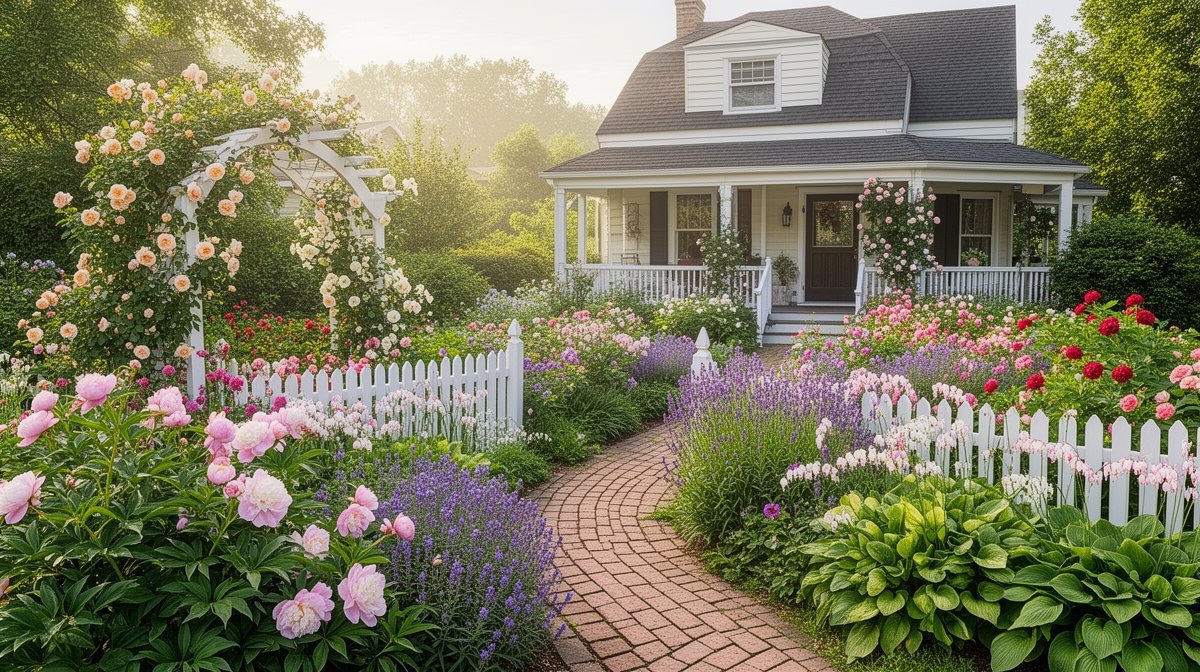
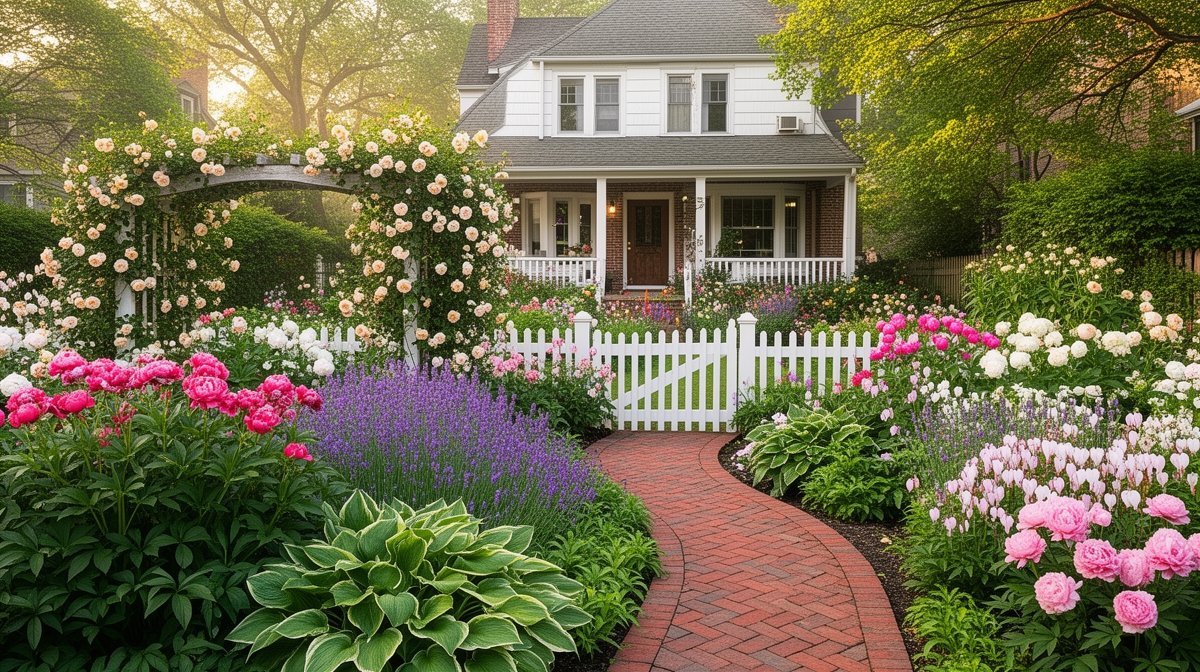
$18–32/sqftA shingled two-story with dormers and dark shutters sits back behind a low white picket fence, and the whole design turns on one gesture: a painted arbor smothered in cream and blush climbing roses arching over the gate where the brick paver walk meets the sidewalk. Inside the fence line the borders run four to five feet deep on both sides — mounded shrub roses in pink and ivory, silvery lavender clumps repeating at even intervals, and a froth of white daisies and phlox filling the gaps so no bare mulch shows by mid-June. The lawn between gate and porch is deliberately left as a small green rug, which is what keeps the composition calm instead of busy. Caught in Naperville's long west-facing evening light, it is the most photographed kind of front yard on any block in town.

The Curving Path Cottage Front
$20–38/sqftA cream 1.5-story Cape with a brick chimney and a deep front porch, approached on a gently S-curved path of large sawn stone slabs rather than the usual straight concrete ribbon. Two white lattice arbors straddle the path where it leaves the sidewalk, both carrying a single mass of pure white climbing roses. The beds flanking the curve are layered the way an English border is meant to be read — tall spires of foxglove at the back, mid-height blue-violet salvia through the middle, and a low front edge of yellow coreopsis and soft green lady's mantle spilling onto the stone. Hanging baskets on the porch posts pick up the same pinks and purples, and a young round-headed tree in the lawn gives the yard the one vertical it needs without shading out the roses.

The Rose Arbor Tea Terrace
$28–48/sqftA small back garden given over almost entirely to one irregular flagstone terrace, with a white cast-metal bistro table and two folding chairs set dead centre under a wide arbor carrying blush and cream roses overhead. The terrace edges are not straight — the stone fingers out into the planting — and deep drifts of lavender run along both flanks, so you brush the foliage walking in. Behind the roses, a clipped hedge closes the yard, mature canopy trees frame the sky on both sides, and the far border repeats the pink-white-lavender palette against the house. It is a design that works precisely because it is small: one seating spot, one overhead structure, three plant colours, nothing else competing.

The Pergola Dining Garden with a Birdbath Island
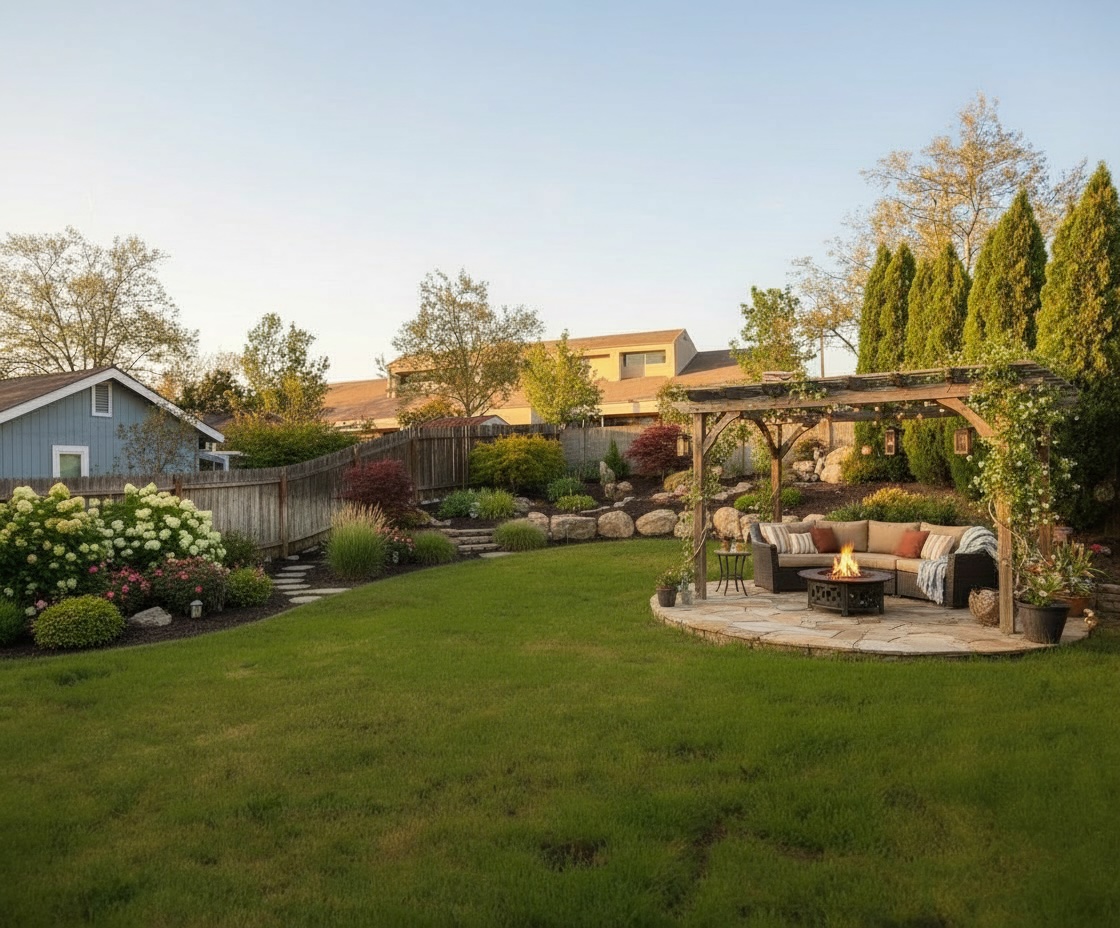
$22–45/sqftA deeper back yard organised into three clear moves. Against the house, a stout cedar pergola with hanging lanterns shelters a full dining table and wicker chairs on a low deck platform, its beams already colonised by pink climbing roses. In the middle, an open lawn panel is punctuated by a single round island bed of low mixed flowers circling a pale cast-stone birdbath — the one thing that stops the grass from reading as leftover space. Around the perimeter, borders run deep and generous: big mopheads of cream and pink hydrangea, spires of foxglove, more roses, and a dark clipped hedge holding the whole picture together. In evening light the roses and hydrangeas glow while the lawn goes to shadow, which is exactly the effect the layout is designed to produce.
See how a cottage/english garden looks on YOUR property
Upload a photo of your Naperville yard and visualize your dream garden in seconds.
Try ProScapeAI Free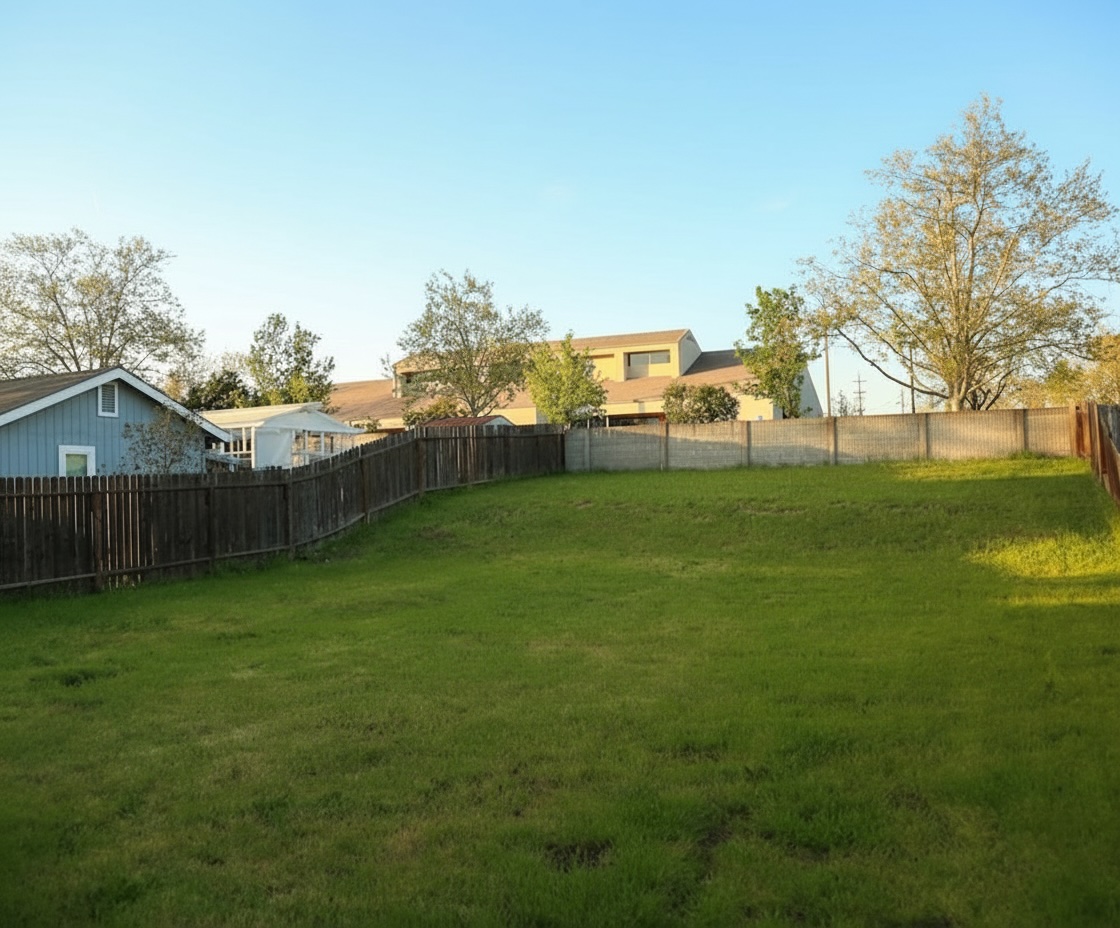
Featured Trees & Shrubs for Cottage/English Gardens
Browse all 168 plants for Naperville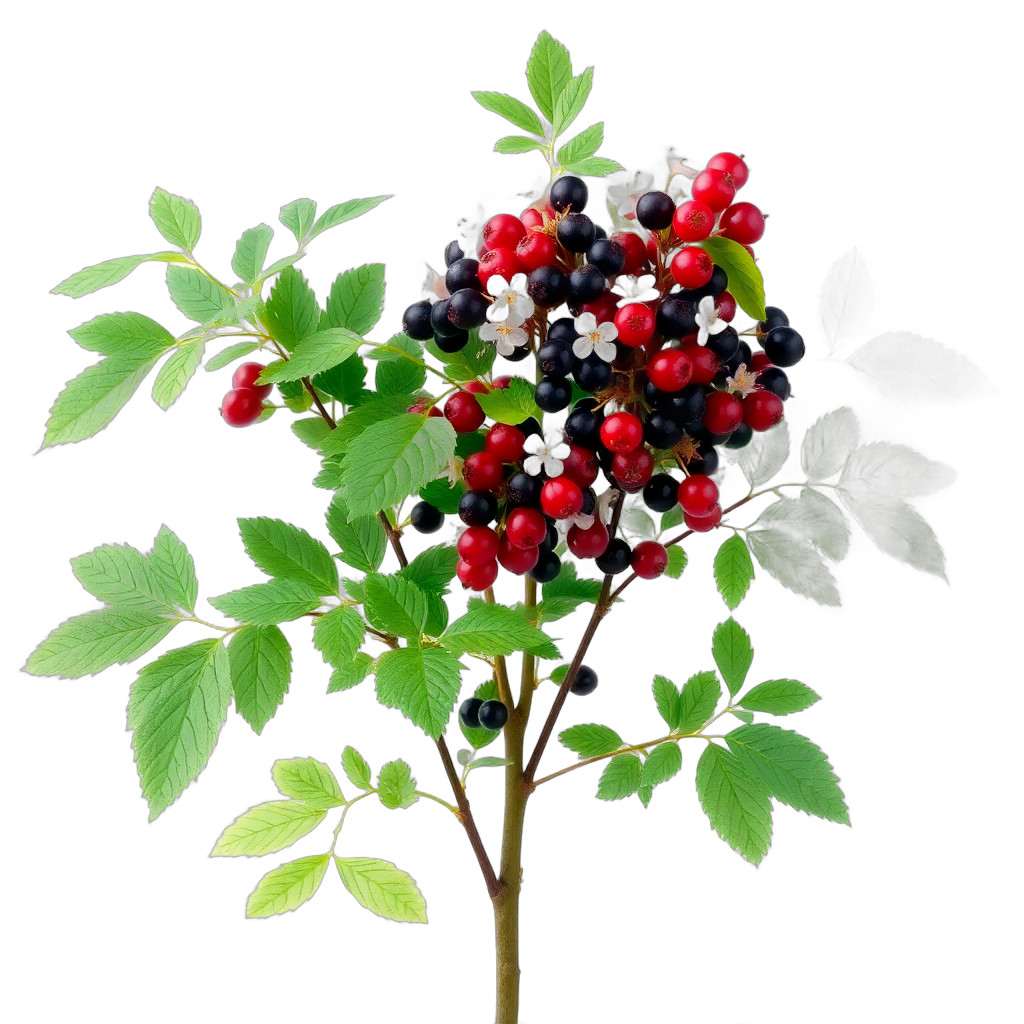
American Black Currant
Ribes americanum
grows to 5 feet, white,yellow blooms in spring. Attracts hummingbirds.
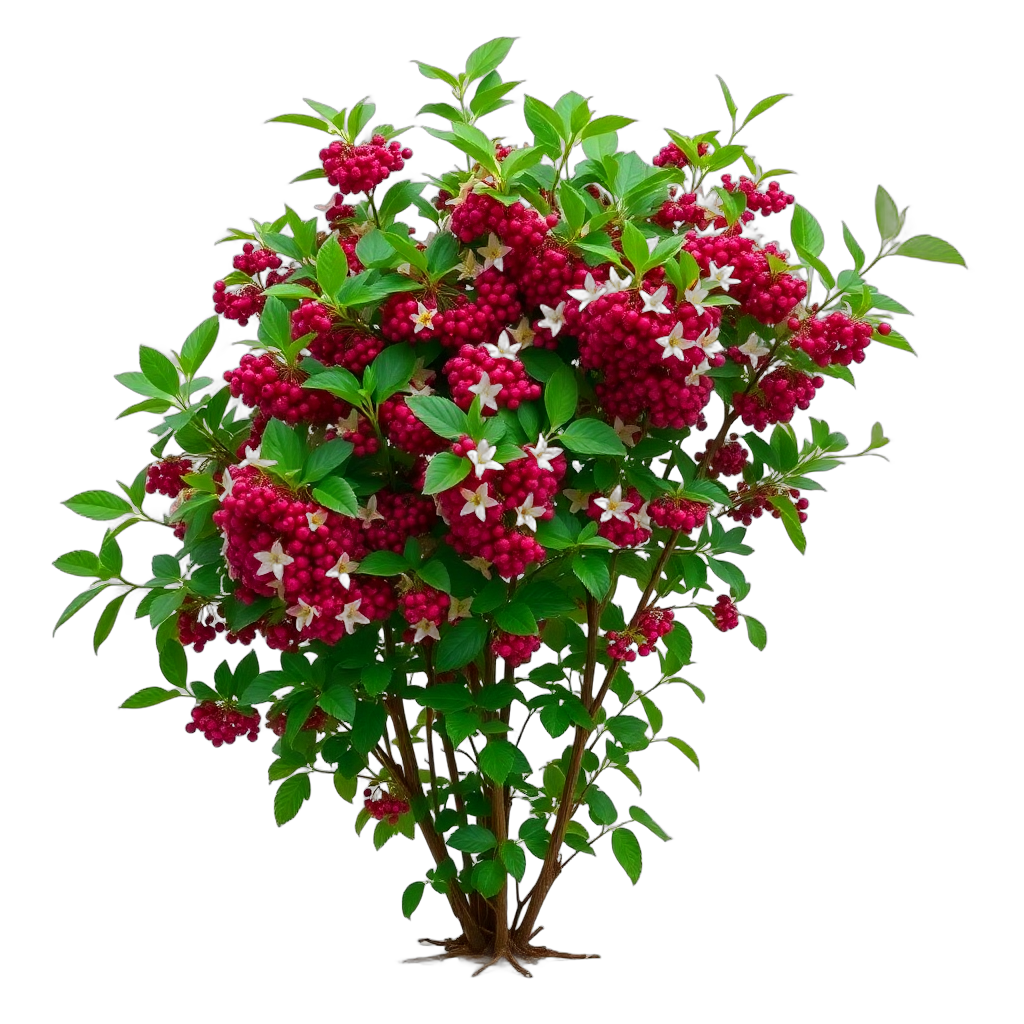
Clove Currant
Ribes odoratum
grows to 6 feet, yellow blooms in spring. Attracts hummingbirds.
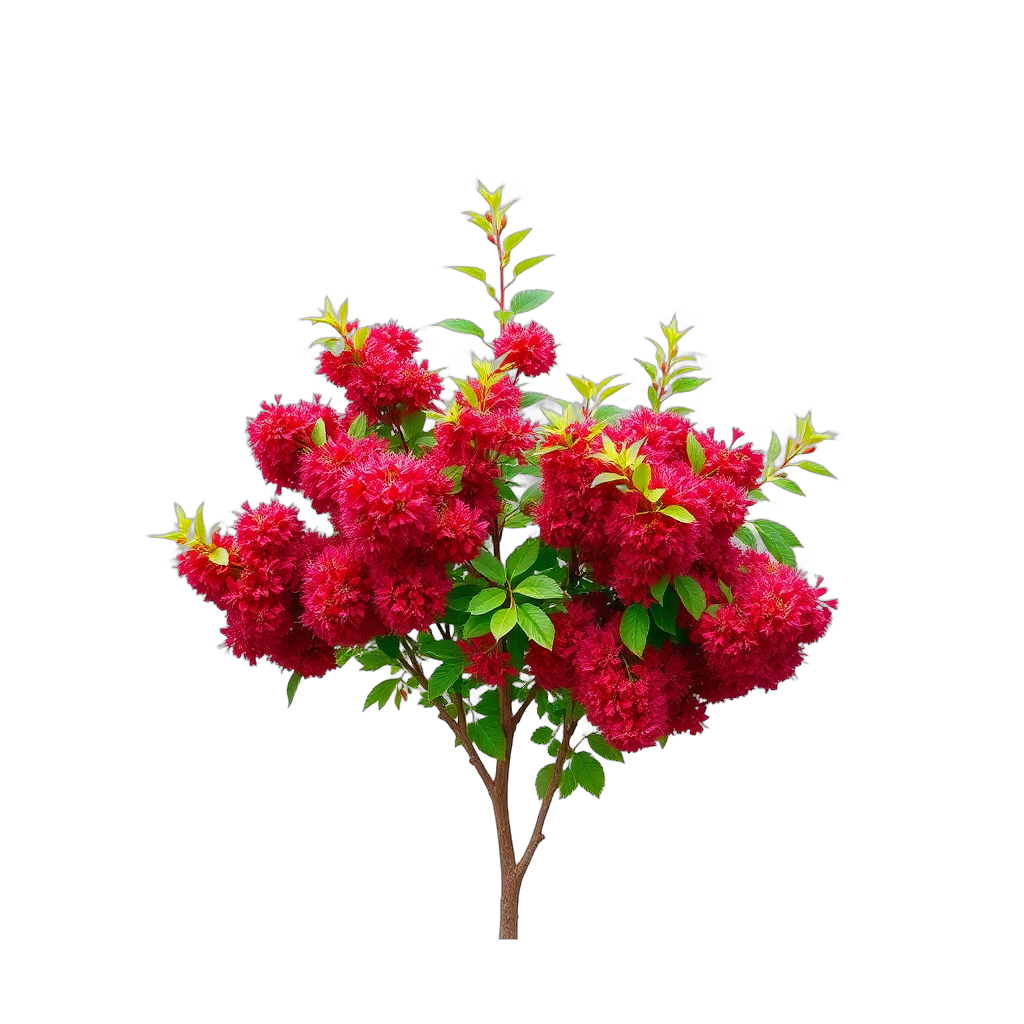
Fragrant Sumac
Rhus aromatica
grows to 4 feet, yellow blooms in spring. Attracts butterflies.
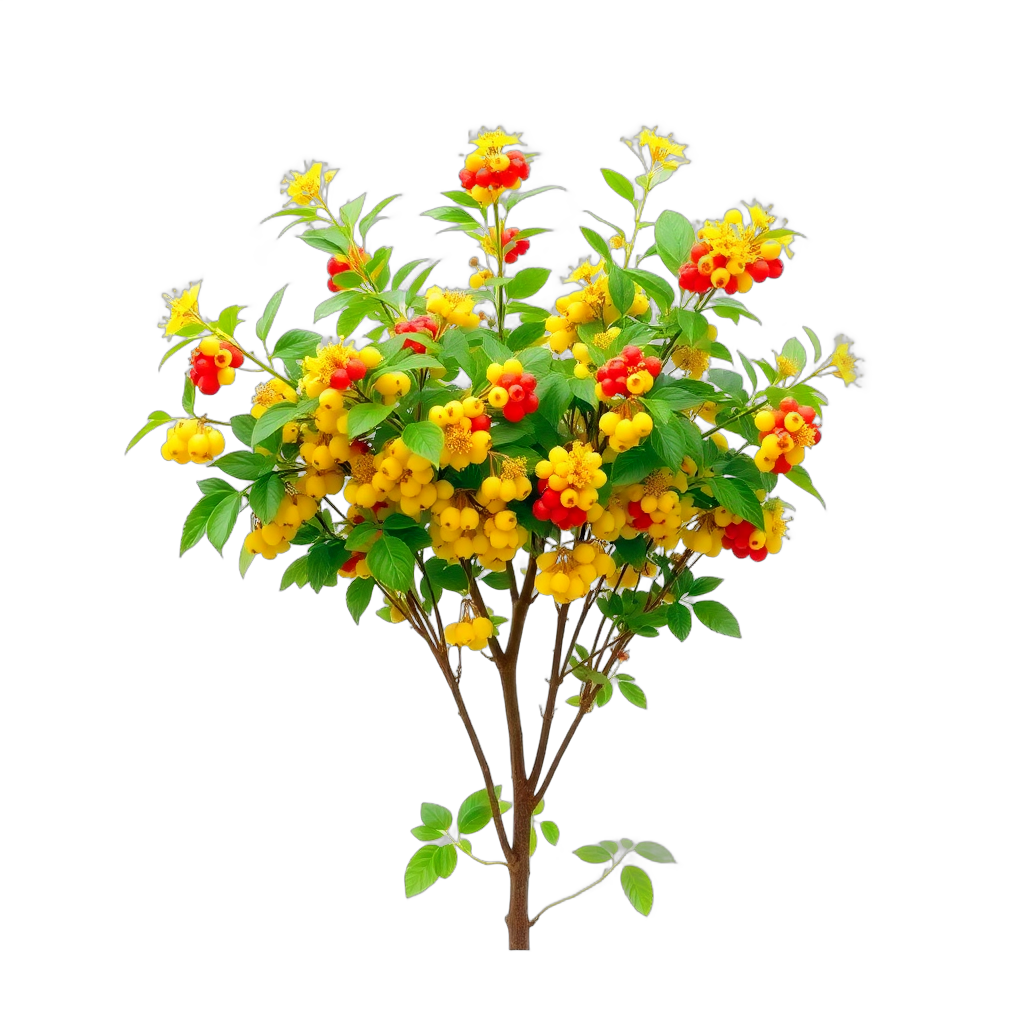
Golden Currant
Ribes aureum
grows to 6 feet, yellow blooms in spring. Attracts hummingbirds.
Featured Grasses & Groundcovers for Cottage/English Gardens
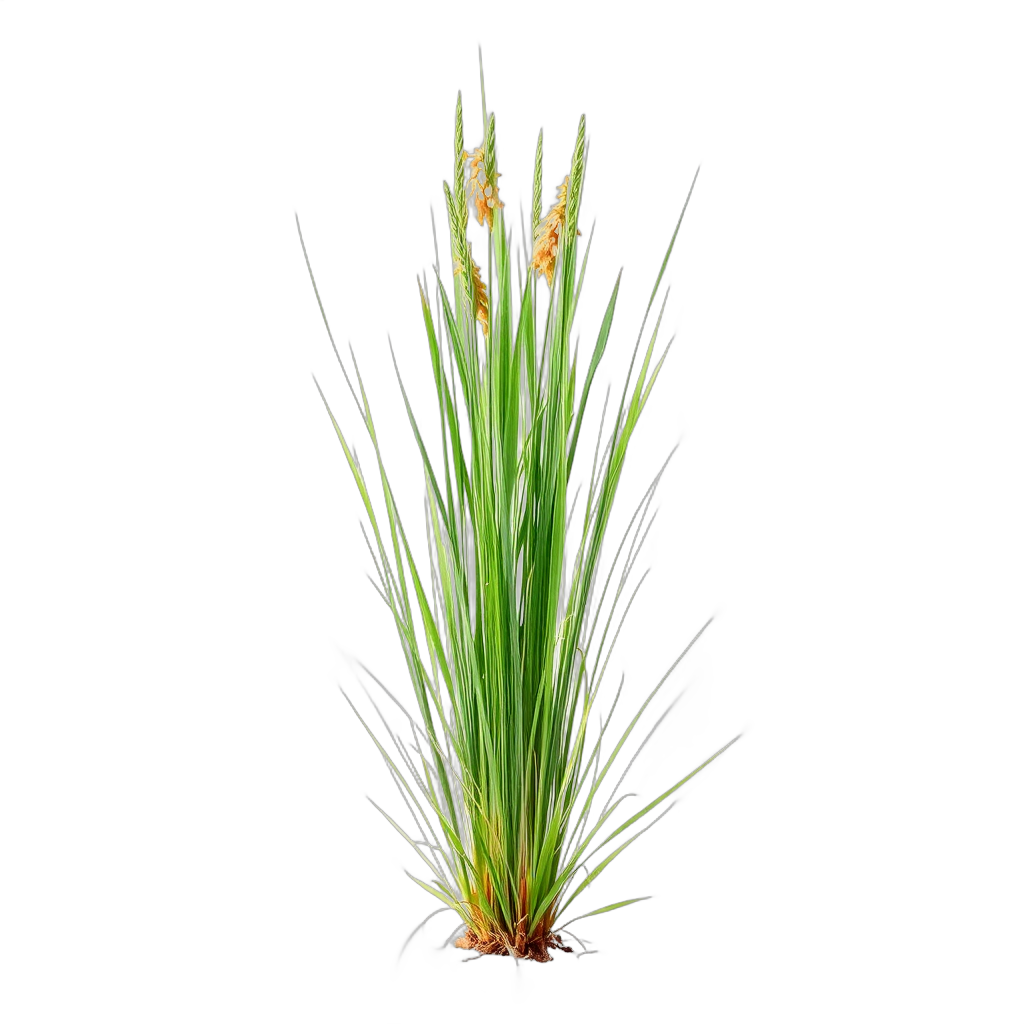
Eastern Gamagrass
Tripsacum dactyloides
grows to 6 feet, blooms in summer. Yellow fall color.
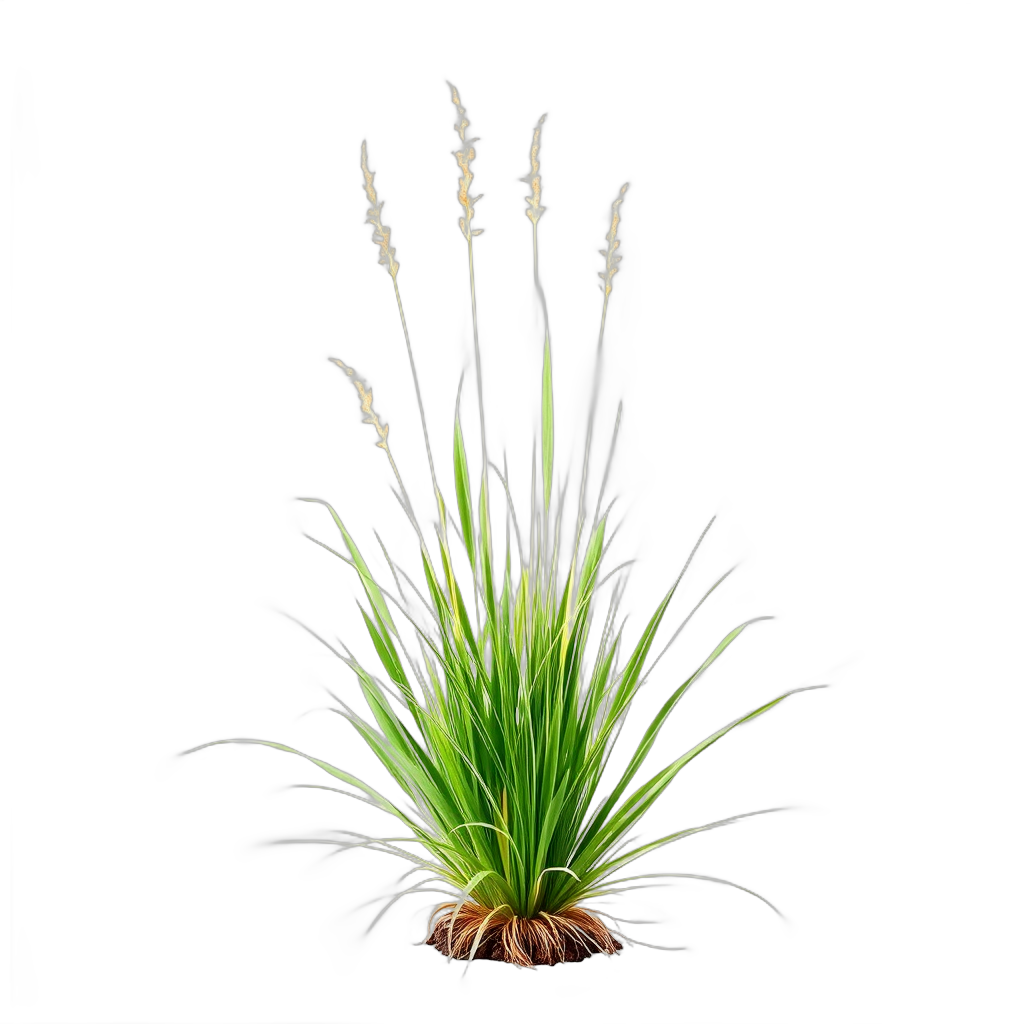
Northern Sea Oats
Chasmanthium latifolium
grows to 4 feet, blooms in fall. Bronze fall color.
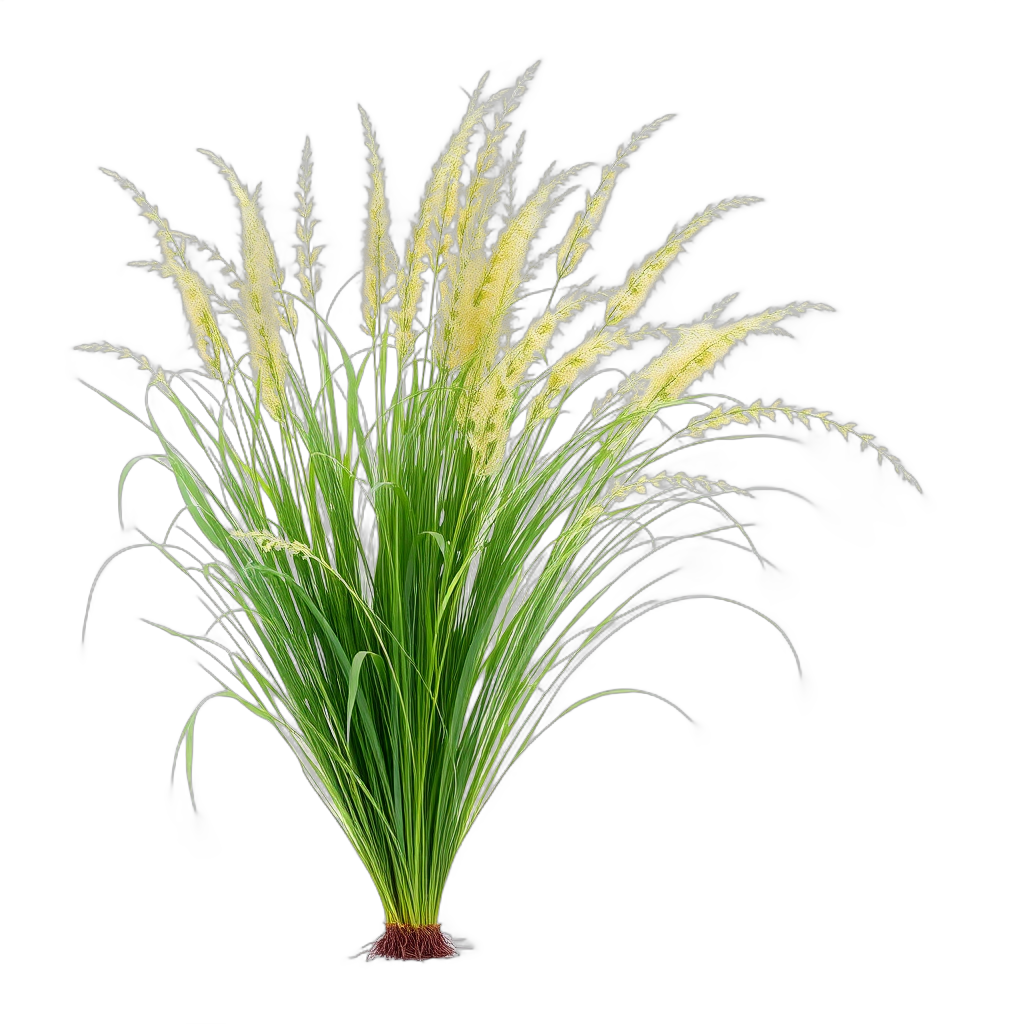
Adagio Maiden Grass
Miscanthus sinensis 'Adagio'
low-growing ground cover, pink blooms in summer. Orange fall color.
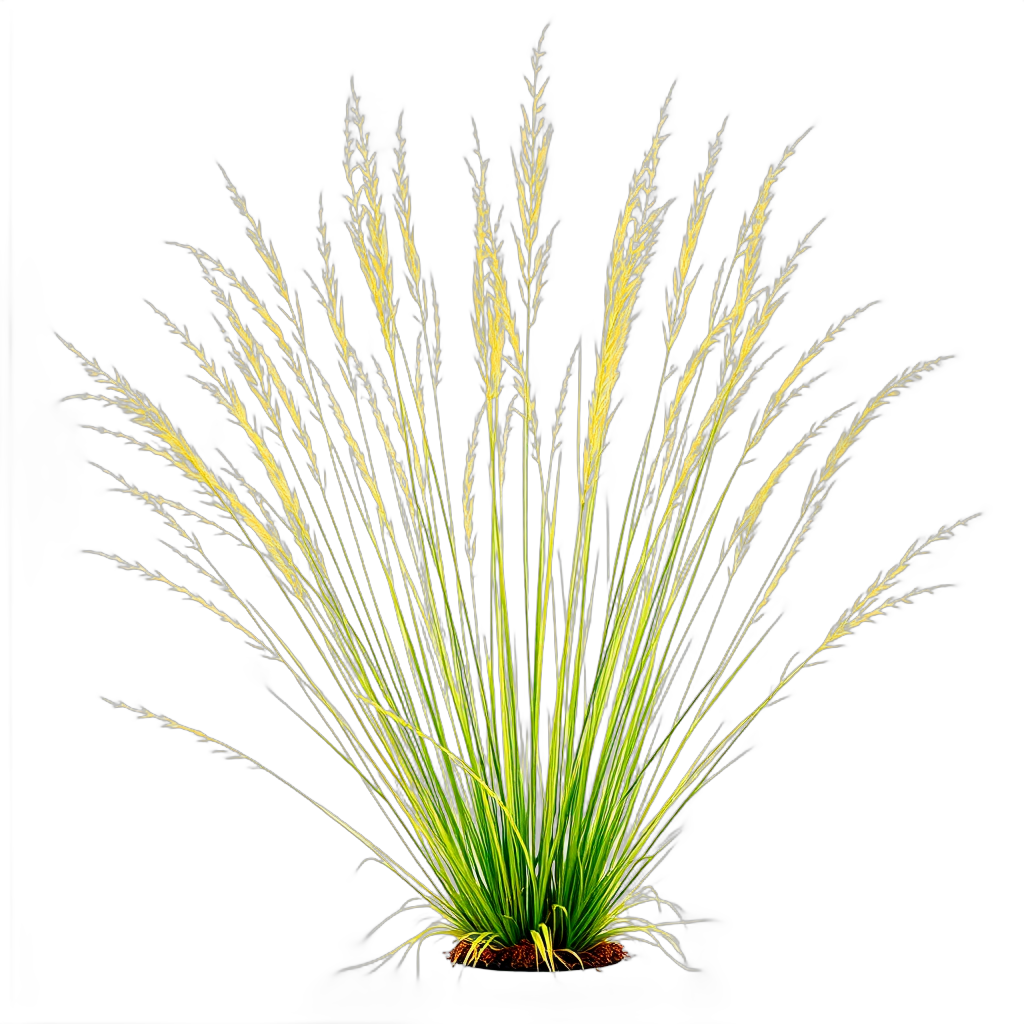
All Gold Japanese Forest Grass
Hakonechloa macra 'All Gold'
low-growing ground cover, blooms in summer.
Featured Flowers & Perennials for Cottage/English Gardens
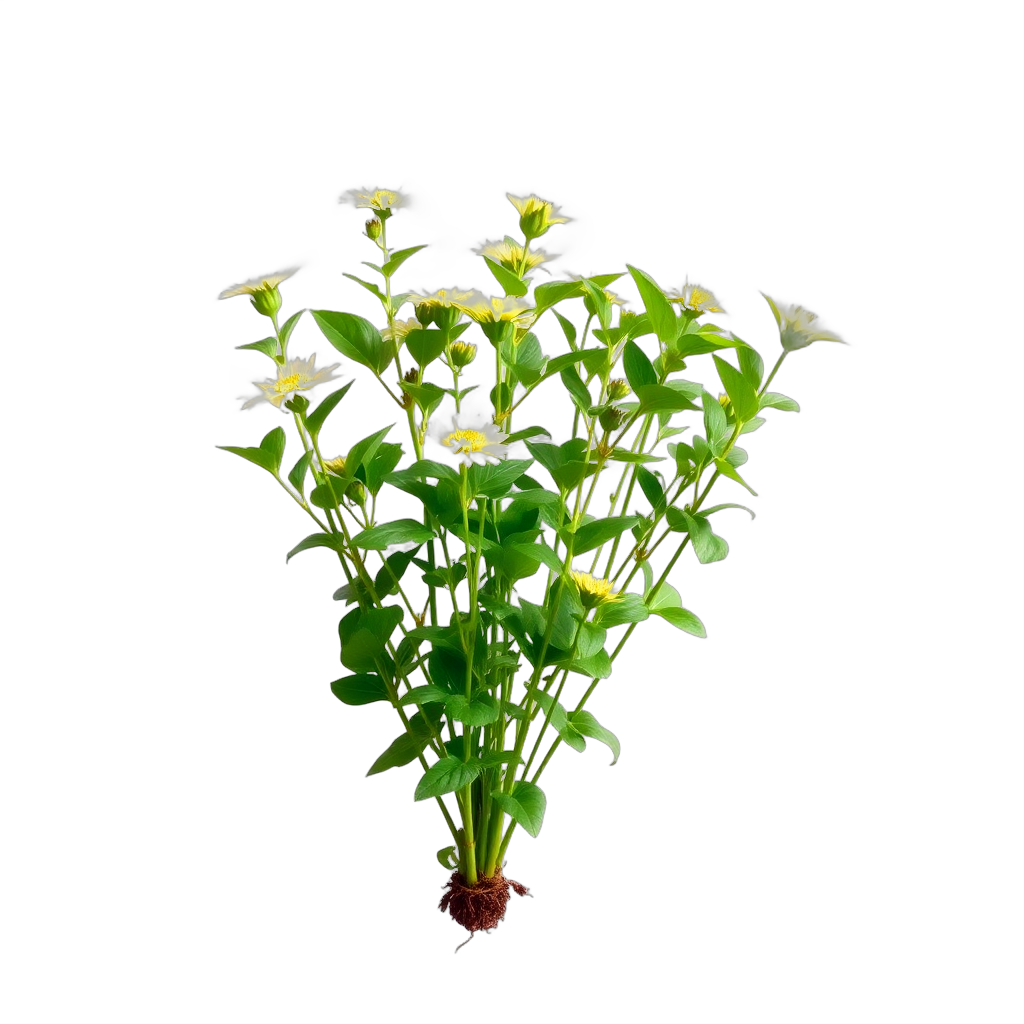
Cup Plant
Silphium perfoliatum
medium-sized at 7 feet, yellow blooms in summer. Attracts butterflies.
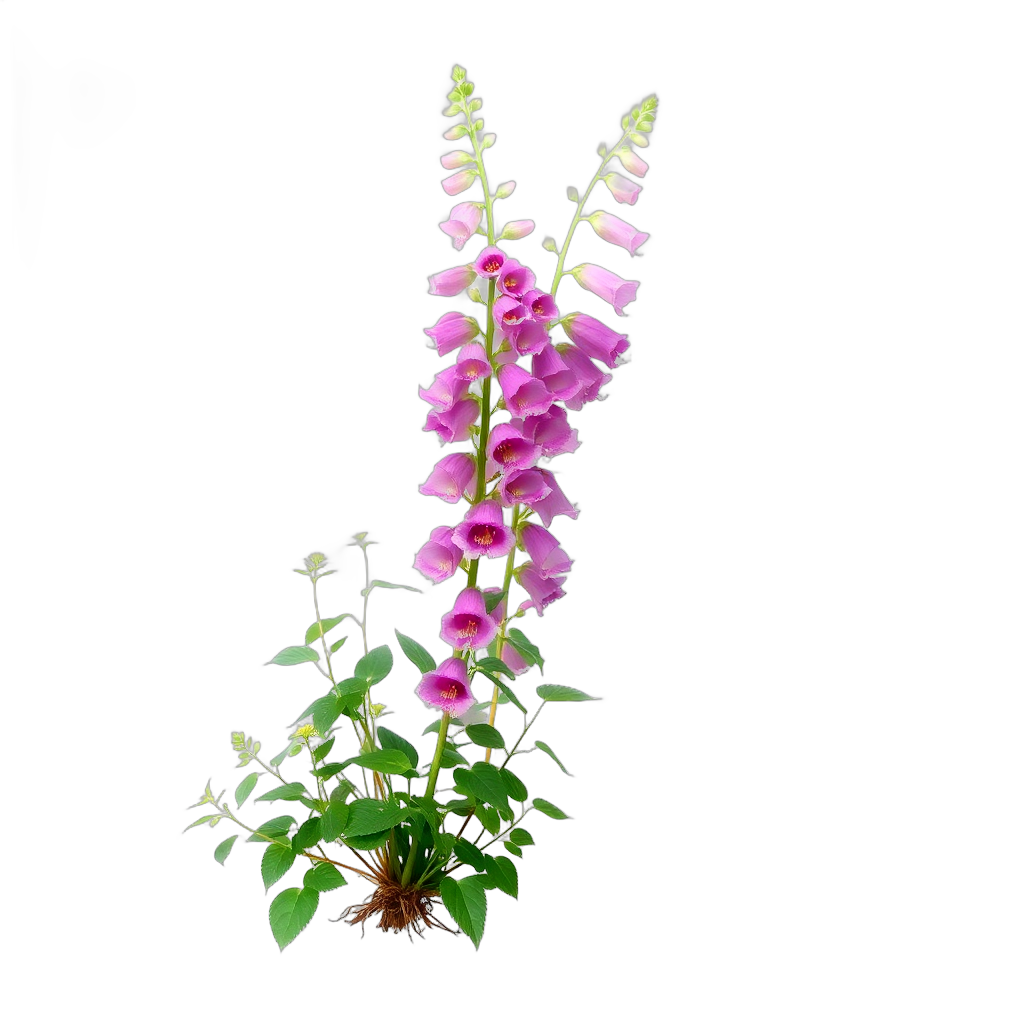
Foxglove Beardtongue
Penstemon digitalis
grows to 3 feet, white blooms in spring. Attracts hummingbirds.
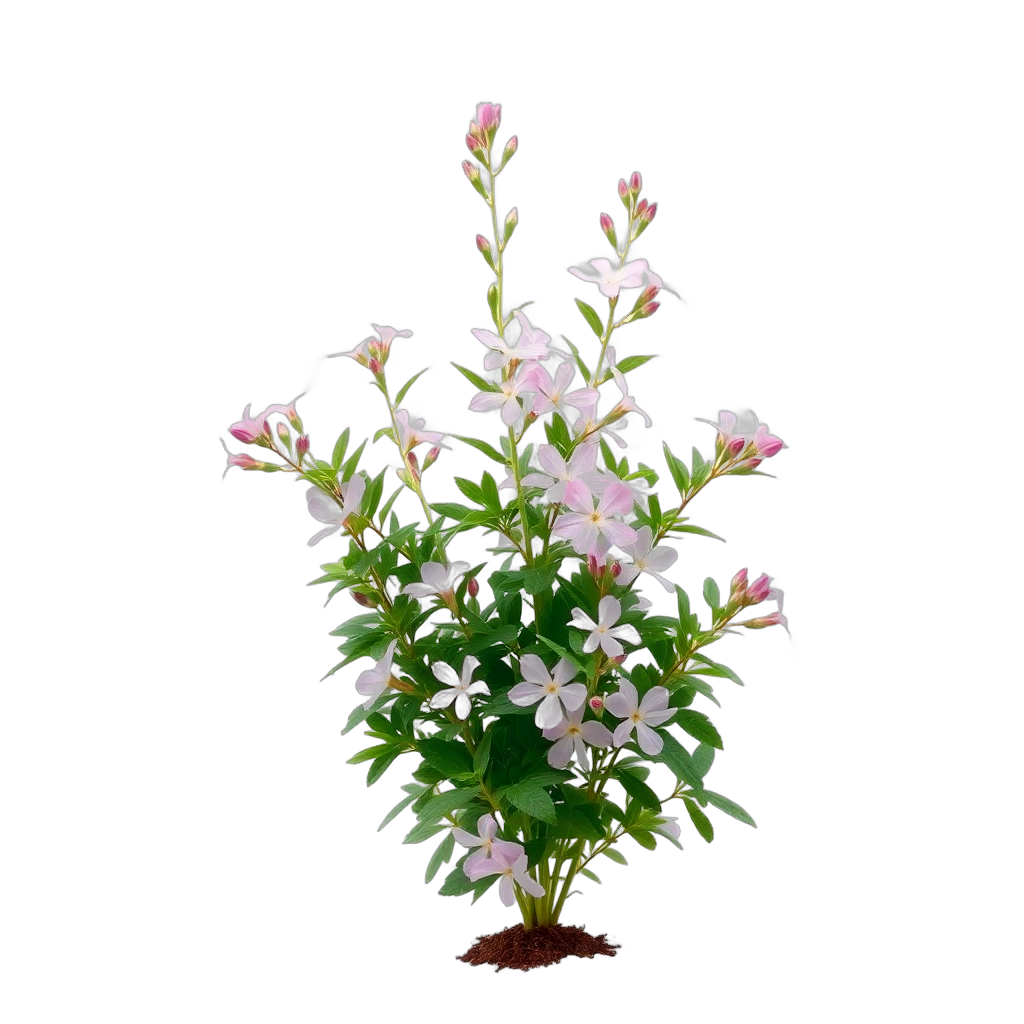
Garden Phlox
Phlox paniculata
grows to 3 feet, multi blooms in summer. Attracts hummingbirds.
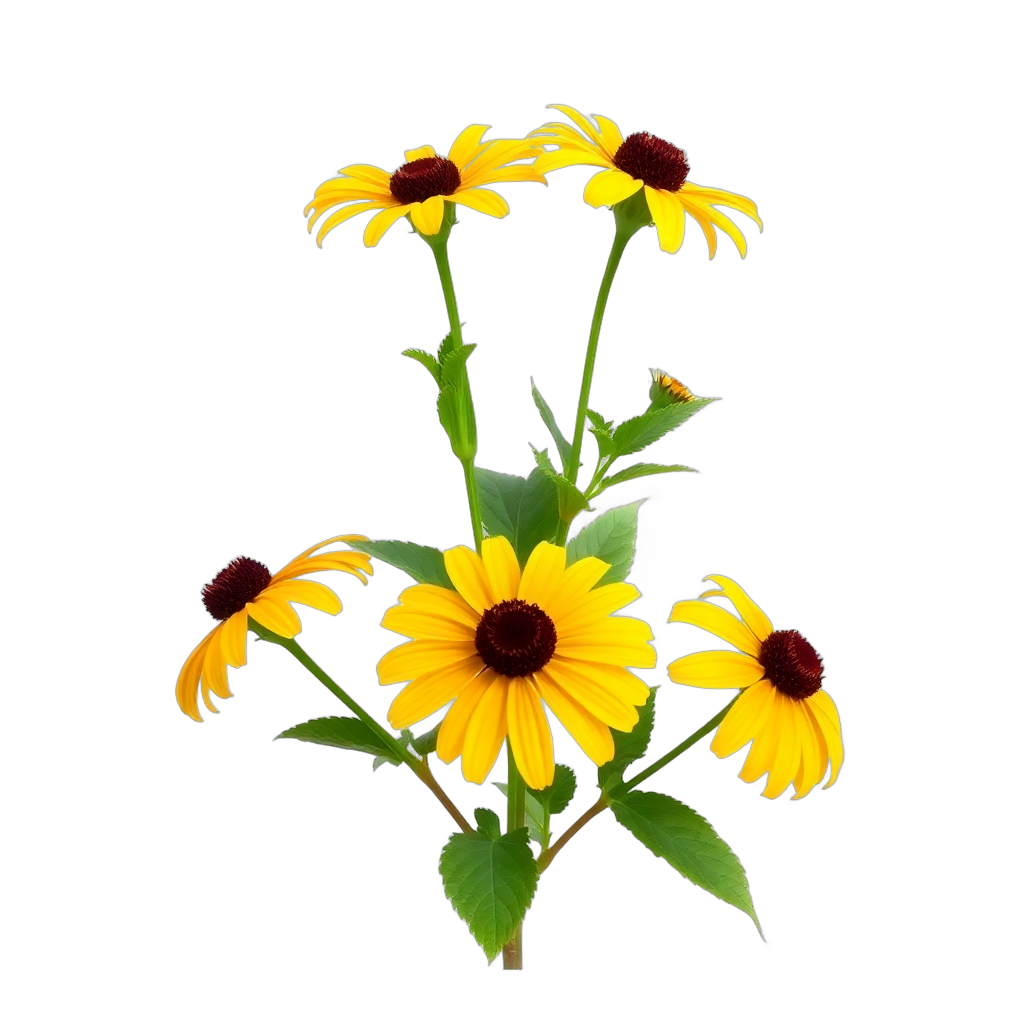
Gloriosa Daisy
Rudbeckia hirta
low-growing ground cover, yellow blooms in summer. Attracts butterflies.
Zone and sun checks come from our database — confirm with your local nursery before you buy.
Bloom Calendar for Naperville
spring
Foxglove Beardtongue, American Black Currant, Clove Currantsummer
Cup Plant, Garden Phlox, Gloriosa Daisyfall
Northern Sea Oatswinter
Limited bloomsDesign Tips for Naperville (Zone 5b)
- Build every lavender and rose bed UP — a 6–10 inch berm of native soil cut 50/50 with coarse grit is the difference between Lavandula x intermedia 'Phenomenal' living a decade in Naperville and drowning in the first February thaw; wet clay, not -15°F cold, is what kills Mediterranean plants in Zone 5b
- Choose plants that accept pH 7.2–7.8 rather than fighting DuPage's dolomite limestone: Paeonia, Nepeta, Salvia nemorosa 'Caradonna', Buxus 'Chicagoland Green' and Syringa meyeri 'Palibin' all thrive in alkaline soil, while blue Hydrangea macrophylla, Rhododendron and pin oak will chase you for iron and acid forever
- Give the garden winter bones — from December to March a Naperville cottage border is bare stems under 30 inches of snow, so anchor each bed with something evergreen or structural: Thuja occidentalis 'Techny', Buxus 'Green Velvet', or the rust-red seed heads of Hydrangea paniculata 'Limelight' left standing until late March
- Keep de-icing salt out of the design — beds along the driveway, the public walk and the street edge take heavy salt spray each winter, so plant those strips with Perovskia atriplicifolia 'Little Spire', Sporobolus heterolepis or Rudbeckia fulgida 'Goldsturm' and save the roses and Digitalis for the protected side of the yard
- Plan a bloom relay, not a June explosion: Allium 'Purple Sensation' and Paeonia carry May and June, roses and Nepeta hold July, Phlox paniculata 'David' and Echinacea purpurea 'Magnus' take August, and Sedum 'Autumn Joy' with Aster oblongifolius 'Raydon's Favorite' finishes into the October frost around the 10th
- Water at the roots, never over the leaves — Naperville's humid Dfa summers make blackspot and powdery mildew almost inevitable on overhead-sprinkled roses and phlox, so run drip line under the mulch, space shrub roses at least 3 feet apart for airflow, and pick mildew-resistant selections such as Phlox paniculata 'Jeana'
- Repeat one plant every 8–10 feet along the whole border — a mass of Nepeta 'Walker's Low' or Alchemilla mollis running the length of the bed is what makes an English cottage garden read as designed rather than collected, and it is the cheapest possible way to buy visual order
Where to Source Plants in Naperville
Skip the big-box stores. These independent Naperville nurseries specialize in the plants that make cottage/english gardens thrive in Zone 5b.
The Growing Place
North Naperville (Plank Road)
Naperville's own independent garden center, with deep perennial, shrub, tree and rose selection plus display gardens and container design help
Wannemaker's Home & Garden
Downers Grove (Ogden Avenue)
Family-run for over 50 years; roses, perennials, trees and shrubs alongside pottery, planters and outdoor living goods
Platt Hill Nursery
Bloomingdale (West Lake Street)
Family-owned grower that carries only stock proven hardy locally; particularly strong on hydrangeas, shrubs and specimen trees
Wasco Nursery & Garden Center
St. Charles (Route 64)
Family-owned since 1925 across 10+ acres; shade and ornamental trees, evergreens, perennials and bulk compost, all selected for northern Illinois clay
Cottage/English Landscaping Costs in Naperville
| Project Scope | Estimated Cost |
|---|---|
| Front-yard cottage border conversion (300–500 sqft, planted and mulched) | $6,000 – $14,000 |
| Rose arbor over the front walk (built, painted and planted) | $1,200 – $3,500 |
| Brick paver walkway, sidewalk to porch | $28 – $45 per sqft |
| Flagstone tea terrace (200–300 sqft) with bistro seating | $9,000 – $18,000 |
| Cedar dining pergola on 42-inch frost footings | $9,000 – $25,000 |
| White cedar picket fence across a 60-foot frontage | $3,500 – $7,000 |
| AI visualization with ProScapeAI | Free to start |
Estimates based on Naperville, IL-area contractor rates as of 2026. Actual costs vary by site conditions, materials, and contractor.
Naperville Climate & Growing Zone
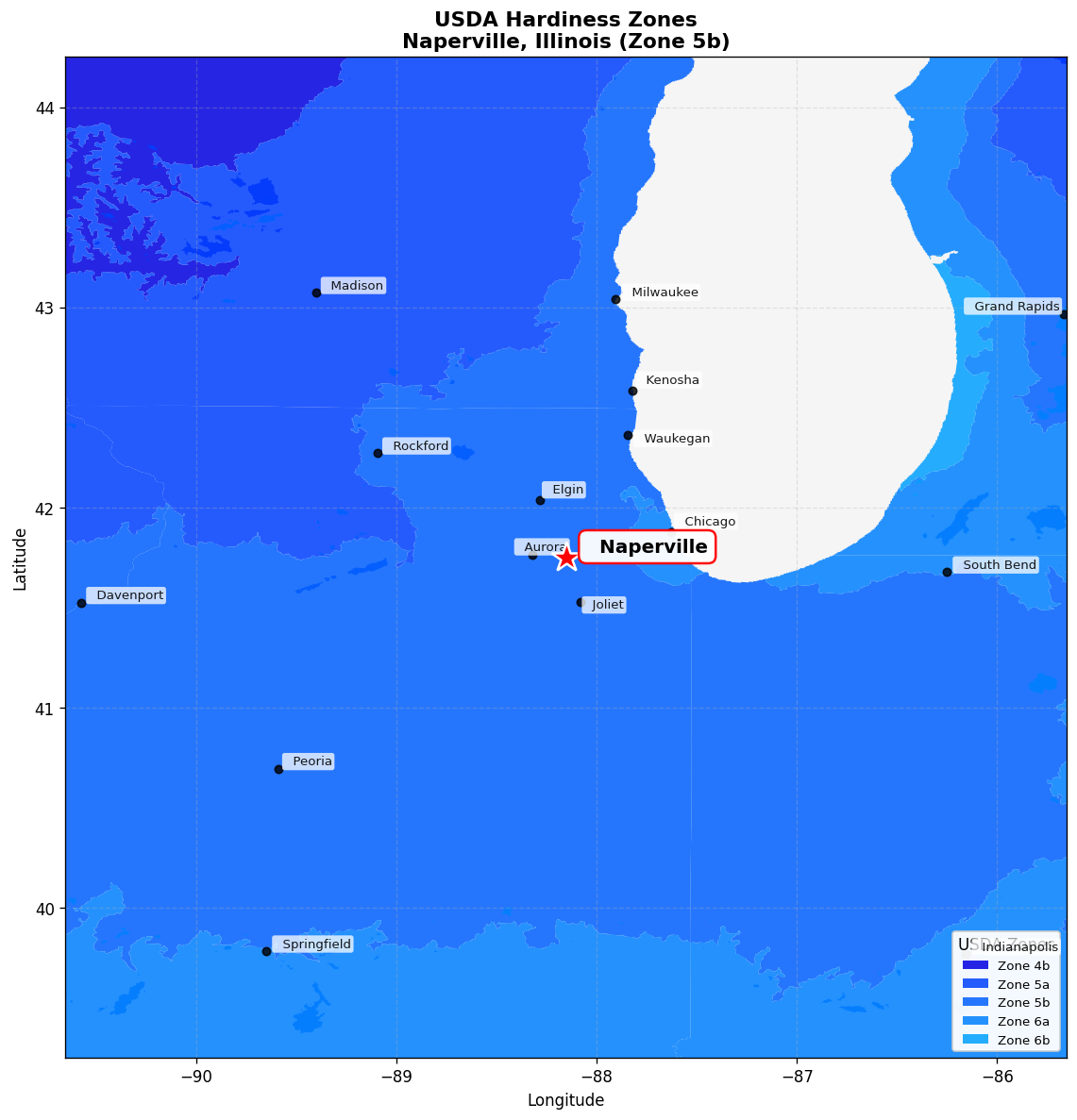
USDA Zone 5b
Hardiness zone for Naperville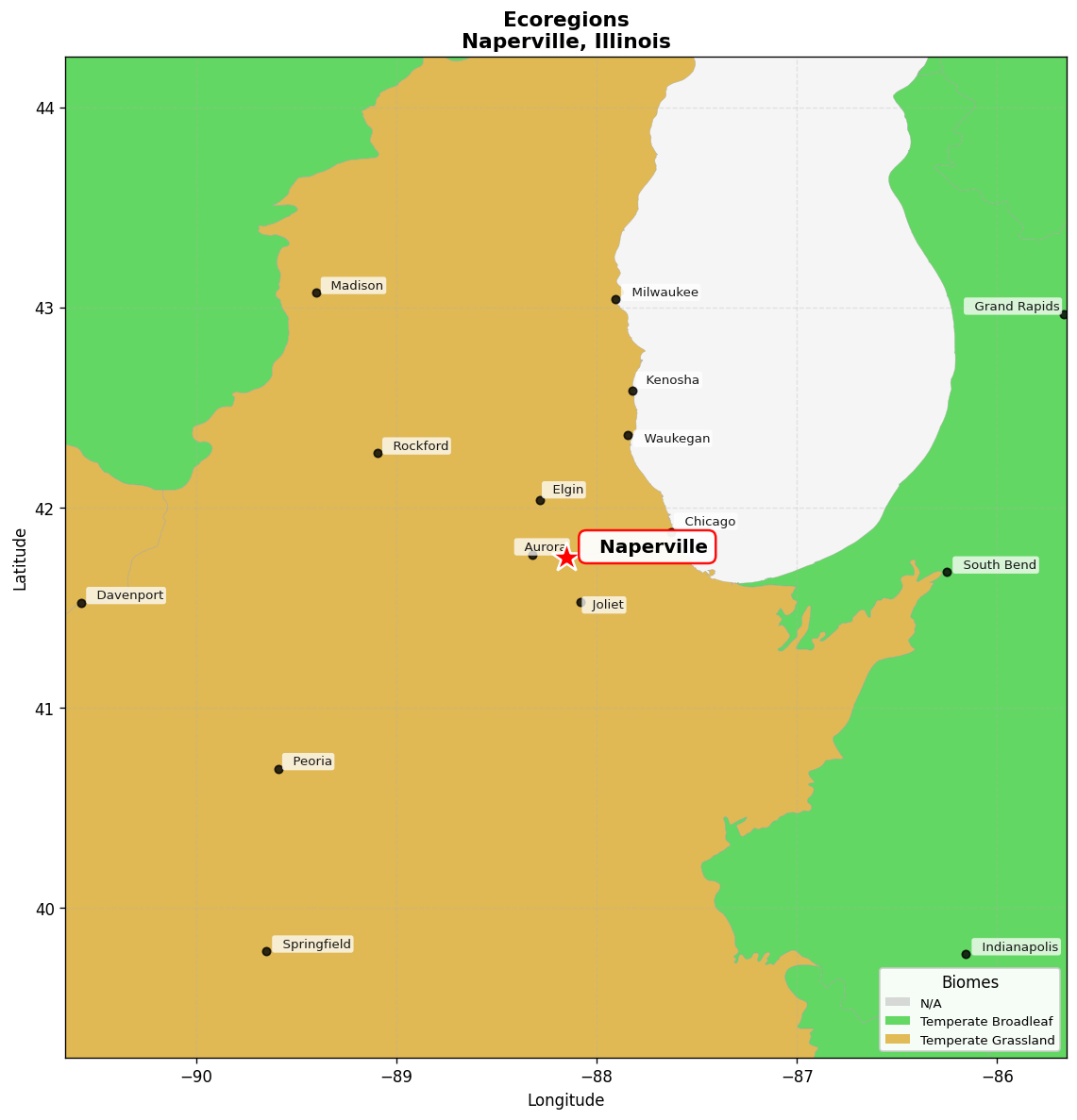
Central US forest-grasslands transition
Native ecoregionFrequently Asked Questions
How much does an English cottage garden cost in Naperville?
DuPage County installation labour runs roughly 10–20% above the national average, so budget accordingly. A front-yard cottage conversion — bed shaping, soil amendment, 300–500 sqft of layered planting, edging and mulch — typically lands at $6,000–14,000 installed. Add a painted arbor with two climbing Rosa 'New Dawn' and you are at $1,200–3,500 more. A brick paver walk from sidewalk to porch runs $28–45/sqft, and a white cedar picket fence across a 60-foot frontage runs $3,500–7,000. A cedar pergola with proper 42-inch footings starts around $9,000 and reaches $25,000 for a large dining structure. Doing the planting yourself and buying bare-root roses and Paeonia divisions in early spring can cut the plant budget by half.
Which roses actually survive Naperville winters and Japanese beetles?
Zone 5b lows of -15°F to -10°F rule out most grafted hybrid teas unless you mound them every November. Own-root shrub and Canadian Explorer roses are the honest answer: Rosa 'William Baffin' and Rosa 'John Davis' are hardy to Zone 3 and will climb an arbor without winter protection, while Rosa 'Bonica', Rosa 'The Fairy' and Rosa 'Sally Holmes' bloom repeatedly on tough, disease-resistant wood. Rosa 'New Dawn' is reliable in 5b on a sheltered south or east wall. Japanese beetles peak from late June into early August across DuPage County — hand-pick into soapy water in the cool of early morning, never hang a pheromone trap (it recruits beetles from three blocks away), and lean on plants they ignore, such as Nepeta, Salvia nemorosa 'Caradonna' and Allium 'Millenium'.
Why won't my hydrangeas turn blue in Naperville?
Because DuPage County soil sits on dolomite limestone and typically tests pH 7.2–7.8. Blue flowers on Hydrangea macrophylla require available aluminium, which only unlocks below about pH 5.5 — so 'Endless Summer' and its relatives bloom pink here permanently unless you container-grow them in acidic mix and treat with aluminium sulphate every season. Rather than fight it, design with the panicle and smooth hydrangeas that do not care about pH at all: Hydrangea paniculata 'Limelight', 'Little Lime' and 'Quick Fire', and Hydrangea arborescens 'Annabelle', which was introduced through the University of Illinois and is as close to a native Illinois shrub as the cottage palette gets. The same alkaline soil is why pin oak and Acer x freemanii 'Autumn Blaze' yellow out here and why Lavandula and Paeonia thrive.
How do Naperville's watering rules affect a cottage garden?
Naperville buys Lake Michigan water through the DuPage Water Commission and enforces a seasonal sprinkling ordinance from roughly mid-May to mid-September — odd-numbered addresses on odd days, even on even, with sprinkling prohibited during the hottest midday hours. Check the city's current dates and hours before scheduling a controller. In practice this barely constrains a good border: water new plantings deeply twice a week for the first season, then a mature cottage planting of Nepeta, Baptisia australis, Echinacea purpurea 'Magnus', Rudbeckia fulgida 'Goldsturm' and Lavandula x intermedia 'Phenomenal' rides through a normal 38-inch rainfall year on almost nothing. Drip line under mulch beats overhead spray anyway — wet rose foliage in a humid Naperville August is how blackspot starts.
When is the best time to plant in Naperville?
Two windows. Mid-April through late May, after the roughly May 5 last-frost date, is best for perennials, roses and anything container-grown — the soil is warm, rain is plentiful, and plants have the full season to root. Early September through mid-October is arguably better for shrubs, hedging and peonies: soil is still warm, the top growth has stopped, and roots keep working until the ground closes in late November. Plant Paeonia in September with the eyes no more than 1.5–2 inches below grade or you will get leaves and no flowers. Avoid planting in July and early August, when 84°F highs and humidity punish anything not yet established. Bulbs like Allium 'Purple Sensation' go in October.
Do I need permits, and what about Naperville's trees?
Planting beds, borders, mulch and edging need nothing. Fences, patios and other impervious surfaces, decks, pergolas, retaining walls over a certain height and pools all fall under Naperville's building and zoning review, and the city's Transportation, Engineering and Development group is the authority — thresholds change, so confirm your specific project with them before you build rather than after. Two Naperville-specific points worth planning around: parkway trees between the sidewalk and the street belong to the city, so never dig, cut or plant there without permission, and the city's tree preservation rules can apply to significant existing trees on private lots. Any post-supported structure needs footings to the local frost depth, commonly 42 inches in northern Illinois.