4 Modern Landscape Ideas for Nashua, NH | Cold-Hardy Designs for Zone 6a
Native plants from the Northeast US Coastal forests (Zone 6a) — Humid continental (warm summer) climate
For a modern garden in Nashua, NH, a zone 6a city with a humid continental (warm summer) climate, start with Calamagrostis × acutiflora 'Karl Foerster', Schizachyrium scoparium 'Standing Ovation' and Echinacea 'PowWow Wild Berry', the plants this guide's first design is built on.
Why Modern/Minimalist Gardens in Nashua?
A modern landscape works in Nashua because the housing stock gives it plain surfaces to play against. Newer neighborhoods in the south and west of the city, and the 1960s to 1990s capes and split-levels across the suburban side, have simple rectangular forms and large flat lawns that suit straight walls, large-format stone and bold masses of grass. Downtown condos and mill-conversion lofts near the Nashua River add small patios and balconies where a few well-chosen planters do the work. The style asks for restraint: three or four plant types repeated in big blocks, one paving material and one wall.
Winter is the design constraint. NOAA's 1991–2020 normals for the Nashua station show January lows averaging 13.8°F, July highs averaging 84.7°F, about 46 inches of precipitation a year and 149 days with a low at or below 32°F. That puts you in Zone 6a, where a modern garden has to look good under snow for months. Grasses that stand all winter earn their place: Calamagrostis × acutiflora 'Karl Foerster', Panicum virgatum 'Northwind' and Schizachyrium scoparium 'Standing Ovation' keep their shape until a March cutback. Evergreens carry the structure, with Taxus × media 'Hicksii' and Picea glauca 'Conica'. Several modern-garden staples do not belong here, including the pampas grass, agaves and olive trees of warmer-zone designs. Use Juniperus horizontalis 'Blue Chip' and Sedum 'Autumn Joy' in their place for blue-gray and succulent texture.
Soil runs acidic, commonly around pH 5.0–5.5, and is sandy near the rivers and stony in the uplands. That is good for the grasses, which prefer lean, well-drained ground and flop in rich loam. Skip the fertilizer on grasses and add compost only to the shrub beds. Hard surfaces are a different matter. Frost heaves anything laid on soil, so patios and walks need 8–10 inches of compacted crushed stone, and walls over a few feet want a proper footing below frost depth, so ask the Building Safety Department what depth it requires.
Check rules before building. Nashua handles fences and structures through its land use code, so ask the Building Safety Department about height limits and permits for a privacy screen or retaining wall. Pennichuck, the water utility, can restrict outdoor watering in dry spells, and a grass-and-gravel modern bed is a good fit: once established it needs little beyond a monthly soak in July.
4 Modern/Minimalist Design Ideas for Nashua
AI-generated image
The Grass Block Front Yard
$16–34/sqftThe turf of a 1990s colonial is replaced with three long rectangles of Calamagrostis × acutiflora 'Karl Foerster' and Schizachyrium scoparium 'Standing Ovation' set between charcoal steel edging and a granite slab walk. Pink-purple Echinacea 'PowWow Wild Berry' pokes through in July, and the walk leads straight to the door. The beds face south and bake in July, which suits the grasses. In winter the tan blades hold snow in crisp shapes along the walk.
Try this on your yard: The Grass Block Front YardAI-generated image
The Granite Slab Patio Court
$34–68/sqftA rectangular patio of large granite slabs sits off the back of a 1970s ranch, bordered on one side by a corten steel planter holding Hakonechloa macra 'All Gold' and on the other by a low cedar screen. Hydrangea paniculata 'Limelight' stands in a clipped row along the fence, and a gas fire table in the center keeps the court usable into October. The paving is laid on 10 inches of compacted stone so frost does not lift it.
Try this on your yard: The Granite Slab Patio CourtAI-generated image
The Evergreen and Gravel Entry
$20–40/sqftAt a mill-conversion townhome near the Nashua River, a narrow entry strip is planted with clipped Picea glauca 'Conica' and low Juniperus horizontalis 'Blue Chip' on a bed of crushed granite. A single Acer palmatum 'Bloodgood' in a steel planter provides the one note of red. The scheme works with almost no irrigation and holds its color through the 149 days a year with frost, which is what a north-facing entry needs.
Try this on your yard: The Evergreen and Gravel EntryAI-generated image
The Meadow Strip and Granite Wall Back Yard
$28–58/sqftAt the bottom of a sloped lot near the Nashua River, a poured and board-formed concrete retaining wall steps down to a long meadow strip of Panicum virgatum 'Northwind', Echinacea purpurea 'Magnus' and Rudbeckia fulgida 'Goldsturm'. The wall doubles as a bench, and a mown path cuts the planting into two blocks. Native and deer-tolerant, the strip feeds pollinators from July to frost and stands through the winter.
Try this on your yard: The Meadow Strip and Granite Wall Back YardSee how a modern/minimalist garden looks on YOUR property
Upload a photo of your Nashua yard and visualize your dream garden in seconds.
Try ProScapeAI Free

AI-generated image
Featured Trees & Shrubs for Modern/Minimalist Gardens
Browse all 181 plants for Nashua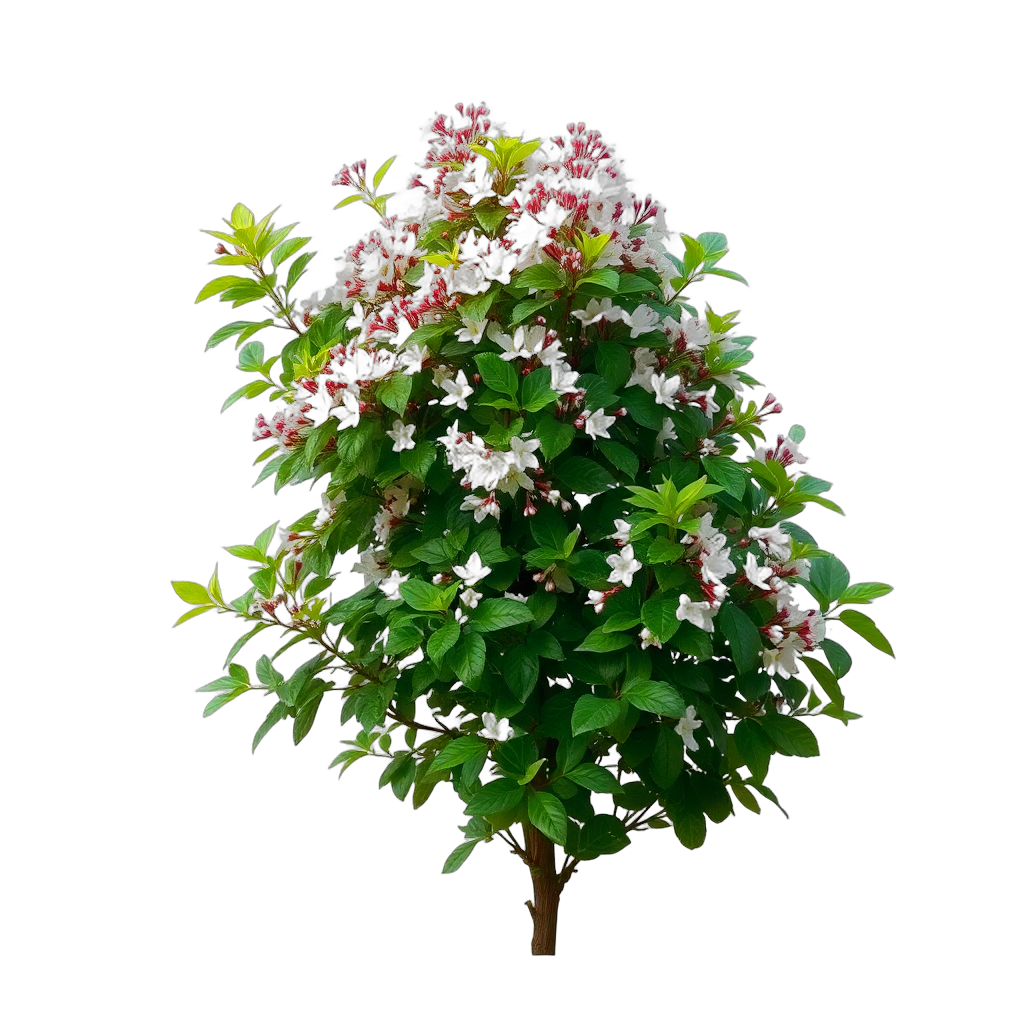
Arrowwood Viburnum
Viburnum dentatum
medium-sized at 10 feet, white blooms in spring. Pollinator-friendly.
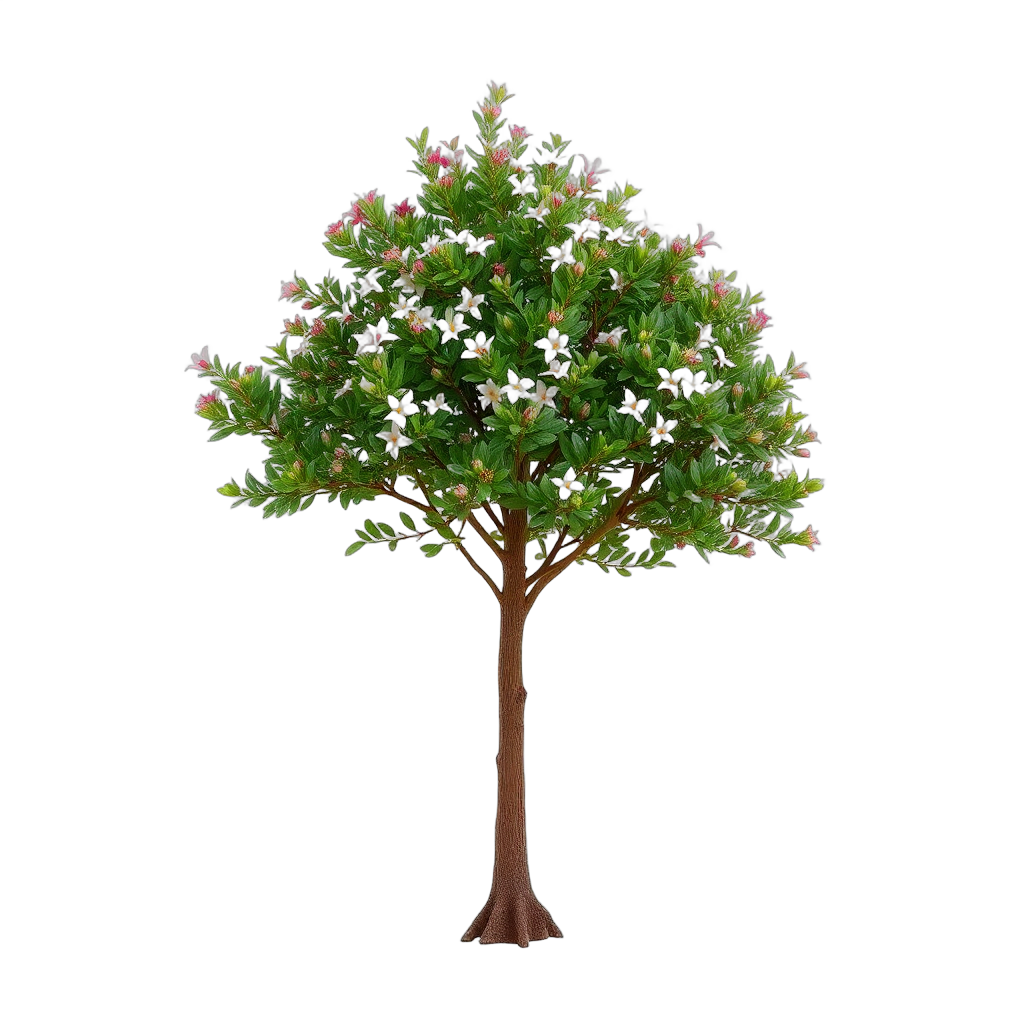
Coastal Leucothoe
Leucothoe axillaris
grows to 3 feet, white blooms in spring. Evergreen year-round.
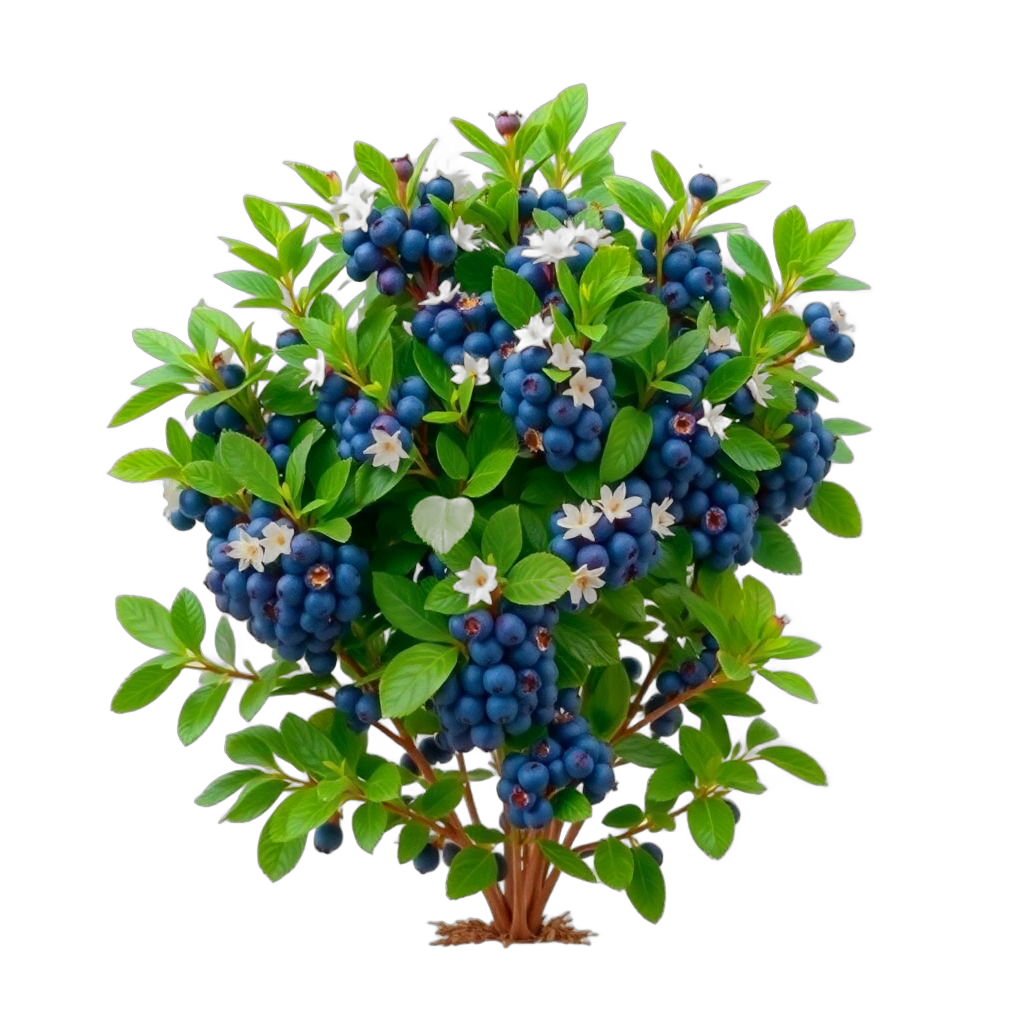
Highbush Blueberry
Vaccinium corymbosum
medium-sized at 7 feet, white blooms in spring. Attracts butterflies.

Inkberry
Ilex glabra
medium-sized at 8 feet, white blooms in spring. Pollinator-friendly.
Featured Grasses & Groundcovers for Modern/Minimalist Gardens
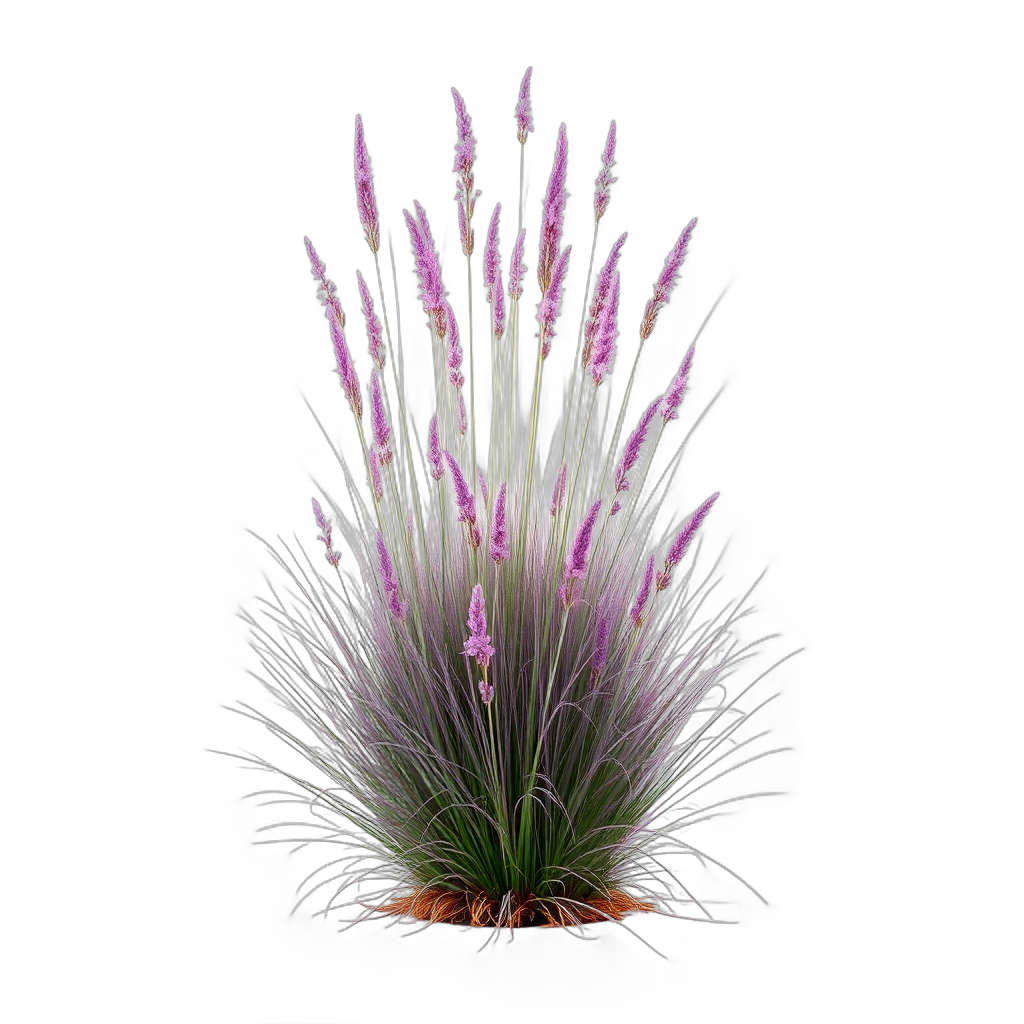
Purple Love Grass
Eragrostis spectabilis
low-growing ground cover, purple blooms in fall. Orange fall color.
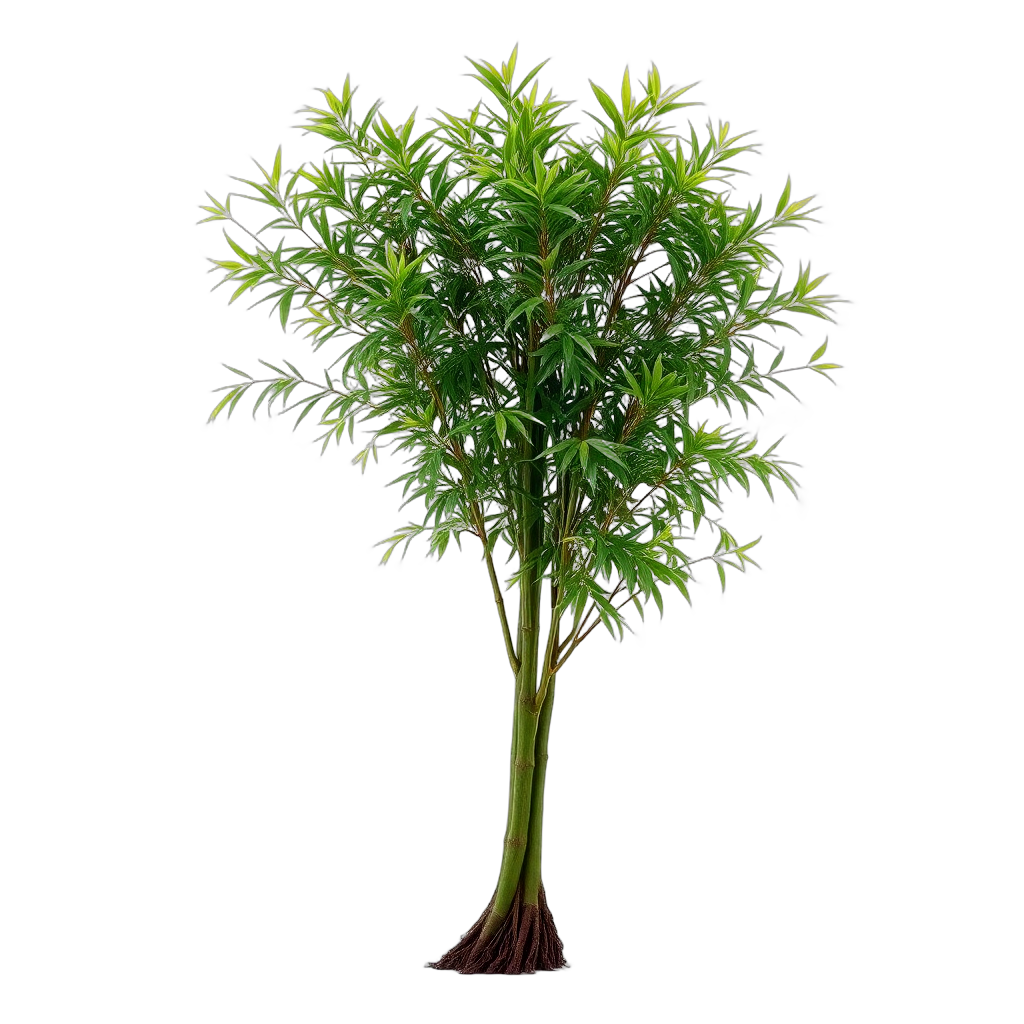
Broad-leaf Bamboo
Sasa palmata
medium-sized at 7 feet, blooms in none. Evergreen year-round.
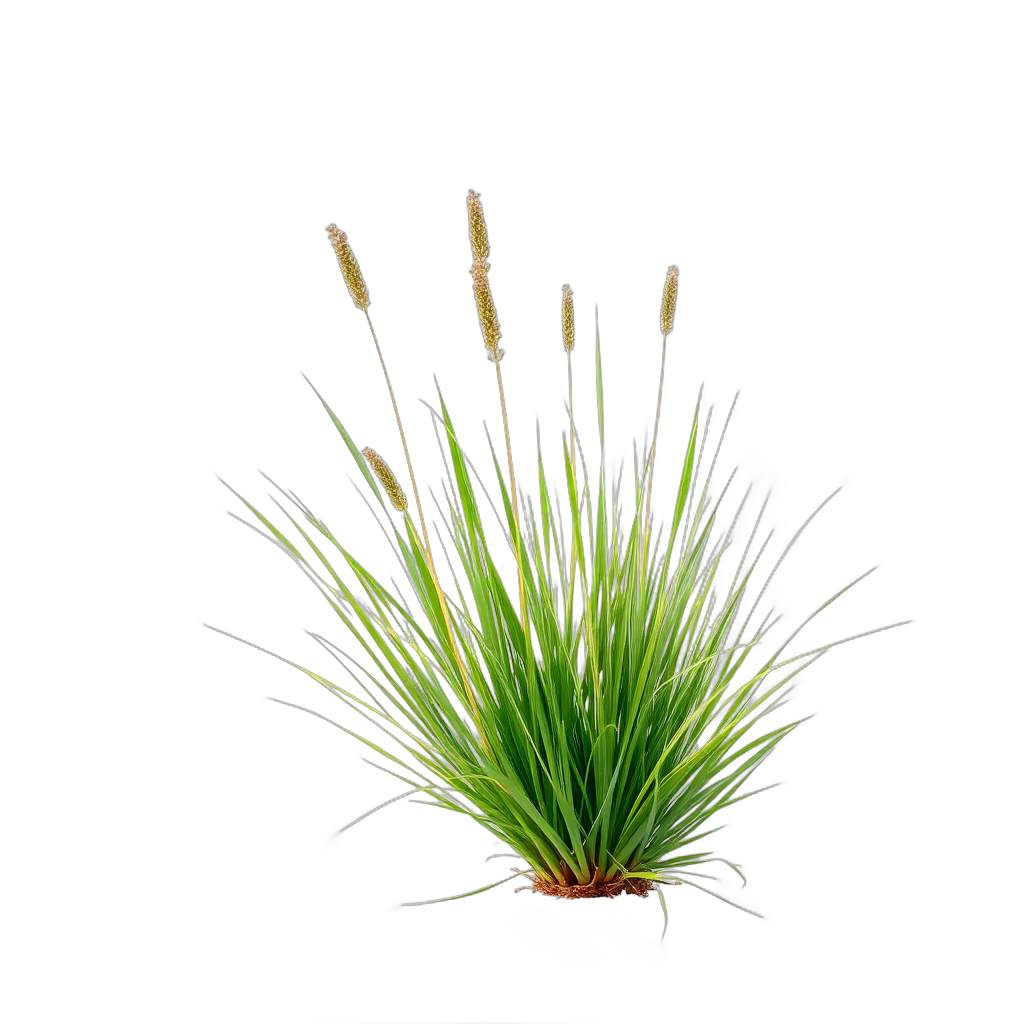
Deer Grass
Muhlenbergia rigens
grows to 3 feet, yellow blooms in fall. Evergreen year-round.
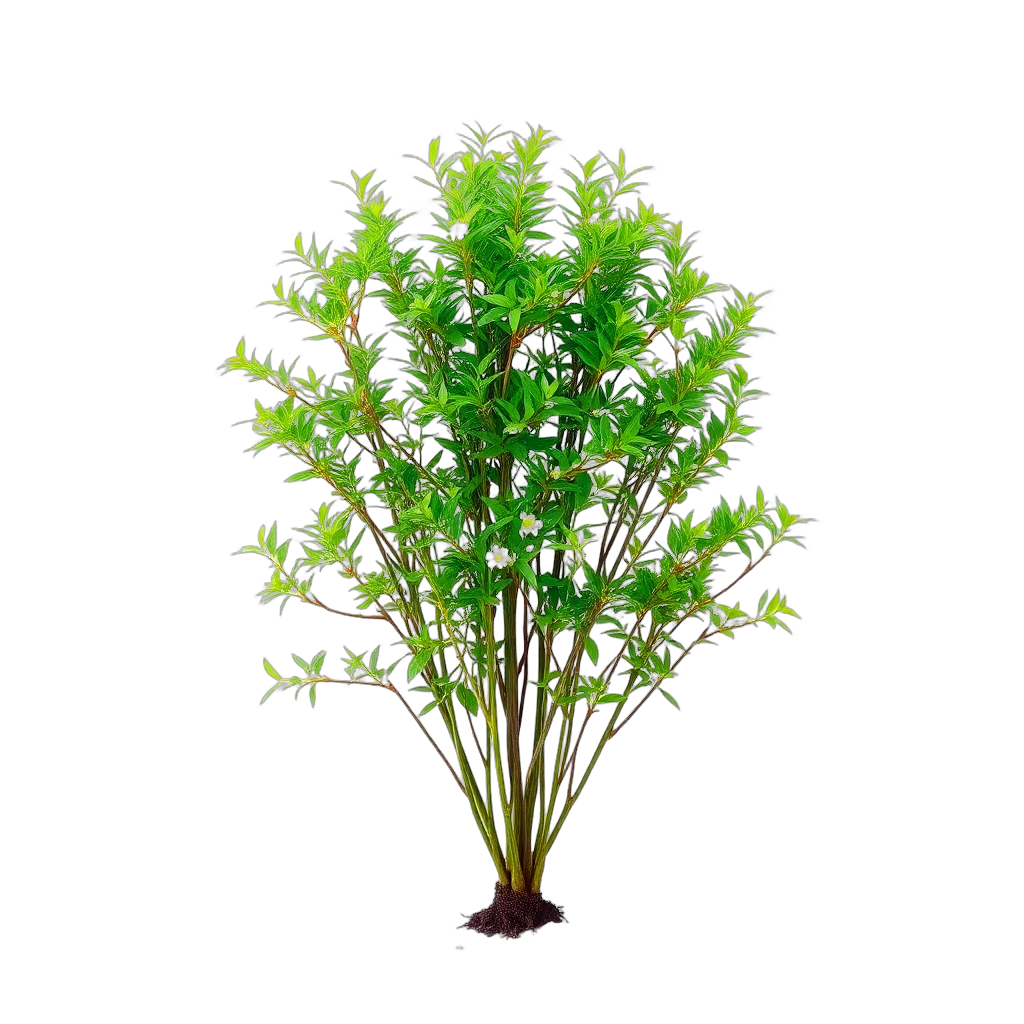
Dwarf Fernleaf Bamboo
Pleioblastus distichus
low-growing ground cover, blooms in none. Evergreen year-round.
Featured Flowers & Perennials for Modern/Minimalist Gardens
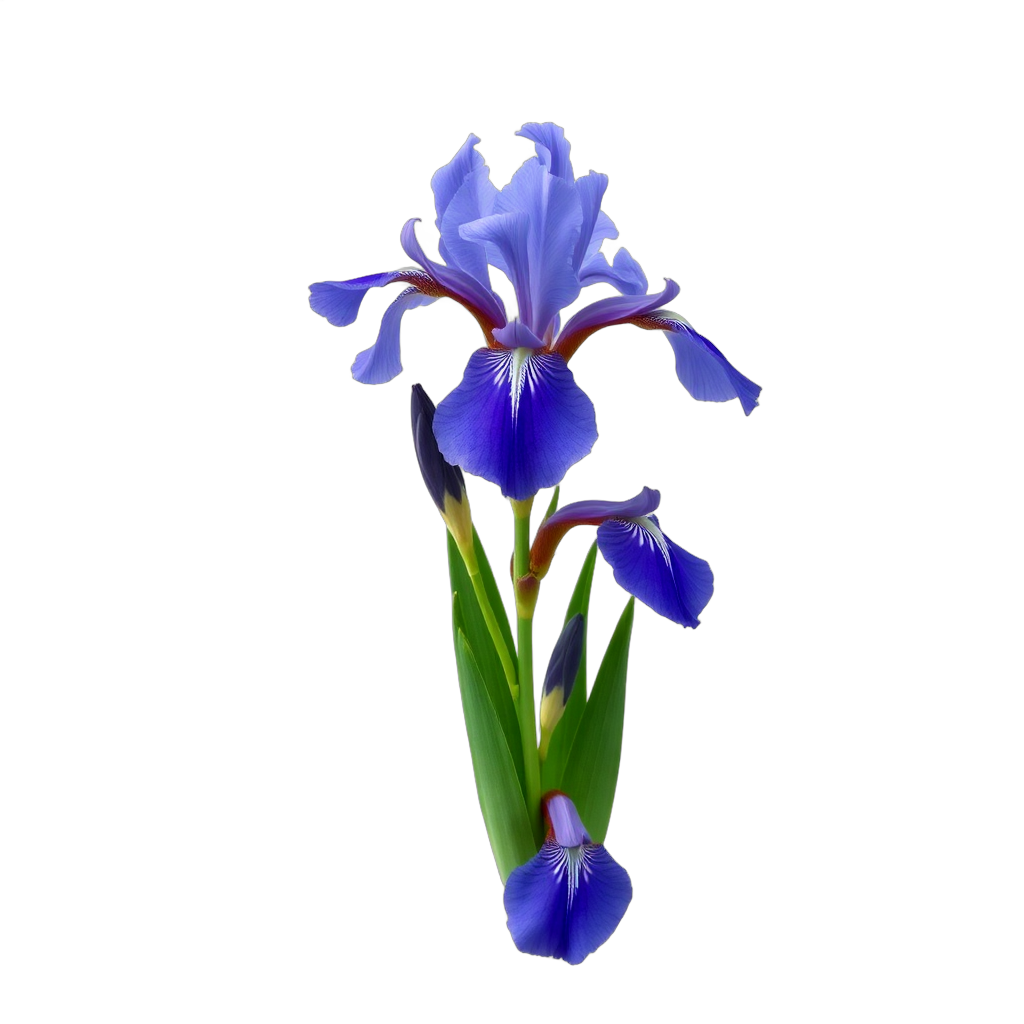
Blue Flag Iris
Iris versicolor
low-growing ground cover, purple blooms in spring. Attracts butterflies.

New York Ironweed
Vernonia noveboracensis
grows to 6 feet, purple blooms in fall. Attracts butterflies.
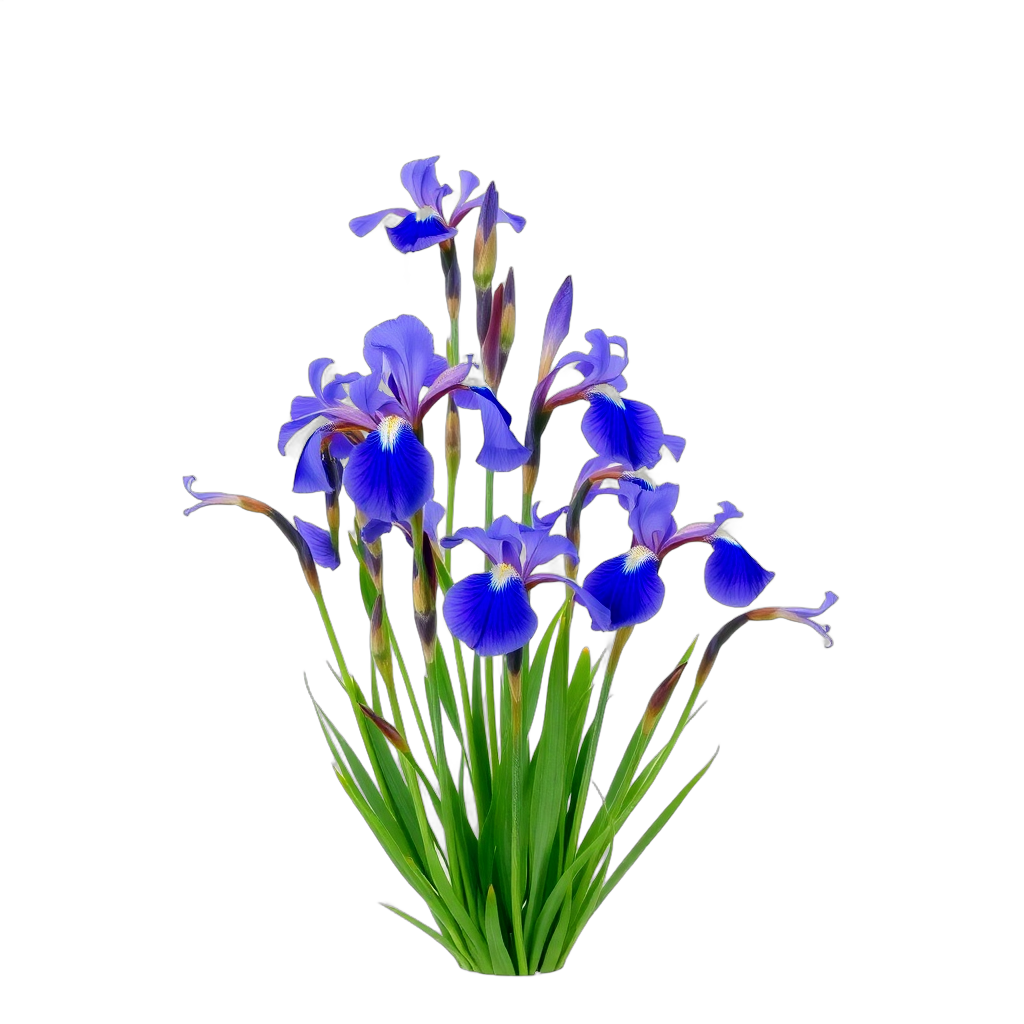
Southern Blue Flag
Iris virginica
low-growing ground cover, blue blooms in spring. Attracts butterflies.

Eastern Prickly Pear
Opuntia humifusa
low-growing ground cover, yellow blooms in summer. Attracts butterflies.
Zone and sun checks come from our database — confirm with your local nursery before you buy.
Bloom Calendar for Nashua
spring
Blue Flag Iris, Southern Blue Flag, Arrowwood Viburnumsummer
Ruby Spice Summersweet, Summersweet, Eastern Prickly Pearfall
New York Ironweed, Purple Love Grasswinter
Limited bloomsDesign Tips for Nashua (Zone 6a)
- Choose for winter first: January lows average 13.8°F and 149 days a year dip to 32°F or below, so Calamagrostis × acutiflora 'Karl Foerster' and Panicum virgatum 'Northwind' that stand through snow beat anything that collapses by December
- Build patios and walks on 8–10 inches of compacted crushed stone: frost heaves anything laid on soil in southern New Hampshire, and a granite slab that lifts a half inch in March ruins the clean line
- Footings for walls and posts must go below frost depth: confirm the required depth with the Building Safety Department before pouring
- Use lean, sandy loam for the grass beds and no fertilizer: Panicum virgatum 'Northwind' and Schizachyrium scoparium 'Standing Ovation' stay upright in poor soil and flop in rich soil
- Repeat three or four plants in large blocks instead of scattering ten: Calamagrostis × acutiflora 'Karl Foerster', Sedum 'Autumn Joy' and Echinacea 'PowWow Wild Berry' are enough for a front yard
- Replace zone-marginal modern-garden staples: Juniperus horizontalis 'Blue Chip' stands in for blue agave, and Hakonechloa macra 'All Gold' gives the cascading texture of warmer-zone grasses
- Add lighting for the long dark season: low-voltage bar lights on a granite walk make the design readable from 4:30 p.m. in December
Where to Source Plants in Nashua
Skip the big-box stores. These independent Nashua nurseries specialize in the plants that make modern/minimalist gardens thrive in Zone 6a.
Sunny Valley Farms
Amherst (Route 101A, minutes from Nashua)
Family-owned independent garden center since 2012: annuals, perennials, ornamental grasses, roses, trees and shrubs, plus soils, mulches, fountains and plant installation and delivery
Countrybrook Farms
Hudson (Lowell Road, just over the line from Nashua)
Family-owned garden center open since 1997 on a multi-acre site: perennials, shrubs, trees and herbs, bulk loam, mulch and stone, and pavers and retaining wall systems
Modern/Minimalist Landscaping Cost Ranges
| Project Scope | Estimated Cost |
|---|---|
| Concrete patio, broom finish (200 sqft) | $2,100–$2,500 |
| Low-voltage landscape lighting (6 fixtures) | $1,200–$2,000 |
| Composite decking boards, surface only on existing framing (200 sqft) | $4,700–$5,800 |
| AI visualization (ProScapeAI) | Free to start |
National average installed ranges for 2026 from our landscaping price list (Homewyse and other published sources). Prices in Nashua, NH vary with site, materials and contractor, so get two or three local quotes.
Nashua Climate & Growing Zone
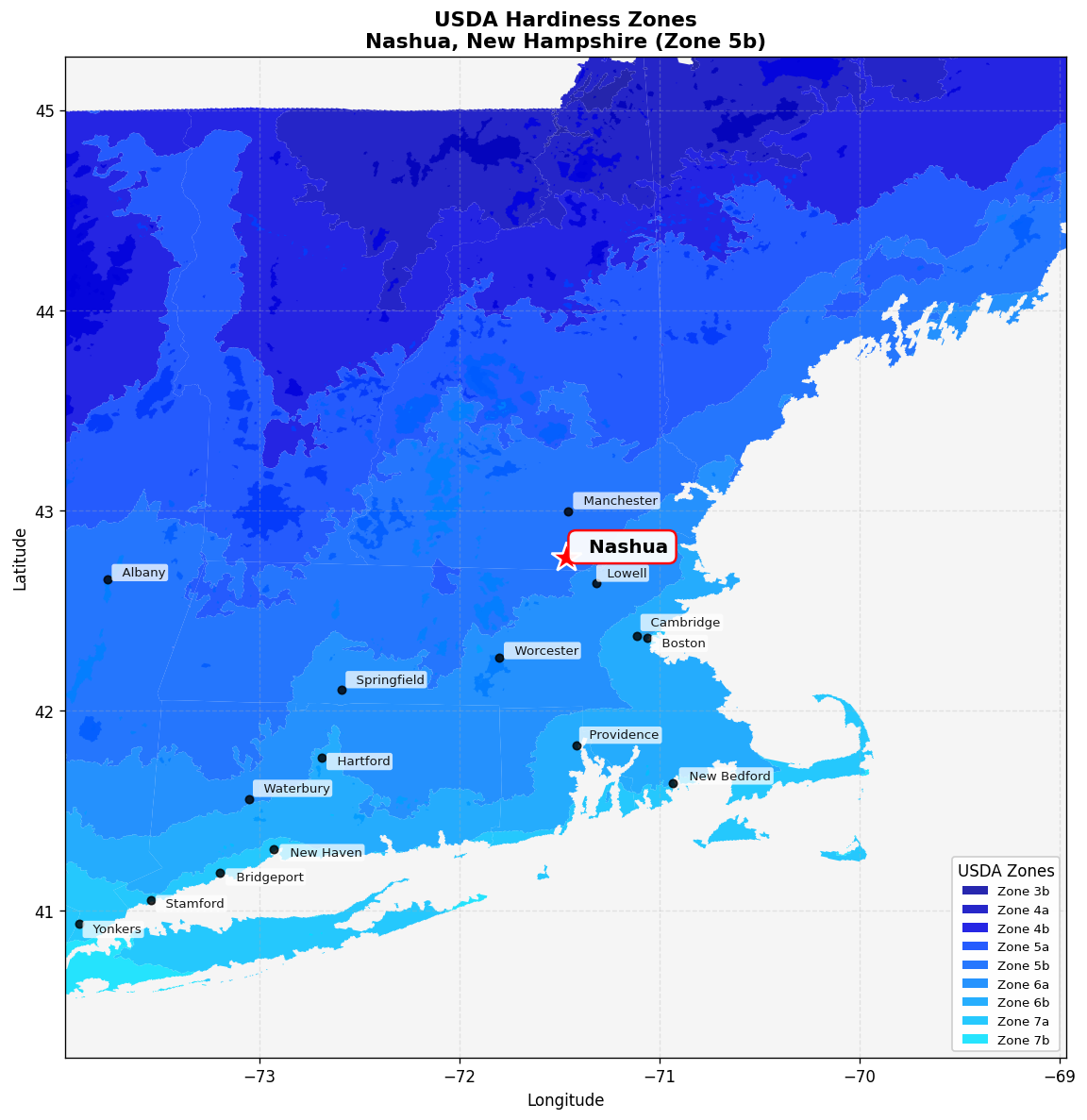
USDA Zone 6a
Hardiness zone for Nashua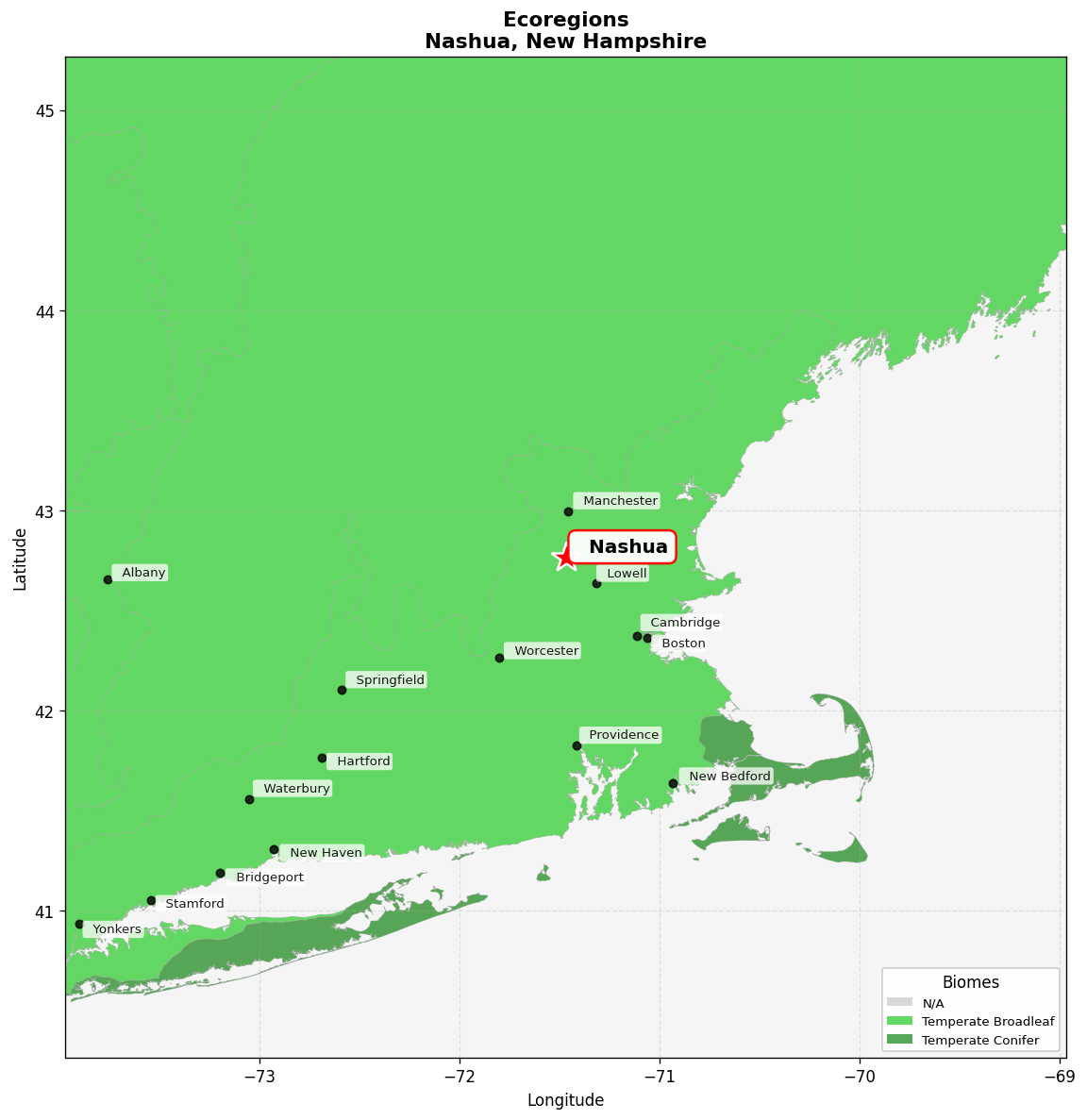
Northeast US Coastal forests
Native ecoregionFrequently Asked Questions
How much does a modern landscape cost in Nashua, NH?
Costs vary with site, access, materials and local labor rates, so get two or three local quotes before you budget.
Is a modern garden low maintenance in Nashua's climate?
Yes, with two annual jobs. Cut grasses back to 4–6 inches in March before new growth starts, and clear leaves from gravel in November. With 149 days a year at or below 32°F, winter dormancy cuts weeding and watering to a few months of summer work. Skip fertilizer on Panicum virgatum 'Northwind', which flops in rich soil.
When is the best time to plant in Nashua?
Plant grasses and perennials from late April to June or in September, when soil is warm and fall rain helps roots. Install hardscape from May to October, since frozen ground stops excavation. Warm-season grasses like Schizachyrium scoparium 'Standing Ovation' establish best from May planting. Avoid mid-July planting without a watering plan, when highs average 84.7°F.
Do I need a permit or follow water rules in Nashua?
Beds and gravel paths do not need a building permit. Fences, retaining walls and structures fall under Nashua's land use code and can need one, so ask the Building Safety Department before you build. Pennichuck, the water utility, can restrict outdoor watering during dry spells, and drip at the base of new plants for the first summer is the efficient route.
Which modern-garden plants survive Nashua's winters?
Zone 6a rules out agaves, olives and pampas grass, but the cold-hardy list is long: Calamagrostis × acutiflora 'Karl Foerster', Panicum virgatum 'Northwind', Schizachyrium scoparium 'Standing Ovation', Hakonechloa macra 'All Gold', Hydrangea paniculata 'Limelight' and Taxus × media 'Hicksii'. Give Acer palmatum 'Bloodgood' a sheltered spot out of winter wind.
How do I stop frost from heaving a patio or wall?
Excavate 8–10 inches for patios and fill with compacted crushed stone, use polymeric sand, and slope the surface slightly away from the house. Walls over about three feet should have a footing below frost depth. Check the exact requirement with the city's Building Safety Department.
Will deer eat a modern garden?
Grasses are the safe core: deer pass over Calamagrostis × acutiflora 'Karl Foerster', Panicum virgatum 'Northwind' and Schizachyrium scoparium 'Standing Ovation', and they usually leave Echinacea purpurea 'Magnus' alone too. Yew is the exception, because deer browse Taxus × media 'Hicksii' hard in snowy winters. In exposed spots use Picea glauca 'Conica' or Juniperus horizontalis 'Blue Chip', and wrap yews in burlap and netting from December.



