4 Modern Landscape Ideas for Newton, MA | Zone 6b Bluestone and Grasses
Native plants from the Northeast US Coastal forests (Zone 6b) — Humid continental (warm summer) climate
For a modern garden in Newton, MA, a zone 6b city with a humid continental (warm summer) climate, start with Calamagrostis × acutiflora 'Karl Foerster', Panicum virgatum 'Northwind' and Sporobolus heterolepis 'Tara', the plants this guide's first design is built on.
Why Modern/Minimalist Gardens in Newton?
Modern design suits Newton's mix of housing better than most suburbs. Mid-century ranches and split-levels on post-war streets, newer builds replacing older houses in Waban and Newton Centre, and larger Chestnut Hill properties all take clean lines, a limited material list and a few strong plants. Many lots here are moderate in size, so a modern garden works by editing: one stone, one gravel, a short plant list and a clear path from street to door. Where a cottage garden needs generosity, a modern one gets its effect from restraint and repetition.
Newton is USDA Zone 6b, with winter lows of about -5 to 0°F, around 44 inches of precipitation a year and frost depth that can reach 4 feet. That makes hardscape the main design constraint. Bluestone, granite and freeze-thaw-rated porcelain pavers on a compacted stone base survive repeated cycles, while soft brick and unsealed sandstone flake. Plants that stay architectural through winter include Calamagrostis × acutiflora 'Karl Foerster', Panicum virgatum 'Northwind', Sporobolus heterolepis 'Tara', Hydrangea paniculata 'Bobo' and Ilex glabra 'Gem Box'. Japanese maples such as Acer palmatum 'Emperor I' do well only in sheltered spots out of winter wind.
Soil varies. Much of the city sits on glacial till, a stony and compacted mix, while low spots near the Charles River and wetlands stay wet into spring. New England soil usually tests acidic, around pH 5.0–6.5, which grasses and native shrubs tolerate well. Snowmelt in March can saturate poorly graded yards, so slope hardscape away from the foundation and set drainage before any planting.
Two local rules matter. Newton's Tree Preservation Ordinance requires a permit from the Tree Warden to remove a tree on private property, with only trees under 6 inches in trunk diameter exempt, so plan a modern layout around mature trees where possible. Work within 100 feet of a wetland or stream falls under the Massachusetts Wetlands Protection Act. Check both with the City before breaking ground.
4 Modern/Minimalist Design Ideas for Newton
AI-generated image
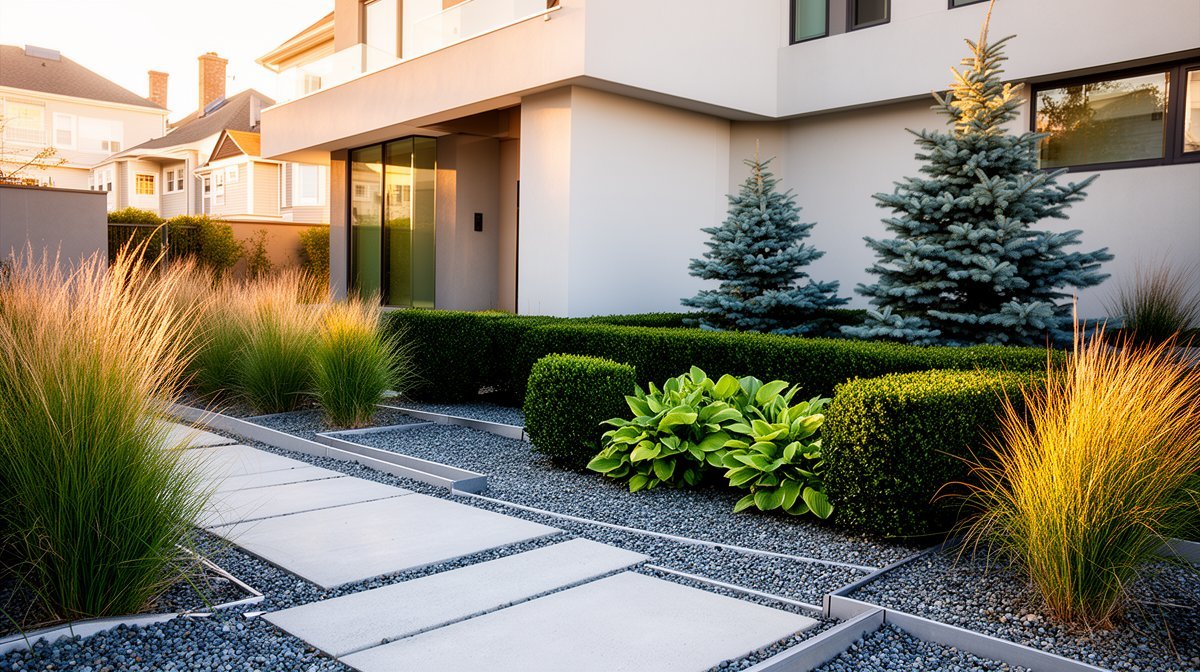
The Bluestone and Grass Front Court
$26–55/sqftA rectangular bluestone entry court replaces a worn lawn in front of a mid-century ranch, with a straight path from the driveway to the door. Drifts of ornamental grass run along the front of the house and a low gravel bed holds a few sculptural shrubs. The south-facing bed stays in full sun and the grasses catch low winter light after the first snow.
Try this on your yard: The Bluestone and Grass Front CourtAI-generated image
The Corten and Boxwood Courtyard
$30–60/sqftWeathering steel planters line a narrow side yard beside a Newtonville or West Newton two-family, with clipped boxwood in each and a gravel floor between. A single specimen tree holds the corner and low uplighting turns the steel orange-brown at night. The steel panels hide the neighbor's fence and the gravel drains snowmelt away from the foundation.
Try this on your yard: The Corten and Boxwood CourtyardAI-generated image
The Native Rain Garden Terrace
$24–50/sqftA low bluestone terrace steps down from the back door of a Waban house to a shallow rain garden that catches roof runoff. The planting is all natives in drifts, with serviceberry trees overhead and a mown path around the edge. In spring the serviceberry blooms white and in fall the leaves turn orange-red while the grasses go tan.
Try this on your yard: The Native Rain Garden TerraceAI-generated image
The Deck and Pine Terrace
$32–65/sqftA low composite deck wraps the back of a Chestnut Hill house and steps down to a gravel terrace with dwarf pines and mounded evergreens. A thin black steel fence gives a clean edge and a single specimen maple provides afternoon shade. Evergreen structure keeps the garden readable in January and the pines need almost no care.
Try this on your yard: The Deck and Pine TerraceSee how a modern/minimalist garden looks on YOUR property
Upload a photo of your Newton yard and visualize your dream garden in seconds.
Try ProScapeAI Free

AI-generated image
Featured Trees & Shrubs for Modern/Minimalist Gardens
Browse all 181 plants for Newton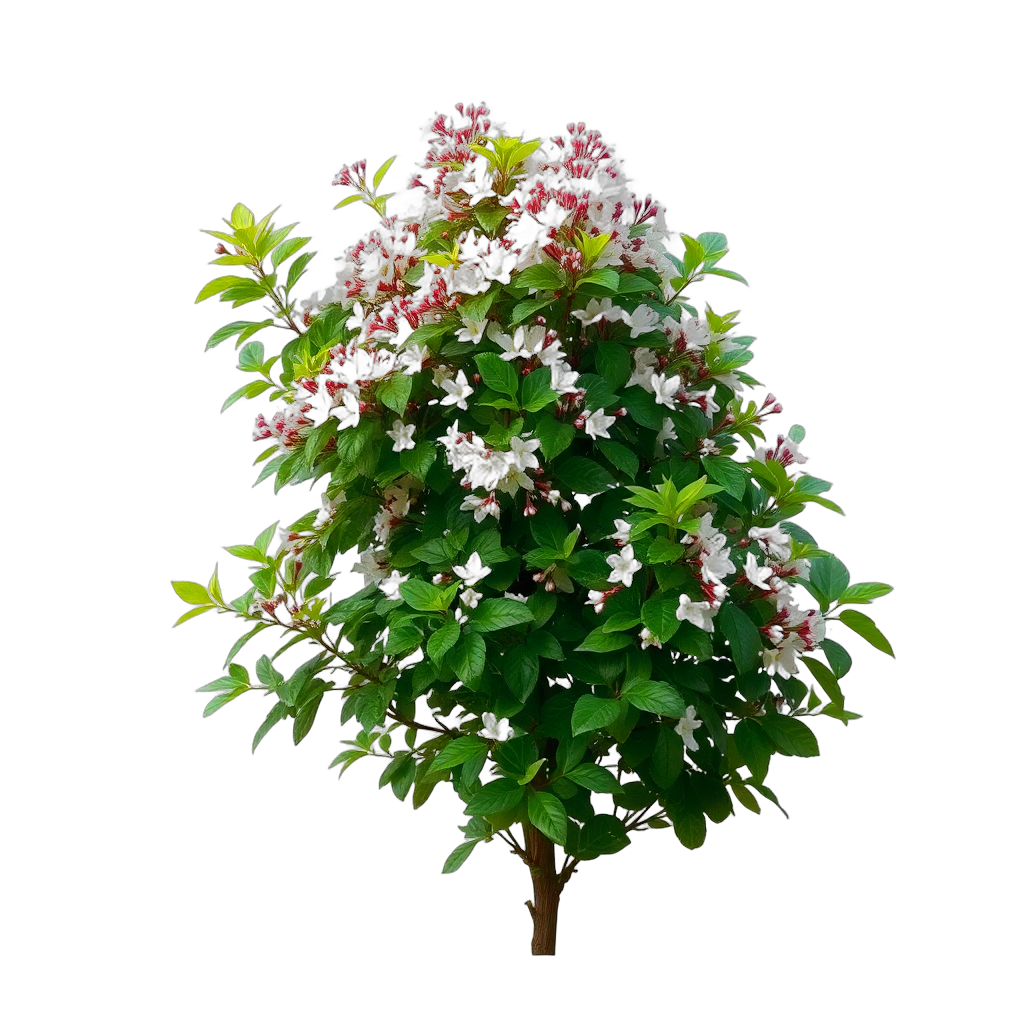
Arrowwood Viburnum
Viburnum dentatum
medium-sized at 10 feet, white blooms in spring. Pollinator-friendly.
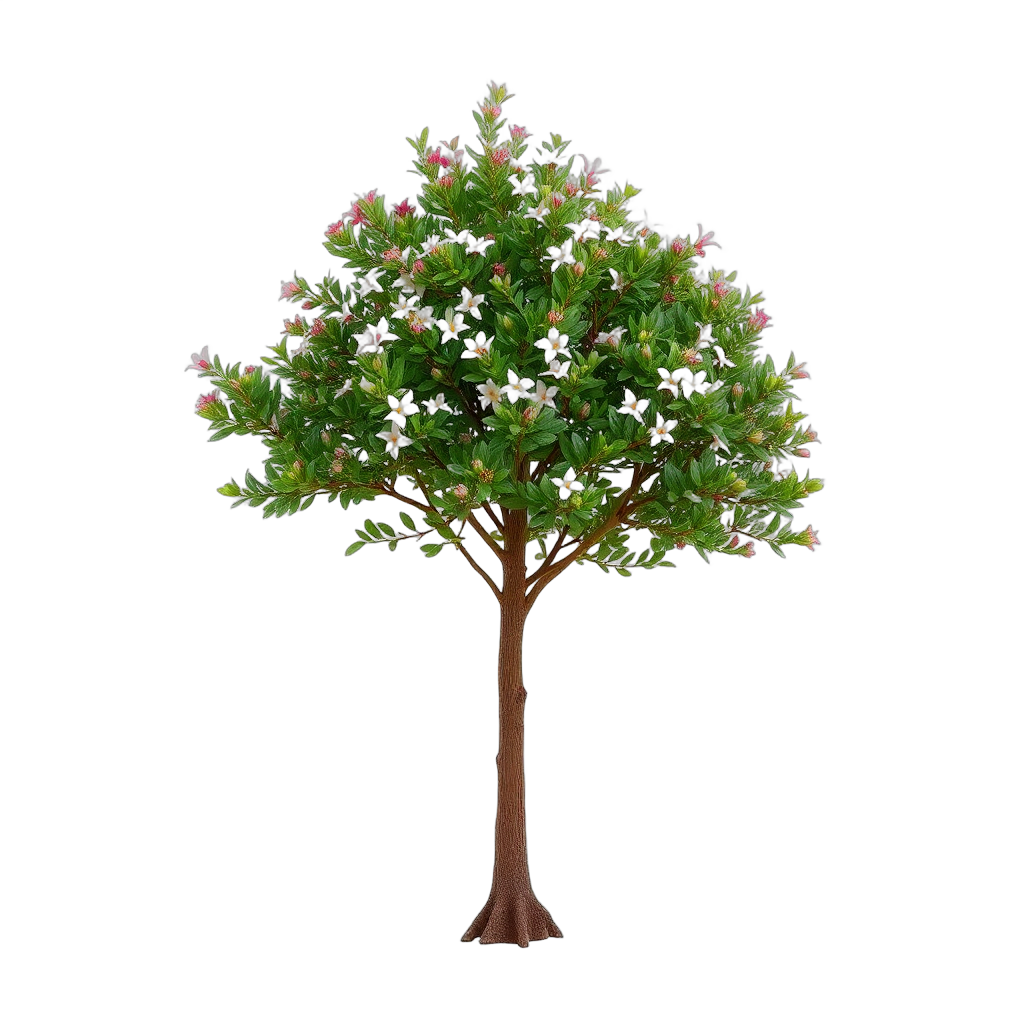
Coastal Leucothoe
Leucothoe axillaris
grows to 3 feet, white blooms in spring. Evergreen year-round.
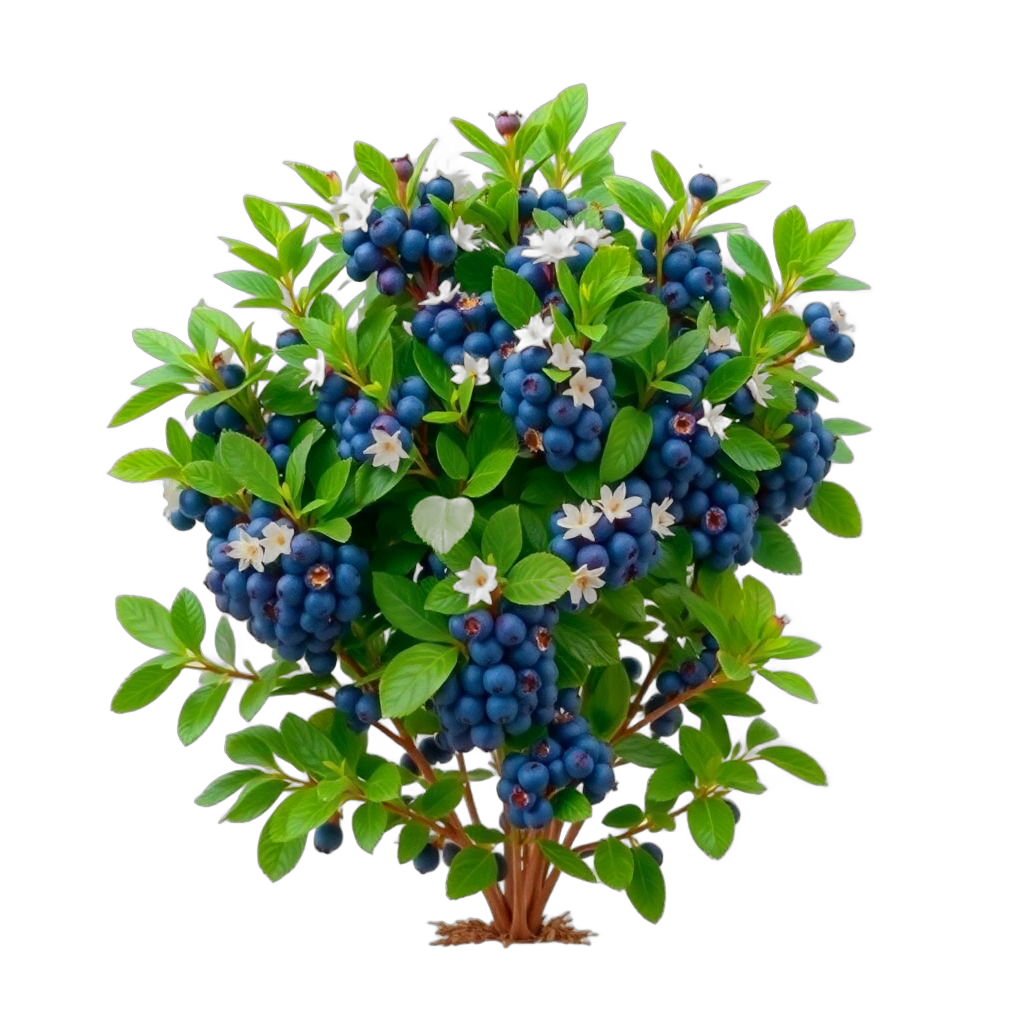
Highbush Blueberry
Vaccinium corymbosum
medium-sized at 7 feet, white blooms in spring. Attracts butterflies.

Inkberry
Ilex glabra
medium-sized at 8 feet, white blooms in spring. Pollinator-friendly.
Featured Grasses & Groundcovers for Modern/Minimalist Gardens
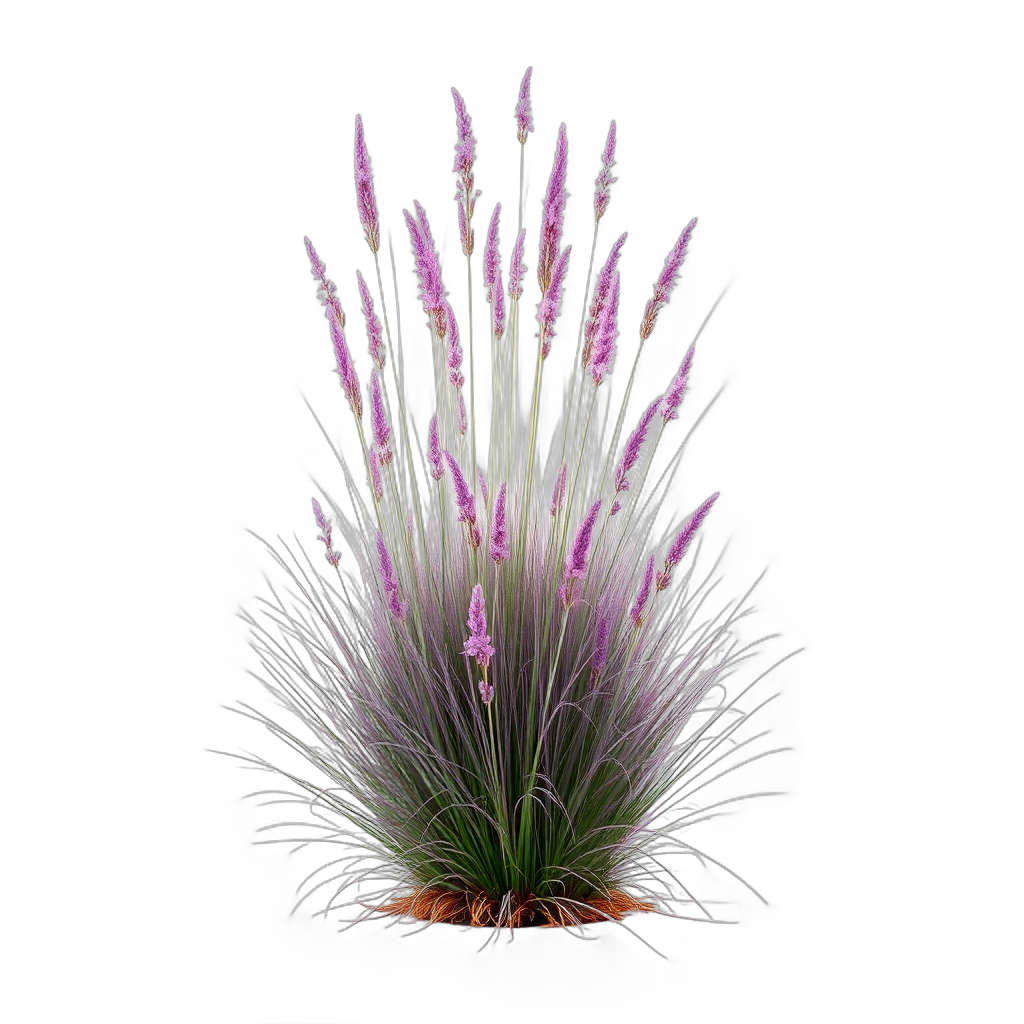
Purple Love Grass
Eragrostis spectabilis
low-growing ground cover, purple blooms in fall. Orange fall color.
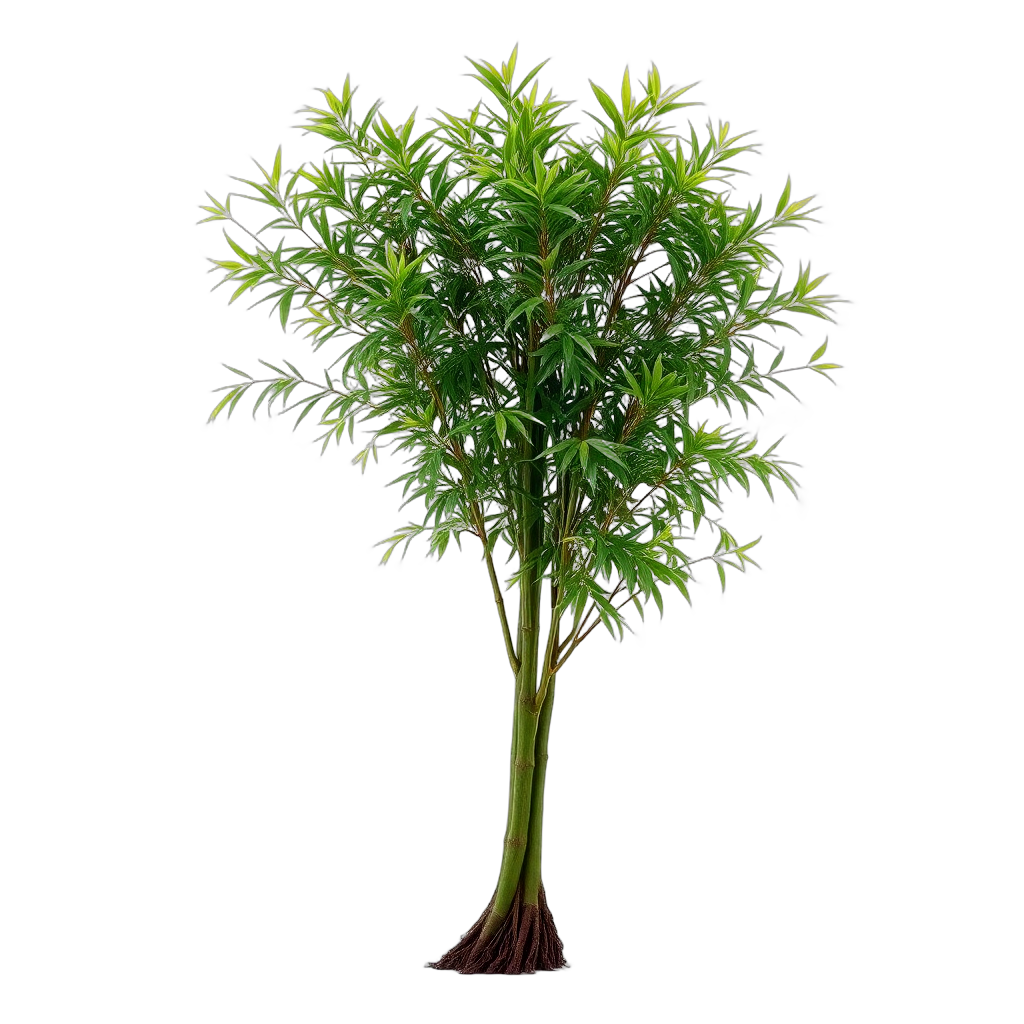
Broad-leaf Bamboo
Sasa palmata
medium-sized at 7 feet, blooms in none. Evergreen year-round.
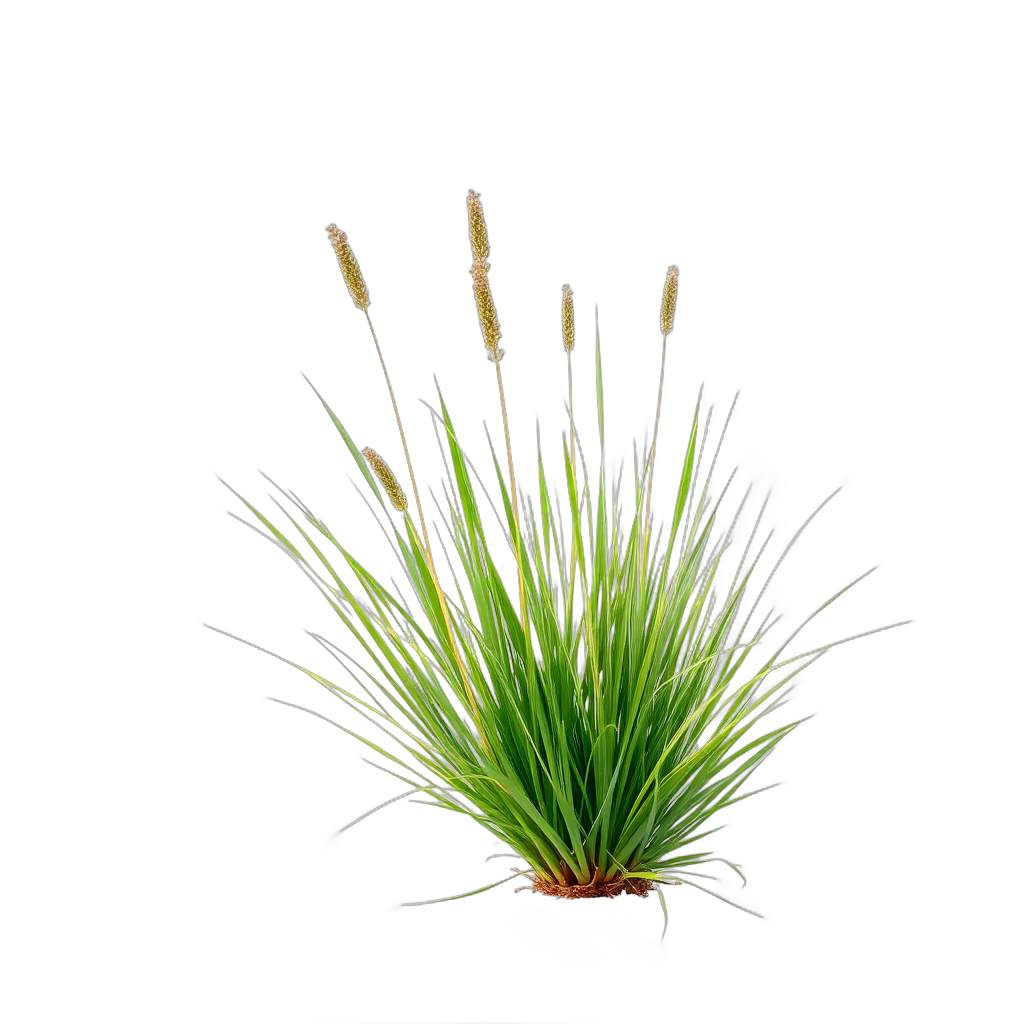
Deer Grass
Muhlenbergia rigens
grows to 3 feet, yellow blooms in fall. Evergreen year-round.
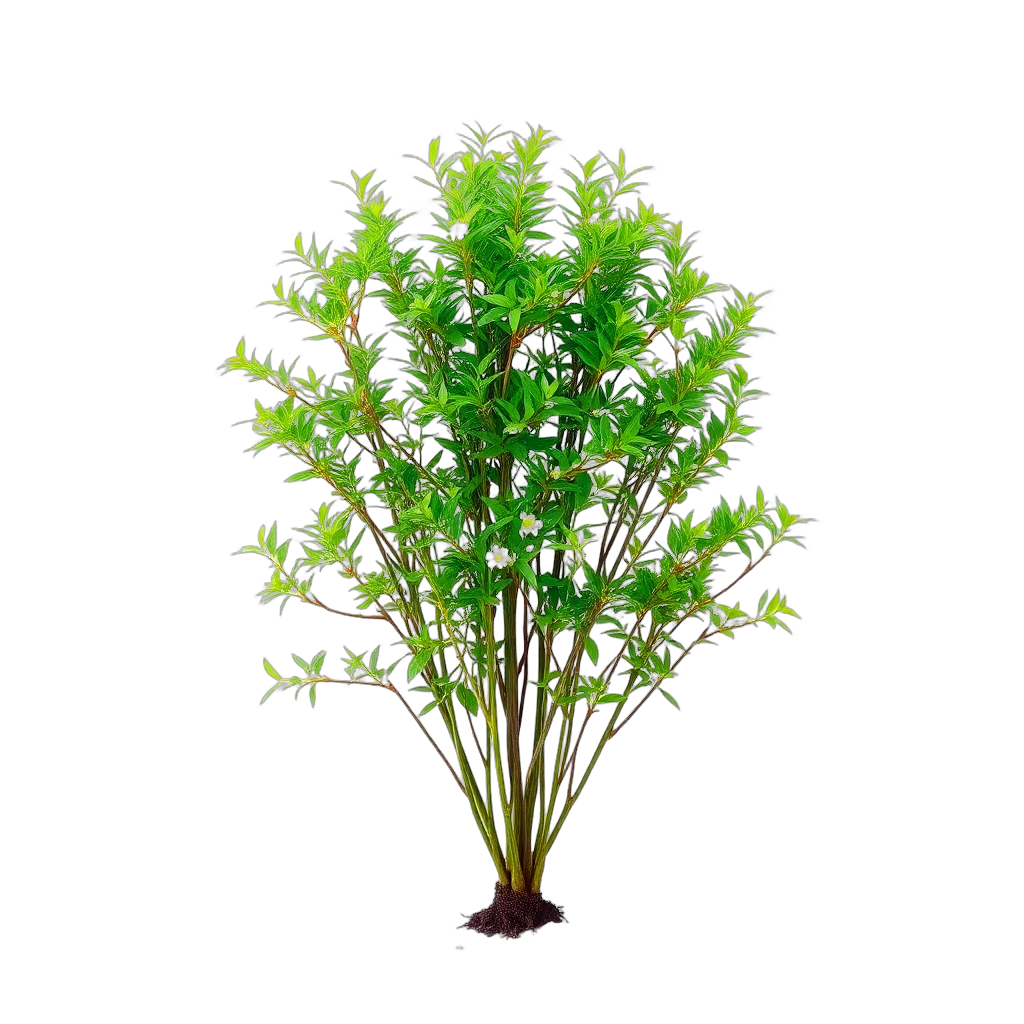
Dwarf Fernleaf Bamboo
Pleioblastus distichus
low-growing ground cover, blooms in none. Evergreen year-round.
Featured Flowers & Perennials for Modern/Minimalist Gardens
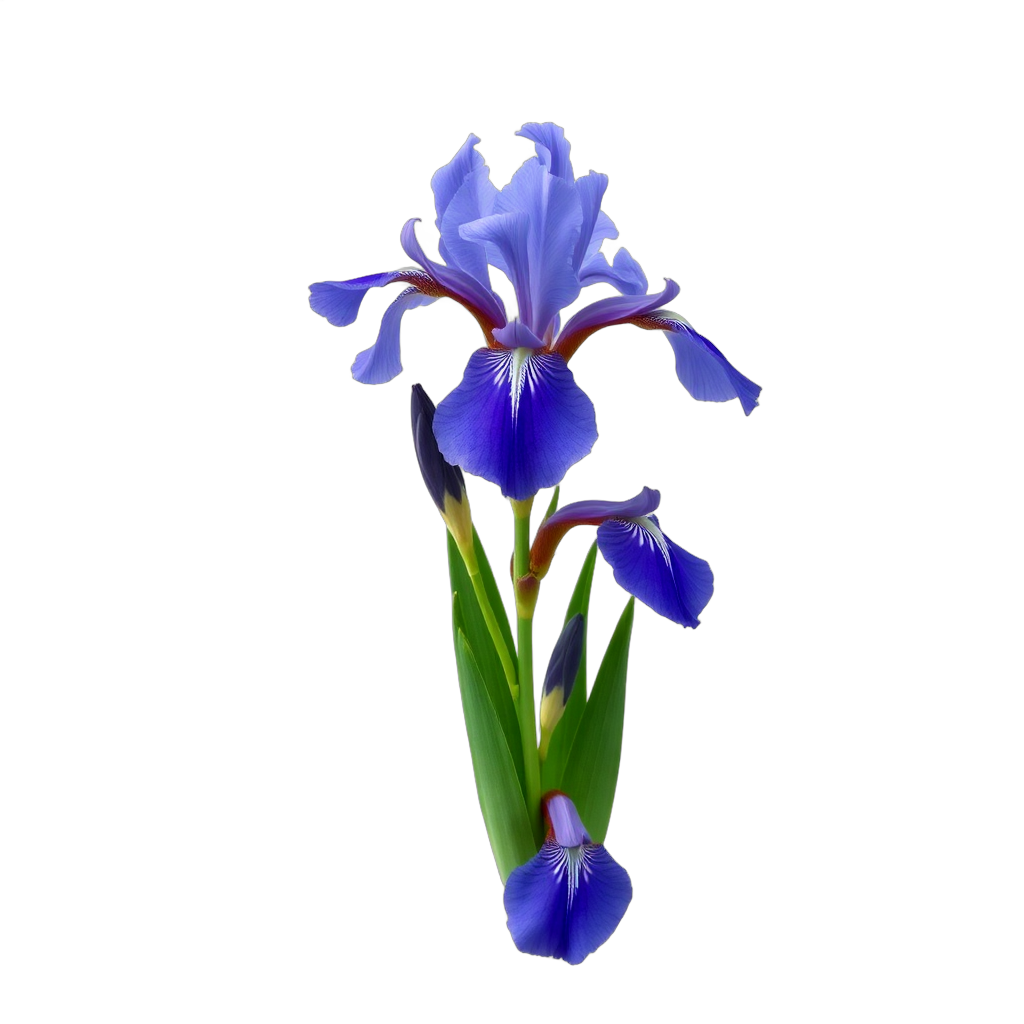
Blue Flag Iris
Iris versicolor
low-growing ground cover, purple blooms in spring. Attracts butterflies.

New York Ironweed
Vernonia noveboracensis
grows to 6 feet, purple blooms in fall. Attracts butterflies.
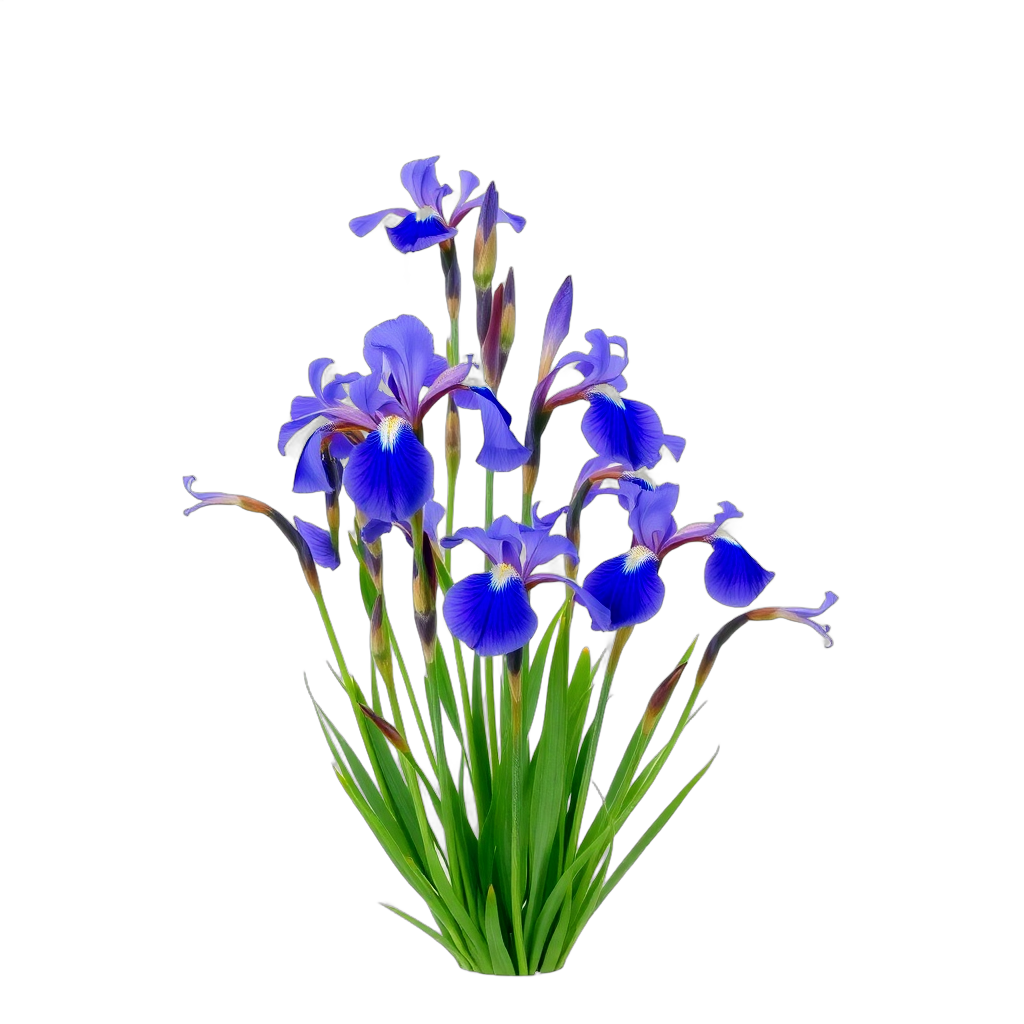
Southern Blue Flag
Iris virginica
low-growing ground cover, blue blooms in spring. Attracts butterflies.

Eastern Prickly Pear
Opuntia humifusa
low-growing ground cover, yellow blooms in summer. Attracts butterflies.
Zone and sun checks come from our database — confirm with your local nursery before you buy.
Bloom Calendar for Newton
spring
Blue Flag Iris, Southern Blue Flag, Arrowwood Viburnumsummer
Ruby Spice Summersweet, Summersweet, Eastern Prickly Pearfall
New York Ironweed, Purple Love Grasswinter
Limited bloomsDesign Tips for Newton (Zone 6b)
- Use bluestone, granite or freeze-thaw-rated porcelain on 6–8 inches of compacted stone: Newton's 4-foot frost depth and March thaws crack thin pavers laid on sand
- Slope every patio at least 1 inch per 4 feet away from the house: snowmelt in March can saturate poorly graded yards and push water toward the foundation
- Cut Calamagrostis × acutiflora 'Karl Foerster' and Panicum virgatum 'Northwind' in March rather than fall: standing grass holds snow-light and shelter through a Zone 6b winter
- Keep winter structure with Ilex glabra 'Gem Box', Buxus 'Green Mountain' and Pinus mugo 'Slowmound': evergreens keep the layout readable between November and April
- Plant Acer palmatum 'Emperor I' out of winter wind, on the south or east side: lows of -5 to 0°F can burn exposed Japanese maples
- Switch to calcium magnesium acetate or sand on bluestone paths: rock salt damages stone and the plants beside it
- Check the Tree Warden's permit rule before removing any tree 6 inches or larger: building the terrace around a mature maple saves money and canopy
Where to Source Plants in Newton
Skip the big-box stores. These independent Newton nurseries specialize in the plants that make modern/minimalist gardens thrive in Zone 6b.
Russell's Garden Center
Wayland (Route 20)
Family-owned garden center since 1876 with annuals, perennials, trees, shrubs, herbs and garden supplies, a short drive west of Newton
Allandale Farm
Chestnut Hill / Brookline line
Working farm beside Newton's southeast edge with a seasonal greenhouse garden center open each spring; its year-round farmstand and garden center is planned for 2027
Weston Nurseries
Hopkinton (East Main Street)
Large nursery listing more than 4,000 plant types, including trees, shrubs, perennials and annuals; a good source for named roses, hydrangeas and specimen shrubs
Native Plant Trust, Garden in the Woods
Framingham
Regional native plant garden with seasonal plant sales (closed in winter) and an online shop for seeds, books and tools; useful for woodland and native substitutes
Modern/Minimalist Landscaping Cost Ranges
| Project Scope | Estimated Cost |
|---|---|
| Bluestone patio (200–350 sqft) | $5,000–$11,200 |
| Composite deck, per square foot | $23.50–$28.75 per sqft |
| Concrete patio, broom finish (200 sqft) | $2,100–$2,500 |
| AI visualization (ProScapeAI) | Free to start |
National average installed ranges for 2026 from our landscaping price list (Homewyse and other published sources). Prices in Newton, MA vary with site, materials and contractor, so get two or three local quotes.
Newton Climate & Growing Zone
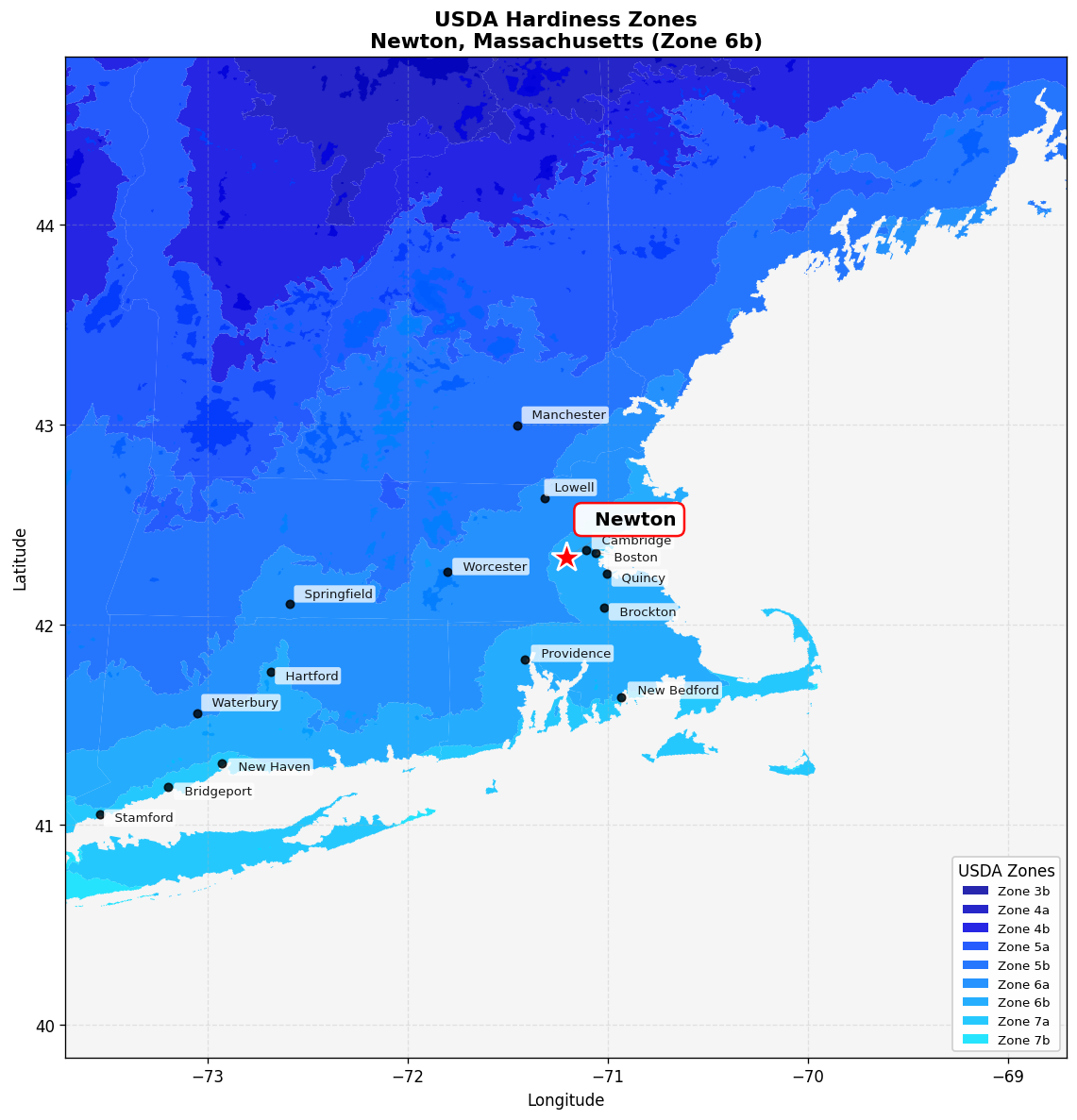
USDA Zone 6b
Hardiness zone for Newton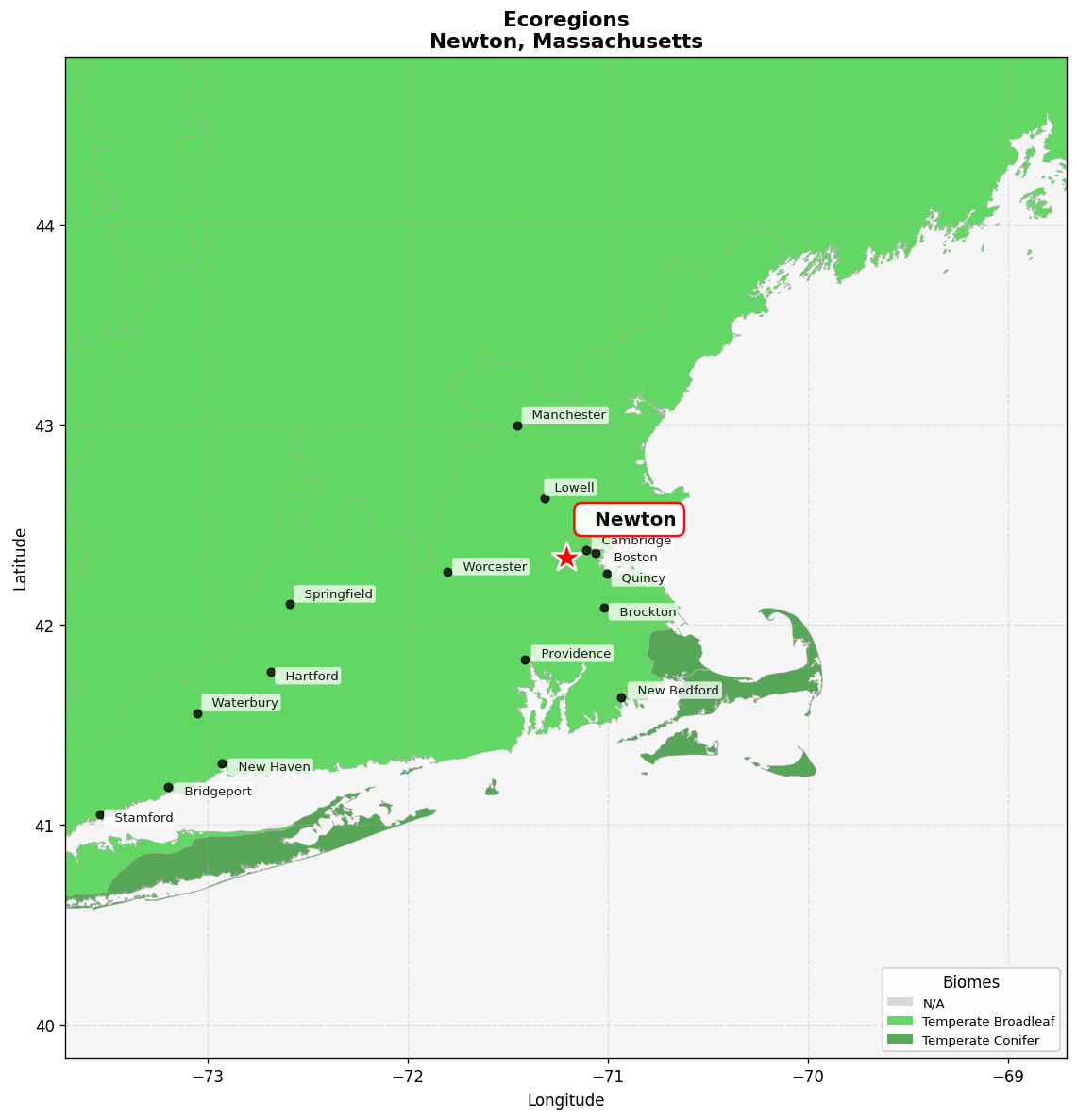
Northeast US Coastal forests
Native ecoregionFrequently Asked Questions
How much does modern landscaping cost in Newton, MA?
Greater Boston labor runs well above the national average. Costs vary with site, access, materials and local labor rates, so get two or three local quotes before you budget.
Is modern landscaping low maintenance in Newton's climate?
Yes, more than most styles. Calamagrostis × acutiflora 'Karl Foerster' and Panicum virgatum 'Northwind' only need one cut-back each March, and gravel beds with steel edging need little weeding. Expect to refresh gravel every few years and to clear snow and salt from bluestone in winter, since rock salt damages stone and nearby plants.
What hardscape holds up to freeze and thaw in Newton?
Natural bluestone, granite and freeze-thaw-rated porcelain pavers set on 6–8 inches of compacted stone base perform best. Soft brick and unsealed sandstone tend to flake. With frost reaching about 4 feet, footings for walls and posts need to go deep, and any patio should slope at least 1 inch per 4 feet away from the house.
When is the best time to plant in Newton?
Late April through May once the soil is workable, and mid-August through late September are the two best windows. Last frost falls around late April and first frost in mid to late October. Plant grasses in spring so they establish before their first winter, and avoid new planting in the heat of July.
What permits do I need for landscaping in Newton?
Removing a tree on private property needs a permit from the City's Tree Warden, with trees under 6 inches in trunk diameter exempt. Work within 100 feet of a wetland, stream or pond can fall under the Massachusetts Wetlands Protection Act and need Conservation Commission review. Fences, walls and added paving may trigger zoning or building rules, so confirm with the City before construction starts.
What plants stay interesting through a Newton winter?
Calamagrostis × acutiflora 'Karl Foerster' stays upright and tan under snow, Panicum virgatum 'Northwind' holds its form, and Hydrangea paniculata 'Bobo' keeps dried flower heads. For green, use Ilex glabra 'Gem Box', Buxus 'Green Mountain' and Pinus mugo 'Slowmound'. Leave grasses standing until March.
How do I handle stony, compacted soil for a modern garden?
Glacial till is rocky and compacts easily. Excavate paths to 8–10 inches for a stone base, loosen planting beds, and mix in 2–3 inches of compost. Large stones can be reused as edge or accent features. A soil test through the UMass Amherst Soil and Plant Nutrient Testing Laboratory confirms pH and nutrient needs.