4 English Cottage Garden Ideas for Nashua, NH | Zone 6a Borders
Native plants from the Northeast US Coastal forests (Zone 6a) — Humid continental (warm summer) climate
For a cottage garden in Nashua, NH, a zone 6a city with a humid continental (warm summer) climate, start with Delphinium elatum 'Magic Fountains', Paeonia 'Sarah Bernhardt' and Digitalis × mertonensis, the plants this guide's first design is built on.
Why Cottage/English Gardens in Nashua?
Nashua's older housing gives a cottage garden something to lean on. The older streets near downtown are full of Victorians, Queen Annes and Colonial Revivals on small lots, and nearby streets add Capes, bungalows and two-families with shallow front yards. A picket fence, a rose over the gate and a border four feet deep look finished in a yard that size, where the same plants spread across a big suburban lawn would look thin. New Hampshire also supplies the hardscape: fieldstone, granite steps and granite edging all come from nearby quarries and yards.
The numbers come from NOAA's 1991–2020 normals for the Nashua station. January lows average 13.8°F, July highs average 84.7°F, and the year brings about 46 inches of precipitation and 149 days with a low at or below 32°F. That is Zone 6a, cold enough to rule out some English favorites and mild enough to grow most of the rest. Delphinium elatum 'Magic Fountains', Paeonia 'Sarah Bernhardt', Digitalis × mertonensis and Alchemilla mollis all do well here. Hybrid teas and most David Austin roses die back to the snow line, so build the rose layer on hardy Canadian Explorer roses instead: Rosa 'John Cabot' on the arbor, Rosa 'William Baffin' on the fence and Rosa 'Morden Blush' in the border. Lavandula angustifolia 'Hidcote' survives only in a sharply drained, sunny spot, so Nepeta × faassenii 'Walker's Low' is the safer lavender-blue edge.
Soil in southern New Hampshire is naturally acidic, commonly around pH 5.0–5.5, and it changes block to block: sandy glacial outwash near the Merrimack and Nashua Rivers, stony till on the higher ground. Both drain faster than clay, which helps lavender and hurts thirsty delphiniums in August. Send a sample to the UNH Cooperative Extension soil lab, lime the lavender and peony beds toward 6.5, and mulch with shredded bark everywhere except right at the lavender crowns.
Two local checks before building. Nashua regulates fences through its land use code, and so confirm the height limit and whether a permit applies with the city's Building Safety Department before ordering. Frost also heaves anything shallow: set arbor and gate posts well below the frost line (ask the Building Safety Department what footing depth it requires) or the gate will not close by March. Pennichuck, the water utility, can restrict outdoor watering in dry summers, and a mulched border of established plants will cope.
4 Cottage/English Design Ideas for Nashua
AI-generated image
The Fieldstone Wall Front Border
$24–48/sqftA low dry-laid fieldstone wall runs along the sidewalk of an older Queen Anne, backing a border 4 feet deep that is planted in tiers: tall Delphinium elatum 'Magic Fountains' and Digitalis × mertonensis at the back, peony and catmint in the middle, lady's mantle spilling over the wall top. A granite step lands the front walk at the gate. The bed faces south and gets sun from nine to four, which is what peonies and Explorer roses want.
Try this on your yard: The Fieldstone Wall Front BorderAI-generated image
The Picket Fence Explorer Rose Gate
$22–44/sqftA white cedar picket fence and a gate arbor frame the front walk of a Cape. Rosa 'John Cabot' covers the arbor and Rosa 'William Baffin' trains along the fence, with blue Salvia nemorosa 'May Night' and Geranium 'Rozanne' planted at the foot so the base stays covered after the roses finish. A bluestone walk on stone dust leads to a porch with two painted pots of boxwood.
Try this on your yard: The Picket Fence Explorer Rose GateAI-generated image
The Shaded Hosta and Hydrangea Porch Garden
$18–38/sqftMature maples shade the front of a deep-porched Colonial Revival, so the border is built on foliage and white blooms instead of sun-hungry roses. Hosta 'Halcyon' and Hosta 'Sum and Substance' hold the front, Hydrangea arborescens 'Annabelle' rises behind, and a stepping-stone path in granite cobbles winds toward the porch steps. Hellebores come up through snowmelt in April, long before the hostas.
Try this on your yard: The Shaded Hosta and Hydrangea Porch GardenAI-generated image
The Back Garden Tea Circle
$26–52/sqftA round of irregular bluestone, about 12 feet across, is set into the back lawn of a split-level and furnished with a bistro table. A white arbor carrying Clematis 'Jackmanii' frames the view from the kitchen window. Peonies, phlox and Allium 'Millenium' ring the circle in drifts, with a cedar fence behind them as a backdrop. The sunniest corner of the lot is given to the border, and the lawn shrinks to a simple panel.
Try this on your yard: The Back Garden Tea CircleSee how a cottage/english garden looks on YOUR property
Upload a photo of your Nashua yard and visualize your dream garden in seconds.
Try ProScapeAI Free

AI-generated image
Featured Trees & Shrubs for Cottage/English Gardens
Browse all 181 plants for Nashua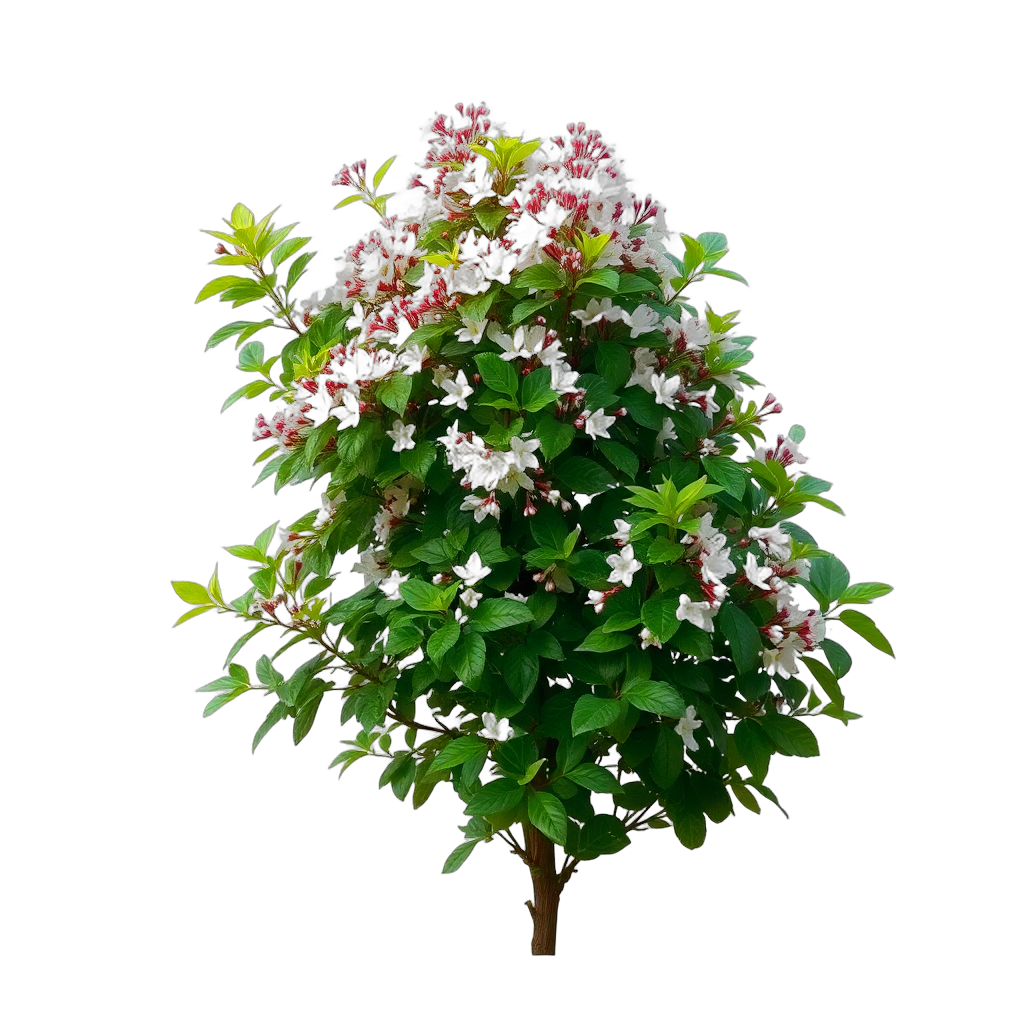
Arrowwood Viburnum
Viburnum dentatum
medium-sized at 10 feet, white blooms in spring. Pollinator-friendly.
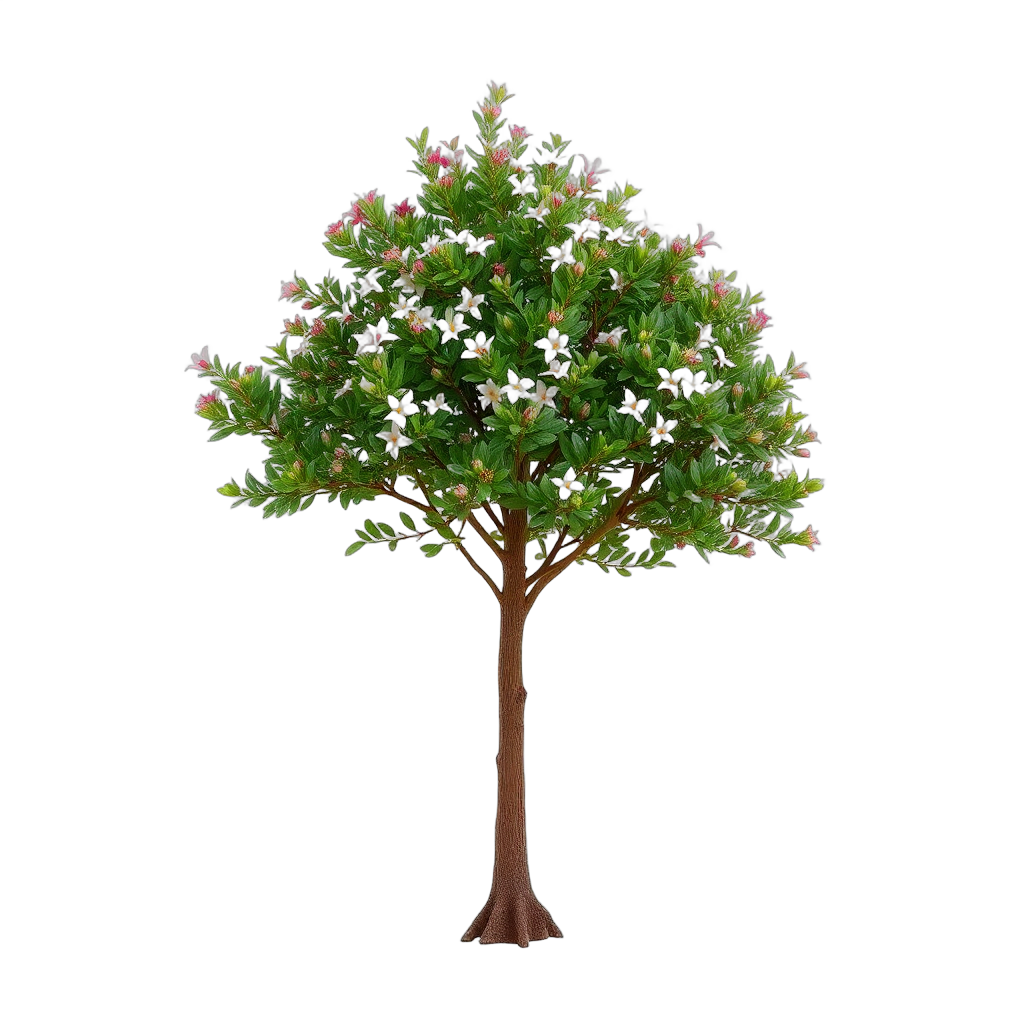
Coastal Leucothoe
Leucothoe axillaris
grows to 3 feet, white blooms in spring. Evergreen year-round.
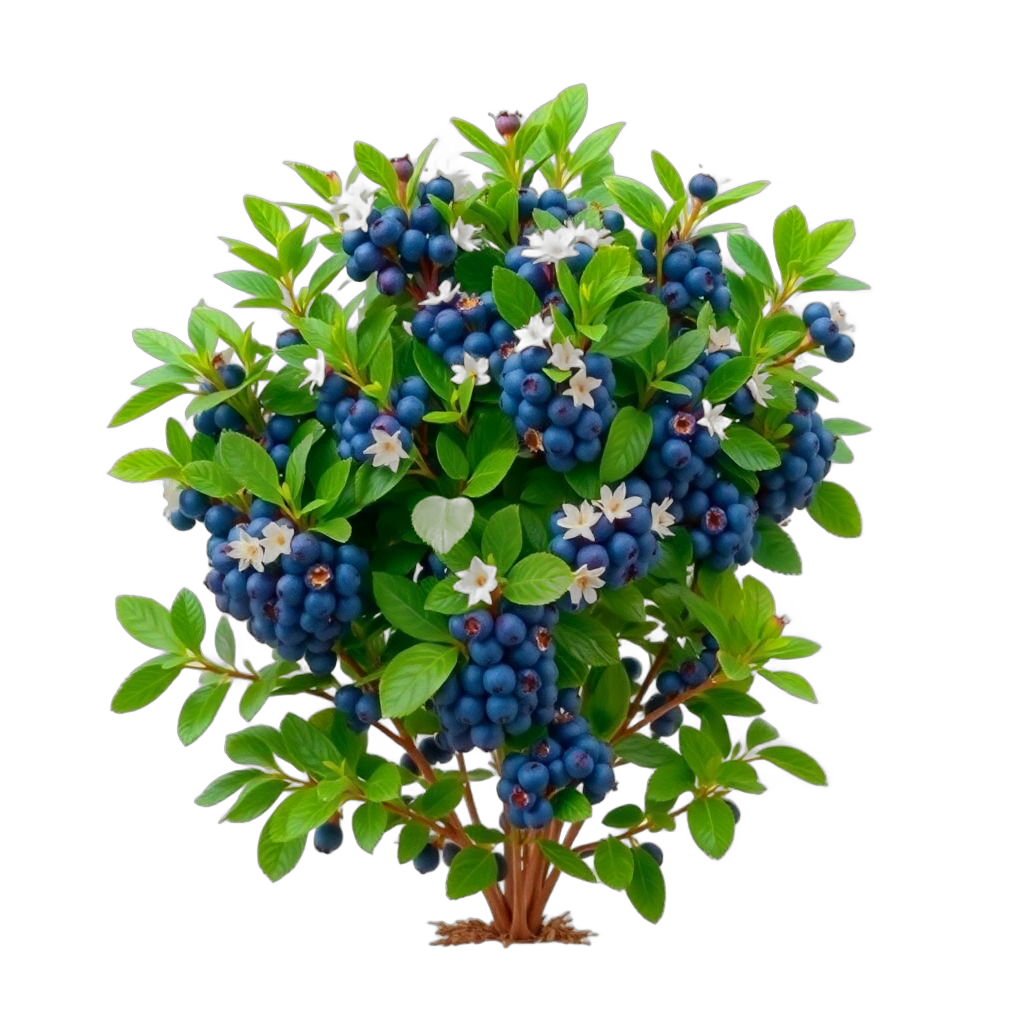
Highbush Blueberry
Vaccinium corymbosum
medium-sized at 7 feet, white blooms in spring. Attracts butterflies.

Inkberry
Ilex glabra
medium-sized at 8 feet, white blooms in spring. Pollinator-friendly.
Featured Grasses & Groundcovers for Cottage/English Gardens
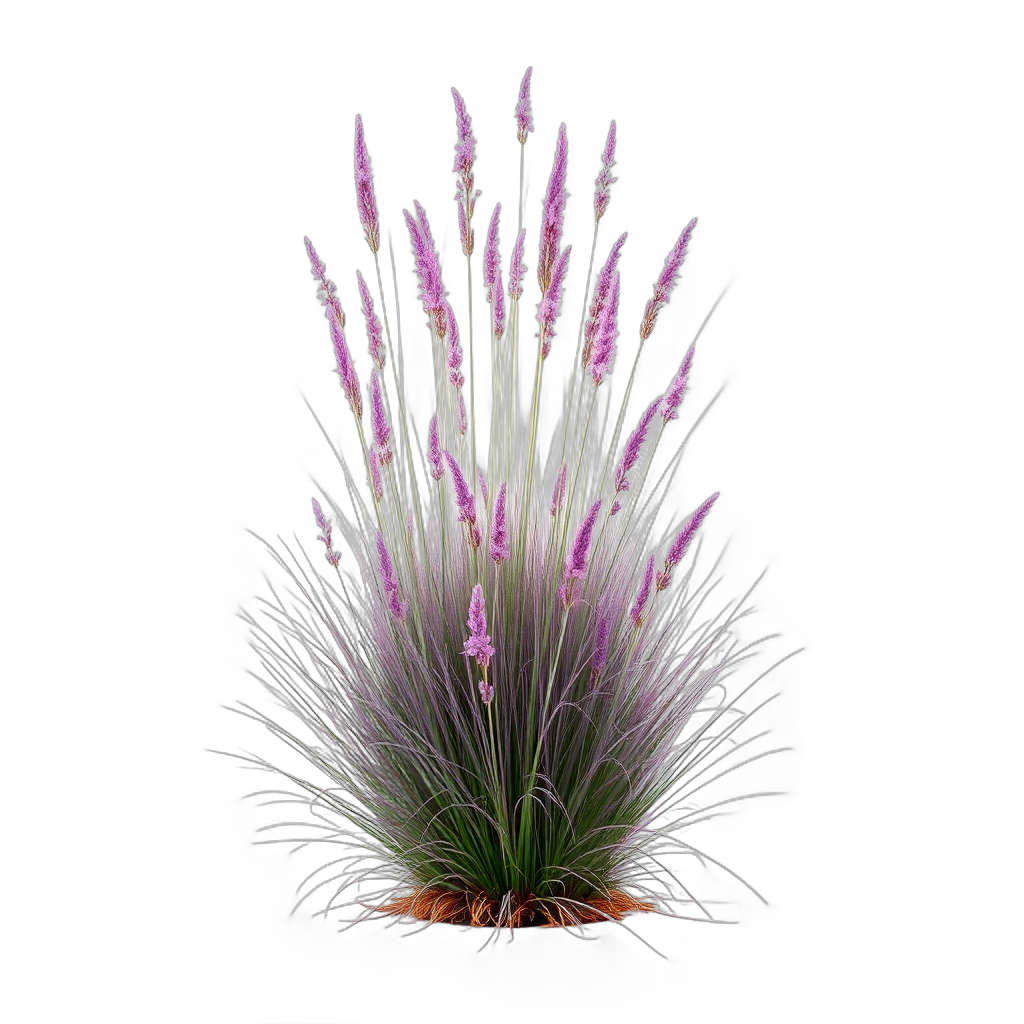
Purple Love Grass
Eragrostis spectabilis
low-growing ground cover, purple blooms in fall. Orange fall color.
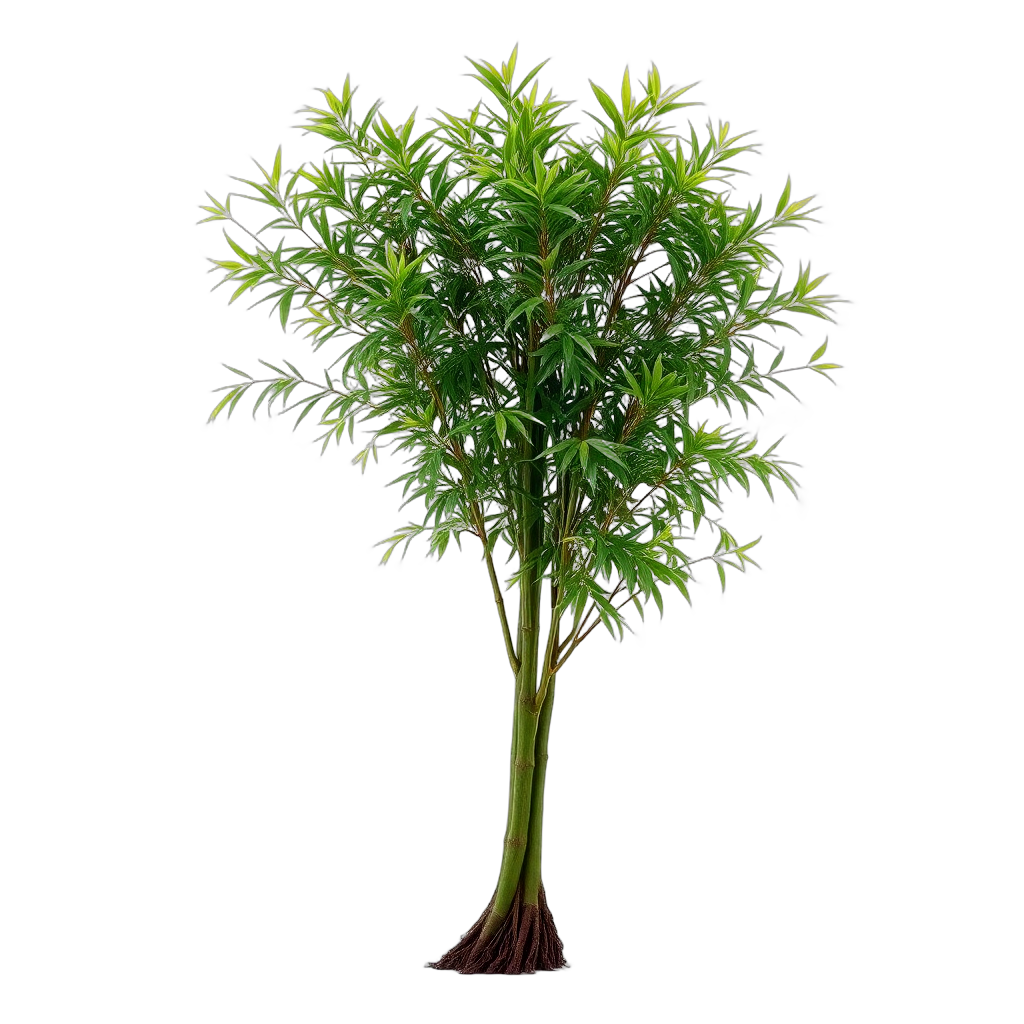
Broad-leaf Bamboo
Sasa palmata
medium-sized at 7 feet, blooms in none. Evergreen year-round.
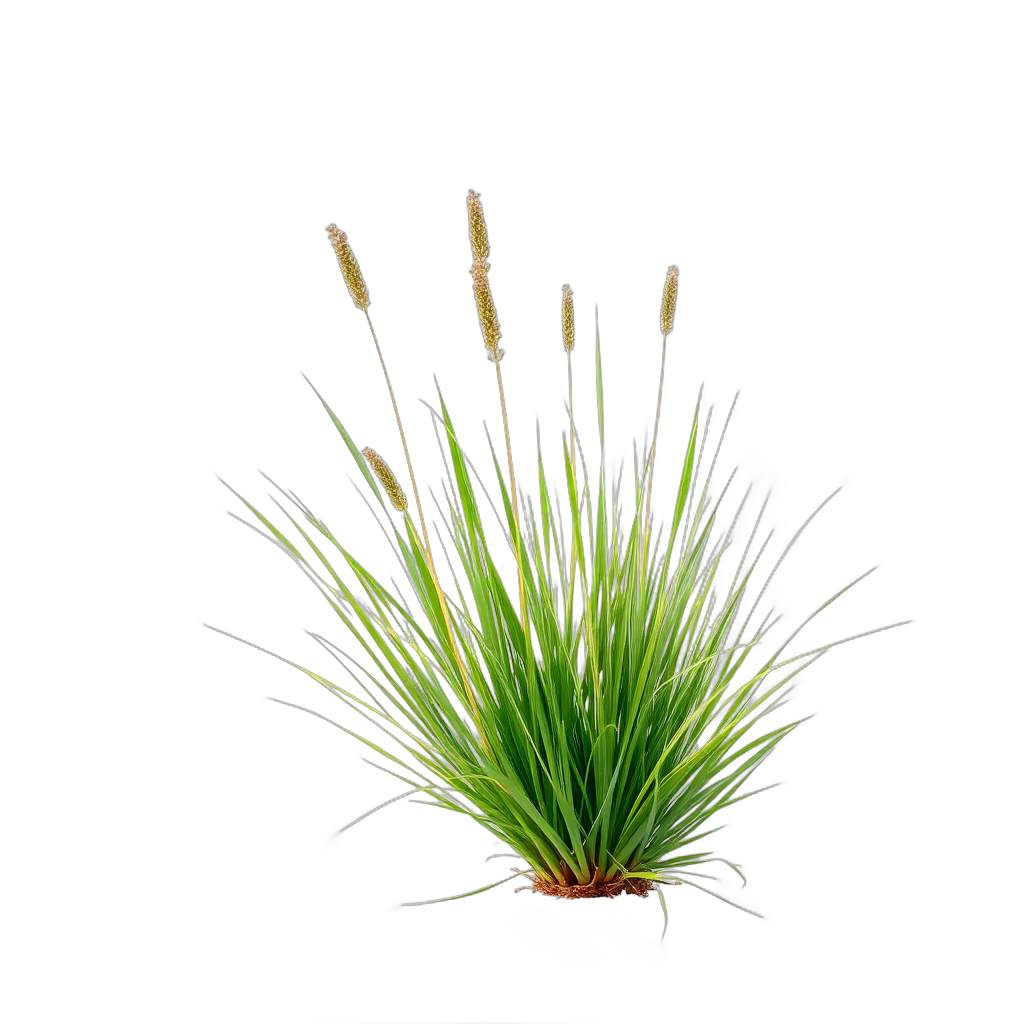
Deer Grass
Muhlenbergia rigens
grows to 3 feet, yellow blooms in fall. Evergreen year-round.
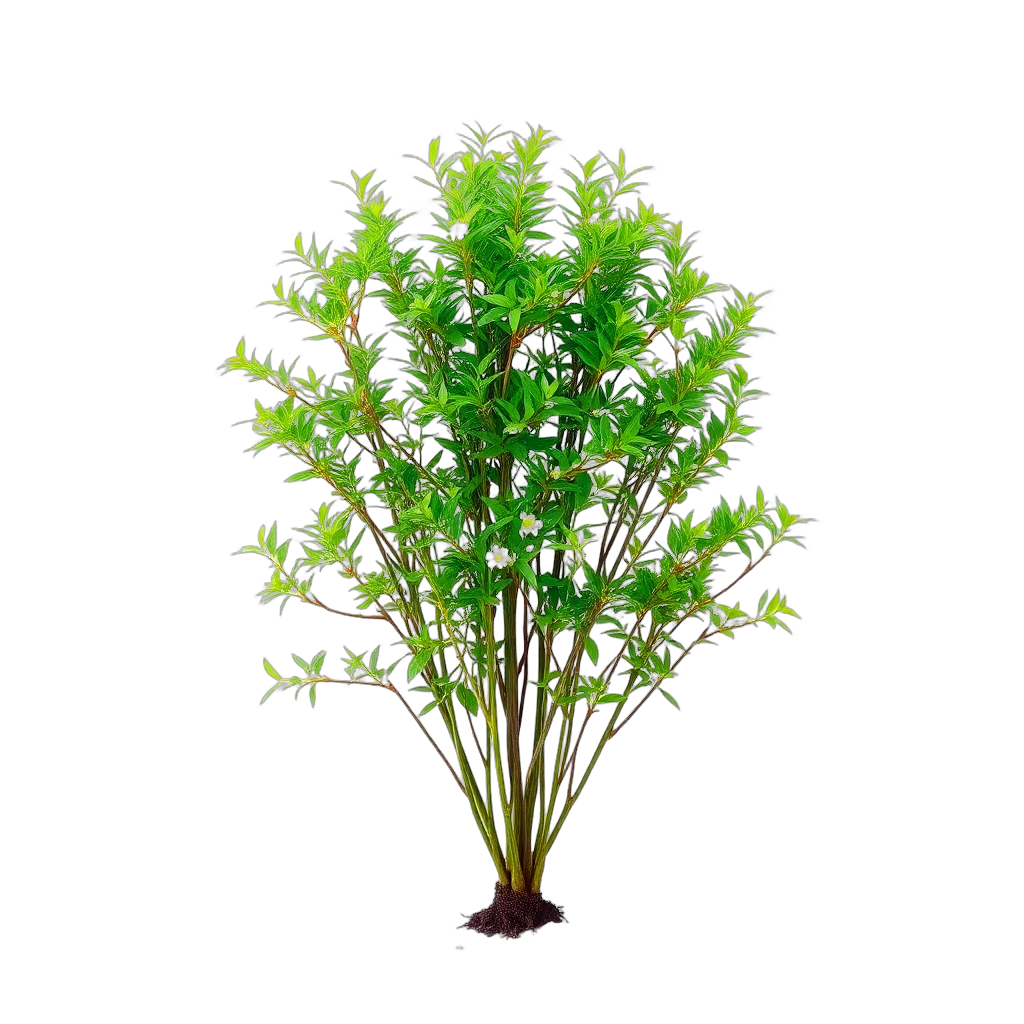
Dwarf Fernleaf Bamboo
Pleioblastus distichus
low-growing ground cover, blooms in none. Evergreen year-round.
Featured Flowers & Perennials for Cottage/English Gardens
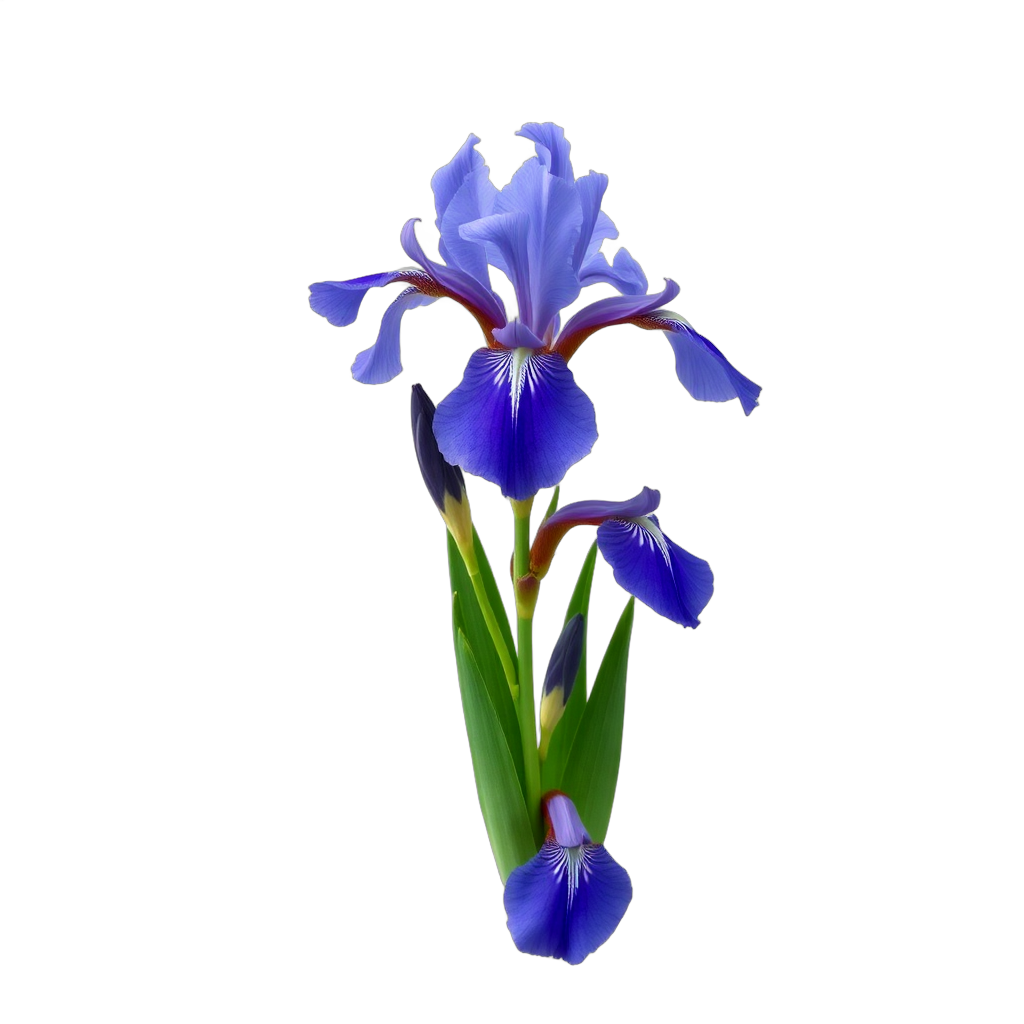
Blue Flag Iris
Iris versicolor
low-growing ground cover, purple blooms in spring. Attracts butterflies.

New York Ironweed
Vernonia noveboracensis
grows to 6 feet, purple blooms in fall. Attracts butterflies.
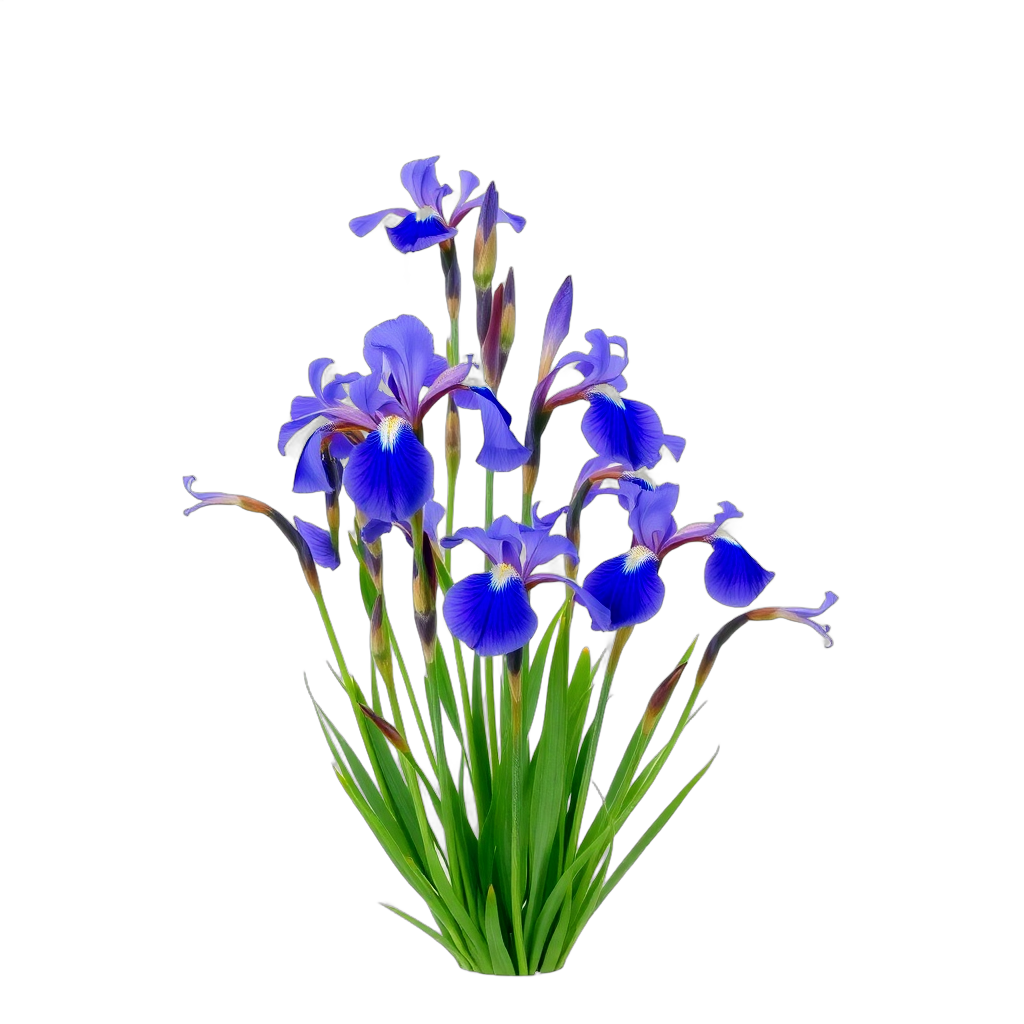
Southern Blue Flag
Iris virginica
low-growing ground cover, blue blooms in spring. Attracts butterflies.

Eastern Prickly Pear
Opuntia humifusa
low-growing ground cover, yellow blooms in summer. Attracts butterflies.
Zone and sun checks come from our database — confirm with your local nursery before you buy.
Bloom Calendar for Nashua
spring
Blue Flag Iris, Southern Blue Flag, Arrowwood Viburnumsummer
Ruby Spice Summersweet, Summersweet, Eastern Prickly Pearfall
New York Ironweed, Purple Love Grasswinter
Limited bloomsDesign Tips for Nashua (Zone 6a)
- Choose Explorer roses first: with January lows averaging 13.8°F, Rosa 'John Cabot' and Rosa 'William Baffin' come back every spring while grafted hybrid teas often do not
- Test the soil through UNH Cooperative Extension: native pH near 5.0–5.5 suits Hydrangea arborescens 'Annabelle' but is too sour for Lavandula angustifolia 'Hidcote' and Paeonia 'Sarah Bernhardt', which want about 6.5
- Set arbor and gate posts below the frost depth the Building Safety Department requires, or on frost-protected footings: heave in March is the usual reason a Southern New Hampshire gate stops latching
- Use New Hampshire fieldstone and granite for walls and steps instead of imported stone: it matches the older houses near downtown and has no freight in the price
- Plan for a short peak: with 149 days a year at or below 32°F, put the color in June to August and carry the bed into fall with Phlox paniculata 'David', Echinacea purpurea 'Magnus' and Hydrangea paniculata 'Limelight' seed heads for snow
- Skip fall planting of tender things after mid-October: peonies and shrubs settle in well, but Delphinium elatum 'Magic Fountains' wants spring planting so it can build roots before winter
- Mulch with 2–3 inches of shredded bark and keep it off crowns: sandy outwash soil dries fast in July, and the mulch holds moisture while established plants ride out dry-summer restrictions
Where to Source Plants in Nashua
Skip the big-box stores. These independent Nashua nurseries specialize in the plants that make cottage/english gardens thrive in Zone 6a.
Sunny Valley Farms
Amherst (Route 101A, minutes from Nashua)
Family-owned independent garden center since 2012: annuals, perennials, ornamental grasses, roses, trees and shrubs, plus soils, mulches, fountains and plant installation and delivery
Countrybrook Farms
Hudson (Lowell Road, just over the line from Nashua)
Family-owned garden center open since 1997 on a multi-acre site: perennials, shrubs, trees and herbs, bulk loam, mulch and stone, and pavers and retaining wall systems
Cottage/English Landscaping Cost Ranges
| Project Scope | Estimated Cost |
|---|---|
| Bluestone walkway on a compacted base (150–250 sqft) | $4,400–$9,400 |
| Bluestone seating circle (200–300 sqft) | $5,000–$9,600 |
| Picket fence, 4 ft tall (60 linear ft) | $1,500–$2,400 |
| AI visualization (ProScapeAI) | Free to start |
National average installed ranges for 2026 from our landscaping price list (Homewyse and other published sources). Prices in Nashua, NH vary with site, materials and contractor, so get two or three local quotes.
Nashua Climate & Growing Zone
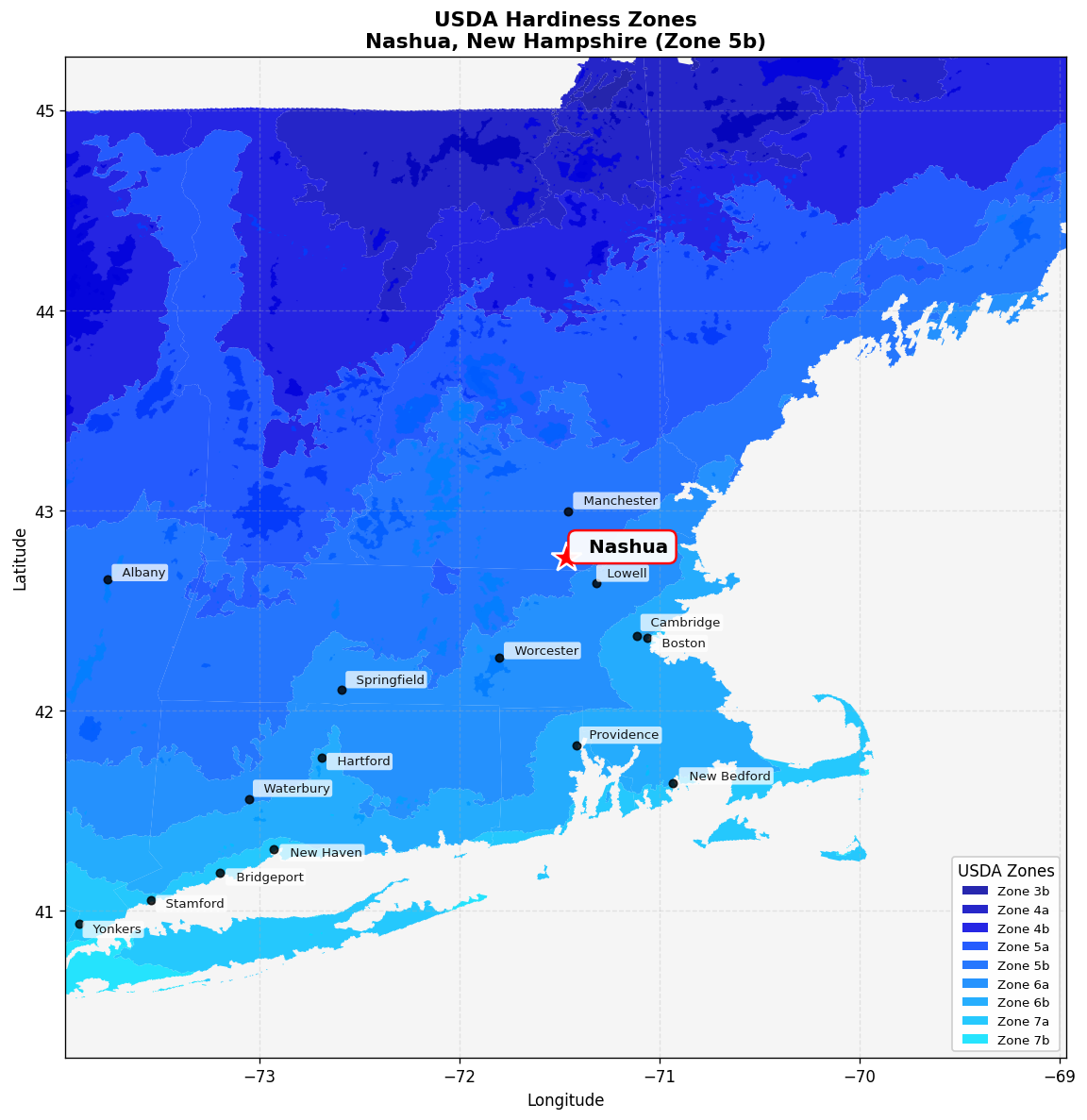
USDA Zone 6a
Hardiness zone for Nashua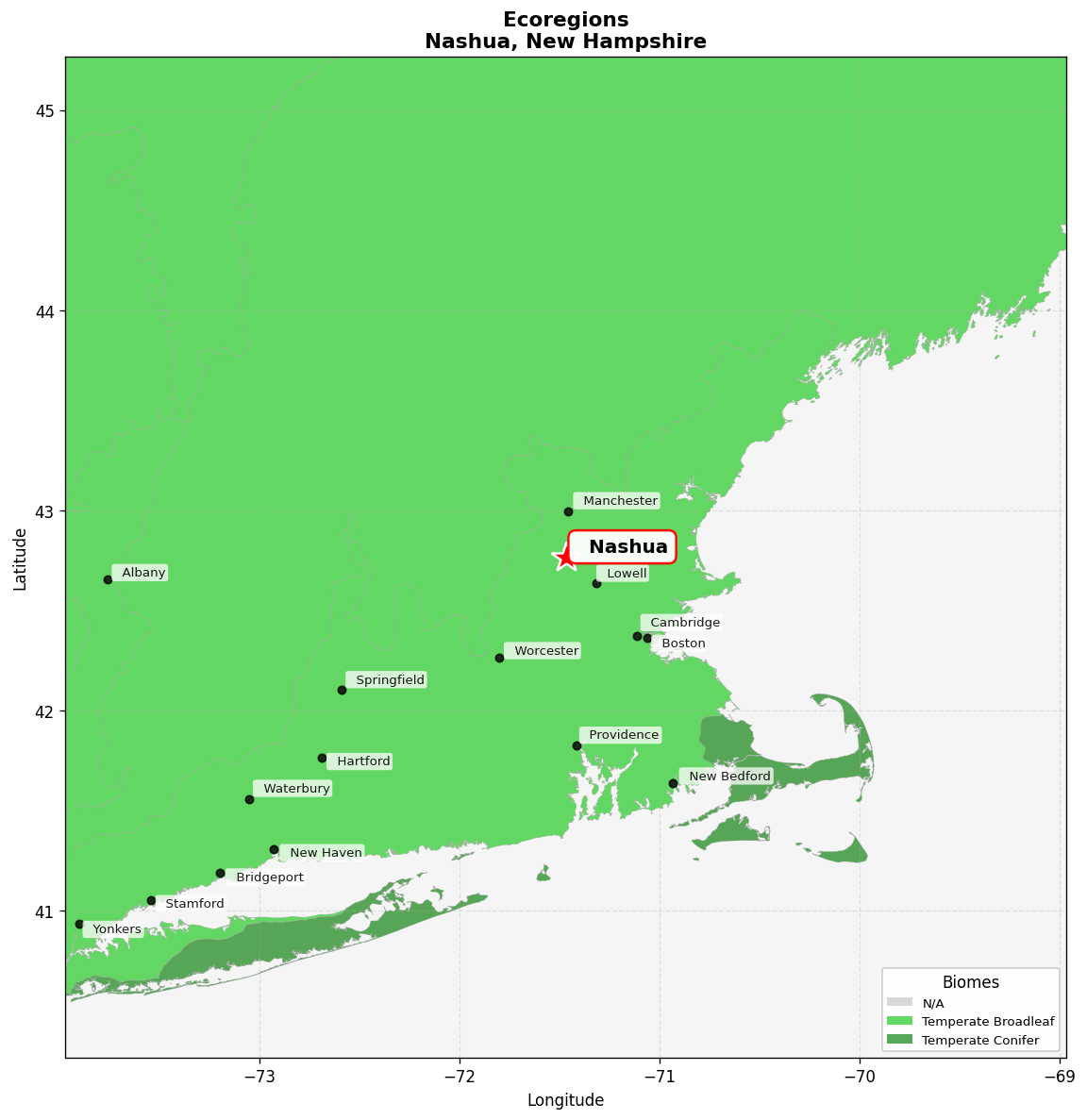
Northeast US Coastal forests
Native ecoregionFrequently Asked Questions
How much does a cottage garden cost in Nashua, NH?
Costs vary with site, access, materials and local labor rates, so get two or three local quotes before you budget.
Which roses survive a Nashua winter?
Pick Canadian Explorer and Parkland roses. Rosa 'John Cabot', Rosa 'William Baffin' and Rosa 'Morden Blush' are hardy well below the January lows of 13.8°F average that NOAA records here, and they keep their canes through colder snaps. Tender hybrid teas and many David Austin roses die to the snow line most winters. Give roses six hours of sun, plant them a little deeper than in the nursery pot, and mulch over the crown in late November.
Is a cottage garden low maintenance in Nashua's climate?
Medium. The dormant season is long, with about 149 days a year at or below 32°F, so most work lands between May and September. Expect a spring cutback of perennials in April, a hard deadheading of delphinium in July for a second flush, and staking for Delphinium elatum 'Magic Fountains' and Phlox paniculata 'David' in windy spots. A thick bark mulch and drip at the base cut watering to a few times a month once plants are established.
When is the best time to plant in Nashua?
Late April to early June is the main window, once the ground has thawed and dried out. Early September to early October is the second, because the soil is still warm and fall rain helps roots settle before freeze-up. Bare-root roses go in early spring. Avoid planting in the hottest part of July, when highs average 84.7°F and the sandy soil dries fast. Plant tender things after Memorial Day, because late frosts in May are common.
Do I need a permit or follow water rules in Nashua?
Beds, paths and edging do not need a building permit. Fences are governed by Nashua's land use code, and taller fences, retaining walls and structures with footings can require a building permit, so ask the Building Safety Department before you build. Pennichuck, the water utility serving the city, can restrict outdoor watering during dry spells, so check its current notice before you set up irrigation.
What survives the winter and the deer?
Deer browse hosta, tulips and unprotected roses across Nashua's wooded edges. Build the backbone from plants they usually leave alone: Nepeta × faassenii 'Walker's Low', Salvia nemorosa 'May Night', Alchemilla mollis, Digitalis × mertonensis and Allium 'Millenium'. For winter, Paeonia 'Sarah Bernhardt', hardy Explorer roses and Hydrangea arborescens 'Annabelle' all take Zone 6a cold without covering. Put hosta close to the house or inside a fence.
Can I grow lavender in Nashua?
Yes, with drainage. Lavandula angustifolia 'Hidcote' and 'Munstead' live five or more years in a sunny bed built up 6–8 inches with coarse grit and limed toward pH 6.5, but they rot in wet clay-heavy spots. The sandy outwash soils near the rivers are the easiest. Mulch with pea gravel instead of bark, cut back by a third after bloom in July, and skip fall pruning so the old growth protects the crown.



