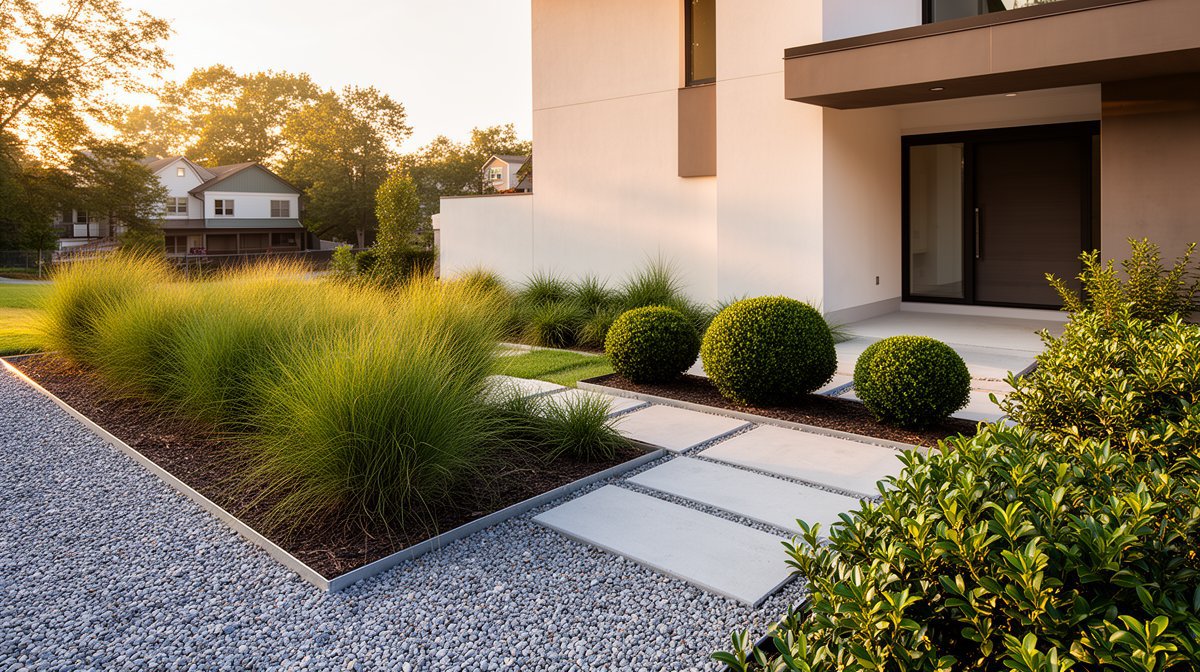
4 Modern Garden Ideas for Lexington, KY | Contemporary Landscaping in Zone 6b
Native plants from the Interior Plateau US Hardwood Forests (Zone 6b) — Humid subtropical climate
Why Modern/Minimalist Gardens in Lexington-Fayette?
Lexington’s contemporary landscape design scene has grown significantly in areas like Hamburg, Hartland, and south Lexington’s newer developments, where new construction creates opportunities for contemporary outdoor spaces designed from scratch rather than adapted from traditional cottage frameworks. The Bluegrass region’s strong economy—anchored by the University of Kentucky, healthcare, and the horse industry—supports substantial residential landscape investment, and the city’s design awareness has grown in step with its prosperity.
Zone 6b’s four distinct seasons shape contemporary Lexington landscape design in ways that don’t apply in warmer markets. Lexington averages 13 inches of snow annually, with temperature swings from −10°F in January to 90°F+ in July. Successful contemporary landscapes must look designed and maintained through winter, endure repeated freeze-thaw cycling in hardscape, and accommodate both summer entertaining and the outdoor fire pit culture that Lexington’s cool spring and fall seasons support strongly. The solution is a landscape built on a structural framework of evergreen material, strong hardscape geometry, and plants selected specifically for four-season interest.
The contemporary Lexington landscape vocabulary draws on the region’s material traditions—Kentucky limestone as accent material, warm-toned brick compatible with the Bluegrass’s red brick building tradition—while incorporating the clean geometry and restrained plant palette of modern design. The result is a distinctly regional contemporary style that feels rooted in the Bluegrass rather than transplanted from the coasts. Fire pit terraces are the outdoor investment with the highest cultural fit in Lexington—Kentucky’s fall thoroughbred racing season creates outdoor evening gathering traditions that any backyard fire feature is perfectly positioned to serve.
4 Modern/Minimalist Design Ideas for Lexington-Fayette
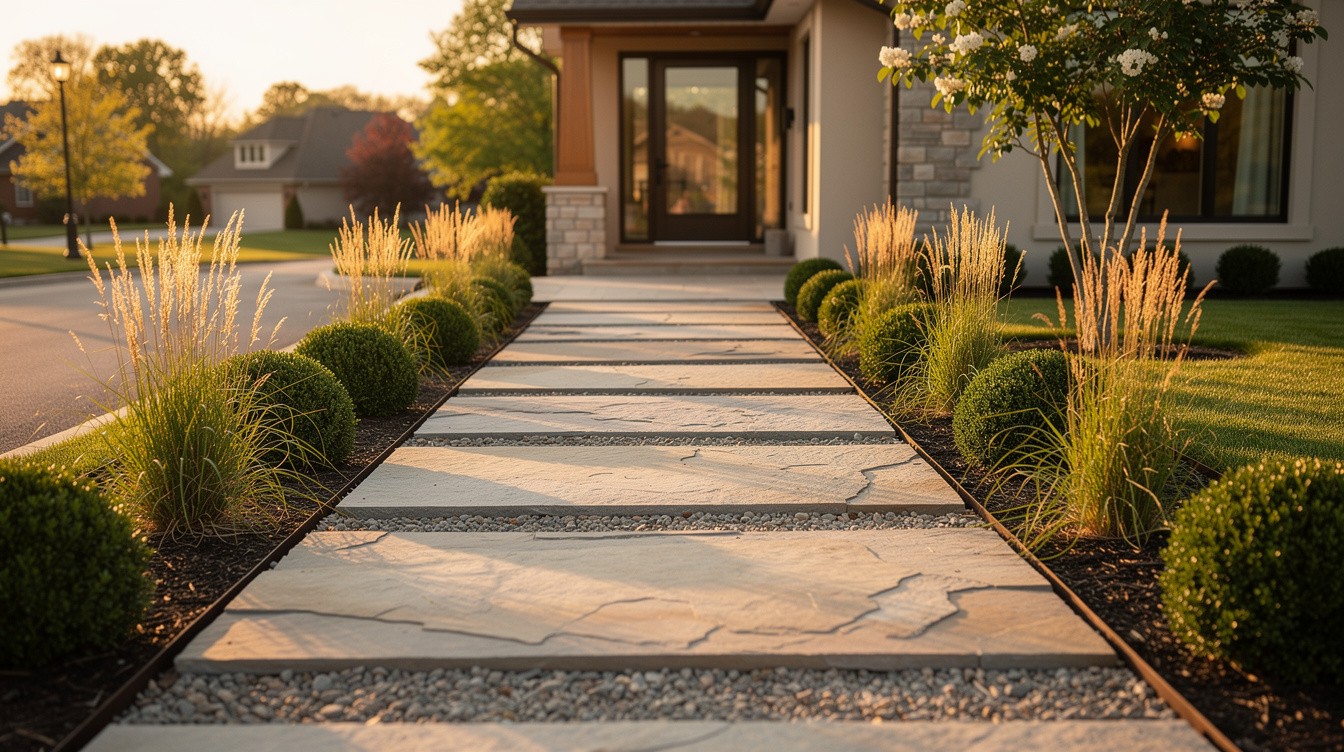
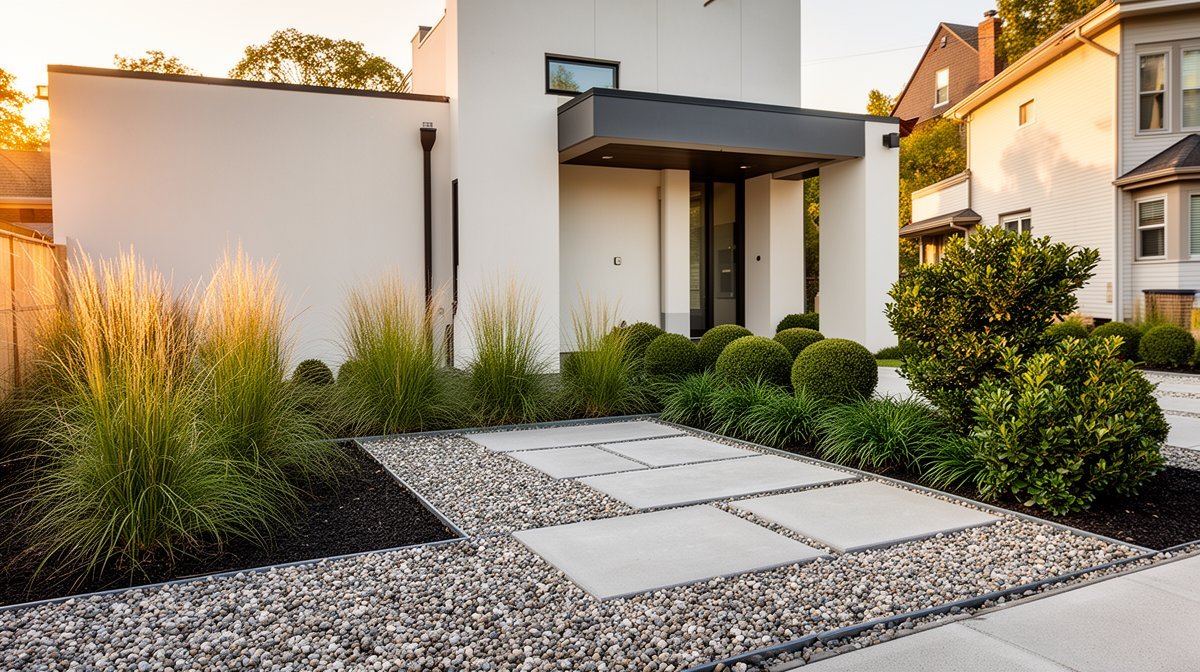
Limestone Entry with Ornamental Grass and Boxwood Structure
$14–28/sqftKentucky limestone slabs form a bold contemporary front entry path flanked by clean geometric masses of Karl Foerster feather reed grass and compact boxwood hemispheres in alternating arrangement—the grasses providing seasonal texture and movement, the boxwood providing year-round evergreen structure through Lexington’s winter. Steel edging defines the planting beds, and a specimen multi-stem serviceberry at the property corner contributes white spring bloom, June berries, and brilliant fall foliage. The design uses Kentucky’s own stone material in a contemporary composition.
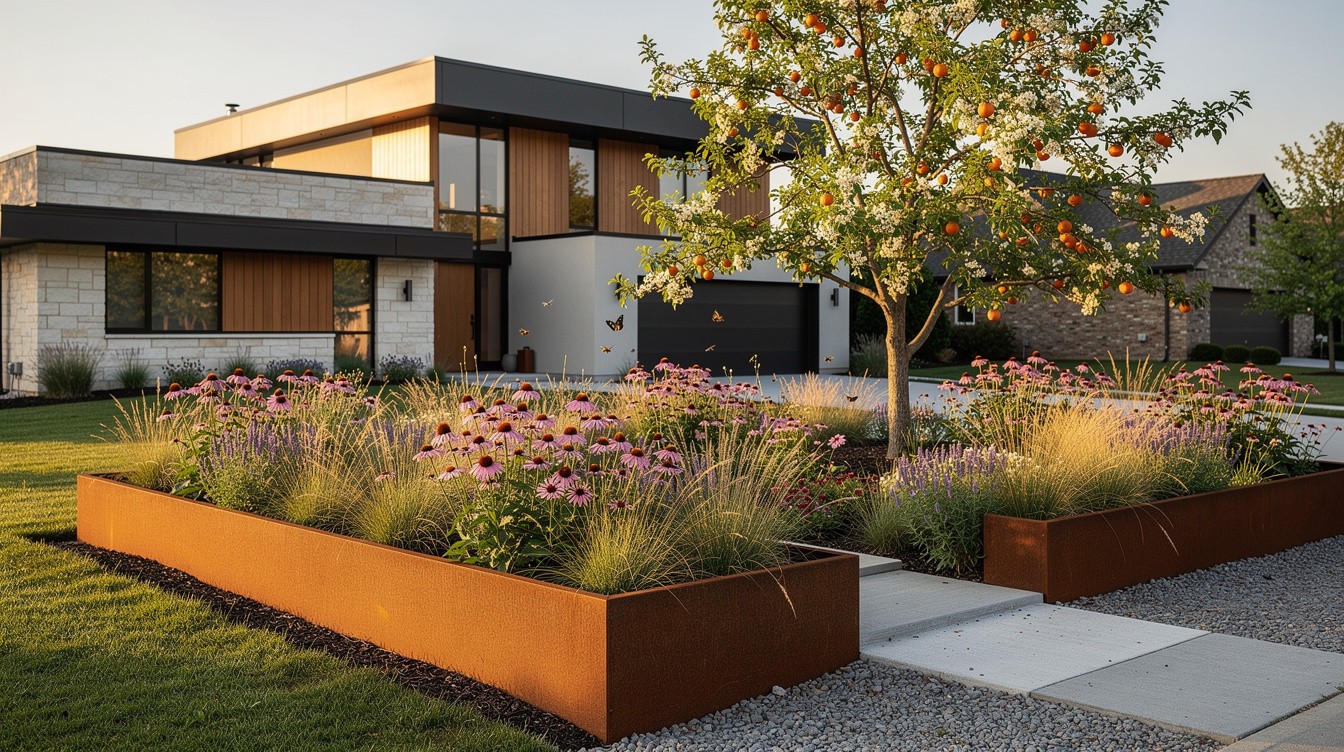
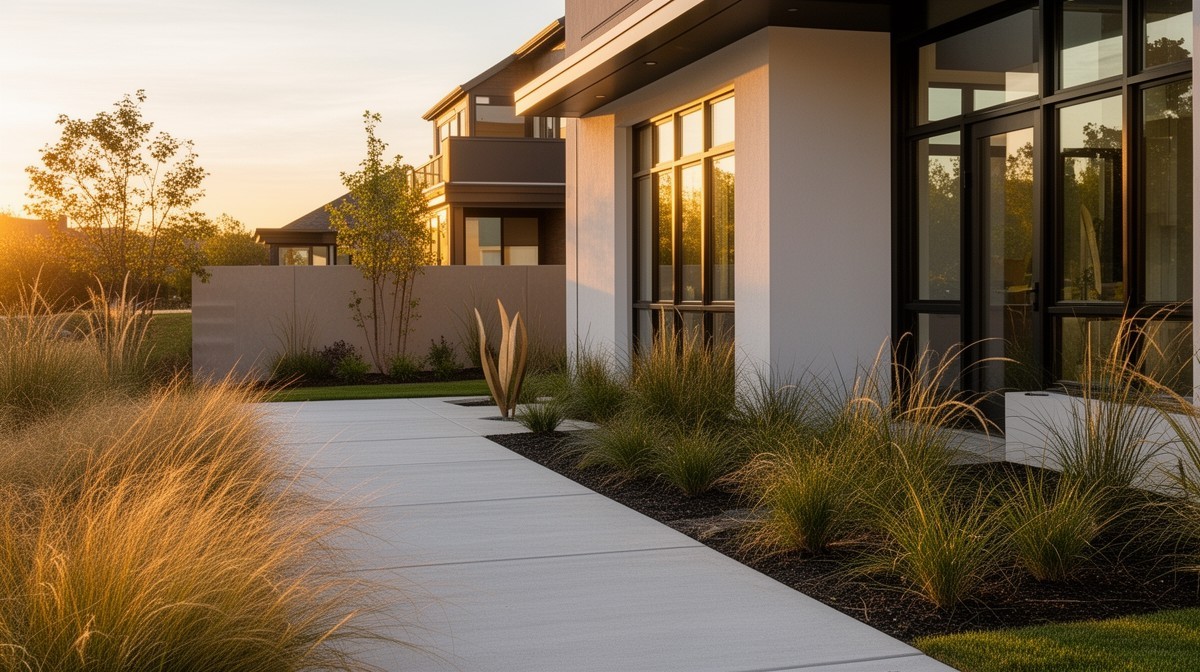
Contemporary Front Yard with Prairie-Inspired Mass Planting
$12–25/sqftCorten steel edging defines geometric planting beds in a contemporary front yard conversion from lawn to a prairie-inspired composition—little bluestem, prairie dropseed, and coneflowers in naturalistic masses that read as designed and intentional rather than wild. A specimen crabapple with brilliant spring bloom and orange fall fruit anchors one corner. The design honors Kentucky’s grassland heritage (the Bluegrass region was once tallgrass prairie) in a contemporary design language, creating wildlife habitat while delivering genuine four-season landscape interest.
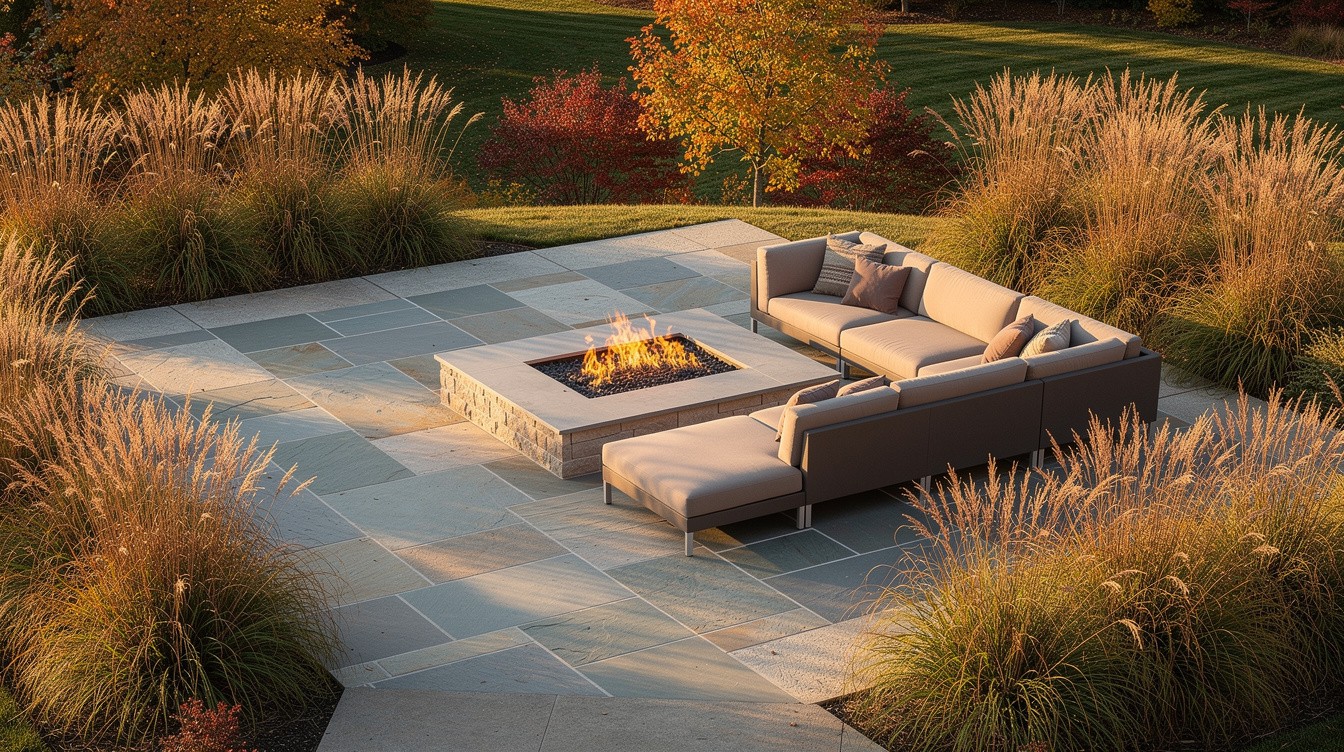
Bluestone Terrace with Fire Pit and Ornamental Grass Borders
$20–42/sqftA bluestone paver terrace—Pennsylvania bluestone, widely used in Kentucky’s equestrian estates—anchors a backyard contemporary entertaining space with a central gas fire pit and modern sectional seating. Wide ornamental grass borders of Karl Foerster and little bluestem frame the terrace on two sides, creating golden autumn color and winter structure that makes the fire pit space beautiful even when not in use. The fire pit is the defining feature: Lexington’s magnificent fall—crisp air, brilliant foliage, racing season energy—is best experienced around an outdoor fire.
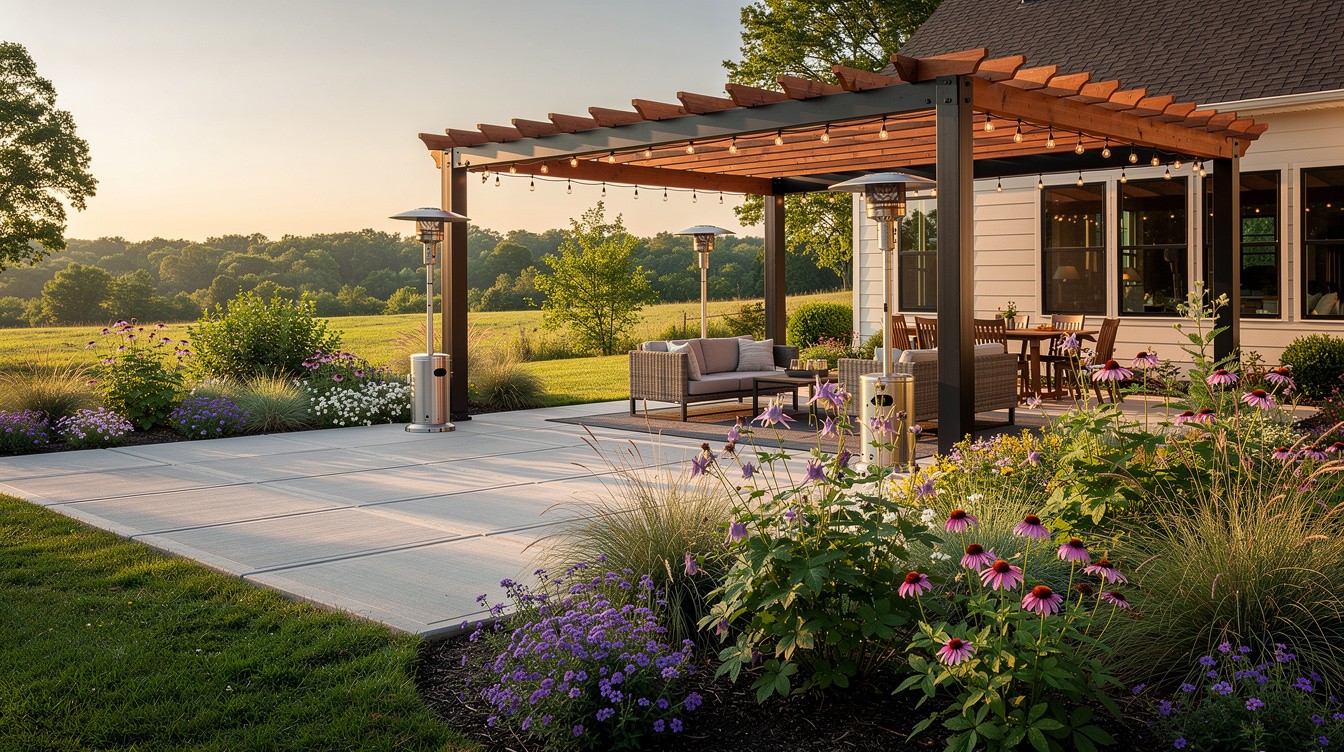
Pergola Outdoor Room with Bluegrass Native Garden
$22–48/sqftA steel-and-wood pergola creates a shaded outdoor living room adjacent to a concrete paver dining terrace, flanked by a rich native Bluegrass garden—wild columbine, native phlox, coneflower, and little bluestem—that provides habitat and three seasons of color while requiring minimal care. Patio heaters extend use into Lexington’s cool fall evenings, and string lights under the pergola create the warm atmosphere that makes outdoor dining through October genuinely appealing. The design captures what makes Lexington’s autumn uniquely liveable.
See how a modern/minimalist garden looks on YOUR property
Upload a photo of your Lexington-Fayette yard and visualize your dream garden in seconds.
Try ProScapeAI Free
Featured Trees & Shrubs for Modern/Minimalist Gardens
Browse all 31 plants for Lexington-Fayette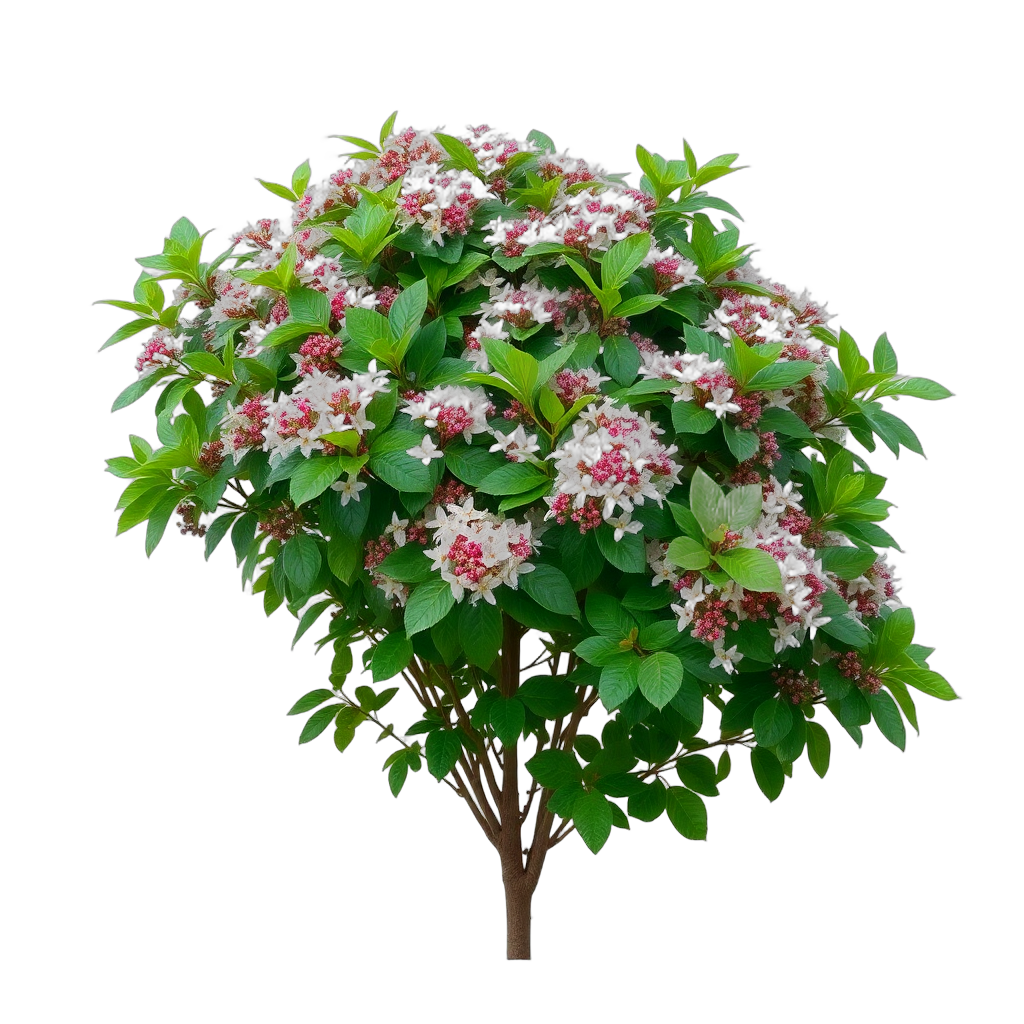
Blackhaw Viburnum
Viburnum prunifolium
medium-sized at 12 feet, white blooms in spring. Pollinator-friendly.
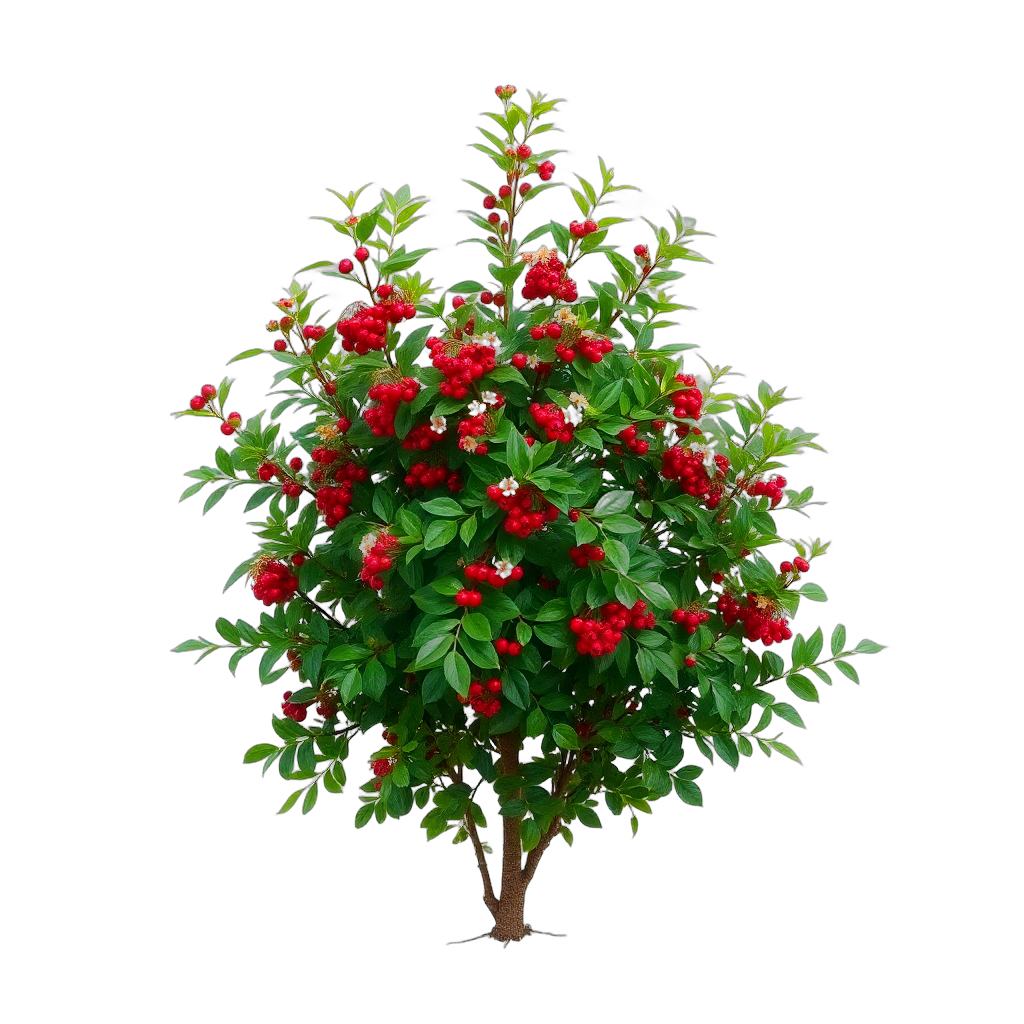
Coralberry
Symphoricarpos orbiculatus
grows to 6 feet, pink blooms in summer. Pollinator-friendly.

Shrubby St. John's Wort
Hypericum prolificum
grows to 4 feet, yellow blooms in summer. Pollinator-friendly.
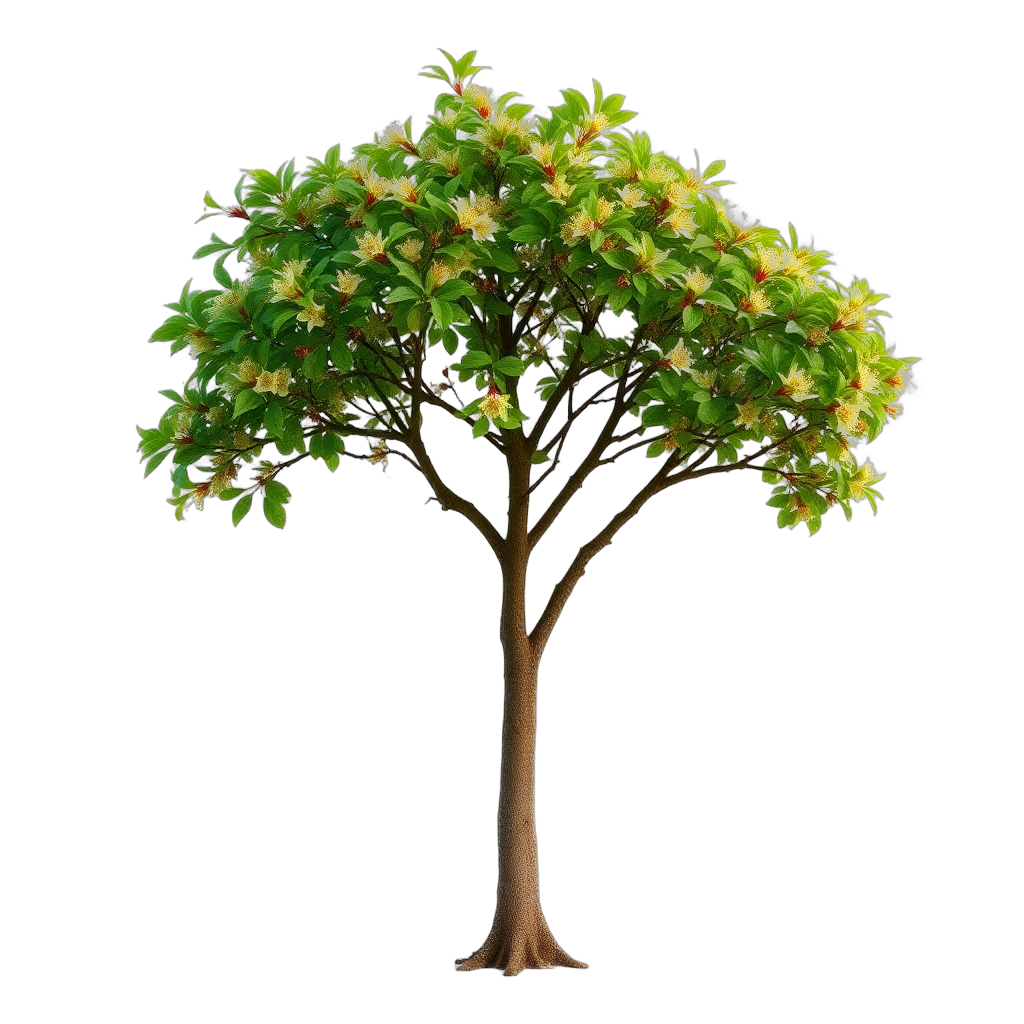
Vernal Witch Hazel
Hamamelis vernalis
medium-sized at 8 feet, yellow blooms in spring. Pollinator-friendly.
Featured Grasses & Groundcovers for Modern/Minimalist Gardens
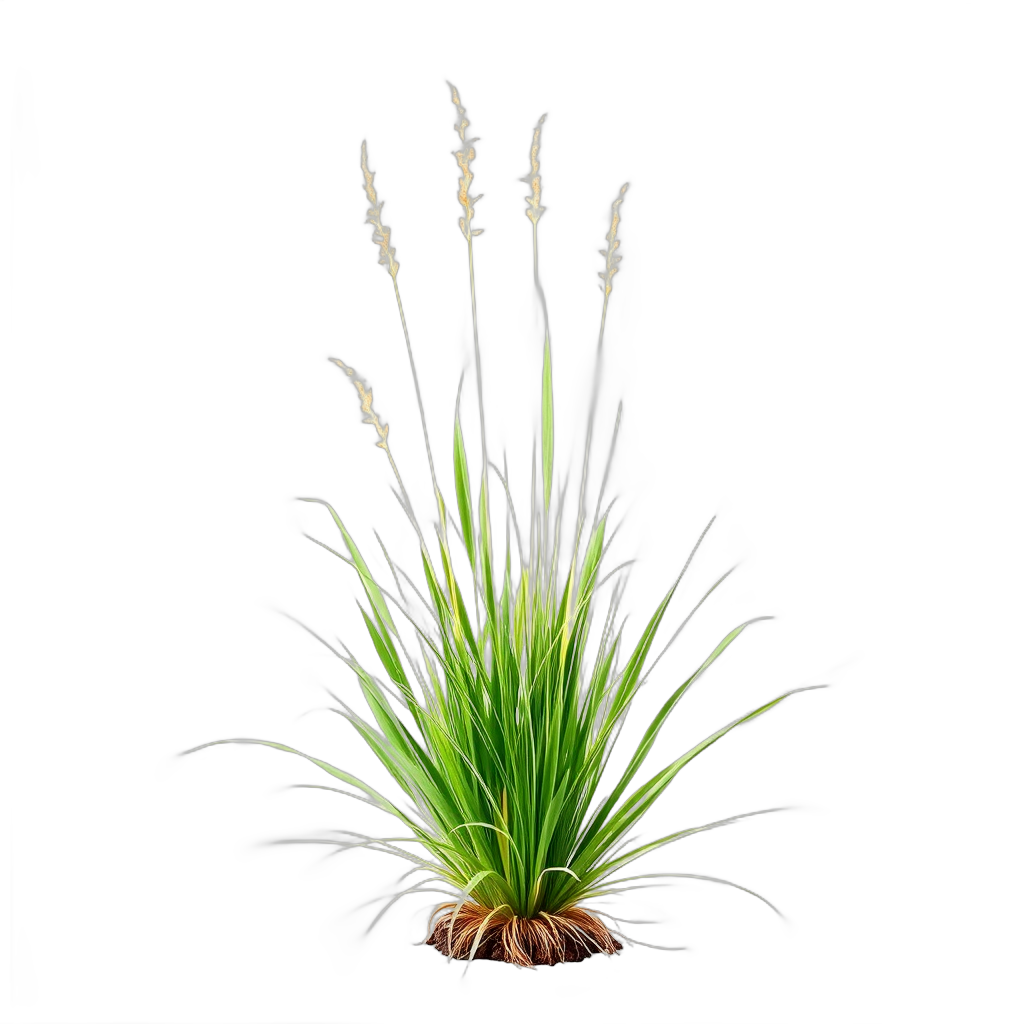
Northern Sea Oats
Chasmanthium latifolium
grows to 4 feet, blooms in fall. Bronze fall color.

Kentucky Bluegrass
Poa pratensis
low-growing ground cover, blooms in spring. Brown fall color.
Featured Flowers & Perennials for Modern/Minimalist Gardens
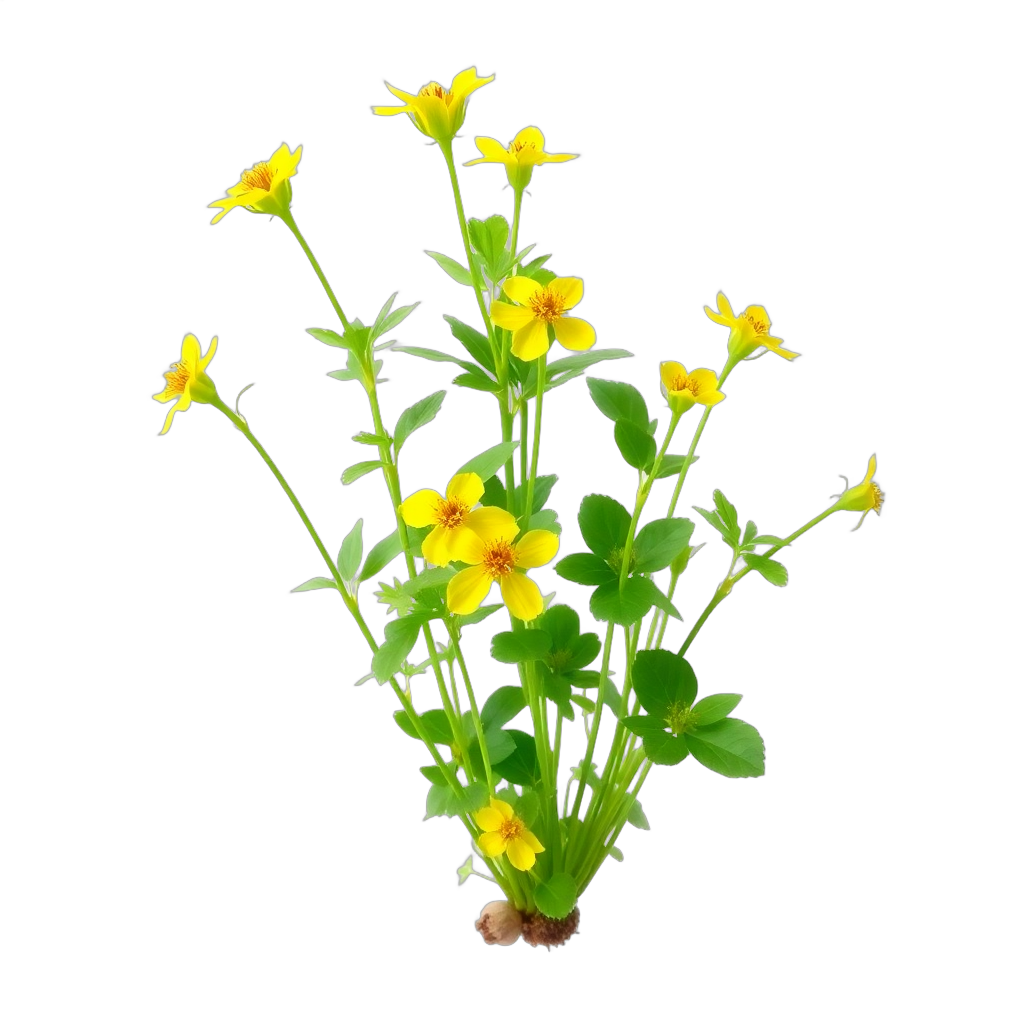
Celandine Poppy
Stylophorum diphyllum
low-growing ground cover, yellow blooms in spring.
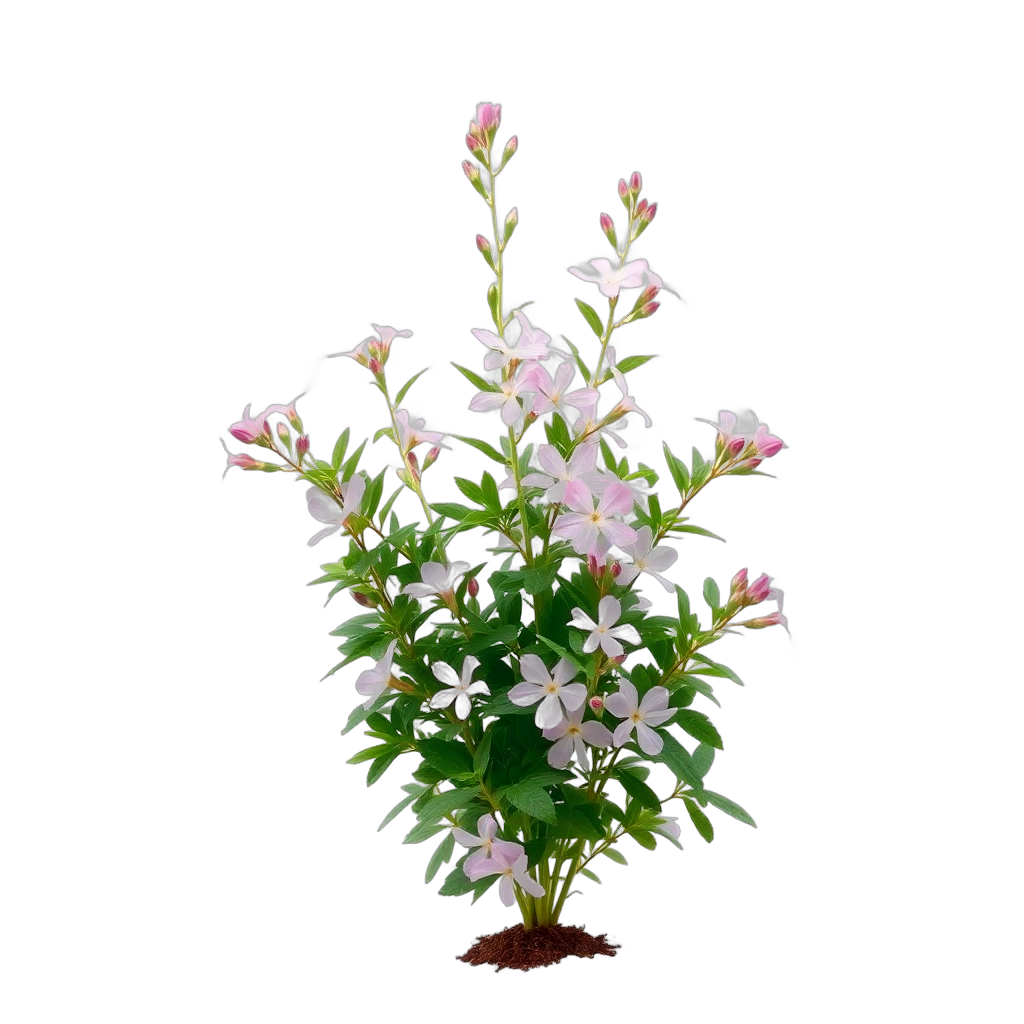
Garden Phlox
Phlox paniculata
grows to 3 feet, multi blooms in summer. Attracts hummingbirds.
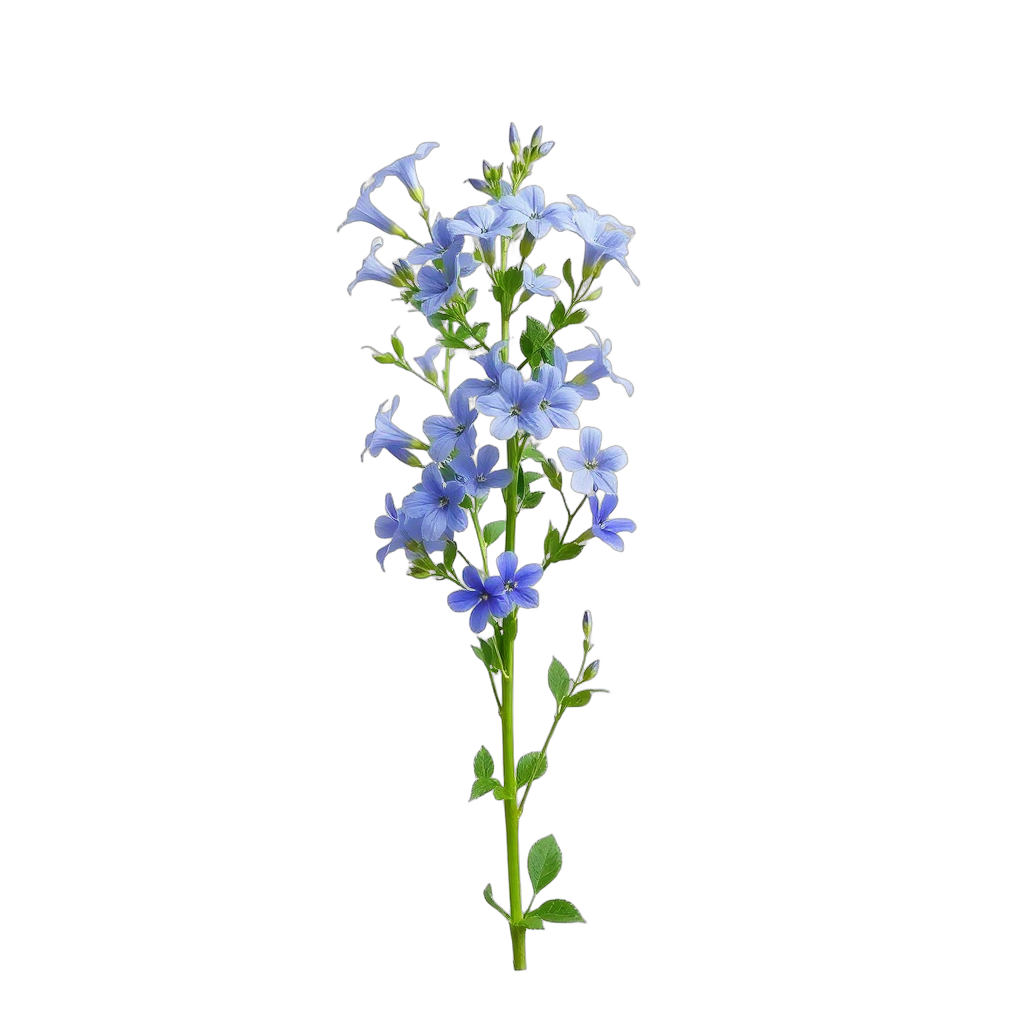
Wild Blue Phlox
Phlox divaricata
low-growing ground cover, blue blooms in spring. Attracts butterflies.

Water Plantain
Alisma plantago-aquatica
low-growing ground cover, white blooms in summer. Attracts butterflies.
Bloom Calendar for Lexington-Fayette
spring
Celandine Poppy, Wild Blue Phlox, Blackhaw Viburnumsummer
Garden Phlox, Coralberry, Shrubby St. John's Wortfall
Northern Sea Oatswinter
Limited bloomsDesign Tips for Lexington-Fayette (Zone 6b)
- Use Kentucky limestone slab as the primary hardscape material—it’s regionally authentic, naturally non-slip when textured, costs less than imported stone, and ages beautifully in Lexington’s climate developing moss and lichen patina that enhances rather than detracts from the contemporary aesthetic
- Leave ornamental grasses and native seed heads standing through winter—little bluestem’s red-orange tones and Karl Foerster’s vertical seed spikes are genuinely beautiful under snow, transforming a potential brown season into an architectural asset
- Connect natural gas to any fire feature you install—Lexington’s cultural calendar (Keeneland October racing, outdoor sports culture) means fire pits get used intensively in fall, and the convenience gap between natural gas and propane determines actual usage frequency
- Incorporate boxwood geometric elements as winter anchors—a row of compact boxwood hemispheres or a low boxwood hedge reads as clean and intentional even in January when the rest of the landscape is dormant, providing the year-round structure that makes contemporary design work in Zone 6b
- Choose blight-resistant boxwood varieties (‘NewGen Independence’ or Japanese boxwood)—traditional English boxwood planted throughout Lexington’s historic neighborhoods is increasingly susceptible to the blight spreading through Kentucky, and contemporary gardens built on resistant varieties avoid this risk entirely
- Design the backyard terrace to face southeast—Lexington’s prevailing winds come from the southwest, and a southeast-facing terrace benefits from morning sun, afternoon shade, and natural wind shelter that makes the space comfortable without requiring a wind screen structure
Where to Source Plants in Lexington-Fayette
Skip the big-box stores. These independent Lexington-Fayette nurseries specialize in the plants that make modern/minimalist gardens thrive in Zone 6b.
Michler’s Florist & Greenhouses
Chevy Chase
Lexington’s independent garden institution—ornamental grasses, contemporary perennials, and design consultation
Four Seasons Nursery
Harrodsburg Road
Full-service nursery with landscape design services and strong contemporary plant inventory
Kentucky Wholesale Nursery
Georgetown
Wholesale and retail source for large quantities of ornamental grasses, native plants, and contemporary landscape material
Lowe’s Garden Center
Multiple Lexington locations
Comprehensive hardscape materials, ornamental grasses, and landscape supplies
Anderson’s Nursery
East Lexington
Established local nursery with knowledgeable staff and strong selection of Zone 6b-adapted contemporary landscape plants
Modern/Minimalist Landscaping Costs in Lexington-Fayette
| Project Scope | Estimated Cost |
|---|---|
| Limestone entry with Karl Foerster grasses, boxwood structure, and LED lighting | $10,000 – $22,000 |
| Contemporary prairie-inspired front yard conversion from turf | $8,000 – $20,000 |
| Bluestone terrace with gas fire pit and ornamental grass borders | $18,000 – $42,000 |
| Steel pergola outdoor room with native Bluegrass garden | $22,000 – $50,000 |
| Gas fire pit addition to existing patio | $3,000 – $8,000 |
| Annual contemporary landscape maintenance | $800 – $2,200/year |
| AI visualization with ProScapeAI | Free to start |
Estimates based on Lexington-Fayette, KY-area contractor rates as of 2026. Actual costs vary by site conditions, materials, and contractor.
Lexington-Fayette Climate & Growing Zone
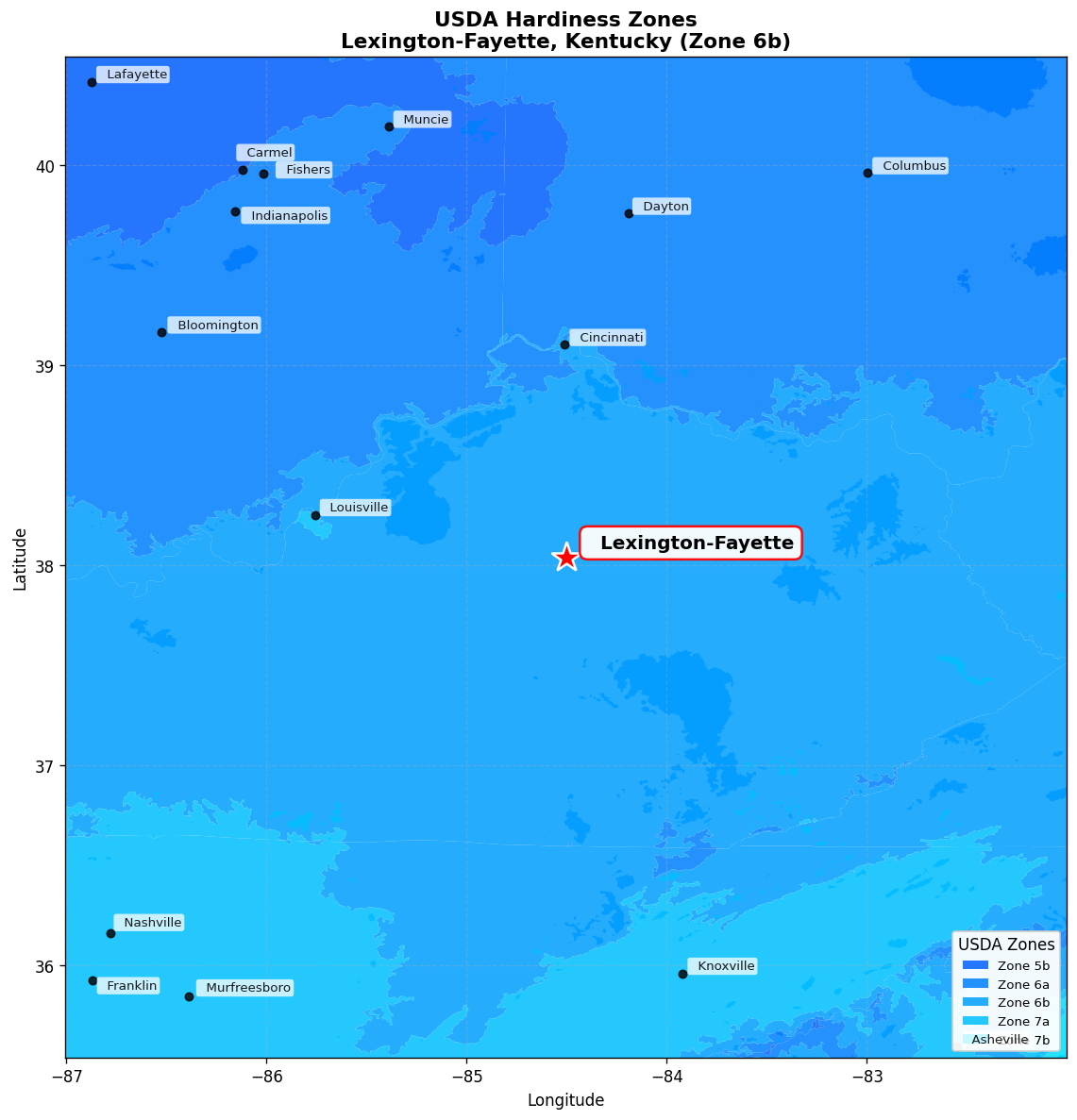
USDA Zone 6b
Hardiness zone for Lexington-Fayette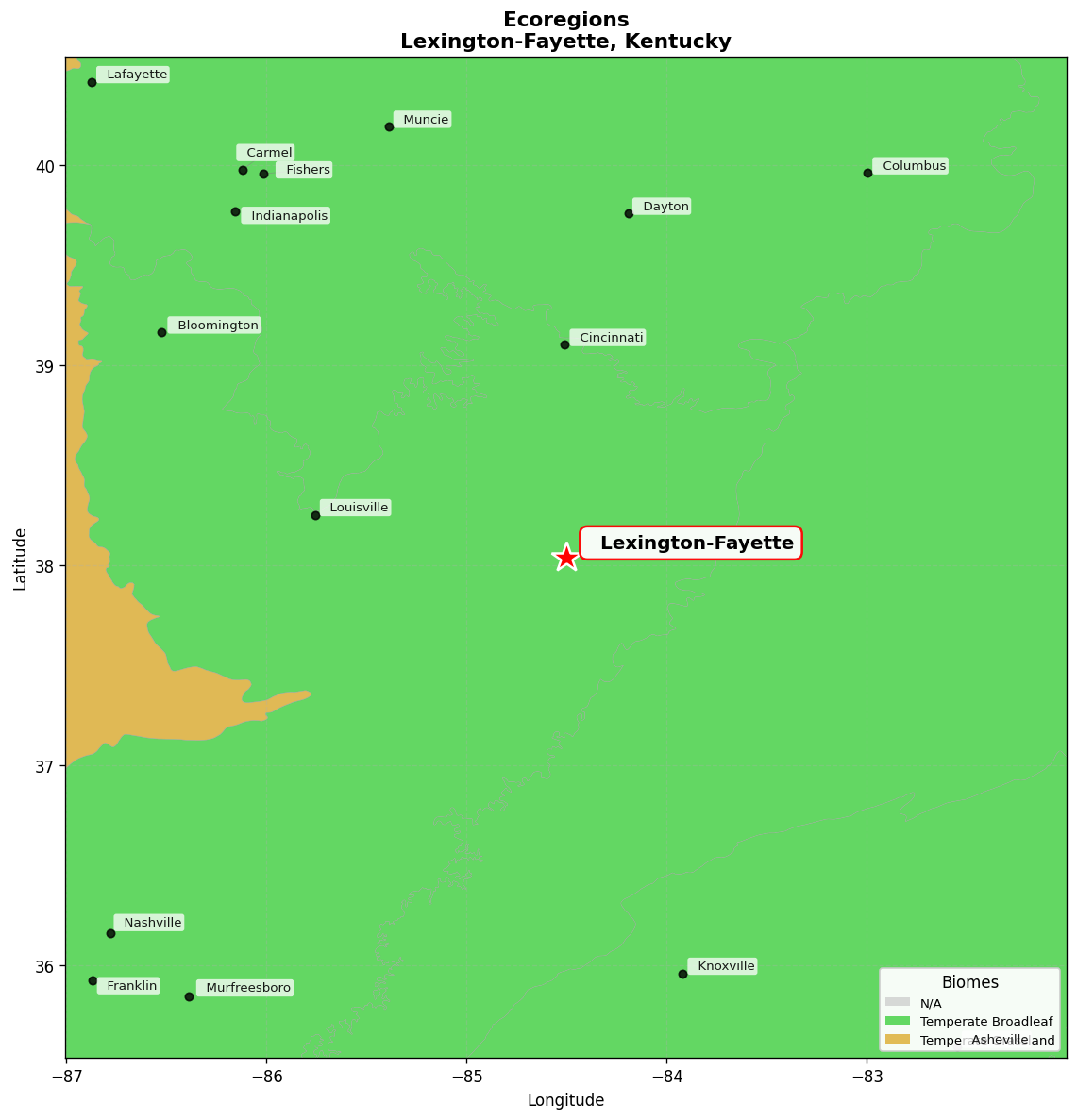
Interior Plateau US Hardwood Forests
Native ecoregionFrequently Asked Questions
What are the best ornamental grasses for Lexington’s Zone 6b climate?
Zone 6b Lexington supports the full range of major ornamental grasses. Top performers: Karl Foerster feather reed grass (the most reliable upright grass in the Midwest, clean architectural form year-round), little bluestem (Kentucky native prairie grass, blue summer–red fall–tan winter), prairie dropseed (delicate-textured native, extraordinary fall fragrance), switchgrass (Panicum virgatum, bold upright form, multiple cultivars with red or blue tones), and sesleria (semi-evergreen, tolerates shade). Avoid maiden grass (Miscanthus sinensis)—invasive potential in Kentucky waterways makes it an ecologically problematic choice.
How does Pennsylvania bluestone perform in Lexington’s freeze-thaw cycles?
Pennsylvania bluestone is one of the most freeze-thaw-resistant natural stones available—it’s been used in Zone 6 and colder Kentucky, Virginia, and Pennsylvania landscapes for decades without integrity issues. Specify natural cleft finish (the surface as it naturally splits from the quarry) rather than thermal (machine-sanded) finish—natural cleft has a slightly rough surface that provides better traction after ice and snow events. Thermal finish bluestone is more slippery when wet. Set in proper bed preparation (compacted gravel base plus sand setting bed) to prevent frost heave. Natural cleft bluestone should be sealed every 3–5 years in wet climates.
Is a gas fire pit worth the investment in Lexington?
Absolutely—Lexington’s cultural calendar creates strong demand for outdoor fire gathering spaces. The Kentucky Derby in May, Keeneland racing in April and October, and the city’s strong outdoor sports culture mean that outdoor gathering spaces are used intensively from March through November. Gas fire pits (permanently connected to home natural gas) are preferred over wood for convenience—no wood storage, instant ignition, controllable flame. Budget $3,000–8,000 for a quality built-in gas fire feature in a surrounding paver terrace. The extended use season—fire pits are used heavily September through November when pools are closed—means the outdoor season effectively runs 9 months rather than 6 with a fire feature.
How do I design a contemporary landscape that handles Lexington’s winter ice?
Zone 6b Lexington averages 13 inches of snow and several significant ice events annually. Design for winter safety and aesthetics: use textured paver surfaces (tumbled, brushed, or natural cleft) that provide grip in icy conditions; slope all paved surfaces away from entry points at 1–2% grade to prevent water pooling that freezes; avoid polished or glazed surfaces near steps or heavily-used paths; install step lighting as a safety feature not just aesthetics; and use gutter drainage to route roof runoff away from paved surfaces where ice buildup is dangerous. Salt and ice melt damage to pavers can be minimized by using calcium chloride (less damaging than sodium chloride) and ensuring proper paver installation with drainage.
What winter-interest plants make a Lexington contemporary garden look great in January?
Winter garden interest in Zone 6b requires intentional plant selection. Best winter-interest specimens for Lexington: ornamental grasses left uncut (Karl Foerster, little bluestem, switchgrass have beautiful dormant forms under frost and snow), compact evergreen boxwood (geometric shapes read clearly against snow-covered ground), multi-stem river birch (white bark is spectacular in winter), native crabapple with persistent orange fruit attractive to birds through January, Lenten rose (semi-evergreen perennial, flowers emerge in February–March before anything else blooms), and oakleaf hydrangea (papery seed heads and peeling bark both provide winter texture).
How much does a contemporary landscape installation cost in Lexington?
Lexington landscaping costs are moderate—roughly at national average for the Midwest region, reflecting Kentucky’s reasonable labor costs. A contemporary front yard with limestone path, ornamental grasses, and boxwood structure typically costs $10,000–22,000. A bluestone terrace with gas fire pit and grass borders runs $18,000–40,000. A pergola outdoor room with native Bluegrass garden ranges $22,000–50,000. Annual maintenance for a contemporary native-inspired landscape runs $800–2,200/year—lower than traditional cottage gardens because native plants need minimal intervention once established in Lexington’s climate.