4 Modern Garden Ideas for New York City
Native plants from the Northeast US Coastal forests (Zone 7b) — Humid continental (hot summer) climate
Why Modern/Minimalist Gardens in New York?
New York City's urban density makes modern garden design not just a style preference — it's the only approach that actually works in spaces this constrained. Brownstone backyards in Park Slope and Cobble Hill average just 400–800 square feet. West Village townhouses may have nothing but a front stoop and a narrow planting strip. Rooftops in Williamsburg and Tribeca offer square footage but demand lightweight materials and engineering approval. Modern design's emphasis on structure, hardscape, and architectural plants is purpose-built for these realities.
NYC's Zone 7b climate adds another layer of complexity. Winters regularly drop to 20°F with hard freeze–thaw cycles that crack concrete, heave pavers, and kill borderline-hardy plants. Summers push into the 90s with punishing humidity. The urban heat island effect means Manhattan rooftops and south-facing brownstone walls run even hotter. Plant selection has to account for both extremes — cold-hardy enough to survive January, heat-tolerant enough to handle a July rooftop in full sun.
The payoff is real: a well-executed modern garden in Brooklyn Heights or the Upper West Side adds significant property value and transforms even a 300-square-foot concrete backyard into a livable outdoor room. Rooftop gardens are increasingly common in Greenpoint and Williamsburg as homeowners and landlords maximize usable square footage. Whether it's a geometric front planting strip on a Park Slope brownstone or a full rooftop lounge with city views, modern design delivers maximum impact with minimum maintenance — exactly what NYC's busy residents need.
4 Modern/Minimalist Design Ideas for New York
AI-generated image
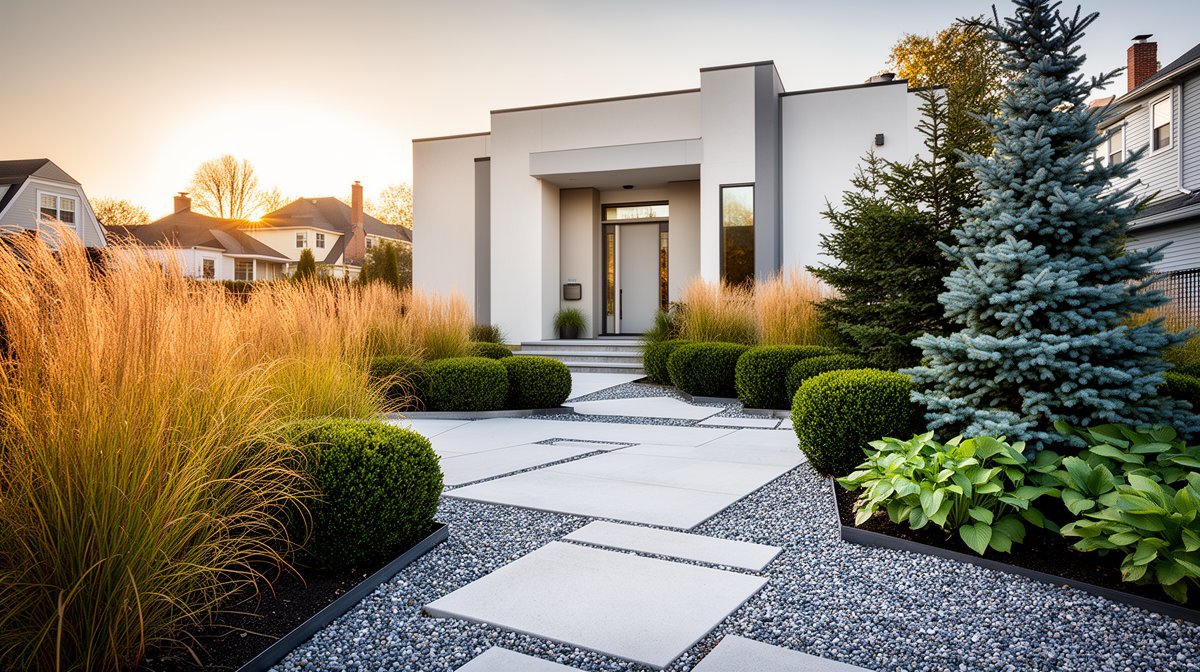
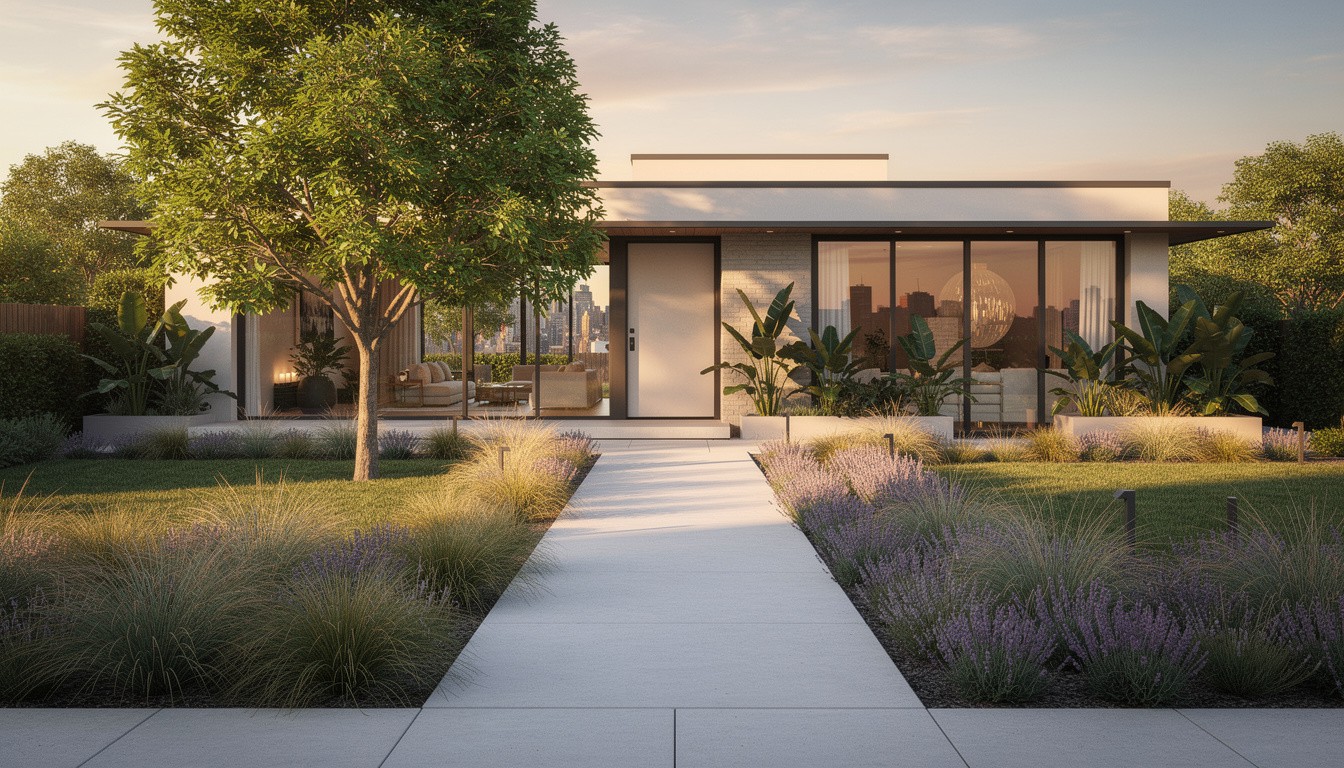
The Modern NYC Front Yard
$18–32/sqftA flat-roof modern home with floor-to-ceiling windows gains commanding street presence with a wide concrete walkway flanked by sweeping masses of ornamental grasses and lavender set in crisp geometric beds, the city skyline visible above the roofline in the background. A mature canopy tree provides scale and shade while low agave-form yucca specimens punctuate the gravel bed ground plane. The design’s restraint is its strength: one strong hardscape material, one dominant plant, and a clean line from sidewalk to door creates a front yard that reads as intentional and contemporary on any NYC block. No irrigation required after the first season.
AI-generated image
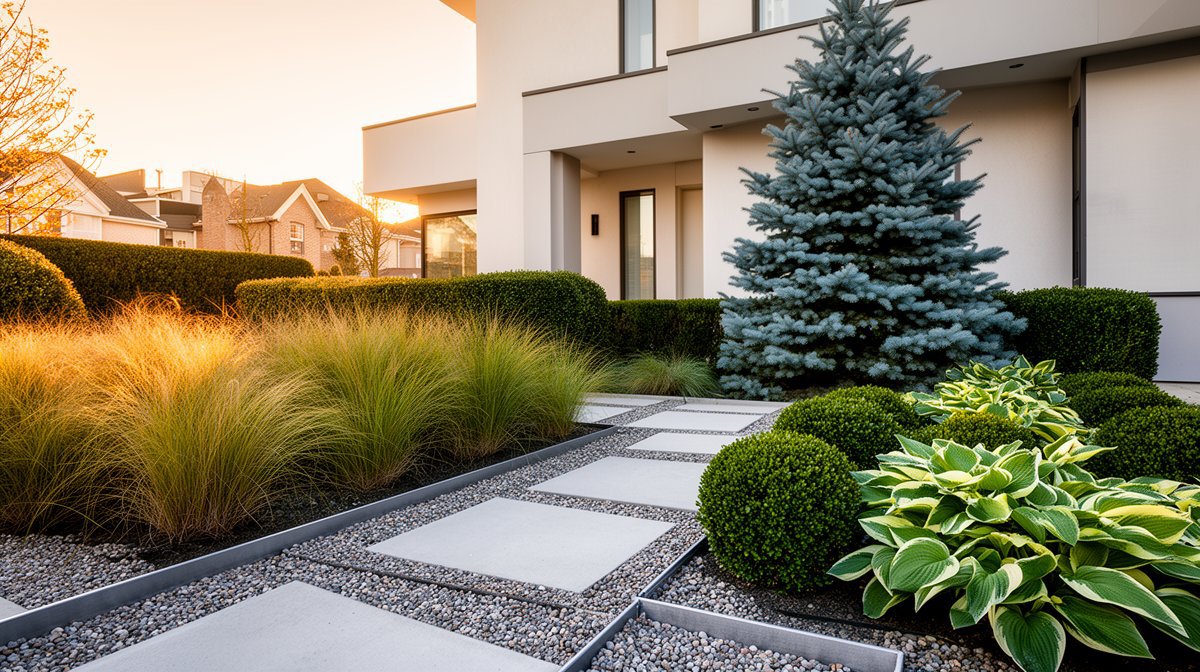
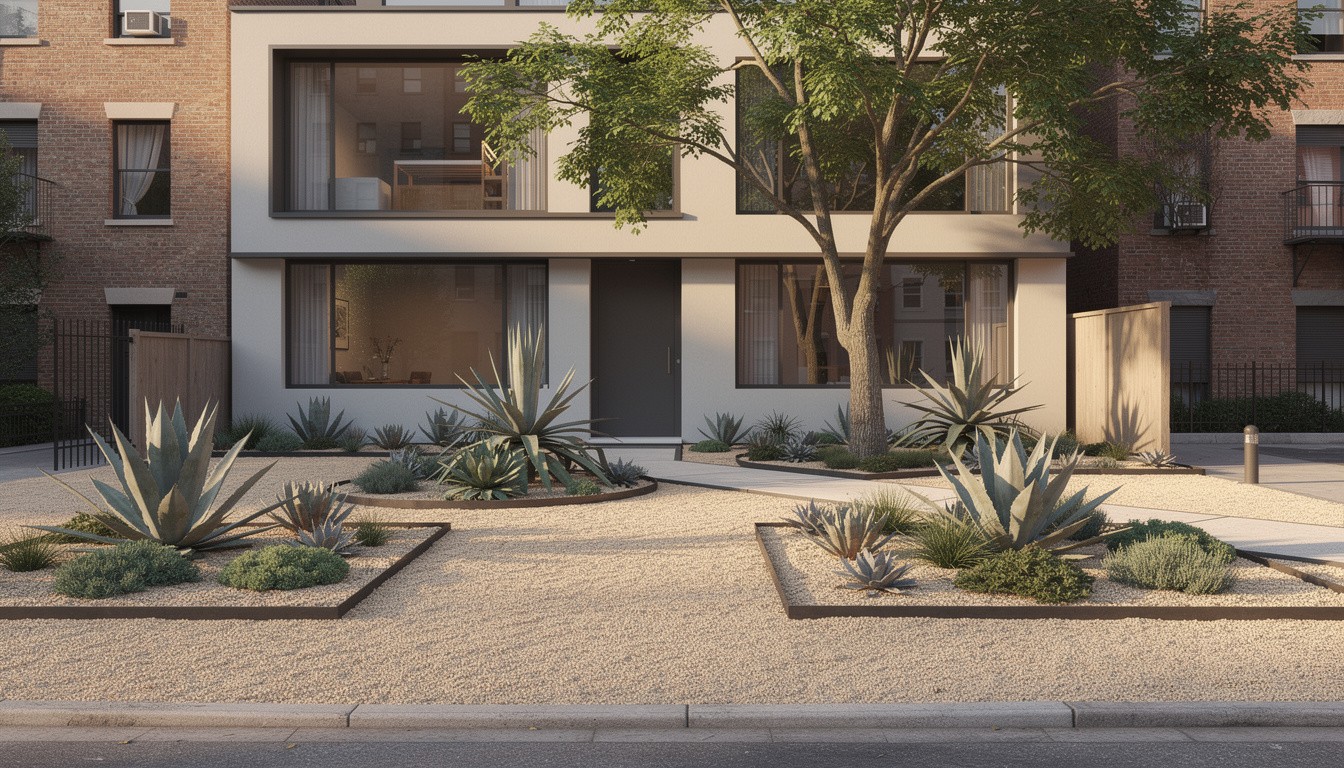
The NYC Townhouse Xeriscape Strip
$12–22/sqftA narrow NYC townhouse front yard replaced with a low-maintenance gravel-and-agave xeriscape: decomposed granite ground plane, raised beds of agave, architectural succulents, and blue fescue in geometric arrangements, with a large street tree providing canopy above. The palette is deliberately minimal — gray gravel, dark green agave, muted blue fescue — because in a narrow urban streetscape, restraint creates impact while complexity creates clutter. NYC’s Zone 7b rules out true agave in the coldest winters, but yucca filamentosa delivers the same bold silhouette with Zone 5 cold hardiness.
AI-generated image
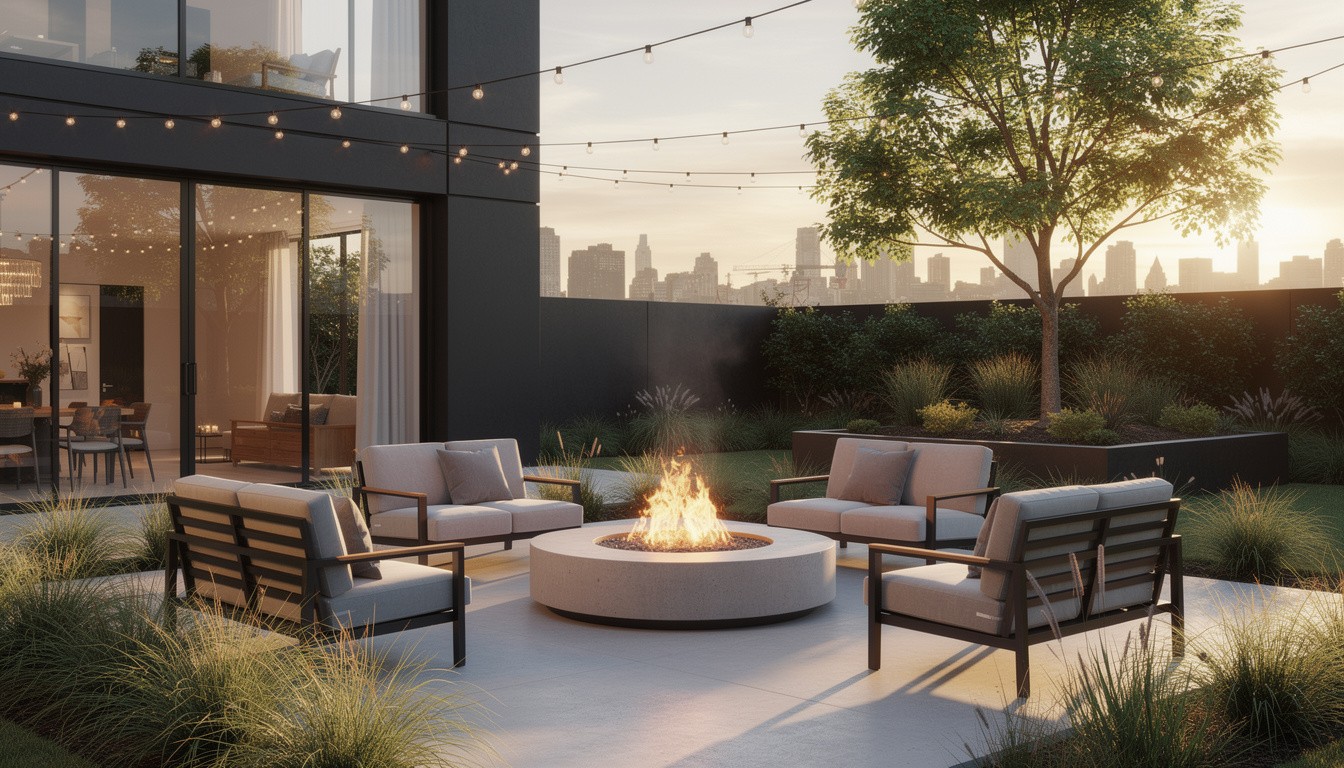
The NYC Rooftop Fire Pit Lounge
$35–70/sqft (excl. structural engineering)A Williamsburg or Tribeca rooftop transformed into a contemporary outdoor living room: a round concrete fire pit at center, modern lounge chairs arranged around it, ornamental grasses in large structural planters, string lights strung overhead, and the NYC city skyline as the backdrop — the most compelling outdoor living backdrop in America. Every element is selected for rooftop weight limits: lightweight HDPE or fiberglass planters, compact furnishings, and gravel rather than heavy soil. This is the NYC outdoor space investment with the highest premium return — a functional rooftop garden adds measurable value to any Brooklyn or Manhattan property.
AI-generated image
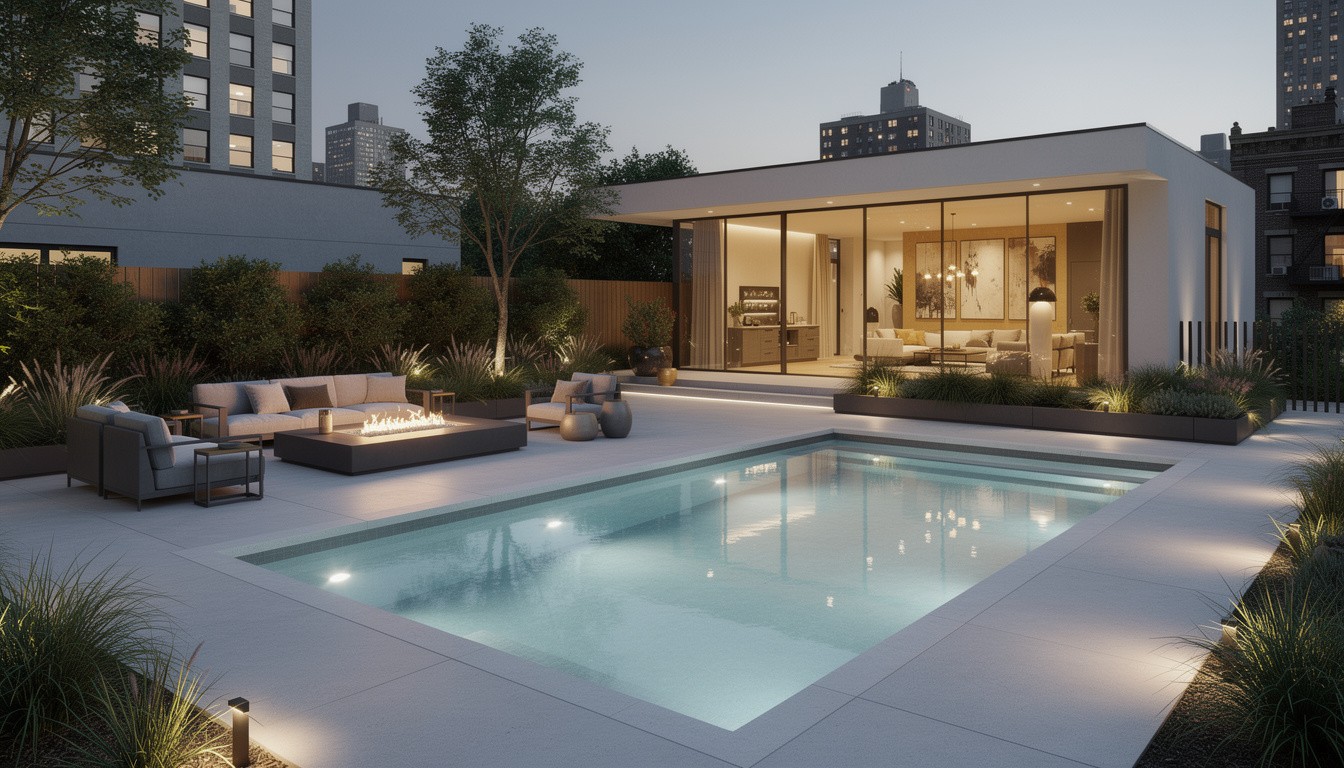
The Brooklyn Urban Pool Garden
$65–130/sqft (incl. pool deck, excl. pool construction)A Park Slope or Cobble Hill backyard built around a compact rectangular pool on white concrete decking, with a gas fire pit seating area at the far end and raised planting beds of ornamental grasses and structural shrubs along the perimeter — the city’s glass-and-brick buildings rising above the fence line as a reminder of the remarkable urban context. NYC pool gardens require careful engineering, tight dimensions, and thoughtful design to coexist with the privacy expectations of dense brownstone blocks, but when executed well they represent the most dramatic outdoor living upgrade available in this market. Zone 7b’s warm summers make the pool usable June through September.
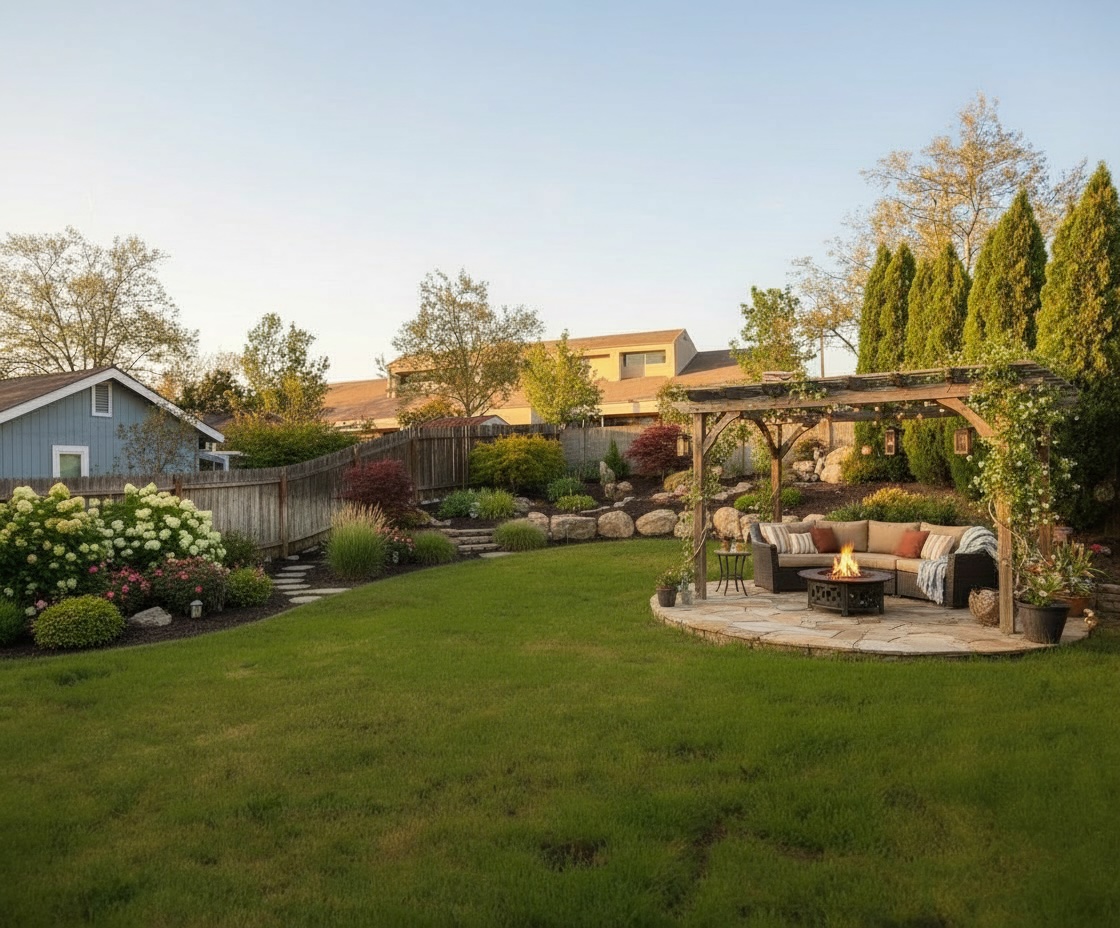
See how a modern/minimalist garden looks on YOUR property
Upload a photo of your New York yard and visualize your dream garden in seconds.
Try ProScapeAI Free
AI-generated image
Featured Trees & Shrubs for Modern/Minimalist Gardens
Browse all 181 plants for New York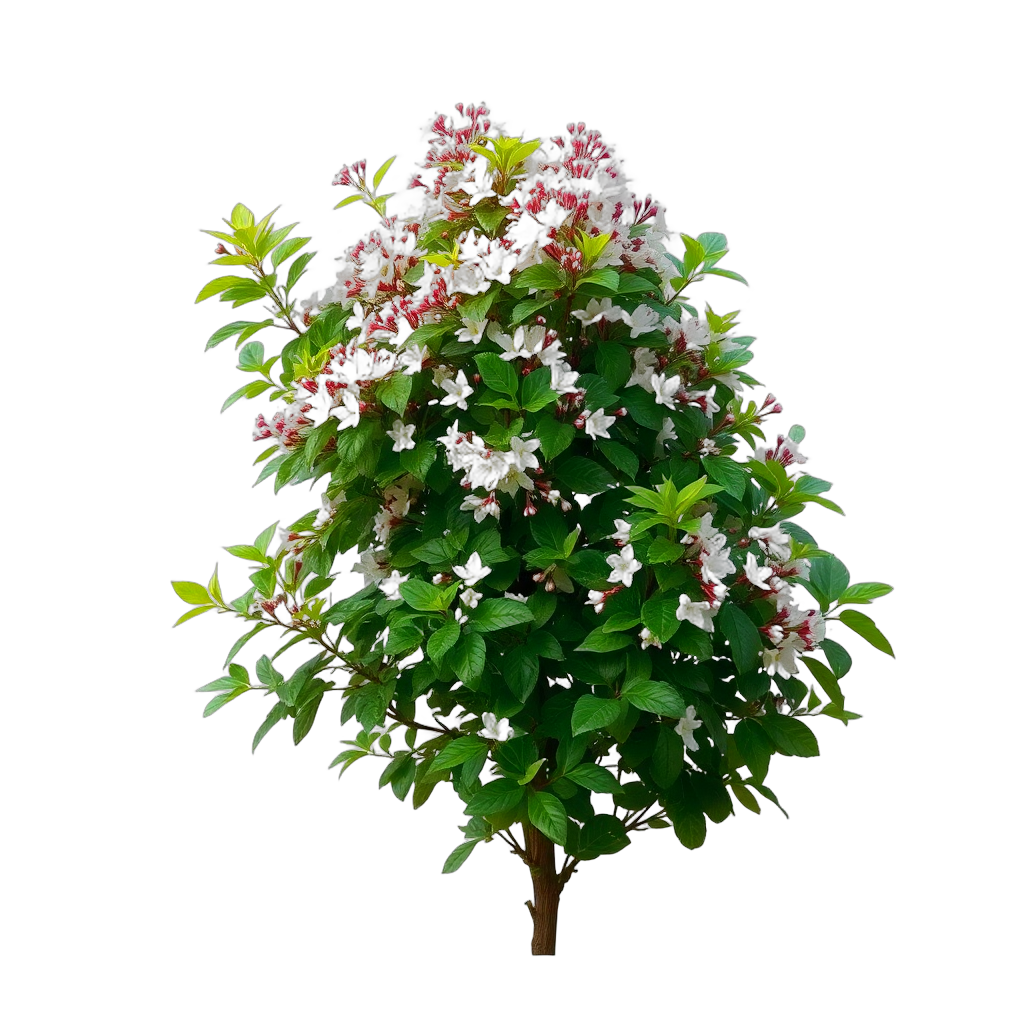
Arrowwood Viburnum
Viburnum dentatum
medium-sized at 10 feet, white blooms in spring. Pollinator-friendly.
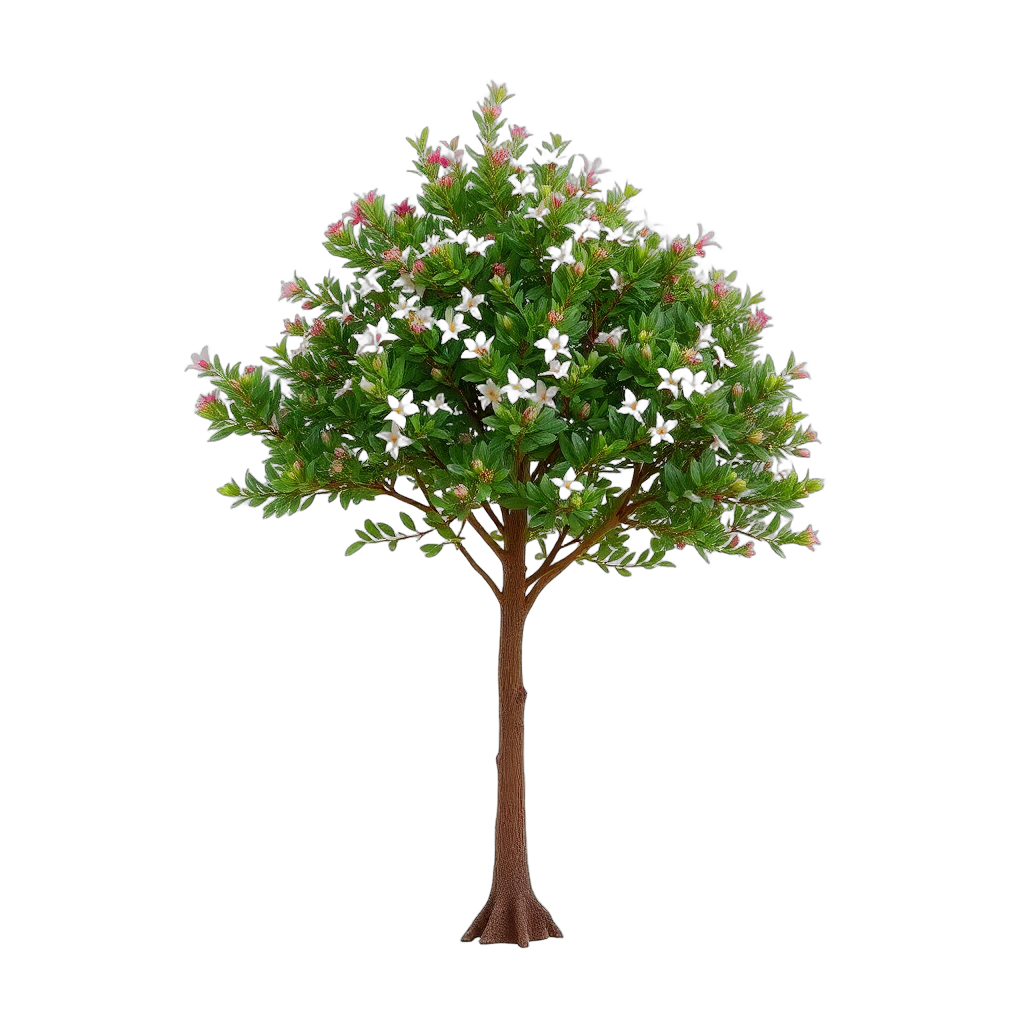
Coastal Leucothoe
Leucothoe axillaris
grows to 3 feet, white blooms in spring. Evergreen year-round.
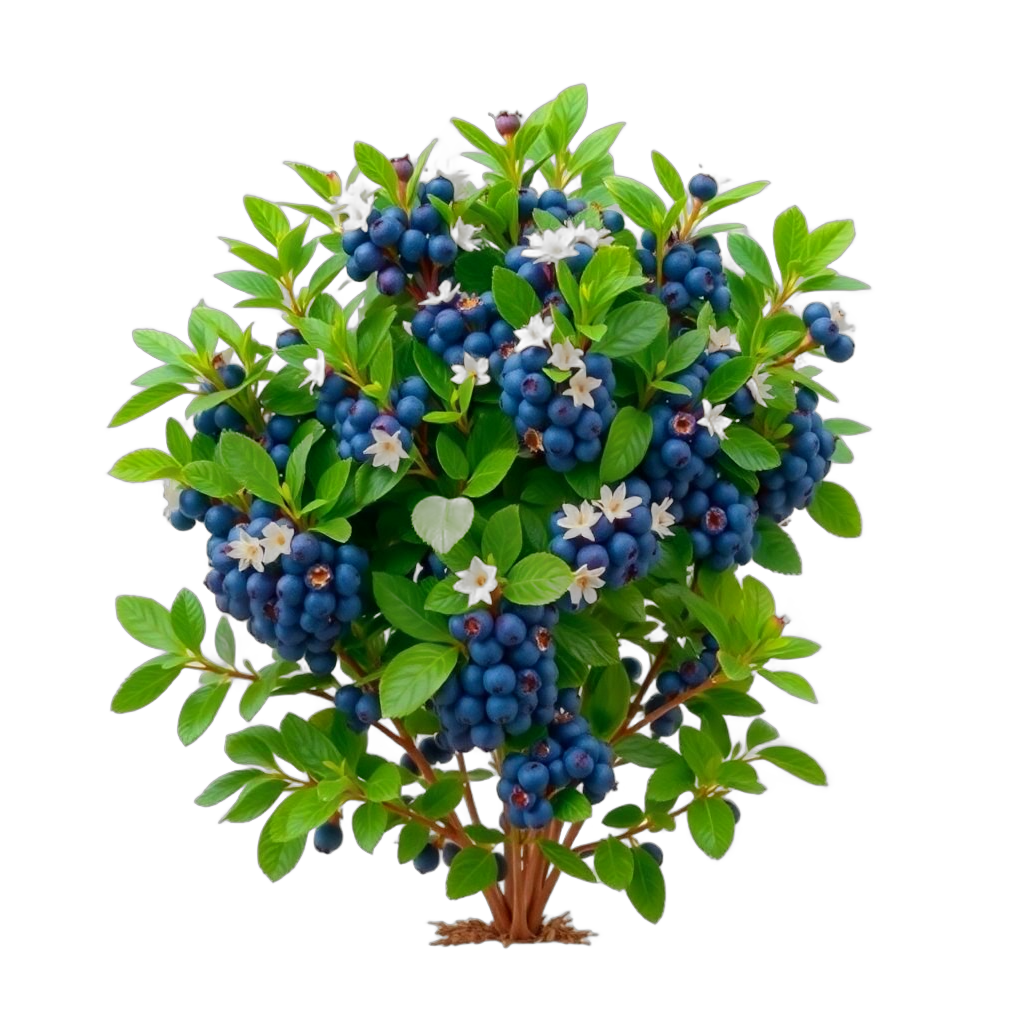
Highbush Blueberry
Vaccinium corymbosum
medium-sized at 7 feet, white blooms in spring. Attracts butterflies.

Inkberry
Ilex glabra
medium-sized at 8 feet, white blooms in spring. Pollinator-friendly.
Featured Grasses & Groundcovers for Modern/Minimalist Gardens
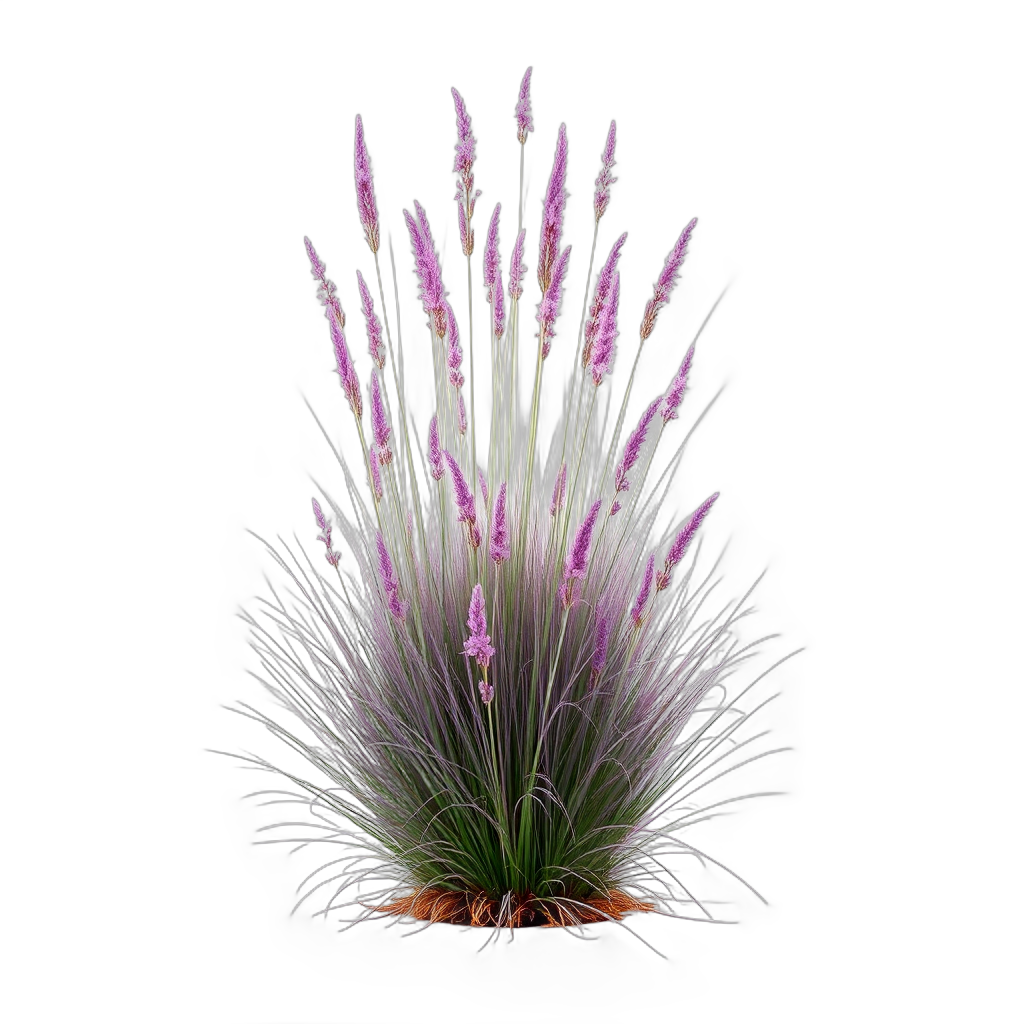
Purple Love Grass
Eragrostis spectabilis
low-growing ground cover, purple blooms in fall. Orange fall color.
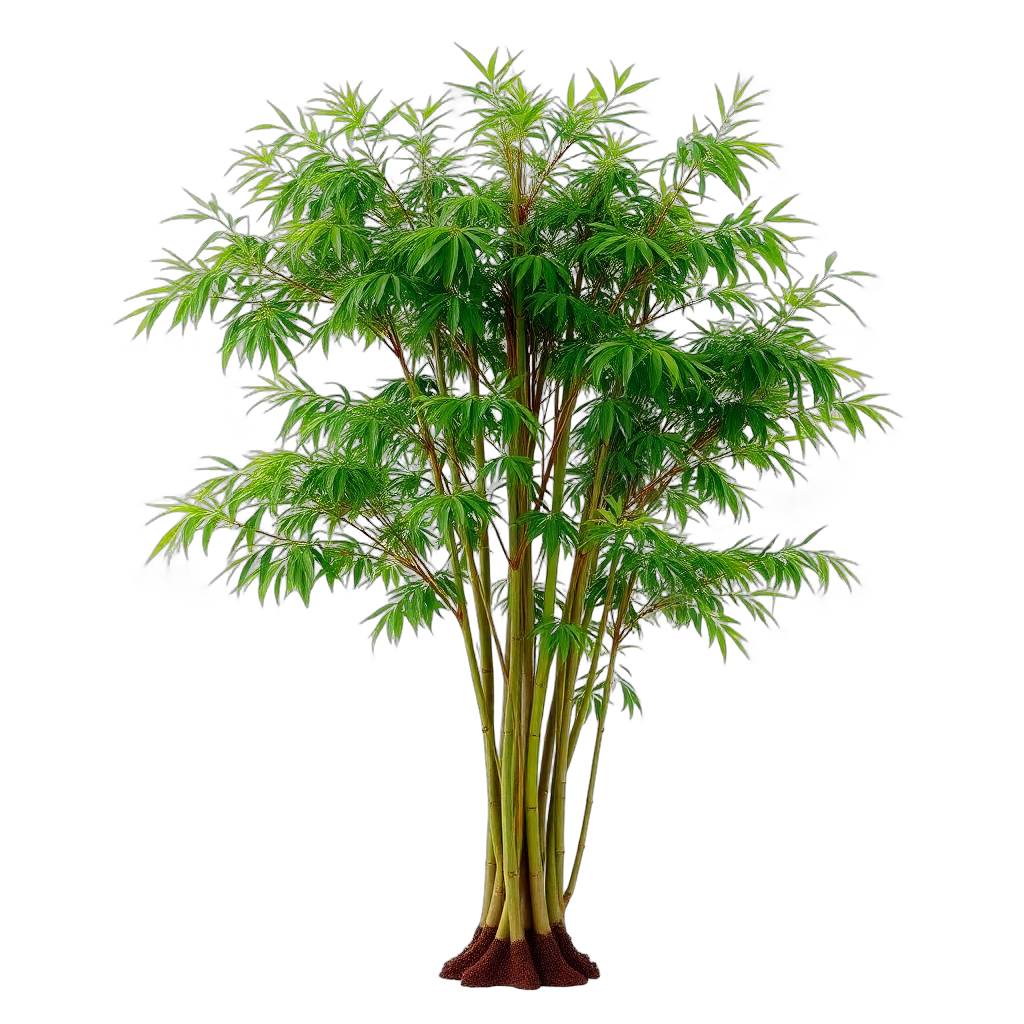
Arrow Bamboo
Pseudosasa japonica
medium-sized at 15 feet, blooms in none. Evergreen year-round.
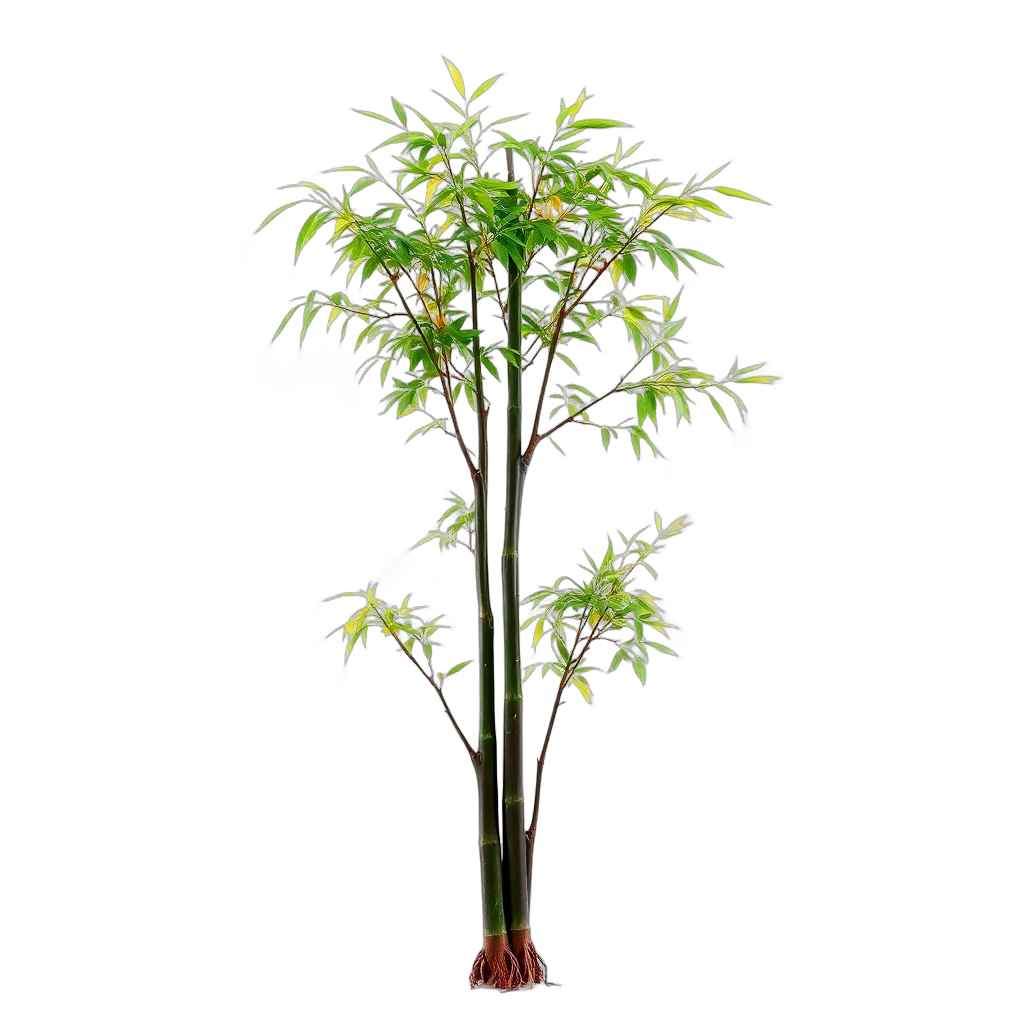
Black Bamboo
Phyllostachys nigra
reaches 25 feet tall, blooms in none. Evergreen year-round.
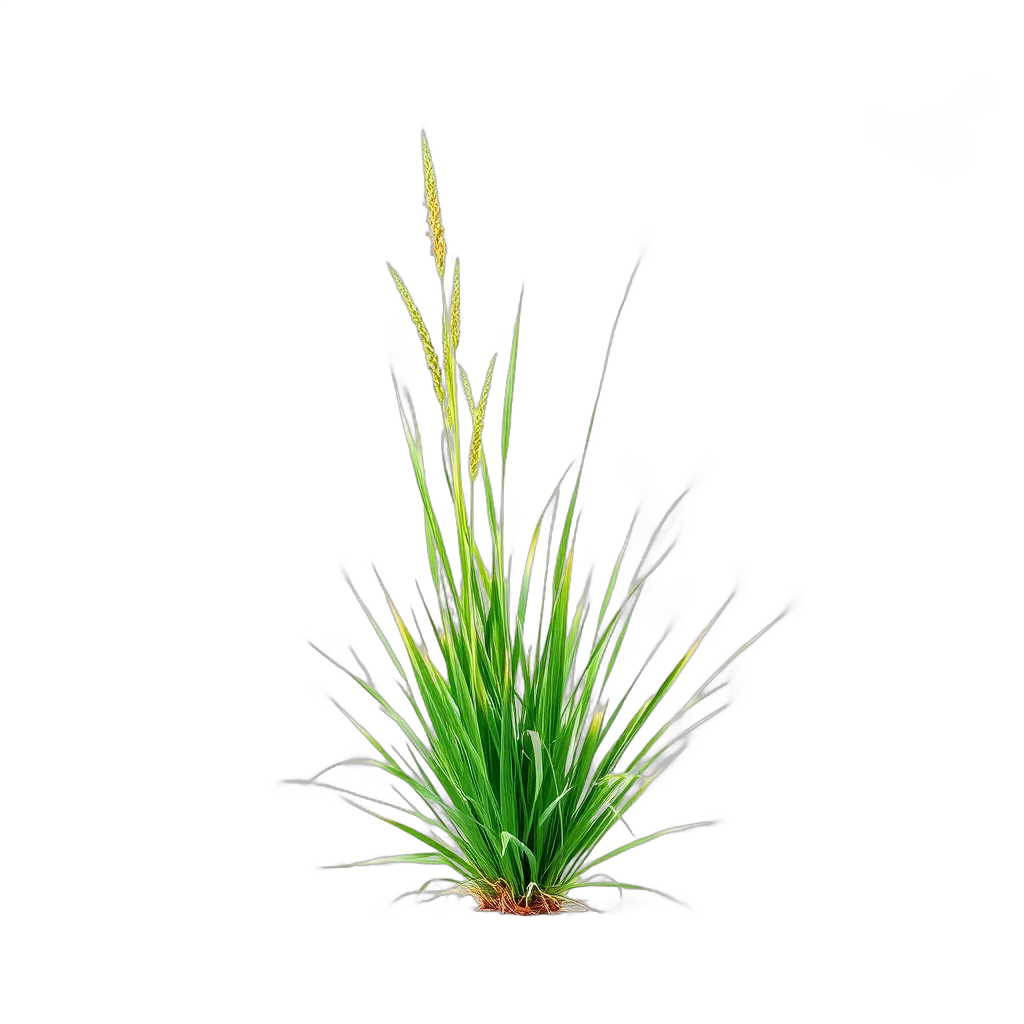
Bull Grass
Muhlenbergia emersleyi
grows to 4 feet, purple blooms in fall. Yellow fall color.
Featured Flowers & Perennials for Modern/Minimalist Gardens
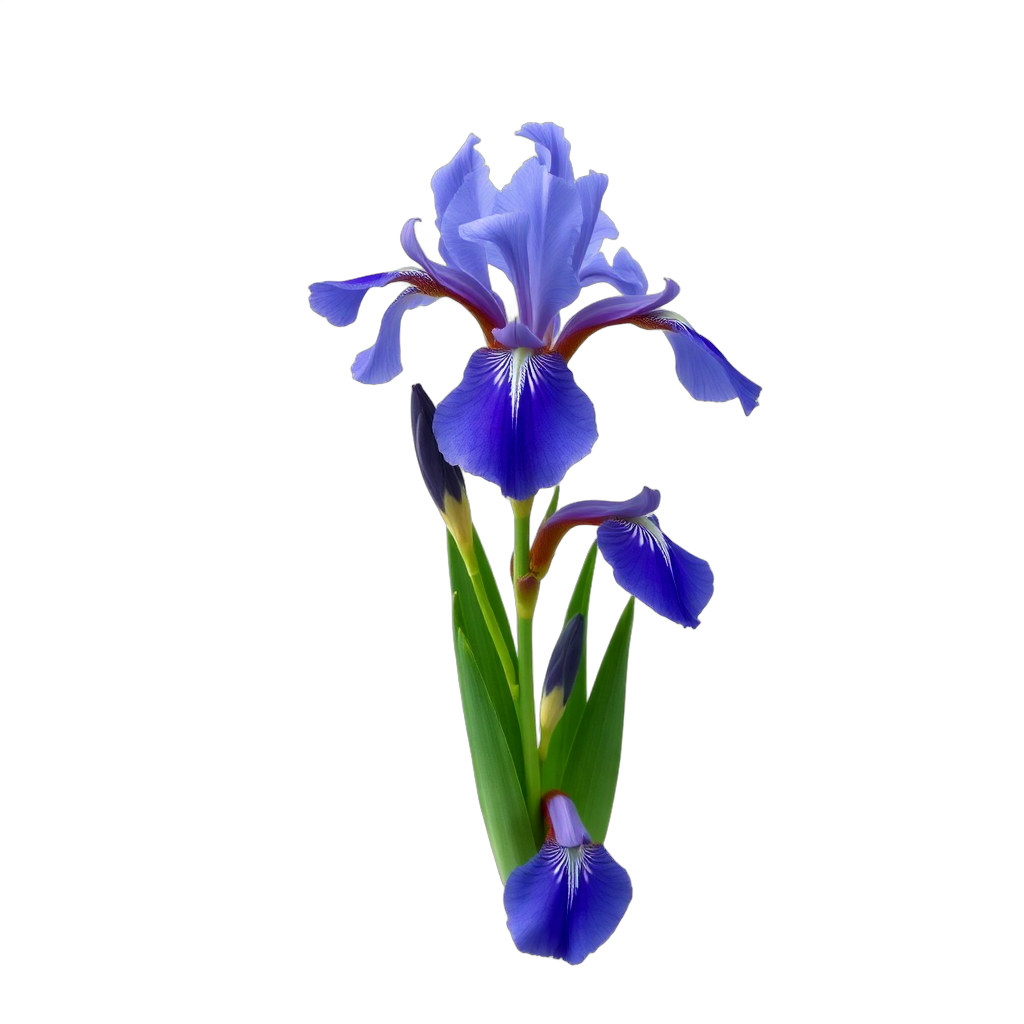
Blue Flag Iris
Iris versicolor
low-growing ground cover, purple blooms in spring. Attracts butterflies.

New York Ironweed
Vernonia noveboracensis
grows to 6 feet, purple blooms in fall. Attracts butterflies.
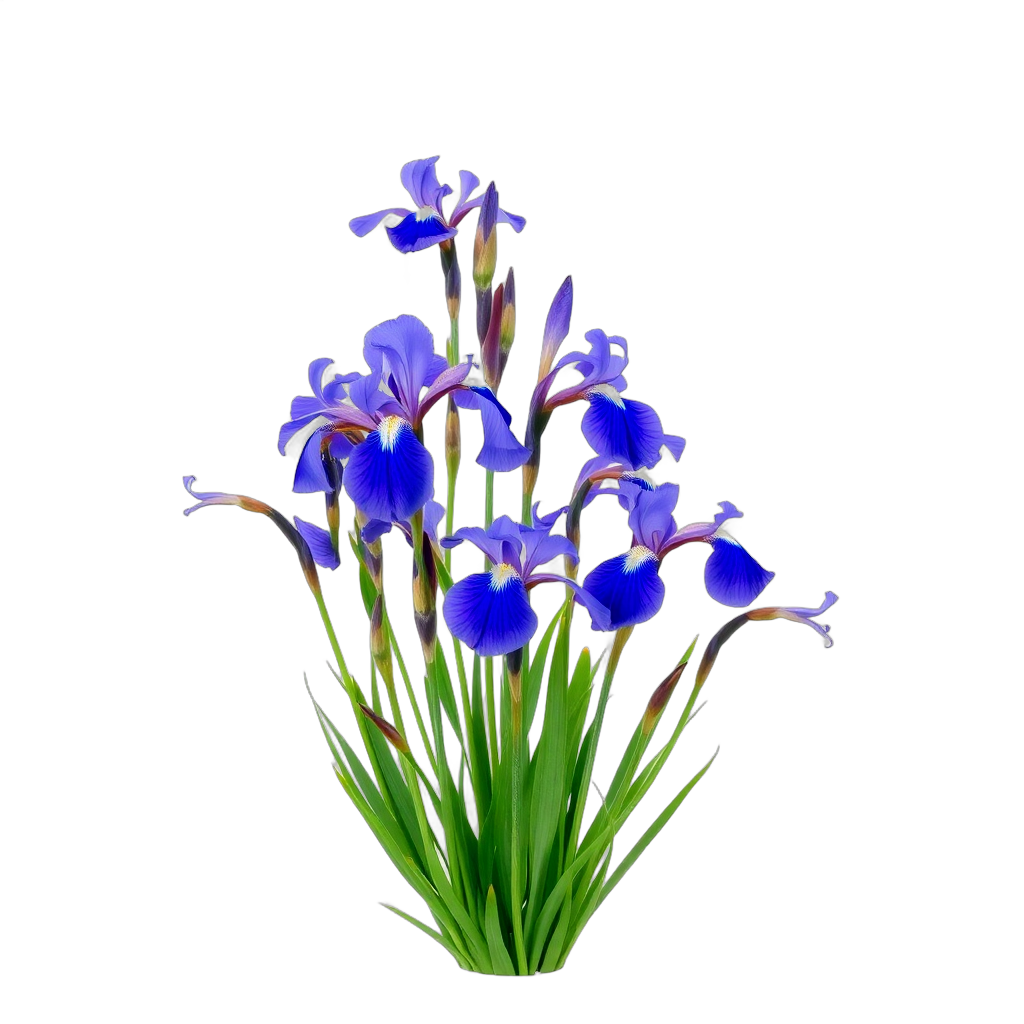
Southern Blue Flag
Iris virginica
low-growing ground cover, blue blooms in spring. Attracts butterflies.

Eastern Prickly Pear
Opuntia humifusa
low-growing ground cover, yellow blooms in summer. Attracts butterflies.
Zone and sun checks come from our database — confirm with your local nursery before you buy.
Bloom Calendar for New York
spring
Blue Flag Iris, Southern Blue Flag, Arrowwood Viburnumsummer
Ruby Spice Summersweet, Summersweet, Eastern Prickly Pearfall
New York Ironweed, Purple Love Grasswinter
Limited bloomsDesign Tips for New York (Zone 7b)
- Use freeze–thaw-rated concrete and porcelain pavers (not natural bluestone or brick without proper sealing) — NYC's winter freeze–thaw cycles will crack unprepared hardscape within 2–3 seasons
- For rooftop gardens, always start with a structural engineering assessment before purchasing any materials — weight miscalculations are expensive and dangerous
- Plant ornamental grasses in raised beds rather than in-ground when possible in brownstone backyards — it improves drainage in compacted urban soil and prevents crown rot during wet winters
- Leverage the urban heat island effect: south- and west-facing brownstone walls create Zone 8 microclimates that let you push plant hardiness by half a zone
- If your property is in an LPC historic district (Brooklyn Heights, Cobble Hill, Greenwich Village, etc.), design front yard changes before starting any work — LPC approval can take 4–8 weeks
- Install landscape lighting with a smart timer — NYC's short winter days mean good lighting extends outdoor usability through November, and smart controls prevent wasted energy overnight
Where to Source Plants in New York
Skip the big-box stores. These independent New York nurseries specialize in the plants that make modern/minimalist gardens thrive in Zone 7b.
Natty Garden
Prospect Heights, Brooklyn
Native plants, ornamental grasses, drought-tolerant shrubs, urban container gardening
Newtown Native Nursery
Greenpoint, Brooklyn
Locally-sourced native plants, pollinator-friendly perennials
Modern/Minimalist Landscaping Costs in New York
| Project Scope | Estimated Cost |
|---|---|
| NYC front yard redesign with gravel + grasses (200–400 sqft) | $10,000 – $25,000 |
| Full backyard transformation with patio, fire pit + planting | $28,000 – $75,000 |
| Rooftop garden installation (basic, excl. structural engineering) | $22,000 – $55,000 |
| Natural stone paver patio (NYC labor rates) | $20 – $40/sqft installed |
| Drip irrigation system installation | $2,500 – $6,000 |
| AI visualization with ProScapeAI | Free to start |
Estimates based on New York, NY-area contractor rates as of 2026. Actual costs vary by site conditions, materials, and contractor.
New York Climate & Growing Zone
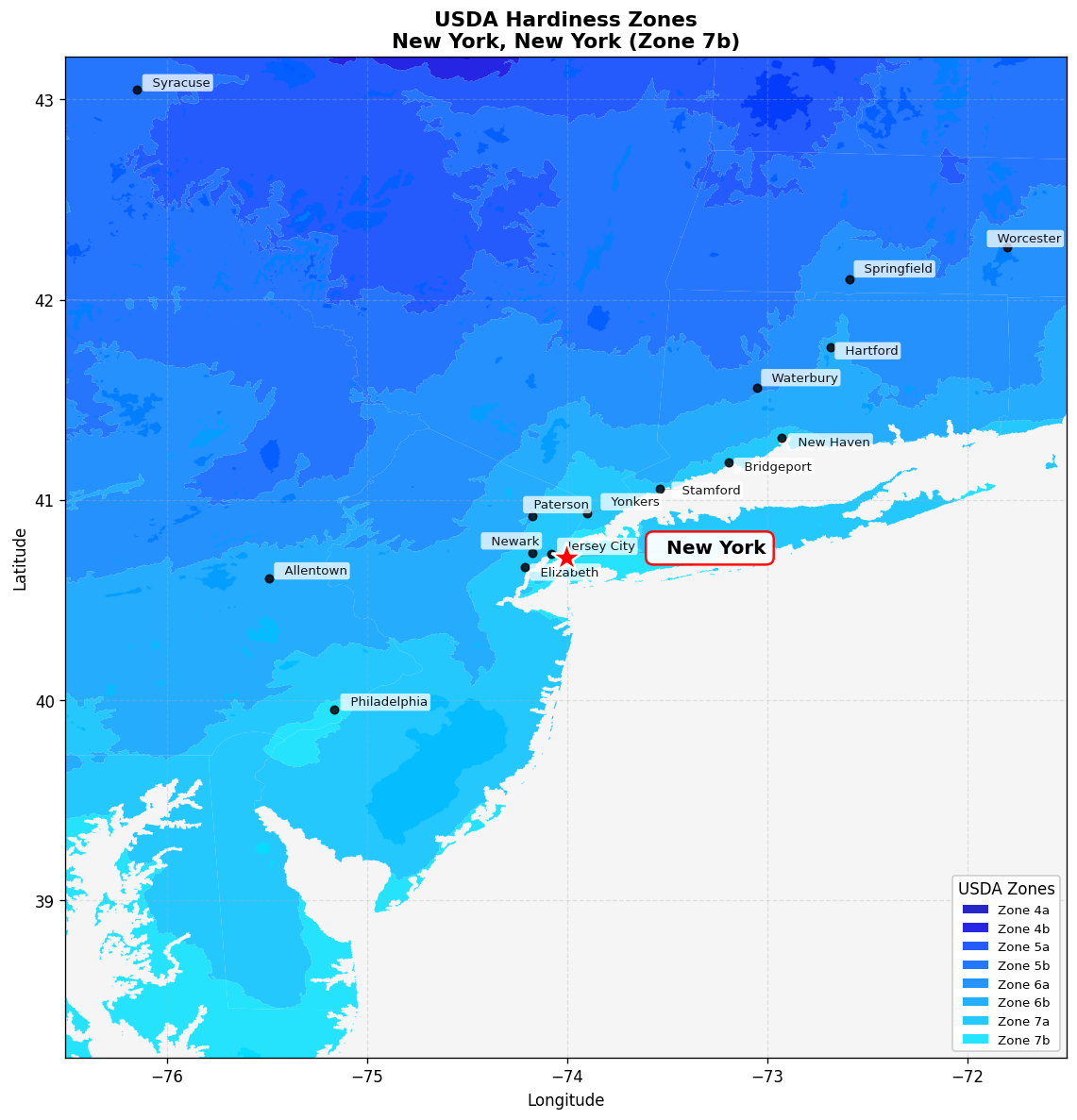
USDA Zone 7b
Hardiness zone for New York
Northeast US Coastal forests
Native ecoregionFrequently Asked Questions
Do I need a permit for landscaping in New York City?
It depends on scope. Basic planting, mulching, and gravel work typically don't require a permit. However, NYC's Department of Buildings (DOB) requires permits for retaining walls, structural decking, pergolas, electrical work (landscape lighting), and any work affecting drainage. If your property is in a historic district — common in Brooklyn Heights, Cobble Hill, and Greenwich Village — you'll also need Landmarks Preservation Commission (LPC) approval before altering the front yard's visible character. Always check with the DOB and your local Community Board.
How much does landscaping cost in New York City?
NYC labor and material costs are among the highest in the country. A front yard redesign (200–400 sqft) typically runs $8,000–$18,000 for a modern design with hardscape and plantings. A full backyard transformation with patio, planting, and lighting ranges from $25,000–$75,000+. Rooftop garden installations start around $20,000 and can exceed $100,000 for engineered green roof systems. Budget 30–50% more than comparable projects in other metro areas.
What are the weight limits for NYC rooftop gardens?
NYC buildings have varying structural capacities — most older pre-war buildings were not designed for heavy rooftop loads. Typical live load capacity is 40–100 lbs/sqft. Saturated soil can weigh 80–120 lbs/sqft, so rooftop gardens must use lightweight growing media (green roof substrate runs 15–25 lbs/sqft saturated) and lightweight containers. A licensed structural engineer must assess load capacity before any rooftop garden installation. Your DOB permit application will require stamped engineering drawings.
What plants survive NYC winters in Zone 7b?
Zone 7b means minimum winter temperatures of 5–10°F, with the freeze–thaw cycle being the real challenge. Reliably hardy choices for NYC modern gardens include: Karl Foerster feather reed grass, blue oat grass, blue fescue, sedum, hardy agave (Agave parryi or A. havardiana), boxwood, serviceberry, hornbeam, and lavender in protected spots. Avoid tender succulents and Zone 8+ plants unless in sheltered south-facing microclimates. The urban heat island helps — Manhattan runs 2–5°F warmer than surrounding areas.
Can I have a garden on my NYC brownstone front stoop or sidewalk area?
Yes, with caveats. The area between the sidewalk and your building line is your property but subject to NYC DOT rules for sidewalk trees and curb cuts. Most front yard planting (within the property line) is unrestricted. If you're in an LPC historic district, any changes visible from the street may require approval — this includes new fencing, gates, paving materials, and even plant beds in some cases. Contact the LPC early if you're in a designated historic district.
What's the best low-maintenance modern plant for NYC urban gardens?
Karl Foerster feather reed grass is the single best choice for NYC modern gardens: Zone 4 hardy, drought-tolerant once established, upright architectural form that looks good from spring through winter, and thrives in both full sun and part shade. It handles urban pollution, compacted soil, and NYC's temperature swings without complaint. Pair it with sedum groundcover and hardy agave for a three-plant palette that needs almost nothing after the first season.