4 Cottage Garden Ideas for Buffalo, NY | Great Lakes Forest Style for Zone 6a
Native plants from the Eastern Great Lakes lowland forests (Zone 6a) — Humid continental (warm summer) climate
Why Cottage/English Gardens in Buffalo?
Buffalo is one of the most underrated gardening cities in America. Zone 6a winters are cold but not brutal, and the moderating influence of Lake Erie creates a microclimate that allows an extraordinary range of plants — from hellebores and snowdrops that emerge in February through dahlias and hydrangeas that power through October. The city sits in the Eastern Great Lakes Lowland Forests ecoregion, historically dominated by sugar maple, beech, and basswood with an understory of trilliums, wild ginger, Jack-in-the-pulpit, and native ferns.
Buffalo’s most beautiful residential neighborhoods — Elmwood Village, Allentown, North Buffalo, and Delaware Avenue — are dense with Victorian and Craftsman homes surrounded by mature street trees and deep front yards with established planting potential. Cottage gardening thrives here: the moist summers, reliable spring rains, and heavy clay soils (amended with compost) support the lush, overflowing aesthetic that defines cottage design at its best.
Buffalo’s renowned garden community is anchored by the Buffalo and Erie County Botanical Gardens and a network of passionate private gardeners who have shaped the city’s neighborhoods into unofficial garden tours. The Eastern Great Lakes forest palette — trilliums, ferns, Joe Pye weed, cardinal flower, native hydrangeas — integrates seamlessly with traditional cottage staples like roses, catmint, astilbe, and peonies, creating gardens that are both regionally authentic and visually exuberant.
4 Cottage/English Design Ideas for Buffalo
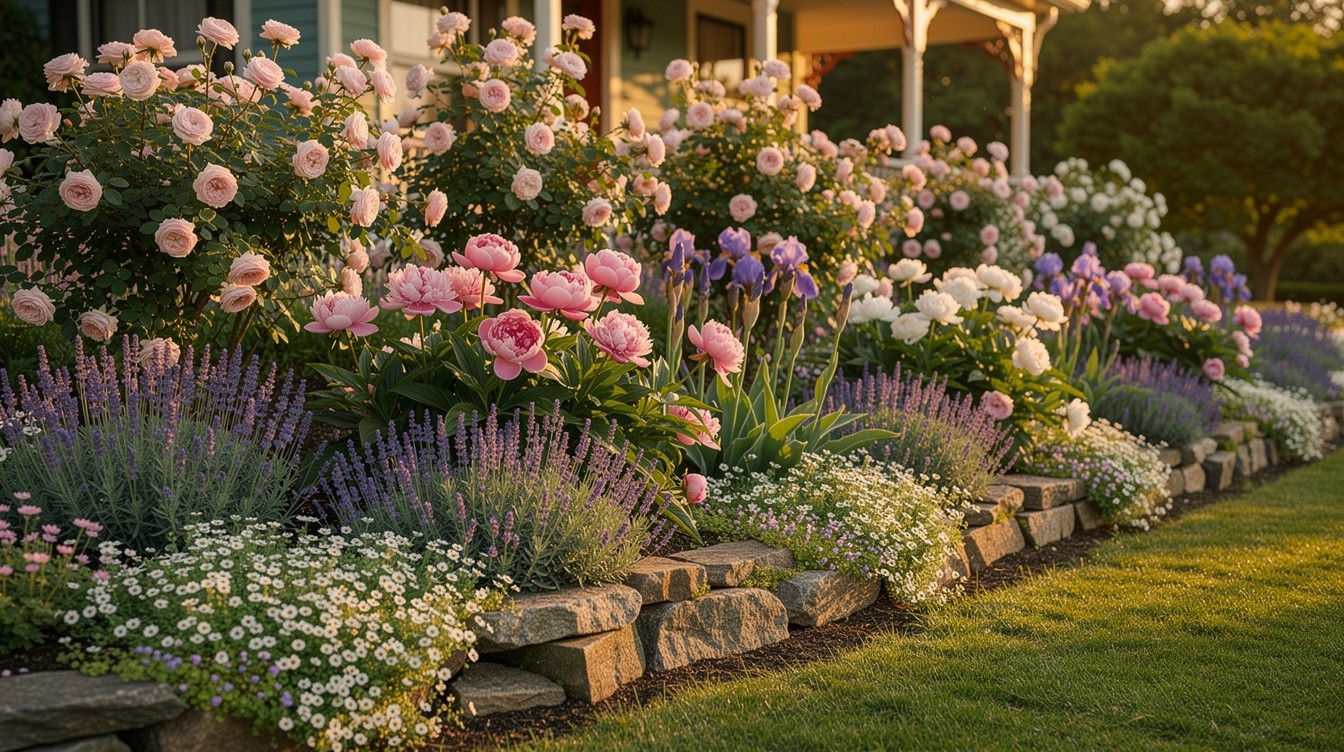
The Victorian Cottage Border
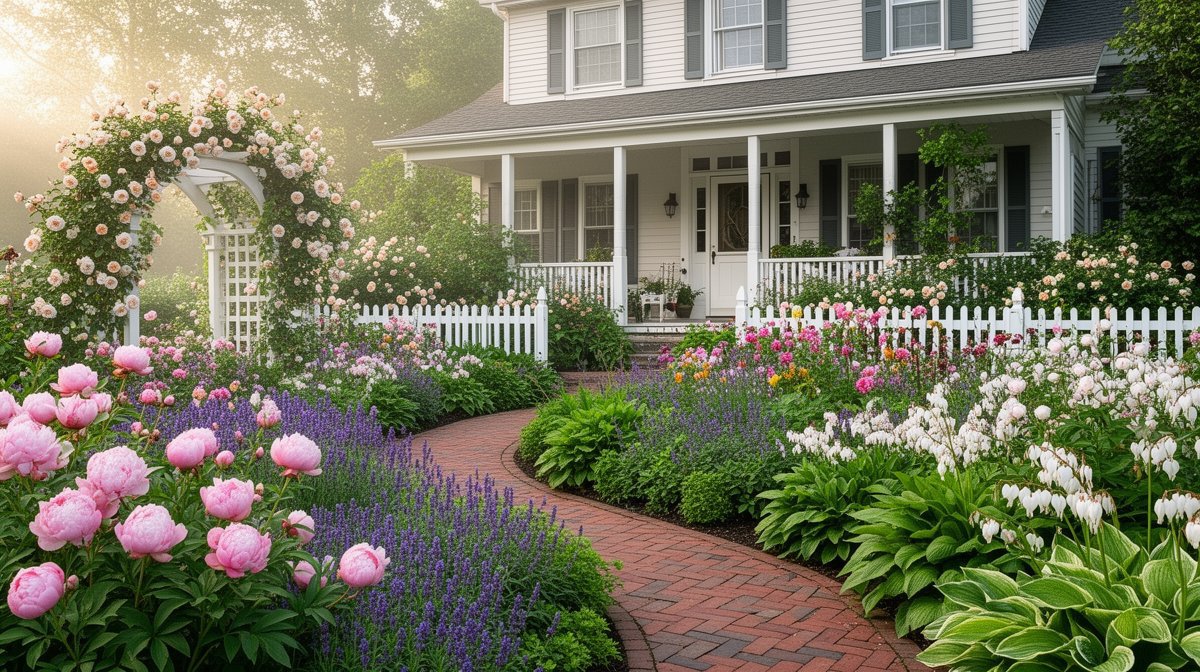
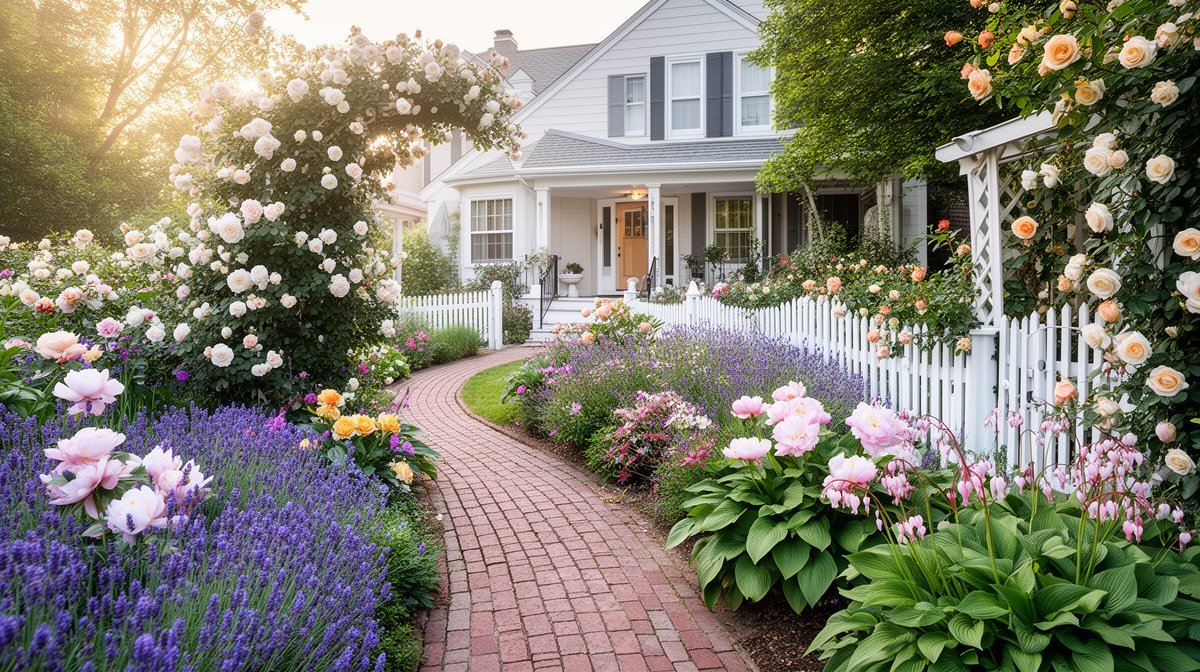
$8–16/sqftA deep mixed border alongside a Victorian Buffalo home is planted in the classic cottage tradition — roses at the back, catmint and salvia in the middle, trailing alyssum and creeping thyme at the front edge. Peonies and tall iris anchor the transition between rose and catmint zones. A low stone edging separates the border from a short-mown grass path alongside. The planting is deliberately overflowing — stems touching, no visible soil — in the high-density cottage tradition. Peak bloom in late June covers the border in pink, purple, and white.
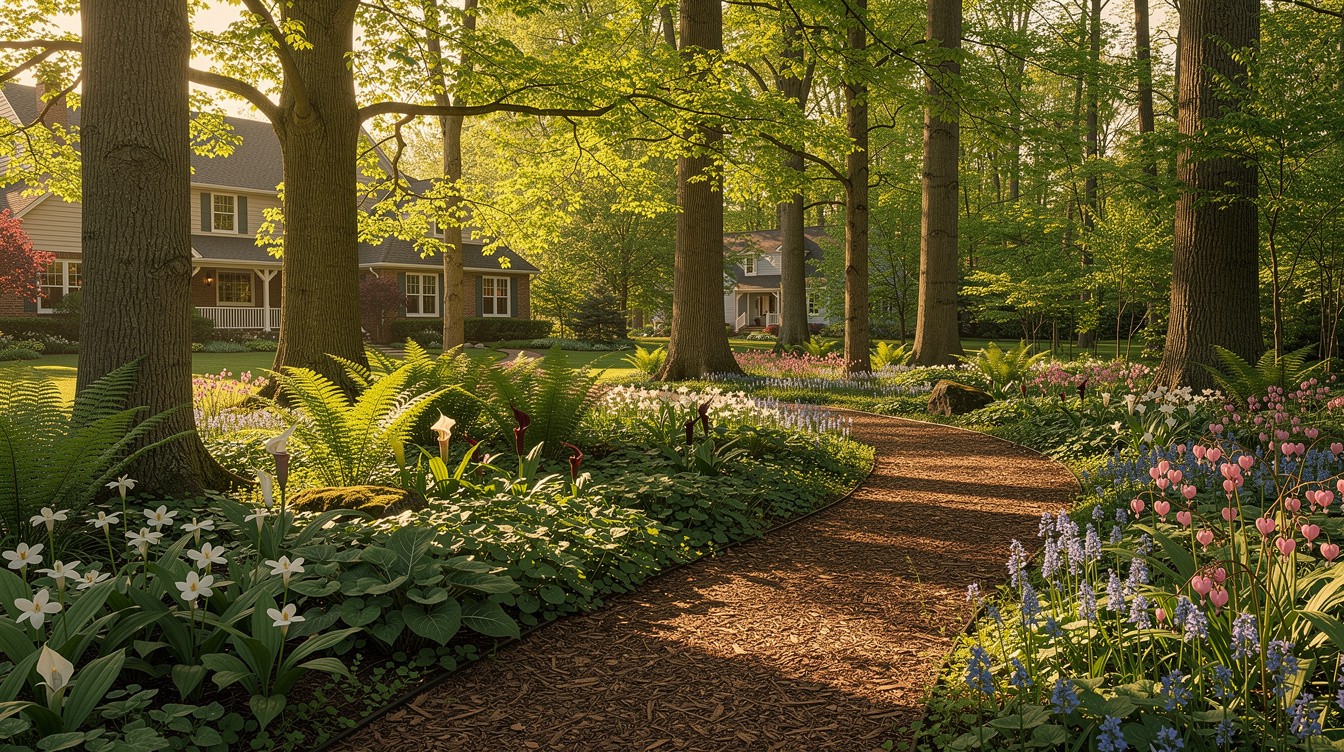
The Great Lakes Woodland Garden
$7–14/sqftA shaded side yard beneath mature maple and beech trees is transformed into a woodland garden carpeted with native shade plants. Wild ginger covers the ground between groupings of trillium, Jack-in-the-pulpit, and ostrich fern. A bark chip path leads from the back garden to the front, bordered by native bleeding heart and woodland phlox. In early May, the trilliums and Virginia bluebells emerge before the canopy leafs out, creating a brief but spectacular spring spectacle. The garden then settles into a cool, textured green through summer.
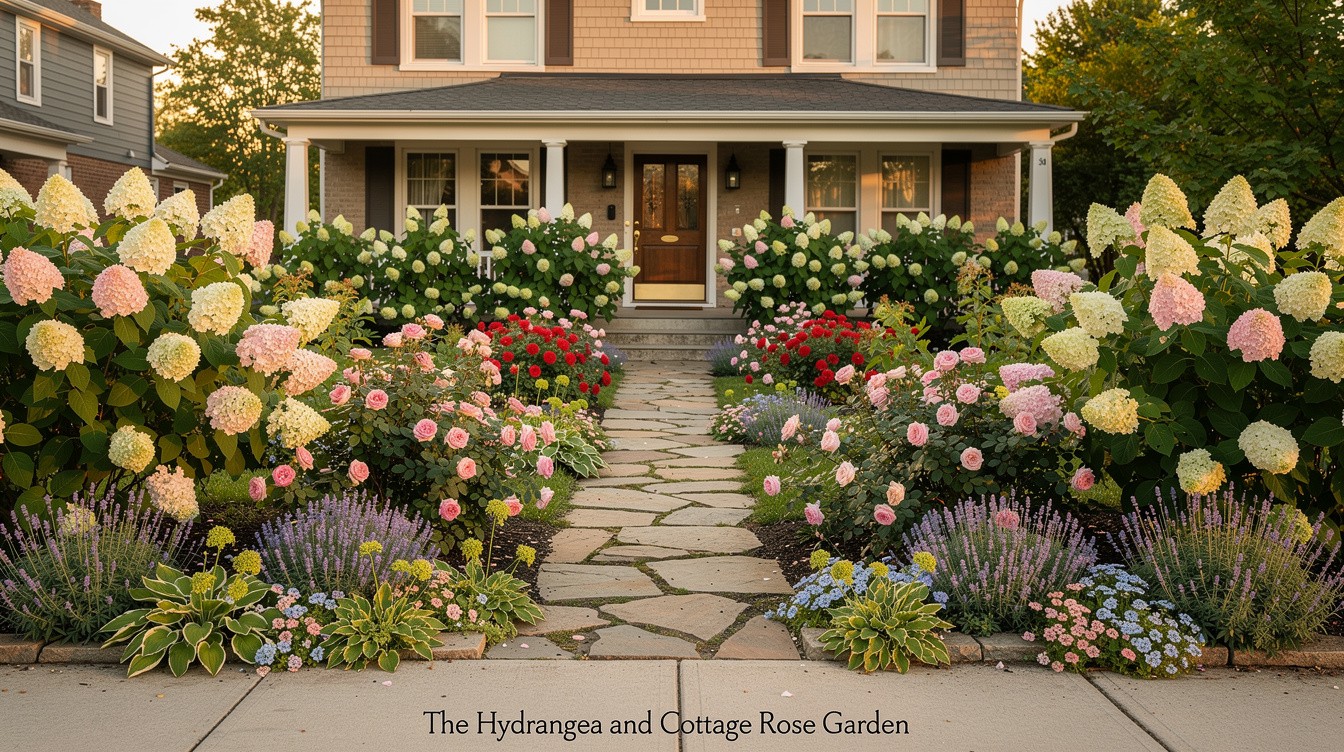
The Hydrangea and Cottage Rose Garden
$10–18/sqftA front yard composition combining panicle hydrangeas as the structural backbone with a cottage rose garden in front. 'Limelight' or 'Little Lime' hydrangeas anchor the corners, their white-green-to-pink blooms dominating August and September. Roses — a mix of Knock Out and heritage shrub varieties — fill the middle tier. Catmint, lady’s mantle, and creeping phlox spill over the front edging. A flagstone path from the sidewalk to the front steps cuts through the center. In Buffalo’s moist summers, this composition is reliably lush and low-maintenance.
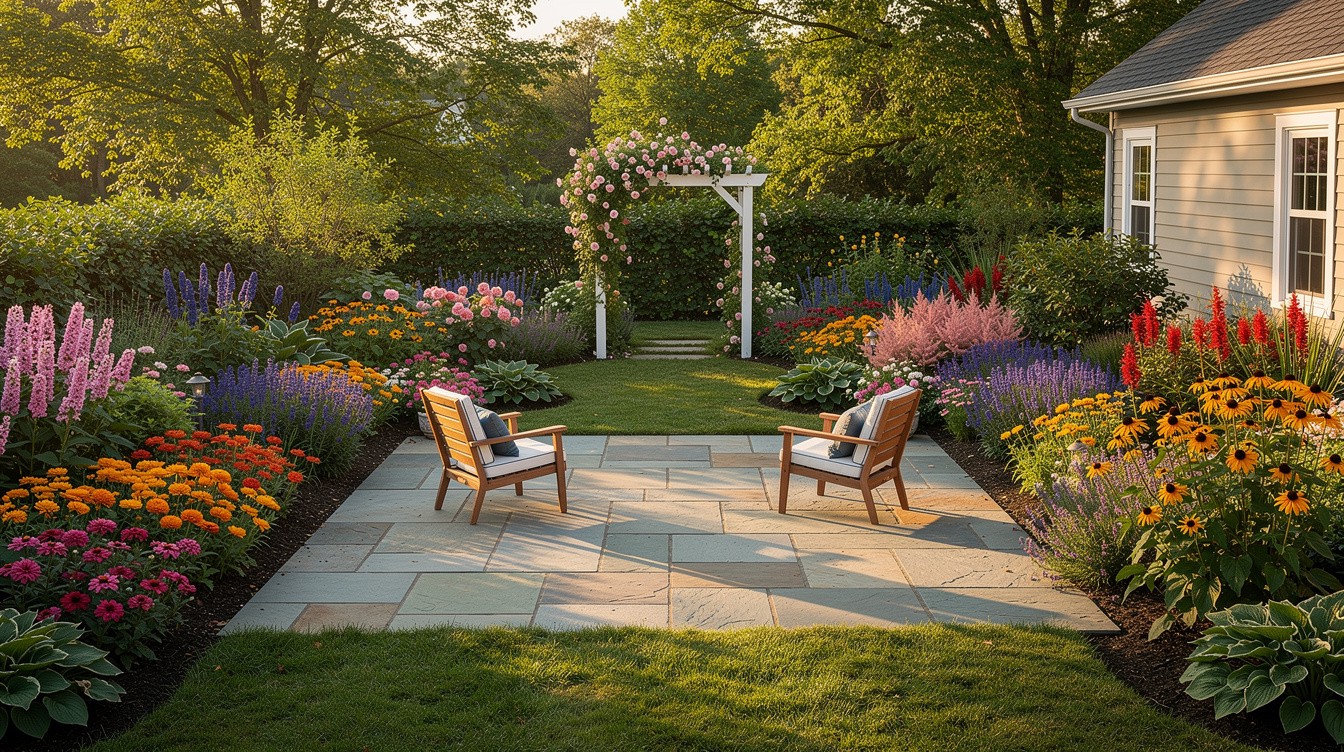
The Cottage Backyard with Patio and Cutting Garden
$14–26/sqftA backyard patio of natural bluestone or slate is surrounded on three sides by deep cottage borders. One border contains the cutting garden: zinnias, dahlias, rudbeckia, and larkspur in rows accessible from a grass path. The other two borders are perennial: astilbe, hosta, coneflower, and native cardinal flower in the shadier spots; phlox, rudbeckia, and salvia in the sun. A simple arbor at the back of the garden supports climbing roses or clematis. In Buffalo’s humid summers, this garden needs little water and supports continuous cut flower production from June through frost.
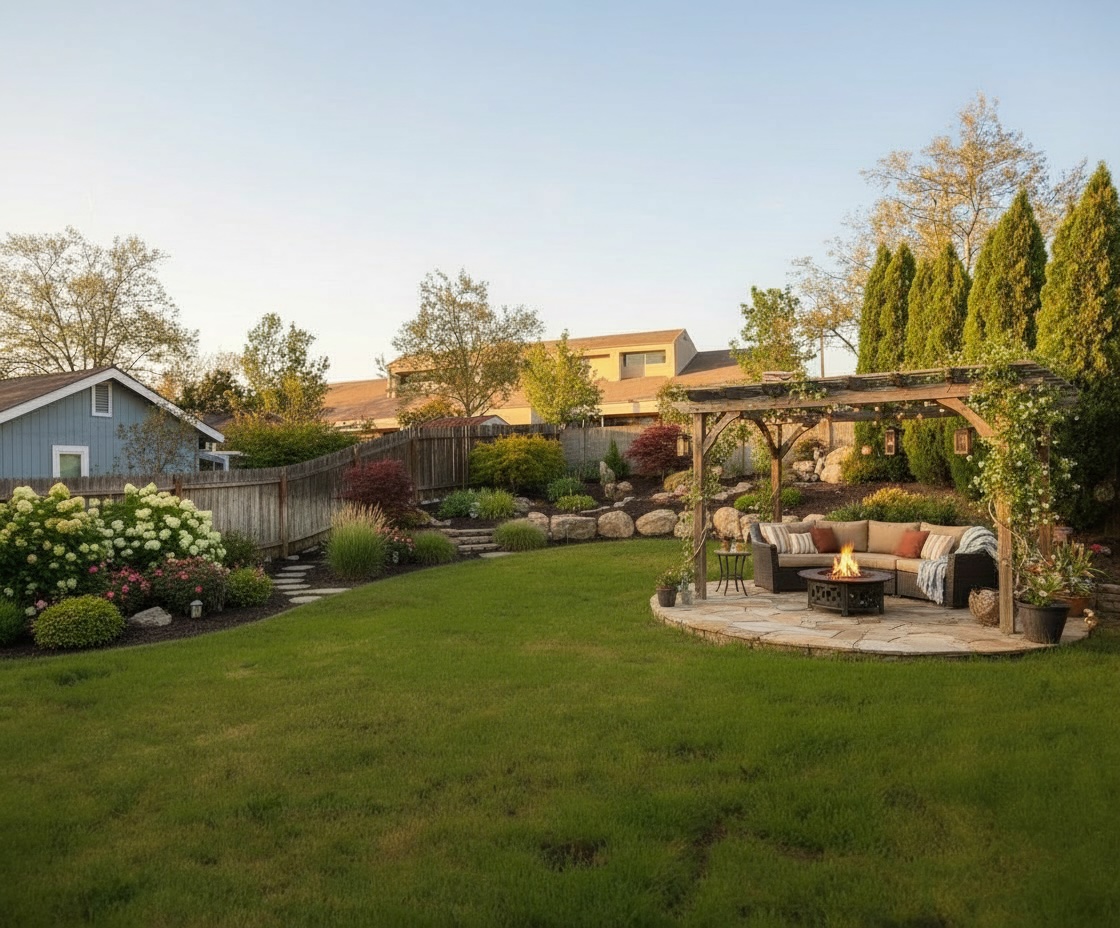
See how a cottage/english garden looks on YOUR property
Upload a photo of your Buffalo yard and visualize your dream garden in seconds.
Try ProScapeAI Free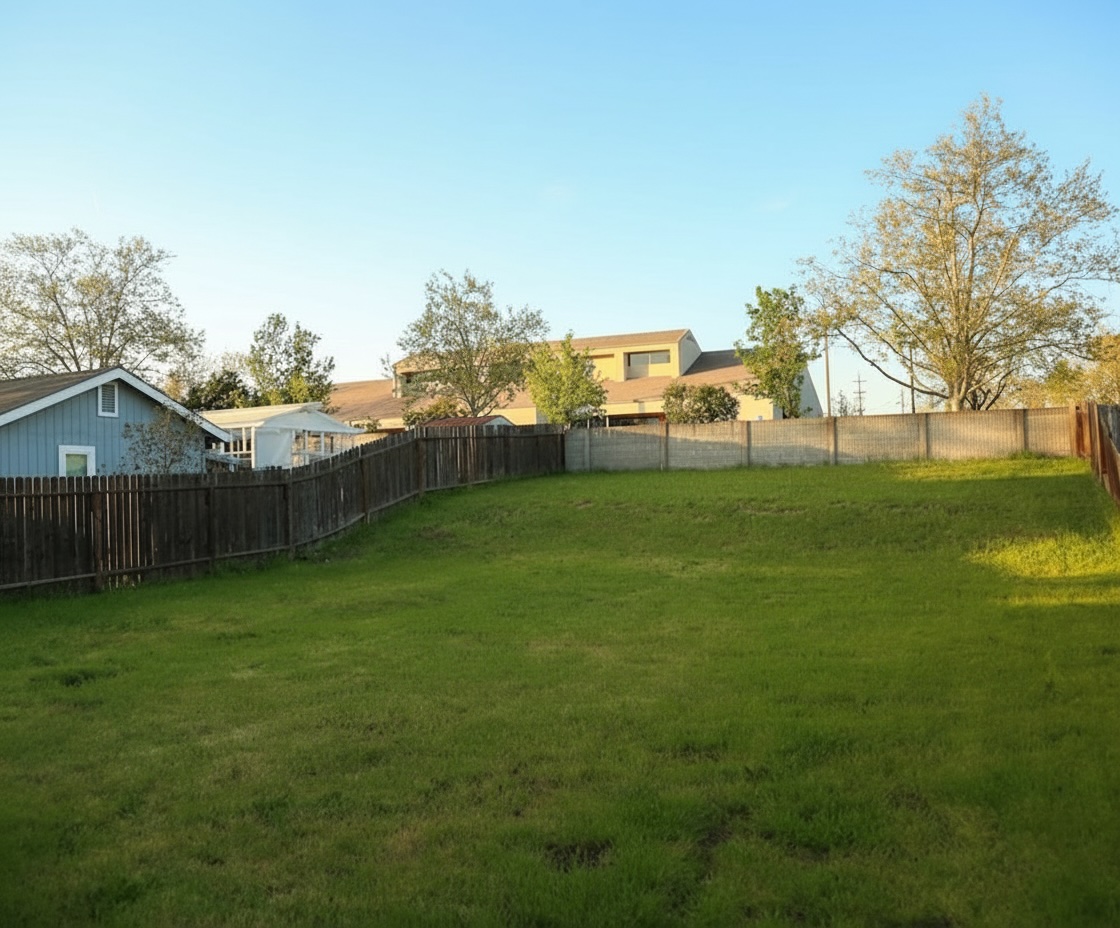
Featured Trees & Shrubs for Cottage/English Gardens
Browse all 248 plants for Buffalo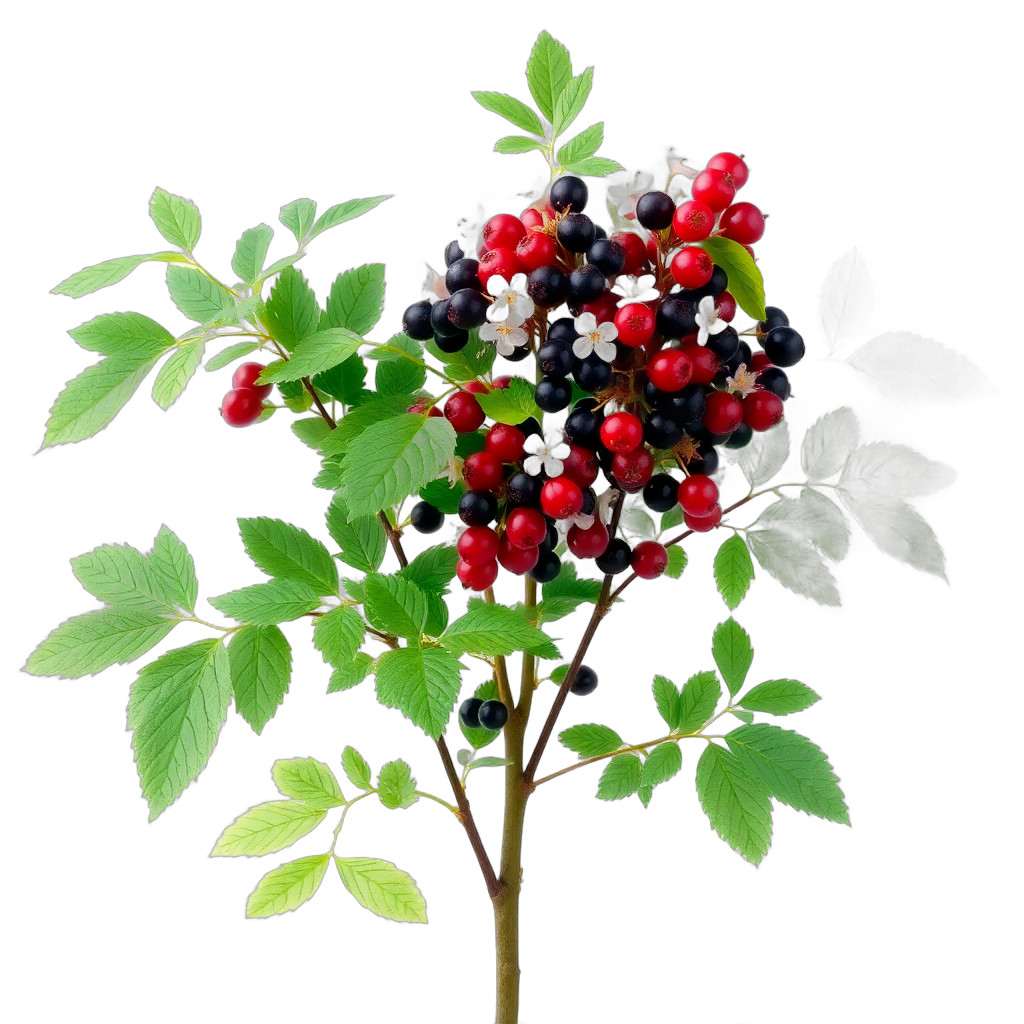
American Black Currant
Ribes americanum
grows to 5 feet, white,yellow blooms in spring. Attracts hummingbirds.
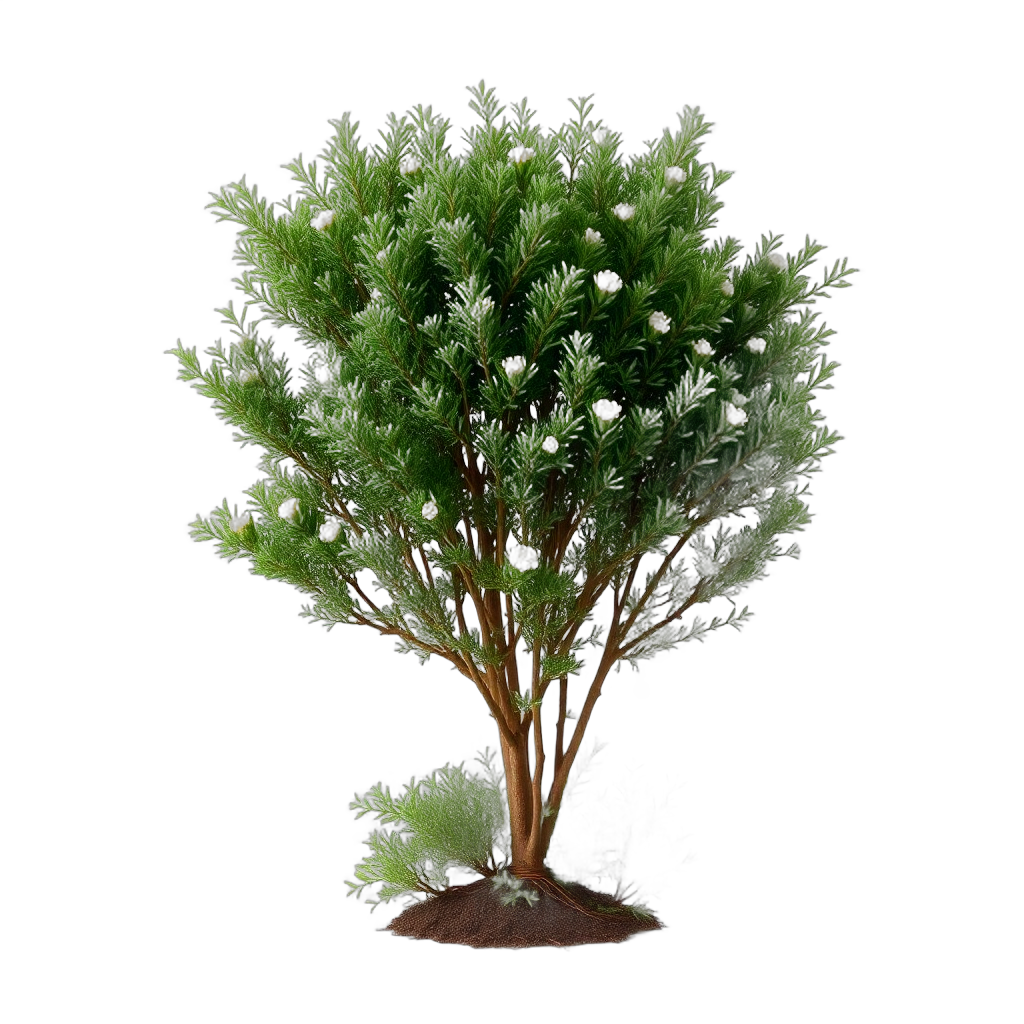
Creeping Juniper
Juniperus horizontalis
low-growing ground cover, blooms in spring. Evergreen year-round.
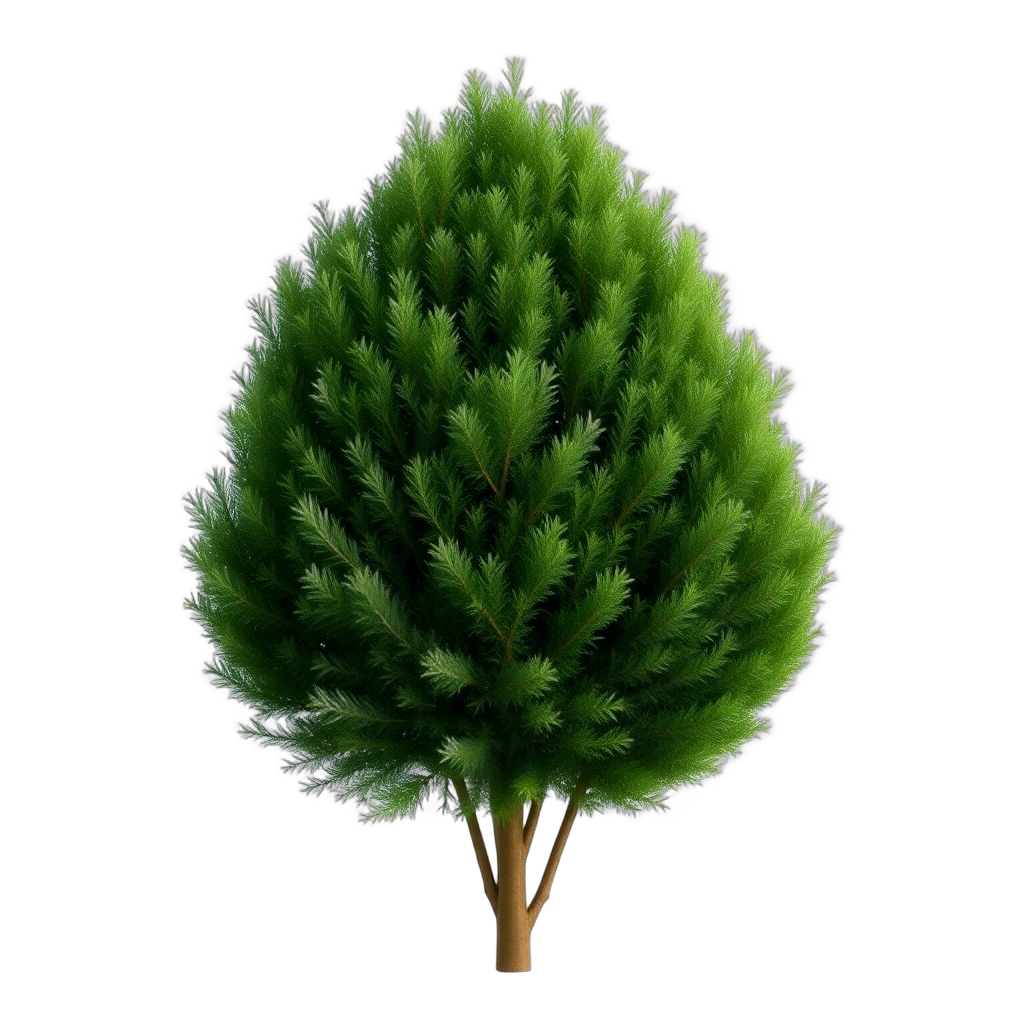
Emerald Arborvitae
Thuja occidentalis 'Emerald'
medium-sized at 14 feet, blooms in spring. Evergreen year-round.

Gray Dogwood
Cornus racemosa
medium-sized at 10 feet, white blooms in spring. Pollinator-friendly.
Featured Grasses & Groundcovers for Cottage/English Gardens
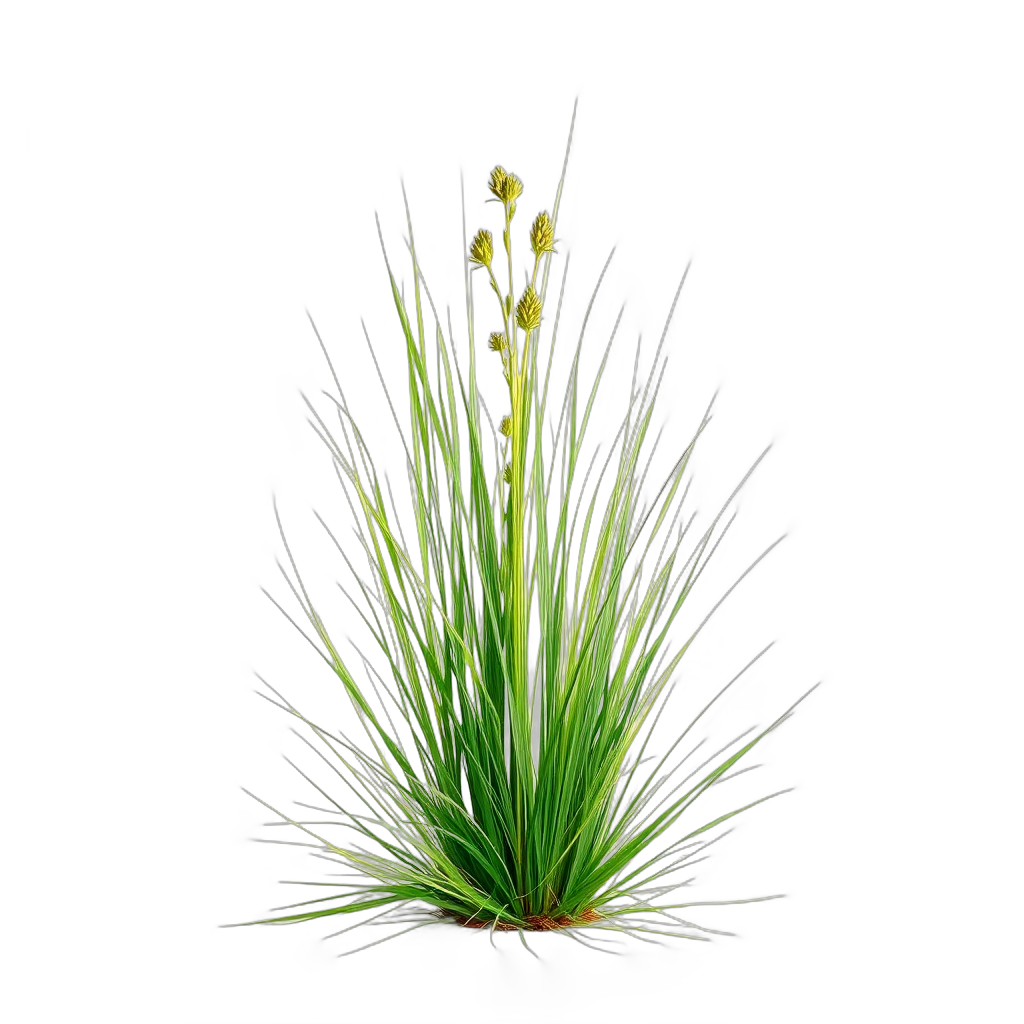
Canada Wild Rye
Elymus canadensis
grows to 4 feet, blooms in summer. Yellow fall color.

Red Fescue
Festuca rubra
low-growing ground cover, blooms in summer.
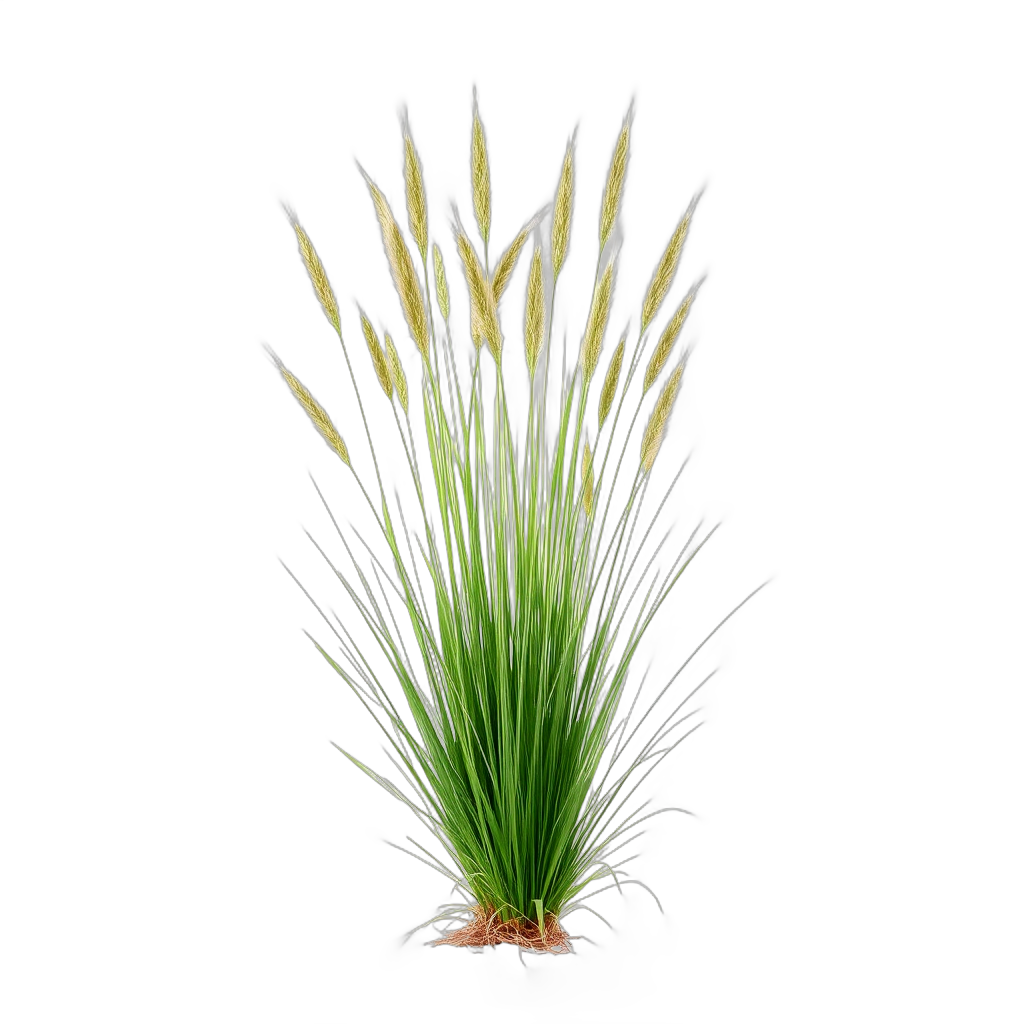
Tufted Hair Grass
Deschampsia cespitosa
grows to 3 feet, yellow blooms in summer. Yellow fall color.
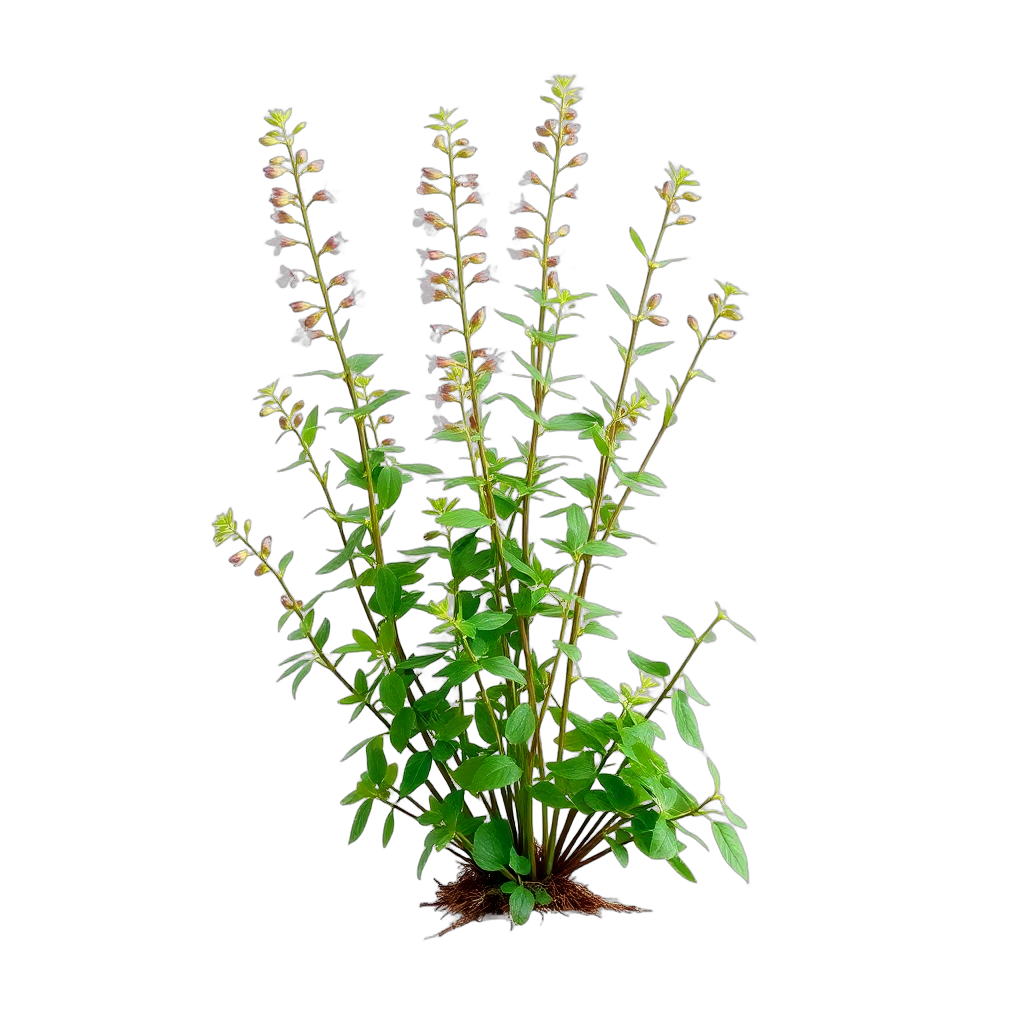
Creeping Jacob's Ladder
Polemonium reptans
low-growing ground cover, blue blooms in spring. Attracts butterflies.
Featured Flowers & Perennials for Cottage/English Gardens
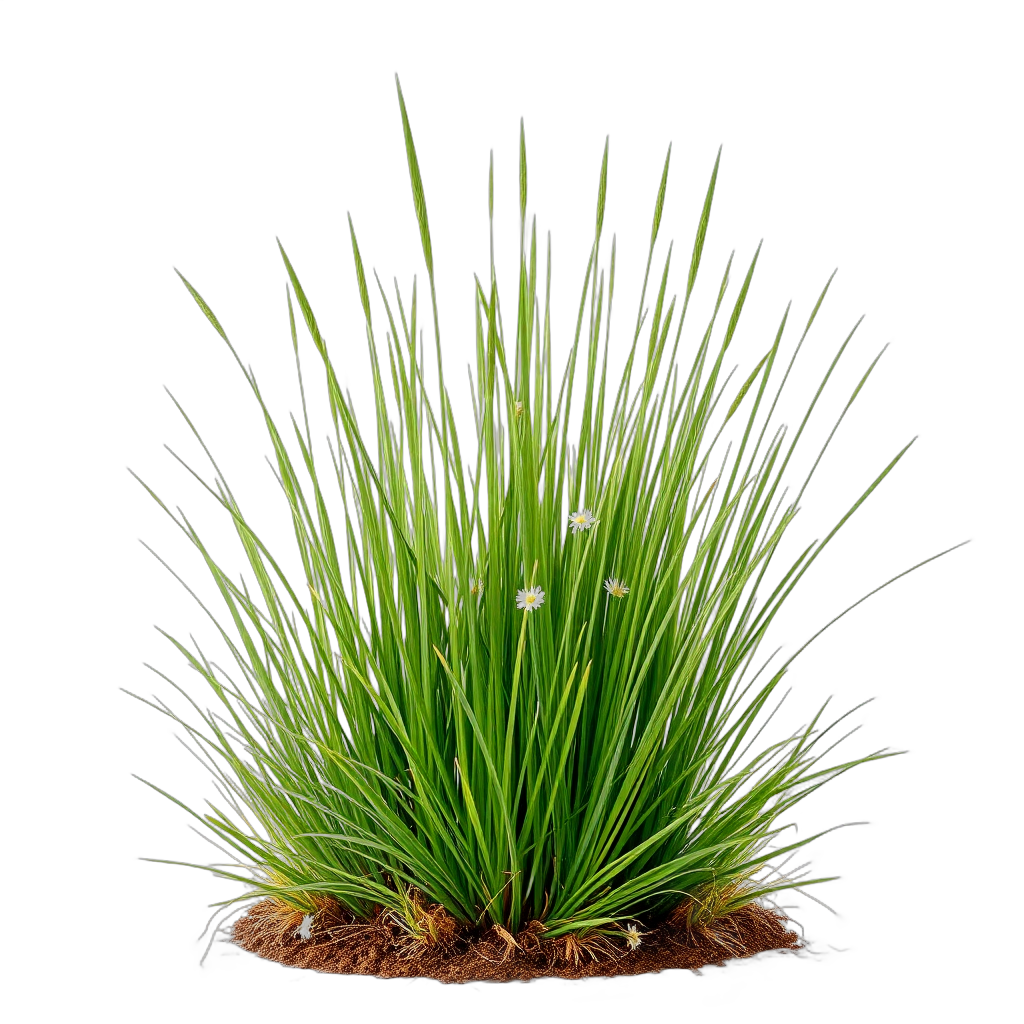
Baltic Rush
Juncus balticus
low-growing ground cover, blooms in summer. Evergreen year-round.
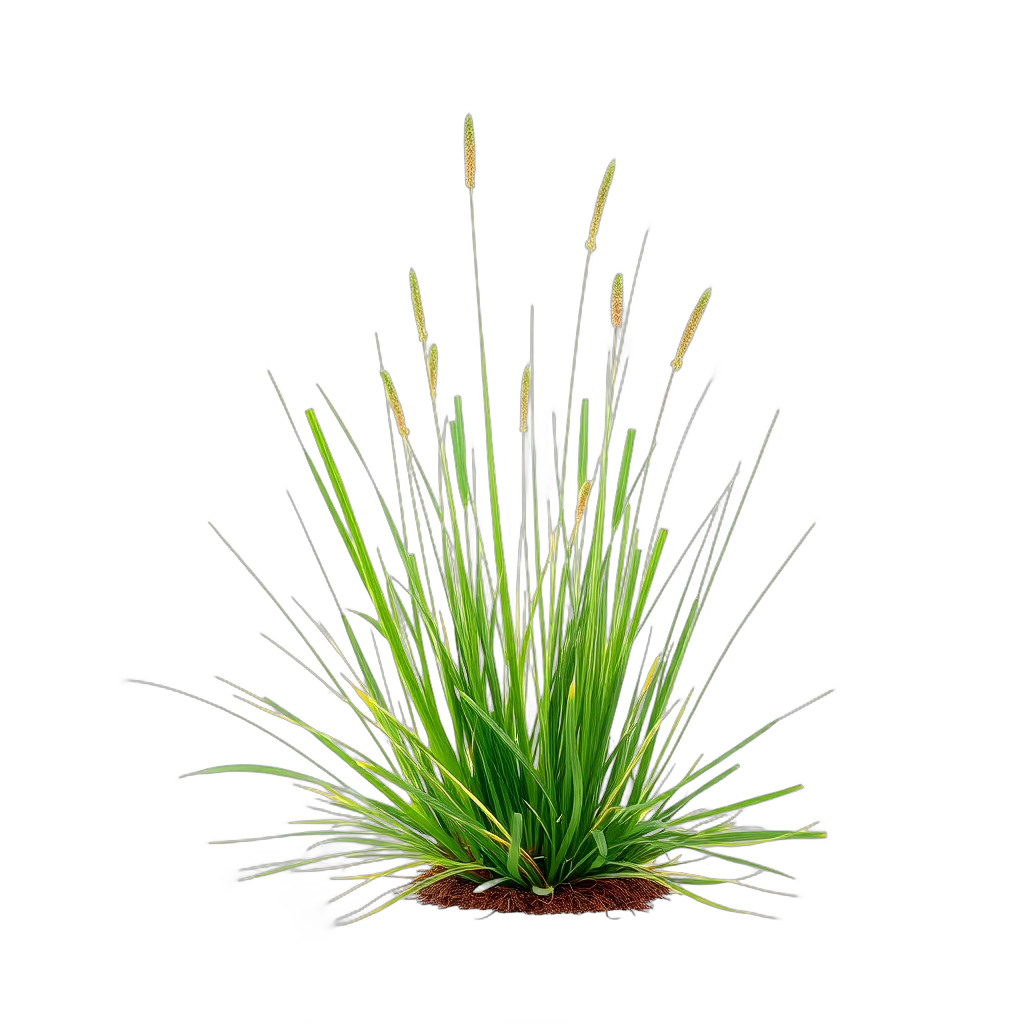
Common Rush
Juncus effusus
grows to 3 feet, blooms in summer. Evergreen year-round.
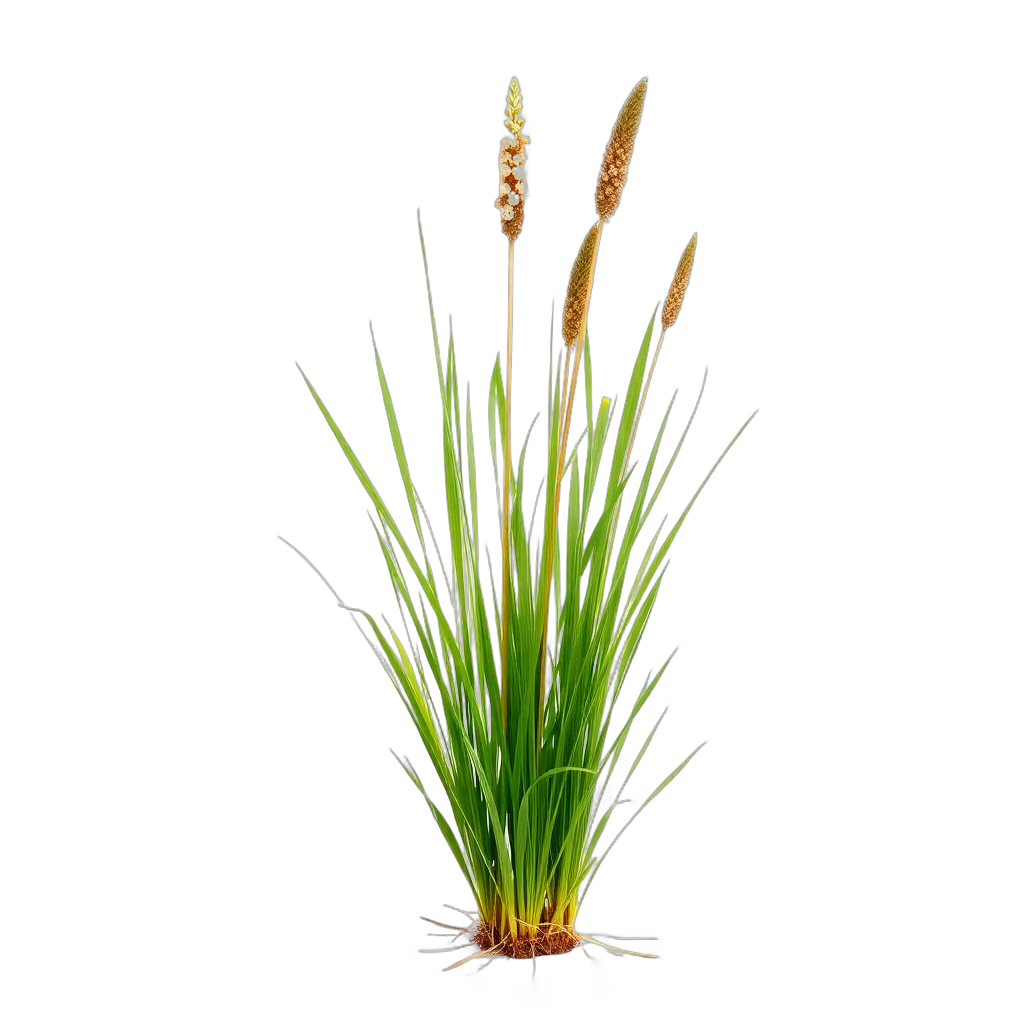
Hardstem Bulrush
Scirpus acutus
medium-sized at 7 feet, blooms in summer.
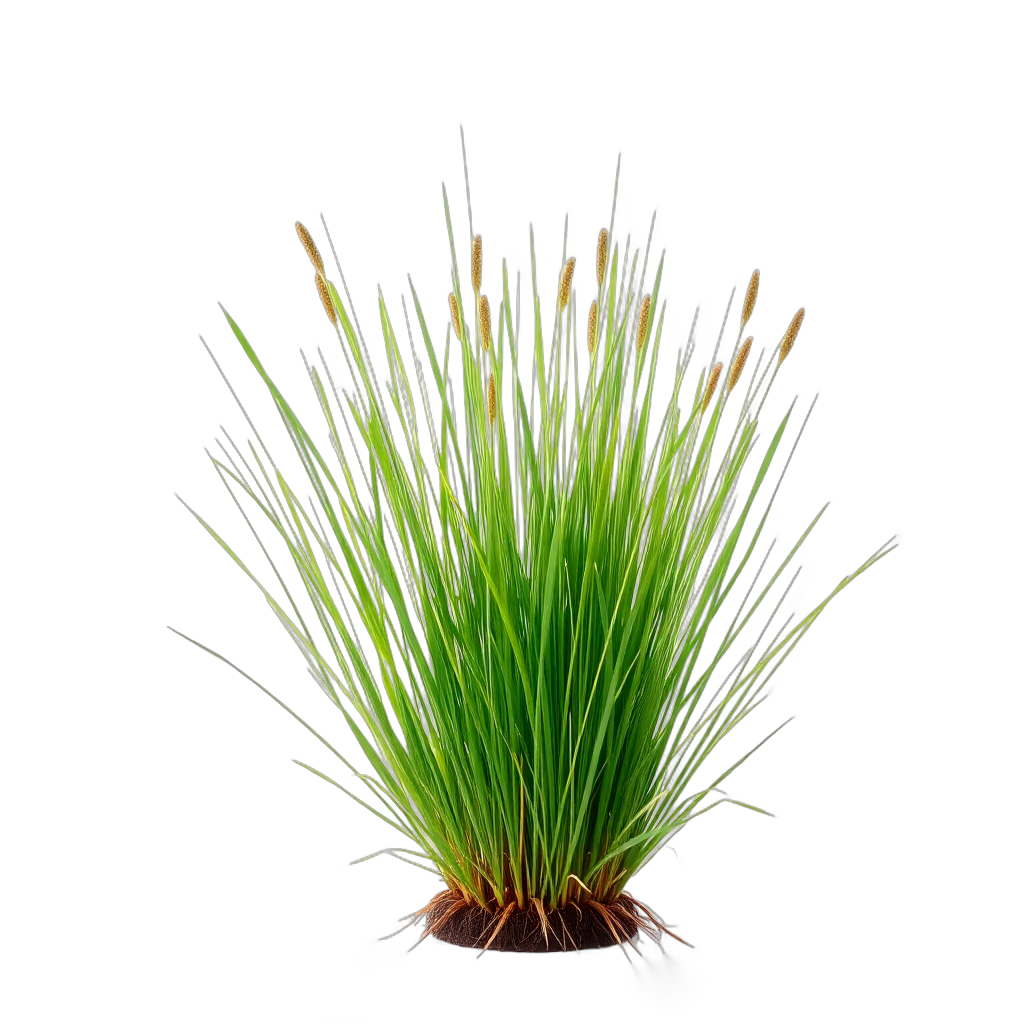
Path Rush
Juncus tenuis
low-growing ground cover, blooms in summer. Evergreen year-round.
Zone and sun checks come from our database — confirm with your local nursery before you buy.
Bloom Calendar for Buffalo
spring
Bellwort, Bloodroot, Blue-Eyed Grasssummer
Baltic Rush, Common Rush, Hardstem Bulrushfall
Pink Turtleheadwinter
Limited bloomsDesign Tips for Buffalo (Zone 6a)
- Amend Buffalo’s heavy clay soil with compost before planting any cottage border — 2–3 inches of compost worked into the top 12 inches makes the difference between struggling plants and lush growth
- Plant panicle hydrangeas (Limelight, Little Lime, Quick Fire) as your primary structural shrub in a Buffalo cottage garden — they are bulletproof in Zone 6a, require no deadheading, and bloom reliably August through October when little else is at peak
- Leave cottage garden stems standing all winter for bird habitat and insect overwintering — cut back in one efficient session in late March when forsythia begins to bloom
- Incorporate native ferns (ostrich, cinnamon, royal) in shaded areas of your cottage border — they thrive in Buffalo’s moist conditions and provide fresh green through summer even when flowers fade
- Visit the Buffalo and Erie County Botanical Gardens for plant inspiration and to see what thrives specifically in Western New York’s climate before committing to expensive plant purchases
- Use cobblestone or bluestone edging materials rather than plastic — Buffalo’s freeze-thaw cycles destroy plastic lawn edging in 2–3 seasons; natural stone or steel stays crisp indefinitely
Where to Source Plants in Buffalo
Skip the big-box stores. These independent Buffalo nurseries specialize in the plants that make cottage/english gardens thrive in Zone 6a.
Russell’s Tree and Shrub Farm
WNY / Hamburg area
Trees, shrubs, and perennials serving Buffalo, Amherst, Hamburg, and Orchard Park — excellent native and cottage plant selection
Lincoln Park Nursery
Amherst / Cambria
Native and adapted plants for Western New York — two convenient Buffalo-area locations
Zehr’s on the Lake Garden Center
North Buffalo / Northtowns
25+ years serving Buffalo, Amherst, Williamsville — annuals, perennials, and cottage garden staples
Lavocat’s Family Greenhouse & Nursery
Buffalo area
Family-run nursery with deep WNY expertise and strong cottage plant selection
Masterson’s Garden Center
East Aurora
Full-service garden center in the Buffalo suburb of East Aurora — natives, perennials, and landscape plants
Cottage/English Landscaping Costs in Buffalo
| Project Scope | Estimated Cost |
|---|---|
| Front cottage border installation (400–600 sqft) | $3,000 – $9,000 |
| Bluestone or slate patio (200–300 sqft) | $4,000 – $9,000 |
| Soil amendment with compost (per cubic yard delivered) | $35 – $60/cubic yard |
| Wood arbor or pergola installation | $2,500 – $8,000 |
| Full backyard cottage garden transformation (1,000 sqft) | $12,000 – $25,000 |
| Landscape design fee (local Buffalo designer) | $500 – $2,500 |
| AI visualization with ProScapeAI | Free to start |
Estimates based on Buffalo, NY-area contractor rates as of 2026. Actual costs vary by site conditions, materials, and contractor.
Buffalo Climate & Growing Zone
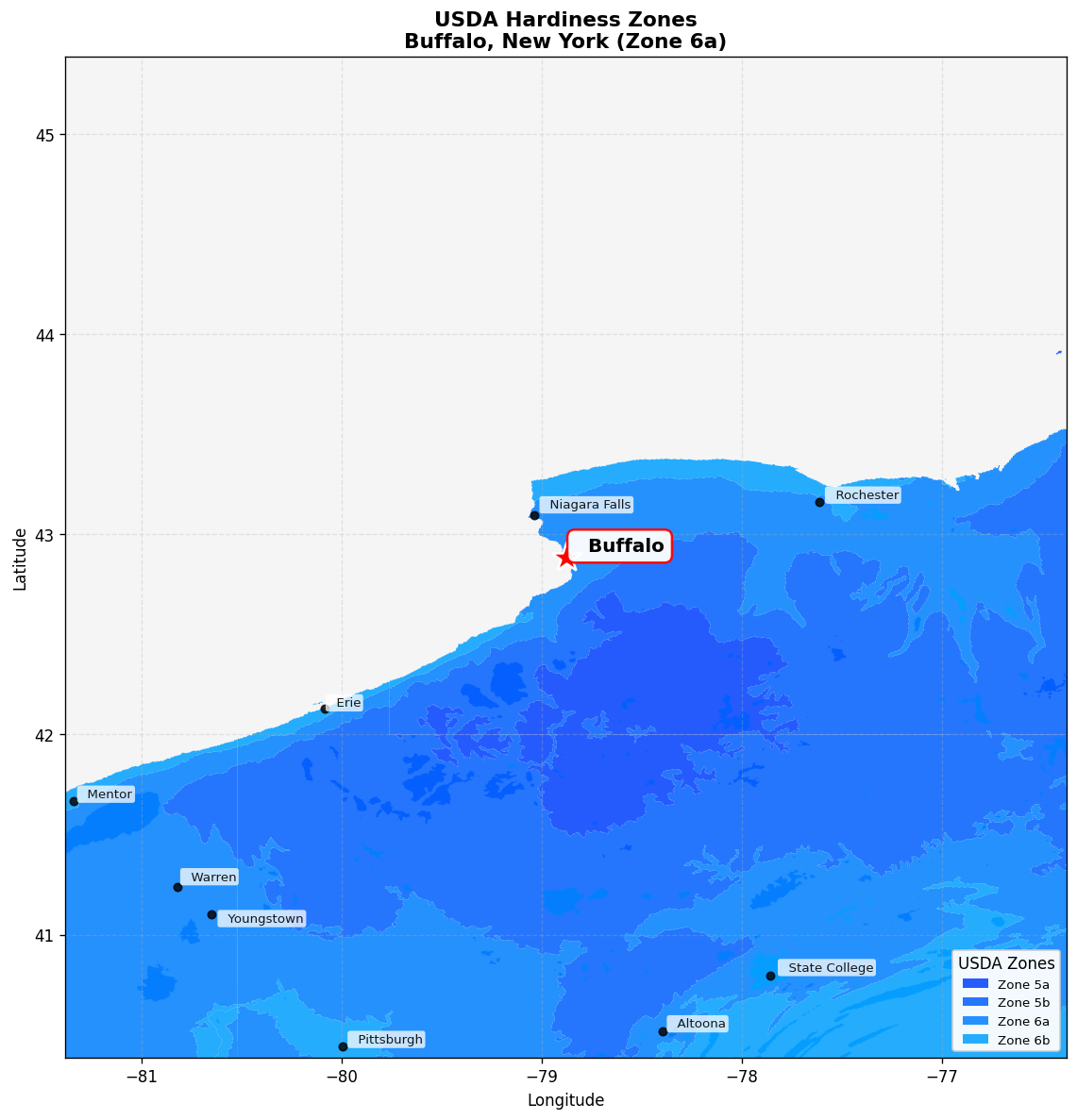
USDA Zone 6a
Hardiness zone for Buffalo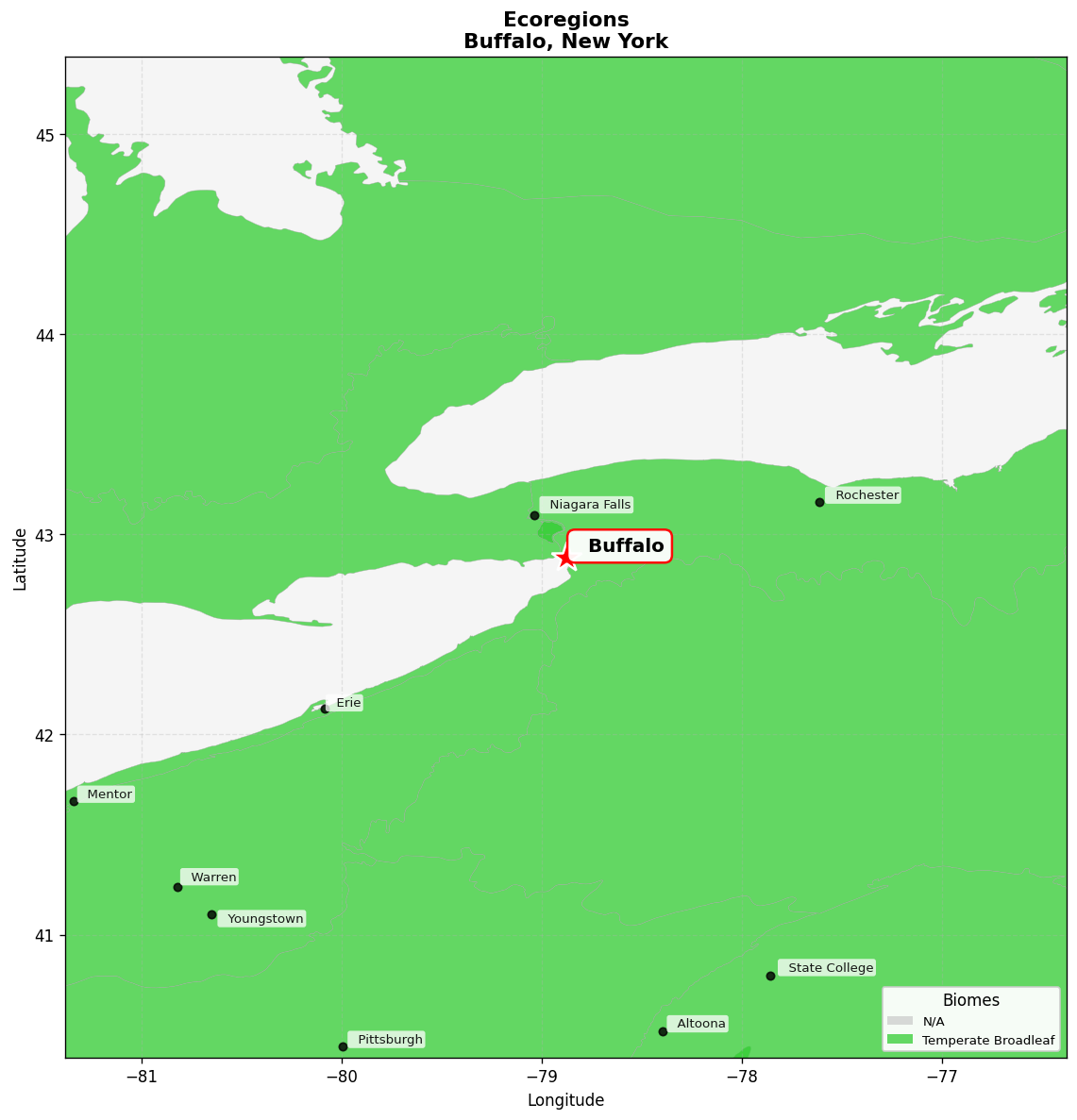
Eastern Great Lakes lowland forests
Native ecoregionFrequently Asked Questions
What plants grow best in Buffalo’s Zone 6a climate?
Buffalo’s Zone 6a and lake-moderated climate supports an exceptional plant range. Reliable performers include: peonies (thrive in Buffalo’s cold winters and don’t need much summer heat), panicle hydrangeas (H. paniculata — reliably hardy to Zone 3), astilbe (loves Buffalo’s moist conditions), hostas (excellent in the city’s shady lots), tall garden phlox (native to the region), cardinal flower (thrives in Buffalo’s wet areas), Knock Out and shrub roses, and native ferns. The Great Lakes lowland forest natives — trilliums, wild ginger, and ostrich fern — are particularly well-suited to Buffalo’s shaded urban lots.
How do I handle Buffalo’s heavy clay soils in a cottage garden?
Buffalo sits on heavy glacial lake clay that drains poorly and compacts easily. The fix: annual compost additions of 2–3 inches incorporated into the top 12 inches of soil in the first 2–3 years of garden establishment. Raised beds work even better — build them 12–18 inches high with a 50/50 mix of topsoil and compost. Native plants like ostrich fern, cardinal flower, and Joe Pye weed are adapted to heavy moist soils and will grow better in Buffalo’s clay than in amended sandy soil. Avoid planting lavender, Russian sage, and other Mediterranean plants that need sharp drainage.
How much does a cottage garden cost in Buffalo?
Cottage garden installation in Buffalo typically runs $7–18 per square foot depending on plant density and hardscape included. A 400-600 sqft front border transformation with compost amendment, steel edging, mulch, and plants runs $3,000–9,000. Adding a bluestone patio (200–300 sqft) adds $4,000–8,000. Full backyard cottage garden transformations for a typical Buffalo lot run $12,000–25,000. Request quotes from local companies like Grabber & Sons or Russell’s Tree & Shrub for current 2025 pricing.
Does snow and winter damage hurt a Buffalo cottage garden?
Buffalo’s famous lake-effect snow is actually beneficial for most cottage garden plants — the snow insulates plant crowns from extreme cold and prevents the freeze-thaw heaving that damages plants in more exposed climates. Leave perennial stems standing through winter for additional insulation and bird habitat; cut back in late March before new growth emerges. The real winter risks in Buffalo are: salt spray from road treatment (avoid salt-sensitive plants within 10 feet of the road), heavy wet snow breaking woody shrubs (shake off accumulation from shrubs promptly), and early March frost cracking newly mulched beds.
When is the best time to garden in Buffalo?
Buffalo’s last reliable frost is around May 10–15, though frosts can occur into late May in exposed locations near the lake. The primary planting window is mid-May through June for tender annuals and May 1 onwards for cold-hardy perennials, shrubs, and trees. Fall planting (September–October) is excellent for perennials and woody plants — Buffalo’s reliable fall rains and mild autumns give roots 6–8 weeks to establish before winter. The active garden season runs May through October, with fall foliage and seed heads providing interest through November.
What are the best roses for a Buffalo cottage garden?
Hardy shrub roses are Buffalo’s best cottage garden roses — they survive Zone 6a winters without heavy protection. Top choices: Knock Out series (disease-resistant, repeat blooms May–frost, no deadheading needed); Canadian roses — 'Winnipeg Parks', 'Morden Blush', 'John Davis' (climber) — bred for cold climates; rugosa roses (Rosa rugosa and cultivars) for fragrance, fall hips, and exceptional hardiness; and the 'Carefree' series from Bailey Nurseries. Avoid hybrid teas in Buffalo without significant winter protection; they require burlap wrapping and mounting losses in harsh winters.