4 Cottage Garden Ideas for Philadelphia, PA | English Garden Design in Zone 7b
Native plants from the Mid-Atlantic US coastal savannas (Zone 7b) — Humid subtropical climate
Why Cottage/English Gardens in Philadelphia?
Philadelphia may be the best-kept secret in American cottage gardening. While the English cottage style was born in the British countryside, Philadelphia's humid summers, regular rainfall, and Zone 7b winters closely mirror the conditions that produce the lush, overflowing borders of classic English gardens. Unlike drier cities where you're fighting drought and heat, Philly's consistent summer moisture means cottage perennials — roses, foxgloves, delphiniums, hollyhocks, and lavender — grow with remarkable vigor. The humidity that makes August feel oppressive actually keeps cottage plantings lush through the season without the relentless irrigation demands of hotter, drier climates.
Philadelphia's garden tradition runs deep, and nowhere is this more visible than in Chestnut Hill, Mt. Airy, and Germantown, where Victorian and Craftsman homes sit behind century-old stone walls, established shade trees, and gardens with genuine horticultural history. Society Hill and Queen Village bring the cottage aesthetic to a tighter urban scale — narrow rowhouse lots where a well-planted front garden creates remarkable street presence on just 15–20 feet of width. The city's beloved brick rowhouse vernacular is a natural backdrop for cottage planting: the warm red-orange of old Philadelphia brick against pink roses, lavender, and white foxgloves is one of the most satisfying combinations in urban gardening.
Zone 7b also delivers a genuinely four-season cottage garden with more seasonal range than most American cities. Spring arrives with bulbs and bleeding heart in March and April, roses and perennials peak in May and June, late summer brings coneflowers and rudbeckia, and fall closes with asters and ornamental grasses before a winter framework of seed heads and evergreen structure. Unlike Zone 9b gardens that rest through summer, Philadelphia cottage gardens are at their most spectacular precisely when you most want to spend time outside — May through October.
4 Cottage/English Design Ideas for Philadelphia
AI-generated image
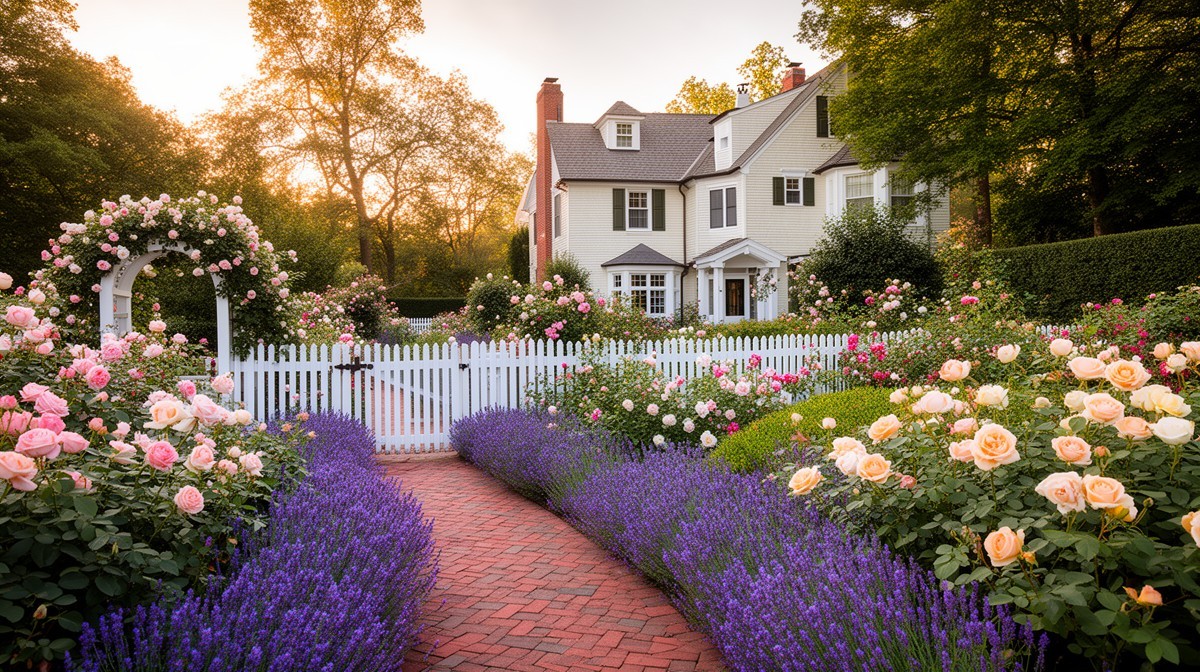
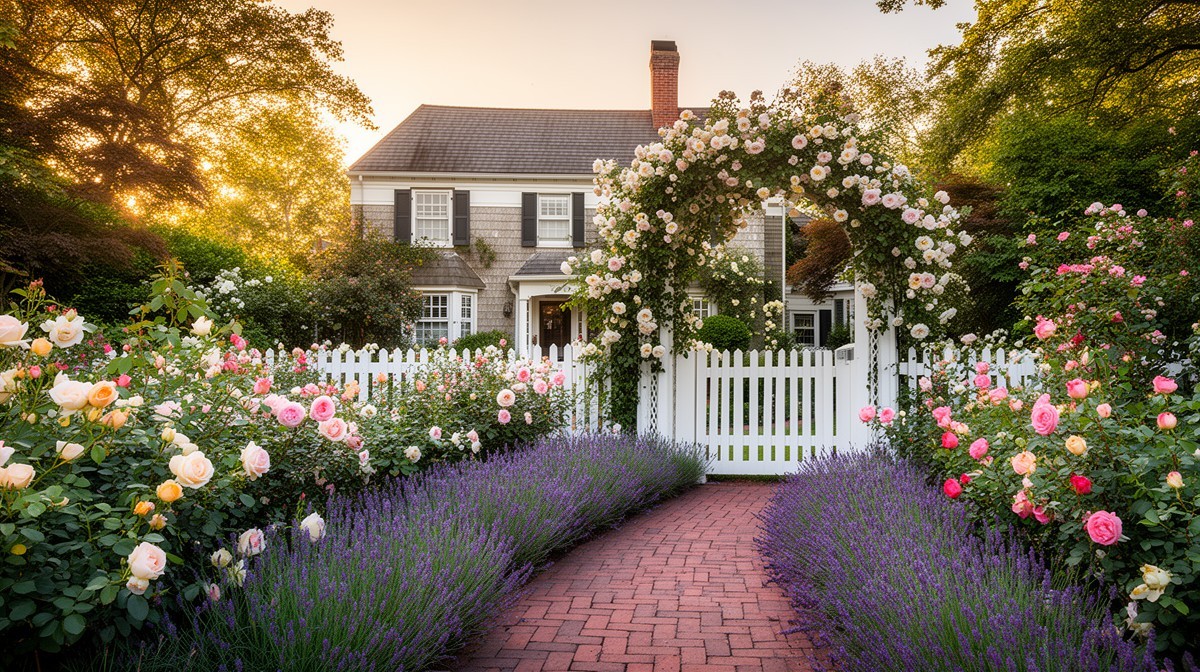
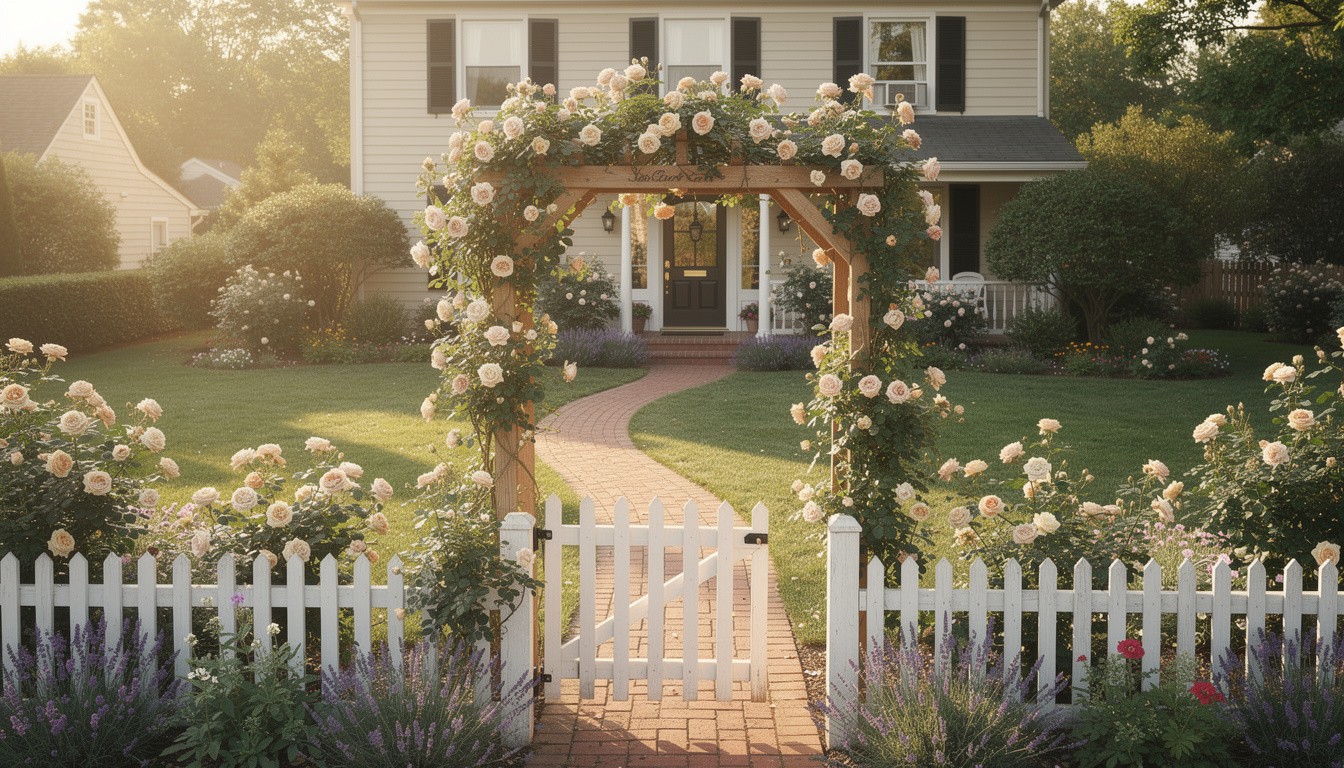
The Rose Gate Entry
$12–22/sqftA white Colonial facade becomes a storybook scene with a wooden climbing rose arch over a picket fence gate, a curved brick path, and mixed cottage borders flanking both sides. Climbing white roses cascade over the arch while lavender and catmint spill at the fence line. In Philadelphia’s rowhouse neighborhoods, the fence line is where the cottage magic happens — a well-designed gate arch with ‘New Dawn’ or ‘Climbing Iceberg’ roses transforms even a narrow 18-foot front yard into something that draws neighbors off the sidewalk. Brick is the natural path material here: it echoes the rowhouse architecture and weathers beautifully into the garden over time.
AI-generated image
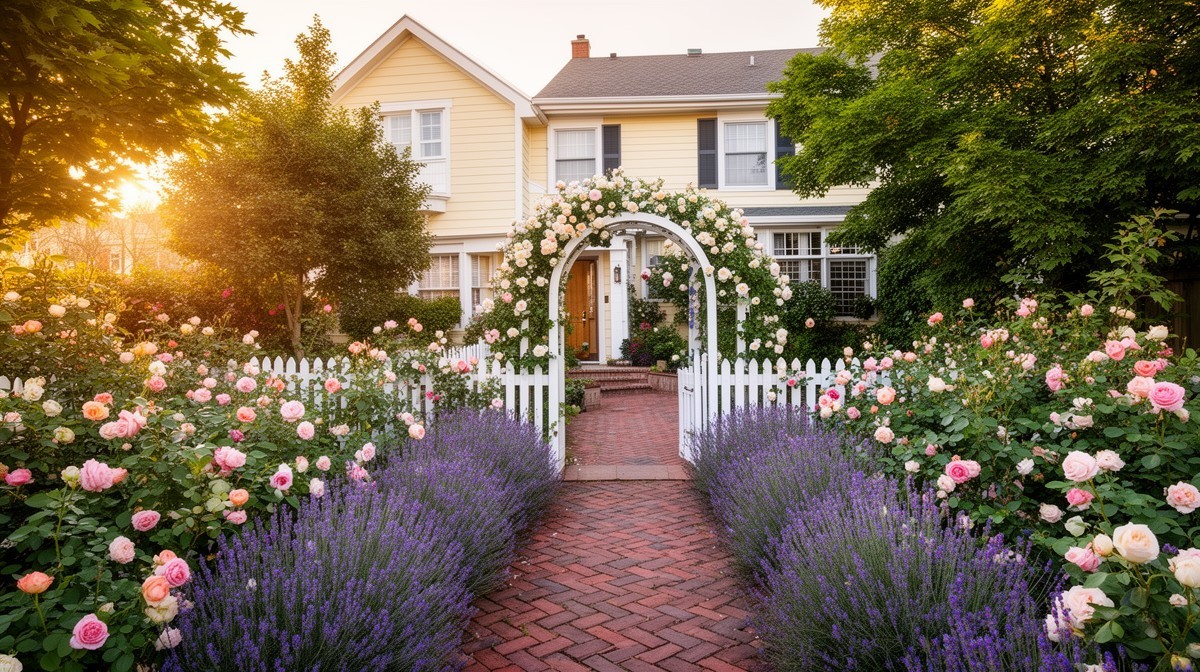
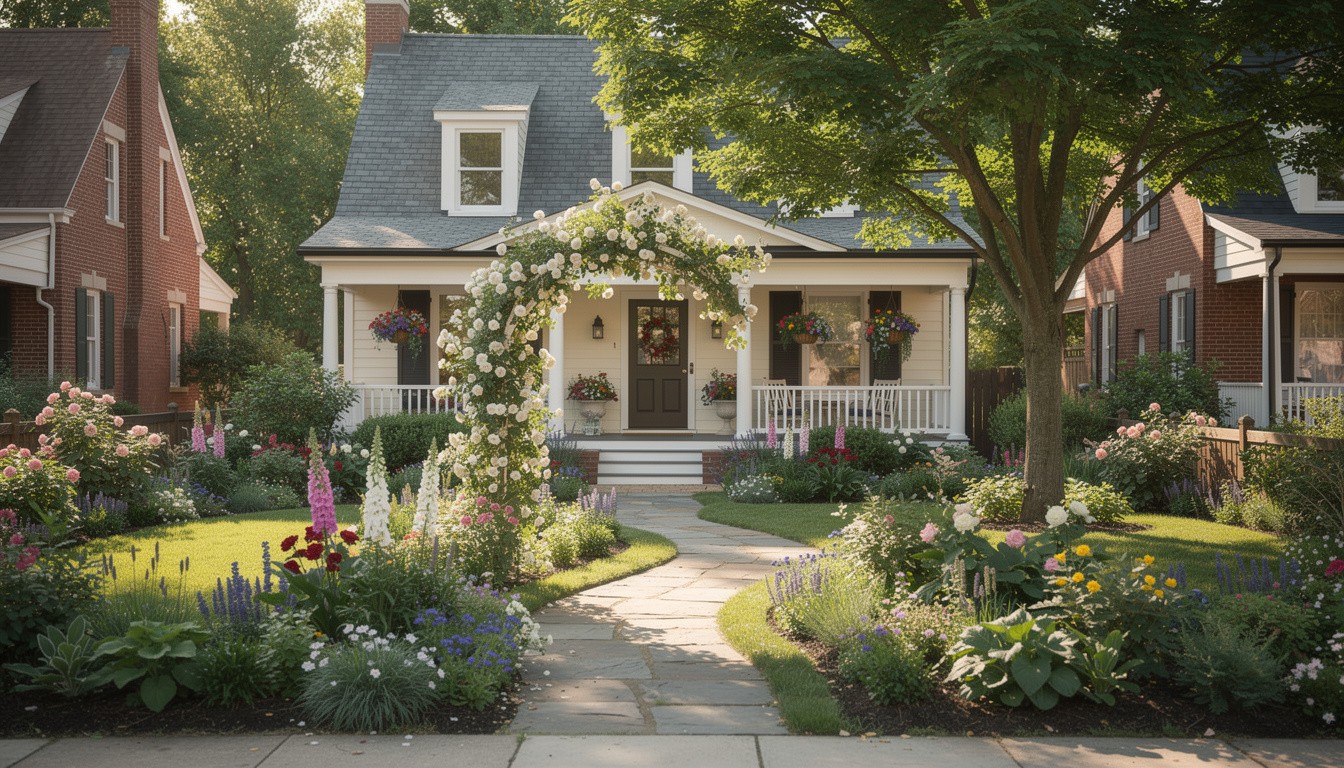
The Victorian Porch Garden
$15–28/sqftA Victorian cottage porch becomes the anchor for a full front garden: a rose arbor draping the entry in white blooms, a flagstone path through dense mixed borders of foxgloves, phlox, daisies, and delphiniums, and a mature shade tree framing the scene against brick rowhome neighbors on both sides. This design works with the shared urban context rather than hiding it. Philly’s Zone 7b means phlox, delphinium, foxglove, and roses all perform without the heat stress that defeats them in Southern cities. The neighbor brick facades become a warm backdrop that makes the cottage planting pop — this is a design that belongs on a Philadelphia block.
AI-generated image
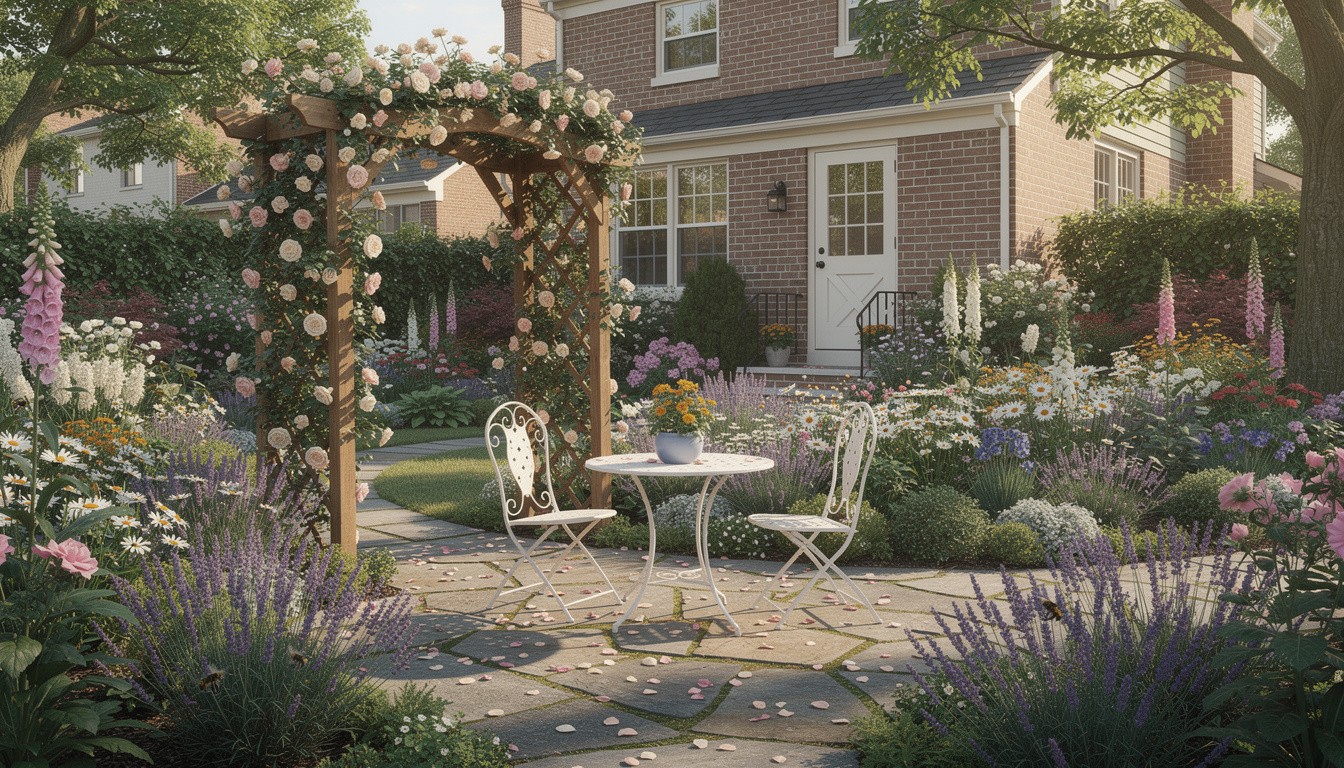
The Cottage Terrace Garden
$20–38/sqftA wooden rose arbor over white bistro chairs, a flagstone patio, and surrounding borders of foxgloves, delphiniums, and lavender create an intimate Philadelphia backyard room with authentic English cottage character. The warm brick wall of the rowhouse provides the perfect backdrop, radiating warmth, protecting from wind, and creating the sheltered microclimate that foxgloves and delphiniums love. Philadelphia’s consistent summer rainfall means these cottage plants grow at full expression without the relentless irrigation they’d need in drier climates.
AI-generated image
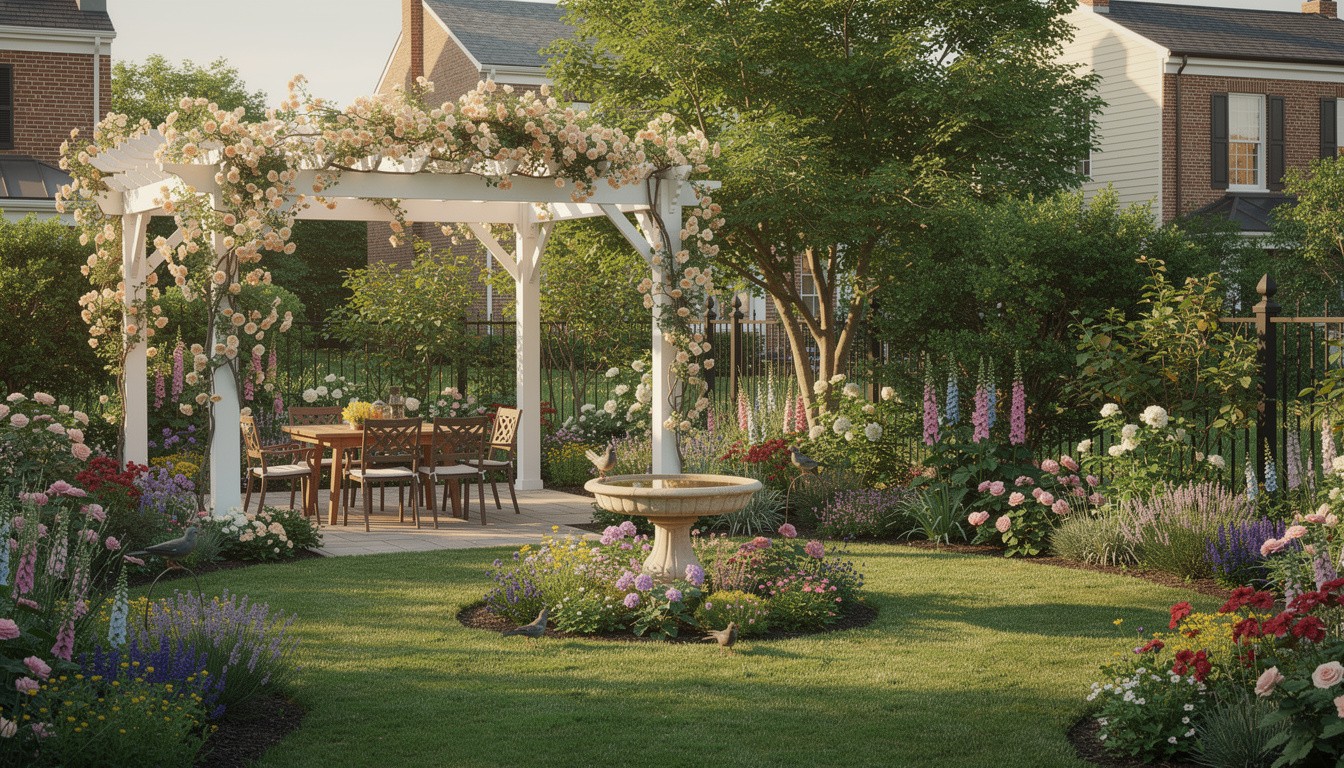
The Pergola Garden Room
$25–50/sqftA white pergola draped in climbing roses and vines anchors the dining area, with a stone bird bath fountain as garden centerpiece, mixed perennial rose borders ringing the lawn, and the warm red-brick of neighboring rowhomes visible as context in the background. The pergola structure is the key move for Philly rowhouse backyards: it defines the outdoor room in a narrow space, gives climbing roses something to work with, and creates vertical interest that makes a small backyard feel lush and complete. The bird bath adds an ornamental focal point that cottage gardens invite naturally.
See how a cottage/english garden looks on YOUR property
Upload a photo of your Philadelphia yard and visualize your dream garden in seconds.
Try ProScapeAI Free
AI-generated image
Featured Trees & Shrubs for Cottage/English Gardens
Browse all 150 plants for Philadelphia
Cabbage Palm
Sabal palmetto
reaches 40 feet tall, white,yellow blooms in spring. Pollinator-friendly.

Windmill Palm
Trachycarpus fortunei
reaches 20 feet tall, yellow blooms in spring. Pollinator-friendly.
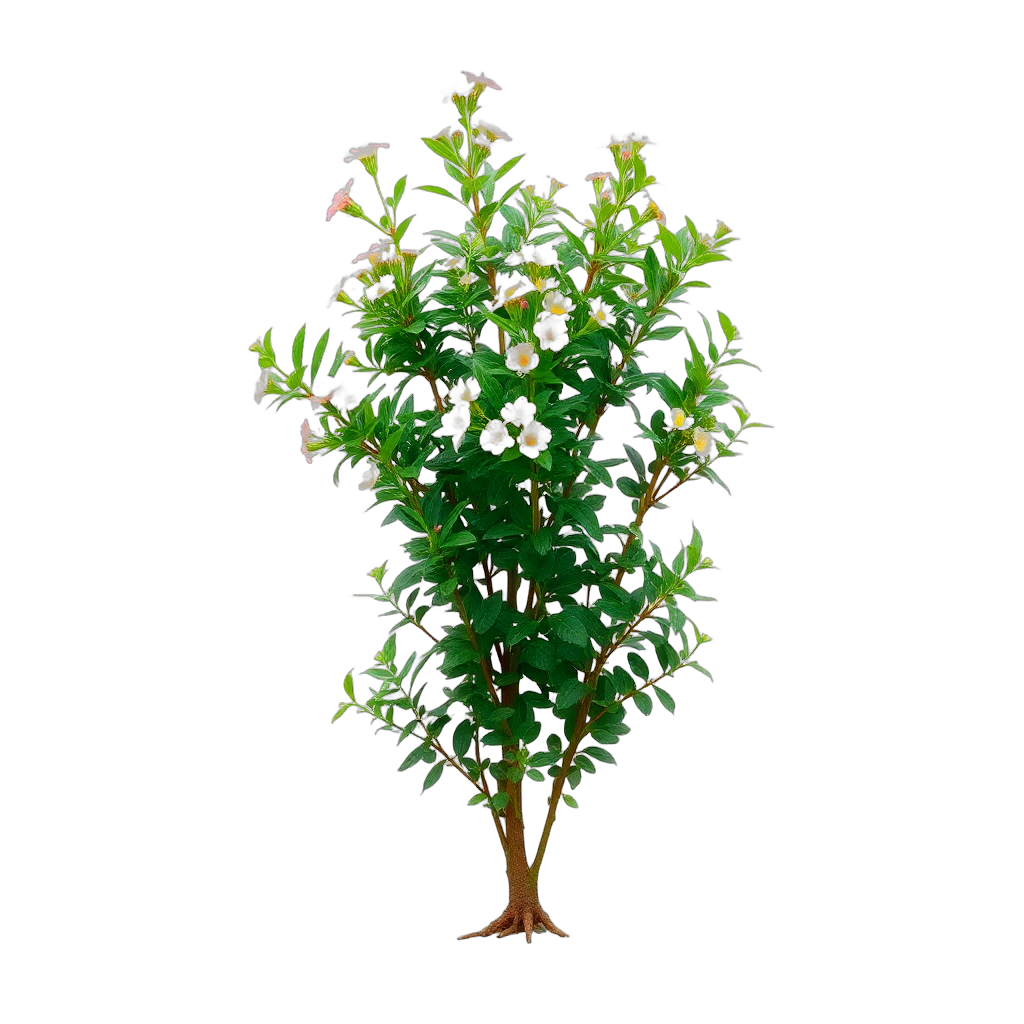
Abbotswood Potentilla
Potentilla fruticosa 'Abbotswood'
low-growing ground cover, white blooms in summer. Attracts butterflies.
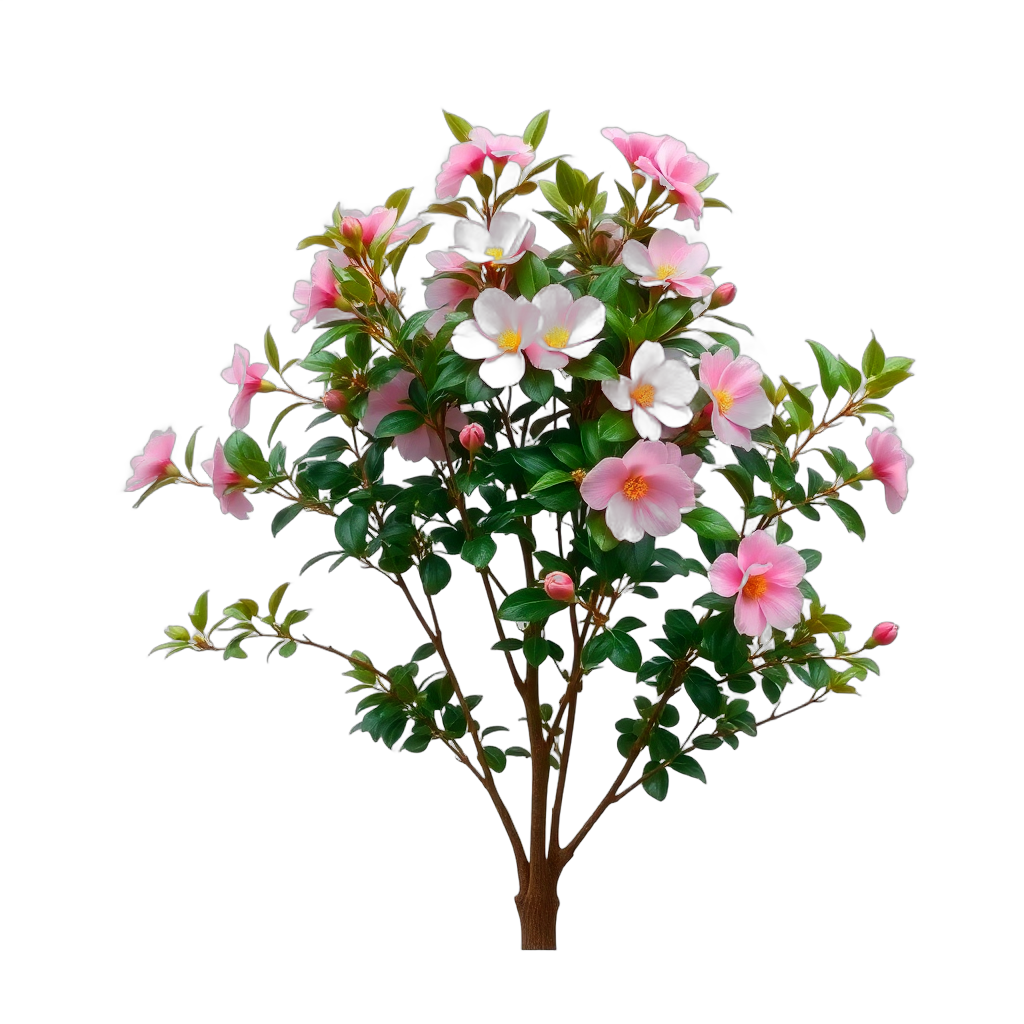
Adolphe Audusson Camellia
Camellia japonica 'Adolphe Audusson'
medium-sized at 12 feet, red blooms in winter. Evergreen year-round.
Featured Grasses & Groundcovers for Cottage/English Gardens

Arrow Bamboo
Pseudosasa japonica
medium-sized at 15 feet, blooms in none. Evergreen year-round.
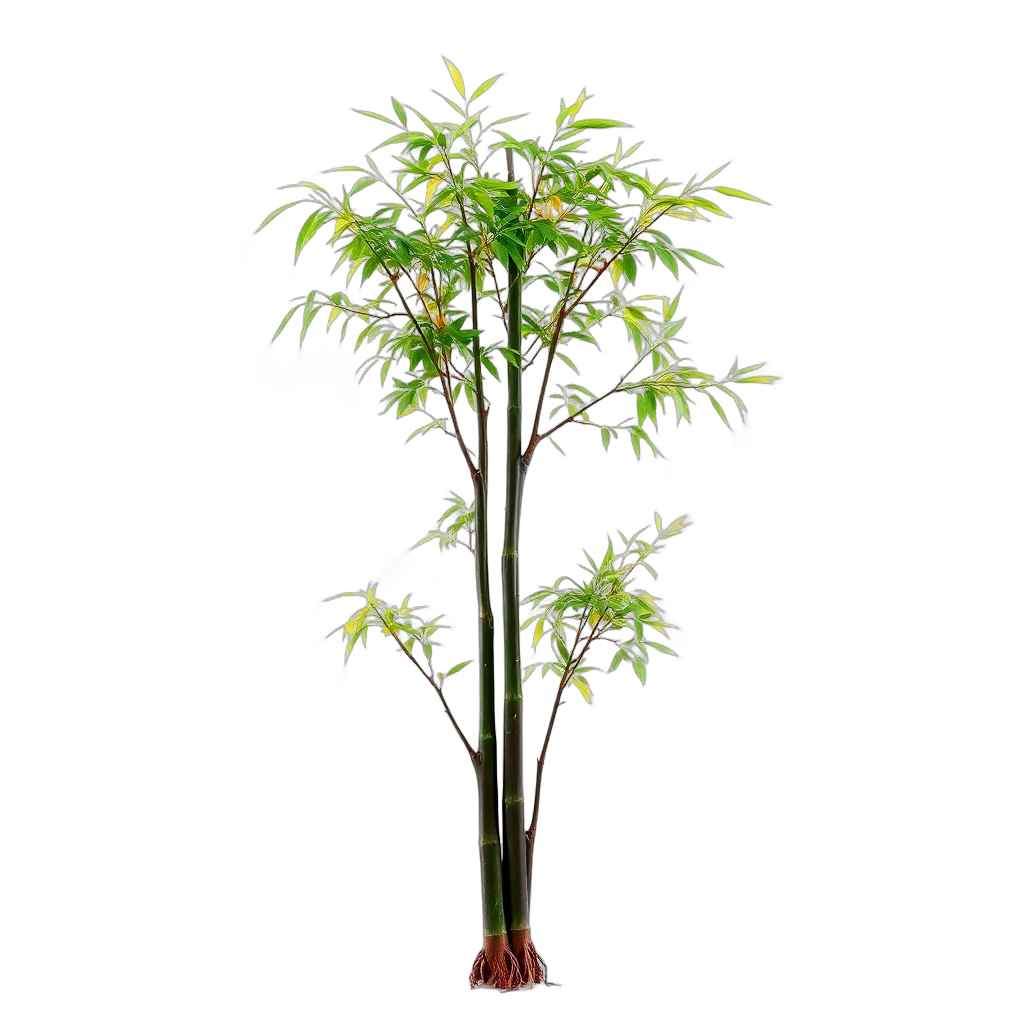
Black Bamboo
Phyllostachys nigra
reaches 25 feet tall, blooms in none. Evergreen year-round.
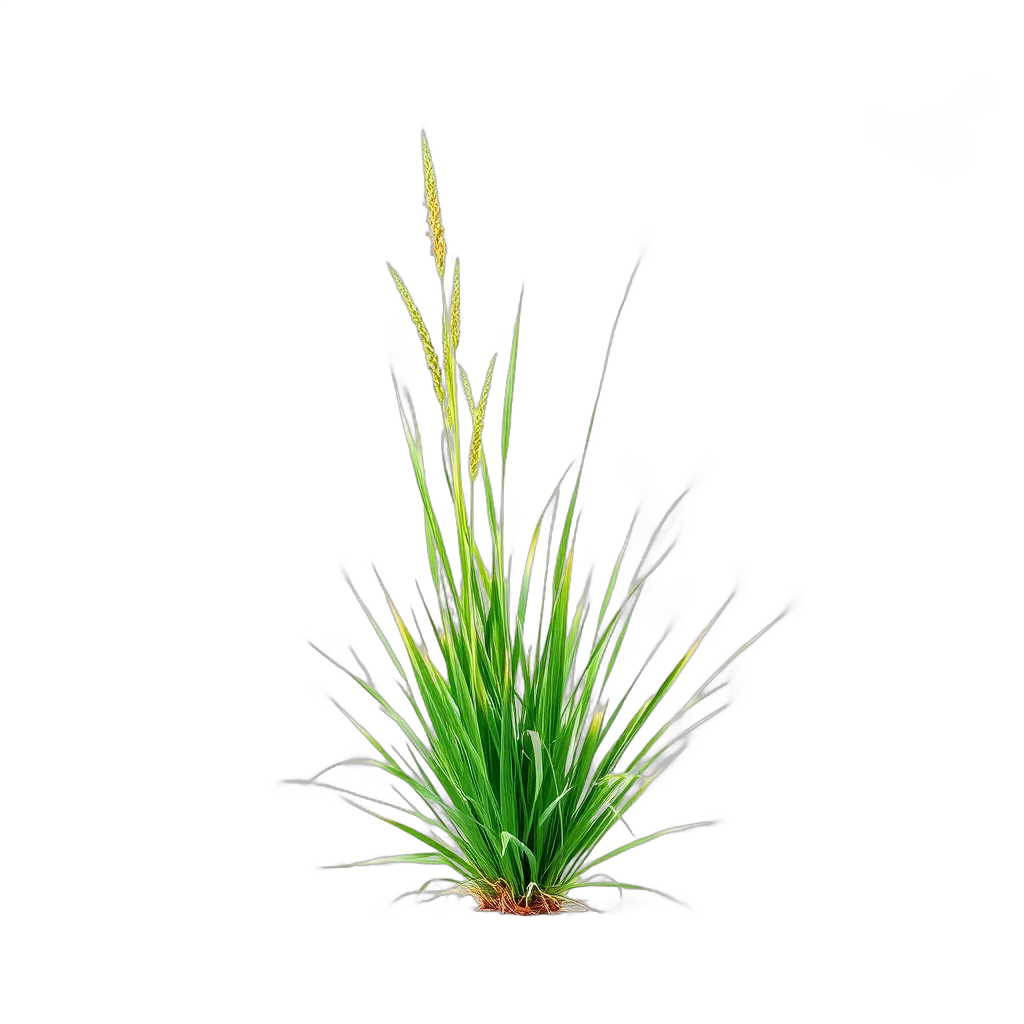
Bull Grass
Muhlenbergia emersleyi
grows to 4 feet, purple blooms in fall. Yellow fall color.
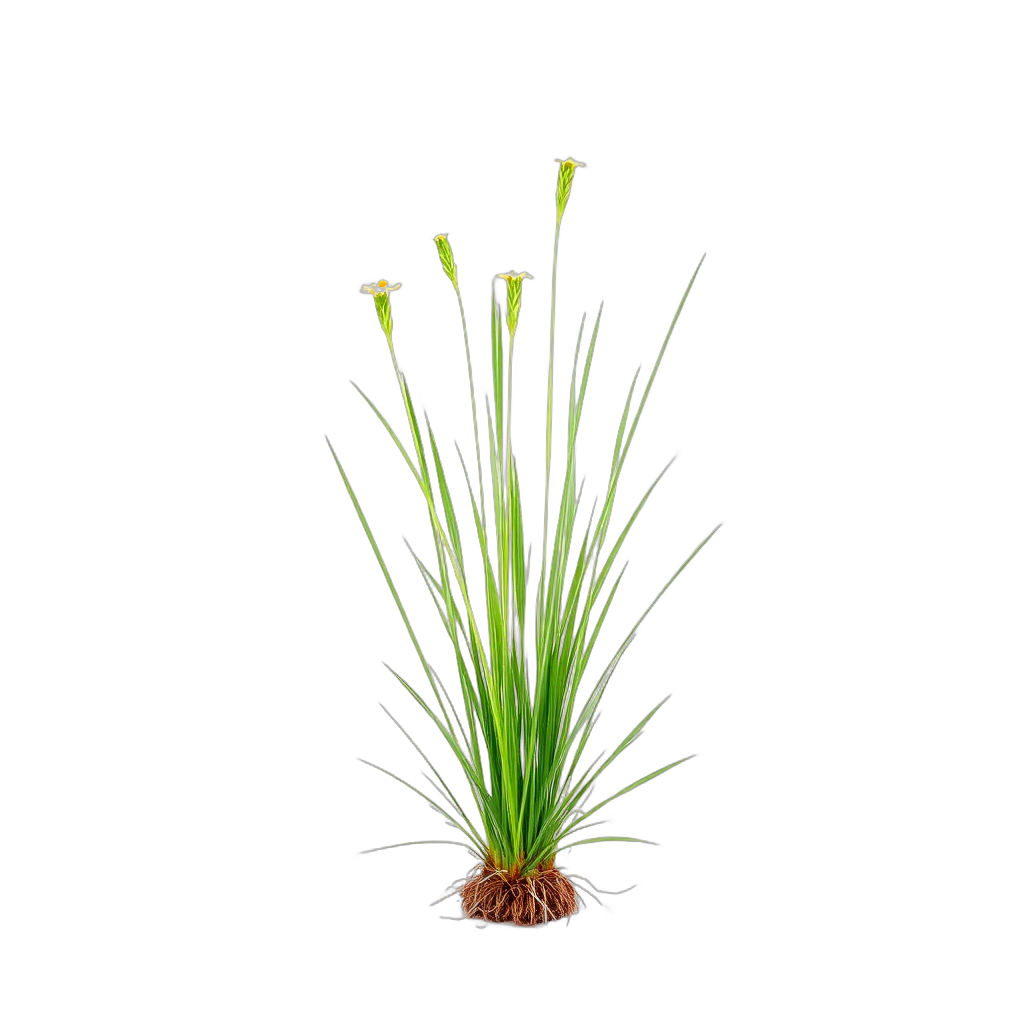
California Melic
Melica californica
low-growing ground cover, blooms in spring.
Featured Flowers & Perennials for Cottage/English Gardens

Water Fern
Azolla filiculoides
low-growing ground cover, blooms in none. Red fall color.
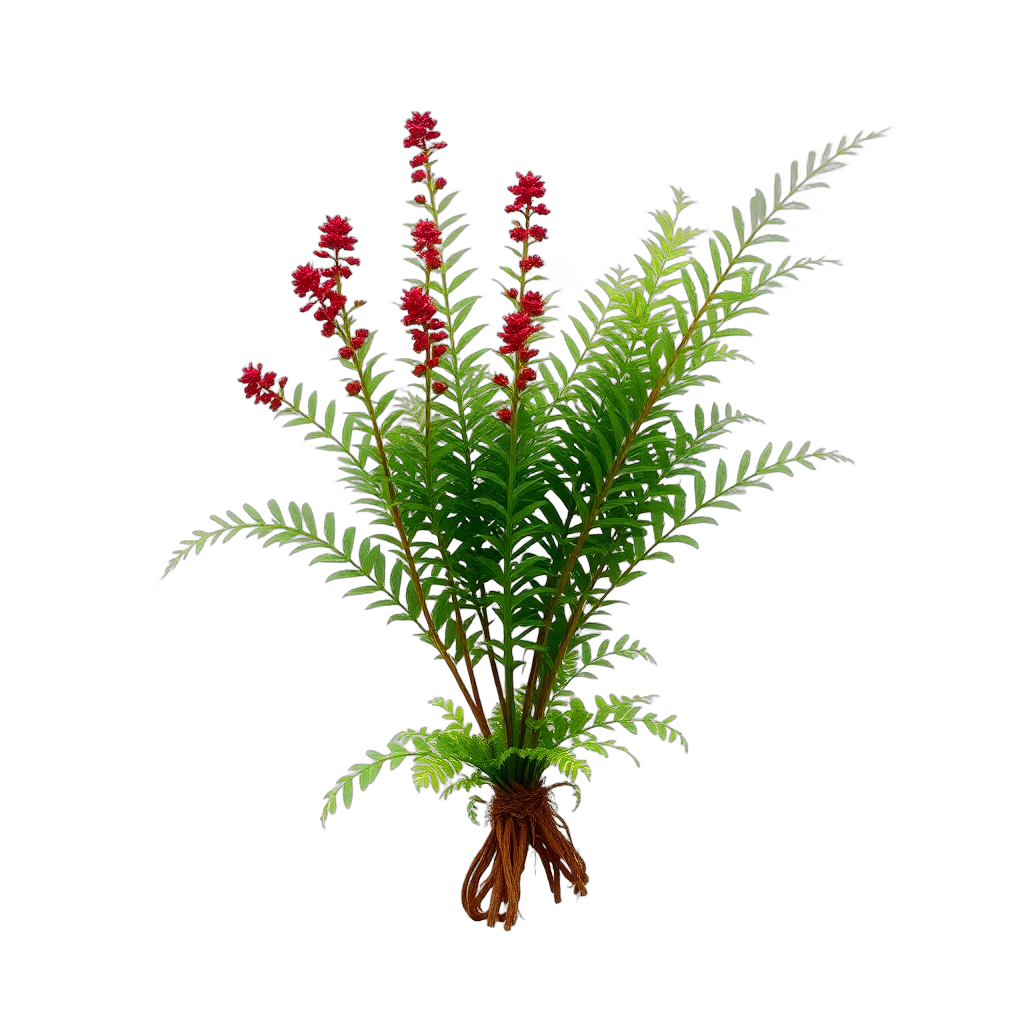
Holly Fern
Cyrtomium falcatum
low-growing ground cover, blooms in none. Evergreen year-round.
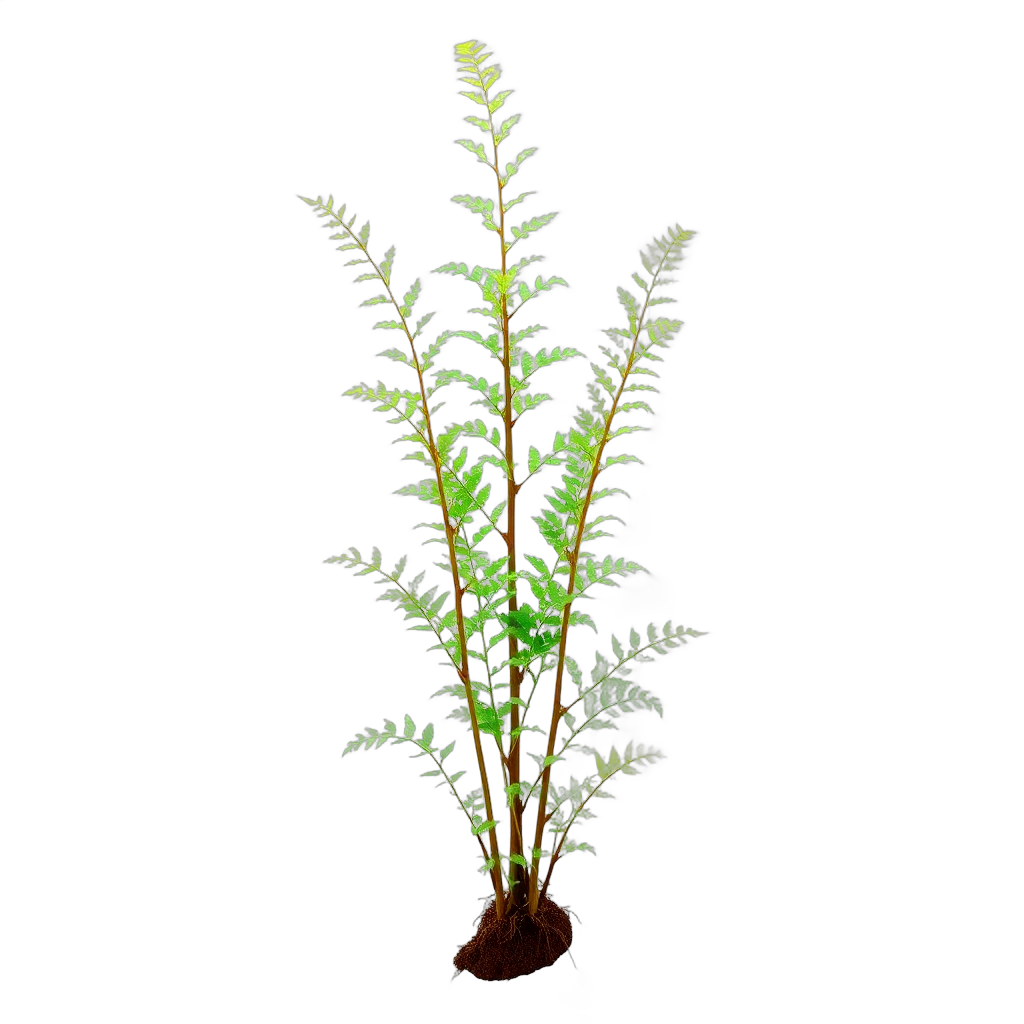
Lady Fern
Athyrium filix-femina
low-growing ground cover, blooms in none.
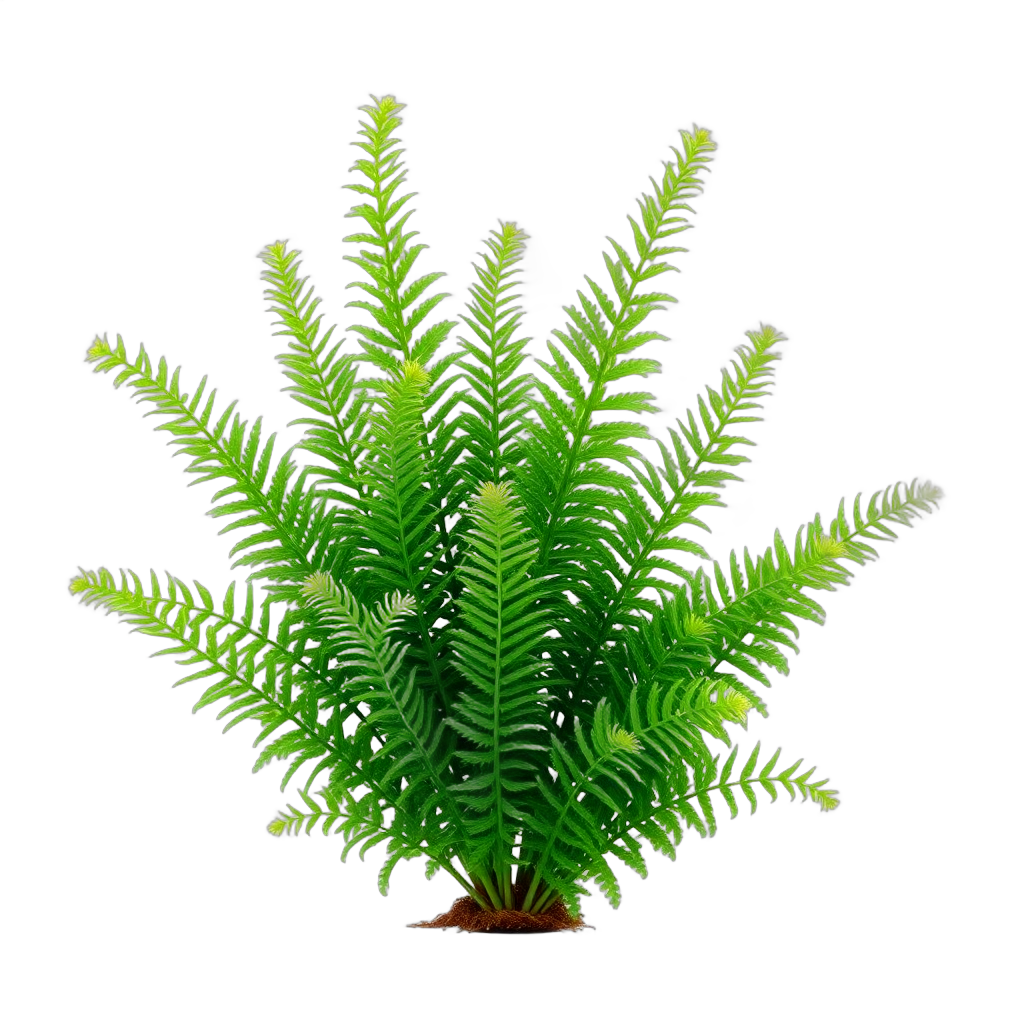
Ostrich Fern
Matteuccia struthiopteris
grows to 4 feet, blooms in none. Yellow fall color.
Zone and sun checks come from our database — confirm with your local nursery before you buy.
Bloom Calendar for Philadelphia
spring
Bishop's Cap, Bistort, Bitterrootsummer
Angel's Fishing Rod, Anise Sage, Armenian Cranesbillfall
Anise Sage, California Fuchsiawinter
Limited bloomsDesign Tips for Philadelphia (Zone 7b)
- Embrace Philadelphia's brick as a design element: brick paths, brick edging, and brick wall backdrops unify cottage planting with rowhouse architecture in a way that feels genuinely local rather than imported
- Use the fence line fully — a well-planted picket fence with climbing roses and catmint spilling over does more for a narrow rowhouse front yard than any single design decision
- Philadelphia's Zone 7b humidity means you can grow foxgloves, delphiniums, and garden phlox at full expression — don't skip these cottage classics that struggle in drier or hotter cities
- Layer vertically on narrow lots: tall plants (hollyhocks, delphiniums) at back fences, mid-height in the middle (roses, phlox, coneflower), and low spreaders at the edge (catmint, alyssum, thyme) create depth perception that makes small yards feel larger
- Plan for Philadelphia's four-season interest: spring bulbs in March–April, roses and perennials May–June, late-summer coneflowers and rudbeckia in August, asters and ornamental grasses into November — a cottage garden here can look intentional for 9 months
- Choose disease-resistant roses for Philadelphia's humid summers: 'Knock Out', 'New Dawn', and David Austin varieties labeled disease-resistant will outperform high-maintenance hybrid teas without a fungicide program
Where to Source Plants in Philadelphia
Skip the big-box stores. These independent Philadelphia nurseries specialize in the plants that make cottage/english gardens thrive in Zone 7b.
Good Host Plants
Francisville (North Philly)
Native plants and wildflowers with local genetics for wildlife support
Mostardi Nursery
Newtown Square
Perennials, native plants, ornamental grasses — independent since 1976
Redbud Native Plant Nursery
Media
Native plants exclusively — established 2002 for regional ecosystem impact
LandHealth Institute
Parkside (West Philly)
Locally-adapted native plants and ecological restoration species
Cottage/English Landscaping Costs in Philadelphia
| Project Scope | Estimated Cost |
|---|---|
| Rose arch + picket fence cottage front garden | $5,500 – $14,000 |
| Full cottage front yard redesign (300–500 sqft) | $7,000 – $18,000 |
| Backyard cottage terrace with arbor + planting | $18,000 – $48,000 |
| White pergola installation (painted wood, 10×12 ft) | $4,500 – $12,000 |
| Brick or flagstone pathway (Philadelphia labor rates) | $17 – $28/sqft installed |
| AI visualization with ProScapeAI | Free to start |
Estimates based on Philadelphia, PA-area contractor rates as of 2026. Actual costs vary by site conditions, materials, and contractor.
Philadelphia Climate & Growing Zone
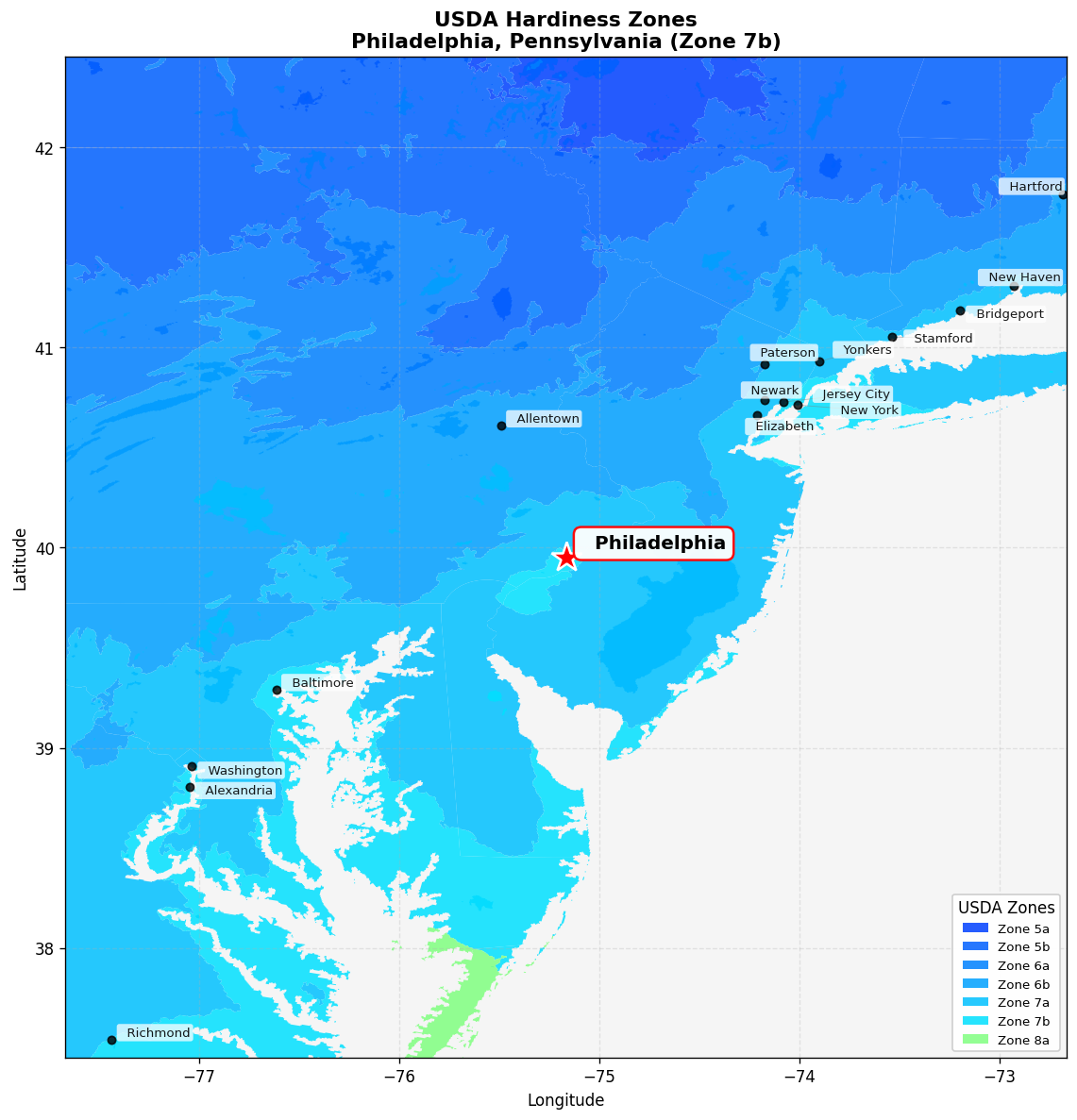
USDA Zone 7b
Hardiness zone for Philadelphia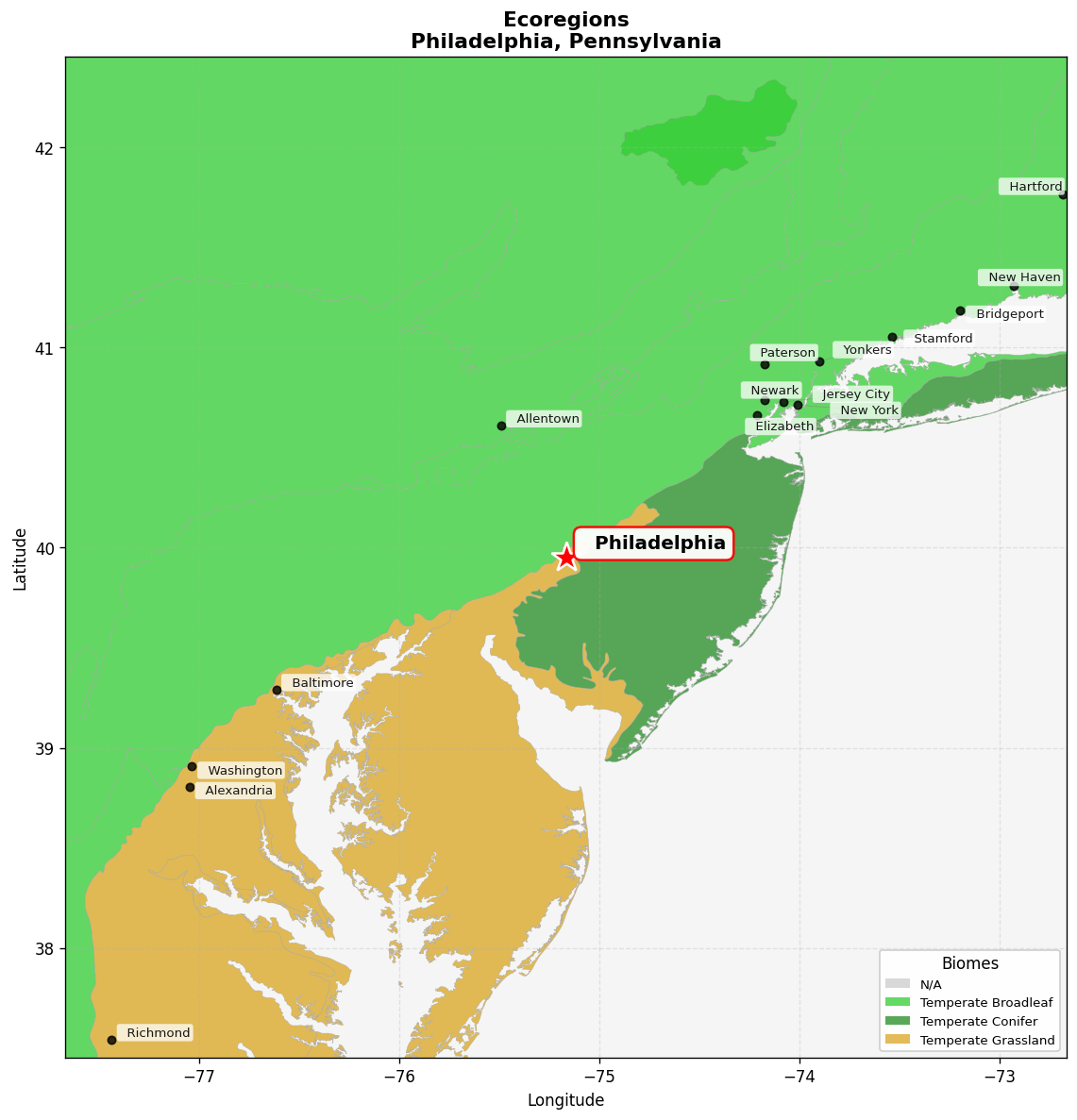
Mid-Atlantic US coastal savannas
Native ecoregionFrequently Asked Questions
What perennials grow best in a Philadelphia cottage garden (Zone 7b)?
Philadelphia's Zone 7b is excellent for cottage perennials. Reliable performers include: garden phlox (a Philly classic), coneflower (Echinacea), black-eyed Susan, catmint, lavender, Russian sage, daylilies, hostas (for shade), astilbe (for moist areas), salvia, and ornamental grasses. For the quintessential English look, foxgloves, delphiniums, and hollyhocks all thrive in Zone 7b without the heat stress they suffer in warmer cities. Add spring bulbs (tulips, alliums, camassia) for March–April color before perennials emerge.
What roses work best for Philadelphia cottage gardens?
Zone 7b is excellent rose country. For climbing arches and arbors: 'New Dawn' (extremely vigorous, blush pink, nearly bulletproof), 'Climbing Iceberg' (white, prolific), and 'Don Juan' (deep red). For shrub and border roses: 'Knock Out' series (disease-resistant, low maintenance), 'David Austin' English roses like 'Gertrude Jekyll' and 'Graham Thomas' perform well in Zone 7b, and 'The Fairy' (polyantha, pink clusters). Philadelphia's humid summers can bring black spot — choose disease-resistant varieties or plan for an organic fungicide program.
How do I design a cottage garden on a narrow Philadelphia rowhouse lot?
Narrow lots (15–25 feet wide) are actually ideal for cottage style if you design vertically. Use the fence line for climbing roses and picket fence details. Layer the border depth (2–3 feet) with tall plants at the back (delphiniums, hollyhocks) and low plants at the front (catmint, alyssum). A curved brick path through the middle adds depth perception that makes a narrow yard feel wider. For backyards, a pergola creates vertical interest and defines the space. The shared brick walls between rowhomes are a design asset — plant climbing roses or clematis against them.
Do Philadelphia historic districts have rules about cottage garden plantings?
Philadelphia's historic districts (Society Hill, Old City, Chestnut Hill historic areas) primarily regulate structural changes — fences, walls, and hardscape installations often require permits or Philadelphia Historical Commission review. Plant choices themselves are generally unrestricted, but fence height, materials, and front yard hardscape may have guidelines. Check with the Philadelphia Historical Commission before installing new fences, walls, or front yard structures. The good news: cottage-style planting is generally well-received as it complements historic architecture and neighborhood character.
How do I prepare my cottage garden for Philadelphia winters?
Zone 7b winters are moderate but require some prep. In late fall: cut back frost-killed perennials but leave ornamental grass and seed heads for winter structure and bird habitat. Apply 2–3 inches of mulch after the first hard freeze to protect perennial roots. Leave rose canes intact until late February — cut them back to green wood after the last hard frost (typically late March in Philadelphia). Most cottage perennials return reliably in Zone 7b. Tender plants like dahlias can be left in the ground with heavy mulch or dug and stored. Spring bulb planting in October–November is essential for early cottage color.
How can my cottage garden help with Philadelphia's stormwater runoff issues?
Philadelphia's Green City Clean Waters program actively encourages residential stormwater management, and cottage gardens are a natural fit. Dense perennial planting absorbs significantly more rainfall than lawn or impervious surfaces. You can qualify for Philadelphia Water Department's Stormwater Management Incentives Program (SMIP) by installing rain gardens, bioswales, or permeable pavers. A cottage border replacing a concrete path or impervious driveway pad can qualify for credits. Native cottage-compatible plants — coneflower, black-eyed Susan, native phlox, Joe Pye weed — have deep root systems that infiltrate water most effectively.