4 Cottage Garden Ideas for Oklahoma City, OK | English Garden Design in Zone 7a
Native plants from the Central-Southern US mixed grasslands (Zone 7a) — Humid subtropical climate
Why Cottage/English Gardens in Oklahoma City?
Oklahoma City occupies the heart of the Central-Southern US mixed grasslands ecoregion, where the Cross-Timbers woodland to the east meets the rolling shortgrass plains to the west. This ecological transition zone — sometimes called the edge of the prairie — creates exactly the layered, irregular character that cottage garden design has always aspired to. Oklahoma City's cottage gardens are grounded in this prairie-meets-woodland tradition: informal, layered, seasonal, and deeply connected to the rhythms of a continental climate.
Zone 7a means winters with average lows of 0–10°F and hard freezes that are more reliable and sustained than Texas's briefer cold snaps. That cold hardiness window actually expands the cottage plant palette — Zone 7a handles delphiniums, old garden roses, and English lavender that Zone 8 gardeners sometimes lose in mild but unpredictable winters. Summers are genuinely hot: July and August average highs around 95°F, with humidity from the Gulf that makes the heat feel worse than the thermometer suggests. Spring thunderstorm season is dramatic and produces the bulk of the city's 36 inches of annual rainfall, which falls primarily from March through June and creates a spectacular spring growing window. Oklahoma City's spring — March through early June — is arguably the best cottage garden season of any major Southern Plains city.
The residential landscape of Oklahoma City rewards cottage treatment in specific neighborhoods. Mesta Park, Heritage Hills, and Crown Heights are National Register historic districts with 1900s–1930s craftsman bungalows, period revival homes, and Victorian houses that are architecturally inseparable from cottage garden treatment. The mature American elms and post oaks on these streets provide the dappled canopy that cottage borders need for summer survival. Edgemere Park and Crown Heights have some of the city's oldest and most established residential landscapes — gardens that have been accumulating character for decades. The Oklahoma City experience is one of genuine four-season contrast: fall color from the elms, a brief but beautiful winter dormancy, a spectacular prairie-informed spring bloom, and a summer performance from the heat-adapted roses and salvias that return reliably every year.
4 Cottage/English Design Ideas for Oklahoma City
AI-generated image
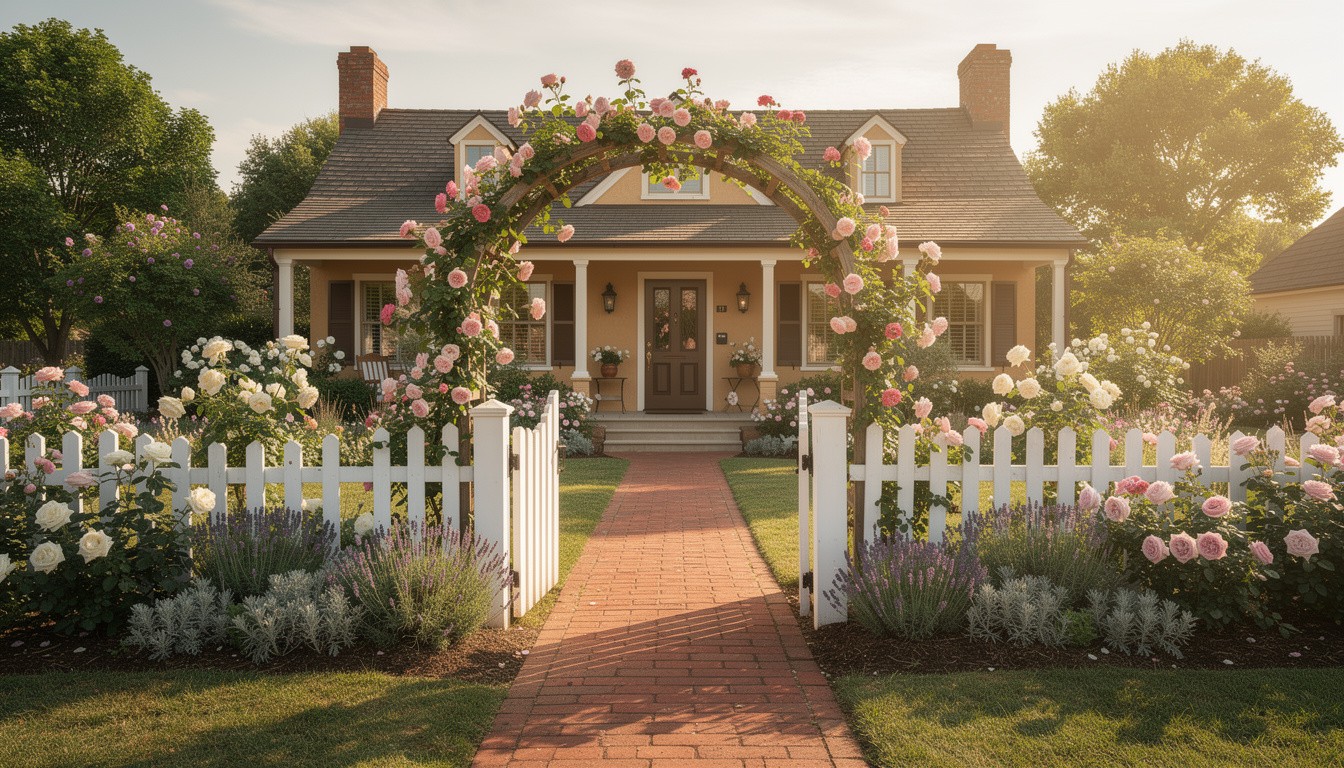
The Rose Arbor and Picket Fence Gate
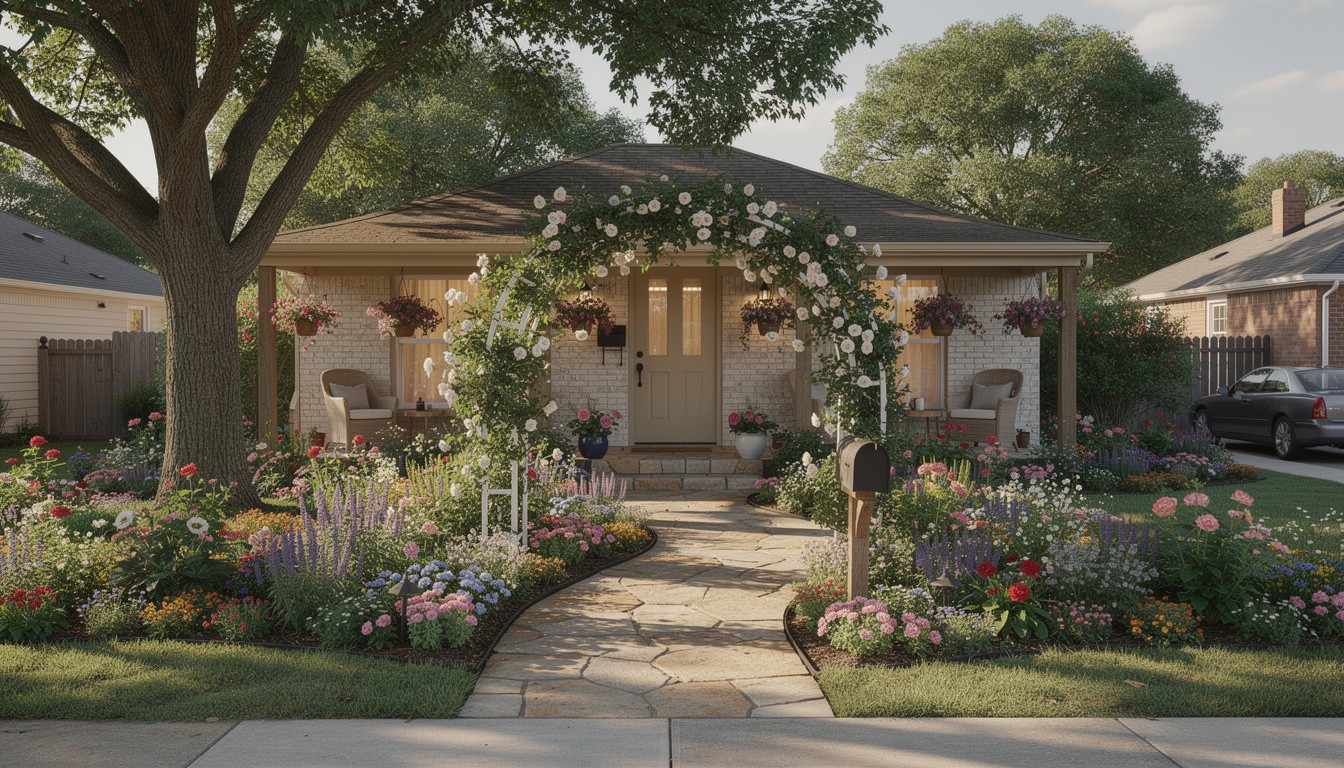
$11–20/sqftA white picket fence with a climbing rose arbor gate frames a brick pathway leading to the front porch of an Oklahoma City craftsman cottage. Pale pink and white climbing roses drape over the wooden arch at full spring bloom, and lavender and cottage perennials fill the fence-interior borders. A mature shade tree provides dappled light overhead. Oklahoma City's Zone 7a climate gives cottage roses a slightly cooler winter than Texas neighbors, which improves cold-tolerant variety performance and makes the spring flush especially abundant. The classic picket fence and rose gate setup is well-suited to OKC's established neighborhoods in Edgemere Park, Mesta Park, and Crown Heights.
AI-generated image
The Cottage Arch and Perennial Front Border
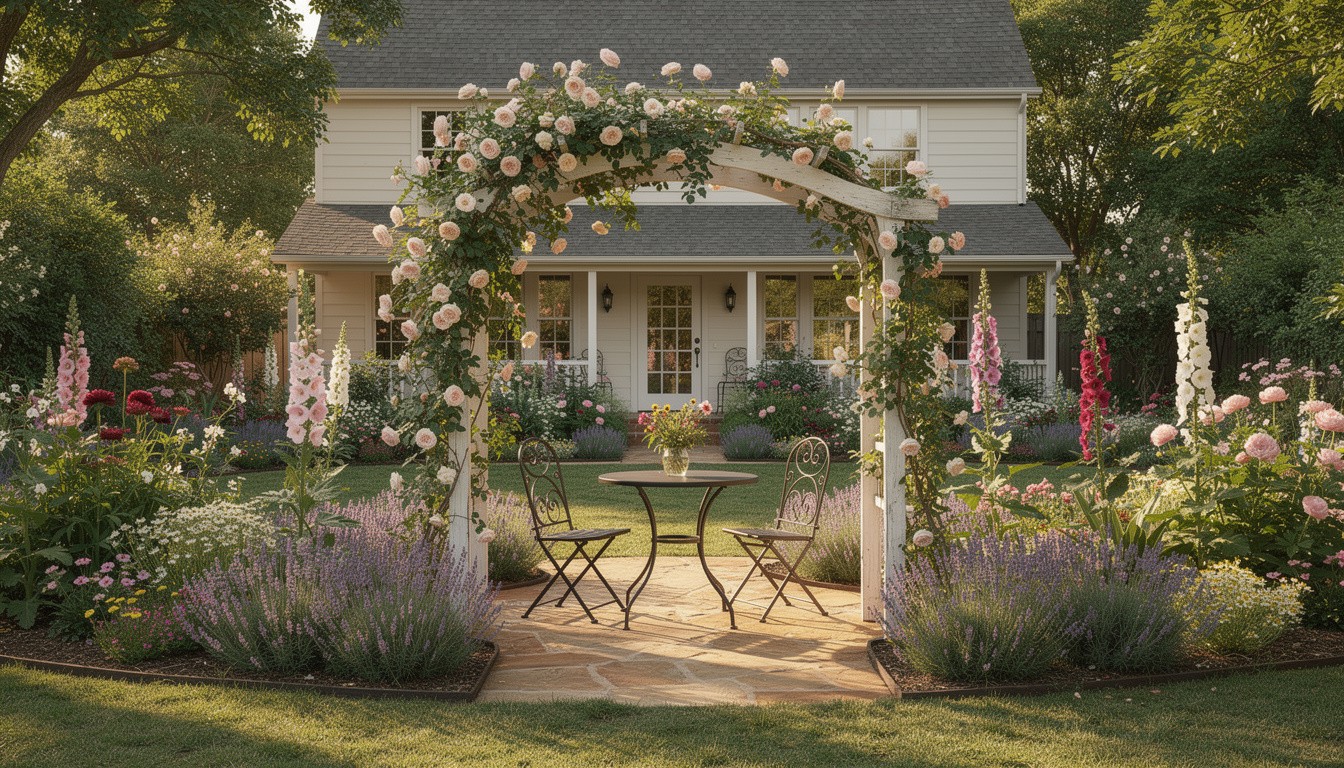
$12–22/sqftA white rose arch frames the front of a craftsman cottage, surrounded by wide informal borders of mixed perennials, hanging flower baskets on the porch, and a large shade tree anchoring one side of the composition. The stone walk curves gently from the sidewalk through the planting. Oklahoma City's spring season runs from late March through May — a compressed but intense bloom window that this design is built to maximize. The borders are planted for simultaneous peak: roses, foxgloves, coneflowers, and salvias all timed to overlap during the brief but spectacular Oklahoma spring.
AI-generated image
The White Arch Garden Patio
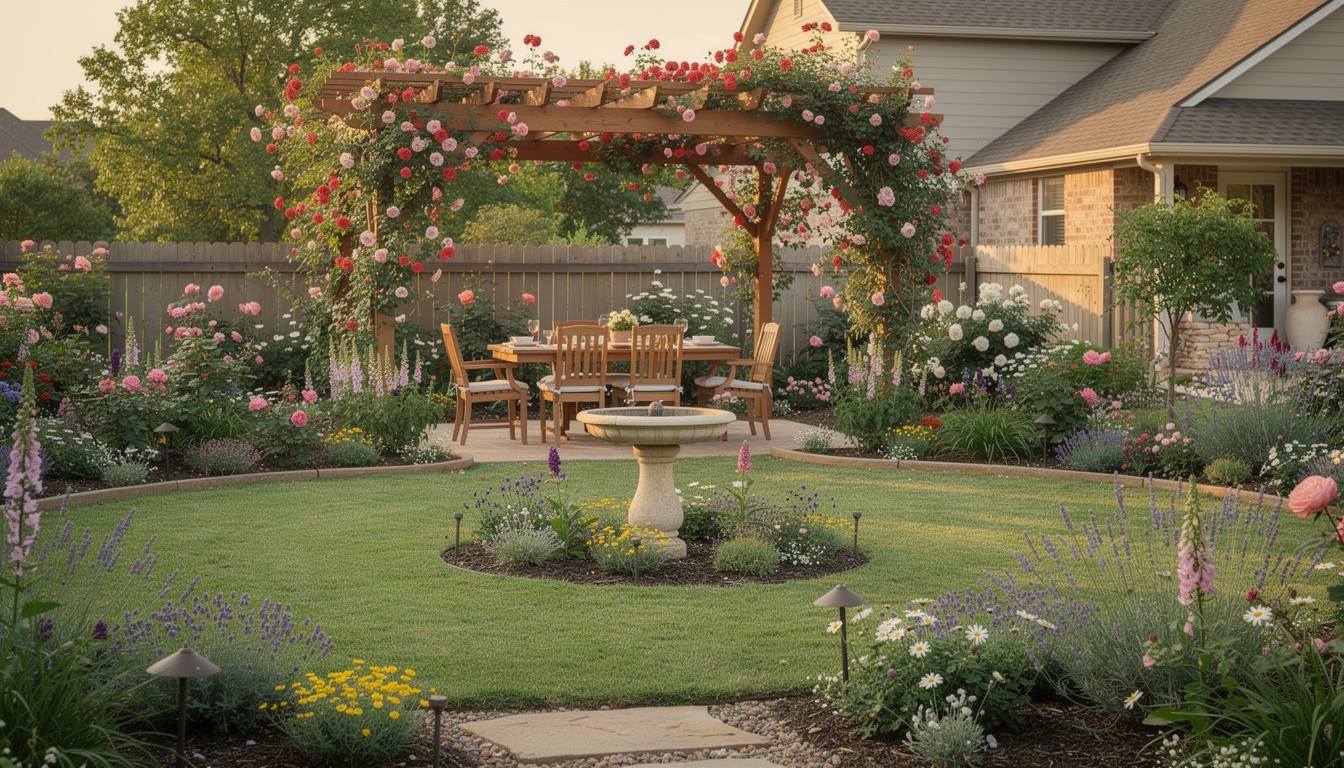
$14–26/sqftA white rose arch frames the entrance to a backyard patio where a small bistro table and chairs sit under a large deciduous tree in dappled afternoon light. Cottage borders of lavender, foxgloves, and repeat-blooming roses surround the paving on three sides. The garden room is sheltered and intimate — the arch provides the transition point between lawn and garden, and the surrounding planting creates an enclosure that makes the space feel self-contained. Oklahoma City's spring and fall are perfectly suited to this kind of outdoor room: comfortable temperatures, low humidity compared to Texas, and a planting palette at its best.
AI-generated image
The Pergola, Fountain, and Rose Garden
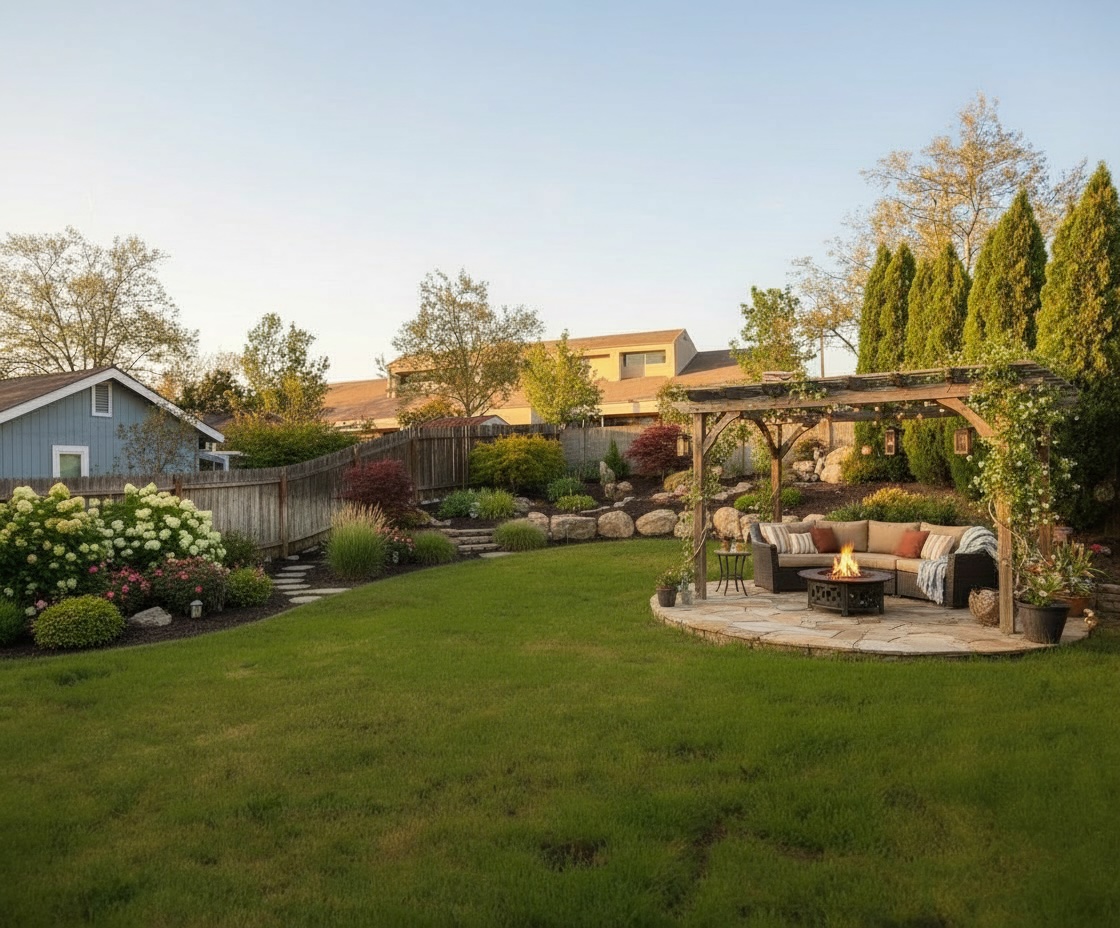
$18–40/sqftA cedar pergola wrapped in climbing roses shelters a dining area at the rear of an Oklahoma City cottage garden, while a round stone bird bath fountain anchors the center of a lawn panel surrounded by mixed cottage borders. The dining table is set under the pergola with the fountain visible through the arch, and the surrounding borders of roses, lavender, and foxgloves are in full bloom. Oklahoma City's lower land and construction costs relative to Texas metros make this full backyard transformation more accessible here than in Dallas or Austin — and the four-season climate means both the pergola and garden are fully usable from April through October.
See how a cottage/english garden looks on YOUR property
Upload a photo of your Oklahoma City yard and visualize your dream garden in seconds.
Try ProScapeAI Free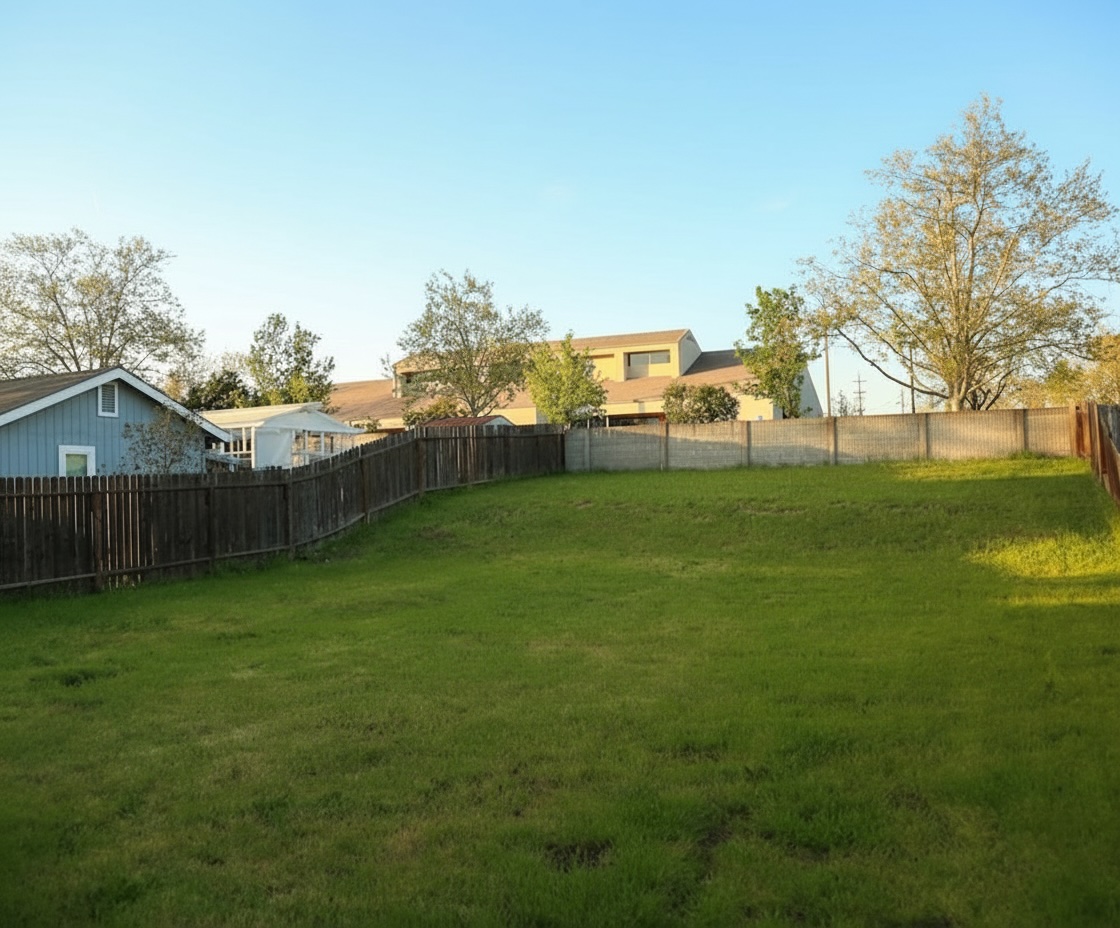
AI-generated image
Featured Trees & Shrubs for Cottage/English Gardens
Browse all 153 plants for Oklahoma City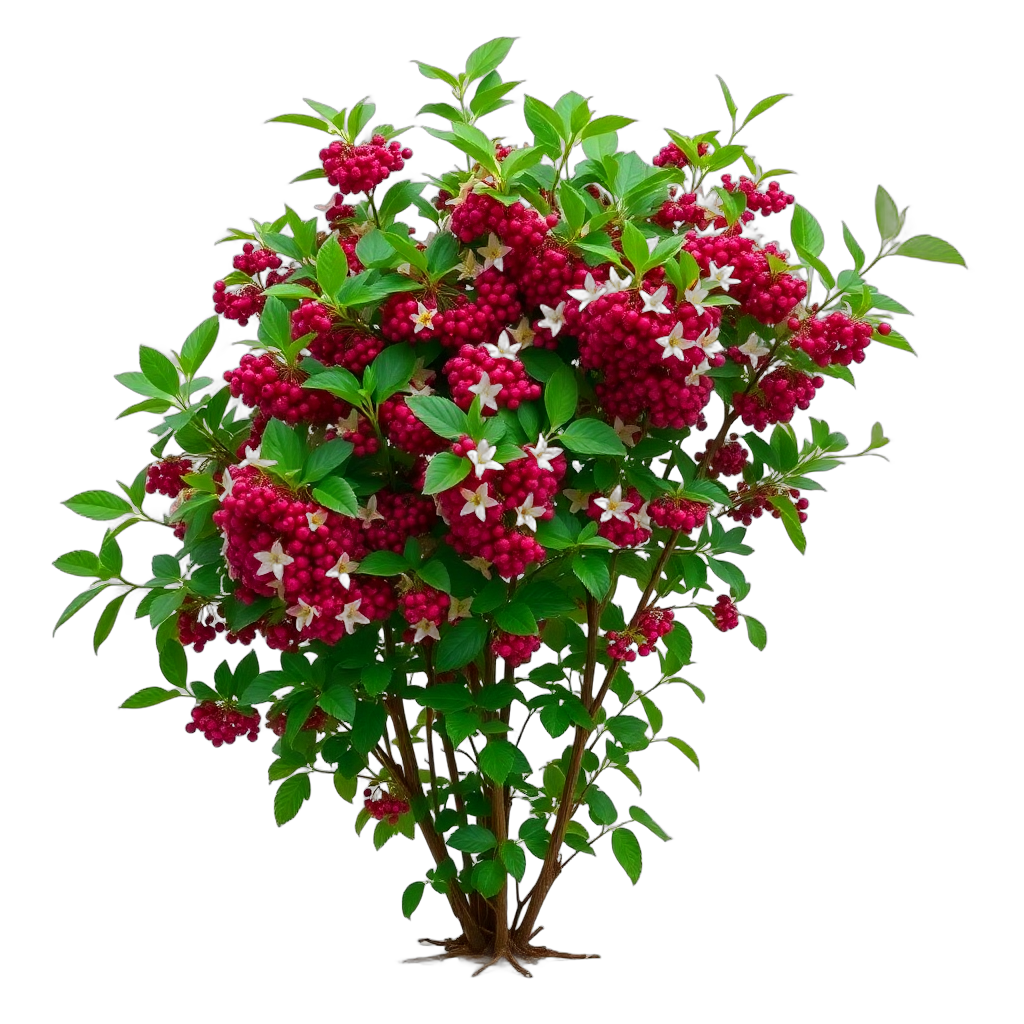
Clove Currant
Ribes odoratum
grows to 6 feet, yellow blooms in spring. Attracts hummingbirds.

Cabbage Palm
Sabal palmetto
reaches 40 feet tall, white,yellow blooms in spring. Pollinator-friendly.

Windmill Palm
Trachycarpus fortunei
reaches 20 feet tall, yellow blooms in spring. Pollinator-friendly.
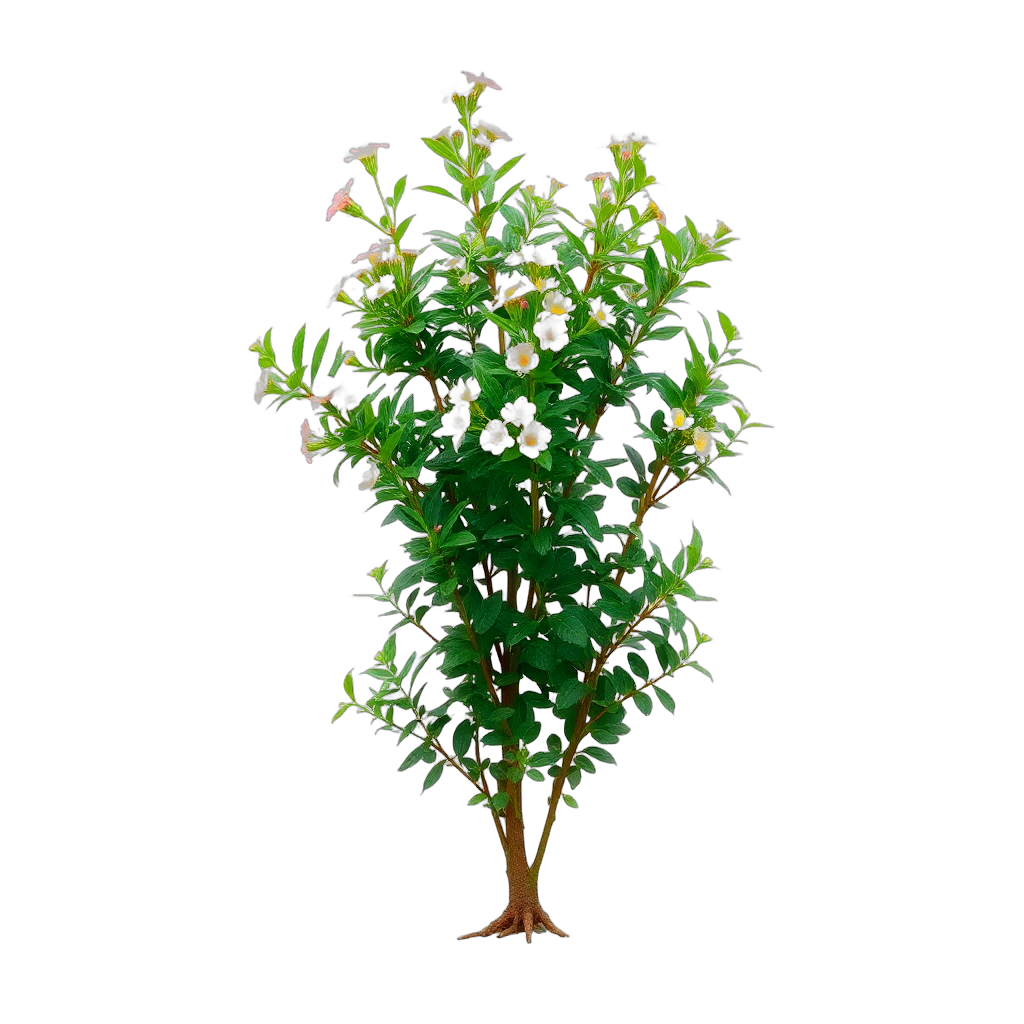
Abbotswood Potentilla
Potentilla fruticosa 'Abbotswood'
low-growing ground cover, white blooms in summer. Attracts butterflies.
Featured Grasses & Groundcovers for Cottage/English Gardens

Sideoats Grama
Bouteloua curtipendula
low-growing ground cover, purple blooms in summer. Yellow fall color.
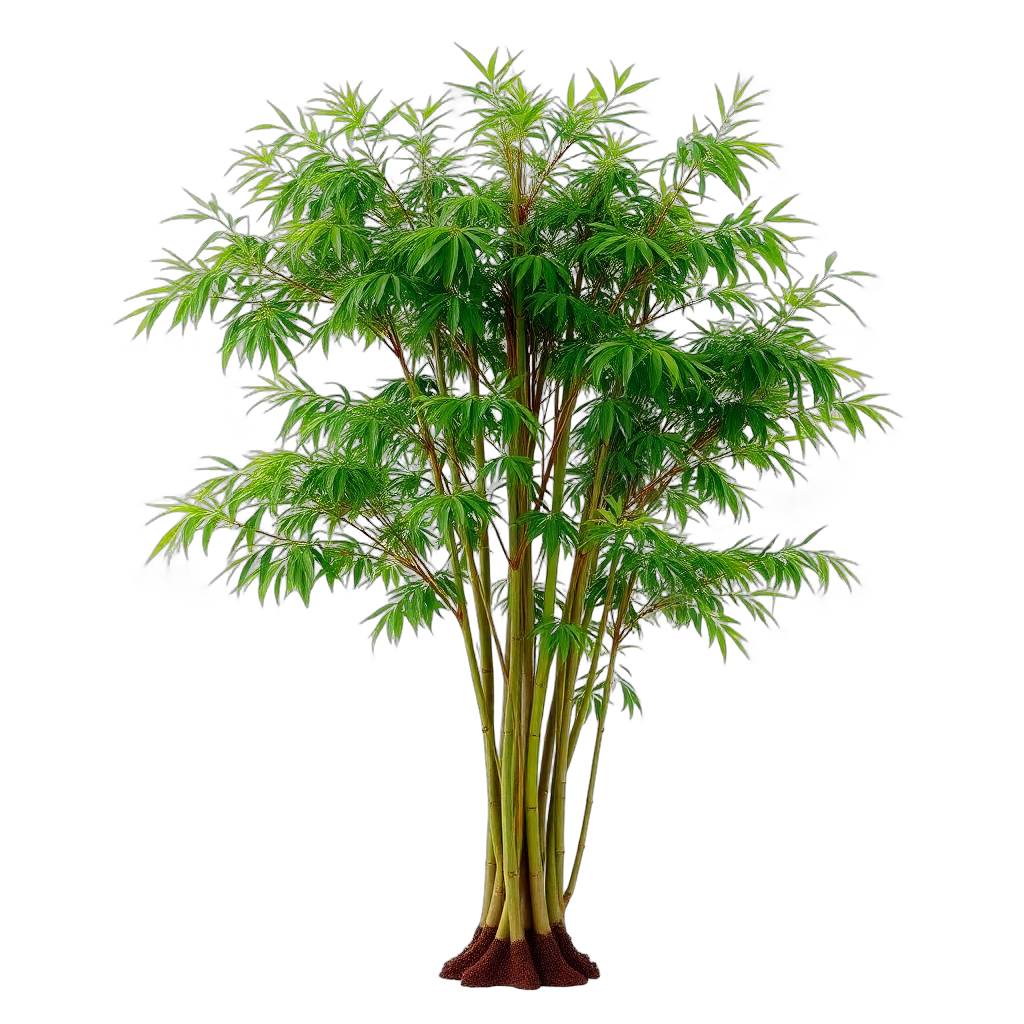
Arrow Bamboo
Pseudosasa japonica
medium-sized at 15 feet, blooms in none. Evergreen year-round.
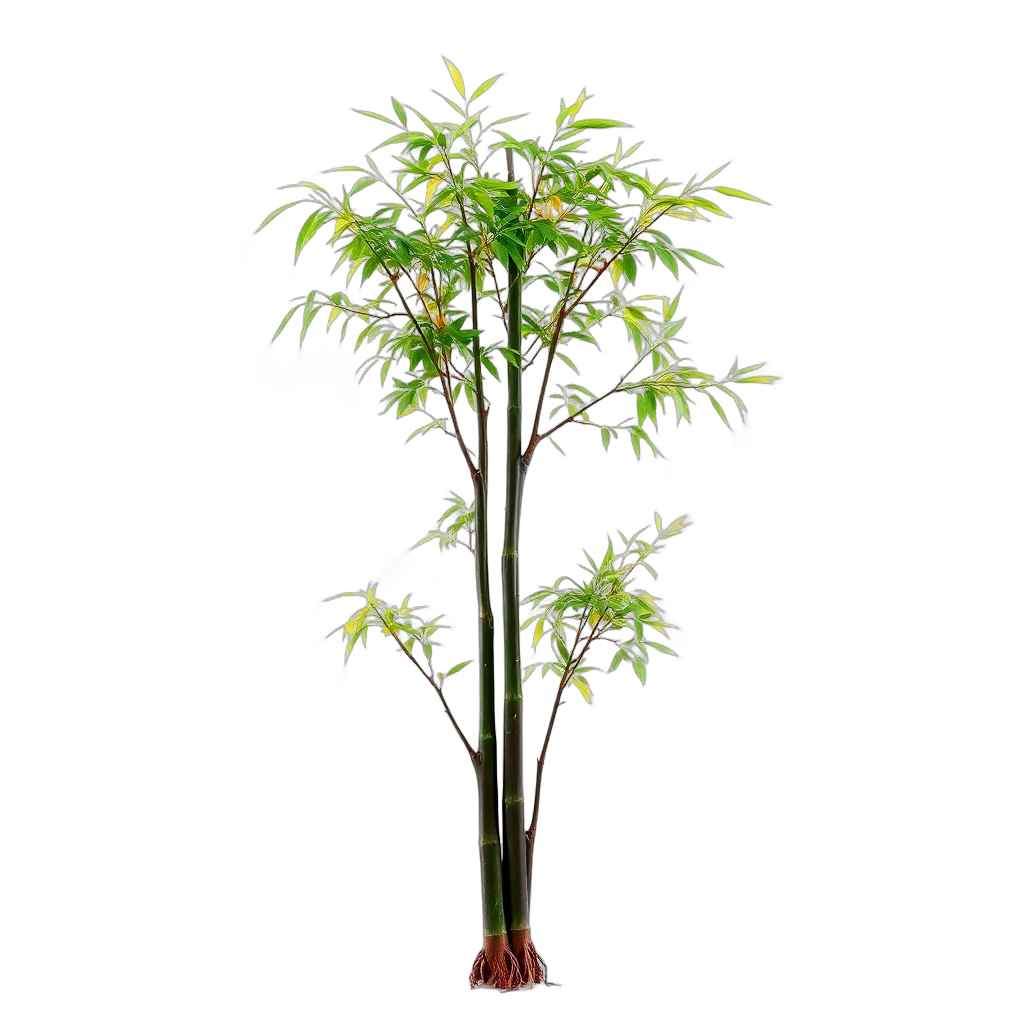
Black Bamboo
Phyllostachys nigra
reaches 25 feet tall, blooms in none. Evergreen year-round.
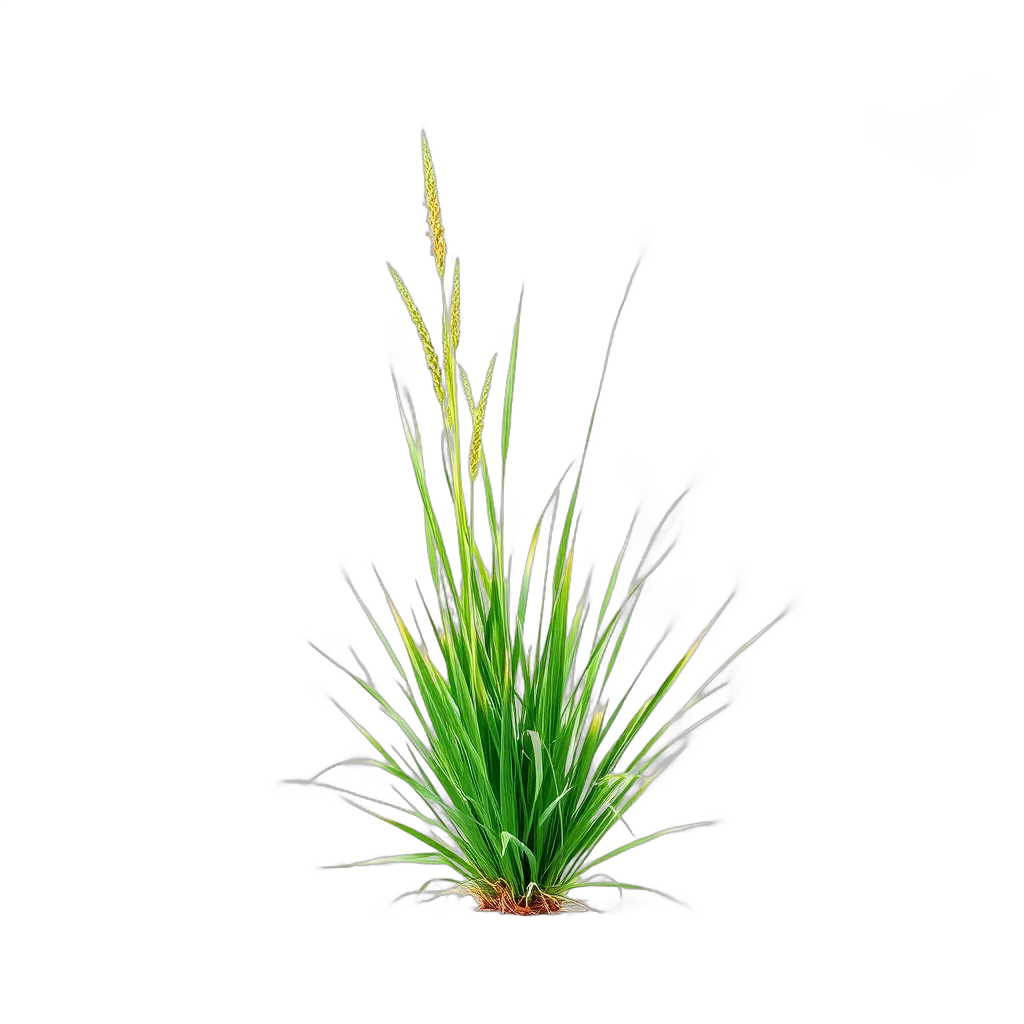
Bull Grass
Muhlenbergia emersleyi
grows to 4 feet, purple blooms in fall. Yellow fall color.
Featured Flowers & Perennials for Cottage/English Gardens
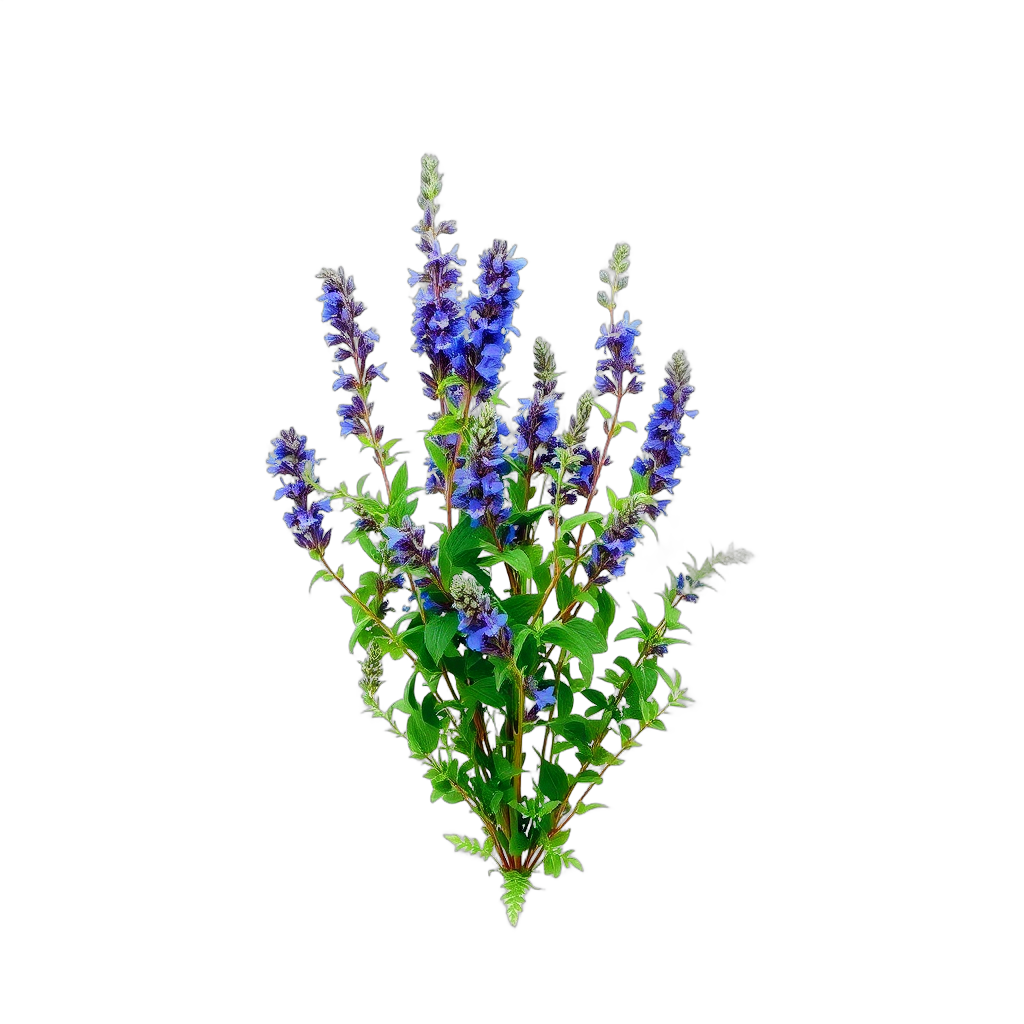
Azure Sage
Salvia azurea
grows to 4 feet, blue blooms in fall. Attracts hummingbirds.

Water Fern
Azolla filiculoides
low-growing ground cover, blooms in none. Red fall color.
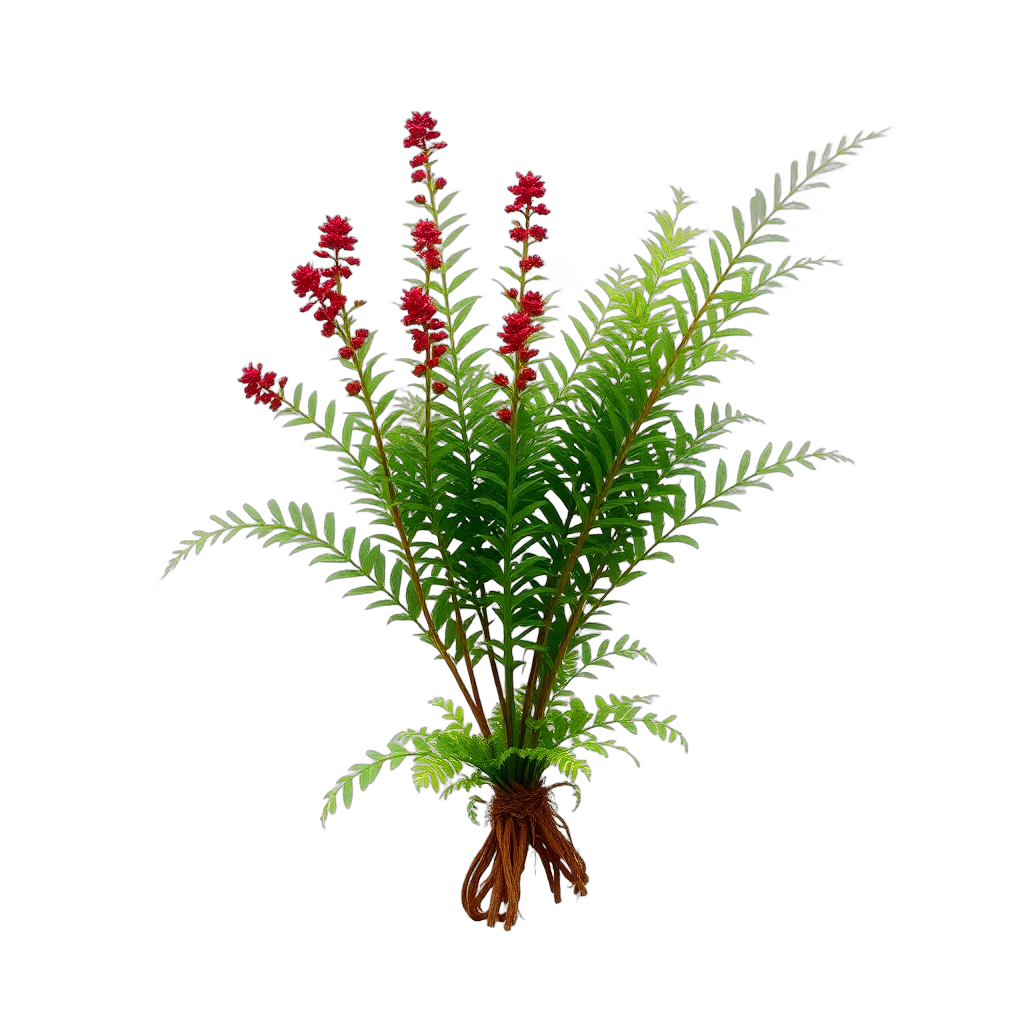
Holly Fern
Cyrtomium falcatum
low-growing ground cover, blooms in none. Evergreen year-round.
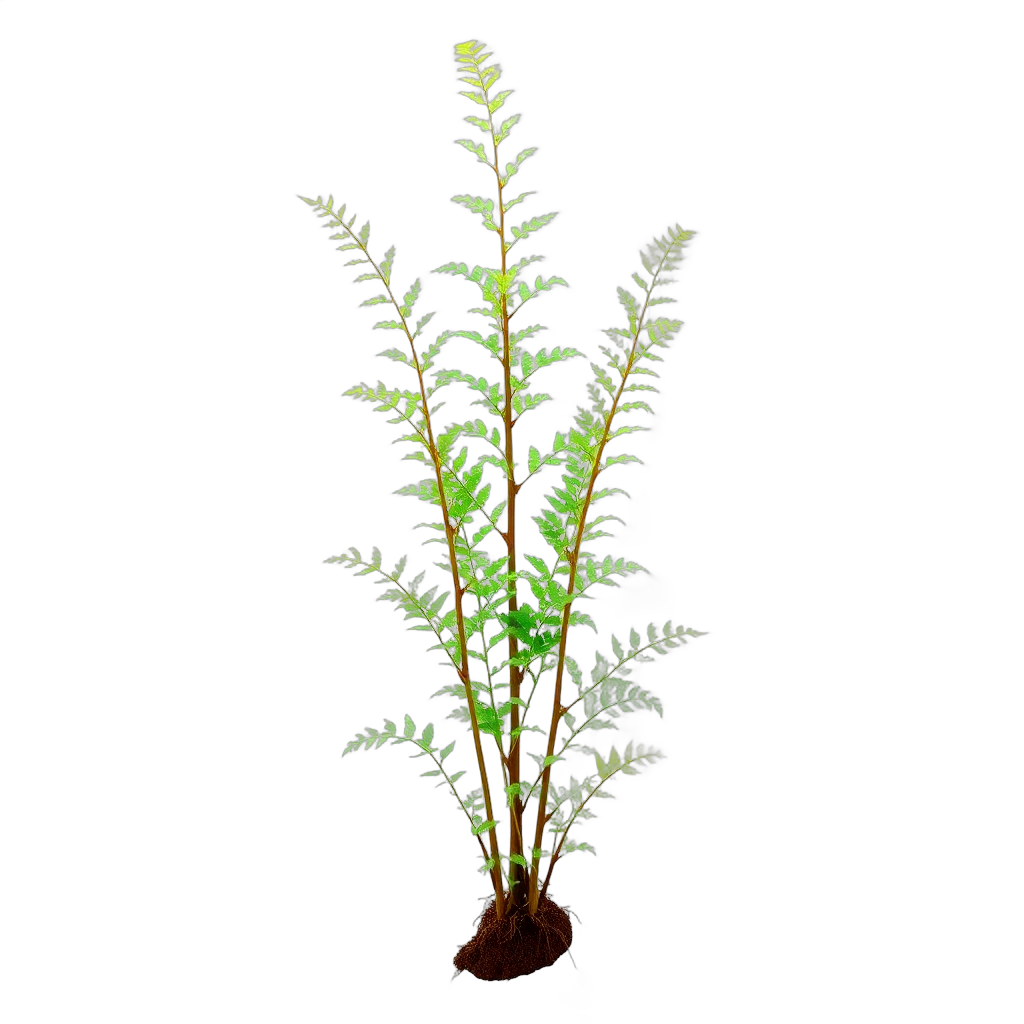
Lady Fern
Athyrium filix-femina
low-growing ground cover, blooms in none.
Zone and sun checks come from our database — confirm with your local nursery before you buy.
Bloom Calendar for Oklahoma City
spring
Clove Currant, Bishop's Cap, Bistortsummer
Sideoats Grama, Angel's Fishing Rod, Anise Sagefall
Azure Sage, Anise Sage, California Fuchsiawinter
Limited bloomsDesign Tips for Oklahoma City (Zone 7a)
- Oklahoma City's Zone 7a winters allow hybrid perpetual roses and English lavender that Zone 8 Texas gardeners can't reliably grow — take advantage of this cold hardiness window in your plant selection
- Anchor arbors and large structures with concrete footings rather than surface-setting them — Oklahoma's spring thunderstorms and occasional tornado-adjacent winds can topple unsecured garden structures
- The spring window (March–June) is Oklahoma City's undisputed cottage glory season; plan plant selection and major planting efforts around this window rather than fighting the July–August heat period
- American elms on Heritage Hills and Mesta Park streets are irreplaceable cottage garden assets — build the design around the canopy rather than in spite of it
- Native prairie plants from the Central-Southern grasslands ecoregion (coneflower, black-eyed Susan, prairie verbena, Little Bluestem) belong alongside traditional cottage plants in every Oklahoma City garden
- Oklahoma City receives most of its rainfall in spring thunderstorm events; raised beds and good drainage are more important here than in cities with more evenly distributed rainfall
Where to Source Plants in Oklahoma City
Skip the big-box stores. These independent Oklahoma City nurseries specialize in the plants that make cottage/english gardens thrive in Zone 7a.
TLC Garden Centers
Multiple OKC metro locations
Full-service garden center, native plants, perennials, trees — locally owned since 1963
Oklahoma City Wholesale Nursery
Southwest Oklahoma City
Trees, shrubs, perennials at wholesale and retail — large selection
Southwood Landscape & Garden Center
South Oklahoma City
Landscape design, perennials, native Oklahoma plants, trees
The Antique Rose Emporium
Brenham, TX (3.5-hr drive — worth the trip for rose selection)
Antique and species roses — the premier Southern Plains rose source since 1983
Cottage/English Landscaping Costs in Oklahoma City
| Project Scope | Estimated Cost |
|---|---|
| Rose arbor + picket fence cottage entry | $4,500 – $11,000 |
| Full cottage front yard redesign (400–600 sqft) | $6,000 – $14,000 |
| Backyard cottage patio with arch + planting | $7,500 – $18,000 |
| Pergola + fountain + cottage garden (full backyard) | $18,000 – $42,000 |
| Soil amendment (Oklahoma clay) | $1,000 – $3,000 |
| Drip / soaker irrigation system | $900 – $2,500 |
| AI visualization with ProScapeAI | Free to start |
Estimates based on Oklahoma City, OK-area contractor rates as of 2026. Actual costs vary by site conditions, materials, and contractor.
Oklahoma City Climate & Growing Zone
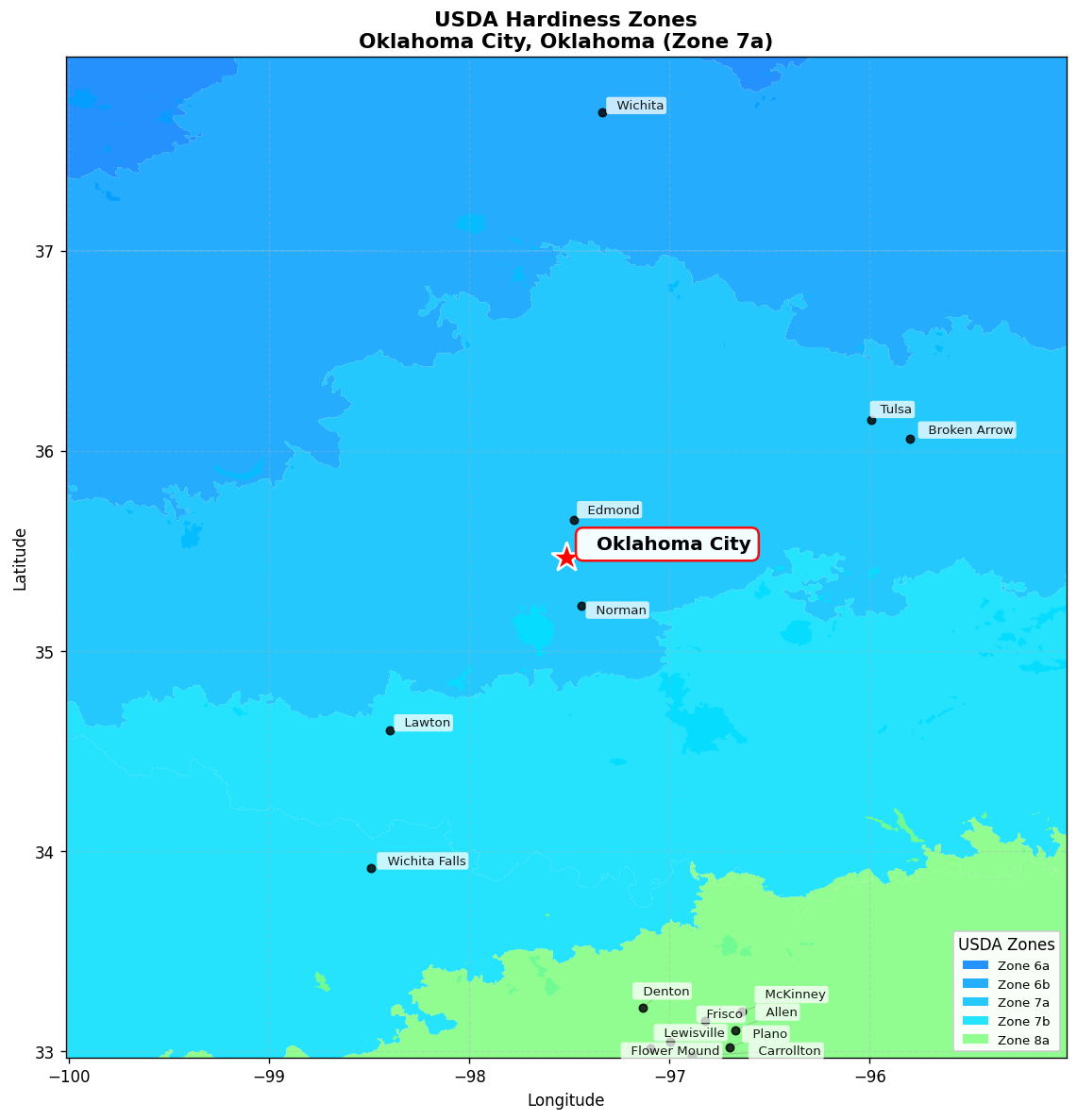
USDA Zone 7a
Hardiness zone for Oklahoma City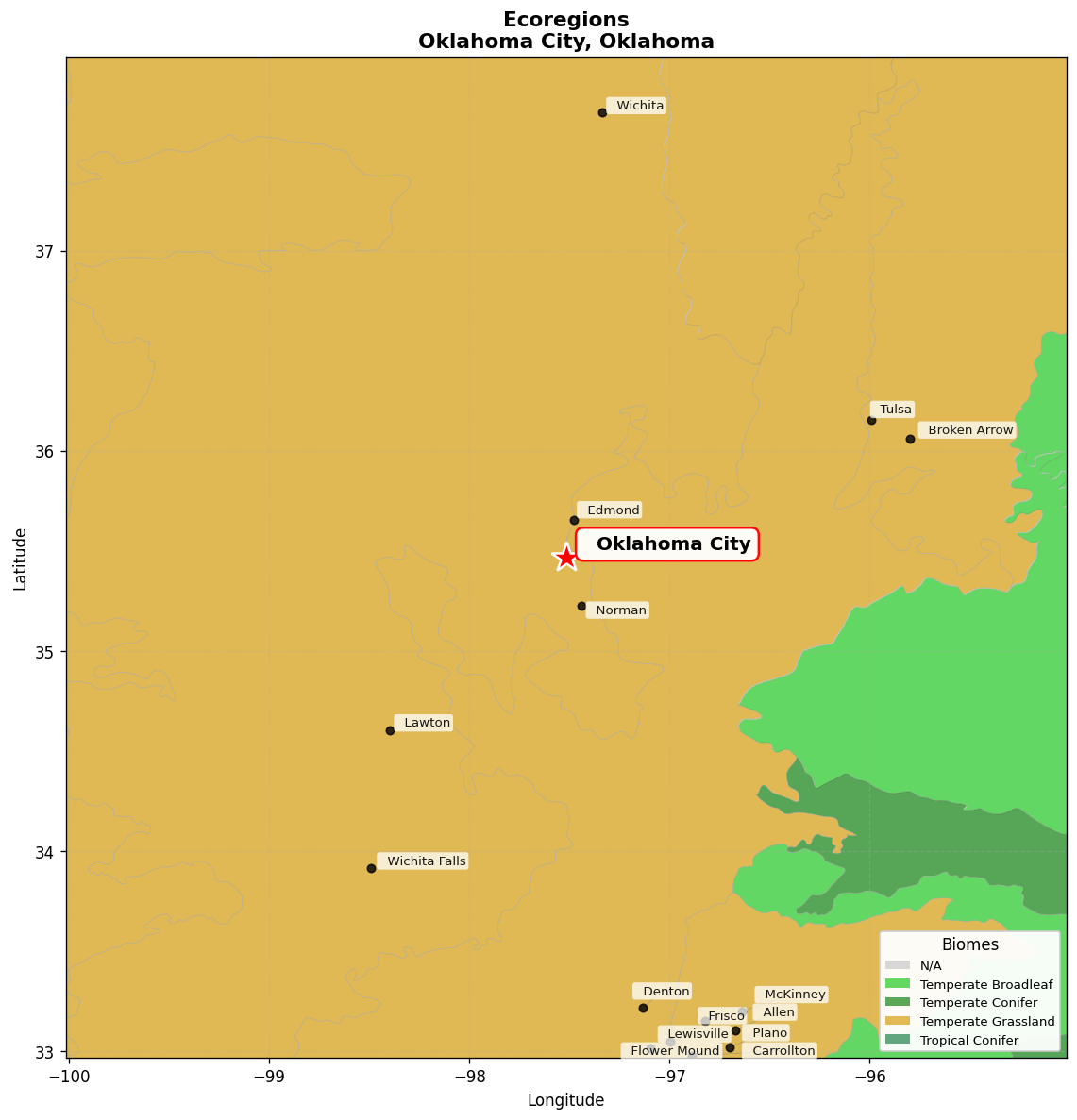
Central-Southern US mixed grasslands
Native ecoregionFrequently Asked Questions
Can you grow a cottage garden in Oklahoma City's climate?
Yes — and Zone 7a is genuinely well-suited to many classic cottage plants that struggle in hotter Texas cities. Delphiniums, foxgloves, and old garden roses that need reliable cold winters perform better in Oklahoma City than in Dallas or Houston. The key is the seasonal approach: spring (March–June) is Oklahoma City's undisputed cottage garden glory season, with reliable rainfall, warming temperatures, and conditions that classical English cottage plants were bred for. Summer (July–August) is the stress period — focus on heat-tolerant performers and let spring bloomers rest. Fall (September–November) offers a genuine second act before hard freeze arrives.
What roses work best in Oklahoma City Zone 7a?
Zone 7a's reliable cold winters open up the old garden rose palette beyond what's possible in Texas. Excellent performers: hybrid perpetuals like 'Mrs. John Laing', 'Reine des Violettes', 'Paul Neyron', and 'Frau Karl Druschki' — these were bred for cold-climate performance and thrive in Oklahoma. Antique tea roses: 'Duchesse de Brabant', 'Mme. Joseph Schwartz'. Shrub roses: 'Carefree Beauty', 'Belinda's Dream', 'Earthsong'. Native climbing rose: Rosa setigera (prairie rose). For Zone 7a specifically, the David Austin English roses — 'Gertrude Jekyll', 'Olivia Rose' — perform better than in Zone 8+ cities. The Oklahoma Rose Society is an excellent local resource.
How do tornado-prone weather patterns affect Oklahoma City cottage gardens?
Oklahoma City is in Tornado Alley, and severe thunderstorm season (March–June) brings the same spring rains that make cottage gardens spectacular — but also occasional hail, high winds, and tornadoes. Practical design adaptations: avoid tall, brittle structures (heavy arbors should be anchored with concrete footings, not surface-set), choose plants that recover quickly from physical damage (antique roses and shrub roses rebound faster than tall perennials like delphiniums), and design the garden so it can be quickly cleared of debris after a storm. After hail, assess structural damage immediately and cut back battered foliage to encourage fresh growth.
What Oklahoma City neighborhoods are best for cottage-style gardens?
Heritage Hills is Oklahoma City's premier cottage garden neighborhood: the Oklahoma Landmark Preservation Commission district has some of the finest 1900s–1920s craftsman and Victorian architecture in the southern plains, with mature American elms lining the streets and front yards scaled for cottage treatment. Mesta Park (Midtown) has similar period architecture and is experiencing significant restoration activity. Crown Heights has 1920s–1940s homes with established trees. Edgemere Park has craftsman bungalows and post-war cottages with mature landscapes. In newer parts of the city (Edmond, Moore), establishing canopy trees is the necessary first step before serious cottage gardening.
What cottage plants survive Oklahoma City's heat and cold extremes?
For Zone 7a with hot summers: antique and shrub roses (the backbone), lavender (English lavender is more Zone 7 reliable than Spanish), Salvia nemorosa 'May Night' and S. greggii, coneflower, black-eyed Susan, prairie coneflower (Ratibida columnifera), catmint, coreopsis, yarrow, ornamental grasses. In afternoon shade: delphiniums and foxgloves survive better in Oklahoma City than in Zone 8 Texas cities — the colder winters reduce the fungal pressure that kills them in warmer zones. Astilbe in reliably shaded locations. Avoid: tropical plants that won't survive Zone 7a winters without protection.
When should I plant a cottage garden in Oklahoma City?
Fall (October–November) is ideal for roses, perennials, and spring bulbs — Oklahoma City's reliable winter moisture and cold stratification period prepares plants for vigorous spring emergence. Spring (March–April) is excellent for summer-blooming perennials after last frost (average March 20–25). For spring-blooming cottage plants (foxgloves, delphiniums), fall planting or very early spring planting is essential — they need to be established before summer heat arrives. Don't plant tender things before April 1 — Oklahoma City's late-season freezes are real and can damage established plants through mid-April in cold years.