4 Modern Landscape Ideas for Norwalk, CA | Low-Water Designs for Zone 10b
Native plants from the California coastal sage and chaparral (Zone 10b) — Mediterranean (warm summer) climate
For a modern garden in Norwalk, CA, a zone 10b city with a mediterranean (warm summer) climate, start with Agave 'Blue Glow', Muhlenbergia capillaris 'Regal Mist' and Aloe 'Blue Elf', the plants this guide's first design is built on.
Why Modern/Minimalist Gardens in Norwalk?
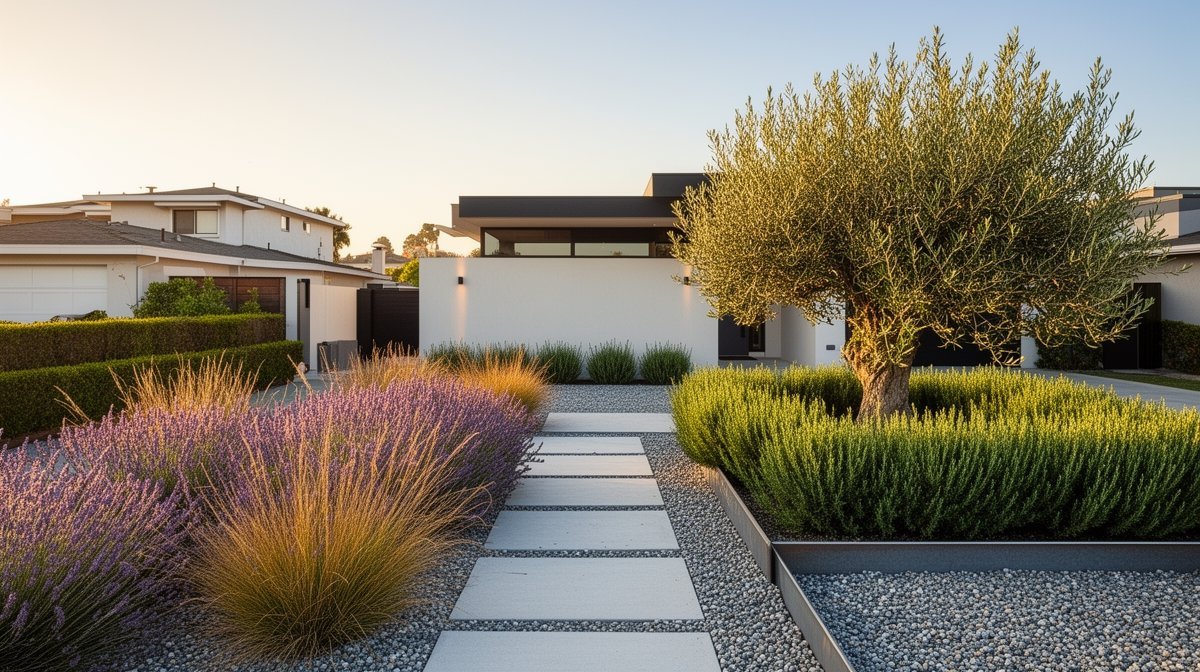
Modern landscaping fits Norwalk because of what is already here. Most of the city is 1950s tract housing: low, horizontal ranch and minimal-traditional houses on flat lots, with big front lawns and little shade. A low roofline pairs well with strong horizontal lines, and a flat lot is easy to grade into crisp planes. Replace the lawn with poured concrete or large-format pavers, a few big plant masses and gravel, and the house looks a decade newer. Streets off Studebaker Road, Alondra Boulevard and Imperial Highway have the long, even frontages for it.
The climate suits a plant-led modern look. Norwalk is USDA Zone 10b: winter lows rarely fall below 38 to 42°F, summer afternoons run in the mid 80s with a few days past 100°F during Santa Ana winds, and the yearly rain total is about 14 inches, mostly between November and March. That climate holds Agave 'Blue Glow', Agave attenuata 'Nova', Aloe 'Blue Elf' and Hesperaloe parviflora without frost damage. A sculptural look built on Muhlenbergia capillaris 'Regal Mist' and Muhlenbergia rigens gives you movement and color without turf.
Soil helps too. The city sits on the alluvial plain between the San Gabriel River and the Rio Hondo, so it is sandy loam to loam, free-draining and usually a little alkaline (pH about 7.0 to 8.0). Succulents and grasses like that. The one catch is compaction under old lawns and driveways: rip 8 to 12 inches deep before planting, and mound agave and aloe beds 6 inches above grade so winter rain runs away from the crowns.
Water rules shape the plan. Norwalk is served by more than one water supplier, so watering days and drought stage depend on whose bill you pay: check with your provider. Whatever the schedule, a modern yard built on drip and 3 inches of gravel mulch uses a fraction of what a lawn does. Plan a concrete band or steel edge between each planted zone and the paving: it keeps the lines sharp and keeps gravel off the walkway. And mind the front fence and wall height limits before you pour anything.
4 Modern/Minimalist Design Ideas for Norwalk
AI-generated image
The Gravel and Agave Front
$14–30/sqftThe front lawn becomes a clean plane of pale gravel, broken by four large Agave 'Blue Glow' and a long, low bed of Muhlenbergia capillaris 'Regal Mist' against the house. A wide concrete walk with exposed-aggregate bands leads to a pivot door painted charcoal. At dusk, uplights on the agave make the leaf edges glow. The yard faces west, so the grasses turn pink in the evening sun.
Try this on your yard: The Gravel and Agave FrontAI-generated image
The Concrete Grid Courtyard
$24–48/sqftA square-cut front courtyard is laid out in 3-foot concrete pavers with 4-inch gaps filled with Dymondia margaretae. A single multi-trunk Arbutus 'Marina' sits in one corner, and a low horizontal slat fence in cedar closes the street side. Planting beds hold Westringia fruticosa 'Morning Light' and blue Festuca mairei in simple blocks. The tree shades the front window from the western sun.
Try this on your yard: The Concrete Grid CourtyardAI-generated image
The Backyard Fire Terrace
$28–58/sqftA 14-by-16-foot concrete terrace steps down from the back door to a built-in fire table and low bench seating. Behind the bench, a bed of Muhlenbergia rigens and Salvia leucantha 'Santa Barbara' softens a block wall, while Olea europaea 'Wilsonii' gives the corner a green canopy. The lawn is cut to a single rectangle of artificial or Zoysia 'Zeon' turf for kids and dogs.
Try this on your yard: The Backyard Fire TerraceAI-generated image
The Xeric Parkway and Side Yard
$10–22/sqftThe narrow strip beside the driveway and the parkway between sidewalk and curb become a drought bed: a spine of Yucca 'Color Guard' and Hesperaloe parviflora with stepping slabs of concrete between. Low drifts of Senecio mandraliscae and Lomandra 'Platinum Beauty' fill the gaps. A matching concrete band ties the strip to the front walk.
Try this on your yard: The Xeric Parkway and Side YardSee how a modern/minimalist garden looks on YOUR property
Upload a photo of your Norwalk yard and visualize your dream garden in seconds.
Try ProScapeAI Free

AI-generated image
Featured Trees & Shrubs for Modern/Minimalist Gardens
Browse all 212 plants for Norwalk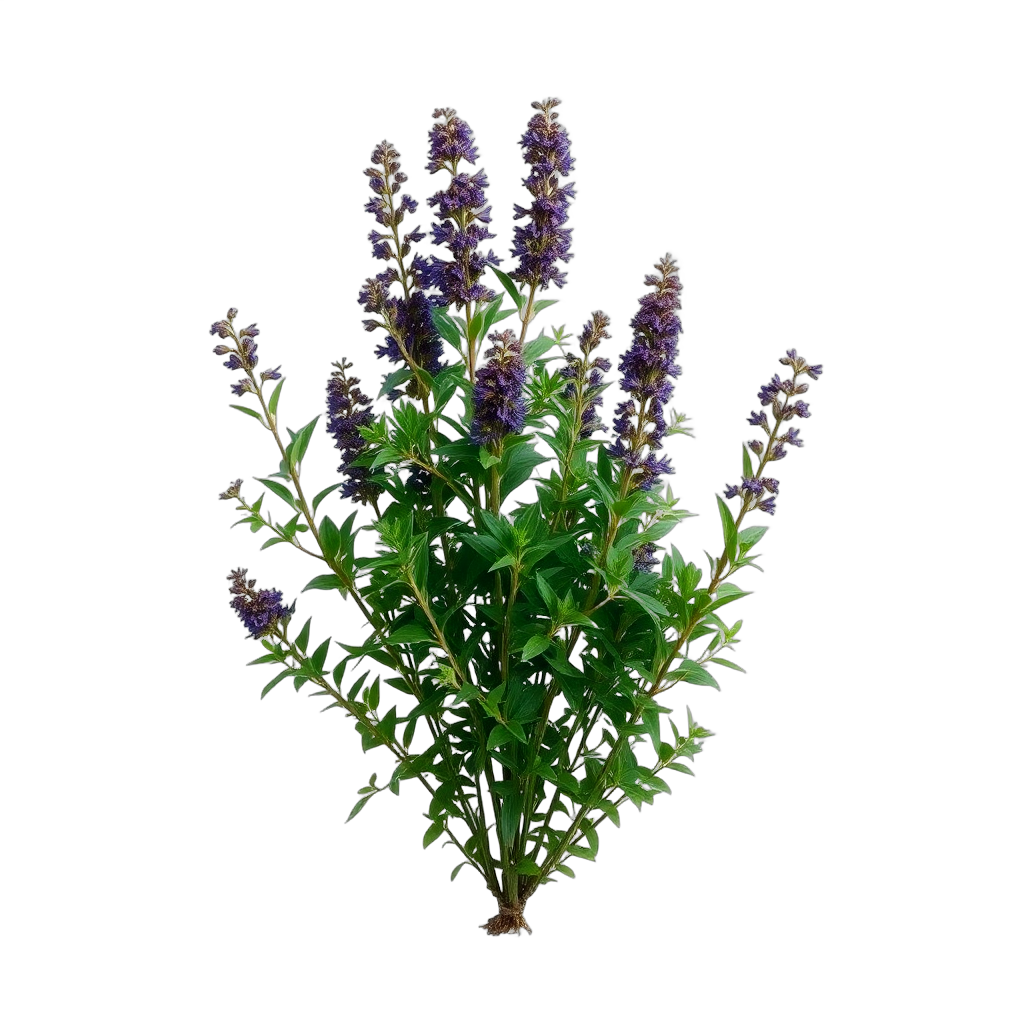
Black Sage
Salvia mellifera
grows to 4 feet, white blooms in spring. Attracts butterflies.
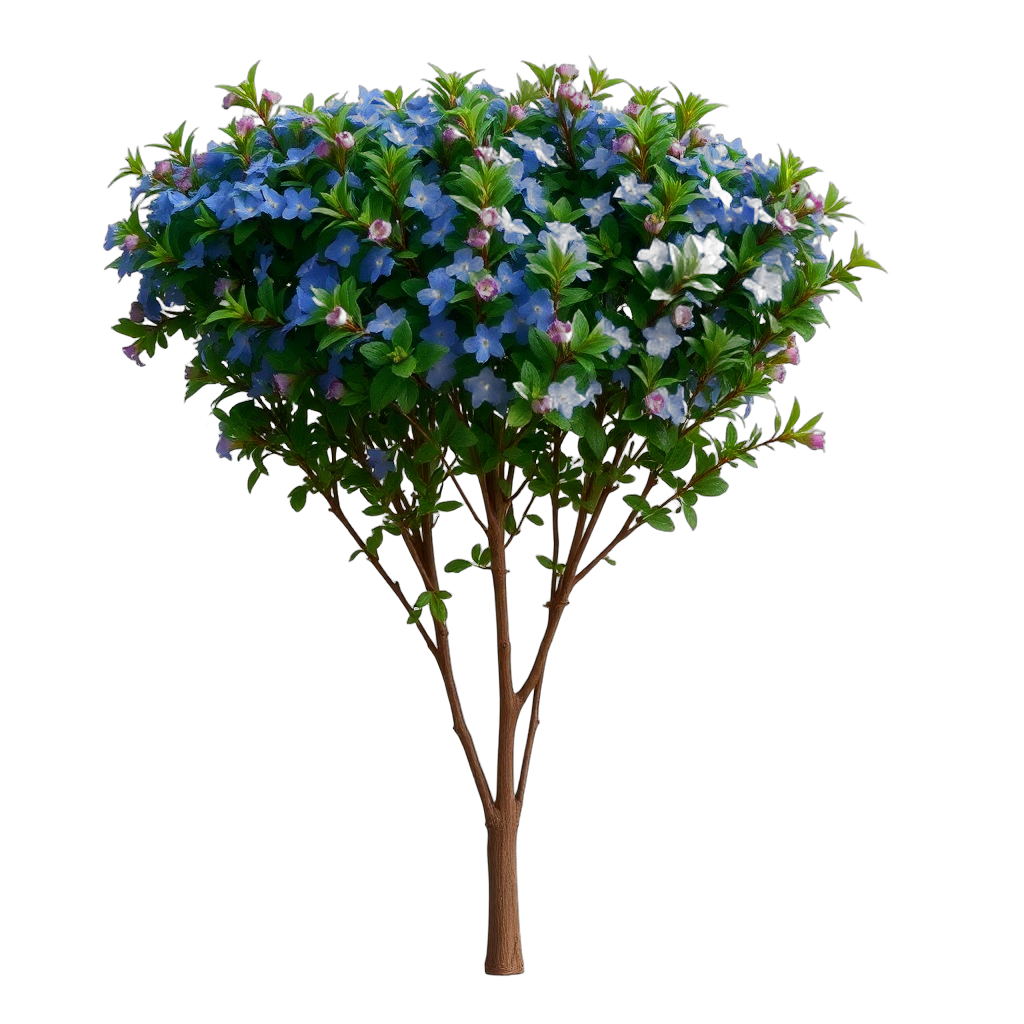
Blue Blossom
Ceanothus thyrsiflorus
medium-sized at 12 feet, blue blooms in spring. Attracts butterflies.
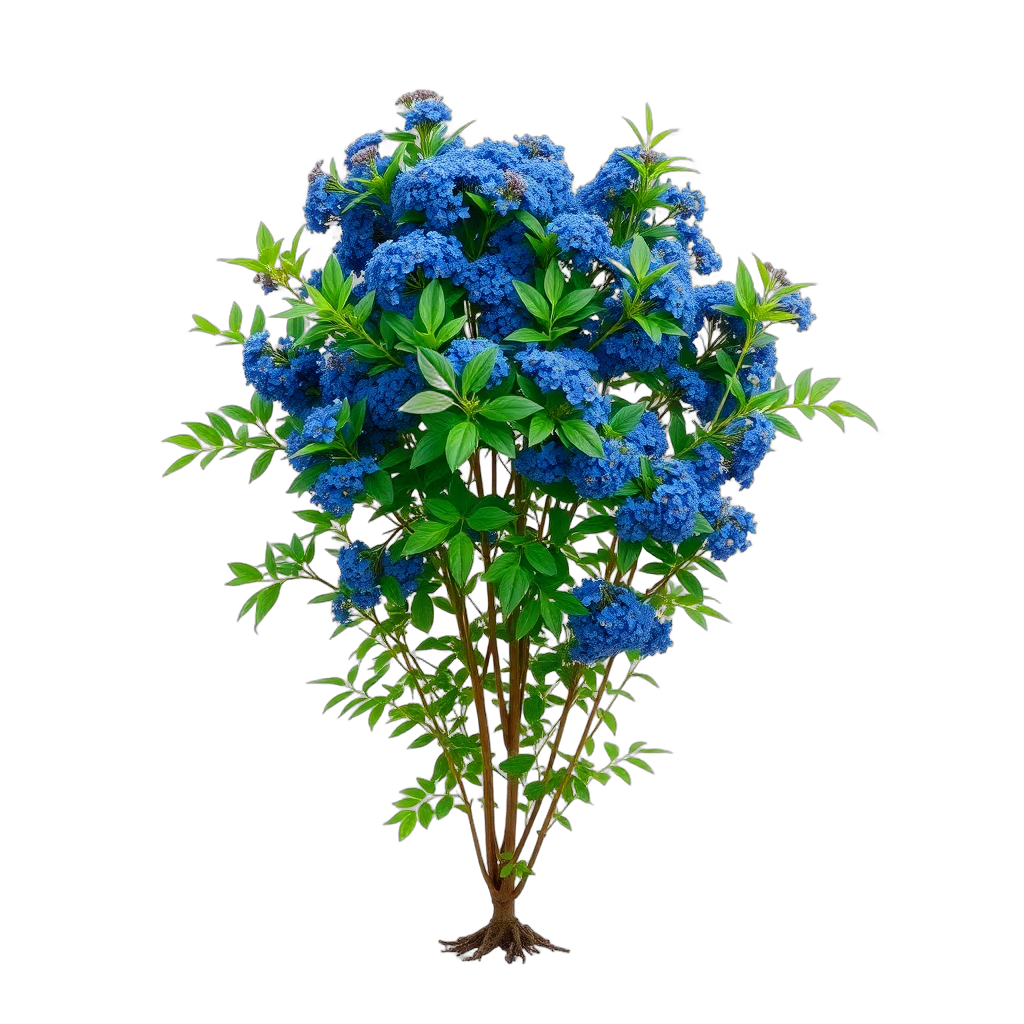
Blue Elderberry
Sambucus cerulea
medium-sized at 15 feet, white blooms in spring. Attracts butterflies.
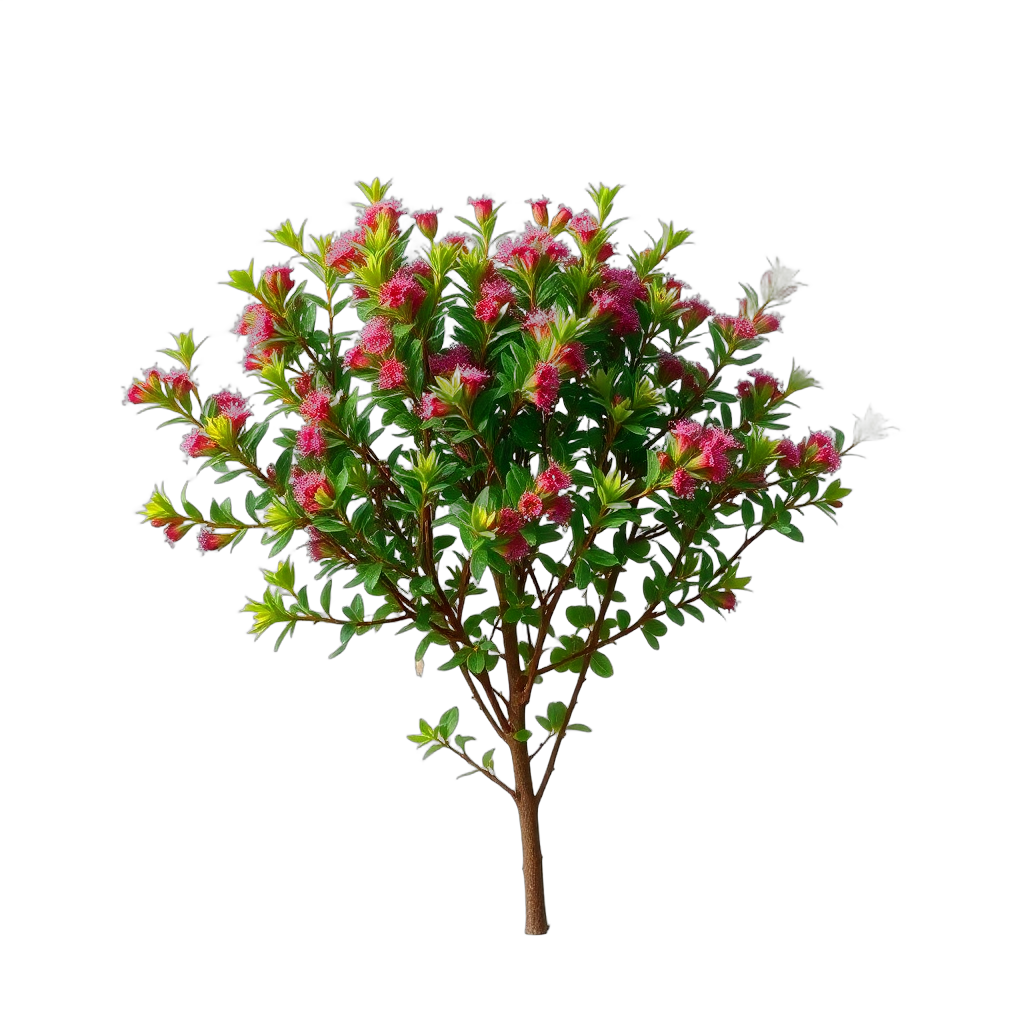
Buckbrush
Ceanothus cuneatus
medium-sized at 7 feet, white blooms in spring. Attracts butterflies.
Featured Grasses & Groundcovers for Modern/Minimalist Gardens
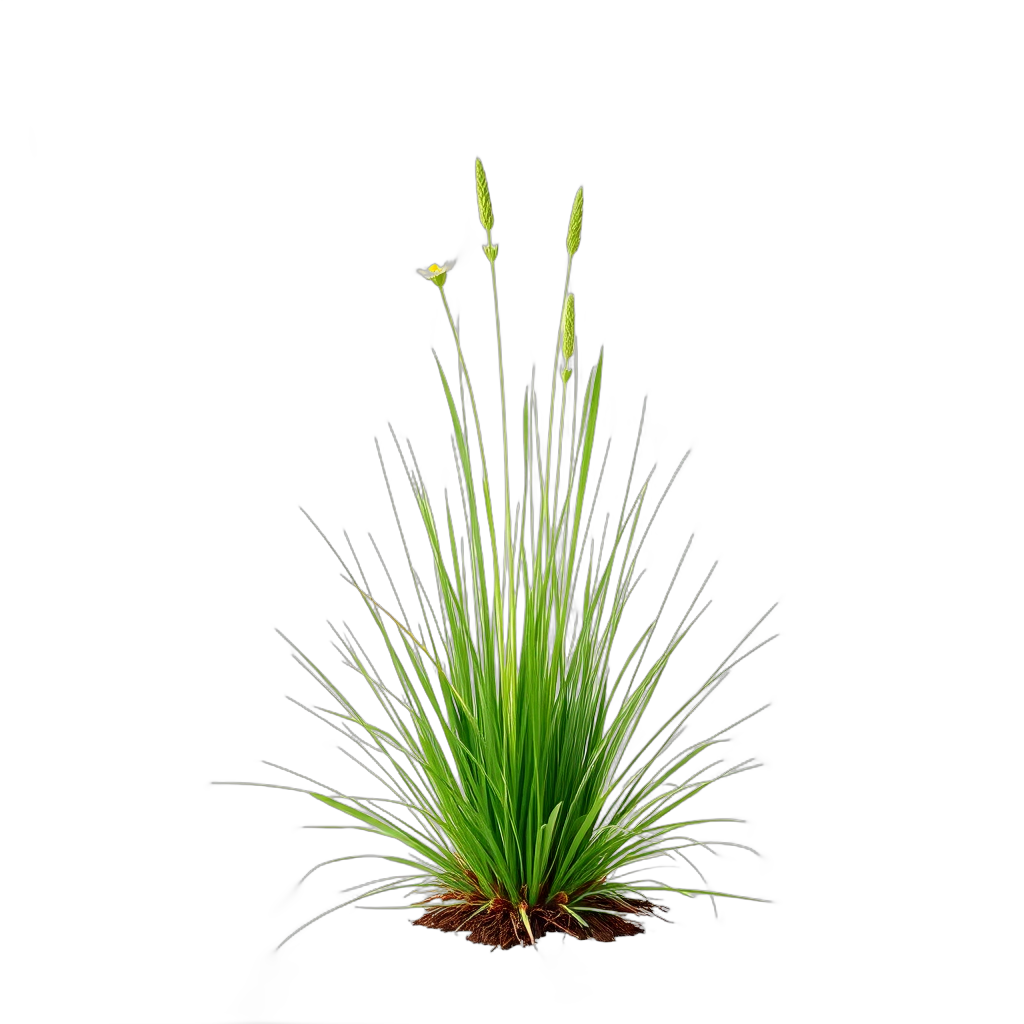
California Brome
Bromus carinatus
low-growing ground cover, blooms in spring. Yellow fall color.
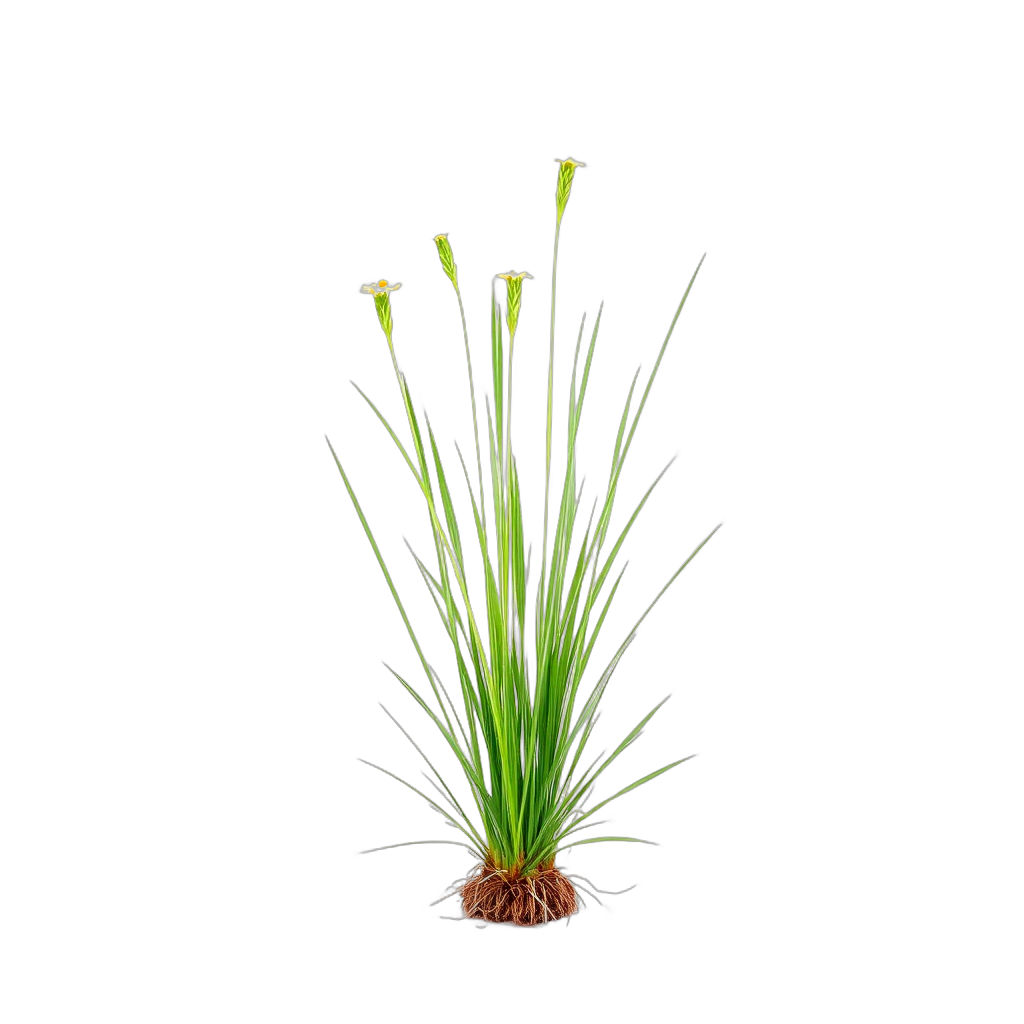
California Melic
Melica californica
low-growing ground cover, blooms in spring.
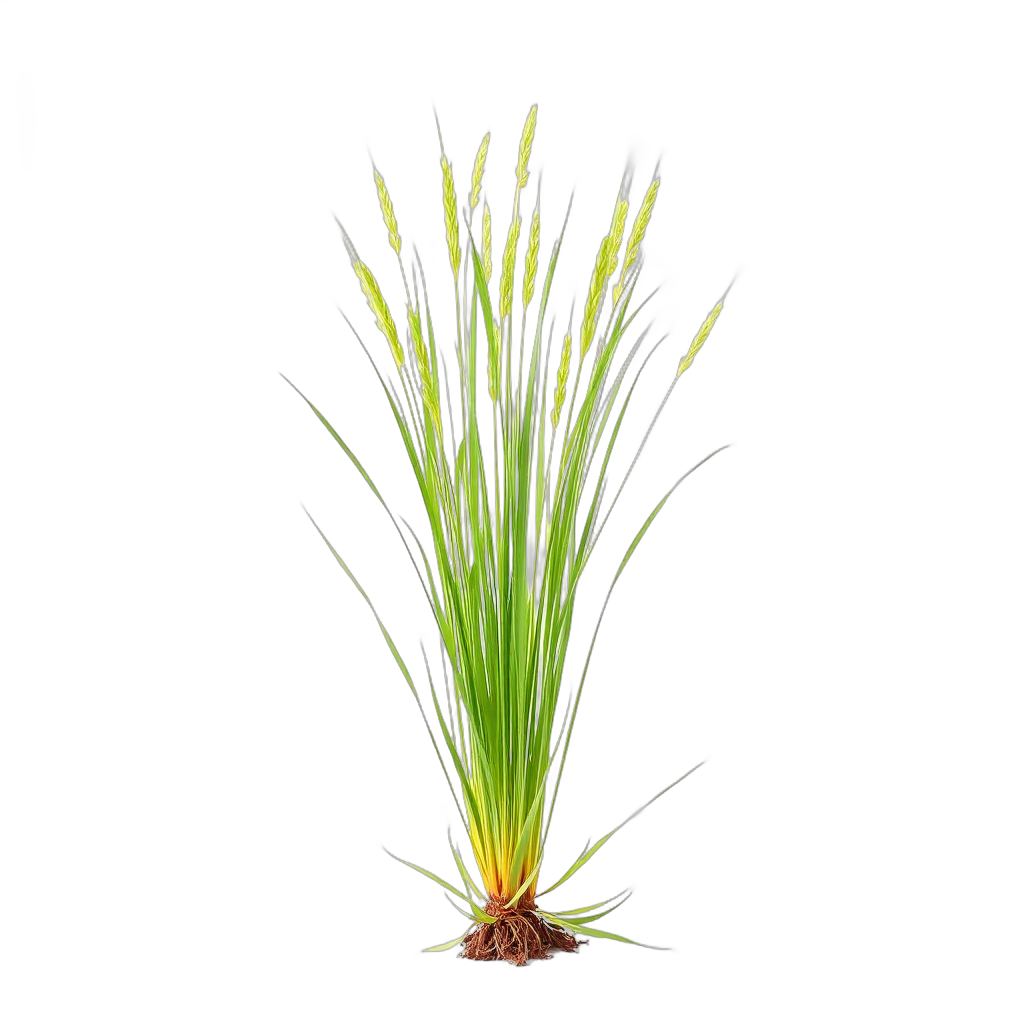
California Oatgrass
Danthonia californica
low-growing ground cover, blooms in spring. Yellow fall color.
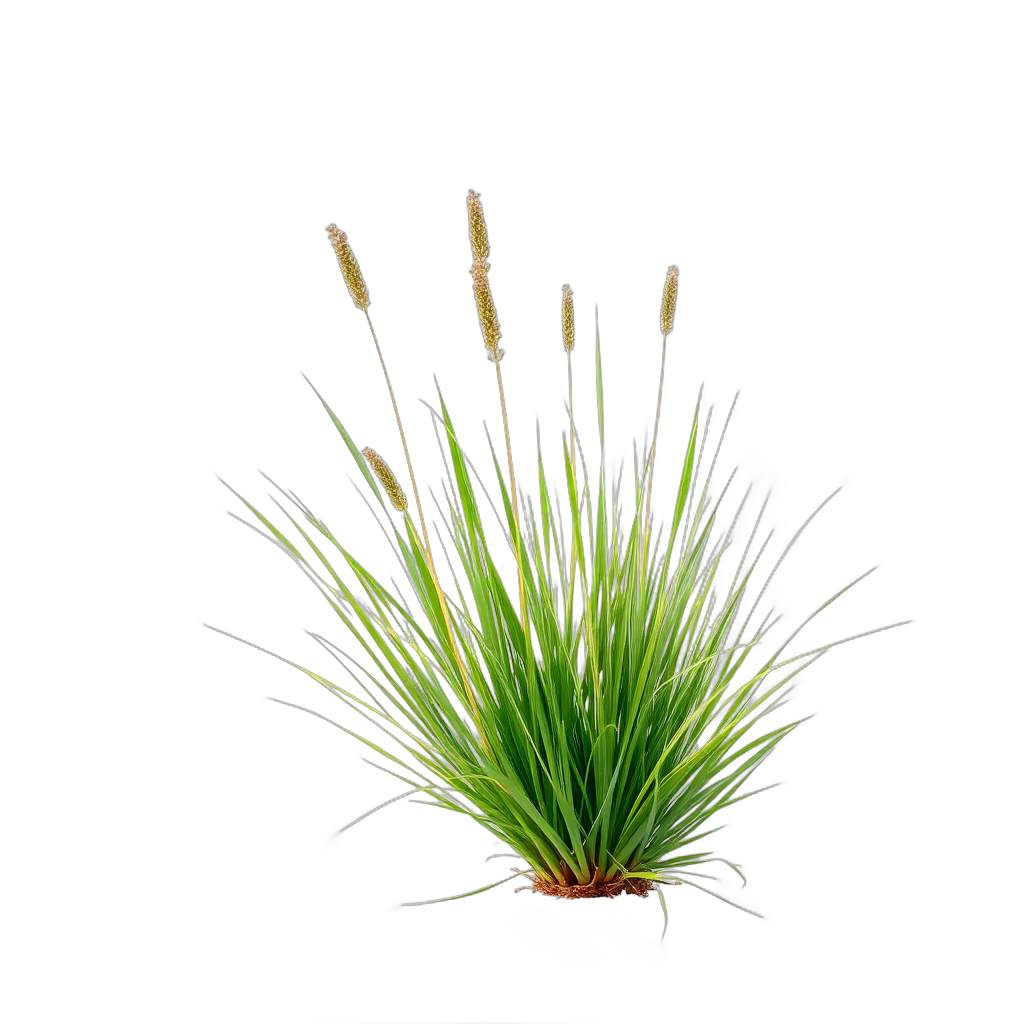
Deer Grass
Muhlenbergia rigens
grows to 3 feet, yellow blooms in fall. Evergreen year-round.
Featured Flowers & Perennials for Modern/Minimalist Gardens
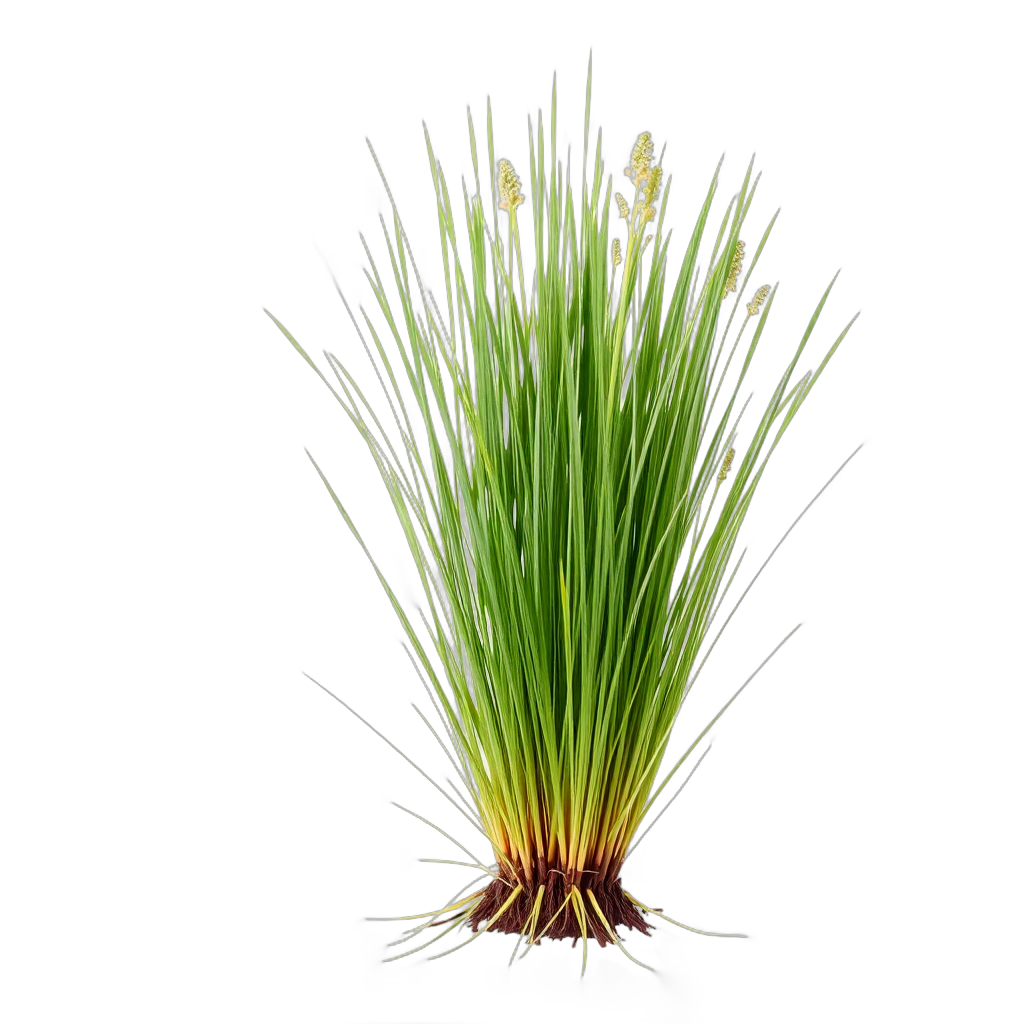
California Gray Rush
Juncus patens
low-growing ground cover, blooms in summer. Evergreen year-round.
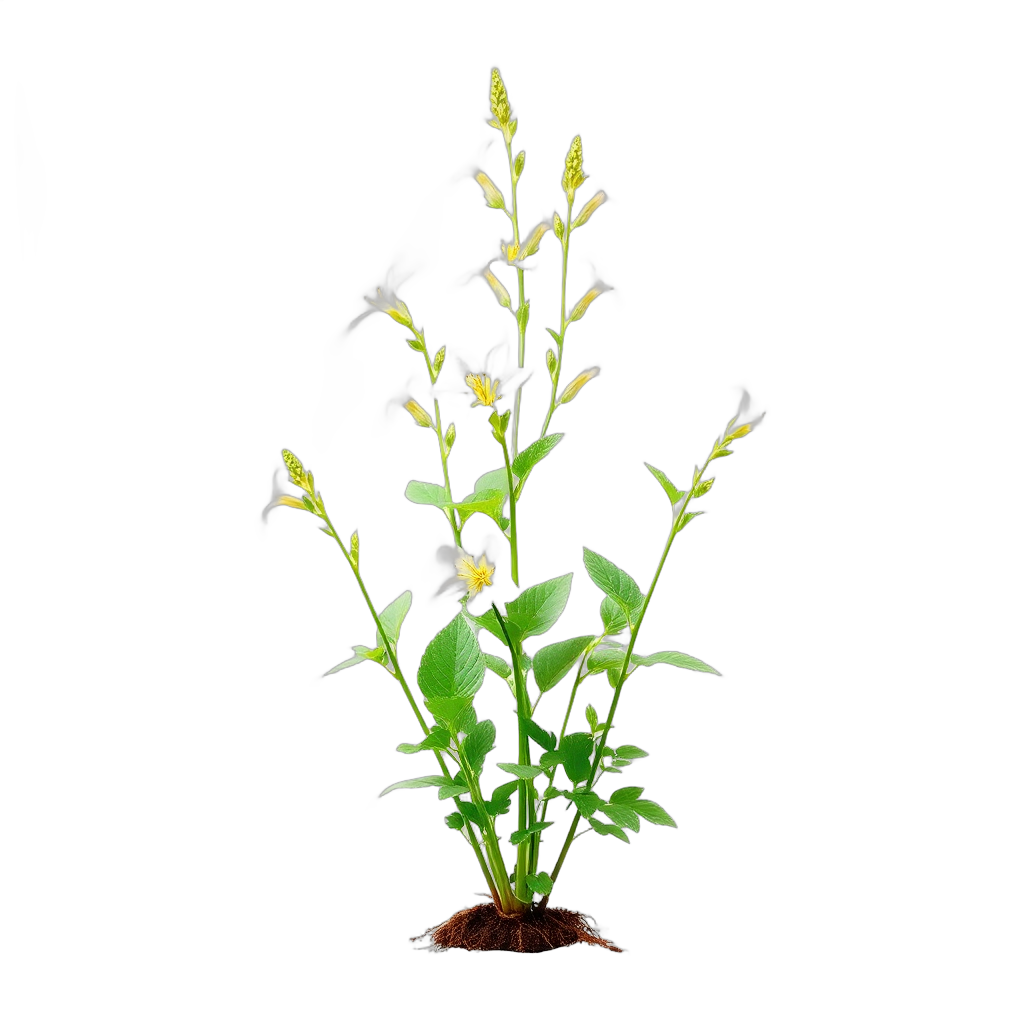
Beach Evening Primrose
Camissonia cheiranthifolia
low-growing ground cover, yellow blooms in spring. Attracts butterflies.
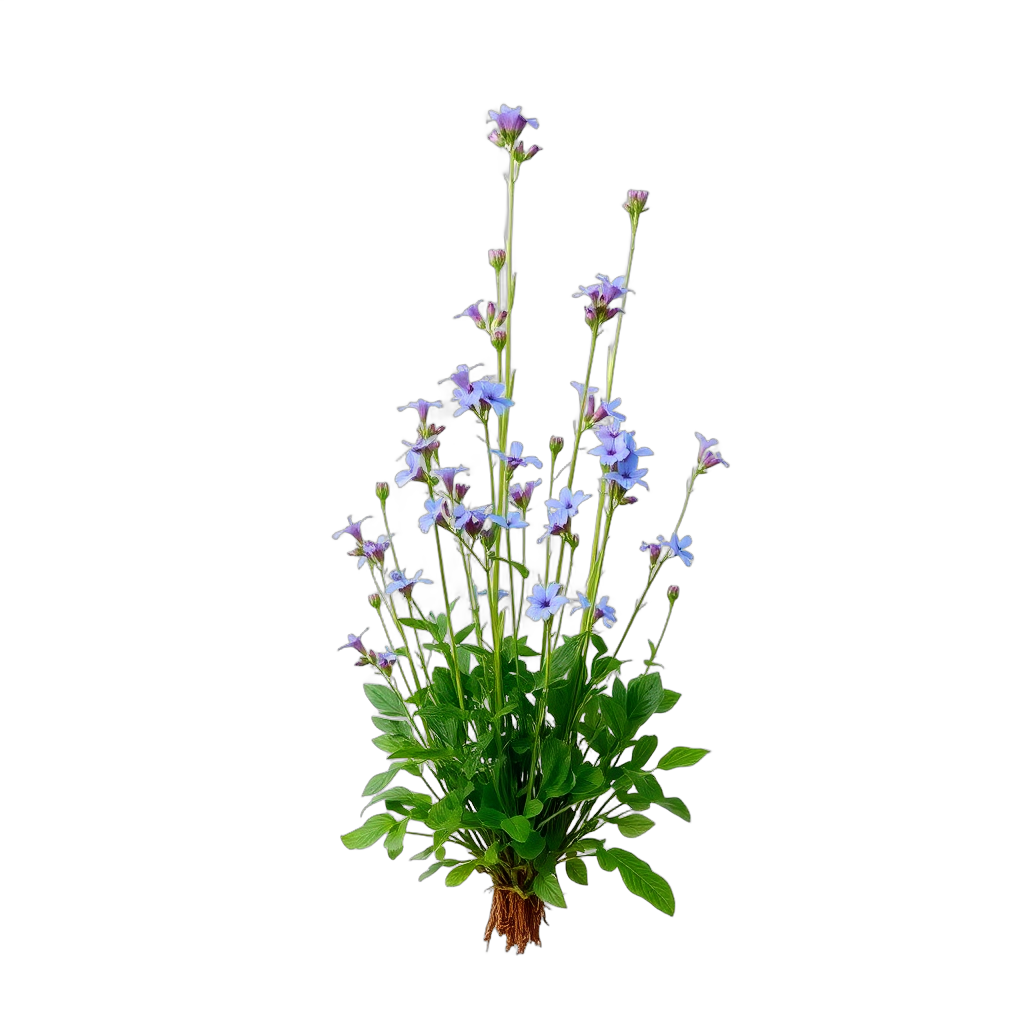
Blue Dicks
Dichelostemma capitatum
low-growing ground cover, blue blooms in spring. Pollinator-friendly.
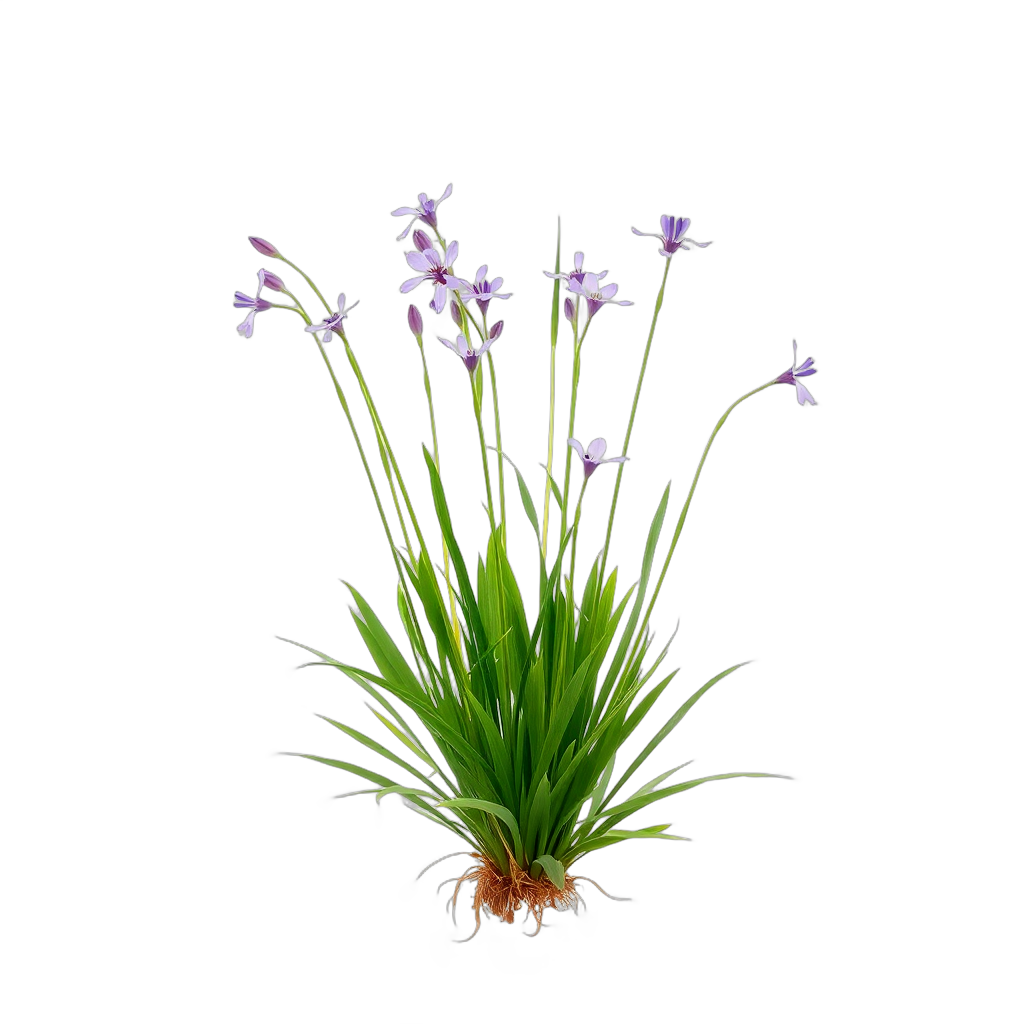
Blue-Eyed Grass
Sisyrinchium bellum
low-growing ground cover, blue blooms in spring. Attracts butterflies.
Zone and sun checks come from our database — confirm with your local nursery before you buy.
Bloom Calendar for Norwalk
spring
Beach Evening Primrose, Blue Dicks, Blue-Eyed Grasssummer
California Gray Rush, Hooker's Evening Primrose, Hummingbird Mintfall
California Fuchsiawinter
Limited bloomsDesign Tips for Norwalk (Zone 10b)
- Mound agave and aloe beds 6 inches above grade: Norwalk loam drains well, but the heavy winter rains still rot crowns that sit in a low spot
- Rip compacted soil 8 to 12 inches deep under old lawns and driveways before you plant, or roots will circle in a shallow pocket
- Skip the weed fabric: it traps dust and sprouts weeds on top of it within two years; use 3 inches of crushed gravel and hand-pull instead
- Give Muhlenbergia capillaris 'Regal Mist' the west-facing bed and cut it to 6 inches in January: it blooms pink from September to November in the low evening sun
- Plan drip in zones: grasses, succulents and the Olea europaea 'Wilsonii' want different run times, and mixing them on one valve wastes water
- Shade the western wall: one Arbutus 'Marina' or Olea europaea 'Wilsonii' on the sunset side cuts afternoon heat gain on a low ranch house in the mid 80s summer
- Use uplights at the base of the agaves: Santa Ana season and short winter days mean you see the yard in the dark half the time
Where to Source Plants in Norwalk
Skip the big-box stores. These independent Norwalk nurseries specialize in the plants that make modern/minimalist gardens thrive in Zone 10b.
Ricardo's Nursery
North Long Beach (Atlantic Avenue), about 10 miles south of Norwalk
Retail and wholesale nursery with drought-tolerant plants, succulents, flowering shrubs and vines, open seven days; runs classes and has worked with the City of Long Beach on a drought-tolerant landscaping rebate
Mimosa Nursery
West Anaheim (Crescent Avenue), about 10 miles southeast of Norwalk
Family-owned since 1982, with first-grade bush, tree and Star roses plus citrus, avocado, and tropical and deciduous fruit trees
Theodore Payne Foundation
Sun Valley (also the Los Nogales Nursery in Los Angeles)
Nonprofit California native plant nursery and seed store, open Tuesday to Saturday at Sun Valley, for native salvias, buckwheats, grasses and wildflower seed
Modern/Minimalist Landscaping Cost Ranges
| Project Scope | Estimated Cost |
|---|---|
| Concrete paver courtyard (200–300 sqft) | $4,300–$8,500 |
| Concrete patio, broom finish (200 sqft) | $2,100–$2,500 |
| Low-voltage landscape lighting (6 fixtures) | $1,200–$2,000 |
| Drip irrigation system (500 sqft of planted area) | $1,200–$2,200 |
| AI visualization (ProScapeAI) | Free to start |
National average installed ranges for 2026 from our landscaping price list (Homewyse and other published sources). Prices in Norwalk, CA vary with site, materials and contractor, so get two or three local quotes.
Norwalk Climate & Growing Zone
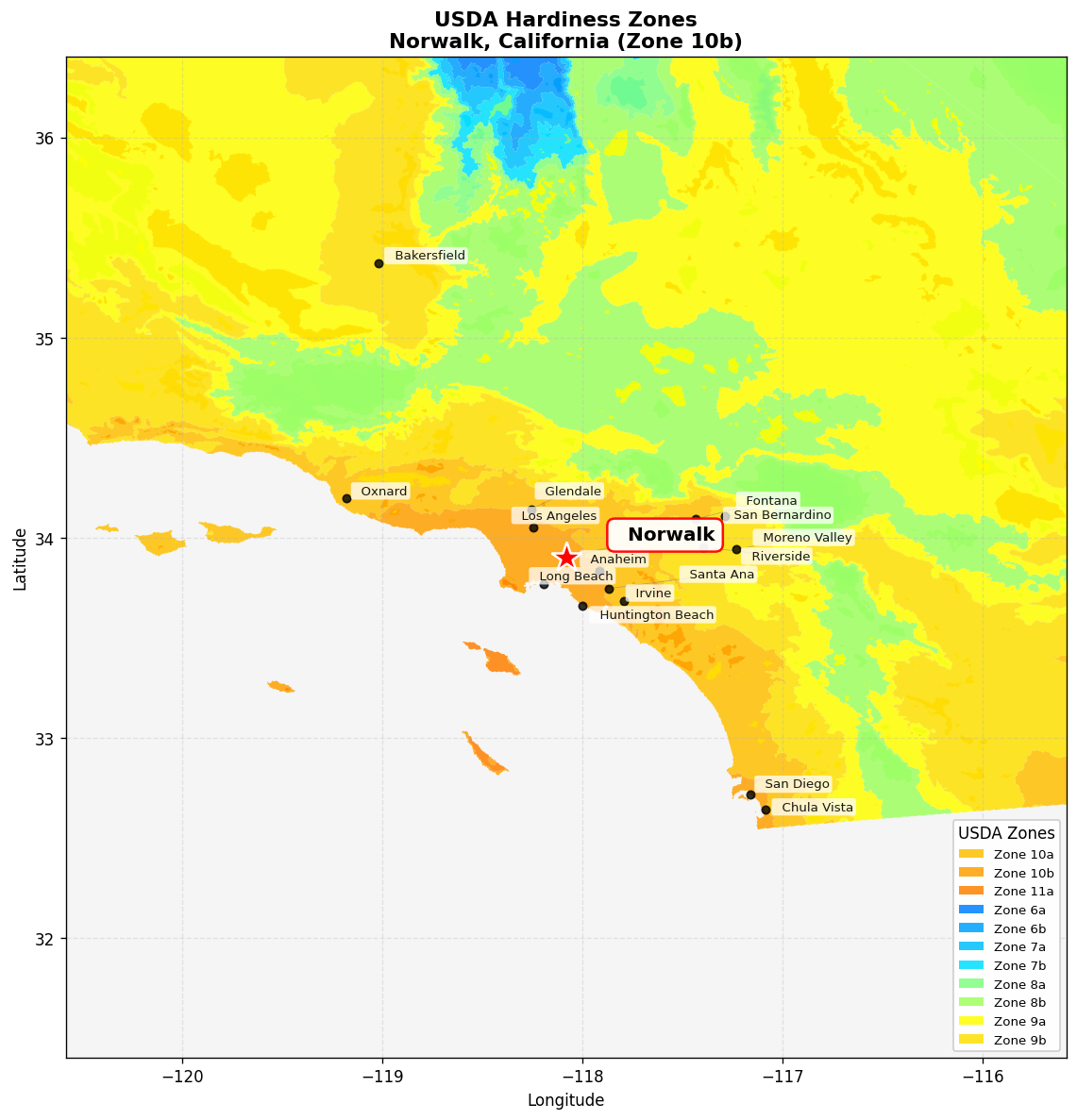
USDA Zone 10b
Hardiness zone for Norwalk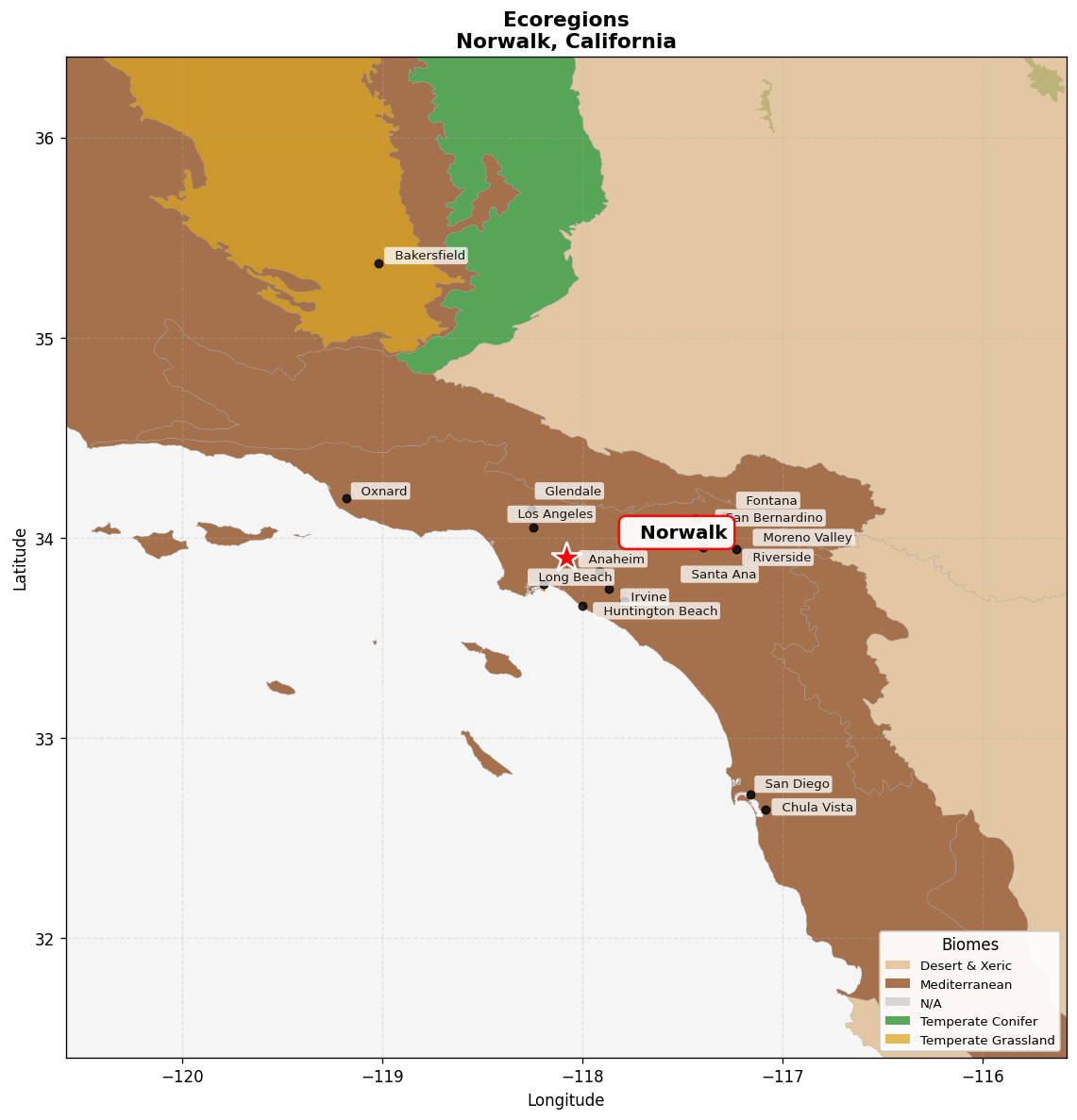
California coastal sage and chaparral
Native ecoregionFrequently Asked Questions
How much does a modern landscape cost in Norwalk, CA?
Los Angeles County labor runs 20–30% above the national average. Get two or three local quotes, and ask each to price the irrigation separately.
Is a modern landscape low maintenance in Norwalk's climate?
It is among the lowest-maintenance styles for this climate, but no yard is zero. Expect an hour a month: cut Muhlenbergia capillaris 'Regal Mist' to 6 inches each January, pull weeds from the gravel in spring, and clear dead agave leaves. Drip lines need a check every month in summer. The common failure is leaving weed fabric in place; use 3 inches of gravel and hand-pull instead.
When is the best time to plant in Norwalk?
October through March is best, since winter rain helps establish roots. Succulents like Agave 'Blue Glow' and Aloe 'Blue Elf' also go in during spring if you water weekly through the first summer. Avoid planting grasses in the heat of July and August. There is rarely a frost, though a rare night in the high 30s can mark soft succulents like Aeonium 'Zwartkop'.
Do I need a permit or HOA approval in Norwalk?
Most single-family tracts in Norwalk have no HOA, but check your deed if you are in a newer development. Fence and wall height limits apply, and a larger hardscape project or fire feature may need a building permit. California's Model Water Efficient Landscape Ordinance applies to many new and rebuilt landscapes that need a permit, and the city has its own water-efficient landscape ordinance. Confirm the current requirements with the City of Norwalk planning and building counter before you build.
Which plants survive Norwalk's heat and which fail?
Survivors include Agave 'Blue Glow', Agave attenuata 'Nova', Aloe 'Blue Elf', Hesperaloe parviflora, Muhlenbergia capillaris 'Regal Mist' and Olea europaea 'Wilsonii'. Plants that struggle are those needing real winter cold, such as Japanese maples and most blue spruces, and any plant with large, thin leaves in an exposed west bed. Agave attenuata 'Nova' scorches in full reflected heat against a west wall, so give it afternoon shade.
Can I use artificial turf in a modern yard here?
Yes, and many Norwalk owners do. Artificial turf can get hot in summer, with surface temperatures well above air temperature in full sun, so shade it or limit it to a small panel. A low-water living alternative is Zoysia 'Zeon', which needs less water than fescue or hybrid Bermuda. Whichever you choose, ask your water provider whether any turf-replacement program is open.
What about Santa Ana winds and fire features?
Santa Ana days, mostly September to January, bring hot, dry, gusty wind. Fire tables should have a shut-off and sit away from dry grasses like Muhlenbergia rigens. Keep dead stalks trimmed, and do not burn on red-flag days. Use gas rather than wood, and check local rules before you install one.