4 Modern Landscape Ideas for Norwalk, CT | Salt-Tolerant Designs for Zone 7a
Native plants from the Northeast US Coastal forests (Zone 7a) — Humid continental (hot summer) climate
For a modern garden in Norwalk, CT, a zone 7a city with a humid continental (hot summer) climate, start with Calamagrostis × acutiflora 'Karl Foerster', Juniperus virginiana 'Taylor' and Ilex crenata 'Sky Pencil', the plants this guide's first design is built on.
Why Modern/Minimalist Gardens in Norwalk?
Modern landscape design fits Norwalk's houses better than people expect. The 1950s and 1960s contemporaries and ranches around Silvermine and Cranbury, the new shoreline houses of Rowayton and East Norwalk, and the townhouses and lofts of South Norwalk and the harbor waterfront all have long horizontal lines that a modern garden repeats. Modern design here means one strong axis, a clean bluestone or concrete walk to the door, two matched bands of Calamagrostis × acutiflora 'Karl Foerster', and enough empty space that the planting reads as architecture.
Norwalk is USDA Zone 7a, with average winter extreme lows of 0 to 5°F, and Long Island Sound moderates the shoreline. That supports a good architectural evergreen palette: Juniperus virginiana 'Taylor' as a narrow native column, Ilex crenata 'Sky Pencil' holding a two-foot-wide line against a dark wall, and Yucca filamentosa 'Color Guard' keeping its spikes above the snow. The constraint is wet, not dry: Norwalk takes roughly 44 inches of precipitation a year plus snow, so desert-modern gravel gardens of agave fail here through winter rot. Agave parryi and Yucca rostrata survive only in a raised, gritty planter. Where a California design would use Mexican feather grass, plant Sporobolus heterolepis or Panicum virgatum 'Northwind', which stand through a nor'easter.
Near the harbor the soil is sandy and salty over old fill; inland, in Silvermine and Cranbury, it is stony glacial till with ledge that can stop an excavator a foot down. Both run acidic, usually pH 5.0–6.0, which is fine for Hydrangea paniculata 'Limelight' and Ilex glabra 'Gem Box' but sour for Perovskia 'Blue Spire', so lime the gravel beds. Connecticut's frost depth is 42 inches: seat walls, fire features, pergola posts and heavy Corten planters need footings below that line, and every paved terrace needs 8–12 inches of compacted processed gravel under it. On the waterfront, specify salt-tolerant plants such as Schizachyrium scoparium 'The Blues' and Morella pensylvanica at the street edge.
Customers of the First Taxing District water utility are on a mandatory sprinkler schedule from April 1 to October 31: even-numbered addresses on Sunday and Wednesday, odd-numbered on Saturday and Tuesday, before 10 a.m. or after 6 p.m. Drip, soaker hoses and hand watering are allowed any time, and a modern garden of grasses, gravel and drip line runs happily on that; a large lawn does not. Norwalk is served by more than one water utility, so check which one bills you. Shoreline sites can also fall under Connecticut's coastal site plan review.
4 Modern/Minimalist Design Ideas for Norwalk
AI-generated image
The Mid-Century Grass Ribbon
$18–38/sqftA low-slung 1960s ranch sits behind two long bands of feather reed grass that run the width of the house, split by a straight bluestone walk to a dark front door. The lawn is reduced to a clean rectangle on one side, and a single Japanese maple is the only curve in the composition. Narrow columns of juniper mark each end of the facade, and the evening sun on the grass plumes does more than any flowering border could.
Try this on your yard: The Mid-Century Grass RibbonAI-generated image
The Harbor Gravel and Grass Garden
$22–48/sqftA white shingle-style house near the water sits above a gravel front garden planted in broad drifts of native grass, with a crushed-stone path leading to a deck. Everything at the street edge tolerates salt and wind, and a flat bluestone terrace takes the view back toward the harbor. The planting is low enough to keep sightlines open and tough enough to survive a winter storm surge of spray.
Try this on your yard: The Harbor Gravel and Grass GardenAI-generated image
The South Norwalk Courtyard Box
$30–62/sqftA narrow brick-walled courtyard behind a loft or townhouse holds a bluestone floor, three black steel planters and a built-in bench along one wall. Fastigiate arborvitae and Sky Pencil holly give height without taking floor space, and a mass of Hameln fountain grass softens the corner. Light comes from above, so the planting leans on shade-tolerant grasses and hydrangea that handle a half-day of sun.
Try this on your yard: The South Norwalk Courtyard BoxAI-generated image
The Ledge and Terrace Slope
$35–75/sqftA hillside property in Cranbury or Silvermine uses its exposed ledge as the main feature. Stepped Corten steel retaining walls hold flat terraces for a fire pit and dining area, and low juniper and sedum spill down the rock between them. Grasses stand above the ledge in the afternoon light, and the planting is chosen for full sun and fast drainage on thin soil.
Try this on your yard: The Ledge and Terrace SlopeSee how a modern/minimalist garden looks on YOUR property
Upload a photo of your Norwalk yard and visualize your dream garden in seconds.
Try ProScapeAI Free

AI-generated image
Featured Trees & Shrubs for Modern/Minimalist Gardens
Browse all 181 plants for Norwalk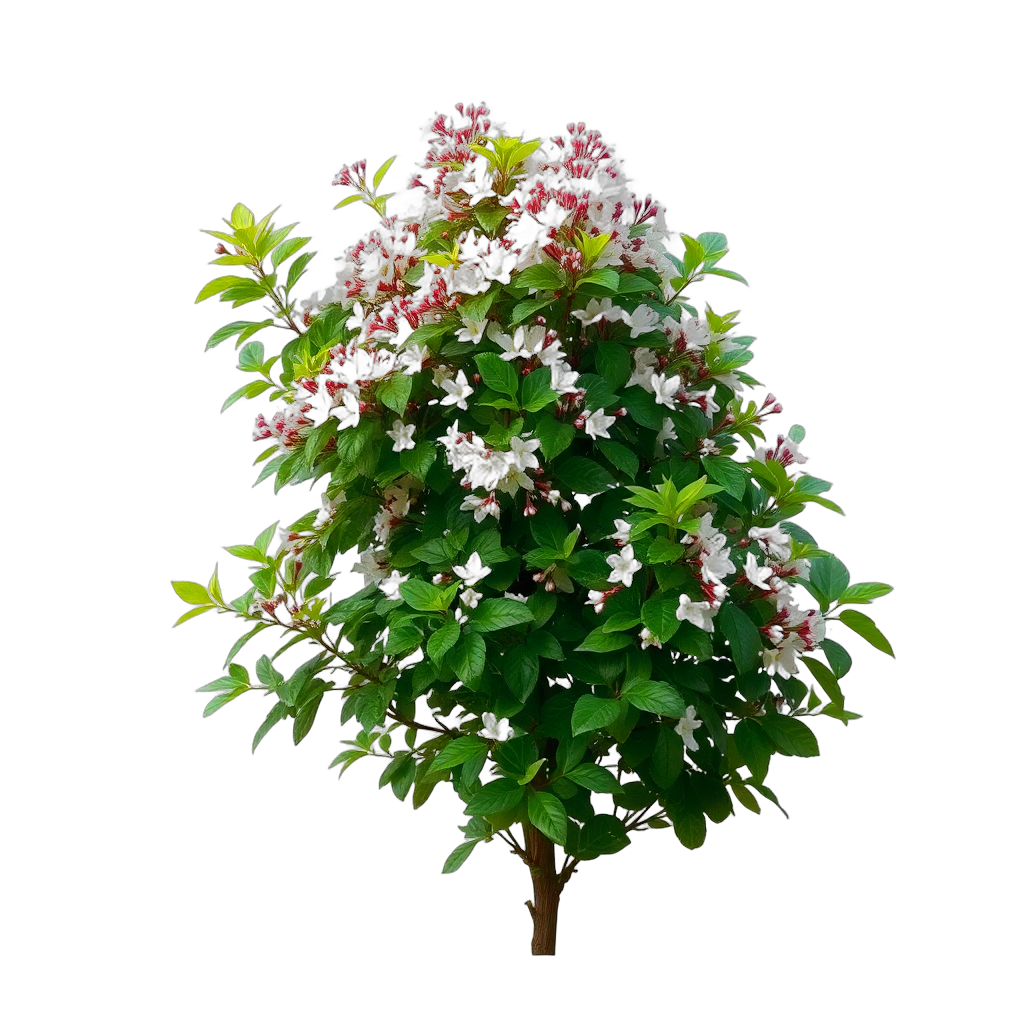
Arrowwood Viburnum
Viburnum dentatum
medium-sized at 10 feet, white blooms in spring. Pollinator-friendly.
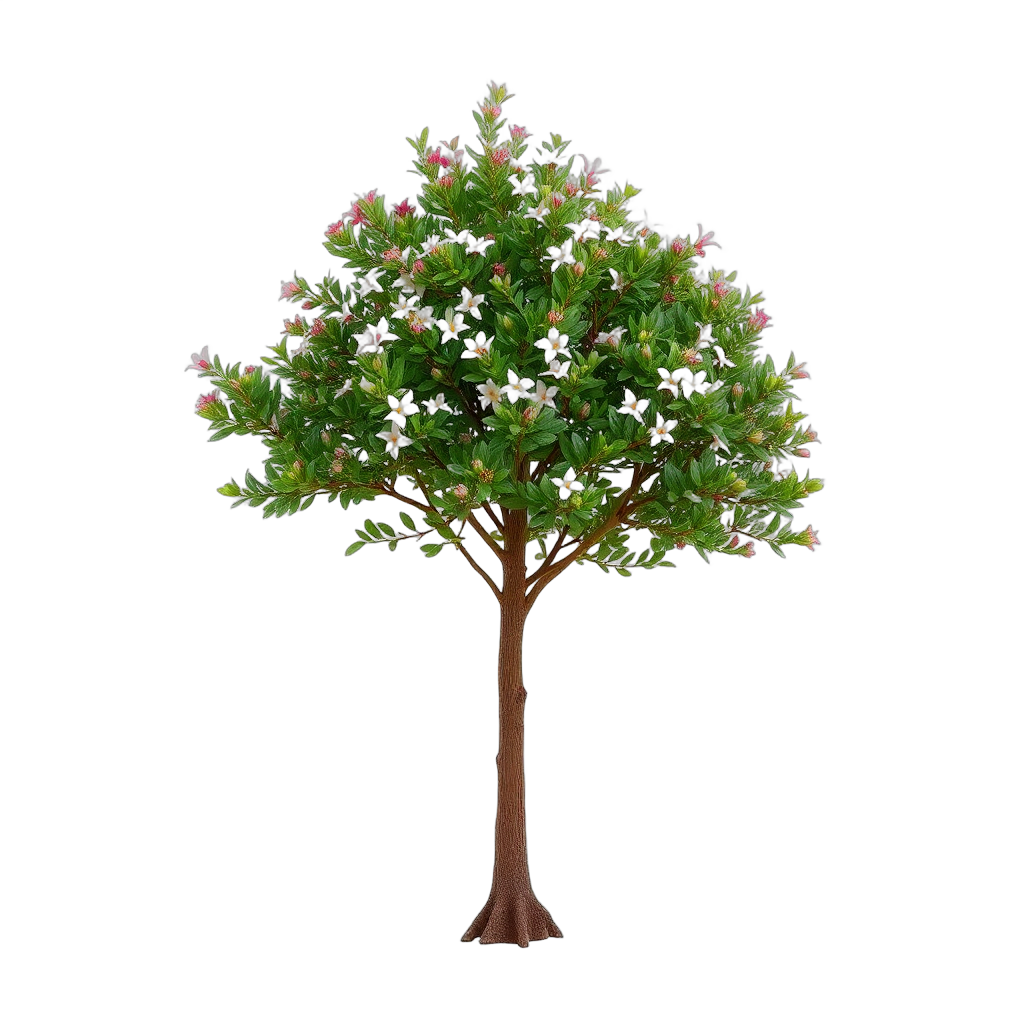
Coastal Leucothoe
Leucothoe axillaris
grows to 3 feet, white blooms in spring. Evergreen year-round.

Highbush Blueberry
Vaccinium corymbosum
medium-sized at 7 feet, white blooms in spring. Attracts butterflies.

Inkberry
Ilex glabra
medium-sized at 8 feet, white blooms in spring. Pollinator-friendly.
Featured Grasses & Groundcovers for Modern/Minimalist Gardens
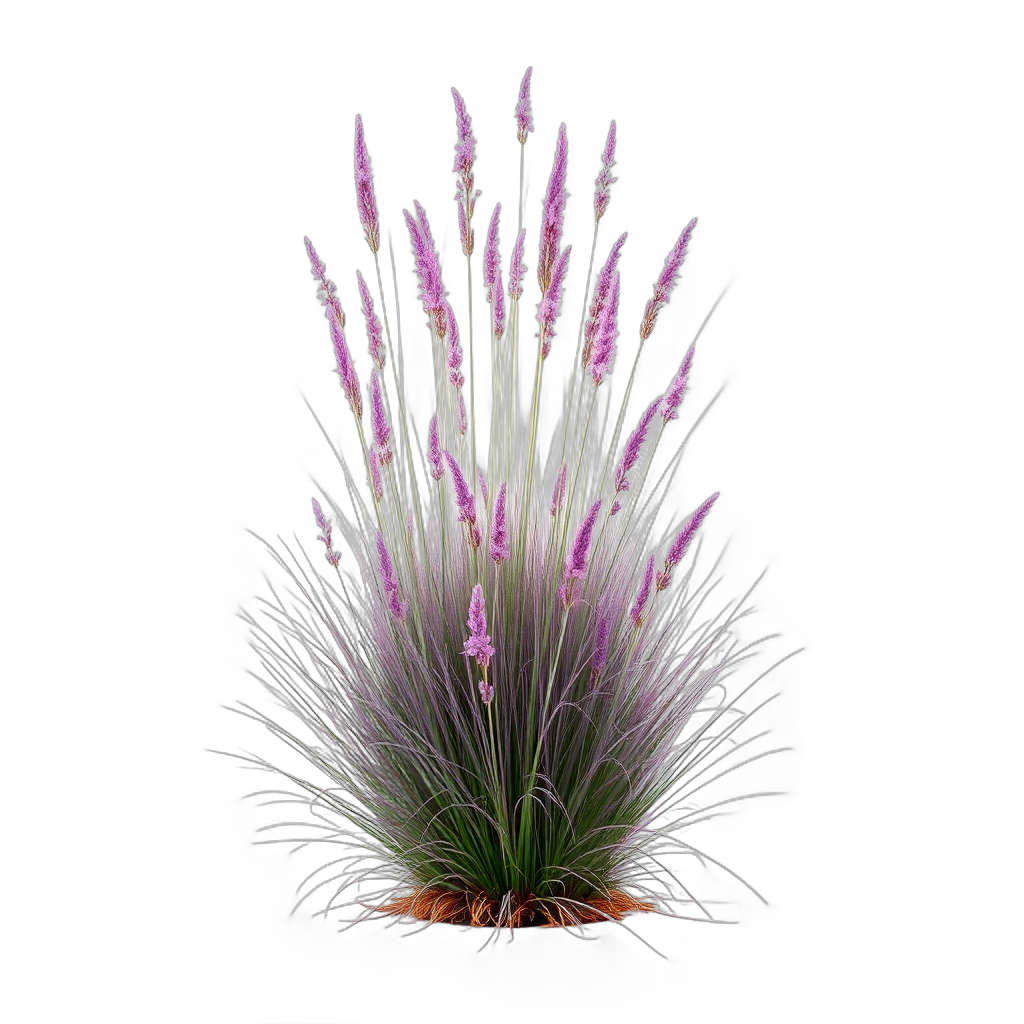
Purple Love Grass
Eragrostis spectabilis
low-growing ground cover, purple blooms in fall. Orange fall color.

Arrow Bamboo
Pseudosasa japonica
medium-sized at 15 feet, blooms in none. Evergreen year-round.
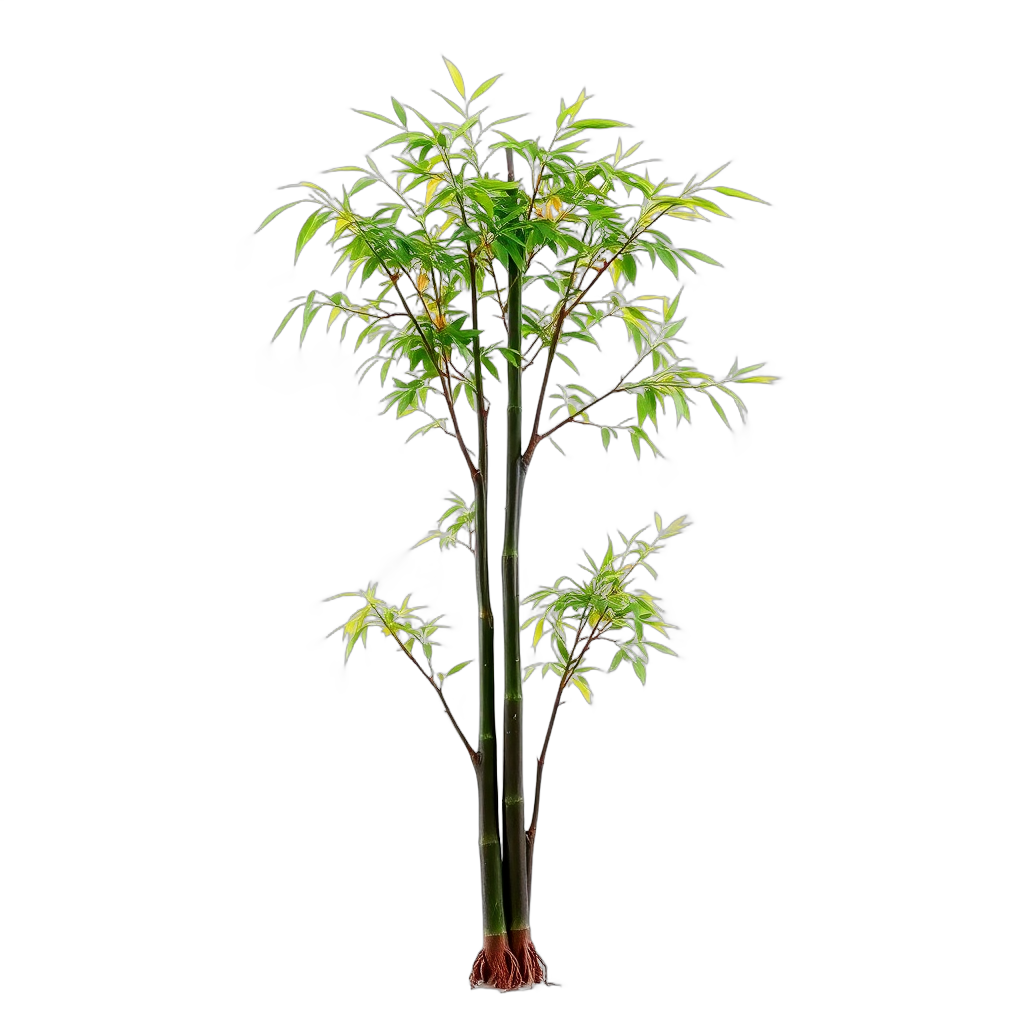
Black Bamboo
Phyllostachys nigra
reaches 25 feet tall, blooms in none. Evergreen year-round.
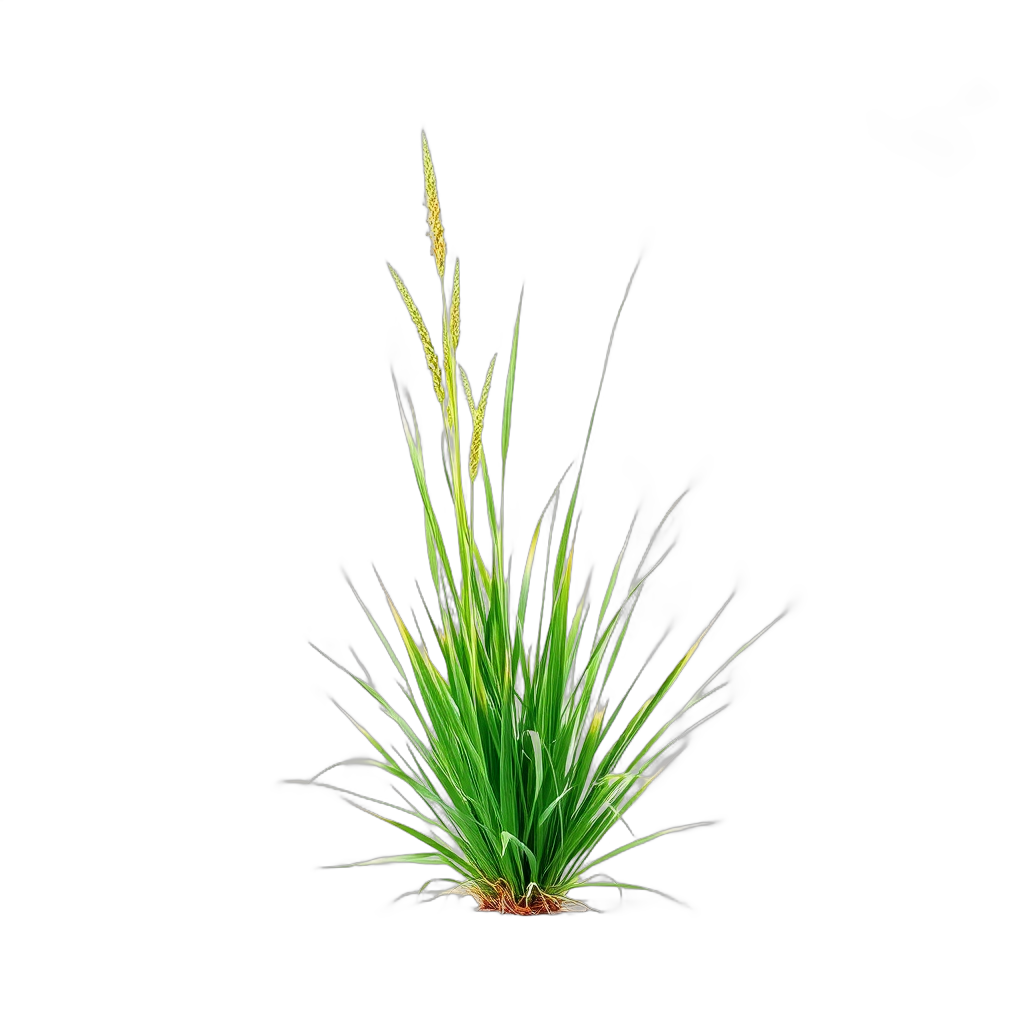
Bull Grass
Muhlenbergia emersleyi
grows to 4 feet, purple blooms in fall. Yellow fall color.
Featured Flowers & Perennials for Modern/Minimalist Gardens
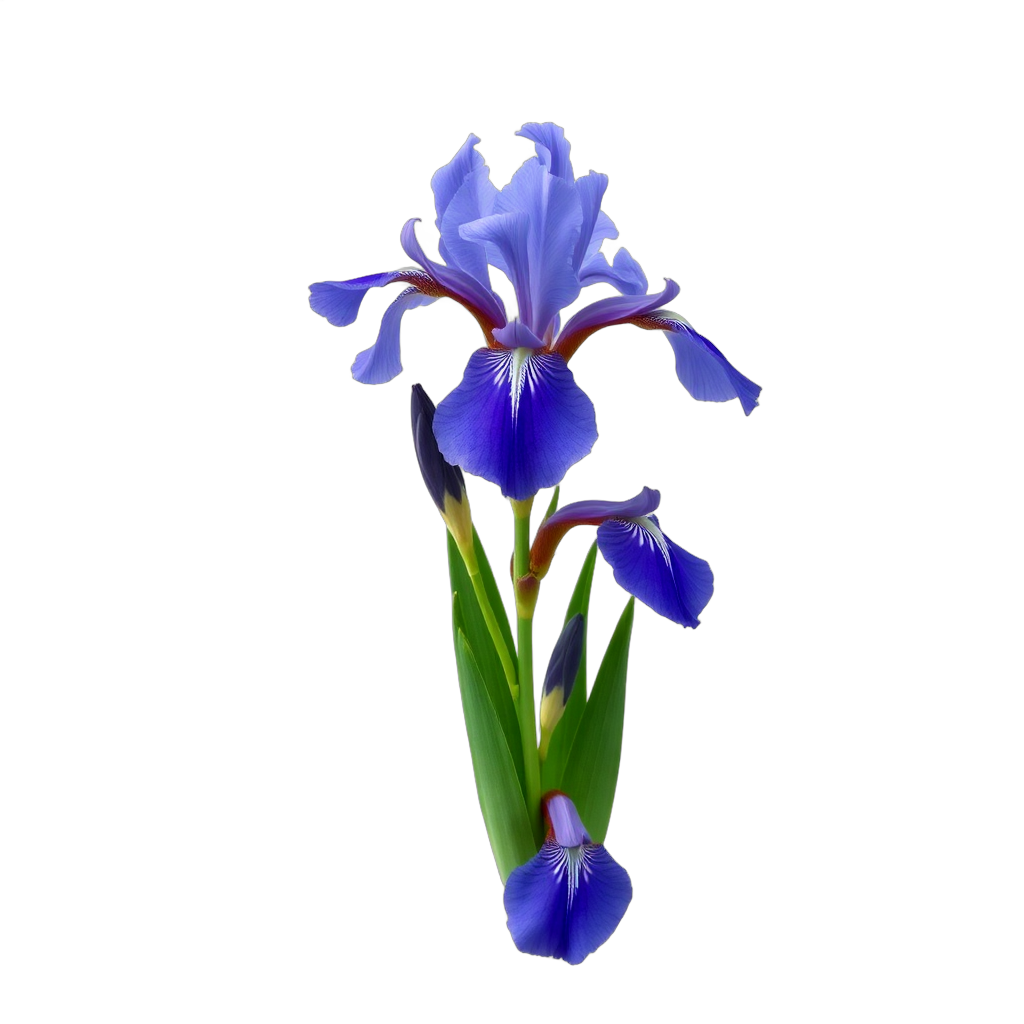
Blue Flag Iris
Iris versicolor
low-growing ground cover, purple blooms in spring. Attracts butterflies.

New York Ironweed
Vernonia noveboracensis
grows to 6 feet, purple blooms in fall. Attracts butterflies.
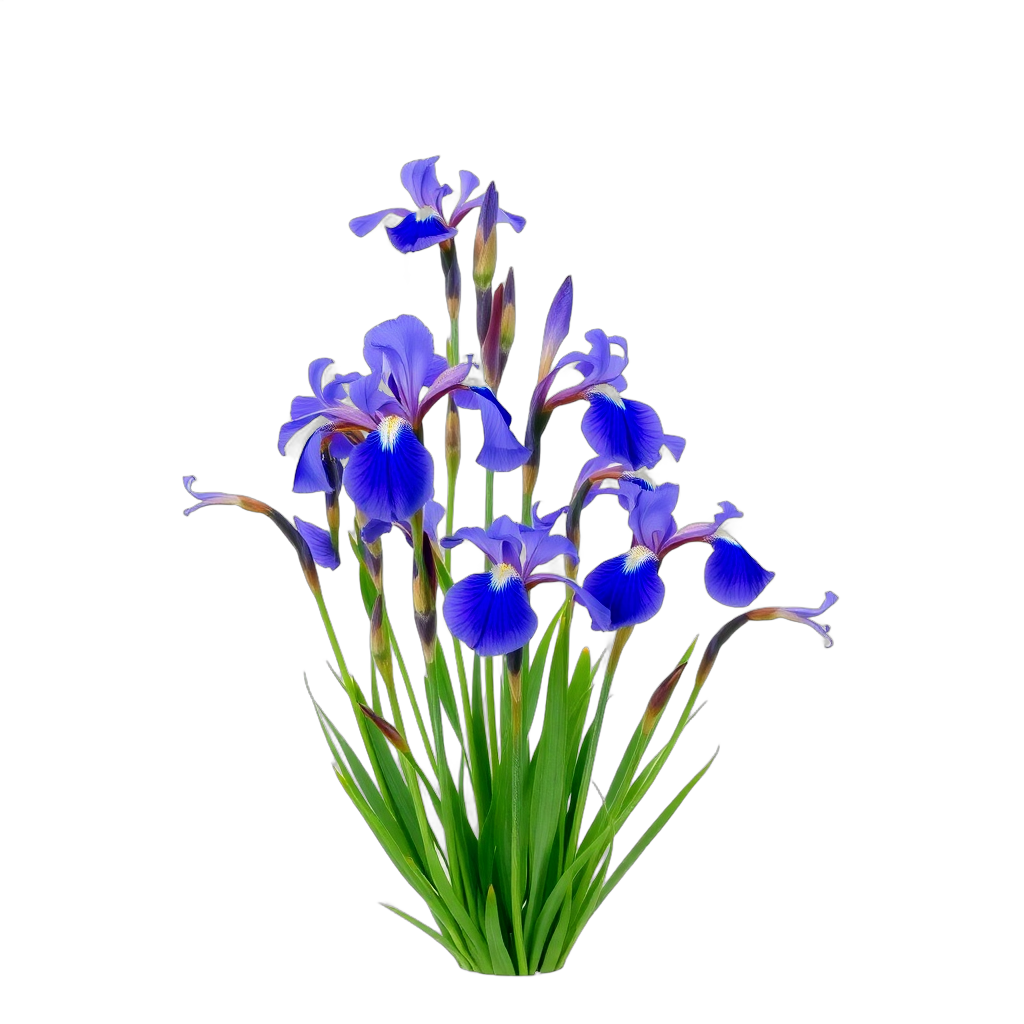
Southern Blue Flag
Iris virginica
low-growing ground cover, blue blooms in spring. Attracts butterflies.

Eastern Prickly Pear
Opuntia humifusa
low-growing ground cover, yellow blooms in summer. Attracts butterflies.
Zone and sun checks come from our database — confirm with your local nursery before you buy.
Bloom Calendar for Norwalk
spring
Blue Flag Iris, Southern Blue Flag, Arrowwood Viburnumsummer
Ruby Spice Summersweet, Summersweet, Eastern Prickly Pearfall
New York Ironweed, Purple Love Grasswinter
Limited bloomsDesign Tips for Norwalk (Zone 7a)
- Put every seat wall, fire feature and pergola post on footings below Connecticut's 42-inch frost depth; large porcelain pavers and concrete panels show frost heave that flagstone hides
- Raise gravel beds above grade: Norwalk gets roughly 44 inches of precipitation a year, so Agave parryi and Yucca rostrata die of a wet February, not a cold January
- Use Juniperus virginiana 'Taylor' where a West Coast design would use Italian cypress: the same narrow column, native, and tolerant of salt spray off the Sound
- Run drip line under the gravel, because the First Taxing District's mandatory schedule allows sprinklers only two days a week while drip can run any day
- Repeat one grass in long bands instead of mixing five: a 60 ft run of Calamagrostis × acutiflora 'Karl Foerster' reads as architecture and needs one cut a year
- On Silvermine and Cranbury lots, leave exposed ledge as a feature instead of paying to remove it; it is the most modern thing on the property
- Lime the gravel beds where you plant Perovskia 'Blue Spire' or lavender, since Norwalk soils run pH 5.0–6.0
Where to Source Plants in Norwalk
Skip the big-box stores. These independent Norwalk nurseries specialize in the plants that make modern/minimalist gardens thrive in Zone 7a.
Reynolds Farms Nursery & Country Garden Center
Norwalk (Richards Avenue)
Family-owned, second-generation nursery and country garden center on about 7 acres, with annuals, perennials and landscape services for Norwalk, Rowayton, Westport and Wilton
Designs by Lee
Stamford (Interlaken Road, North Stamford)
Family-run since 1965, with a 12-acre nursery of evergreens, trees, native plants, perennials and annuals, plus bulk mulch, delivery and planting
Sam Bridge Nursery & Greenhouses
Greenwich (North Street)
Family-owned garden center and landscape firm since 1930, with boxwood, arborvitae, hydrangeas and perennials, plus pottery, design and installation
Gilbertie's Westport Garden Center
Westport (Sylvan Lane)
Family garden center with annuals, perennials and landscape products, plus USDA-certified organic herbs for terrace containers
Modern/Minimalist Landscaping Cost Ranges
| Project Scope | Estimated Cost |
|---|---|
| Thermal-finish bluestone terrace on compacted gravel base (250–400 sqft) | $6,200–$12,800 |
| Concrete patio, broom finish (200 sqft) | $2,100–$2,500 |
| Low-voltage landscape lighting (6 fixtures) | $1,200–$2,000 |
| AI visualization (ProScapeAI) | Free to start |
National average installed ranges for 2026 from our landscaping price list (Homewyse and other published sources). Prices in Norwalk, CT vary with site, materials and contractor, so get two or three local quotes.
Norwalk Climate & Growing Zone
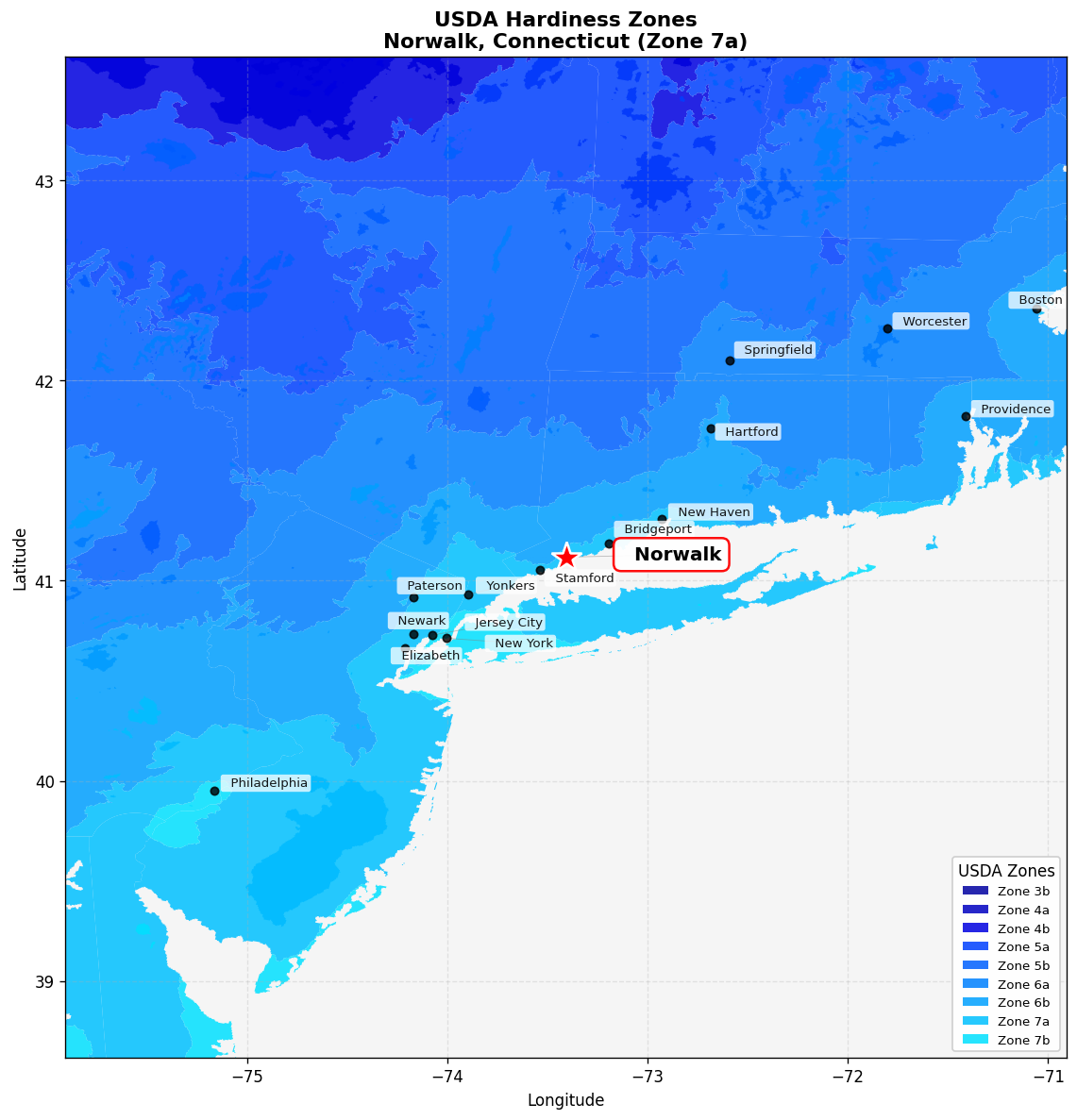
USDA Zone 7a
Hardiness zone for Norwalk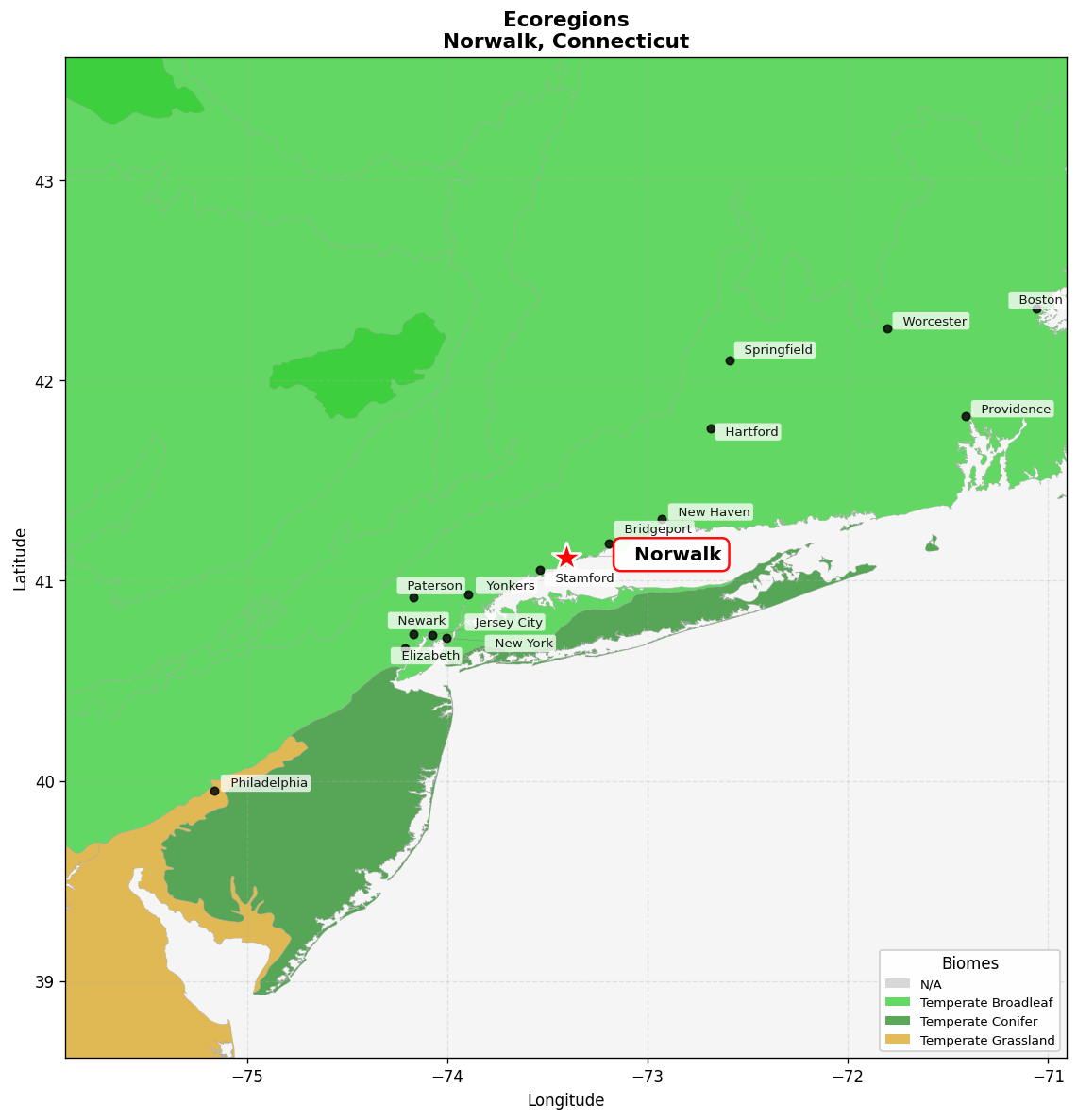
Northeast US Coastal forests
Native ecoregionFrequently Asked Questions
How much does modern landscaping cost in Norwalk, CT?
Fairfield County labor runs well above the national average. Costs vary with site, access, materials and local labor rates, so get two or three local quotes before you budget.
Is a modern garden low maintenance in Norwalk's climate?
Mostly, once it is established. Grasses like Calamagrostis × acutiflora 'Karl Foerster' and Panicum virgatum 'Northwind' need one cut in late February and little else. The maintenance is in the edges: keep gravel clean of leaf litter, re-edge steel borders each spring, and reseal bluestone every few years. With about 44 inches of precipitation a year, weeds in gravel beds are the main recurring chore.
Can I grow agave and desert plants in Norwalk?
Not at grade. Agave parryi and Yucca rostrata are hardy on paper but die of wet February roots in Norwalk's 44-inch rainfall. They live only in a raised planter of gritty mix, ideally under an overhang. For the same look in the ground, use Yucca filamentosa 'Color Guard', Sedum 'Angelina' and Opuntia humifusa, which tolerate cold and wet.
What does the 42-inch frost depth mean for a modern patio?
It means the base costs as much as the surface. Seat walls, fireplaces, pergola posts and heavy planters need footings below 42 inches, or they lift and tilt within a few winters. Flat paving needs 8–12 inches of compacted processed gravel over fabric and a slope away from the house. On Cranbury and Silvermine lots with ledge, a good contractor will design around the rock instead of blasting it.
When is the best time to plant in Norwalk?
Mid-September through October is the best window, when soil is still warm and rain returns. Mid-April to late May is the second. Avoid July and August, when highs near 83°F and humidity stress new plants. Grasses are best planted in spring or early fall so roots establish before winter.
Are there watering rules for a Norwalk garden?
For customers of the First Taxing District water utility, a mandatory irrigation schedule runs April 1 to October 31. Even-numbered addresses may run sprinklers Sunday and Wednesday, odd-numbered addresses Saturday and Tuesday, from midnight to 10 a.m. or 6 p.m. to midnight. Drip irrigation, soaker hoses and hand watering are allowed at any time. Norwalk has more than one water utility and Aquarion runs its own schedule in its areas, so check your bill.
What survives salt spray in Rowayton and East Norwalk?
Use native and coastal plants at the street edge: Morella pensylvanica, Rosa rugosa 'Hansa', Schizachyrium scoparium 'The Blues' and Juniperus conferta 'Blue Pacific' all handle salt and wind. Keep Ilex crenata 'Sky Pencil' and Hydrangea paniculata 'Limelight' behind them on the sheltered side of the house. Shoreline sites can also fall inside Connecticut's coastal management area, so confirm any site work with Norwalk planning staff first.



