4 Cottage Garden Ideas for Wichita, KS | English Garden Design in Zone 6b
Native plants from the Central-Southern US mixed grasslands (Zone 6b) — Humid continental (hot summer) climate
Why Cottage/English Gardens in Wichita?
Wichita sits at the geographic center of the continental United States, in the heart of the Central-Southern US mixed grasslands ecoregion, and its climate is defined by that position: wide-open sky, persistent wind, hot dry summers, cold winters, and the dramatic seasonal swings of a continental interior. Zone 6b means average winter lows of -5 to 0°F — genuine cold that fully satisfies the chilling requirements of the most romantic antique roses, peonies, and classic cottage perennials. Summer highs regularly reach 100°F in July and August, but Wichita's lower humidity compared to Kansas City means the heat is drier and less exhausting than the thermometer alone suggests.
The cottage garden tradition in Wichita has a specific character shaped by these conditions. Peonies are the city's definitive cottage plant — they thrive with cold winters and don't object to hot, dry summers once established. The antique rose tradition that extends across the southern plains reaches Wichita in its most robust form: Zone 6b winters allow the full Gallica, Bourbon, and hybrid perpetual rose palette, and the low humidity reduces fungal pressure compared to more eastern cities. Annual rainfall averages 30 inches — lower than Kansas City or Tulsa — which means irrigation planning is more important here, but well-established cottage plants handle the dry summers without constant supplemental water.
Wichita's residential landscape is defined by its College Hill, Riverside, and Sim Park neighborhoods, where 1920s–1940s craftsman bungalows and period revival homes under American elm and cottonwood canopy are ideal for cottage garden treatment. College Hill in particular has some of the city's finest period residential architecture — brick craftsman homes, English cottage-style bungalows, and colonial revival houses on tree-lined streets where a rose arbor and picket fence feel architecturally essential. The Botanica Wichita botanical garden maintains a public rose garden with Zone 6b-tested varieties that serves as the city's definitive local reference for rose performance.
4 Cottage/English Design Ideas for Wichita

AI-generated image
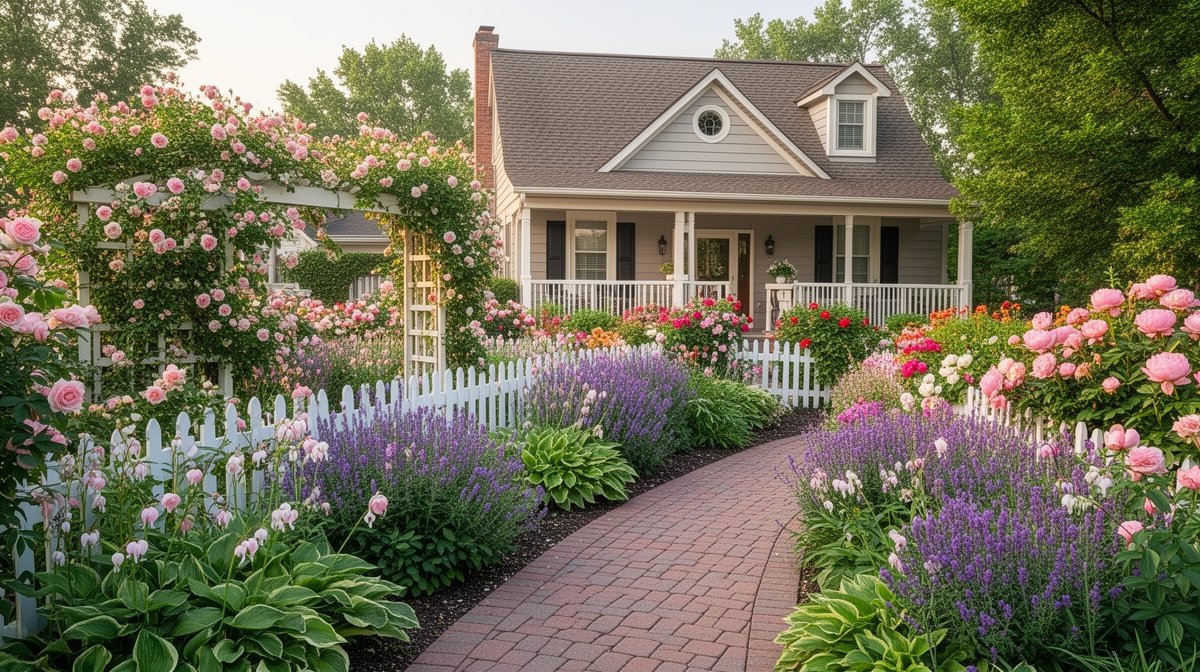
The Rose Arbor Gate and Lavender Path
$10–19/sqftA white picket fence with a climbing rose arbor gate frames a brick pathway to the front porch of a Wichita cottage. Soft pink and white climbing roses drape the wooden arch in full spring bloom, and lavender borders line the path symmetrically. Mature trees frame the lot and provide the shade that extends bloom time for lavender and perennials into late May. Wichita's Zone 6b climate allows reliable cold-hardy cottage roses — 'New Dawn', 'Blaze', and landscape shrub roses like 'Knock Out' perform excellently here with fewer disease pressures than in humid Southern cities, making this the most achievable and durable rose arbor composition on the southern Plains.

AI-generated image
The Cottage Arch and Perennial Border Walk
$11–21/sqftA white rose arch frames the front porch of a craftsman bungalow, wrapped in white climbing roses at spring peak. Wide informal perennial borders run along both sides of a stone path with foxgloves, roses, lavender, and mixed annuals. Hanging flower baskets on the porch add color and the generous borders give the front yard an exuberant cottage quality that smaller plantings cannot achieve. Wichita's cottage garden season runs from April through early June — a relatively short but intense bloom window that this design is built to maximize. The plant palette prioritizes cold-hardy performers that withstand Zone 6b winters without protection.

AI-generated image
The Cedar Pergola and Bistro Patio
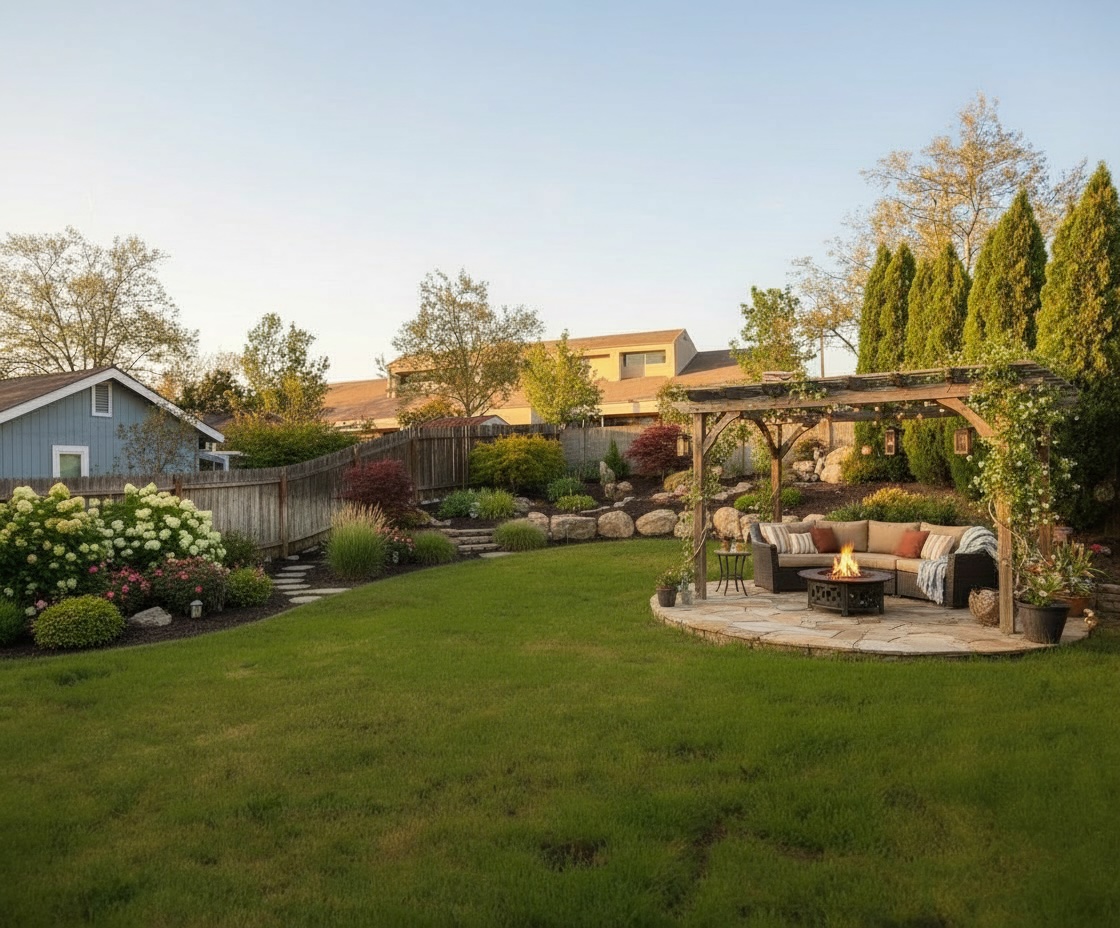
$14–26/sqftA cedar pergola draped in white climbing roses provides a sheltered seating area in the backyard, with a bistro table and chairs positioned at the center of the flagstone patio floor. Cottage borders of roses, lavender, foxgloves, and summer perennials surround the space on three sides. The pergola's cedar timber ages gracefully in Wichita's climate, developing a silver-grey tone that suits the cottage aesthetic, and the climbing roses build their coverage over 2–3 seasons to fill the overhead structure. Wichita's spring and fall outdoor seasons are genuinely pleasant — this design creates the outdoor room that makes the most of those months.

AI-generated image
The White Pergola, Fountain, and Rose Garden
$17–36/sqftA white painted pergola with climbing roses shelters a dining table at the rear of a Wichita cottage garden, while a round stone bird bath fountain anchors a circular island bed at the center of a neat lawn panel. Mixed cottage borders of roses, lavender, and flowering perennials wrap the full perimeter of the space. Wichita's affordable land and construction costs make this full-scale cottage backyard transformation among the most cost-effective projects in this series — the pergola, fountain, planting, and lawn work together to create a complete English garden experience at a lower total investment than equivalent projects in Texas metros.
See how a cottage/english garden looks on YOUR property
Upload a photo of your Wichita yard and visualize your dream garden in seconds.
Try ProScapeAI Free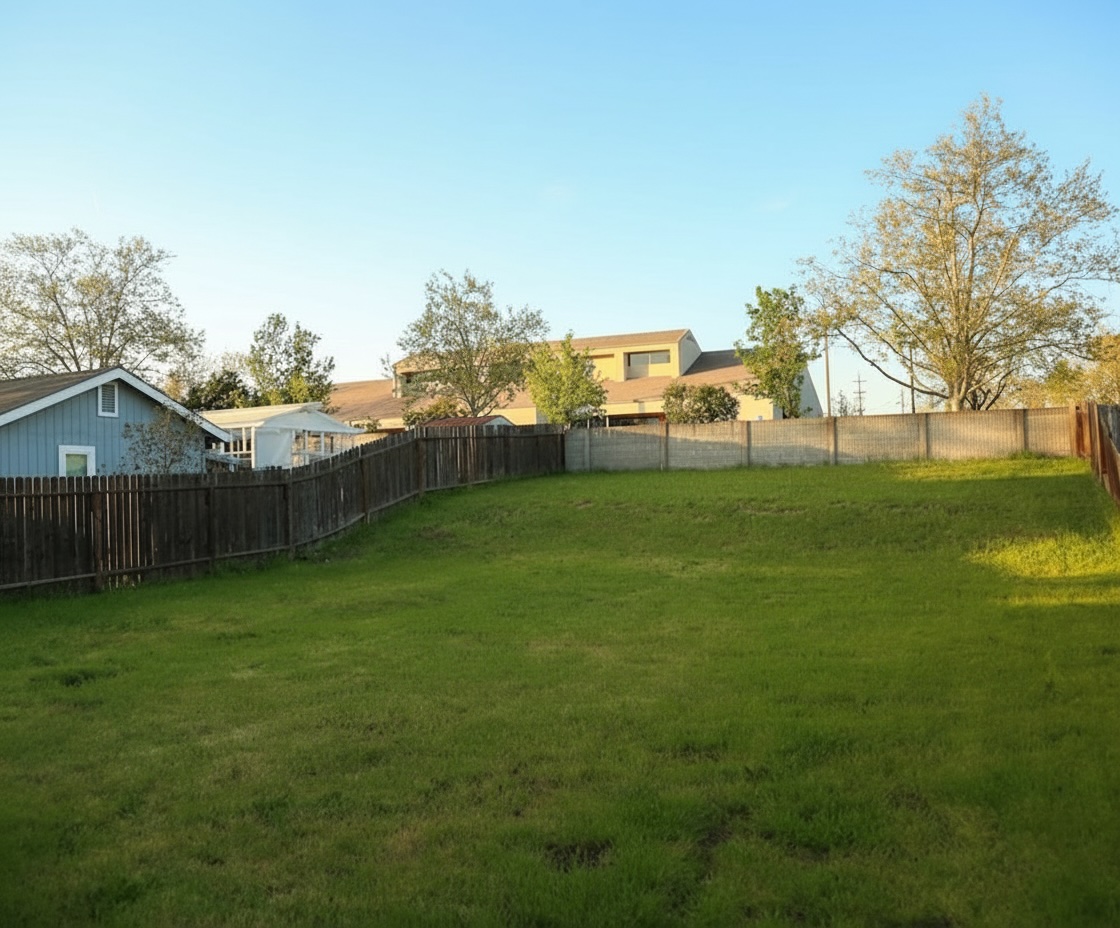
AI-generated image
Featured Trees & Shrubs for Cottage/English Gardens
Browse all 153 plants for Wichita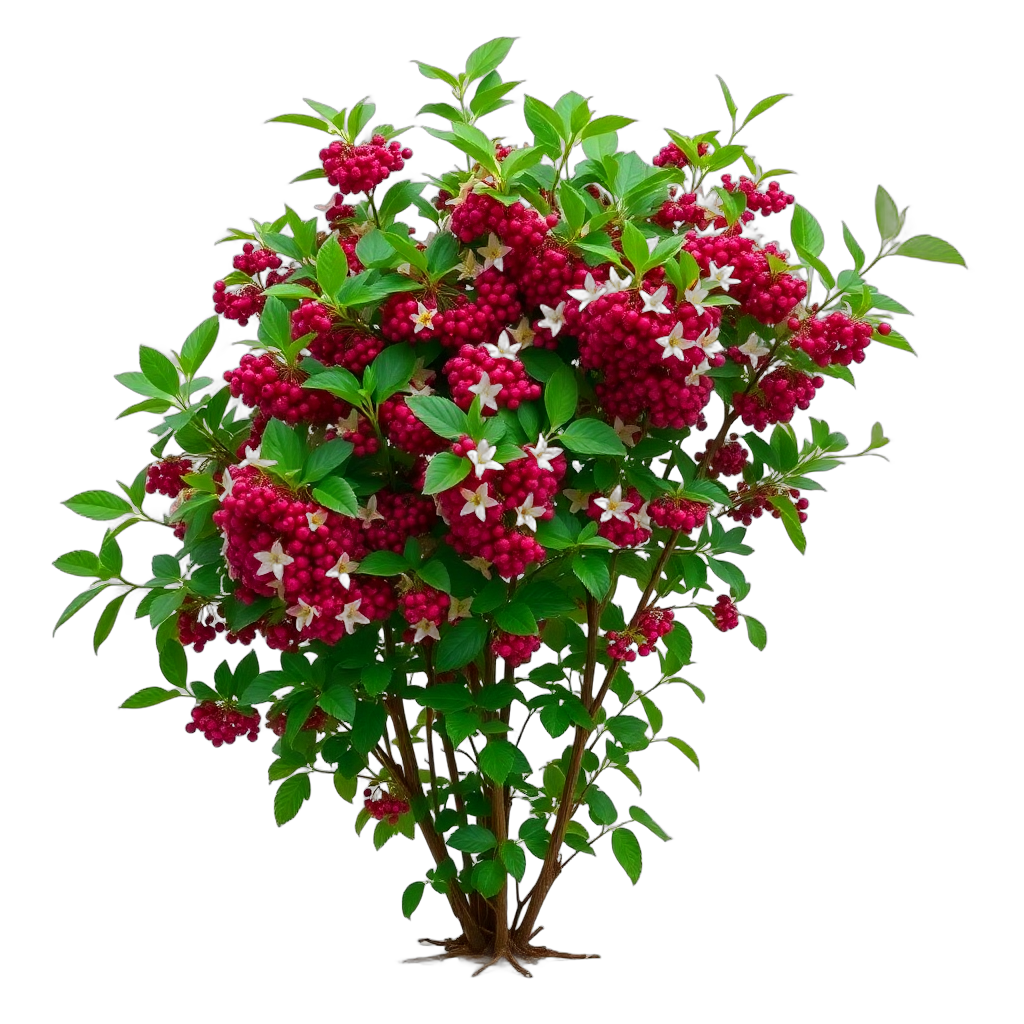
Clove Currant
Ribes odoratum
grows to 6 feet, yellow blooms in spring. Attracts hummingbirds.
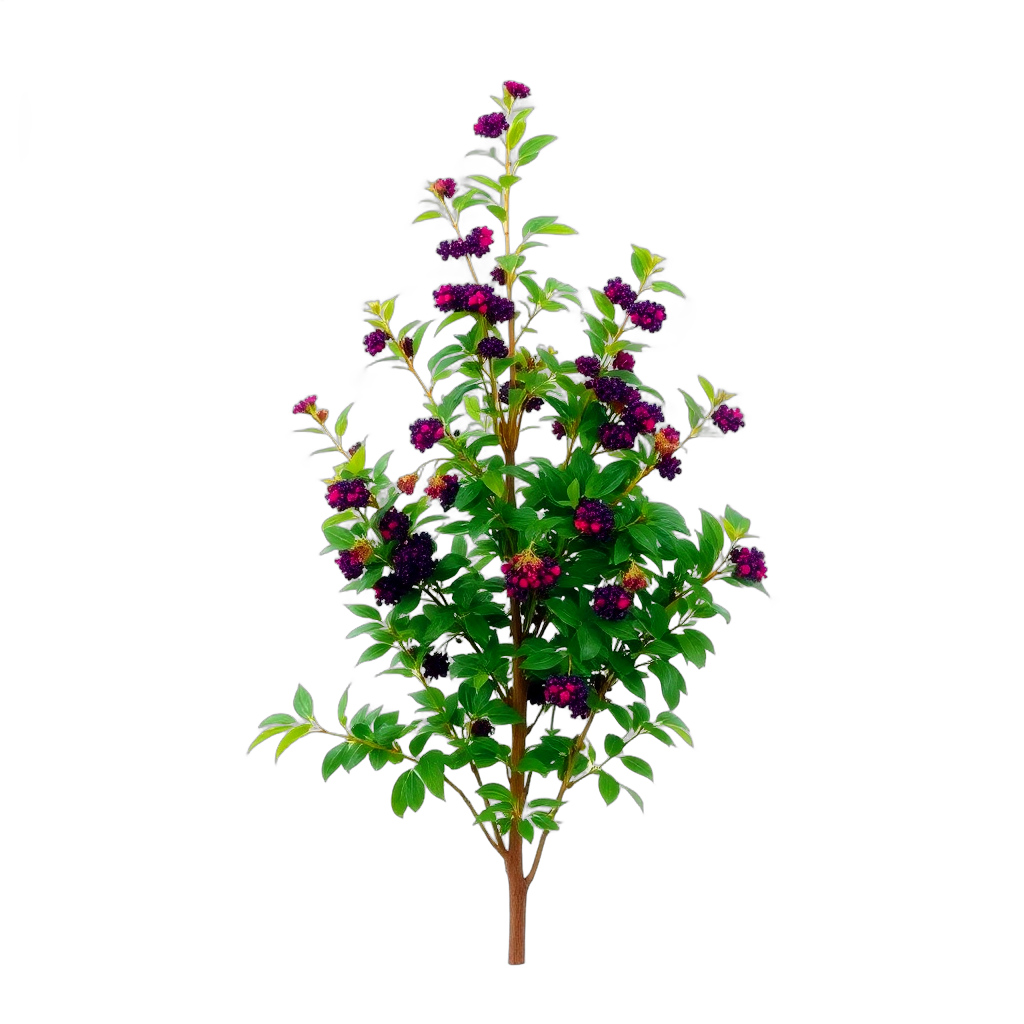
American Beautyberry
Callicarpa americana
grows to 6 feet, pink blooms in summer. Pollinator-friendly.
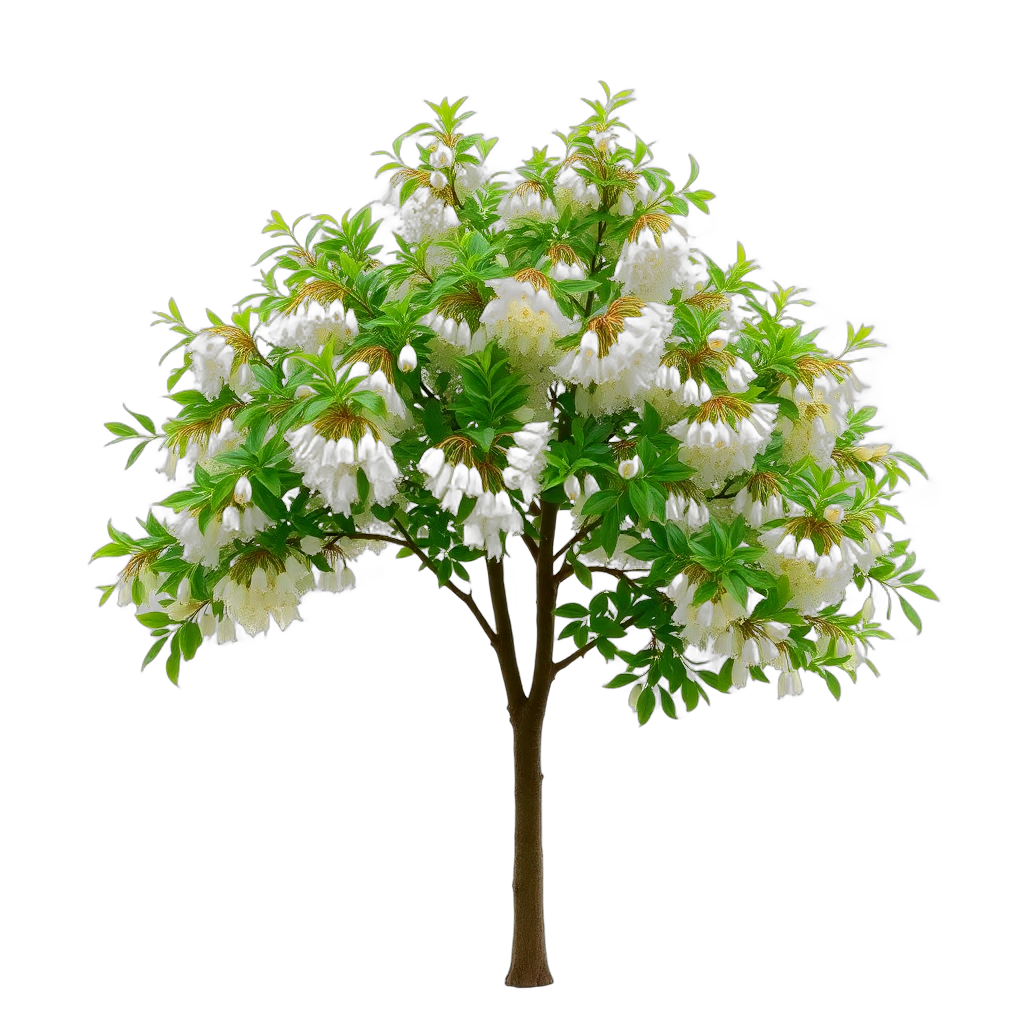
American Snowbell
Styrax americanus
medium-sized at 10 feet, white blooms in spring. Pollinator-friendly.

Anna Rose Whitney Rhododendron
Rhododendron 'Anna Rose Whitney'
medium-sized at 8 feet, pink blooms in spring. Attracts hummingbirds.
Featured Grasses & Groundcovers for Cottage/English Gardens

Sideoats Grama
Bouteloua curtipendula
low-growing ground cover, purple blooms in summer. Yellow fall color.

Broad-leaf Bamboo
Sasa palmata
medium-sized at 7 feet, blooms in none. Evergreen year-round.
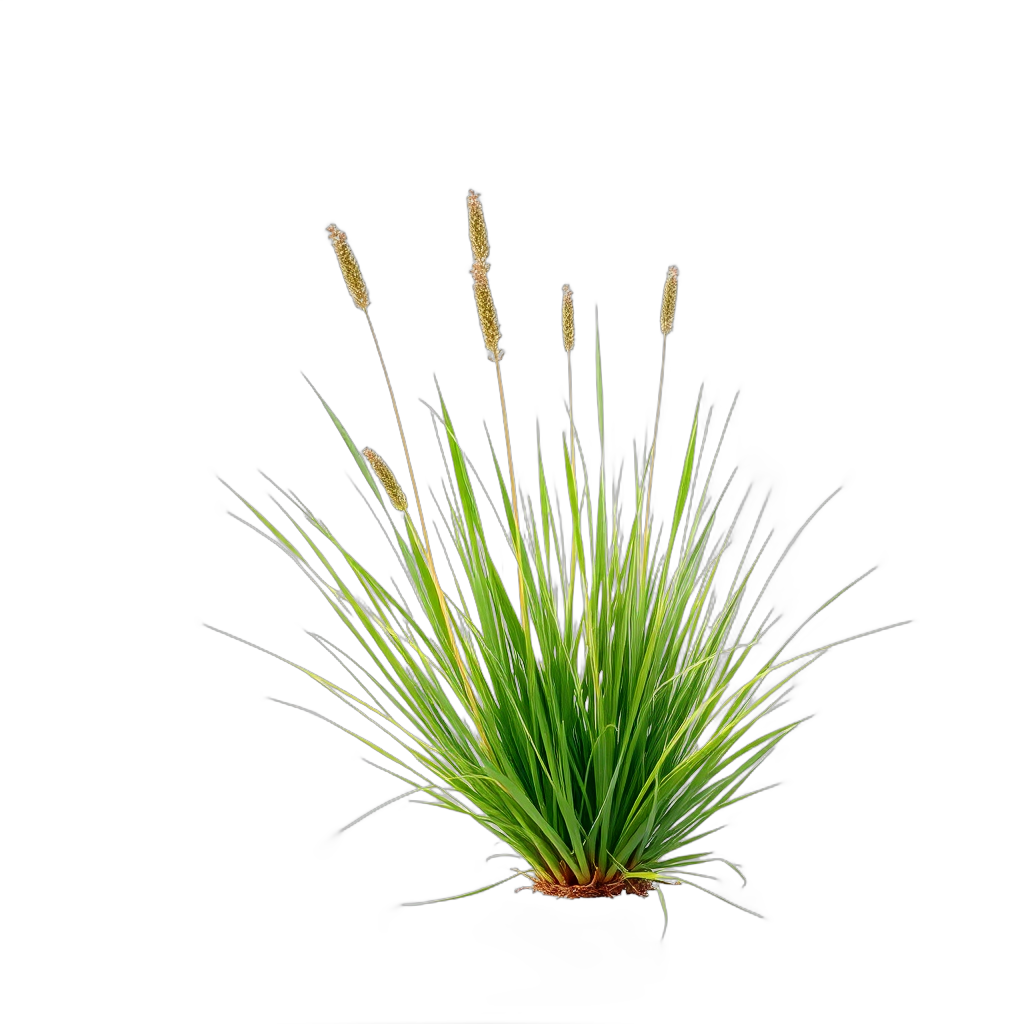
Deer Grass
Muhlenbergia rigens
grows to 3 feet, yellow blooms in fall. Evergreen year-round.
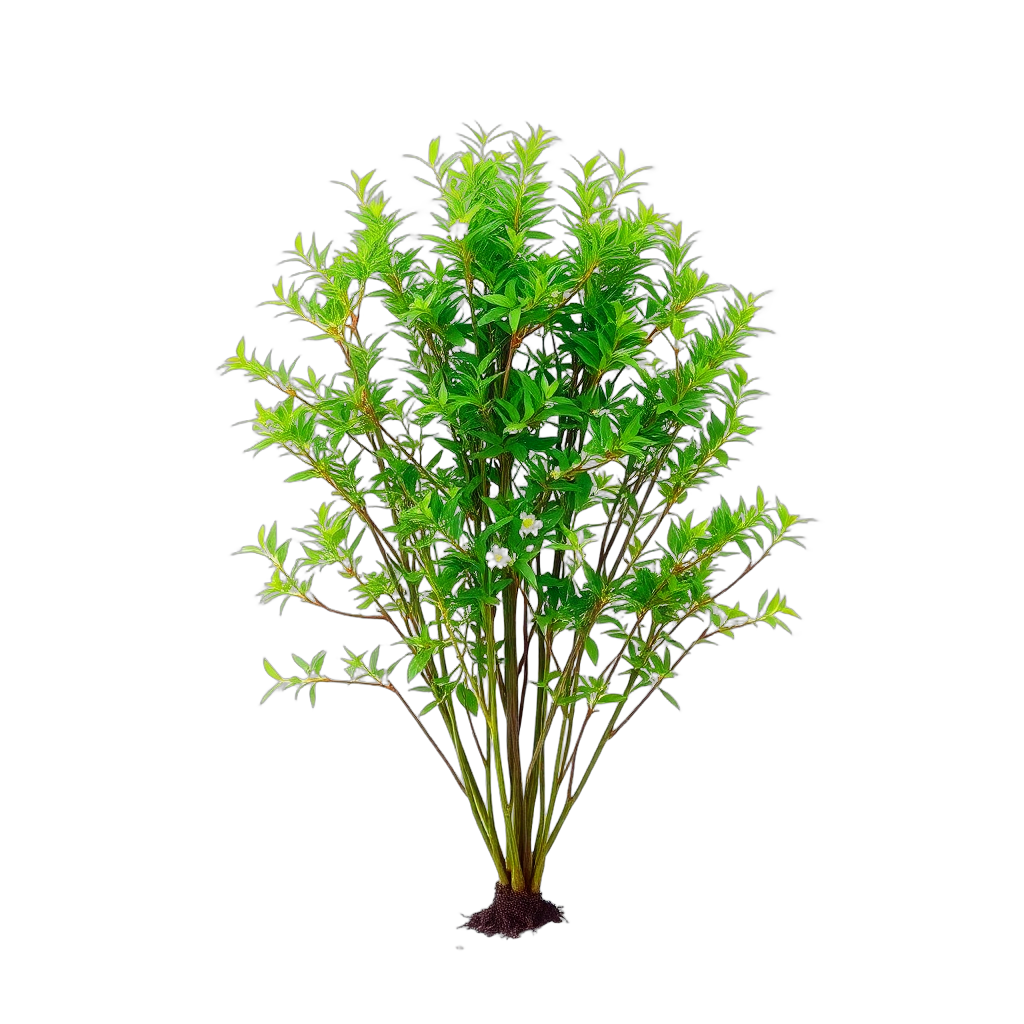
Dwarf Fernleaf Bamboo
Pleioblastus distichus
low-growing ground cover, blooms in none. Evergreen year-round.
Featured Flowers & Perennials for Cottage/English Gardens
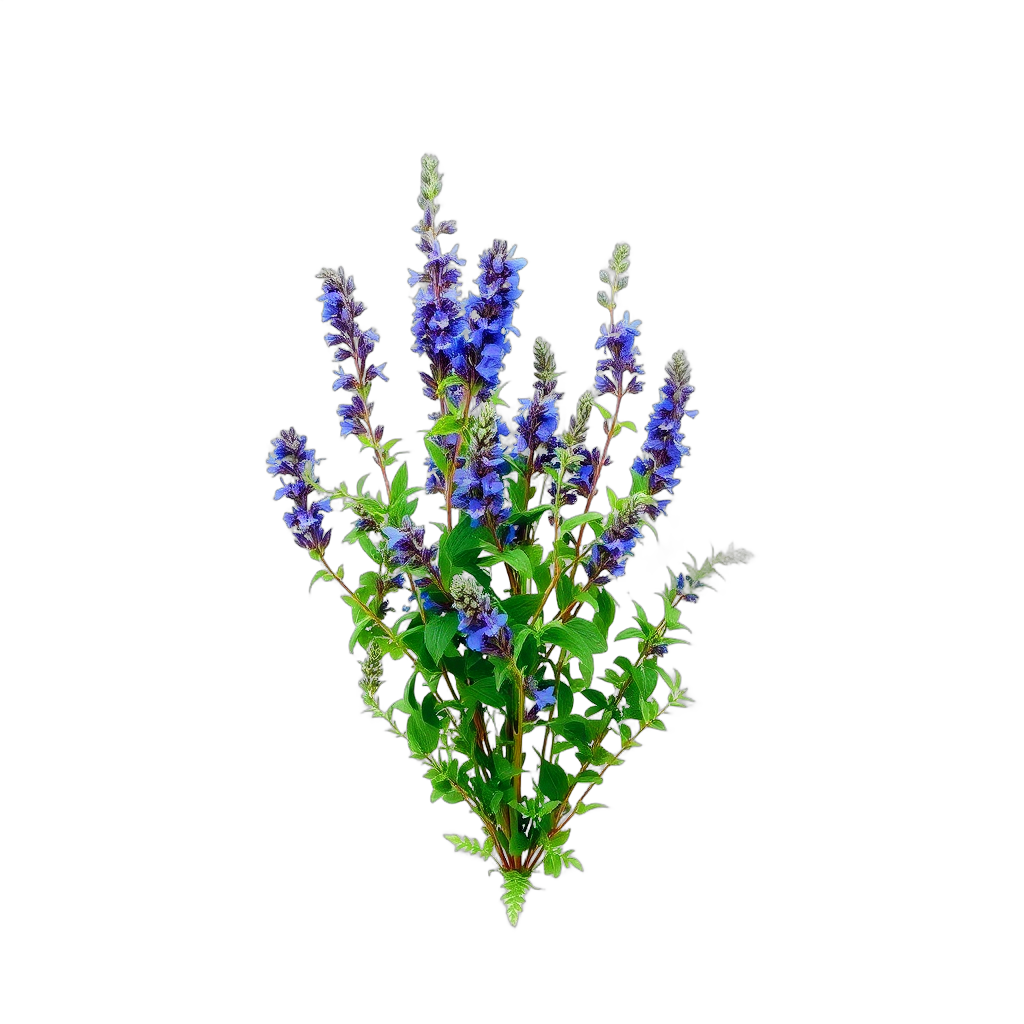
Azure Sage
Salvia azurea
grows to 4 feet, blue blooms in fall. Attracts hummingbirds.

Parrot's Feather
Myriophyllum aquaticum
grows to 3 feet, white blooms in summer. Evergreen year-round.
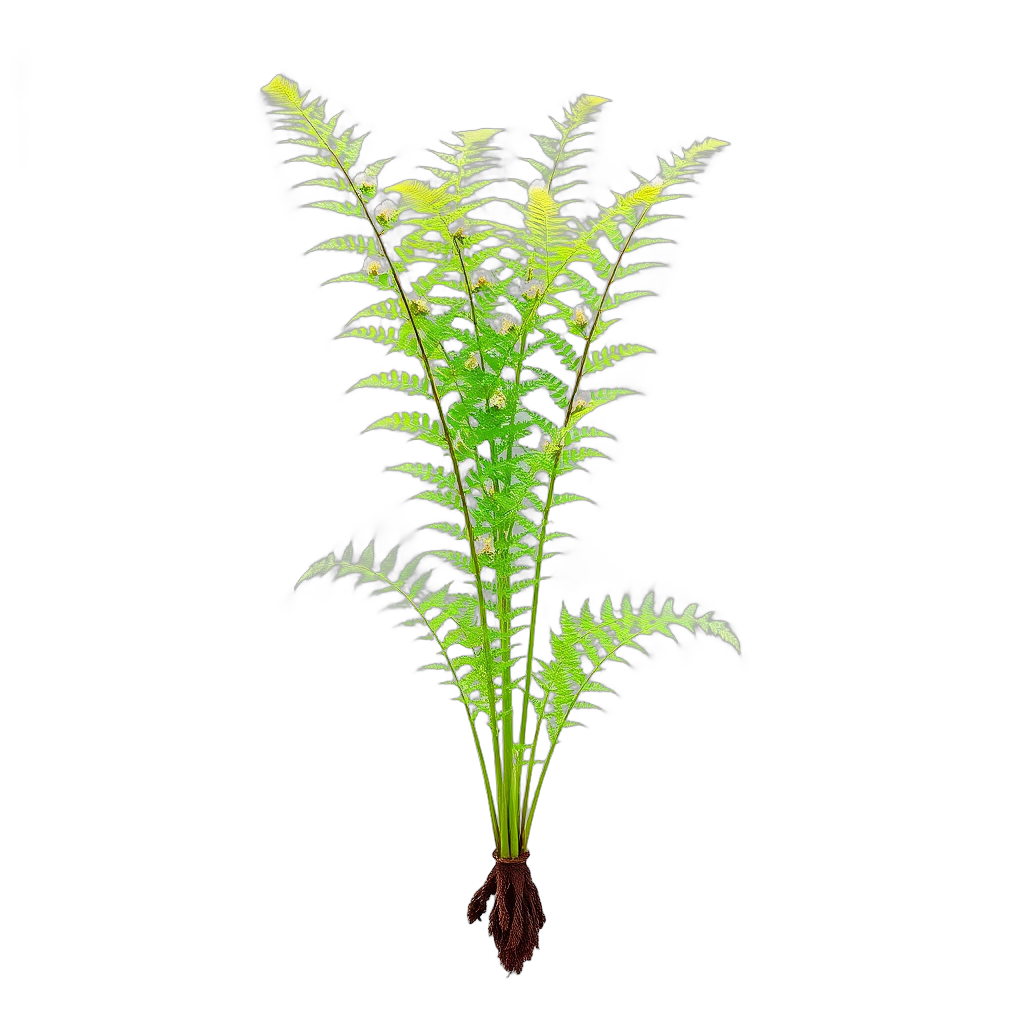
Asian Royal Fern
Osmunda japonica
grows to 4 feet, blooms in none. Yellow fall color.
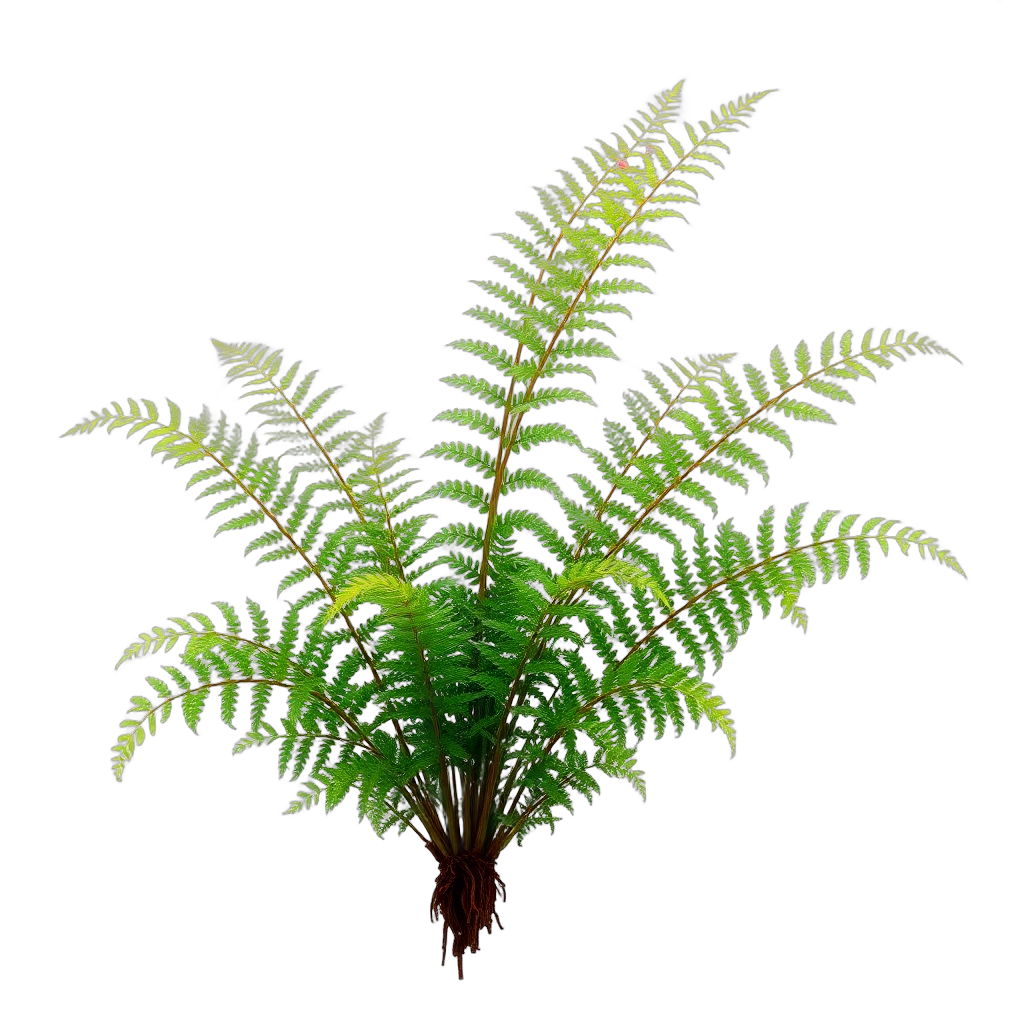
Autumn Fern
Dryopteris erythrosora
low-growing ground cover, blooms in none. Evergreen year-round.
Zone and sun checks come from our database — confirm with your local nursery before you buy.
Bloom Calendar for Wichita
spring
Clove Currant, Bunchberry, California Poppysummer
Sideoats Grama, Parrot's Feather, Beargrassfall
Azure Sage, Bog Sage, Golden Spider Lilywinter
Limited bloomsDesign Tips for Wichita (Zone 6b)
- Peonies are Wichita's single best cottage garden investment: plant them in fall, give them 1.5 inches of soil cover over the eyes, and they'll produce spectacular May blooms for 30+ years with no care
- Design windbreaks into the garden structure from the beginning — Wichita's persistent southwest winds make wind protection a design priority, not an afterthought
- Gallica and hybrid perpetual roses are the most wind-resistant and cold-hardy cottage roses for Zone 6b: their dense, multi-stemmed habit withstands winds that topple modern hybrid teas
- Botanica Wichita's Downing Children's Garden and rose collection are the definitive local reference for Zone 6b plant performance — visit in late May during peak cottage garden season
- Install drip or soaker irrigation before planting: Wichita's 30-inch annual rainfall is 10 inches less than Kansas City, and the hot, windy summers mean irrigation supplements what rain doesn't deliver
- Wichita's continental climate means dramatic seasonal contrast; design for the full-year calendar and embrace the dormant winter garden — ornamental grass seed heads and rose hips in the snow are beautiful in their own right
Where to Source Plants in Wichita
Skip the big-box stores. These independent Wichita nurseries specialize in the plants that make cottage/english gardens thrive in Zone 6b.
Botanica Wichita Plant Sales
Sim Park / West Wichita
Zone 6b-tested plants at seasonal sales; roses, perennials, native Kansas plants
Johnson's Garden Centers
Multiple Wichita locations
Full-service, perennials, roses, trees, native Great Plains plants — regional chain since 1937
Brier Rose Nursery
East Wichita
Roses, perennials, specialty plants for Zone 6b
Mulberry Lane Nursery
Northwest Wichita
Native Kansas plants, perennials, trees, shrubs
K-State Research & Extension Master Gardener Plant Sales
Sedgwick County Extension (north Wichita)
Native Kansas plants, locally propagated perennials, expert Zone 6b advice
Cottage/English Landscaping Costs in Wichita
| Project Scope | Estimated Cost |
|---|---|
| Rose arbor + picket fence cottage entry | $4,000 – $10,000 |
| Full cottage front yard redesign (400–600 sqft) | $5,500 – $13,000 |
| Backyard pergola patio with cottage planting | $7,000 – $17,000 |
| Full cottage backyard with pergola + fountain | $16,000 – $38,000 |
| Soil amendment + raised beds | $900 – $2,800 |
| Soaker / drip irrigation system | $800 – $2,200 |
| AI visualization with ProScapeAI | Free to start |
Estimates based on Wichita, KS-area contractor rates as of 2026. Actual costs vary by site conditions, materials, and contractor.
Wichita Climate & Growing Zone

USDA Zone 6b
Hardiness zone for Wichita
Central-Southern US mixed grasslands
Native ecoregionFrequently Asked Questions
What makes Wichita's climate good and challenging for cottage gardens?
Wichita's Zone 6b climate is genuinely excellent for cold-hardy cottage plants — peonies, hybrid perpetual roses, Gallica roses, and delphiniums all thrive with Wichita's cold winter stratification. The challenges are wind (persistent south and southwest winds that desiccate plants and topple tall perennials) and lower rainfall (30 inches vs. 40 in Kansas City). Solutions: incorporate windbreaks into the garden design, choose stockier perennial varieties for exposed areas, and install drip or soaker irrigation to compensate for lower rainfall. With those adaptations, Wichita cottage gardens have a genuine advantage over warmer cities: the May bloom window when peonies, roses, irises, and delphiniums peak simultaneously is spectacular.
What roses perform best in Wichita Zone 6b?
Zone 6b allows the full antique rose palette. Best performers for Wichita: Gallica roses ('Cardinal de Richelieu', 'Rosa Mundi') — Zone 4-5 hardy, virtually indestructible in Zone 6b. Hybrid perpetuals ('Paul Neyron', 'Mrs. John Laing', 'Frau Karl Druschki') — bred for cold climates, peak in Wichita's June. Bourbon roses ('Madame Isaac Pereire', 'Louise Odier') — reliably Zone 6b hardy. Climbing 'Zephirine Drouhin' (Zone 5, thornless) — ideal for Wichita entries. David Austin English roses: most are Zone 6-7 hardy; 'Gertrude Jekyll', 'Olivia Rose', and 'William Shakespeare 2000' perform well. The Botanica Wichita rose garden is the best local reference for which varieties actually perform in Zone 6b.
How do peonies grow in Wichita?
Peonies are exceptional in Wichita — arguably the city's best cottage garden plant. Zone 6b provides the 6+ weeks of below-40°F temperatures that peonies require to bloom reliably. Dry summers reduce the foliar disease (botrytis blight) that affects peonies in humid climates. Best varieties for Wichita: 'Sarah Bernhardt' (fragrant pink double), 'Festiva Maxima' (classic white with red flecks), 'Monsieur Jules Elie' (large pink globes), 'Karl Rosenfield' (deep crimson). Plant in fall with eyes 1.5 inches below soil surface — deeper planting prevents blooming. They'll bloom reliably every May for 30+ years with virtually no care. Ants on peony buds are harmless and normal; they're attracted to nectar, not causing damage.
How do I deal with Wichita wind in a cottage garden?
Wichita's persistent south and southwest winds are the city's most challenging cottage garden condition. Design strategies: use fences, walls, or dense shrub hedges on the prevailing wind side to create sheltered microclimates for taller perennials. Choose delphiniums and foxgloves with shorter, stockier varieties (Pacific hybrids for delphiniums are sturdier than Chinese or English tall types). Stake tall perennials in spring before they need it rather than after they've blown over. Plant shorter, wind-tolerant cottage plants — catmint, coneflower, lavender, and shrub roses — in exposed areas without windbreak protection. Cedar or wooden fences are more wind-tolerant than masonry (which can topple) and provide the structural support for climbing roses.
What are the best Wichita neighborhoods for cottage gardens?
College Hill is Wichita's premier cottage garden neighborhood: the 1920s–1940s craftsman bungalows and English cottage-style homes along College Avenue and the surrounding blocks have architecture that is perfect for cottage treatment, and many already have established cottage gardens. Riverside (near the Arkansas River) has 1930s–1950s homes with established trees that provide windbreak and canopy. Sim Park and the neighborhoods around Botanica Wichita have mature street trees and established residential character. In older east Wichita neighborhoods (Eastborough, Country Acres), larger lots and more established windbreaks make full-scale cottage garden development more practical.
When should I plant a cottage garden in Wichita?
Fall (October–November) is ideal for roses, peonies, perennials, and spring bulbs — Zone 6b winters provide the cold stratification cottage plants need. Spring planting (April, after last frost — average April 10–15 in Wichita) works for summer-blooming perennials and annuals. For delphiniums and foxgloves, plant in early April as transplants or start indoors in February. Wichita's late last frost (mid-April) is similar to Kansas City's — be patient in spring. Winter protection for newly planted roses in Zone 6b: mound 6–8 inches of compost or shredded leaves over the graft union in November after the first hard freeze. Remove in early April when forsythia blooms.