4 Modern Landscape Ideas for Olathe, KS | Zone 6a Garden Design
Native plants from the Central Tallgrass prairie (Zone 6a) — Humid continental (hot summer) climate
Why Modern/Minimalist Gardens in Olathe?
Modern landscape design has a natural home in Olathe, and it is not the older grid downtown. It is the newer west and south side - the flat-roofed and low-slope contemporary elevations going up in Boulder Hills, Stonebridge and Ridgeview Falls, the cedar-and-stucco entries appearing along 159th Street and K-7, and the glass-and-steel corporate architecture of the Garmin campus that has quietly trained a whole city to read clean lines as normal. Those houses give a designer what modern landscaping needs: a strong horizontal roofline, tall dark-framed glazing, and a facade with enough plain wall that a single wide concrete walk and three plant textures can carry the whole composition. On the older stock it works too - the 1970s and 1980s ranches and split-levels in Havencroft, Brougham and Persimmon Hill have exactly the long low profile that a wide entry walk and a rhythm of grass clumps flatters, usually for a fraction of a full renovation.
Olathe is USDA Zone 6a, meaning the average coldest night of the year falls between -10 and -5 degrees F, and its Koppen Dfa climate delivers a July that averages near 89 degrees F with dew points in the 70s. That is the single most important fact for anyone copying a modern landscape they saw in Scottsdale or Austin. Italian cypress, most Agave americana and Nassella tenuissima will not come back after an Olathe February; the vertical accent has to come from Juniperus scopulorum 'Skyrocket' or Thuja occidentalis 'Emerald Green', and the rosette look has to come from Agave parryi var. neomexicana, Yucca filamentosa 'Color Guard', Opuntia humifusa and hardy Sempervivum rather than the tender Echeveria that reads so well in a photograph and behaves as a summer annual here. Olathe also collects roughly 39 to 41 inches of precipitation a year and around 19 inches of snow, so a gravel garden here is a drainage exercise, not a drought exercise.
Beneath almost every lot lies deep loess-derived silty clay loam - Sharpsburg and Grundy soils that hold water all winter, crack open in August, and shrink and swell enough to move poorly bedded hardscape. Modern design is unforgiving about this because its whole vocabulary is straight edges: a settled corner on a broom-finished concrete walk or a heaved paver joint is visible from the street in a way it never is in a cottage garden. Excavate 6 to 10 inches, compact a proper crushed-limestone base in lifts, and keep positive fall away from the house on every slab. In the planting beds, build up rather than down - 8 to 12 inches of raised, sharply drained mix under an agave or a prickly pear is what carries it through a wet Kansas January, and gravel mulch over that mix keeps the crowns dry. Soil pH here runs neutral to slightly alkaline, generally 6.5 to 7.5, which suits Amsonia hubrichtii, Perovskia, Sporobolus heterolepis and the whole tallgrass prairie palette and rules out acid-lovers.
The City of Olathe operates its own water utility, and the city's conservation plan reports that more than 70 percent of summer water delivered to Olathe homes and businesses goes onto lawns. Modern design happens to be the style best placed to attack that number, because reducing turf is already the aesthetic goal. Replacing a 600 square foot front lawn with a gravel field, steel-edged planting islands and a disciplined rhythm of Panicum virgatum 'Northwind' and Bouteloua gracilis 'Blonde Ambition' removes the thirstiest and most fertilizer-hungry part of the property while making the house look more expensive. Keep whatever fescue you retain as one clean geometric shape rather than a leftover, irrigate the beds with inline drip instead of spray, and check Olathe's grading and stormwater guidance before regrading or adding a retaining wall on the rolling ground near Cedar Creek, Indian Creek or Mill Creek.
4 Modern/Minimalist Design Ideas for Olathe

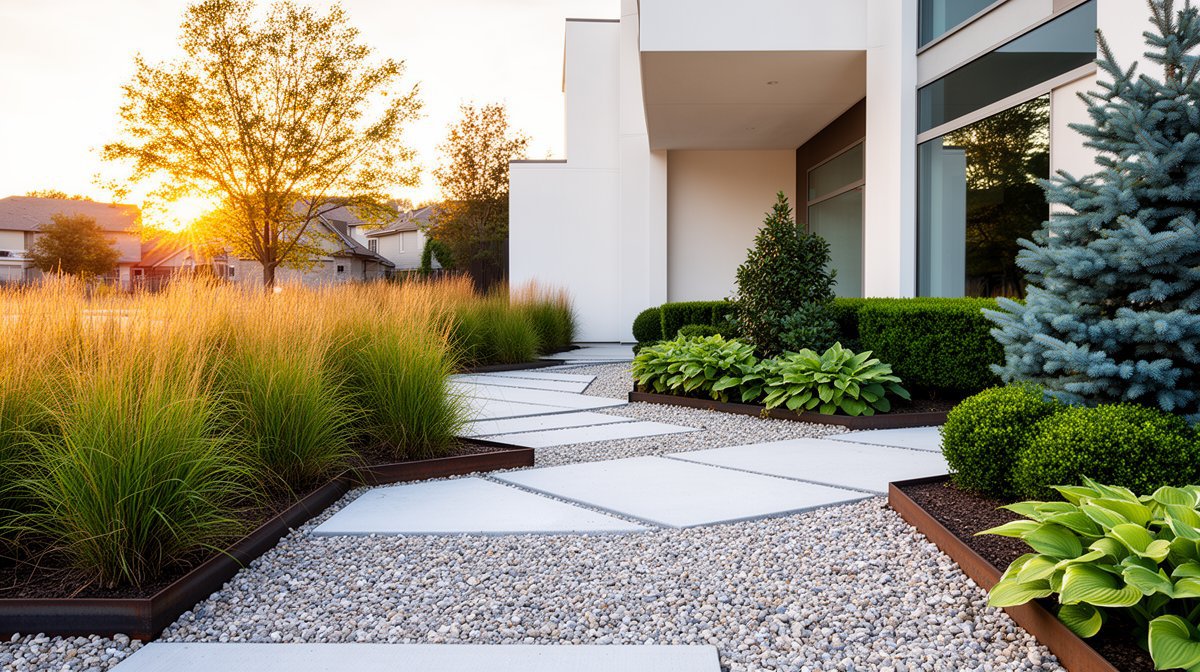
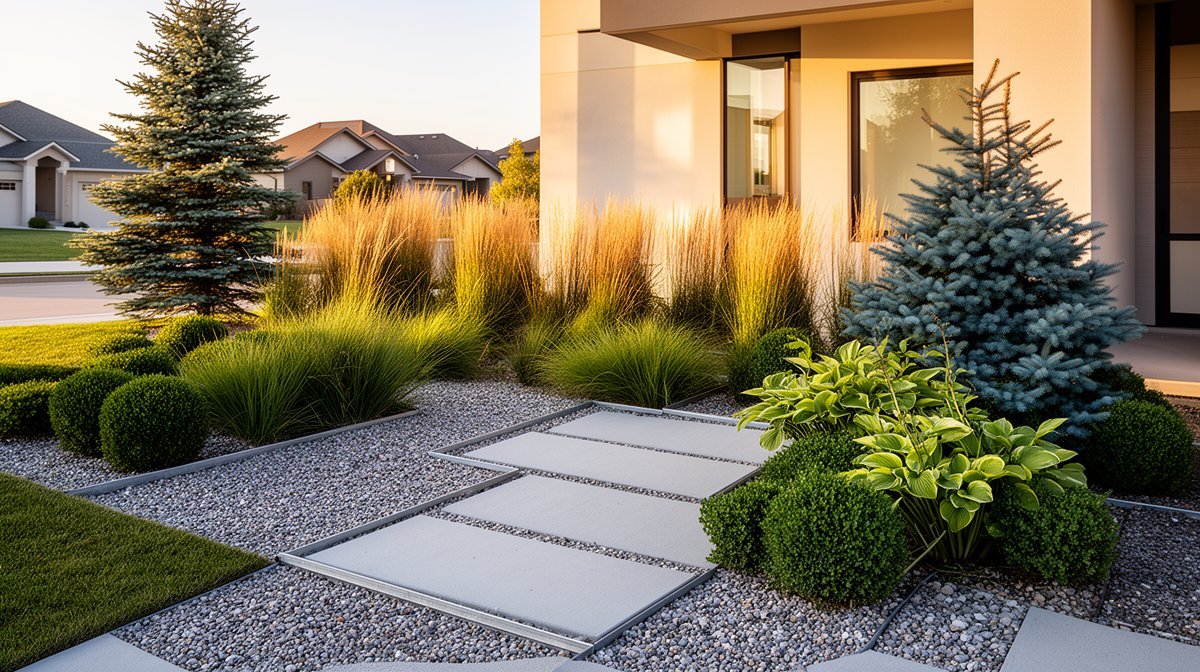
The Cedar and Stucco Entry Walk
$14-26/sqftA low-slope contemporary in white stucco, warm vertical cedar and stacked stone, with tall black-framed windows running the full facade and a wide broom-finished concrete walk driving straight at the front door. The planting does one job and does it three times: mounded lavender in flower at the sidewalk end, a rhythm of arching tan-plumed grass clumps stepping up the walk, and a tighter row of the same grasses tucked against the foundation so the base of the house never reads as bare. Crisp dark mulch beds, mown fescue panels on both sides and a young maple casting late-afternoon shade across the west glazing complete an entry that is almost entirely about repetition.

The Raked Gravel Rosette Court
$12-24/sqftThe front lawn is gone entirely. In its place a field of pea gravel is raked into long sweeping bands, and set into it are angular steel-edged planting islands filled with dark crushed rock. Each island is a sparse, deliberate composition of blue-grey agave rosettes, hen-and-chick clusters and low tufted blue grasses, with one burgundy rosette placed as the single warm note, and a staked young shade tree anchoring the largest bed. Around it a flat-roofed white stucco house with a recessed entry and dark glazing reads as sculpture. The design is genuinely low water and genuinely low maintenance in Olathe, provided every island is built as a raised, sharply drained bed rather than a hole in clay.

The Sunset Fire Bowl Terrace
$20-38/sqftA single large square of poured concrete sits out from the back of a two-story home, furnished with slim dark aluminium lounge chairs and a sofa in pale cushions around one round gas fire bowl. Two runs of bistro string lights sweep from the roofline to a mature shade tree and a single steel pole, which is what turns a slab into a room. The edges are the design: no fence, no border wall, just deep drifts of tan-plumed prairie grasses spilling over the concrete corners, one repeat-flowering pink shrub rose for colour, and open mown lawn running out to a distant treeline. It suits Olathe's western horizons and stretches the outdoor season from April into November.

The Dusk-Lit Pool Deck
$45-85/sqft (pool area inclusive)A rectangular pool with in-wall LED lighting and a broad, pale grey concrete deck wraps the back of a two-storey flat-roofed modern house whose full-height sliders glow at dusk. The landscape is deliberately quiet so the architecture and the water can carry the scene: a black horizontal-slat privacy fence as a backdrop, one low wicker sectional on the deck, and continuous bands of upright and silver-variegated grasses in a gravel border running the full length of the deck edge, uplit so they throw shadow onto the concrete after dark. A pair of narrow evergreen verticals near the fence give the composition winter structure once the grasses are cut back in March.
See how a modern/minimalist garden looks on YOUR property
Upload a photo of your Olathe yard and visualize your dream garden in seconds.
Try ProScapeAI Free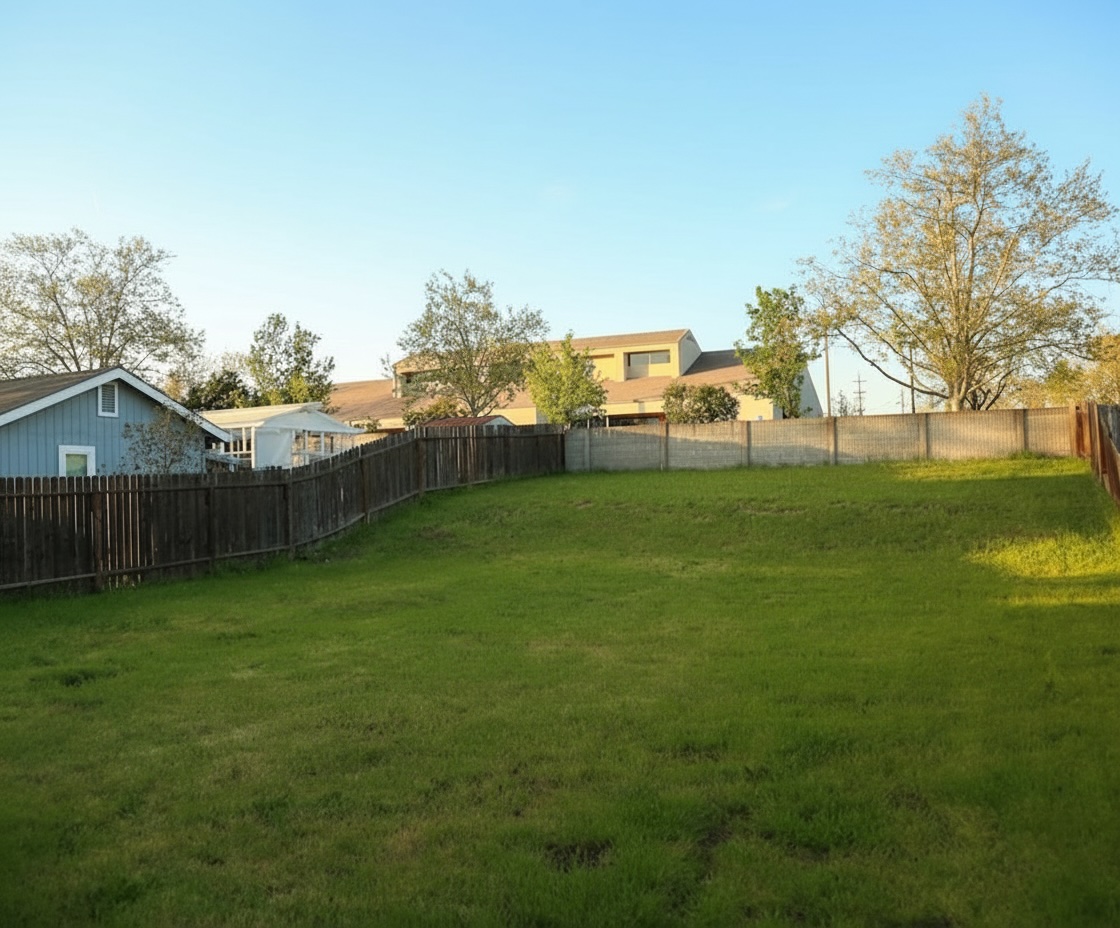
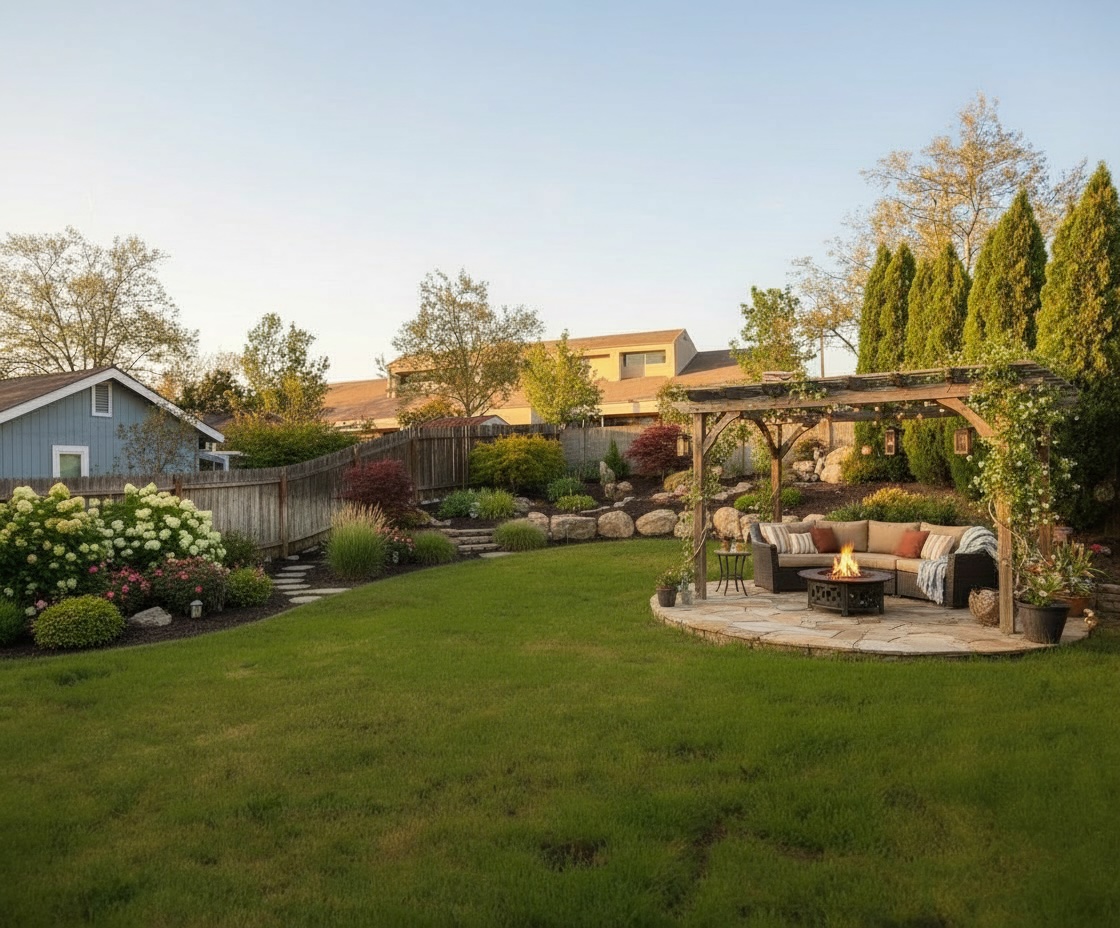
Featured Trees & Shrubs for Modern/Minimalist Gardens
Browse all 194 plants for Olathe
Clove Currant
Ribes odoratum
grows to 6 feet, yellow blooms in spring. Attracts hummingbirds.

Fragrant Sumac
Rhus aromatica
grows to 4 feet, yellow blooms in spring. Attracts butterflies.
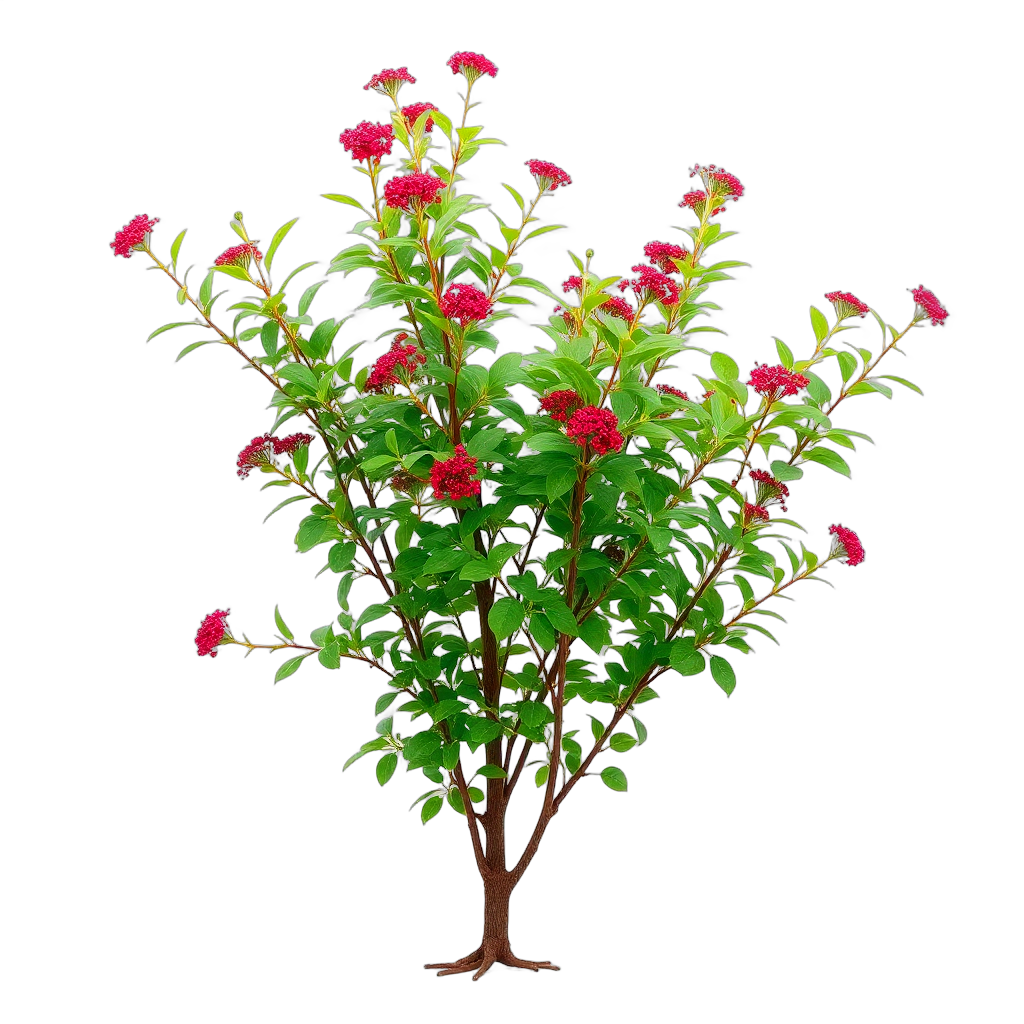
Smooth Sumac
Rhus glabra
medium-sized at 12 feet, white,green blooms in summer. Attracts butterflies.
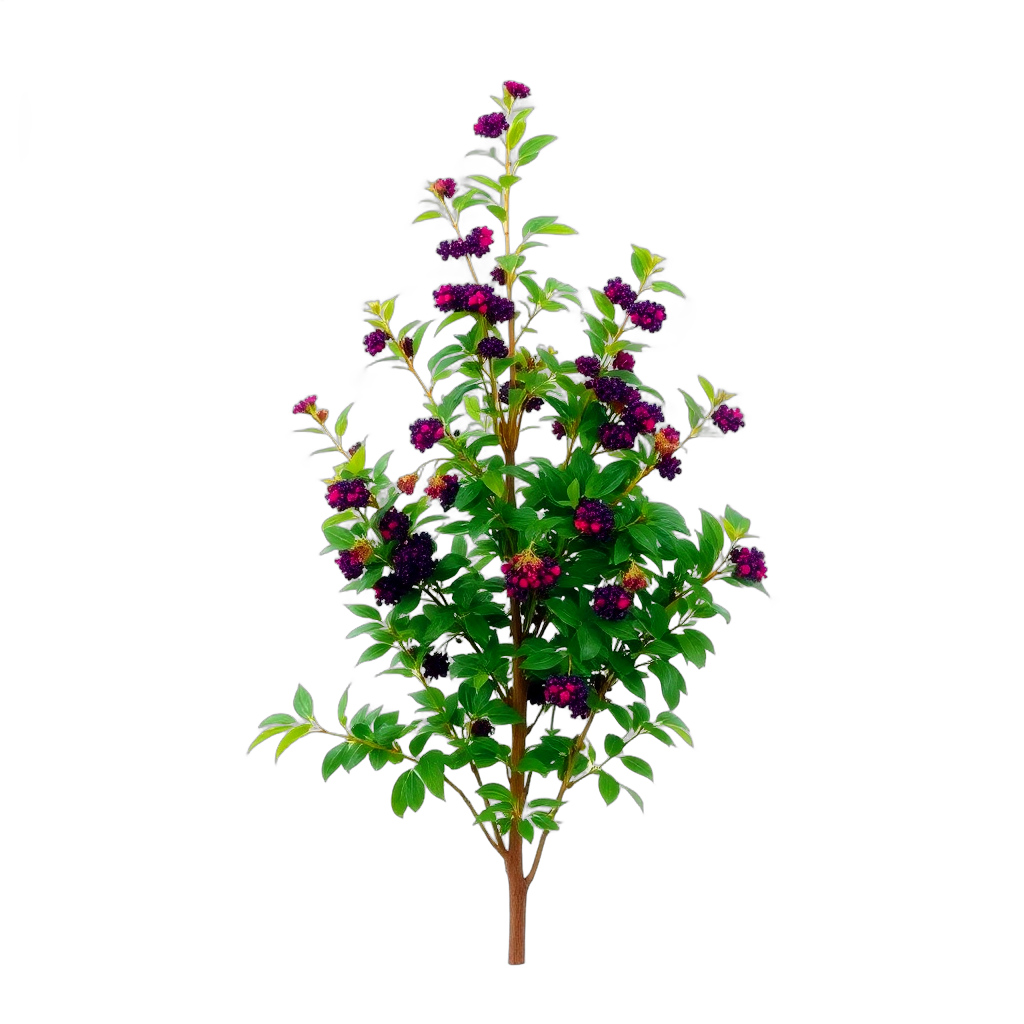
American Beautyberry
Callicarpa americana
grows to 6 feet, pink blooms in summer. Pollinator-friendly.
Featured Grasses & Groundcovers for Modern/Minimalist Gardens
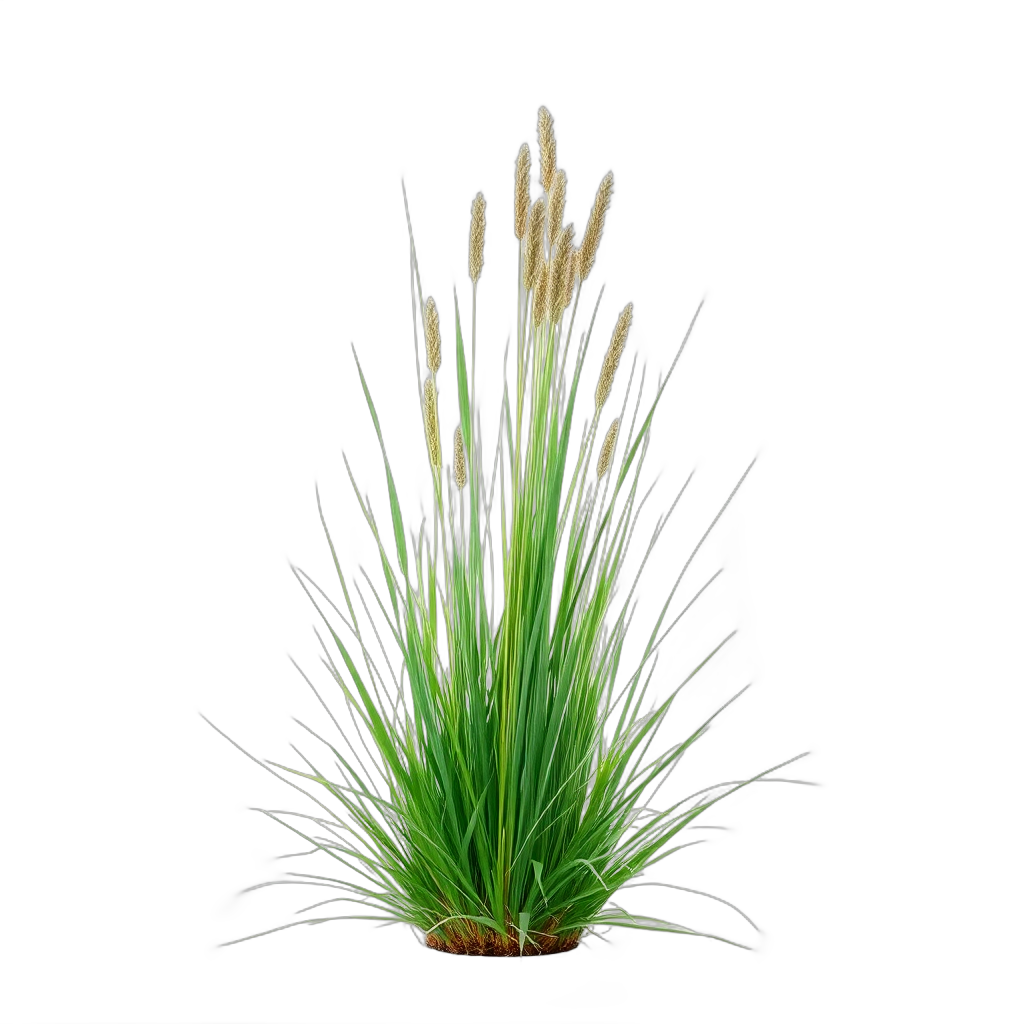
Big Bluestem
Andropogon gerardii
medium-sized at 7 feet, purple blooms in fall. Bronze,burgundy fall color.
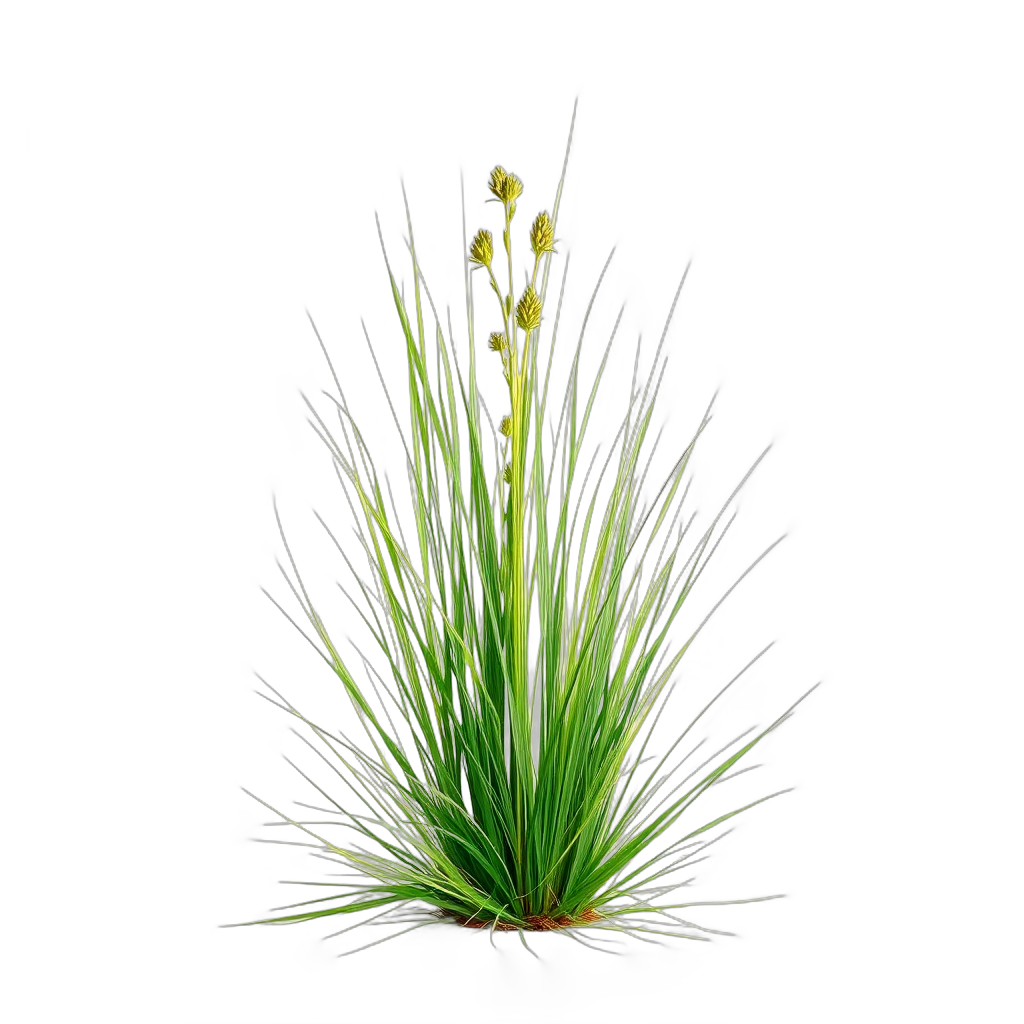
Canada Wild Rye
Elymus canadensis
grows to 4 feet, blooms in summer. Yellow fall color.
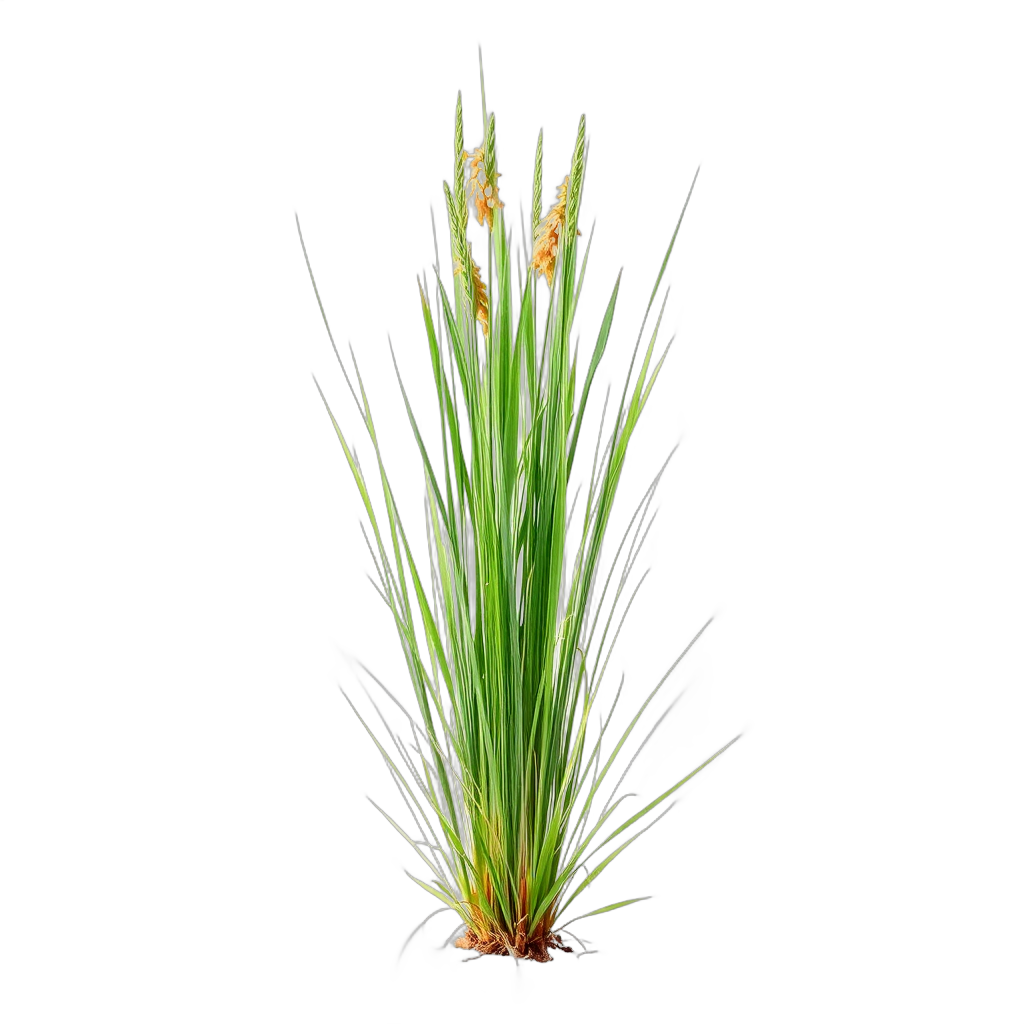
Eastern Gamagrass
Tripsacum dactyloides
grows to 6 feet, blooms in summer. Yellow fall color.
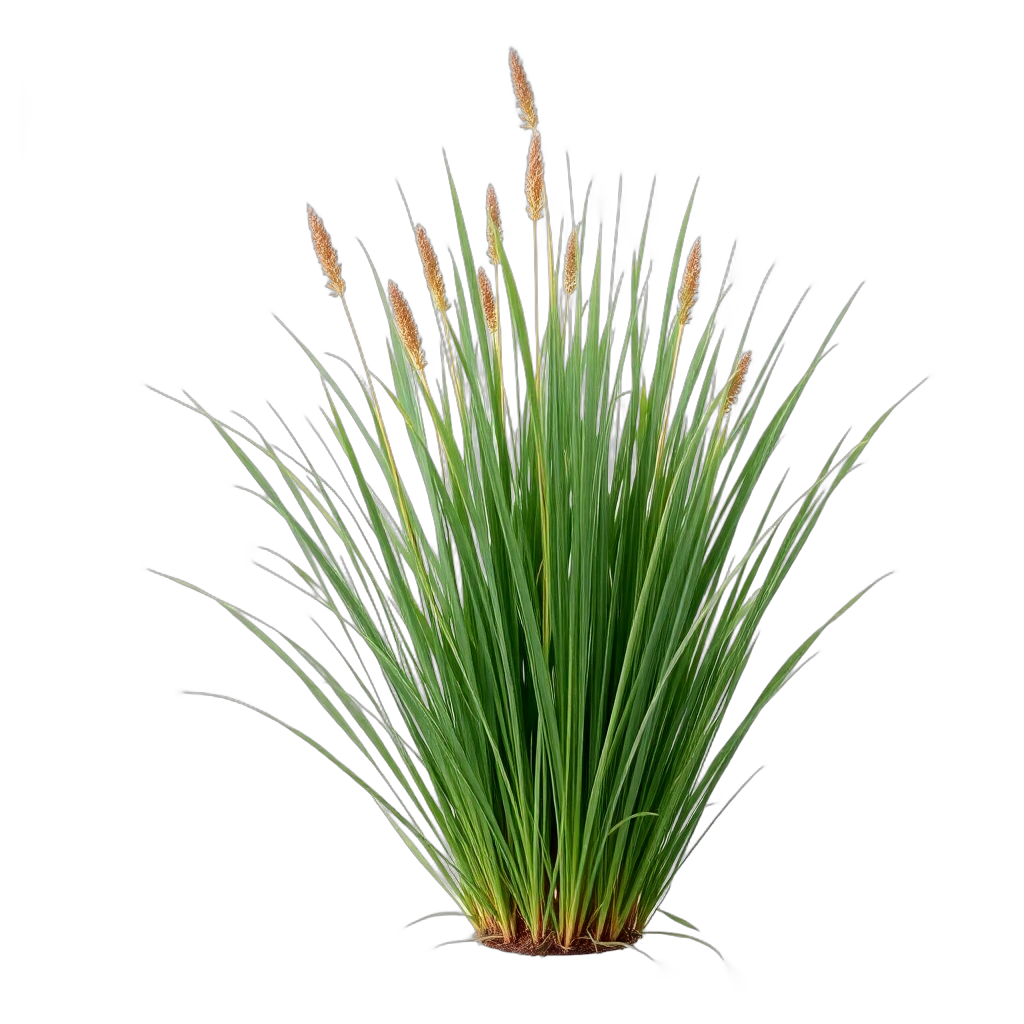
Heavy Metal Switchgrass
Panicum 'Heavy Metal'
grows to 4 feet, pink blooms in summer. Yellow fall color.
Featured Flowers & Perennials for Modern/Minimalist Gardens
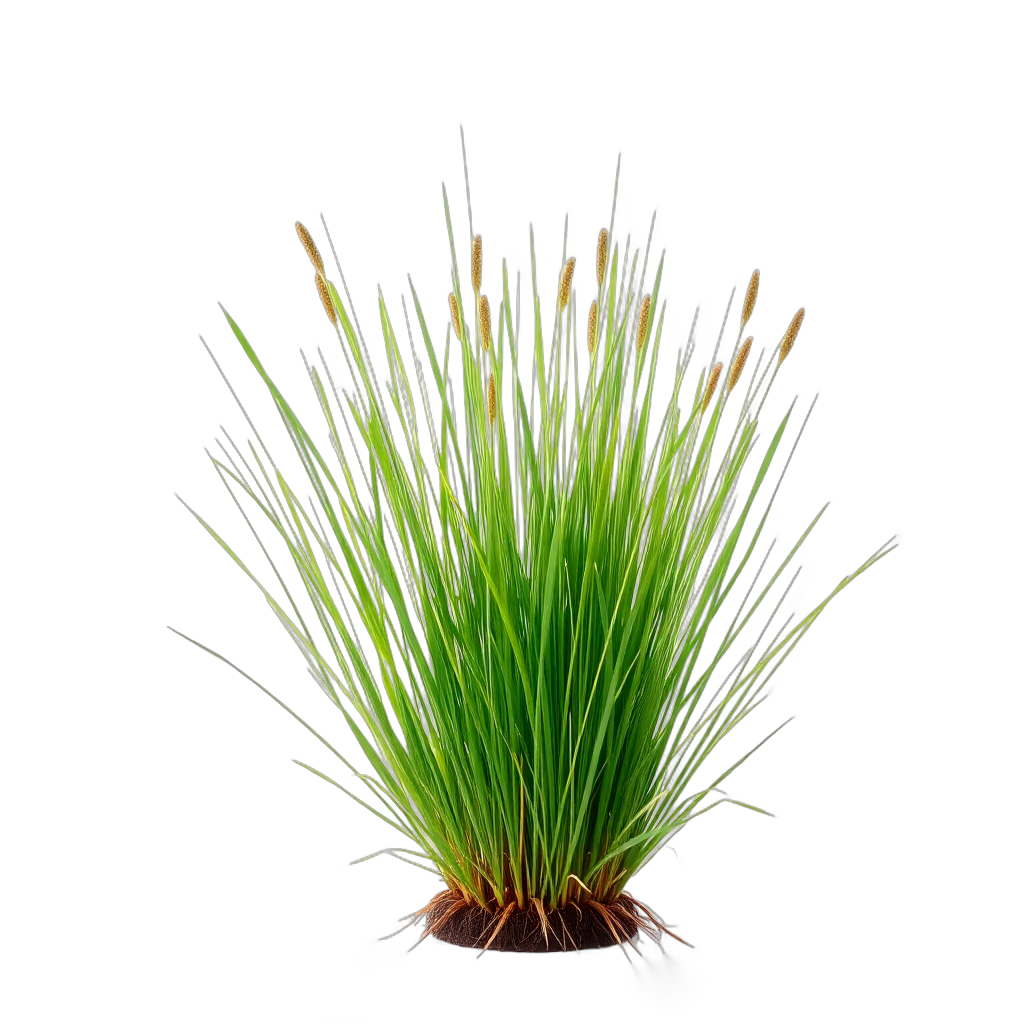
Path Rush
Juncus tenuis
low-growing ground cover, blooms in summer. Evergreen year-round.
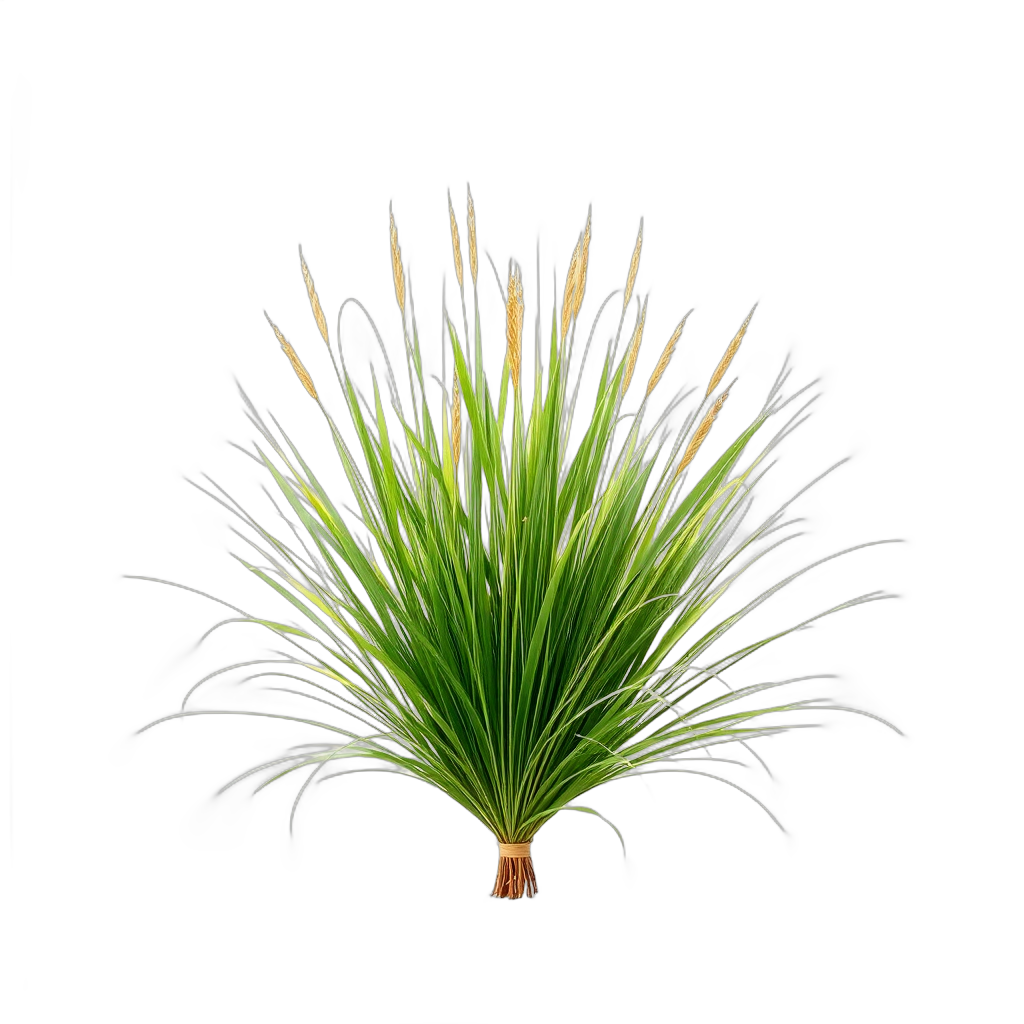
Prairie Cordgrass
Spartina pectinata
grows to 6 feet, blooms in summer. Yellow fall color.
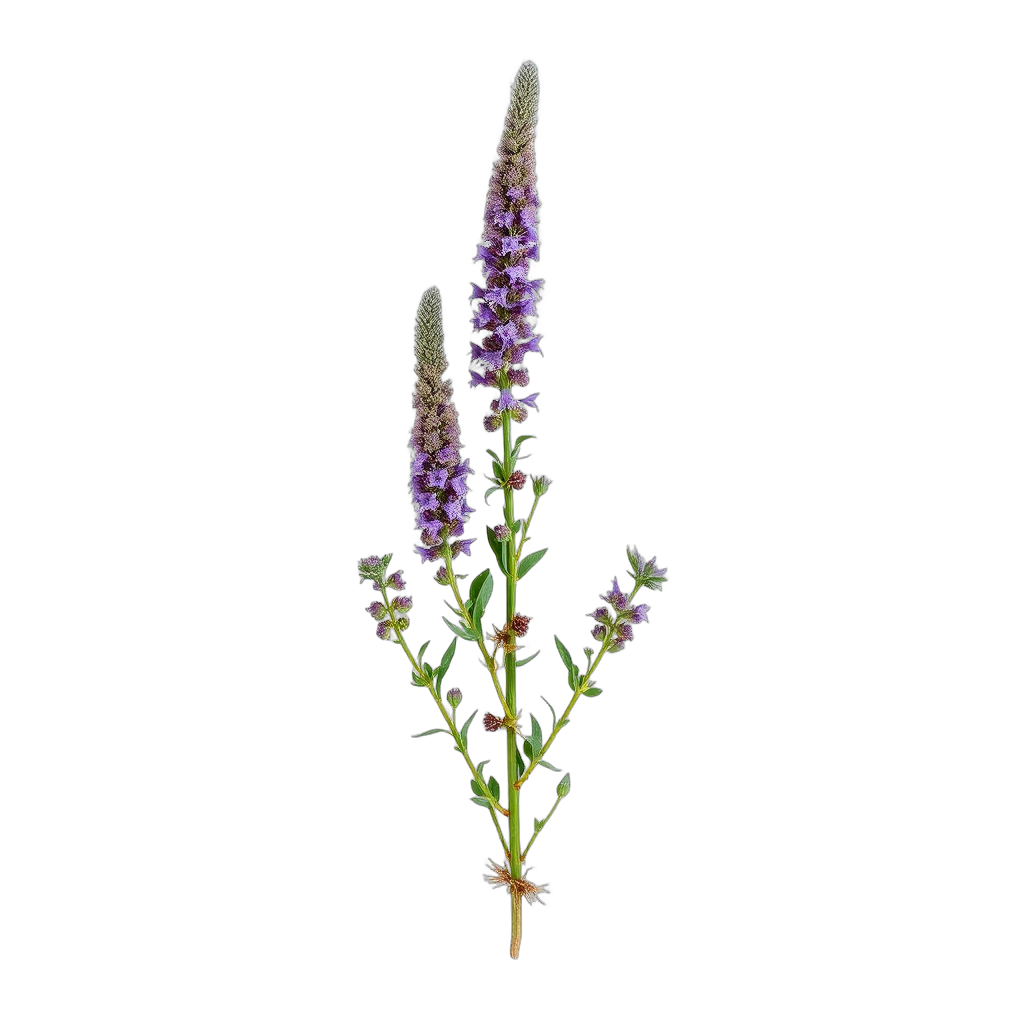
Anise Hyssop
Agastache foeniculum
grows to 3 feet, purple blooms in summer. Attracts hummingbirds.
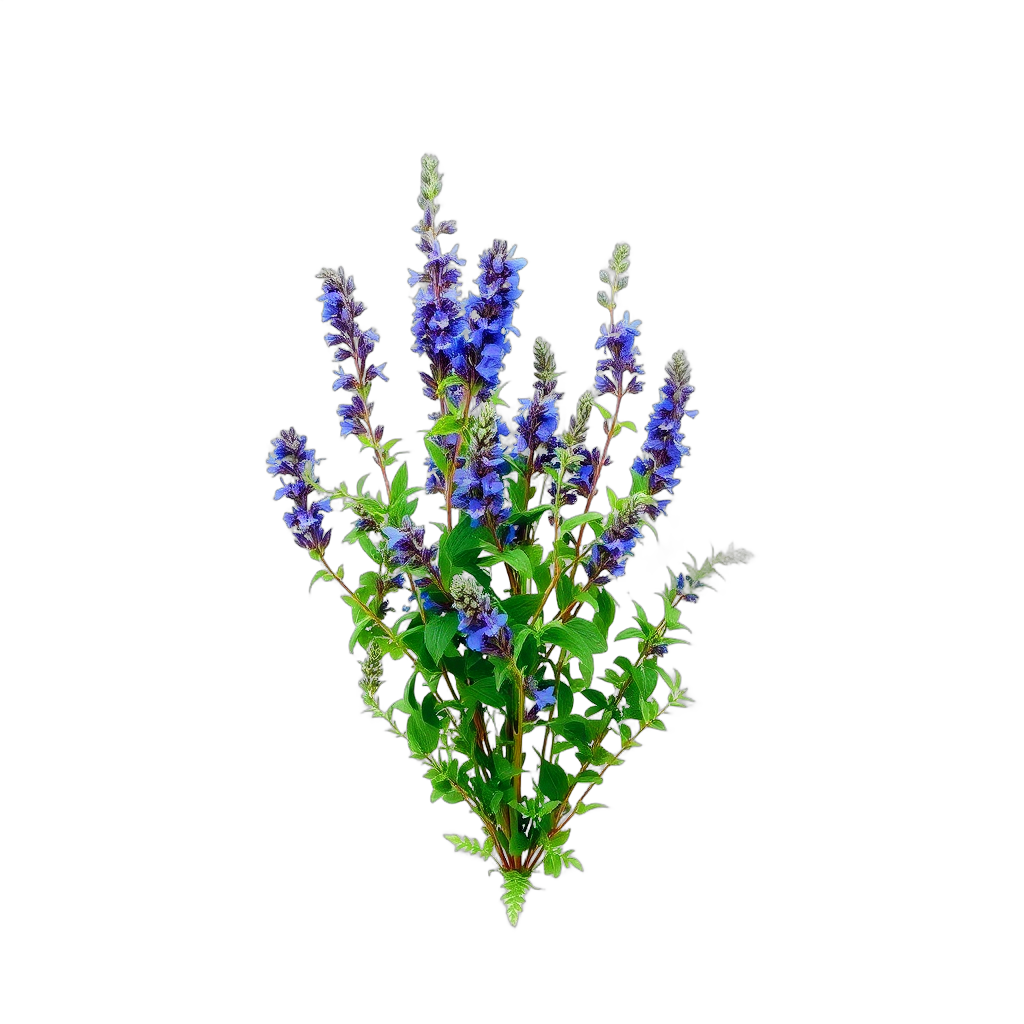
Azure Sage
Salvia azurea
grows to 4 feet, blue blooms in fall. Attracts hummingbirds.
Zone and sun checks come from our database — confirm with your local nursery before you buy.
Bloom Calendar for Olathe
spring
Blue False Indigo, Foxglove Beardtongue, Golden Alexandersummer
Path Rush, Prairie Cordgrass, Anise Hyssopfall
Azure Sage, Maximilian Sunflower, New England Asterwinter
Limited bloomsDesign Tips for Olathe (Zone 6a)
- Get your vertical accents from Zone 6a plants, not photographs - Juniperus scopulorum 'Skyrocket' and Thuja occidentalis 'Emerald Green' deliver the exact column that Italian cypress gives in a Phoenix modern garden and will still be standing after an Olathe February at -8 degrees F
- Build every gravel bed up 8 to 12 inches with 40 to 50 percent expanded shale or granite grit; in a city that takes 39 to 41 inches of rain a year, Agave parryi and Opuntia humifusa die of wet clay in January, never of cold
- Compact a real crushed-limestone base under every slab and paver - Sharpsburg clay's wet-winter to baked-August swing will crack a concrete walk poured on bare ground within three seasons, and modern design's straight edges make that failure visible from the kerb
- Use the tallgrass prairie as the modern palette it already is: Panicum virgatum 'Northwind', Schizachyrium scoparium 'Standing Ovation' and Sporobolus heterolepis give you architectural repetition, October copper colour and genuine drought tolerance in one plant
- Leave the grasses standing all winter and cut them to 4 inches in late February - Olathe's flat winter light through dormant Miscanthus sinensis 'Morning Light' and Bouteloua gracilis 'Blonde Ambition' is the season the design earns its keep, and early cutting throws that away
- Keep whatever lawn you retain as one deliberate geometric panel rather than the shape left over after the beds; it looks intentional, it is far easier to irrigate efficiently, and it directly reduces the outdoor water use the city's conservation plan puts at more than 70 percent of summer demand
- Uplight the grasses and wall-wash the stone or cedar, never floodlight the lawn - a dozen LED fixtures at $2,500 to $6,500 add more perceived value to an Olathe modern facade than any amount of extra planting
Where to Source Plants in Olathe
Skip the big-box stores. These independent Olathe nurseries specialize in the plants that make modern/minimalist gardens thrive in Zone 6a.
Grass Pad
North Olathe, off Old 56 Highway
Olathe's home-town garden centre since 1983, stocking nursery trees, upright evergreens, prairie grasses, bulk gravel and mulch, plus the metro's deepest cool-season seed selection for the lawn panel you keep
Suburban Lawn & Garden
Lenexa, K-7 and Prairie Star Parkway
26-acre independent centre with ball-and-burlap specimen trees, grasses, landscape rock and bulk compost - the practical source for a gravel-and-steel front conversion in west Olathe
Family Tree Nursery
Overland Park, near 84th and Farley
Five-acre independent garden centre open more than 60 years, strong on specimen trees, shrubs and architectural container plants, with an in-house design team
Rolling Meadows Garden Center
Overland Park, 151st Street near the Olathe line
Design-led independent centre carrying pavers, porcelain paving, retaining wall stone, bulk mulch and topsoil alongside plants - handy when the hardscape is doing most of the work
Modern/Minimalist Landscaping Costs in Olathe
| Project Scope | Estimated Cost |
|---|---|
| Front-yard modern conversion (turf removal, gravel field, steel edging, planting) | $6,000 - $14,000 |
| Broom-finished concrete entry walk and landing, 150-250 sqft | $2,500 - $6,000 |
| Concrete back terrace with gas fire bowl (350-450 sqft) | $14,000 - $32,000 |
| Weathering-steel raised planter, fabricated and filled | $600 - $1,600 each |
| Low-voltage LED landscape lighting, 10-14 fixtures with transformer | $2,500 - $6,500 |
| Pool deck and full backyard landscape package | $70,000 - $160,000 |
| AI visualization with ProScapeAI | Free to start |
Estimates based on Olathe, KS-area contractor rates as of 2026. Actual costs vary by site conditions, materials, and contractor.
Olathe Climate & Growing Zone
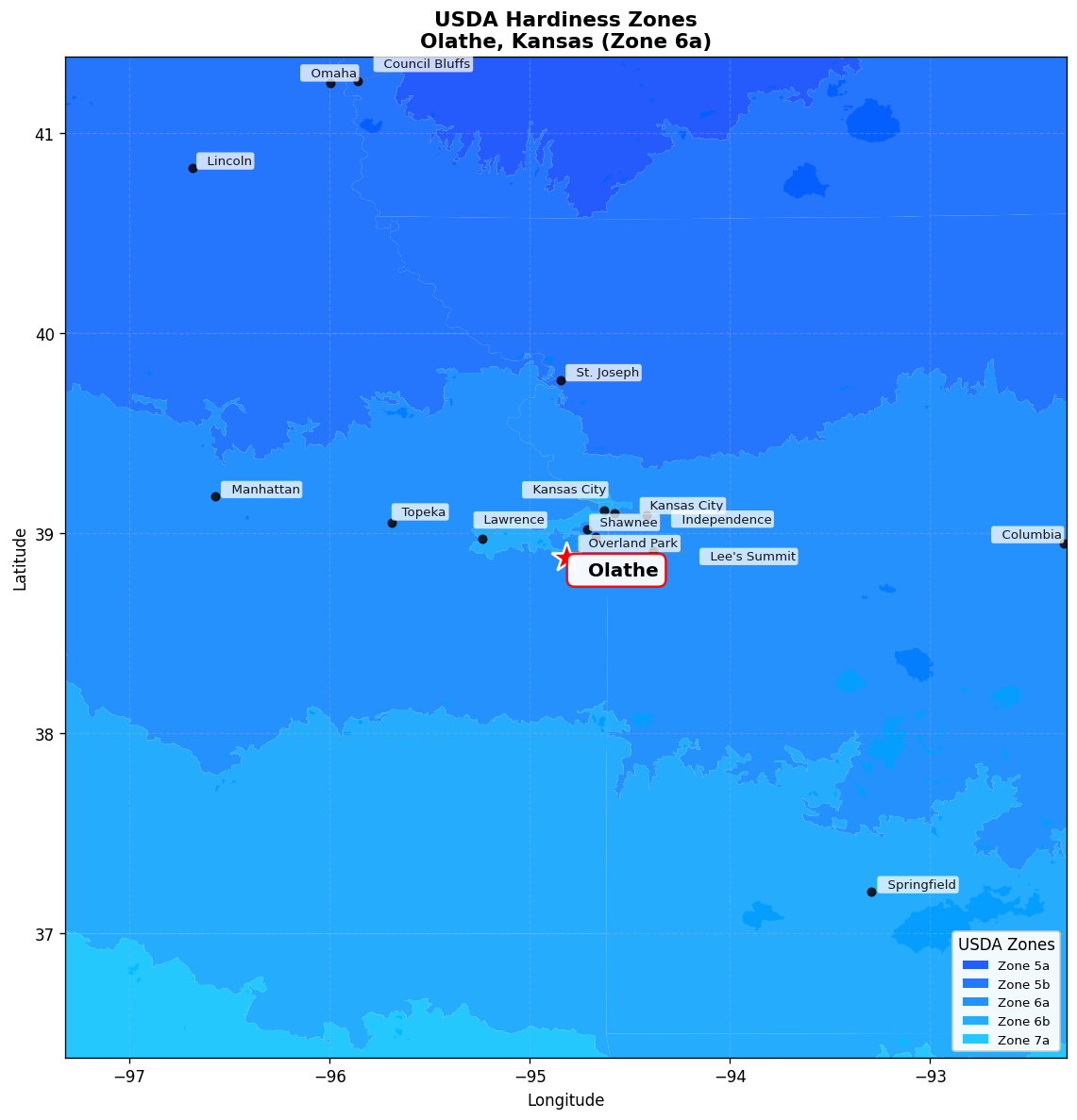
USDA Zone 6a
Hardiness zone for Olathe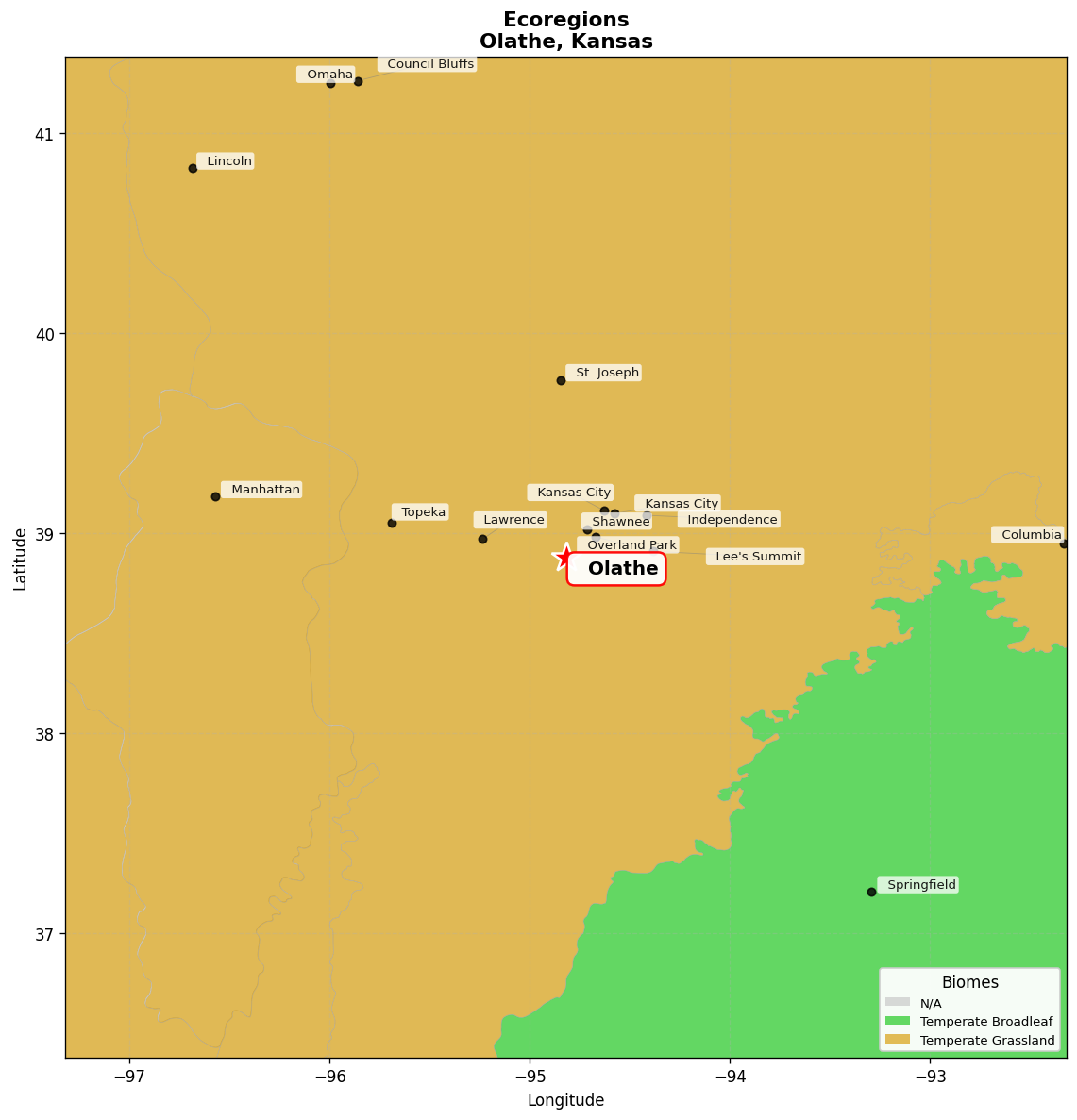
Central Tallgrass prairie
Native ecoregionFrequently Asked Questions
How much does modern landscaping cost in Olathe?
Johnson County pricing sits close to the national average and a shade under the Kansas City core. A front-yard modern conversion for a typical 500 to 600 square foot lawn - turf removal, compacted gravel field, steel edging and architectural planting - runs $6,000 to $14,000 installed. A broom-finished concrete walk and entry landing runs $12 to $22 per square foot with the base done properly. A 400 square foot back terrace with a gas fire bowl, furniture-ready, lands between $14,000 and $32,000. A full pool deck and landscape package commonly runs $70,000 to $160,000. A determined DIY gravel-and-plants front conversion can come in near $4 per square foot in materials.
Can I really grow agaves and succulents in Olathe's climate?
Yes, but only the cold-hardy species and only in sharp drainage - Zone 6a bottoms out between -10 and -5 degrees F, and Olathe gets 39 to 41 inches of precipitation a year, so wet clay in January is what kills them, not the cold itself. Agave parryi var. neomexicana, Agave havardiana, Yucca filamentosa 'Color Guard', Opuntia humifusa and Sempervivum are genuinely hardy here. Build the bed up 8 to 12 inches with 50 percent expanded shale or coarse granite grit, mulch with gravel not bark, and give it full sun. The tender Echeveria rosettes you see in modern photographs are summer annuals in Olathe - use them in pots if you want that exact colour.
Which ornamental grasses work best for a modern look in Olathe?
The tallgrass prairie is on your doorstep, so use it. Panicum virgatum 'Northwind' is the best strictly upright form for architectural rhythm and stands up to Kansas wind, Calamagrostis x acutiflora 'Karl Foerster' gives the earliest vertical line, Schizachyrium scoparium 'Standing Ovation' and 'Blue Heaven' bring blue summer colour and copper winter tone, Sporobolus heterolepis makes the finest low mound, and Bouteloua gracilis 'Blonde Ambition' carries eyebrow-shaped seedheads all winter. Pennisetum alopecuroides 'Hameln' supplies the soft plume look. Cut everything to 4 inches in late February or early March, before new growth starts, and divide every three to four years.
What has to happen to Olathe's clay before I pour a patio or walk?
Treat base preparation as part of the design, not a line item to trim. Olathe's Sharpsburg and Grundy silty clay loams shrink and swell dramatically between a saturated March and a baked August, and hardscape laid straight on clay telegraphs every millimetre of that movement. Excavate 6 to 10 inches, place and compact crushed limestone in 3-inch lifts, and maintain fall away from the foundation. Concrete should be poured over a compacted base with control joints cut within 24 hours; pavers need a bedding layer and edge restraint. On the sloped creek-side lots near Cedar Creek and Mill Creek, add subsurface drainage before you pour, and confirm Olathe's grading and stormwater requirements with the city first.
When is the best time to install a modern landscape in Olathe?
Hardscape work runs March through November, with concrete pours pausing when overnight temperatures drop below freezing - Olathe averages roughly 19 inches of snow and reliably freezes from December into February. For planting, mid-September to late October is the strongest window: soil still near 70 degrees F, autumn rain doing the irrigating, and grasses rooting all winter for a full-size first summer. Mid-April through May is the second window and the right one for Agave parryi and other succulents, which prefer to go in as the ground warms. Avoid establishing anything in July and August heat unless you can hand-water it.
Will a modern landscape actually cut my Olathe water bill?
It is the most reliable way to. The city's conservation plan attributes more than 70 percent of summer water delivered to Olathe homes and businesses to lawn watering, and tall fescue here needs about 1 to 1.25 inches a week from late June through early September to stay green. Replace 600 square feet of that turf with gravel and a planting of Panicum virgatum 'Northwind', Sporobolus heterolepis, Perovskia and Hesperaloe parviflora and, after the first establishment season, the same area typically needs a deep drip soak every two weeks or less. Keep the remaining lawn as one clean geometric panel and it is easier to irrigate efficiently as well as to mow.
Do I need approval before a big landscape change in Olathe?
Planting, mulch beds, gravel conversions and lawn removal need no city permit. Approval enters the picture for pools, retaining walls above a certain height, roofed structures, decks and work that alters drainage, and requirements differ by project - Olathe's planning and development services counter is the place to confirm before you buy materials. Separately, a large share of newer Olathe subdivisions including Cedar Creek and much of the west side operate covenants that review front-yard changes, and turf removal or a gravel front court is exactly the kind of change some associations want to see drawn first. Read your covenants before ordering steel edging.