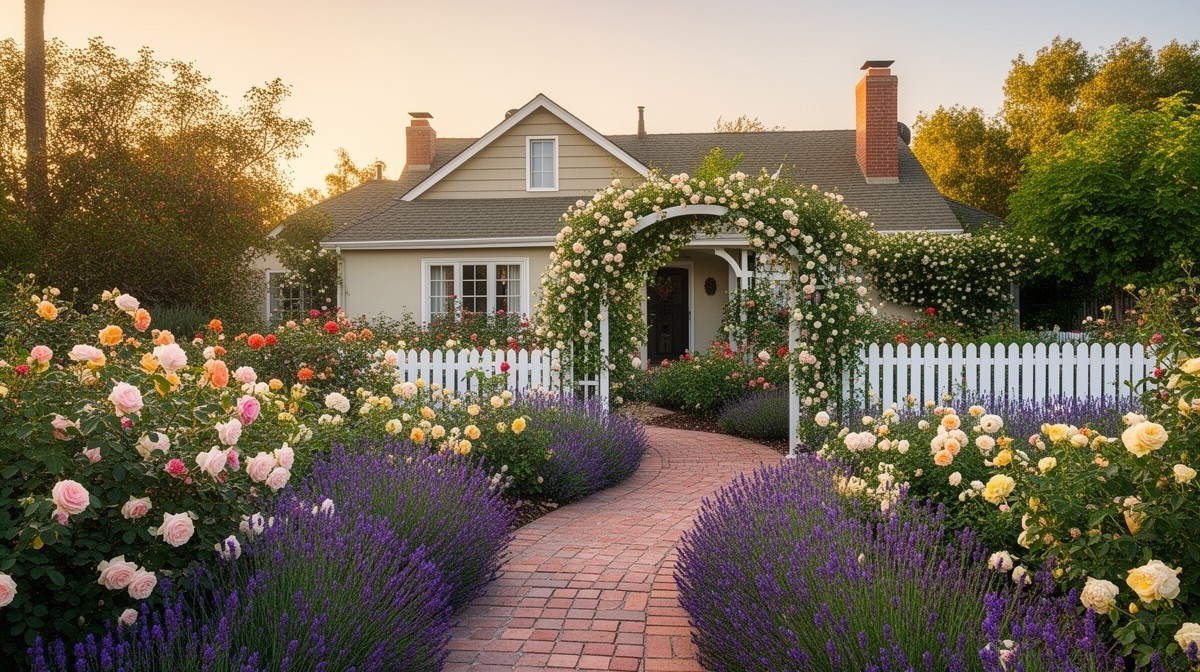
4 Cottage Garden Ideas for Ontario, CA | English-Style Landscape Design in Zone 10a
Native plants from the California coastal sage and chaparral (Zone 10a) — Mediterranean (hot summer) climate
Why Cottage/English Gardens in Ontario?
Ontario has better cottage-garden bones than most of Southern California. The Craftsman bungalows and 1920s cottages of the Euclid Avenue Historic District sit on the double-width, tree-lined boulevard the Chaffey brothers laid out for the Model Colony in 1882, and they came with the three things a cottage garden needs: a deep front porch to look out from, a generous 25-to-35-foot setback to fill, and a straight front walk begging for an arbor. The older streets around Vineyard, College Park and Guasti already have mature canopy doing half the work. At the south end of town, Ontario Ranch keeps adding homes across New Haven, Park Place, Esperanza and Rich-Haven whose blank 400-to-600-square-foot front yards convert to a rose-and-lavender border faster, and cheaper, than to almost any other style.
The one thing Ontario is not is England. Zone 10a sounds forgiving until you add up 25 to 35 days over 100°F, roughly 15 inches of rain that all falls between December and March, and reference ET near 55 inches a year. Delphinium elatum collapses by mid-June here — plant Salvia 'Mystic Spires Blue' and Penstemon heterophyllus 'Margarita BOP' for the same blue vertical. Peonies never bank their chill hours; Rosa 'Olivia Rose Austin' gives the same fat pink cup and blooms three times as long. English lavender (Lavandula angustifolia 'Munstead', 'Hidcote') sulks and rots by its third summer, while Lavandula × intermedia 'Provence' and 'Grosso' and Lavandula dentata thrive on the same street. Roses are where Ontario beats England outright: 'Iceberg', 'Julia Child', 'Sally Holmes' and climbing 'Cécile Brünner' flower from March into December.
Underneath everything is coarse alluvial sandy loam washed off the San Gabriels — fast-draining, low in organic matter, usually pH 7.5 to 8.2. Work 3 to 4 inches of compost into every bed and top it up annually, because that soil burns through organics in one hot season. Ontario Ranch lots need extra work: they sit on scraped, compacted former Chino Valley dairy ground that can run salty, so rip 12 inches deep and leach before planting. Chino Basin water is hard, so leaf-tip burn on roses is usually salt rather than disease — water deeply and infrequently through inline drip, never daily sips. Then plan around Santa Ana winds funneling down Cajon Pass from October through February: plant in late October so winter rain sets the roots, stake arbors properly, and keep the tallest, most brittle perennials on the leeward side of a fence or hedge.
4 Cottage/English Design Ideas for Ontario
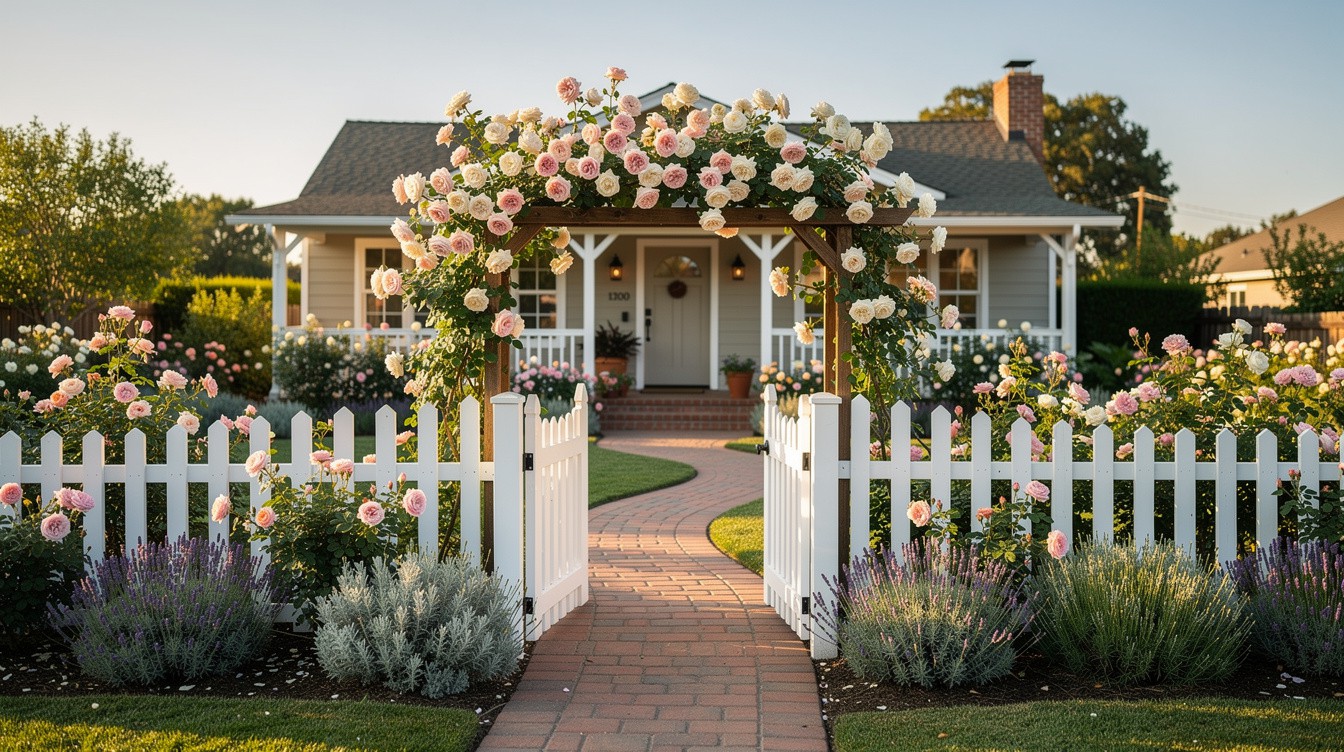
The White Picket Rose Gate
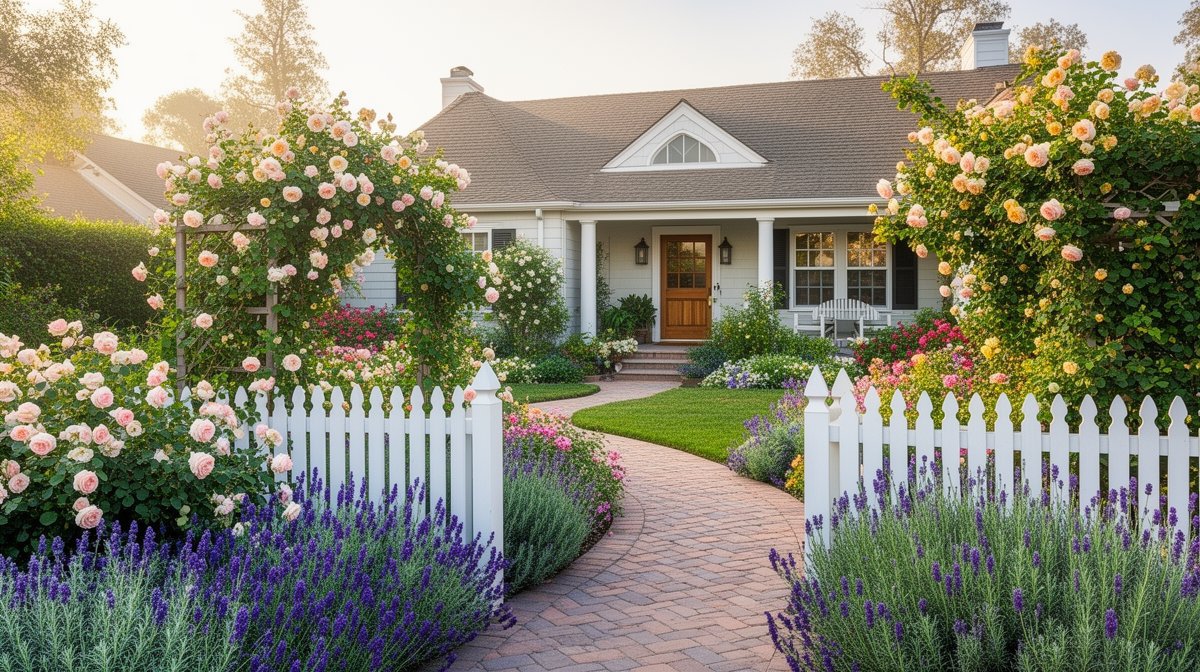
$14–26/sqftA herringbone clay-brick walk curves from the sidewalk through a swinging picket gate to a low porch, and the whole entry is framed by a rough-sawn timber arbor smothered in pink-and-cream climbing roses. Behind the fence, shrub roses in blush, apricot and white are massed three deep, then stepped down to a continuous ribbon of lavender and tight silver mounds of santolina along the fence footing. The trick that makes this survive an Ontario July is cultivar discipline: 'Iceberg' and 'Bonica' shrug off 105°F where fussier hybrid teas defoliate, and Lavandula × intermedia 'Provence' keeps its grey structure through the heat instead of collapsing the way English lavender does inland. Two narrow strips of fescue lawn are all the turf left, which keeps the water budget honest.
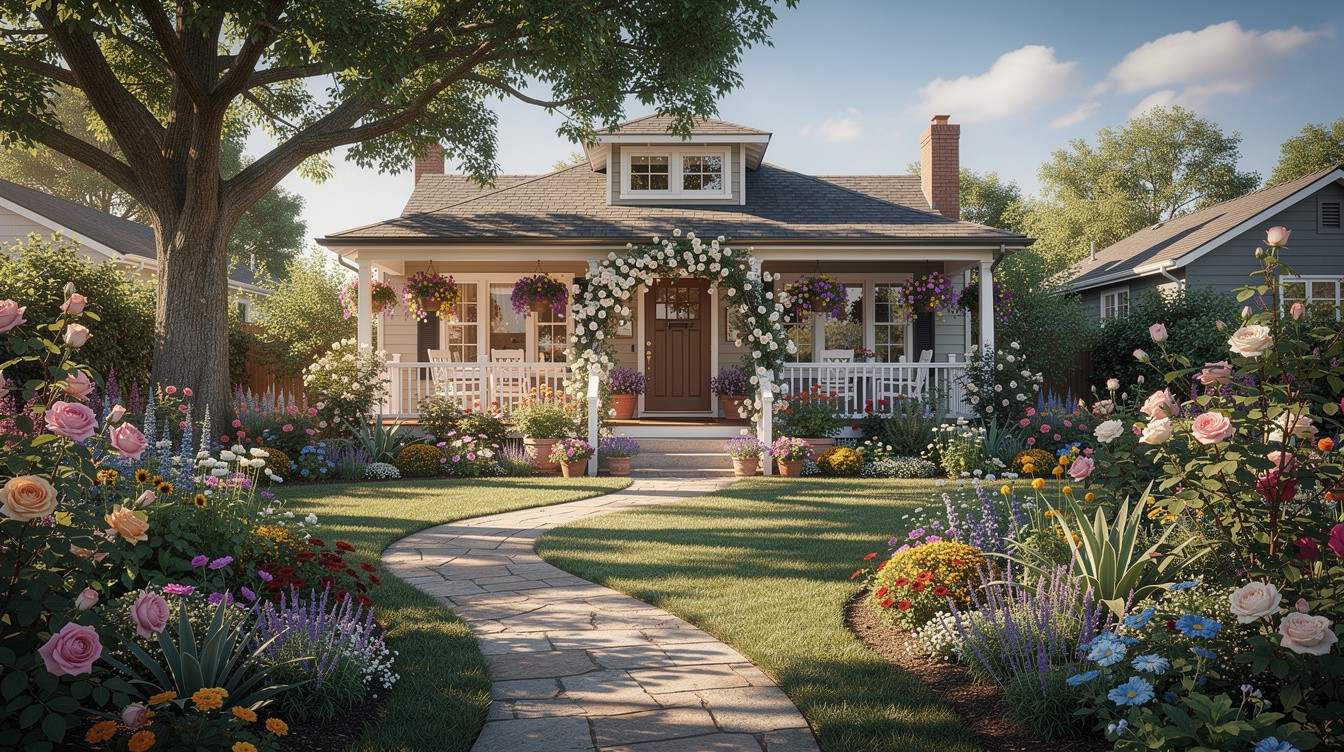
The Craftsman Bungalow Border
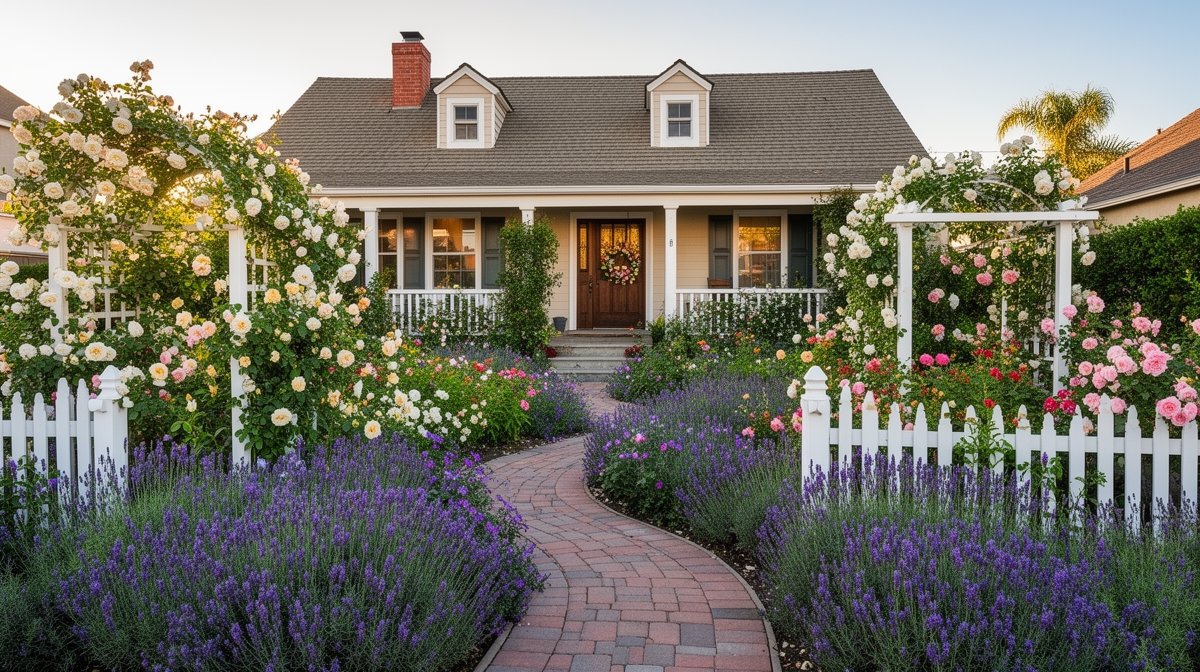
$12–22/sqftA dormered Craftsman with brick chimneys and a full-width porch gets a sweeping flagstone path that curves across the lawn instead of running straight, with deep mixed borders swelling on both sides. A white climbing rose arches over the front door, hanging baskets of trailing verbena and calibrachoa hang from the porch beams, and the beds themselves are layered the old way — roses at the back, blue spires in the middle, daisies and gold annuals spilling to the edge. The blue spires are the local substitution that matters: Salvia 'Mystic Spires Blue' and Penstemon 'Margarita BOP' read exactly like delphinium from the sidewalk and keep going through August, when real delphinium would already be compost. A mature deciduous shade tree on the west side is doing serious work cooling the front rooms.
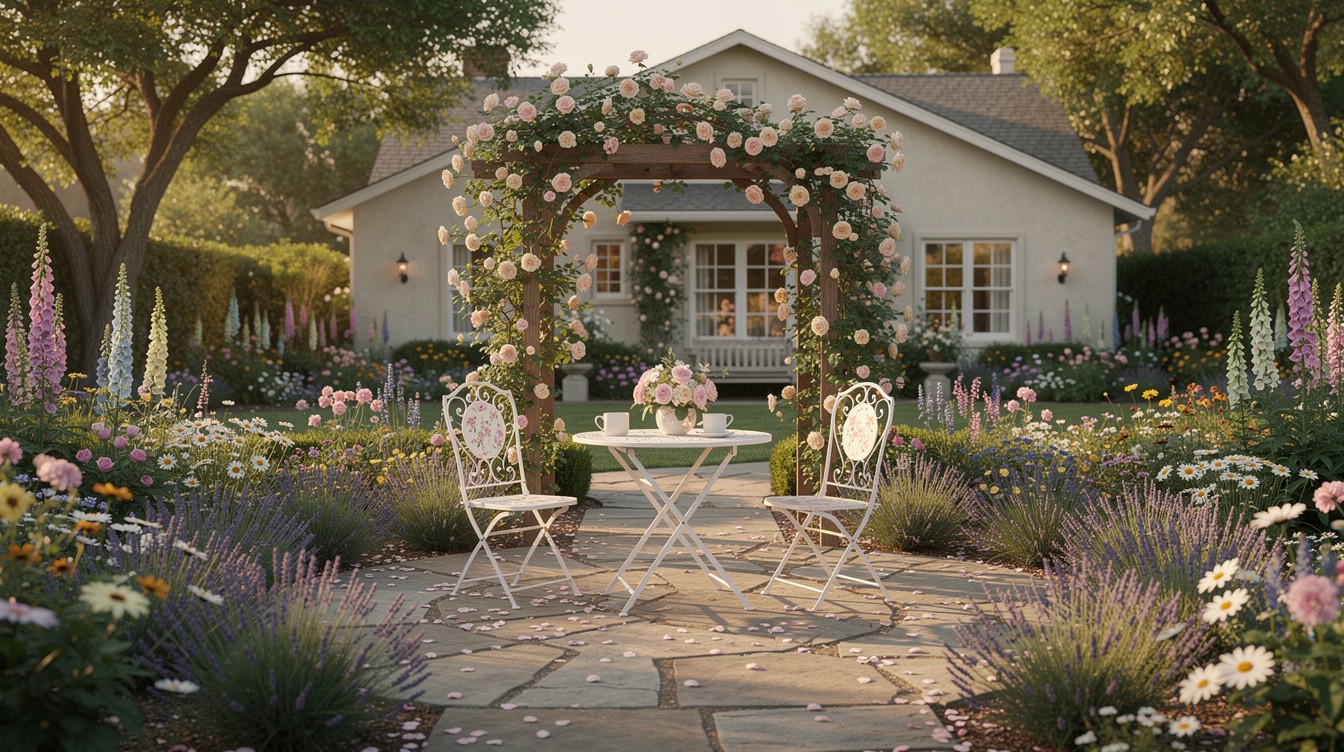
The Rose Arbor Tea Terrace
$16–30/sqftA flagstone terrace is cut into the middle of the back garden with a rose-clad timber arbor over it and a two-chair bistro set underneath — small, cheap, and the single best-value move in a cottage backyard. Around it the planting goes full English: foxglove spires in pink, cream and lilac, drifts of lavender at the terrace edge, shasta daisies and a haze of mixed perennials running to a clipped hedge at the property line. In Ontario the foxgloves are a cool-season play, not a perennial — set out Digitalis 'Camelot' plugs in late October and they bloom hard from March to May before the heat takes them, by which time Salvia leucantha and Achillea have filled in behind. Climbing 'Cécile Brünner' over the arbor is the workhorse here; it takes reflected heat off stucco that would fry a David Austin climber.
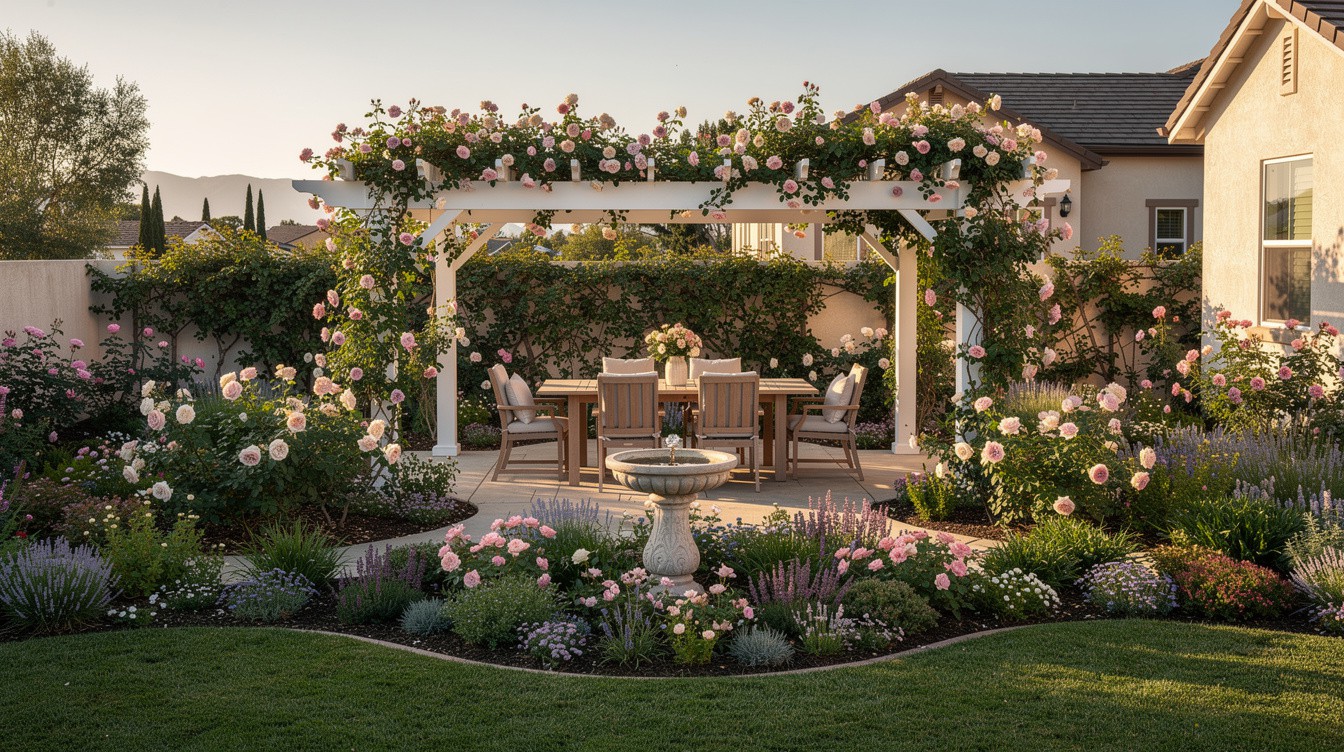
The New-Build Pergola Rose Court
$18–34/sqftA stucco two-story tract home gets a painted pergola dining room pushed off the back wall, roses trained across the entire top of it, and a cast-stone fountain set into an island bed at the foot of the steps so the water is the first thing you hear. Curved lawn panels frame the beds instead of the beds framing the lawn, and rose-and-lavender borders wrap the perimeter walls to hide the fact that the neighbor's house is twelve feet away. This is the classic Ontario Ranch situation — flat, hot, walled, zero shade on day one — and roses plus a pergola solve it in a single season, since 'Eden' will cover a 12x16 structure in two years here. Uplights on the fountain and the rose columns extend the space into the evening, which matters when the good hours in July start at 7pm.
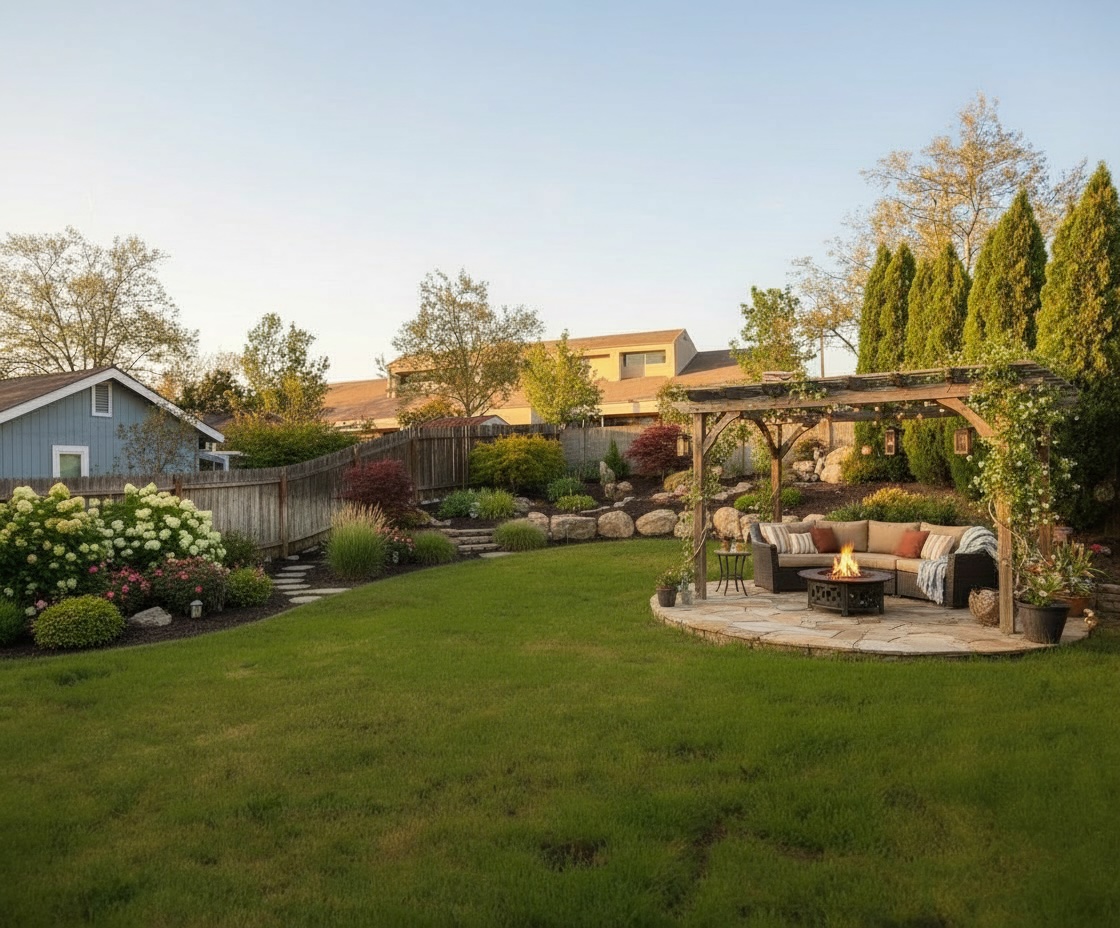
See how a cottage/english garden looks on YOUR property
Upload a photo of your Ontario yard and visualize your dream garden in seconds.
Try ProScapeAI Free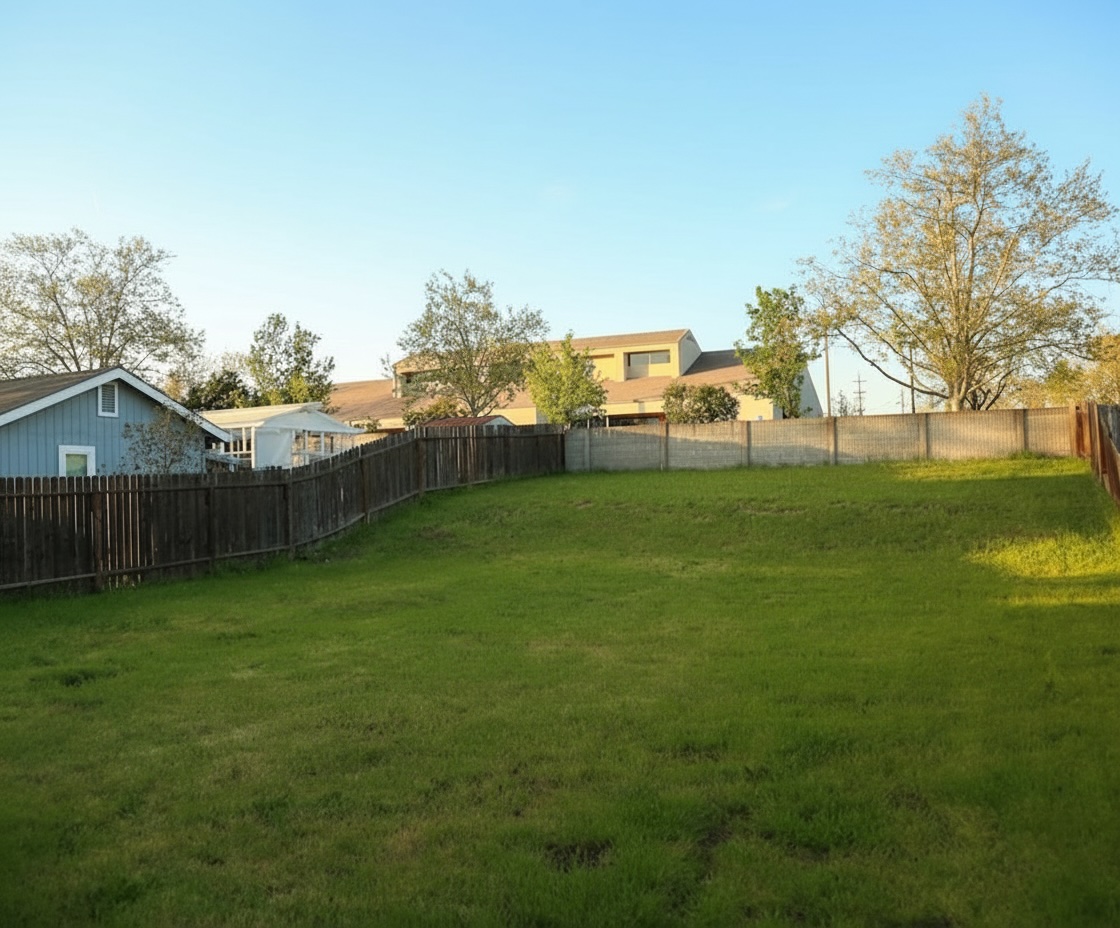
Featured Trees & Shrubs for Cottage/English Gardens
Browse all 115 plants for Ontario
Black Sage
Salvia mellifera
grows to 4 feet, white blooms in spring. Attracts butterflies.

Blue Blossom
Ceanothus thyrsiflorus
medium-sized at 12 feet, blue blooms in spring. Attracts butterflies.

Blue Elderberry
Sambucus cerulea
medium-sized at 15 feet, white blooms in spring. Attracts butterflies.

Buckbrush
Ceanothus cuneatus
medium-sized at 7 feet, white blooms in spring. Attracts butterflies.
Featured Grasses & Groundcovers for Cottage/English Gardens
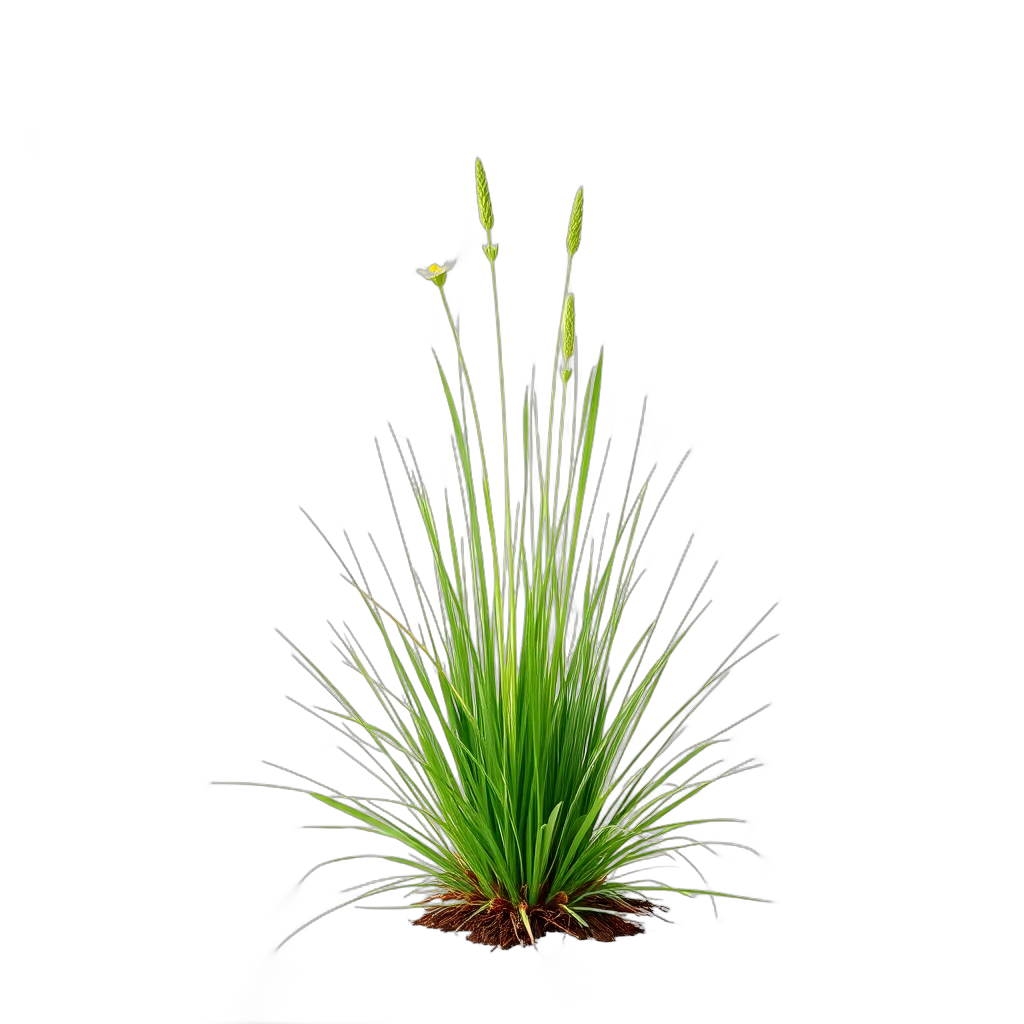
California Brome
Bromus carinatus
low-growing ground cover, blooms in spring. Yellow fall color.
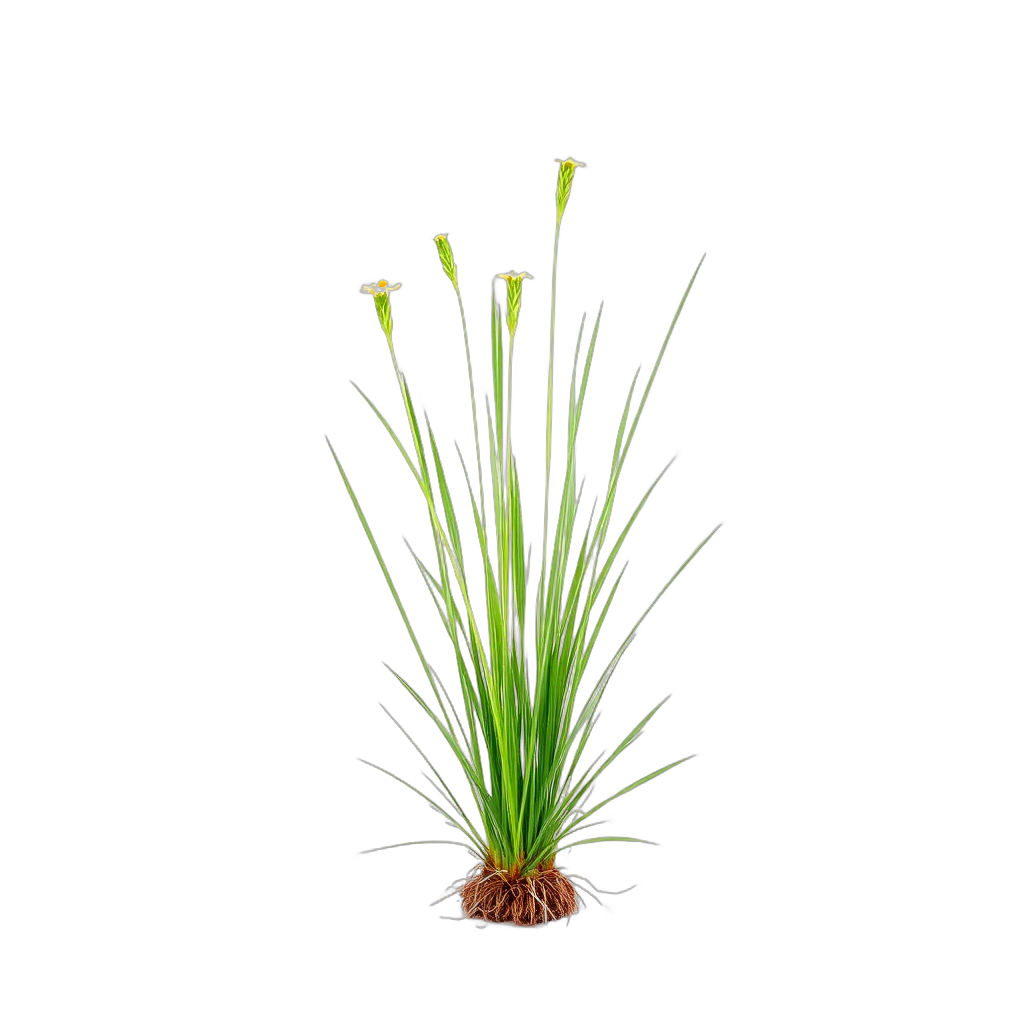
California Melic
Melica californica
low-growing ground cover, blooms in spring.
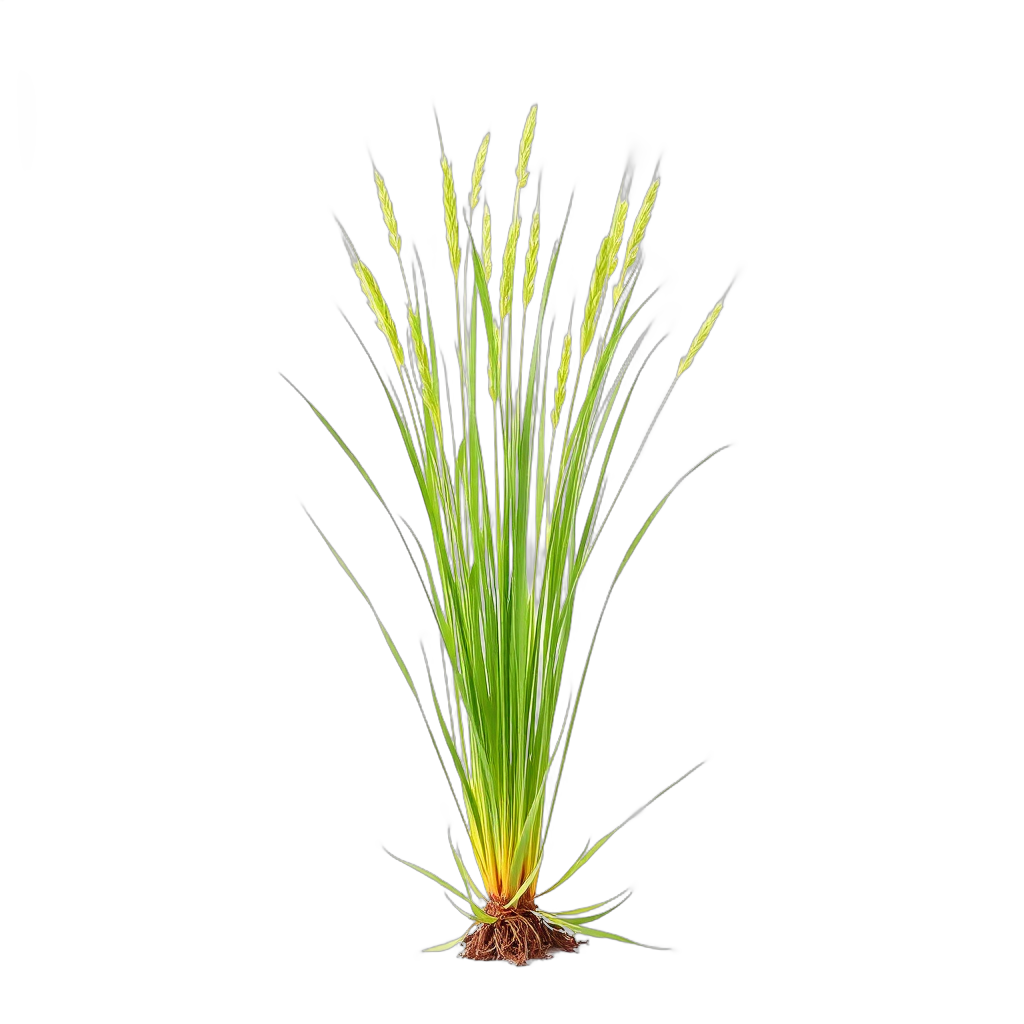
California Oatgrass
Danthonia californica
low-growing ground cover, blooms in spring. Yellow fall color.
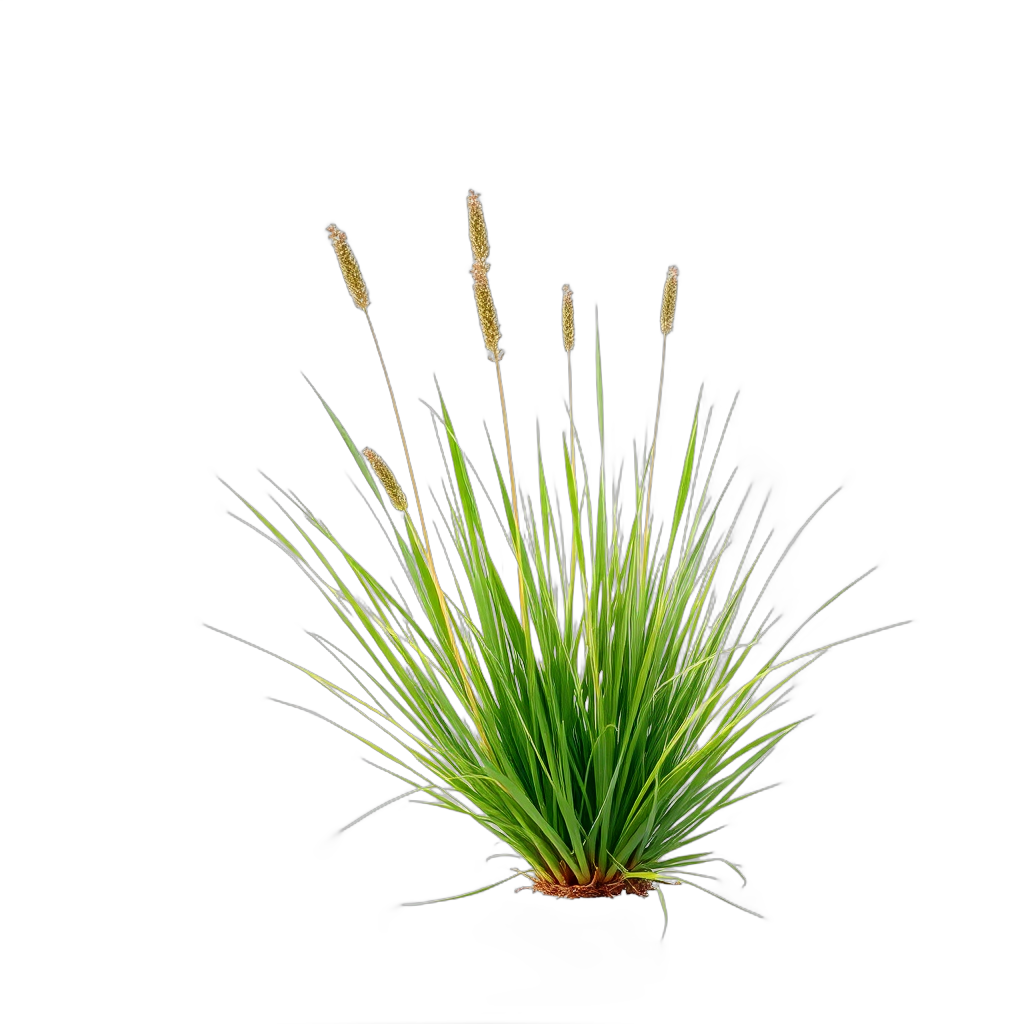
Deer Grass
Muhlenbergia rigens
grows to 3 feet, yellow blooms in fall. Evergreen year-round.
Featured Flowers & Perennials for Cottage/English Gardens
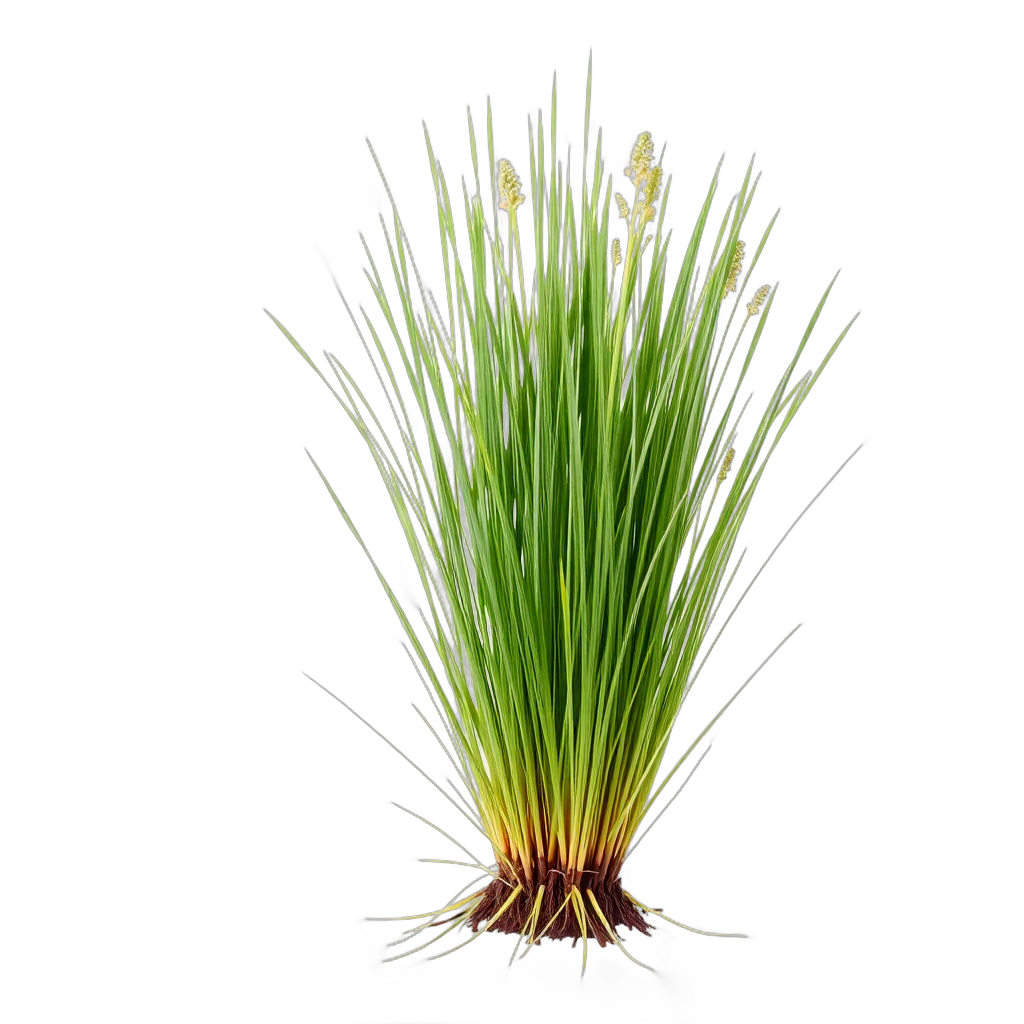
California Gray Rush
Juncus patens
low-growing ground cover, blooms in summer. Evergreen year-round.
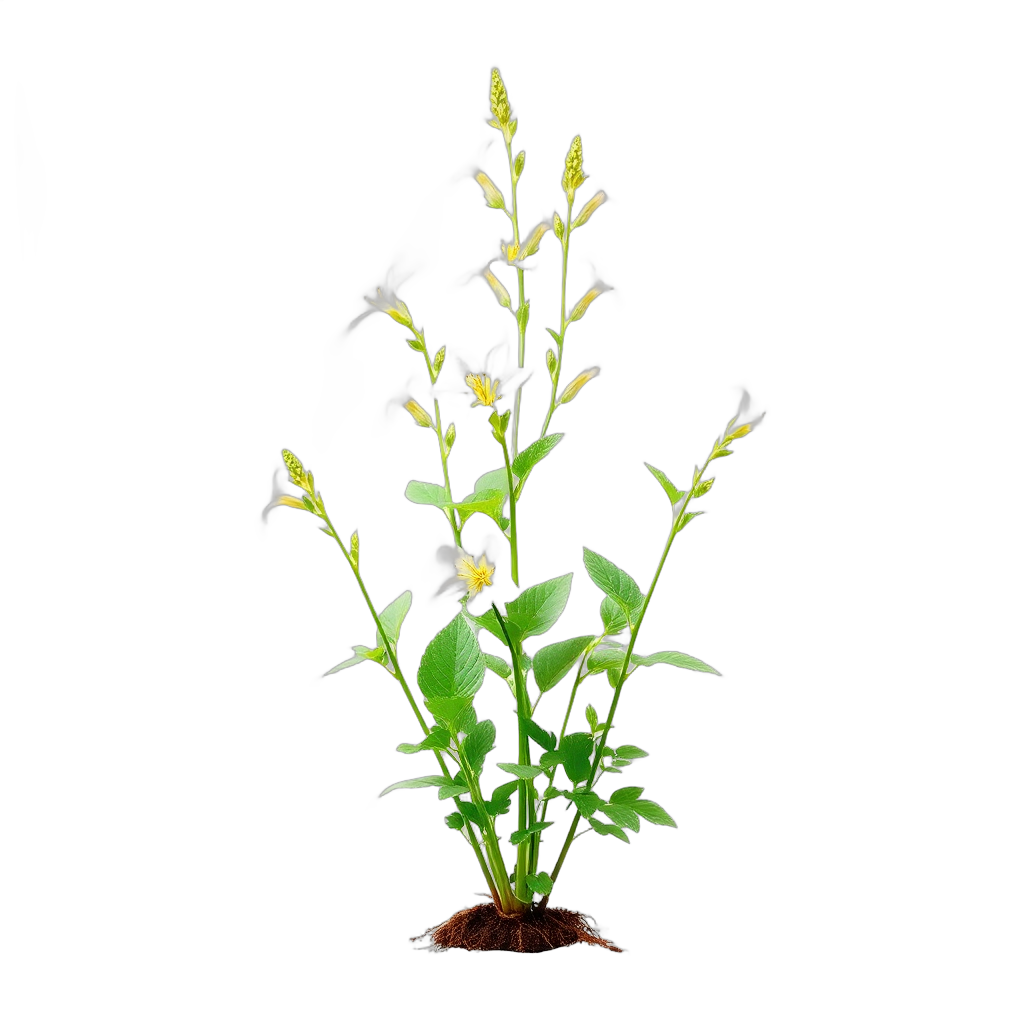
Beach Evening Primrose
Camissonia cheiranthifolia
low-growing ground cover, yellow blooms in spring. Attracts butterflies.
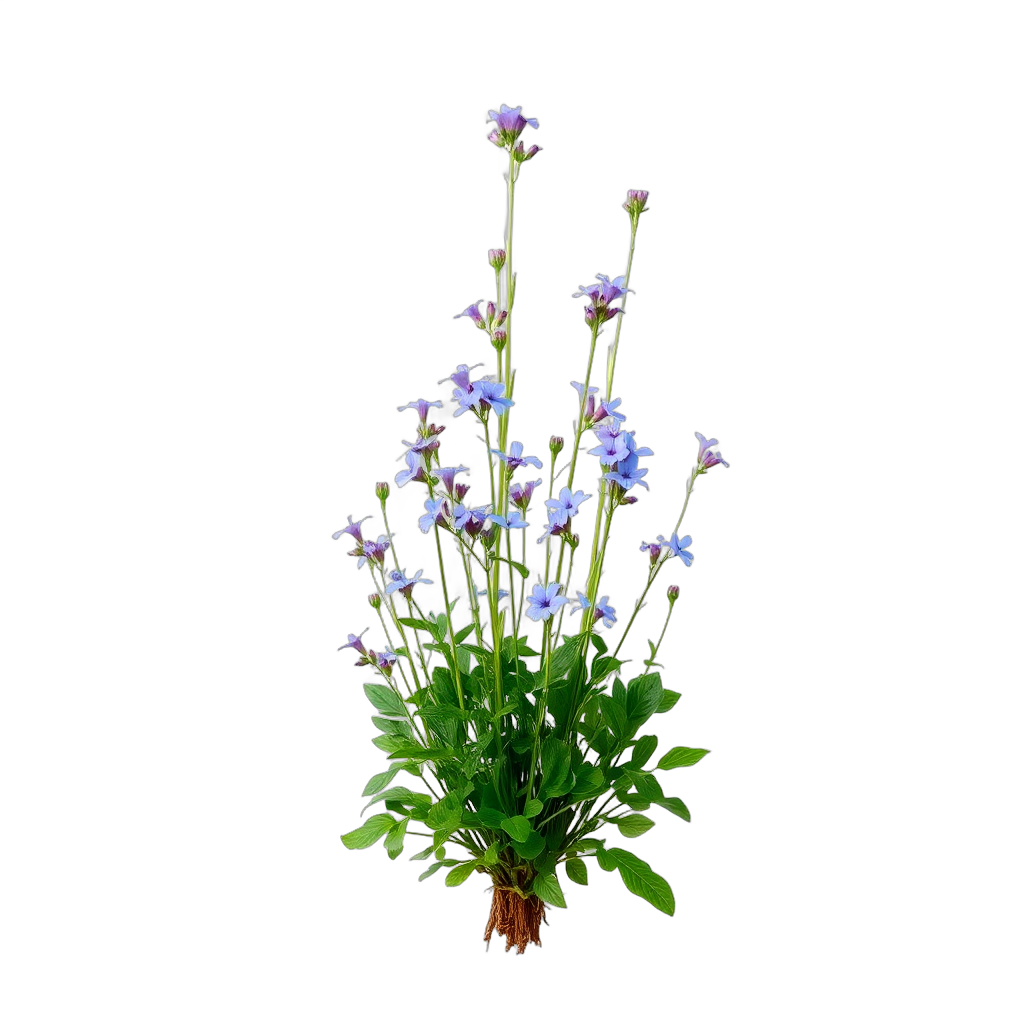
Blue Dicks
Dichelostemma capitatum
low-growing ground cover, blue blooms in spring. Pollinator-friendly.
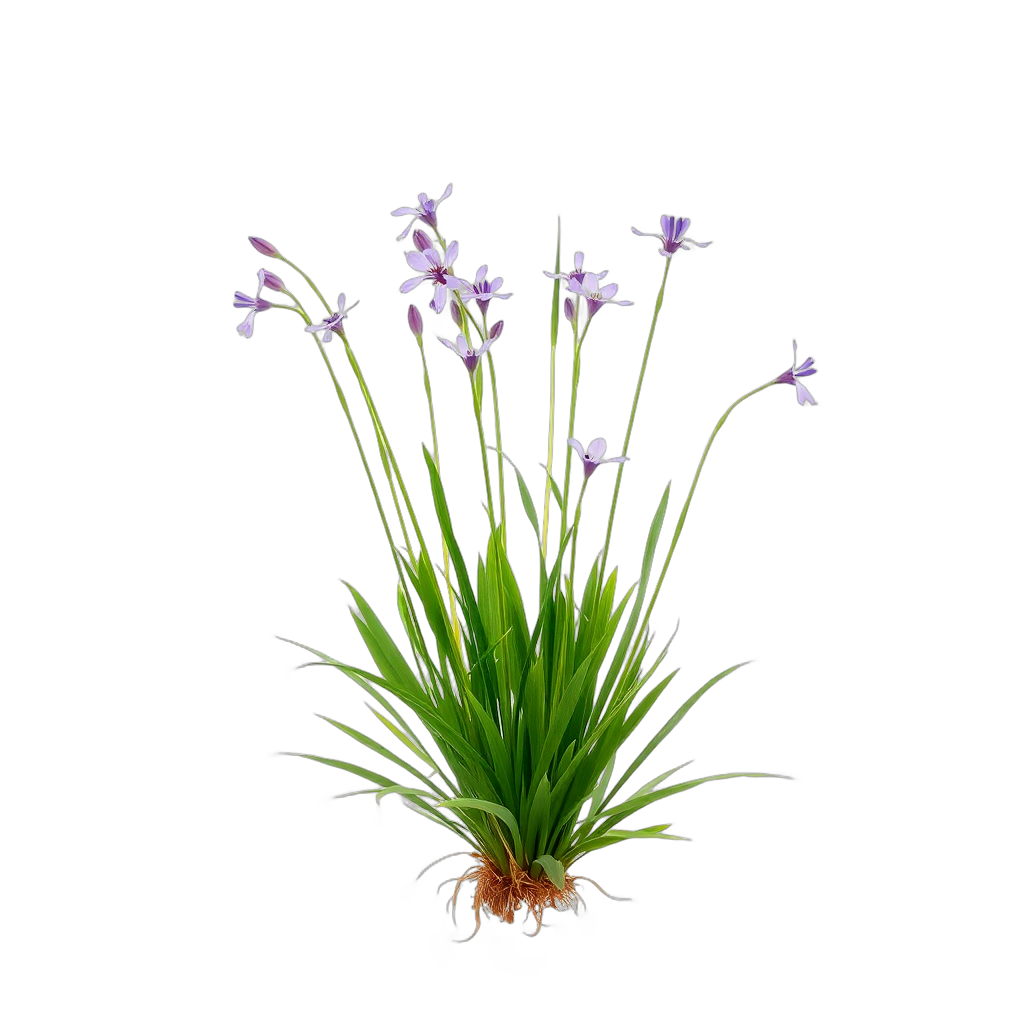
Blue-Eyed Grass
Sisyrinchium bellum
low-growing ground cover, blue blooms in spring. Attracts butterflies.
Bloom Calendar for Ontario
spring
Beach Evening Primrose, Blue Dicks, Blue-Eyed Grasssummer
California Gray Rush, Hooker's Evening Primrose, Hummingbird Mintfall
California Fuchsiawinter
Limited bloomsDesign Tips for Ontario (Zone 10a)
- Swap the plant list, not the look — Salvia 'Mystic Spires Blue' for delphinium, Rosa 'Olivia Rose Austin' for peony, Lavandula × intermedia 'Provence' for English lavender; the silhouette survives an Ontario summer even when the original species will not
- Hydrozone roses away from lavender and salvia on separate valves; roses want a deep soak every 5–7 days in July while Mediterranean shrubs want every 10–14, and combining them on one schedule reliably kills one group
- Buy bare-root roses in January from a local nursery and plant immediately — they establish through the winter rains, cost half what a five-gallon does in May, and give you a real first bloom by April
- Use Buxus microphylla japonica 'Green Beauty' for clipped hedging and never Buxus sempervirens 'Suffruticosa'; the Japanese boxwood holds colour at 105°F where English box bronzes and thins
- Amend hard — 3 to 4 inches of compost tilled 10 inches deep, repeated annually as a top-dress; Ontario's coarse alluvial sandy loam is pH 7.5–8.2 and burns through organic matter in a single hot season, and Ontario Ranch's compacted ex-dairy ground needs ripping and leaching on top of that
- Get shade into the plan early — a west-side Pistacia chinensis 'Keith Davey' or Lagerstroemia 'Muskogee' makes the difference between a cottage garden you sit in and one you only look at from July through September
Where to Source Plants in Ontario
Skip the big-box stores. These independent Ontario nurseries specialize in the plants that make cottage/english gardens thrive in Zone 10a.
The Plantspace Nursery
South Ontario
Independent nursery with a wide selection of ornamental plants, houseplants, and botanical specimens.
Sunshine Growers Nursery
South Euclid Avenue
Large wholesale and retail nursery covering everything from bedding plants to large trees.
Parkview Nursery
Riverside
Full-service garden center with a large stock of quality plants including California natives.
Cottage/English Landscaping Costs in Ontario
| Project Scope | Estimated Cost |
|---|---|
| Front-yard cottage conversion (400–600 sqft: turf removal, soil prep, roses, perennials, drip) | $6,500 – $14,000 |
| Brick or flagstone entry walk (60–120 sqft) | $2,200 – $5,500 |
| Cedar rose arbor or pergola, footed and planted | $2,800 – $9,500 |
| Full backyard cottage garden (terrace, fountain, wrapped borders) | $18,000 – $45,000 |
| Spray-to-drip conversion plus weather-based controller | $1,400 – $3,800 |
| AI visualization with ProScapeAI | Free to start |
Estimates based on Ontario, CA-area contractor rates as of 2026. Actual costs vary by site conditions, materials, and contractor.
Ontario Climate & Growing Zone
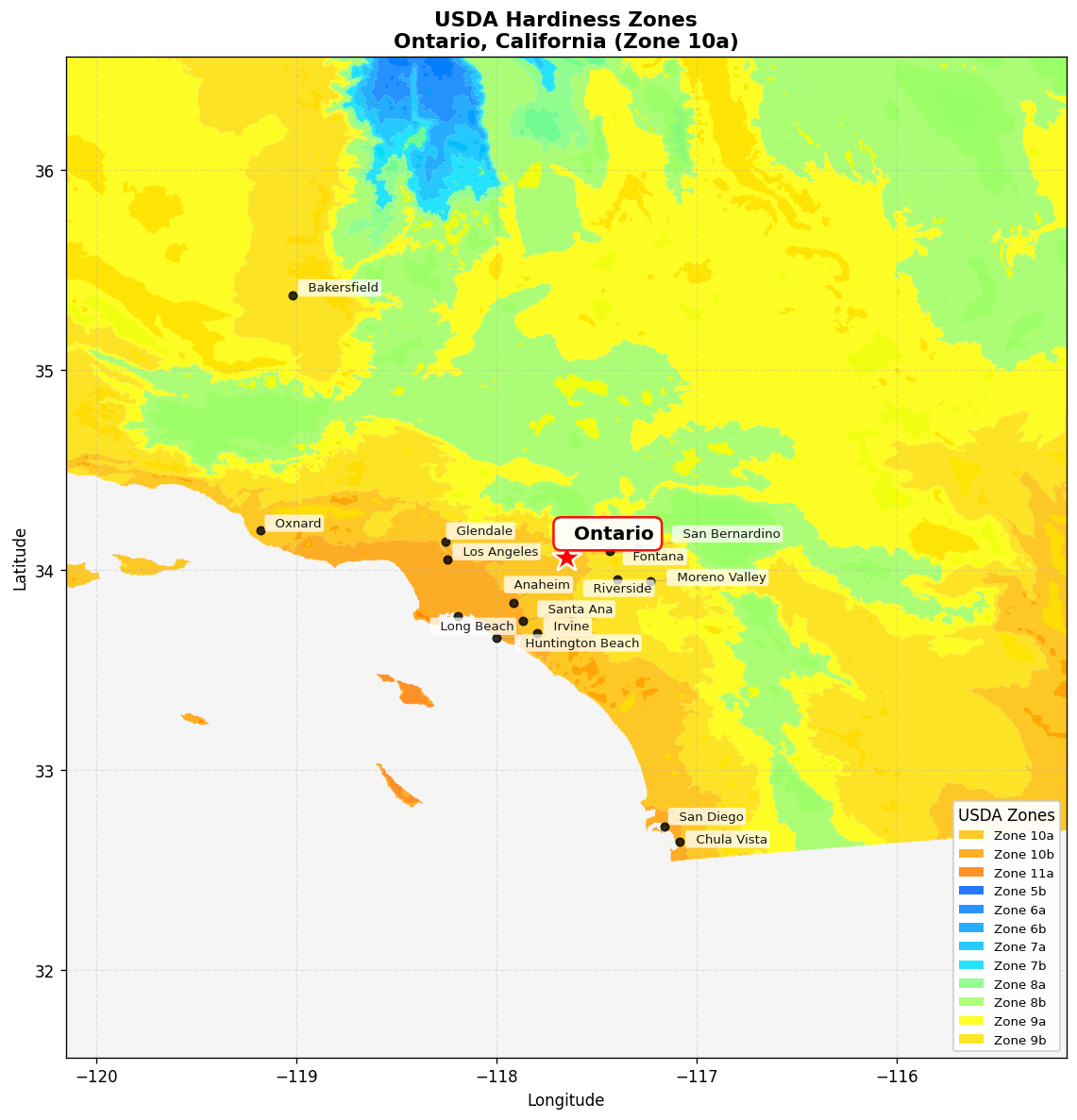
USDA Zone 10a
Hardiness zone for Ontario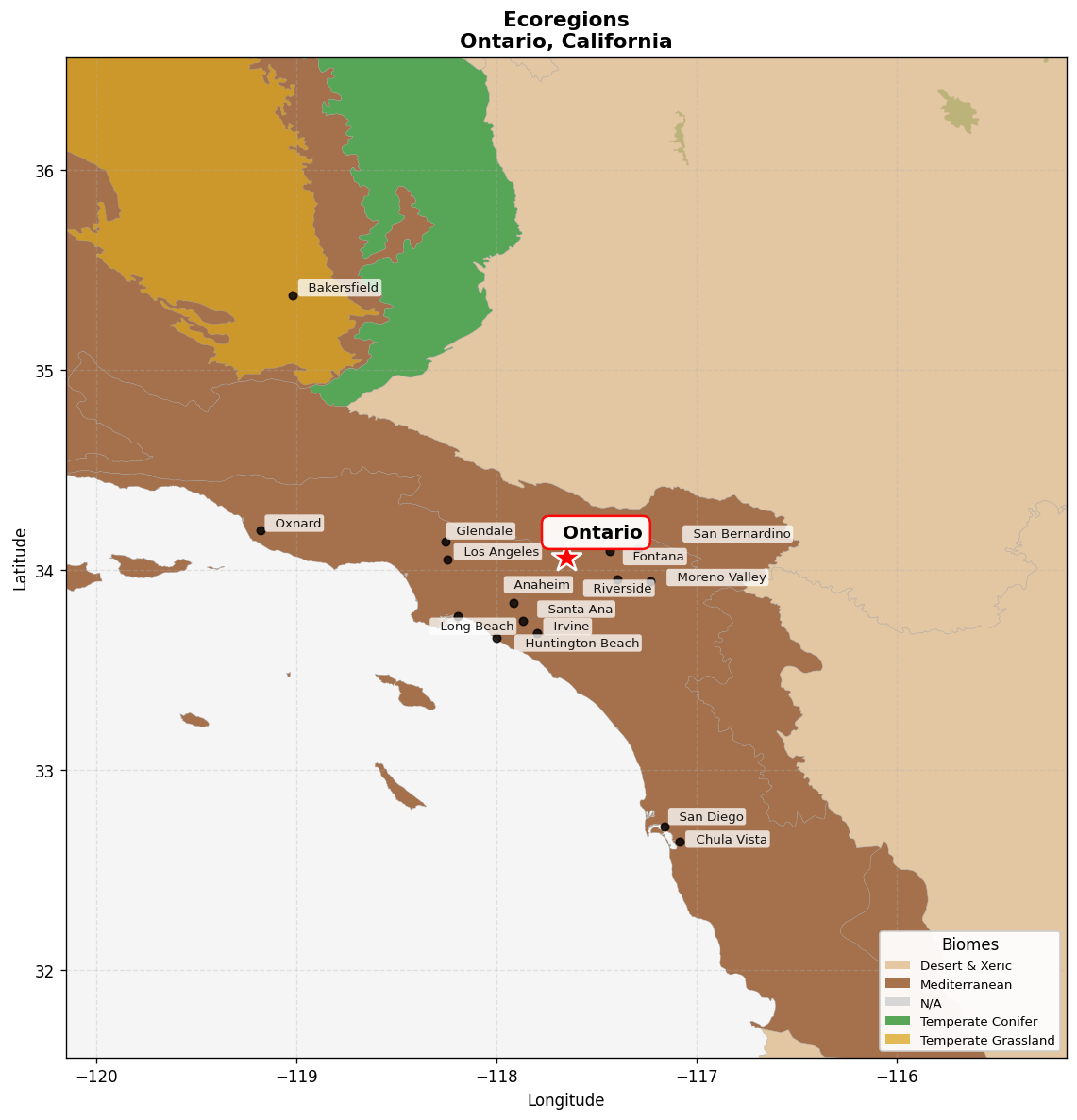
California coastal sage and chaparral
Native ecoregionFrequently Asked Questions
Can I really grow an English cottage garden in Ontario's Zone 10a heat?
Yes — but you build it out of Mediterranean-climate cultivars that read as English rather than the literal English plant list. Delphinium elatum, Paeonia lactiflora, Astilbe and Lavandula angustifolia 'Munstead' all fail within a season or two in the Inland Empire's 100°F-plus summers. The substitutions are close to seamless: Salvia 'Mystic Spires Blue' and Penstemon heterophyllus 'Margarita BOP' give you delphinium's blue vertical; Rosa 'Olivia Rose Austin' gives you the peony's fat quartered pink; Lavandula × intermedia 'Provence' or 'Grosso' gives you lavender that is actually alive in year five; Achillea 'Terracotta' and Leucanthemum × superbum 'Becky' cover the daisy layer. Add Digitalis 'Camelot' and Ranunculus asiaticus as October-planted cool-season annuals for the March-to-May peak and nobody can tell the difference.
Which roses actually hold up to Inland Empire summers?
The reliable Ontario list is short and worth memorizing: Rosa 'Iceberg' (white floribunda, the single most bulletproof rose in inland Southern California), 'Julia Child' (butter gold, near-immune to heat), 'Bonica' (pink shrub), 'Sally Holmes' (single cream, climbs), 'Ebb Tide' (deep purple, fragrant), and climbing 'Cécile Brünner' and 'Eden' for arbors and pergolas. Rosa banksiae 'Lutea' will swallow a large structure and asks for nothing. Avoid dark red hybrid teas on hot west walls — 'Mister Lincoln' and 'Oklahoma' scorch their petal edges above 100°F. Powdery mildew is the main Ontario disease, driven by warm days and cool nights in spring, so give roses six feet of air and water at the root with drip, never overhead.
Why does my lavender keep dying after two or three years in Ontario?
Two causes, usually together. First, cultivar: Lavandula angustifolia types ('Munstead', 'Hidcote') are bred for cool English summers and decline fast in inland heat. Switch to Lavandula × intermedia 'Provence' or 'Grosso', Lavandula dentata (French), or Lavandula stoechas 'Otto Quast' — all three are genuinely happy at 105°F. Second, water and mulch: lavender rots at the crown when it sits in a bed that gets a lawn schedule. Put it on its own valve, water deeply every 10 to 14 days once established, plant the crown an inch proud of grade, and use gravel or decomposed granite as mulch right at the base instead of bark, which holds moisture against the stem. Shear by a third right after the summer flush, never into old wood.
How much does a cottage garden cost in Ontario, CA?
Inland Empire labor runs meaningfully below coastal Los Angeles and Orange County rates, which is why cottage work pencils here. A full front-yard conversion on a typical 400 to 600 square foot Ontario lot — turf removal, compost amendment, drip, roses, lavender and perennials — lands between $6,500 and $14,000 installed. A brick or flagstone entry walk adds $2,200 to $5,500. A cedar rose arbor, footed and planted, is $2,800 to $9,500 depending on span. A complete backyard with terrace, pergola, fountain and wrapped borders typically runs $18,000 to $45,000. DIY is very achievable: bare-root roses are $18 to $35 each in January, one-gallon lavender is $8 to $14, and the whole plant list for a 400 square foot border can be bought for under $1,200.
How much water does this use, and are there rebates in Ontario?
A properly hydrozoned cottage garden on drip uses far less than the lawn it replaced — roses want a deep soak every 5 to 7 days in summer, lavender and salvia every 10 to 14, and they must be on separate valves or one of the two groups dies. Convert overhead spray to inline drip with 0.6 or 0.9 GPH emitters and add a weather-based controller; that combination alone typically cuts outdoor use 30 to 50 percent. Turf-replacement rebates are administered regionally through Metropolitan Water District's SoCal Water$mart program with local adders, and the City of Ontario Municipal Utilities Company handles residential water service — check current per-square-foot rebate levels and pre-approval requirements with them before you tear anything out, since rebates are almost always void if the turf is already gone. Larger permitted landscape projects also fall under California's Model Water Efficient Landscape Ordinance.
When should I plant, and how do I deal with Santa Ana winds?
Late October through early December is the ideal window: soil is still warm, winter rain is coming, and roots establish for four or five months before the first 100°F day. February is a solid second window and is when bare-root roses hit local nurseries. Avoid planting May through September — even on drip, new plants in Ontario transplant-shock badly at those temperatures. For Santa Anas, which run downslope out of Cajon Pass mostly between October and February at 40 to 60 mph, the damage is desiccation as much as breakage: water thoroughly the day before a forecast wind event, stake new trees low and loose so the trunk can flex, put brittle tall perennials like delphinium substitutes and foxgloves on the leeward side of a fence or hedge, and make sure arbors and pergolas are set in real concrete footings, not surface anchors.