4 English Cottage Garden Ideas for Pomona, CA | Zone 10a Design
Native plants from the California coastal sage and chaparral (Zone 10a) — Mediterranean (hot summer) climate
Why Cottage/English Gardens in Pomona?
Pomona is one of the few cities in Los Angeles County where the English cottage garden has actual architectural cover. The Lincoln Park Historic District holds one of Southern California's densest concentrations of Queen Anne and Victorian houses, and Hacienda Park, Wilton Heights and the Reservoir district add block after block of 1910s–1930s Craftsman bungalows, English Revival cottages and Spanish-tile courtyards — porches, picket lines, gable ends and short deep front lots that a rose arbor and a lavender-edged brick walk finish rather than fight. Move west toward Ganesha Hills and the Westmont tracts and the houses turn to low mid-century ranches; a cottage border reads differently there, planted as a deep skirt against long horizontal walls instead of a frame around a porch. What makes cottage gardening genuinely easy in Pomona is the sun: this end of the valley gets around 280 clear days, and roses that would sulk in coastal fog bloom here from March into December.
The climate is hot-summer Mediterranean (Köppen Csa), Zone 10a, with roughly 17 inches of rain a year and essentially none of it between May and October. July and August highs average in the mid-90s and Santa Ana events regularly push past 105°F, while January lows sit in the low 40s with only a light frost in the coldest hillside pockets. That combination rewrites the English planting calendar completely. Foxglove, delphinium, larkspur, stock and Iceland poppy are cool-season annuals in Pomona, not summer perennials — they go in the ground in October and November, peak in March through May, and are finished by the first real heat wave. Bare-root roses go in during January. On the other side of the ledger, Pomona's dry air is a gift: blackspot, the disease that ruins English rose gardens, is almost absent here, and the real spring problems are powdery mildew and rust, both of which yield to airflow and morning-only overhead washing. Reliable performers are the tough ones — Rosa 'Iceberg', Rosa 'Julia Child', Rosa 'Sally Holmes' and the old climbing Rosa 'Cécile Brünner' that still covers porches all over Lincoln Park — paired with Lavandula × intermedia 'Provence', which handles inland heat far better than true English lavender.
Underneath everything is alluvial fan soil washed down out of the San Gabriels by San Antonio and San Jose Creeks — Hanford and Ramona sandy loams, gritty with decomposed granite, wonderfully fast-draining and stubbornly alkaline at pH 7.2 to 8.2. Two consequences follow. First, water runs straight through, so cottage borders need real organic matter (three to four inches of compost turned into the top eight inches) and a mulch layer to hold moisture between drip cycles. Second, alkalinity plus imported Colorado River and State Water Project water, which arrives carrying dissolved salts, causes the yellow-leaf-green-vein chlorosis you see on gardenias and citrus all over town. Chelated iron and elemental sulfur fix the symptom; gypsum plus one deep leaching irrigation each winter fixes the cause. Older terraces above Ganesha Park also hide caliche hardpan a foot or two down — worth probing with a rod before planting any tree, because a rose in a sealed clay-and-caliche bathtub drowns in February.
Water rules shape the design more than the budget does. California's Model Water Efficient Landscape Ordinance applies to permitted landscape rehabilitations, with light prescriptive compliance starting around 500 square feet and full documentation at 2,500 — which in practice means grouping thirsty roses on their own hydrozone, running inline drip instead of spray, and keeping the lawn panel small and shaped for efficient irrigation. Pomona sits in the Three Valleys Municipal Water District service area, so the regional SoCal Water$mart turf replacement rebate (roughly $2 per square foot at the base rate, sometimes more with local toppers) will pay for part of a front-lawn conversion. Homeowners inside Lincoln Park, Hacienda Park, Wilton Heights and the other locally designated districts should also check whether street-visible fences, walls and hardscape need a Certificate of Appropriateness before work starts, and hillside owners in Phillips Ranch and Ganesha Hills should keep the first five feet around the house free of woody fuel. Verify current requirements with the City of Pomona and your water provider — they change.
4 Cottage/English Design Ideas for Pomona

The Rose Arbor Picket Front
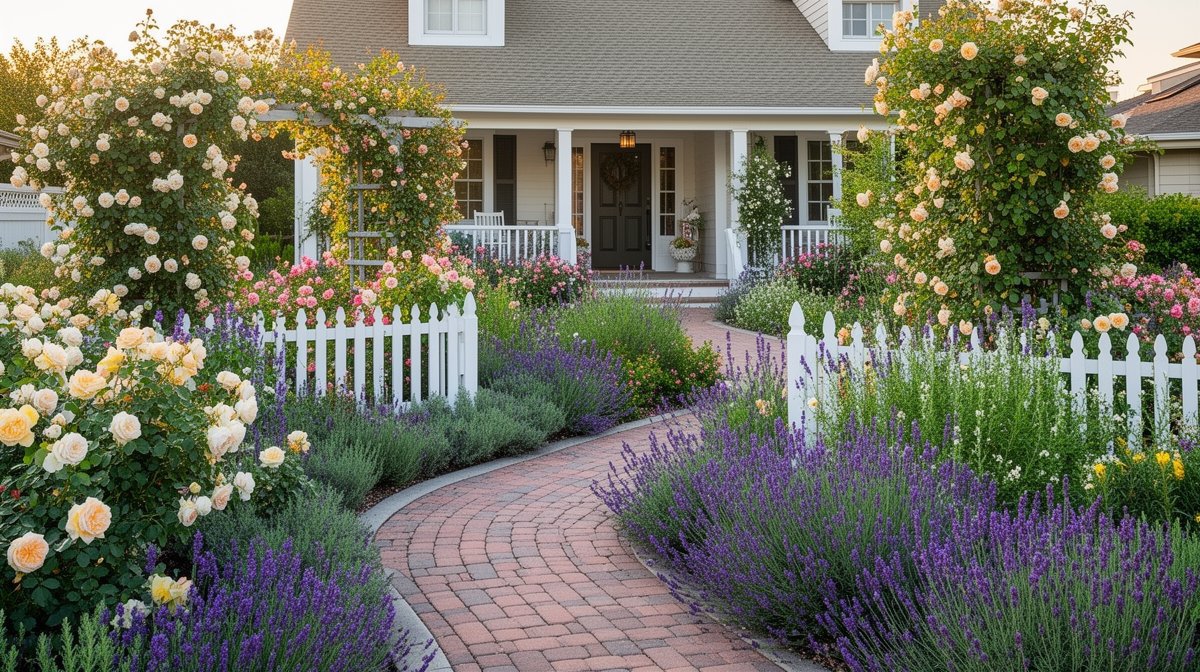
$28–48/sqftA cream stucco cottage with a steep charcoal shingle roof and a brick chimney, fronted by a white picket fence that runs the full property line and a white timber arbor completely buried in blush and coral climbing roses. A running-bond brick walk cuts straight from the gate to a black front door with a white urn of red geraniums beside it. The beds either side of the picket are pure cottage abundance — crimson, hot pink and shell-pink roses at knee-to-waist height, a continuous ribbon of purple lavender in front of them, and low clipped boxwood holding the edge so the whole thing still reads tidy from the sidewalk. It is the classic Pomona historic-district front garden, and the brick paving is doing quiet work too: it stays cooler underfoot than concrete on a 105°F August afternoon.

The Curving Path Porch Garden
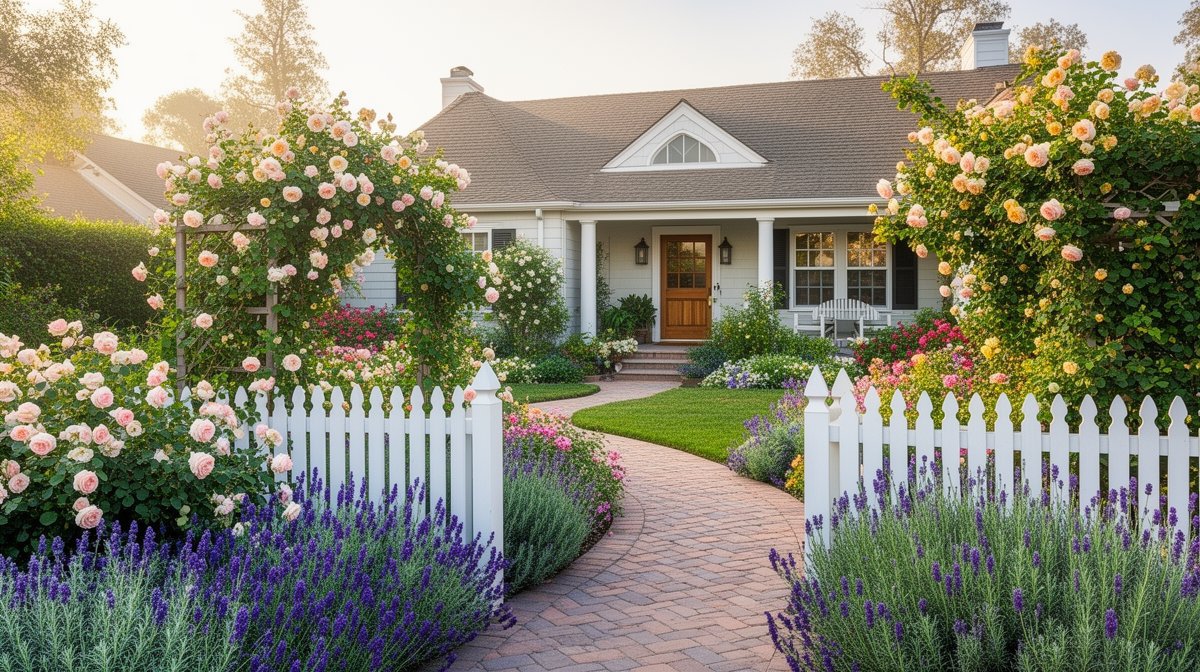
$22–40/sqftA cream clapboard cottage with a gabled front porch, two cushioned rocking chairs, hanging baskets of geraniums along the beam and a white rose-covered arbor set forward of the steps. An irregular flagstone path curves out from the porch through a small panel of lawn, and the borders on both sides are layered the way an English border should be — pink foxglove spires and creamy snapdragons at the back, drifts of lavender and white shasta daisies in the middle, roses in apricot, blush and cream punctuating the whole run. A big mature shade tree on the left, limbed high so light still reaches the border, throws the afternoon shadow that keeps this planting alive through a Pomona July.

The Rose Arch Tea Terrace
$30–55/sqftA low grey stucco ranch with white shutters and tall multi-pane windows, with a broad white timber arch smothered in cream and blush roses standing free in the middle of the garden and a two-seat iron bistro set placed directly under it. The terrace is pale sawn stone laid in large squares, and a narrow stepping-stone run continues past the arch to a bench at the back of the garden. Double borders wrap the whole terrace: lavender at the front edge, blue delphinium and foxglove spikes standing up behind, roses in every shade from white through crimson filling the middle, all of it under the canopy of two mature trees that filter the light into the soft late-afternoon glow this style depends on.

The Rose Pergola Dining Garden
$35–65/sqftA warm ochre stucco house with navy shutters opens onto a white-painted pergola completely covered in blush and cream climbing roses, with warm string lights threaded through the rafters and a six-seat timber dining table set on a brick terrace beneath. Past the pergola the garden opens into a clean panel of lawn with a cast-stone pedestal birdbath as its focal point — finches already using it — and the perimeter is a deep curving border of foxglove, lavender, white daisies and blush roses that softens every fence line. A terracotta pot of lavender sits at the terrace corner. This is the design that turns a Pomona backyard into a March-to-November dining room.
See how a cottage/english garden looks on YOUR property
Upload a photo of your Pomona yard and visualize your dream garden in seconds.
Try ProScapeAI Free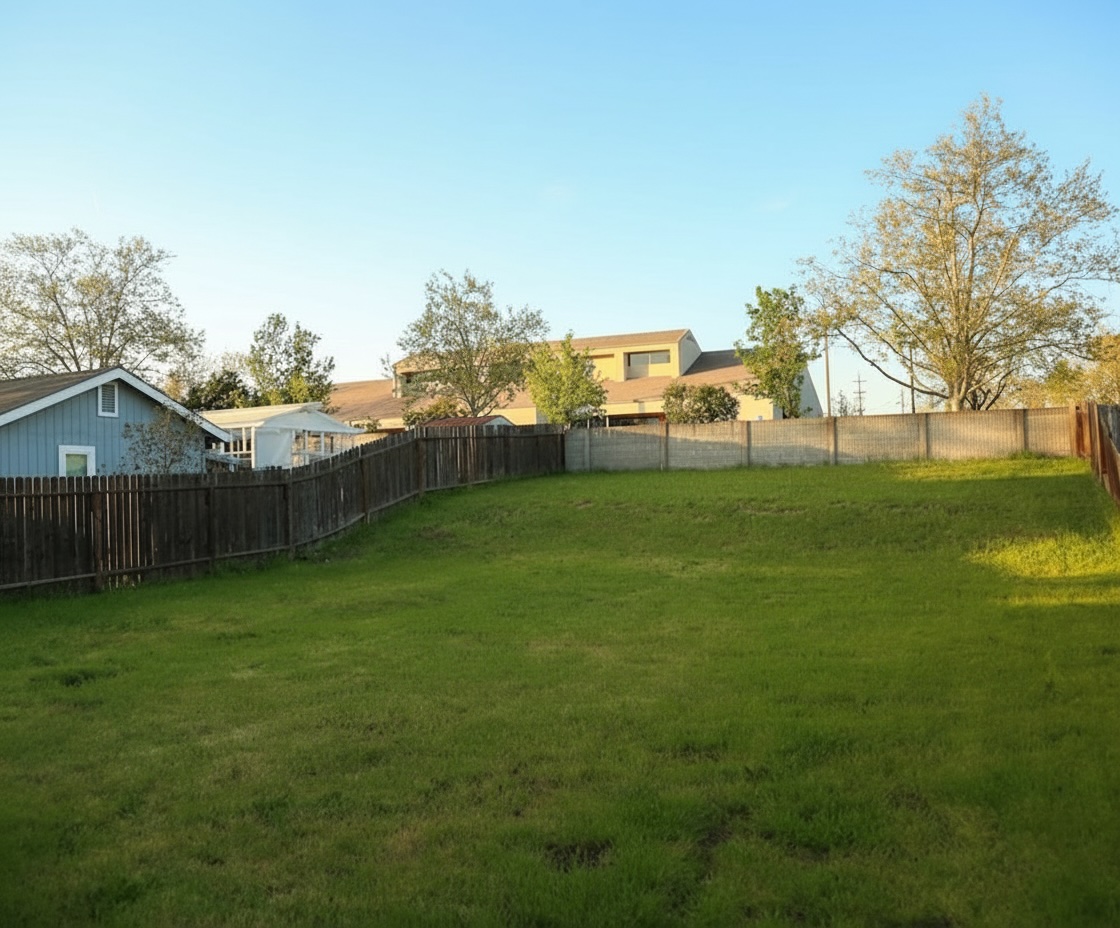
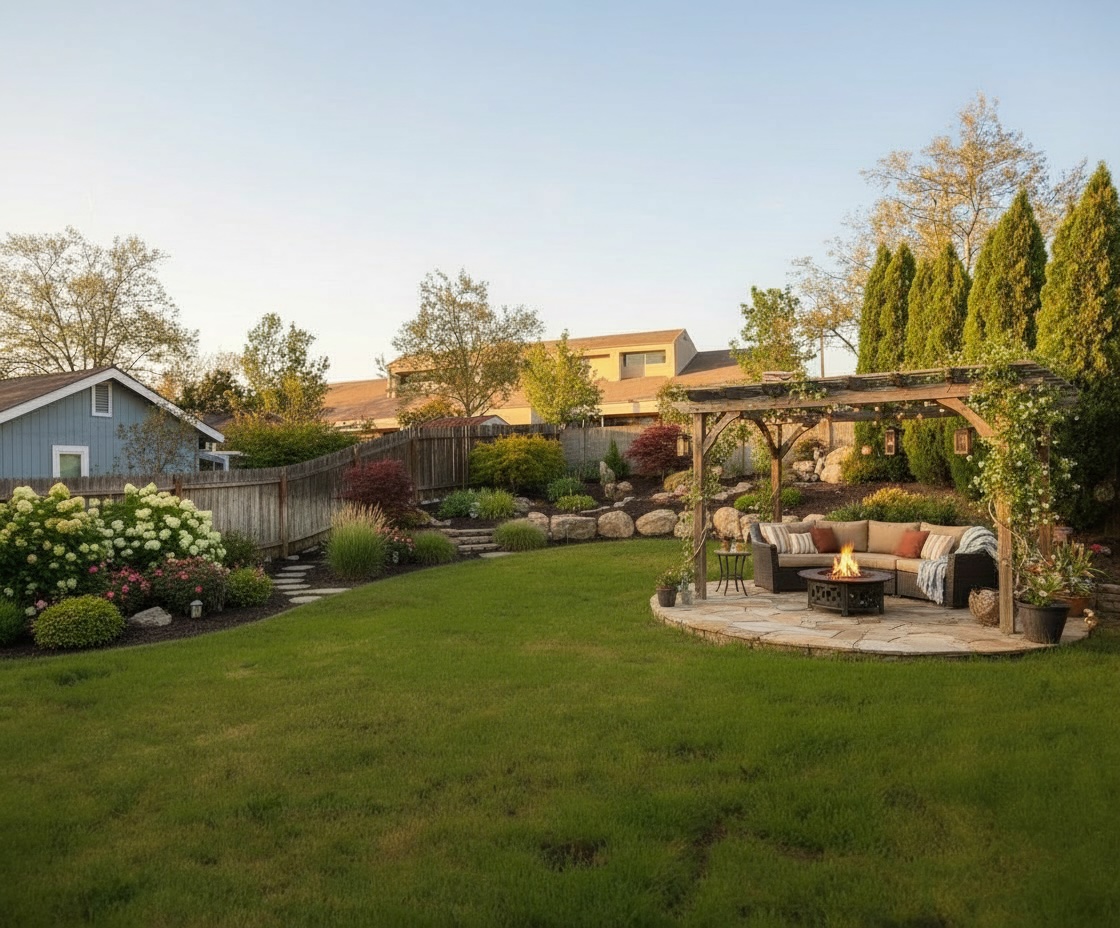
Featured Trees & Shrubs for Cottage/English Gardens
Browse all 219 plants for Pomona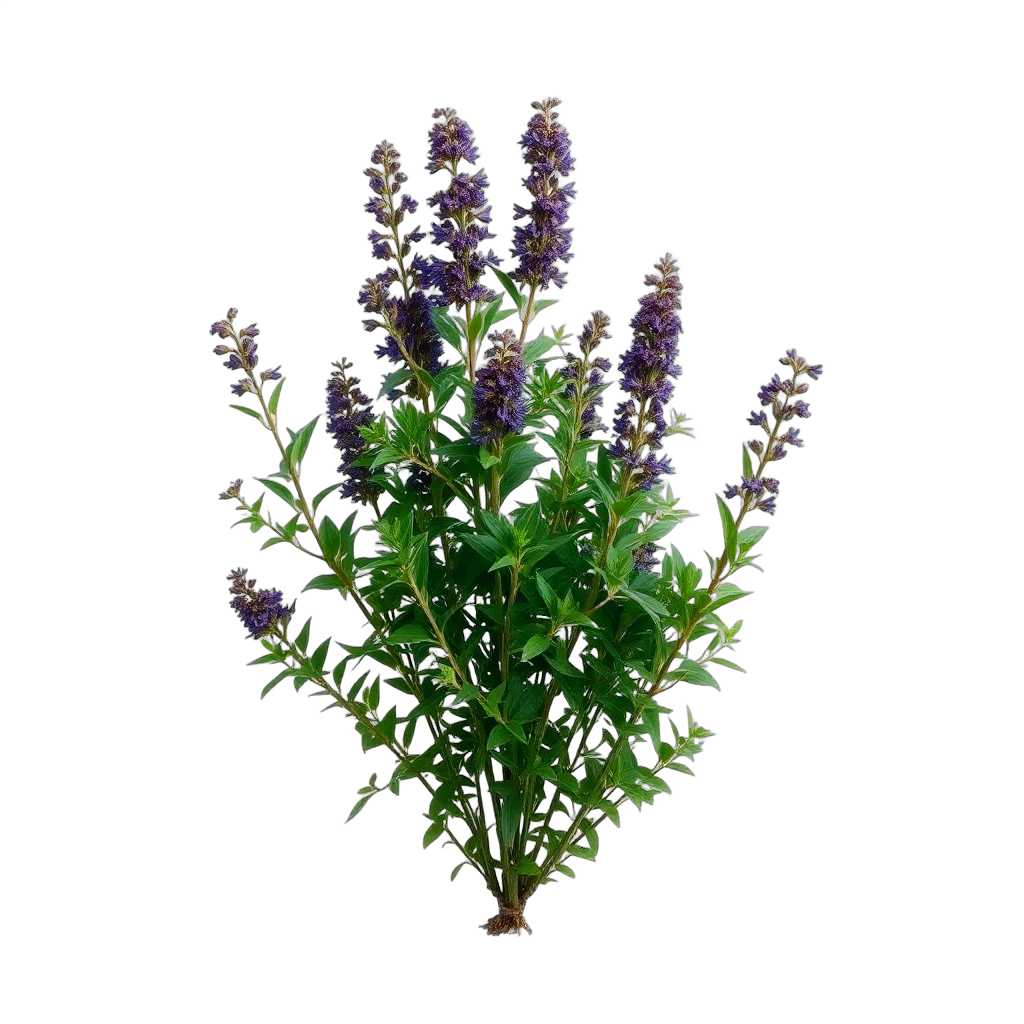
Black Sage
Salvia mellifera
grows to 4 feet, white blooms in spring. Attracts butterflies.

Blue Blossom
Ceanothus thyrsiflorus
medium-sized at 12 feet, blue blooms in spring. Attracts butterflies.

Blue Elderberry
Sambucus cerulea
medium-sized at 15 feet, white blooms in spring. Attracts butterflies.

Buckbrush
Ceanothus cuneatus
medium-sized at 7 feet, white blooms in spring. Attracts butterflies.
Featured Grasses & Groundcovers for Cottage/English Gardens
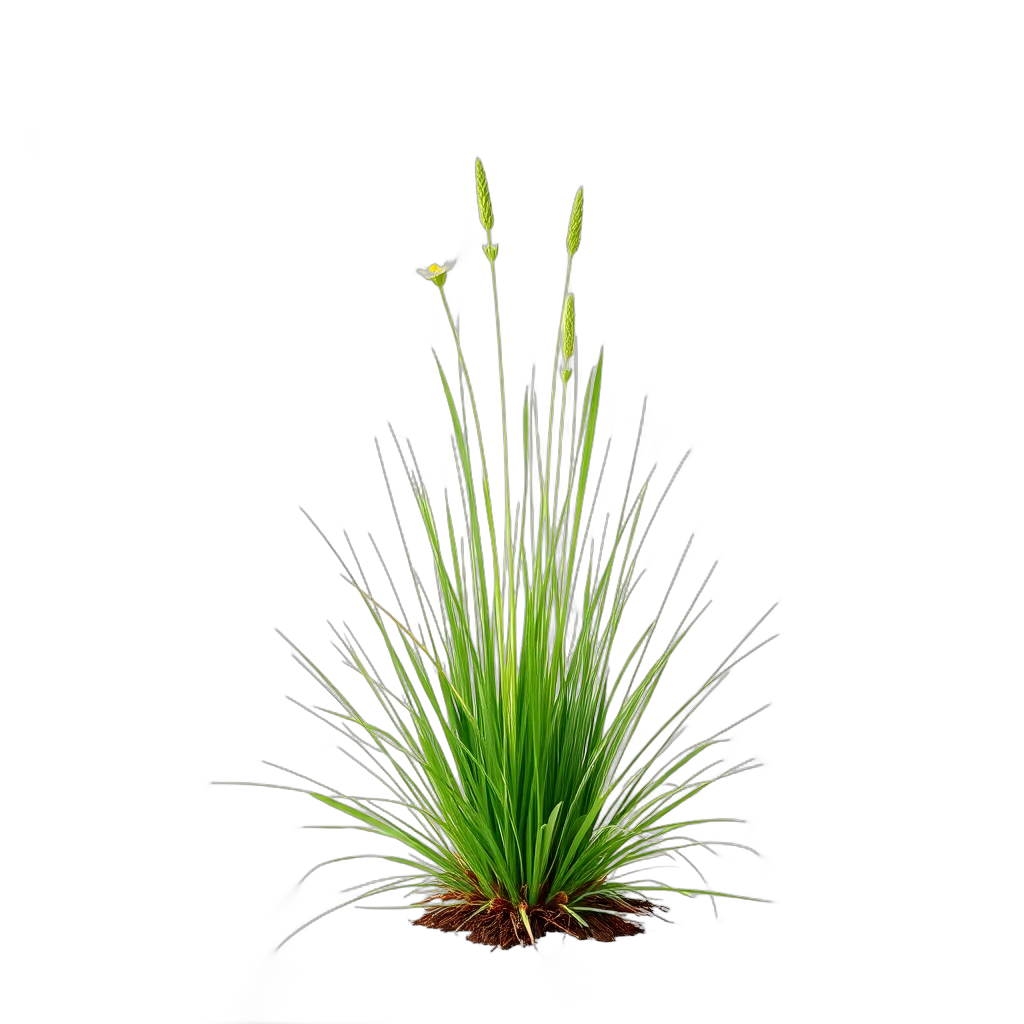
California Brome
Bromus carinatus
low-growing ground cover, blooms in spring. Yellow fall color.
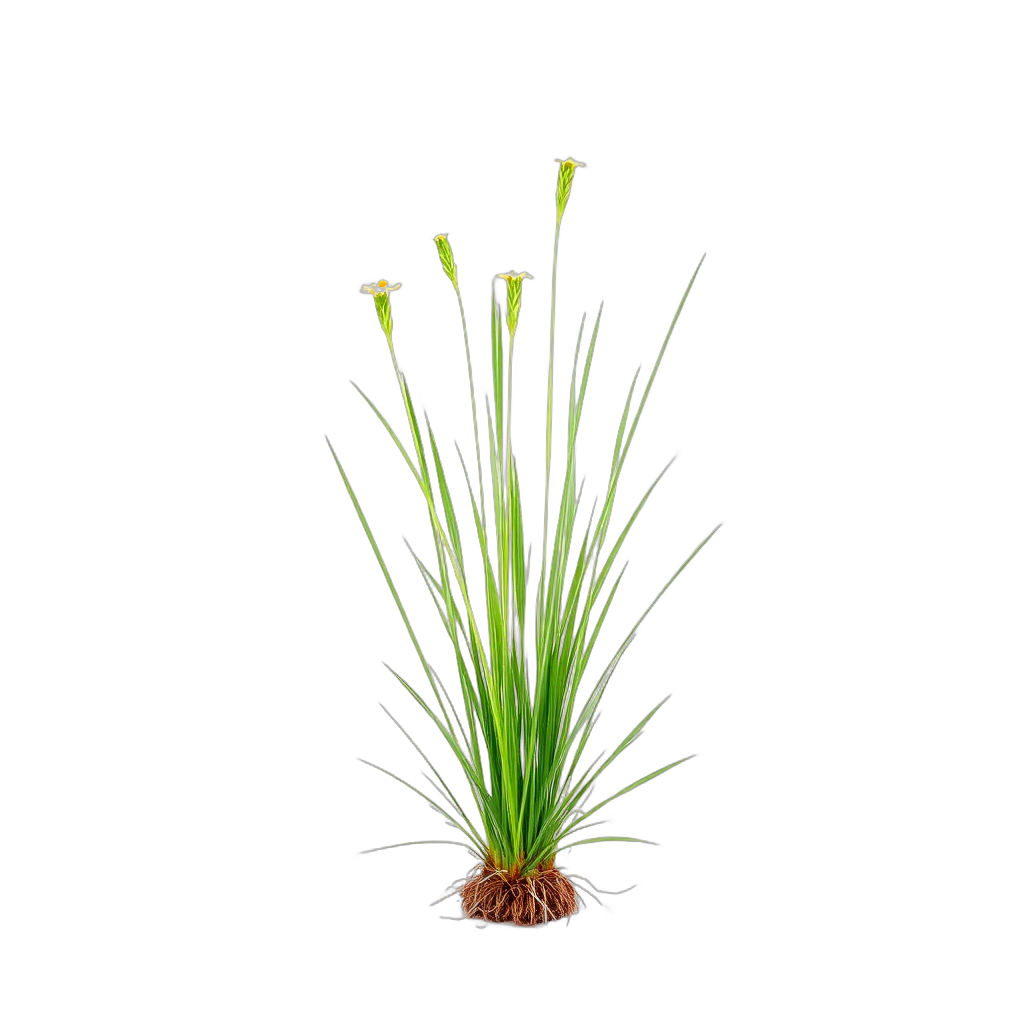
California Melic
Melica californica
low-growing ground cover, blooms in spring.
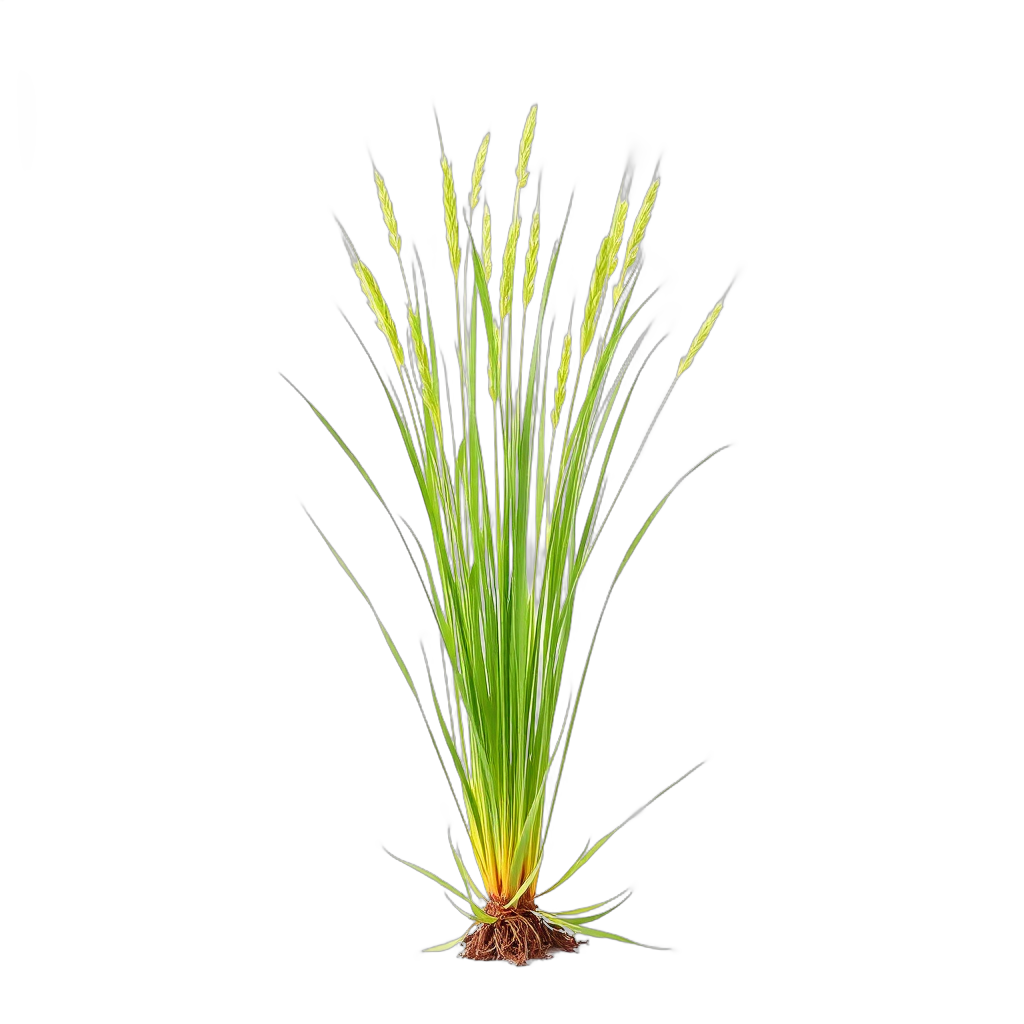
California Oatgrass
Danthonia californica
low-growing ground cover, blooms in spring. Yellow fall color.
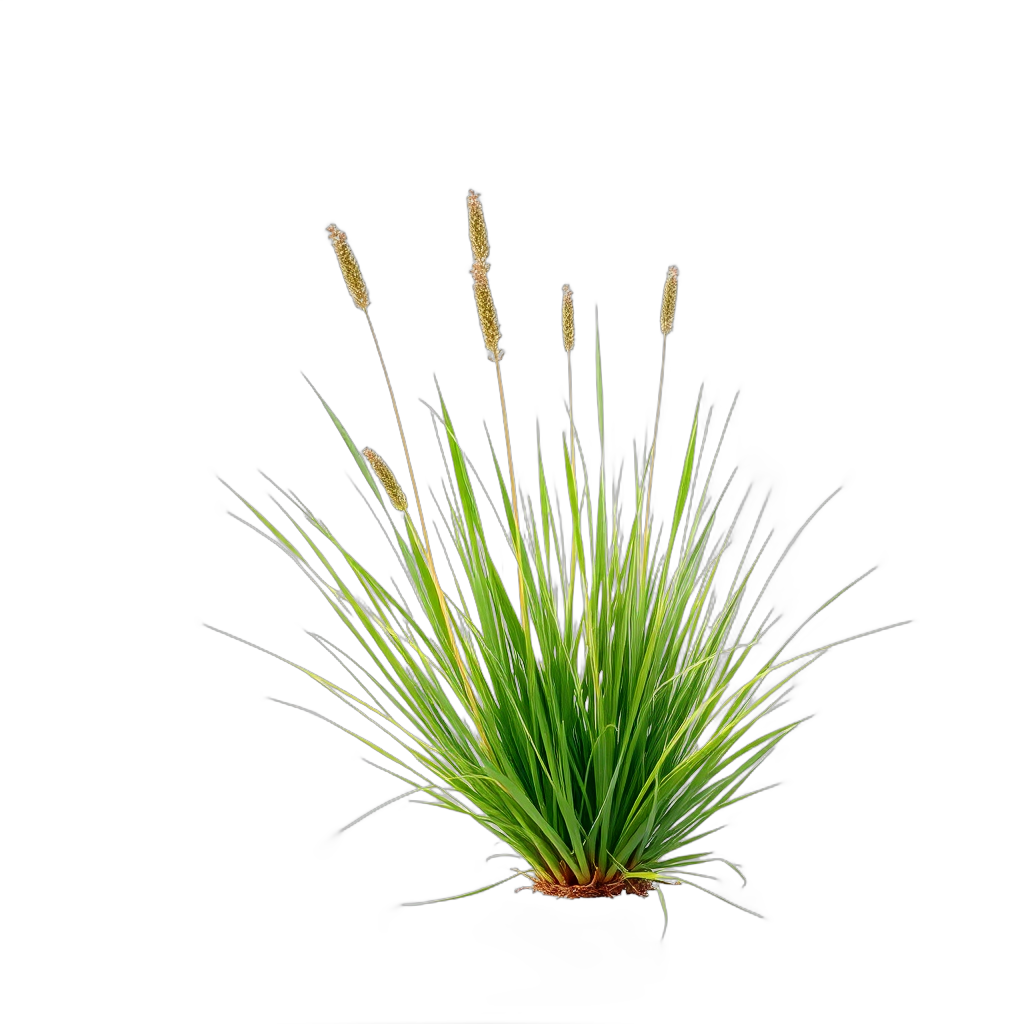
Deer Grass
Muhlenbergia rigens
grows to 3 feet, yellow blooms in fall. Evergreen year-round.
Featured Flowers & Perennials for Cottage/English Gardens
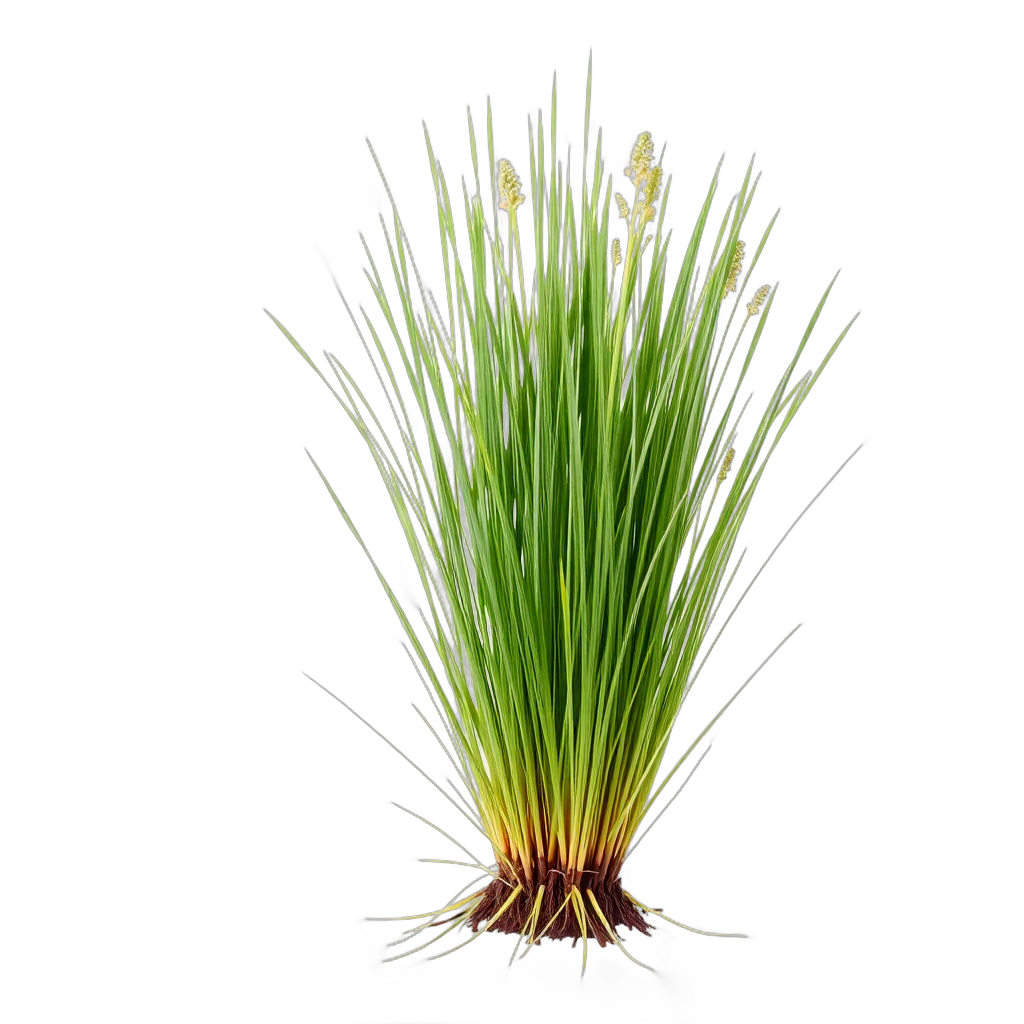
California Gray Rush
Juncus patens
low-growing ground cover, blooms in summer. Evergreen year-round.
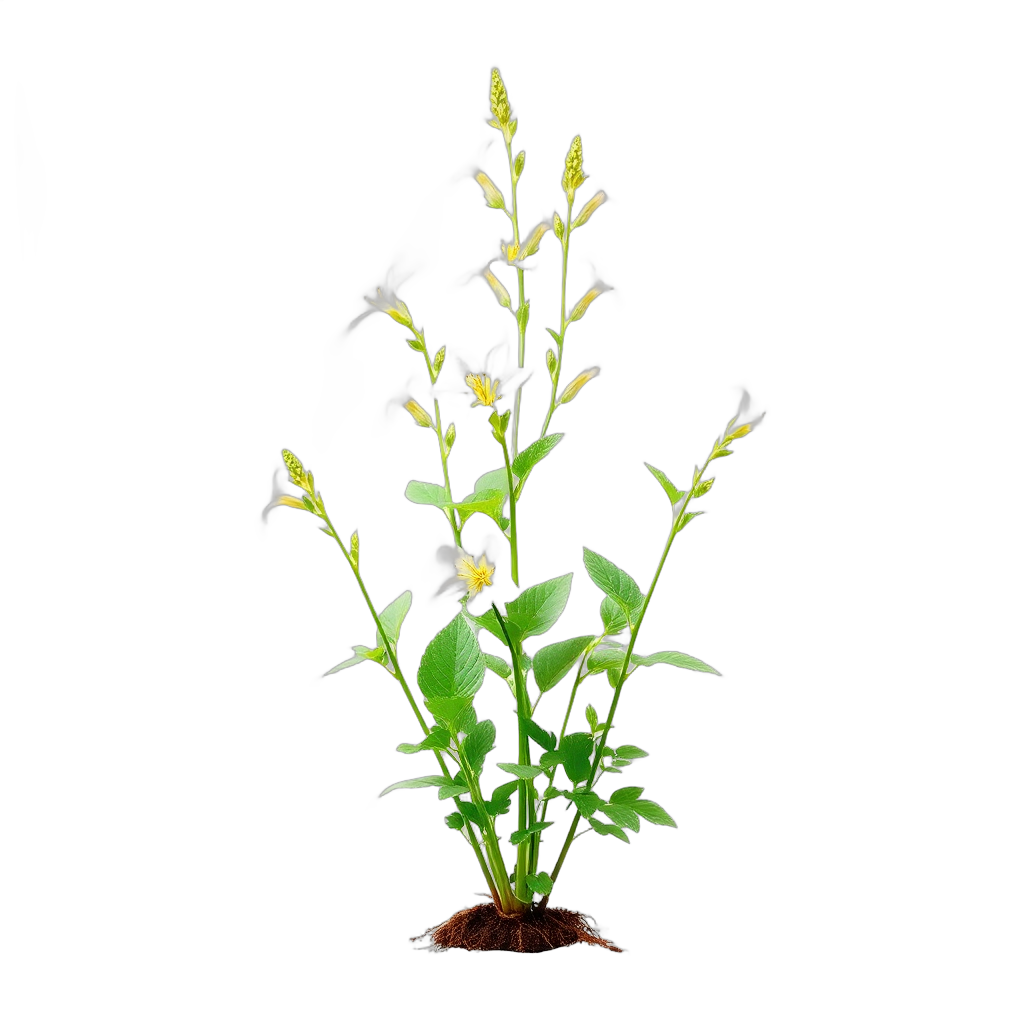
Beach Evening Primrose
Camissonia cheiranthifolia
low-growing ground cover, yellow blooms in spring. Attracts butterflies.
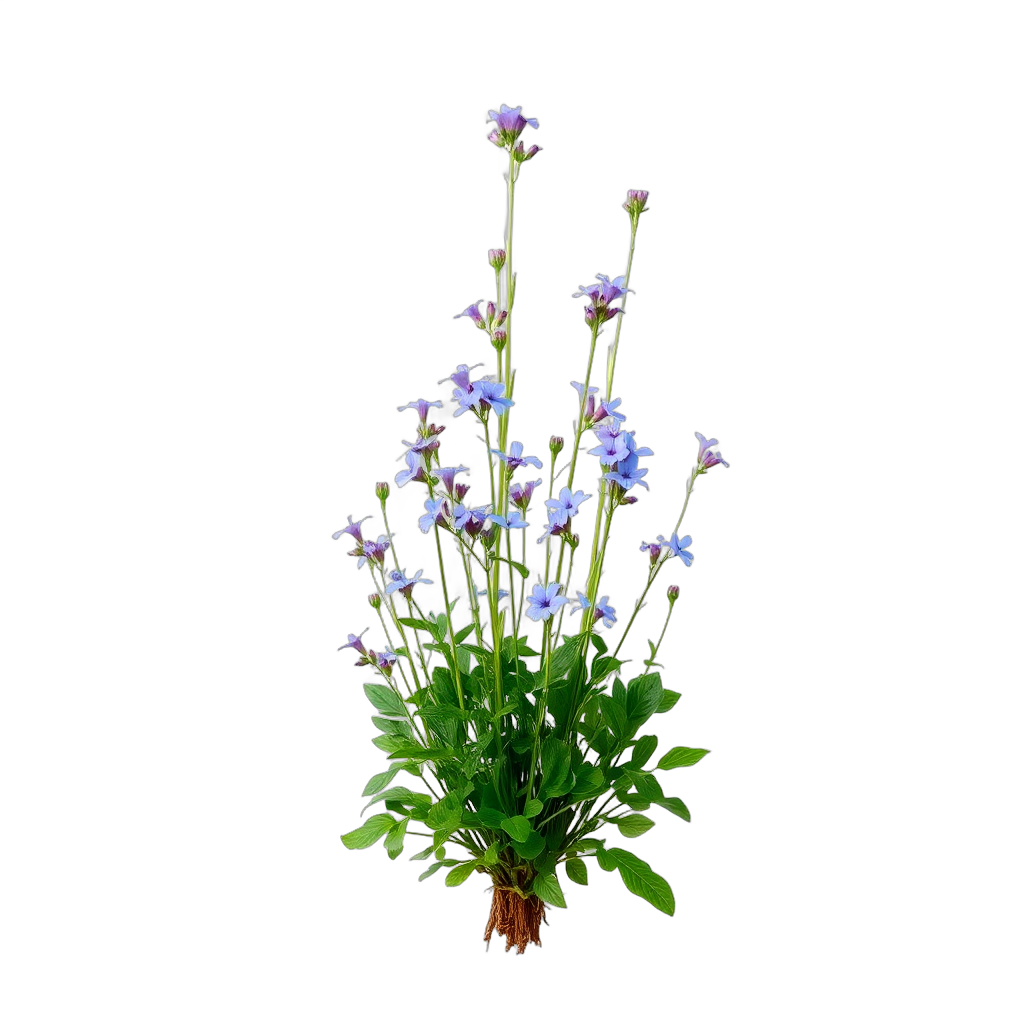
Blue Dicks
Dichelostemma capitatum
low-growing ground cover, blue blooms in spring. Pollinator-friendly.
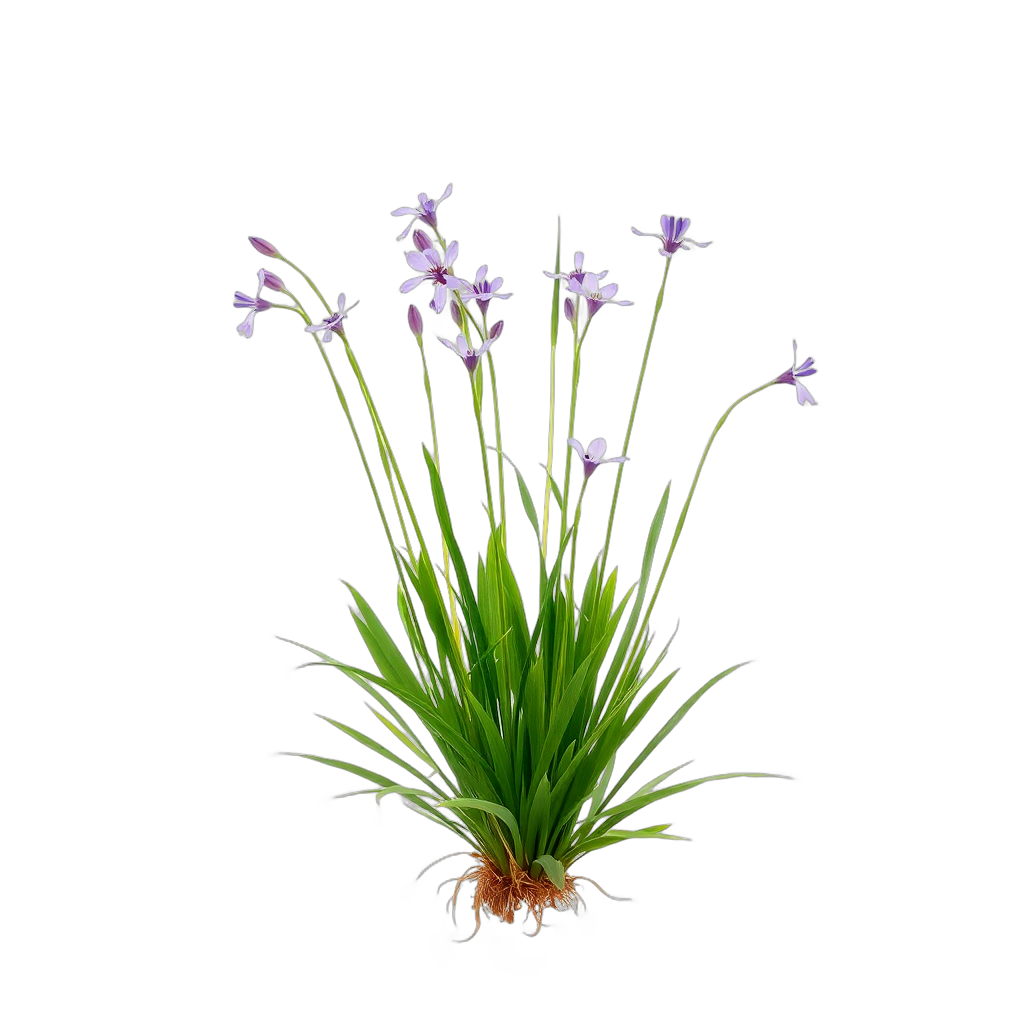
Blue-Eyed Grass
Sisyrinchium bellum
low-growing ground cover, blue blooms in spring. Attracts butterflies.
Zone and sun checks come from our database — confirm with your local nursery before you buy.
Bloom Calendar for Pomona
spring
Beach Evening Primrose, Blue Dicks, Blue-Eyed Grasssummer
California Gray Rush, Hooker's Evening Primrose, Hummingbird Mintfall
California Fuchsiawinter
Limited bloomsDesign Tips for Pomona (Zone 10a)
- Plant in October, not April — autumn planting gives roses and perennials a full wet winter to root before Pomona's first 100°F day, and it is the only window in which Digitalis purpurea, Delphinium elatum and larkspur will ever perform here
- Treat foxglove, delphinium, stock and Iceland poppy as your cool-season bedding layer and Salvia leucantha, Salvia greggii 'Furman's Red' and Oenothera lindheimeri as the summer relay — a Pomona cottage border needs two casts, not one
- Choose Lavandula × intermedia 'Provence' or Lavandula dentata over true English lavender; the intermedia and French types shrug off inland heat and alkaline sandy loam, while Lavandula angustifolia tends to be short-lived below the San Gabriel foothills
- Prune roses hard in early to mid-January — Zone 10a never forces dormancy, so the calendar has to do it for you, and a January cut is what produces the big April flush
- Split the irrigation into a rose-and-lawn zone and a Mediterranean zone; lavender, Nepeta × faassenii, Erigeron karvinskianus and Salvia nemorosa rot fast on a rose watering schedule, and this single change is usually the difference between a border that lasts three years and one that lasts ten
- Mulch three inches deep and keep it off the crowns — Pomona's sandy alluvium plus 280 sunny days will bake an unmulched border dry between drip cycles, and mulch also buys back the moisture Santa Ana winds strip out of the soil every autumn
- Use brick, flagstone or pale sawn stone rather than broad dark concrete for cottage paths; light-toned masonry stays walkably cool in August, ages the way a cottage garden should, and matches the historic housing stock in Lincoln Park and Hacienda Park
- Give every rose and shrub real airflow — Pomona's spring problem is powdery mildew and rust, not blackspot, and spacing plus a morning hose-off handles both without a spray program
Where to Source Plants in Pomona
Skip the big-box stores. These independent Pomona nurseries specialize in the plants that make cottage/english gardens thrive in Zone 10a.
Glendora Gardens Nursery and Tree Farm
Glendora
Family-owned ten-acre garden center and tree farm stocking California-friendly specimen and shade trees, hedges, shrubs, perennials, grasses, vines and succulents
Sarvodaya Farms & Nursery
Pomona
Nonprofit regenerative farm nursery in Pomona growing pesticide-free fruit trees, subtropicals, berries, perennial vegetables, culinary and medicinal herbs, and California natives in their own organic mixes
All Season Nursery Inc.
Chino
Family-owned grower since 2003 specializing in locally adapted drought-tolerant shade trees, ornamental specimens, privacy hedges, flowering shrubs and grasses
Cal Poly Pomona Farm Store Nursery at Kellogg Ranch
Pomona (Cal Poly Pomona)
University teaching nursery selling student-grown stock: fruit trees, berries, lavender and rosemary, California natives, succulents, cacti and landscape perennials
Cottage/English Landscaping Costs in Pomona
| Project Scope | Estimated Cost |
|---|---|
| Front-yard cottage conversion (400–600 sqft: turf removal, soil prep, roses, mixed border) | $9,000 – $22,000 |
| Brick or flagstone front walkway (60–120 sqft installed) | $2,000 – $6,500 |
| Painted cedar picket fence with rose arbor (typical Pomona frontage) | $6,500 – $18,000 |
| Backyard cottage terrace with rose pergola, dining space and borders | $35,000 – $90,000 |
| Bare-root rose bed (15 roses, amended soil, drip zone) | $2,200 – $5,500 |
| Inline drip retrofit with weather-based smart controller (whole yard) | $2,500 – $6,000 |
| AI visualization with ProScapeAI | Free to start |
Estimates based on Pomona, CA-area contractor rates as of 2026. Actual costs vary by site conditions, materials, and contractor.
Pomona Climate & Growing Zone
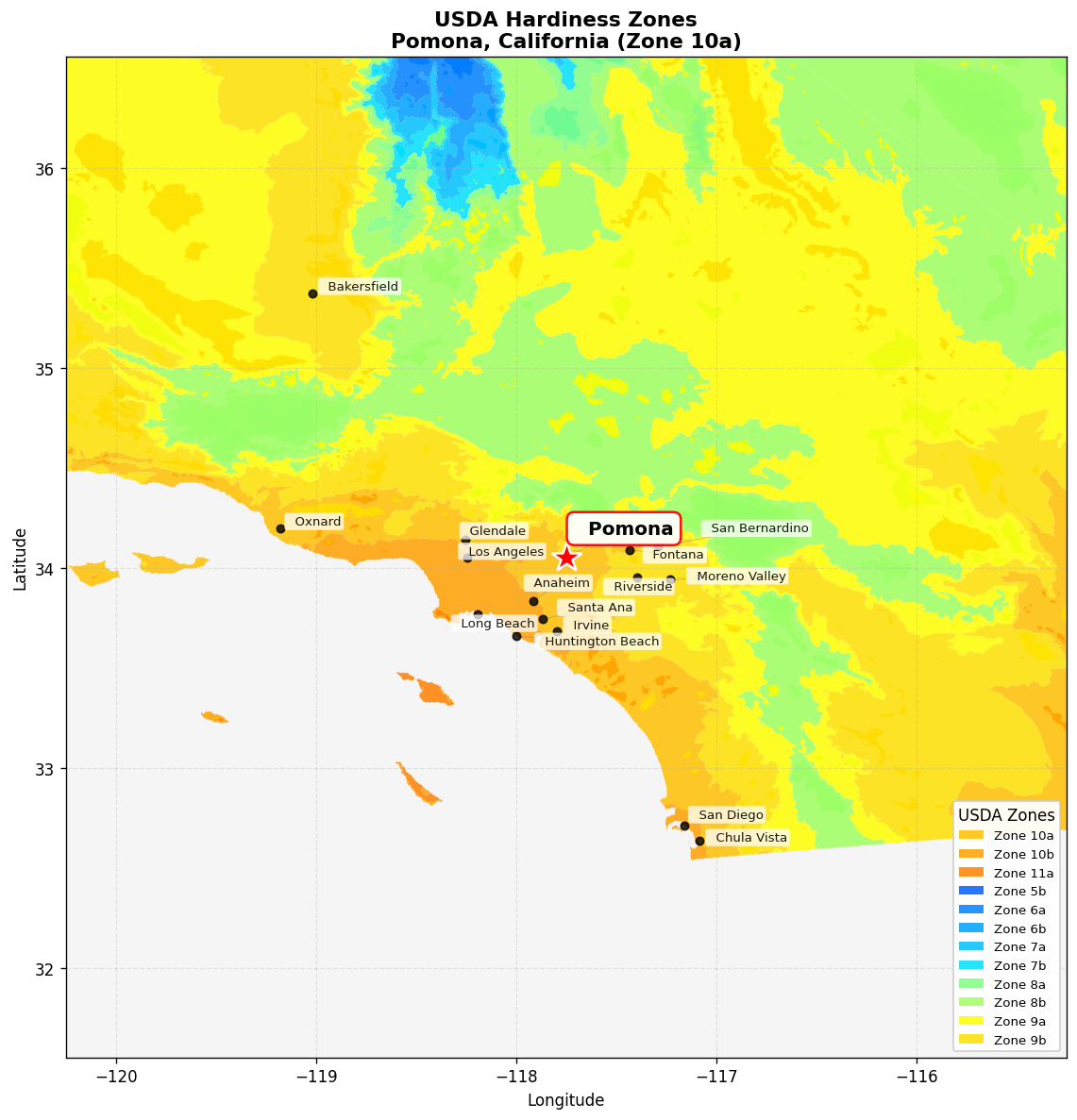
USDA Zone 10a
Hardiness zone for Pomona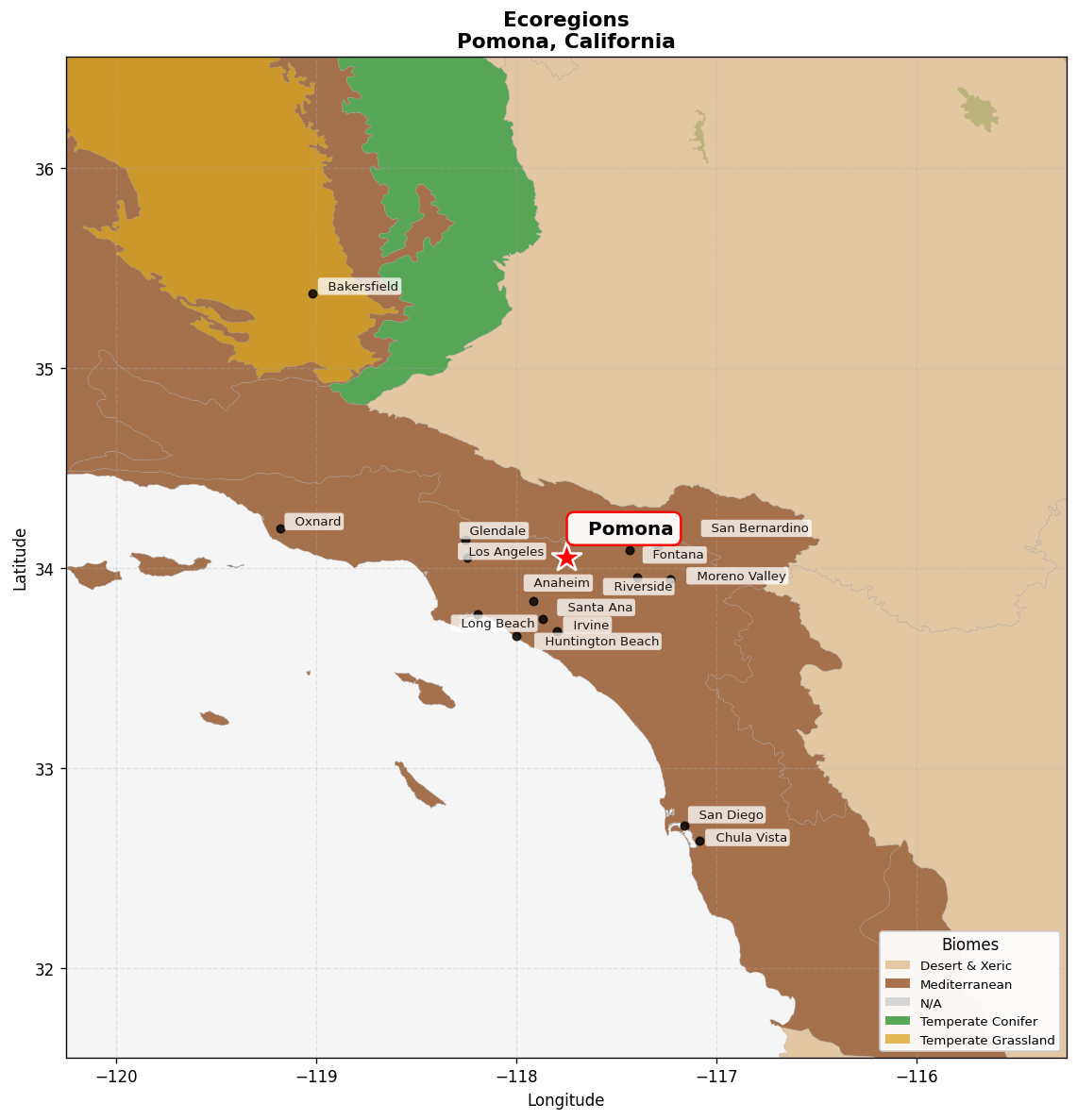
California coastal sage and chaparral
Native ecoregionFrequently Asked Questions
How much does a cottage garden cost in Pomona?
Los Angeles County labor runs 20–35% above the national average, so budget accordingly. A full front-yard cottage conversion on a typical 400–600 square foot Pomona front lot — turf removal, real soil preparation, a brick or flagstone walk, roses and a mixed border — lands between $9,000 and $22,000 installed. A painted picket fence with a rose arbor adds $6,500–$18,000 depending on frontage. A backyard terrace with a pergola, dining space and wrapping borders runs $35,000–$90,000. If you plant bare-root roses yourself in January and hire out only the hardscape, you can cut the planting side by half: a fifteen-rose bed with amended soil and drip costs $2,200–$5,500 installed but well under $900 in materials as a weekend project.
Do roses really thrive in Pomona's heat?
They thrive here better than almost anywhere. Pomona's dry air means blackspot — the disease that defeats rose gardens in humid climates — is rare; powdery mildew and rust show up in spring instead and are managed with spacing, airflow and a morning hose-off, not fungicide programs. Zone 10a also means roses never truly go dormant, so the pruning date matters: cut back hard in early to mid-January and you get the big April flush. Choose heat-proof cultivars. Rosa 'Iceberg', Rosa 'Julia Child', Rosa 'Sally Holmes', Rosa 'Gold Medal' and Rosa 'Double Delight' all hold their colour through 100°F weeks; delicate pastel English roses tend to fry their outer petals in a Santa Ana. Give every rose three to four deep drip soaks a week in July, never a daily sprinkle, and two to three inches of mulch.
When should I plant a cottage garden in Pomona?
October and November are the main planting window and it is not close. Shrubs, roses and perennials set in autumn root through the wet, mild winter and arrive at their first summer already established. It is also the only correct time to sow the flowers that make a cottage garden look English — Digitalis purpurea, Delphinium elatum, Consolida ajacis larkspur, stock and Iceland poppy are all cool-season annuals in Pomona, planted October to December, peaking March to May, and gone by the first 100°F day. Bare-root roses arrive at local nurseries in early January and are the cheapest, best-rooted way to buy them. February is a workable second window. Avoid planting anything from June through September; new roots simply cannot keep up with mid-90s heat and single-digit humidity.
How do I keep a cottage garden water-legal and affordable in Pomona?
Pomona averages about 17 inches of rain, all of it between November and March, so every drop in summer is imported and metered. Three moves do most of the work. Hydrozone: put the roses, foxgloves and lawn on their own valves and give the lavender, Salvia nemorosa, Nepeta and Erigeron karvinskianus a separate low-water zone, since watering those on a rose schedule kills them. Convert overhead spray to inline drip at 0.6 gallons per hour with a weather-based controller. Shrink the lawn to a shaped panel you actually use — the SoCal Water$mart turf replacement rebate available through Three Valleys Municipal Water District pays roughly $2 per square foot at the base rate for removed grass. California's Model Water Efficient Landscape Ordinance kicks in on permitted rehabilitations, with full documentation above 2,500 square feet, so confirm scope with the City of Pomona before you start.
What do I do about Pomona's alkaline sandy soil?
Pomona sits on San Gabriel alluvial fan soils — Hanford and Ramona sandy loams full of decomposed granite — which drain beautifully and hold neither water nor nutrients. Test the pH; most yards read 7.2 to 8.2. Turn three to four inches of compost into the top eight inches of every border, and never add lime. For the yellow-leaves-green-veins chlorosis that shows up on Gardenia jasminoides, citrus and sometimes Rosa 'Mister Lincoln', use chelated iron for the quick fix and elemental sulfur at two to three pounds per hundred square feet in autumn for the slow one. Because imported Colorado River water is salty, run one long leaching irrigation each winter and spread gypsum to move sodium down past the root zone. Probe for caliche hardpan before planting trees on the older terraces above Ganesha Park — break through it or plant elsewhere.
Which classic cottage plants fail in Pomona, and what replaces them?
Peonies never get their winter chill and simply will not bloom. Hosta and astilbe cook. Lupines and true English delphiniums behave as one-season annuals at best. Hydrangea macrophylla survives but chloroses badly in alkaline soil and needs a shaded, acidified container to look right. The substitutions keep the look intact: use Alstroemeria 'Inca Ice' where you wanted peony, Oenothera lindheimeri 'Whirling Butterflies' and Achillea millefolium 'Moonshine' where you wanted lupine, Salvia leucantha and Salvia greggii 'Furman's Red' for late-season height, Agapanthus 'Storm Cloud' for structural blue, and Westringia fruticosa 'Morning Light' when a boxwood hedge would rather not sit through a 108°F week.
Do I need approval for front-yard changes in Pomona?
Planting, mulching, drip irrigation and bed reshaping generally need nothing. Approval enters the picture for built work: retaining walls above four feet, fences and walls above the height your zone allows, pools, and any roofed structure. If your house sits in Lincoln Park, Hacienda Park, Wilton Heights or another locally designated historic district, street-visible fences, walls, driveways and hardscape may also require a Certificate of Appropriateness from the city's historic preservation review before you build. Parkway strip planting between sidewalk and curb has its own height and sight-line limits, and street trees are city property. This is a design service, not a permitting or engineering service — confirm every requirement directly with the City of Pomona Planning and Public Works divisions before construction.