4 Modern Garden Ideas for Overland Park, KS | Prairie-Modern Landscape Design in Zone 6a
Native plants from the Central Tallgrass prairie (Zone 6a) — Humid continental (hot summer) climate
Why Modern/Minimalist Gardens in Overland Park?
Modern landscape design has a natural home in Overland Park, and it arrives from two directions at once. The postwar ranches of Prairie Village and northern Overland Park — low, horizontal, wide-eaved — are mid-century modern whether their owners call them that or not, and the flat-roofed stucco-and-cedar builds going up across Blue Valley, Coffee Creek and Sundance Ridge south of 151st are drawn with the same clean geometry. The luckier accident is regional. Overland Park sits in the central tallgrass prairie, and prairie plants are the most modern-looking natives in North America. A drift of Schizachyrium scoparium 'Standing Ovation' or a block of Panicum virgatum 'Northwind' reads as architecture rather than gardening, which means the contemporary look here can be built almost entirely out of plants that belong on this ground.
Zone 6a sets the hard limits of the plant list. Winter lows of -10 to -5°F rule out the agaves and aloes that define modern gardens in Phoenix or Austin, with a short list of exceptions worth memorizing: Agave parryi var. neomexicana, Yucca rostrata 'Sapphire Skies', Yucca glauca (a true Kansas prairie native), Hesperaloe parviflora and the Sempervivum tribe all overwinter here — but only in sharply drained gravel beds, because it is roughly 40 inches of annual rain sitting in clay, not the cold, that kills them. For the soft pink haze that Muhlenbergia capillaris delivers further south, use Muhlenbergia reverchonii 'Undaunted', a Kansas-Oklahoma native that is fully hardy in the metro, or the fine texture of Sporobolus heterolepis 'Tara'. Build the rest of the palette from Calamagrostis × acutiflora 'Karl Foerster' for vertical rhythm, Amsonia hubrichtii for its chartreuse-to-gold season, and restrained masses of Salvia nemorosa 'Caradonna', Perovskia 'Denim 'n Lace' and Sedum 'Matrona'.
Modern design lives or dies on its edges and surfaces, and in Kansas City both are engineering problems. The metro runs 60 to 80 freeze-thaw cycles a year over Sharpsburg and Grundy silty clay loam that swells wet and shrinks dry, so a crisp concrete plane needs 6-8 inches of compacted AB-3 crushed limestone beneath it, an air-entrained 4,000 psi mix, fiber or rebar reinforcement, and control joints every 8-10 feet. Anything with a post — pergola, screen wall, gate — goes on footings below the 36-inch frost line. Corten steel edging, the detail everyone asks for, is cheap insurance rather than an indulgence: it holds a razor line through clay heave that plastic edging loses in two winters. The payoff is that Johnson County labor still prices well under the coasts, so the gravel-and-grasses front yard that costs $30,000 in Denver lands nearer $10,000 here — and afterward it wants one February cut-back and nothing else.
4 Modern/Minimalist Design Ideas for Overland Park
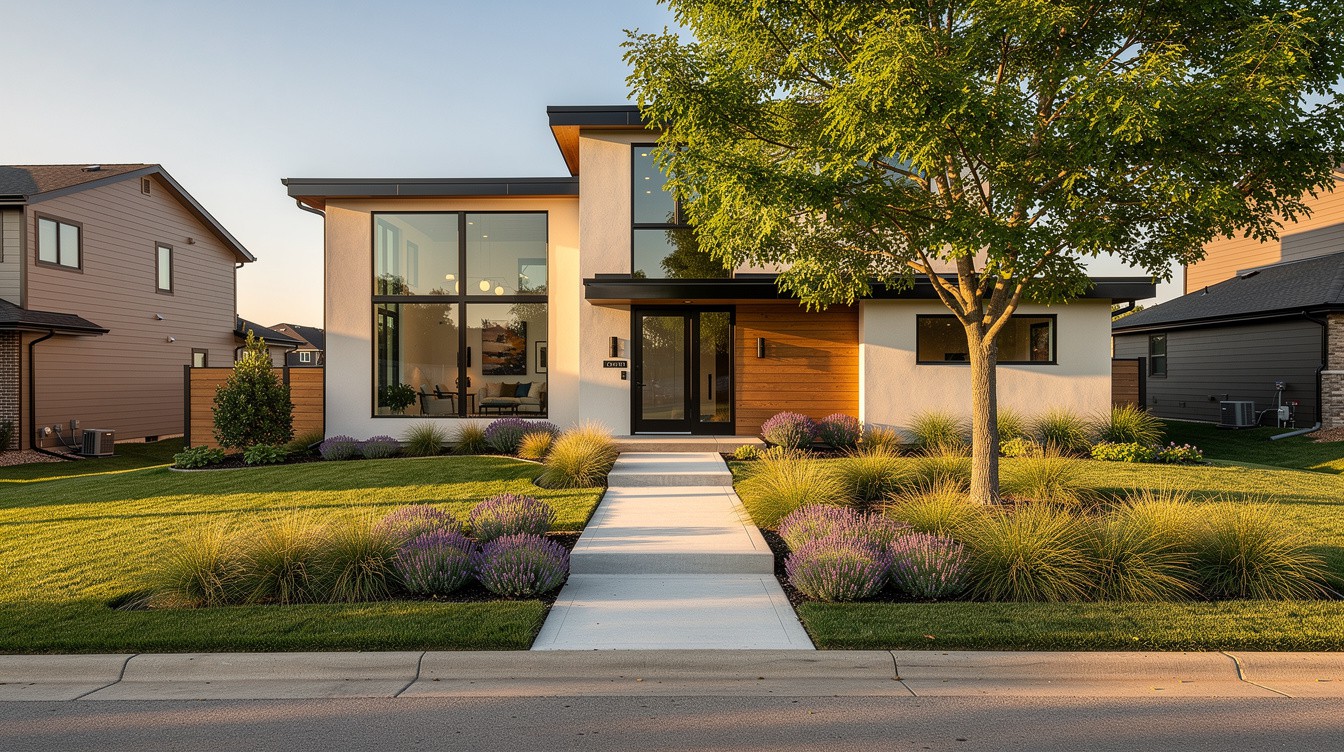
The Prairie-Modern Front Walk
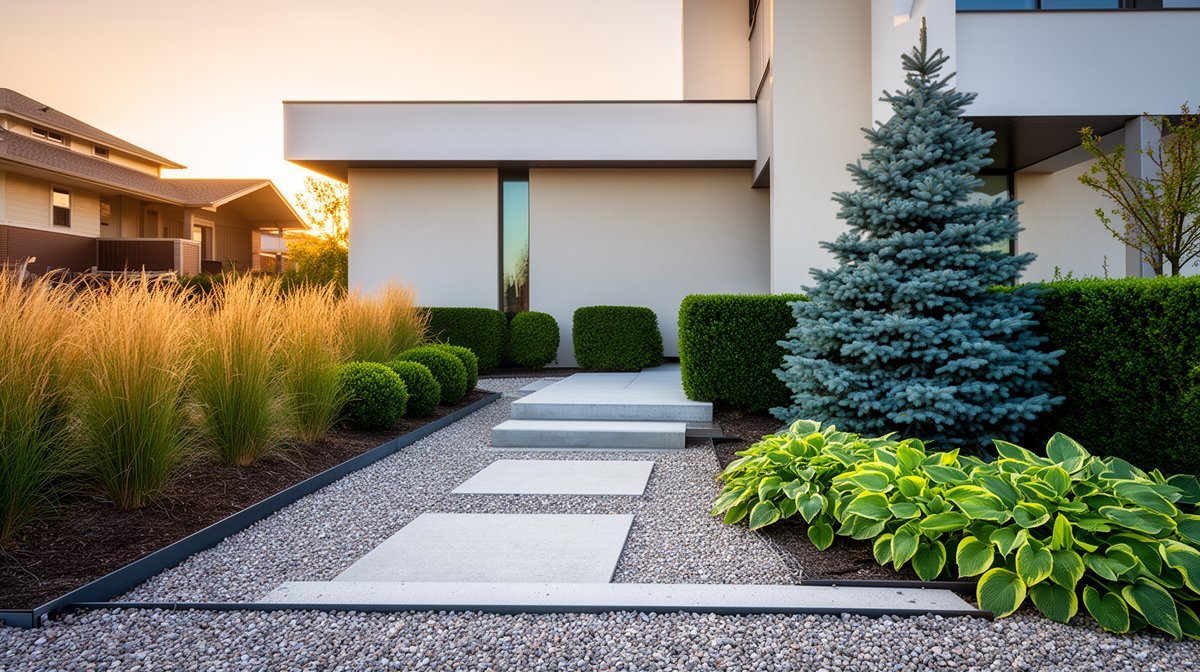
$9–18/sqftA two-story shed-roofed contemporary in white stucco and horizontal cedar with black window frames, fronted by a wide, dead-straight broom-finished concrete walk that splits the lawn on the entry axis. Instead of clipped foundation shrubs, the turf is punctuated by irregular island beds holding mounded tan grasses alternating with violet flower masses, so the planting repeats as rhythm rather than sitting in one line against the house. A young canopy tree offsets the mass of the second story and shades the west-facing glass through July.
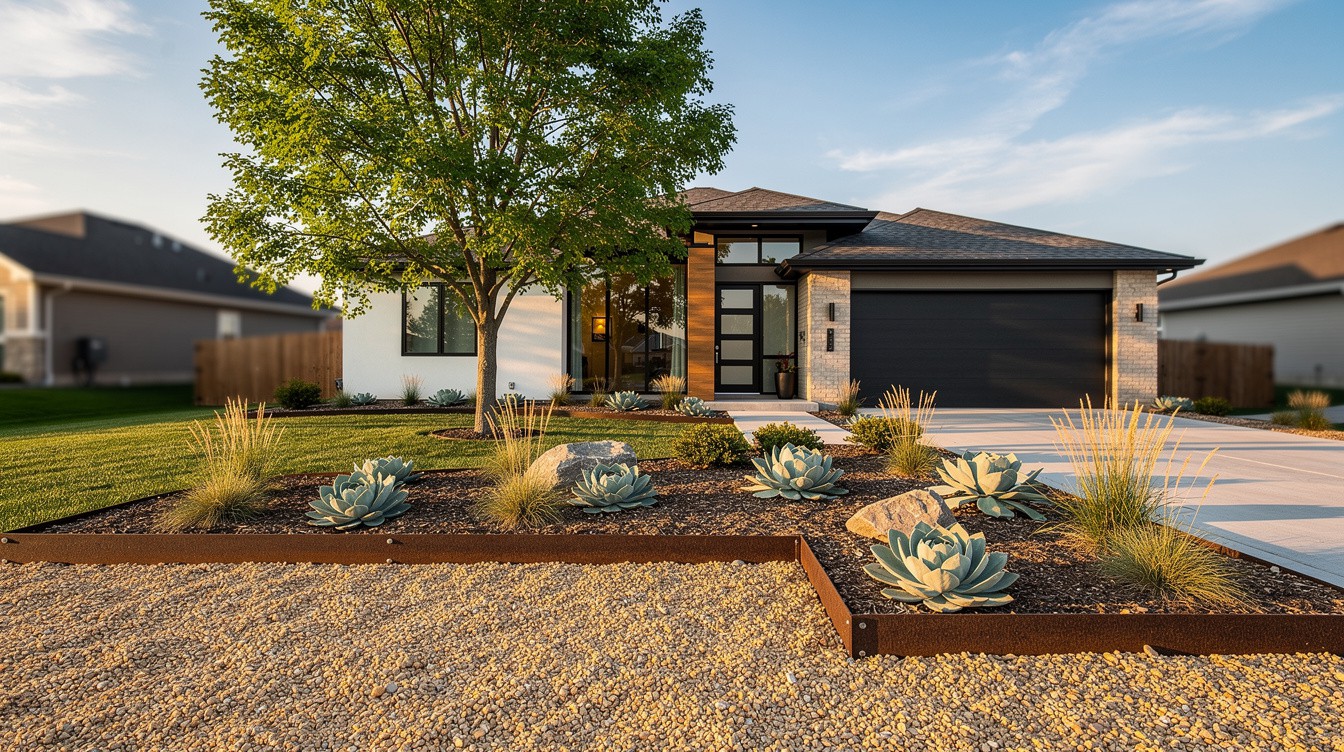
The Corten & Gravel Forecourt
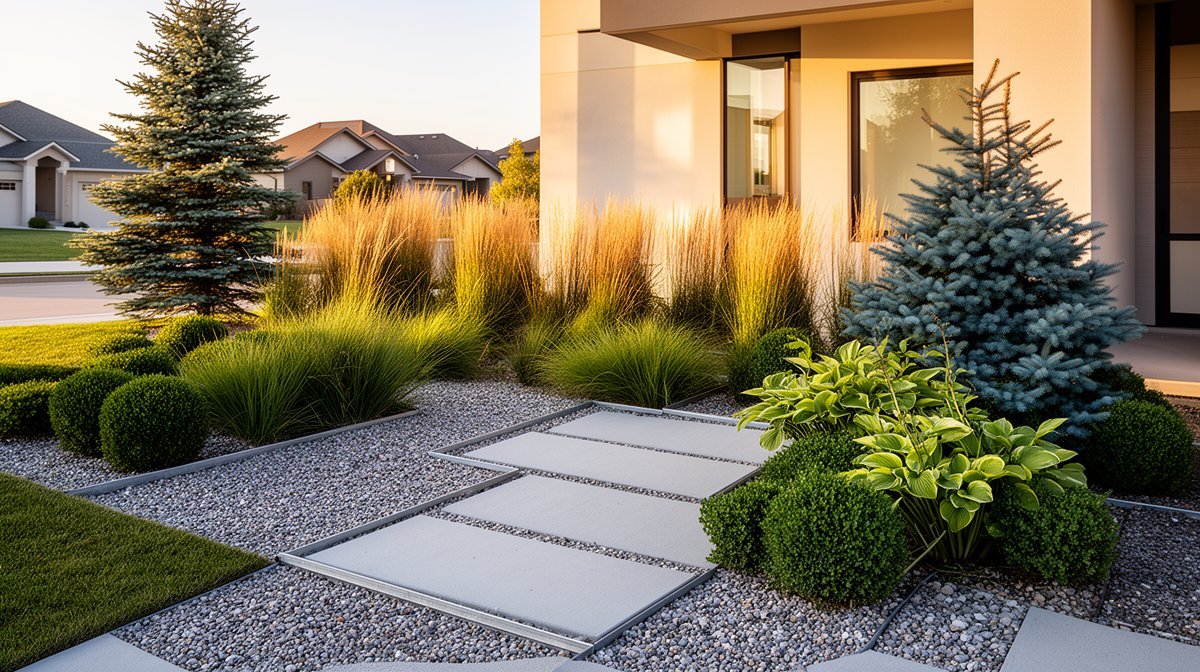
$11–22/sqftA single-story modern ranch in white stucco, cedar and pale limestone brick with a dark garage door, where the turf has been pushed back to a single corner panel. Everything else is a low terrace of Corten steel-edged beds stepping down into a pea-gravel court, planted with big blue-grey rosettes, weathered limestone boulders and wispy upright grasses in dark mulch. It is the most water-frugal of the four, and the raised, sharply drained beds are precisely the trick that lets desert-looking plants live through a wet Kansas February.
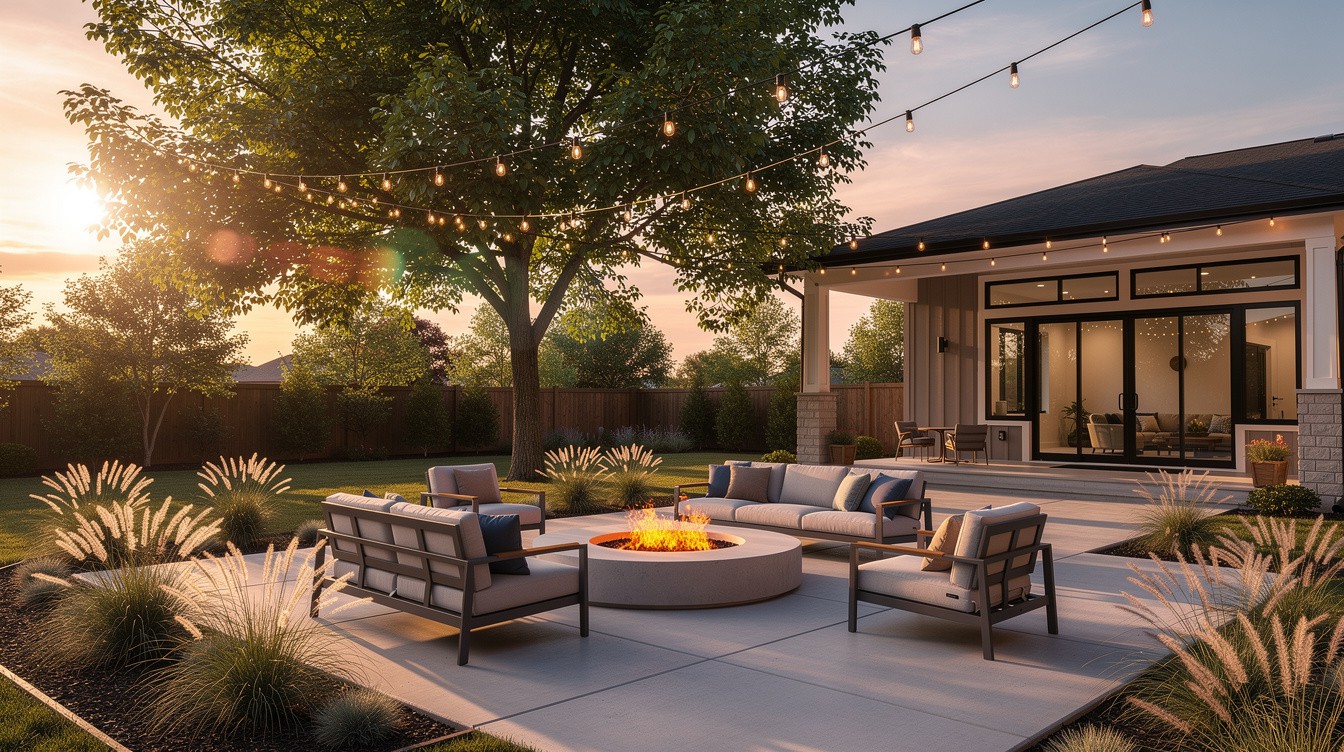
The Concrete Fire Terrace
$20–38/sqftA generous poured concrete patio laid out in large sawcut panels, with low steel-framed lounge seating drawn around a round cast-concrete gas fire bowl at the center. Café string lights run in catenary sweeps from a mature shade tree back to the covered porch, and the terrace edges dissolve into drifts of white-plumed fountain grass that catch the last sun instead of ending at a hard fence line. One material for the floor, one focal element, one planting texture — which is why it reads as designed and still builds in a single season.
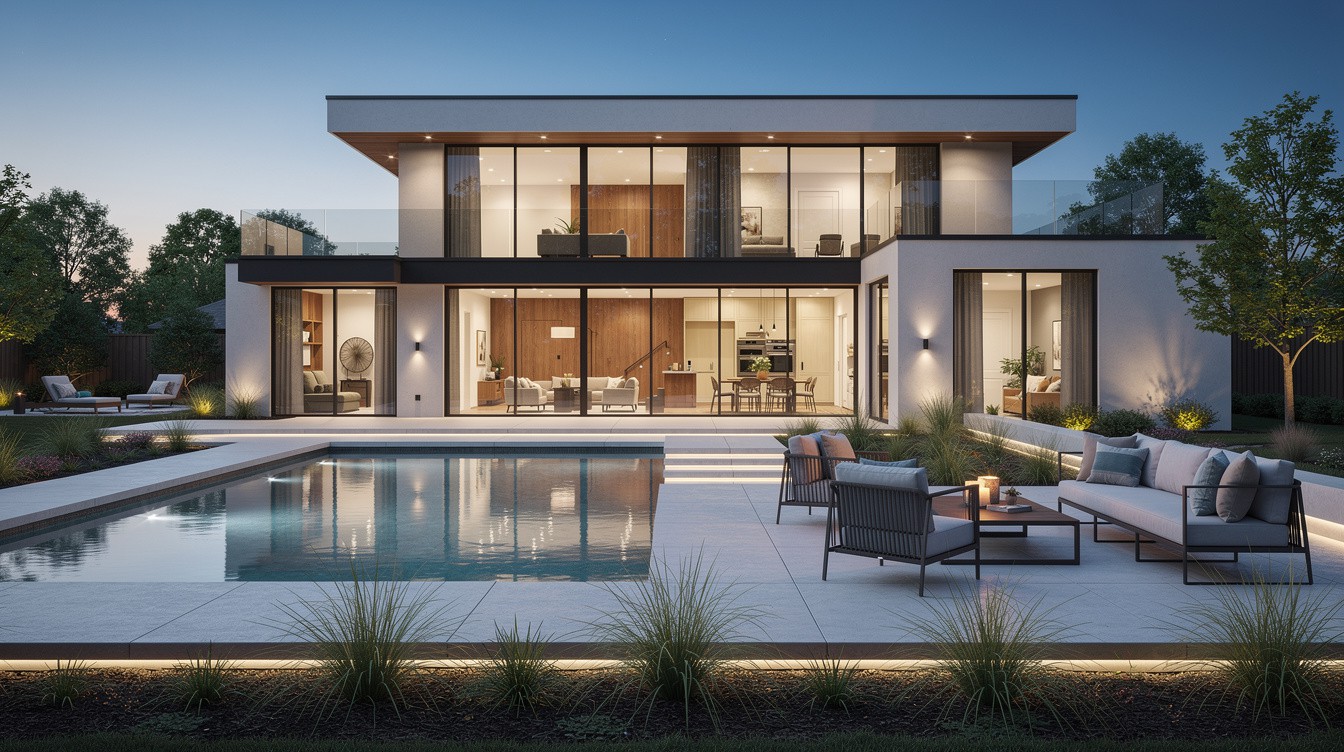
The Glass-Wall Pool Court
$45–90/sqft (pool area inclusive)A two-story flat-roofed glass house opens onto a rectangular pool set in pale large-format porcelain, with lounge chairs on the far side and a low sectional and fire table on the near one. The landscape is deliberately one idea repeated: a continuous low band of fine grasses running the full width of the foreground and echoed again along the house wall, grazed at night by concealed LED strip lighting tucked into the bed headers. Restraint is the whole effect — three materials, one plant texture, and light doing the rest after dark.
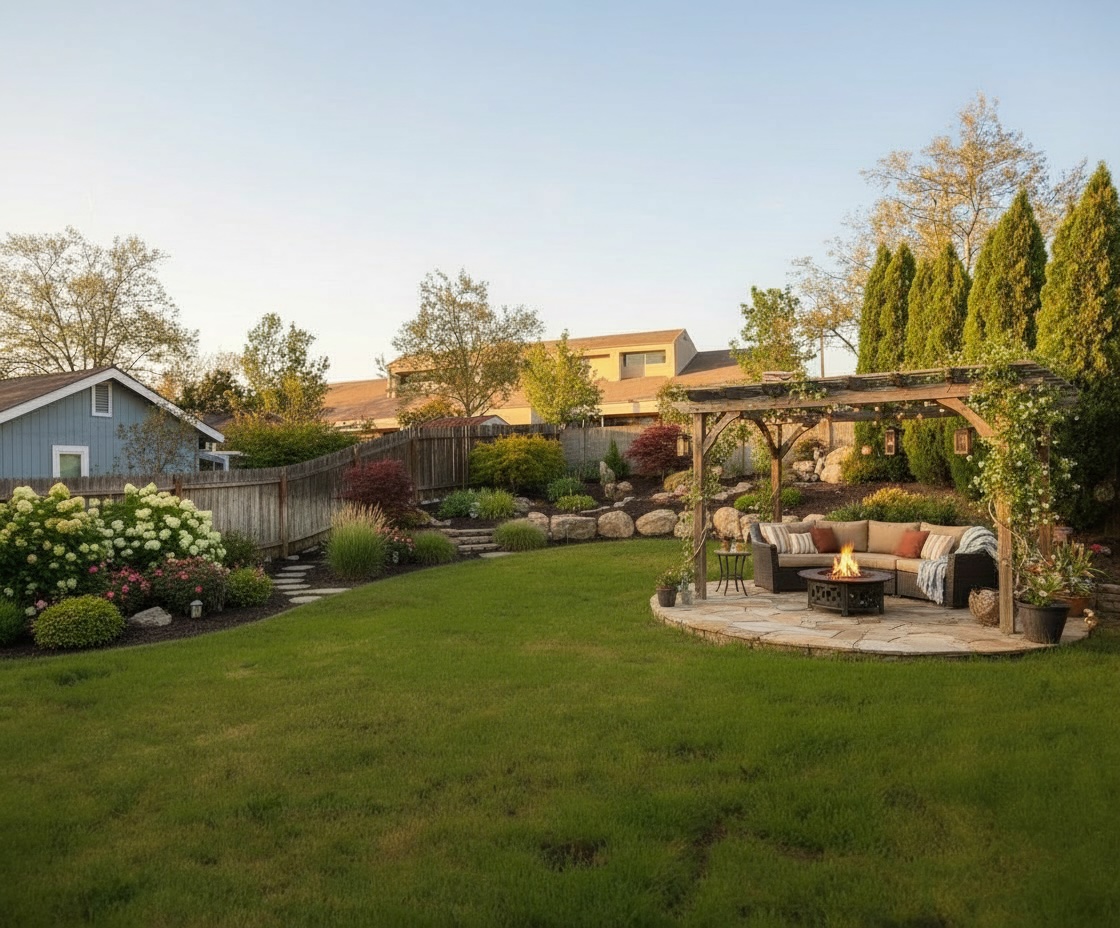
See how a modern/minimalist garden looks on YOUR property
Upload a photo of your Overland Park yard and visualize your dream garden in seconds.
Try ProScapeAI Free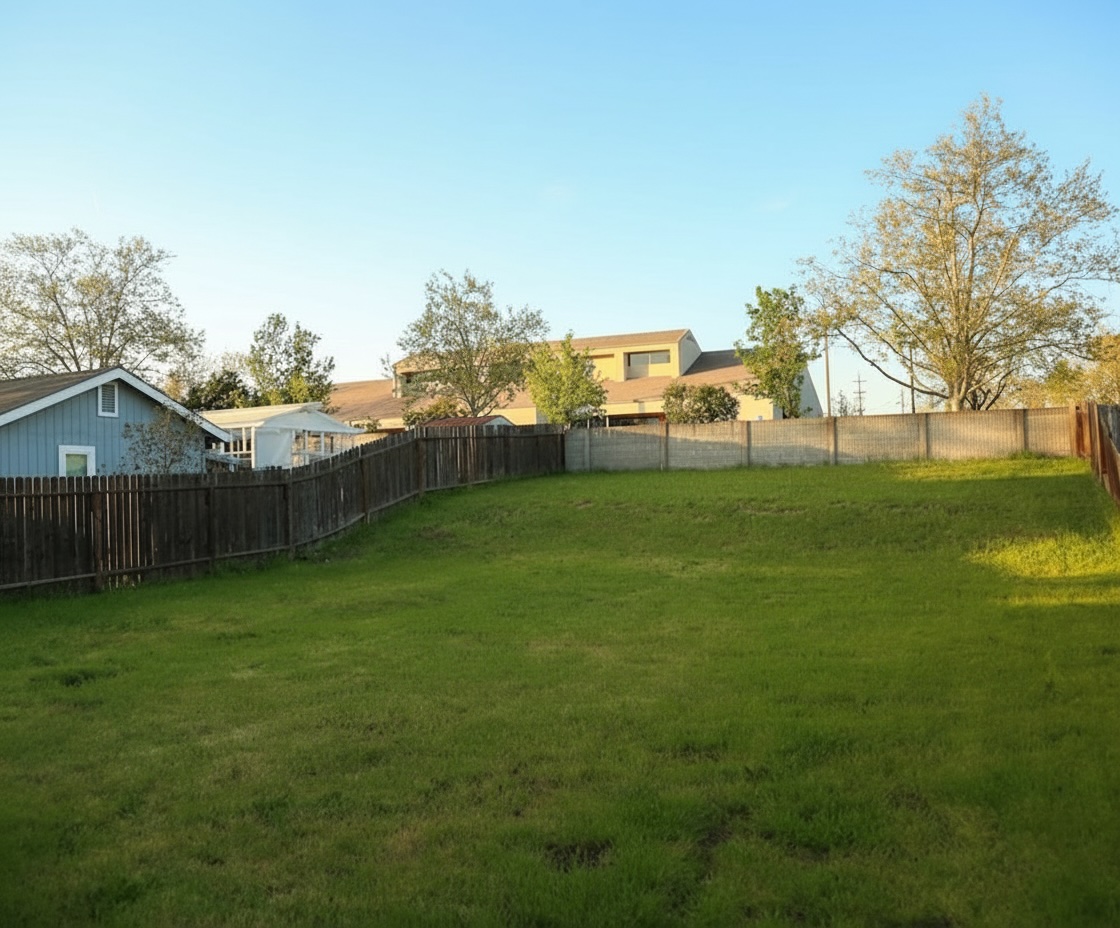
Featured Trees & Shrubs for Modern/Minimalist Gardens
Browse all 52 plants for Overland Park
Clove Currant
Ribes odoratum
grows to 6 feet, yellow blooms in spring. Attracts hummingbirds.
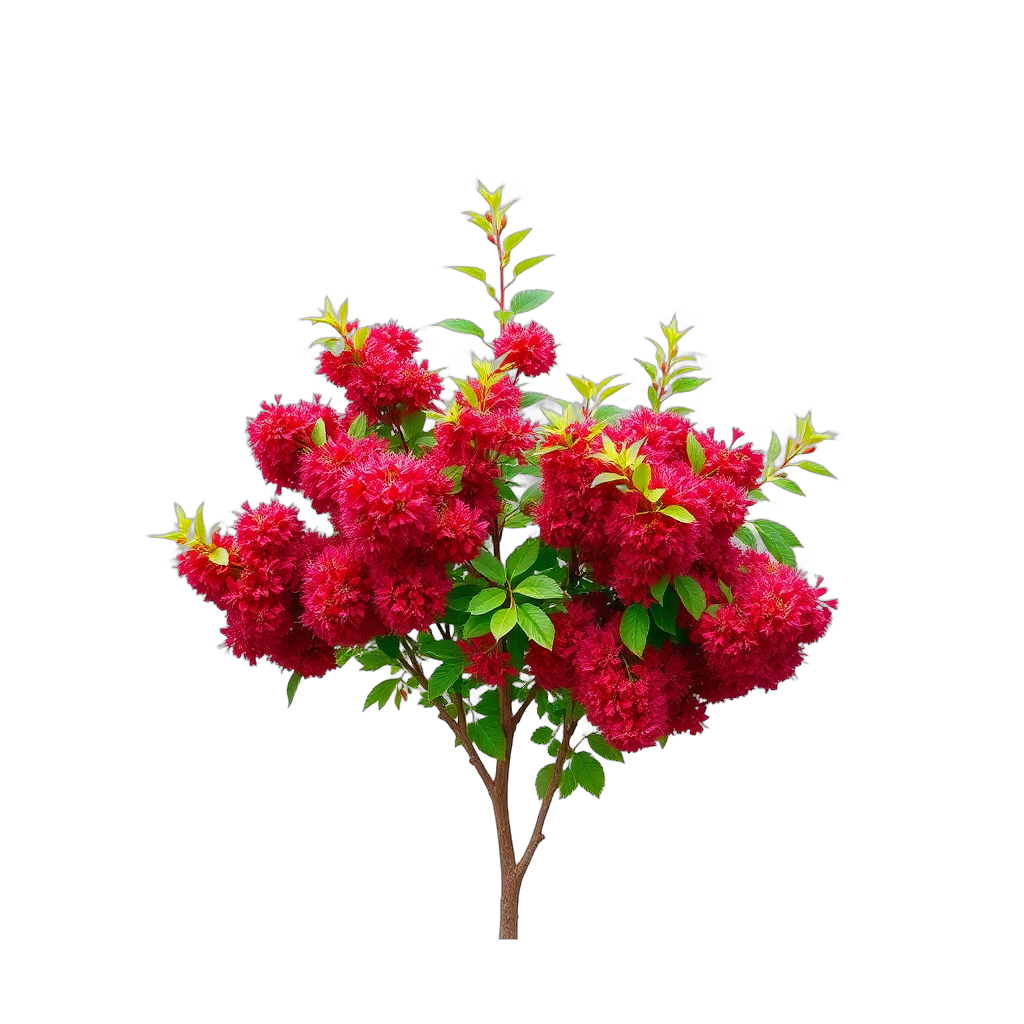
Fragrant Sumac
Rhus aromatica
grows to 4 feet, yellow blooms in spring. Attracts butterflies.
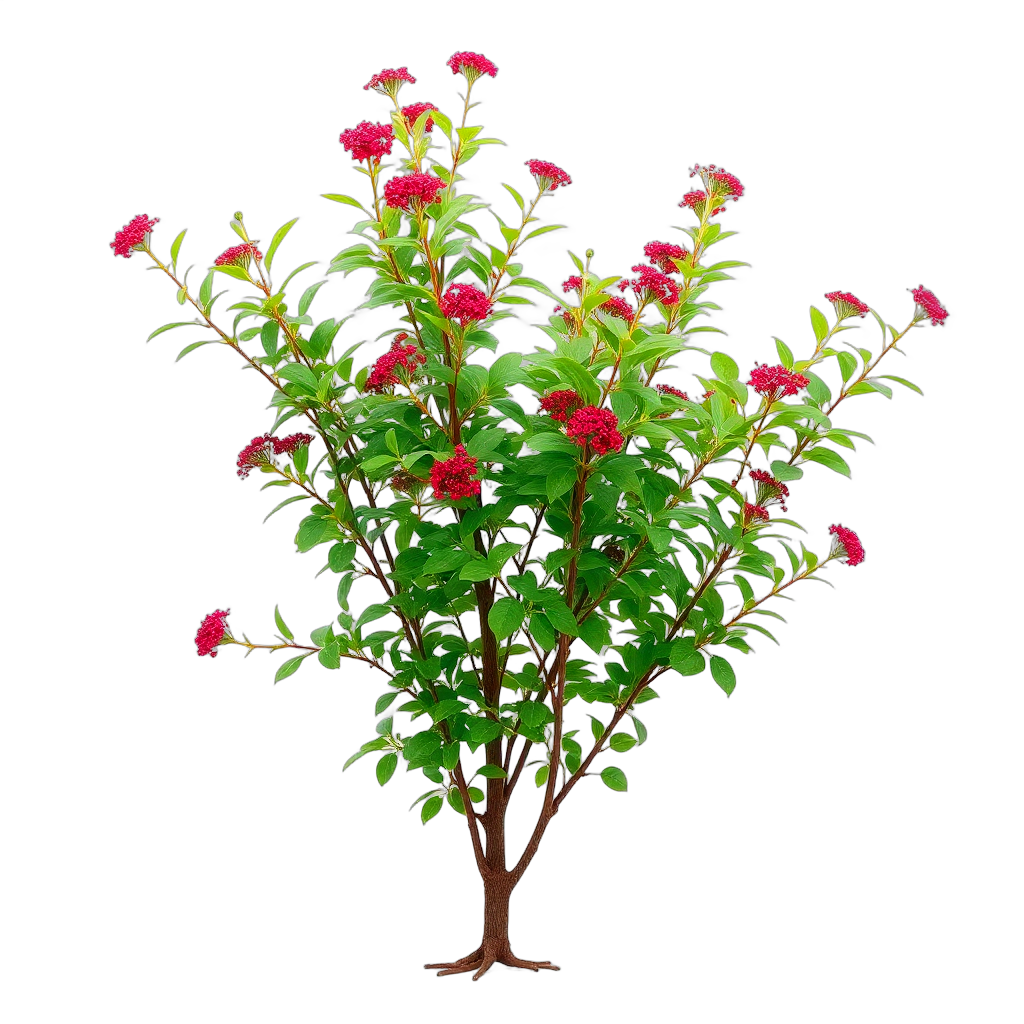
Smooth Sumac
Rhus glabra
medium-sized at 12 feet, white,green blooms in summer. Attracts butterflies.
Featured Grasses & Groundcovers for Modern/Minimalist Gardens
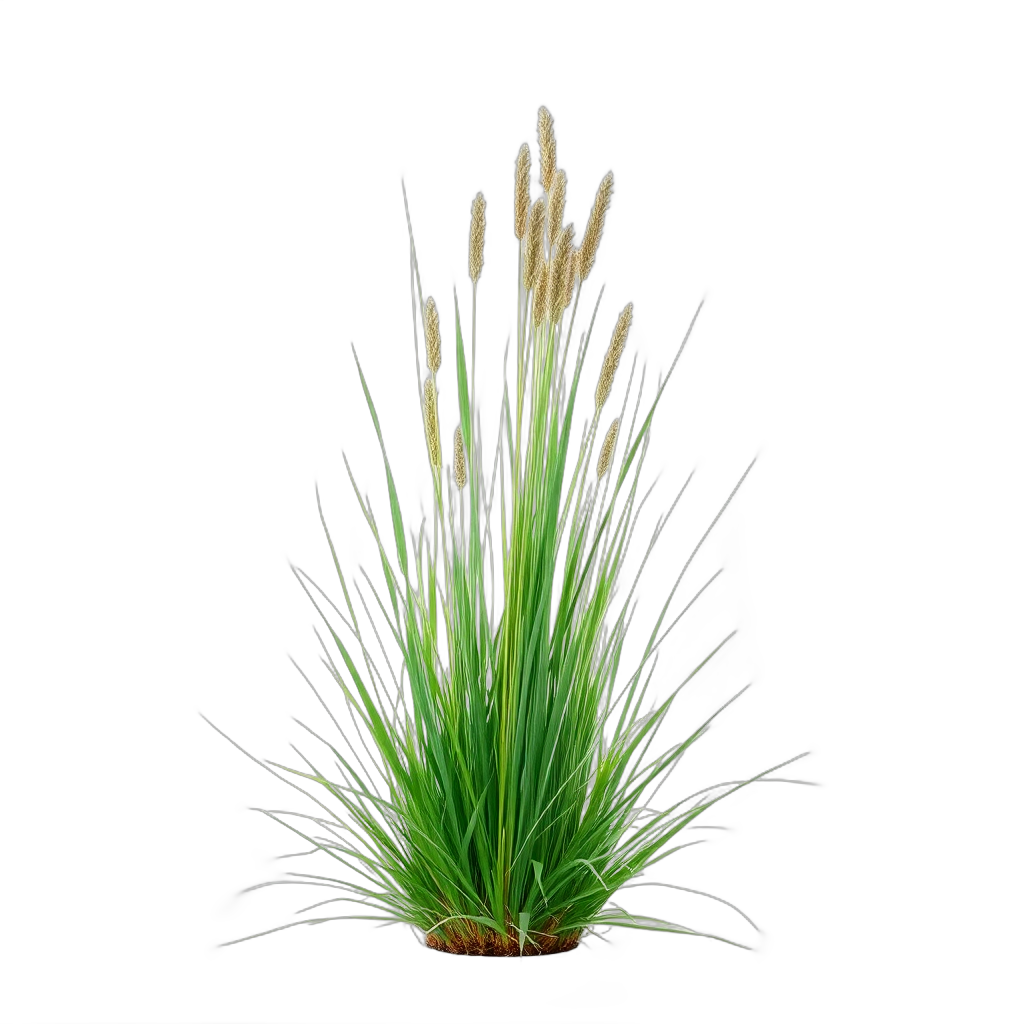
Big Bluestem
Andropogon gerardii
medium-sized at 7 feet, purple blooms in fall. Bronze,burgundy fall color.
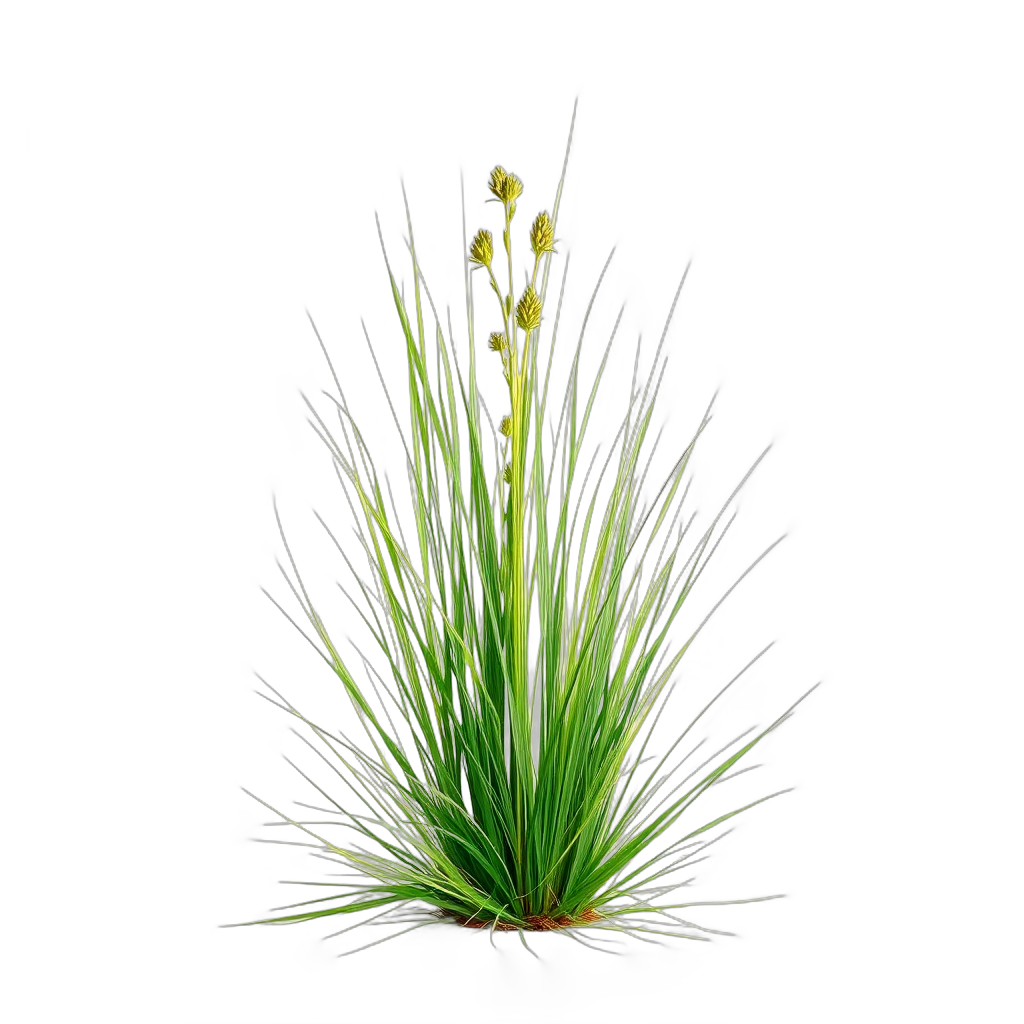
Canada Wild Rye
Elymus canadensis
grows to 4 feet, blooms in summer. Yellow fall color.
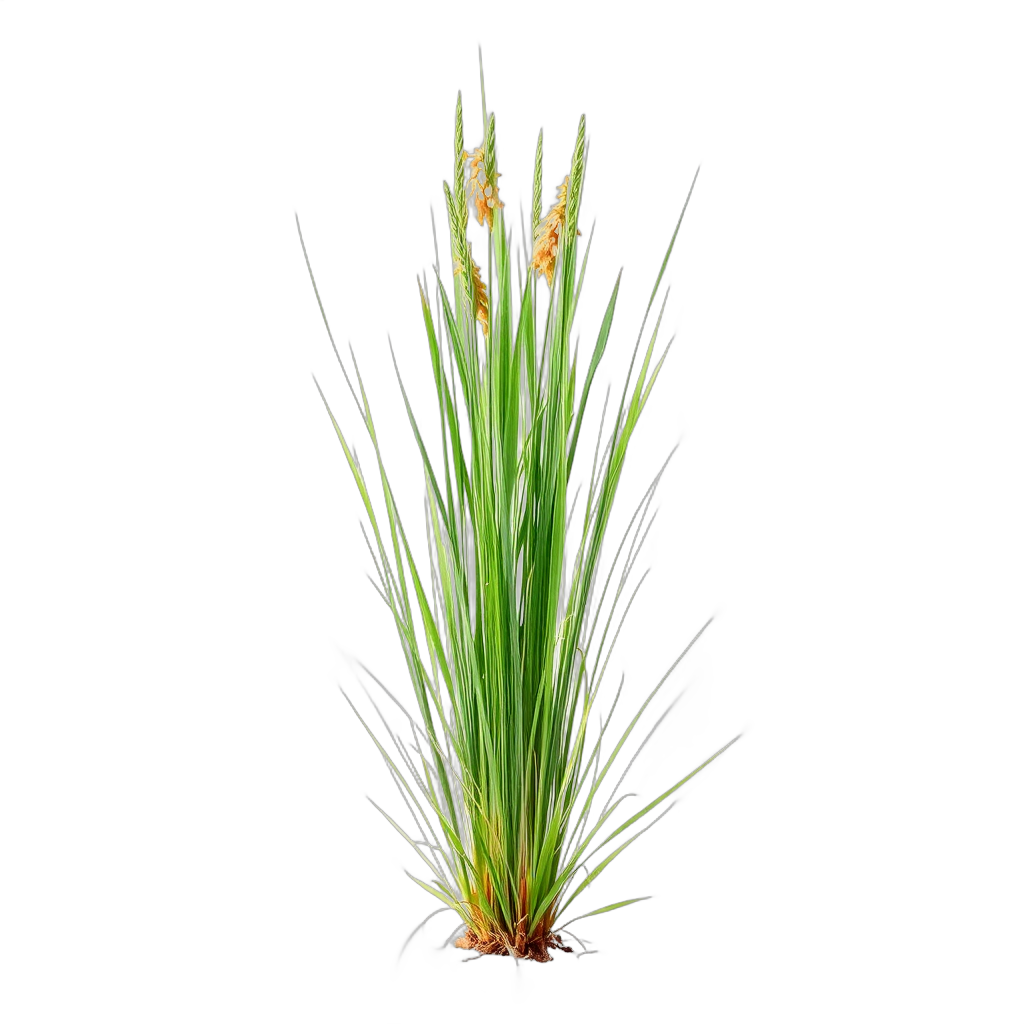
Eastern Gamagrass
Tripsacum dactyloides
grows to 6 feet, blooms in summer. Yellow fall color.
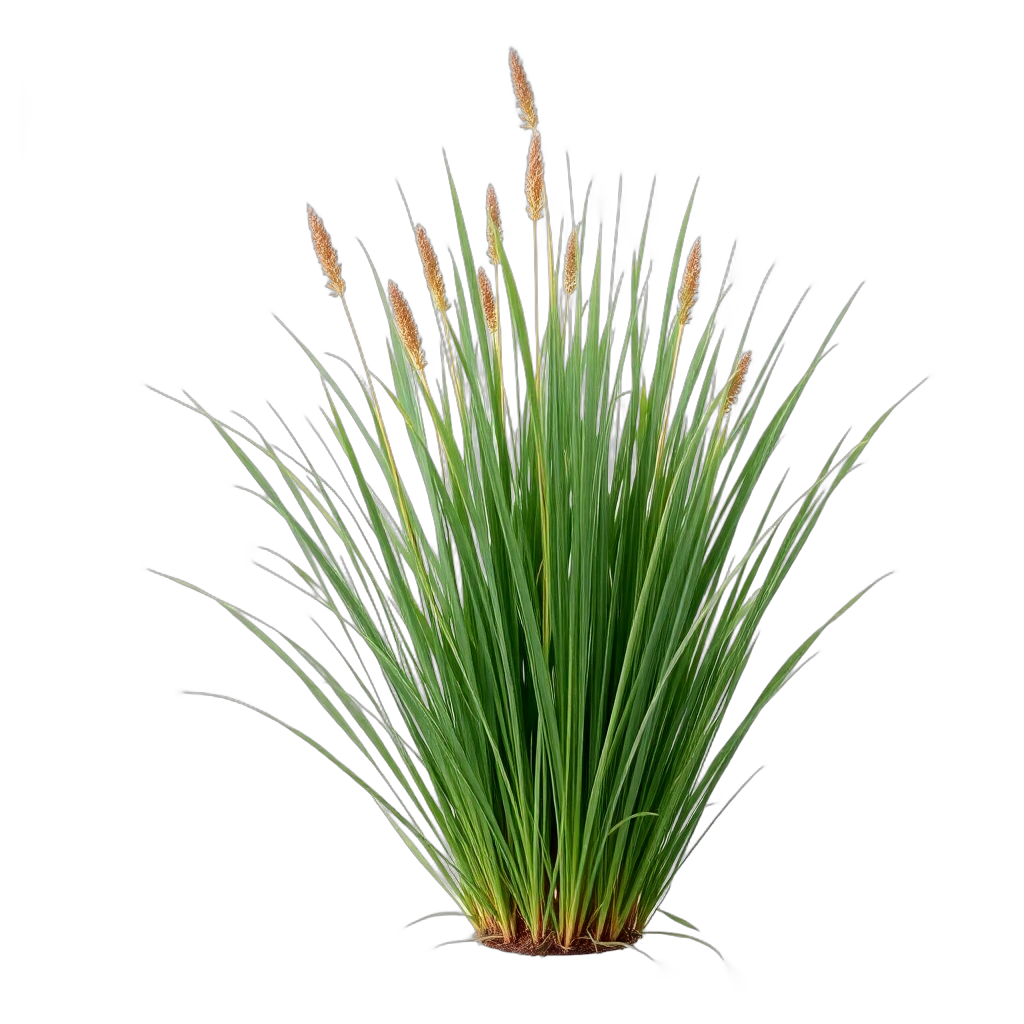
Heavy Metal Switchgrass
Panicum 'Heavy Metal'
grows to 4 feet, pink blooms in summer. Yellow fall color.
Featured Flowers & Perennials for Modern/Minimalist Gardens
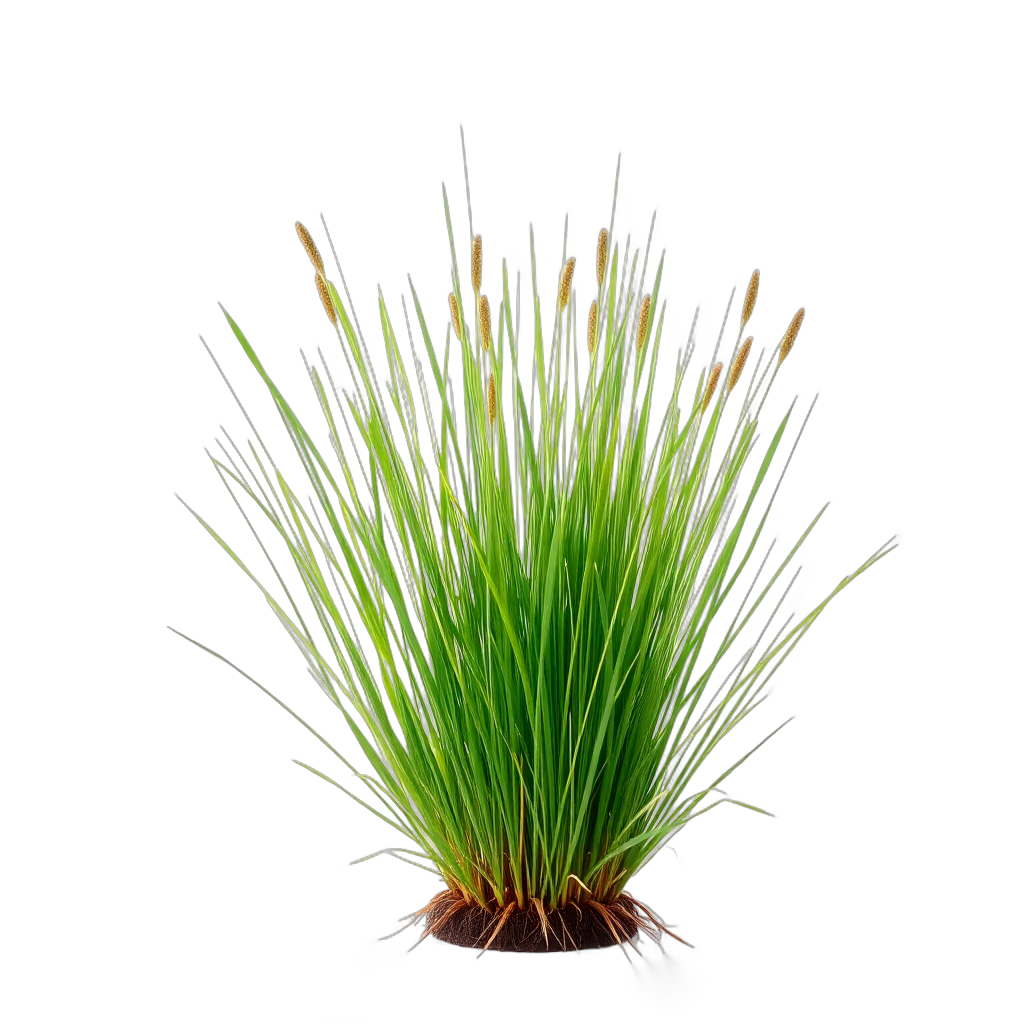
Path Rush
Juncus tenuis
low-growing ground cover, blooms in summer. Evergreen year-round.
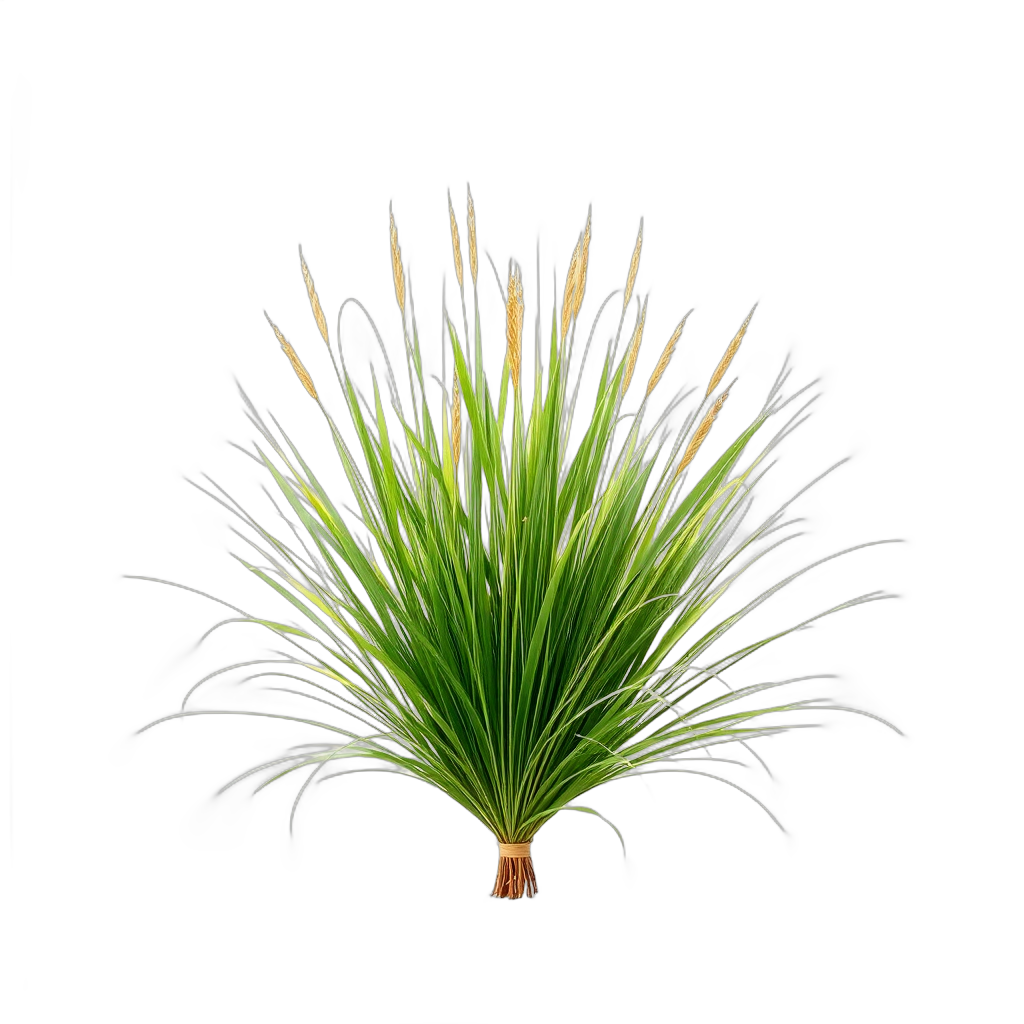
Prairie Cordgrass
Spartina pectinata
grows to 6 feet, blooms in summer. Yellow fall color.
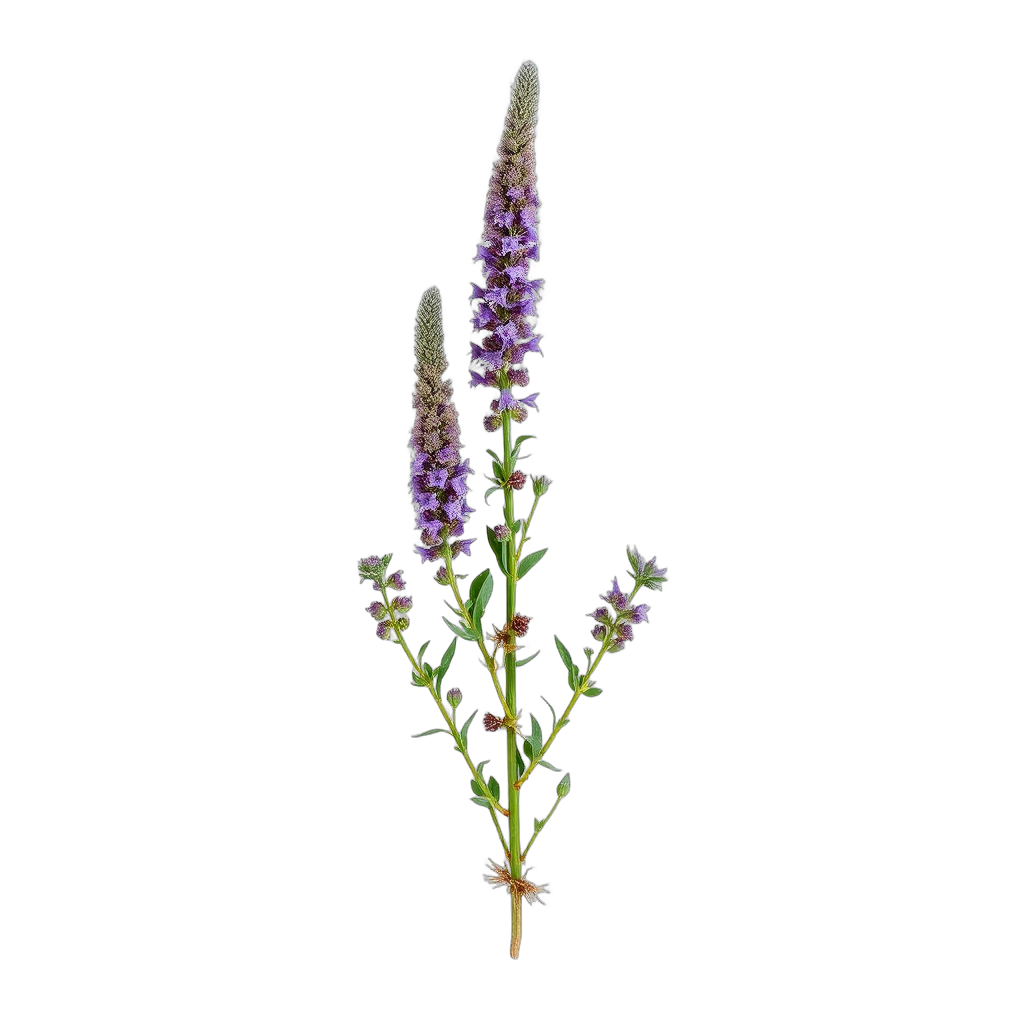
Anise Hyssop
Agastache foeniculum
grows to 3 feet, purple blooms in summer. Attracts hummingbirds.
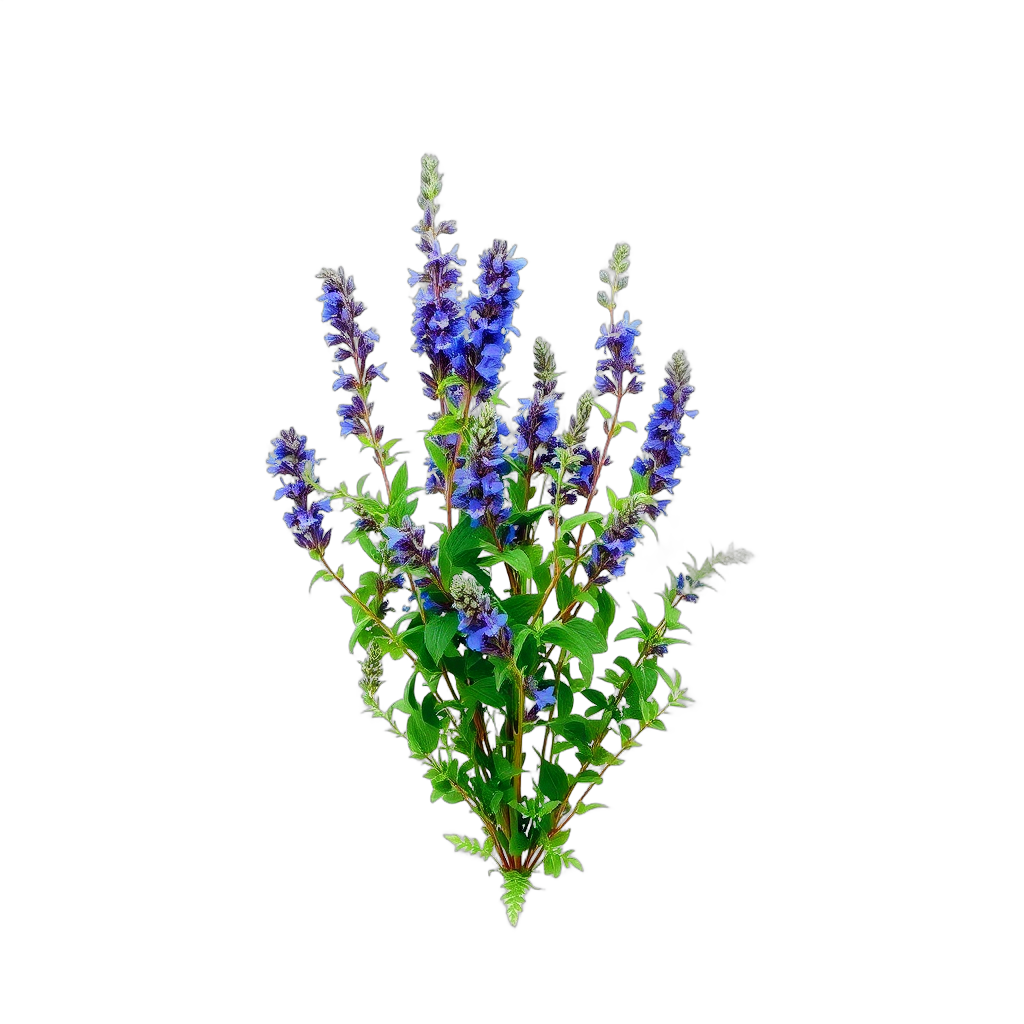
Azure Sage
Salvia azurea
grows to 4 feet, blue blooms in fall. Attracts hummingbirds.
Bloom Calendar for Overland Park
spring
Blue False Indigo, Foxglove Beardtongue, Golden Alexandersummer
Path Rush, Prairie Cordgrass, Anise Hyssopfall
Azure Sage, Maximilian Sunflower, New England Asterwinter
Limited bloomsDesign Tips for Overland Park (Zone 6a)
- Build the modern palette from prairie natives instead of importing a desert one — Schizachyrium scoparium 'Standing Ovation', Sporobolus heterolepis and Bouteloua gracilis 'Blonde Ambition' give the same clean geometry as agave massing and are genuinely native to Johnson County
- Spend the money underground: 6-8 inches of compacted AB-3 crushed limestone and post footings below the 36-inch frost line are what separate a terrace that still looks sharp in year ten from one that cracks by year three in Kansas City's 60-plus annual freeze-thaw cycles
- Use Corten steel edging rather than plastic or aluminum — modern design depends on the crispness of the line, and expansive Sharpsburg clay will push lightweight edging out of true within two winters while quarter-inch weathering steel holds
- Choose Muhlenbergia reverchonii 'Undaunted' wherever a southern design would call for pink muhly, and Panicum virgatum 'Northwind' wherever a design calls for an upright grass that has to survive open prairie wind without flopping
- Plant the sculptural succulents high and dry — Agave parryi var. neomexicana and Yucca rostrata 'Sapphire Skies' die of a wet February, not a cold one, so raise their beds 8-12 inches, mix in crushed limestone, and mulch with gravel rather than hardwood
- Light the grasses, not the lawn: low-voltage uplights behind Calamagrostis 'Karl Foerster' and Pennisetum 'Hameln', plus LED strip concealed in bed headers, turn the plumes into the whole evening composition from mid-July through the first hard freeze
Where to Source Plants in Overland Park
Skip the big-box stores. These independent Overland Park nurseries specialize in the plants that make modern/minimalist gardens thrive in Zone 6a.
Family Tree Nursery
Downtown Overland Park
Bedding plants grown on-site in their own greenhouses, with a 5-acre retail location and cafe.
Kaw Valley Greenhouses
Oak Park
Seasonal spring garden center backed by a half-million square feet of greenhouse growing space.
Rolling Meadows Landscape & Garden Center
South Overland Park
Native plants and ornamentals hand-picked by horticulturists.
Modern/Minimalist Landscaping Costs in Overland Park
| Project Scope | Estimated Cost |
|---|---|
| Front yard modern conversion (500 sqft: turf removal, gravel, Corten edging, plants) | $6,000 – $15,000 |
| Poured concrete terrace, 300-500 sqft on 6-8 in AB-3 base | $5,500 – $16,000 |
| Backyard fire terrace with gas fire bowl, seating and lighting | $18,000 – $45,000 |
| Gunite pool, porcelain deck and full backyard landscape | $95,000 – $220,000 |
| Corten steel edging and raised planter walls, installed | $45 – $95 per linear foot |
| AI visualization with ProScapeAI | Free to start |
Estimates based on Overland Park, KS-area contractor rates as of 2026. Actual costs vary by site conditions, materials, and contractor.
Overland Park Climate & Growing Zone
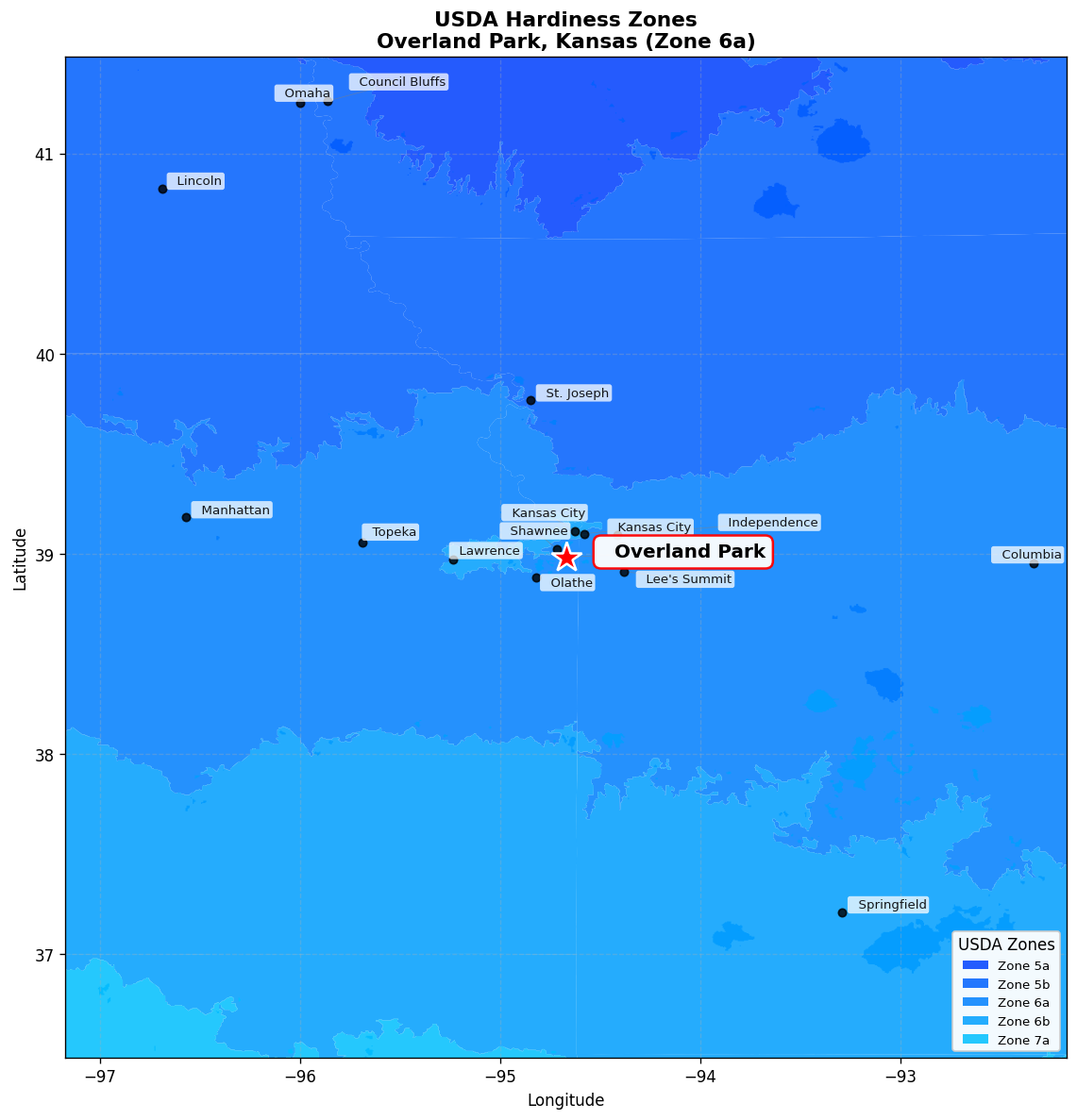
USDA Zone 6a
Hardiness zone for Overland Park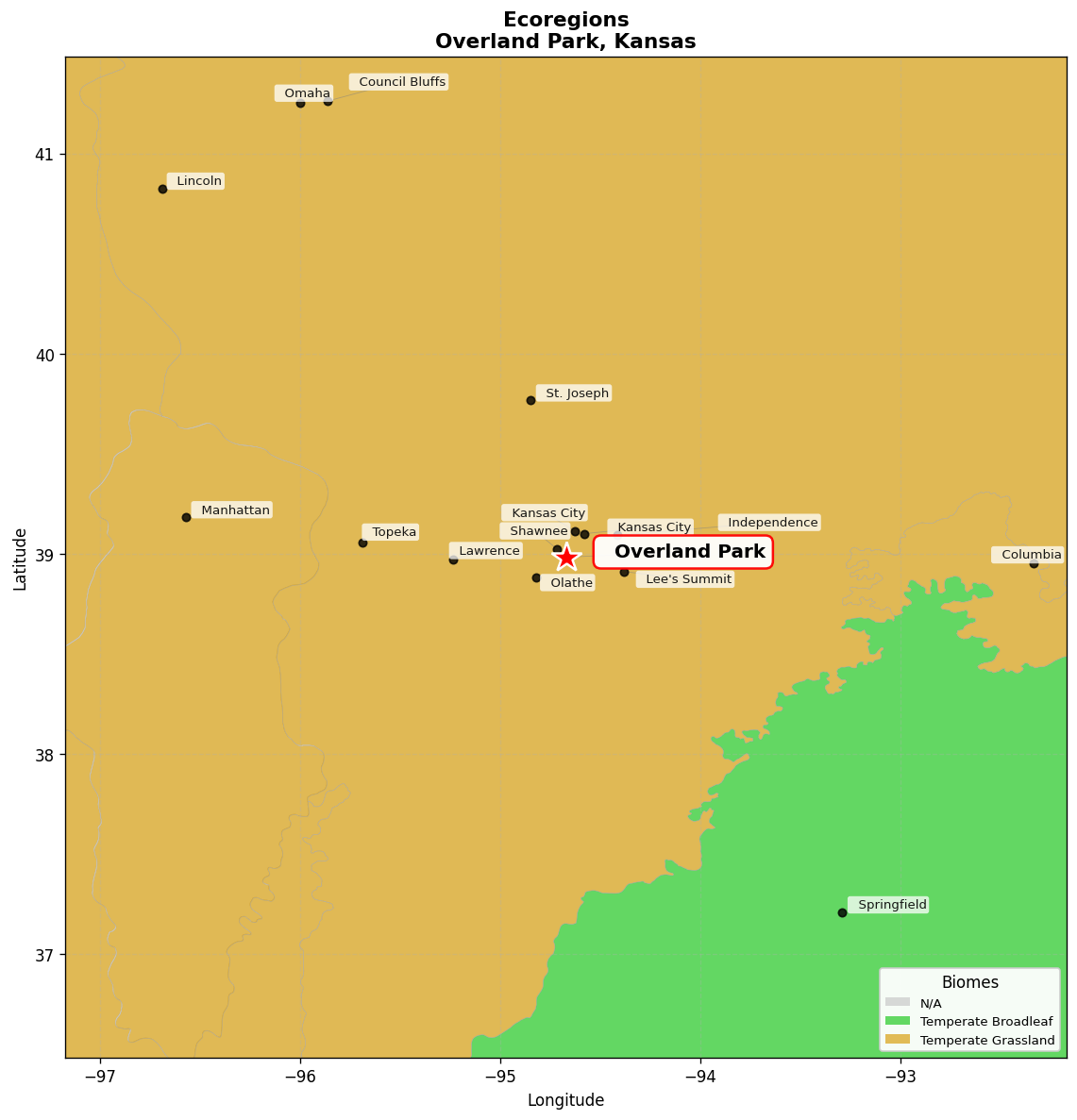
Central Tallgrass prairie
Native ecoregionFrequently Asked Questions
How much does modern landscaping cost in Overland Park?
Johnson County pricing sits near the national average and well below coastal metros, with crew rates around $55-$85 per hour. A complete front-yard modern conversion for a 500 sqft yard — turf removal, gravel field, Corten edging, and architectural plants like Yucca glauca and Muhlenbergia reverchonii 'Undaunted' — runs $6,000-$15,000 installed. A poured concrete terrace of 300-500 sqft on a proper AB-3 base runs $5,500-$16,000 depending on finish and jointing. A backyard fire terrace with a gas fire bowl, seating and lighting typically lands at $18,000-$45,000. Gunite pool projects with porcelain decking and full planting run $95,000-$220,000.
Can succulents and agaves survive Zone 6a here?
A specific short list can. Agave parryi var. neomexicana is hardy to roughly -20°F, Yucca rostrata 'Sapphire Skies' to about -10°F, and Yucca glauca is a Kansas prairie native that needs nothing from you. Hesperaloe parviflora and Sempervivum cultivars like 'Gray Curls' round out the palette. The universal condition is drainage: Overland Park gets about 40 inches of rain, and none of these will survive a February thaw sitting in Sharpsburg clay. Plant them in beds raised 8-12 inches and filled with a 50/50 mix of native soil and crushed limestone or expanded shale, then top-dress with gravel rather than hardwood mulch so the crown stays dry. Corten-walled raised planters are the bulletproof version.
How do I keep concrete and pavers from heaving in Kansas City winters?
Base prep is not the place to save money in this metro. Kansas City runs 60-80 freeze-thaw cycles a year over expansive silty clay loam, so excavate 8-10 inches and compact 6-8 inches of AB-3 crushed limestone in lifts before anything goes down. Poured concrete should be an air-entrained 4,000 psi mix with fiber or rebar reinforcement and control joints every 8-10 feet — modern designs use large panels, so the joint layout must be drawn deliberately rather than cut wherever the finisher decides. Paver terraces need a 1-inch bedding course and polymeric sand in the joints. Anything with a post — pergola, gate, screen wall — goes on a footing below the 36-inch frost depth.
Which ornamental grasses work best in a modern Overland Park garden?
Prioritize ones that stand up to prairie wind and heavy soil. Panicum virgatum 'Northwind' is the most upright switchgrass on the market and will not flop in a June thunderstorm; Calamagrostis × acutiflora 'Karl Foerster' gives the same vertical line six weeks earlier in the season. Schizachyrium scoparium 'Standing Ovation' and 'Blue Heaven' are the little bluestem selections bred not to splay, unlike straight species in rich soil. Sporobolus heterolepis 'Tara' makes the fine, low emerald bands modern layouts want, and Muhlenbergia reverchonii 'Undaunted' delivers the pink autumn cloud that Muhlenbergia capillaris cannot reliably provide at Zone 6a. Cut everything back once, in late February, before new growth breaks.
Can I replace my fescue lawn with gravel in Overland Park?
The city does not prohibit it, but two things will shape the design. First, most Johnson County subdivisions — Deer Creek, Nottingham, Wilderness Valley and nearly every Blue Valley development — run architectural review committees, and a number of them require a minimum percentage of living groundcover in the front yard; get written approval before ordering material. Second, gravel sheds water faster than turf, so on Overland Park's clay you need to plan where it goes: a swale, a dry creek, or a gravel field graded to a rain garden planted with Panicum virgatum and Amsonia hubrichtii. A hybrid usually wins approval — a reduced fescue panel plus Corten-edged gravel beds, which is also what cuts your WaterOne bill most in an August drought stretch.
When is the best time to install a modern landscape in Overland Park?
September through early November is the strongest window: soil stays warm into October, autumn rain establishes grasses and perennials with almost no supplemental watering, and installer schedules loosen after the spring rush. April through May is second best and is when to set Agave, Yucca and anything else that wants a full warm season to root before its first winter. Concrete work is realistically March through early December — pours stop when overnight temperatures sit below freezing, and Overland Park's wet May and June routinely delay excavation for a week at a time. Fences, retaining walls over 4 feet, and pools all need City of Overland Park permits, so start that paperwork six to eight weeks ahead.