4 Modern Landscape Ideas for Topeka, KS | Prairie Grasses and Clean Lines for Zone 6a
Native plants from the Central Tallgrass prairie (Zone 6a) — Humid continental (hot summer) climate
Why Modern/Minimalist Gardens in Topeka?
Most of Topeka was built for a modern landscape without anyone saying so. The long, low brick ranches of Westboro and southwest Topeka, the 1960s and 1970s split-levels further out, and the newer houses toward Sherwood all have wide, flat fronts and plain horizontal lines, which is the exact frame clean-line design needs. A straight concrete walk, one disciplined foundation bed and a block of upright grass do more for a ranch house than any amount of shrubs in a curving bed. Even the older streets work: a Potwin Place or Central Park lot with a 1920s house can carry a modern back garden of steel, gravel and grass behind a traditional front.
The climate decides the plant list, and it rules out the desert look you see in Phoenix and Austin. The 1991-2020 normals at Philip Billard Municipal Airport put the January average low at 20°F and the coldest night of a typical winter around -4°F, and Topeka gets about 36.5 inches of precipitation a year plus around 17 inches of snow. Blue Agave americana and Echeveria will not survive that. The hardy stand-ins give the same spiky outline: Yucca filamentosa 'Color Guard' and Yucca rostrata in a fast-draining gravel bed, Agave parryi var. neomexicana if you can keep its crown dry all winter, and Sempervivum tectorum for tight low rosettes. For the mass planting that gives a modern garden its movement, Topeka sits in the Central Tallgrass Prairie, and its own grasses are the best palette you can buy: Panicum virgatum 'Northwind', Schizachyrium scoparium 'Standing Ovation', Sporobolus heterolepis 'Tara' and Bouteloua gracilis 'Blonde Ambition', with Calamagrostis × acutiflora 'Karl Foerster' for the earliest upright form.
Summer is hot and humid, with July highs around 90°F and heavy May and June storms, so the planting has to handle both drought and downpours. Clean lines also depend on what the ground does under the paving. The uplands south and west of the Kansas River are heavy silty clay loam over limestone and shale that swells when wet and shrinks when it bakes, while North Topeka and Oakland sit on looser river soils. North of the river is the glaciated part of Kansas, where glacial till can turn up when you dig. Under any concrete walk, paver terrace or steel-edged gravel bed, put down a compacted crushed-stone base, and set pergola and wall footings below the frost depth the city's code requires. Skip that and the straight edges will not stay straight through many freeze-thaw winters.
The last reason modern suits Topeka is upkeep. A prairie-grass modern garden is cut back once, in late February or early March, and otherwise mostly left alone; the grasses hold their shape and color through winter snow, and the only regular jobs are weeding the gravel and topping it up. Get a soil test through the Shawnee County Extension office before planting, because Topeka soils vary a lot from lot to lot and the grasses and yuccas want lean, well-drained soil rather than heavy fertilizer.
4 Modern/Minimalist Design Ideas for Topeka

AI-generated image
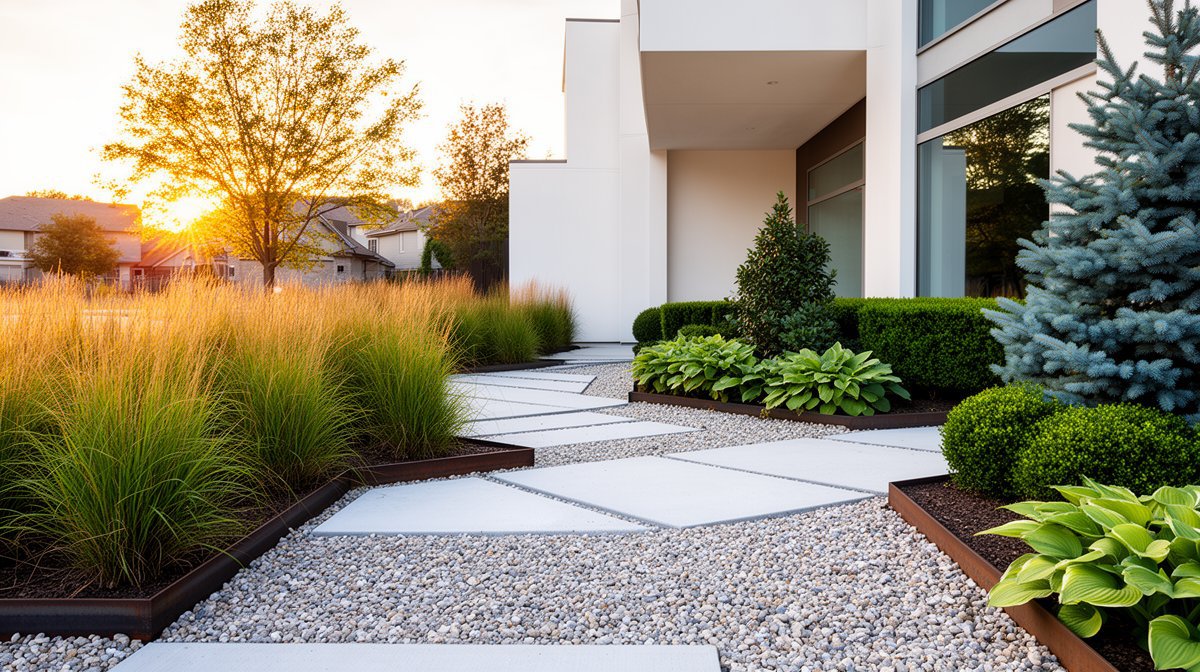
The Westboro Ranch Gravel Front
$12–24/sqftThe lawn in front of a long brick ranch is replaced with a field of buff crushed limestone held by black steel edging, and a straight poured concrete walk runs from the driveway to the door. Three rows of switchgrass sit parallel to the house in a single long bed, with a pair of blue yuccas and low sedum near the walk. The south-facing front gets full afternoon sun, which keeps the gravel dry and the yuccas happy through a wet spring.

AI-generated image
The Prairie Meadow Terrace
$16–32/sqftBehind a 1970s split-level, a square concrete-paver terrace steps down to a rectangle of native grasses and prairie flowers laid out in bold blocks rather than mixed drifts. A long concrete bench along one edge faces west, so the low evening sun lights the grass seed heads from behind. Each block holds one plant, so the garden reads as clean geometry in winter and as prairie in August.

AI-generated image
The Steel and Timber Courtyard
$25–50/sqftA small side or back courtyard next to an older house is boxed in by Corten steel planters of different heights, with a cedar slat screen hiding the neighbors and the air-conditioning unit. Clipped yew blocks and a single multi-stem serviceberry give the structure, and feather reed grass lines the planters for a vertical rhythm. The courtyard sits on the north side of the house, so it uses shade-tolerant plants and stays cool on a 90°F July afternoon.

AI-generated image
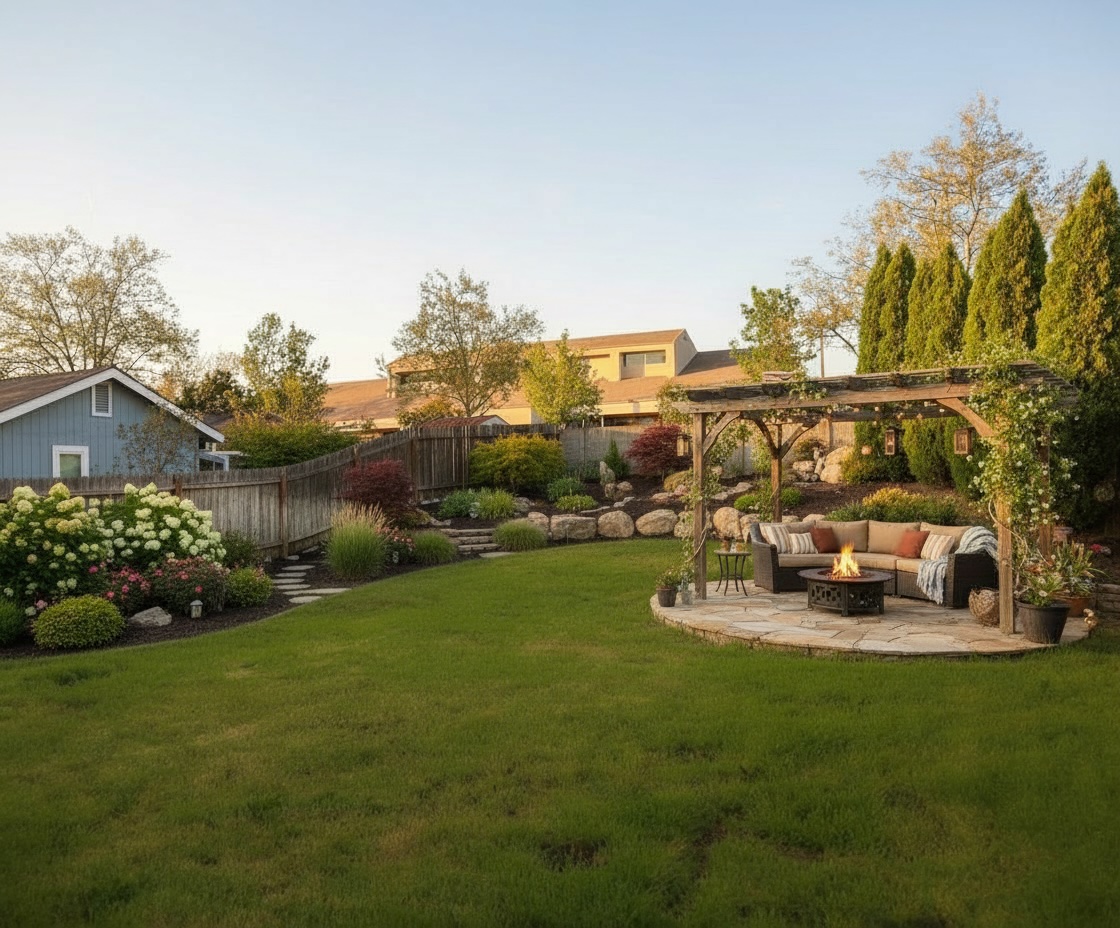
The Fire Table Patio with Columnar Junipers
$28–55/sqftA poured concrete patio with a rectangular gas fire table sits off the back of a modern infill or updated ranch house, framed by a row of narrow upright junipers along the fence. A single honeylocust gives light, dappled shade over the seating without dropping big leaves into the fire table. Low walls of stacked limestone double as seating and hold a bed of grasses that hides the patio edge.
See how a modern/minimalist garden looks on YOUR property
Upload a photo of your Topeka yard and visualize your dream garden in seconds.
Try ProScapeAI Free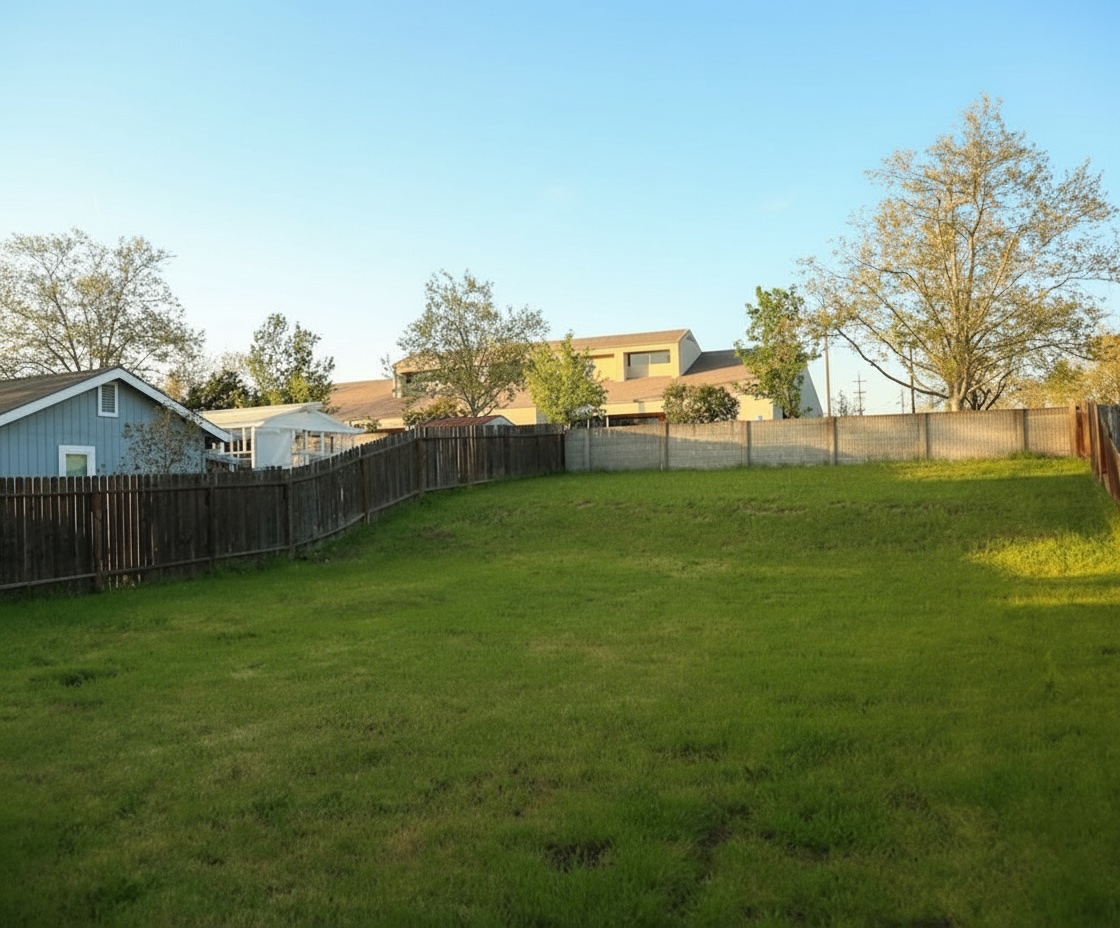
AI-generated image
Featured Trees & Shrubs for Modern/Minimalist Gardens
Browse all 194 plants for Topeka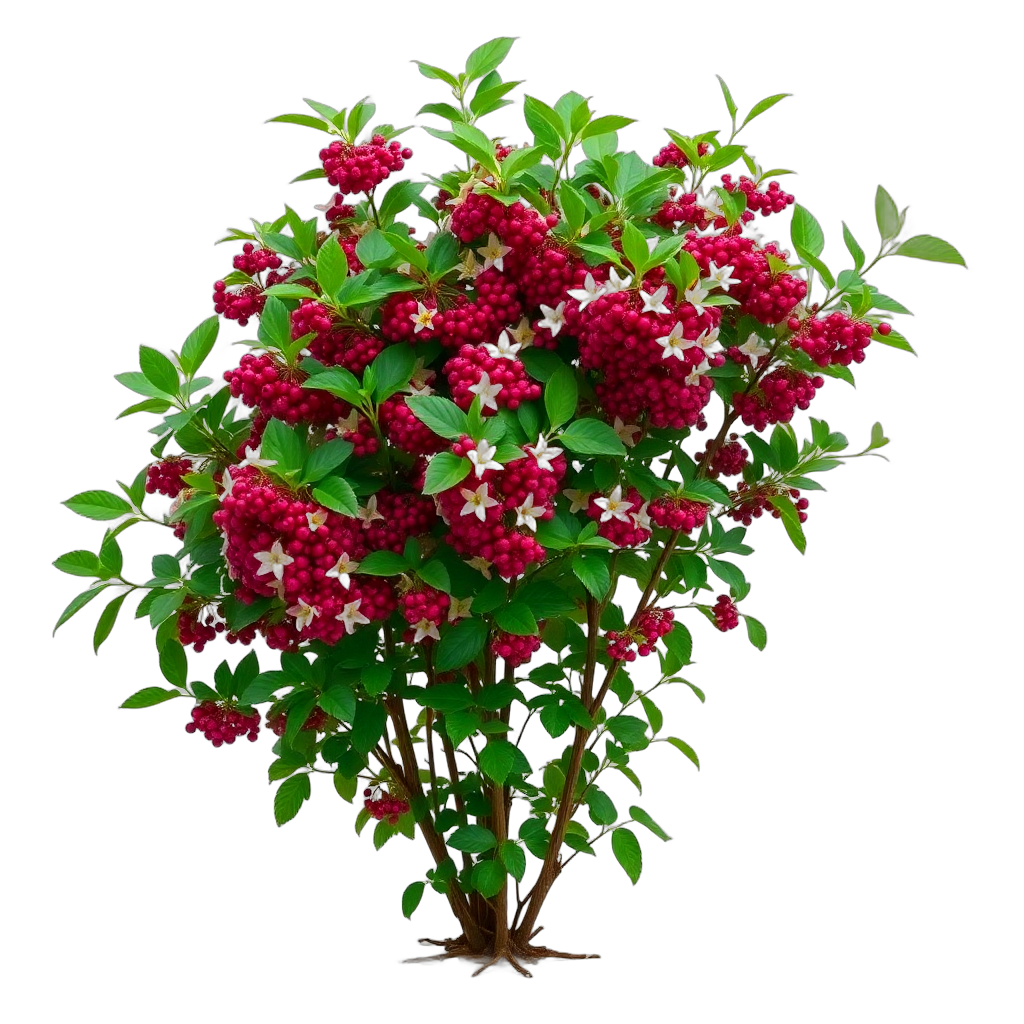
Clove Currant
Ribes odoratum
grows to 6 feet, yellow blooms in spring. Attracts hummingbirds.
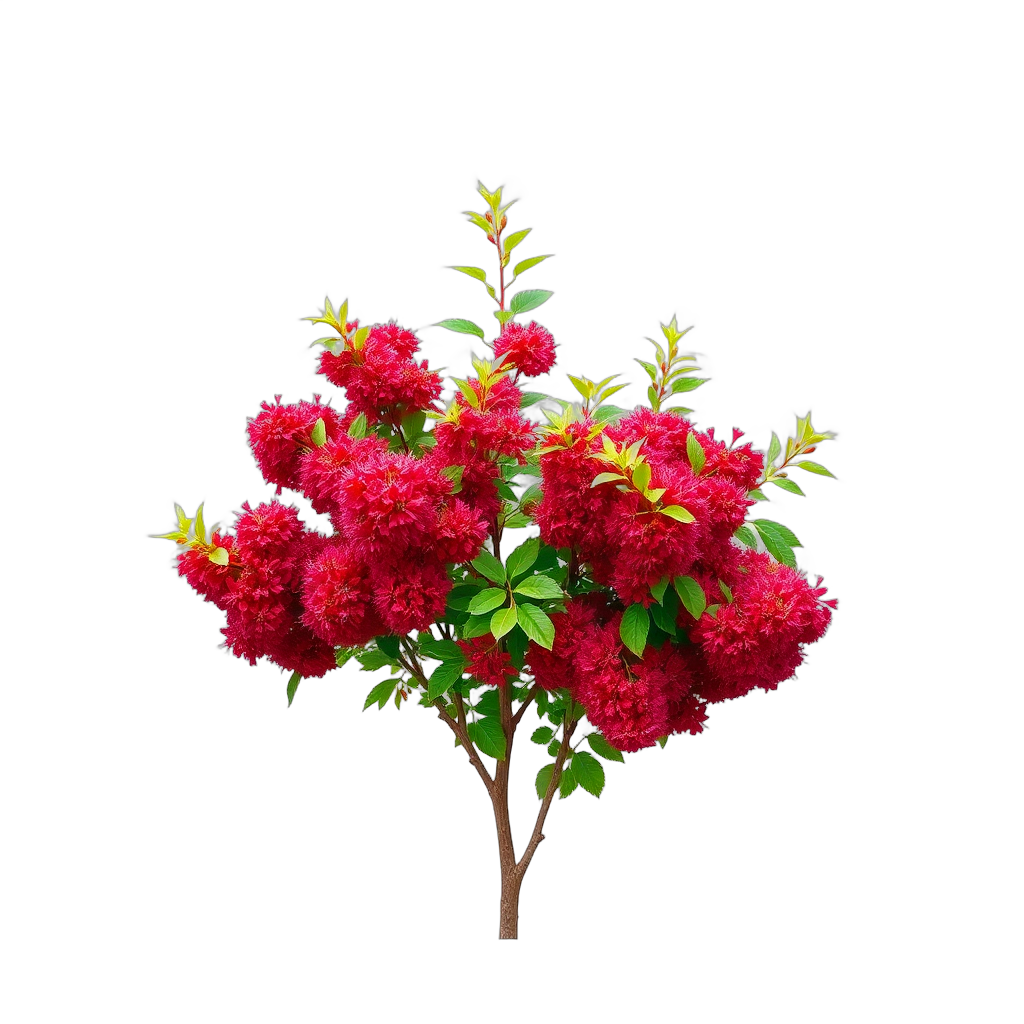
Fragrant Sumac
Rhus aromatica
grows to 4 feet, yellow blooms in spring. Attracts butterflies.
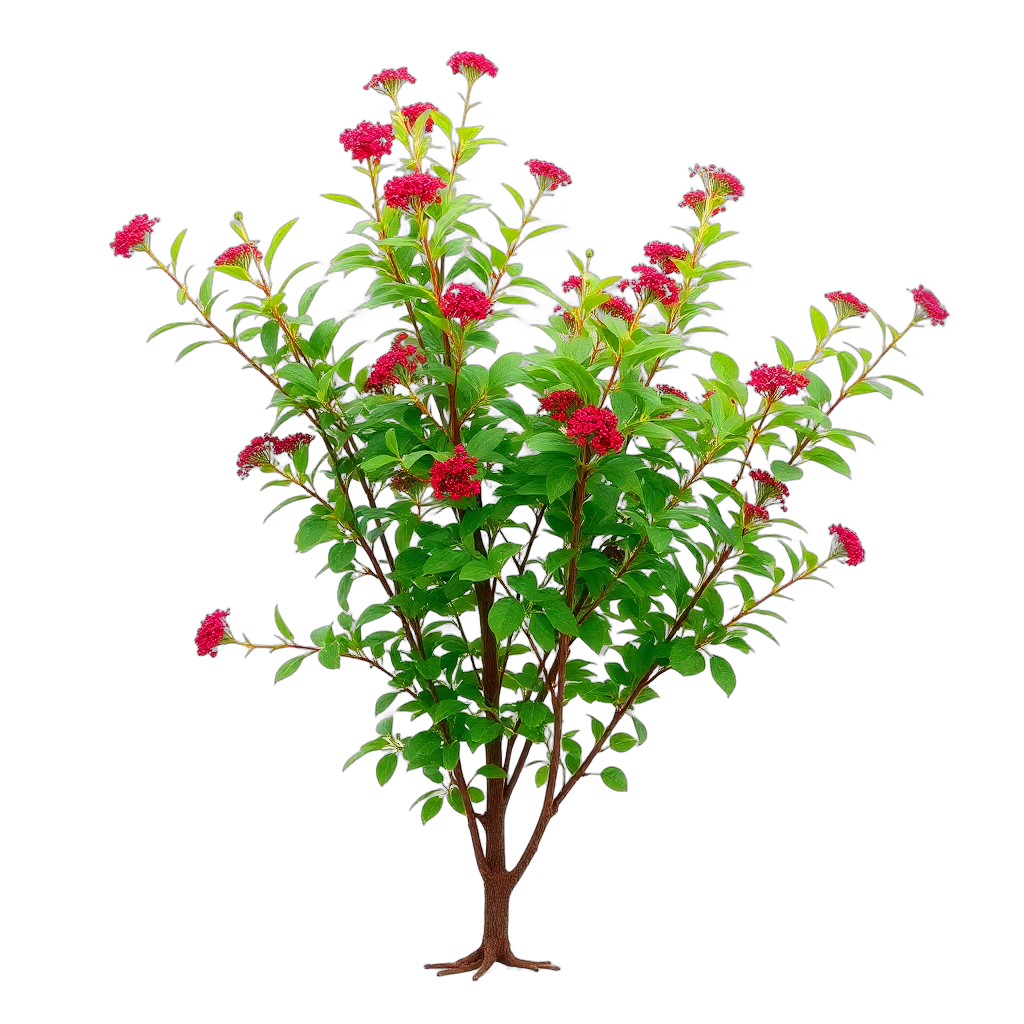
Smooth Sumac
Rhus glabra
medium-sized at 12 feet, white,green blooms in summer. Attracts butterflies.
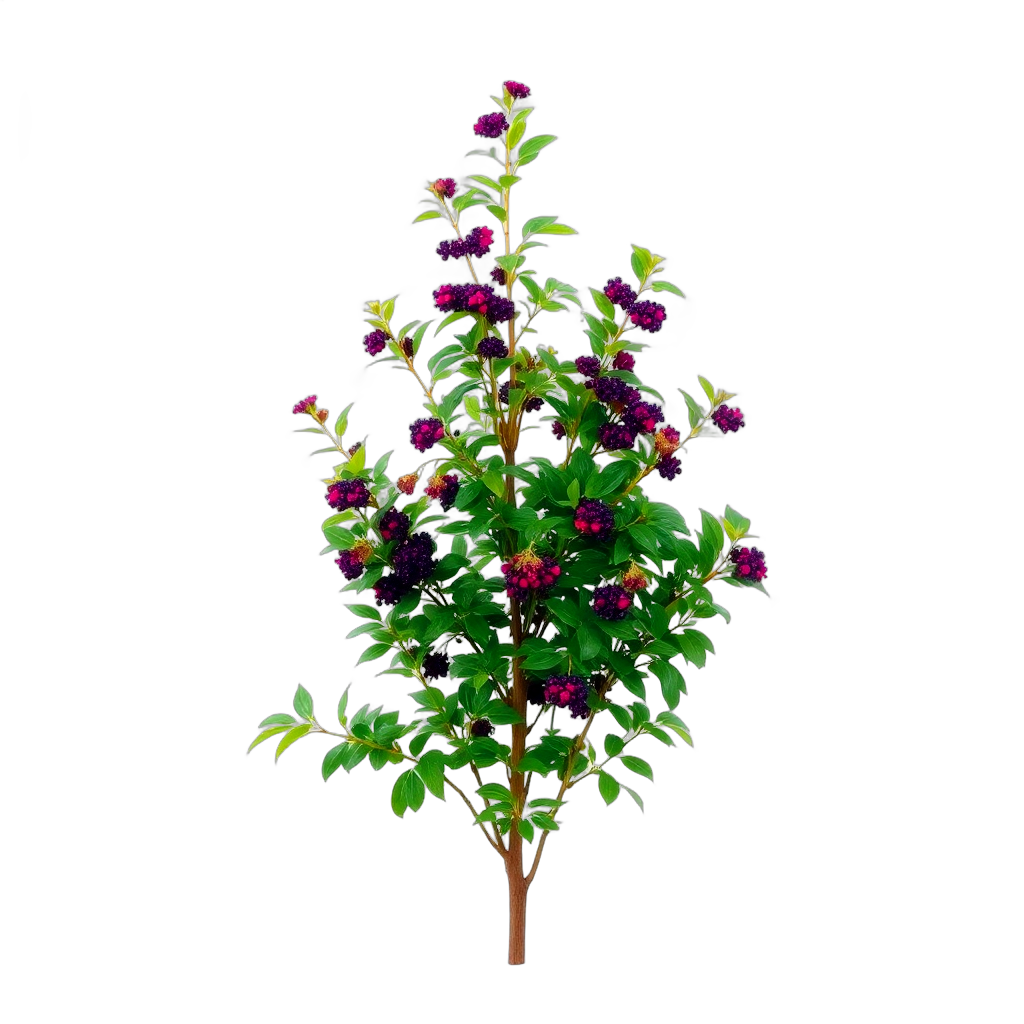
American Beautyberry
Callicarpa americana
grows to 6 feet, pink blooms in summer. Pollinator-friendly.
Featured Grasses & Groundcovers for Modern/Minimalist Gardens
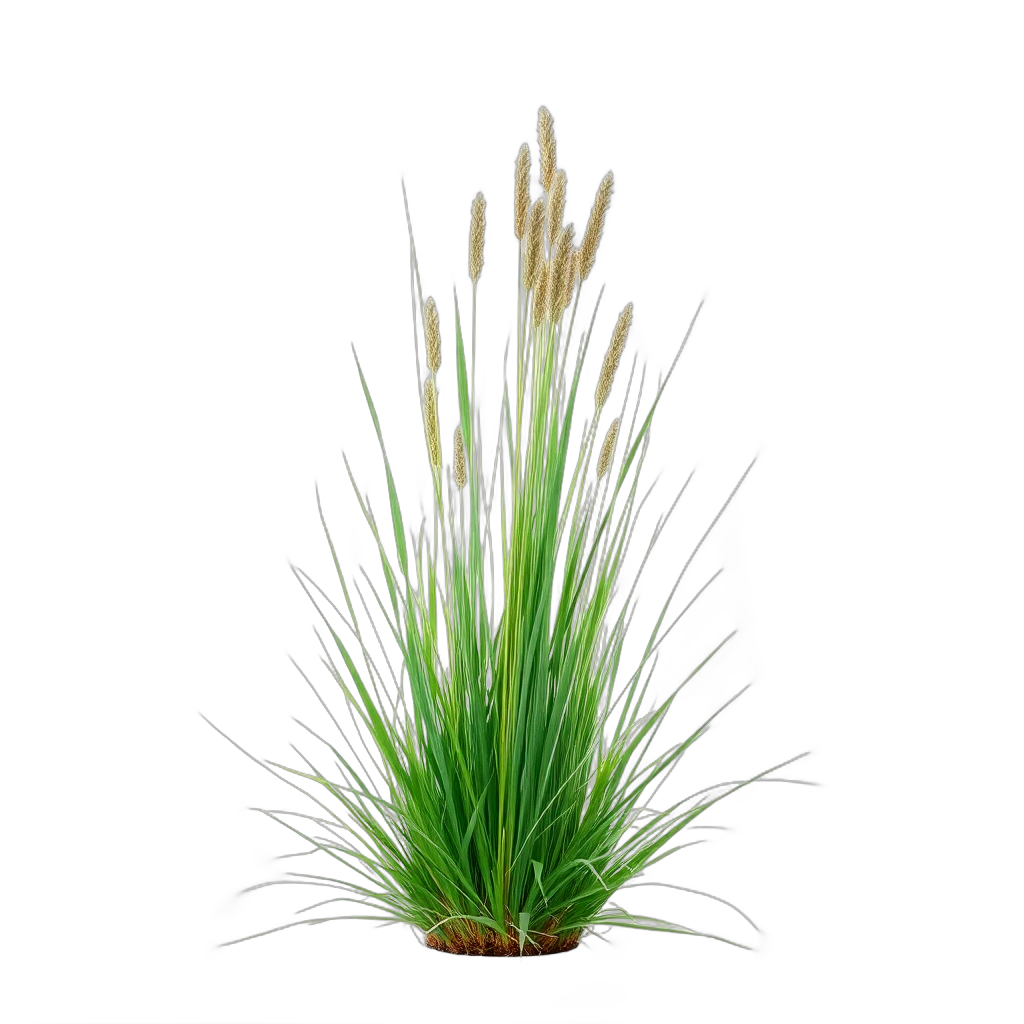
Big Bluestem
Andropogon gerardii
medium-sized at 7 feet, purple blooms in fall. Bronze,burgundy fall color.
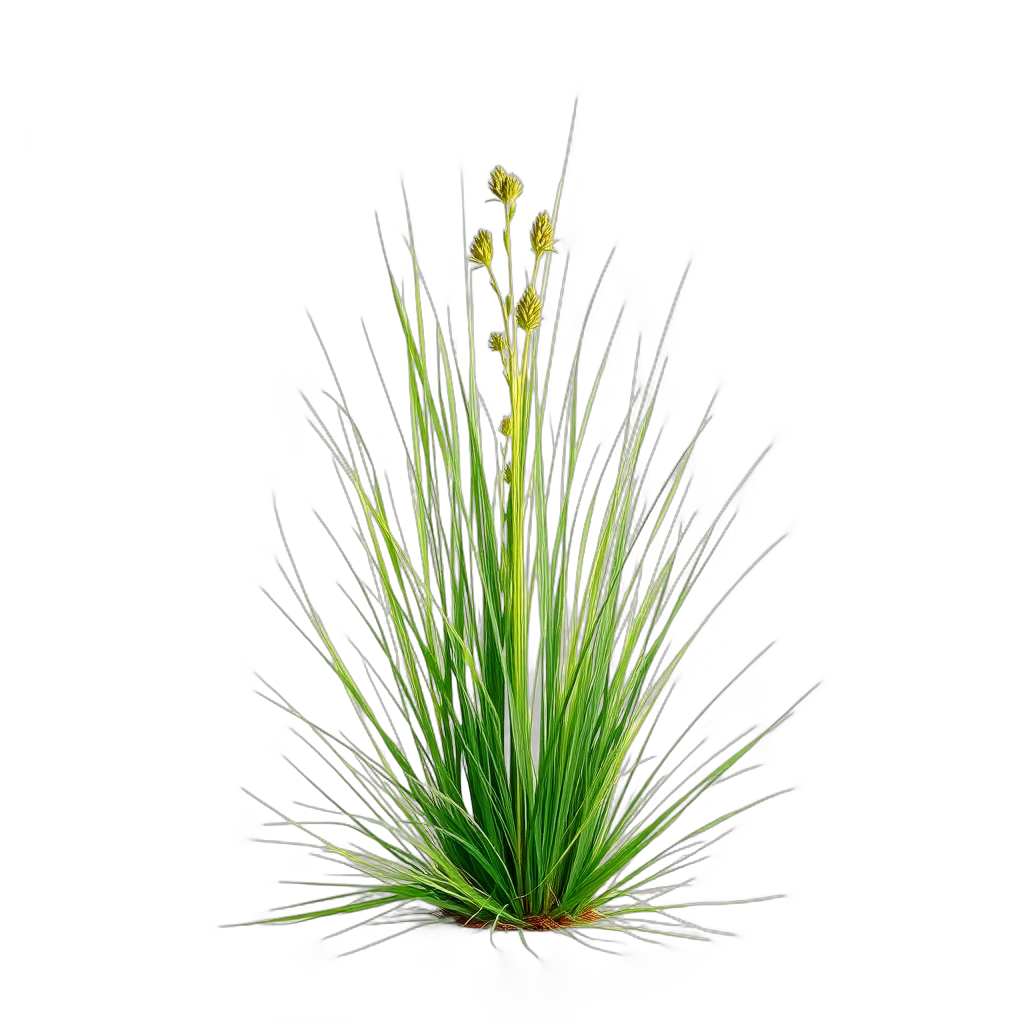
Canada Wild Rye
Elymus canadensis
grows to 4 feet, blooms in summer. Yellow fall color.
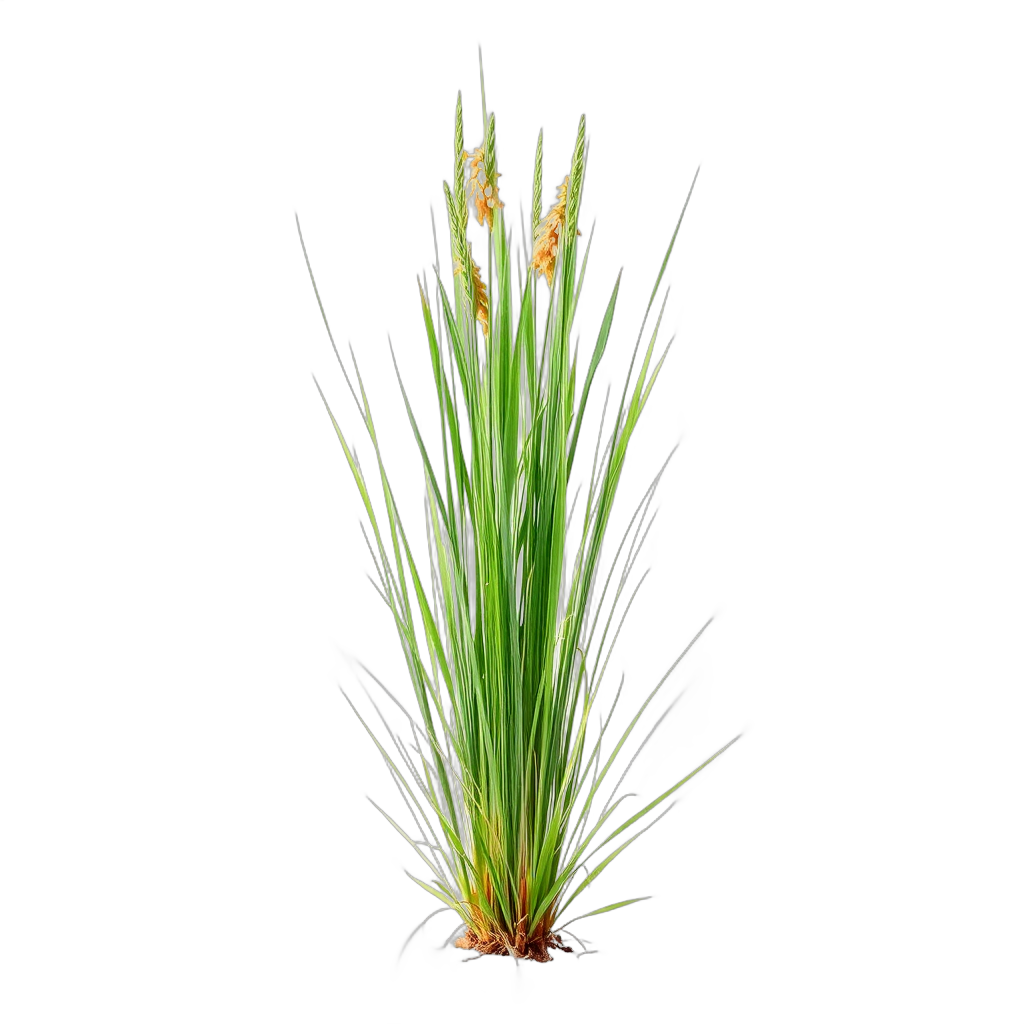
Eastern Gamagrass
Tripsacum dactyloides
grows to 6 feet, blooms in summer. Yellow fall color.
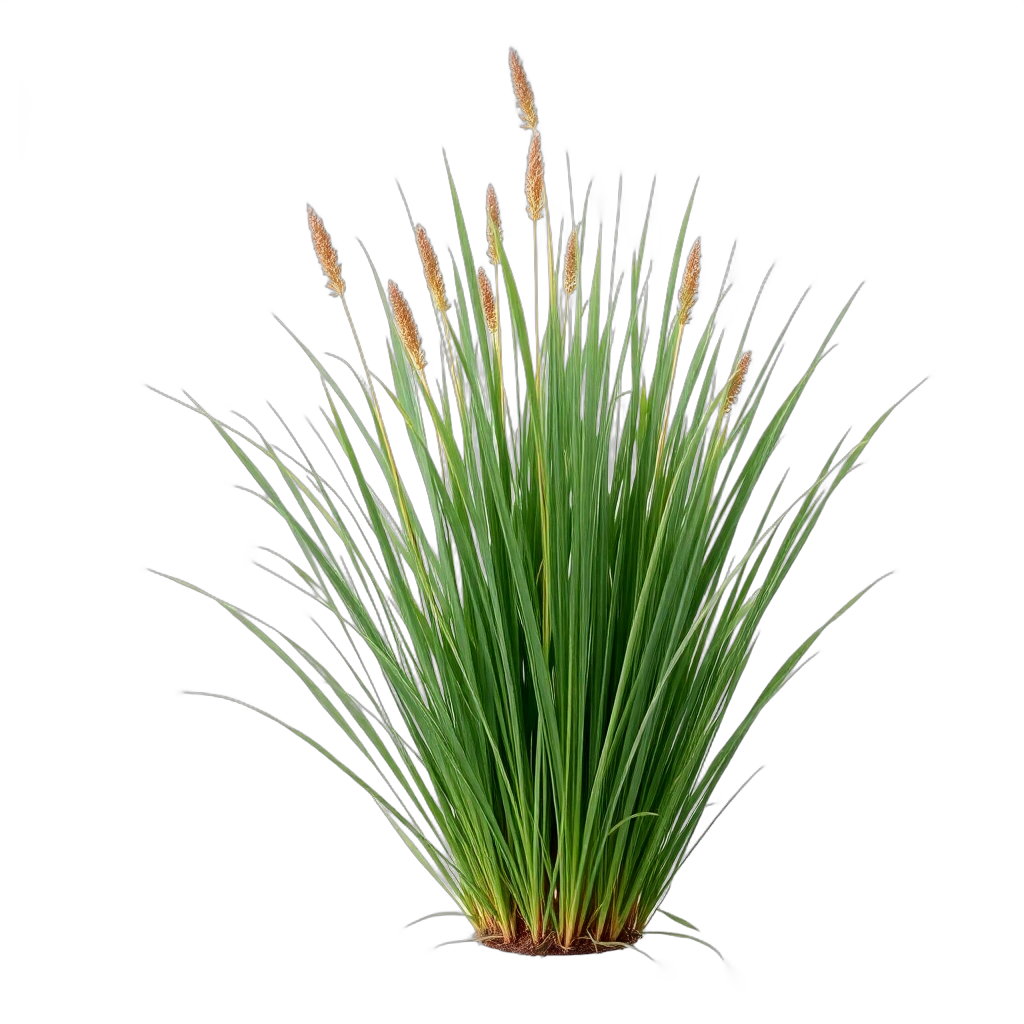
Heavy Metal Switchgrass
Panicum 'Heavy Metal'
grows to 4 feet, pink blooms in summer. Yellow fall color.
Featured Flowers & Perennials for Modern/Minimalist Gardens
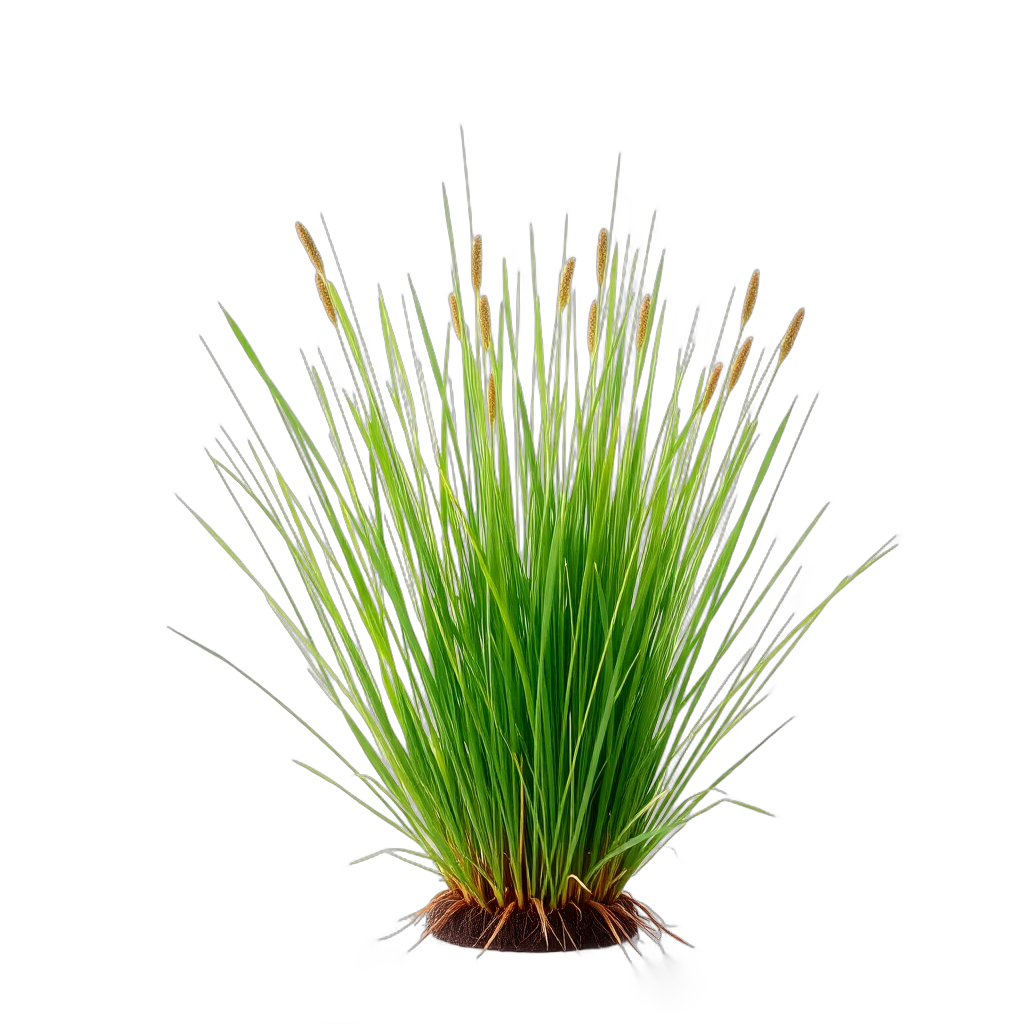
Path Rush
Juncus tenuis
low-growing ground cover, blooms in summer. Evergreen year-round.
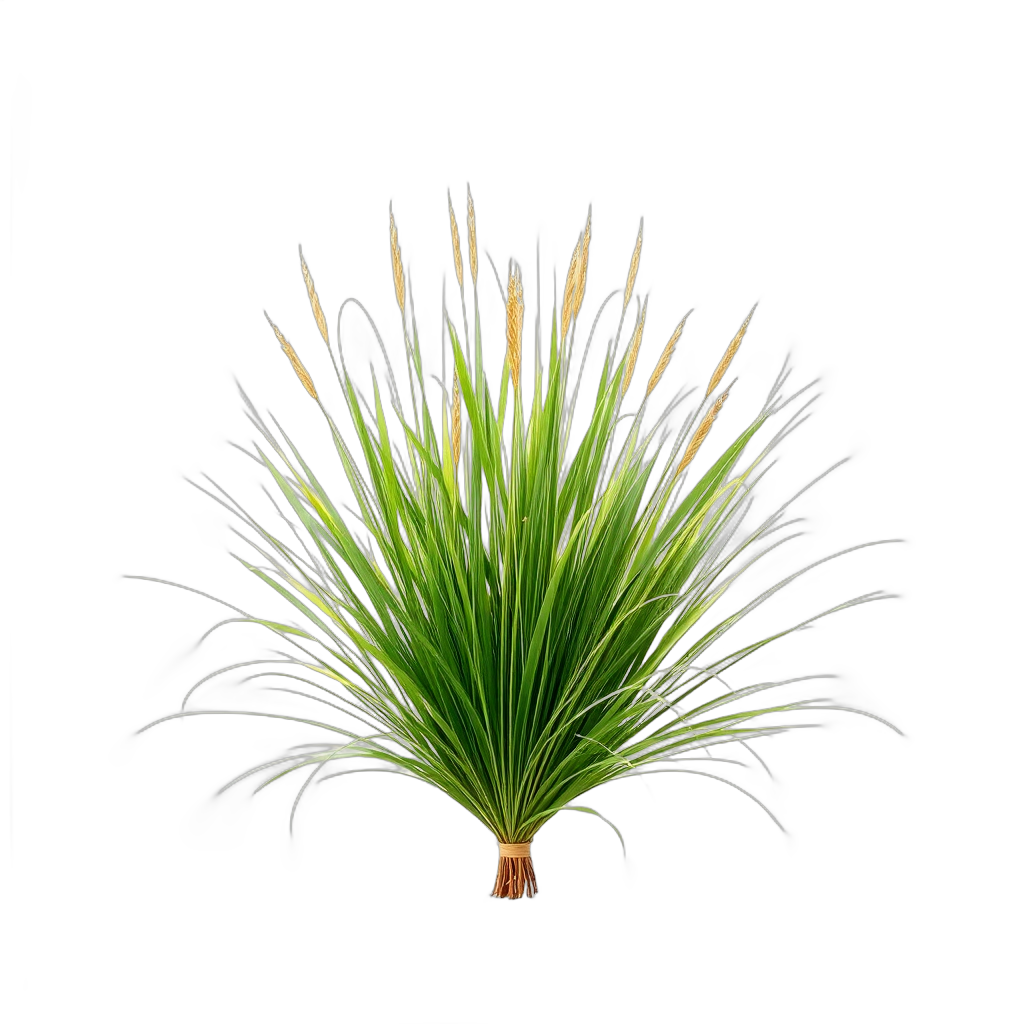
Prairie Cordgrass
Spartina pectinata
grows to 6 feet, blooms in summer. Yellow fall color.
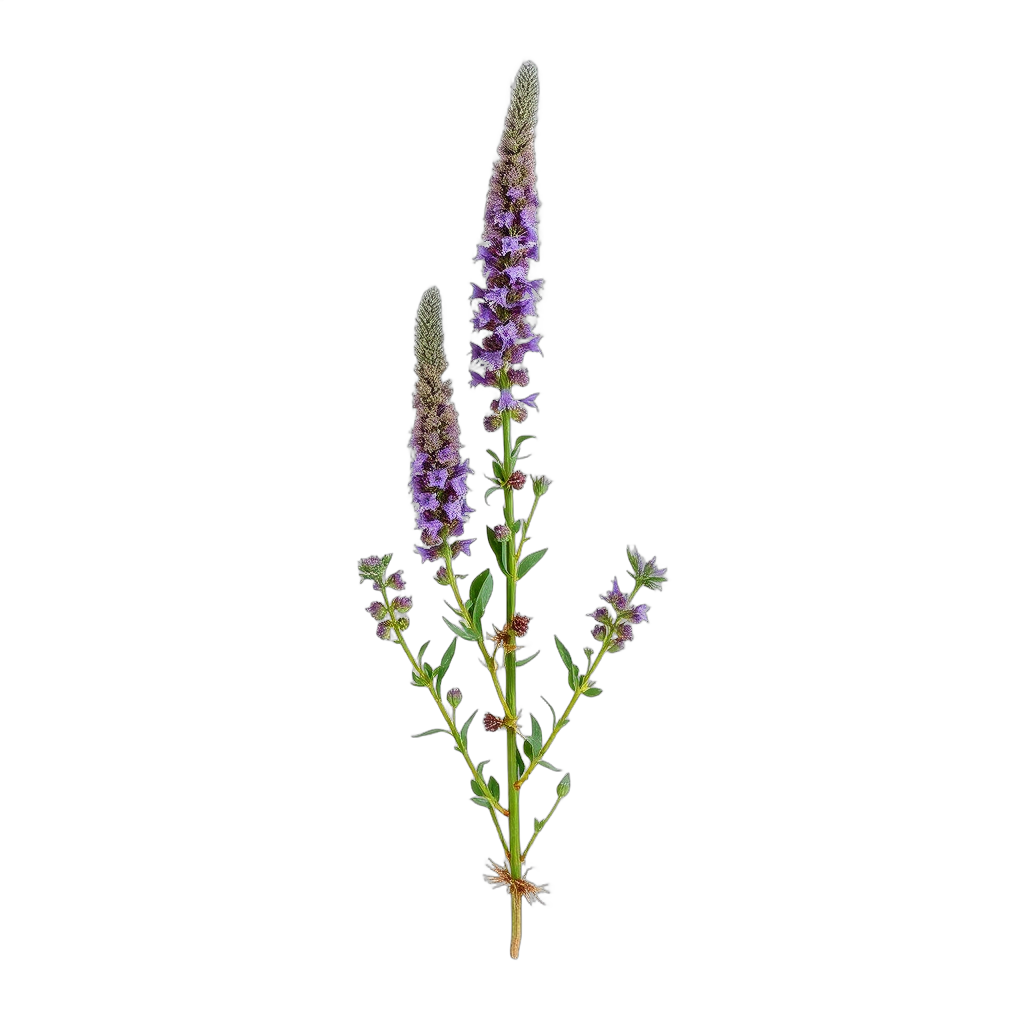
Anise Hyssop
Agastache foeniculum
grows to 3 feet, purple blooms in summer. Attracts hummingbirds.
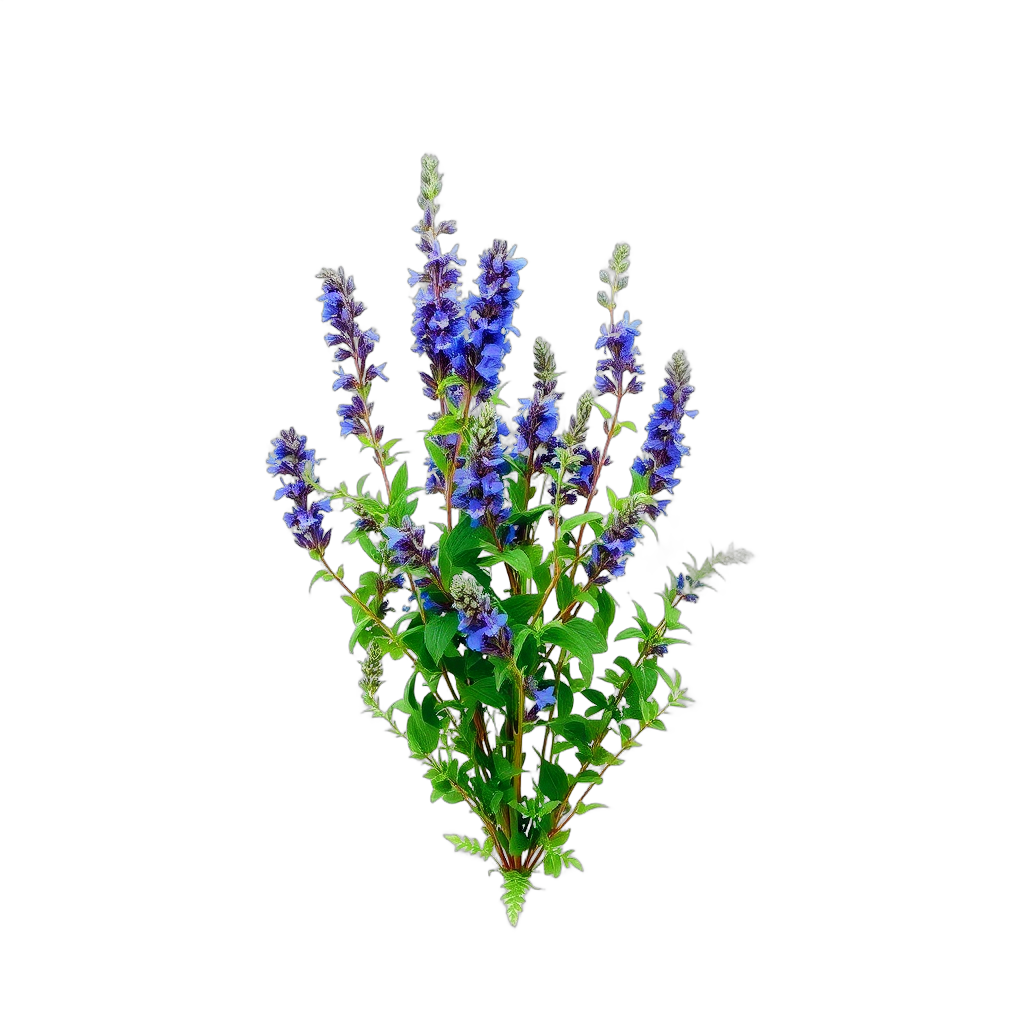
Azure Sage
Salvia azurea
grows to 4 feet, blue blooms in fall. Attracts hummingbirds.
Zone and sun checks come from our database — confirm with your local nursery before you buy.
Bloom Calendar for Topeka
spring
Blue False Indigo, Foxglove Beardtongue, Golden Alexandersummer
Path Rush, Prairie Cordgrass, Anise Hyssopfall
Azure Sage, Maximilian Sunflower, New England Asterwinter
Limited bloomsDesign Tips for Topeka (Zone 6a)
- Use the Central Tallgrass Prairie palette instead of imported grasses: Panicum virgatum 'Northwind', Schizachyrium scoparium 'Standing Ovation' and Sporobolus heterolepis 'Tara' keep their shape through Topeka snow and need no summer water once rooted
- Plant yucca and agave only in raised gravel beds on a south or west exposure; Topeka's -4°F typical winter low is survivable for Yucca rostrata, the wet clay in April is not
- Put 6-8 inches of compacted crushed stone under every walk and terrace on the upland clay, and set footings below the frost depth the city requires, or freeze-thaw will crack the straight lines a modern design depends on
- Plant in blocks of one species rather than mixed drifts; with about 17 inches of snow a year, the grasses spend winter as sculpture, and simple blocks read clearly under snow
- Use buff crushed limestone or local sawn limestone for gravel and walls; it matches Kansas building stone, costs less than imported rock, and drains well under rosette plants
- Get a soil test from the Shawnee County Extension office before planting so you know your soil pH and nutrients; prairie grasses and yuccas want lean soil, so skip heavy compost and fertilizer in the gravel beds
- Cut every grass back once, in late February or early March, before new growth starts; leaving the stems up all winter gives structure and shelters overwintering insects
Where to Source Plants in Topeka
Skip the big-box stores. These independent Topeka nurseries specialize in the plants that make modern/minimalist gardens thrive in Zone 6a.
Jackson's Greenhouse
North Topeka (NW Lower Silver Lake Road)
Long-running Topeka garden center and working greenhouse with nursery stock, perennials and landscape services; a local source for grasses, shrubs and trees
Skinner Garden Store
Northwest Topeka (NW Lower Silver Lake Road)
Garden store with trees, shrubs, grasses, groundcovers and perennials, plus landscape design, installation and delivery
Kaw Valley Greenhouses
North Topeka (US-24 and Kansas Avenue)
Family-owned grower since 1967 running a spring seasonal garden center, roughly April to June, with locally grown perennials and annuals
Modern/Minimalist Landscaping Costs in Topeka
| Project Scope | Estimated Cost |
|---|---|
| Front yard gravel and steel-edged conversion with grasses (500 sqft) | $6,000 – $12,000 |
| Poured concrete walk on a crushed-stone base (100–200 sqft) | $1,500 – $4,000 |
| Concrete paver terrace (300–400 sqft) | $7,000 – $16,000 |
| Corten steel planters and cedar slat screen for a courtyard | $6,000 – $18,000 |
| Prairie grass meadow planting in blocks (400 sqft) | $3,000 – $7,000 |
| Full backyard: patio, gas fire table, seat walls, planting, lighting | $30,000 – $80,000 |
| AI visualization (ProScapeAI) | Free to start |
Estimates based on Topeka, KS-area contractor rates as of 2026. Actual costs vary by site conditions, materials, and contractor.
Topeka Climate & Growing Zone
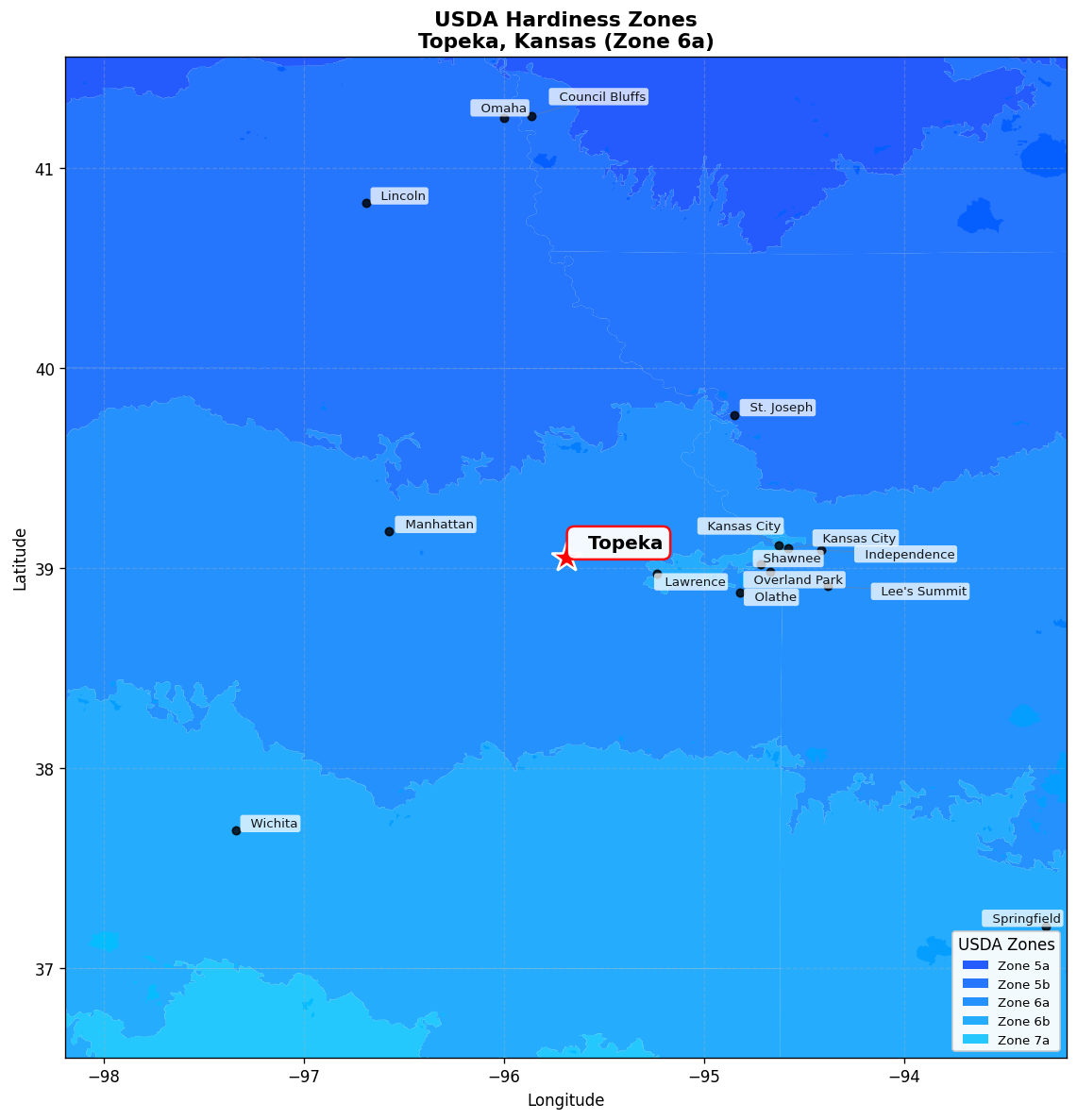
USDA Zone 6a
Hardiness zone for Topeka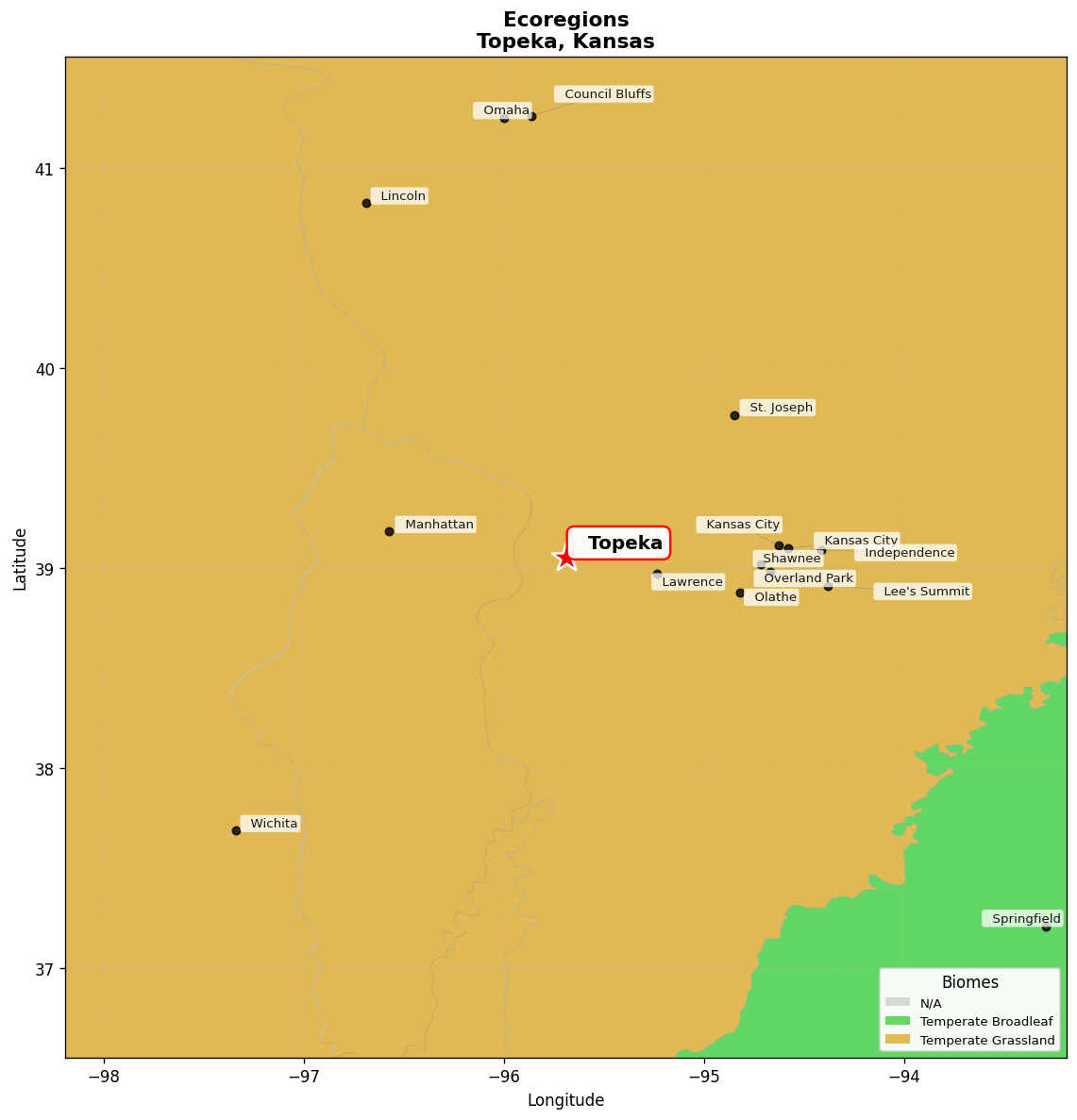
Central Tallgrass prairie
Native ecoregionFrequently Asked Questions
How much does modern landscaping cost in Topeka, KS?
Topeka install pricing usually runs below the Kansas City metro. As a rough guide, a gravel and steel-edged front yard with grasses and yucca runs about $12–24 per square foot installed, so a 500 sqft front often lands between $6,000 and $12,000. Poured concrete walks and patios usually run $10–20 per square foot depending on finish, Corten steel planters add a lot per linear foot, and a full backyard with patio, fire table, seat walls and planting commonly runs $30,000–80,000. Buying Panicum 'Northwind' and Schizachyrium 'Standing Ovation' in one-gallon pots and spreading the gravel yourself can cut a front yard to a third of that. Get two or three local quotes.
Can I grow yucca and agave in Topeka's Zone 6a?
Yucca, yes; agave, carefully. Topeka's coldest night in a typical winter is about -4°F, and it is the winter wet, not the cold, that kills these plants. Yucca filamentosa 'Color Guard' is reliable almost anywhere. Yucca rostrata and Agave parryi var. neomexicana survive only in a raised bed of gravel and coarse sand with a gravel mulch, on a south or west slope where water never sits. Blue Agave americana and Echeveria will not make it through winter outdoors. For tight low rosettes, Sempervivum tectorum is hardy far colder than Topeka.
Is a modern landscape low maintenance in Topeka?
It can be one of the lowest-maintenance gardens you can build here. Prairie grasses like Panicum virgatum 'Northwind', Schizachyrium 'Standing Ovation' and Sporobolus heterolepis 'Tara' need watering only while they establish, then handle the July heat (highs around 90°F) on rain alone in most years. The main jobs are a single cut-back in late February or early March, pulling weeds out of the gravel in spring, and topping up gravel every few years. The trade-off is that straight lines show neglect quickly, so edge and sweep a few times a season.
When is the best time to install a modern landscape in Topeka?
Build the hardscape from April to October, when concrete can cure without freezing. For planting, warm-season prairie grasses like switchgrass, little bluestem and blue grama root best when planted in late spring, from about late April to June, once the soil warms. Trees, junipers and yews do well planted in September and October. Avoid planting in the middle of July and August unless you can water steadily.
Do I need a permit for a patio, wall or pergola in Topeka?
Planting and gravel beds do not usually need a permit, but structures, fences and some walls and patios can, and gas lines for a fire table need a licensed installer. Rules also change if you are in a local historic district or outside the city limits in Shawnee County. Check with the City of Topeka Development Services Division before you build, and set footings below the frost line the city requires so the clay does not heave them.
What base do I need under concrete and pavers on Topeka clay?
On the upland clay south and west of the Kansas River, dig out the soft topsoil and compact 6-8 inches of crushed stone before pouring concrete or laying pavers. The clay swells when wet and shrinks when it bakes, and winter freeze-thaw pushes it around, so concrete laid straight on clay cracks and settles within a few winters. Cut control joints at regular spacing and slope every surface at least 1-2% away from the house. In North Topeka and Oakland the river soils drain better, but the stone base is still worth doing.
Which trees suit a modern Topeka garden?
Pick trees with a clean shape that handle wind, heat and clay. Gleditsia triacanthos var. inermis 'Skyline' (thornless honeylocust) gives light shade and small leaves that vanish into gravel. Amelanchier × grandiflora 'Autumn Brilliance' makes a sculptural multi-stem tree for courtyards. Juniperus virginiana 'Taylor' gives a narrow evergreen column that is native to Kansas. Skip Bradford pear: it breaks apart in Kansas wind and ice storms and has become invasive across the state.