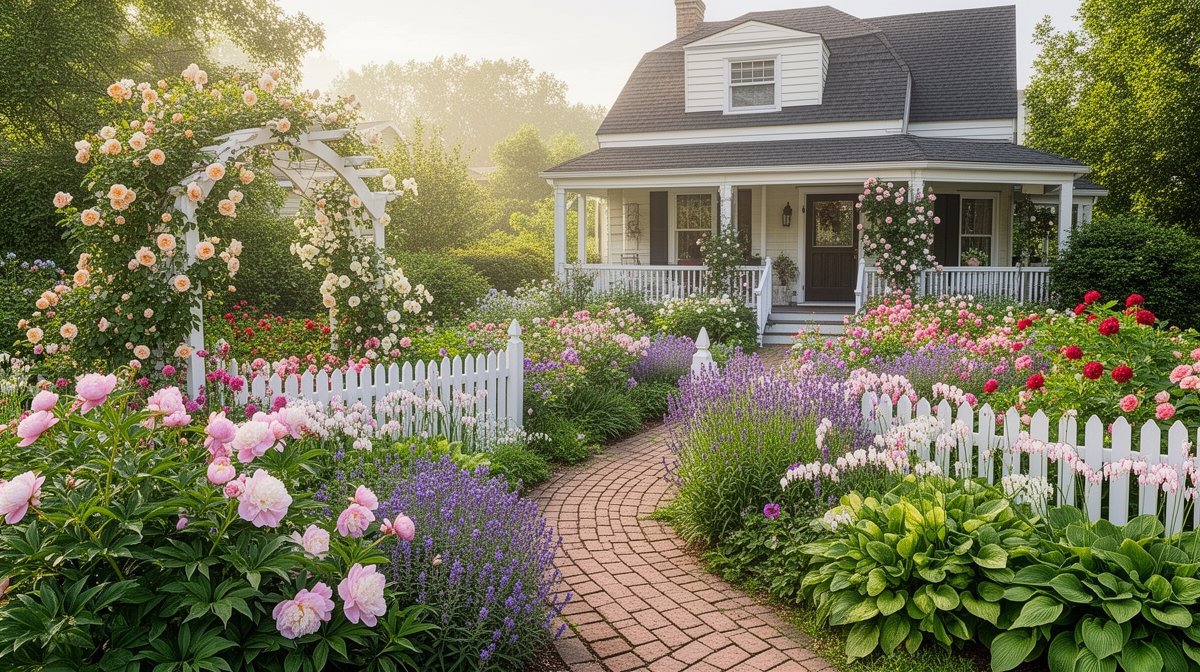
4 English Cottage Garden Ideas for Peoria, IL | Hardy Roses and Peonies for Zone 5b
Native plants from the Central US forest-grasslands transition (Zone 5b) — Humid continental (hot summer) climate
Why Cottage/English Gardens in Peoria?
Peoria has the houses a cottage garden wants. The Victorian and Queen Anne homes of the Moss-Bradley and West Bluff historic streets, the 1910s and 1920s Tudors and Colonial Revivals of the Uplands near Bradley University, and the brick bungalows of Peoria Heights all give a cottage border the warm backdrop it needs: painted trim, deep porches, steep roofs and front yards small enough that a planting reads from the sidewalk. This style asks for a lot: roses over the gate, catmint spilling across the walk and a border deep enough for three layers. That much planting fits a 40-foot West Bluff lot well.
Zone 5b sets the limit at -15°F to -10°F, and the January average low at Peoria's airport is 17.6°F (NWS 1991-2020 normals). Cold limits the plant list here more than heat does. The average last freeze is April 16 and the first is October 23, about 190 days of season, and July highs average 86.3°F. Some English classics do fine: Paeonia lactiflora 'Sarah Bernhardt', Syringa vulgaris and Alchemilla mollis like a real winter. Others need swapping. Tender climbers such as Rosa 'Albertine' and most hybrid teas die back hard or die out in a Peoria winter, so use hardy climbers like Rosa 'John Davis' and Rosa 'William Baffin', and shrub roses like Rosa 'Olivia Rose Austin' and the Knock Out family. Delphinium elatum sulks through a humid July; Salvia nemorosa 'Caradonna' and Veronica spicata 'Royal Candles' give the same blue spires for years. For lavender, Lavandula angustifolia 'Munstead' and 'Hidcote' are the hardier picks here, sited in the sharpest drainage you have.
Peoria gave its name to the Peoria Loess, the wind-blown silt that caps the bluffs, and most bluff-top yards sit on deep silt loam that is fertile and holds moisture well. That suits peonies, phlox and hydrangea, but it packs and stays wet in March, so lavender and catmint go in raised or gravel-amended beds. Down in the river valley the ground is sandier alluvium and fill. Test pH through University of Illinois Extension before you lime or sulfur anything. On the bluff slopes along Grand View Drive and the West Bluff, terrace with low stone walls and plant the slope so rain soaks in rather than washing the mulch into the street.
Water is rarely the problem: Peoria averages 37.55 inches of precipitation and 26.2 inches of snow a year, so a cottage border needs drip only in the first summer and in dry Augusts. The local rules that matter are about fences. The City of Peoria's fence guide caps front-yard fences and walls at 3 feet and rear-yard fences at 6 feet, keeps chain link out of residential front yards, and wants corner side-yard fences set back 10 feet. A 3-foot picket fence with a rose arbour over the gate is also the right height for the classic look.
4 Cottage/English Design Ideas for Peoria

AI-generated image
The West Bluff Picket Gate
$20–40/sqftA 3-foot white picket fence runs the frontage of a painted Queen Anne, with a cedar arbour over the gate carrying a pink climbing rose and a clay-brick walk running straight to the porch steps. Peonies and catmint fill the beds either side of the walk, with salvia spires behind and a pair of clipped boxwood at the gate posts. The house faces south, so the beds get full afternoon sun and the porch keeps the roses' roots cool.

AI-generated image
The Uplands Porch Border
$22–45/sqftA deep three-layer border wraps the front of a 1920s brick Tudor, tall hollyhocks and phlox at the back against the brick, lady's mantle and cranesbill spilling onto a flagstone walk at the front. An old shade tree covers the east side, so that corner carries hydrangea and hosta while the sunny west half holds the flowers. Window boxes and two big terracotta pots on the steps tie the planting to the house.

AI-generated image
The Lilac and Peony Back Garden
$14–30/sqftA loose hedge of lilacs screens the back lot line behind a brick bungalow, with a gravel path curving through peony and iris beds to a small round seating spot. The beds sit in full sun on the south side of the yard, and a rose-covered post-and-rail section breaks up the lilac line. Late May is the show, then summer phlox and coneflower carry it to frost.

AI-generated image
The Bluff Slope Terrace
$30–60/sqftOn a sloping lot above the river valley, two low dry-stacked limestone walls turn a hard-to-mow bank into two flat planting terraces with stone steps between them. Lavender and catmint sit on the top terrace where drainage is sharpest, roses and phlox on the lower one, and clematis climbs a cedar obelisk at the turn of the steps. The terraces catch the afternoon sun and keep rain soaking in instead of running down the hill.
See how a cottage/english garden looks on YOUR property
Upload a photo of your Peoria yard and visualize your dream garden in seconds.
Try ProScapeAI Free

AI-generated image
Featured Trees & Shrubs for Cottage/English Gardens
Browse all 169 plants for Peoria
American Black Currant
Ribes americanum
grows to 5 feet, white,yellow blooms in spring. Attracts hummingbirds.

Clove Currant
Ribes odoratum
grows to 6 feet, yellow blooms in spring. Attracts hummingbirds.

Fragrant Sumac
Rhus aromatica
grows to 4 feet, yellow blooms in spring. Attracts butterflies.

Golden Currant
Ribes aureum
grows to 6 feet, yellow blooms in spring. Attracts hummingbirds.
Featured Grasses & Groundcovers for Cottage/English Gardens
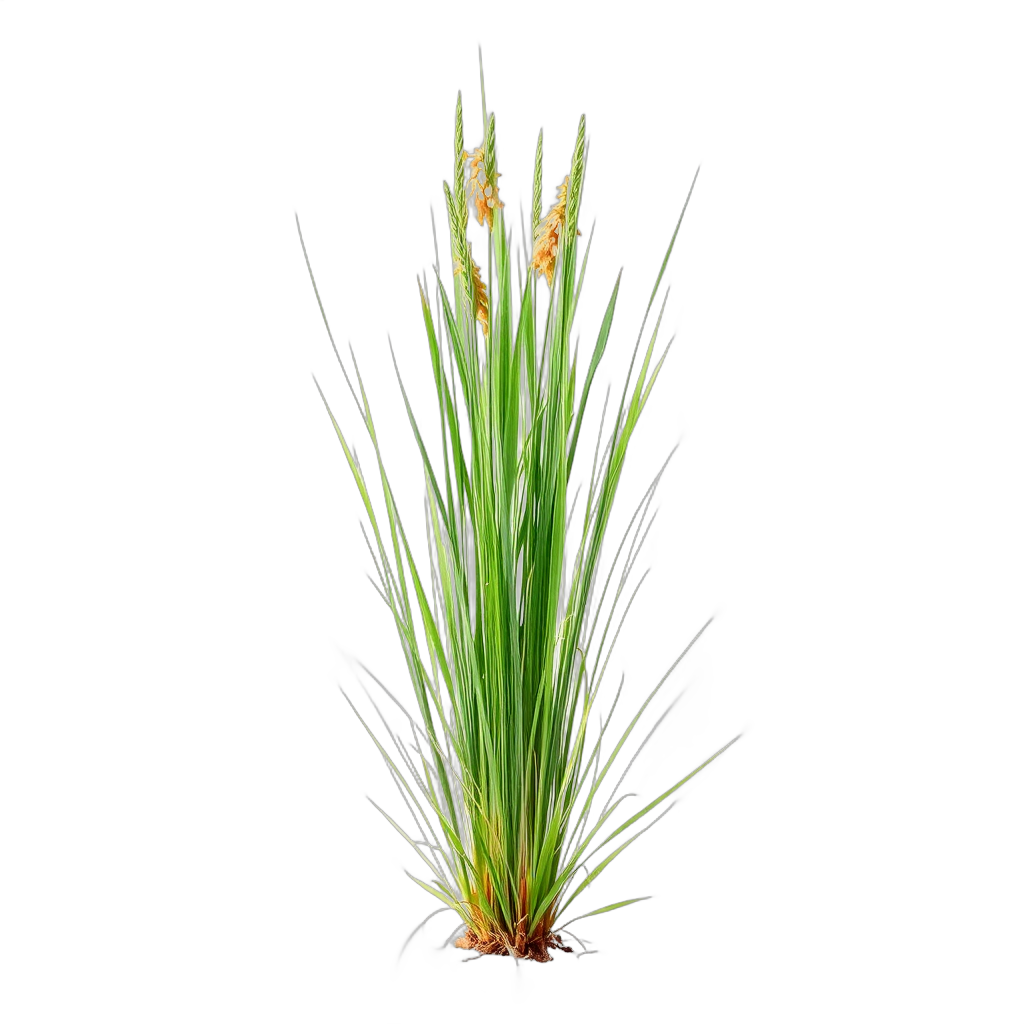
Eastern Gamagrass
Tripsacum dactyloides
grows to 6 feet, blooms in summer. Yellow fall color.
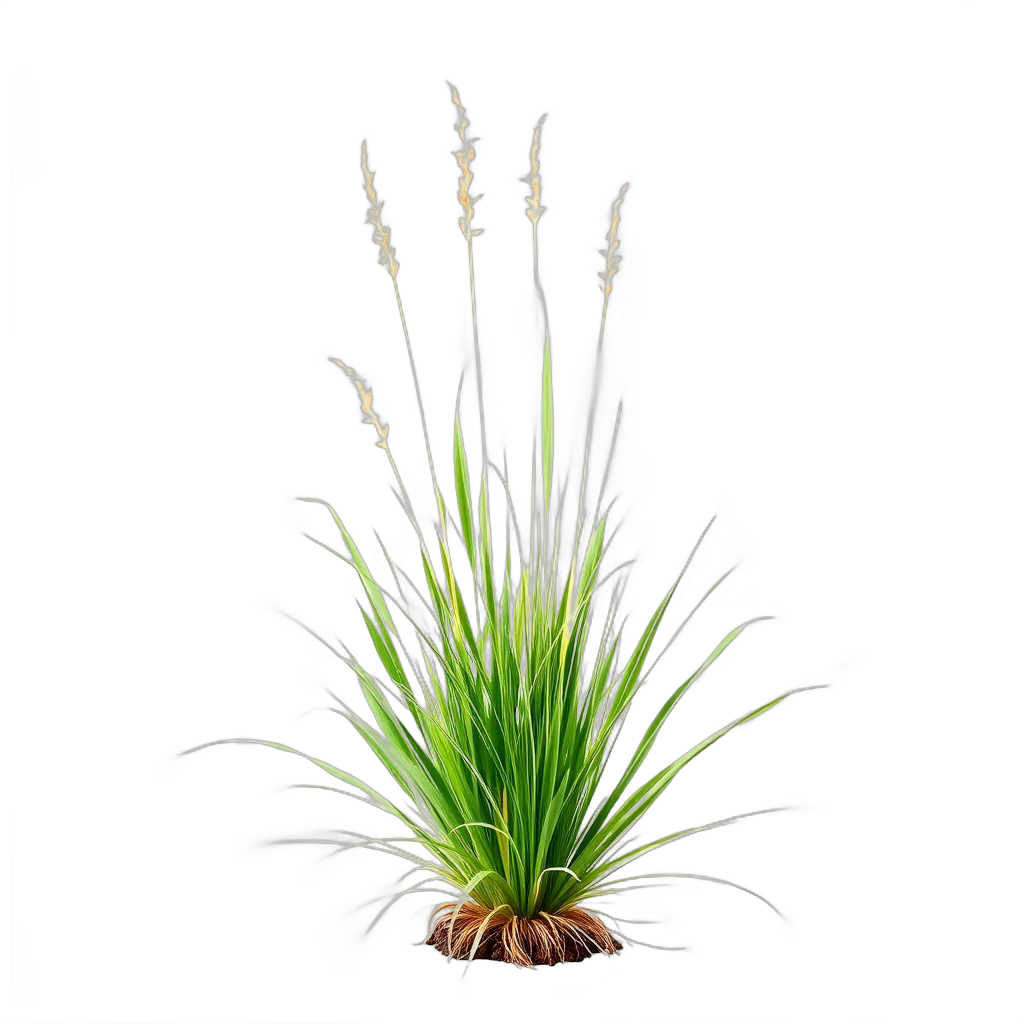
Northern Sea Oats
Chasmanthium latifolium
grows to 4 feet, blooms in fall. Bronze fall color.
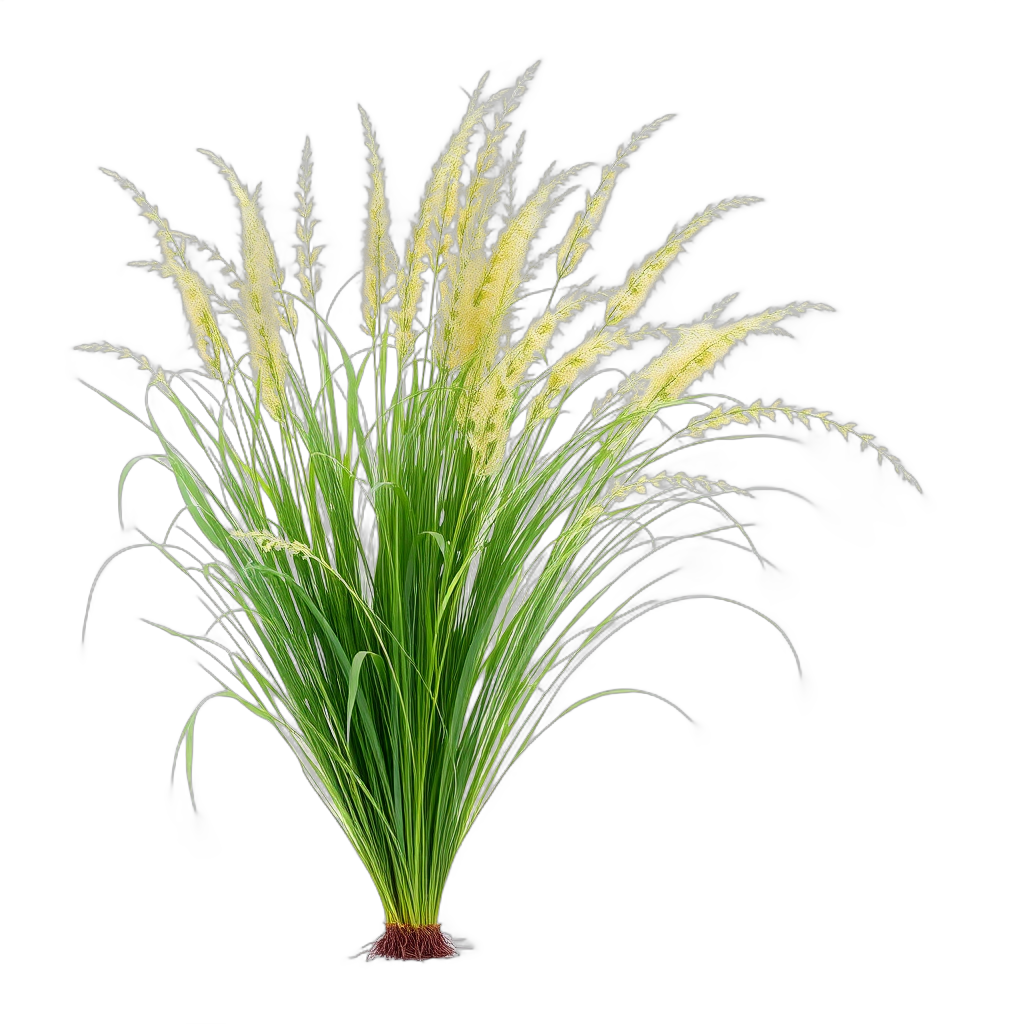
Adagio Maiden Grass
Miscanthus sinensis 'Adagio'
low-growing ground cover, pink blooms in summer. Orange fall color.
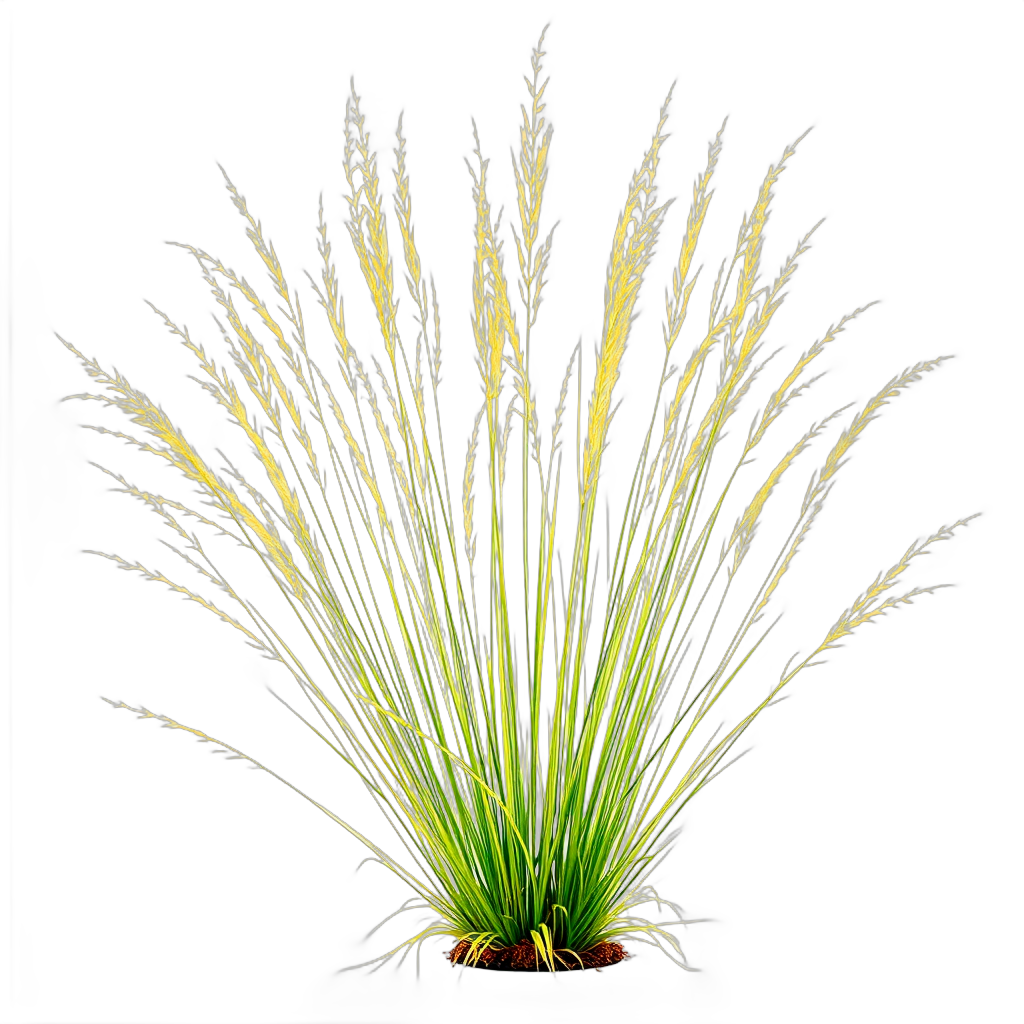
All Gold Japanese Forest Grass
Hakonechloa macra 'All Gold'
low-growing ground cover, blooms in summer.
Featured Flowers & Perennials for Cottage/English Gardens

Cup Plant
Silphium perfoliatum
medium-sized at 7 feet, yellow blooms in summer. Attracts butterflies.
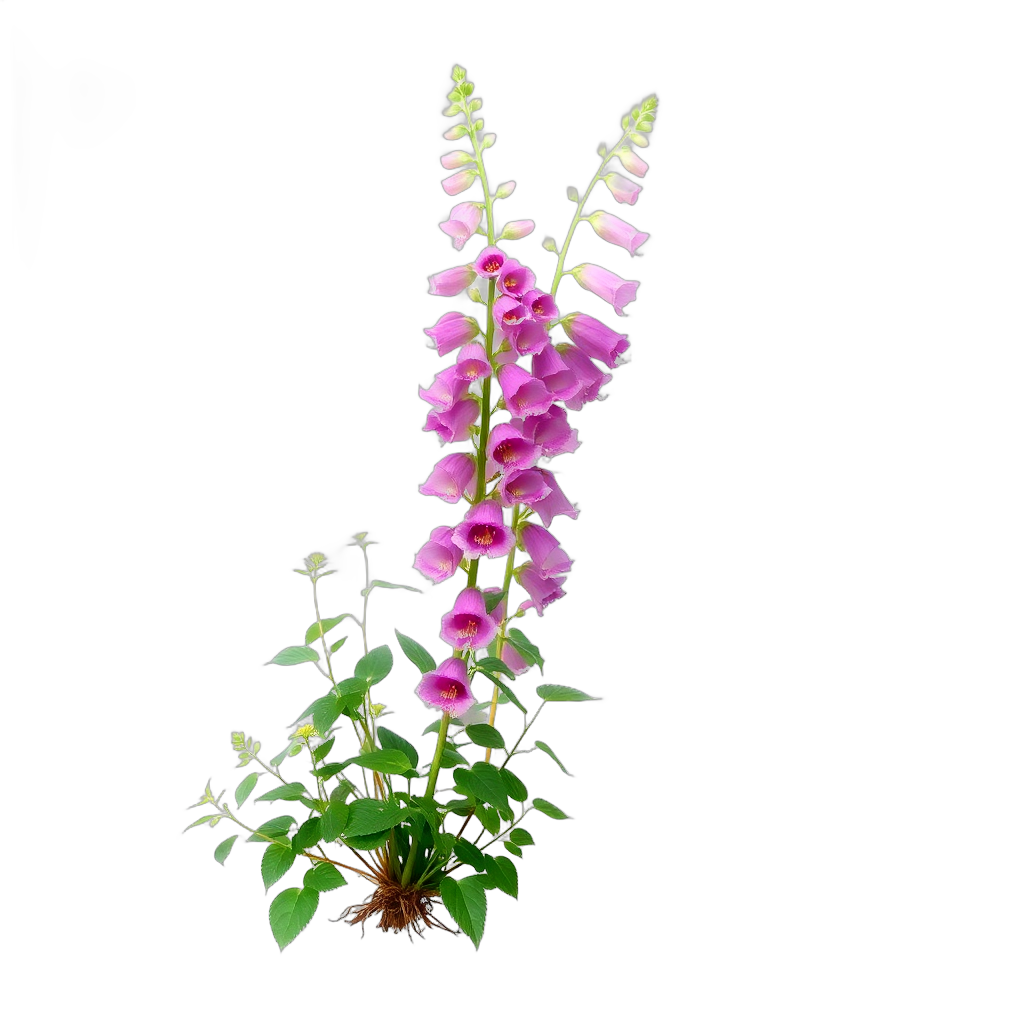
Foxglove Beardtongue
Penstemon digitalis
grows to 3 feet, white blooms in spring. Attracts hummingbirds.
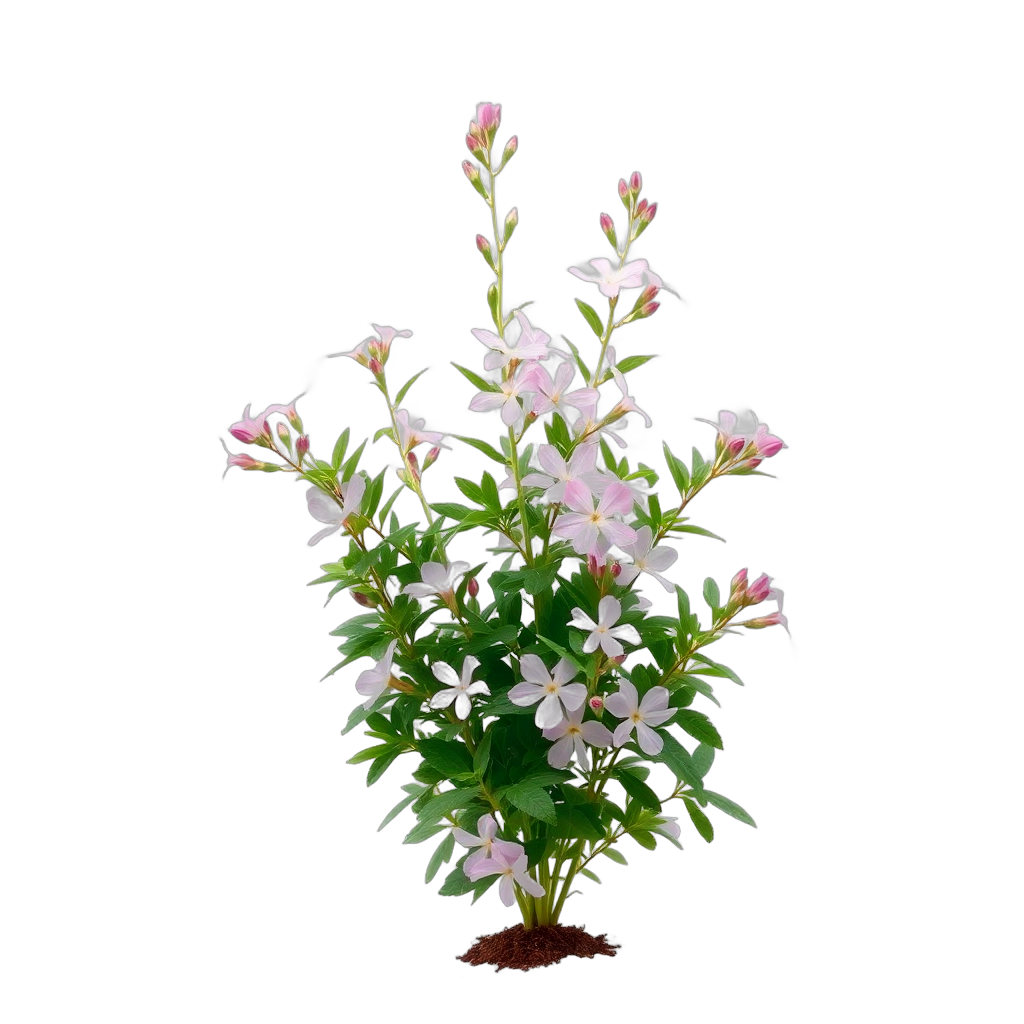
Garden Phlox
Phlox paniculata
grows to 3 feet, multi blooms in summer. Attracts hummingbirds.

Gloriosa Daisy
Rudbeckia hirta
low-growing ground cover, yellow blooms in summer. Attracts butterflies.
Zone and sun checks come from our database — confirm with your local nursery before you buy.
Bloom Calendar for Peoria
spring
Foxglove Beardtongue, American Black Currant, Clove Currantsummer
Cup Plant, Garden Phlox, Gloriosa Daisyfall
Northern Sea Oatswinter
Limited bloomsDesign Tips for Peoria (Zone 5b)
- Choose climbers by hardiness, not by catalogue photo: Rosa 'John Davis' and 'William Baffin' take a -15°F Zone 5b winter on an arbour with no wrapping, where Rosa 'Albertine' and most hybrid teas will not
- Raise the lavender and catmint beds 6–8 inches over the loess silt loam and mulch them with gravel; Peoria's soil stays wet in March and that kills Lavandula 'Munstead' faster than the cold
- Lean on peonies: Paeonia lactiflora 'Sarah Bernhardt' and 'Festiva Maxima' need a cold winter to bloom well, so Peoria grows them better than most English gardens do; plant them in September with the eyes no more than 2 inches deep
- Keep front fences at 3 feet: the City of Peoria fence guide caps front-yard fences and walls at that height, which is also the right height for a picket fence with roses leaning over it
- Terrace bluff slopes with low limestone walls instead of planting the bank as is; summer storms wash bare silt off a West Bluff slope and into the street
- Swap delphinium for longer-lived blue spires: Salvia nemorosa 'Caradonna' and Veronica spicata 'Royal Candles' hold through a humid 86°F July and come back every year
- Visit Luthy Botanical Garden in Glen Oak Park to see how plants look in Peoria conditions before you buy, then take a soil test through University of Illinois Extension so you know your pH before liming
Where to Source Plants in Peoria
Skip the big-box stores. These independent Peoria nurseries specialize in the plants that make cottage/english gardens thrive in Zone 5b.
Hoerr Nursery
North Peoria (Shade Tree Drive)
Garden center for plants, trees and shrubs, with landscape design and build services and a StoneMarket for mulch, rock, sod and pavers
Old Heritage Garden Center
Pekin (VFW Road)
Perennials, roses, hostas, grasses, shrubs and trees, plus a large yard of bulk landscape rock, flagstone, boulders, mulch and compost with delivery
Washington Greenhouse
Washington (Centennial Drive)
Greenhouse growing annuals and perennials, with garden accessories
Cottage/English Landscaping Costs in Peoria
| Project Scope | Estimated Cost |
|---|---|
| Front cottage border with 3-foot picket fence and gate arbour (400–600 sqft) | $8,000 – $22,000 |
| Clay brick front walk on a compacted base (150–250 sqft) | $3,500 – $9,500 |
| Dry-stacked limestone terrace walls on a slope (40–80 face feet) | $2,500 – $6,000 |
| Cedar arbour or rose obelisk, built and installed | $1,200 – $5,000 |
| Back garden lilac hedge, peony beds and gravel path (600–1,000 sqft) | $9,000 – $25,000 |
| DIY cottage border planting, one-gallon perennials (200 sqft) | $800 – $1,800 |
| AI visualization (ProScapeAI) | Free to start |
Estimates based on Peoria, IL-area contractor rates as of 2026. Actual costs vary by site conditions, materials, and contractor.
Peoria Climate & Growing Zone
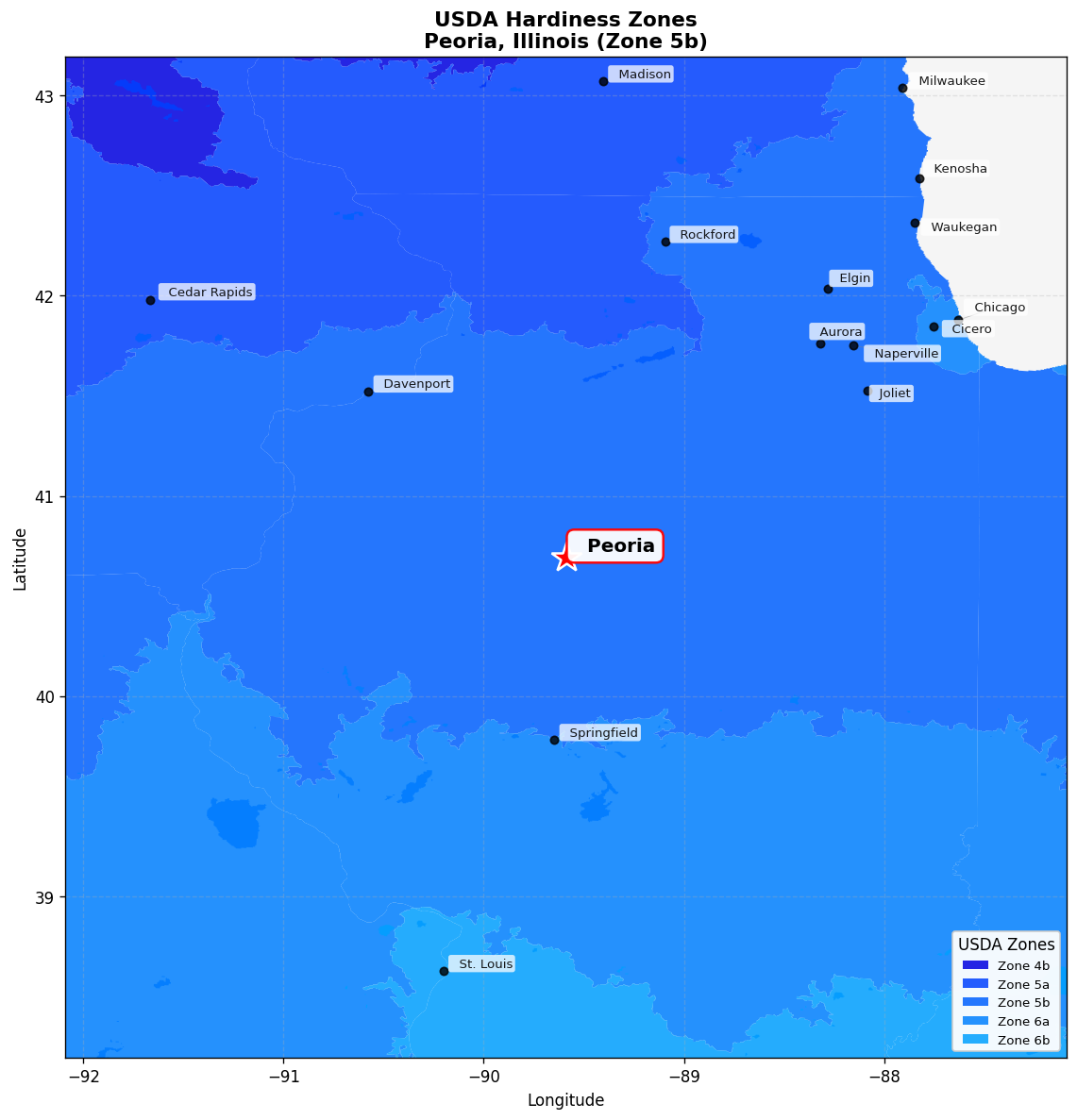
USDA Zone 5b
Hardiness zone for Peoria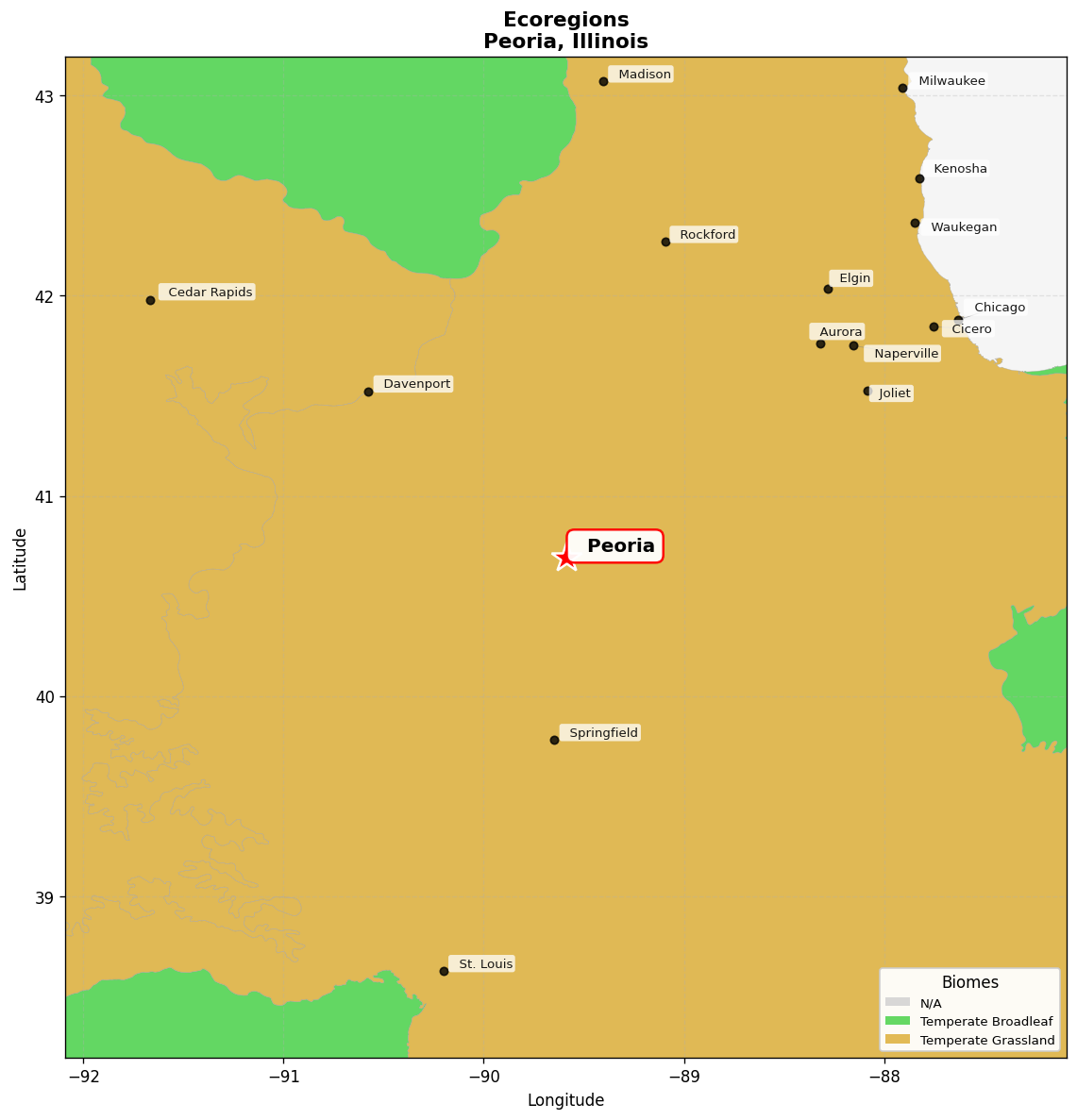
Central US forest-grasslands transition
Native ecoregionFrequently Asked Questions
How much does a cottage garden cost in Peoria, IL?
Central Illinois install pricing runs below Chicago-area rates, so a cottage garden goes further here. As a rough guide, a planted front border with a picket fence and gate arbour on a 400–600 sqft frontage runs about $8,000–22,000 installed. A clay brick walk lands around $22–38 per square foot, and a dry-stacked limestone terrace wall on a slope is often $40–75 per face foot. Planting the border yourself with one-gallon Nepeta 'Walker's Low', Salvia 'Caradonna' and bare-root peonies brings the cost down to a few dollars a square foot. Get two or three local quotes; prices change with the season and the crew's schedule.
Which roses survive a Peoria winter?
Zone 5b winters reach -15°F to -10°F, so pick roses for hardiness first. The Canadian Explorer climbers Rosa 'John Davis' and Rosa 'William Baffin' are the safest for an arbour and need no winter wrapping. Rosa 'New Dawn' usually makes it in a sheltered spot. For the shrub layer, Rosa 'Olivia Rose Austin', the Knock Out family and Rosa rugosa cultivars hold up. Hybrid teas need their graft buried 2–3 inches deep and a mound of mulch in November, and many still die out. Plant in full sun with good airflow so the leaves dry quickly in a humid July.
Is a cottage garden a lot of work in Peoria's climate?
Less than people expect if you choose plants that like it here. Peonies, catmint, Salvia 'Caradonna', Geranium 'Rozanne' and Phlox paniculata 'Jeana' come back every year with little fuss. The main jobs are cutting perennials back in late March, a mulch top-up in spring, deadheading the roses through summer, and watering in a dry August. With about 37.55 inches of precipitation a year, an established border needs little extra water. Watch for Japanese beetles on roses in early summer and hand-pick them in the morning.
When is the best time to plant in Peoria?
Late April through May and September through early October are the two windows. The average last freeze is April 16 and the first is October 23 (NWS 1991-2020 normals). Peonies are best planted or divided in September so the roots settle before the ground freezes. Roses and tender perennials go in after mid-May. Avoid setting new plants out in the July heat, when highs average 86°F and the silt loam dries hard on top.
What are the fence rules for a cottage garden in Peoria?
The City of Peoria's fence and wall guide caps fences and walls at 3 feet in front yards and 6 feet in rear yards, does not allow chain link or wire fences in front or corner side yards outside the industrial districts, and requires corner side-yard fences to sit 10 feet back from the property line. A fence cannot cross into the neighbor's lot or the right-of-way, and it must be at least 3 feet from the house. A 3-foot picket fence fits the rules and the style. Set arbour and fence posts below the frost line; for the required depth and anything else, call the Development Center at (309) 494-8600 before you build, and call JULIE before you dig.
Can I grow lavender in Peoria's silt loam soil?
Yes, with a raised bed. The loess silt loam on the bluffs holds water, and wet winter crowns kill lavender faster than cold. Build the bed up 6–8 inches, mix in coarse grit, and mulch with gravel rather than wood. Lavandula angustifolia 'Munstead' and 'Hidcote' are the hardiest choices for Zone 5b. Plant in spring, not fall, so roots establish before the first winter, and do not cut it back hard until new growth shows in April.
How do I plant a cottage garden on a bluff slope?
Terrace it. Many West Bluff and Grand View Drive lots slope steeply, and bare soil on a slope washes out in a summer storm. Two or three low dry-stacked limestone walls under 3 feet, with crushed stone behind them for drainage, turn a bank into flat beds. Put lavender and catmint on the top terrace where it drains fastest and moisture-lovers like Phlox 'David' lower down. Ask the City about any wall that holds back more than a few feet of soil before you build.