4 Modern Garden Ideas for Rockford, IL | Zone 5b Landscape Design
Native plants from the Central US forest-grasslands transition (Zone 5b) — Humid continental (hot summer) climate
Why Modern/Minimalist Gardens in Rockford?
Modern landscape design has a stronger foothold in Rockford than most people expect, and the reason is the housing stock. Rolling Green, Alpine, Guilford Square and the streets east of Alpine Road are full of low-slung 1950s and 1960s ranches with wide horizontal facades, shallow eaves and picture windows — the same proportions a clean-lined landscape is built to reinforce. Newer flat-roofed and shed-roofed builds off Perryville Road and out toward Cherry Valley, Roscoe and Rockton give you the second canvas, with the glass walls and dark window frames that make a restrained planting palette read as deliberate. Rockford's own history helps: this is a machine tool and fastener town, so board-formed concrete, blackened steel edging and Corten panels look native on a Rockford street rather than imported. Anderson Japanese Gardens and Klehm Arboretum, both inside the city, are the local proof that restraint and structure hold up beautifully in this climate.
The single biggest advantage Rockford has over most modern-garden cities is that its native plant community already looks modern. The city sits in the Central US forest-grasslands transition — genuine tallgrass prairie country — which means Schizachyrium scoparium 'Standing Ovation', Sporobolus heterolepis, Panicum virgatum 'Northwind' and Liatris spicata 'Kobold' are indigenous here and deliver the mass, texture and winter silhouette that a Phoenix designer buys agaves for. Zone 5b sets the limit at -15°F to -10°F, with a growing season of roughly 155 days between an early-May last frost and an early-October first frost, so the succulent-heavy palettes that define modern gardens in the Southwest need editing rather than copying. Agave parryi var. neomexicana, Yucca filamentosa 'Color Guard', Opuntia humifusa — an Illinois native prickly pear — and Sempervivum will all hold a Rockford winter, but only in sharply drained raised gravel pockets. Calamagrostis × acutiflora 'Karl Foerster' remains the workhorse: upright from June until you cut it back in late March, and unbothered by anything a Rock River winter produces.
Hardscape is where Rockford projects succeed or fail, and the governing number is a 42-inch frost depth. Winnebago County's Flagg, Ogle and Durand silt loams hold water, and a freeze-thaw cycle that swings a slab through forty or fifty crossings a winter will destroy concrete laid on bare subgrade. Excavate eight to twelve inches, compact a CA-6 crushed limestone base in lifts, specify an air-entrained mix around 4,000 psi, and sawcut control joints at eight to ten feet — with large-format panels, which are the whole point of a modern terrace, joint layout is a design decision, not an afterthought. Any footing carrying load, from a pergola pier to a fire-table gas line support, goes below 42 inches. Keep deicing salt off a first-winter pour entirely; it scales new concrete faster than anything else on this list.
Water and snow are the last two local constraints, and both are friendlier than they sound. Rockford's water comes from deep sandstone-aquifer wells rather than a reservoir, so the seasonal irrigation bans that shape design in the West are not a factor here, and with about 37 inches of annual precipitation an established prairie-grass planting needs essentially no summer watering after year two. Snow is the design input people forget: a 35-inch season means every scheme needs somewhere to put ploughed and shovelled snow that is not a gravel field or a bed of Hylotelephium 'Herbstfreude'. Leave a turf or mulch strip along the drive as a snow shelf, keep gravel out of plough paths, and edge the street side with salt-tolerant Panicum virgatum 'Northwind' or Sporobolus heterolepis rather than Buxus. Route downspouts into a planted low point instead of onto the terrace, and the same silt loam that fights you in February becomes a free rain garden.
4 Modern/Minimalist Design Ideas for Rockford

The Glass-and-Stucco Entry Sequence
$14–26/sqftA two-storey white stucco house with a flat roof, black-framed glazing running floor to ceiling and a walnut front door set behind a warm wood-slat panel, approached by a wide poured concrete walk laid in sawcut bands that run straight from the street to the stoop. The lawn is kept as two clean green panels on either side, and all of the planting energy goes into two long mulched beds that edge the walk — mounded fine-textured grass at the front, upright purple flower spikes behind it, broad blue-green foliage for contrast, and white panicle hydrangea blooms lifting the composition where it meets the entry. A young maple stands in the left panel inside a crisp mulch ring, and its shadow across the stucco is treated as part of the design.

The Gravel Prairie Front Yard
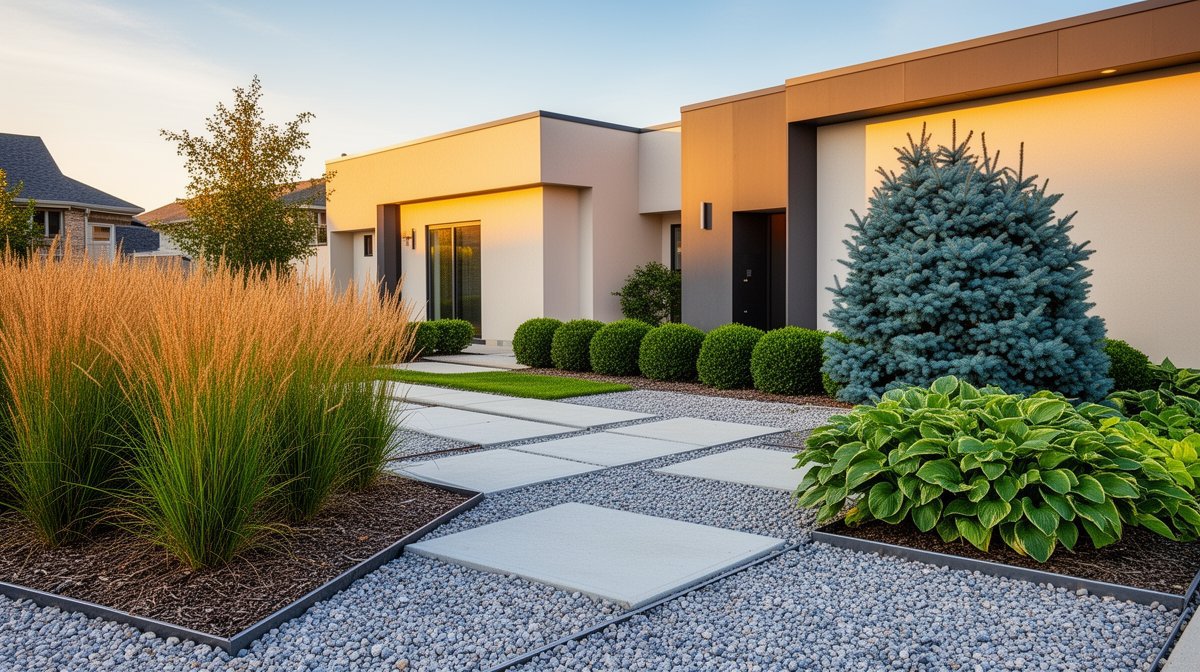
$9–18/sqftA mid-century ranch with a shallow hipped roof, dark vertical entry cladding and a low bench wall, fronted by a yard where the lawn has been removed entirely. In its place a field of warm-toned gravel is organised into long sweeping bands by curved black steel edging, and the planting sits as widely spaced rosettes and tufts across it — silver-blue succulent forms, spiky yucca crowns, small fescue clumps and a scatter of glacial fieldstone boulders. A narrow concrete walk cuts the field to the door, low clipped globes hold the porch line, and a mature canopy tree at the right keeps the whole composition from feeling arid. The trick that makes it survive here is invisible: every rosette sits in a raised gravel-and-sand pocket, not in native silt loam.

The Grass-Ringed Fire Terrace
$16–30/sqftA rectangular concrete terrace set flush with the lawn at the back of a white modern house, with a round precast concrete gas fire bowl at its centre and four dark-framed lounge chairs with pale cushions pulled around it. Café string lights run overhead on slim posts and catch the last of a summer evening. What makes the space work is the ring of grasses: dense mounds of buff-plumed fountain grass planted in mulched beds that wrap three sides of the slab, so the terrace reads as a clearing rather than a slab dropped on a lawn. A mature tree anchors the left side, low clipped yews hold the base of the house, and a dark horizontal fence closes the background without competing.

The Uplit Pool Pavilion
$45–90/sqft (pool area inclusive)Photographed at dusk, a flat-roofed glass pavilion glows warm against a deep blue sky while a rectangular pool with a broad entry step sits in a pale large-format concrete deck that wraps it on all four sides. A low modular sofa, a linear fire table and a pair of lanterns occupy the far corner of the deck. The landscape works entirely through light: tall plumed grasses are uplit along the fence line and again in the beds that meet the pool coping, so the planting becomes the room's walls after dark. The palette is deliberately narrow — pale concrete, dark fence, one glass volume, and grass texture repeated at three heights — which is what gives the space its calm.
See how a modern/minimalist garden looks on YOUR property
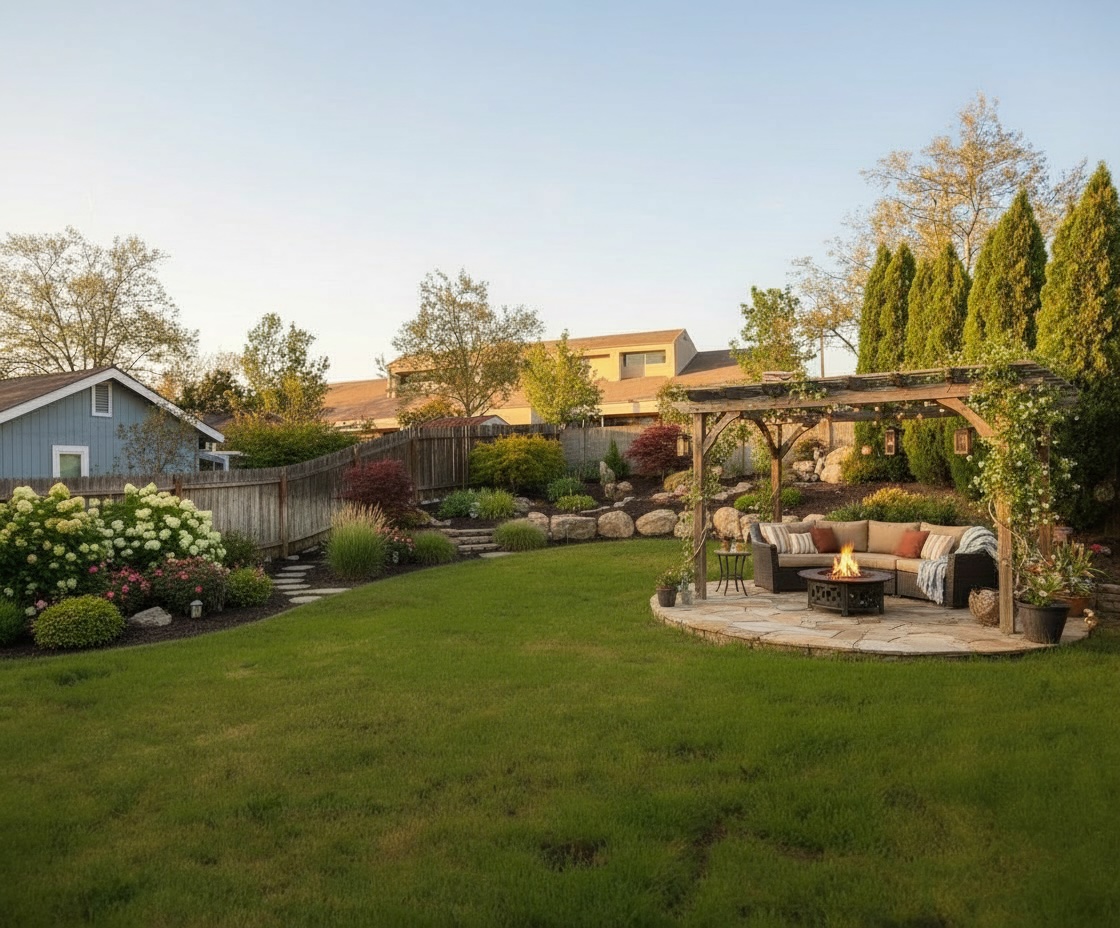
Upload a photo of your Rockford yard and visualize your dream garden in seconds.
Try ProScapeAI Free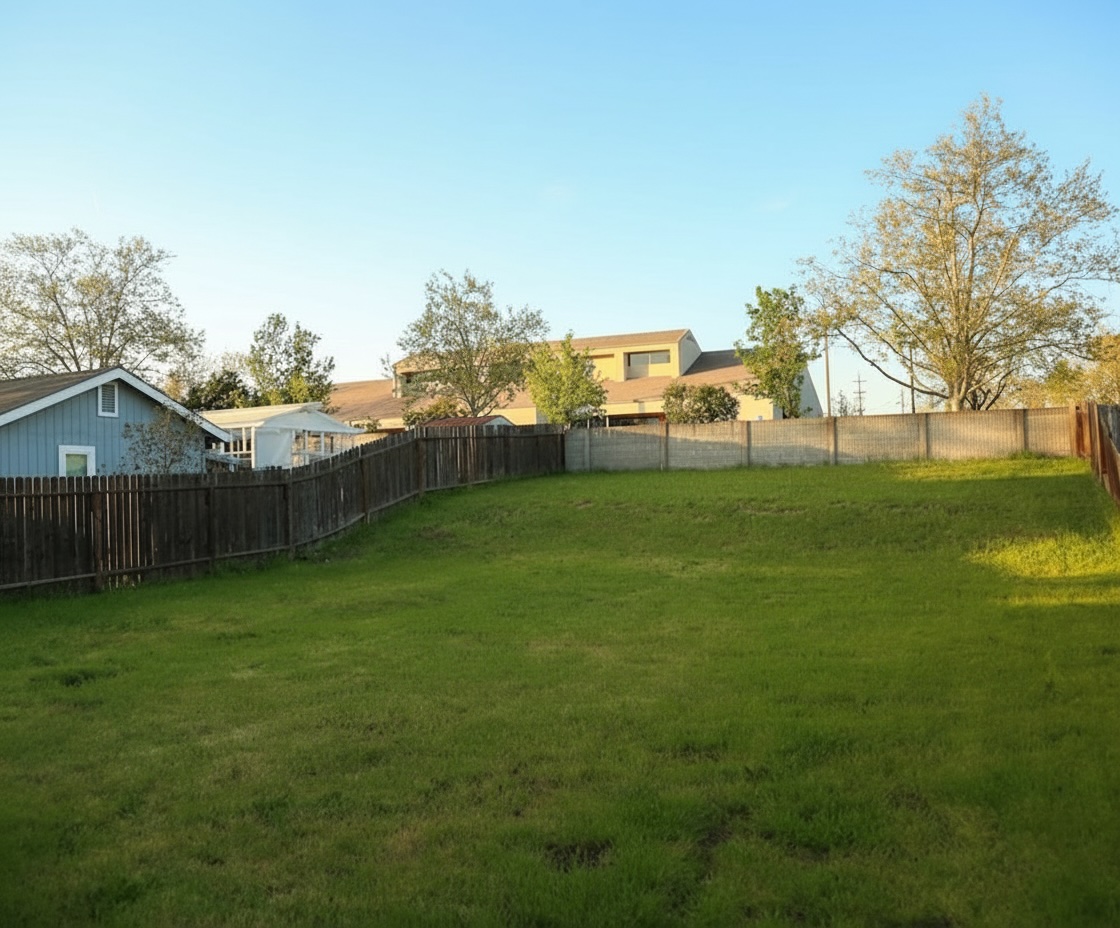
Featured Trees & Shrubs for Modern/Minimalist Gardens
Browse all 168 plants for Rockford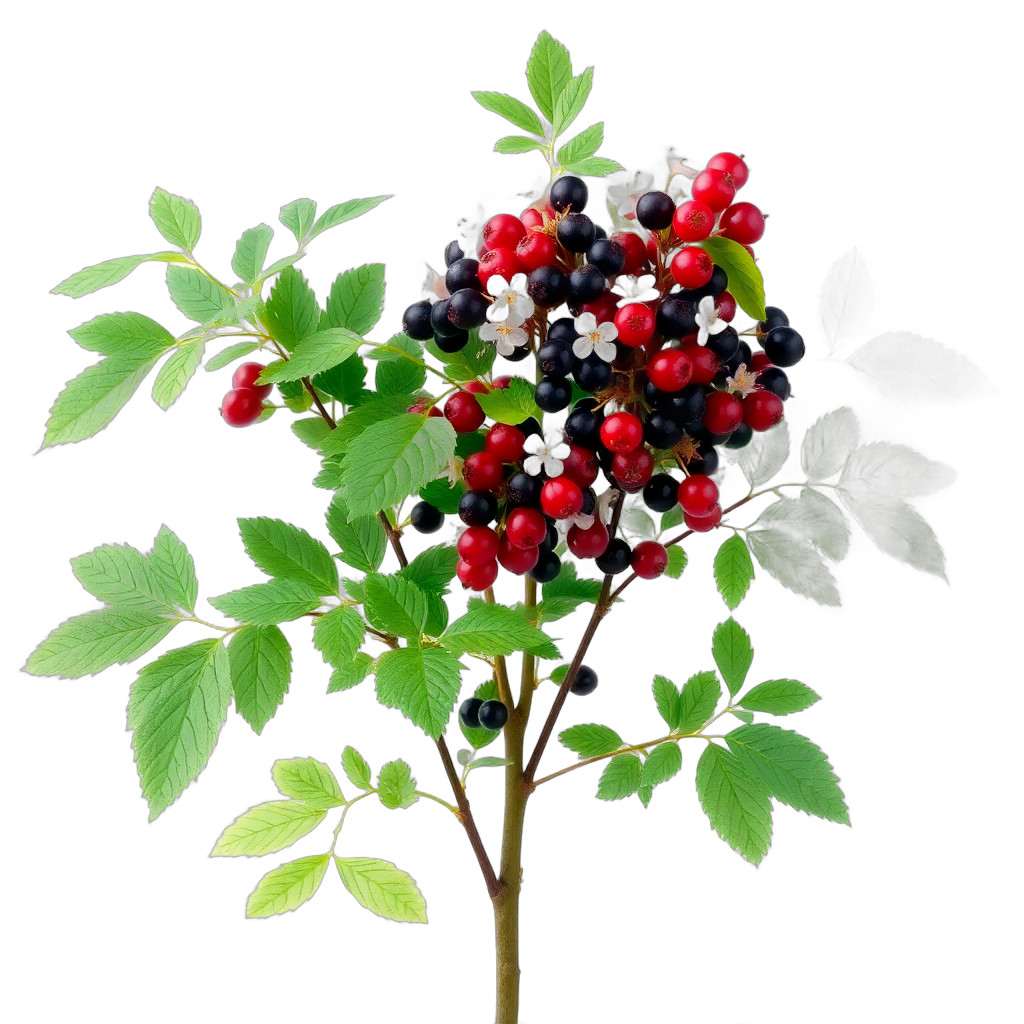
American Black Currant
Ribes americanum
grows to 5 feet, white,yellow blooms in spring. Attracts hummingbirds.

Clove Currant
Ribes odoratum
grows to 6 feet, yellow blooms in spring. Attracts hummingbirds.

Fragrant Sumac
Rhus aromatica
grows to 4 feet, yellow blooms in spring. Attracts butterflies.

Golden Currant
Ribes aureum
grows to 6 feet, yellow blooms in spring. Attracts hummingbirds.
Featured Grasses & Groundcovers for Modern/Minimalist Gardens
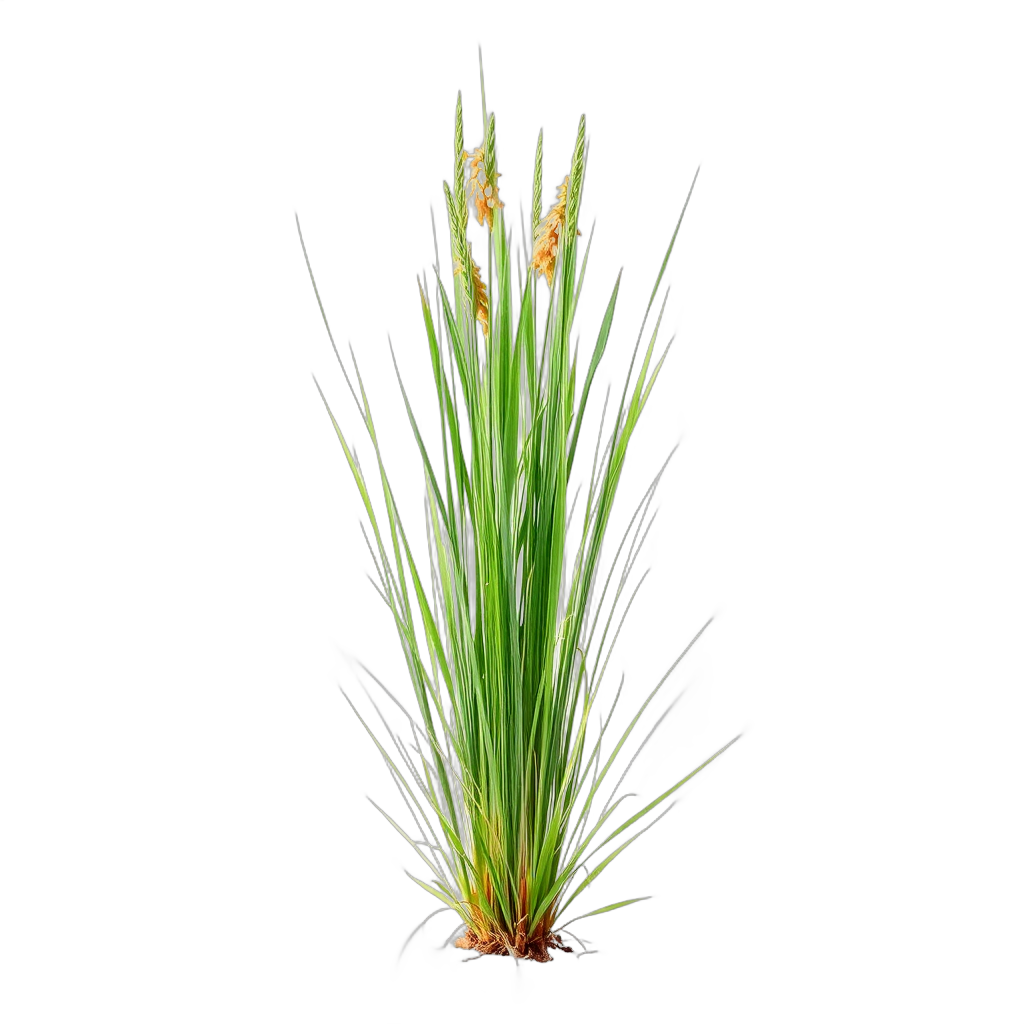
Eastern Gamagrass
Tripsacum dactyloides
grows to 6 feet, blooms in summer. Yellow fall color.
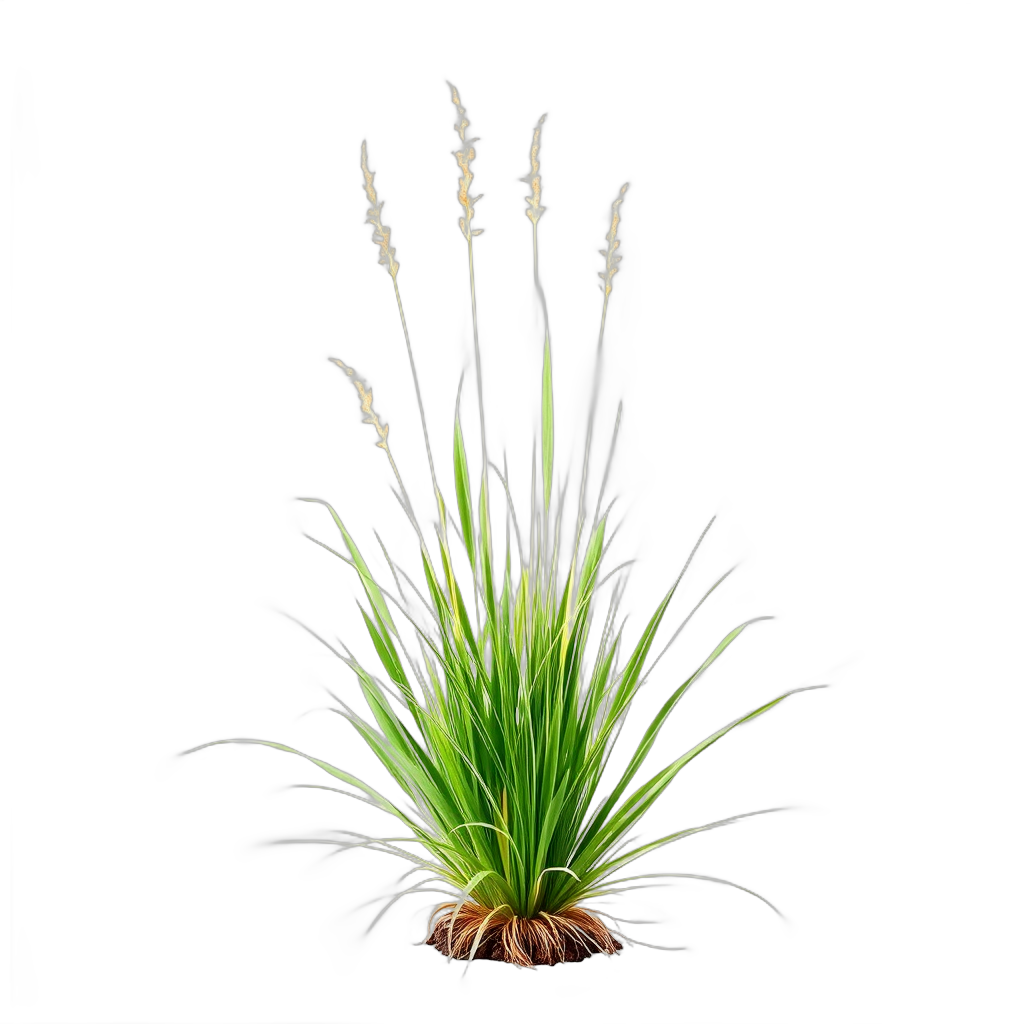
Northern Sea Oats
Chasmanthium latifolium
grows to 4 feet, blooms in fall. Bronze fall color.
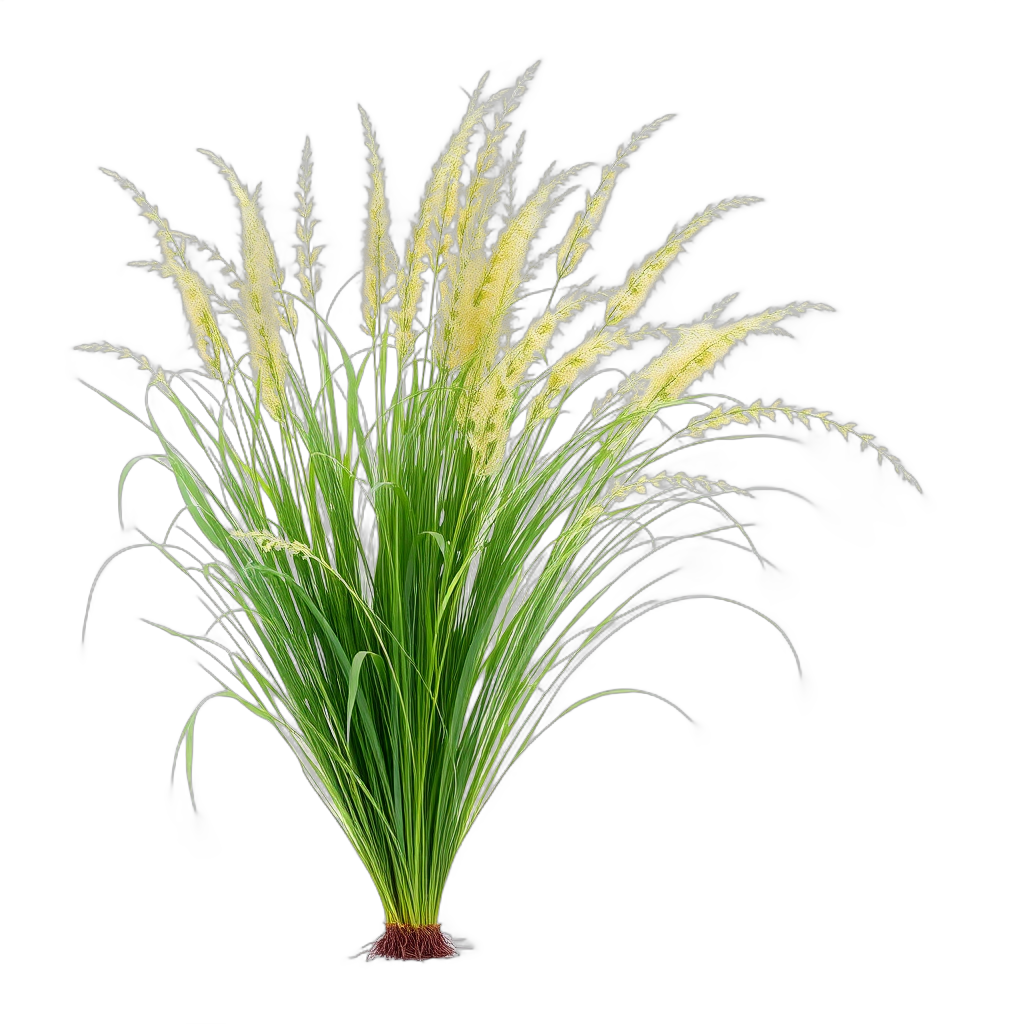
Adagio Maiden Grass
Miscanthus sinensis 'Adagio'
low-growing ground cover, pink blooms in summer. Orange fall color.
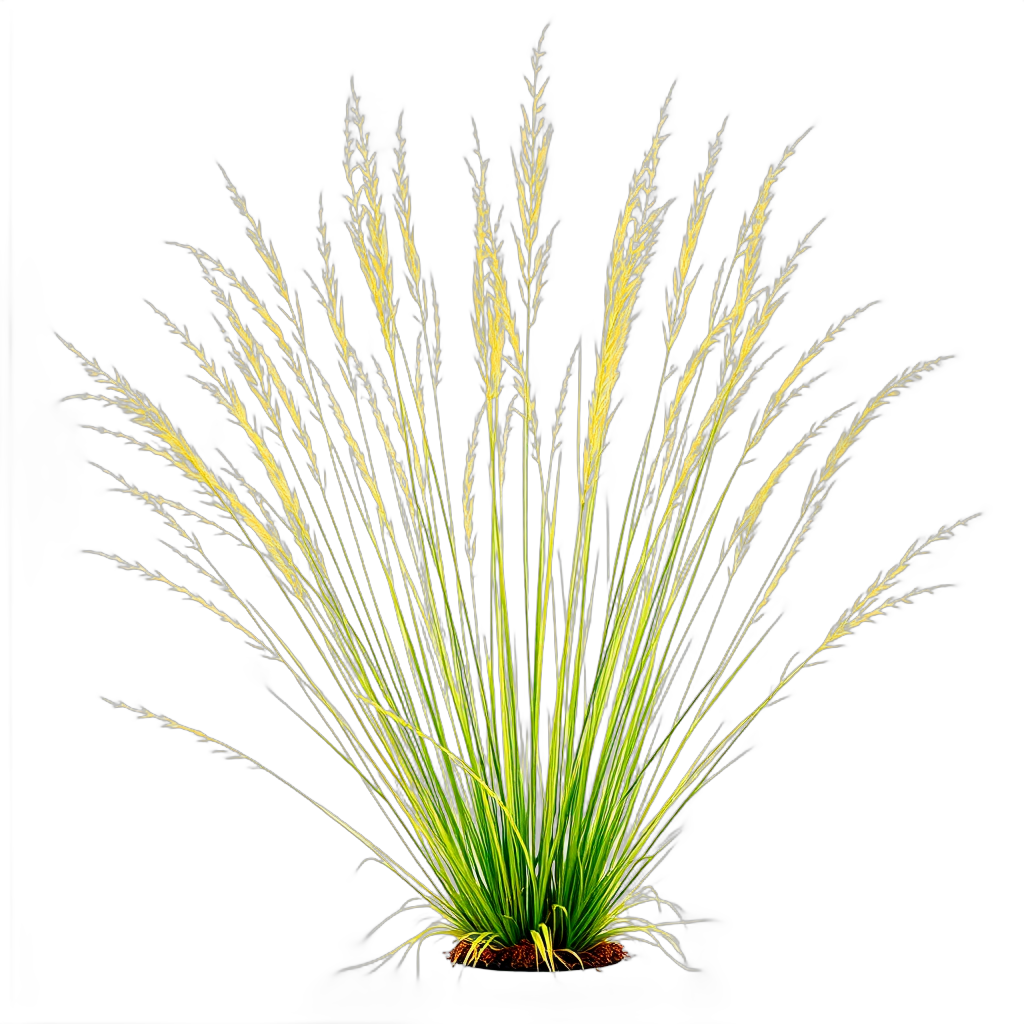
All Gold Japanese Forest Grass
Hakonechloa macra 'All Gold'
low-growing ground cover, blooms in summer.
Featured Flowers & Perennials for Modern/Minimalist Gardens
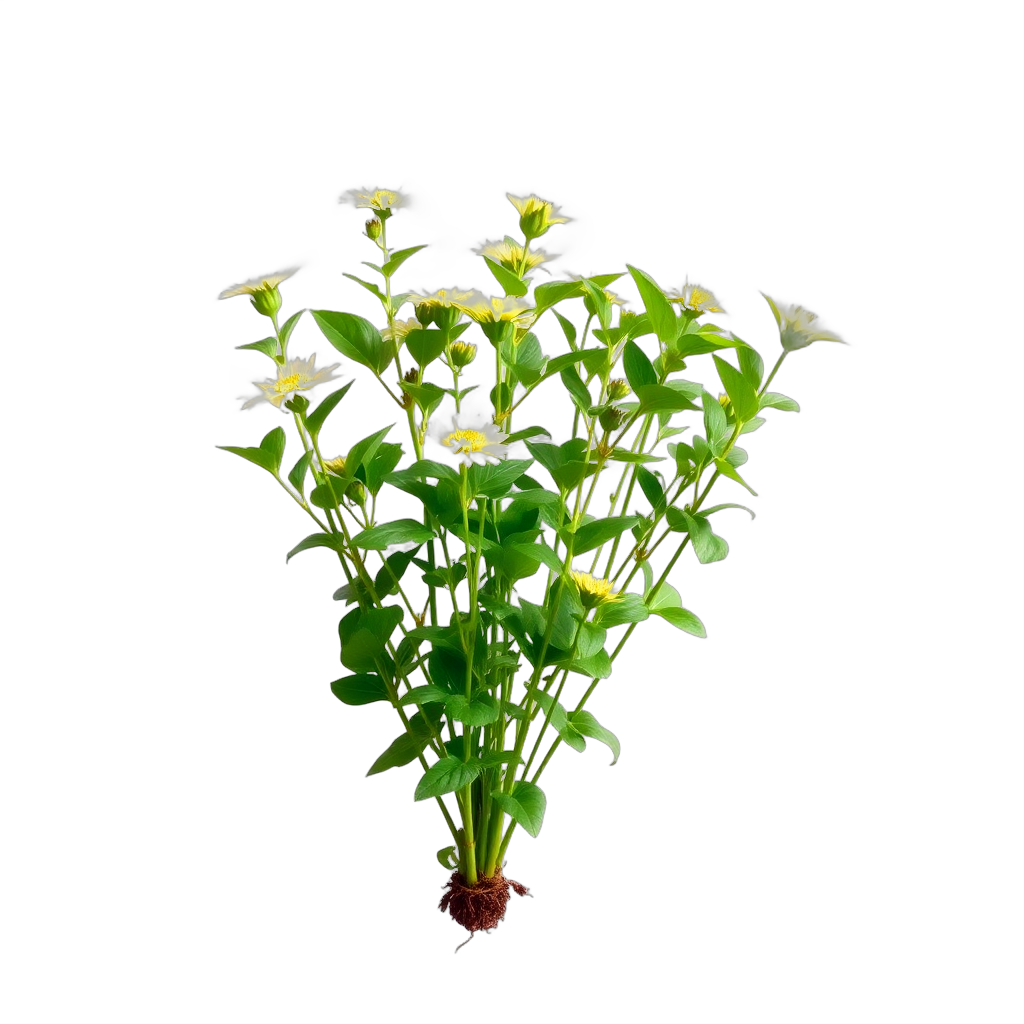
Cup Plant
Silphium perfoliatum
medium-sized at 7 feet, yellow blooms in summer. Attracts butterflies.
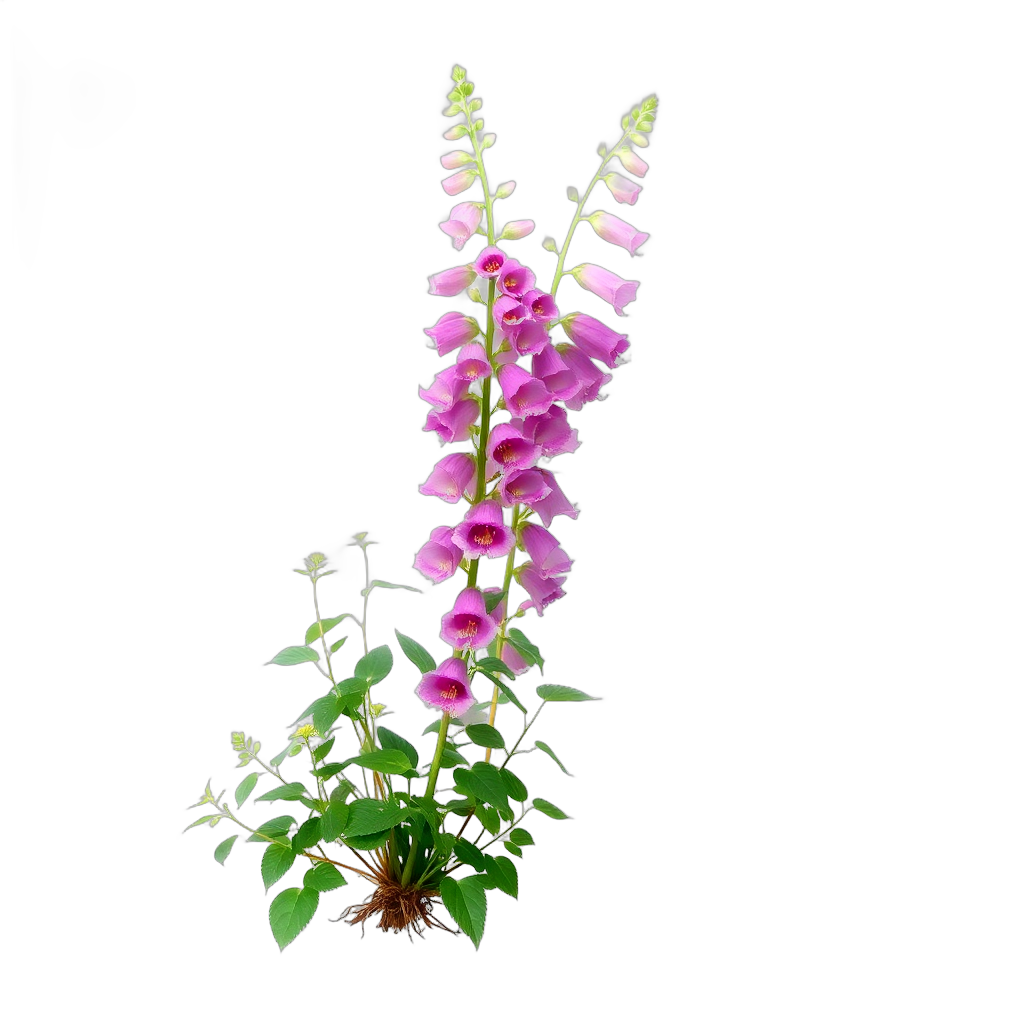
Foxglove Beardtongue
Penstemon digitalis
grows to 3 feet, white blooms in spring. Attracts hummingbirds.
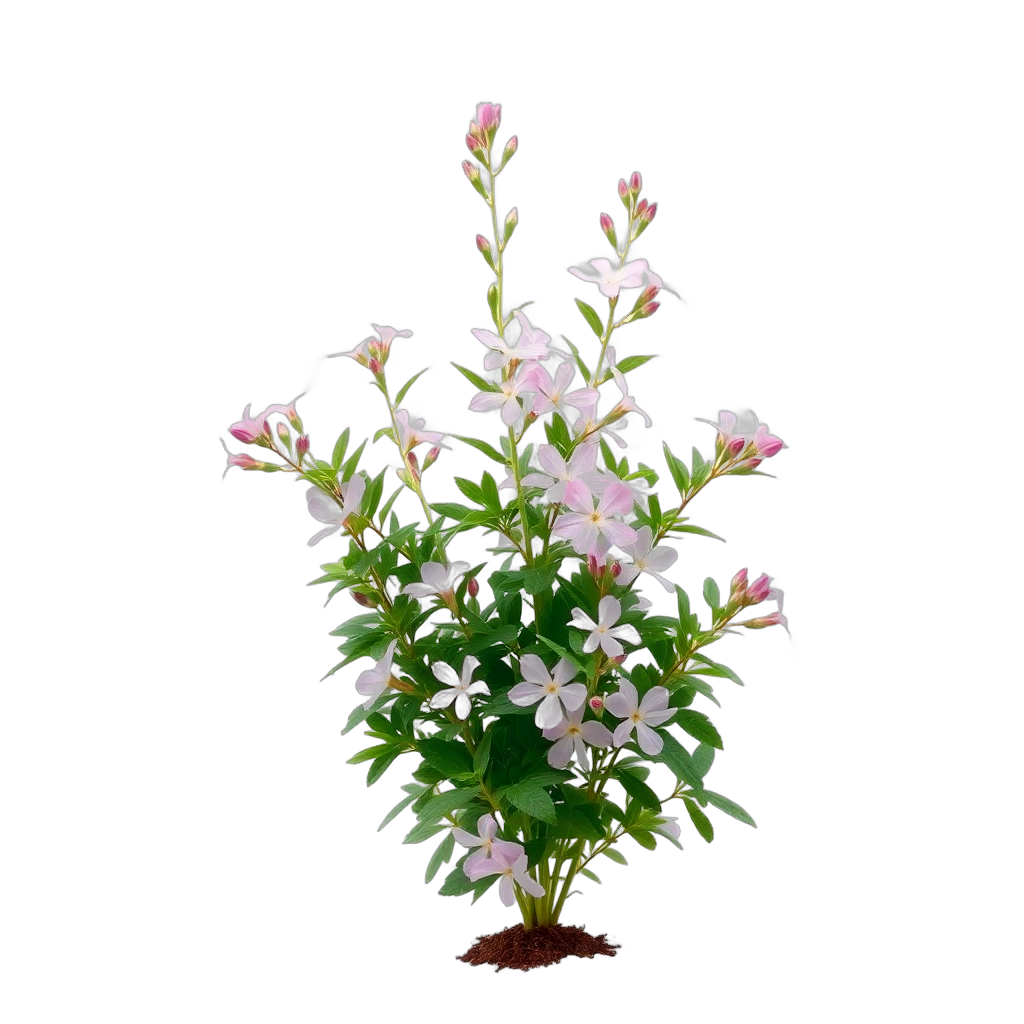
Garden Phlox
Phlox paniculata
grows to 3 feet, multi blooms in summer. Attracts hummingbirds.

Gloriosa Daisy
Rudbeckia hirta
low-growing ground cover, yellow blooms in summer. Attracts butterflies.
Zone and sun checks come from our database — confirm with your local nursery before you buy.
Bloom Calendar for Rockford
spring
Foxglove Beardtongue, American Black Currant, Clove Currantsummer
Cup Plant, Garden Phlox, Gloriosa Daisyfall
Northern Sea Oatswinter
Limited bloomsDesign Tips for Rockford (Zone 5b)
- Let the prairie do the modern work — Rockford sits in the Central US forest-grasslands transition, so Schizachyrium scoparium 'Standing Ovation', Sporobolus heterolepis and Panicum virgatum 'Northwind' are native, need no irrigation after year two, and give the mass and winter silhouette that agaves provide in warmer cities
- Design the sawcut joint grid before the pour, not after: on a large-format Rockford terrace you need control joints every eight to ten feet anyway because of freeze-thaw, so make that grid the pattern rather than letting a saw crew improvise it
- Compact eight to twelve inches of CA-6 under every square foot of hardscape and specify an air-entrained 4,000 psi mix — air entrainment is what keeps a northern Illinois slab from scaling, and skipping it shows up in the second spring
- Plan snow storage as part of the layout; a 35-inch winter has to go somewhere, so keep a three-to-four-foot turf or mulch shelf along the drive and never run a gravel field or steel edging through a plough path
- Edge the street side with salt-tolerant material — Panicum virgatum 'Northwind', Sporobolus heterolepis or Rosa rugosa hold up to plough spray within ten feet of the curb, while Buxus and Taxus × media 'Densiformis' will burn brown by March
- Raise every succulent into a sand-and-grit pocket above the native silt loam; Agave parryi var. neomexicana, Opuntia humifusa and Sempervivum all take -10°F, but none of them survive a February with wet feet in Flagg or Durand soil
- Light the grasses, not the lawn — Rockford's long June and July evenings plus in-grade uplights behind Calamagrostis × acutiflora 'Karl Foerster' and Miscanthus sinensis 'Morning Light' turn a modest terrace into the best room in the house for six months of the year
Where to Source Plants in Rockford
Skip the big-box stores. These independent Rockford nurseries specialize in the plants that make modern/minimalist gardens thrive in Zone 5b.
Rock Valley Garden Center
East State / Bell School Road
Family-run since 1968 and the best local bench for prairie grasses, sedums and architectural container stock, plus its own greenhouse-grown perennial range
Platt Hill Nursery
Riverside Boulevard / northeast Rockford
Family-owned Illinois nursery whose Rockford yard stocks Zone 5-hardy specimen trees, columnar conifers and grasses proven in the Rock River valley, with design and install on site
Ack Ack Nursery Company
Loves Park / East Riverside
Locally owned since 1993 with a working tree farm, certified nurserymen on staff and bulk mulch, gravel and larger-caliper trees for clean-lined installations
The Landscape Connection
South Rockford (Mulford & Linden)
Twenty-acre greenhouse and garden centre with a broad grass and perennial range plus bulk mulch — the practical source when a modern scheme needs 60 identical plants at once
Modern/Minimalist Landscaping Costs in Rockford
| Project Scope | Estimated Cost |
|---|---|
| Front-yard modern conversion, turf removal to planted gravel (about 500 sqft) | $4,500 – $10,000 |
| Sawcut poured concrete terrace on CA-6 base (300–450 sqft) | $7,000 – $16,000 |
| Back terrace with gas fire bowl and seating | $12,000 – $30,000 |
| Prairie-grass border planting, per 100 sqft installed | $600 – $1,400 |
| Low-voltage LED uplighting scheme (10–14 fixtures) | $2,200 – $5,000 |
| Pool with large-format concrete deck and full backyard landscape | $70,000 – $160,000 |
| AI visualization with ProScapeAI | Free to start |
Estimates based on Rockford, IL-area contractor rates as of 2026. Actual costs vary by site conditions, materials, and contractor.
Rockford Climate & Growing Zone
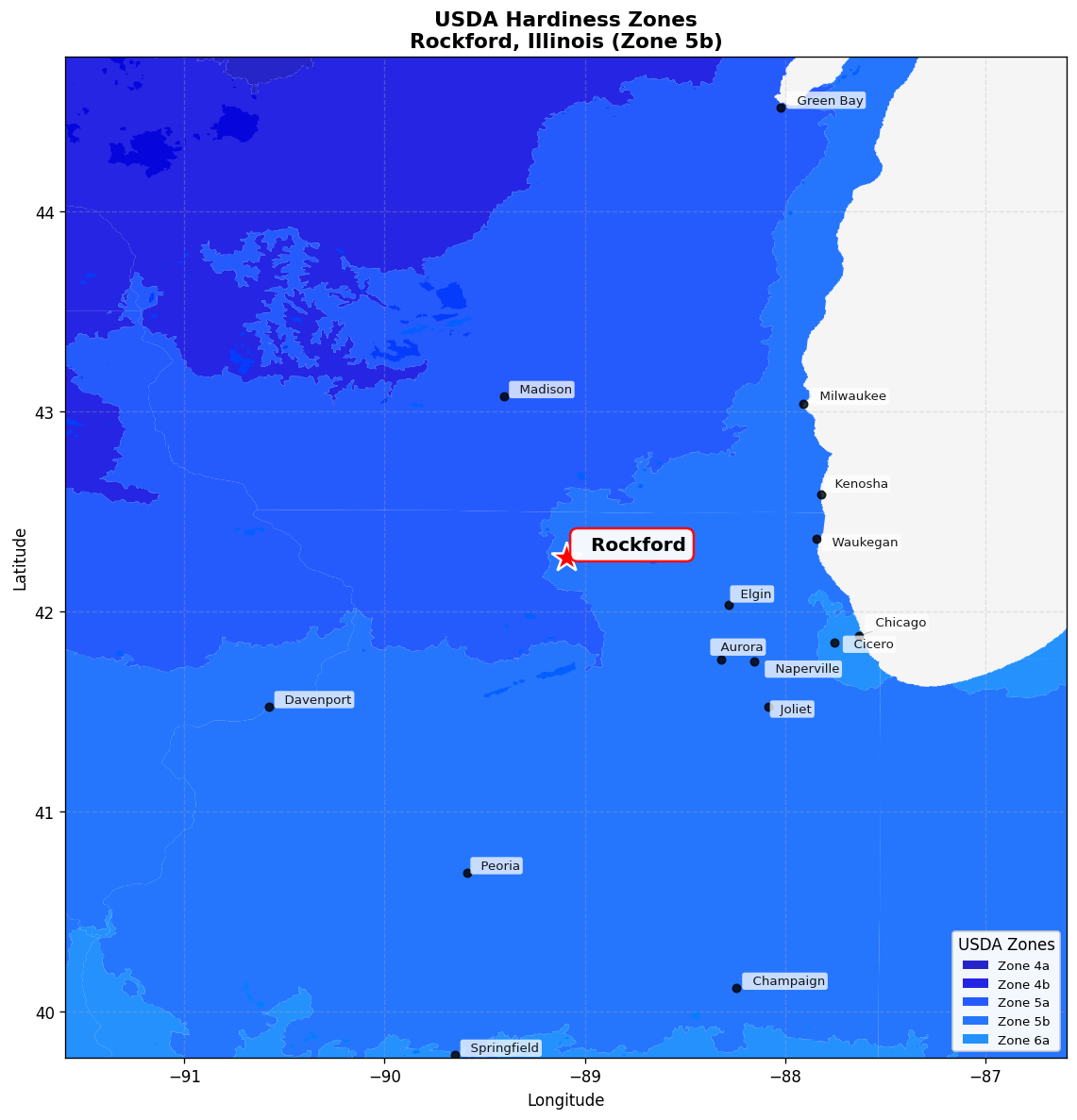
USDA Zone 5b
Hardiness zone for Rockford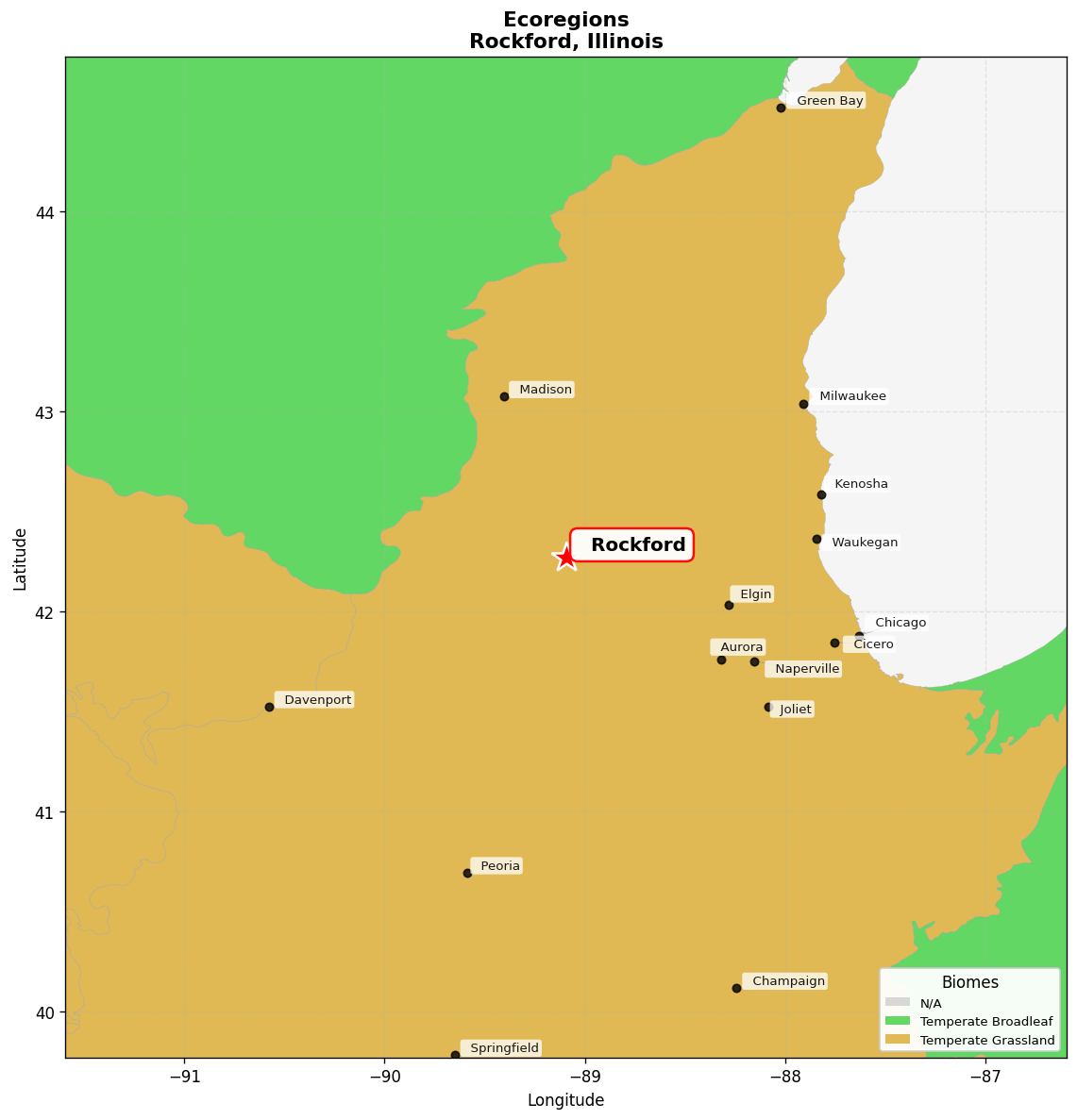
Central US forest-grasslands transition
Native ecoregionFrequently Asked Questions
How much does modern landscaping cost in Rockford?
Rockford runs roughly 15–25% below national metro pricing, so modern design goes further here than in Chicago or Madison. A full front-yard conversion of about 500 square feet — turf removal, gravel field, steel edging and architectural planting — comes in at $4,500–10,000 installed. A sawcut concrete terrace of 300–450 square feet runs $7,000–16,000. Adding a gas fire bowl and seating pushes a back terrace to $12,000–30,000, and a pool with a full modern surround lands between $70,000 and $160,000. A prairie-grass border of Panicum virgatum 'Northwind' and Sporobolus heterolepis costs about $600–1,400 per 100 square feet installed, which is why grasses do most of the work in a Rockford budget.
Can a gravel or xeriscape front yard really work in a Rockford winter?
It can, with three adjustments. Use 3/8-inch angular gravel rather than rounded pea stone so it locks together and does not travel when a shovel goes across it, and keep the gravel field out of the path the plough or snowblower takes off the drive. Every succulent and rosette needs a raised pocket of coarse sand and grit sitting above the native silt loam, because Zone 5b cold is survivable and winter saturation is not. Choose species that actually take -10°F: Agave parryi var. neomexicana, Yucca filamentosa 'Color Guard', Opuntia humifusa and Sempervivum all do; the blue Agave americana sold as a modern signature elsewhere does not and will be mush by March.
Which grasses stay standing through a Rockford winter?
Structure through February is the whole reason to plant grasses in a Zone 5b modern garden, and the upright cultivars are the ones that deliver it. Panicum virgatum 'Northwind' is the most reliably vertical thing available and holds through wet snow better than any other switchgrass. Calamagrostis × acutiflora 'Karl Foerster' stands from June to March and is the closest thing to a fixed architectural element in the plant palette. Schizachyrium scoparium 'Standing Ovation' was bred specifically to stop little bluestem flopping and keeps its copper colour all winter. Miscanthus sinensis 'Morning Light' works but should be sited away from wild edges. Cut everything back in the last week of March, before new growth starts.
How do I stop a concrete terrace cracking or heaving here?
Build for a 42-inch frost depth and a freeze-thaw cycle that crosses 32°F forty or fifty times a winter. Excavate eight to twelve inches below the finished surface, compact CA-6 crushed limestone in three-inch lifts, and use an air-entrained mix in the 4,000 psi range — air entrainment is what stops surface scaling in northern Illinois and is non-negotiable. Sawcut control joints at eight to ten feet on centre and design that grid deliberately, because on a large-format modern slab the joints are the pattern. Any footing carrying load goes below 42 inches. Finally, use no deicing salt at all on the first winter's concrete; sand instead.
When is the best time to install a modern landscape in Rockford?
Mid-April to early June and early September to late October are the two good windows. Concrete work is comfortable from roughly April through mid-November — most contractors stop pouring once overnight lows sit below 20°F, which in Rockford means late November to mid-March. Grasses and shrubs establish best in spring here because Panicum virgatum and Schizachyrium scoparium are warm-season plants that want warm soil to root; September is fine for woody stock and Calamagrostis but late for switchgrass. Book hardscape in January or February if you want a spring slot — the Rockford install season is short and calendars fill by March.
How do snow and road salt affect a modern landscape design?
In a 35-inch snow year snow storage is a real design input, not a detail. Every scheme needs a place to pile what comes off the drive and walk — leave a turf or mulch shelf three to four feet wide along the drive edge and keep gravel fields, low steel edging and clipped forms out of it. Along the street, plough spray carries salt about ten feet, so the parkway wants Panicum virgatum 'Northwind', Sporobolus heterolepis or Rosa rugosa rather than Buxus or Taxus, both of which brown out badly. In-grade uplights and low-voltage fixtures should sit back from shovel paths, and gravel benefits from a rake and top-up each April after the melt.
Do I need a permit for a patio, wall or pool in Rockford?
Planting, mulch, gravel conversions and a patio at grade generally need no permit. Retaining walls above a set height, pools, decks, roofed structures and anything altering drainage are reviewed by the City of Rockford Building Department, and Loves Park, Machesney Park, Cherry Valley, Roscoe and unincorporated Winnebago County each set their own thresholds — confirm the requirements with your own municipality before ordering materials. Two things apply everywhere: call JULIE, the Illinois utility locate service, before any excavation, and remember that a gas line to a fire bowl or fire table is licensed work regardless of how the rest of the project is handled.