4 Cottage Garden Ideas for Pittsburgh, PA | English Cottage Gardens in Zone 6b
Native plants from the Appalachian mixed mesophytic forests (Zone 6b) — Humid continental (hot summer) climate
Why Cottage/English Gardens in Pittsburgh?
Pittsburgh sits in the Appalachian Mixed Mesophytic Forests ecoregion—one of the most botanically diverse temperate forest regions in the world—where Zone 6b winters, 38 inches of annual rainfall, and Pennsylvania’s characteristically overcast sky create conditions well-suited to English-style cottage gardening. The city’s famous topography—river valleys, steep hillsides, and 90 distinct neighborhoods arranged across three rivers—creates a patchwork of microclimates where south-facing slopes in Squirrel Hill experience Zone 7-like warmth while north-facing hillsides in Mt. Washington hold snow weeks longer than the valley below. Understanding your specific microclimate is the first step in successful Pittsburgh cottage gardening.
The neighborhoods where Pittsburgh cottage gardening thrives include Squirrel Hill, Shadyside, Sewickley, and Mt. Lebanon—older, established areas with mature tree canopy, Victorian and craftsman architecture, and residents who value lush residential landscapes. Sewickley in particular has a long tradition of estate-scale English cottage gardening influenced by the Pittsburgh area’s 19th-century industrial wealth, and many properties there maintain the perennial borders and rose gardens established by earlier generations. The city’s abundant spring rainfall—particularly April and May—creates ideal conditions for the lush, romantic cottage bloom season.
Pittsburgh’s cottage gardening challenges center on slope management and soil variability. Much of the city’s residential land is steeply sloped, creating both drainage advantages (no standing water issues) and erosion management demands for open planting beds. The region’s glacially influenced soils range from heavy clay in valley bottoms to rocky, thin soils on hillsides—both requiring amendment before cottage planting will succeed. Pittsburgh’s above-average cloudiness (second cloudiest major US city after Seattle) is actually beneficial for shade-loving cottage plants—hostas, astilbe, ferns, and hellebores thrive in Pittsburgh’s diffuse light in situations where they would burn in sunnier climates.
4 Cottage/English Design Ideas for Pittsburgh
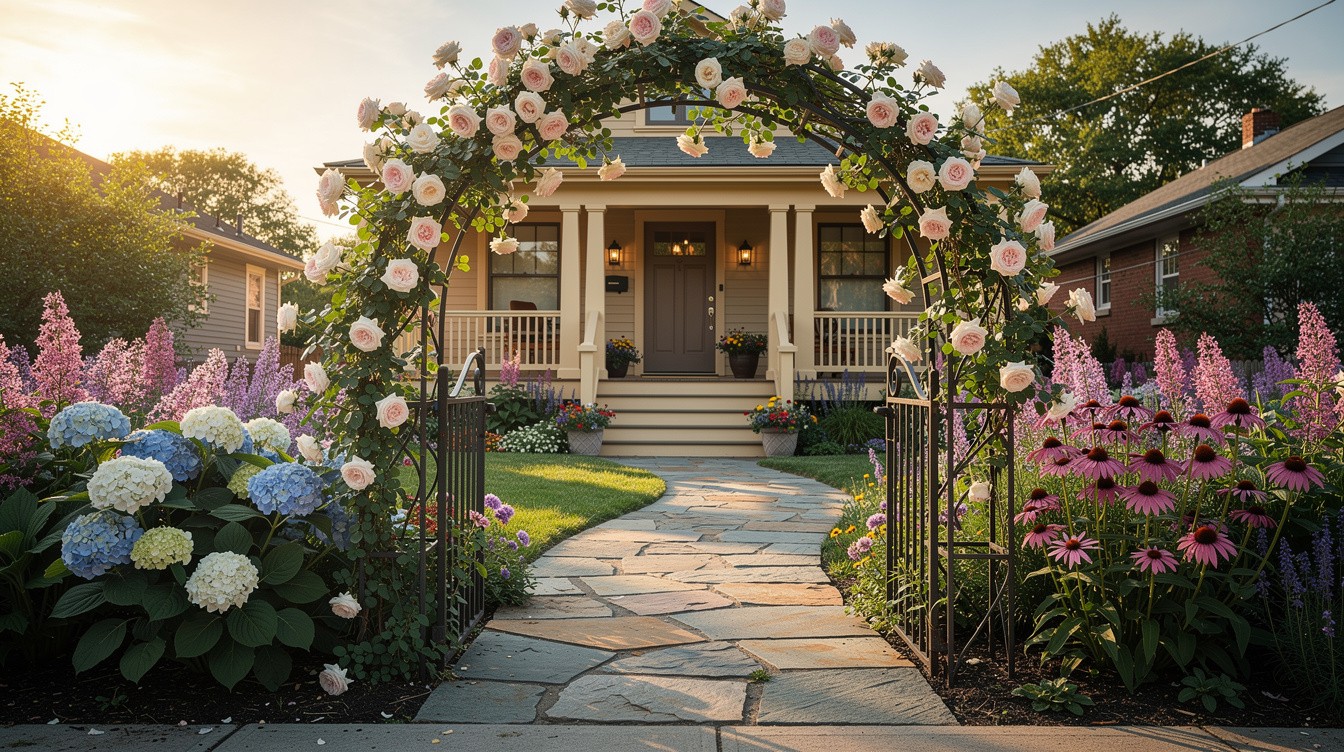
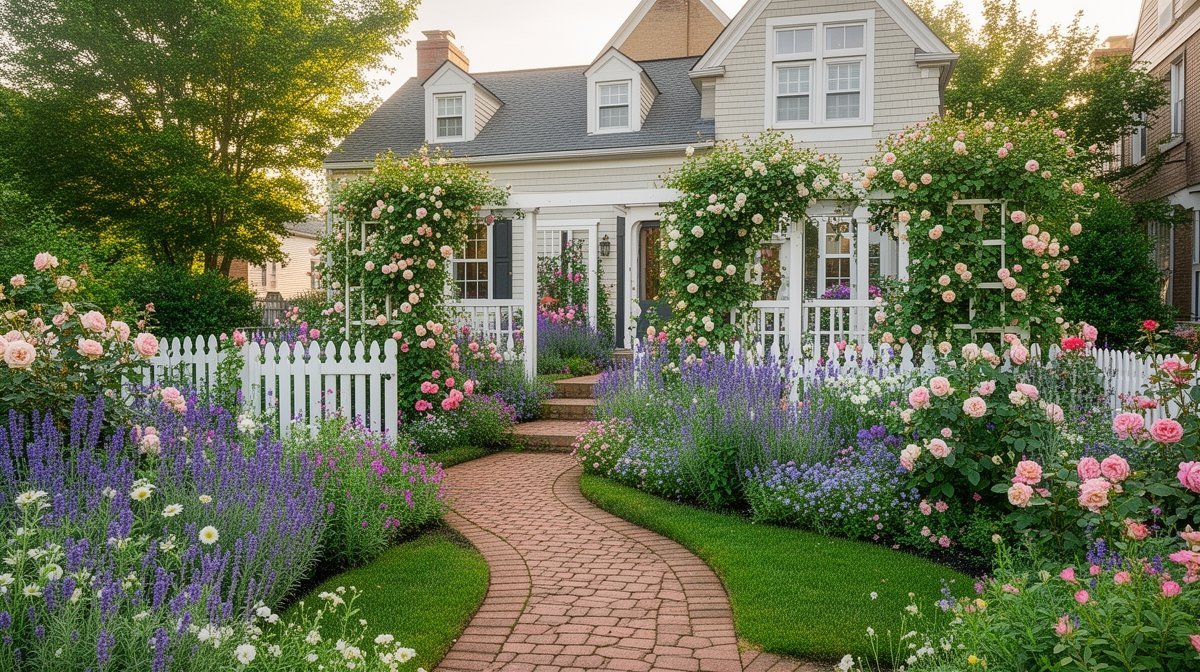
Pittsburgh Bungalow Entry with Rose Arch and Stone Path
$12–26/sqftPennsylvania bluestone or locally quarried sandstone creates a path to the front porch of a Pittsburgh bungalow, framed by a rose-covered arbor at the gate and mixed cottage borders of hydrangeas, phlox, and coneflowers that bloom from May through October. The stone path is quintessentially Pittsburgh—quarried from the same geological formations that made the region geologically rich—while the layered cottage planting channels the English garden tradition that Pittsburgh’s 19th-century wealthy families imported from Britain. The front porch, stone path, and abundant borders create the welcoming, generously-planted front yard that cottage style promises.
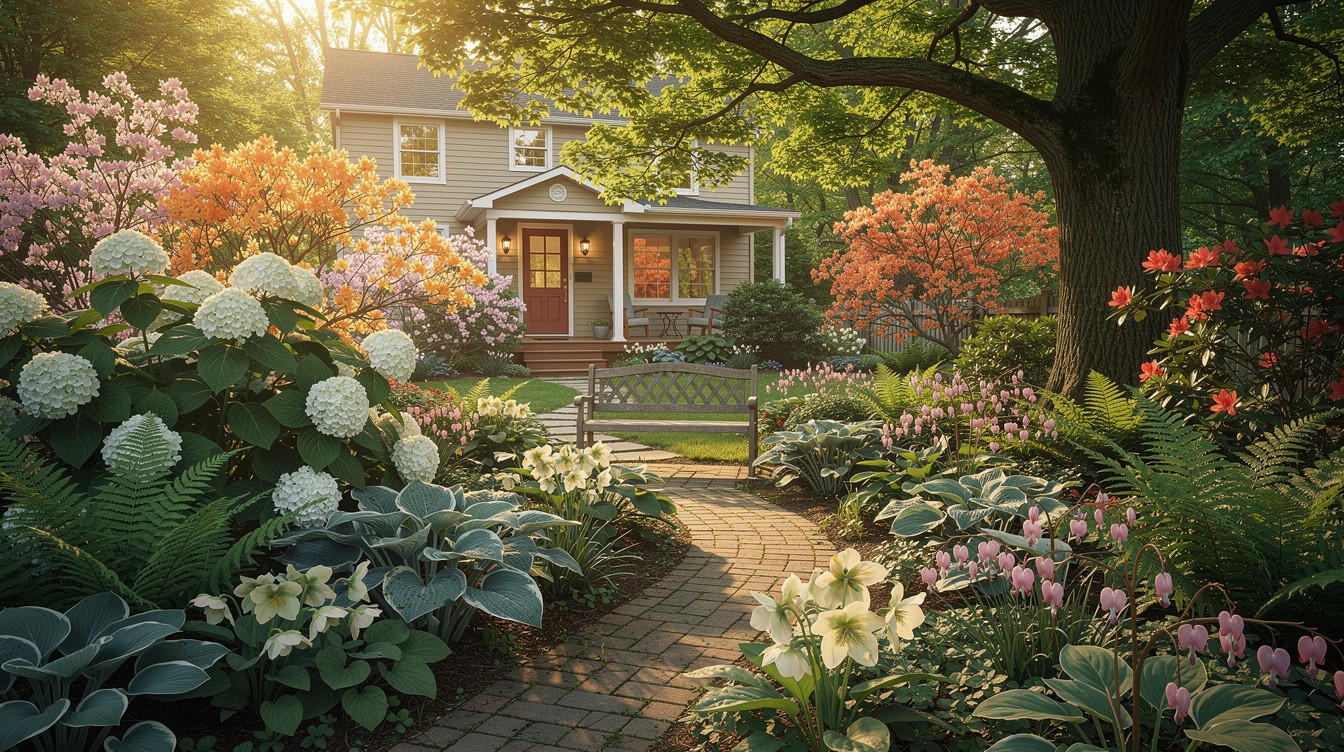
Shade Cottage Garden with Appalachian Natives
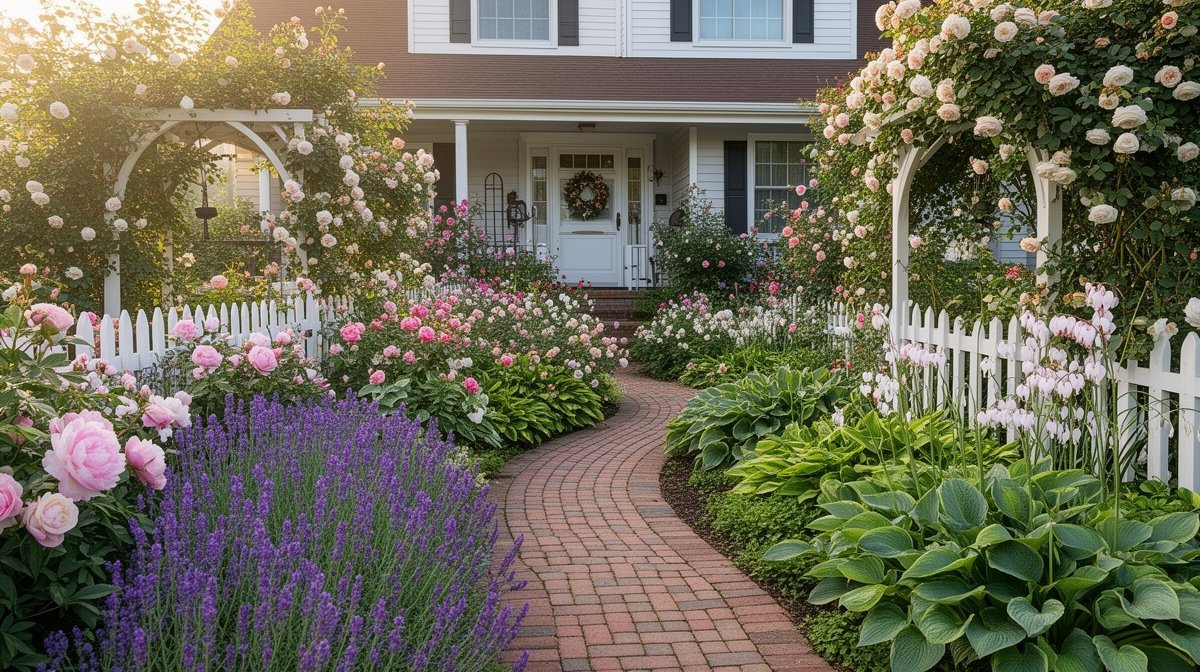
$10‒22/sqftPittsburgh’s abundant mature tree canopy creates ideal conditions for a richly layered Appalachian shade cottage garden—oakleaf hydrangeas and native azaleas at the tall shrub layer, native ferns and hostas filling the mid-story, and Lenten roses, bleeding heart, and wild ginger as the ground-level carpet. This design is genuinely regional: it uses plants native to the Appalachian Mixed Mesophytic Forest that defines the Pittsburgh area’s ecology, creating a cottage garden that feels deeply connected to place. In spring, the simultaneously blooming native azaleas and Lenten roses create a woodland garden spectacular matched in very few cities.
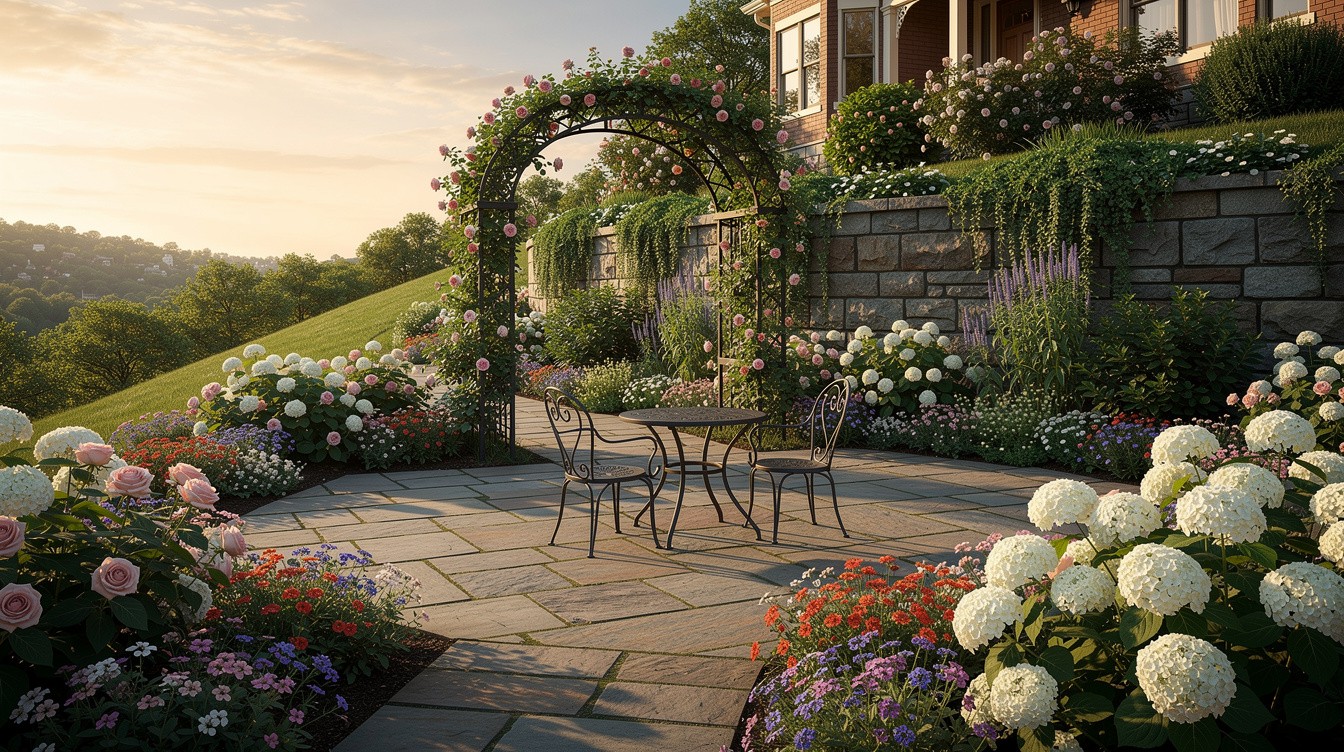
Flagstone Patio with Rose Arbor and Cottage Borders
$20—45/sqftA generous flagstone patio at the rear of a Pittsburgh Victorian home—level-cut into the inevitable Pittsburgh hillside—features a rose-covered metal arbor as the entry from the house, with cottage borders of roses, phlox, and Annabelle hydrangeas wrapping the terrace. A vintage iron bistro set provides the seating focal point. The retaining wall that creates the level terrace from the hillside becomes a planting surface—trailing cottage herbs and low perennials cascading over the face—turning a structural necessity into a design asset. Pittsburgh’s May through October outdoor season is excellent for this terrace design.
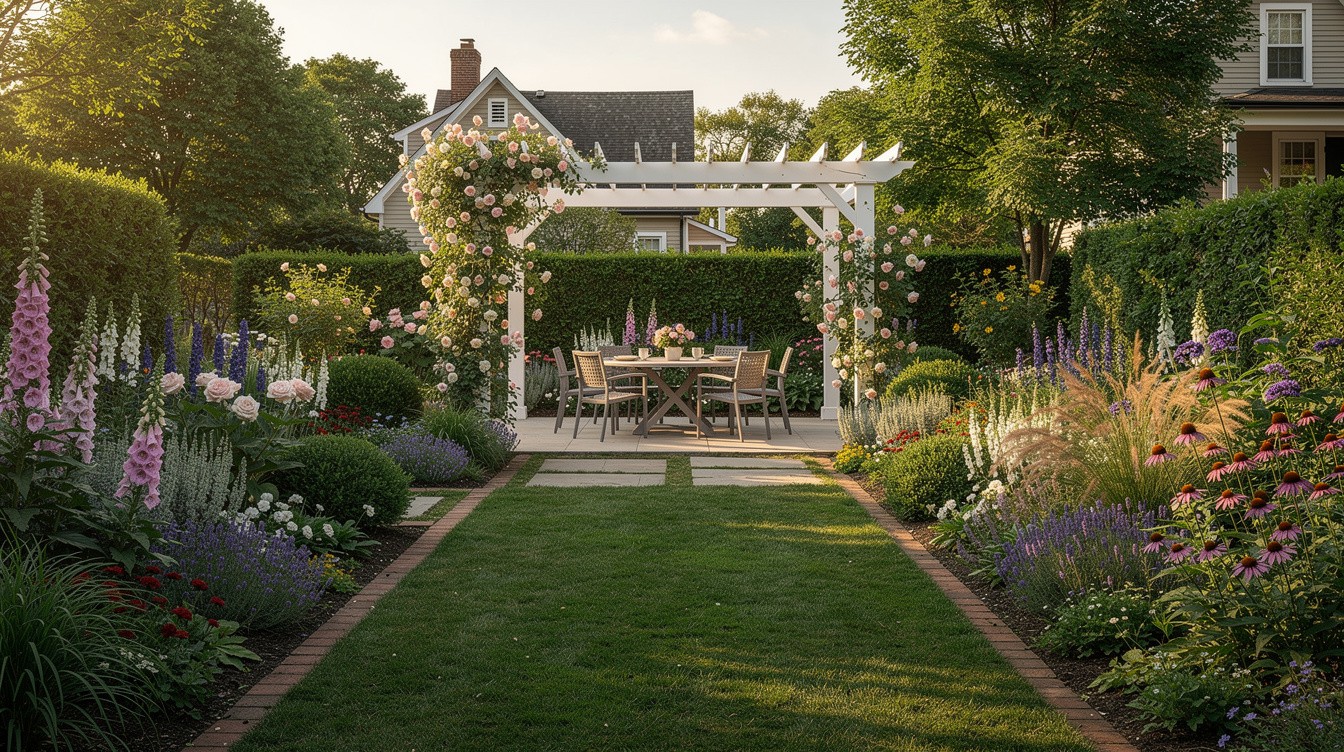
English Cottage Pergola Garden with Perennial Borders
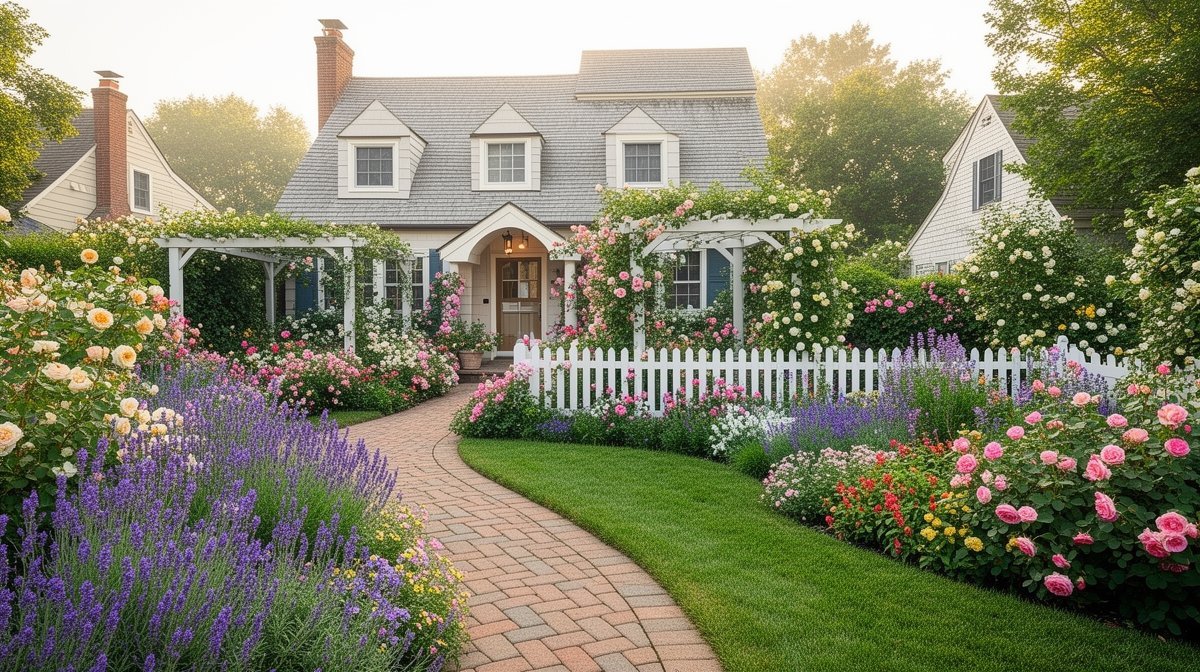
$22—50/sqftA white wood pergola provides the structural centerpiece of a generous English cottage backyard garden—wide mixed perennial borders wrapping a central lawn panel, with the pergola and outdoor dining table as the focal destination. Climbing roses and clematis on the pergola posts create seasonal bloom from May through October. The design channels the classic English cottage tradition that Pittsburgh’s Sewickley and Squirrel Hill communities have always admired: generous, beautifully layered, and unabashedly romantic. The pergola’s partial shade makes outdoor dining comfortable through Pittsburgh’s warm summer months.
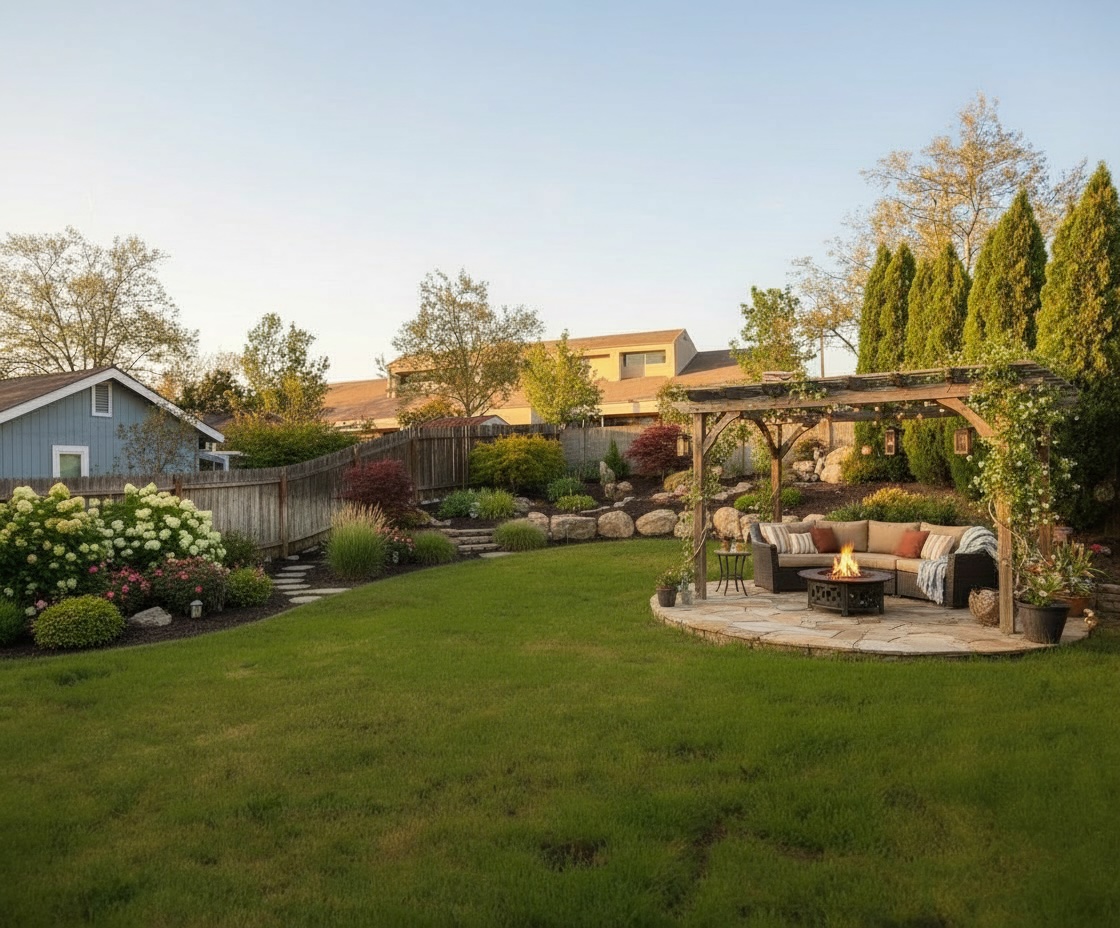
See how a cottage/english garden looks on YOUR property
Upload a photo of your Pittsburgh yard and visualize your dream garden in seconds.
Try ProScapeAI Free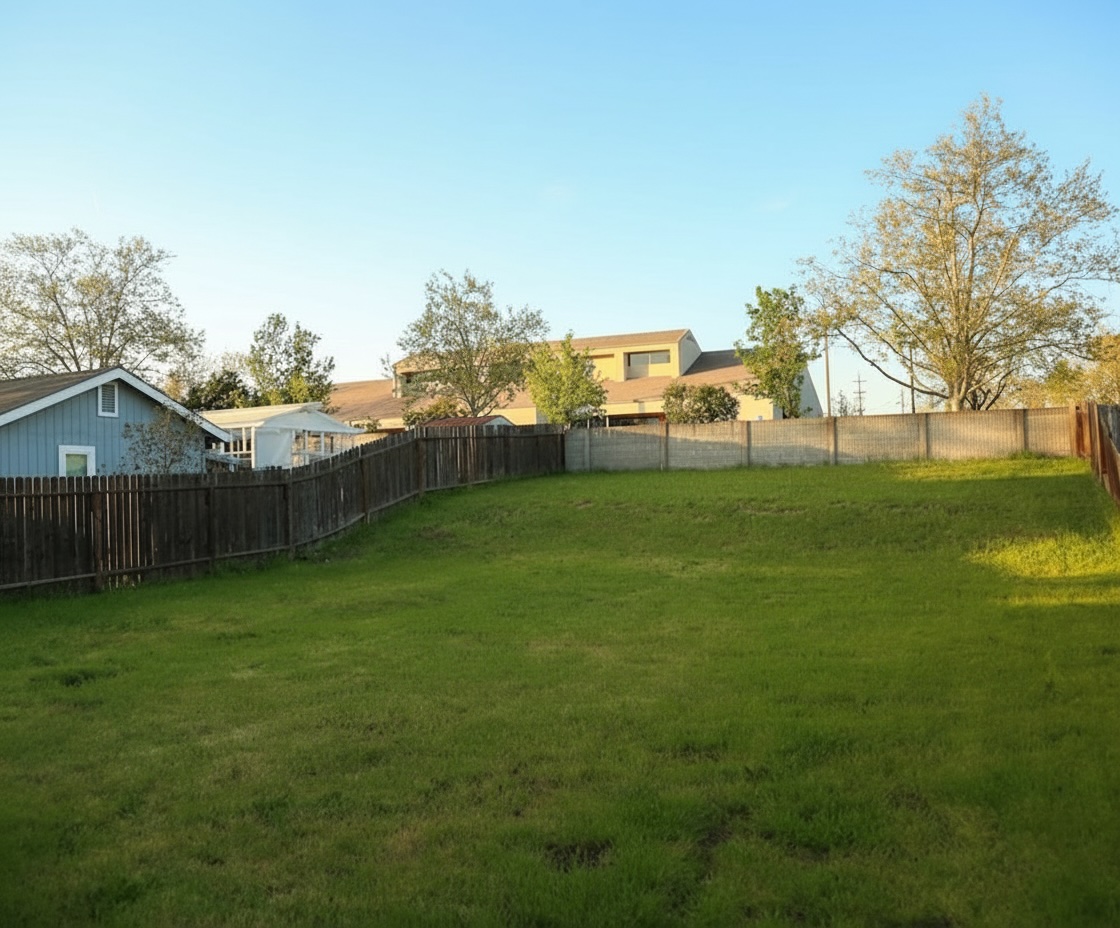
Featured Trees & Shrubs for Cottage/English Gardens
Browse all 248 plants for Pittsburgh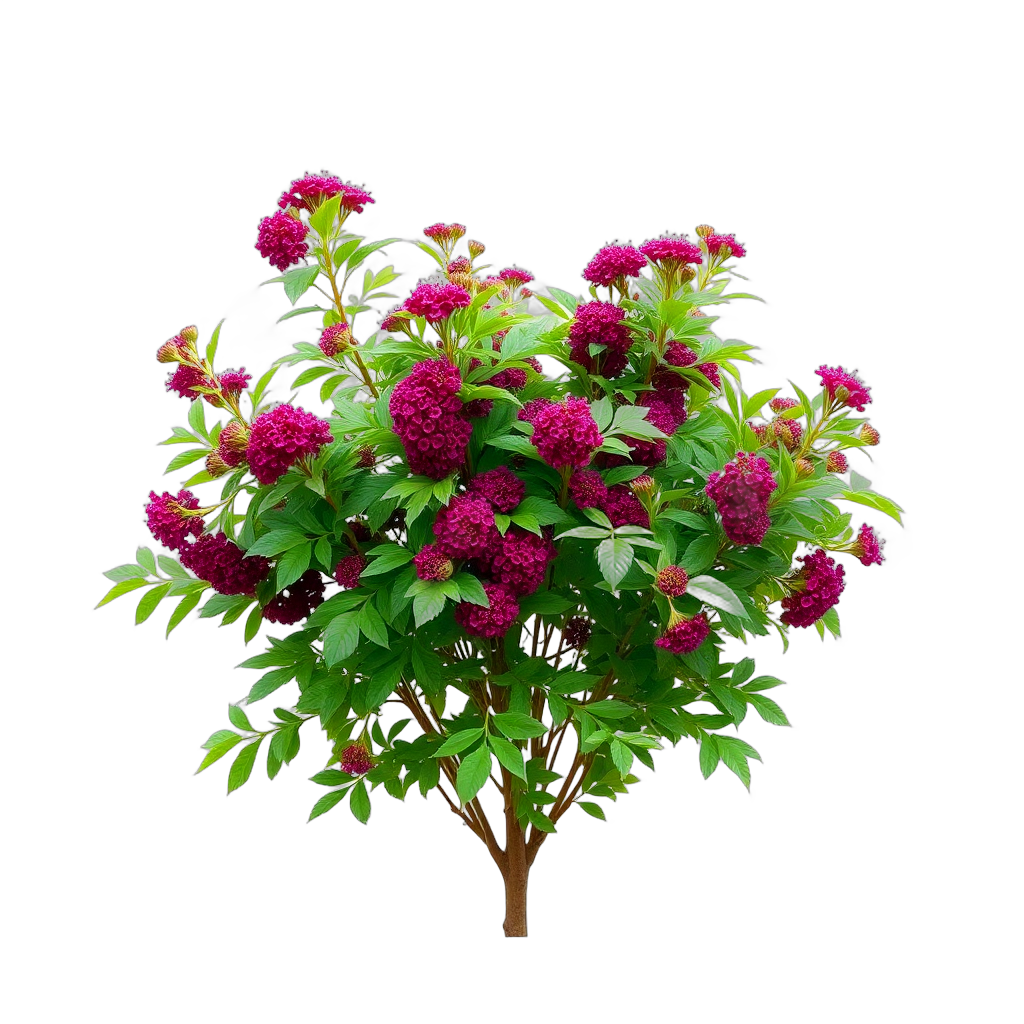
American Elderberry
Sambucus canadensis
medium-sized at 10 feet, white blooms in spring. Attracts butterflies.
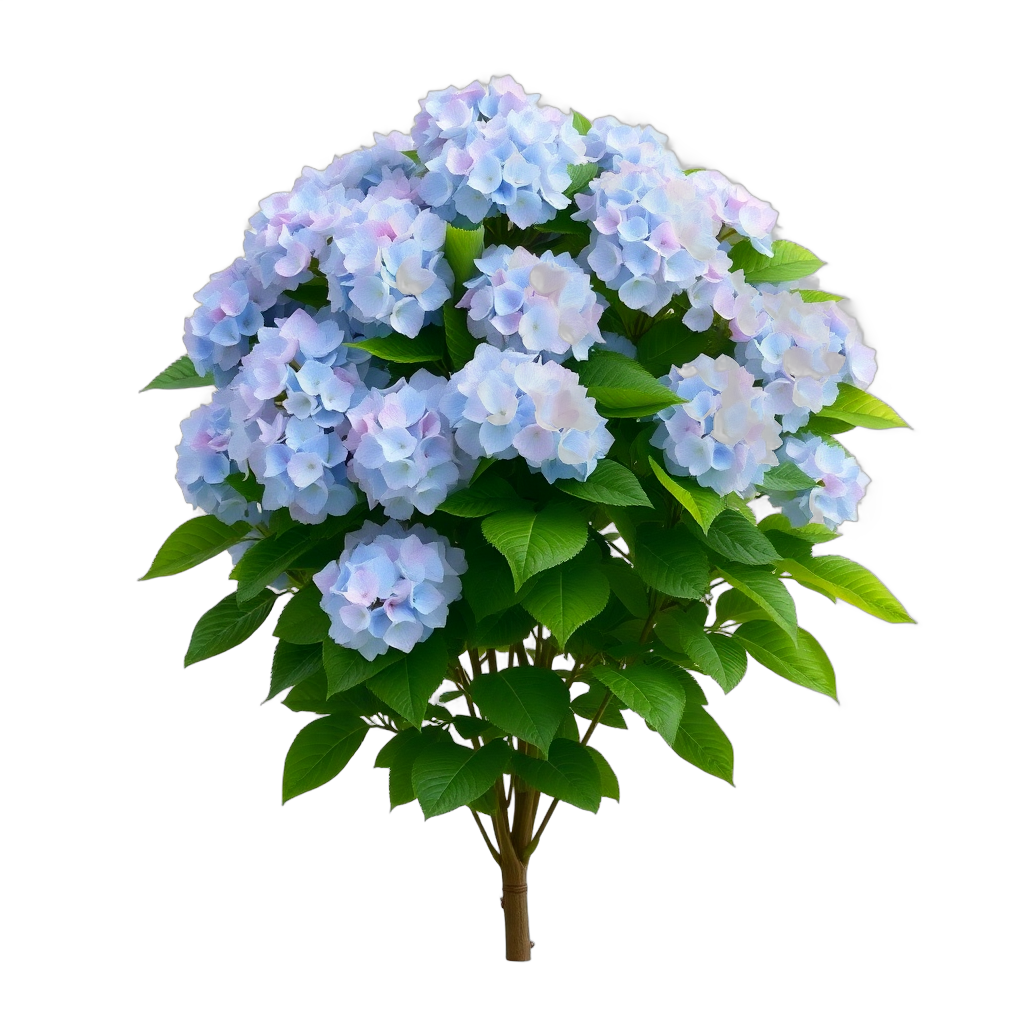
Annabelle Hydrangea
Hydrangea arborescens 'Annabelle'
grows to 5 feet, white blooms in summer. Pollinator-friendly.
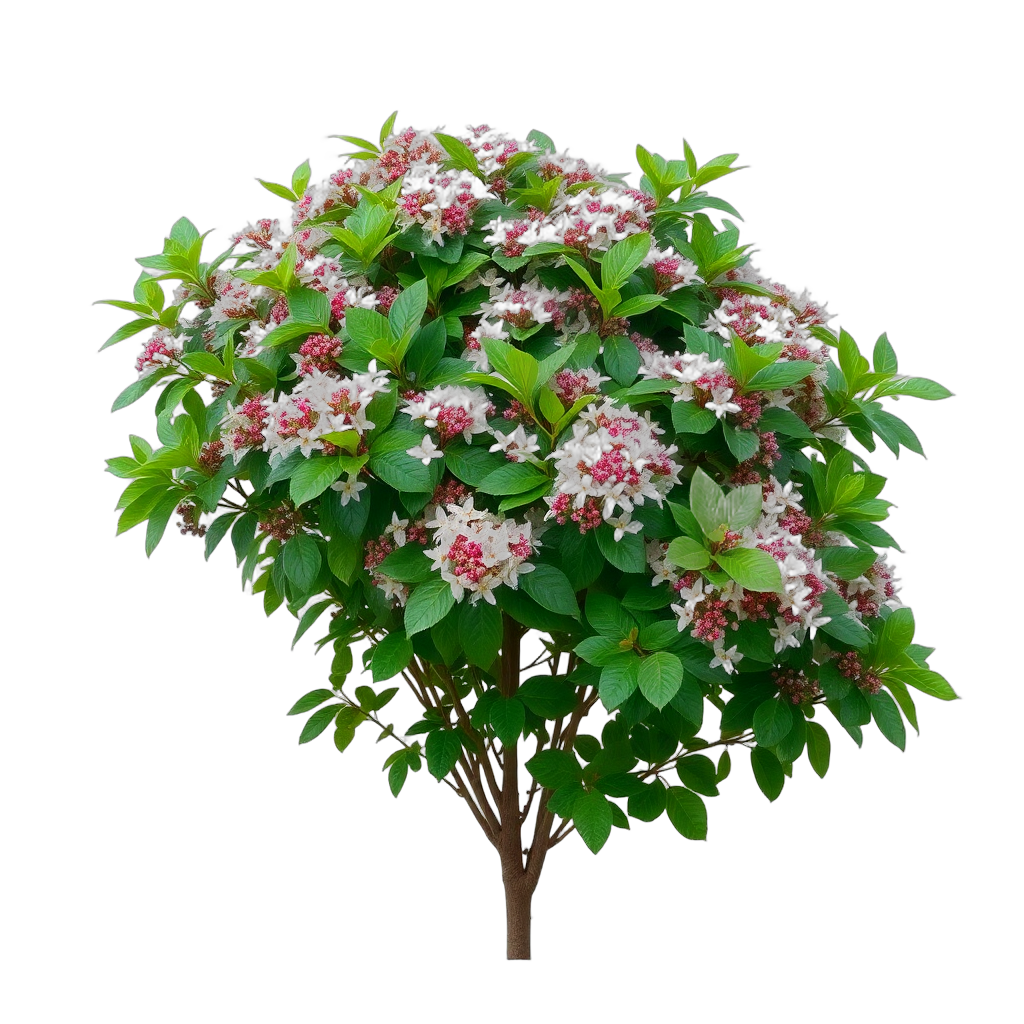
Blackhaw Viburnum
Viburnum prunifolium
medium-sized at 12 feet, white blooms in spring. Pollinator-friendly.
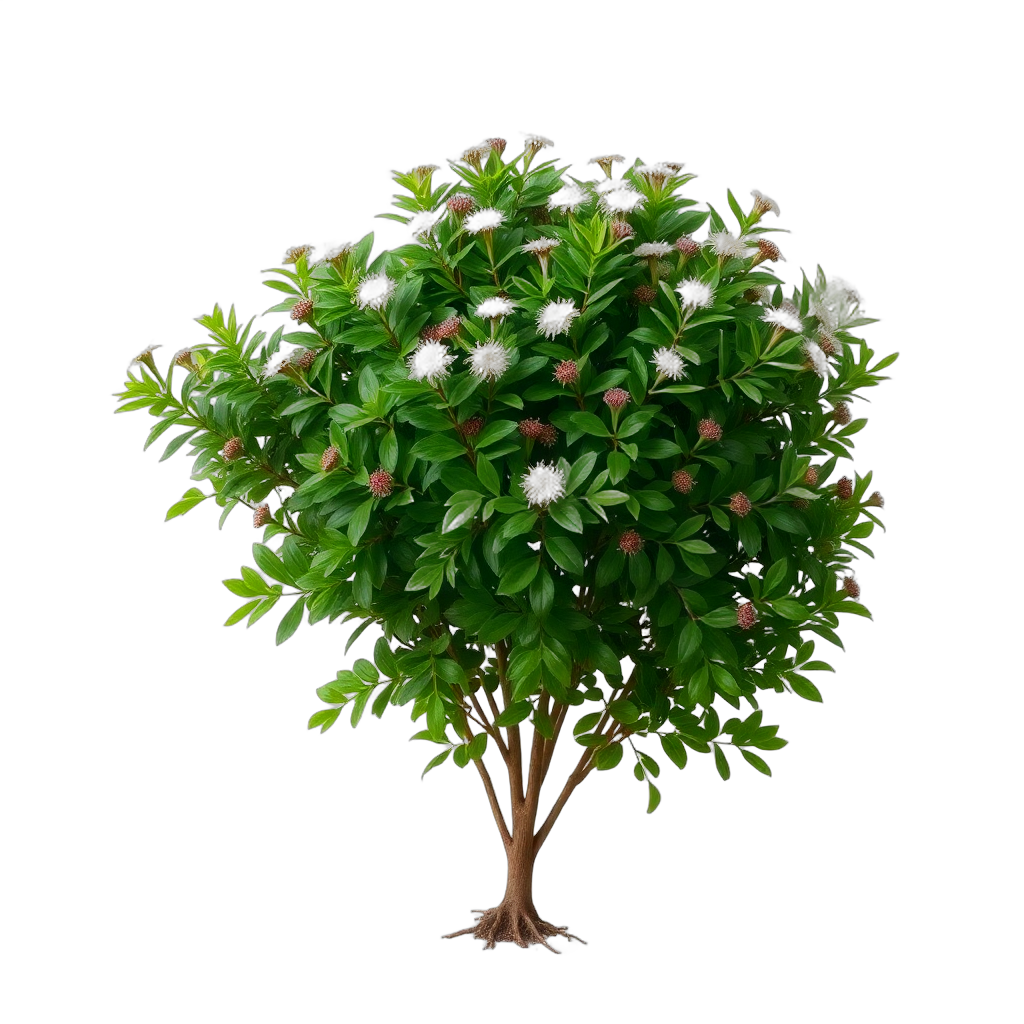
Buttonbush
Cephalanthus occidentalis
medium-sized at 8 feet, white blooms in summer. Attracts butterflies.
Featured Grasses & Groundcovers for Cottage/English Gardens
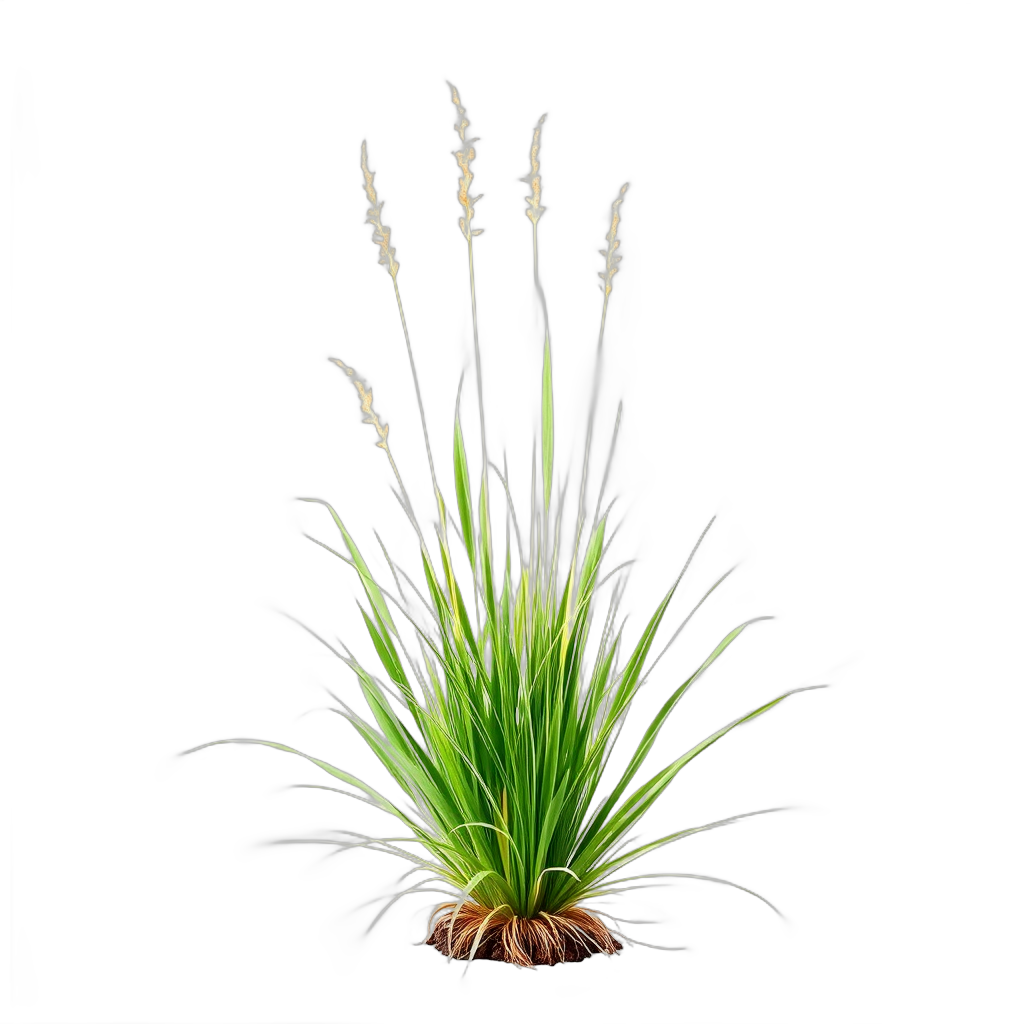
Northern Sea Oats
Chasmanthium latifolium
grows to 4 feet, blooms in fall. Bronze fall color.
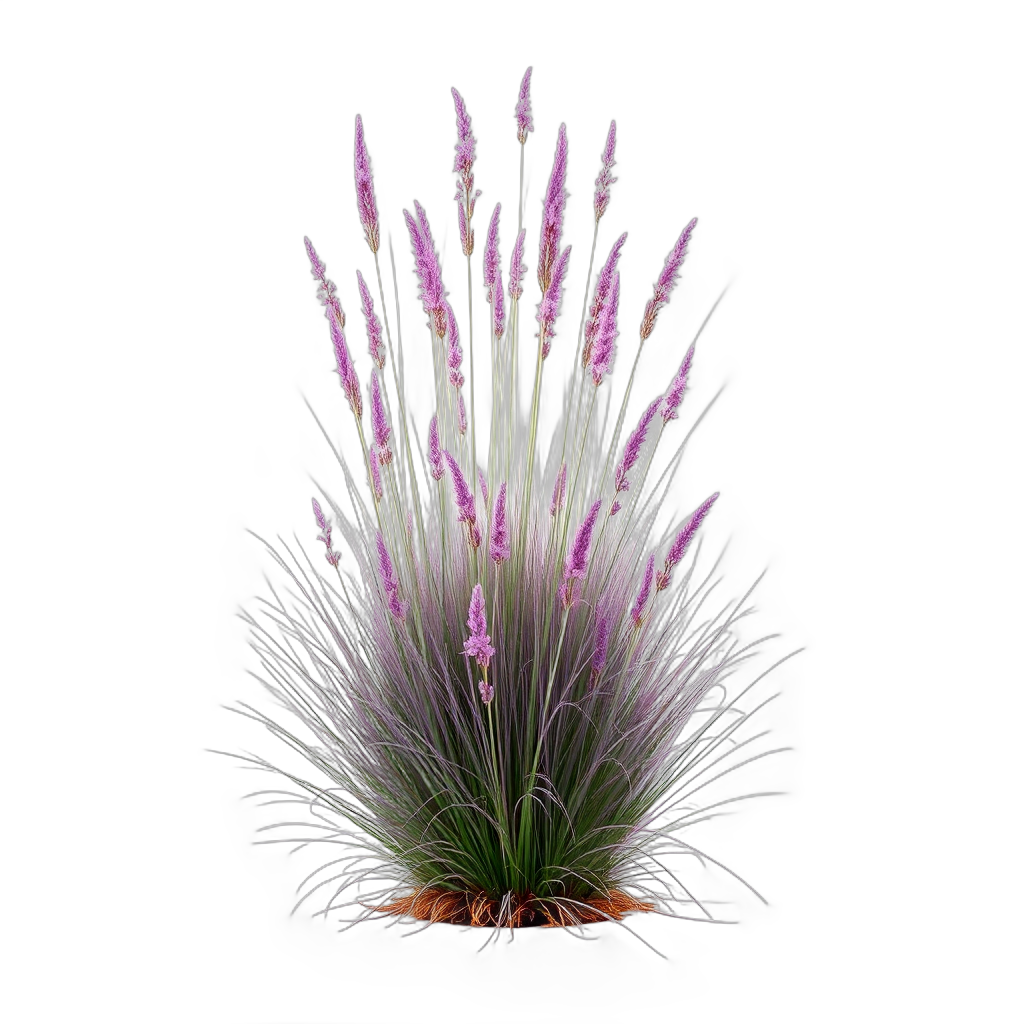
Purple Love Grass
Eragrostis spectabilis
low-growing ground cover, purple blooms in fall. Orange fall color.
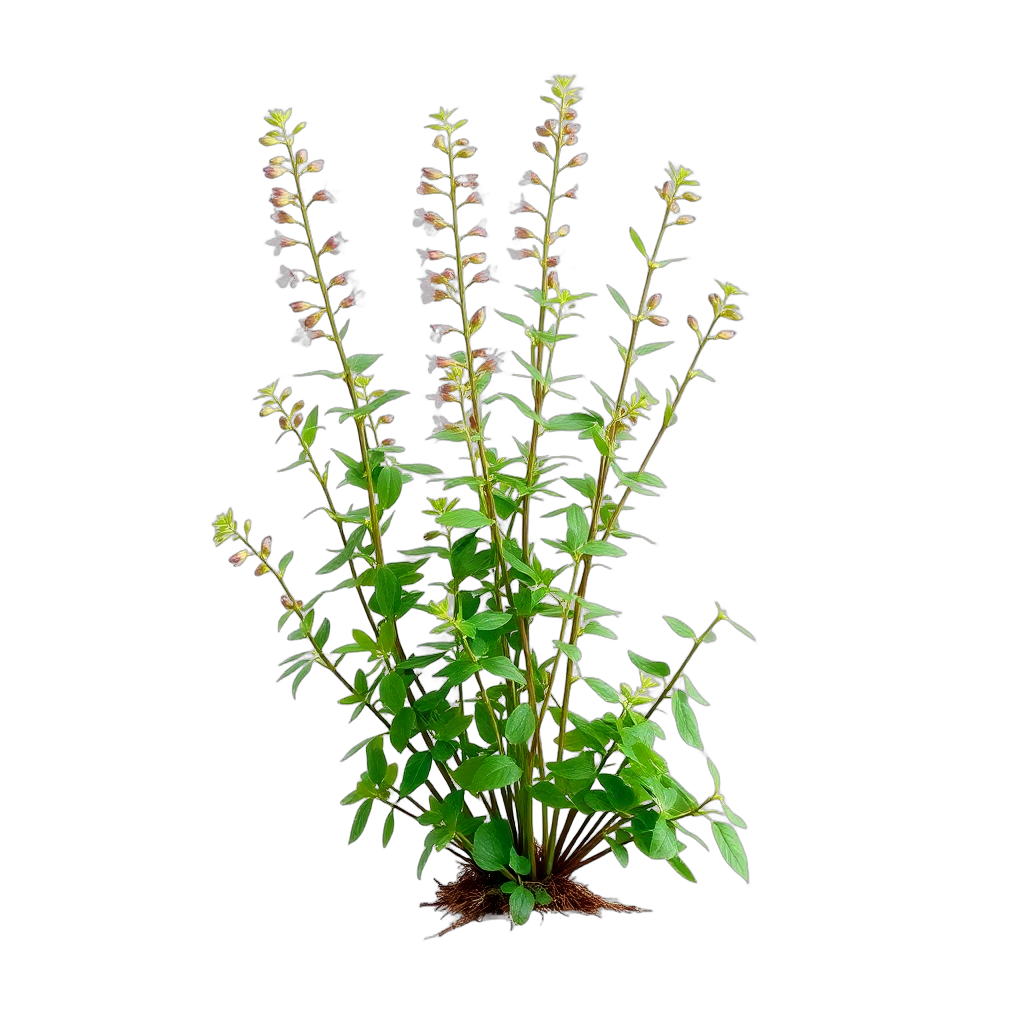
Creeping Jacob's Ladder
Polemonium reptans
low-growing ground cover, blue blooms in spring. Attracts butterflies.
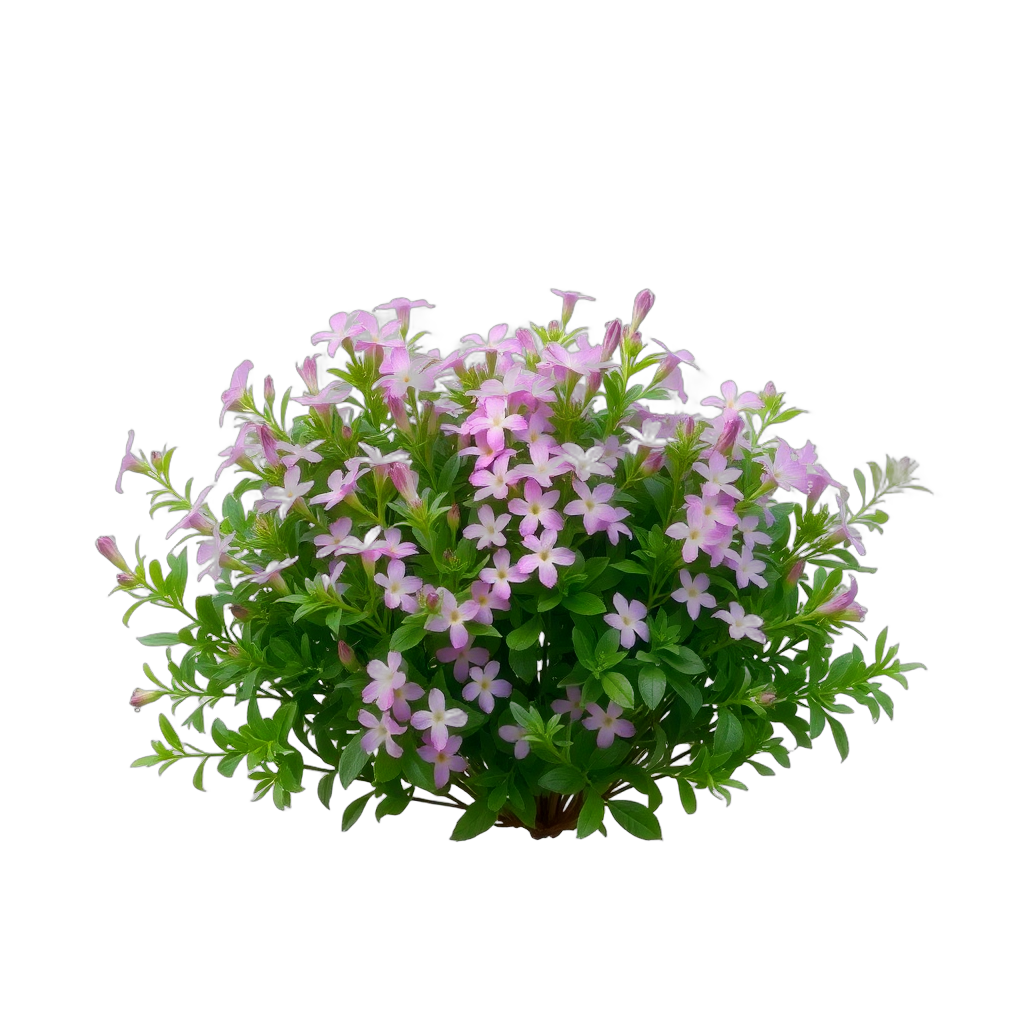
Creeping Phlox
Phlox subulata
low-growing ground cover, multi blooms in spring. Attracts butterflies.
Featured Flowers & Perennials for Cottage/English Gardens
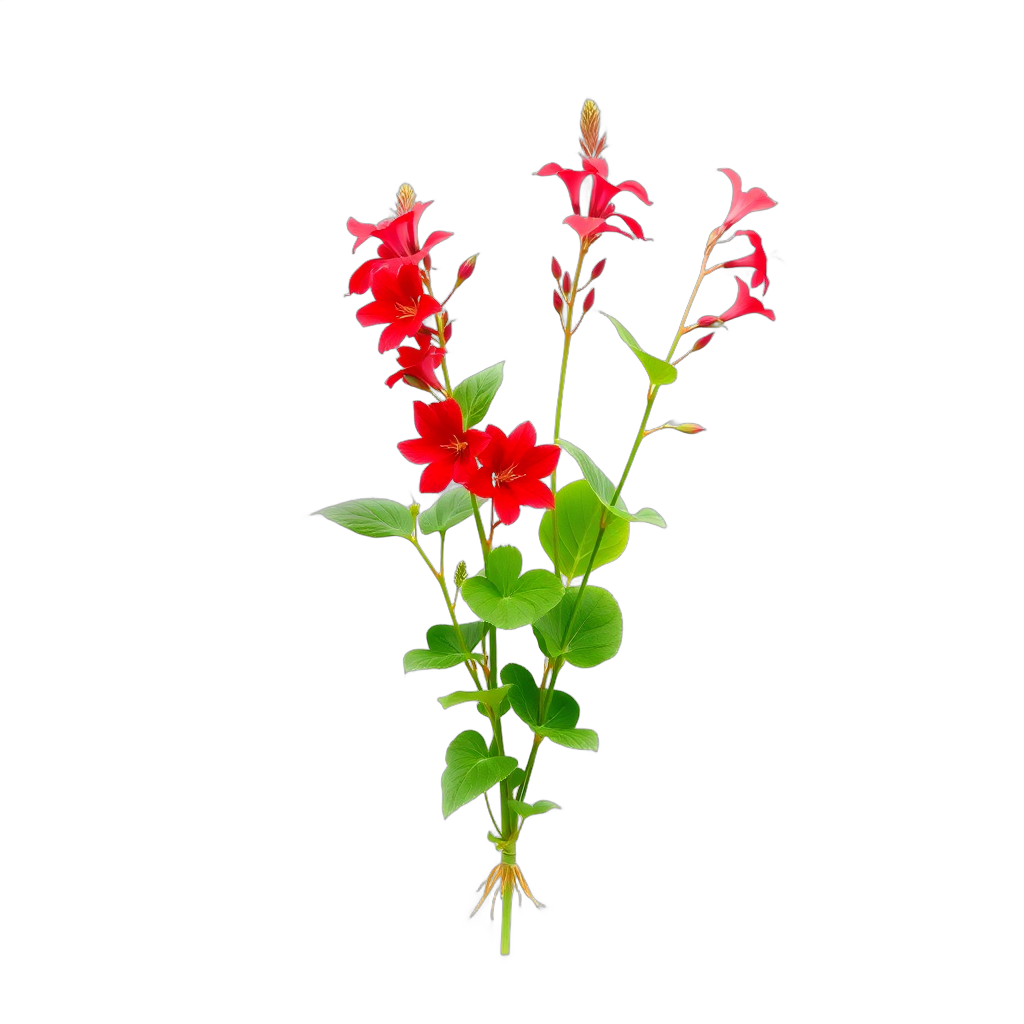
Cardinal Flower
Lobelia cardinalis
grows to 3 feet, red blooms in summer. Attracts hummingbirds.
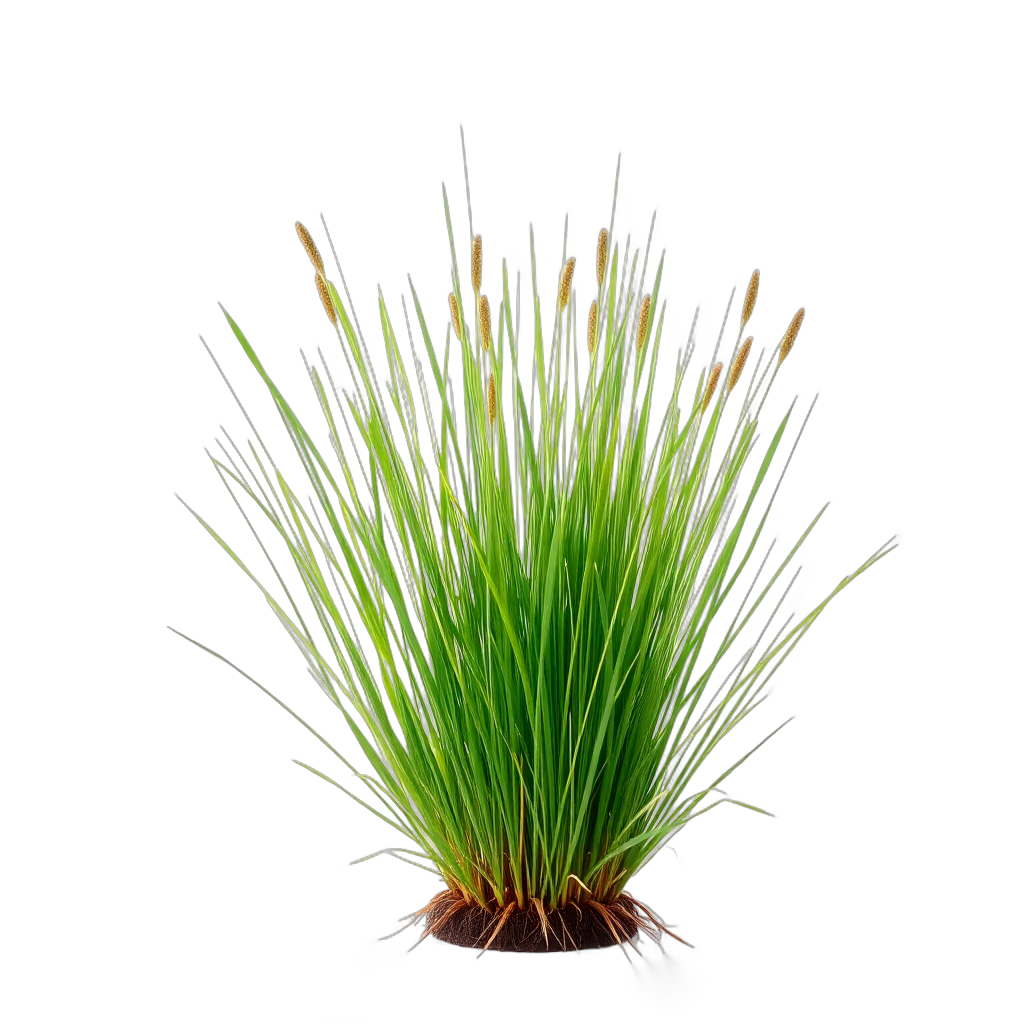
Path Rush
Juncus tenuis
low-growing ground cover, blooms in summer. Evergreen year-round.
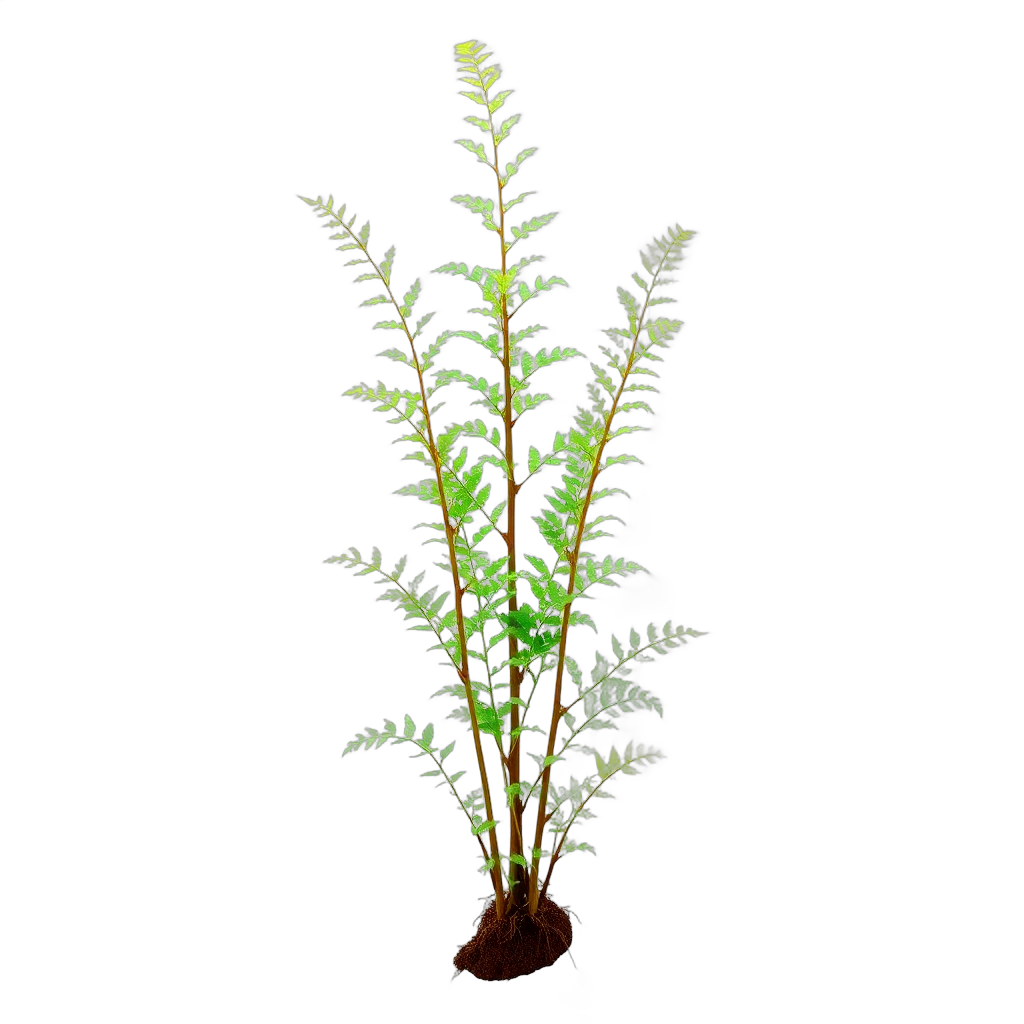
Lady Fern
Athyrium filix-femina
low-growing ground cover, blooms in none.
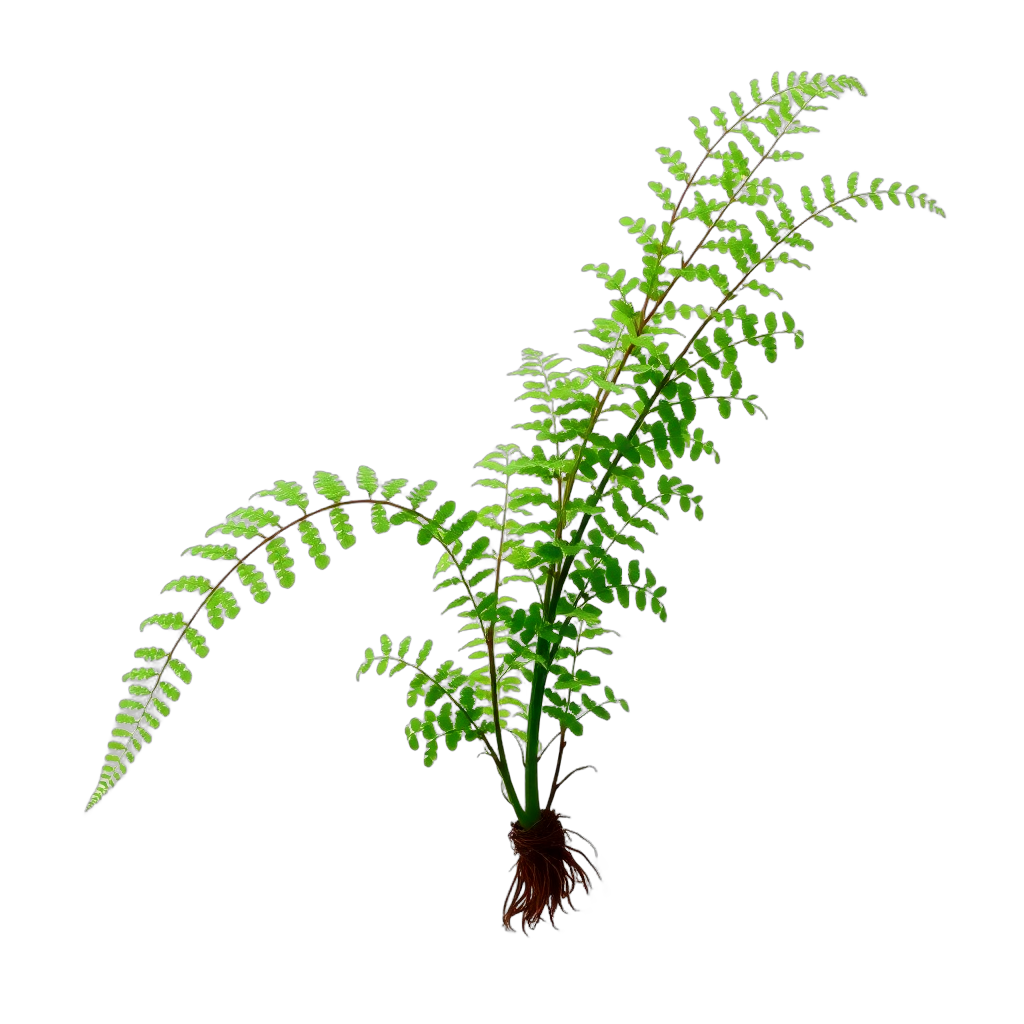
Maidenhair Fern
Adiantum pedatum
low-growing ground cover, blooms in none.
Zone and sun checks come from our database — confirm with your local nursery before you buy.
Bloom Calendar for Pittsburgh
spring
American Alumroot, Bellwort, Bishop's Capsummer
Cardinal Flower, Path Rush, Bee Balmfall
Limited bloomswinter
Limited bloomsDesign Tips for Pittsburgh (Zone 6b)
- Plant Lenten rose (Helleborus) as your earliest-blooming cottage plant—it blooms February through April in Pittsburgh before anything else shows color, creating garden interest during the late winter weeks when everything else is dormant
- Use local Pennsylvania bluestone or sandstone for all hardscape rather than imported stone—it’s geologically authentic to Western PA, costs less than imported options, freezes-and-thaws excellently in Zone 6b conditions, and develops beautiful moss patina in Pittsburgh’s moist climate
- Embrace Pittsburgh’s cloudiness as a cottage gardening asset—hostas, astilbe, ferns, and hydrangeas that require shade in sunnier cities can be grown in full or partial Pittsburgh sun, dramatically expanding your planting options and simplifying site selection
- Build terraced beds on any slope greater than 10%—terracing turns Pittsburgh’s challenging topography into a design asset, creating level planting areas, interesting stone retaining walls, and the layered visual depth that makes slope gardens genuinely spectacular
- Plant oakleaf hydrangeas as the backbone shrub of Pittsburgh cottage gardens—native to the Appalachians, they provide June bloom, summer foliage interest, fall color, and winter seed head structure, and they are perfectly adapted to Pittsburgh’s climate without any special care
- Choose disease-resistant phlox varieties (‘David’, ‘Jeana’, or ‘Shortwood’)—garden phlox in Pittsburgh’s humid summer can develop powdery mildew on susceptible varieties, and mildew-resistant cultivars deliver full cottage bloom without the disfiguring white coating that plagues older varieties
Where to Source Plants in Pittsburgh
Skip the big-box stores. These independent Pittsburgh nurseries specialize in the plants that make cottage/english gardens thrive in Zone 6b.
Soergel Orchards
Wexford / North Hills
Premier Pittsburgh area nursery with outstanding cottage perennials, native plants, and a deep-rooted local presence
Beechwood Farms Nature Reserve Plant Sale
Fox Chapel
Annual native plant sales from the Audubon Society—best source for Appalachian native cottage plants in the Pittsburgh area
Mark’s Garden Center
Mt. Lebanon
Full-service nursery serving South Hills Pittsburgh with cottage plants, perennials, and landscape design services
Phipps Conservatory Plant Shop
Oakland
Native plants and specialty cottage perennials from Pittsburgh’s world-class botanical institution
Reilly’s Summer Seat Farm
Collier Township
Specialty cottage perennials, hostas, and shade plants for Pittsburgh’s woodland cottage garden conditions
Cottage/English Landscaping Costs in Pittsburgh
| Project Scope | Estimated Cost |
|---|---|
| Stone path entry with rose arbor and perennial borders | $9,000 – $22,000 |
| Appalachian shade cottage garden with native plants on sloped lot | $8,000 – $20,000 |
| Flagstone terrace with retaining wall and rose arbor cottage planting | $22,000 – $52,000 |
| Pergola English cottage garden with full perennial borders | $22,000 – $54,000 |
| Dry-stack stone or timber retaining wall (per 50 linear feet) | $8,000 – $20,000 |
| Annual cottage garden maintenance (mulching, pruning, dividing) | $1,200 – $3,000/year |
| AI visualization with ProScapeAI | Free to start |
Estimates based on Pittsburgh, PA-area contractor rates as of 2026. Actual costs vary by site conditions, materials, and contractor.
Pittsburgh Climate & Growing Zone
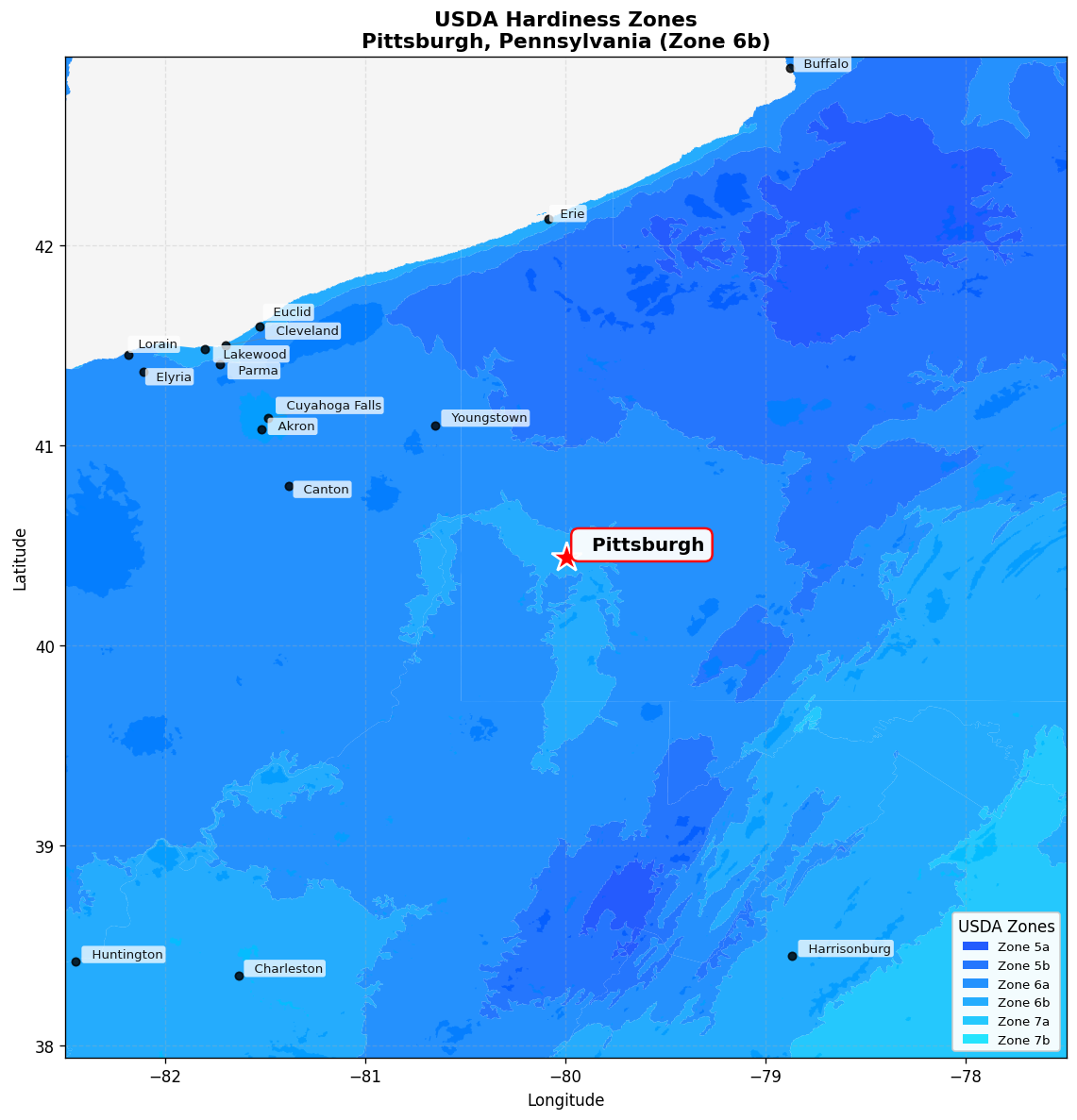
USDA Zone 6b
Hardiness zone for Pittsburgh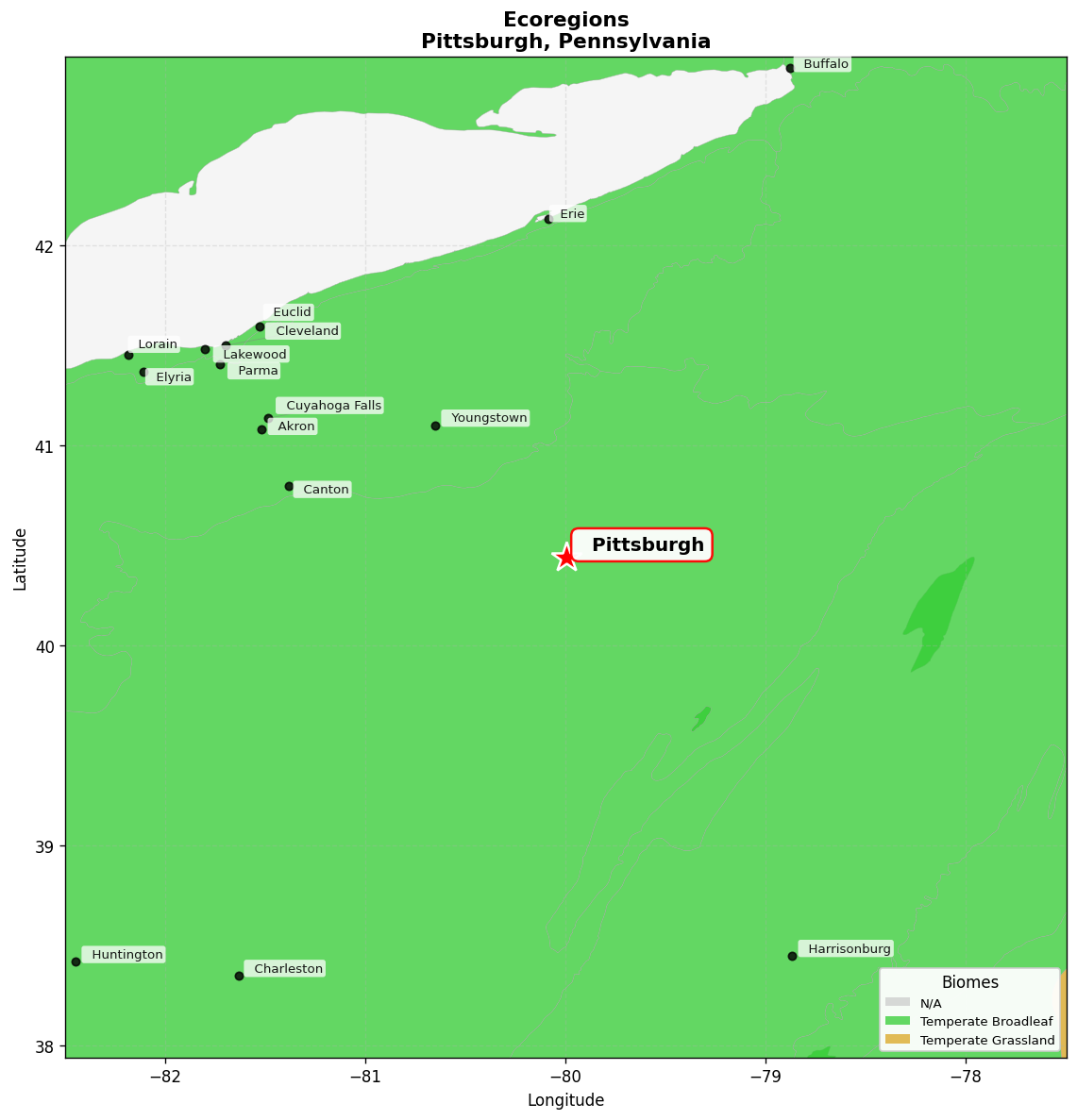
Appalachian mixed mesophytic forests
Native ecoregionFrequently Asked Questions
What cottage plants thrive in Pittsburgh’s Appalachian Zone 6b climate?
Pittsburgh’s Zone 6b with high rainfall supports an excellent cottage plant palette. Outstanding performers: Annabelle hydrangeas (massive white blooms June–August, reliably perennial in Zone 3), oakleaf hydrangea (native to the Appalachians, spectacular June bloom and fall color), Lenten rose (Helleborus ×hybridus, evergreen perennial blooming February–April—the earliest cottage flower in Pittsburgh), garden phlox (native to Eastern US, handles Pittsburgh humidity with good variety selection), coneflowers (native to Eastern US, excellent Zone 6 performer), climbing and shrub roses, peonies (reliably perennial in Zone 4), native azaleas, and native ferns (exceptional in Pittsburgh’s mesic shade conditions).
How do I garden on Pittsburgh’s steep slopes?
Pittsburgh’s topography makes slope management a universal gardening challenge. Key strategies: build terraced planting beds with dry-stack stone or timber retaining walls, which convert steep slopes into level planting areas; on slopes too steep for terracing, plant densely with erosion-controlling perennials like daylilies, catmint, and vinca that hold soil with their root systems; use native groundcovers (wild ginger, native ginger, pachysandra from native alternatives) on very steep shaded areas; and install jute erosion netting over newly planted bare soil areas until plants establish. Pittsburgh’s reliable rainfall means established plants on slopes don’t need irrigation, but bare soil erodes quickly in the city’s frequent rain events.
What native Appalachian plants suit a Pittsburgh cottage garden?
The Appalachian Mixed Mesophytic Forest is the most biodiverse temperate forest in North America, giving Pittsburgh cottage gardeners access to beautiful native plants uniquely adapted to local conditions. Best cottage-compatible natives: native azaleas (Rhododendron calendulaceum, R. viscosum—spectacular bloom), wild columbine (Aquilegia canadensis, red flowers, naturalizes in limestone areas), wild blue phlox (Phlox divaricata, lavender-blue spring bloom), native ferns (Dryopteris marginalis, Christmas fern—both evergreen, exceptional in shade), Lenten rose (semi-native to the Appalachians), oak-leaf hydrangea (native, best Pennsylvania summer-flowering shrub), and coneflower (Echinacea purpurea, Eastern native).
How does Pittsburgh’s cloudiness affect cottage garden plant selection?
Pittsburgh is one of the cloudiest major US cities—averaging only 59 sunny days per year vs. a national average of 205. This dramatically affects plant selection: shade-loving cottage plants that would require a north-facing border in sunnier cities can be grown in full to partial sun exposure in Pittsburgh’s diffuse light. Hostas, astilbe, ferns, and hellebores—typically relegated to shade spots—grow vigorously in full Pittsburgh light that would bleach and burn them in Dallas or Phoenix. Sun-loving cottage plants like roses, lavender, and delphiniums need Pittsburgh’s most sun-exposed south-facing spots to bloom satisfactorily—north-facing sites are too shaded for them even in summer.
Does Pittsburgh get enough sun for roses?
Roses need minimum 6 hours of direct sun for satisfactory bloom, which is achievable in south- and west-facing Pittsburgh gardens. South-facing front yards in Squirrel Hill and Shadyside can provide 8–9 hours of sun through summer. Choose disease-resistant varieties that can withstand occasional shading without disease pressure—Knock Out roses, Canadian Explorer series, and disease-resistant David Austin varieties are better choices for Pittsburgh than traditional hybrid teas that require full sun and regular fungicide programs. Avoid east-facing sites (morning sun only) or sites under tree canopy for roses; the reduced light leads to poor bloom and increased black spot.
How much does a cottage garden installation cost in Pittsburgh?
Pittsburgh landscaping costs run approximately 3% above national average per local data. A cottage front yard entry with stone path, rose arbor, and perennial borders typically costs $10,000–24,000. A hillside terrace with retaining wall and cottage garden runs $22,000–50,000 (retaining walls add significant cost on Pittsburgh slopes). A pergola English cottage garden ranges $22,000–52,000. Annual maintenance for an established Pittsburgh cottage garden (mulching, pruning, dividing) runs $1,200–3,000/year. Slope work—terracing and retaining walls—is the largest variable cost unique to Pittsburgh cottage garden installations.