4 Mediterranean Garden Ideas for Seattle, WA | Drought-Tolerant Tuscan Designs for Zone 8b
Native plants from the Puget lowland forests (Zone 8b) — Mediterranean (warm summer) climate
Why Mediterranean Gardens in Seattle?
Seattle's climate is classified Köppen Csb — the same broad Mediterranean category as Los Angeles — but it's the maritime, cool, wet-winter variant. The city receives 38 inches of rainfall annually, mostly October through April, followed by remarkably dry and pleasant summers. Summer highs average 75–80°F and rarely exceed 90°F, making Seattle's dry season genuinely pleasant. Winter lows average 28–35°F in most years, occasionally dropping lower in severe cold events. This climate shapes which Mediterranean plants succeed here — the hardiest and most moisture-tolerant selections thrive beautifully, while tender tropical-Mediterranean plants (bougainvillea, most agaves) face real challenges.
The Puget lowland forest ecoregion creates rich, moisture-retentive soils that support Mediterranean plants well once drainage is addressed. The region's dry-summer pattern — often only 2–3 inches of rainfall from June through September — is almost identical to the summer drought cycle of Provence and Andalusia, giving lavender, rosemary, thyme, and Cistus exactly the dry-summer stress response that produces their best fragrance and bloom. Seattle gardeners who install a Mediterranean garden find that the dry-summer months of July through September are its peak performance season, precisely when the Pacific NW is at its most beautiful outdoors.
Seattle's diverse residential architecture includes several typologies that embrace Mediterranean design particularly well. The Spanish Colonial influenced homes of Broadmoor, the Mediterranean Revival residences of Madison Park and Laurelhurst, and the stucco and tile-roofed homes throughout the Eastside suburbs all benefit from lavender hedges, olive trees, and fragrant herb plantings that align with their architectural heritage. The rising interest in water-smart landscaping driven by Seattle's progressive environmental culture makes Mediterranean design's low-water credentials a genuine selling point as much as its aesthetic appeal.
4 Mediterranean Design Ideas for Seattle
AI-generated image
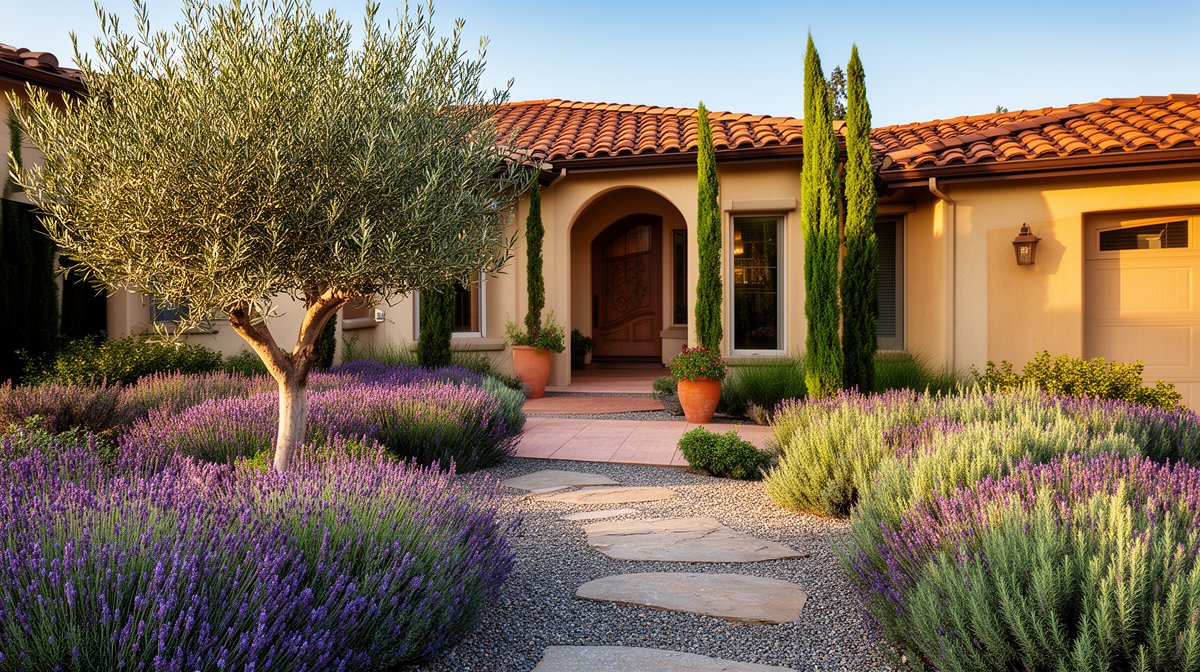
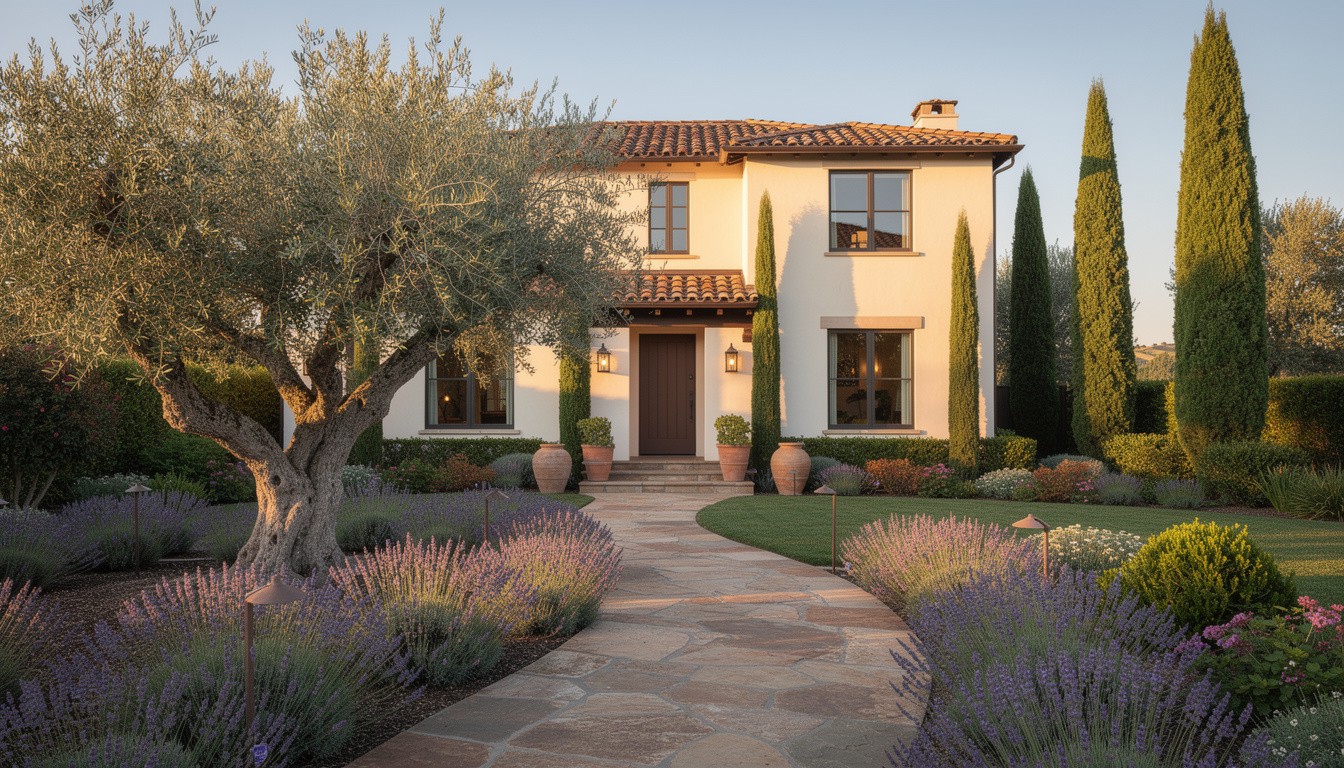
The Spanish Revival Olive & Lavender Entry
$16–32/sqftA white stucco Spanish Revival home with red tile roof gets the Mediterranean entry it was designed for: a gnarled multi-trunk olive tree anchors the main bed, tall Italian cypress punctuate both property corners, and sweeping lavender hedges in full purple bloom line the long flagstone path to the arched door. The olive and cypress are cold-hardy enough for Seattle's Zone 8b winters, and lavender thrives in the Pacific Northwest's dry summers.
AI-generated image
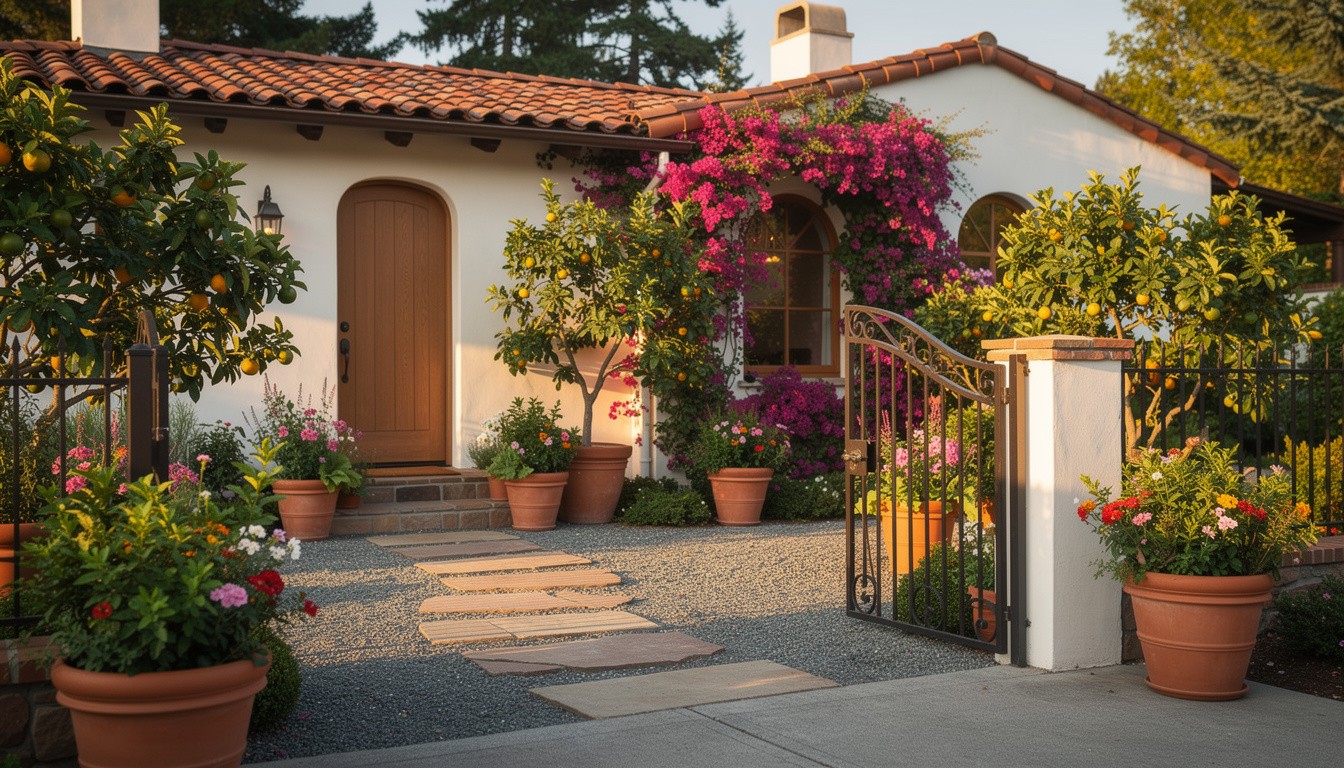
The Bougainvillea & Citrus Courtyard Entry
$16–30/sqftA low white stucco home with arched entry and timber gate is fronted by a warm gravel courtyard, with vivid bougainvillea spilling over the gate arbor above and espalier citrus and lemon trees flanking the path in large terracotta pots. Seattle's sunniest south-facing microclimates support bougainvillea against sheltered walls, delivering the bold color that makes Mediterranean entries so distinctive. The gravel courtyard requires no mowing and looks beautiful year-round.
AI-generated image
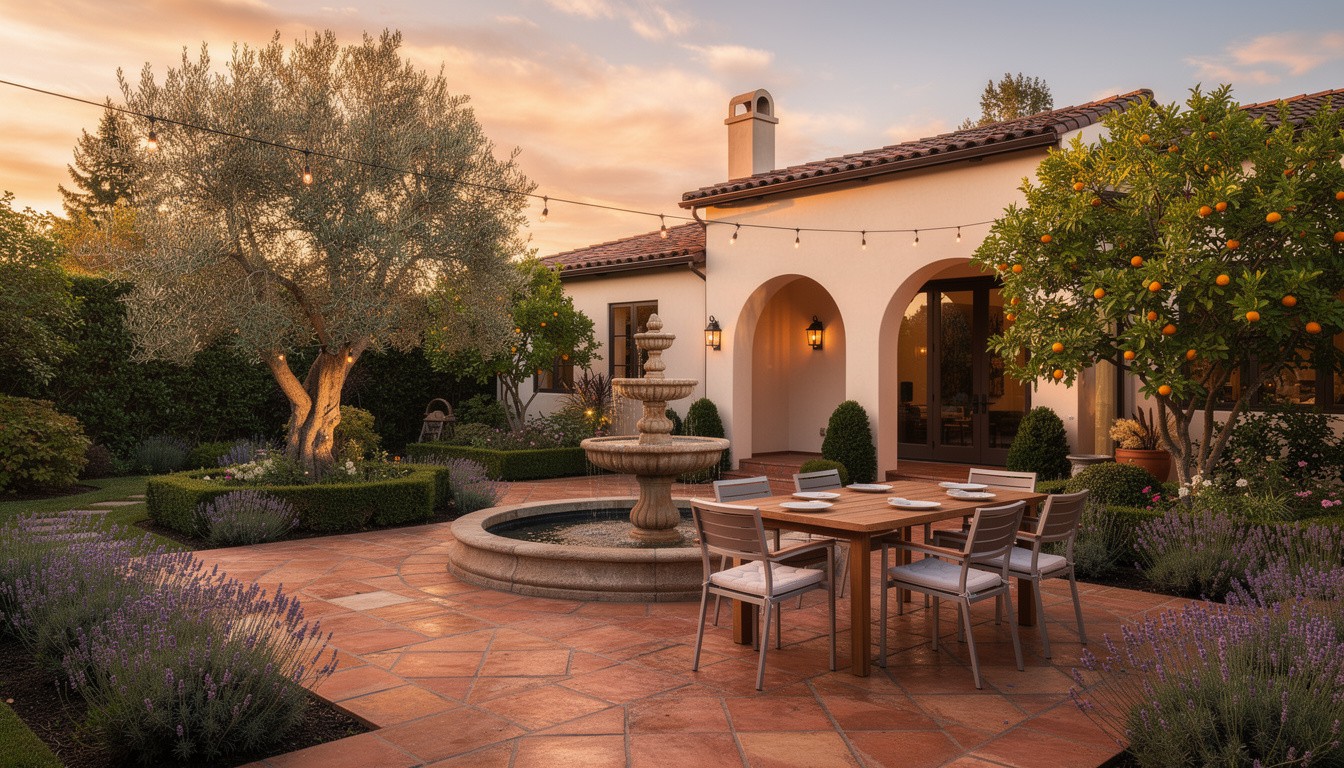
The Tuscan Fountain Terrace
$30–58/sqftA Spanish Colonial backyard at golden hour: a terracotta-tiled patio surrounds a large classical stone fountain as the centerpiece, with lavender hedges edging the surrounding beds and a mature olive tree to one side. A teak dining table and chairs occupy the sunny corner, and an orange tree heavy with fruit anchors the composition. The warm terracotta, gentle fountain sound, and Mediterranean planting create a complete sensory experience on Seattle's best summer evenings.
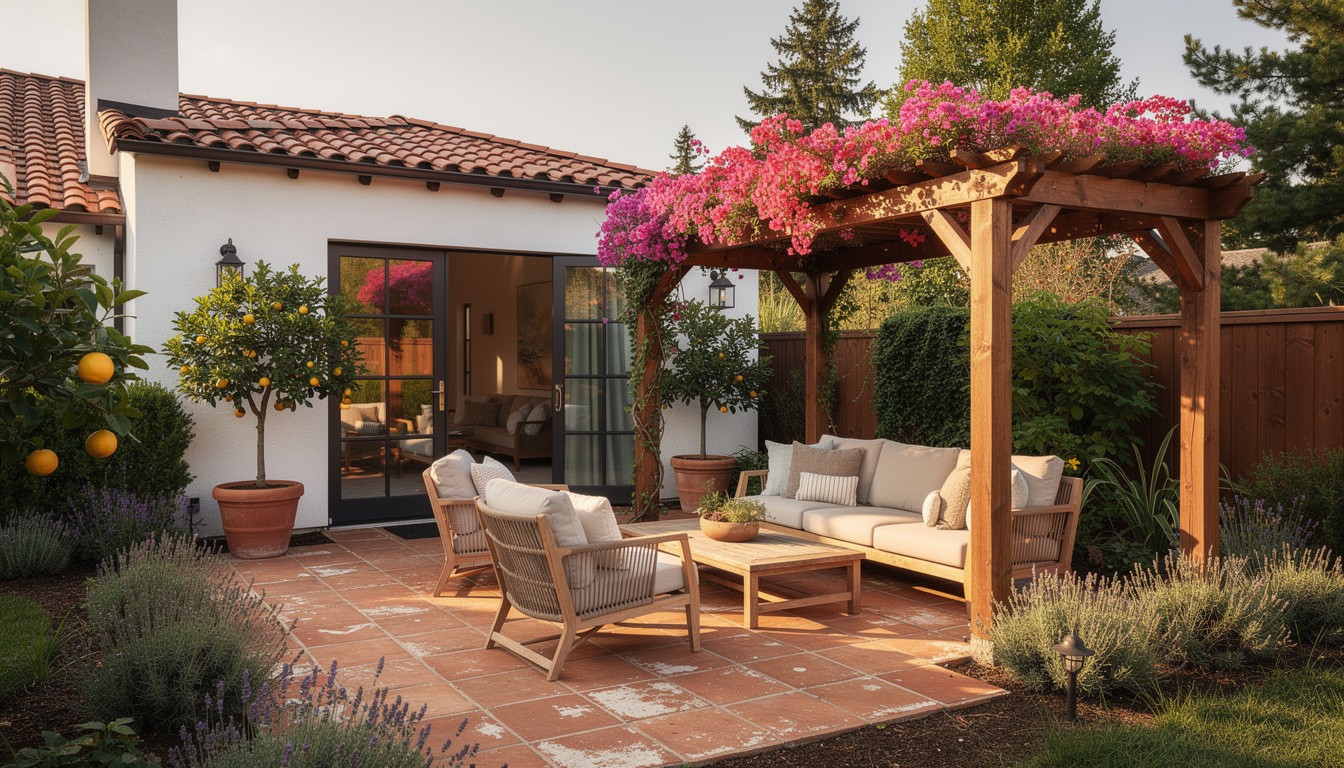
AI-generated image
The Bougainvillea Pergola Lounge
$28–54/sqftA terracotta-tiled backyard terrace with a cedar timber pergola draped in vivid bougainvillea blooms creates a spectacular Mediterranean canopy for outdoor living. Wicker lounge chairs cluster beneath, lemon trees in terracotta pots flank both ends, and lavender borders edge the patio. In Seattle's protected south-facing gardens, bougainvillea against a warm wall delivers dazzling color through the summer — the Mediterranean moment every Pacific Northwest gardener envies.
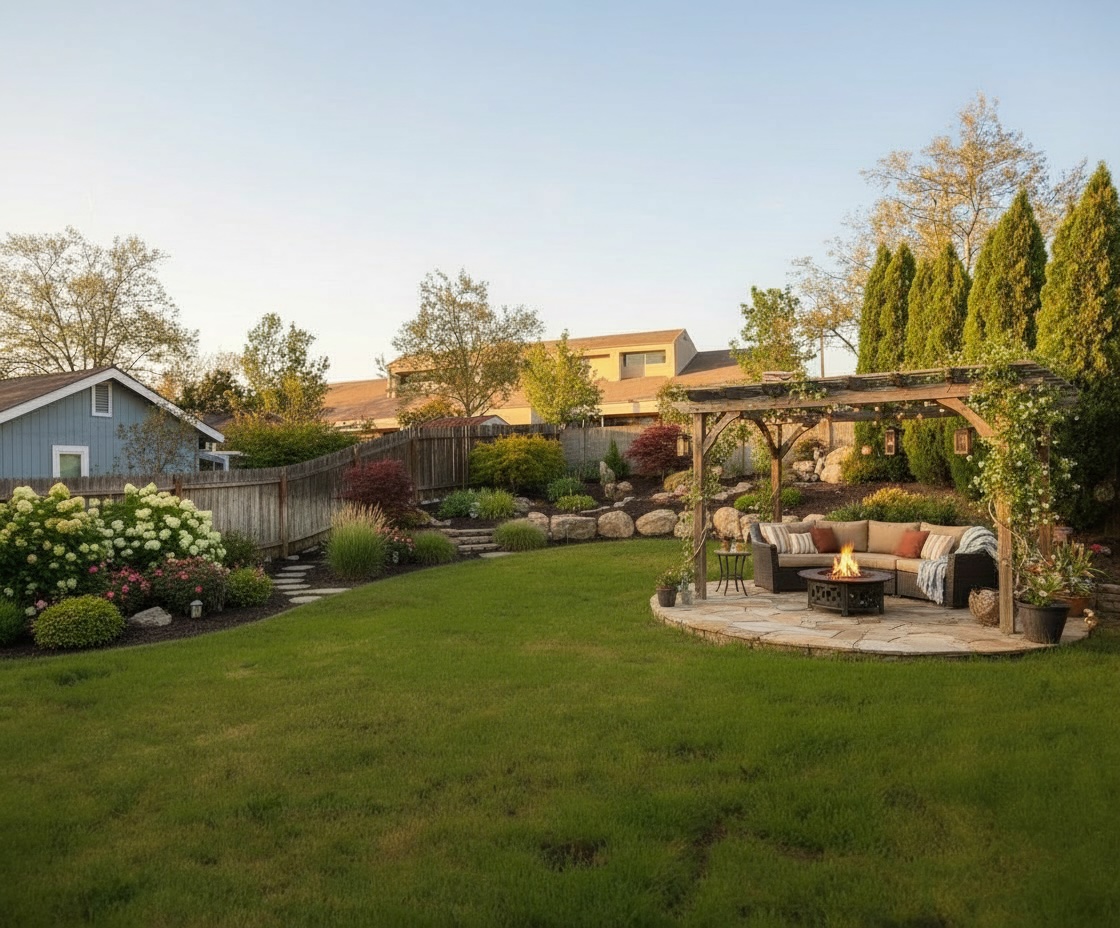
See how a mediterranean garden looks on YOUR property
Upload a photo of your Seattle yard and visualize your dream garden in seconds.
Try ProScapeAI Free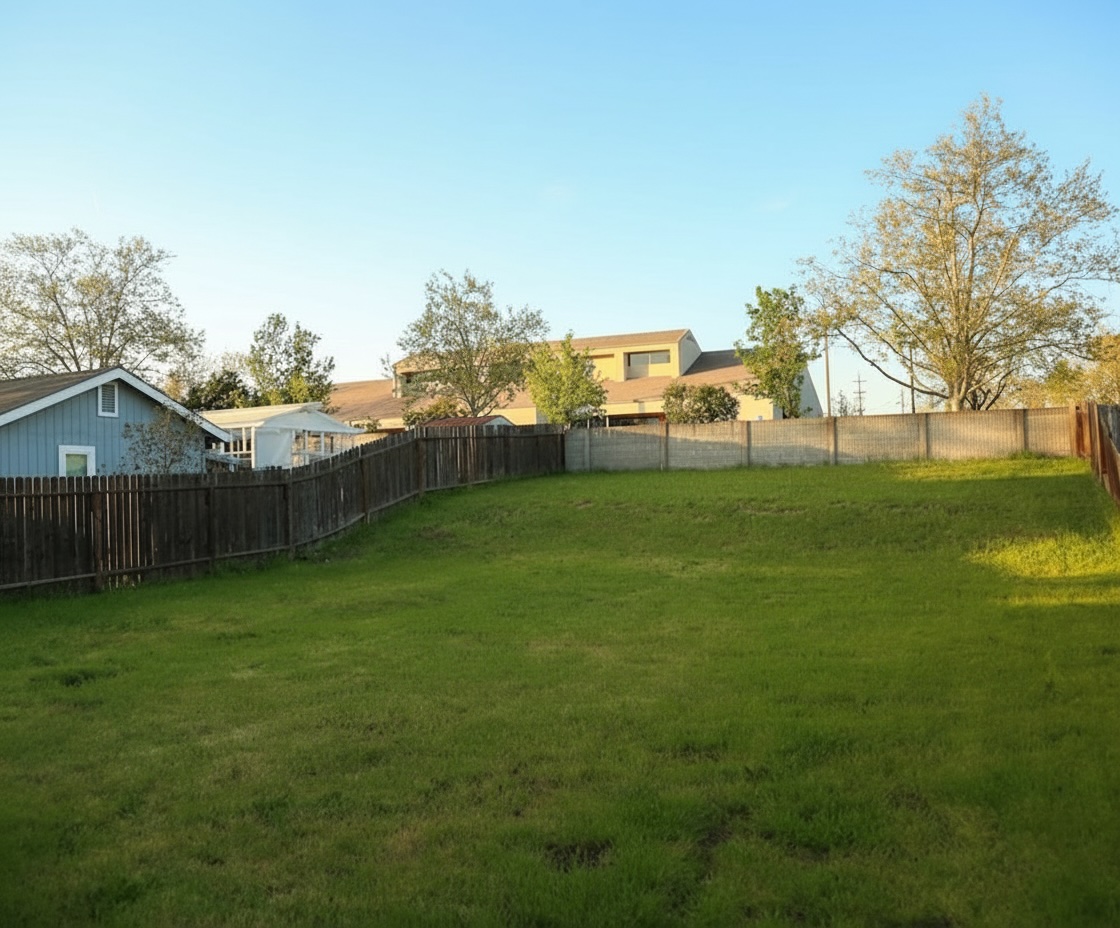
AI-generated image
Featured Trees & Shrubs for Mediterranean Gardens
Browse all 163 plants for Seattle
Nootka Rose
Rosa nutkana
grows to 5 feet, pink blooms in spring. Attracts butterflies.
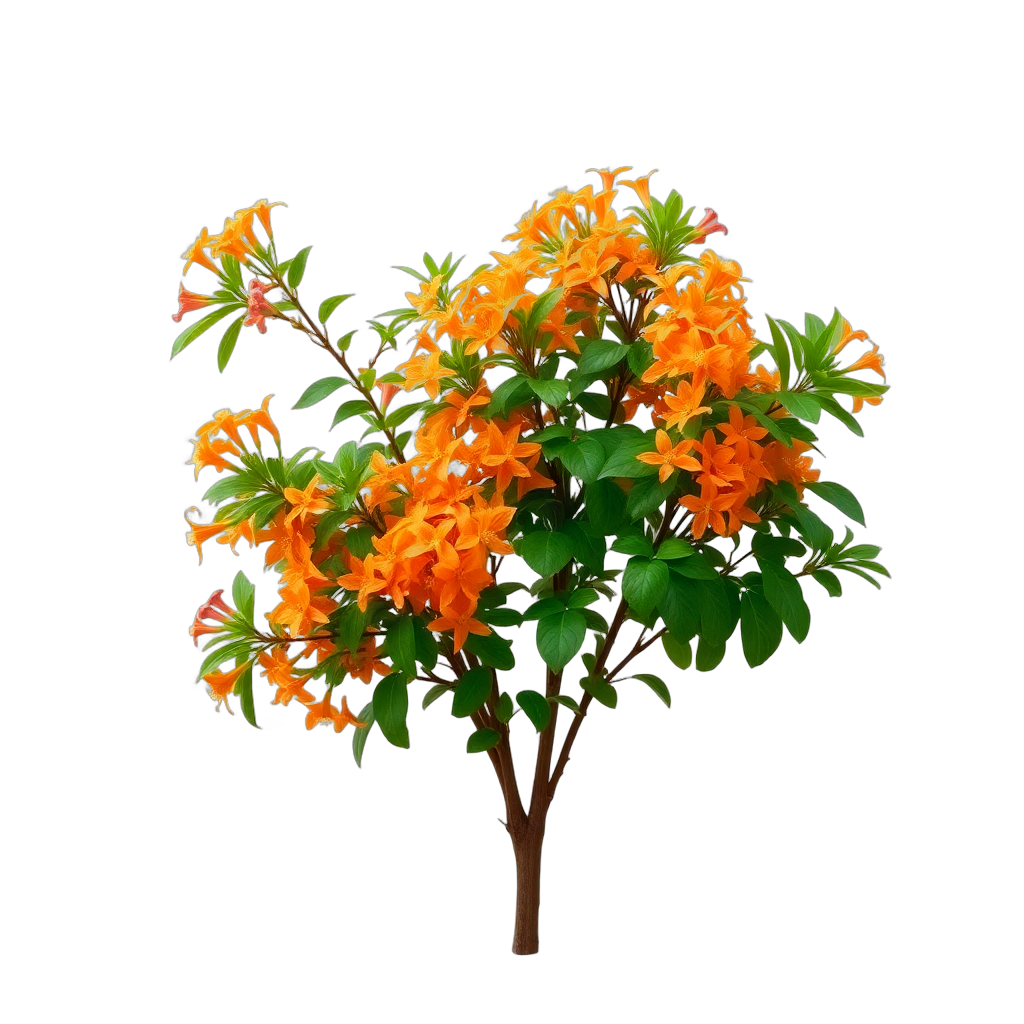
Orange Honeysuckle
Lonicera ciliosa
medium-sized at 15 feet, orange blooms in summer. Attracts hummingbirds.
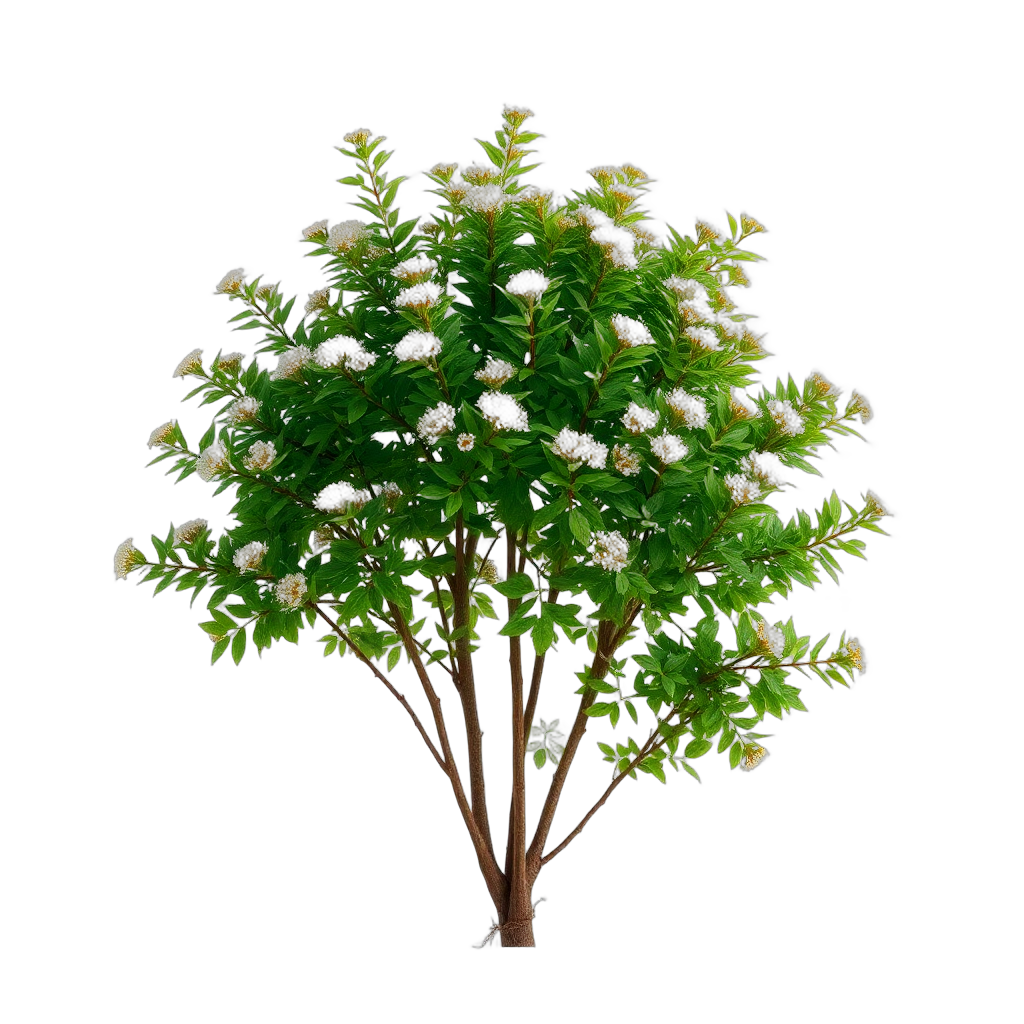
Pacific Ninebark
Physocarpus capitatus
medium-sized at 8 feet, white blooms in spring. Attracts butterflies.
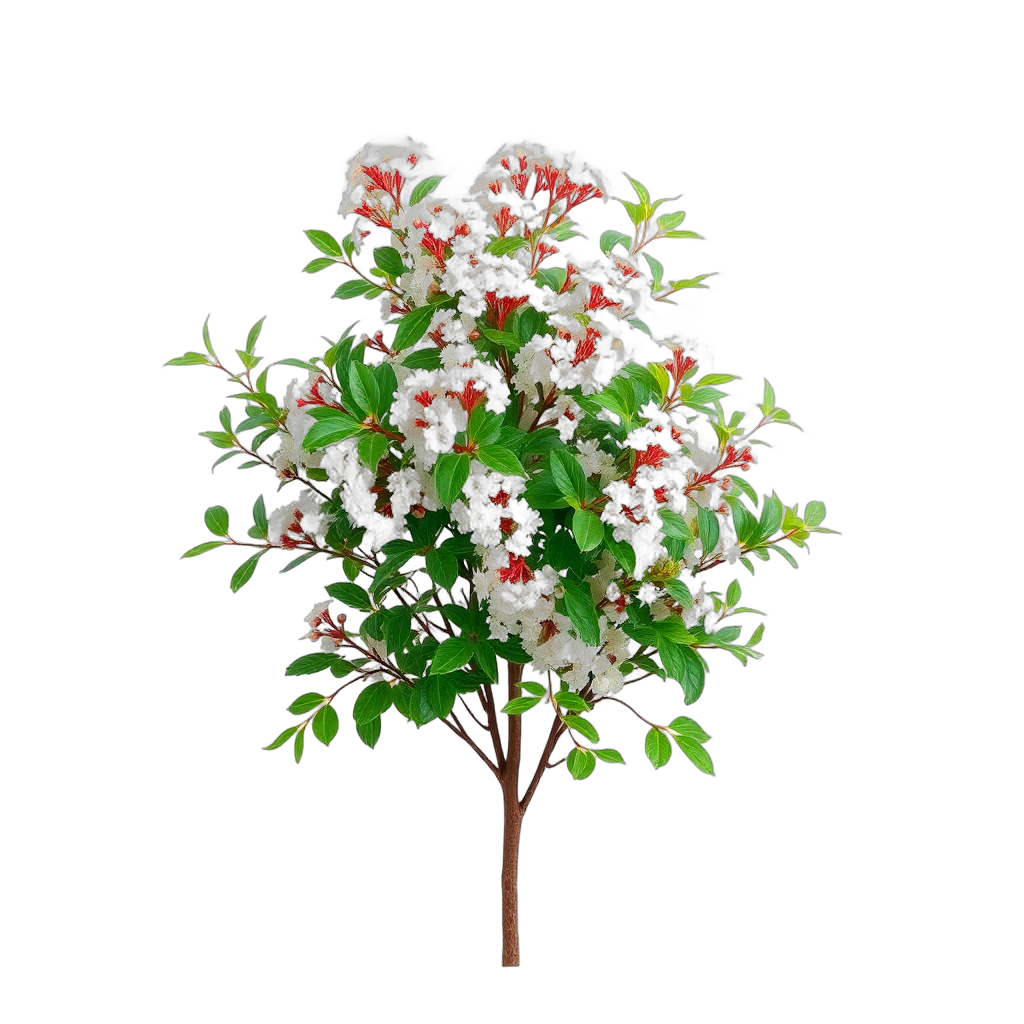
Snowberry
Symphoricarpos albus
grows to 4 feet, pink blooms in summer.
Featured Flowers & Perennials for Mediterranean Gardens
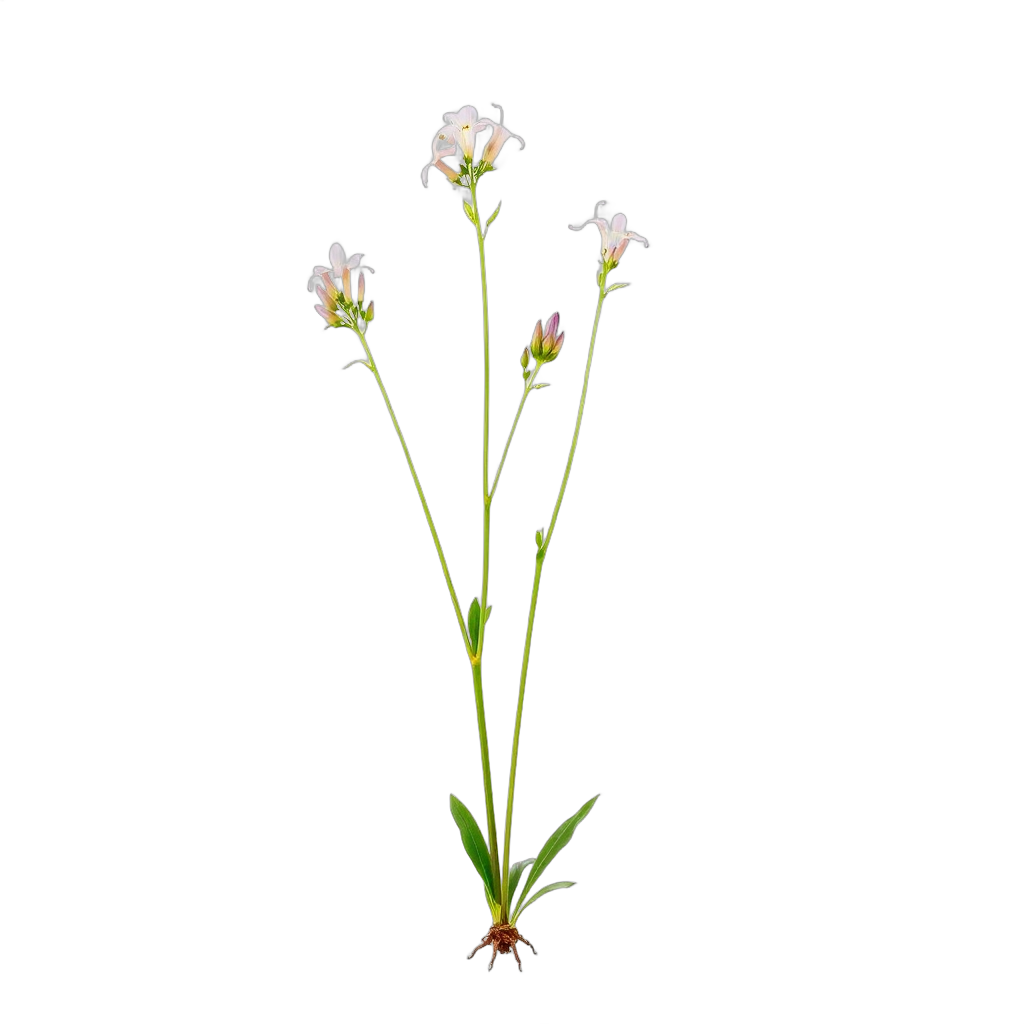
Common Camas
Camassia quamash
low-growing ground cover, blue blooms in spring. Pollinator-friendly.
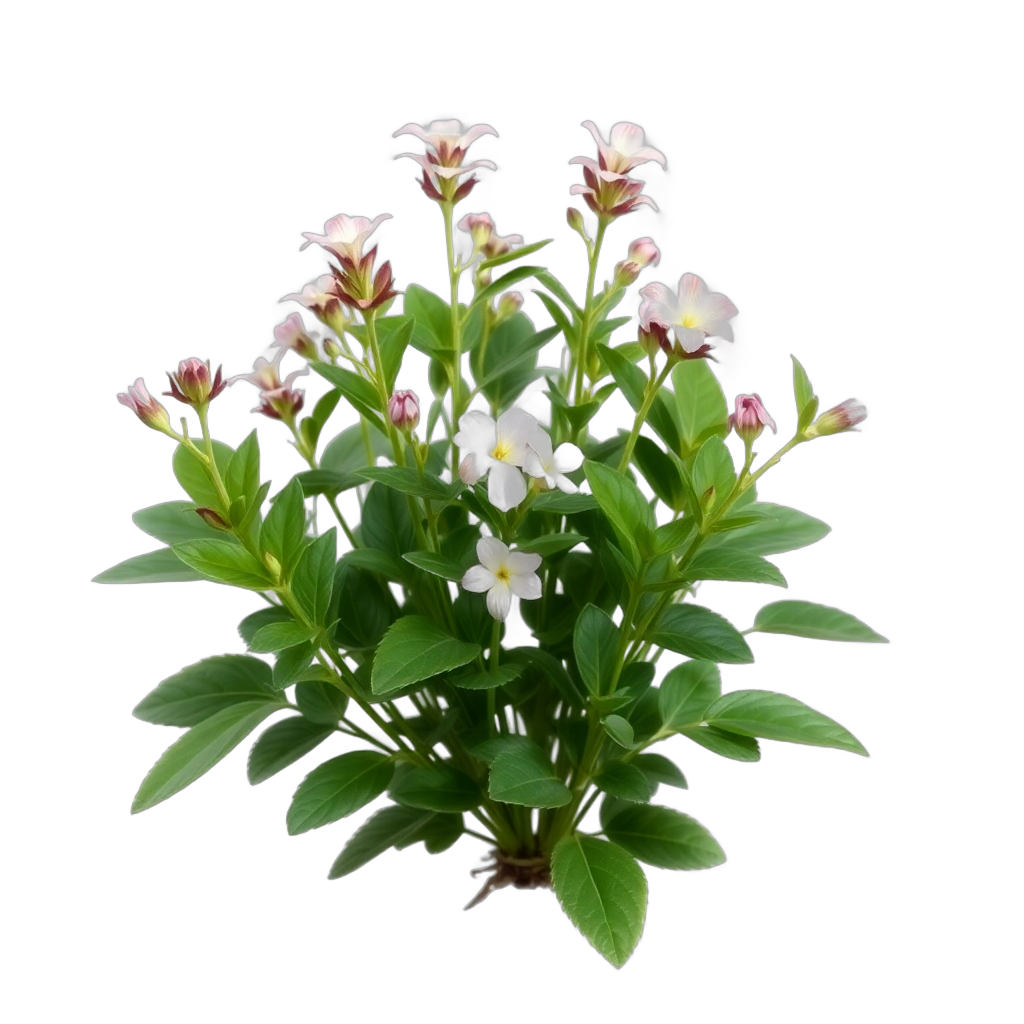
Inside-Out Flower
Vancouveria hexandra
low-growing ground cover, white blooms in spring.
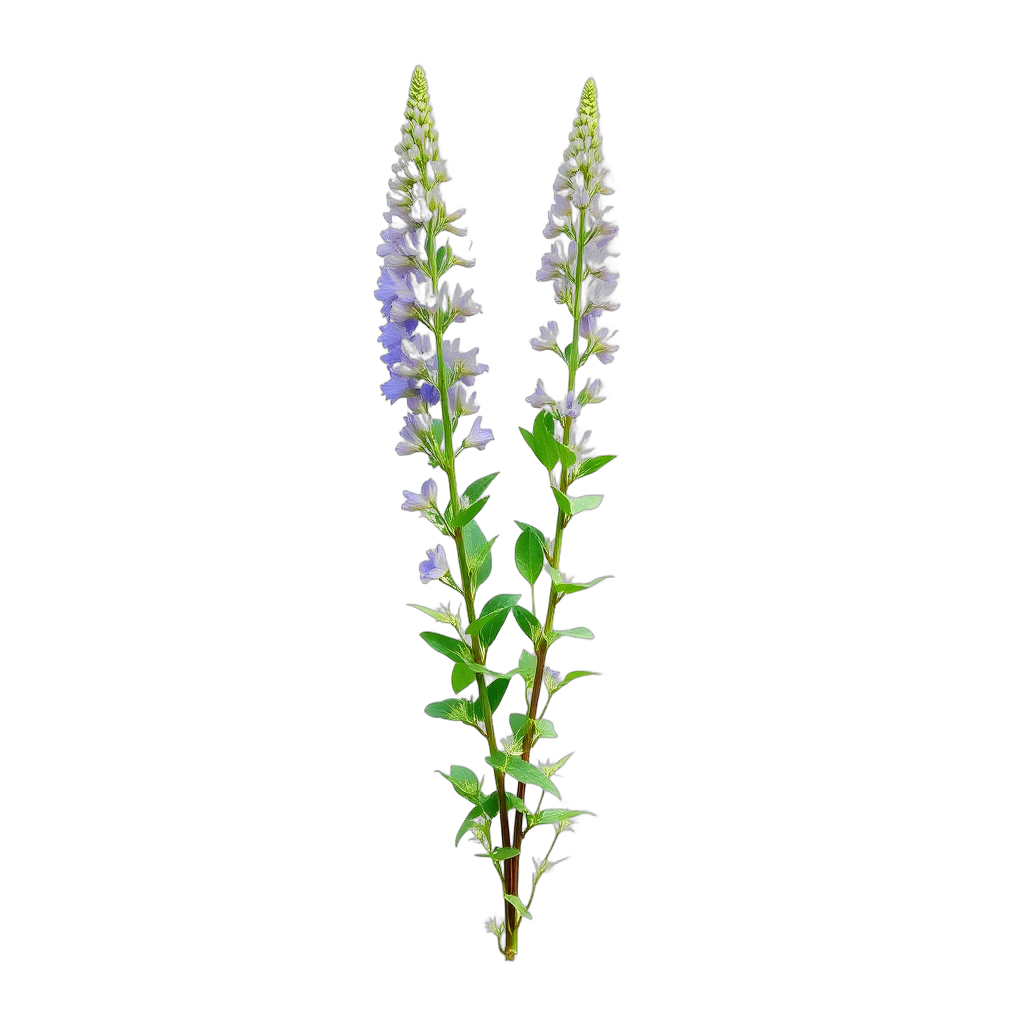
Large-Leaved Lupine
Lupinus polyphyllus
grows to 4 feet, multi blooms in spring. Attracts butterflies.
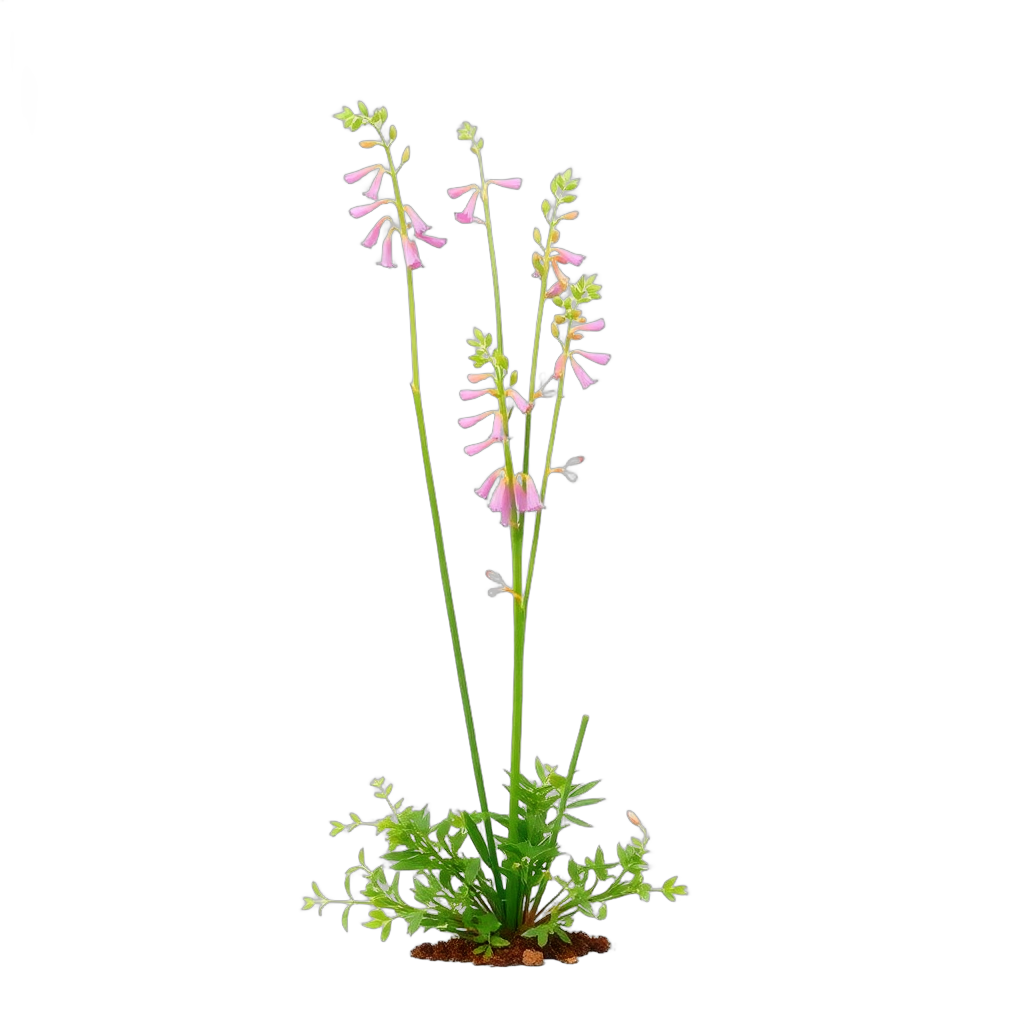
Scouler's Corydalis
Corydalis scouleri
grows to 3 feet, pink blooms in spring. Pollinator-friendly.
Zone and sun checks come from our database — confirm with your local nursery before you buy.
Bloom Calendar for Seattle
spring
Common Camas, Inside-Out Flower, Large-Leaved Lupinesummer
Tiger Lily, Orange Honeysuckle, Snowberryfall
Limited bloomswinter
Limited bloomsDesign Tips for Seattle (Zone 8b)
- Build lavender beds 10–12 inches above grade on naturally level Seattle sites — the raised bed eliminates the root rot risk that kills most Seattle lavender attempts in the ground; use the bed itself as a design element (cedar-sided or stone-edged beds are both attractive) rather than trying to conceal it
- Plant Mediterranean herbs in the warmest microsite on your property — in Seattle, the warmest spot is usually against a south or southwest-facing wall, ideally masonry or stucco that stores heat; this microsite advantage gives you 2–3°F of additional warmth compared to open garden positions, which matters for marginally hardy species like lemon verbena and some lavender types in severe winters
- Use creeping thyme as your flagstone joint planting in a Seattle Mediterranean garden — it handles Seattle's wet winters far better than other Mediterranean ground covers, releases wonderful fragrance when walked on, blooms with pink-purple flowers in late spring, and self-repairs after winter damage with the return of Seattle's warm season
- Build a covered outdoor structure as the functional heart of any Seattle Mediterranean backyard design — the loggia or pergola is not optional in Seattle's climate; it's what transforms a Mediterranean garden from a summer-only destination into a year-round outdoor room, and the Mediterranean tradition of covered outdoor dining spaces is architecturally authentic to the style
- Consult with Seattle nurseries (Sky Nursery, Swansons) before choosing olive tree varieties — they've tracked which varieties survived Seattle's coldest recent winters (including the December 2021 cold snap that reached 10–15°F in many neighborhoods) and can recommend the most reliably hardy options for your specific neighborhood's microclimate
- Pair Mediterranean plantings with Pacific NW native plants that share the dry-summer adaptation — camas (Camassia) and native buckwheat (Eriogonum) bloom in spring before Mediterranean plants peak, Oregon sunshine extends into fall, and all are completely drought-tolerant and native; this hybrid palette is ecologically aligned with Seattle values while maintaining Mediterranean fragrance and character
Where to Source Plants in Seattle
Skip the big-box stores. These independent Seattle nurseries specialize in the plants that make mediterranean gardens thrive in Zone 8b.
Sky Nursery
Shoreline (north Seattle metro)
Excellent lavender, herb, and Mediterranean plant selection with Zone 8b climate expertise
Swansons Nursery
Crown Hill, Seattle
Beloved independent with strong Mediterranean herb, lavender, and olive selection and knowledgeable staff
Cistus Nursery
Sauvie Island (Portland, OR — ships to Seattle)
Pacific NW specialists in Cistus and dry-climate Mediterranean plants tested for wet-winter Pacific NW conditions
Ravenna Gardens
Ravenna / University District, Seattle
Boutique nursery with curated Mediterranean herb, lavender, and cottage plant selection
Wells Medina Nursery
Medina (Eastside)
Premium nursery with reliable Mediterranean and drought-tolerant plant selection for Eastside Seattle gardens
Mediterranean Landscaping Costs in Seattle
| Project Scope | Estimated Cost |
|---|---|
| Mediterranean front yard with flagstone, olive, cypress, lavender (300–600 sqft) | $7,000 – $19,000 |
| Full backyard Tuscan/Spanish courtyard with fountain and terracotta paving | $28,000 – $72,000 |
| Bougainvillea cedar pergola with terracotta tile patio | $13,000 – $30,000 |
| Classical stone fountain installation | $3,000 – $9,500 |
| Lavender border and gravel lawn replacement | $3,500 – $10,000 |
| Drip irrigation system with smart controller | $1,200 – $3,800 |
| AI visualization with ProScapeAI | Free to start |
Estimates based on Seattle, WA-area contractor rates as of 2026. Actual costs vary by site conditions, materials, and contractor.
Seattle Climate & Growing Zone
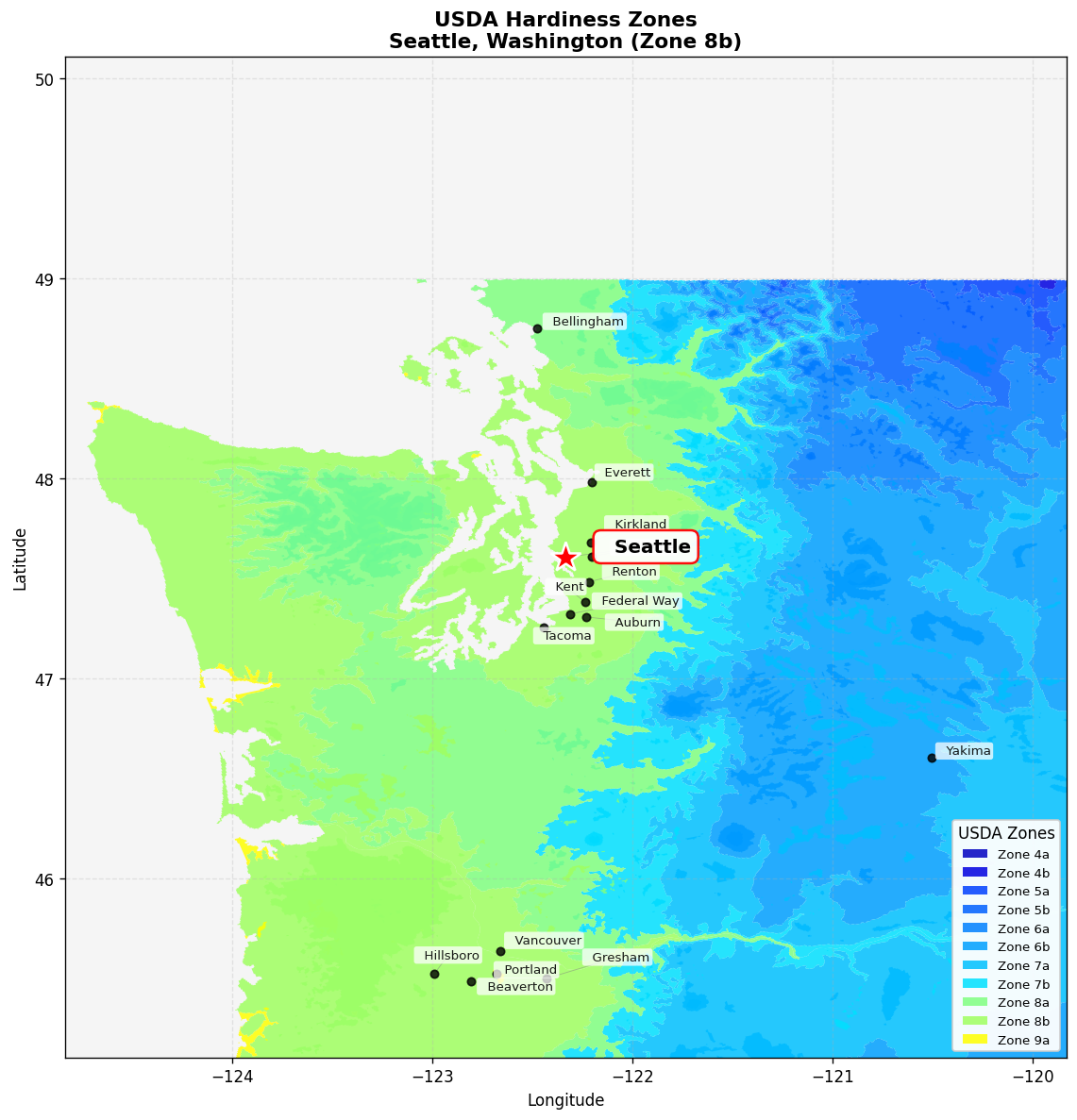
USDA Zone 8b
Hardiness zone for Seattle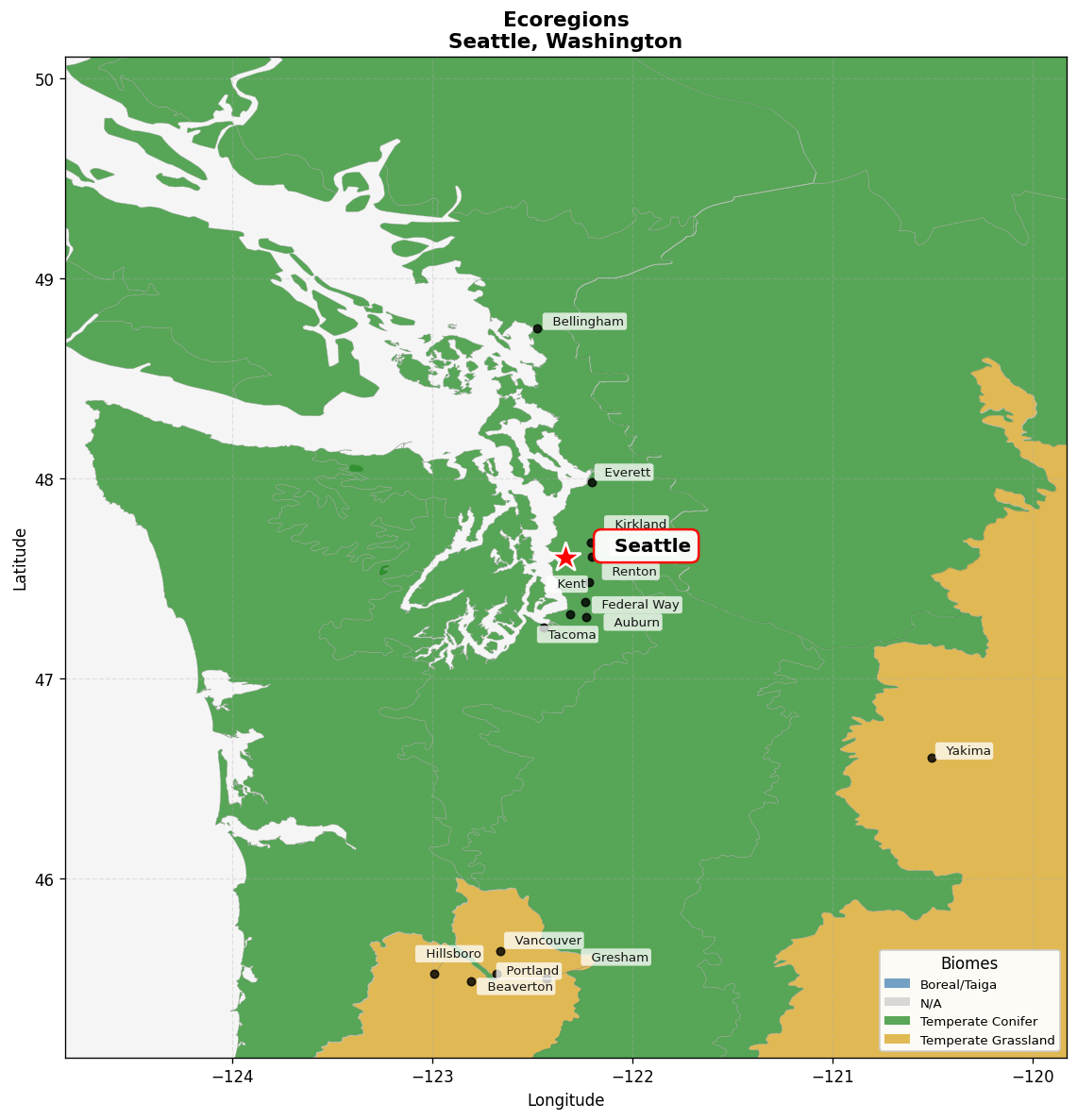
Puget lowland forests
Native ecoregionFrequently Asked Questions
Does lavender actually survive Seattle's winters?
Lavender thrives in Seattle with the right drainage. Zone 8b temperatures are well within lavender's cold hardiness range — the risk is not cold, but wet winter soil causing root rot. Seattle's heavy, poorly draining soils can saturate lavender root zones, which is fatal. Solutions: plant in raised beds or on berms (8–12 inches above grade) in well-draining amended soil (50/50 garden soil and coarse grit); plant on slopes that drain naturally; or use containers with drainage holes. On well-draining sites, lavender in Seattle is nearly bulletproof. Best varieties: 'Phenomenal' and 'Grosso' (most cold-tolerant and wet-tolerant), 'Hidcote' and 'Munstead' for classic English types.
Can olive trees grow in Seattle?
Olive trees are marginally hardy in Seattle's Zone 8b — they survive most Seattle winters (typical lows 28–35°F) but can be damaged in rare severe cold events (below 15°F, which occurred in 2021's cold snap). For best success: plant in a warm, sheltered microsite (south-facing wall, protected courtyard); choose the coldest-hardy varieties (standard Olea europaea, 'Arbequina', or 'Tolly Ho'); water well going into winter to prevent desiccation; and accept that in occasional severe winters you'll see tip dieback. The Eastside's slightly warmer and drier microclimate suits olives better than the west side of Seattle near Puget Sound.
How much does Mediterranean landscaping cost in Seattle?
Seattle Mediterranean landscape costs are at the upper end of West Coast pricing. Front yard redesigns with lavender borders and flagstone (300–500 sqft) run $8,000–$20,000. Full backyard Mediterranean gardens with covered loggia, olive trees, and flagstone range $25,000–$65,000. Cedar loggia structures add $12,000–$30,000 but dramatically extend outdoor usability in Seattle's rainy climate. Simpler lavender lawn replacement projects run $4,000–$10,000. Seattle labor rates have risen significantly since 2020 and are now comparable to Bay Area pricing in some trades.
What Mediterranean herbs stay green year-round in Seattle?
Most culinary Mediterranean herbs are reliably perennial in Seattle's Zone 8b. Rosemary is evergreen and grows into large shrubs in Seattle — it blooms with blue flowers in late winter and is nearly indestructible. Thyme is reliably perennial and handles Seattle winters well; creeping thyme is excellent for path joints. Bay laurel grows as a large shrub or small tree in Seattle — a genuine kitchen herb tree is very achievable. Sage is perennial and sometimes evergreen depending on the winter. Lavender is perennial with good drainage. Together, these create a fragrant, productive herb garden with genuine year-round presence.
How do I prevent lavender root rot in Seattle's rainy winters?
Root rot prevention is the single most important factor in Seattle lavender success. The practical solutions: (1) build raised beds or berms at least 8–12 inches above surrounding grade and fill with a mix of 60% topsoil and 40% coarse grit or pea gravel; (2) plant on naturally sloping ground that drains after rain; (3) amend in-ground planting holes with generous coarse grit (30–40% of total volume); (4) avoid planting in any low spot where water pools after rain; (5) don't mulch directly against lavender stems — keep 2–3 inches of gravel around the plant crown. Good drainage is more important than sun for lavender survival in the Pacific NW.
What Mediterranean plants need the least water in Seattle's dry summers?
Mediterranean plants in Seattle need supplemental irrigation from June through September, but far less than most people assume. Once established (2–3 years), lavender, rosemary, Cistus, thyme, and sage in Seattle typically need deep watering every 10–14 days in summer — essentially matching the rainfall cycle of their native Mediterranean climate. The driest spells (July heat waves) may require weekly watering. Install drip irrigation for establishment-year irrigation and set it to a long interval once plants are 2+ years old. By year three, most Mediterranean plants in Seattle are essentially dry-season self-sufficient.