4 Mediterranean Garden Ideas for Roseville, CA | Olive and Lavender Yards for Zone 9b
Native plants from the California Central Valley grasslands (Zone 9b) — Mediterranean (hot summer) climate
Why Mediterranean Gardens in Roseville?
A Mediterranean garden fits Roseville's weather better than any other style. Roseville has a true hot-summer Mediterranean climate (Köppen Csa): about 21–22 inches of rain falls mostly between November and April, then the summer is long and dry, with July highs averaging near 95°F and spells over 100°F. That is the rainfall pattern of inland Spain and southern Italy, so olives, rosemary, lavender, cistus and pomegranate are at home here, and once established they get by on deep, infrequent drip watering.
The houses suit it too. The stucco and tile-roof homes of Woodcreek Oaks, Johnson Ranch, Stoneridge, Westpark and Crocker Ranch already have the warm walls and terracotta tones the style is built around, and many Sun City Roseville homes take a small gravel-and-olive front with no fuss. In Old Roseville, a Mediterranean courtyard behind a 1920s bungalow works as a private room off the kitchen, shaded by a pergola of grape or wisteria.
Zone 9b is warm but not frost-free, and that changes the plant list. Winter lows here bottom out around 25–30°F on the coldest nights, which is fine for Olea europaea 'Swan Hill', Rosmarinus officinalis 'Tuscan Blue', Lavandula stoechas 'Otto Quast', Cistus × purpureus and Punica granatum 'Wonderful'. It is a risk for bougainvillea, which can freeze back to the ground in a cold snap: plant Bougainvillea 'Barbara Karst' only against a south wall with an overhang, or use Campsis radicans 'Flamenco' or Rosa banksiae 'Lutea' for the same wall of color without the gamble. Citrus does well if you choose sensibly: Citrus × meyeri 'Improved Meyer' and mandarins take more cold than limes, and young trees want frost cloth on the few nights below 28°F. Tall Italian cypress can get spider mites and gets too big for small lots, so Cupressus sempervirens 'Tiny Tower' is the better pick for a tract-house side yard.
Soil and water need the most planning. Much of the city sits on heavy clay with a hard layer not far below, and Mediterranean plants hate wet roots in winter far more than they hate summer heat. Mound planting areas 6–12 inches, use gravel mulch around lavender and rosemary, and test the pH first; local soils usually run near neutral, roughly 6.0–7.5. Frost depth is not a factor for footings, since the ground rarely freezes past a crust. The City of Roseville's Cash for Grass rebate pays $1.50 per square foot of lawn replaced with water-efficient landscape, up to $2,000 per address, in the July 2026 to June 2027 funding year, after a required pre-inspection, which makes swapping a lawn for an olive-and-gravel garden noticeably cheaper.
4 Mediterranean Design Ideas for Roseville

AI-generated image
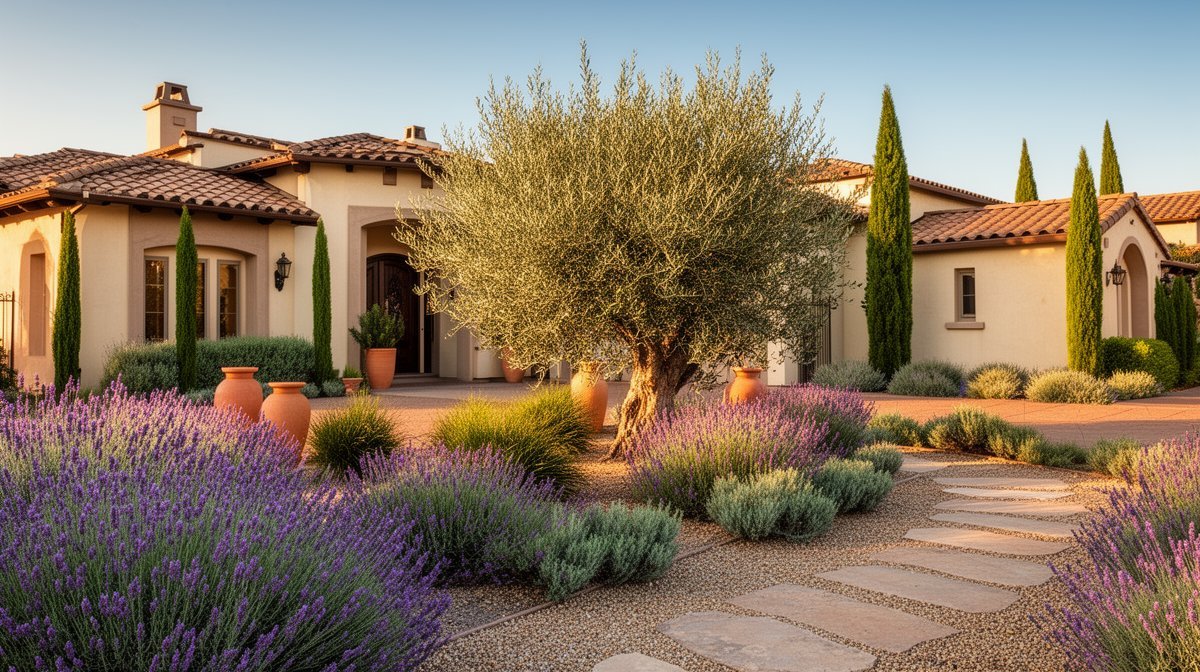
The Olive and Gravel Front
$15–30/sqftA tile-roofed stucco house in Woodcreek Oaks swaps its lawn for warm buff decomposed granite and a pair of multi-trunk fruitless olives that shade the front windows from the afternoon sun. Lavender and rosemary fill low mounded beds along a flagstone walk, and three terracotta pots by the door hold a Meyer lemon and trailing rosemary. The look is loose and gray-green, and it runs on one drip zone.

AI-generated image
The Bungalow Courtyard Pergola
$28–55/sqftBehind an Old Roseville bungalow, a brick-paved courtyard sits under a timber pergola covered in grapes, which shade the table in July and drop their leaves to let winter sun through. A tiled wall fountain on the back fence masks street noise, and the beds around the edge hold pomegranate, sage and germander. A pair of potted citrus near the kitchen door finishes the room.

AI-generated image
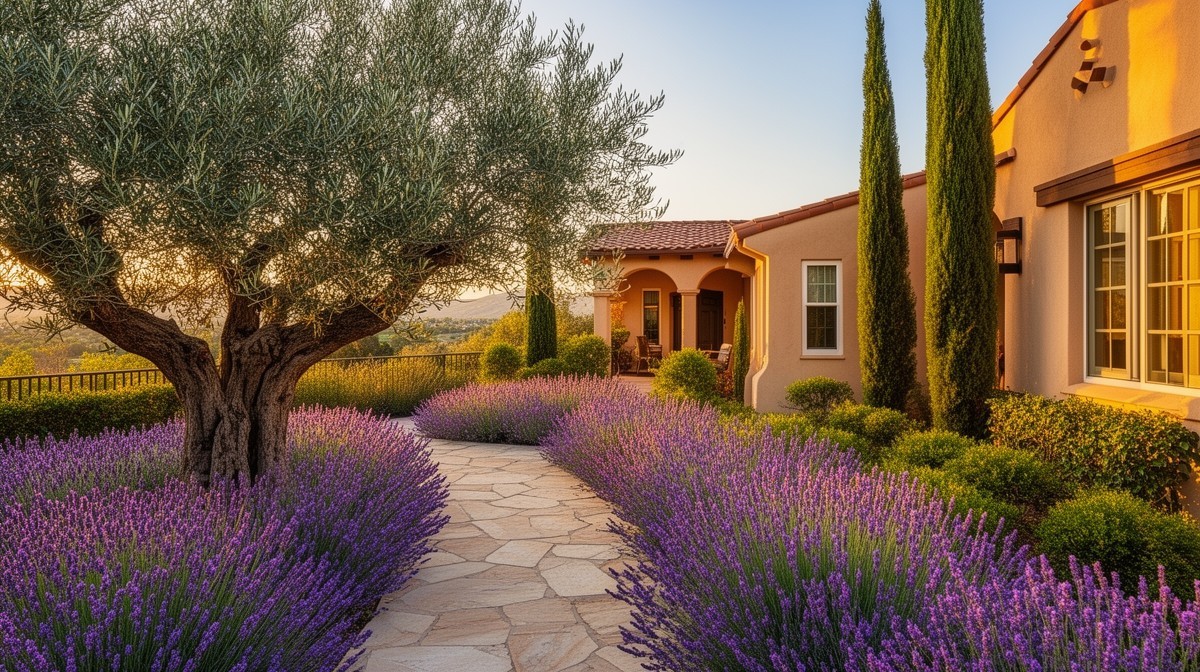
The Frost-Smart South Wall
$14–26/sqftOn a Westpark or Crocker Ranch tract house, the south-facing side yard becomes a long, warm planting strip against the stucco, where the wall stores heat and protects tender plants on frost nights. A columnar cypress stands at each end, bougainvillea trains up the wall under the eave, and a gravel path with stepping stones runs past lavender and phlomis. If a cold winter knocks the bougainvillea back, the banksia rose on the next panel keeps the wall green.

AI-generated image
The Hillside Olive Terrace
$30–60/sqftA sloping backyard in Diamond Oaks or near the Granite Bay edge is cut into two terraces with dry-stacked stone walls under 3 feet high. The upper terrace holds a gravel dining area under an established olive, and the lower one is planted with manzanita, ceanothus and lavender that drape over the wall face. Winter runoff from the hardpan is caught in a gravel trench behind each wall and carried to a dry creek at the bottom.
See how a mediterranean garden looks on YOUR property
Upload a photo of your Roseville yard and visualize your dream garden in seconds.
Try ProScapeAI Free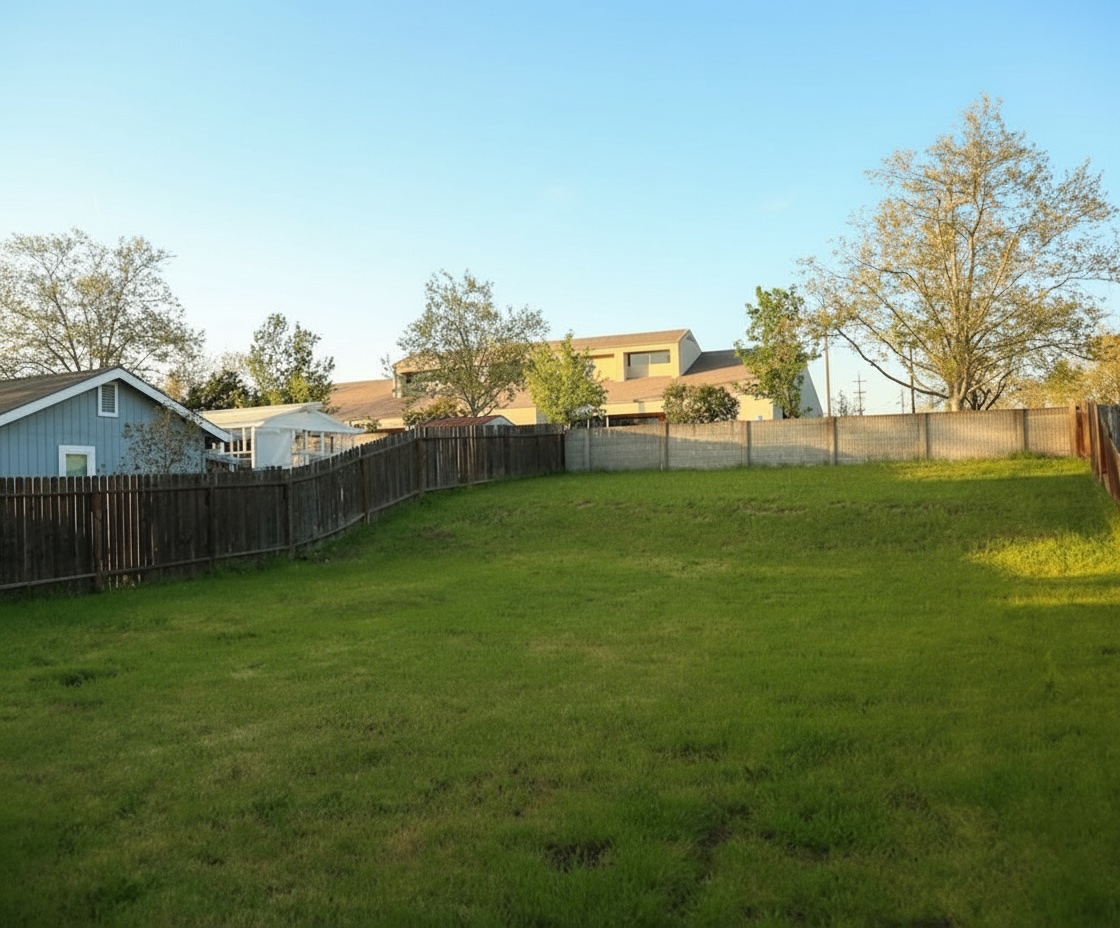
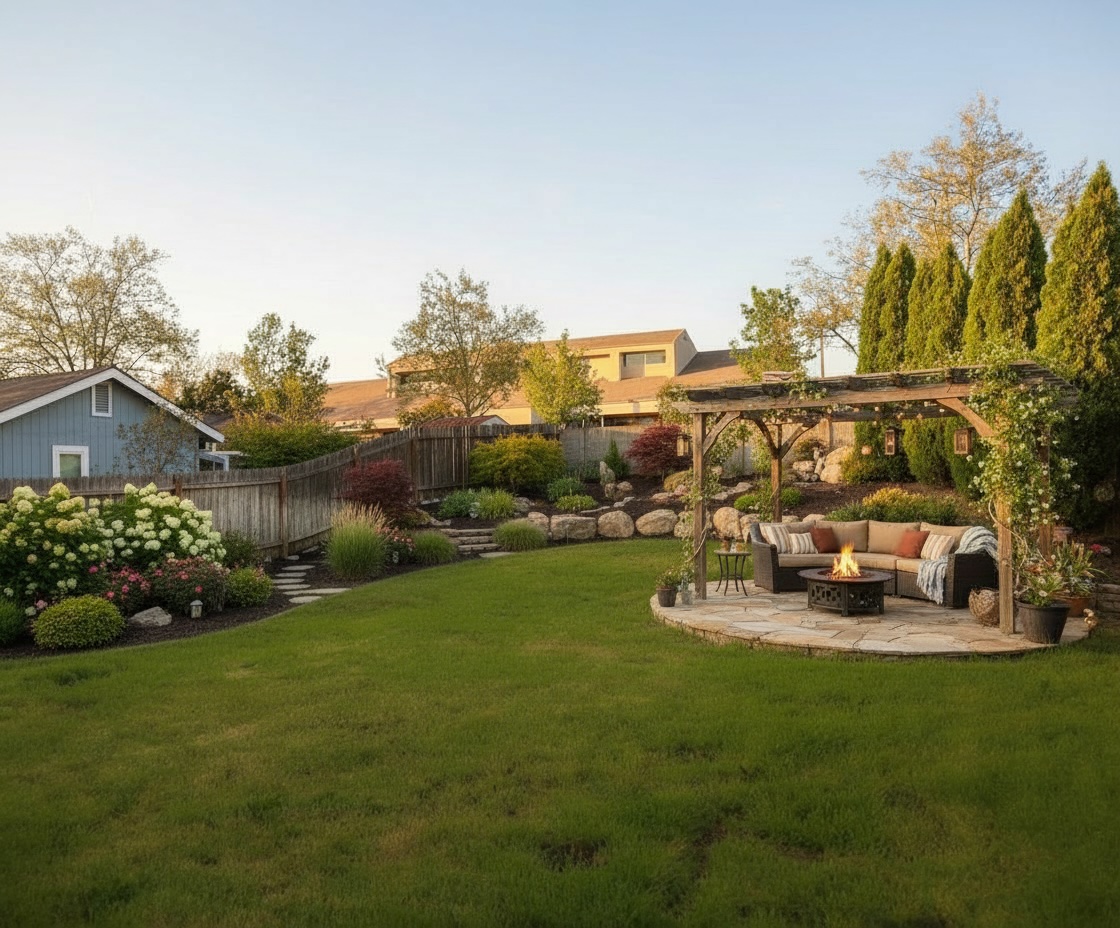
AI-generated image
Featured Trees & Shrubs for Mediterranean Gardens
Browse all 160 plants for Roseville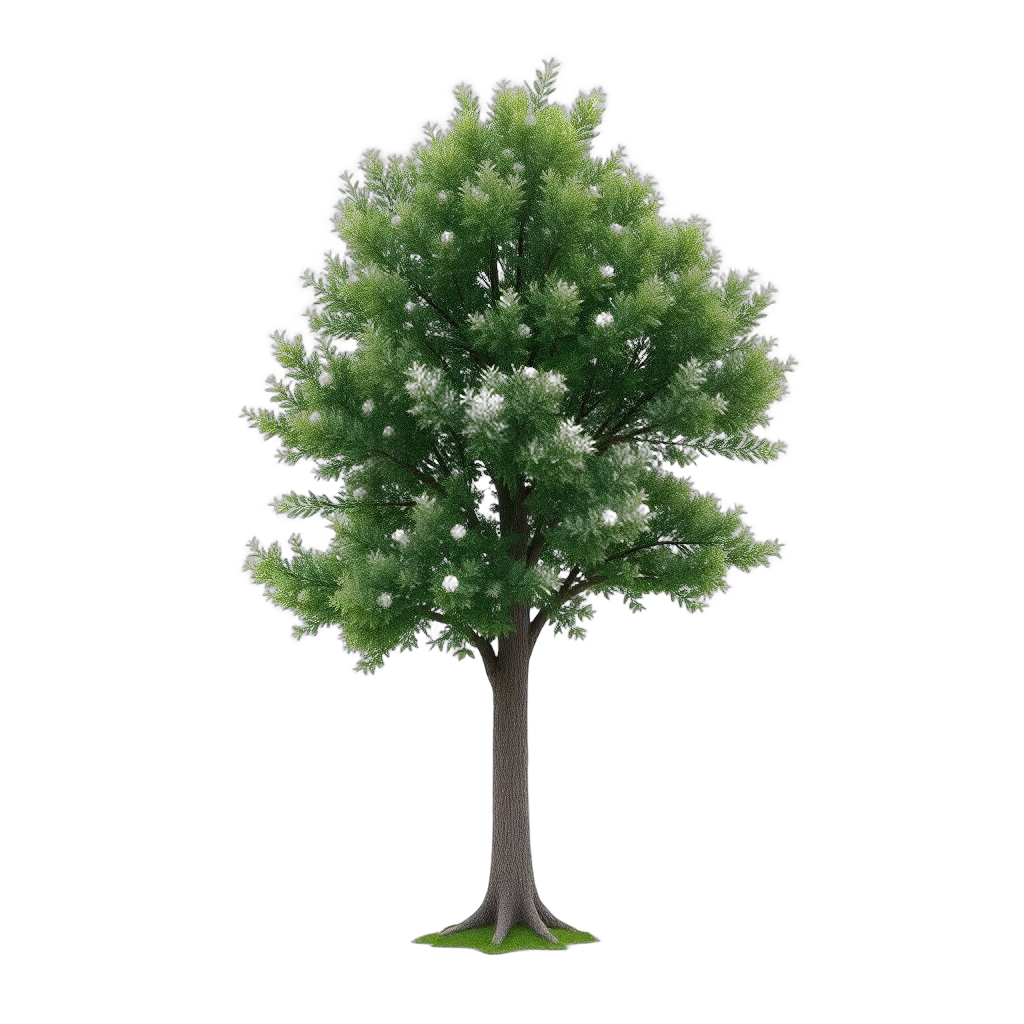
Blue Oak
Quercus douglasii
large shade tree reaching 50+ feet, blooms in spring. Yellow fall color.
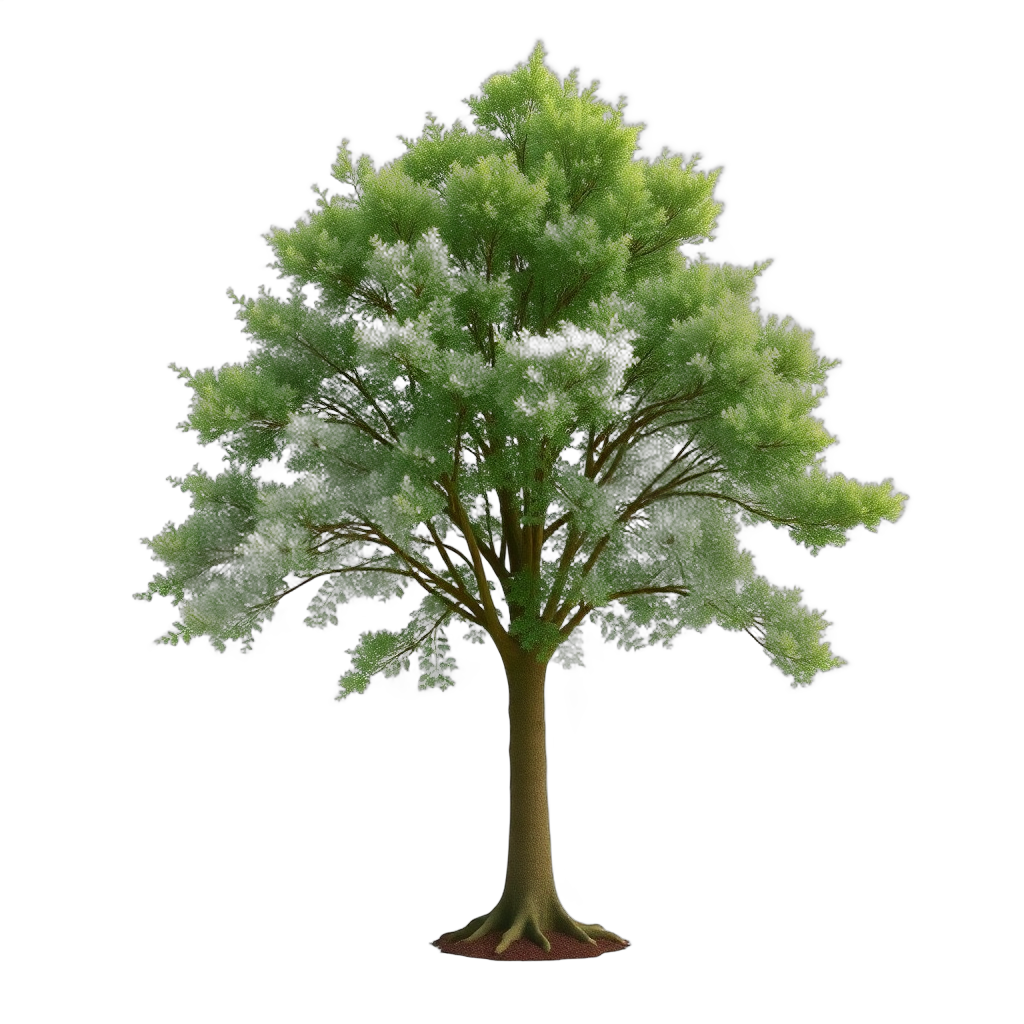
Fremont Cottonwood
Populus fremontii
large shade tree reaching 50+ feet, yellow blooms in spring. Yellow fall color.
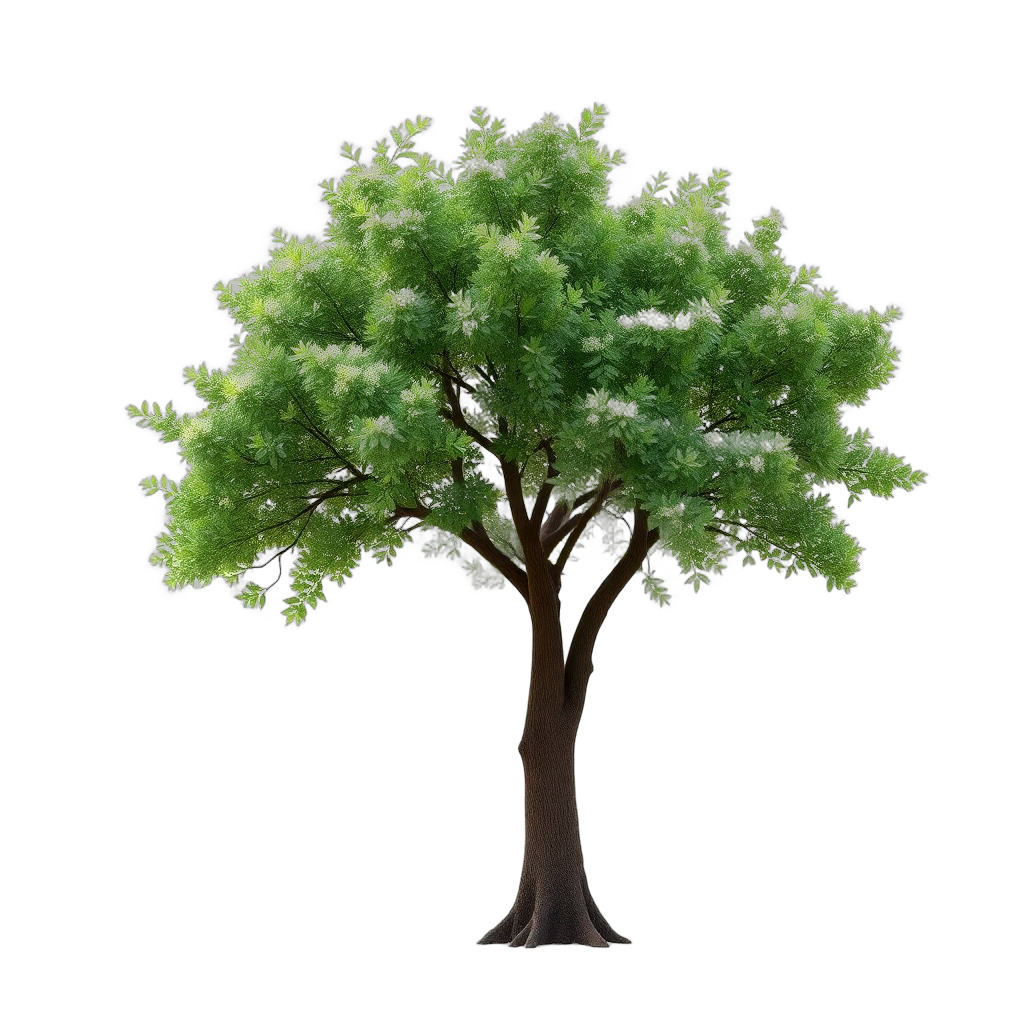
Valley Oak
Quercus lobata
large shade tree reaching 80+ feet, blooms in spring. Yellow fall color.
Featured Grasses & Groundcovers for Mediterranean Gardens
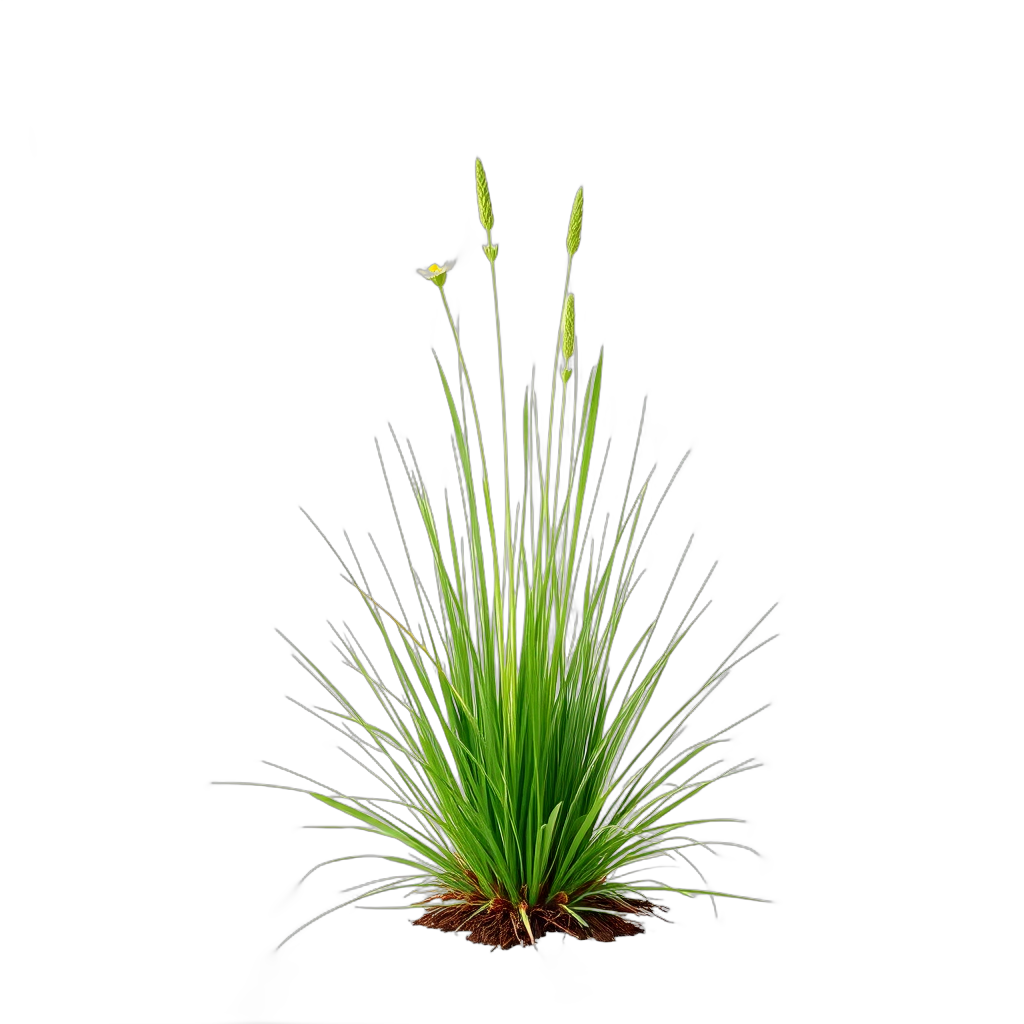
California Brome
Bromus carinatus
low-growing ground cover, blooms in spring. Yellow fall color.
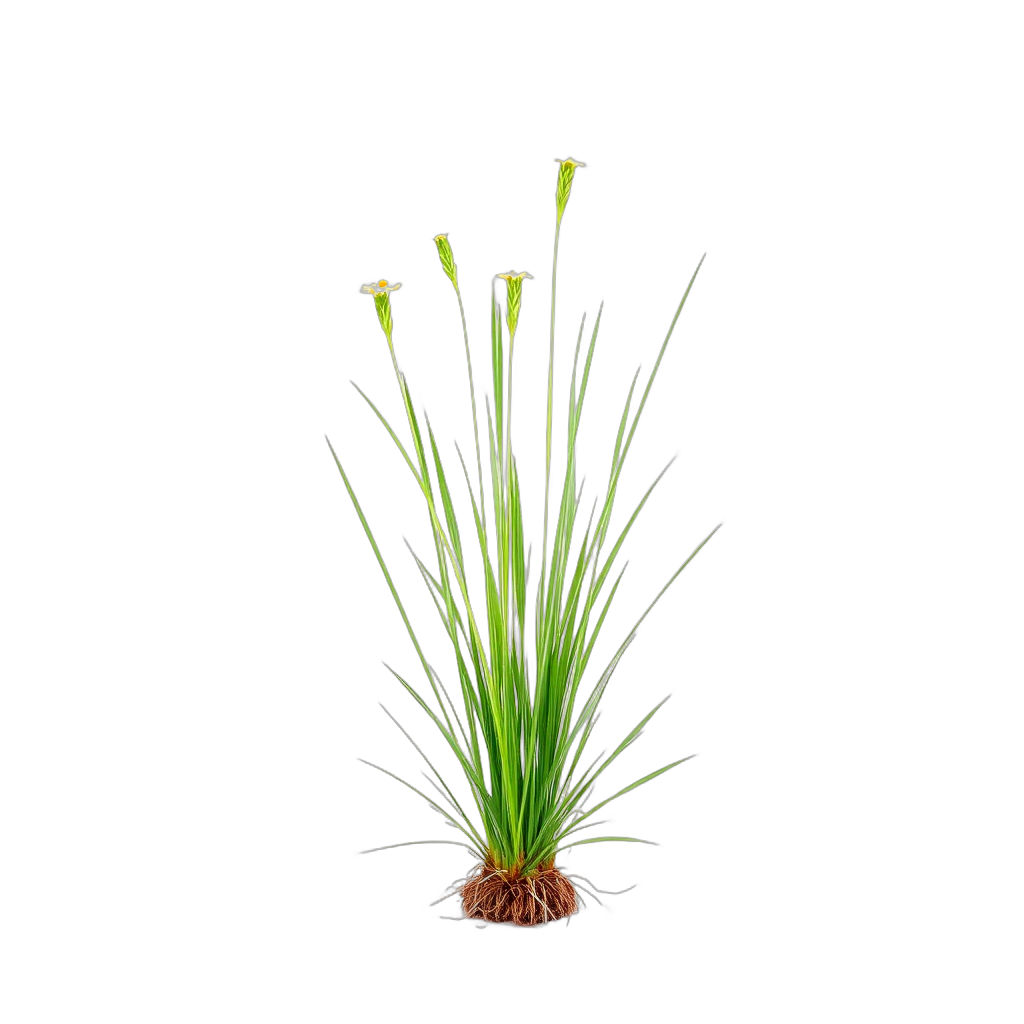
California Melic
Melica californica
low-growing ground cover, blooms in spring.
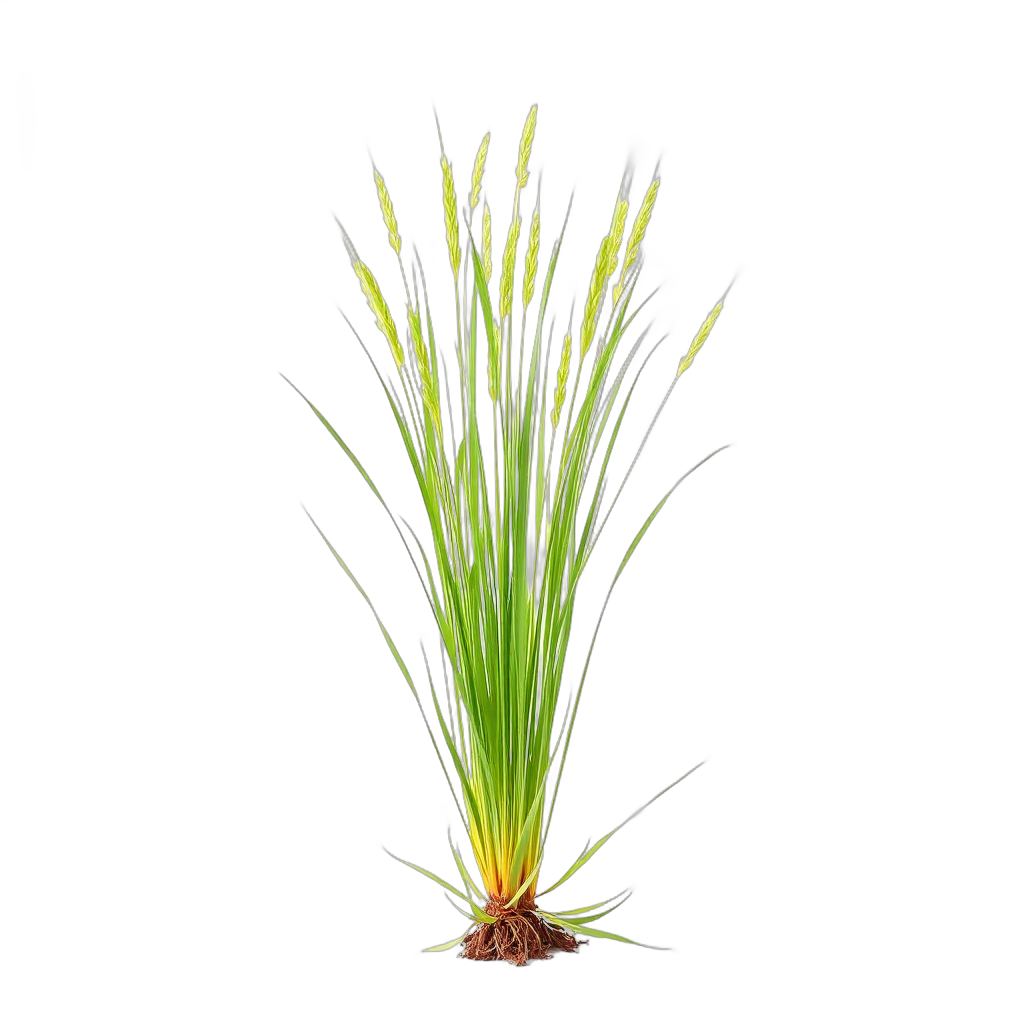
California Oatgrass
Danthonia californica
low-growing ground cover, blooms in spring. Yellow fall color.
Featured Flowers & Perennials for Mediterranean Gardens
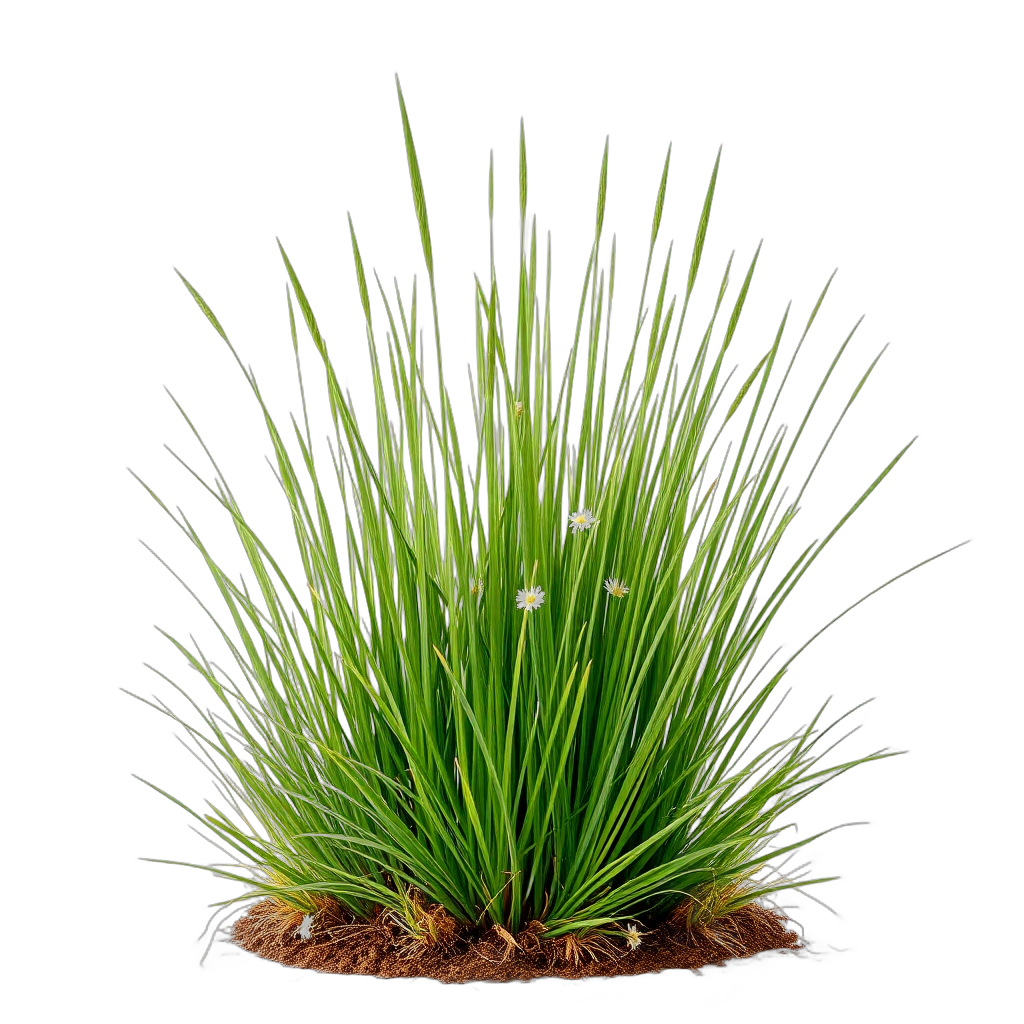
Baltic Rush
Juncus balticus
low-growing ground cover, blooms in summer. Evergreen year-round.
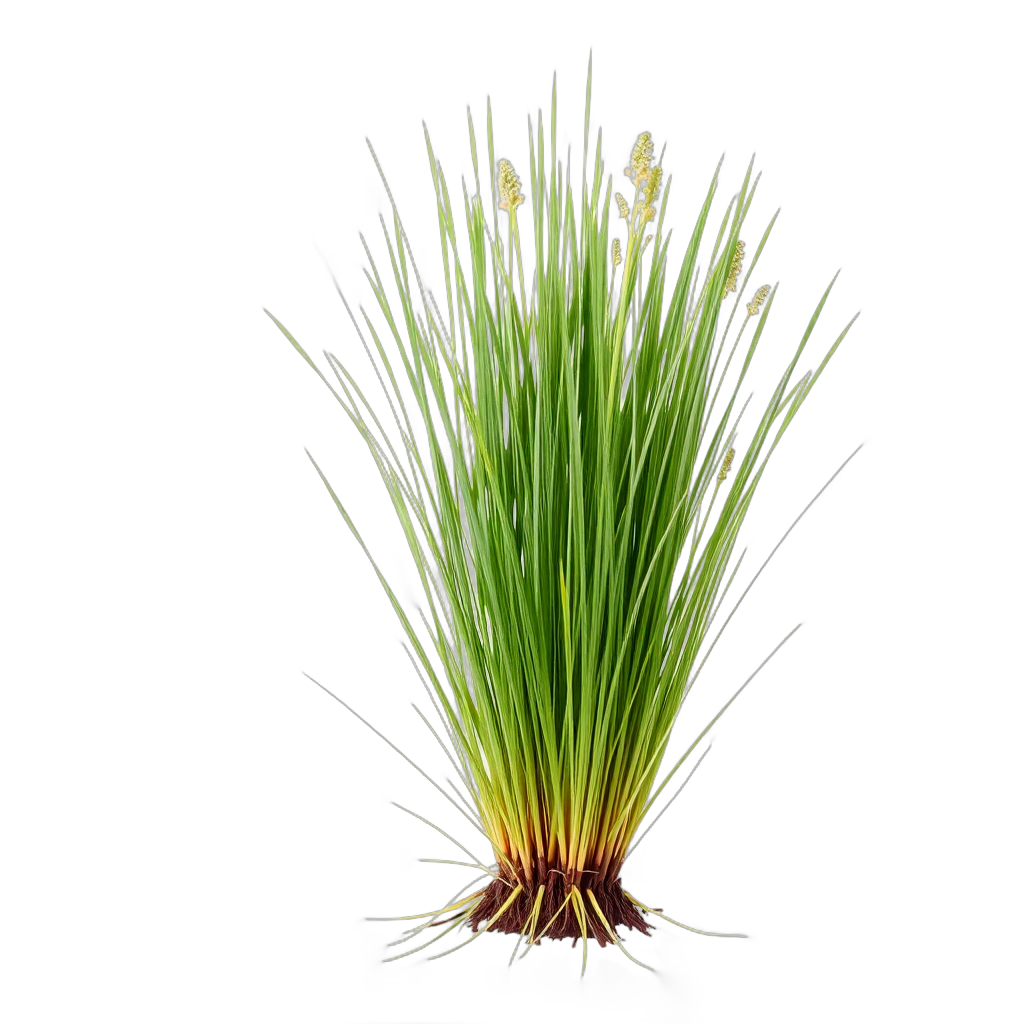
California Gray Rush
Juncus patens
low-growing ground cover, blooms in summer. Evergreen year-round.
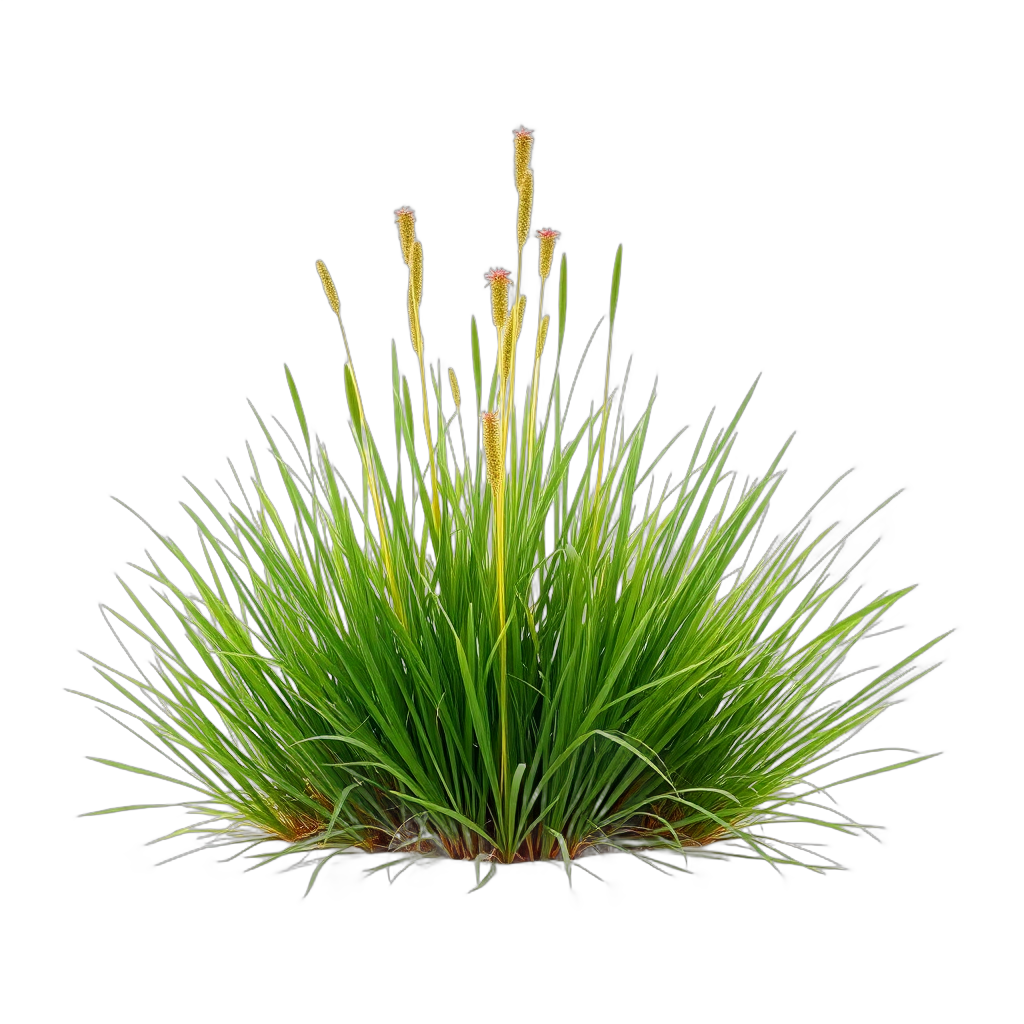
Clustered Field Sedge
Carex praegracilis
low-growing ground cover, blooms in spring.
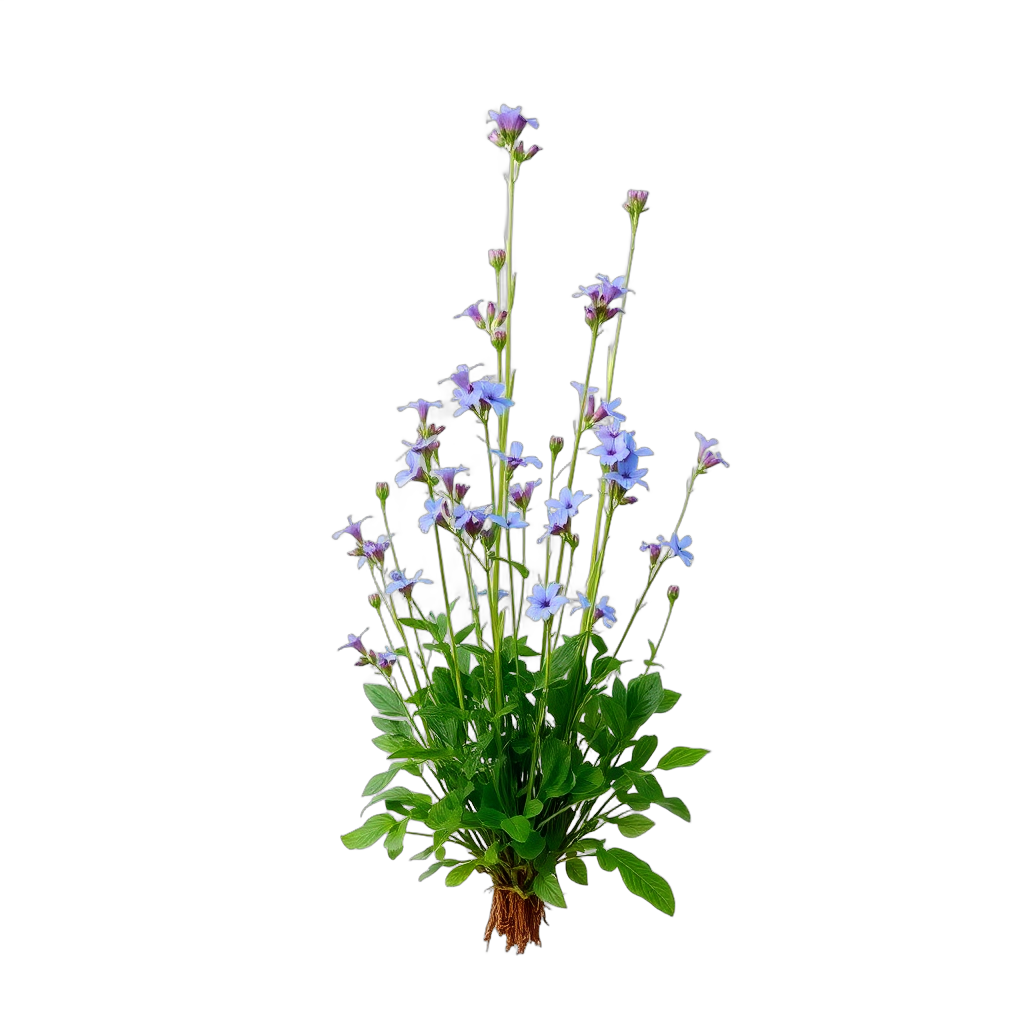
Blue Dicks
Dichelostemma capitatum
low-growing ground cover, blue blooms in spring. Pollinator-friendly.
Zone and sun checks come from our database — confirm with your local nursery before you buy.
Bloom Calendar for Roseville
spring
Clustered Field Sedge, Blue Dicks, Blue-Eyed Grasssummer
Baltic Rush, California Gray Rush, Papyrusfall
Limited bloomswinter
Limited bloomsDesign Tips for Roseville (Zone 9b)
- Book the City's Cash for Grass pre-inspection before removing lawn; Roseville pays $1.50 per sqft up to $2,000 per address in the 2026–27 funding year, and the conversion must be done within 90 days
- Mound every lavender, rosemary and cistus bed 6–12 inches above the clay and hardpan; winter wet kills these plants here far more often than summer heat
- Use gravel mulch, not bark, around gray-leaved plants so the crowns dry fast after a storm
- Put bougainvillea only on a south or west wall under an eave, and keep frost cloth ready for nights near 25–30°F; Rosa banksiae 'Lutea' is the no-risk substitute
- Choose Olea europaea 'Swan Hill' near patios and pools; it is fruitless, so no olive stains on the paving
- Use Cupressus sempervirens 'Tiny Tower' instead of full-size Italian cypress on tract lots; it gives the same column at a size a side yard can hold
- Water deeply and rarely: once established, most Mediterranean plants want a long soak every one to three weeks in summer and nothing from November to March
Where to Source Plants in Roseville
Skip the big-box stores. These independent Roseville nurseries specialize in the plants that make mediterranean gardens thrive in Zone 9b.
Green Acres Nursery & Supply (Roseville)
West Roseville (Galilee Road)
Local, family-owned garden centre chain with citrus, olives, lavender and rosemary, plus bulk gravel and soil
Bushnell Gardens Nursery
Granite Bay (Douglas Boulevard)
Family-owned nursery with locally grown specimen trees, many 15–30 years old, a good source for an established olive
High-Hand Nursery
Loomis (Taylor Road)
Nursery at the historic 1901 High-Hand fruit sheds, with garden plants, outdoor pottery and an olive oil company on site
Mediterranean Landscaping Costs in Roseville
| Project Scope | Estimated Cost |
|---|---|
| Mediterranean front-yard conversion with lawn removal (500–700 sqft) | $8,000 – $20,000 |
| Flagstone walk or small patio on a compacted base (150–300 sqft) | $4,500 – $12,000 |
| Specimen olive tree, boxed and planted | $800 – $5,000 |
| Timber pergola with brick courtyard paving | $9,000 – $25,000 |
| Wall fountain with recirculating pump, wired | $2,500 – $7,000 |
| Full Mediterranean backyard: terrace, pergola, fountain, planting | $20,000 – $50,000 |
| AI visualization (ProScapeAI) | Free to start |
Estimates based on Roseville, CA-area contractor rates as of 2026. Actual costs vary by site conditions, materials, and contractor.
Roseville Climate & Growing Zone
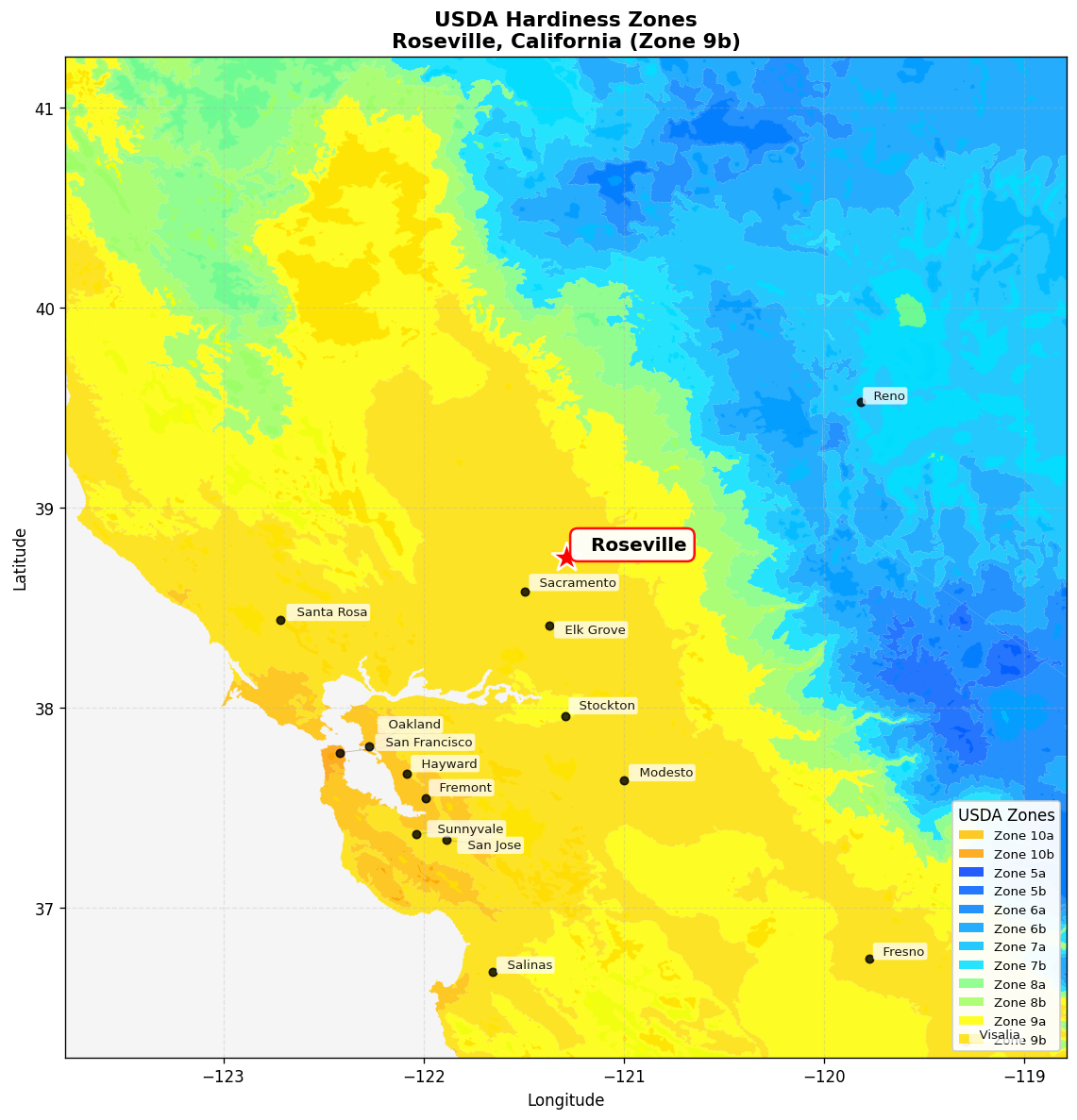
USDA Zone 9b
Hardiness zone for Roseville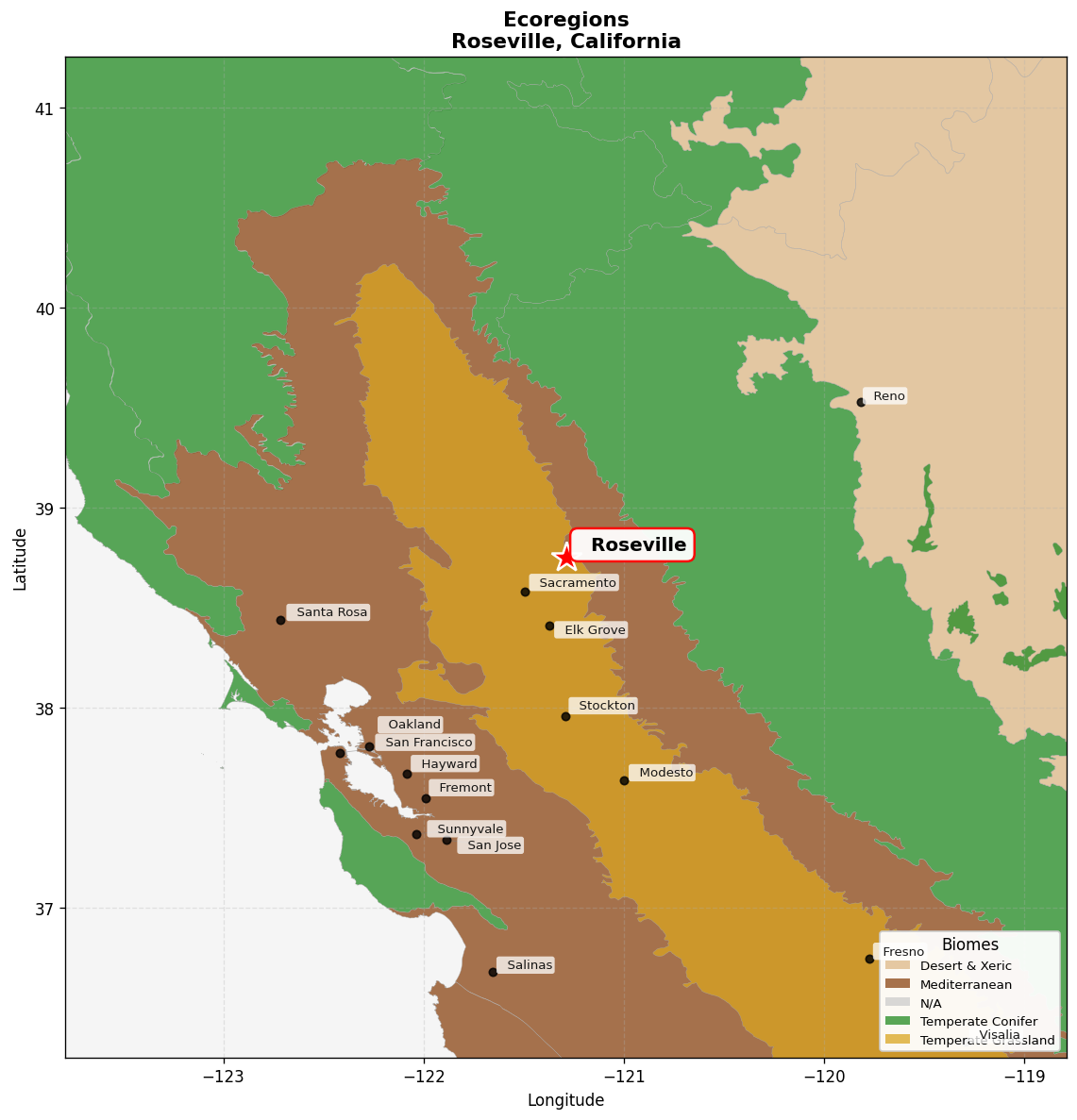
California Central Valley grasslands
Native ecoregionFrequently Asked Questions
How much does a Mediterranean garden cost in Roseville?
Sacramento-region crews typically charge around $55–85 per hour. A Mediterranean front yard of 500–700 sqft with lawn removal, decomposed granite, a flagstone walk, two olives and lavender beds on drip usually runs $8,000–20,000. A back courtyard with brick paving, a pergola and a wall fountain runs $20,000–50,000. Specimen olives are the swing cost: a 15-gallon tree is a few hundred dollars, a large boxed tree several thousand. The City's Cash for Grass rebate pays $1.50 per sqft, up to $2,000 per address in the 2026–27 funding year, after a pre-inspection.
Will bougainvillea survive a Roseville winter?
Sometimes. Roseville's Zone 9b lows bottom out around 25–30°F, and bougainvillea starts to lose leaves and stems below about 30°F. Plant Bougainvillea 'Barbara Karst' against a south or west wall under an eave, cover it on cold nights, and accept that a hard winter may cut it back to the base. If you want color on a wall with no risk, Rosa banksiae 'Lutea' and Campsis radicans 'Flamenco' are fully hardy here.
Is a Mediterranean garden low maintenance in Roseville?
Very, once it has had one or two summers to settle. Olea europaea 'Swan Hill', Rosmarinus officinalis 'Tuscan Blue', Cistus × purpureus and Lavandula stoechas 'Otto Quast' need deep watering every one to three weeks in summer and almost none from November to March. The main jobs are shearing lavender after bloom, pruning olives once a year and topping up gravel mulch. Fruitless 'Swan Hill' avoids the fruit drop and much of the pollen of fruiting olives.
When should I plant a Mediterranean garden in Roseville?
October to early December is best, so roots grow through the rainy season; most of the city's 21–22 inches of rain falls between November and April. Late February to April also works. Plant citrus and bougainvillea in spring, after the last frost, so they are not hit by cold while young. Avoid planting in June to September, when 95–100°F afternoons stress new roots.
Can I grow citrus in Roseville?
Yes. Citrus × meyeri 'Improved Meyer', Owari satsuma and other mandarins, and navel oranges all fruit well here. They want full sun, good drainage and regular summer water. Limes and young trees are the most cold-sensitive, so cover them with frost cloth on nights forecast below 28°F. In heavy clay, plant citrus on a wide mound rather than in a hole, or grow it in a large pot.
Do I need permits or HOA approval for a Mediterranean garden?
Planting, gravel and flagstone generally do not need a building permit, but taller retaining walls, pergolas attached to the house and electrical for fountains or lighting may, so check with the City of Roseville before building them. For the Cash for Grass rebate, book the City's pre-inspection before removing lawn and finish within 90 days. Most master-planned neighborhoods and Sun City Roseville have HOA design review, so submit the plan first.
How do I stop lavender and rosemary dying in winter?
In Roseville it is usually winter wet, not cold, that kills them. Much of the city has heavy clay over a hard layer that holds water after storms. Plant Lavandula and Rosmarinus on mounds 6–12 inches high, mix in coarse grit, use gravel mulch instead of bark so the crown stays dry, and turn the drip off from November to March. Test pH first; local soils usually come in near 6.0–7.5, which both plants like.