4 Mediterranean Landscape Ideas for Elk Grove, CA | Zone 9b
Native plants from the California Central Valley grasslands (Zone 9b) — Mediterranean (hot summer) climate
Why Mediterranean Gardens in Elk Grove?
Of every landscape style on offer, Mediterranean is the one Elk Grove was practically built for. The city sits at 38.4° north with a hot-summer Mediterranean climate — Köppen Csa — the same classification as Seville, Perugia and the hills behind Nice: roughly 18 inches of rain a year falling almost entirely between November and April, then a bone-dry June through September when afternoons sit in the mid-90s and heat waves clear 105°F. Olives, citrus, lavender, rosemary and cypress are not a decorative theme here; they are simply plants that evolved in this exact rainfall pattern. The Central Valley grew on that fact — Sacramento County was orchard and vineyard country long before it was subdivision country, and a 60-year-old fruiting Olea europaea or a backyard Citrus × sinensis 'Washington' navel is still a normal thing to find on an older Elk Grove lot.
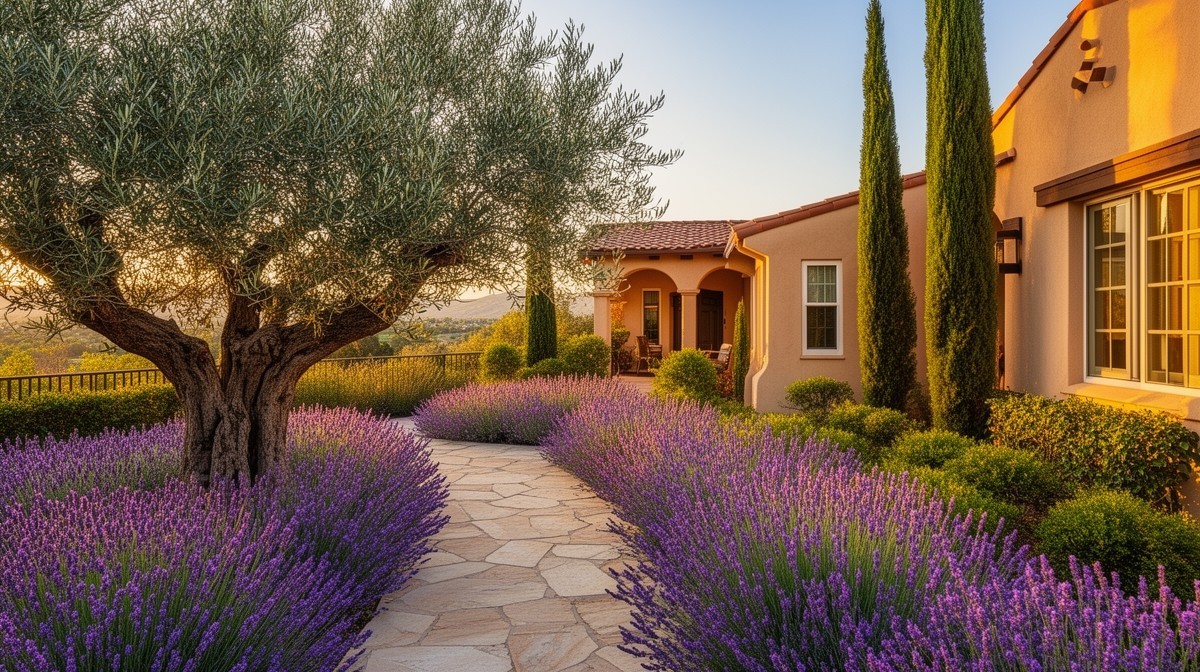
The architecture cooperates too. The stucco-and-barrel-tile builder vernacular that fills Laguna Ridge, Madeira, Stonelake, Poppy Ridge and East Franklin is nominally "Tuscan" or "Spanish Colonial," and it has been waiting years for a landscape that finishes the sentence. A cream stucco elevation with an arched entry and a clay tile roof needs almost nothing beyond three good moves: a specimen olive with a gnarled multi-trunk form to break the roofline, a rhythm of narrow verticals — Cupressus sempervirens 'Glauca' or the tighter 'Tiny Tower' — to answer the arches, and a low, continuous mass of Lavandula × intermedia 'Provence' down both sides of the entry walk. Newer small-lot blocks in District56 and Sterling Meadows benefit even more, because Mediterranean planting reads well at close range: silver foliage, clipped forms and terracotta hold their shape in a 15-foot front yard where a naturalistic border would just look untidy.
Zone 9b decides how far you can push the fantasy. Average winter lows sit in the high 30s, but the zone's design minimum is 25–30°F and Elk Grove does get radiational frost on clear January nights, especially in low-lying pockets near Laguna Creek and the Cosumnes floodplain. That is fine for olive, rosemary, Westringia fruticosa, Teucrium × lucidrys, Cistus, Phlomis, pomegranate and fig, all of which are genuinely hardy here. It is marginal for Bougainvillea 'Barbara Karst', which will freeze to the ground in a hard winter and regrow — plant it against a warm south or west stucco wall, accept it as a fast-recovering perennial rather than permanent structure, and it will still cover a pergola by July. Citrus splits the same way: 'Owari' Satsuma mandarin and 'Improved Meyer' lemon shrug off local frost, while limes and grapefruit want a wall, a canopy of frost cloth on the coldest nights, or a pot that can move. Choose fruitless olive cultivars such as 'Swan Hill' or 'Wilsonii' for anything near paving — fruiting olives stain concrete and terracotta for weeks every autumn.
Two local realities decide whether the design survives its first winter. The first is soil: San Joaquin loam with a cemented hardpan 20 to 40 inches down under much of the city, which perches water and drowns exactly the plants this style depends on. Lavender, rosemary, Cistus and Santolina die of wet feet in an Elk Grove February far more often than they die of anything else. Every Mediterranean bed here should be built up six to twelve inches behind a stucco curb, a stone edge or a simple berm, and mixed with coarse material rather than water-holding compost. The second is water rules: Elk Grove is served by both the Elk Grove Water District and the Sacramento County Water Agency, both of which assign irrigation days by house number — odd addresses Tuesday, Thursday and Saturday, even addresses Wednesday, Friday and Sunday, with lawn watering further restricted and daytime irrigation banned in peak hours. Verify the current schedule with your provider. A properly hydrozoned Mediterranean garden lives comfortably inside those limits: established olives, cypress and lavender want a deep soak every 10 to 14 days in summer and nothing at all from November to March, while citrus and the potted material get their own valve and a shorter interval.
4 Mediterranean Design Ideas for Elk Grove

The Olive and Cypress Entry
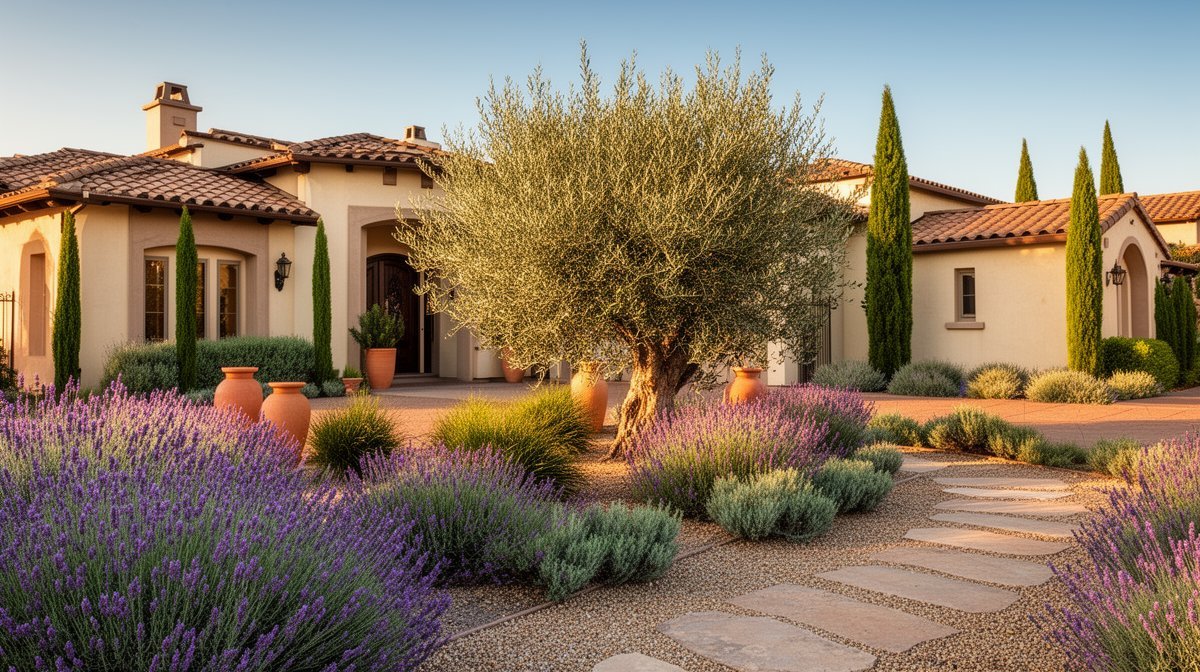
$12–24/sqftA single-story cream stucco house under a clay barrel-tile roof, with an arched dark-timber front door and an arched window flanked by wood shutters — the classic Elk Grove builder elevation, finally given the landscape it was drawn for. Five narrow Italian cypress stand as vertical punctuation across the facade, and a mature multi-trunk olive with a heavily sculpted grey trunk anchors the right side and breaks the roofline. A sandstone flagstone walk runs to the door between two continuous masses of lavender in full purple flower, with chartreuse low shrubs and a tawny grass clump added for foliage contrast against the bark mulch. A small panel of lawn survives at the left, but the design does not depend on it.

The Raked Gravel Citrus Court
$10–20/sqftA walled entry courtyard turned into the coolest, quietest room on the property. Cream and butter-yellow stucco garden walls close the front off from the street, an ornate wrought-iron gate frames the arched front door, and magenta bougainvillea pours over the wall and climbs the house. Two full-size citrus trees hold the corners — oranges on the left, lemons on the right, both carrying fruit — and the entire court floor is raked gravel worked into sweeping curved patterns, split by a path of multicolored flagstone that leads to the gate. Two big glazed pots of orange annuals and bronze grass mark the entry. There is no lawn and no lawn is missed.

The Fountain Courtyard
$25–48/sqftThe full villa treatment, and the most formal design of the four. A two-story white stucco house with blue shutters and a three-arch loggia looks out across a circular terracotta-tiled terrace with a three-tier cast-stone fountain at its center, ringed by a band of lawn and then a sweep of paving in the foreground. Clipped boxwood parterres and lavender masses hold the edges, a silver-leaved olive occupies the left corner and a heavily fruiting orange tree balances it on the right. Dining sits back under the loggia in the shade — which is the correct place for it in a city that runs 100°F for weeks. The recirculating fountain is the whole atmosphere and uses less water in a month than 200 square feet of fescue does in a week.

The Bougainvillea Pergola Room
$22–42/sqftA back-of-house outdoor living room, floored wall to wall in warm terracotta tile and roofed at one end by a rough-sawn timber pergola completely buried under magenta bougainvillea. Wicker lounge seating and a low table sit on an outdoor rug in the open sun-and-shade zone, with a dining set pushed back under the pergola beams. Three large terracotta pots of standard lemon trees line the house wall, a clipped low hedge runs behind them, and the whole terrace is edged in a deep foreground band of lavender that scents the space every time the Delta breeze comes up in the evening. It is a design that turns an ordinary tract backyard into somewhere you actually eat dinner from April to October.
See how a mediterranean garden looks on YOUR property
Upload a photo of your Elk Grove yard and visualize your dream garden in seconds.
Try ProScapeAI Free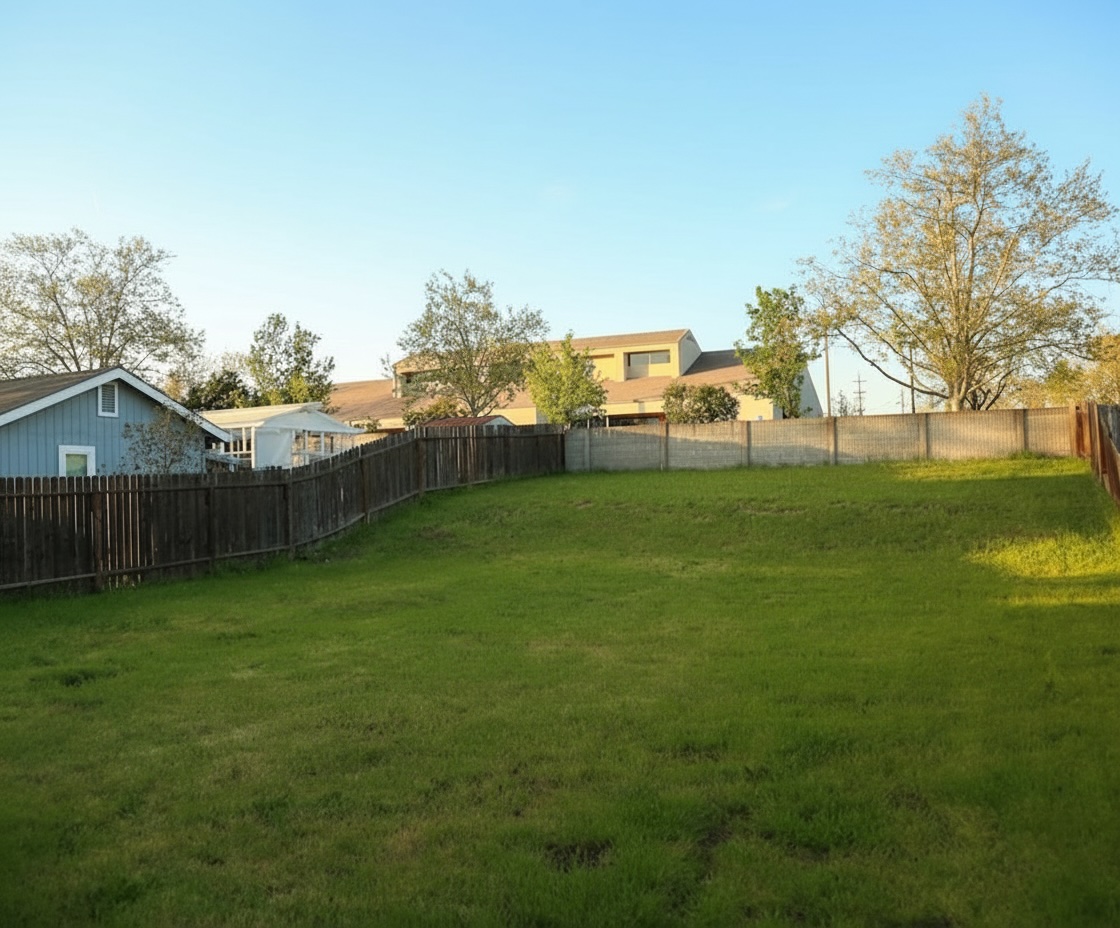
Featured Trees & Shrubs for Mediterranean Gardens
Browse all 161 plants for Elk Grove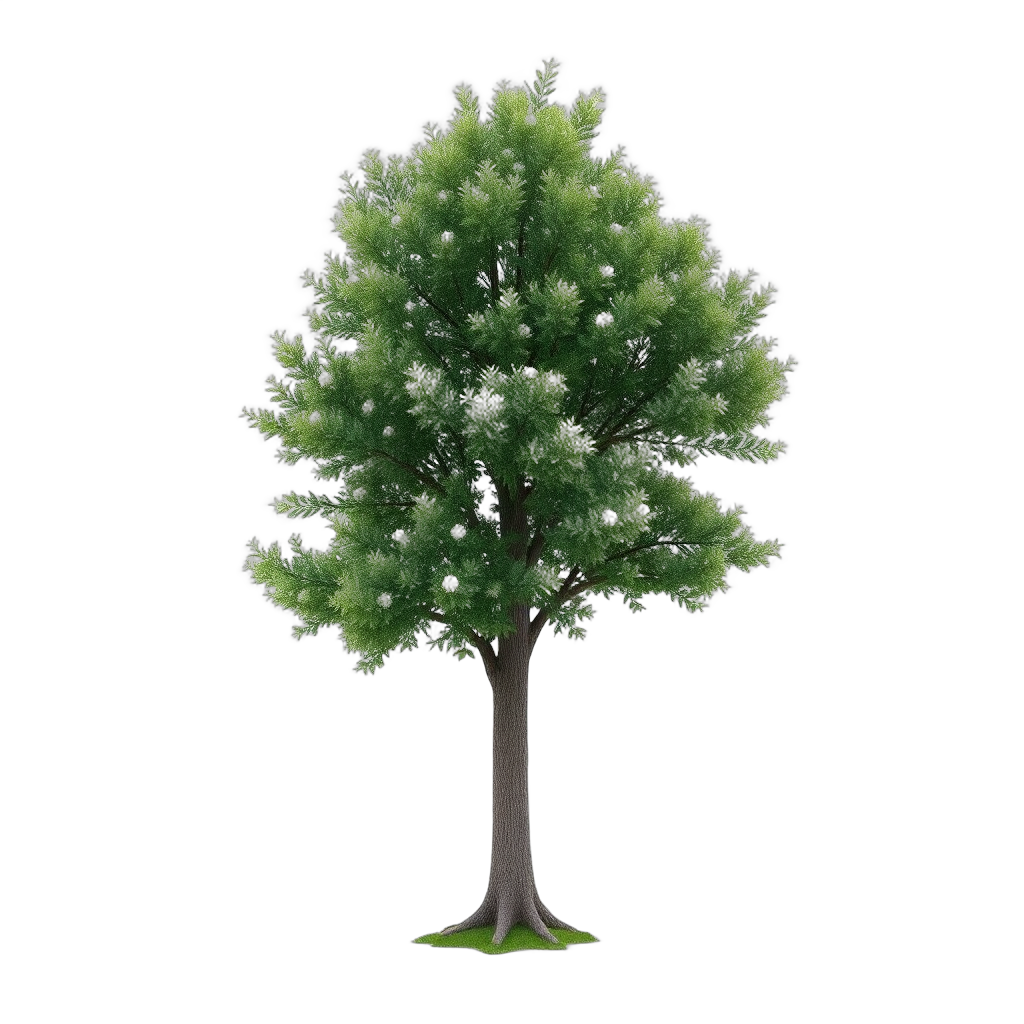
Blue Oak
Quercus douglasii
large shade tree reaching 50+ feet, blooms in spring. Yellow fall color.
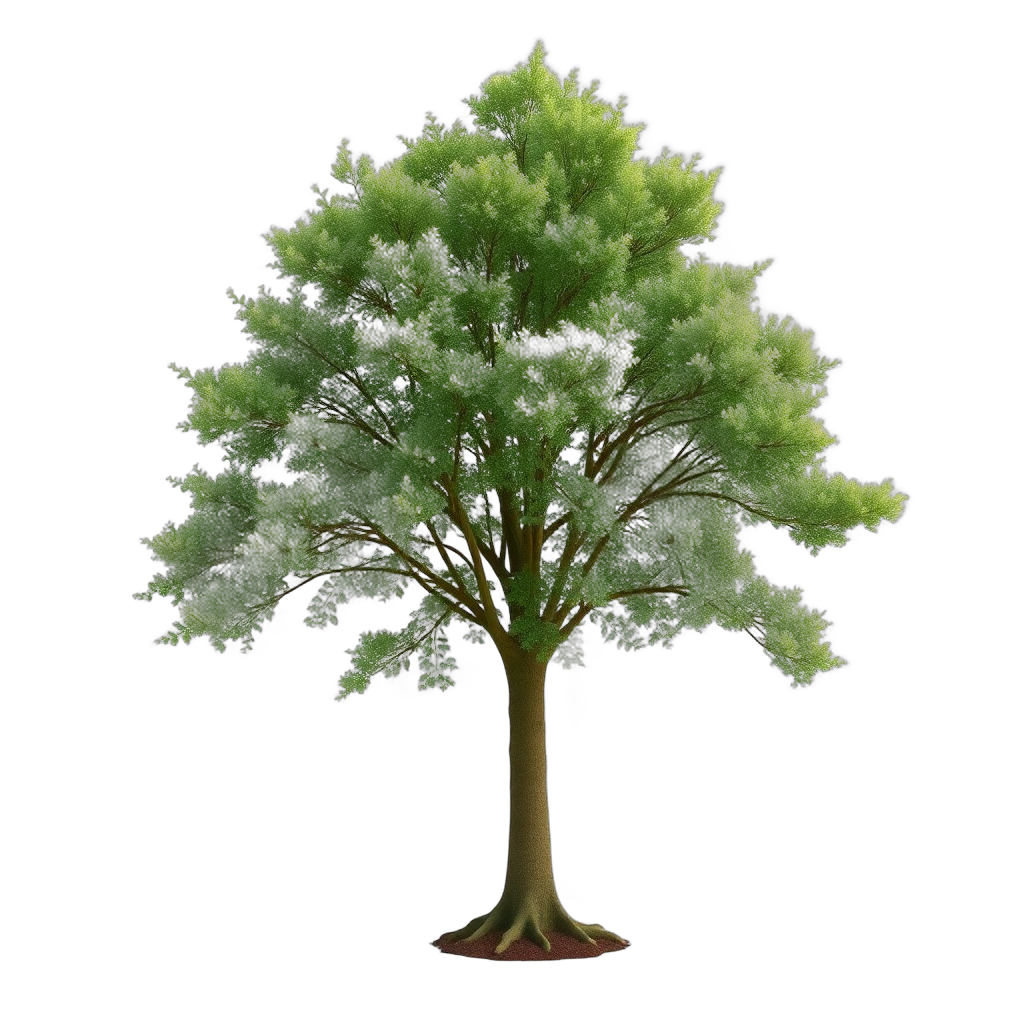
Fremont Cottonwood
Populus fremontii
large shade tree reaching 50+ feet, yellow blooms in spring. Yellow fall color.
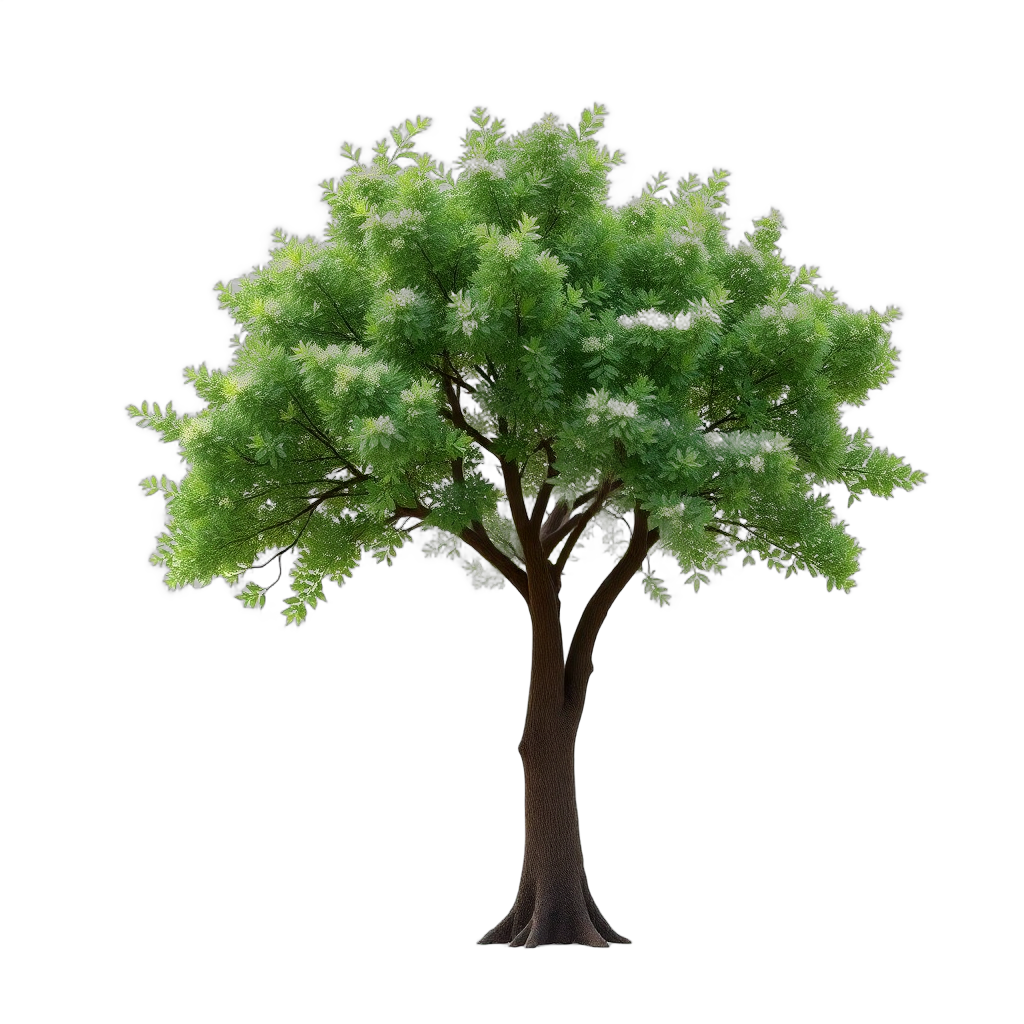
Valley Oak
Quercus lobata
large shade tree reaching 80+ feet, blooms in spring. Yellow fall color.
Featured Grasses & Groundcovers for Mediterranean Gardens
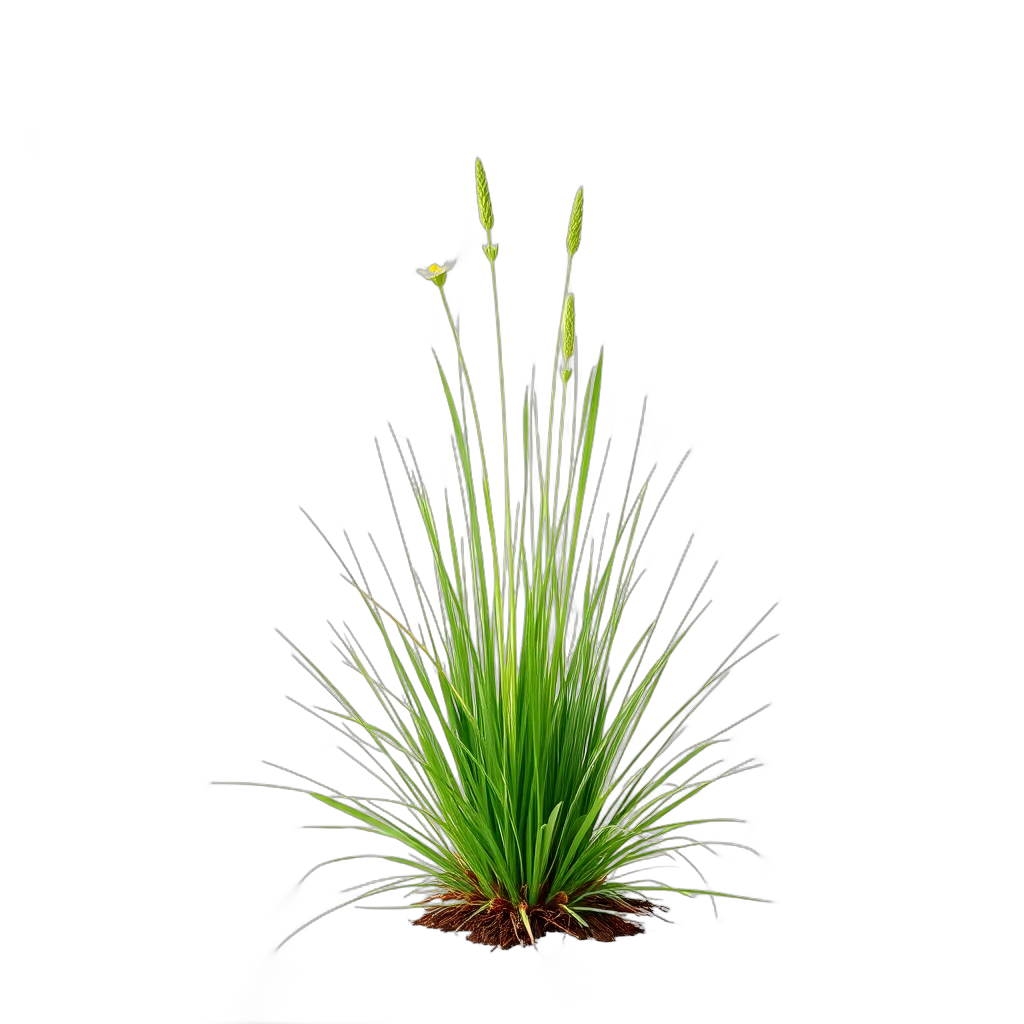
California Brome
Bromus carinatus
low-growing ground cover, blooms in spring. Yellow fall color.
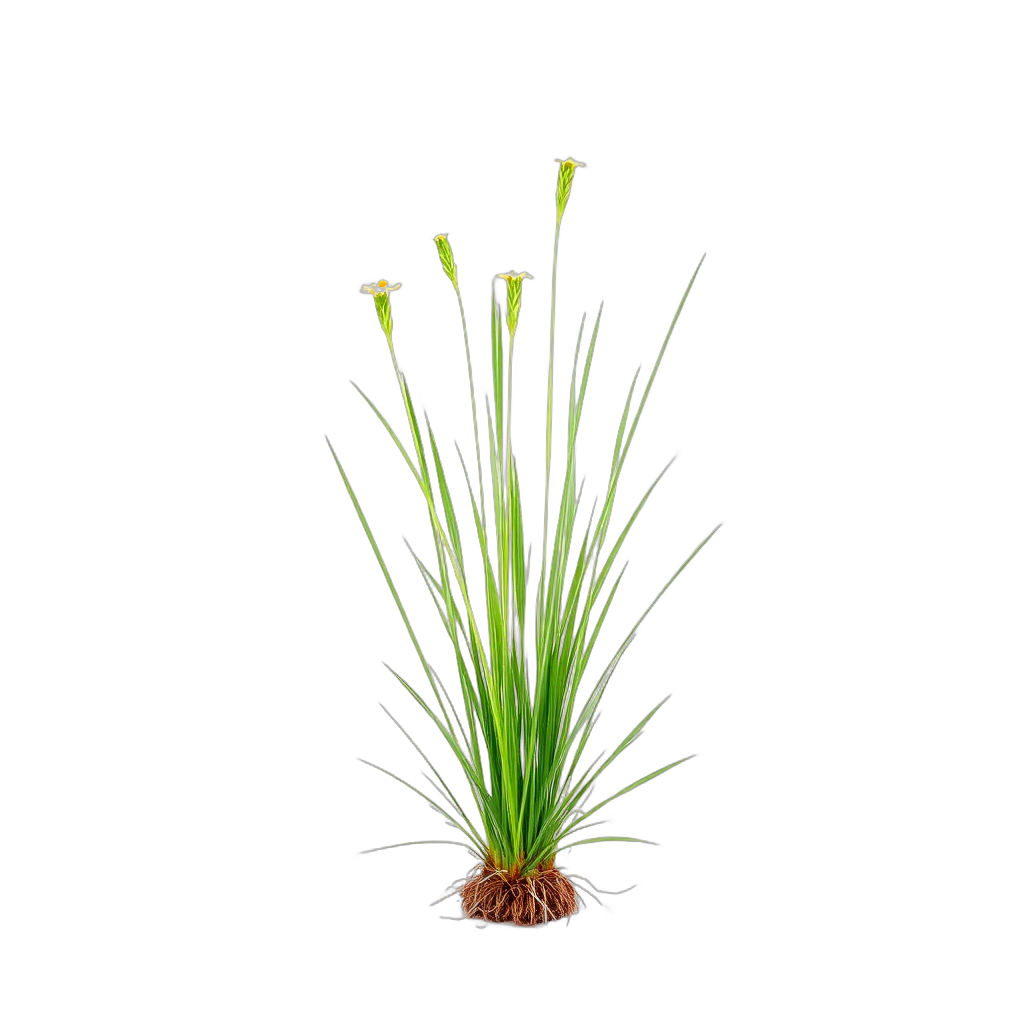
California Melic
Melica californica
low-growing ground cover, blooms in spring.
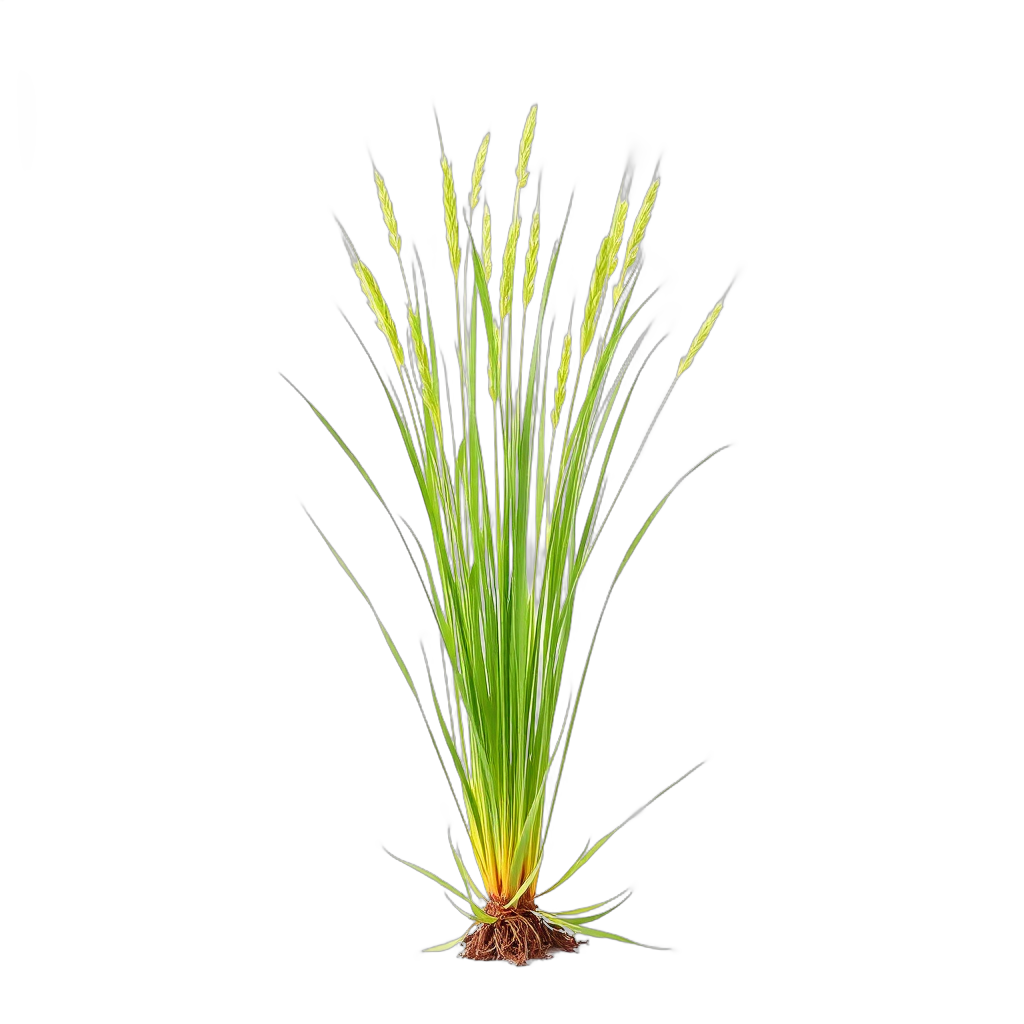
California Oatgrass
Danthonia californica
low-growing ground cover, blooms in spring. Yellow fall color.
Featured Flowers & Perennials for Mediterranean Gardens
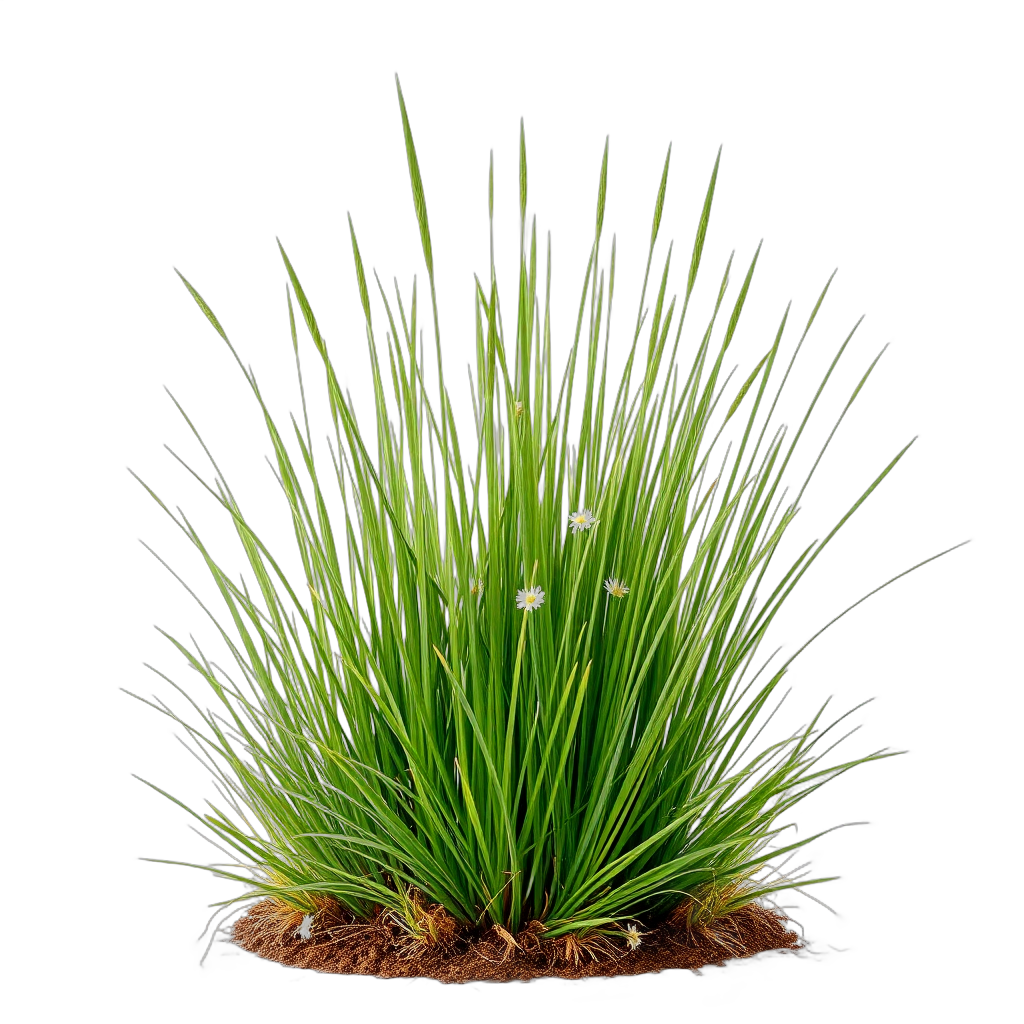
Baltic Rush
Juncus balticus
low-growing ground cover, blooms in summer. Evergreen year-round.
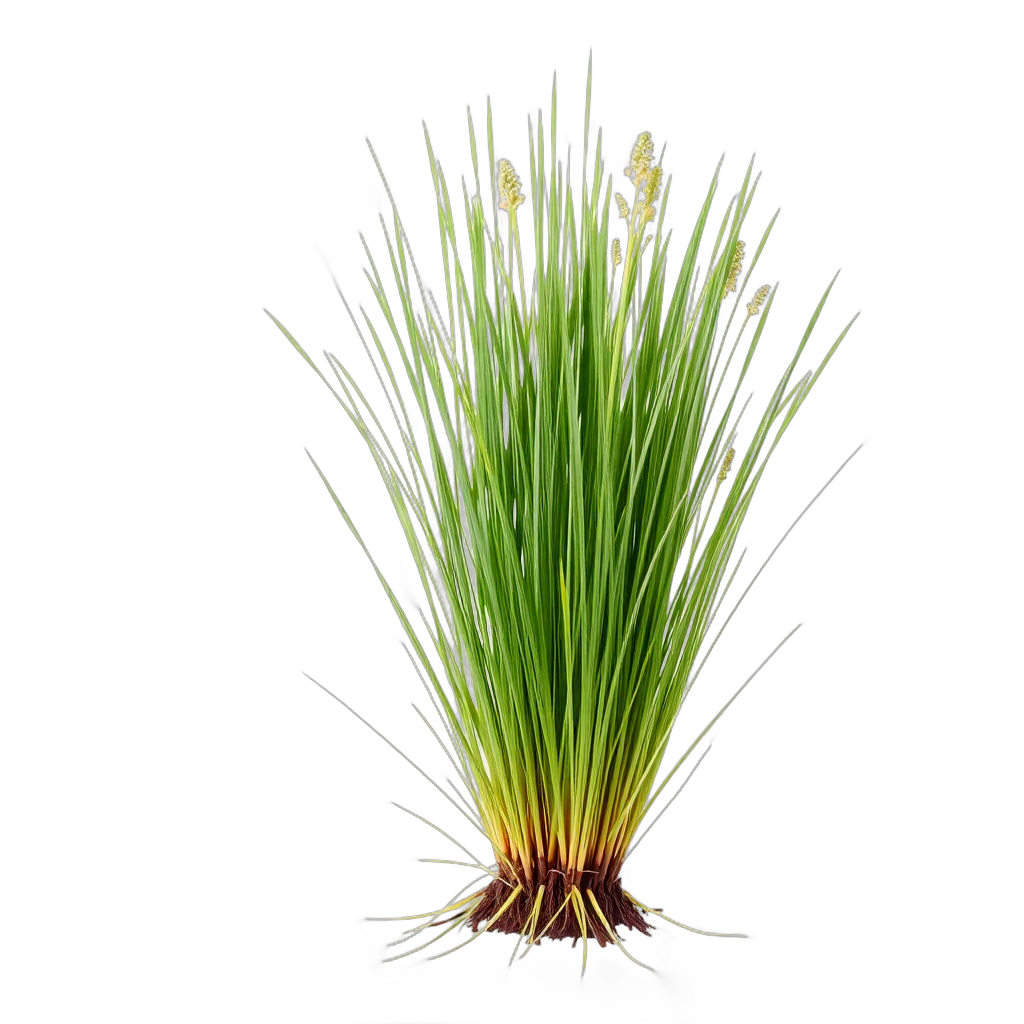
California Gray Rush
Juncus patens
low-growing ground cover, blooms in summer. Evergreen year-round.
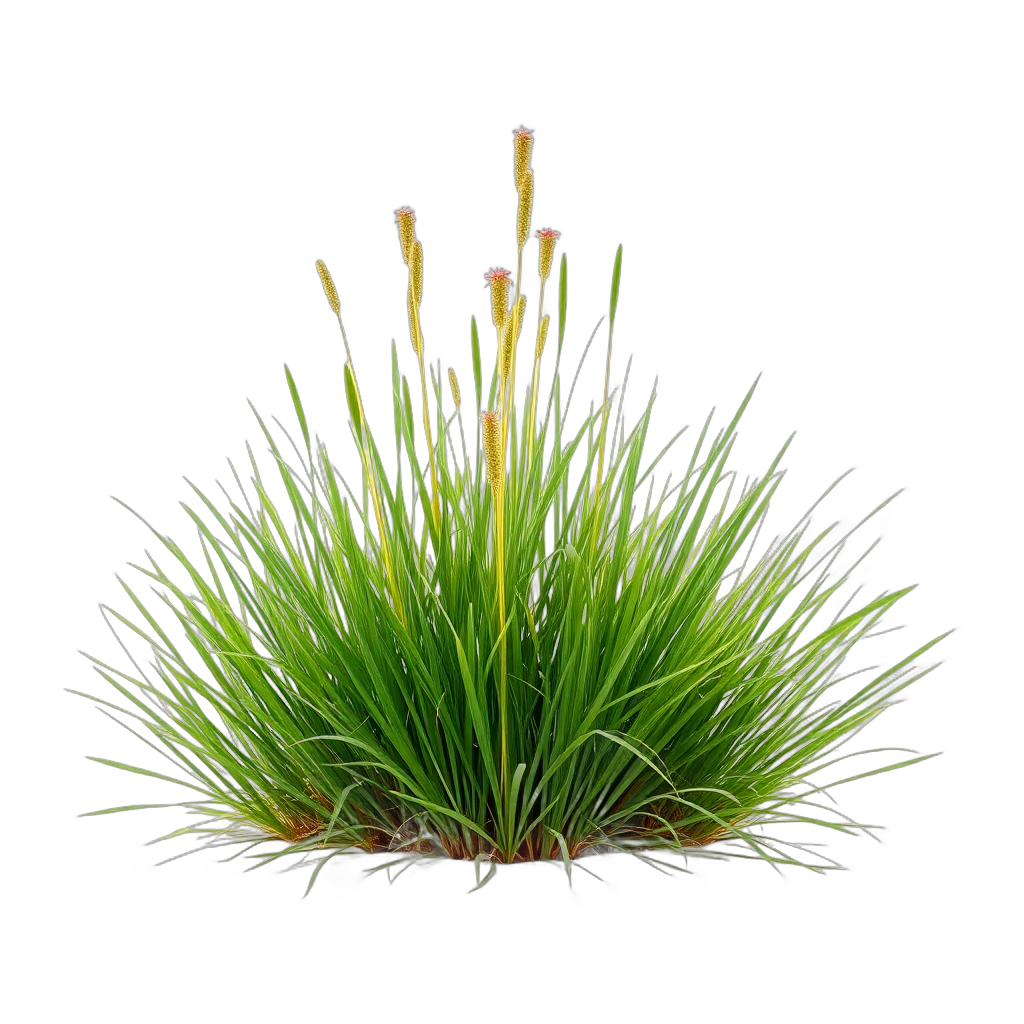
Clustered Field Sedge
Carex praegracilis
low-growing ground cover, blooms in spring.
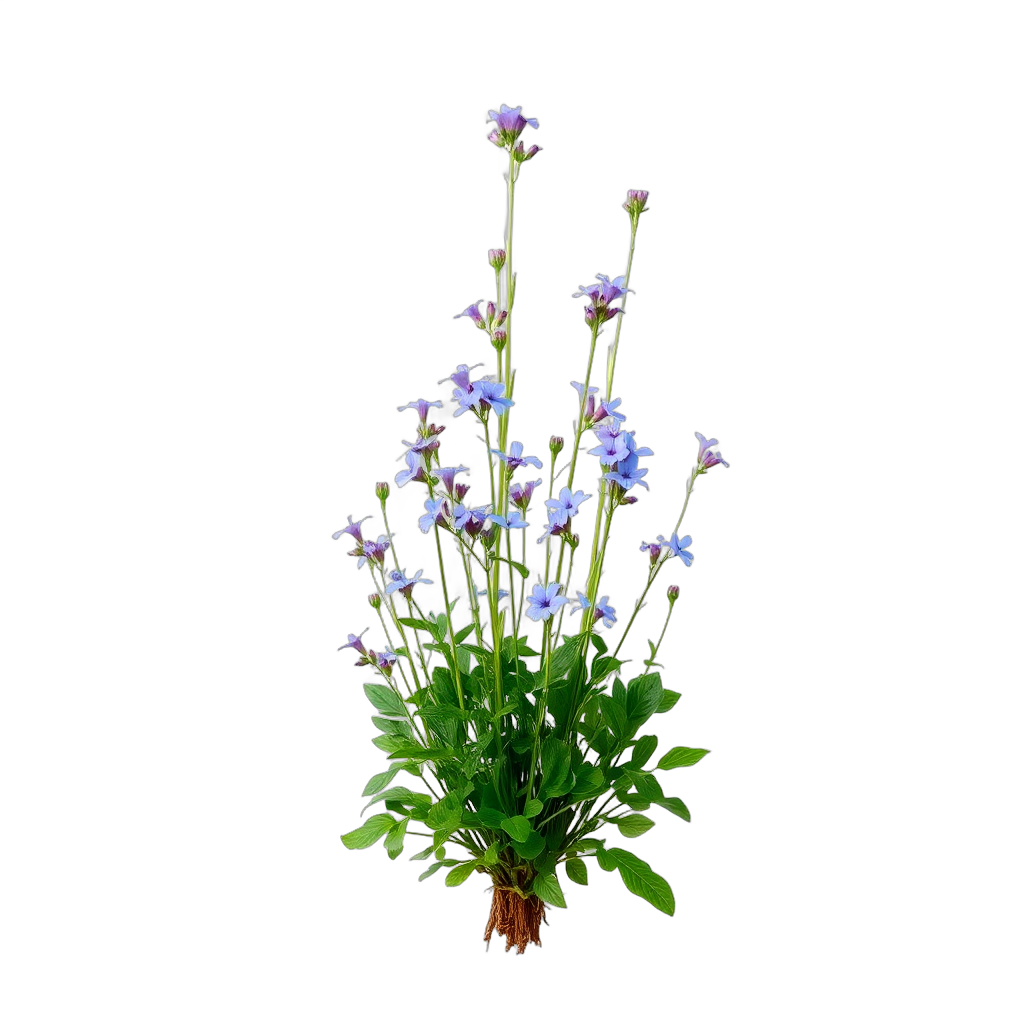
Blue Dicks
Dichelostemma capitatum
low-growing ground cover, blue blooms in spring. Pollinator-friendly.
Zone and sun checks come from our database — confirm with your local nursery before you buy.
Bloom Calendar for Elk Grove
spring
Clustered Field Sedge, Blue Dicks, Blue-Eyed Grasssummer
Baltic Rush, California Gray Rush, Papyrusfall
Limited bloomswinter
Limited bloomsDesign Tips for Elk Grove (Zone 9b)
- Build every bed up six to twelve inches above grade and mulch with 3/8-inch gravel rather than fine bark — the hardpan under most of Elk Grove kills Lavandula × intermedia and Salvia rosmarinus by drowning them in February, never by freezing them in January
- Specify a fruitless olive such as Olea europaea 'Swan Hill' or 'Wilsonii' anywhere within 15 feet of paving, a pool or a driveway; fruiting cultivars drop a purple stain onto concrete and terracotta every autumn that no pressure washer fully removes
- Put citrus on its own irrigation valve — Citrus × meyeri 'Improved Meyer' and Citrus unshiu 'Owari' want water every seven to ten days in July while the olives, cypress and lavender beside them want it every 10 to 14, and running them together will either starve the citrus or rot the lavender
- Use the arches. If the house has an arched entry or arched windows, echo the geometry with a rhythm of Cupressus sempervirens 'Tiny Tower' rather than round shrubs; the vertical repeat is what makes a builder stucco elevation read as a villa instead of a tract home
- Design a shaded seat before you design a sunny one — Elk Grove averages weeks above 100°F, and a pergola, loggia or the canopy of a mature Olea europaea is the difference between a terrace you photograph and a terrace you use
- Reach for a recirculating fountain rather than a water feature that runs to waste; a three-tier cast-stone bowl on a pump tops up a few gallons a day, gives the courtyard evaporative cooling and sound, and is exempt from the day-of-week irrigation schedule that governs your sprinklers
- Plant Bougainvillea only against a heat-storing south or west stucco wall, keep it dry and unfertilized once established, and leave frost-damaged canes in place until April — pruning a frozen plant in January is how most Elk Grove bougainvilleas actually die
Where to Source Plants in Elk Grove
Skip the big-box stores. These independent Elk Grove nurseries specialize in the plants that make mediterranean gardens thrive in Zone 9b.
Big Oak Nursery
East Elk Grove / Sheldon (Grant Line Road)
Locally grown stock including olives, citrus, fruit trees and Mediterranean shrubs in field and container sizes, plus a working farm stand
Green Acres Nursery & Supply
Elk Grove (East Stockton Boulevard)
Family-owned full-service garden center with a large citrus and olive department, terracotta and glazed pottery, and 150-plus soil amendments and fertilizers
Fair Oaks Boulevard Nursery
Arden-Arcade, Sacramento
Established 1949 — citrus, stone fruit, Arboretum All-Star selections, water-wise shrubs and specimen trees suited to Valley heat
Talini's Nursery & Garden Center
East Sacramento (Folsom Boulevard)
Second-generation neighborhood nursery since 1976, strong on citrus, herbs and Mediterranean edibles with hands-on plant-problem diagnosis
The Plant Foundry Nursery & Store
Oak Park / Broadway Triangle, Sacramento
Woman-owned urban nursery specializing in water-wise and California-native plants, fruiting trees and vines, and unusual Mediterranean ornamentals
Mediterranean Landscaping Costs in Elk Grove
| Project Scope | Estimated Cost |
|---|---|
| Front-yard Mediterranean conversion (turf removal, specimen olive, cypress, lavender masses) | $7,000 – $18,000 |
| Gravel courtyard with flagstone entry path (400–600 sqft) | $4,000 – $9,000 |
| Terracotta tile terrace on new slab (300–500 sqft) | $12,000 – $28,000 |
| Rough-sawn timber pergola, built and finished | $7,000 – $20,000 |
| Three-tier cast-stone fountain, plumbed with recirculating pump and auto-fill | $3,500 – $12,000 |
| Multi-zone drip conversion and weather-based controller | $1,800 – $4,500 |
| AI visualization with ProScapeAI | Free to start |
Estimates based on Elk Grove, CA-area contractor rates as of 2026. Actual costs vary by site conditions, materials, and contractor.
Elk Grove Climate & Growing Zone
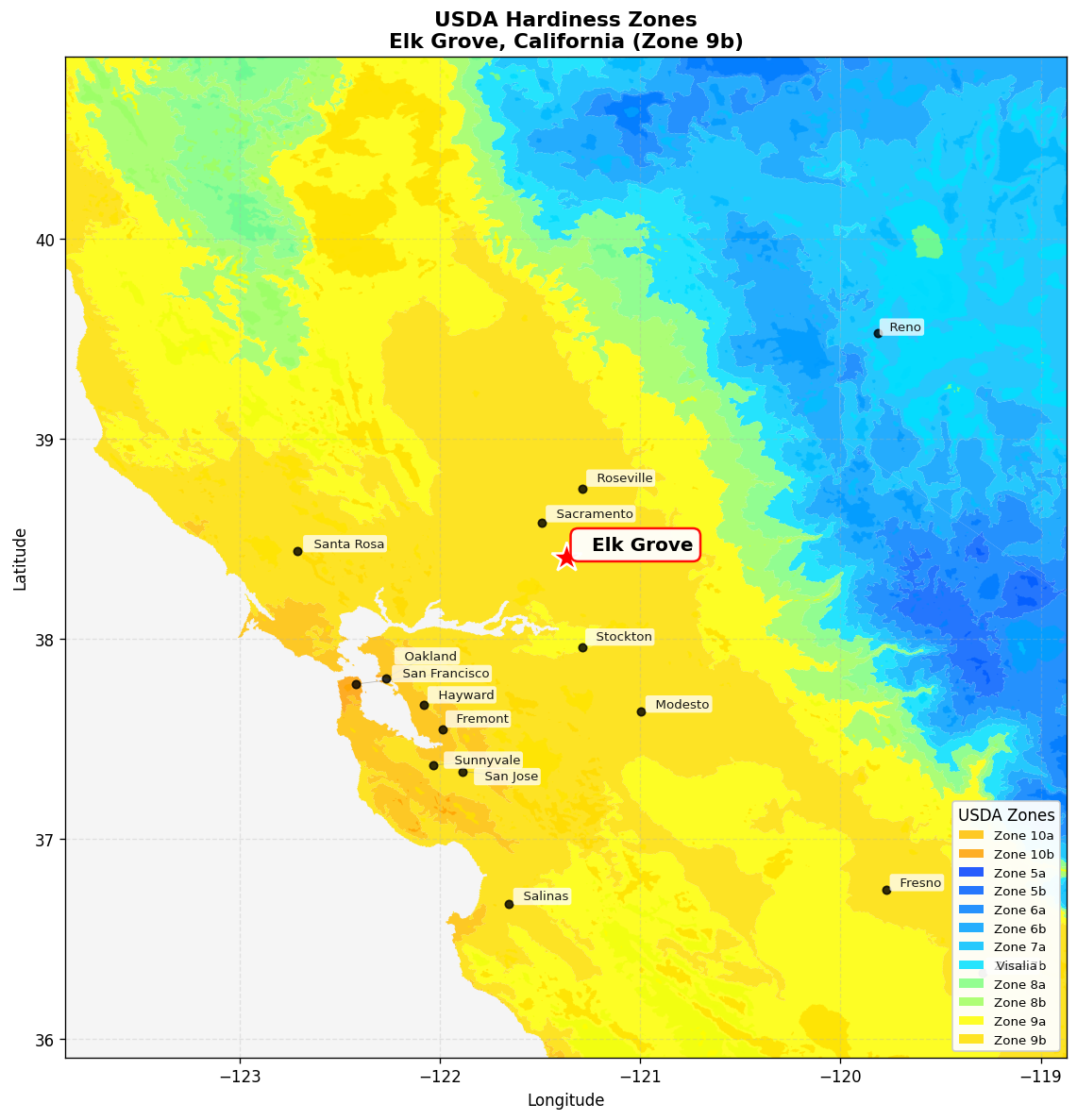
USDA Zone 9b
Hardiness zone for Elk Grove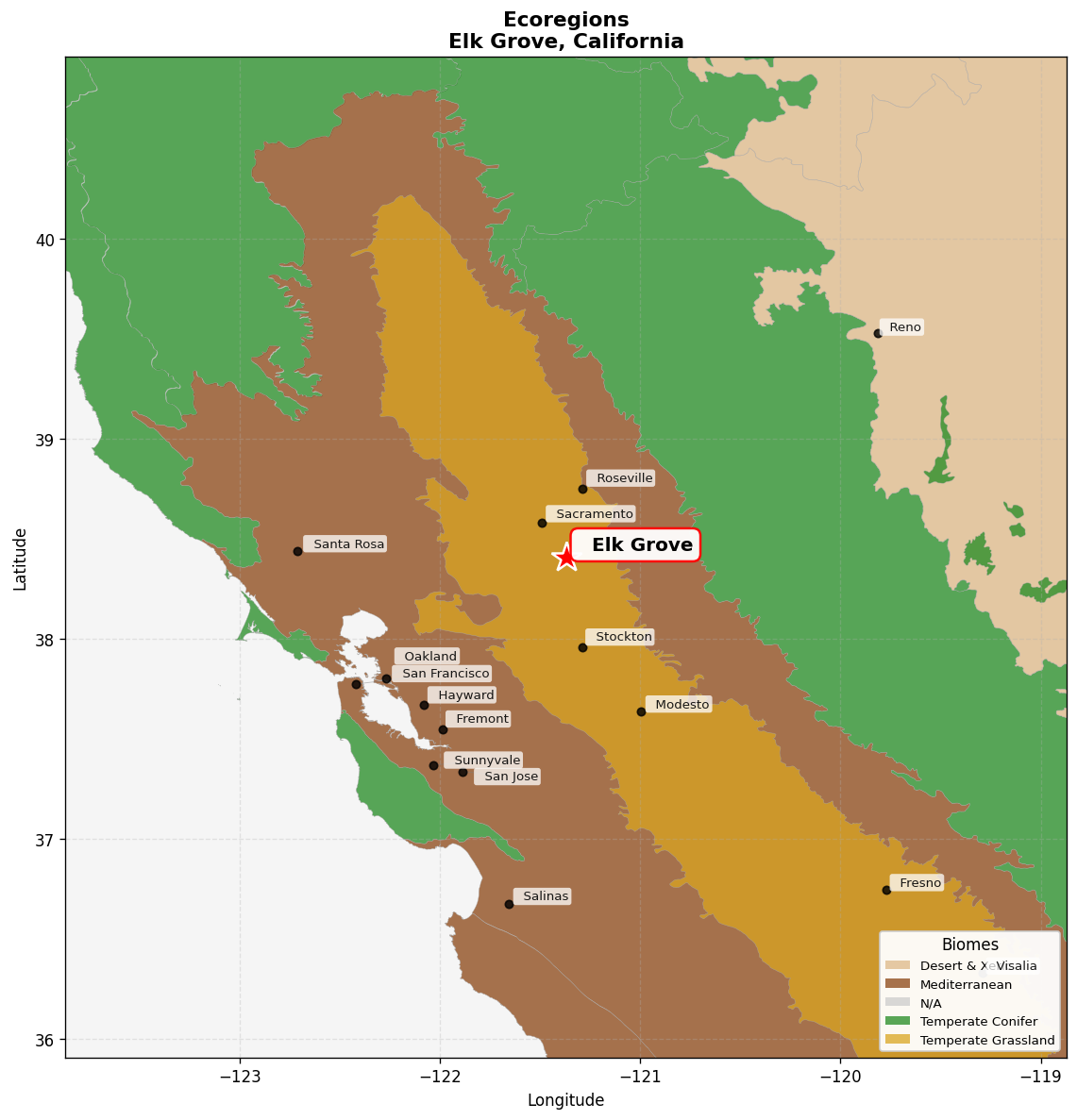
California Central Valley grasslands
Native ecoregionFrequently Asked Questions
How much does a Mediterranean landscape cost in Elk Grove?
Sacramento-area pricing sits close to the national metro average — noticeably under Bay Area rates and above rural Central Valley rates. A front-yard conversion with a flagstone or gravel entry, a specimen olive, three to five Italian cypress and 60 to 100 lavender and Westringia typically runs $7,000 to $18,000 for a 500 to 700 square foot frontage. A walled gravel courtyard, if the stucco walls already exist, can come in as low as $8 to $14 per square foot. A terracotta-tiled back terrace with a timber pergola is generally $18,000 to $45,000 depending on size and whether a slab already exists. A three-tier cast-stone fountain, plumbed with an auto-fill and a recirculating pump, adds $3,500 to $12,000 installed.
Will olive and citrus trees survive an Elk Grove winter?
Yes to both, with one caveat each. Olea europaea is fully hardy in Zone 9b and thrives on the 18-inch winter rainfall — pick a fruitless cultivar such as 'Swan Hill' or 'Wilsonii' if the tree sits near paving, because fruiting olives drop a purple stain onto concrete and terracotta every autumn. Citrus depends on species: Citrus unshiu 'Owari' Satsuma and Citrus × meyeri 'Improved Meyer' lemon handle local radiational frost without protection, 'Washington' navel is reliable in most of the city, and limes and grapefruit are marginal and want a warm south wall, frost cloth on clear January nights, or a pot that can be moved. Plant citrus with the graft union four to six inches above finished grade and never let mulch touch the trunk.
Can I really grow bougainvillea here?
You can, and it is spectacular from June to October, but treat it as a fast-recovering perennial rather than permanent structure. Bougainvillea 'Barbara Karst' and 'San Diego Red' will defoliate at around 30°F and can freeze to the ground in a hard Elk Grove winter, then regrow six to ten feet the following season if the roots stayed dry and mulched. The tricks that work locally: plant it against a south- or west-facing stucco wall that radiates stored heat overnight, keep it in lean soil with sharp drainage and very little summer water once established, and hold off pruning frost damage until you see new growth in April. A five-gallon plant costs $30 to $60 and will cover a pergola bay within two seasons.
Why does my lavender and rosemary keep dying in winter, not summer?
Because it is drowning, not freezing. Most of Elk Grove sits on San Joaquin loam over a cemented hardpan 20 to 40 inches down, which perches winter rainfall in the root zone for days. Lavandula × intermedia, Salvia rosmarinus, Cistus, Santolina and Phlomis all evolved on thin, fast-draining hillside soil and rot at the crown in saturated clay. The fix is mechanical, not chemical: build every Mediterranean bed up six to twelve inches above grade behind a curb or berm, blend coarse sand or 3/8-inch crushed rock into the top 12 inches rather than adding water-holding compost, mulch with gravel or coarse bark instead of fine fir, and set the crown of each plant slightly proud of the finished soil level. Also turn the drip off entirely from November through March.
How much water does a Mediterranean garden here actually use?
Far less than the lawn it replaces, and that matters because Elk Grove Water District and Sacramento County Water Agency both assign irrigation days by house number — odd addresses Tuesday, Thursday and Saturday, even addresses Wednesday, Friday and Sunday — with lawn watering further limited and daytime irrigation banned during peak hours. Confirm your current schedule with your provider. Once established, an olive wants one deep soak every 10 to 14 days in July, Lavandula × intermedia and Westringia fruticosa the same, and Cupressus sempervirens roughly every 14 days. Citrus is the thirsty exception at seven to ten days on its own valve. Split those into three hydrozones on inline drip with a weather-based controller and a typical front yard drops 50 to 70 percent below its fescue-era consumption.
When should I install a Mediterranean landscape in Elk Grove?
October through early December is the best window. Soil is still warm, winter rain establishes the plants for free, and olives, cypress, lavender and rosemary all put on root growth through a mild Sacramento winter so they face their first 105°F afternoon already anchored. February and March work well too. Citrus is the exception: plant it in March or April so it has a full warm season to establish before its first frost, not two weeks. Avoid planting anything from mid-June through mid-September — even daily irrigation cannot keep a new root ball ahead of the evaporation rate here. Hardscape, walls and pergolas can be built year-round, with occasional multi-day weather delays between winter storms.