4 English Cottage Garden Ideas for Sandy, UT | Zone 7b Wasatch Bench
Native plants from the Great Basin shrub steppe (Zone 7b) — Humid continental (hot summer) climate
For a cottage garden in Sandy, UT, a zone 7b city with a humid continental (hot summer) climate, start with Rosa × harisonii (Harison's Yellow), Rosa 'Sally Holmes' and Lavandula × intermedia 'Phenomenal', the plants this guide's first design is built on.
Why Cottage/English Gardens in Sandy?
Sandy sits on the east bench of the Salt Lake Valley with the Wasatch wall behind it, and its housing stock suits a cottage border better than the suburban reputation suggests. The brick ramblers and split-levels of Granite and the older streets around Historic Sandy have deep, sunny front yards and low rooflines that a layered border can fill without hiding the house. Rose-covered fences, a gravel path and a bank of lavender look natural against red brick, and the cold winters are a help: Paeonia lactiflora, Syringa vulgaris, bearded iris and tulips all want the chill that Southern cottage gardeners try to fake.
The climate is high cold desert, and the nearest NOAA station is Salt Lake City airport, a few miles lower and about 17 miles north of Sandy. Its 1991–2020 normals give 15.5 inches of precipitation a year, about 52 inches of snow, a 24°F average January low and a 94°F average July high. Sandy runs higher on the bench, so expect colder nights and more snow than those figures. Zone 7b means winter lows of 5 to 10°F. English classics that need steady summer rain, such as Delphinium elatum and Hidcote lavender, sulk in July, so the border leans on plants that handle dry air: Lavandula × intermedia 'Phenomenal', Nepeta 'Walker's Low', Salvia nemorosa 'Caradonna', Achillea 'Moonshine', Geranium 'Rozanne' and Rosa 'Sally Holmes'.
Soil changes with elevation. Lower Sandy near the Jordan River is old Lake Bonneville silt and clay, while the bench toward Dimple Dell is coarser, gravelly alluvium that drains fast. Both run alkaline, usually pH 7.5 or higher, which yellows hydrangeas, azaleas and red maples (iron chlorosis). Skip them and use lime-tolerant cottage plants: Paeonia 'Sarah Bernhardt', Rosa × harisonii (Harison's Yellow, carried west by pioneers and still alive on Wasatch Front homesteads), Syringa 'Miss Kim' and Amelanchier alnifolia 'Regent'. On clay, mix in compost and set beds a few inches proud so winter water leaves the crowns. On gravel, add compost once and mulch with 3 inches of gravel or shredded wood.
Water is the last constraint. A cottage garden uses more than a gravel yard, so place the generous planting where you will see it most, and put the park strip on drip. Sandy City's Land Development Code has landscaping standards (Chapter 15A-25) that can apply to park strips, so call Sandy City before you change the strip. Confirm the current rules with Sandy City before you build, and check your HOA design rules for fences and arbors.
4 Cottage/English Design Ideas for Sandy
AI-generated image
The Brick Rambler Rose Border
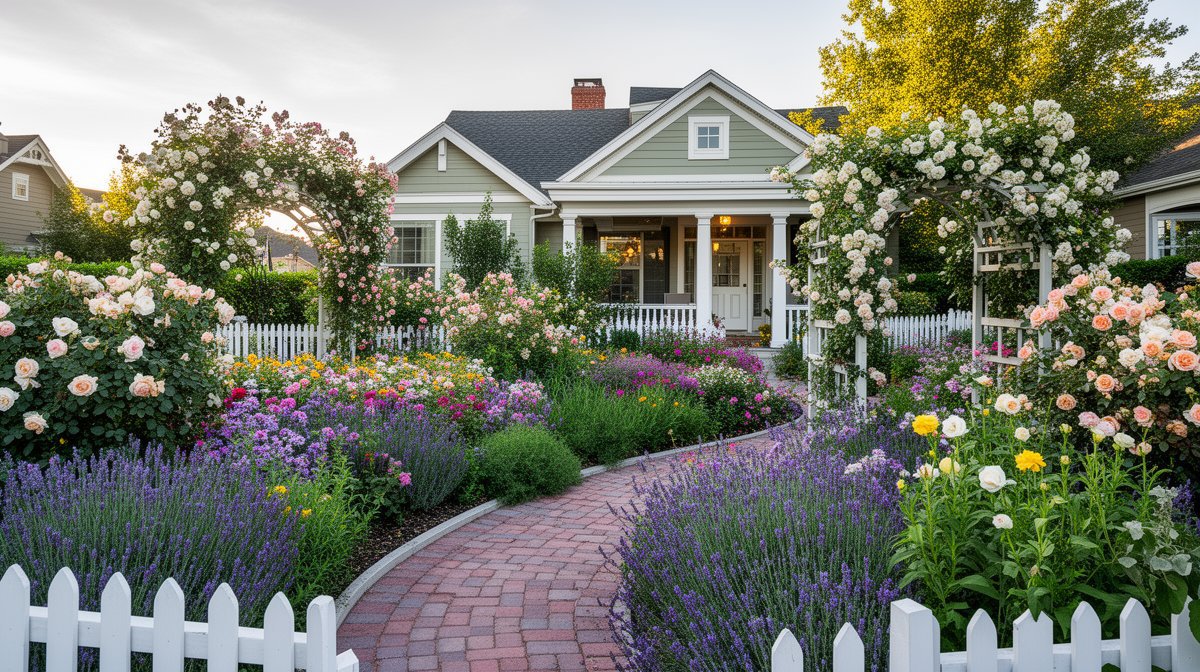
$18–38/sqftA low white picket fence runs along the sidewalk of a red-brick rambler, with a curved gravel path leading through a gate to the porch. Shrub roses and lavender fill a border six feet deep along the front of the house, where the south-facing brick holds heat into October. Climbing Harison's Yellow on the gate posts gives the first color in May, well before most borders wake up.
Try this on your yard: The Brick Rambler Rose BorderAI-generated image
The Porch Border of Peonies and Iris
$22–45/sqftA bungalow porch with white posts gets a border in three layers: tall hollyhocks and peonies against the foundation, catmint and columbine in the middle, bearded iris and low geranium at the path edge. Spring is the peak, when peonies and iris overlap in late May, and the planting is picked so something blooms from April tulips to September asters. A flagstone walk set in stone dust curves from the driveway to the steps.
Try this on your yard: The Porch Border of Peonies and IrisAI-generated image
The Lawn-Edge Tea Garden
$24–50/sqftA small circle of gravel and flagstone sits in the back yard of a two-story house, with a round bistro table and a rose arbor behind it that frames the mountain view. A strip of lawn stays in the middle for kids and dogs, ringed by deep borders on the north and east fences where the shade is lighter. The borders work in drifts of lavender, columbine and ornamental onion so the whole yard reads as one picture.
Try this on your yard: The Lawn-Edge Tea GardenAI-generated image
The Water-Wise Cottage Park Strip
$12–26/sqftThe park strip is where Sandy yards can spend the least water and still look like a cottage. A drift of Russian sage, catmint and yarrow runs along the curb, with a few boulders and a stepping-stone path for access to parked cars. Behind it, the front border keeps the roses and peonies, so the high-water plants stay close to the house.
Try this on your yard: The Water-Wise Cottage Park StripSee how a cottage/english garden looks on YOUR property
Upload a photo of your Sandy yard and visualize your dream garden in seconds.
Try ProScapeAI Free

AI-generated image
Featured Trees & Shrubs for Cottage/English Gardens
Browse all 176 plants for Sandy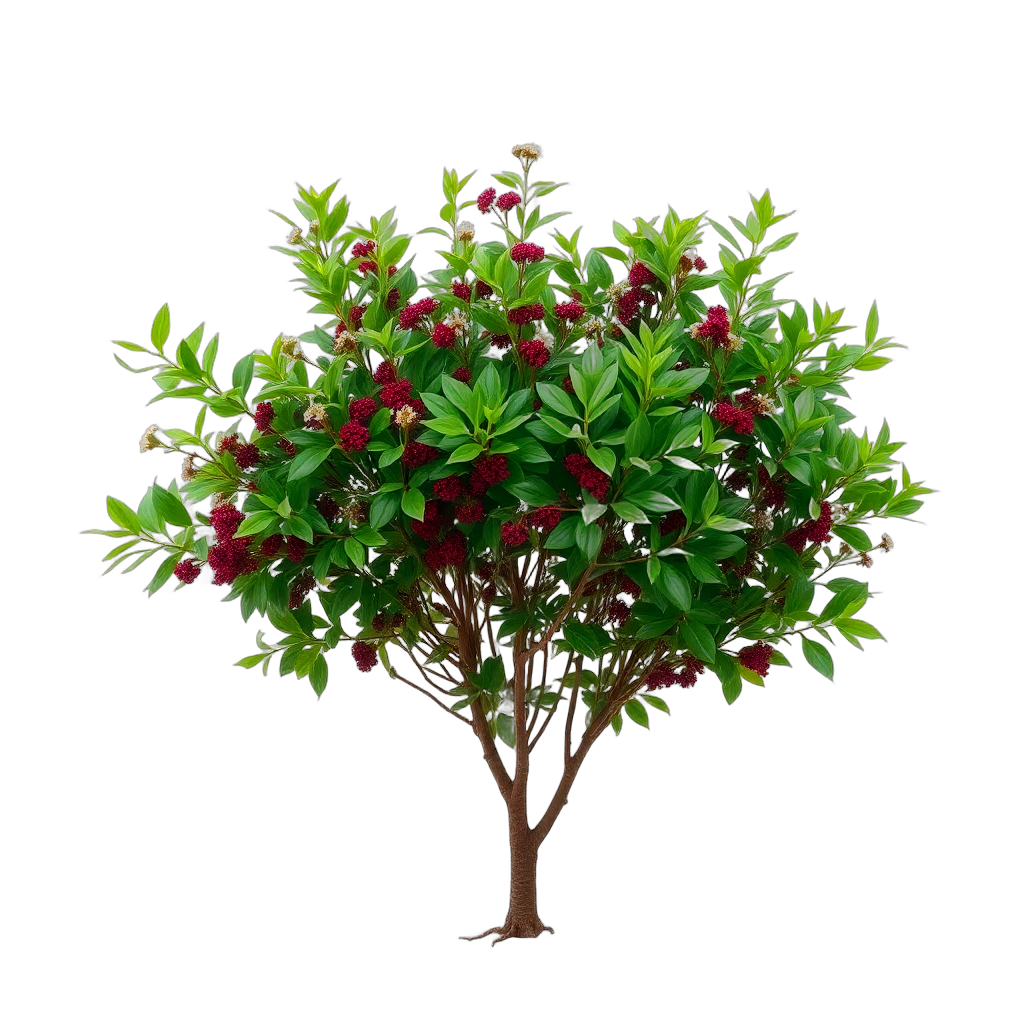
Anderson Wolfberry
Lycium andersonii
grows to 5 feet, purple blooms in spring. Attracts hummingbirds.
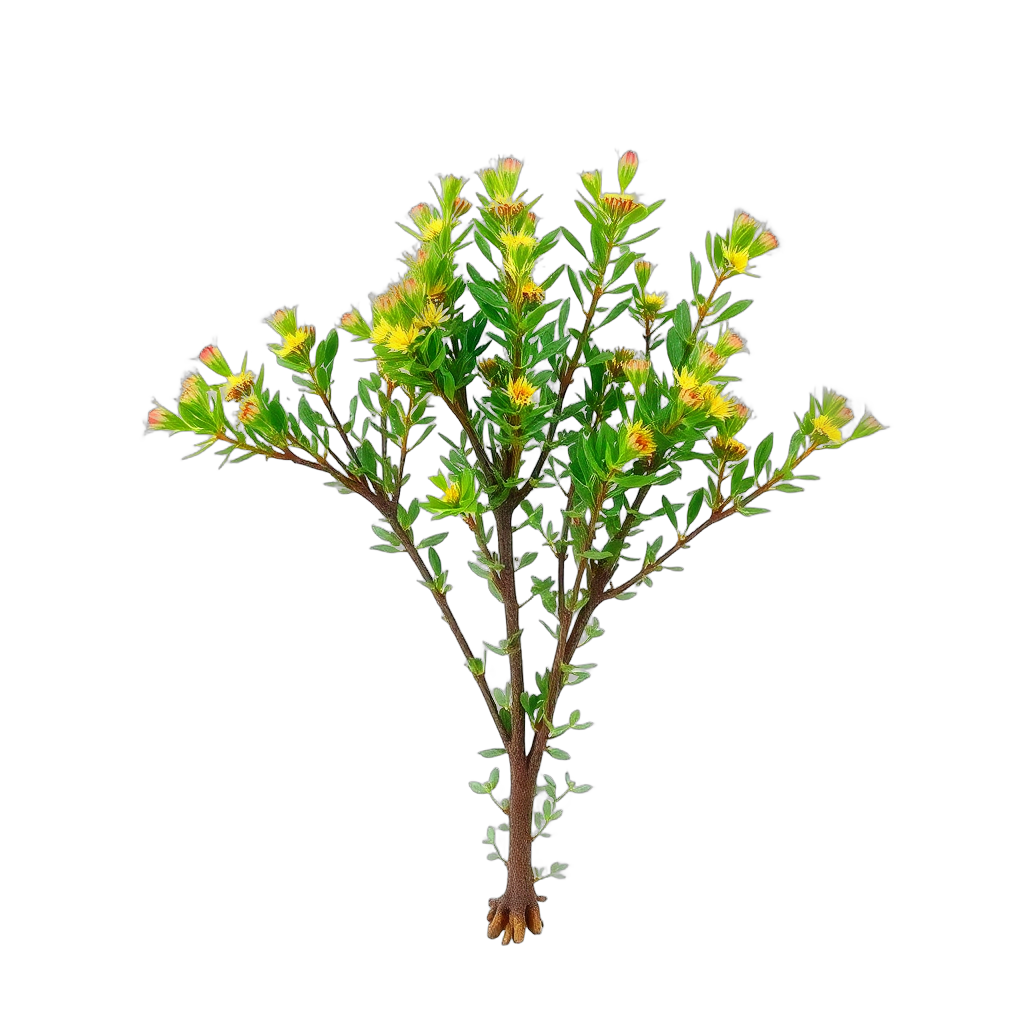
Antelope Bitterbrush
Purshia tridentata
grows to 6 feet, yellow blooms in spring. Fragrant.
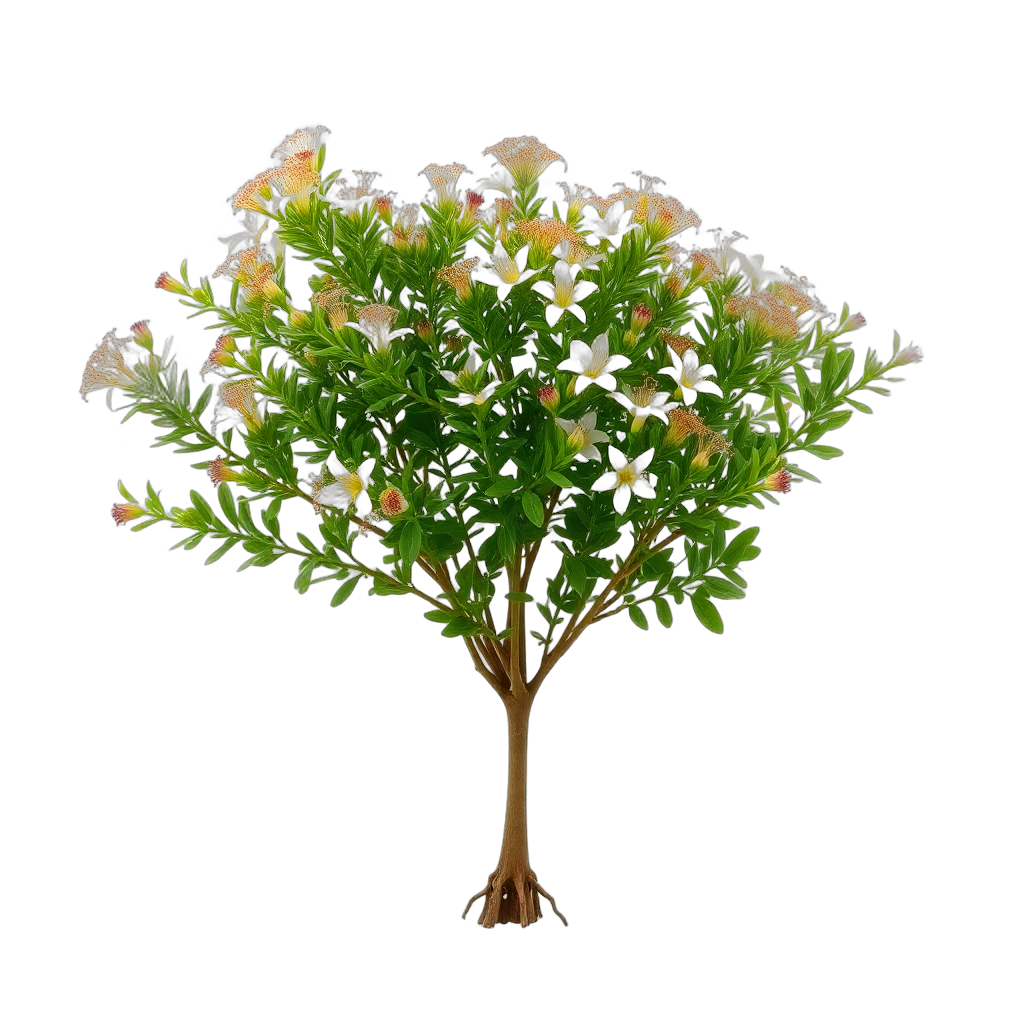
Apache Plume
Fallugia paradoxa
grows to 6 feet, white blooms in summer. Attracts butterflies.
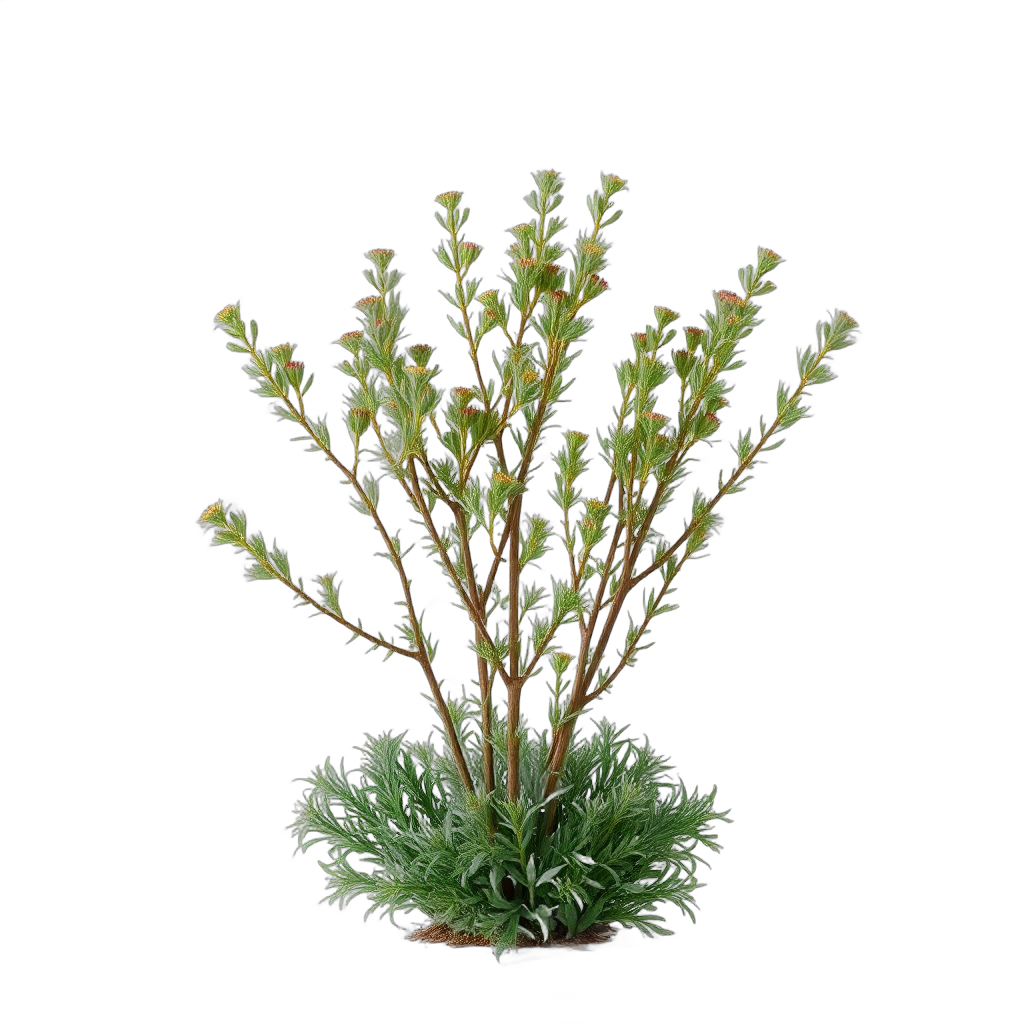
Big Sagebrush
Artemisia tridentata
grows to 6 feet, yellow blooms in fall. Evergreen year-round.
Featured Grasses & Groundcovers for Cottage/English Gardens
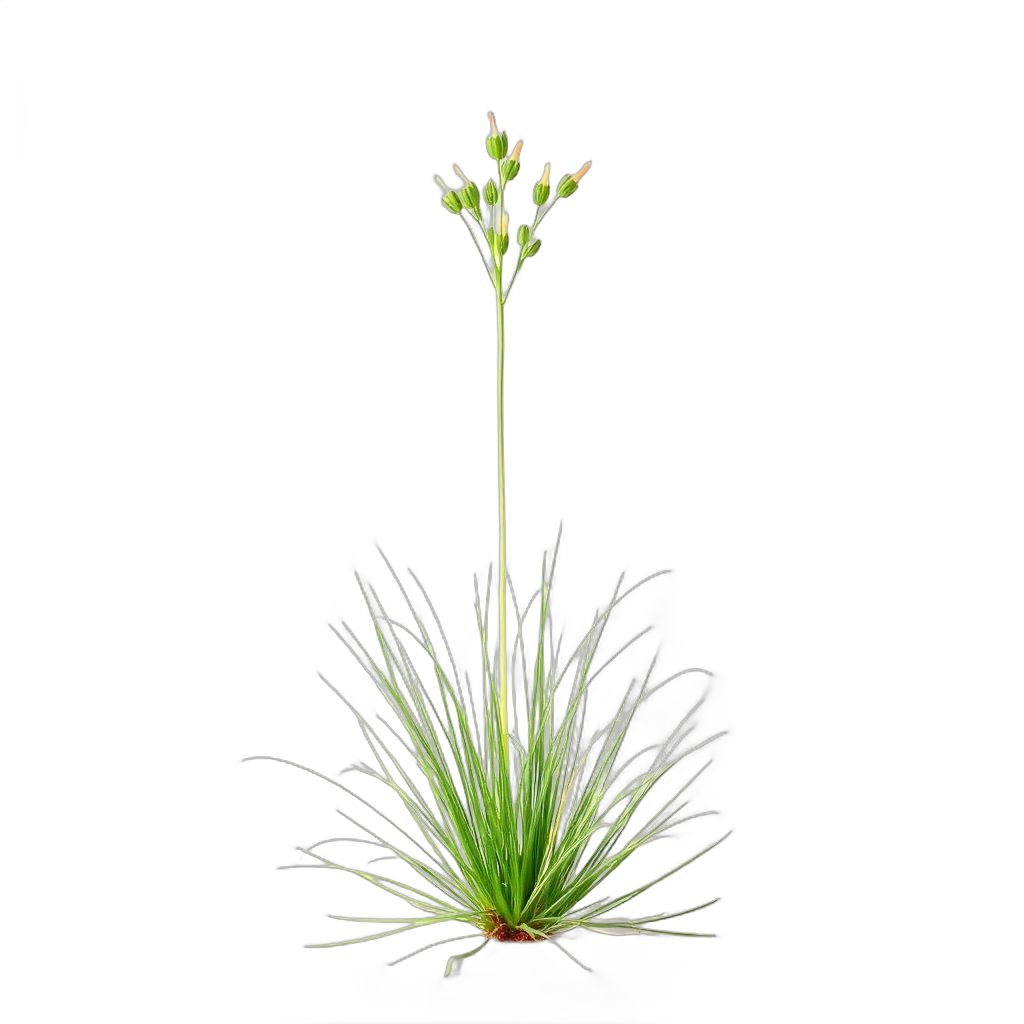
Alkali Sacaton
Sporobolus airoides
grows to 3 feet, blooms in summer. Yellow fall color.
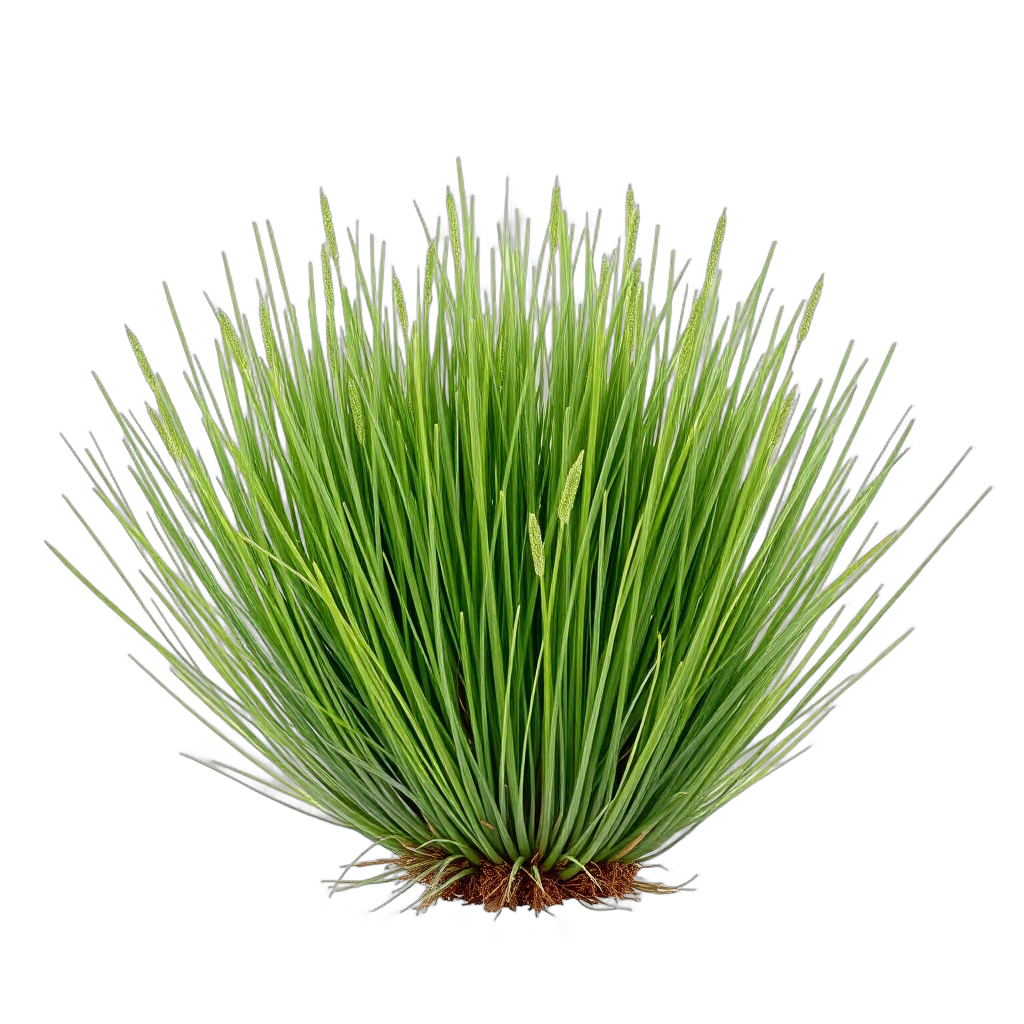
Great Basin Wild Rye
Leymus cinereus
grows to 3 feet, blooms in summer. Yellow fall color.
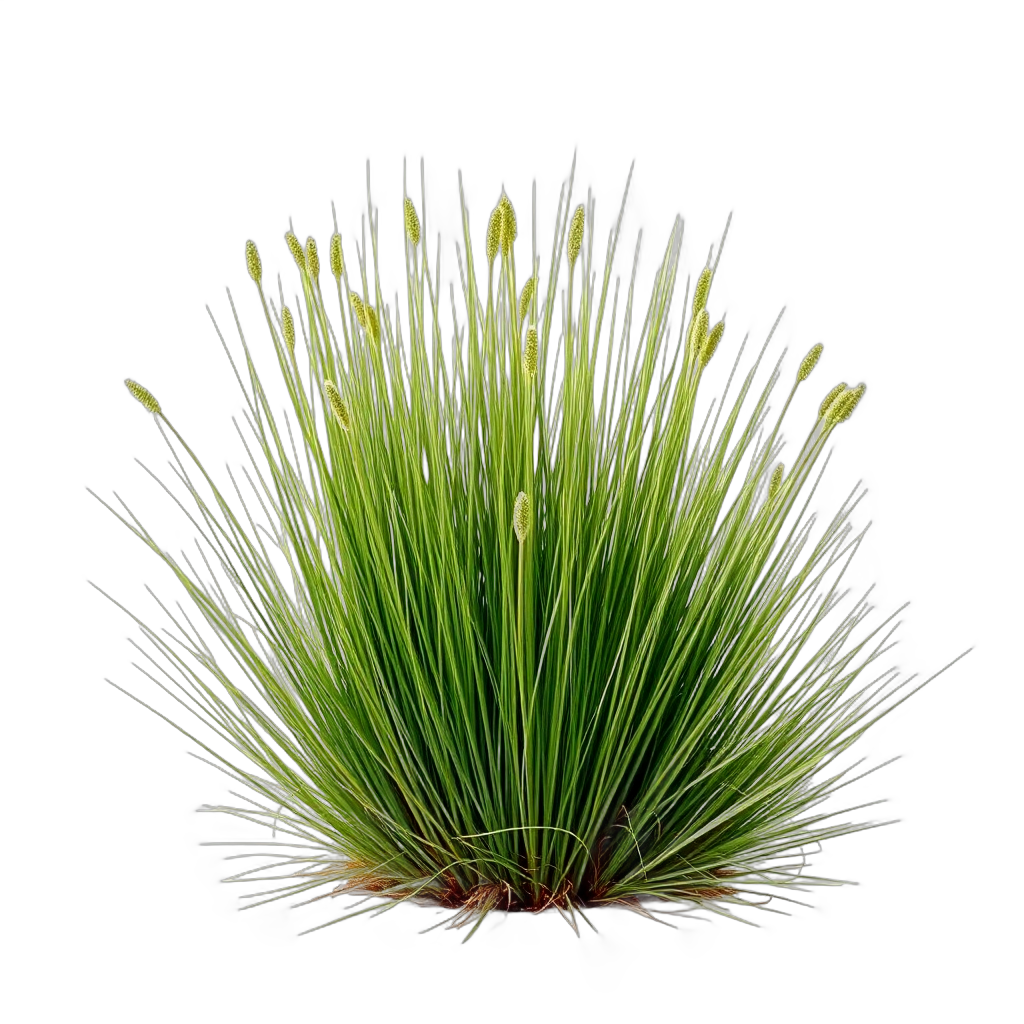
Idaho Fescue
Festuca idahoensis
low-growing ground cover, blooms in summer.
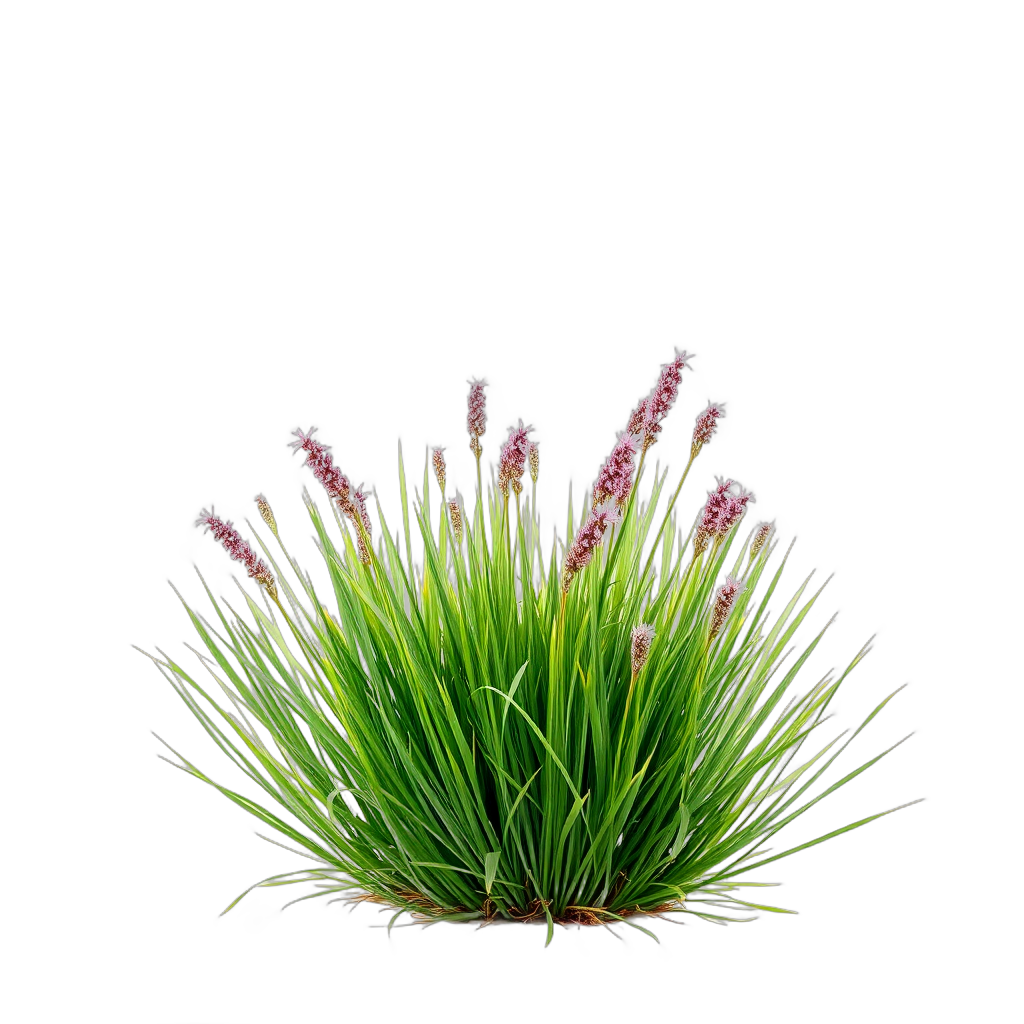
Purple Three-Awn
Aristida purpurea
low-growing ground cover, purple blooms in fall. Yellow fall color.
Featured Flowers & Perennials for Cottage/English Gardens
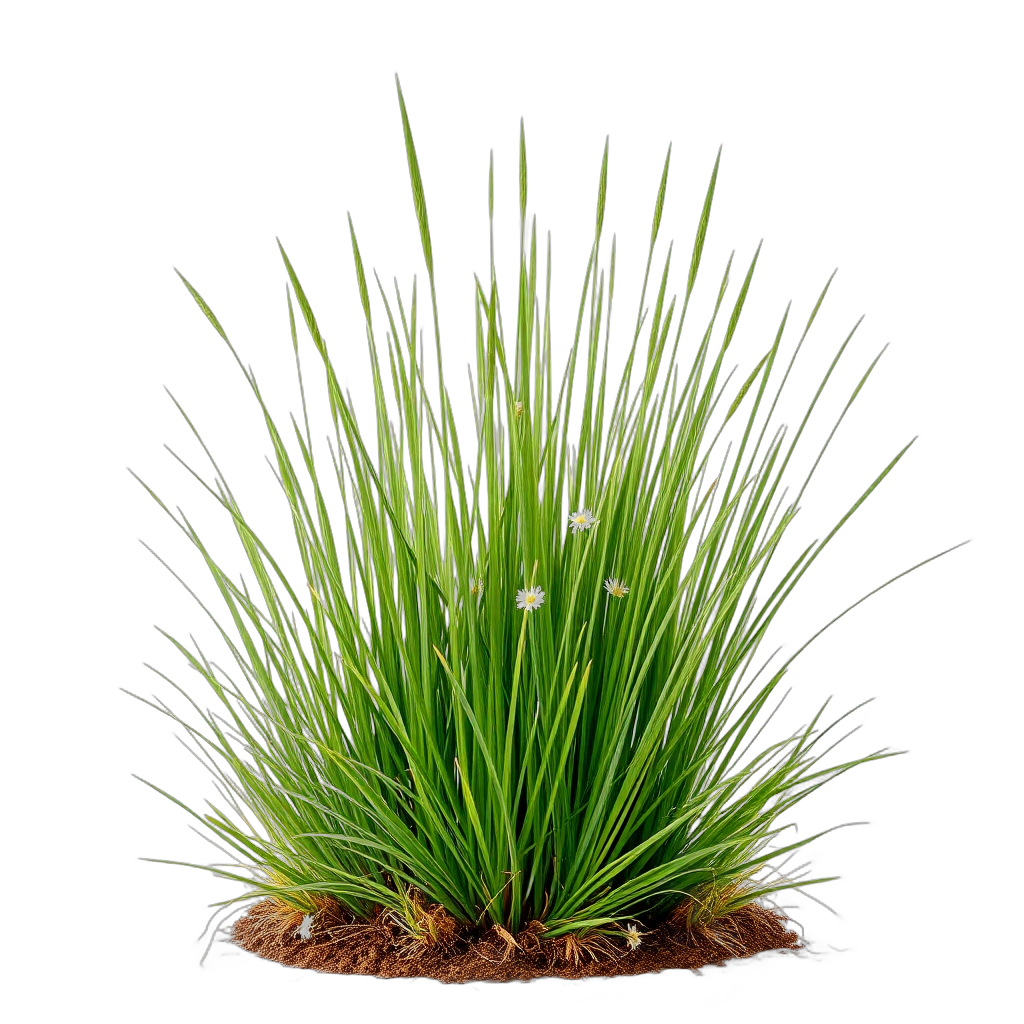
Baltic Rush
Juncus balticus
low-growing ground cover, blooms in summer. Evergreen year-round.
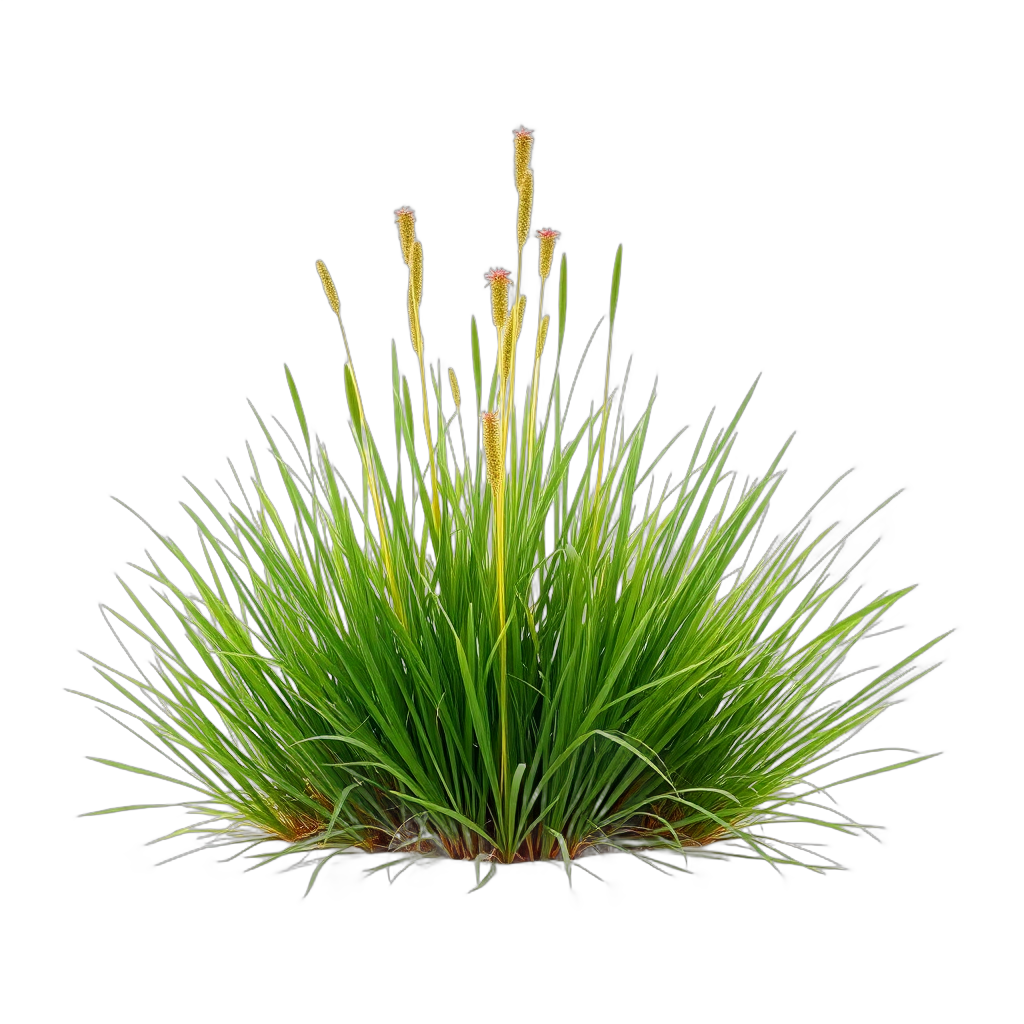
Clustered Field Sedge
Carex praegracilis
low-growing ground cover, blooms in spring.
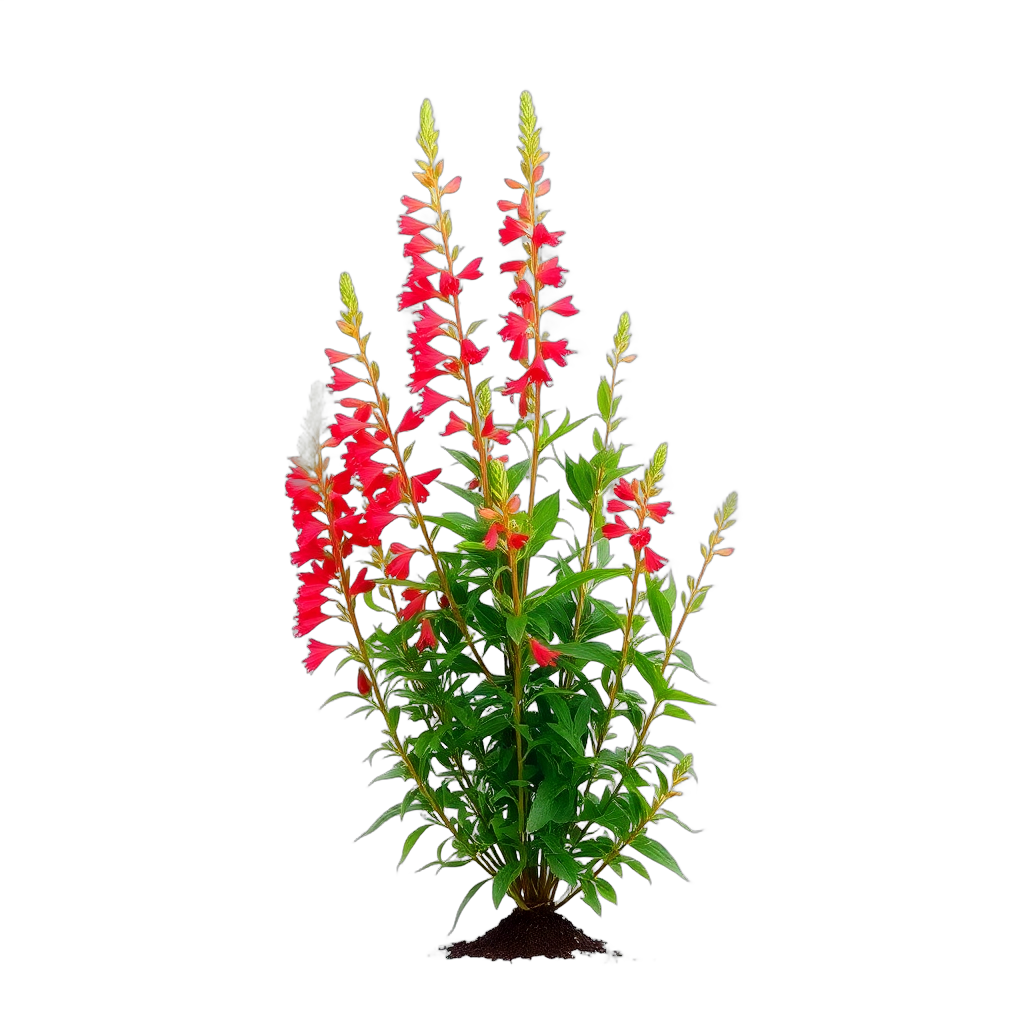
Firecracker Penstemon
Penstemon eatonii
low-growing ground cover, red blooms in spring. Attracts hummingbirds.

Palmer's Penstemon
Penstemon palmeri
grows to 4 feet, pink blooms in spring. Attracts hummingbirds.
Zone and sun checks come from our database — confirm with your local nursery before you buy.
Bloom Calendar for Sandy
spring
Clustered Field Sedge, Firecracker Penstemon, Palmer's Penstemonsummer
Baltic Rush, Alkali Sacaton, Great Basin Wild Ryefall
Purple Three-Awn, Big Sagebrush, Rubber Rabbitbrushwinter
Limited bloomsDesign Tips for Sandy (Zone 7b)
- Test the soil before you buy plants: Sandy soil is usually pH 7.5 or higher, so choose Paeonia 'Sarah Bernhardt', Syringa 'Miss Kim' and Lavandula × intermedia 'Phenomenal' instead of hydrangea or azalea
- Raise beds 4–6 inches above grade on clay lots near the river so snowmelt does not sit around lavender and rose crowns; on gravelly bench lots, add compost once and mulch with 3 inches of gravel
- Put the roses on the east or south side of the house with shelter from canyon wind, and water at the base with drip so leaves stay dry and the plant gets a deep soak every 7–10 days
- Plan for late spring frost on the bench: keep tender annuals in pots until mid-May and let hardy Aquilegia caerulea and Allium 'Purple Sensation' carry the first color
- Use Salvia nemorosa 'Caradonna', Achillea 'Moonshine' and Geranium 'Rozanne' for July through September, when the dry air makes thirsty English plants fade
- Keep the park strip simple: Nepeta 'Walker's Low' and Perovskia 'Little Spire' under 3 inches of mulch with drip, and keep plants under 3 feet near driveways so drivers can see
- Mulch rose and peony crowns in November and clean up spent foliage in March; stake tall hollyhocks early so canyon wind and wet snow do not flatten them
Where to Source Plants in Sandy
Skip the big-box stores. These independent Sandy nurseries specialize in the plants that make cottage/english gardens thrive in Zone 7b.
Millcreek Gardens
Millcreek, Salt Lake City
Family nursery since 1955 with roses, trees, shrubs, perennials, herbs and Utah native plants, plus bulk soil and mulch
Glover Nursery
West Jordan (1300 West)
Utah family nursery with trees, shrubs, roses, perennials and hard-to-find plants chosen for Utah conditions, plus bulk mulch, compost and rock
Cactus & Tropicals (Draper)
Draper, just south of Sandy
Greenhouse and nursery with seasonal flowers, outdoor trees and shrubs, waterwise cacti, pottery and fountains
Cactus & Tropicals (Midvale)
Midvale, just northwest of Sandy
Same seasonal outdoor plants, trees, shrubs and pottery as the other two stores, closest to the west side of Sandy
Cottage/English Landscaping Cost Ranges
| Project Scope | Estimated Cost |
|---|---|
| Flagstone seating circle on stone dust (150–250 sqft) | $3,700–$8,000 |
| Picket fence, 4 ft tall (60 linear ft) | $1,500–$2,400 |
| Brick paver walk (100 sqft) | $2,000–$2,600 |
| AI visualization (ProScapeAI) | Free to start |
National average installed ranges for 2026 from our landscaping price list (Homewyse and other published sources). Prices in Sandy, UT vary with site, materials and contractor, so get two or three local quotes.
Sandy Climate & Growing Zone
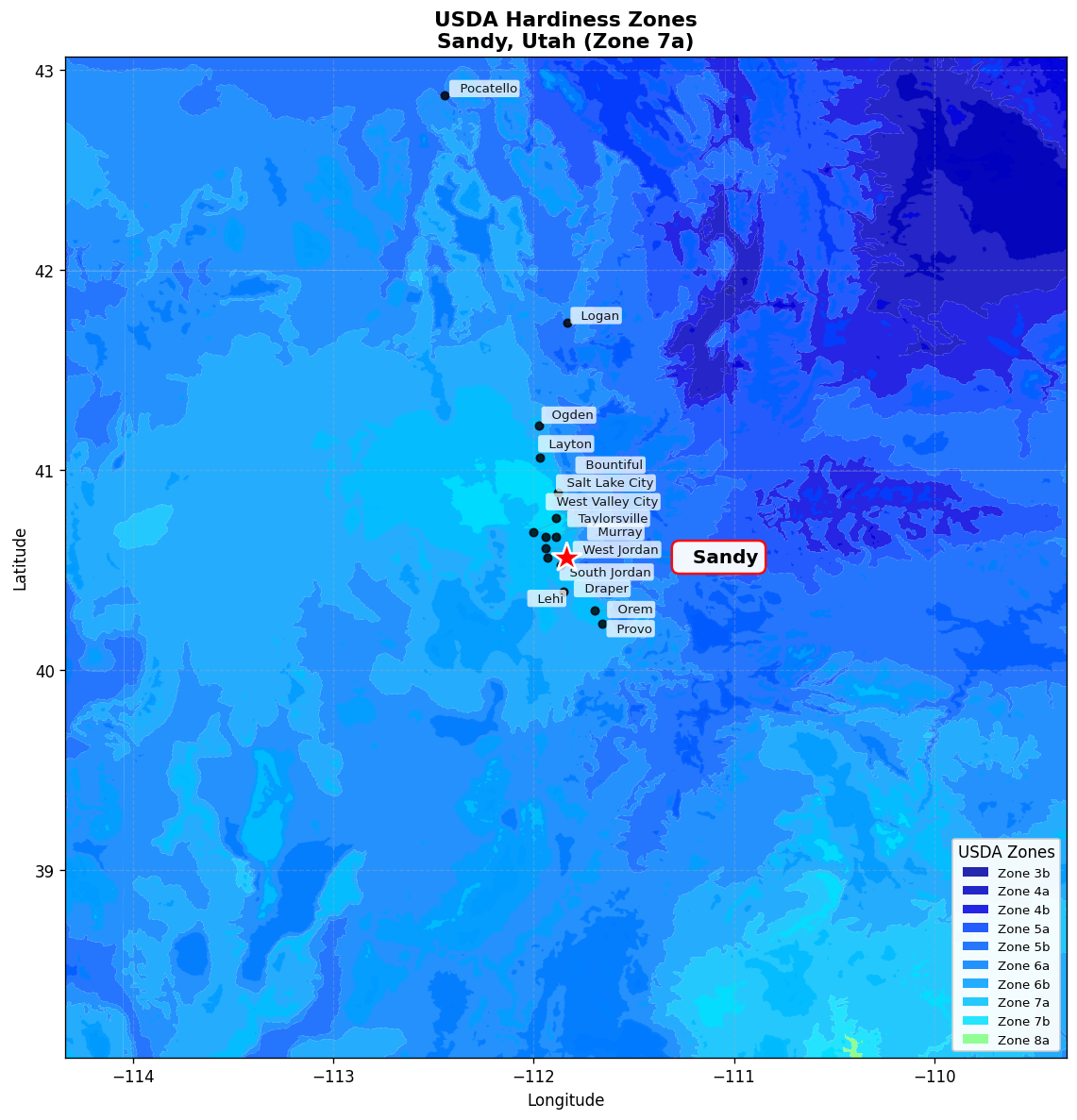
USDA Zone 7b
Hardiness zone for Sandy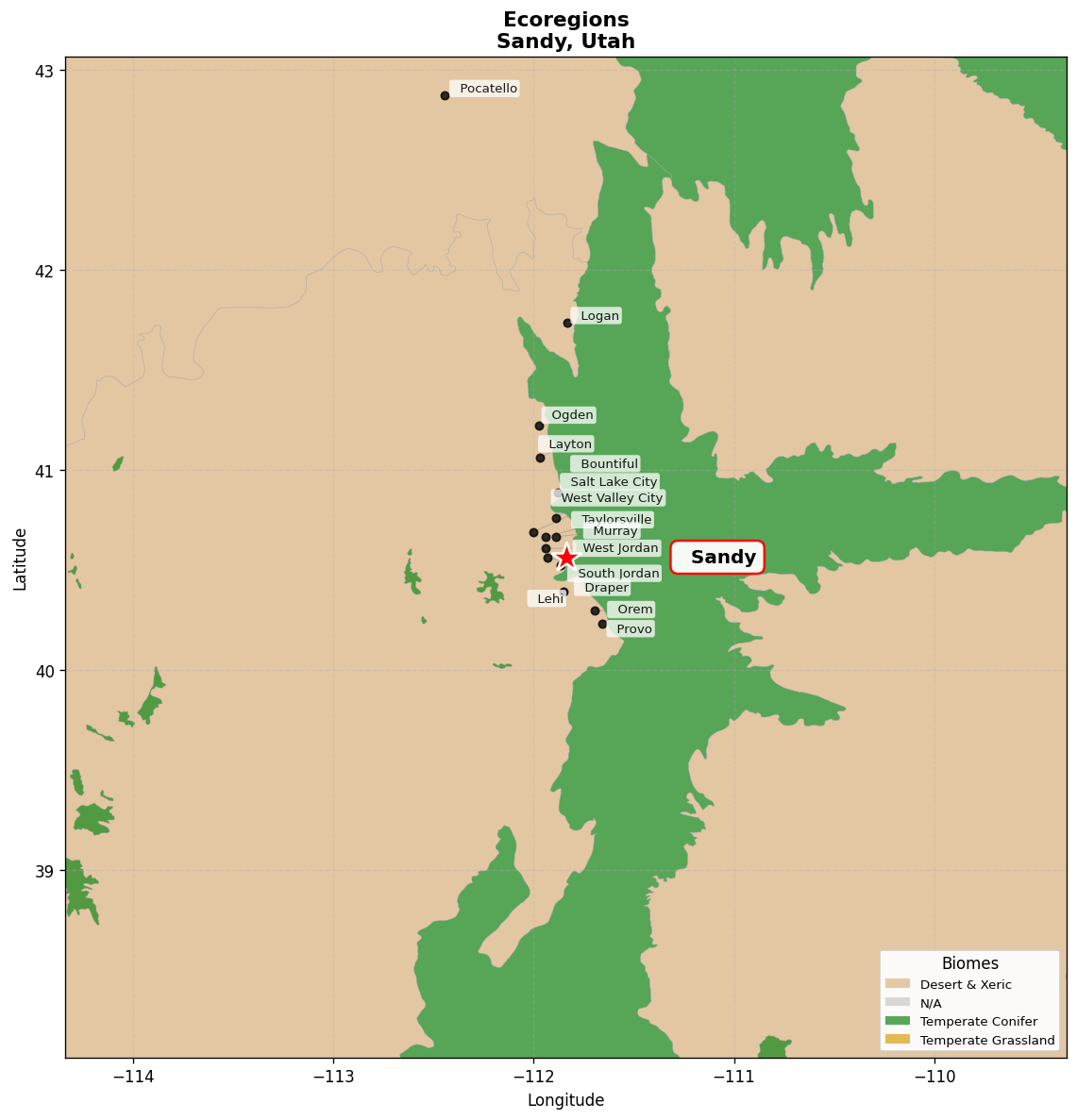
Great Basin shrub steppe
Native ecoregionFrequently Asked Questions
How much does an English cottage garden cost in Sandy, UT?
Costs depend on hardscape more than plants. Prices vary with site, size and finishes, so get two or three local quotes.
Is a cottage garden low maintenance in Sandy's climate?
It is moderate. Lavender, catmint, yarrow and salvia need a hard shear once a year and little else once established, but roses and peonies want drip irrigation, spring feeding and mulch. Winter lows near 5 to 10°F are not a problem for 'Sally Holmes' or Harison's Yellow. Most of the work is weeding and deadheading in June, plus raising the soil a few inches on clay lots so crowns do not sit in snowmelt.
When is the best time to plant in Sandy?
Plant perennials and shrubs from mid-April to early June and again from early September to mid-October, when soil is warm and nights are cool. Bare-root roses go in as soon as the ground thaws in March or April. Peonies and bearded iris are best set in September. Avoid planting in July and August, when the average high at Salt Lake City airport is 94°F and the air is dry. Spring frosts on the bench can come late, so hold tender annuals until mid-May.
What soil do I have in Sandy, and does it matter?
Most Sandy yards have alkaline soil, often pH 7.5 or higher, either heavy Lake Bonneville clay near the river or fast-draining gravelly alluvium on the bench. It matters because it yellows hydrangea, azalea and red maple, and it locks up iron. Choose lime-tolerant plants such as Paeonia 'Sarah Bernhardt', Syringa 'Miss Kim', Amelanchier alnifolia 'Regent' and Lavandula × intermedia 'Phenomenal'. A soil test through USU Extension costs little and shows organic matter, salts and pH.
What survives Sandy's winters and dry summers?
Plants from dry, cold climates do best. Zone 7b lows of 5 to 10°F suit Salvia nemorosa 'Caradonna', Achillea 'Moonshine', Penstemon strictus, Agastache 'Blue Fortune' and Rosa × harisonii. Delphinium elatum usually fades in the first hot July, and Hidcote lavender can rot in clay that stays wet in winter. Where you want height, use hollyhock (Alcea rosea 'Chater's Double') and ornamental onion (Allium 'Purple Sensation').
Are there rules for park strips or fences in Sandy?
Sandy City's Land Development Code has landscaping standards (Chapter 15A-25) that can apply to park strips, including what may go in the strip. Call Sandy City before adding or changing hardscape or plants there. Fence height and HOA design rules vary by lot and subdivision, so check both before building a picket fence or arbor. Sandy City Public Works can confirm the current requirements.
Can I grow roses on the Sandy bench?
Yes. Dry summer air means little blackspot, which is a real advantage over humid cities. The risks are cold wind and alkaline soil. Rosa × harisonii, Rosa 'Sally Holmes' and Rosa 'Carefree Beauty' are tough, and a spot with morning sun and shelter from canyon wind helps. Mulch the crown in November, water deeply every 7–10 days in summer and feed with an iron chelate if leaves yellow between the veins.