4 English Cottage Garden Ideas for Santa Maria, CA | Fog-Cooled Zone 9b
Native plants from the California interior chaparral and woodlands (Zone 9b) — Mediterranean (warm summer) climate
For a cottage garden in Santa Maria, CA, a zone 9b city with a mediterranean (warm summer) climate, start with Rosa 'Julia Child', Rosa 'Iceberg' and Lavandula × intermedia 'Grosso', the plants this guide's first design is built on.
Why Cottage/English Gardens in Santa Maria?
Santa Maria sits in a flat valley that the Pacific fills with fog and wind most summer afternoons, and that is kind to a cottage garden. August highs average only about 77°F, winter lows in December average near 39°F, and roughly 17 nights a year drop to freezing or below, so Zone 9b borders carry roses, lavender and perennials almost year-round. Old Town Orcutt's bungalows, the Craftsman and ranch-style homes around Old Town Santa Maria, and the long front yards on the Orcutt side of town all have room for a deep border behind a low fence.
The valley gets about 13–15 inches a year, nearly all of it between December and March, and August is usually bone dry, so a cottage garden here is an irrigated garden. Drip lines under mulch keep Rosa 'Julia Child', Rosa 'Iceberg' and Rosa 'Graham Thomas' flowering from April into December. The dry air also helps: blackspot is a much smaller problem than on the humid East Coast, though coastal fog can bring rust and powdery mildew to roses that sit in still corners.
Afternoon northwest breezes flatten tall delphinium and snap hollyhock stems, so put the tall plants on the lee side of the house or behind a fence, and lean on sturdier choices: Salvia 'Amistad', Verbena bonariensis, Perovskia 'Little Spire' and Geranium 'Rozanne'. Lavandula × intermedia 'Grosso' and Lavandula angustifolia 'Hidcote' both do well in the sandy, fast-draining soils common across the valley, and unlike on the humid coast they will not rot out in August. Sandy loam is typical in this part of the Central Coast, so add compost to hold water and feed the roses in March and again in June.
Fall is the best time to plant here, when the ground is still warm and the winter rains arrive. Choose cultivars that handle both fog and heat waves, and keep a thick wood-chip mulch on every bed.
4 Cottage/English Design Ideas for Santa Maria
AI-generated image
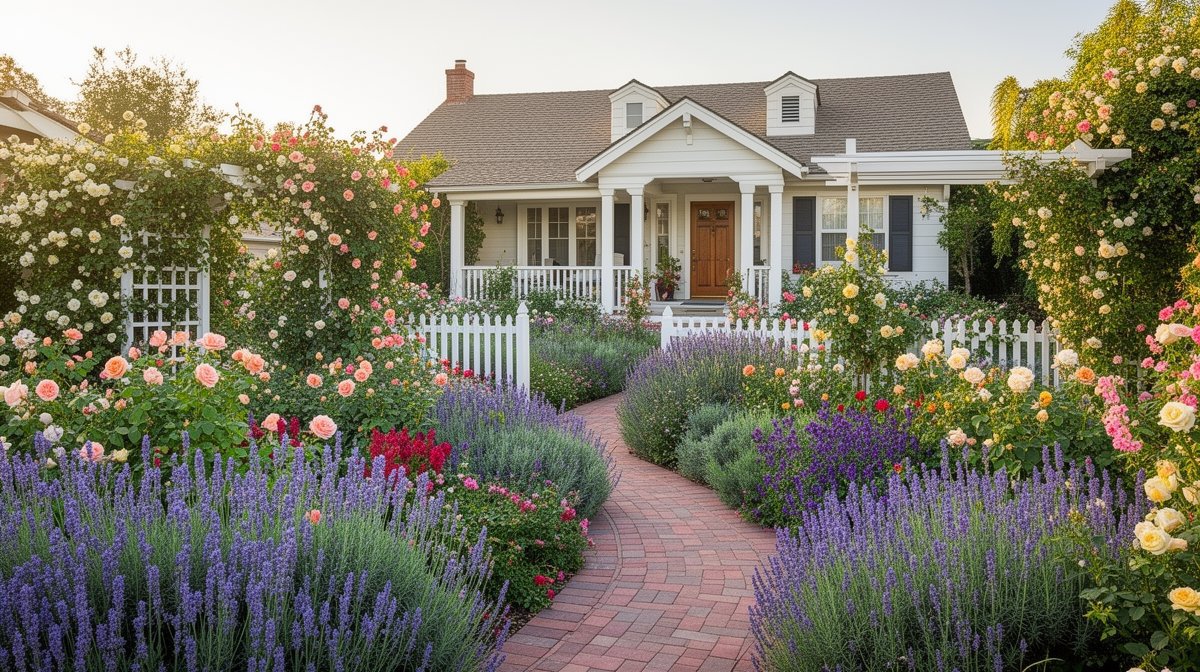
The Orcutt Picket Fence Border
$18–38/sqftA low white picket fence runs along a deep front bed in front of a single-story stucco ranch house. Pink and cream roses stand behind a ribbon of lavender, with catmint spilling over the flagstone path that curves to the porch. Morning sun hits the roses first and the afternoon fog keeps the lavender cool.
Try this on your yard: The Orcutt Picket Fence BorderAI-generated image
The Old Town Bungalow Porch Garden
$22–45/sqftA small Craftsman bungalow with a deep porch is framed by a white rose arch and a narrow bed under the windows. Foxglove and Agapanthus lift behind low mounds of erigeron, and pots of lavender sit on the steps. A tall hedge on the west side blocks the afternoon wind.
Try this on your yard: The Old Town Bungalow Porch GardenAI-generated image
The Windbreak Herb and Perennial Garden
$25–50/sqftA back garden is built behind a staggered line of evergreen shrubs that cut the afternoon northwest wind. Inside the shelter, raised beds of rosemary, thyme and catmint wrap a small bluestone patio with a bistro set. Tall perennials stand along the fence, held up by stakes and sturdy stems.
Try this on your yard: The Windbreak Herb and Perennial GardenAI-generated image
The Fruit and Cutting Garden
$20–42/sqftA sunny side yard holds a row of espaliered apple trees, with a cutting garden of zinnia, dahlia and sweet pea along a gravel path. A white pergola with a climbing rose shades a bench at the end. The mix feeds the household and fills vases from April to November.
Try this on your yard: The Fruit and Cutting GardenSee how a cottage/english garden looks on YOUR property
Upload a photo of your Santa Maria yard and visualize your dream garden in seconds.
Try ProScapeAI Free

AI-generated image
Featured Trees & Shrubs for Cottage/English Gardens
Browse all 197 plants for Santa Maria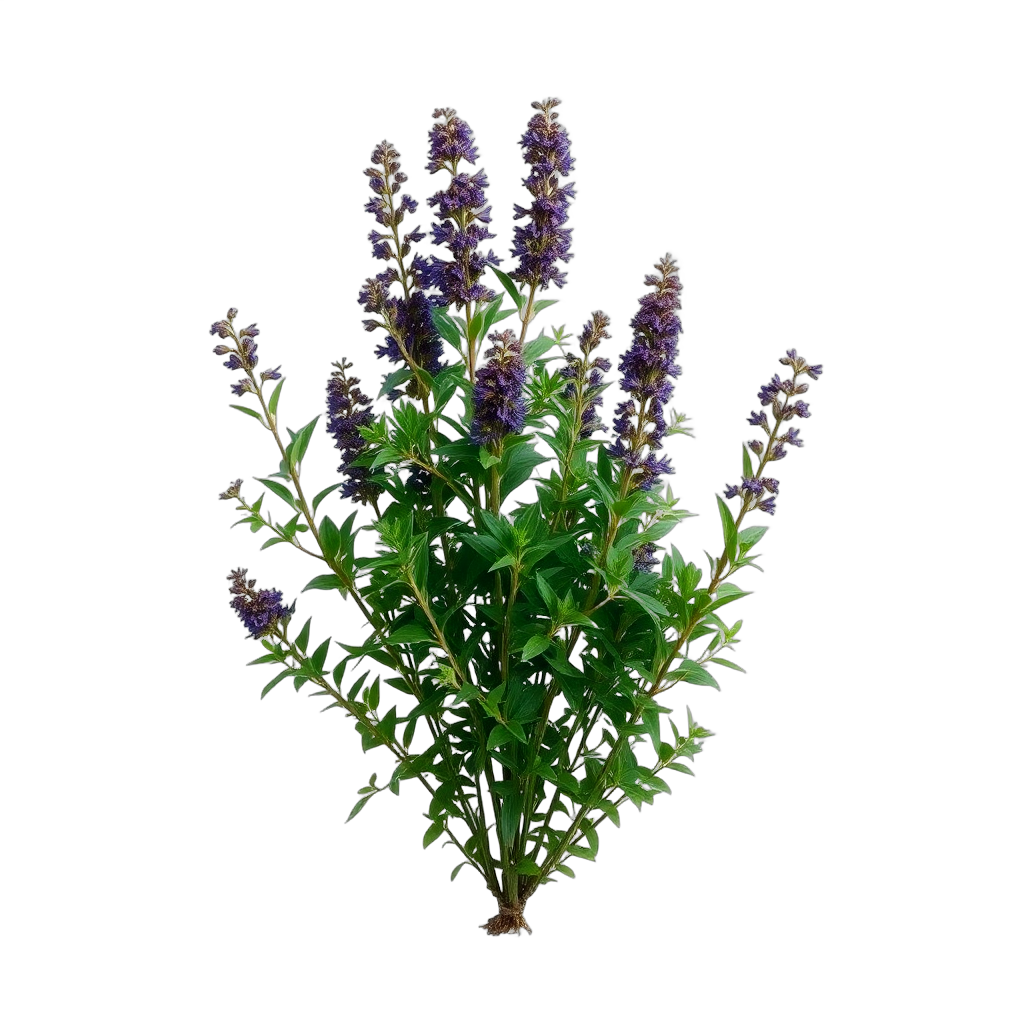
Black Sage
Salvia mellifera
grows to 4 feet, white blooms in spring. Attracts butterflies.
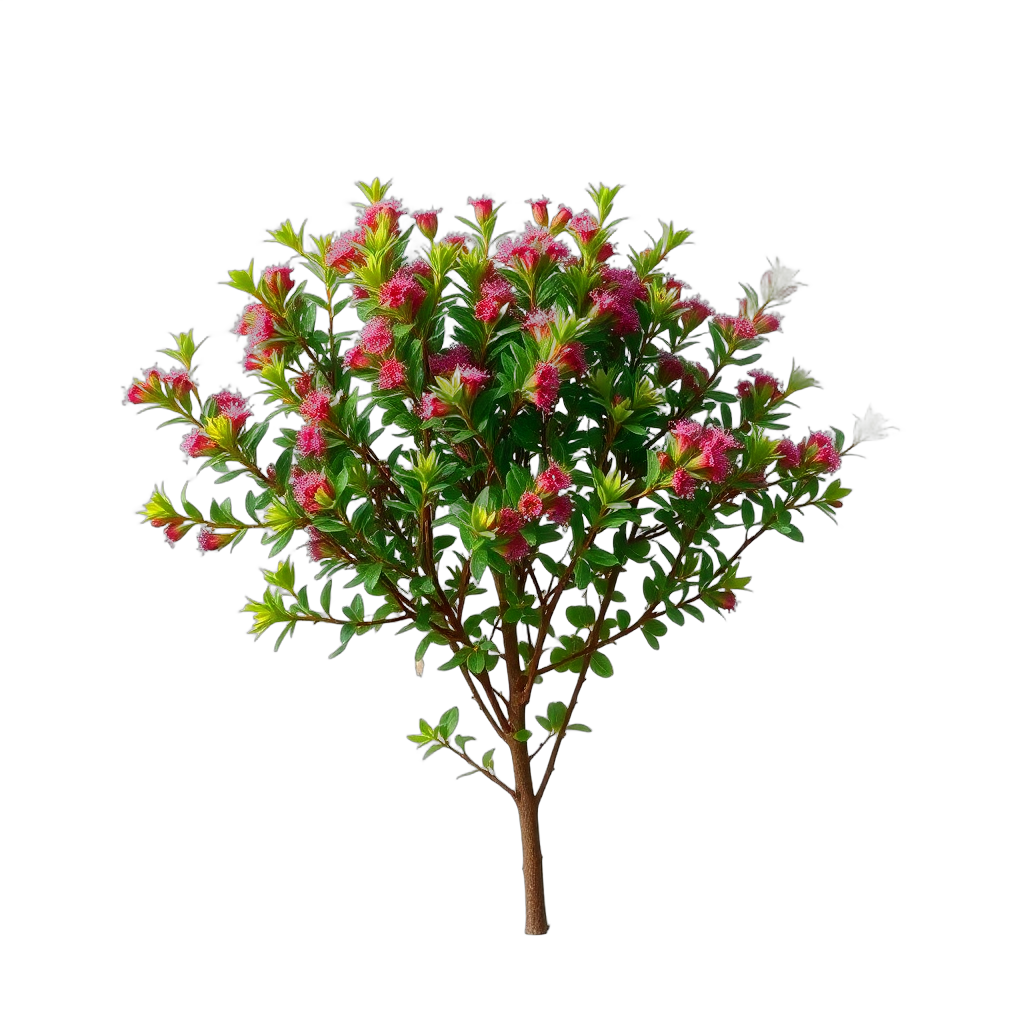
Buckbrush
Ceanothus cuneatus
medium-sized at 7 feet, white blooms in spring. Attracts butterflies.
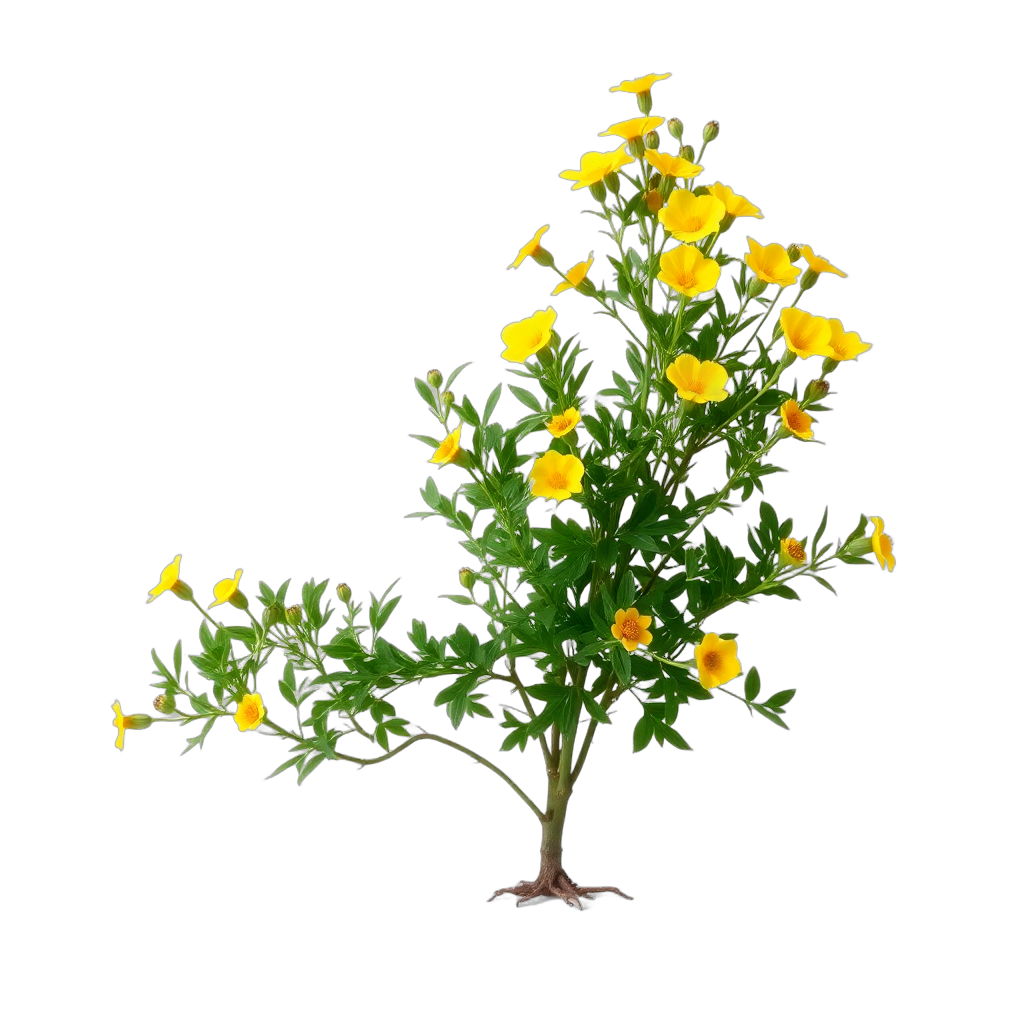
Bush Poppy
Dendromecon rigida
grows to 6 feet, yellow blooms in spring. Pollinator-friendly.
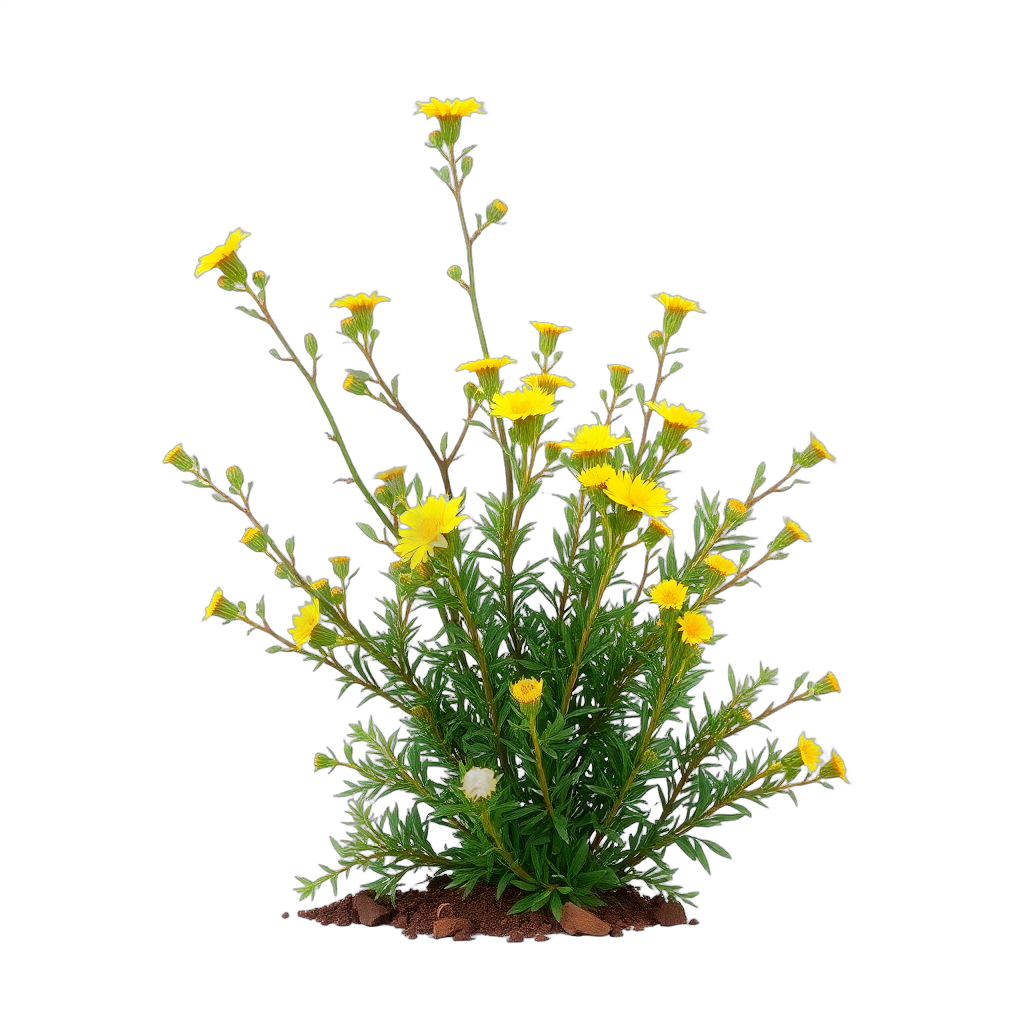
California Brittlebush
Encelia californica
grows to 4 feet, yellow blooms in spring. Attracts butterflies.
Featured Grasses & Groundcovers for Cottage/English Gardens
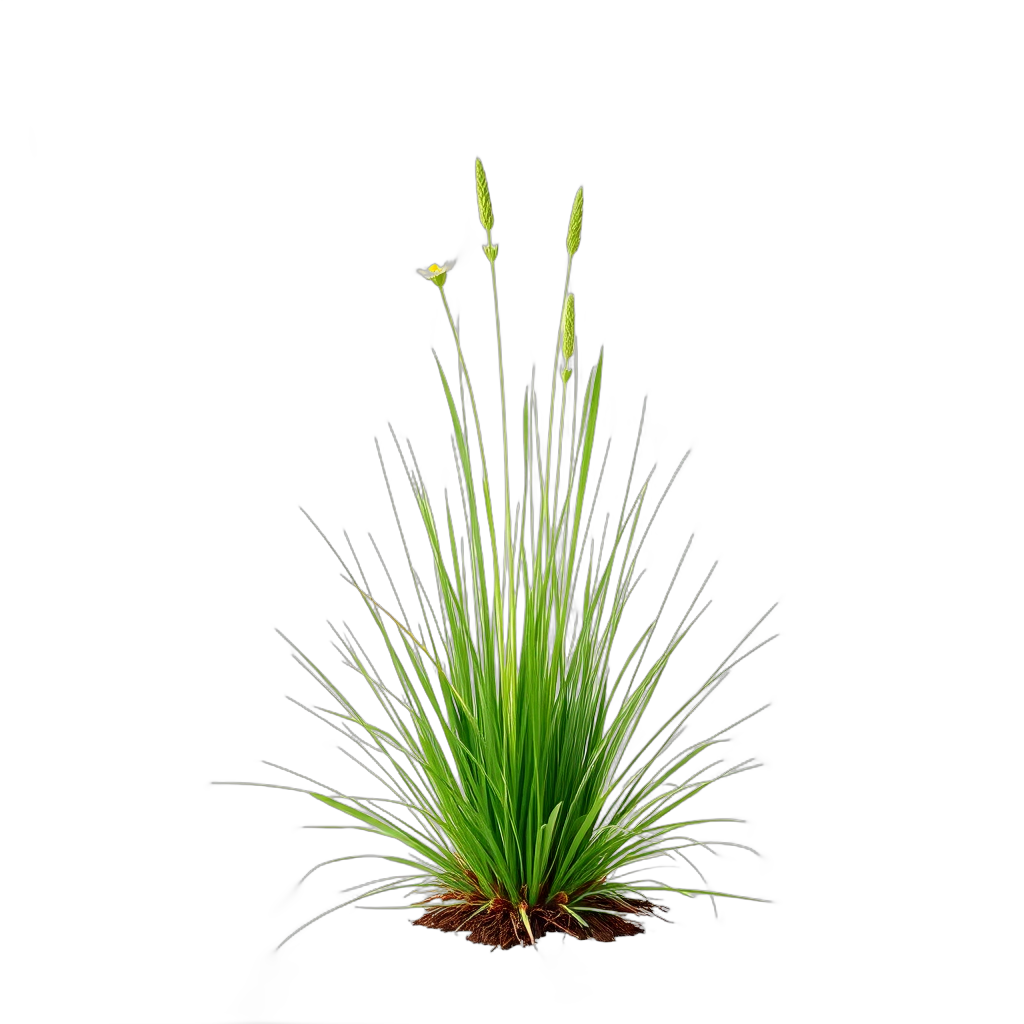
California Brome
Bromus carinatus
low-growing ground cover, blooms in spring. Yellow fall color.
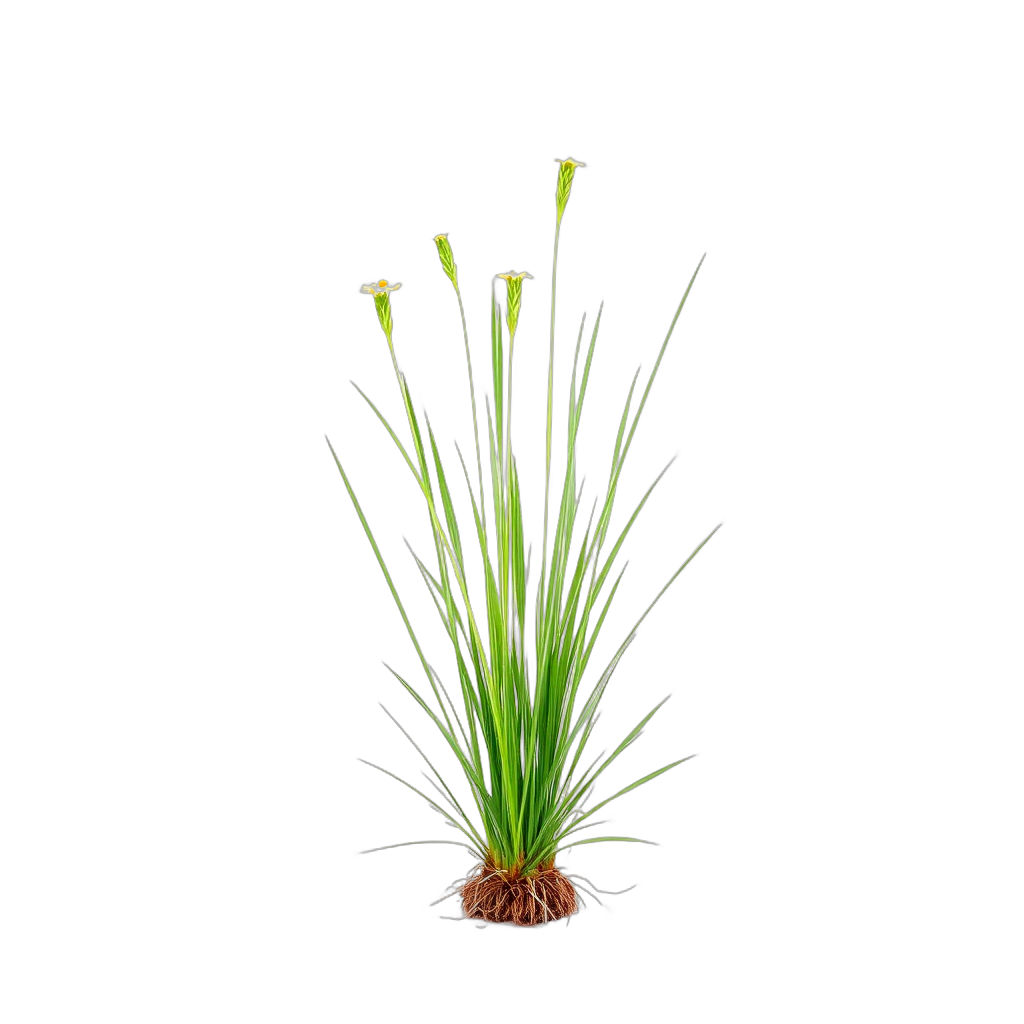
California Melic
Melica californica
low-growing ground cover, blooms in spring.
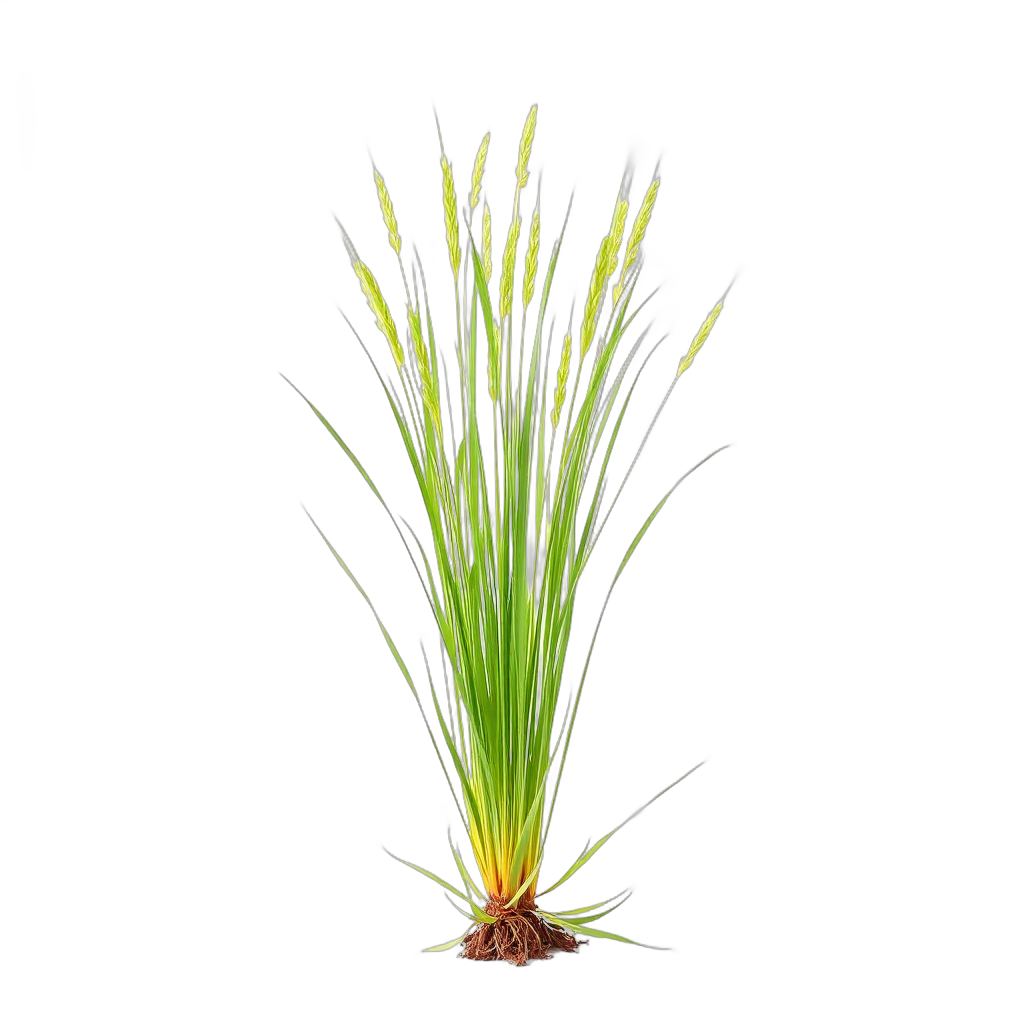
California Oatgrass
Danthonia californica
low-growing ground cover, blooms in spring. Yellow fall color.
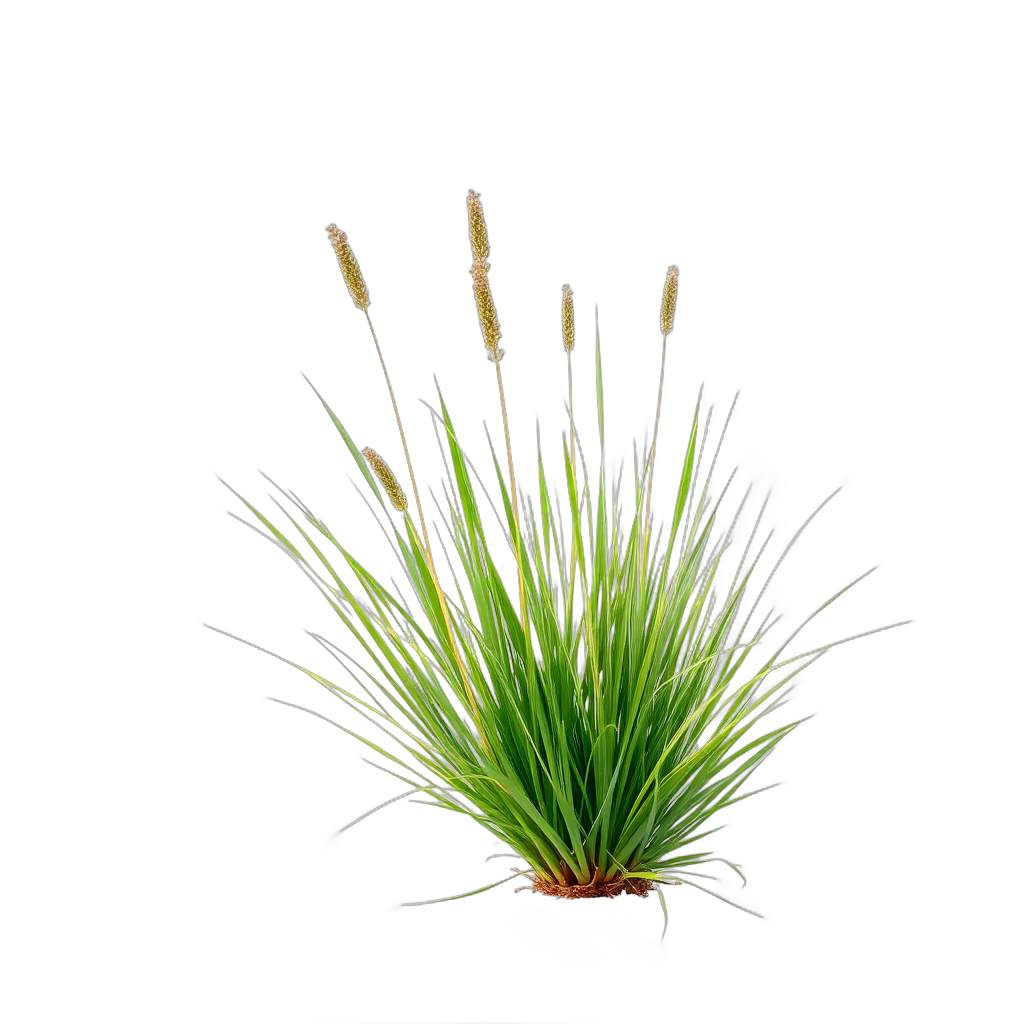
Deer Grass
Muhlenbergia rigens
grows to 3 feet, yellow blooms in fall. Evergreen year-round.
Featured Flowers & Perennials for Cottage/English Gardens
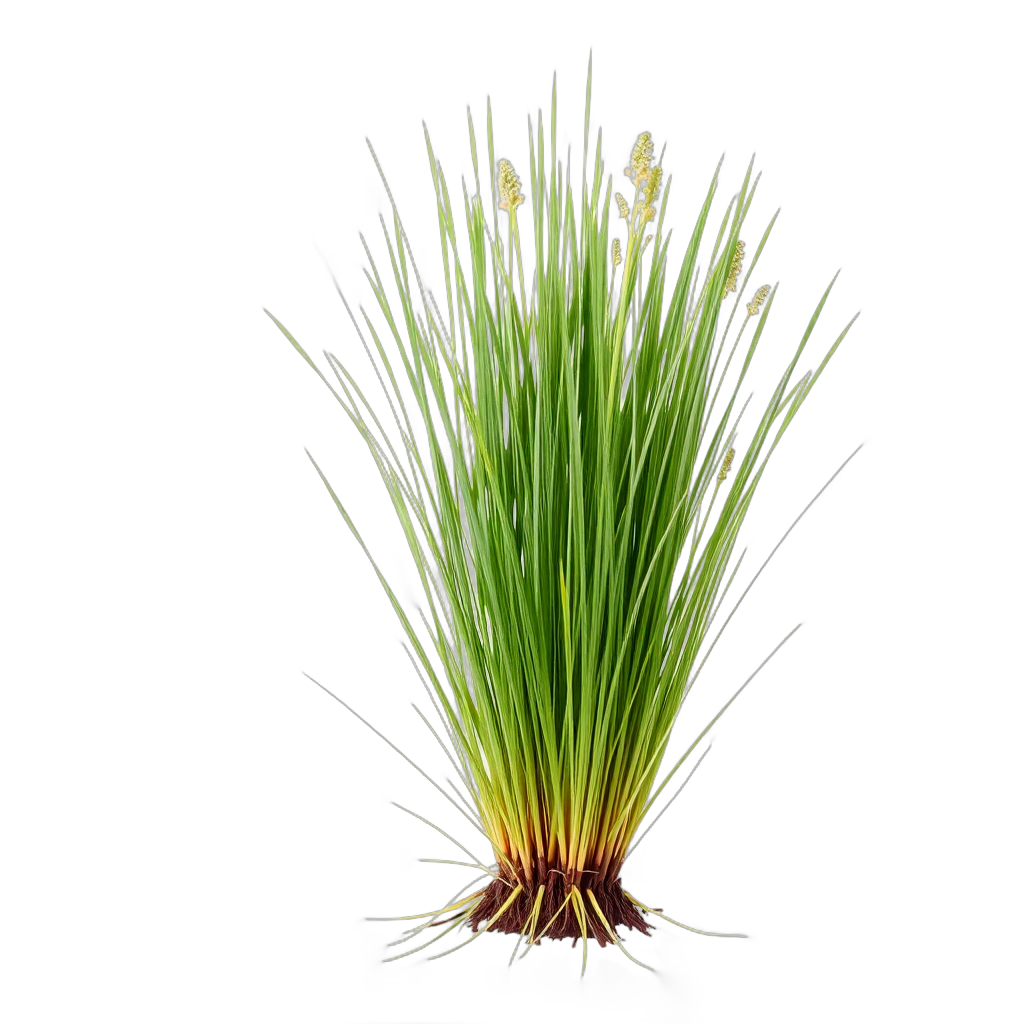
California Gray Rush
Juncus patens
low-growing ground cover, blooms in summer. Evergreen year-round.
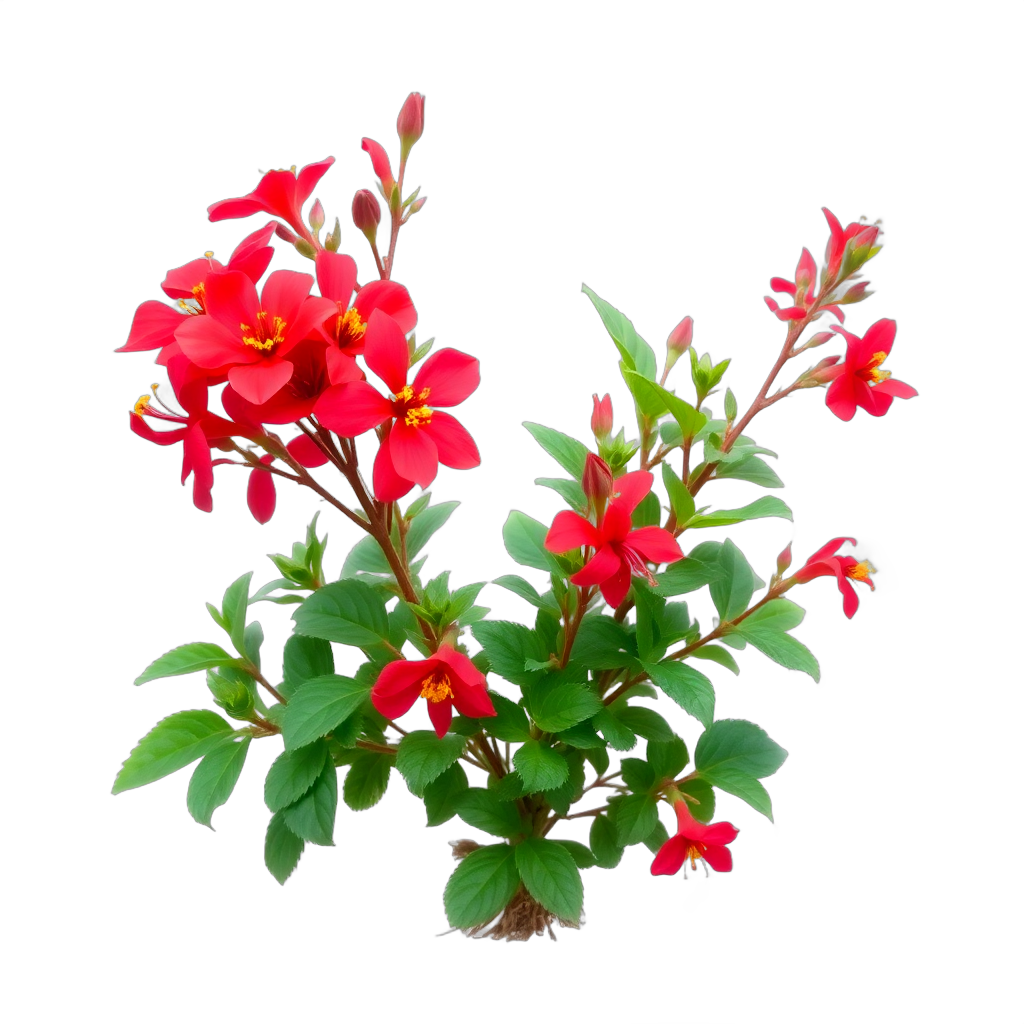
California Fuchsia
Zauschneria californica
low-growing ground cover, red blooms in fall. Attracts hummingbirds.
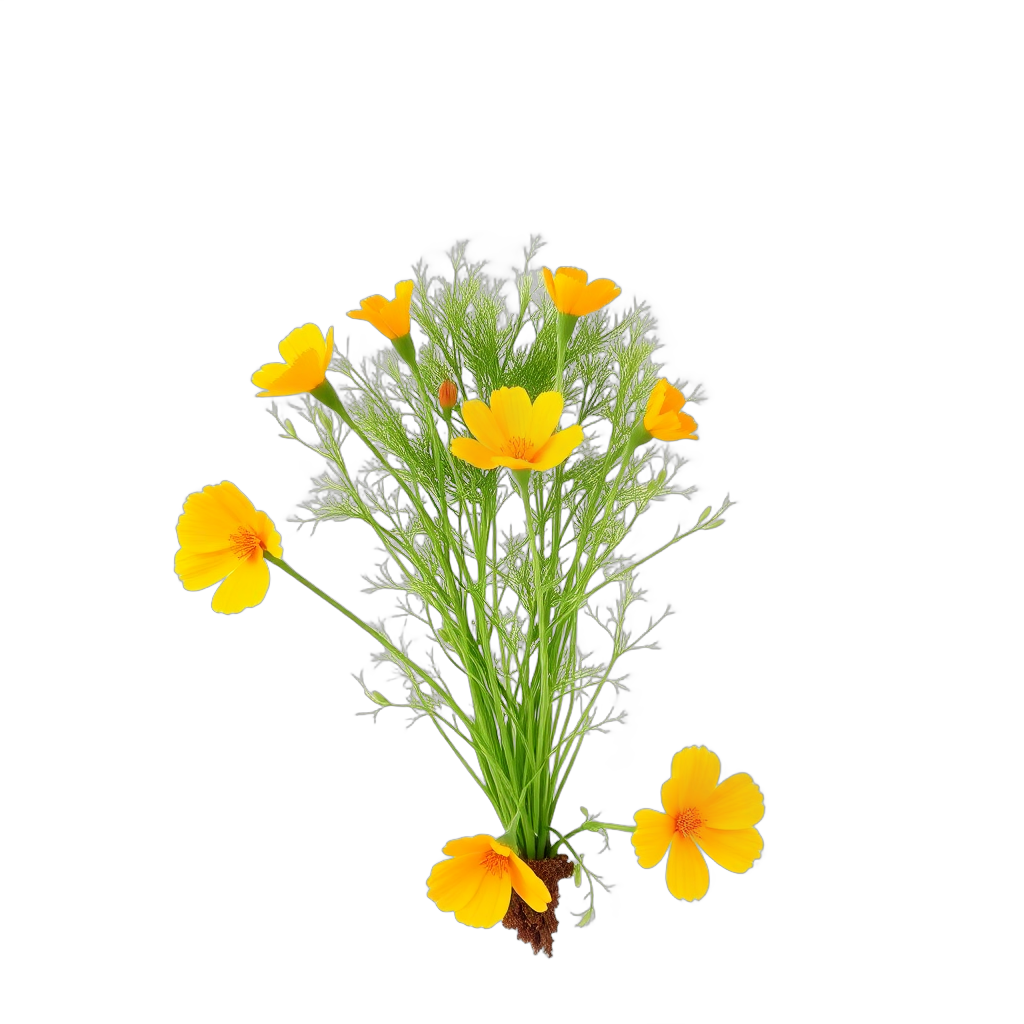
California Poppy
Eschscholzia californica
low-growing ground cover, orange blooms in spring.
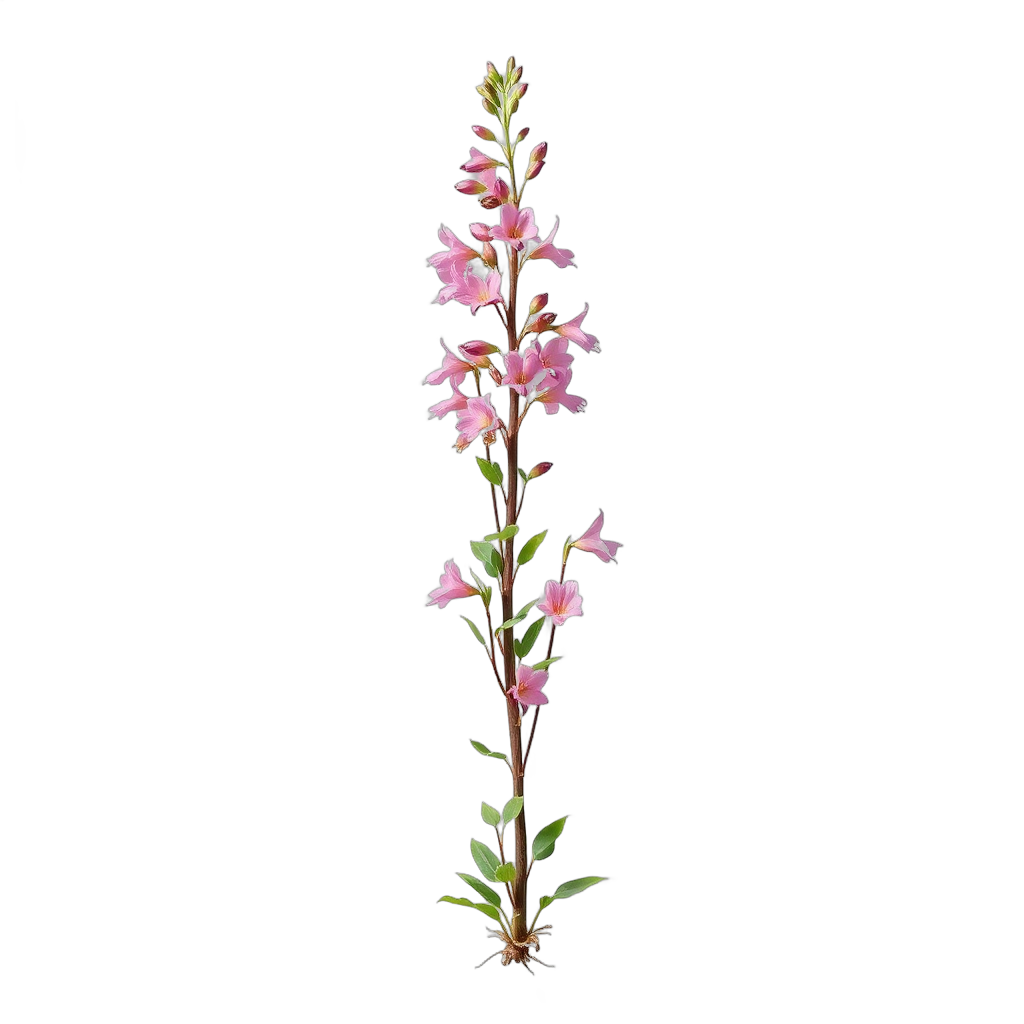
Foothill Penstemon
Penstemon heterophyllus
low-growing ground cover, blue blooms in spring. Attracts hummingbirds.
Zone and sun checks come from our database — confirm with your local nursery before you buy.
Bloom Calendar for Santa Maria
spring
California Poppy, Foothill Penstemon, Foothill Sedgesummer
California Gray Rush, Black Sage, California Buckwheatfall
California Fuchsia, Deer Grasswinter
Limited bloomsDesign Tips for Santa Maria (Zone 9b)
- Install drip irrigation under mulch before planting: Santa Maria gets about 13–15 inches of rain, almost all from December to March, so a cottage garden needs summer water
- Plant in fall: October through December gives roses and lavender warm soil and winter rain, and the border will be established by spring
- Use windbreaks and sturdy stems: afternoon northwest wind flattens delphinium, so lean on Salvia 'Amistad', Perovskia 'Little Spire' and Geranium 'Rozanne'
- Pick Lavandula × intermedia 'Grosso' or Lavandula angustifolia 'Hidcote' and plant on a slight mound in the sandy, fast-draining soil
- Mulch two to three inches deep with wood chips: it cuts watering and keeps the sandy soil from drying out in a dry August
- Give roses six hours of sun and space them three feet apart: coastal fog can bring powdery mildew, and airflow is the cheapest fix
- Protect tender plants on the roughly 17 nights a year that reach freezing: frost cloth over Salvia leucantha and young citrus is enough
Where to Source Plants in Santa Maria
Skip the big-box stores. These independent Santa Maria nurseries specialize in the plants that make cottage/english gardens thrive in Zone 9b.
Manzanita Nursery
Solvang (Santa Ynez Valley)
California native and water-wise plants for sustainable gardens; open Tuesday through Saturday, with seasonal inventory lists on its site
Santa Barbara Botanic Garden Nursery
Santa Barbara (Mission Canyon)
The garden's own nursery, stocked with California natives, open daily to the public with a member discount; the biggest native selection on the Central Coast, about an hour south
Cottage/English Landscaping Cost Ranges
| Project Scope | Estimated Cost |
|---|---|
| Flagstone or bluestone path (100–200 sqft) | $3,000–$7,600 |
| Picket fence, 4 ft tall (60 linear ft) | $1,500–$2,400 |
| Brick paver walk (100 sqft) | $2,000–$2,600 |
| Drip irrigation system (500 sqft of planted area) | $1,200–$2,200 |
| AI visualization (ProScapeAI) | Free to start |
National average installed ranges for 2026 from our landscaping price list (Homewyse and other published sources). Prices in Santa Maria, CA vary with site, materials and contractor, so get two or three local quotes.
Santa Maria Climate & Growing Zone
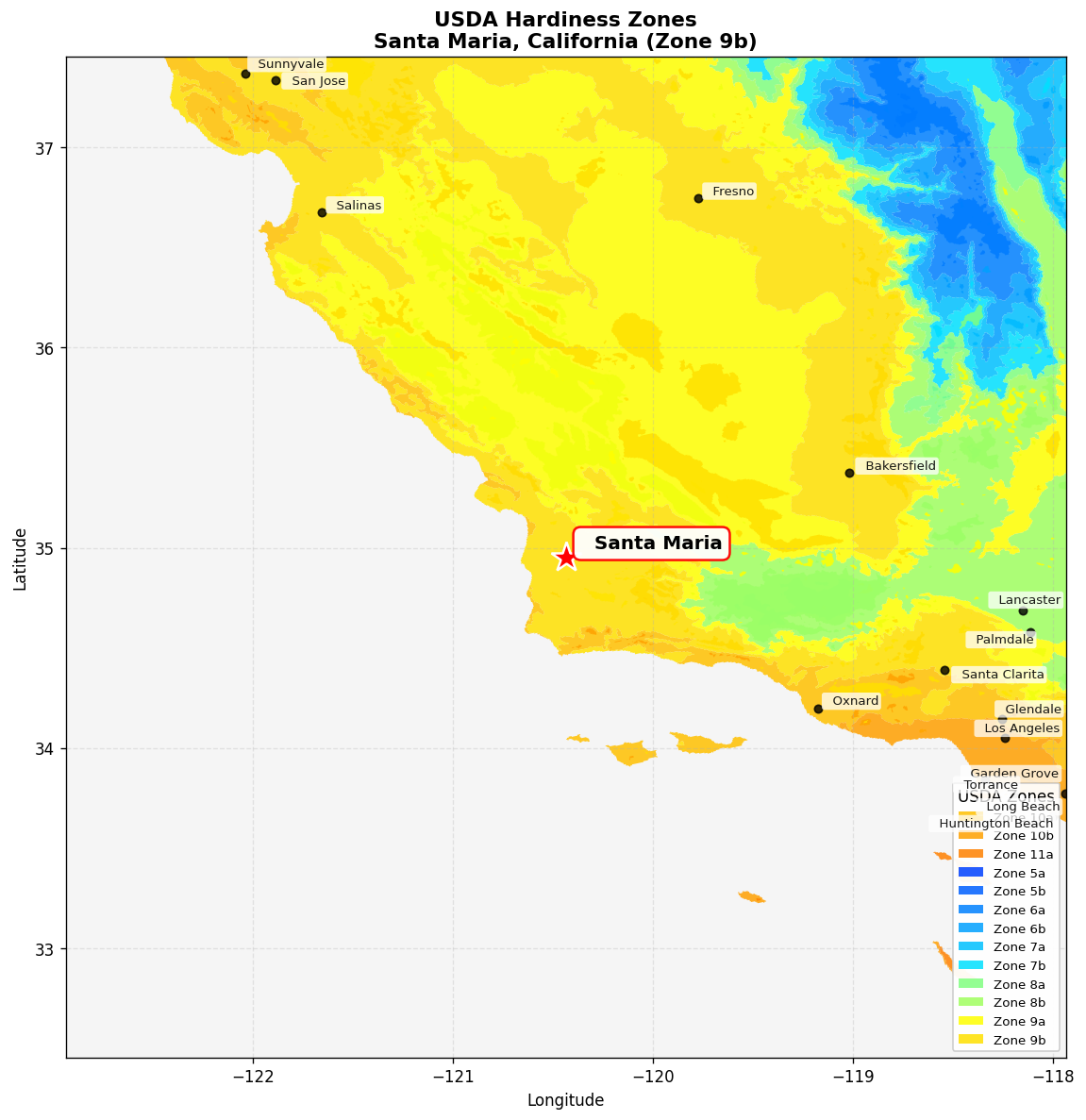
USDA Zone 9b
Hardiness zone for Santa Maria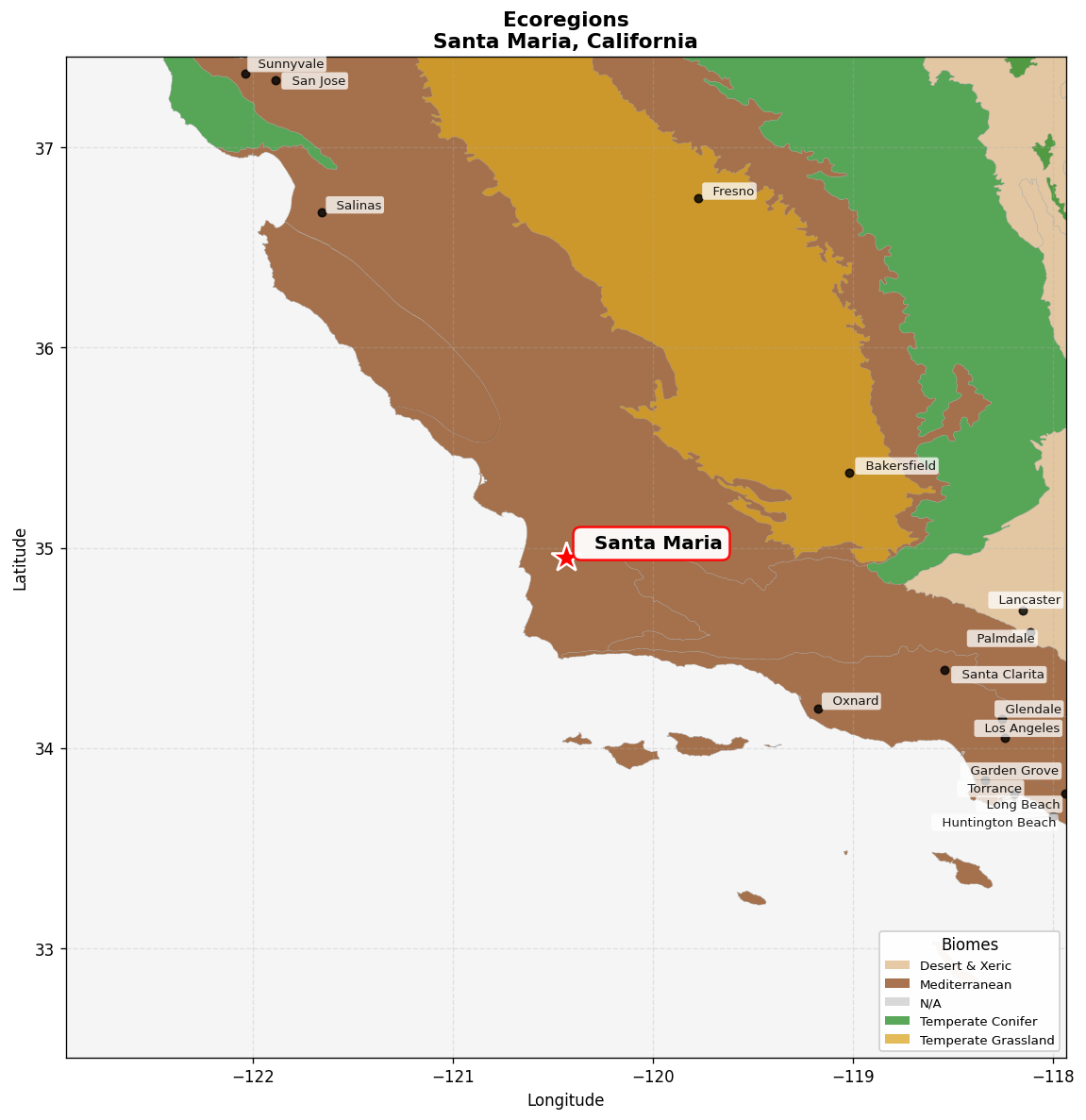
California interior chaparral and woodlands
Native ecoregionFrequently Asked Questions
How much does a cottage garden cost in Santa Maria, CA?
Costs on the Central Coast are lower than in the Bay Area or Los Angeles but still above the national average. Get several local quotes, as prices vary widely by contractor.
Is a cottage garden low maintenance in Santa Maria's climate?
It is medium maintenance. Fog and mild summers keep roses and perennials growing for most of the year, so deadheading, a hard prune in January and a monthly drip check are the main jobs. Mulch two to three inches deep to cut watering. Lavender, catmint and Salvia 'Amistad' ask for little once they are established, while roses and foxglove need regular water and feeding.
When should I plant a cottage garden in Santa Maria?
Fall, from October through December, is the best window, because the soil is still warm and winter rain does the watering. Bare-root roses go in from January to February. March through May works too if you irrigate. Avoid planting in the dry months of July through September unless you can water daily.
Do I need a permit for a fence or arbour in Santa Maria?
Fence height, setbacks and structures like a pergola are regulated by the city, and the rules depend on your zone and lot. Confirm with the City of Santa Maria Community Development department before building, and check with your HOA if you have one. Orcutt is mostly unincorporated Santa Barbara County, so call the county for properties there.
Which roses and perennials survive Santa Maria's wind and dry summers?
Choose sturdy plants and give them drip water. Rosa 'Iceberg', Rosa 'Julia Child' and Rosa 'Graham Thomas' do well, as do Salvia 'Amistad', Perovskia 'Little Spire', Geranium 'Rozanne' and Agapanthus 'Peter Pan'. Skip tall delphinium and hollyhock in open yards, since afternoon winds knock them over. Frost reaches the valley on about 17 nights a year, so protect tender plants like Salvia leucantha with a frost cloth on the coldest nights.
Does the fog help or hurt a cottage garden here?
Mostly it helps. Fog keeps summer highs near 77°F in August and holds moisture on leaves, which means less stress on roses and lavender. The downside is powdery mildew and rust on roses in still, damp corners. Give every rose six hours of sun, space plants three feet apart for airflow, and water at the base rather than overhead.
Can I grow lavender in Santa Maria's soil?
Yes. Sandy, well-drained soils suit Lavandula × intermedia 'Grosso' and Lavandula angustifolia 'Hidcote'. Plant on a slight mound, skip rich compost around the crown, and mulch with gravel. Shear by a third after the summer bloom to keep plants compact.