4 Cottage Garden Ideas for Thousand Oaks, CA | Zone 10a Design
Native plants from the California coastal sage and chaparral (Zone 10a) — Mediterranean (warm summer) climate
Why Cottage/English Gardens in Thousand Oaks?
An English cottage garden in a place that gets no summer rain sounds like a losing argument, and yet the Conejo Valley grows one better than almost anywhere in England. Thousand Oaks was largely built out by the Janss Corporation in the 1960s and 1970s, which left the city with block after block of low, wide-eaved ranch houses in Lynn Ranch, Shadow Oaks and Ventu Park — exactly the horizontal, unfussy elevations that a deep, frothy border in front of a picket fence is designed to soften. Add the older clapboard and board-and-batten cottages tucked behind Old Town Thousand Oaks Boulevard, the compact street-facing lots of Casa Conejo, and the hillside parcels in Wildwood and Sunset Hills where a rose-covered arbor frames a view of golden grassland, and the style has more places to land here than the mid-century tract map suggests. The one thing you do not have to fake is the light: the marine layer that pushes up through the Conejo Grade most mornings from late May into July gives roses the cool, humid dawn they want, and burns off by ten so the flowers dry before mildew can set in.
Zone 10a is the reason the plant list changes. Winter lows here sit around 30 to 35 °F, so cold kills almost nothing in the classic cottage palette — but the flip side is that Thousand Oaks banks only a few hundred chill hours, and roughly 15 inches of rain, essentially all of it between November and April, followed by five or six months with none at all. Delphiniums bolt, true English lavender is short-lived, and foxgloves behave as winter annuals rather than biennials. The workarounds are well proven and they look every bit as English: Rosa 'Iceberg' and 'Sally Holmes' carry the white froth that a lupin spire would carry in Sussex; Lavandula × intermedia 'Provence' and 'Grosso' hold the grey-purple hedge line for eight or nine years where Lavandula angustifolia 'Munstead' gives up after three; Nepeta × faassenii 'Walker's Low', Erigeron karvinskianus and Achillea millefolium 'Moonshine' do the loose spilling-over-the-edge work through a rainless August. Plan for the other seasonal hazard too — the Santa Ana winds that run from September into February will strip a heavy old-rose bloom in an afternoon, so put the tallest, most fragile flowers on the lee side of a fence or hedge.
Under all of it sits Conejo clay. Most of the valley floor is a heavy clay loam weathered off the Conejo Volcanics basalt that makes up the surrounding hills, and it is alkaline — commonly pH 7.2 to 8.0. That combination does two things to a cottage garden. It drowns crowns in a wet February, because water sits rather than drains, and it locks up iron, which is why gardenias and hydrangeas in Thousand Oaks front yards so often sit there yellow and sulking. Both problems have the same answer: build the borders up rather than digging them down. Six to twelve inches of raised or bermed bed, a third of the volume in coarse compost, an inch-thick bark mulch and a chelated iron drench in spring will keep Rosa 'Olivia Rose Austin' and Salvia leucantha 'Santa Barbara' in genuinely good colour. Skip peat and skip lime — you have plenty of calcium already.
The two local rules worth knowing before you draw anything. Water: the state's Model Water Efficient Landscape Ordinance applies to permitted landscape work, and Metropolitan Water District's SoCal Water$mart programme pays $2.00 per square foot of lawn removed, up to 5,000 square feet a year, plus $100 per new tree for up to five trees — a 700-square-foot front lawn traded for roses and lavender is $1,400 back before you have bought a single plant. Oaks: Article 42 of the Thousand Oaks Municipal Code protects every oak more than two inches in trunk diameter measured 4.5 feet above grade, and the protected zone extends well past the trunk, so a coast live oak in the middle of your front yard is a design constraint before it is a design feature. That is not a bad thing. A Quercus agrifolia canopy over a border of Ribes viburnifolium, Iris douglasiana and drifts of Santa Barbara daisy is the most convincing Thousand Oaks cottage garden there is — you just water it outside the dripline, never under it.
4 Cottage/English Design Ideas for Thousand Oaks

The Rose Arbor Gate
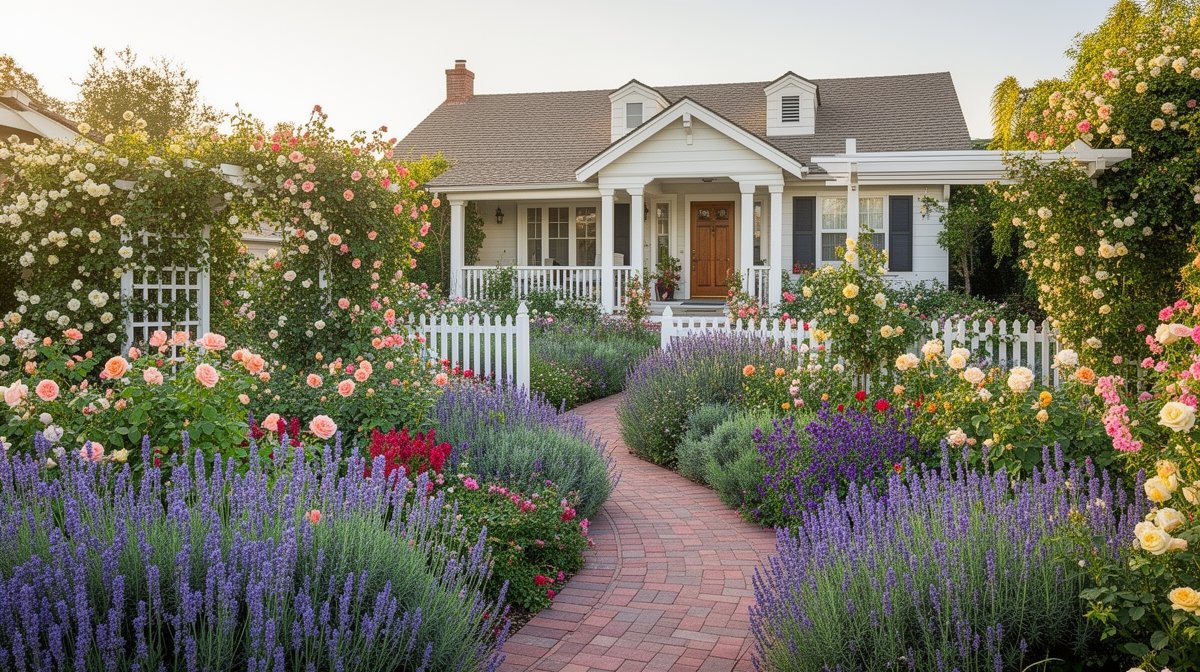
$18–35/sqftA white picket fence runs the full street frontage and a cedar arbor straddles the gate, so completely smothered in blush and cream climbing roses that the timber barely shows. A reclaimed clay brick path runs from the gate and curves to a covered entry with a stained wood door and slate-green shutters. Inside and outside the fence, a continuous lavender hedge is planted tight enough to read as one grey-purple ribbon, and behind it a full-height rose hedge and a clipped dark hedge give the little front garden real enclosure. It is a very small footprint doing a great deal of work — the arbor is the whole design, and everything else is repetition.

The Porch and Flagstone Ribbon
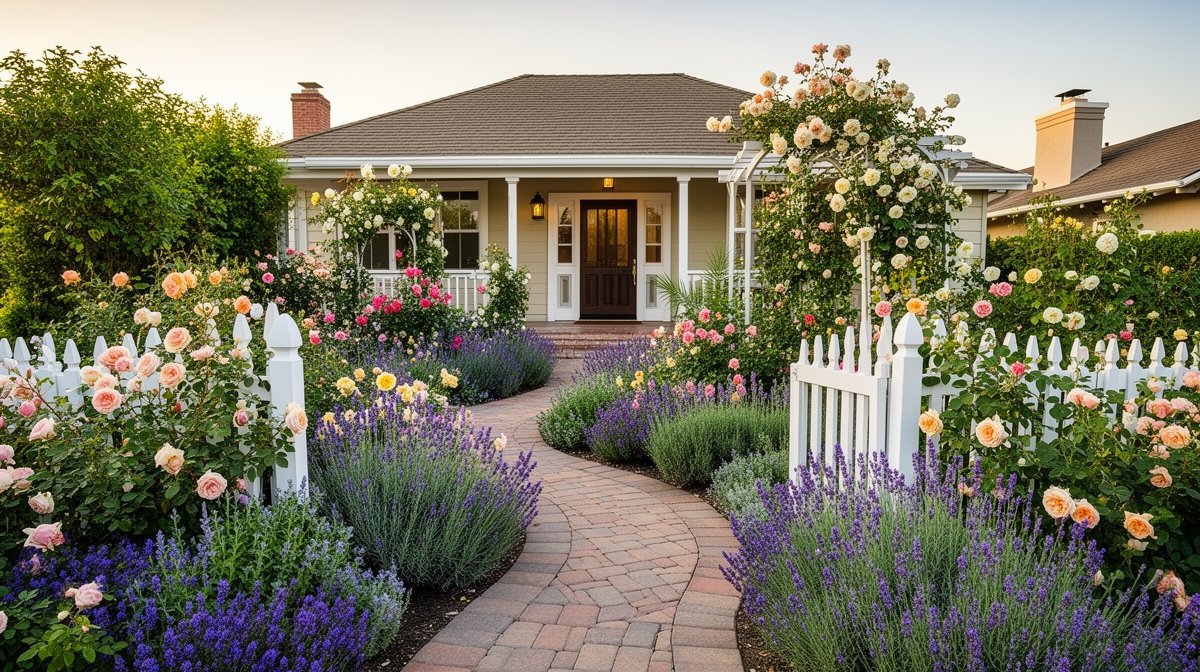
$14–28/sqftA butter-yellow shingled cottage with a deep covered porch, white railings and a mass of white climbing roses swagged right across the porch beam. An irregular flagstone path with planted joints curves from the street through a small mown panel to the steps, and the whole path is edged both sides by a genuinely deep mixed border — roses at the back, lavender and blue annuals in the middle, marigolds and white daisies spilling to the stone. A mature spreading shade tree holds the right-hand side of the yard with a two-seat bistro set beneath it, and a white lamp post carries a hanging basket at the border's corner. Colour here is unapologetic: this is the cottage garden as a summer-long performance, not a restrained one.

The Pergola Tea Terrace
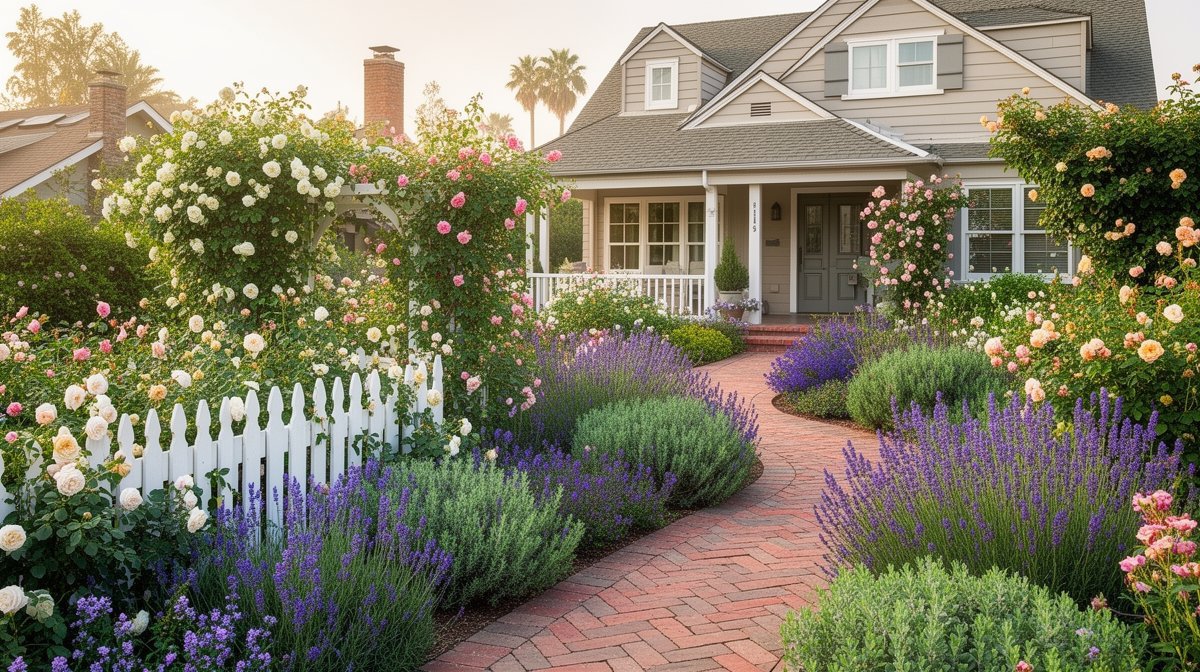
$25–45/sqftBehind a two-storey stucco house with painted shutters, a white timber pergola stands as a free-standing garden room in the middle of the planting, roses climbing every post and running along the beams overhead. A small flagstone terrace under it holds nothing more than a round wrought-iron bistro table and two chairs. A flagstone path runs out to the terrace between two solid lavender hedges, and beyond the pergola a small square of lawn opens up before the borders close in again. An enormous oak leans in from the left, throwing dappled shade across half the garden — and the planting respects it, thinning out to dry-shade species under the canopy while the roses stay in full sun.

The Fountain Lawn Circle
$30–55/sqftA hillside back garden with golden Conejo hills rising behind the fence. A white pergola over a paved dining terrace carries a heavy curtain of pink climbing roses, and a six-seat teak table sits under it. In front, the lawn is cut as a clean circle around a cast-stone birdbath fountain set in a low planted island of white and mauve flowers — the fountain is the pivot the whole garden turns on. Rose and lavender borders run the full length of both fences, and a dark lattice-topped fence with a tall hedge behind it hides the neighbours without hiding the hills. The circle geometry is what keeps a very full planting scheme from reading as chaos.
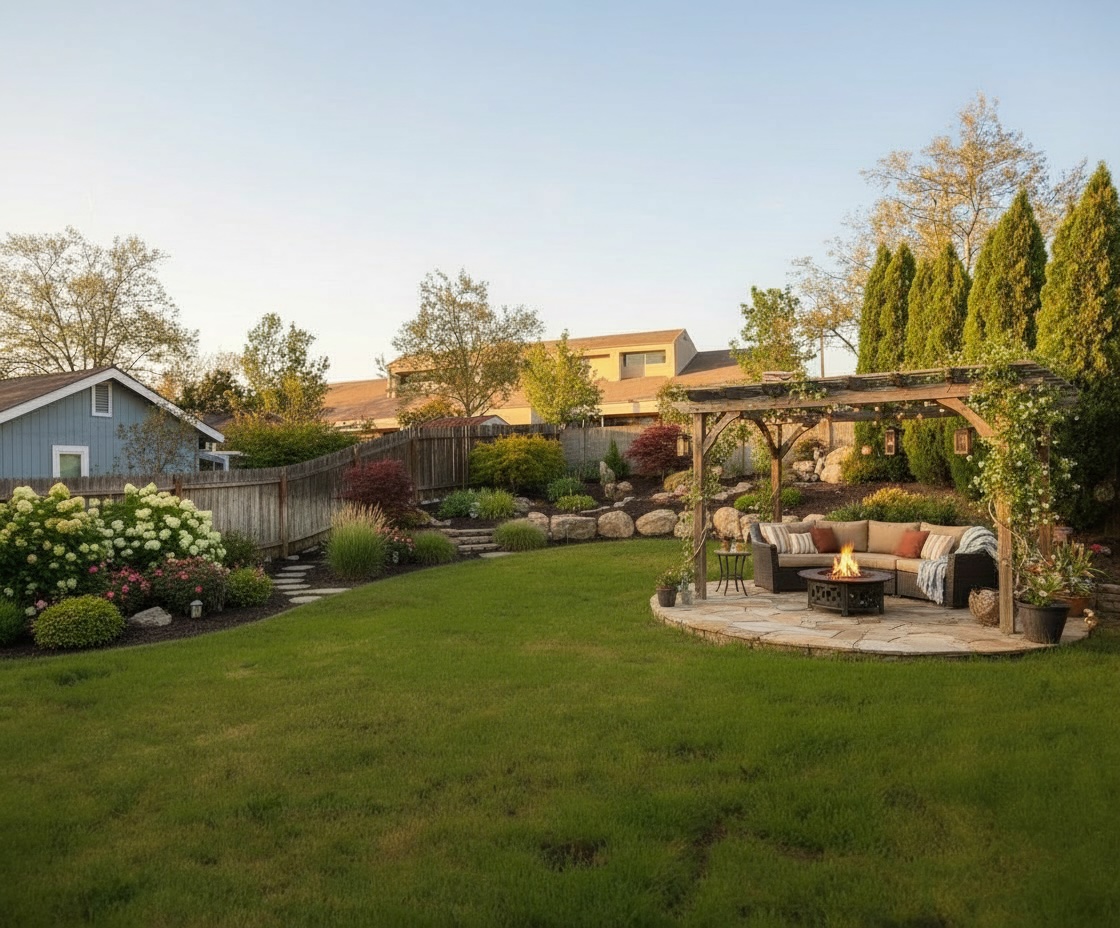
See how a cottage/english garden looks on YOUR property
Upload a photo of your Thousand Oaks yard and visualize your dream garden in seconds.
Try ProScapeAI Free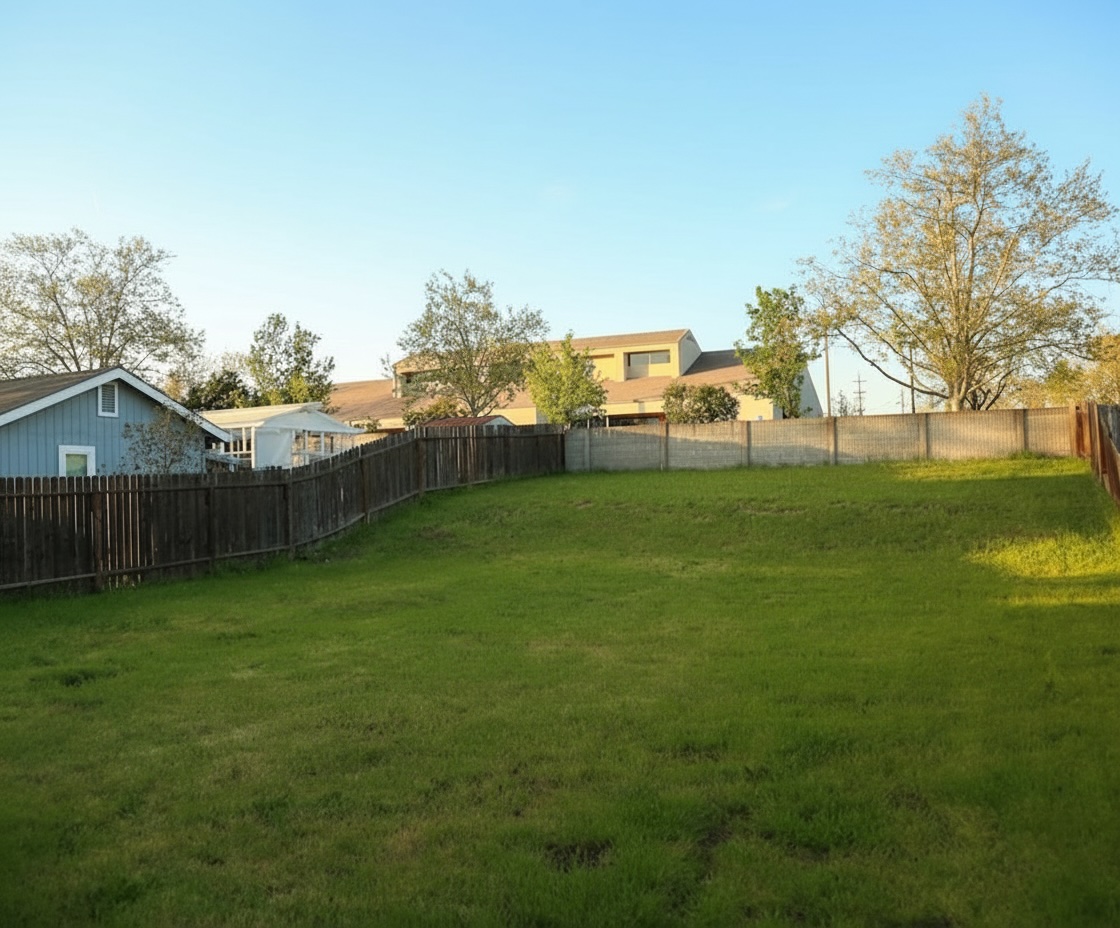
Featured Trees & Shrubs for Cottage/English Gardens
Browse all 219 plants for Thousand Oaks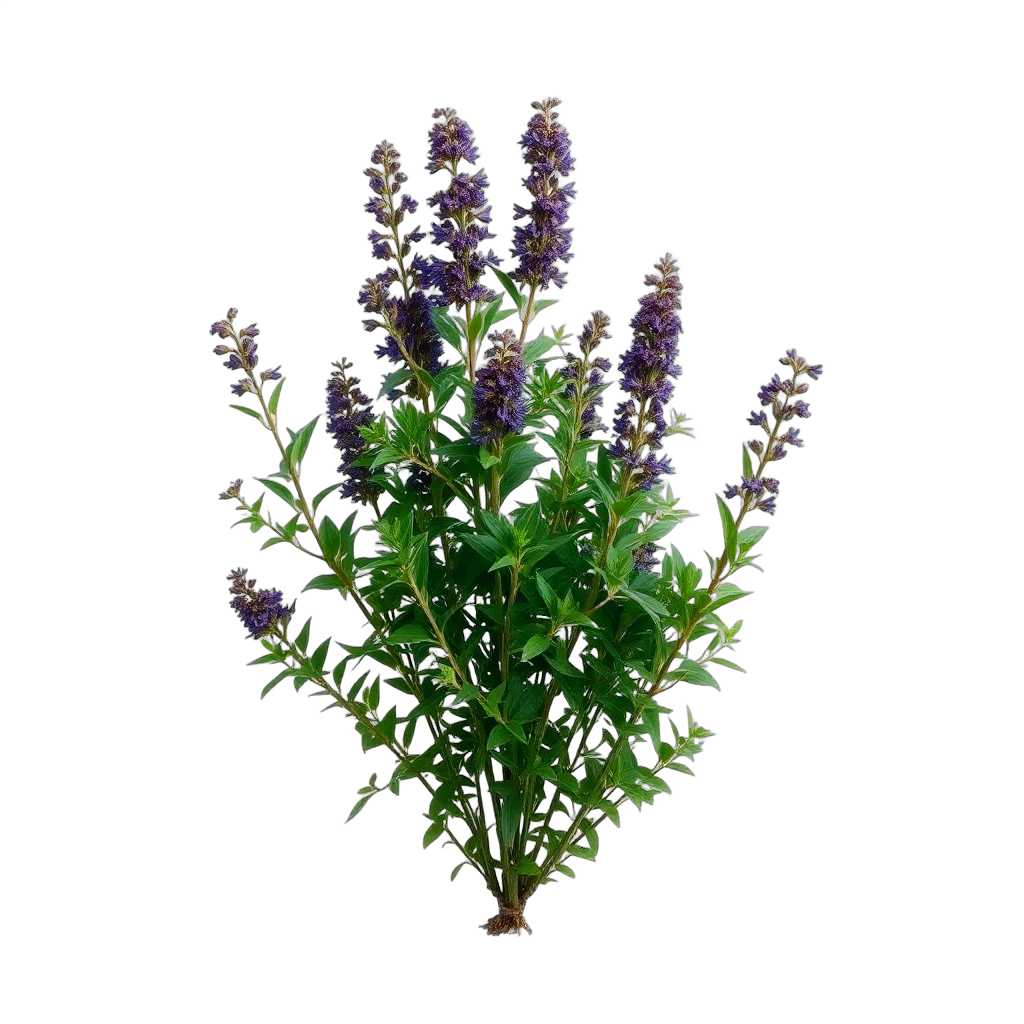
Black Sage
Salvia mellifera
grows to 4 feet, white blooms in spring. Attracts butterflies.
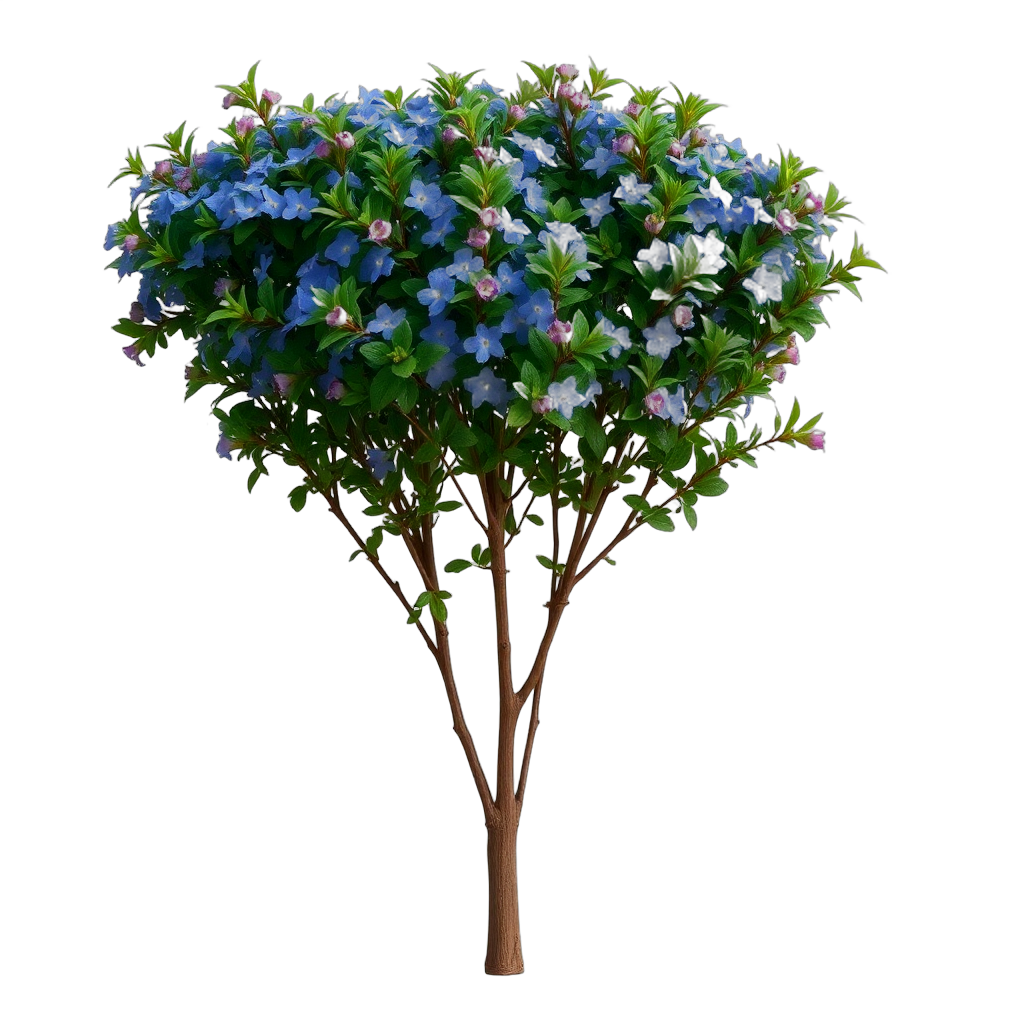
Blue Blossom
Ceanothus thyrsiflorus
medium-sized at 12 feet, blue blooms in spring. Attracts butterflies.

Blue Elderberry
Sambucus cerulea
medium-sized at 15 feet, white blooms in spring. Attracts butterflies.
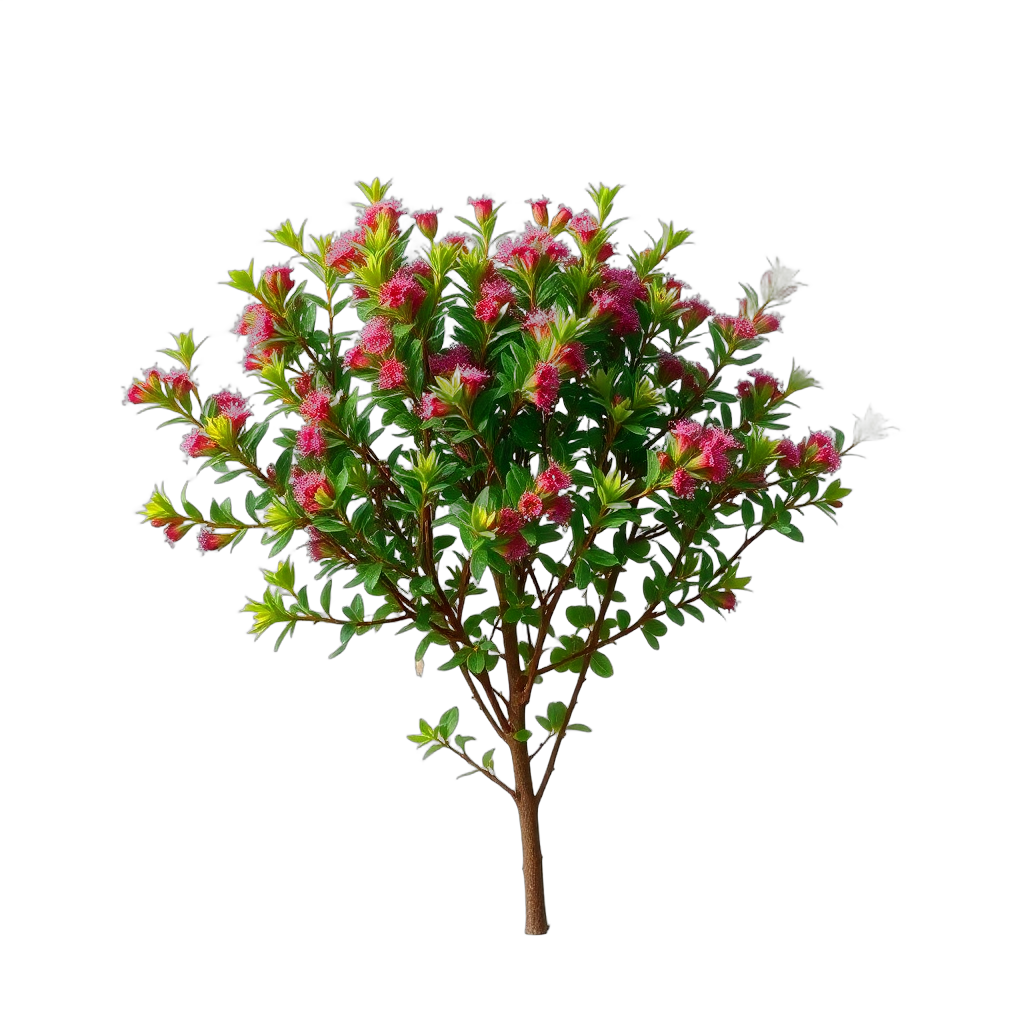
Buckbrush
Ceanothus cuneatus
medium-sized at 7 feet, white blooms in spring. Attracts butterflies.
Featured Grasses & Groundcovers for Cottage/English Gardens
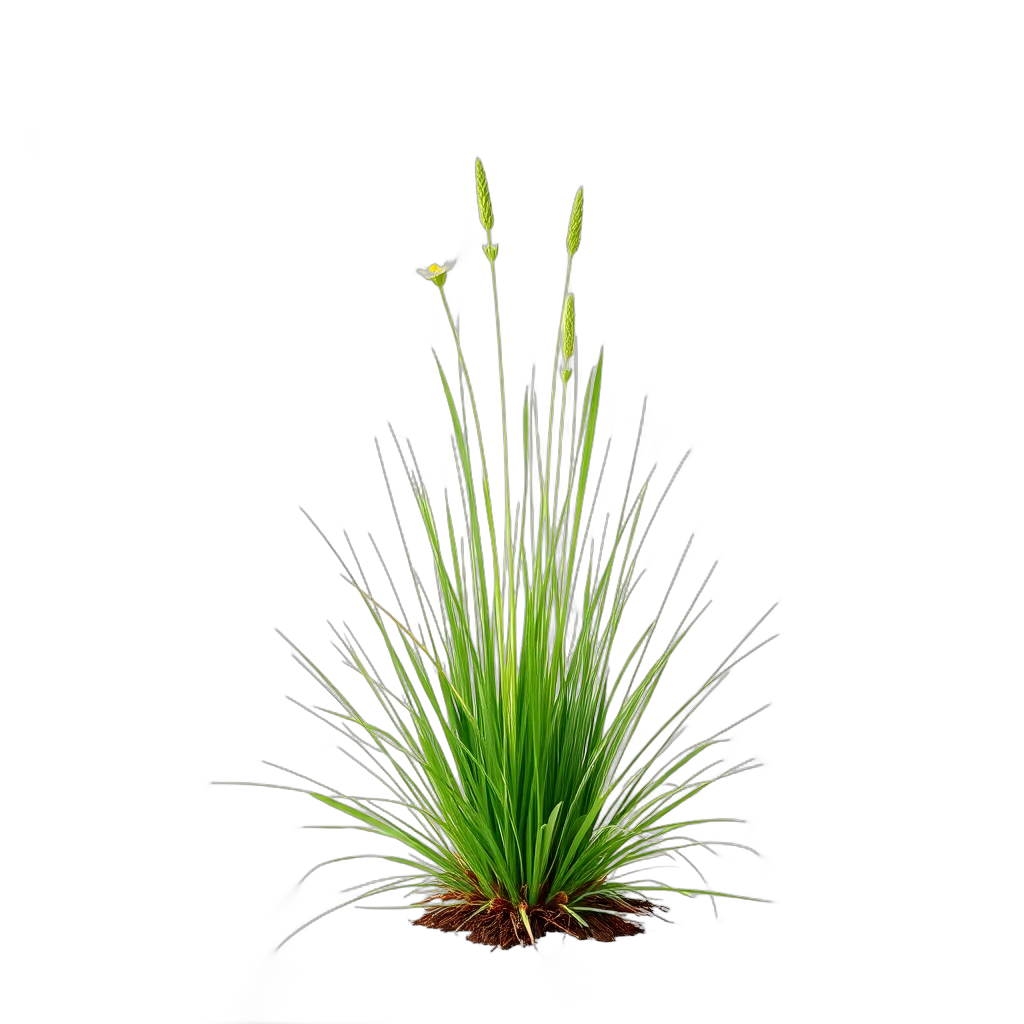
California Brome
Bromus carinatus
low-growing ground cover, blooms in spring. Yellow fall color.
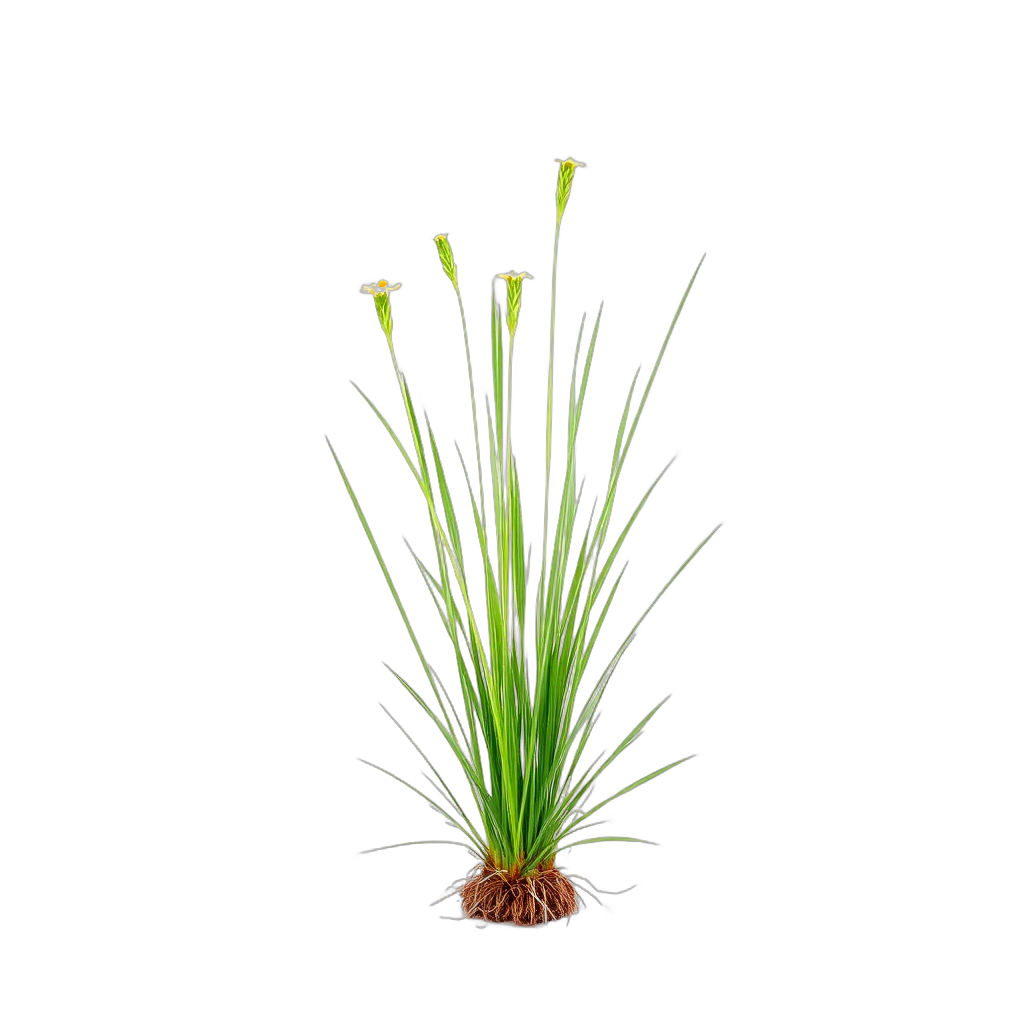
California Melic
Melica californica
low-growing ground cover, blooms in spring.
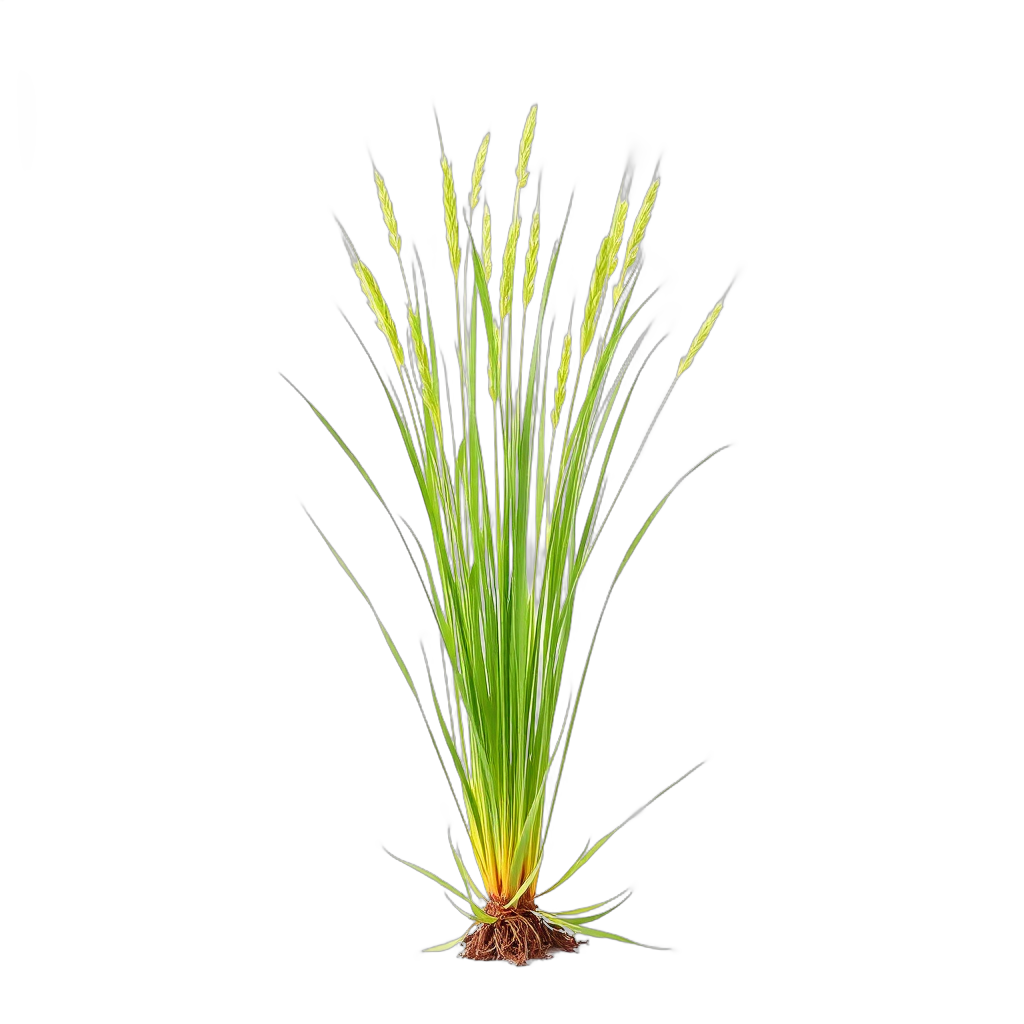
California Oatgrass
Danthonia californica
low-growing ground cover, blooms in spring. Yellow fall color.
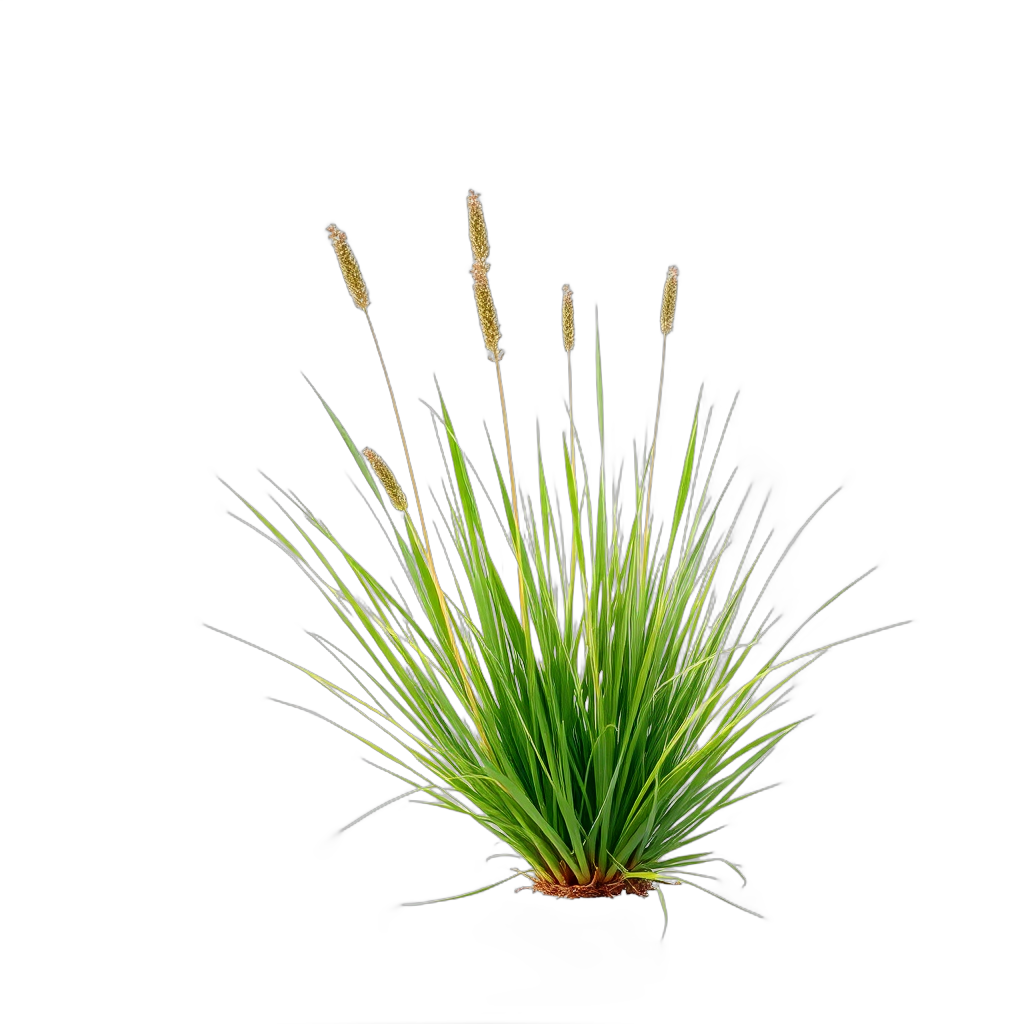
Deer Grass
Muhlenbergia rigens
grows to 3 feet, yellow blooms in fall. Evergreen year-round.
Featured Flowers & Perennials for Cottage/English Gardens
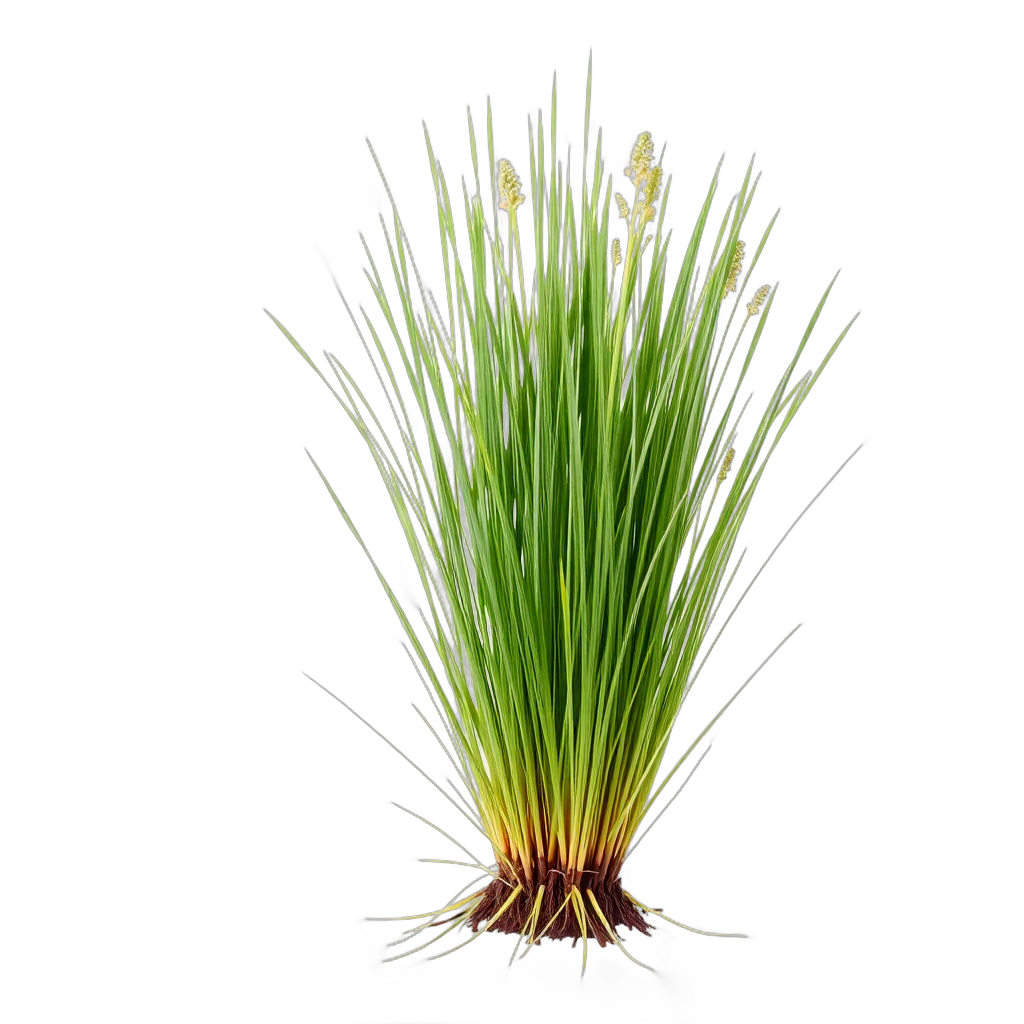
California Gray Rush
Juncus patens
low-growing ground cover, blooms in summer. Evergreen year-round.
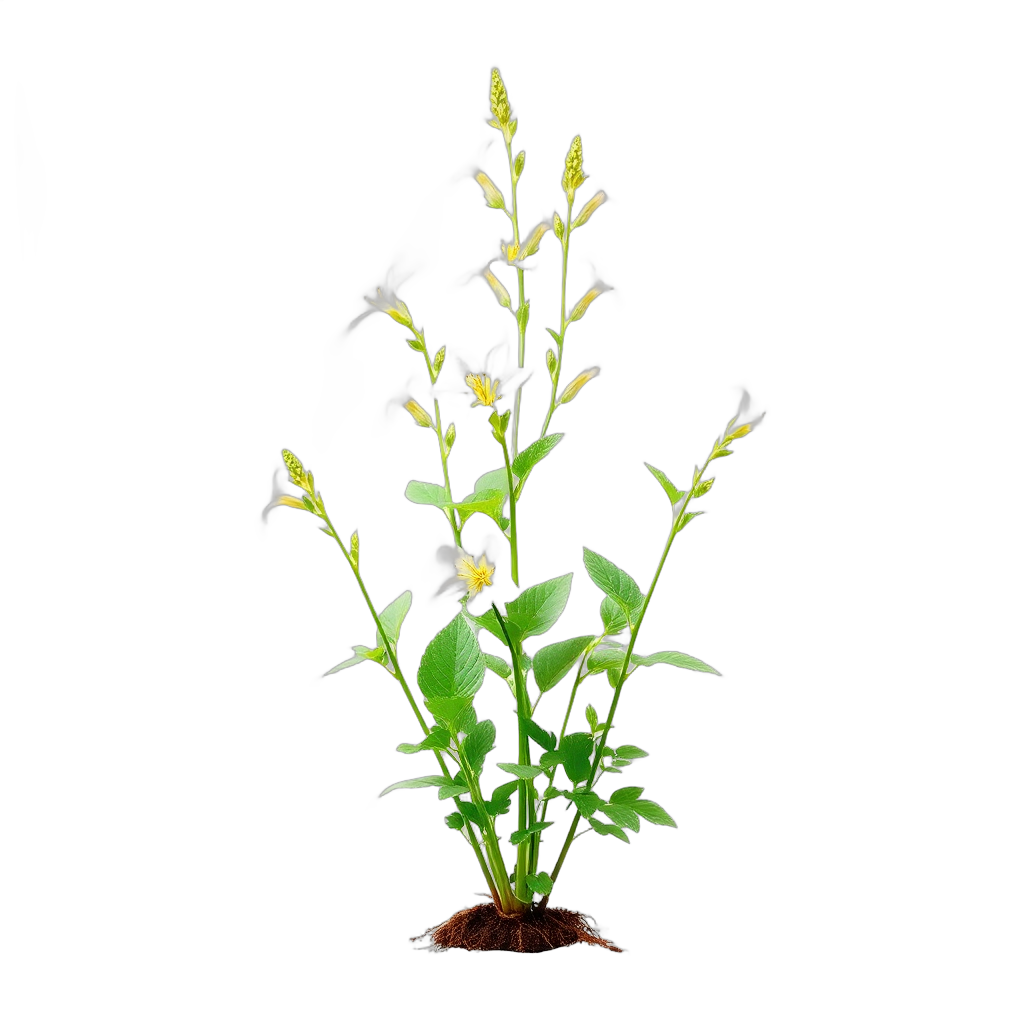
Beach Evening Primrose
Camissonia cheiranthifolia
low-growing ground cover, yellow blooms in spring. Attracts butterflies.
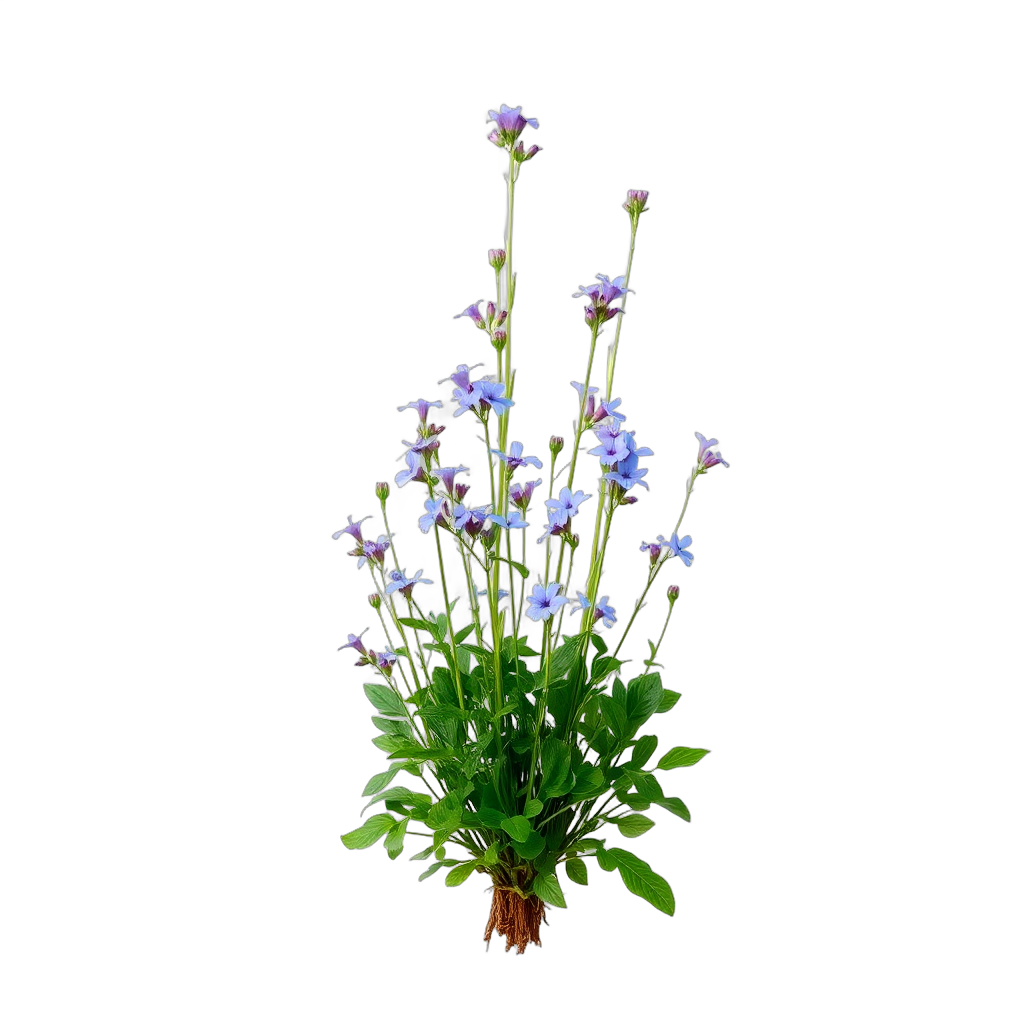
Blue Dicks
Dichelostemma capitatum
low-growing ground cover, blue blooms in spring. Pollinator-friendly.
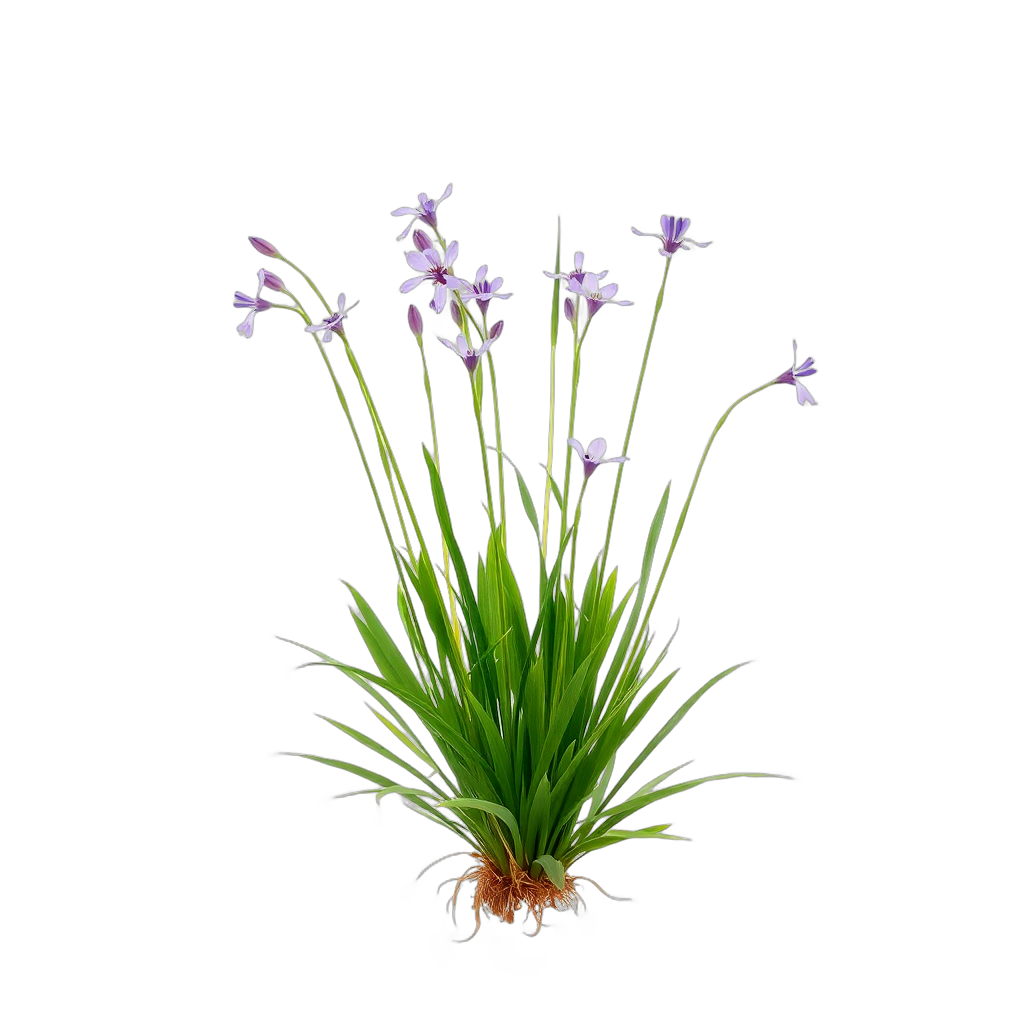
Blue-Eyed Grass
Sisyrinchium bellum
low-growing ground cover, blue blooms in spring. Attracts butterflies.
Zone and sun checks come from our database — confirm with your local nursery before you buy.
Bloom Calendar for Thousand Oaks
spring
Beach Evening Primrose, Blue Dicks, Blue-Eyed Grasssummer
California Gray Rush, Hooker's Evening Primrose, Hummingbird Mintfall
California Fuchsiawinter
Limited bloomsDesign Tips for Thousand Oaks (Zone 10a)
- Build every border up, not down — six to twelve inches of bermed, compost-amended soil above the native Conejo clay is the single change that decides whether Rosa 'Olivia Rose Austin' and Lavandula × intermedia 'Provence' are still there in year six
- Swap the lavender species before you swap the look: Lavandula × intermedia 'Provence' and 'Grosso' deliver the identical grey hedge line at three times the lifespan of true English Lavandula angustifolia in Zone 10a heat
- Treat the alkaline soil, not the symptom — at pH 7.2 to 8.0 iron is chemically locked away, so a chelated iron drench in March plus an acidifying feed keeps roses and citrus green; adding lime or peat here makes it worse
- Put the fragile flower spikes on the sheltered side of a fence or hedge; Santa Ana winds from September into February arrive dry and hot and will shred an unprotected old-rose bloom in a single afternoon
- Keep the lawn small and shaped — a mown circle or a single clean panel reads as deliberate design and holds a very full border together, and every square foot you remove is $2.00 back through the SoCal Water$mart turf rebate
- Plant in October and prune in February; a rose planted before the winter rains arrives at its first 95 °F June day with a root system, and one planted in May does not
- Design the cottage planting around the oaks rather than under them — full-sun roses outside the dripline, unirrigated Ribes viburnifolium and Iris douglasiana in the shade, and no summer water inside the protected zone that Article 42 defines
- Repeat three plants, not thirty: a continuous lavender ribbon, one white rose massed, and one froth plant like Erigeron karvinskianus spilling over every edge will out-perform a collector's border, especially on a small Thousand Oaks front lot
Where to Source Plants in Thousand Oaks
Skip the big-box stores. These independent Thousand Oaks nurseries specialize in the plants that make cottage/english gardens thrive in Zone 10a.
Elegant Gardens Nursery
Moorpark (Tierra Rejada Valley, 15 minutes north of Thousand Oaks)
Twenty-acre grower with more than 1,000 plant varieties from 1-gallon to 36-inch box, plus bulk decomposed granite, 3/8-inch pea gravel, 3/4-inch crushed rock and compost by the yard
Nature's Best Nursery
Santa Rosa Valley, Camarillo (over the hill from Newbury Park)
Family-run for more than 40 years, growing trees, shrubs and water-wise stock chosen for the Conejo and Santa Rosa valleys' coastal-valley climate
Matilija Nursery
Moorpark (Waters Road, off Los Angeles Ave)
The largest California native plant inventory in Ventura County — coastal sage and chaparral species, Ceanothus, manzanita and Pacific Coast Hybrid irises, retail and restoration
Otto & Sons Nursery
Fillmore (Guiberson Road, Santa Clara River valley)
Family-owned 38-acre rose destination — over 700 varieties and 130,000 plants a year, from David Austin English roses to climbers, plus a three-part display garden
Camarillo Nursery
Camarillo (formerly Growing Grounds Nursery)
Independent garden centre with a constantly rotating selection of roses, citrus, hedging, palms, pottery and water features, plus on-site design sketches with purchase
Cottage/English Landscaping Costs in Thousand Oaks
| Project Scope | Estimated Cost |
|---|---|
| Single deep cottage border (200–400 sqft, roses, lavender, drip) | $6,000 – $16,000 |
| Full front-lawn conversion to cottage garden (700–1,000 sqft) | $10,000 – $28,000 |
| Brick or flagstone entry path with rose arbor and picket fence | $12,000 – $30,000 |
| Back-garden pergola over flagstone dining terrace (300–500 sqft) | $25,000 – $60,000 |
| Cast-stone fountain, plumbed and set on a recirculating basin | $2,000 – $9,000 |
| Drip retrofit with weather-based controller and new valves | $2,500 – $7,000 |
| Certified arborist report plus city oak tree permit | $600 – $2,500 |
| AI visualization with ProScapeAI | Free to start |
Estimates based on Thousand Oaks, CA-area contractor rates as of 2026. Actual costs vary by site conditions, materials, and contractor.
Thousand Oaks Climate & Growing Zone
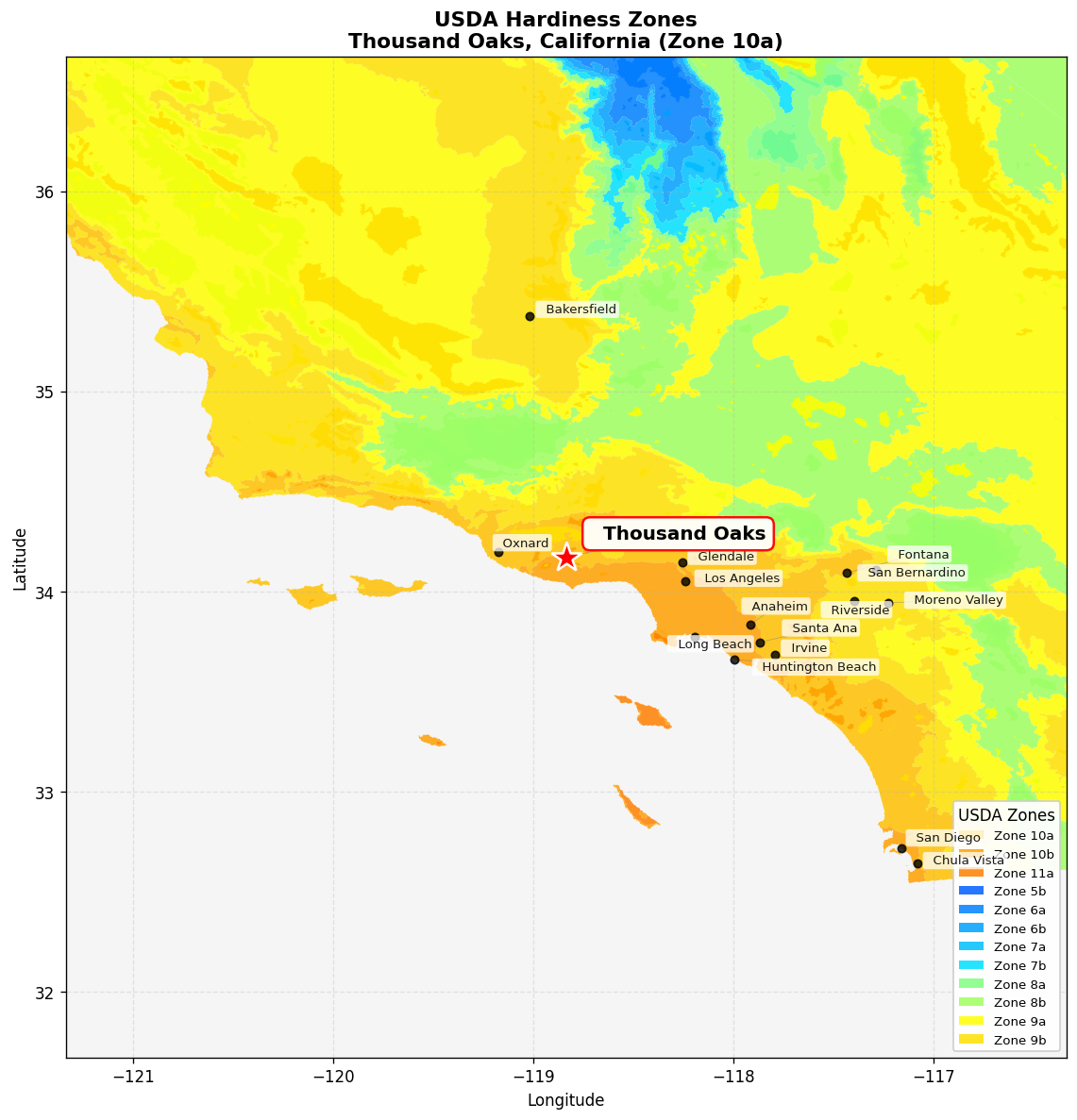
USDA Zone 10a
Hardiness zone for Thousand Oaks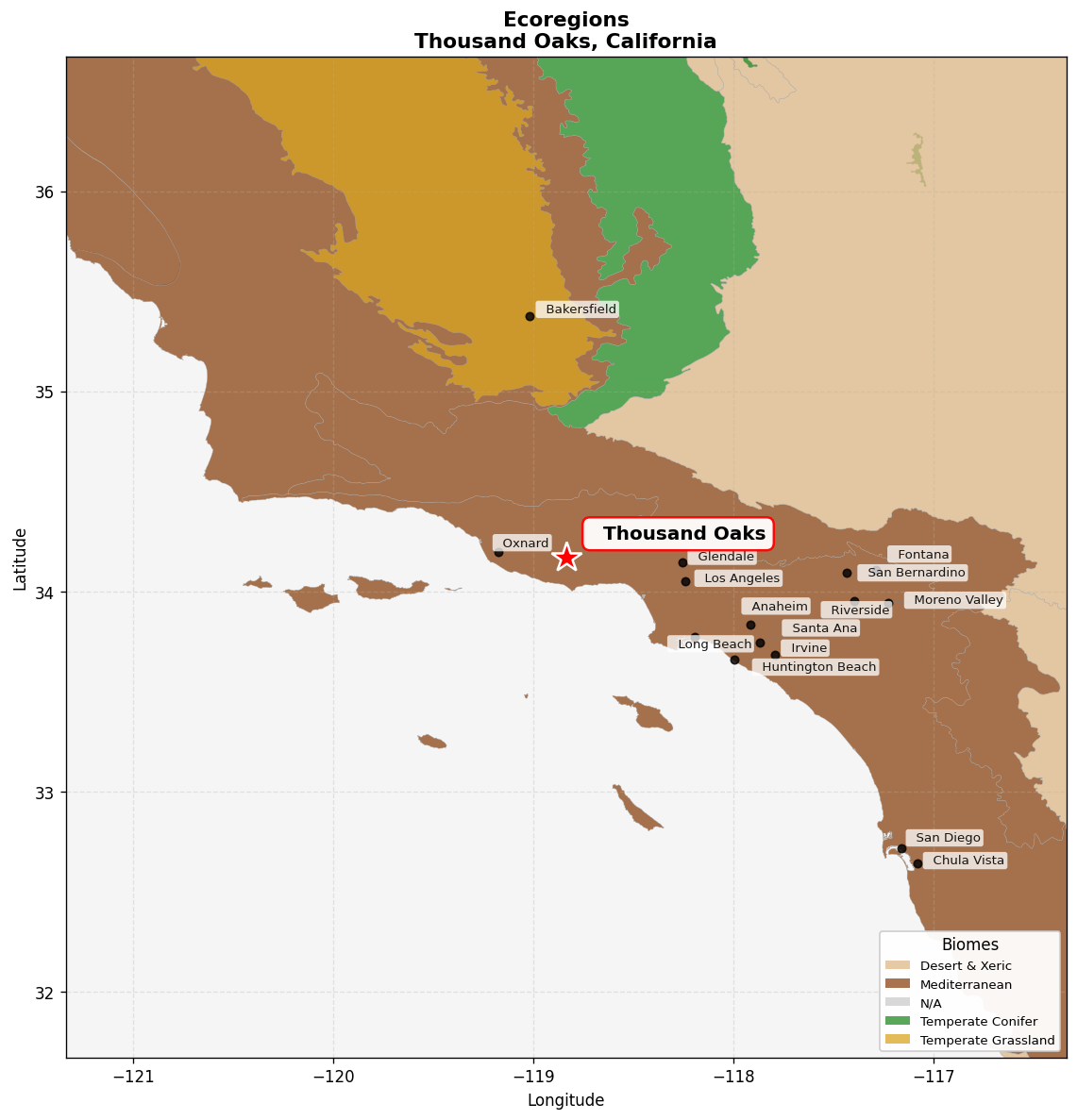
California coastal sage and chaparral
Native ecoregionFrequently Asked Questions
How much does a cottage garden cost in Thousand Oaks?
Ventura County installation runs roughly 20–30% above the national average, so budget accordingly. A single deep front border of 200–400 square feet — soil work, roses, Lavandula × intermedia 'Provence', drip and mulch — lands at $6,000–$16,000 installed. Converting a whole front lawn to a cottage garden, including turf removal and grading, runs $10,000–$28,000 for a typical Janss-era 700–1,000 square foot front yard, and Metropolitan Water District's SoCal Water$mart rebate returns $2.00 per square foot of that lawn. A back-garden pergola over a flagstone dining terrace is a separate $25,000–$60,000 line. Doing the planting yourself and paying a contractor only for hardscape typically cuts the total by 35–45%.
Which roses actually perform in Thousand Oaks?
Look for varieties bred or proven for low-chill, no-summer-rain climates. Rosa 'Iceberg' is the workhorse — it blooms almost continuously here and shrugs off the alkaline clay. Rosa 'Pierre de Ronsard' (sold as 'Eden') and Rosa 'Cécile Brünner' are the two climbers you see draped over Conejo Valley arbors, because both set enough new wood without winter chill. Rosa 'Sally Holmes' makes a superb informal hedge, and among the David Austin English roses, 'Olivia Rose Austin' and 'The Generous Gardener' hold up to inland heat far better than the dark reds like 'Munstead Wood', which scorch and ball in a September Santa Ana. Expect powdery mildew during the June marine layer — good spacing and morning-only drip beats spraying.
Can I grow English lavender here, or should I use something else?
Lavandula angustifolia 'Munstead' and 'Hidcote' will grow in Thousand Oaks but rarely last more than three or four summers — the combination of 90 °F-plus heat spells and clay that stays wet through a February storm rots the crown. The lavandins are the local answer: Lavandula × intermedia 'Provence' and 'Grosso' give you the same grey mound and long flower spikes, tolerate the heat, and routinely run eight to ten years. Lavandula stoechas 'Otto Quast' flowers earliest, from February. Whichever you choose, plant it proud — crown an inch above the finished grade, on a berm, with gravel rather than bark right at the base.
Are there watering rules, and what will a cottage garden actually use?
Thousand Oaks water is imported through Calleguas Municipal Water District from Metropolitan Water District, and the state's Model Water Efficient Landscape Ordinance sets plant-factor and irrigation-efficiency limits on permitted landscape projects. In practice, a well-built cottage border here is a moderate-water landscape, not a high-water one: roses want a deep soak every 5–7 days in July and August, and companions like Nepeta × faassenii 'Walker's Low', Achillea millefolium 'Moonshine' and Erigeron karvinskianus want considerably less. Run everything on inline drip tubing with 0.9 gph emitters on a weather-based controller, mulch three inches deep, and you will typically use 40–55% less than the lawn you replaced — while collecting the $2.00 per square foot turf rebate and $100 per new tree, up to five trees.
Can I plant a cottage border under my oak tree?
Carefully, and never with summer irrigation. Article 42 of the Thousand Oaks Municipal Code protects any oak over two inches in trunk diameter measured 4.5 feet above natural grade, and the protected zone reaches well beyond the canopy edge — trenching, grading, paving or planting inside it needs a city permit and usually an arborist's report. Beyond the legal question, summer water against the trunk of a Quercus agrifolia invites Phytophthora and oak root fungus, which is what kills most heritage oaks in Conejo Valley front yards. Design the roses and lavender outside the dripline where they get full sun anyway, and use the shaded ground for unirrigated dry-shade companions: Ribes viburnifolium, Heuchera maxima, Iris douglasiana and self-sowing Erigeron karvinskianus give you a soft, unmistakably cottage understorey on winter rain alone.
When should I plant a cottage garden in the Conejo Valley?
October through February, without question. Planting into warm soil just before the winter rains lets roots establish on 15 inches of free water, and by the time the first 95 °F day arrives in June the plants are already anchored. Bare-root roses arrive at Ventura County nurseries in January and are both cheaper and faster to establish than containers. February is also when you cut everything back — roses hard, Lavandula × intermedia by a third into green wood, Salvia leucantha 'Santa Barbara' almost to the ground. Avoid planting between June and September: even on drip, new roots cannot keep pace with transpiration during a Santa Ana event, and losses climb sharply.
Does living in a fire hazard zone change the design?
In much of Thousand Oaks, yes. Large parts of the city sit in a Very High Fire Hazard Severity Zone at the wildland edge, and Ventura County Fire enforces 100 feet of defensible space, with the innermost five feet around the house treated as an ember-resistant zone. That does not rule out a cottage garden — it just changes what goes where. Keep the first five feet from the walls as gravel, stone or bare soil with pots rather than a continuous bed, and hold the resinous plants back. Roses, Achillea millefolium 'Moonshine', Erigeron karvinskianus and irrigated lawn are all comparatively good performers; heavy woody masses of lavender, rosemary and juniper belong further out, kept low and separated into islands rather than run as one unbroken hedge against the wall.