4 English Cottage Garden Ideas for Simi Valley, CA | Heat-Proof Borders for Zone 9b
Native plants from the California coastal sage and chaparral (Zone 9b) — Mediterranean (warm summer) climate
Why Cottage/English Gardens in Simi Valley?
Simi Valley's houses suit an English cottage garden. The 1960s and 1970s tract ranches of the Texas Tract, the Greek Tract and the Presidential Tract have low eaves, a concrete walk to the door and a front lawn that is already doing nothing, which is the right frame for a picket fence, a rose arch and a deep mixed border. In Wood Ranch and Big Sky the newer two-story stucco homes carry the style too, as long as the planting does the softening and the hardscape stays simple: brick or flagstone, gravel, a painted arbour. Copying an English catalogue will fail here; cast the look with plants that like this valley.
The valley floor sits around 770 feet, and the climate is hot-summer inland Mediterranean: August highs average about 97°F, the city hit 116°F in 1985, and roughly 17.9 inches of rain falls almost entirely between November and March. Winter is mild on paper (Zone 9b, typical lows in the upper 30s), but cold air drains into the low ground and the record low is 18°F, so frost pockets near the Arroyo Simi are real. That rules out much of the classic plant list. Delphinium elatum, lupines and Digitalis purpurea behave here as winter-to-spring annuals that collapse by June, and Lavandula angustifolia 'Hidcote' sulks in summer-watered clay. The cottage look that lasts is built from Lavandula × intermedia 'Grosso', Nepeta × faassenii 'Walker's Low', Salvia 'Amistad', Penstemon heterophyllus 'Margarita BOP', Oenothera lindheimeri 'Whirling Butterflies' and Achillea 'Moonshine', with Rosa 'Iceberg' and Rosa 'Julia Child' carrying the rose layer because they shrug off heat and powdery mildew.
Drainage matters as much as heat. Most of the valley floor is heavy clay that commonly tests alkaline, around pH 7.5 to 8.0, slow to drain in a wet February and hard as brick in August. Frost depth is effectively zero, so there is no frost line to dig below; the fight is drainage. Build cottage beds up 6 to 8 inches with compost and fine gravel worked in, keep lavender and penstemon on the high side, and give roses the richer, lower ground with drip at the base.
Water rules shape the planting plan. Under the City's permanent water conservation rules for Ventura County Waterworks District No. 8, sprinklers cannot run between 9 a.m. and 5 p.m., and shortage stages declared in drought years add day-of-week limits on top (in 2022 the district went to one day a week). A cottage border on inline drip, mulched 3 inches deep and planted mostly with salvias, catmint and lavender, looks lush through a Simi Valley August on a fraction of the water a lawn used.
4 Cottage/English Design Ideas for Simi Valley

AI-generated image
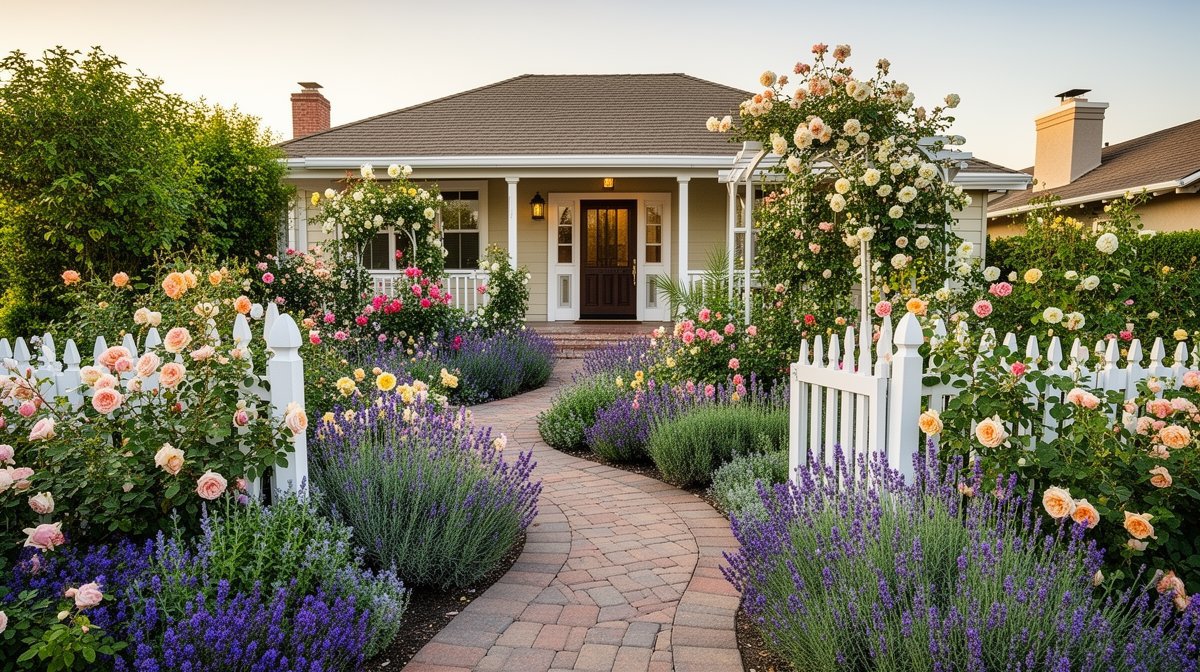
The Ranch House Picket Border
$16–32/sqftA single-story 1960s ranch with a low hipped roof gets a white picket fence along the sidewalk, with the old front lawn replaced by a 6-foot-deep border on a raised bed of amended clay. The bed faces south into full afternoon sun, so the front rank is silver and purple (lavender and catmint), the middle carries salvias and gaura, and white roses sit in the back against the fence where drip keeps their roots cool. A brick walk on a sand base curves from the gate to the porch instead of the original straight concrete strip.

AI-generated image
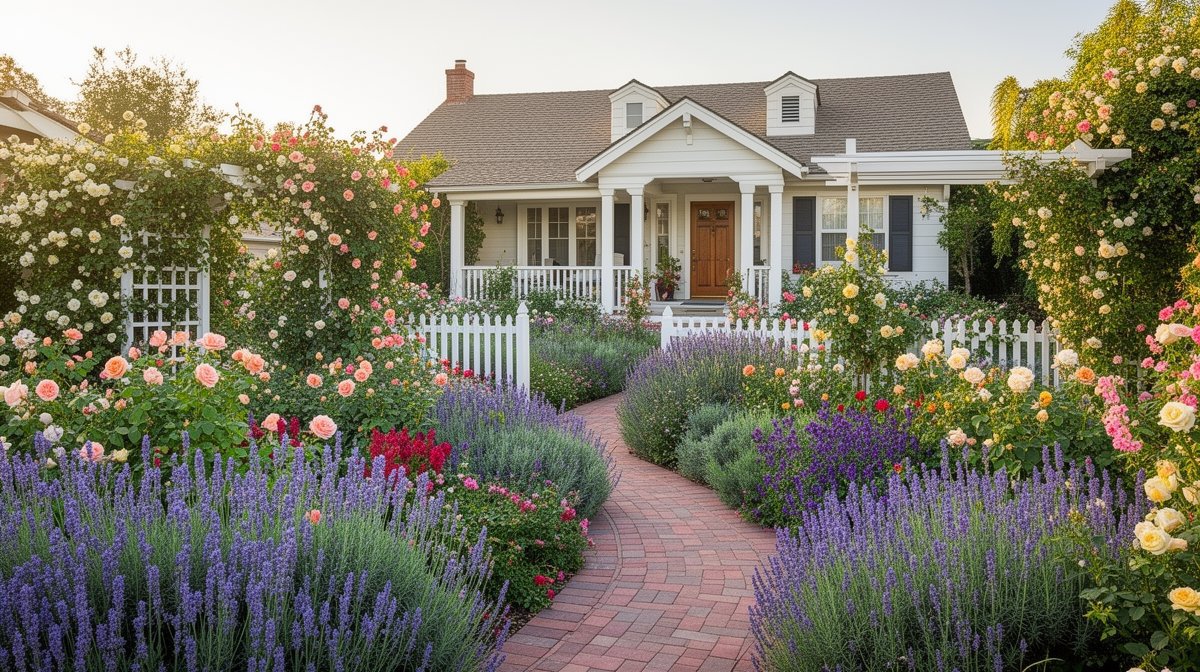
The Rose Arch Entry
$20–40/sqftA painted timber arch carrying a climbing rose frames the path to a two-story stucco house, with the arch set on the east side of the yard so the rose gets morning sun and some relief from the 4 p.m. heat. Either side of a flagstone path, three layers run from penstemon and hollyhock spires at the back to mounding salvia and Mexican fleabane spilling onto the stone at the front. Terracotta pots of geraniums on the porch steps tie the warm stucco color back into the planting.

AI-generated image
The Gravel Cottage Courtyard
$14–28/sqftA side or back courtyard surfaced in warm decomposed granite, with planting pockets cut straight into the gravel so self-sowing flowers can wander between a bistro table and a low brick edge. This is the Simi Valley answer to an English gravel garden: the gravel keeps crowns dry in a wet February and stays cool underfoot compared to concrete. Shade comes from a single multi-trunk Western redbud on the west side, which takes the edge off August afternoons.

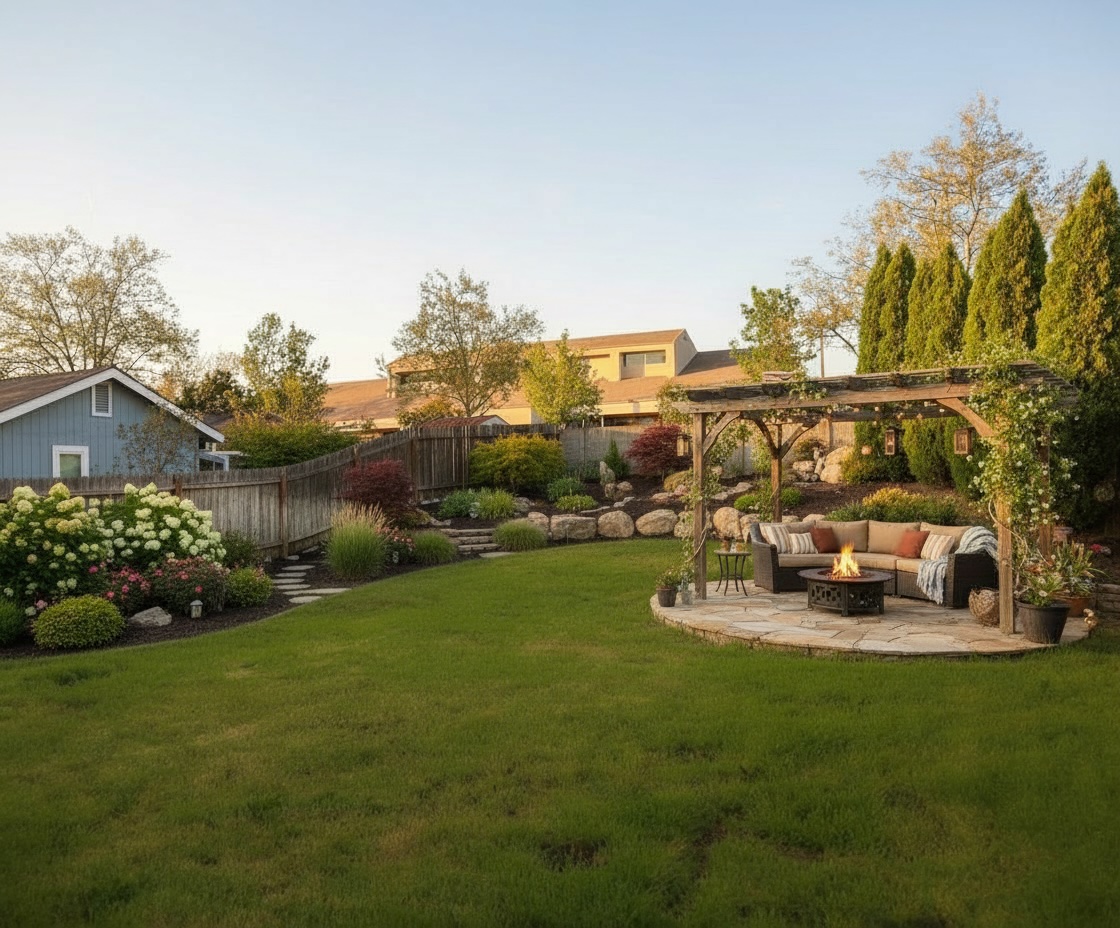
AI-generated image
The Pergola Kitchen Cottage
$28–55/sqftA back garden built around a timber pergola with a grape and a rose trained over it, a dining table underneath and raised beds of herbs and cut flowers in front, all aligned so the pergola shades the table from the west sun. Paths between the beds are brick, and a deep border along the back fence mixes roses with salvias and native Pacific Coast iris so something is in flower from February to November. It is the cottage garden as most Simi Valley families actually use it: dinner outside six months a year.
See how a cottage/english garden looks on YOUR property
Upload a photo of your Simi Valley yard and visualize your dream garden in seconds.
Try ProScapeAI Free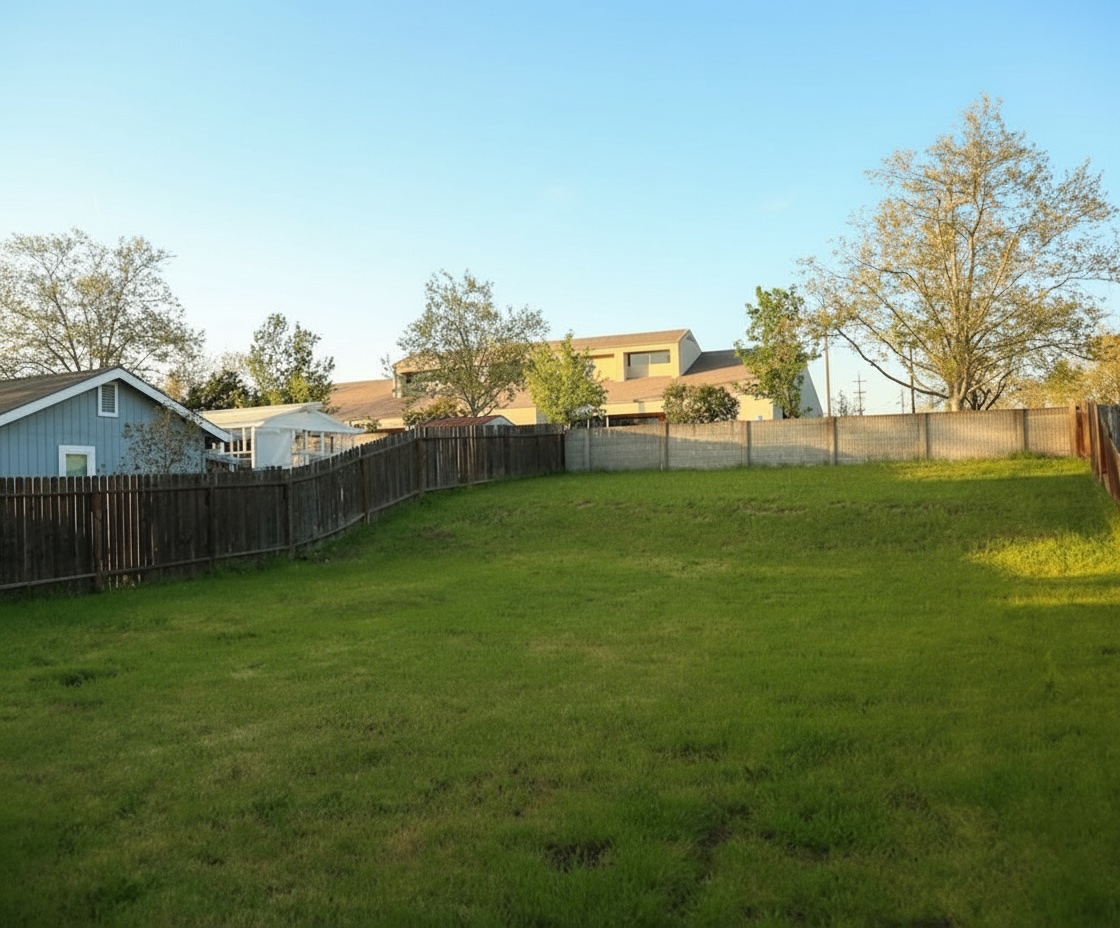
AI-generated image
Featured Trees & Shrubs for Cottage/English Gardens
Browse all 220 plants for Simi Valley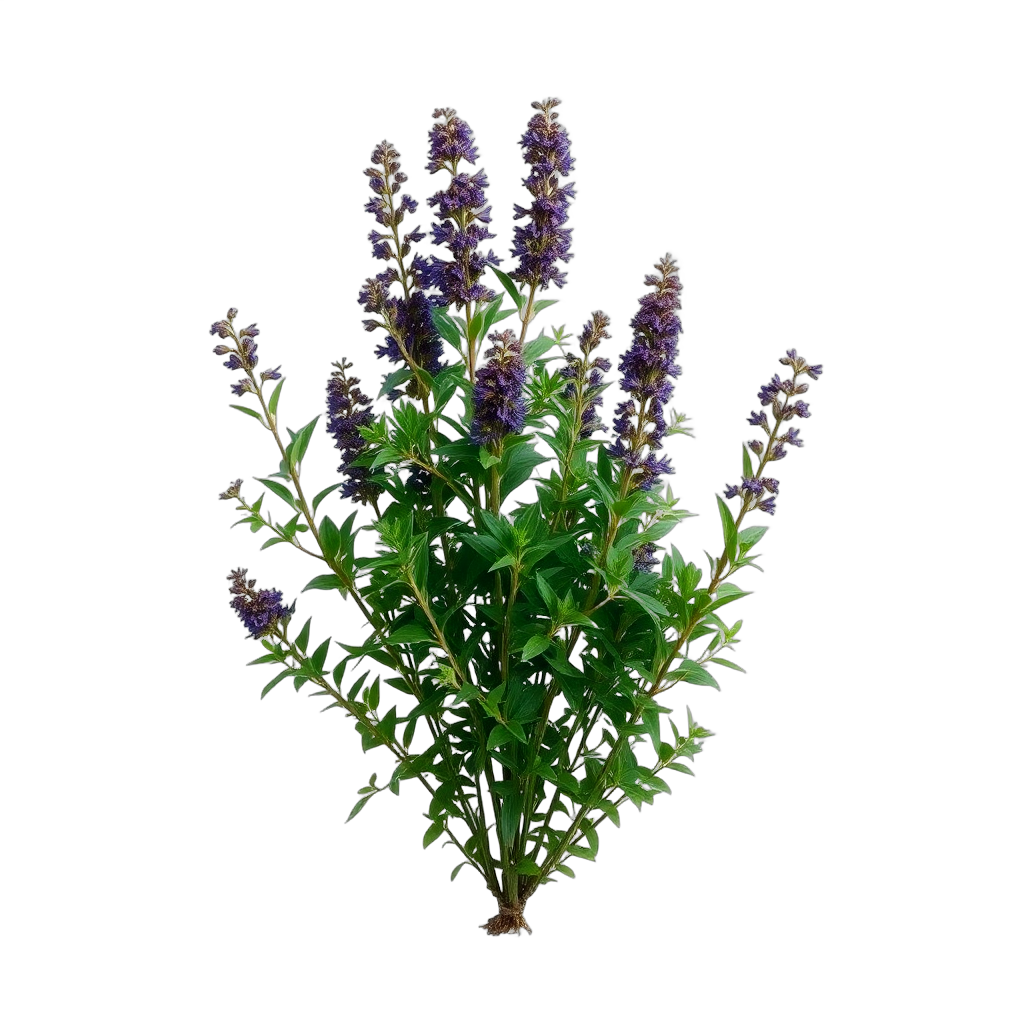
Black Sage
Salvia mellifera
grows to 4 feet, white blooms in spring. Attracts butterflies.
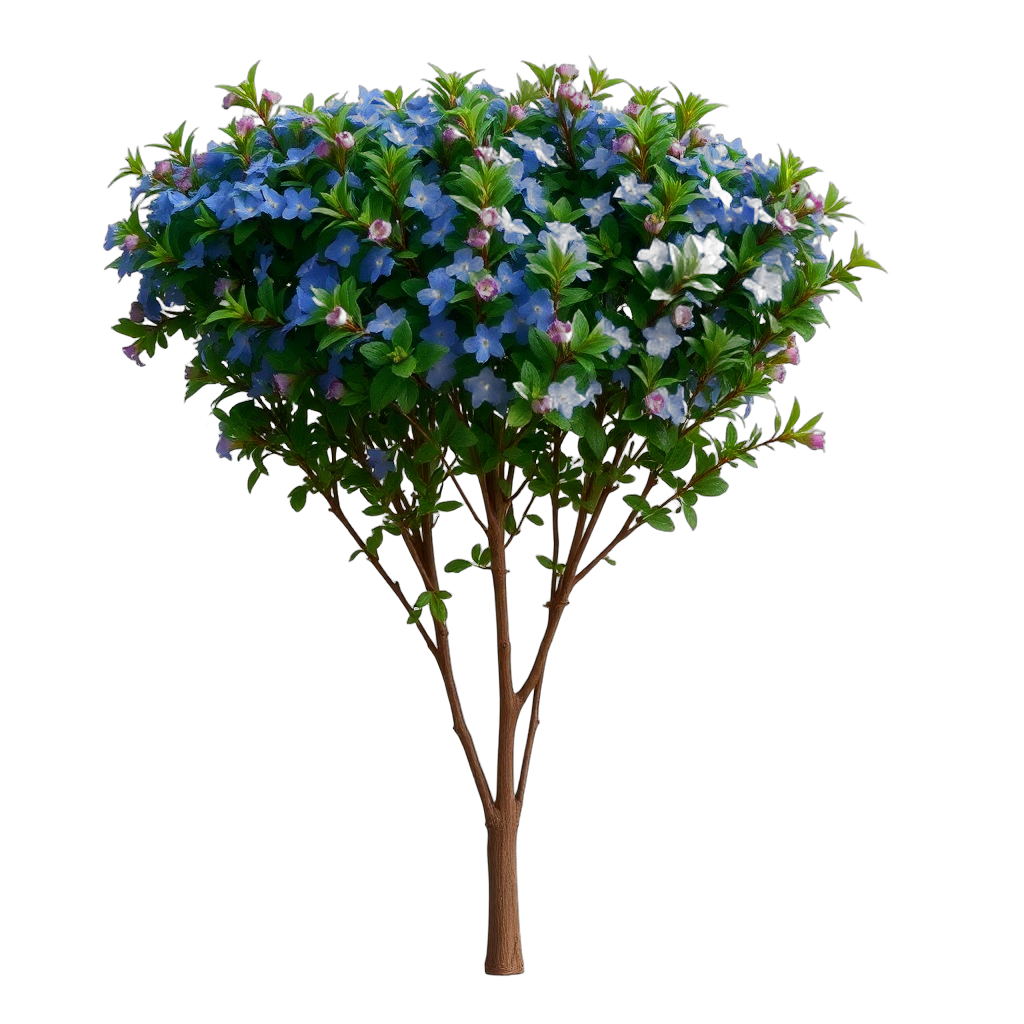
Blue Blossom
Ceanothus thyrsiflorus
medium-sized at 12 feet, blue blooms in spring. Attracts butterflies.
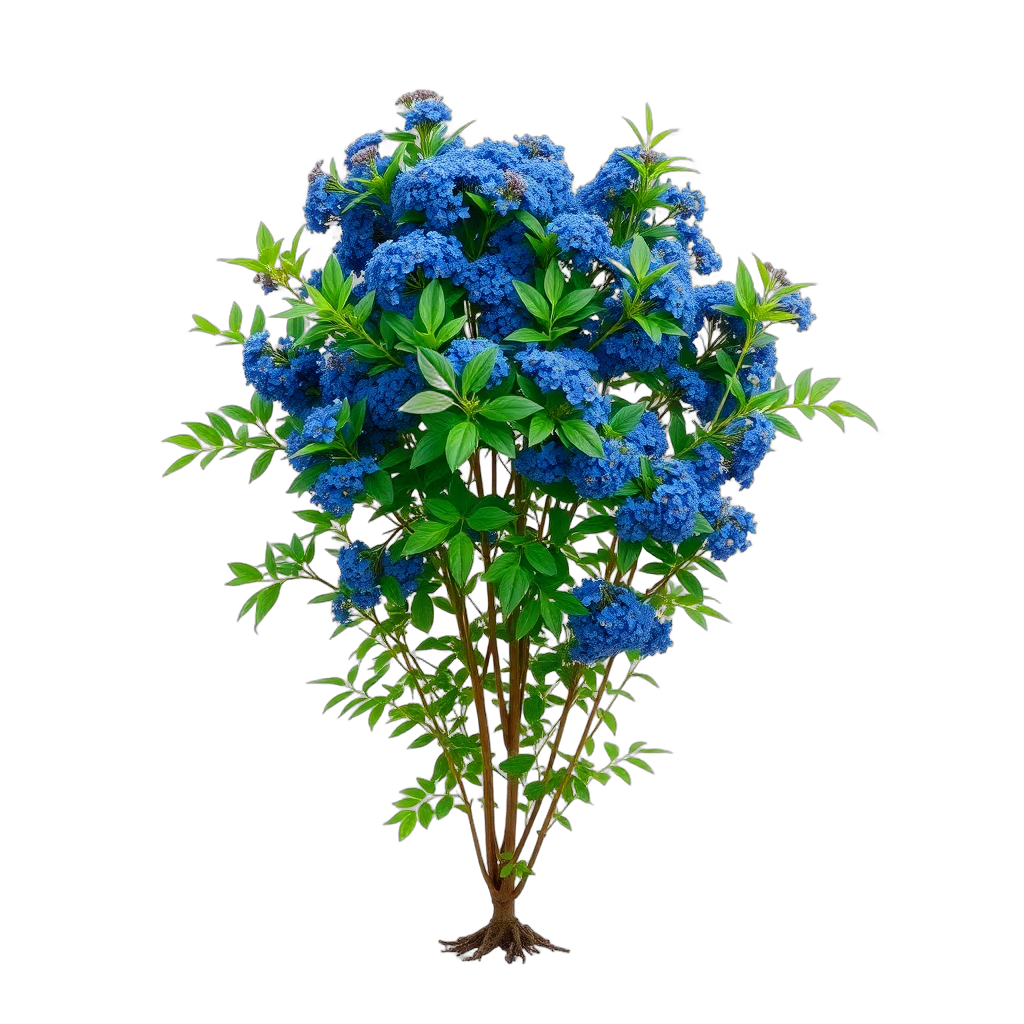
Blue Elderberry
Sambucus cerulea
medium-sized at 15 feet, white blooms in spring. Attracts butterflies.
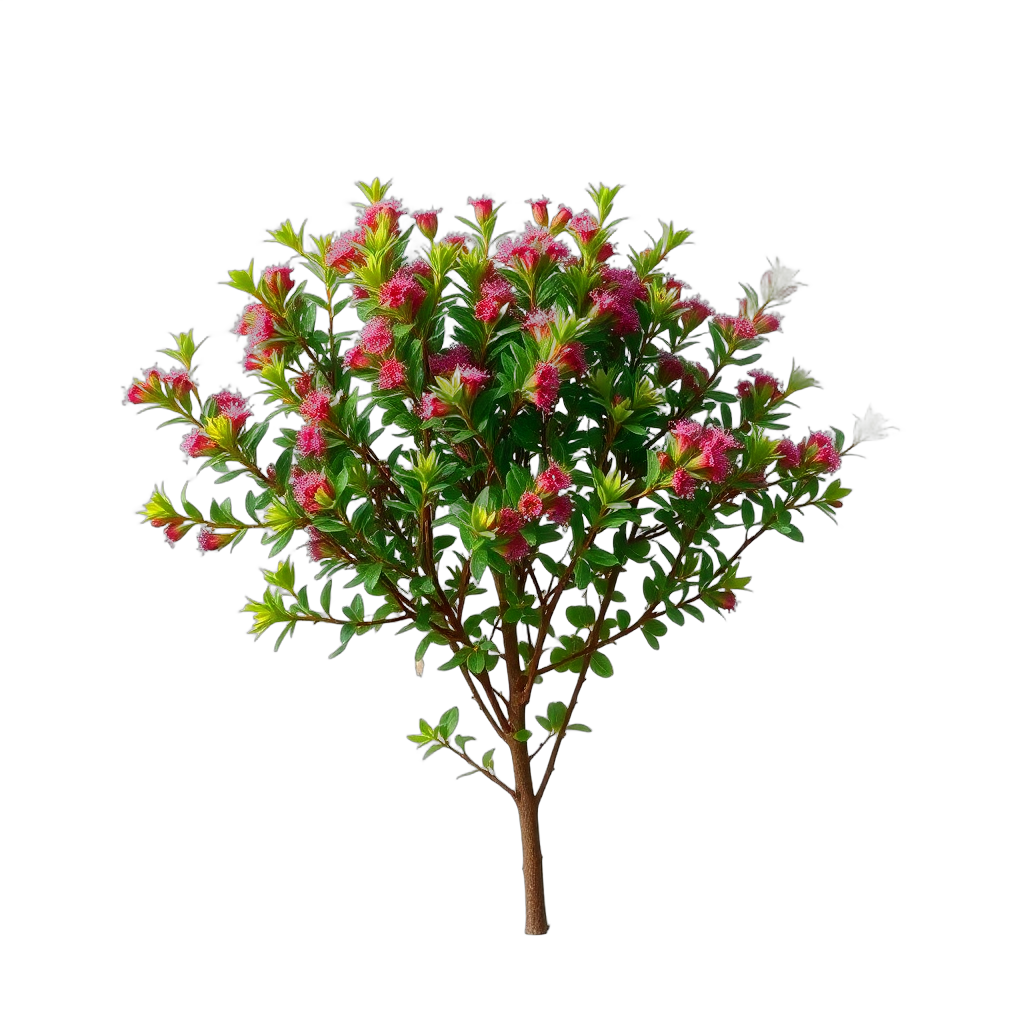
Buckbrush
Ceanothus cuneatus
medium-sized at 7 feet, white blooms in spring. Attracts butterflies.
Featured Grasses & Groundcovers for Cottage/English Gardens
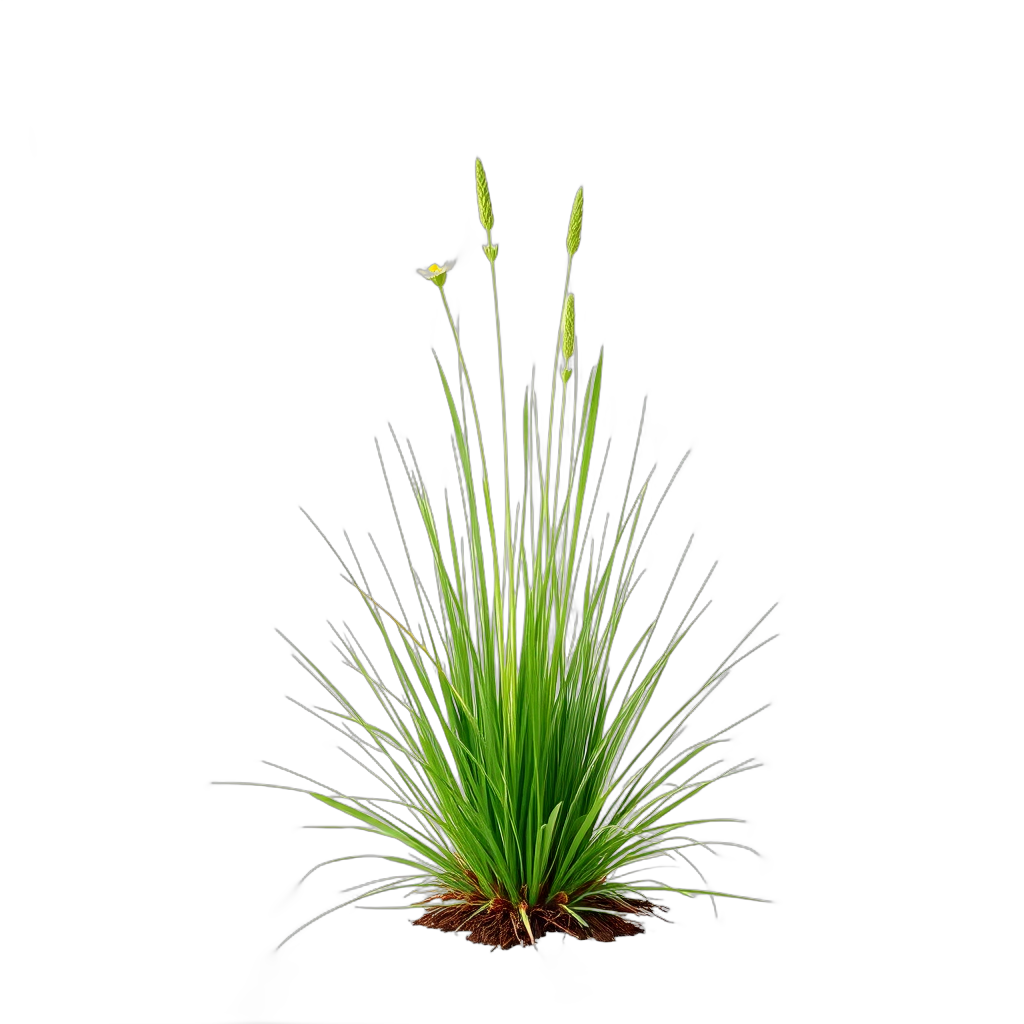
California Brome
Bromus carinatus
low-growing ground cover, blooms in spring. Yellow fall color.
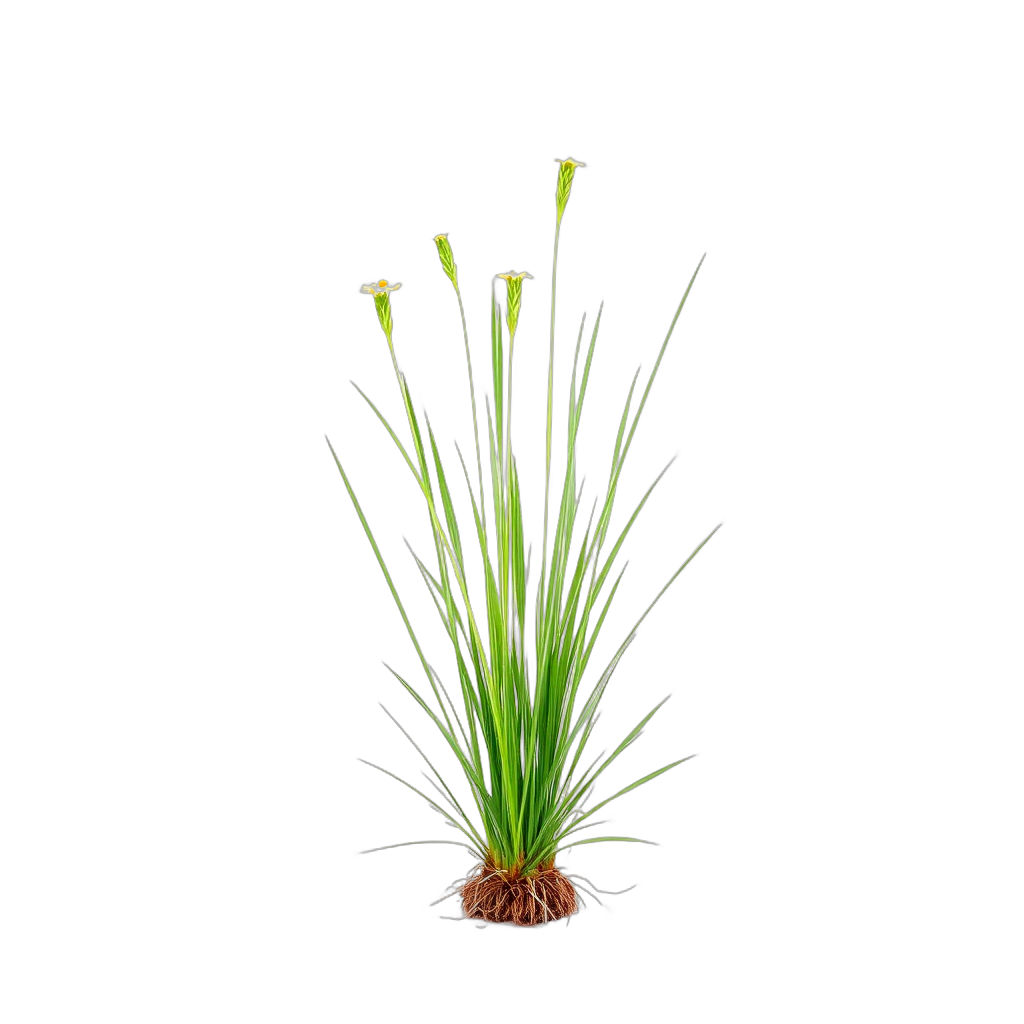
California Melic
Melica californica
low-growing ground cover, blooms in spring.
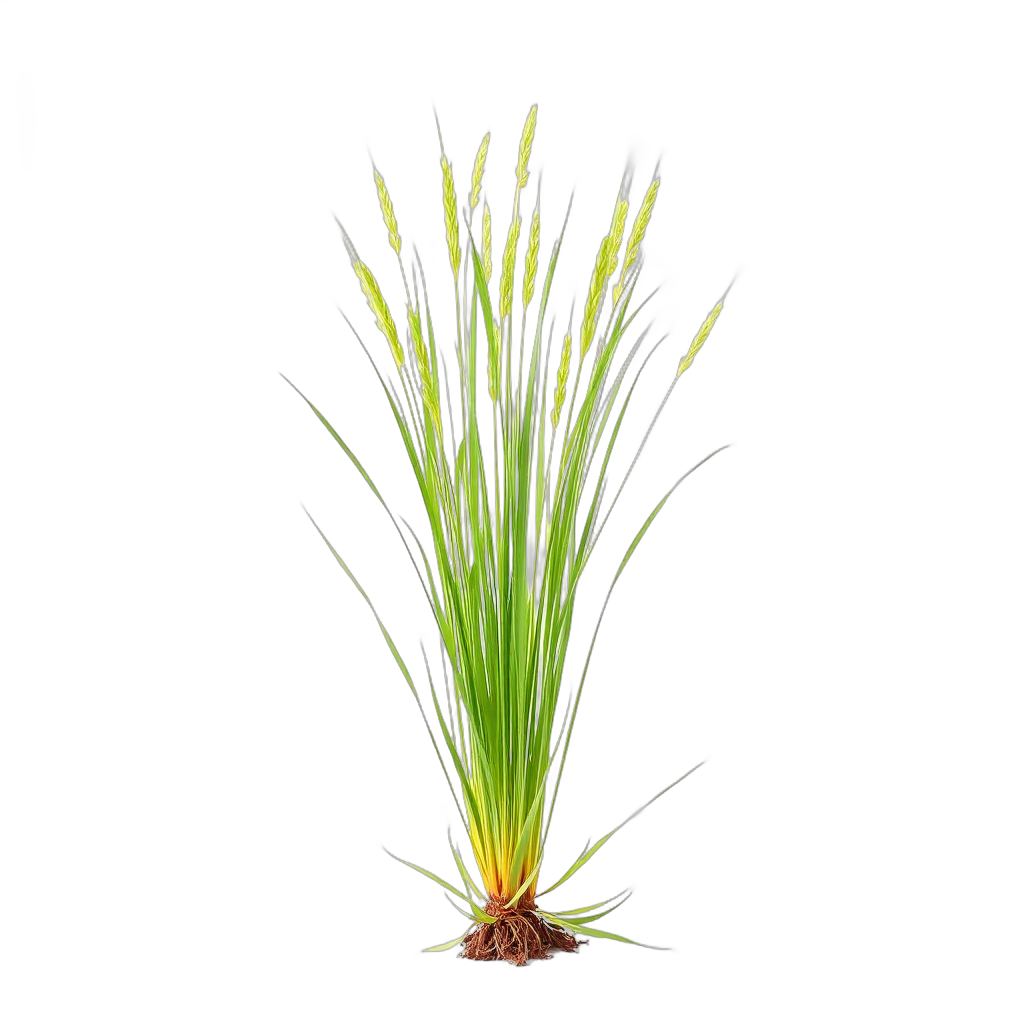
California Oatgrass
Danthonia californica
low-growing ground cover, blooms in spring. Yellow fall color.
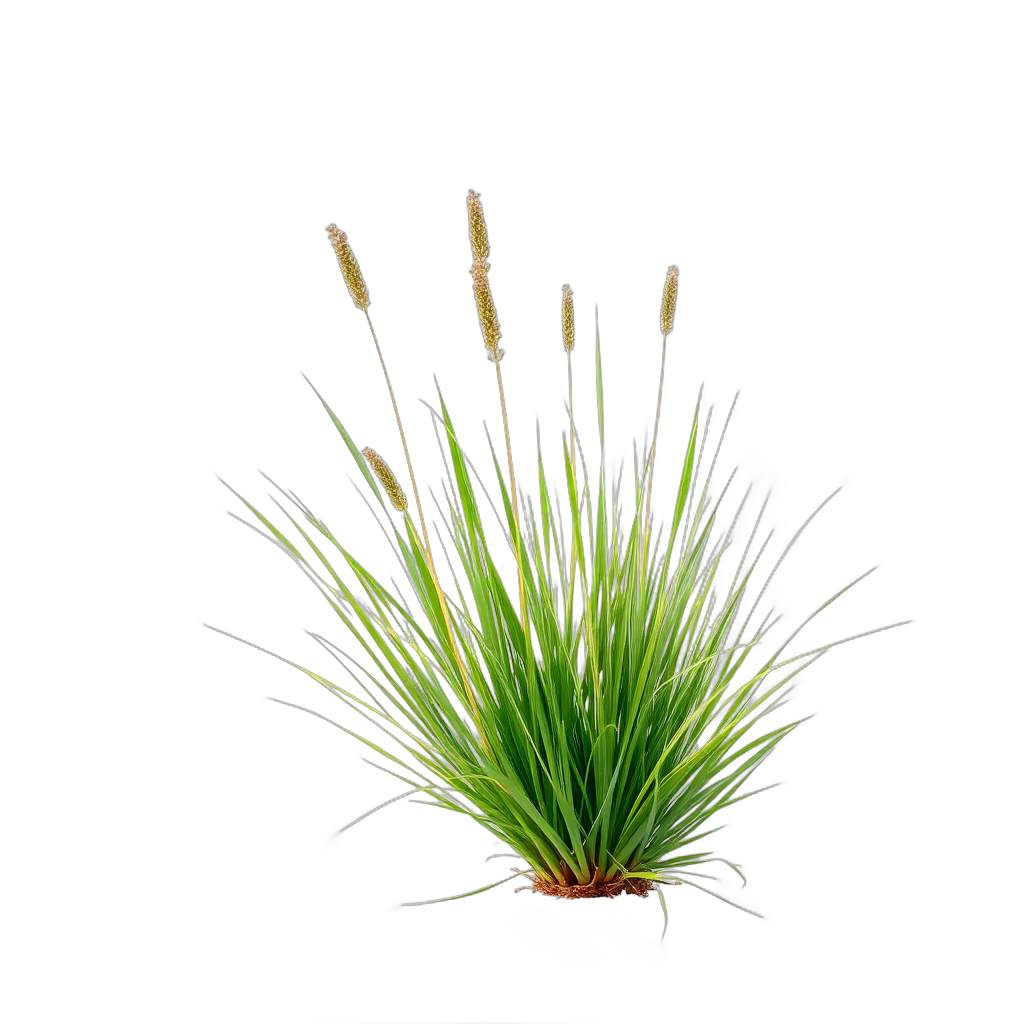
Deer Grass
Muhlenbergia rigens
grows to 3 feet, yellow blooms in fall. Evergreen year-round.
Featured Flowers & Perennials for Cottage/English Gardens
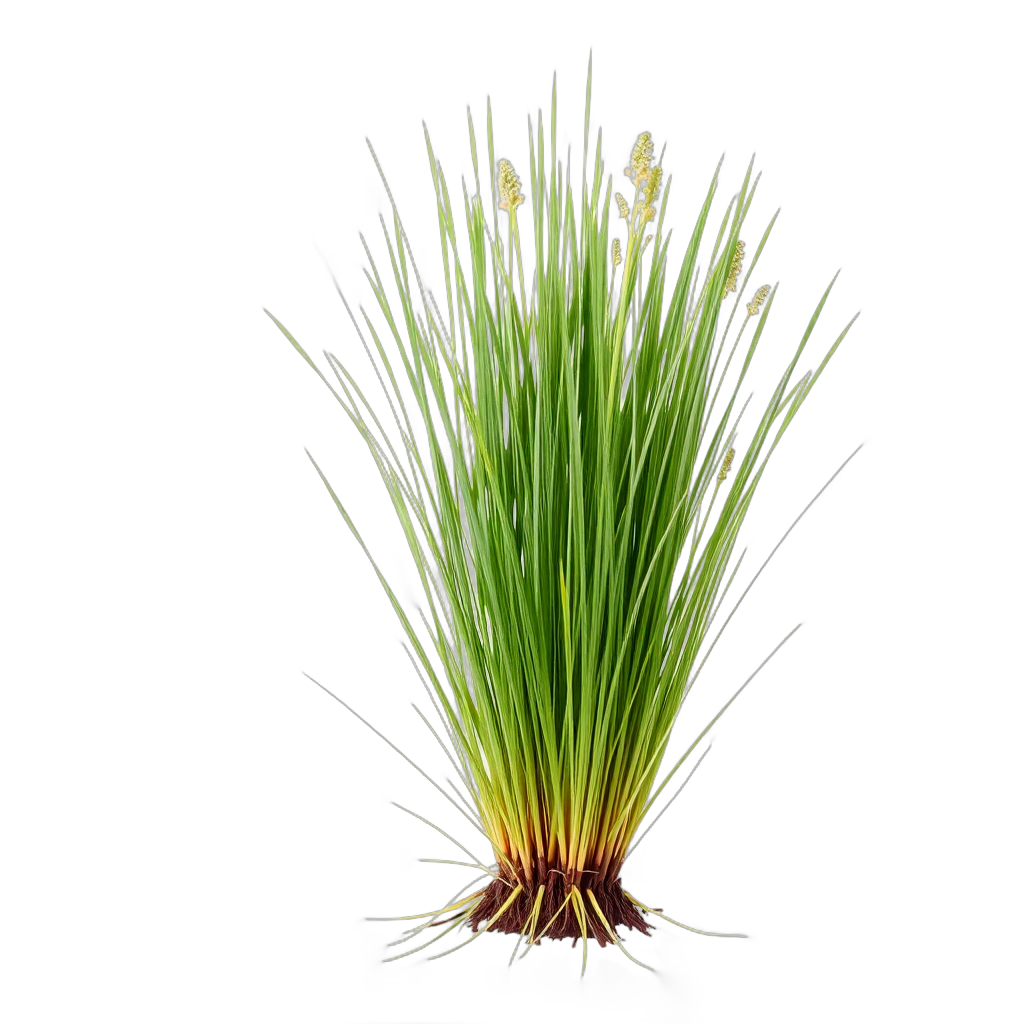
California Gray Rush
Juncus patens
low-growing ground cover, blooms in summer. Evergreen year-round.
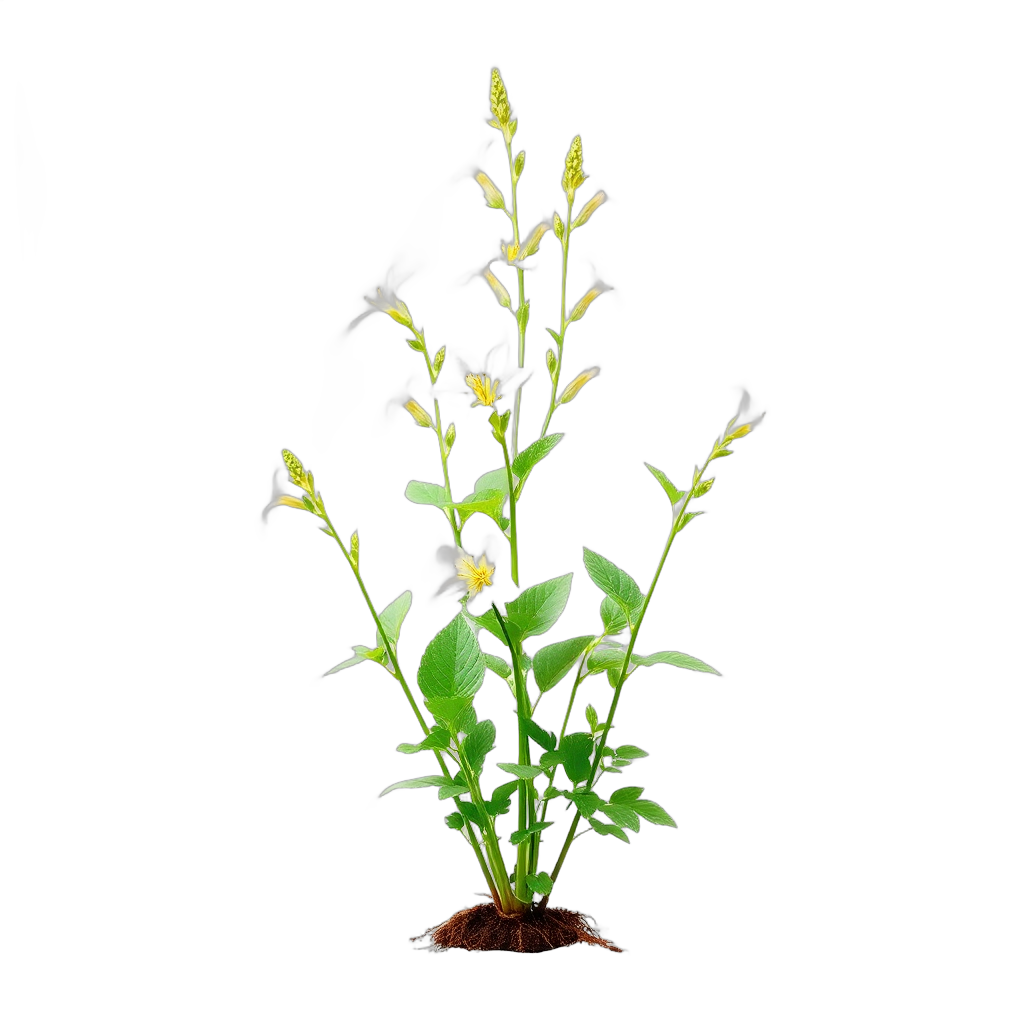
Beach Evening Primrose
Camissonia cheiranthifolia
low-growing ground cover, yellow blooms in spring. Attracts butterflies.
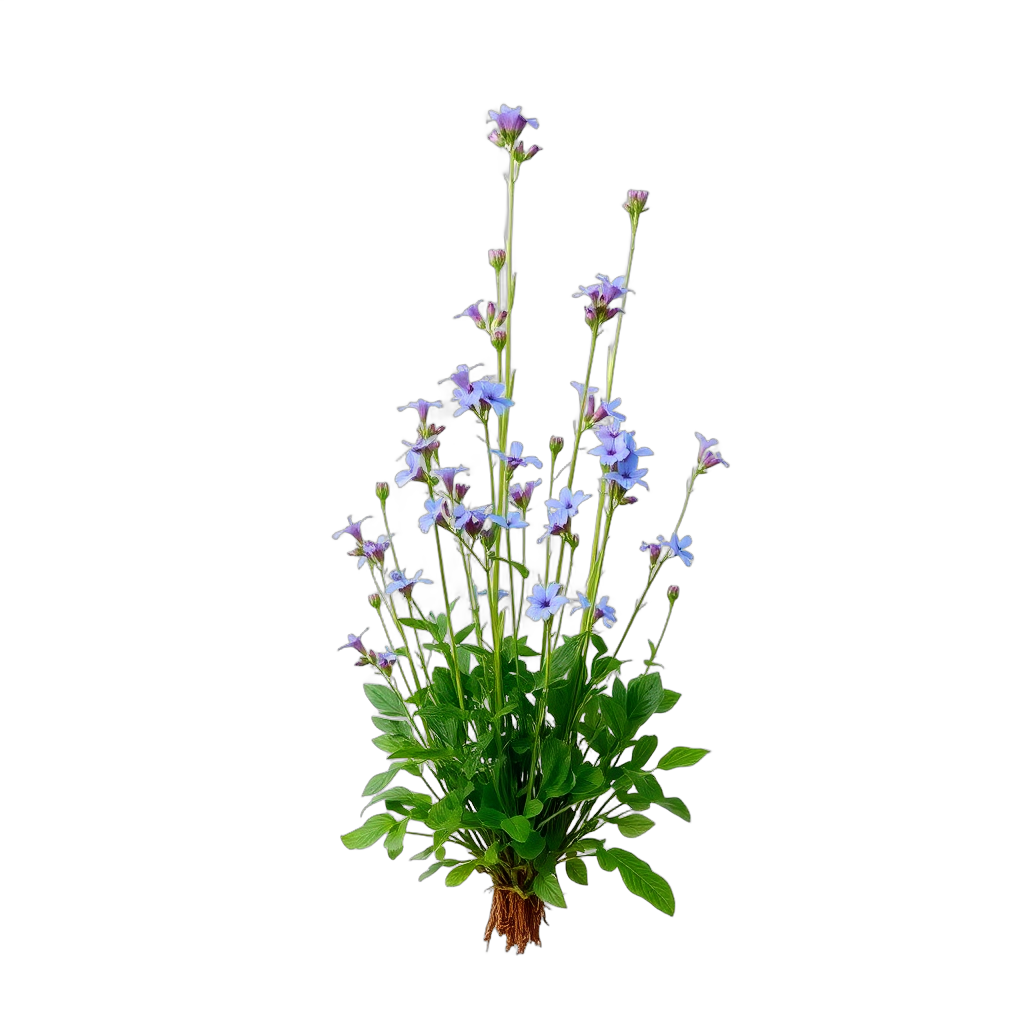
Blue Dicks
Dichelostemma capitatum
low-growing ground cover, blue blooms in spring. Pollinator-friendly.
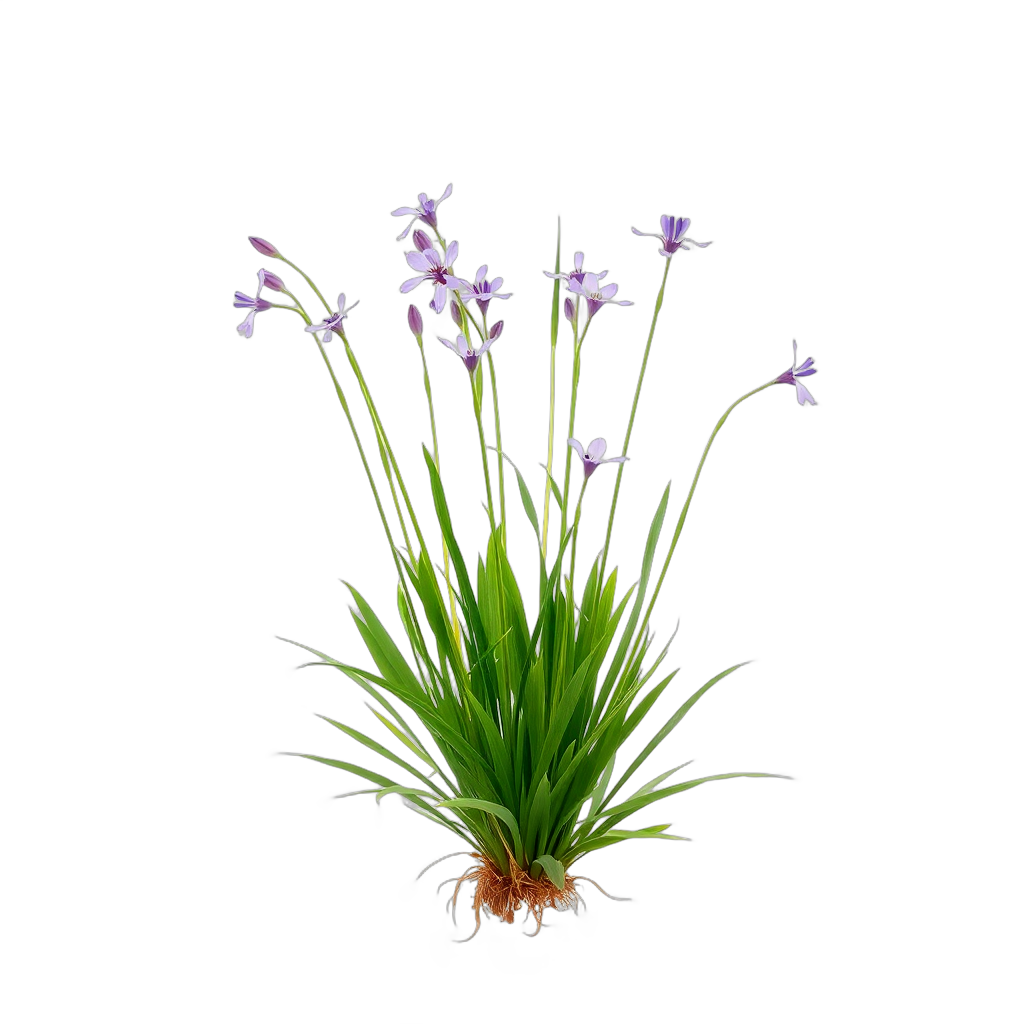
Blue-Eyed Grass
Sisyrinchium bellum
low-growing ground cover, blue blooms in spring. Attracts butterflies.
Zone and sun checks come from our database — confirm with your local nursery before you buy.
Bloom Calendar for Simi Valley
spring
Beach Evening Primrose, Blue Dicks, Blue-Eyed Grasssummer
California Gray Rush, Hooker's Evening Primrose, Hummingbird Mintfall
California Fuchsiawinter
Limited bloomsDesign Tips for Simi Valley (Zone 9b)
- Build every border up 6 to 8 inches: valley-floor clay holds February rain around lavender and penstemon crowns, and wet roots kill more cottage plants here than heat does
- Plant in October, not April. Fall-planted roses and perennials root on winter rain, and foxglove, larkspur and sweet peas only give a spring show from a fall start
- Use Lavandula × intermedia 'Grosso' and Nepeta 'Walker's Low' as the border's backbone and save extra water for the roses; the silver-and-purple haze reads English on far less water
- Put roses where they get morning sun and afternoon relief from the west; an east-side arch keeps Rosa 'Climbing Iceberg' blooming through August instead of crisping
- Set the controller to run before 9 a.m.: the City's permanent rules for Waterworks District No. 8 bar sprinkler irrigation from 9 a.m. to 5 p.m., and dawn watering also keeps mildew off roses
- Treat Delphinium elatum and Digitalis purpurea as annuals you replace each fall, and lean on Salvia 'Amistad' and Alcea rosea for spires that last through summer
- Keep a frost cloth handy if you live near the Arroyo Simi or on the valley floor: cold air pools there and the record low is 18°F, which can burn back pelargoniums and young salvias
Where to Source Plants in Simi Valley
Skip the big-box stores. These independent Simi Valley nurseries specialize in the plants that make cottage/english gardens thrive in Zone 9b.
Elegant Gardens Nursery
Moorpark (Tierra Rejada Road, just west of Wood Ranch)
Over a thousand plant varieties from 1-gallon to 36-inch box, plus bulk topsoil, compost, mulch, decomposed granite and gravel
Matilija Nursery
Moorpark (Waters Road)
The largest inventory of California native plants and non-native irises in Ventura County, including Pacific Coast iris for cottage borders
Nature's Best Nursery
Santa Rosa Valley, Camarillo
Family-owned for over 40 years, with shade trees, flowering shrubs, hedging and water-wise lavender and salvia
Camarillo Nursery
Camarillo
Roses, fruit trees, flowers and ground covers, pottery, water features and bird baths, with landscape design, planting and delivery
Cottage/English Landscaping Costs in Simi Valley
| Project Scope | Estimated Cost |
|---|---|
| Front cottage border with picket fence and brick walk (400–600 sqft) | $9,000 – $20,000 |
| Lawn removal and bed preparation with amended raised beds (500 sqft) | $3,000 – $7,000 |
| Painted cedar rose arch, installed | $1,500 – $4,000 |
| Cedar pergola over a dining area | $6,000 – $15,000 |
| Inline drip conversion with weather-based controller | $1,500 – $4,500 |
| Full back cottage garden: pergola, paths, raised beds, borders | $30,000 – $70,000 |
| AI visualization (ProScapeAI) | Free to start |
Estimates based on Simi Valley, CA-area contractor rates as of 2026. Actual costs vary by site conditions, materials, and contractor.
Simi Valley Climate & Growing Zone
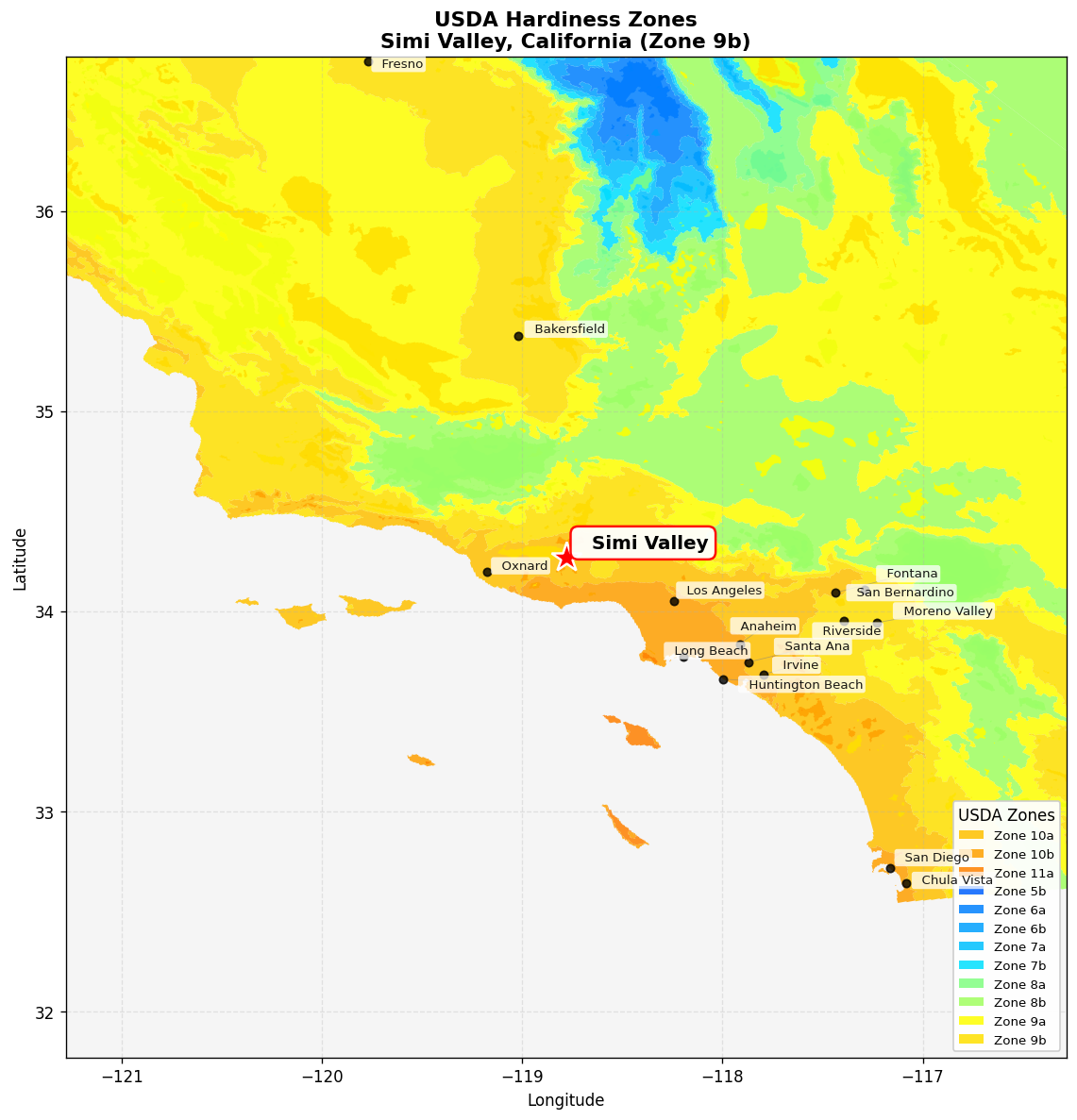
USDA Zone 9b
Hardiness zone for Simi Valley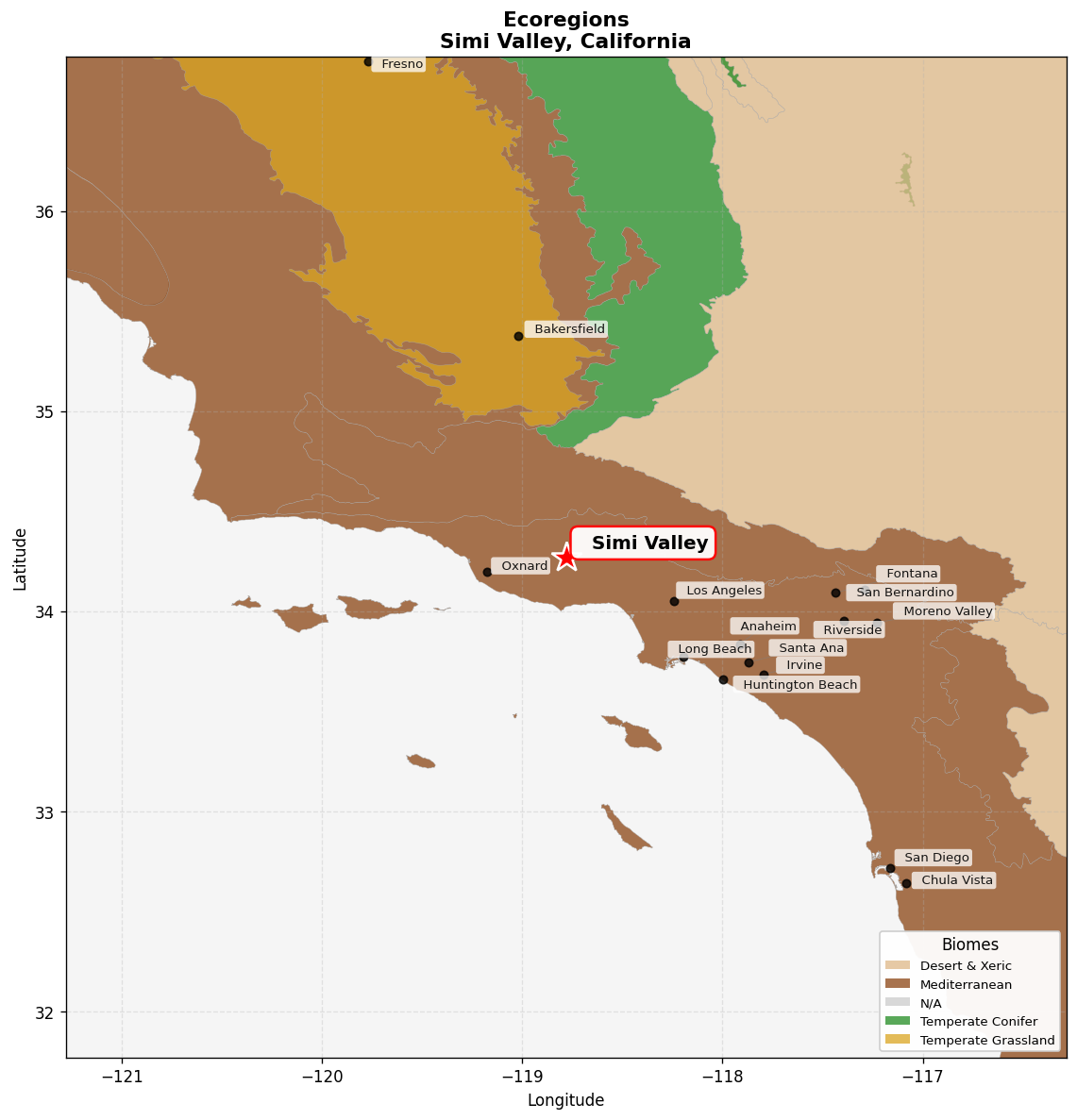
California coastal sage and chaparral
Native ecoregionFrequently Asked Questions
How much does a cottage garden cost in Simi Valley?
Landscape crews in Ventura County typically bill around $65–95 per hour, and most quote by the job. A planted front cottage border with a picket fence and brick walk on a 400–600 sqft ranch-house frontage usually lands at $9,000–20,000 installed. A rose arch adds $1,500–4,000, and a cedar pergola $6,000–15,000 depending on span. A full back garden with pergola, paths, raised beds and deep borders commonly runs $30,000–70,000. Planting yourself from one-gallon Lavandula × intermedia 'Grosso', Nepeta 'Walker's Low' and Salvia 'Amistad' keeps the planting cost under $8 per square foot.
Which English cottage plants fail in Simi Valley, and what do I plant instead?
Anything that wants a cool summer. Delphinium elatum, lupines and Digitalis purpurea flower beautifully from a fall planting and then collapse when highs pass 95°F in July, so treat them as annuals. Peonies and lilacs are unreliable with the short, mild winter. For blue spires use Salvia 'Amistad' and Penstemon heterophyllus 'Margarita BOP'; for the foxglove effect use Alcea rosea 'Chater's Double'; for the soft froth use Oenothera lindheimeri 'Whirling Butterflies' and Erigeron karvinskianus. For lavender, plant Lavandula × intermedia 'Grosso' or 'Provence' rather than 'Hidcote', which tends to rot in irrigated clay.
Is a cottage garden high maintenance in Simi Valley's heat?
Less than in England, because there is no autumn cleanup of soggy perennials and no winter dieback to speak of. Expect one hard cutback of lavender and catmint after the first flush, deadheading roses through the season, and a January prune of Rosa 'Iceberg' and 'Julia Child'. Most of the work is watering: put the whole border on inline drip under 3 inches of mulch, run it before 9 a.m., and check emitters every spring because clay soil hides a clogged line until a plant dies.
When is the best time to plant in Simi Valley?
October and November, by a wide margin. The soil is still warm, the winter rain does most of the watering, and roots get five months to settle before the heat. February to mid-March is the second window, and bare-root roses go in during January. Avoid planting from July through September, when August highs average about 97°F. Sow or set out foxglove, larkspur and sweet peas in the fall for spring color.
What are the watering rules in Simi Valley?
If your water comes from Ventura County Waterworks District No. 8, which the City of Simi Valley runs, the permanent rules bar irrigation between 9 a.m. and 5 p.m. and limit how long a sprinkler zone can run, with drip exempt from the run-time cap. In drought years the district declares shortage stages that add day-of-week limits; in 2022 it went to one watering day a week. Check the City's water conservation page for the current stage before you set a controller, and ask about the turf removal program, which requires a stormwater retention feature such as a dry creek bed or rain garden.
Do I need HOA or city approval for a picket fence and arbour?
In planned communities such as Wood Ranch and Big Sky, assume the HOA's architectural committee wants to see fence, arbour and front-yard plans before work starts. In the older tracts without an HOA, the City's zoning rules on fence height in the front setback still apply, so confirm the allowed height with the City of Simi Valley planning counter before ordering materials.
Can roses really handle a Simi Valley summer?
Yes, the right ones. Rosa 'Iceberg', 'Julia Child', 'Climbing Iceberg' and the Knock Out family take 100°F days if they get deep drip watering twice a week in summer and 3 inches of mulch. Give them morning sun and some shelter from late-afternoon west sun, and expect a lighter bloom in August and a big flush again in October.