4 Cottage Garden Ideas for Santa Rosa, CA | Rose & Perennial Landscape Design for Zone 9b
Native plants from the California interior chaparral and woodlands (Zone 9b) — Mediterranean (warm summer) climate
Why Cottage/English Gardens in Santa Rosa?
Santa Rosa is arguably the most historically justified cottage-garden town in California. Luther Burbank spent fifty years breeding here — the Shasta daisy that anchors half the borders in this gallery (Leucanthemum × superbum) was created on Santa Rosa Avenue, and the 'Santa Rosa' plum still carries the city's name. That legacy shows up in the housing stock: the 1900s Queen Annes along McDonald Avenue, the brick-and-clapboard blocks around Railroad Square, the Craftsman bungalows of the Junior College and Proctor Terrace neighborhoods, and the deep-lot ranches of Bennett Valley all want a loose, layered, flower-forward front yard rather than a clipped one.
Zone 9b is the reason English plants behave better here than in England. Winter lows of 25–30°F give roses a real dormancy, and the growing season runs March through November, so Rosa 'Sally Holmes' and 'Olivia Rose Austin' will flush four or five times a year instead of twice. The catch is water. Santa Rosa gets roughly 30 inches of rain, nearly all of it between November and April, then four months of essentially zero — a true Mediterranean Csb pattern. Foxglove, delphinium, and Alchemilla mollis need summer drip; only lavender, catmint, and Erigeron karvinskianus coast through August unaided. The valley-floor clay loam compounds it: it drains slowly in February and sets like concrete in July, so roses want a wide planting saucer amended with compost rather than a narrow hole. Morning fog off the Laguna also drives powdery mildew, which is why 'Iceberg' struggles here while 'Sally Holmes', 'New Dawn', and 'Zéphirine Drouhin' stay clean.
The third factor is fire, and locals do not need reminding. The Tubbs Fire of October 2017 erased Coffey Park and much of Fountaingrove; the Glass Fire returned in September 2020 along the Rincon Valley and Skyhawk edge. Santa Rosa now enforces defensible space under PRC 4291, with the ember-resistant Zone 0 covering the first five feet around a structure. Cottage gardening is genuinely well suited to this — irrigated herbaceous perennials, mown lawn, and a hydrated rose hedge carry far less fuel than the junipers and Italian cypress they replaced. Just keep the resinous plants honest: Lavandula and rosemary belong at ten feet, not against the siding, and Cortaderia selloana should never be planted at all. The last local variable is wildlife. Pocket gophers work the entire valley floor and will take out Delphinium and young roses from below unless every bed is lined with galvanized wire at install, and deer pressure along the Annadel foothills in Bennett Valley, Skyhawk, and Oakmont means your border wants Nepeta, Achillea, Stachys byzantina, and Digitalis rather than hosta.
4 Cottage/English Design Ideas for Santa Rosa
The Picket Fence Rose Arbor
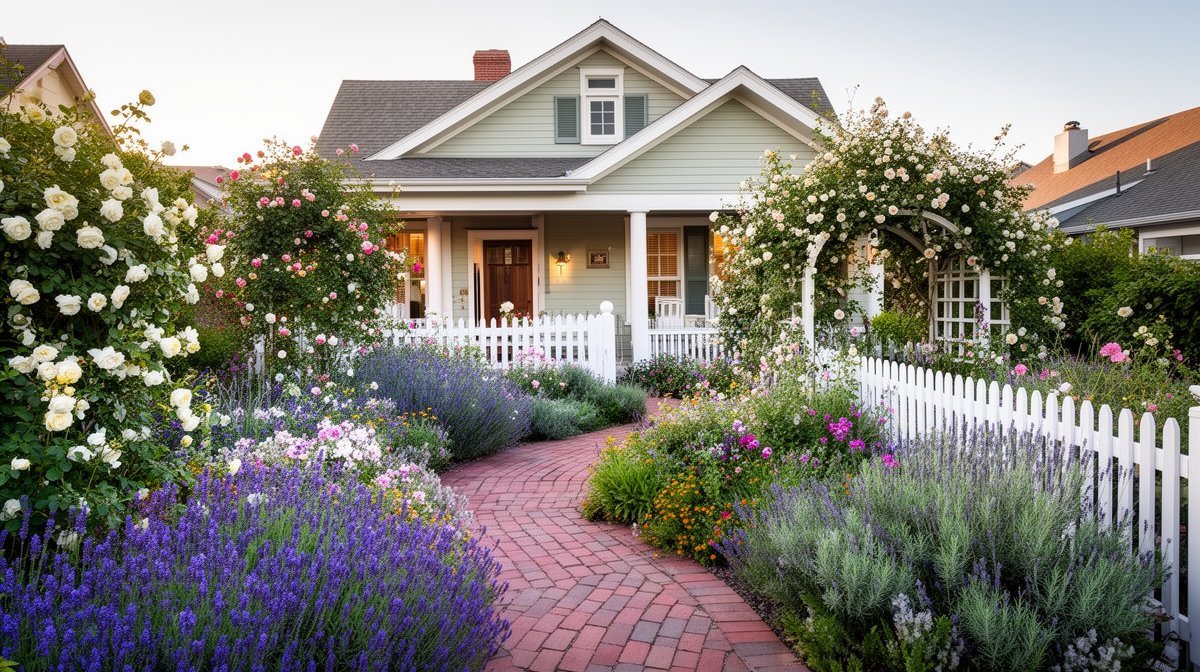
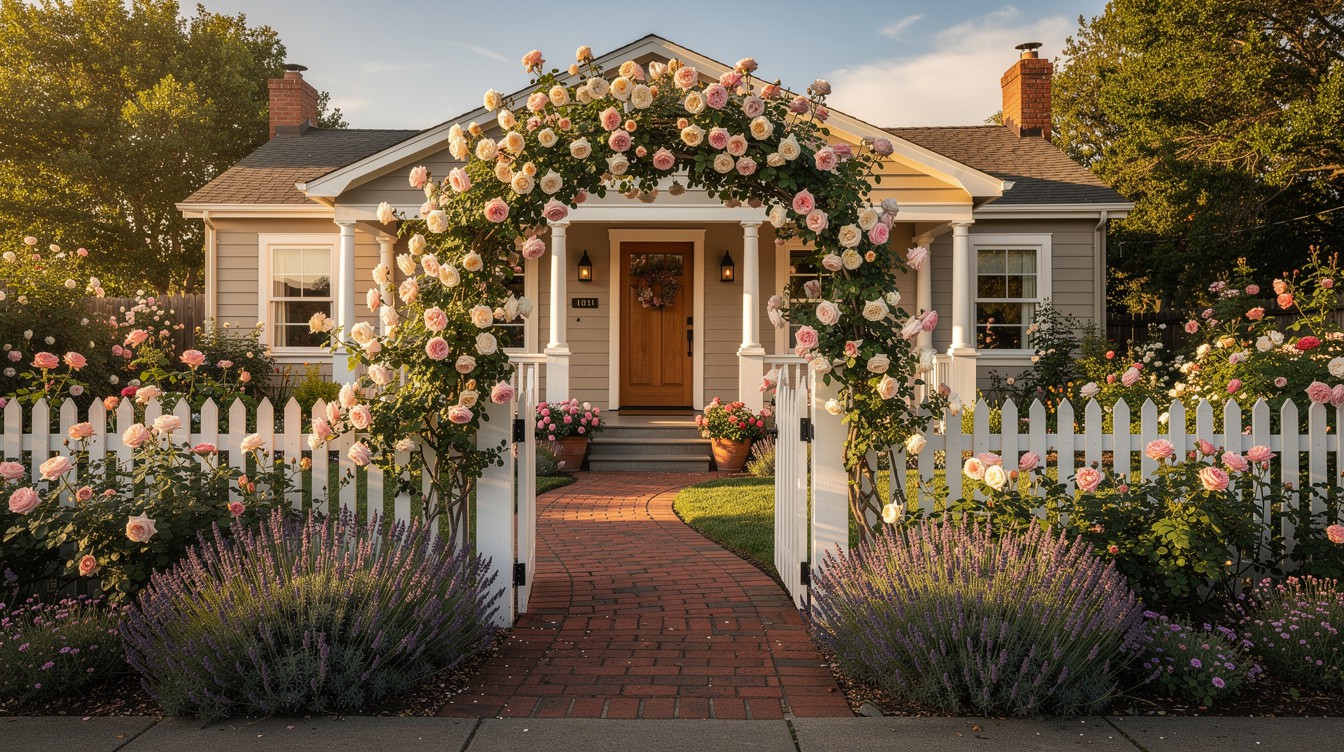
$14–26/sqftA grey-shingled bungalow behind a low white picket fence, with a timber arch over the gate carrying a mass of blush and cream climbing roses that has grown across the entire porch gable. A red brick path in running bond leads from the sidewalk to the door, and the entire strip between fence and path is planted as one continuous lavender ribbon so the fragrance hits before you reach the gate. Behind the pickets, shrub roses in soft pinks and apricots repeat the arch colors, and two terracotta pots of scarlet geraniums punch the entry steps. This is the classic Railroad Square front yard: almost no lawn, everything happening in the first eight feet from the street.
The Oak-Shaded Perennial Border
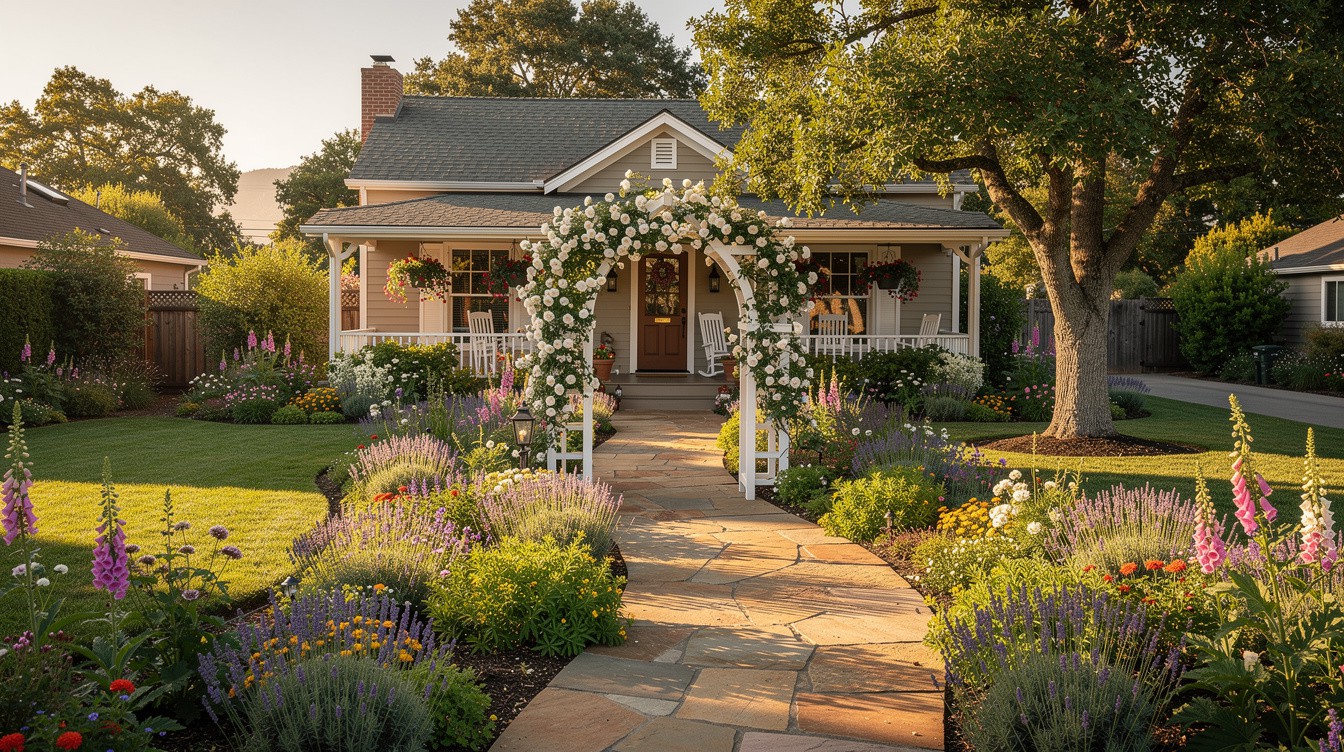
$16–30/sqftA wide Craftsman with a full-width porch, rocking chairs, and hanging baskets, fronted by a sandstone flagstone walk that runs under a white rose-covered arbor. On both sides the borders are built in classic three-tier fashion — foxglove and delphinium spires at the back, mounded lavender and catmint through the middle, low white and yellow annuals at the edge — with two mown lawn panels left as breathing room. A mature valley oak on the right holds a clean mulch ring with nothing planted under it, which is not laziness but survival: summer irrigation under a <em>Quercus lobata</em> canopy invites Armillaria root rot and kills century-old trees.
The Flagstone Tea Circle
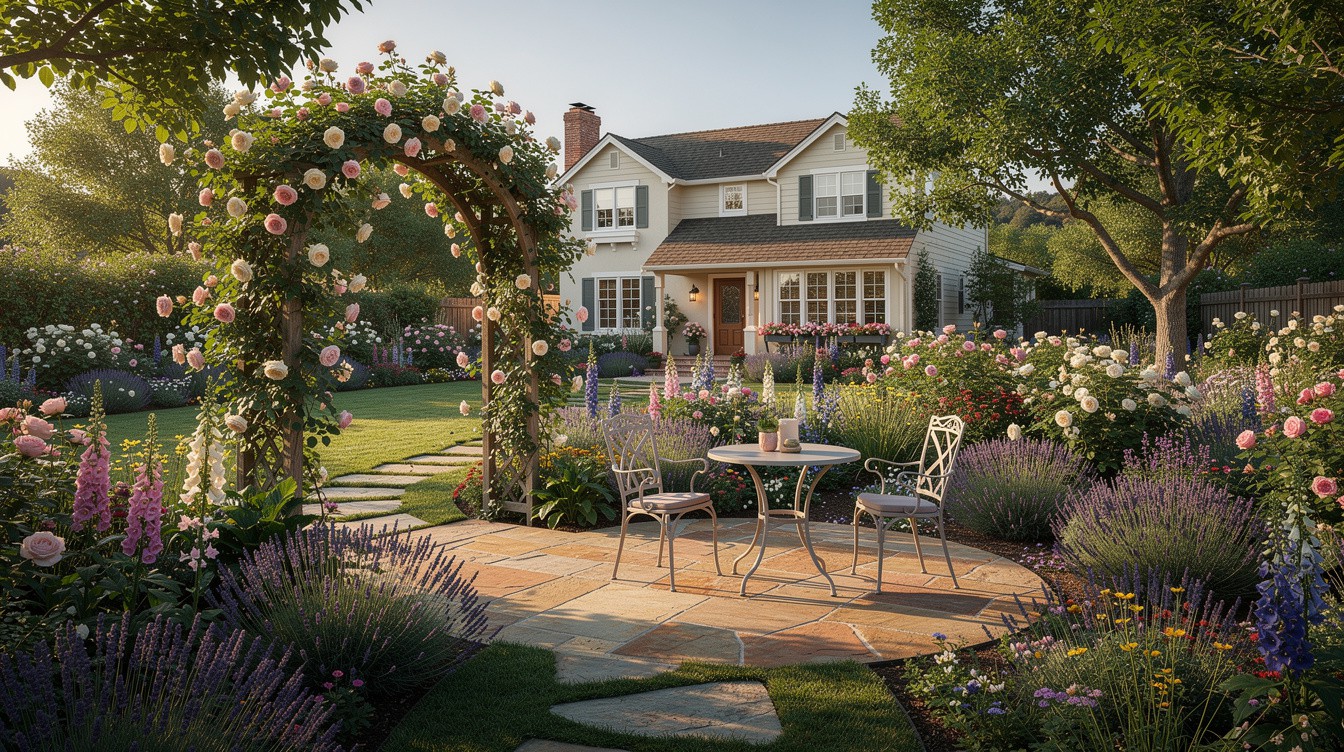
$18–34/sqftA rustic timber arch smothered in pink and cream roses frames the entry to a circular flagstone terrace just big enough for a wrought-iron bistro table and two chairs — the classic 'destination' move that makes a mid-size Sonoma backyard feel like three rooms instead of one. Deep double borders of foxglove, delphinium, lavender, and repeat-blooming roses wrap the circle, while a strip of lawn with stepping stones connects it back to the house. Silver-leaved <em>Stachys</em> and lavender do the heavy lifting at the terrace edge because they take the reflected heat off the stone in August.
The Rose Pergola Dining Garden
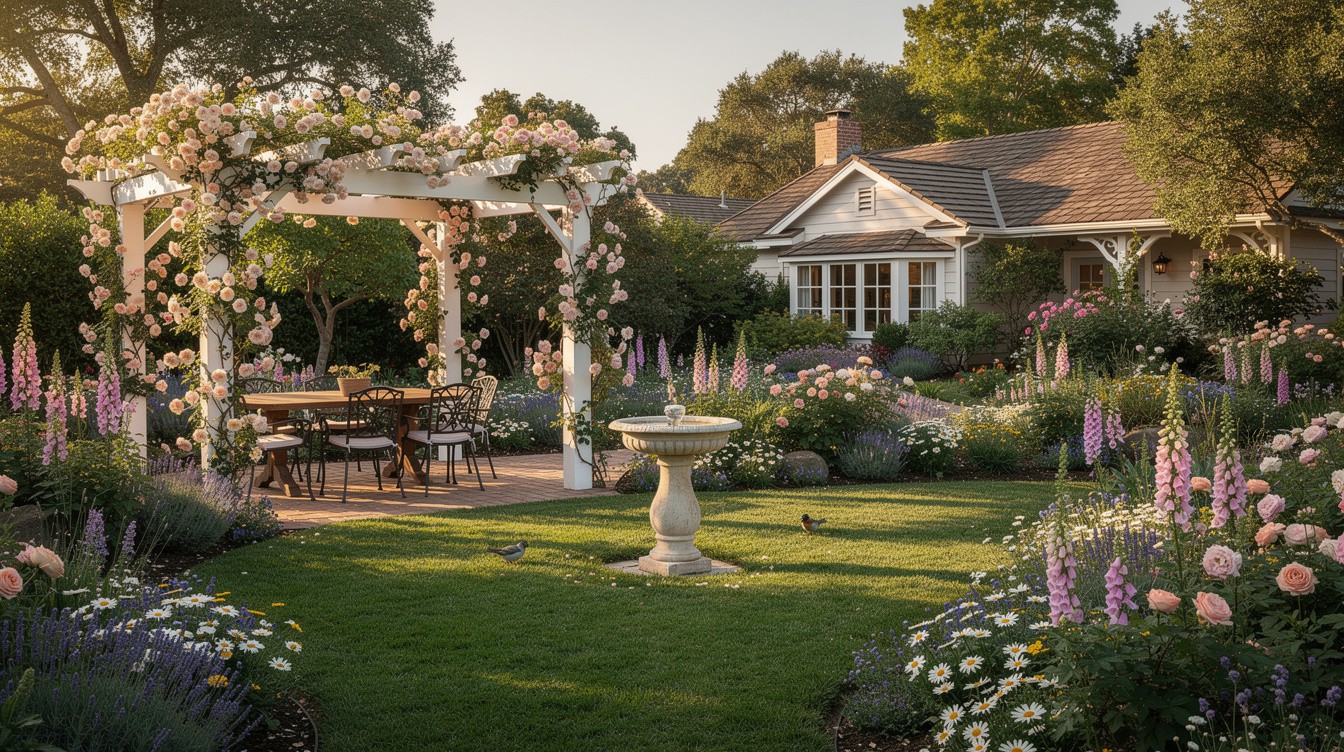
$20–38/sqftA substantial white-painted pergola blanketed in pale pink climbing roses shelters a long wooden dining table on a brick patio — the shade structure doing the work that Santa Rosa's 90°F+ July afternoons demand, since a pergola without a living roof is unusable from 2 to 6 p.m. A carved stone birdbath sits as a focal point on the lawn, and the perimeter is a continuous cottage border of foxglove, Shasta daisy, lavender, catmint, and roses that reads as one drift rather than individual plants. The lawn is deliberately small and shaped, which is what keeps the water bill defensible in a city with tiered rates.
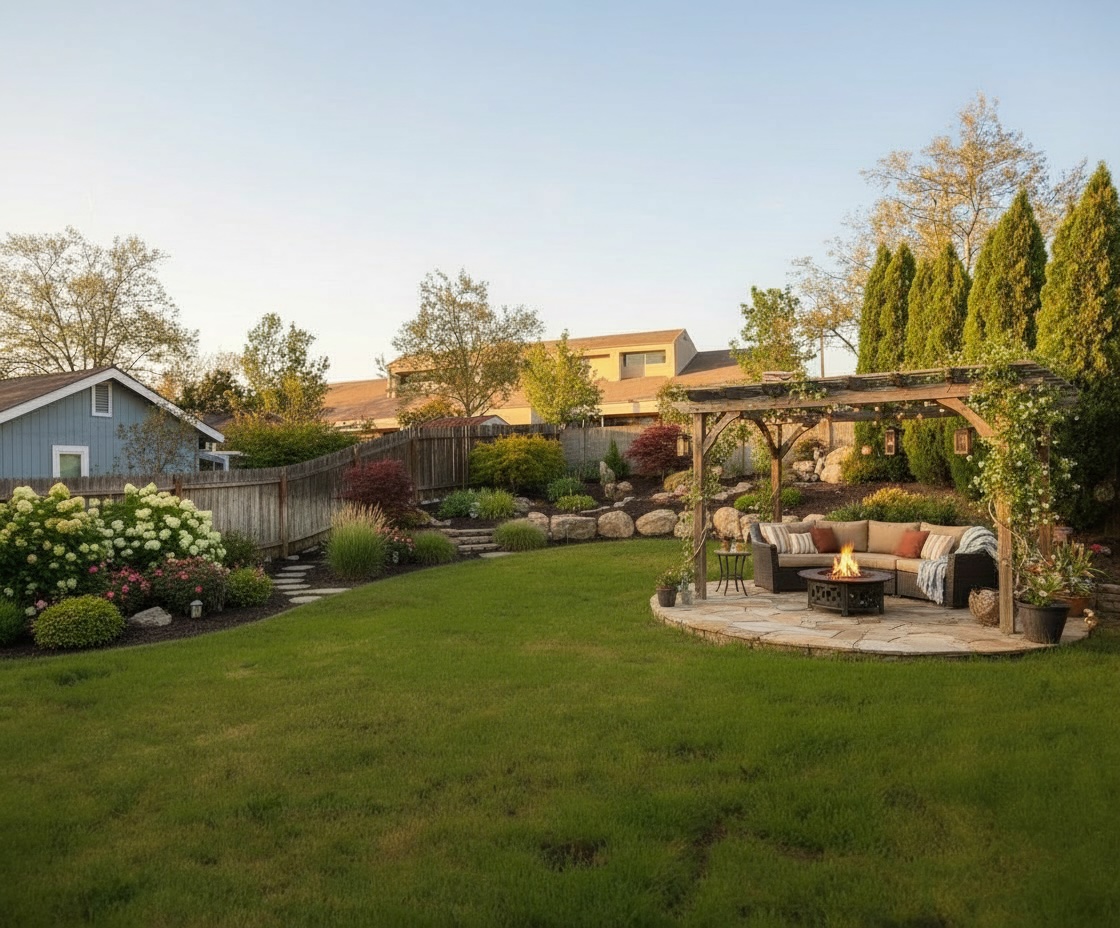
See how a cottage/english garden looks on YOUR property
Upload a photo of your Santa Rosa yard and visualize your dream garden in seconds.
Try ProScapeAI Free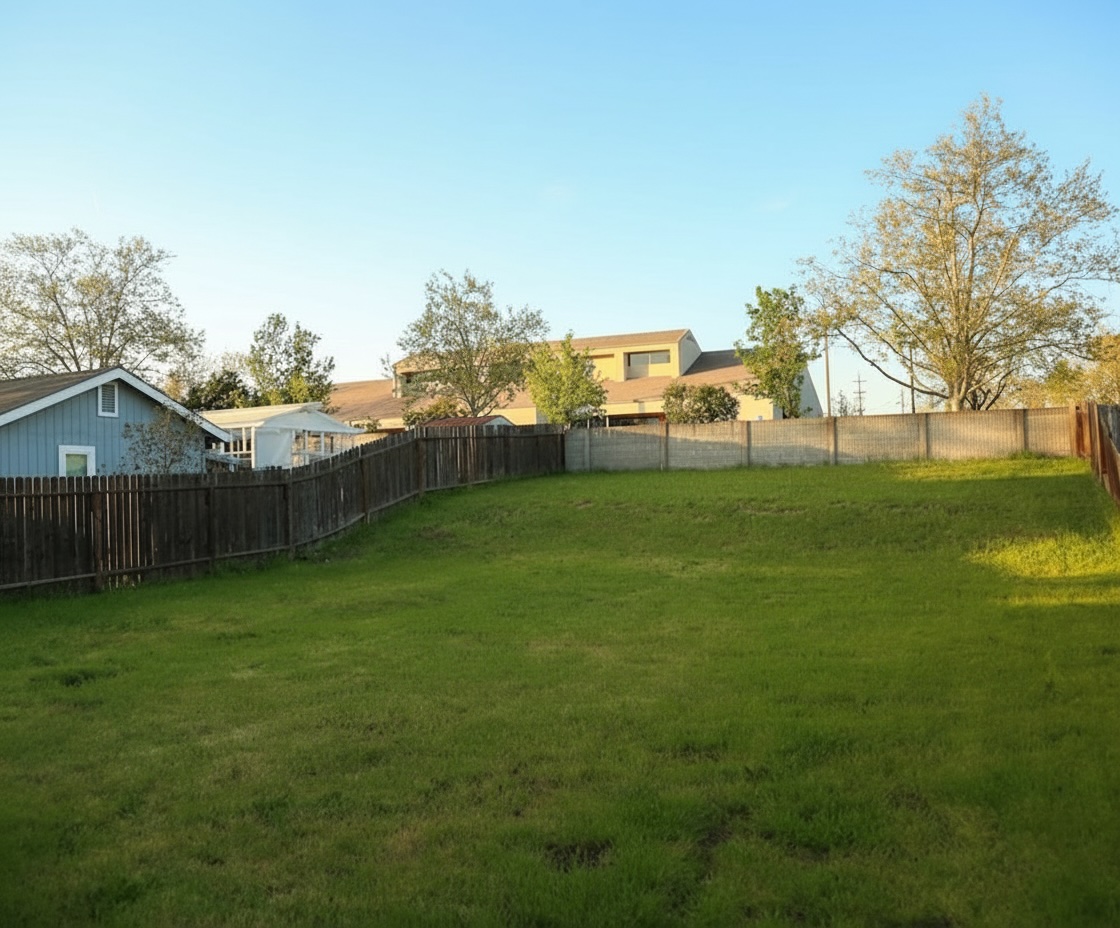
Featured Trees & Shrubs for Cottage/English Gardens
Browse all 197 plants for Santa Rosa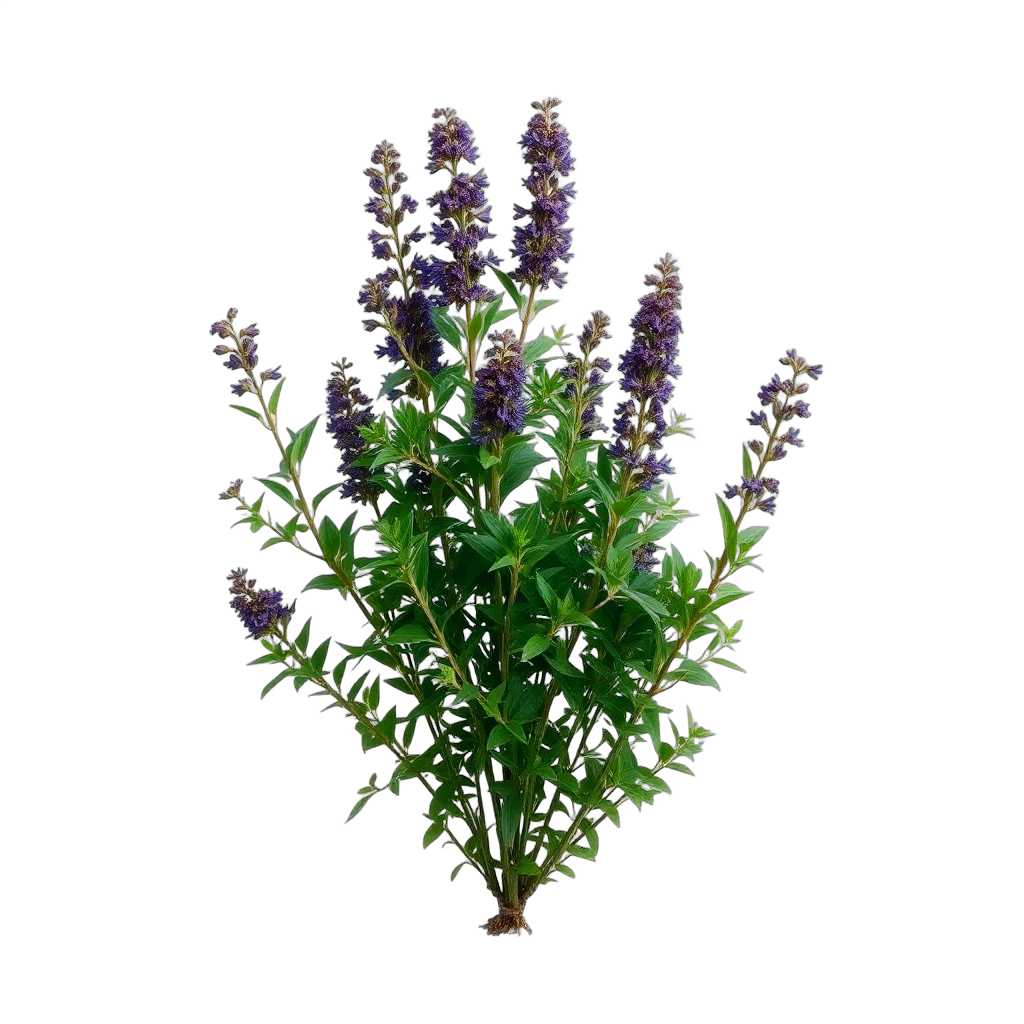
Black Sage
Salvia mellifera
grows to 4 feet, white blooms in spring. Attracts butterflies.

Buckbrush
Ceanothus cuneatus
medium-sized at 7 feet, white blooms in spring. Attracts butterflies.
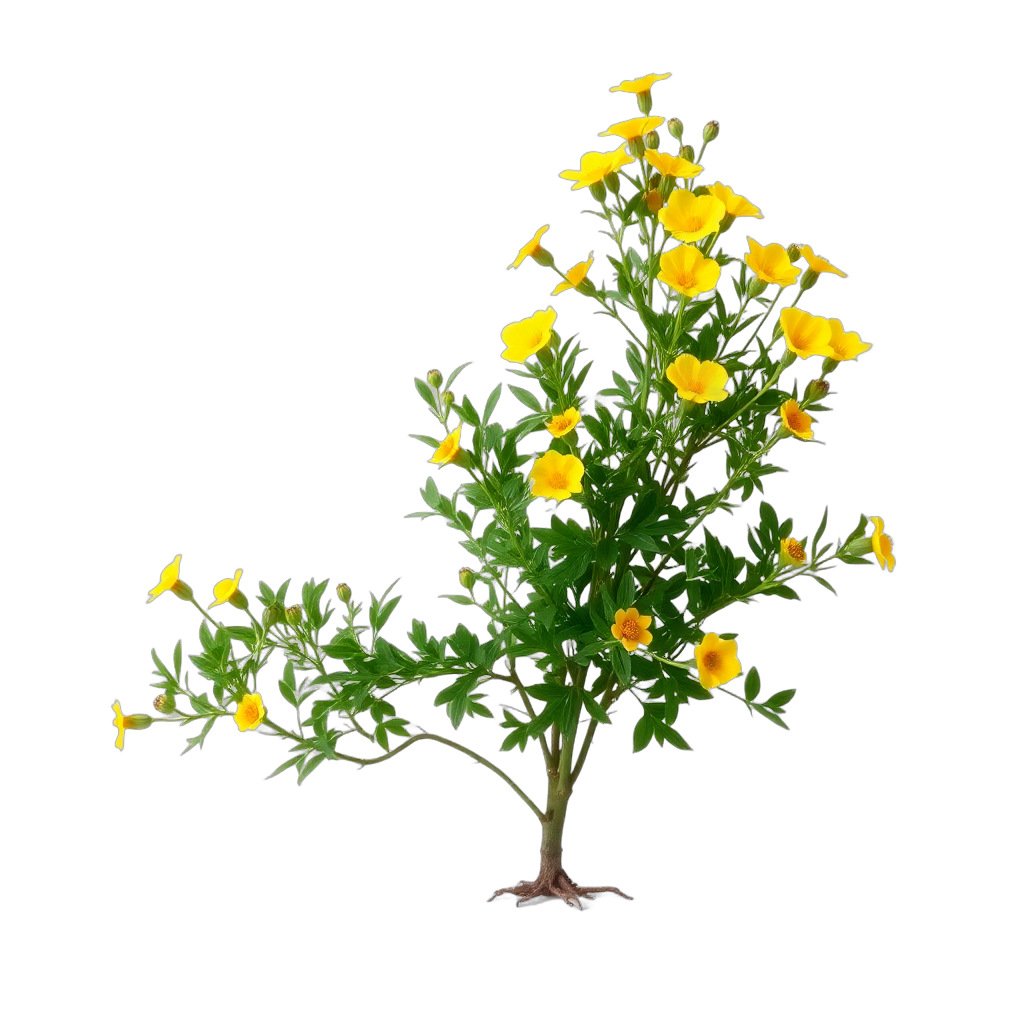
Bush Poppy
Dendromecon rigida
grows to 6 feet, yellow blooms in spring. Pollinator-friendly.
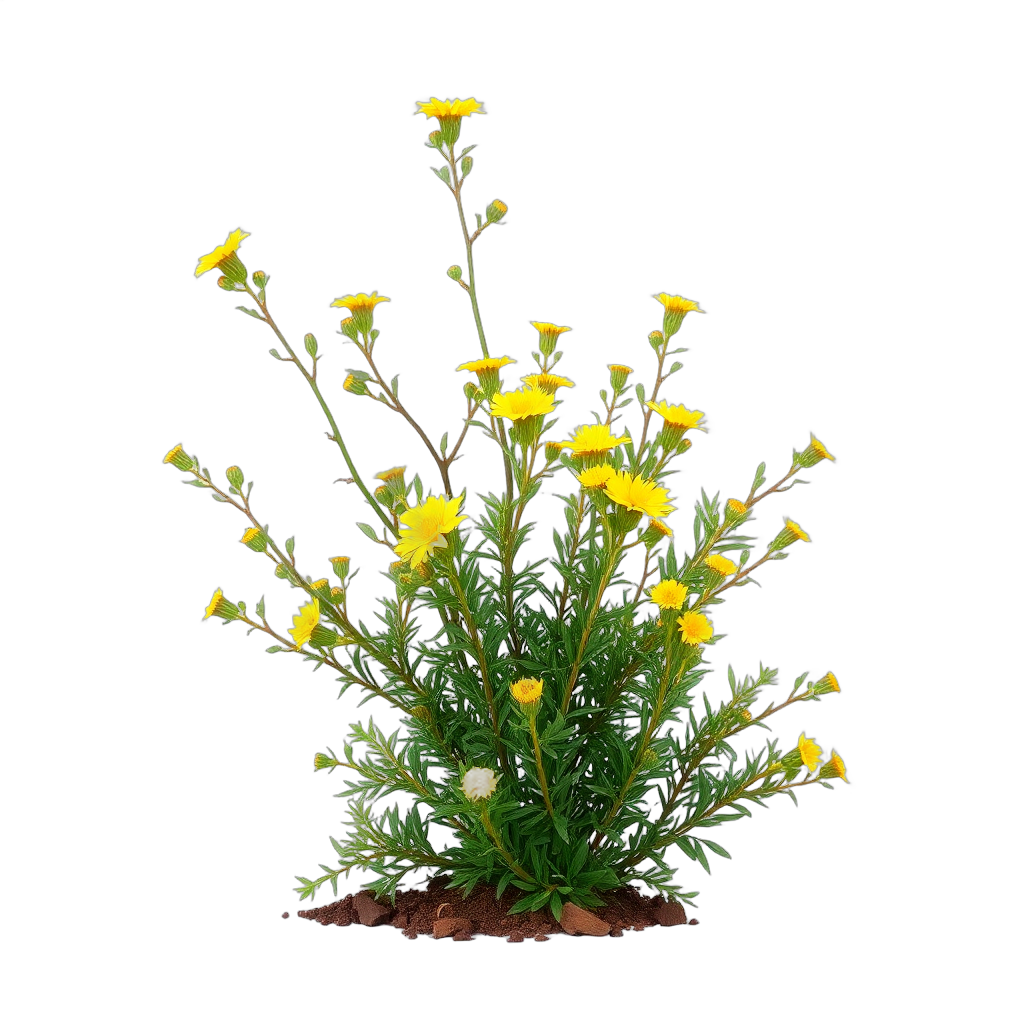
California Brittlebush
Encelia californica
grows to 4 feet, yellow blooms in spring. Attracts butterflies.
Featured Grasses & Groundcovers for Cottage/English Gardens
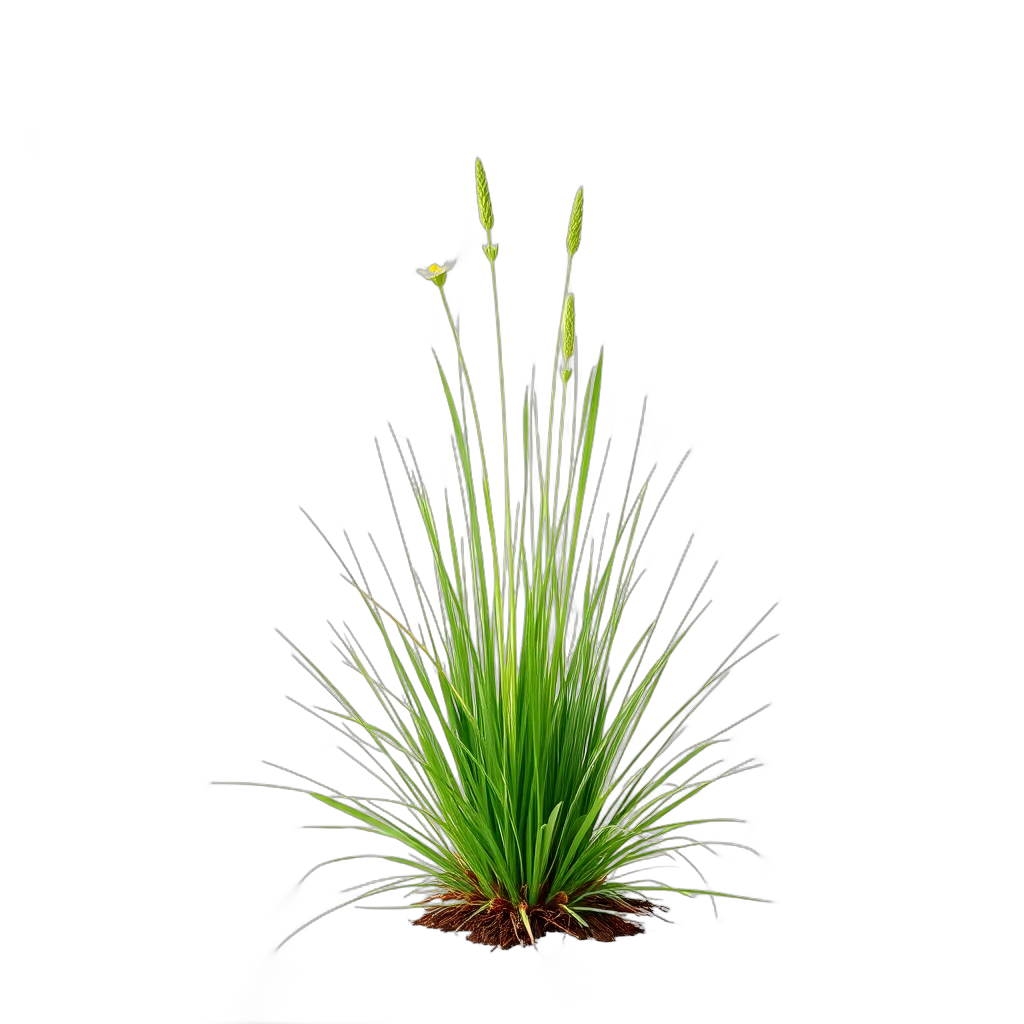
California Brome
Bromus carinatus
low-growing ground cover, blooms in spring. Yellow fall color.
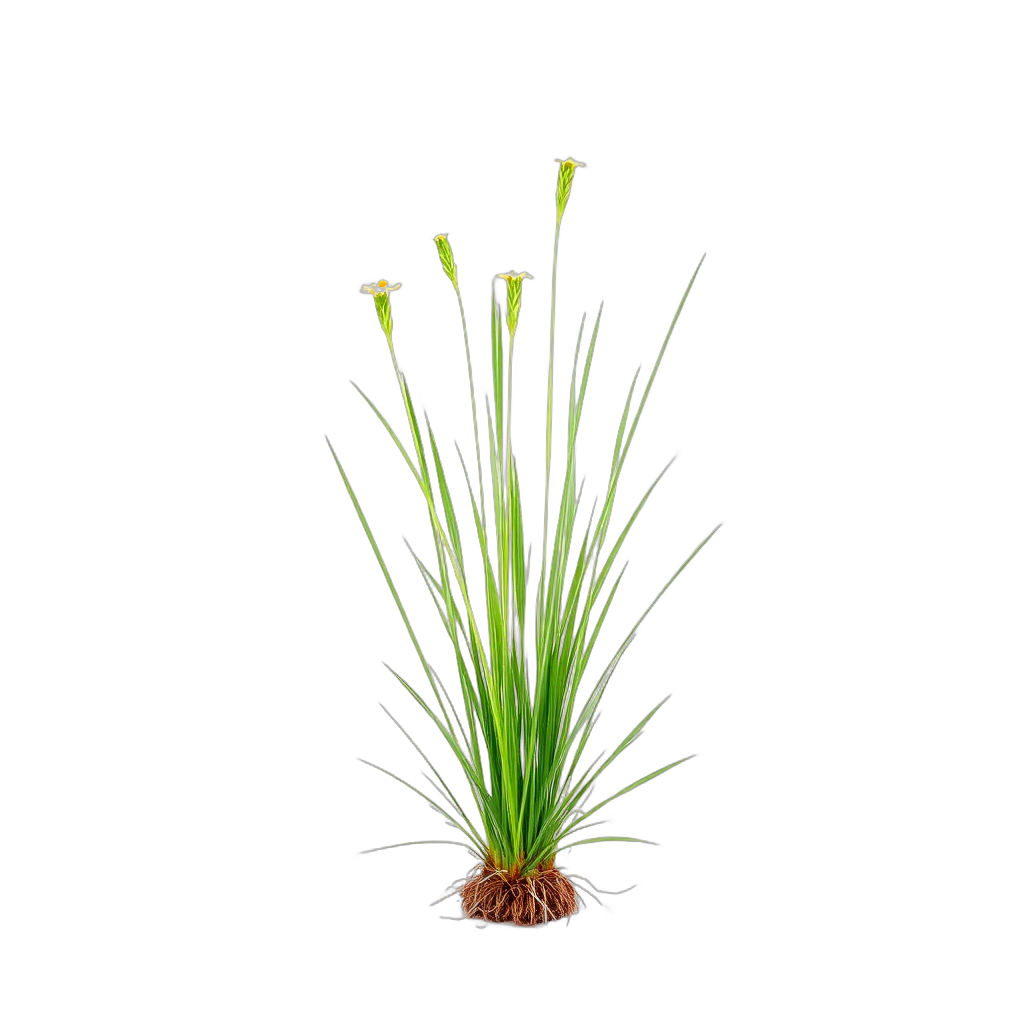
California Melic
Melica californica
low-growing ground cover, blooms in spring.
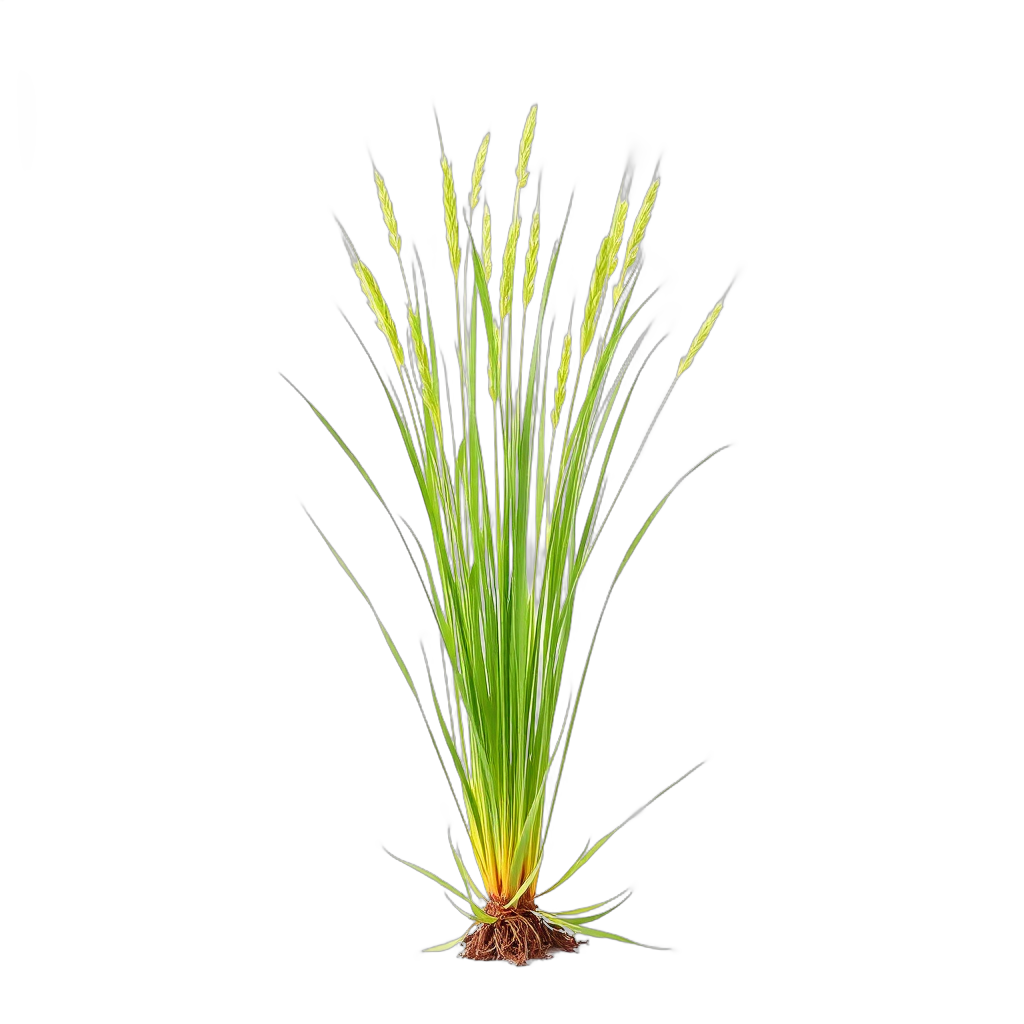
California Oatgrass
Danthonia californica
low-growing ground cover, blooms in spring. Yellow fall color.
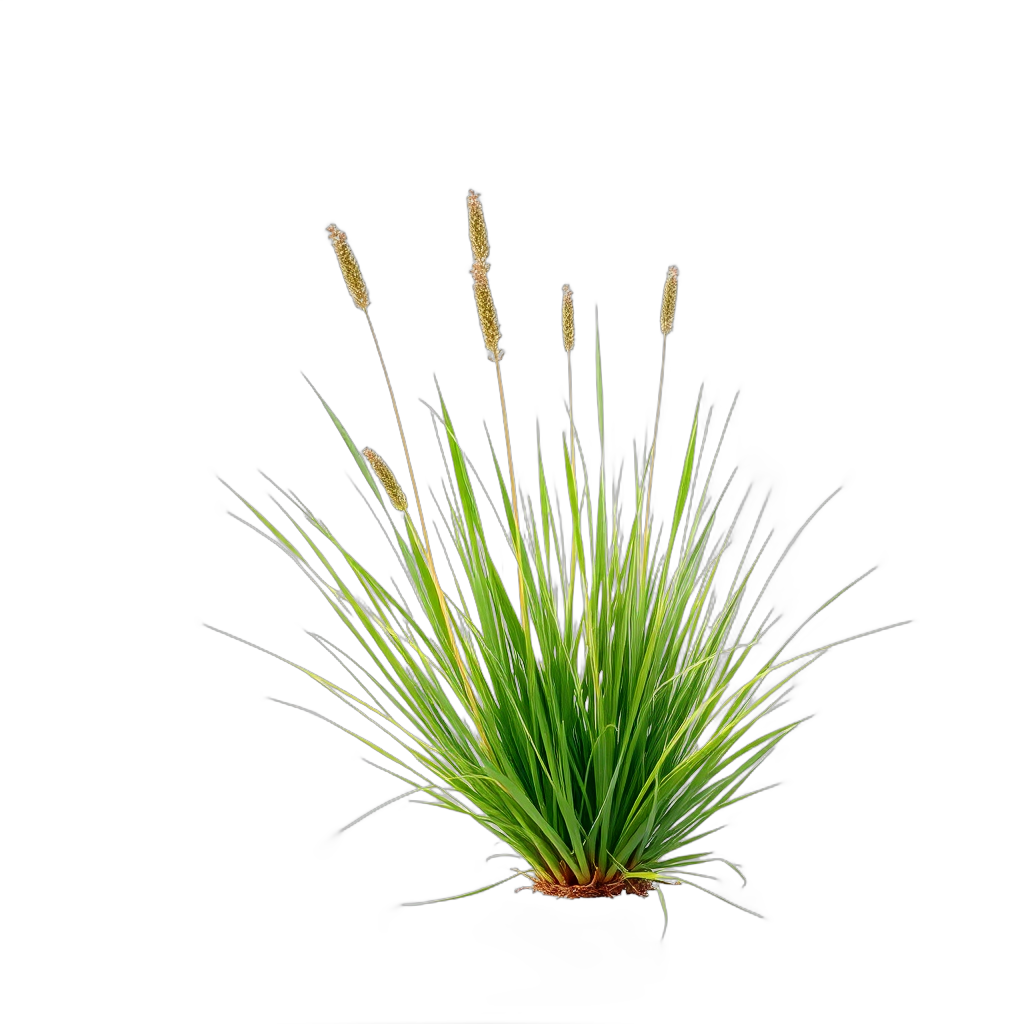
Deer Grass
Muhlenbergia rigens
grows to 3 feet, yellow blooms in fall. Evergreen year-round.
Featured Flowers & Perennials for Cottage/English Gardens
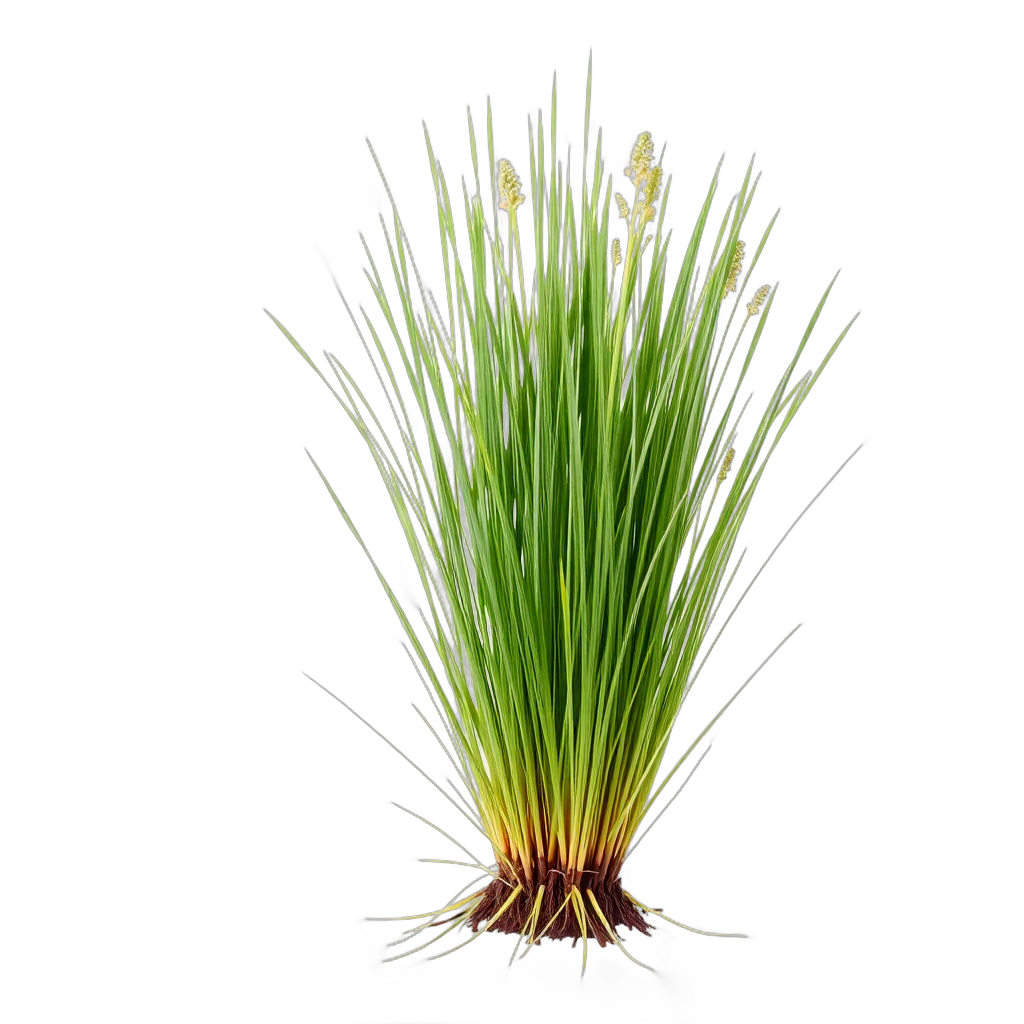
California Gray Rush
Juncus patens
low-growing ground cover, blooms in summer. Evergreen year-round.
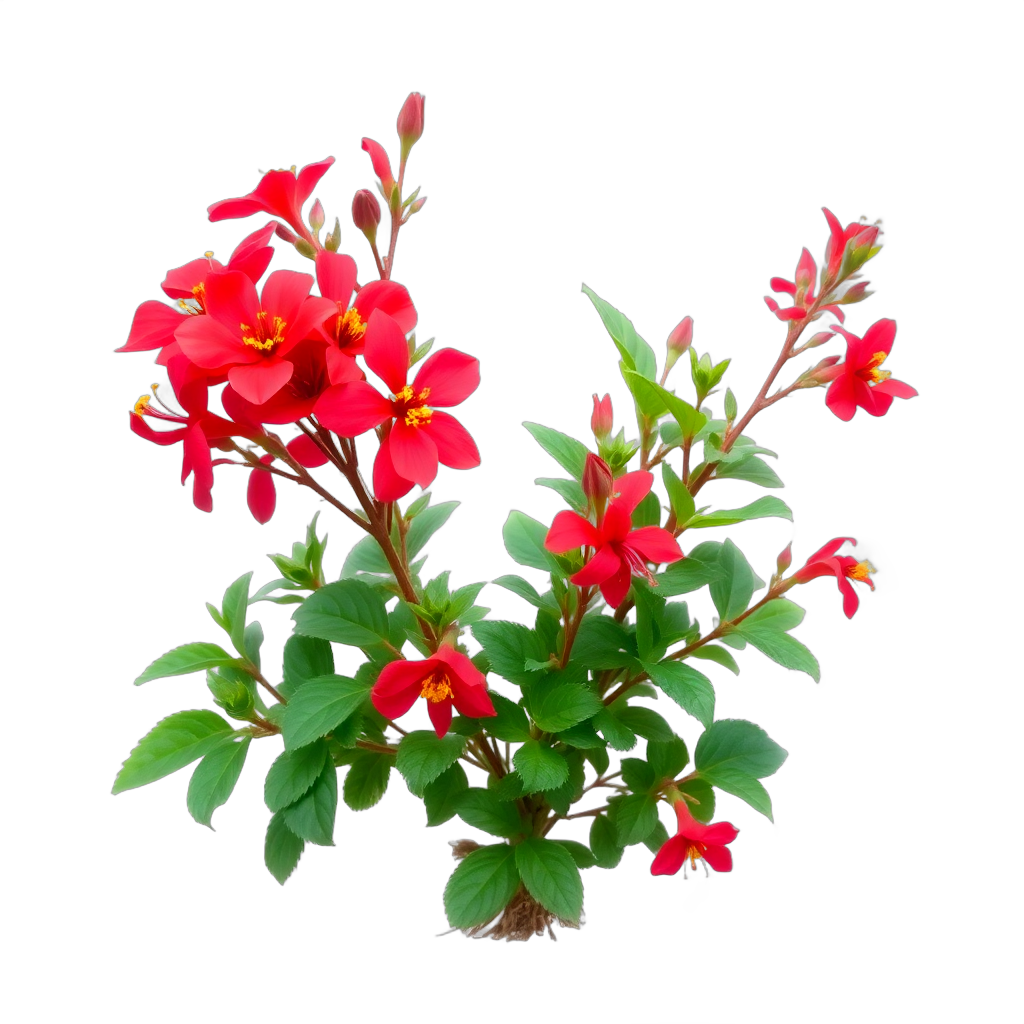
California Fuchsia
Zauschneria californica
low-growing ground cover, red blooms in fall. Attracts hummingbirds.
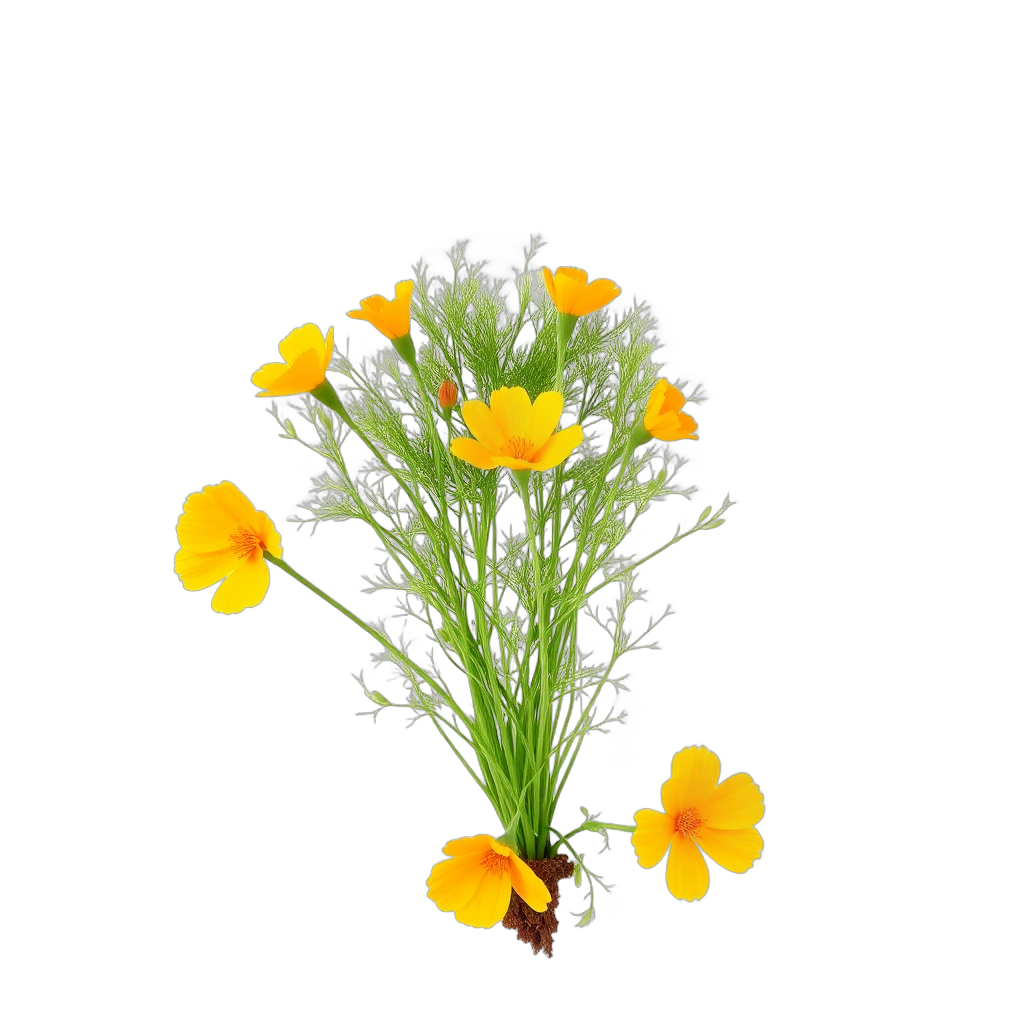
California Poppy
Eschscholzia californica
low-growing ground cover, orange blooms in spring.
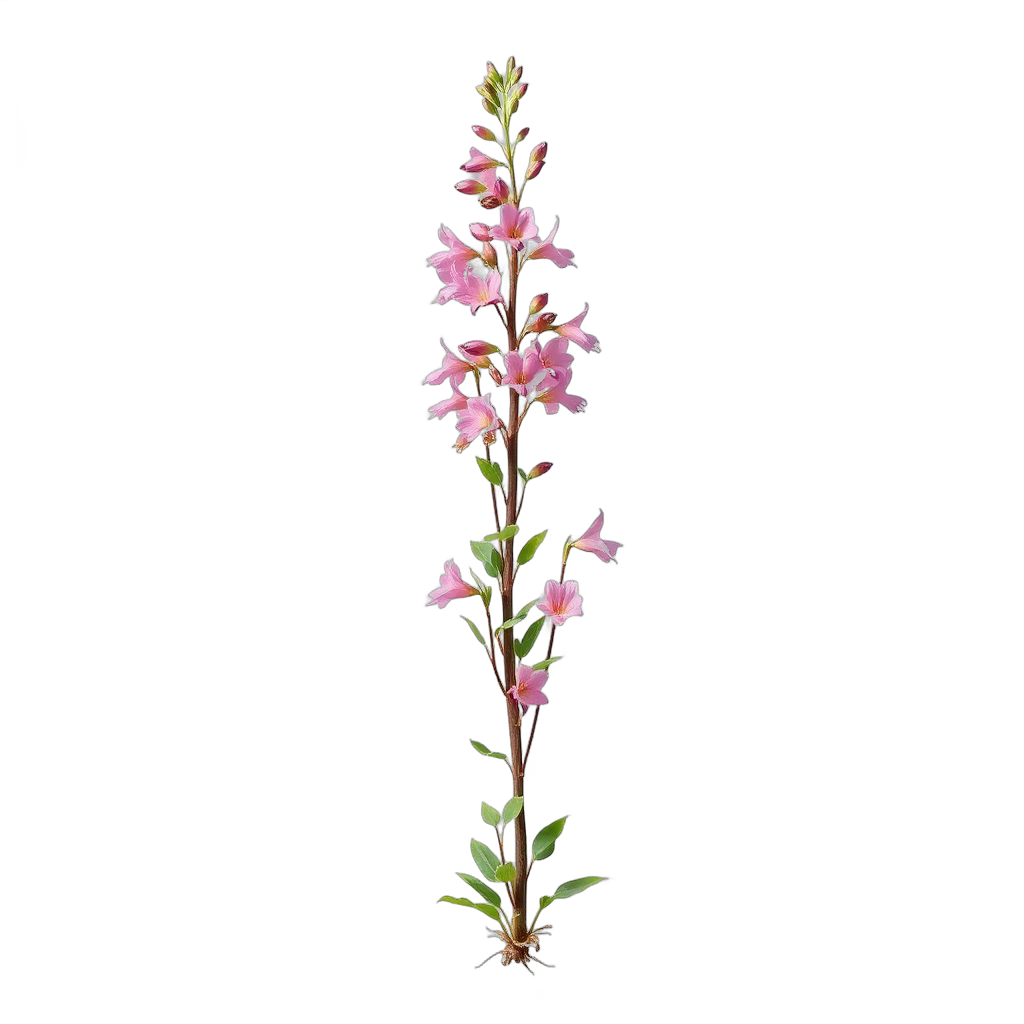
Foothill Penstemon
Penstemon heterophyllus
low-growing ground cover, blue blooms in spring. Attracts hummingbirds.
Bloom Calendar for Santa Rosa
spring
California Poppy, Foothill Penstemon, Foothill Sedgesummer
California Gray Rush, Black Sage, California Buckwheatfall
California Fuchsia, Deer Grasswinter
Limited bloomsDesign Tips for Santa Rosa (Zone 9b)
- Build the border on Lavandula × intermedia 'Grosso' rather than English lavender — the Provence-type hybrids grown on Sonoma County lavender farms shrug off the humidity swings and heavy soils that rot Lavandula angustifolia in a wet February
- Choose roses for mildew resistance before you choose them for color: 'Sally Holmes', 'Olivia Rose Austin', 'New Dawn', and 'Zéphirine Drouhin' stay clean in Laguna fog, while 'Iceberg' will be grey by June no matter how you feed it
- Valve your high-water and low-water plants separately — Digitalis and Delphinium want three cycles a week in July while Nepeta 'Walker's Low' and Achillea 'Moonshine' rot on the same schedule; one shared valve guarantees you lose half the border
- Leave a dry, unplanted, unirrigated mulch ring under every valley oak and coast live oak on the property; a cottage border pushed under a Quercus lobata canopy is the fastest way to kill a 150-year-old tree with Armillaria
- Keep the first five feet around the house as gravel, pavers, or irrigated groundcover with no bark mulch — Santa Rosa's Zone 0 ember rules are the direct legacy of Tubbs and Glass, and the cottage look survives fine when lavender and rosemary sit ten feet out instead of against the siding
- Line every new bed with galvanized gopher wire before you place a single plant; retrofitting it after a pocket gopher has eaten your Rosa 'Munstead Wood' and Delphinium 'Pacific Giant' costs three times as much
Where to Source Plants in Santa Rosa
Skip the big-box stores. These independent Santa Rosa nurseries specialize in the plants that make cottage/english gardens thrive in Zone 9b.
King's Flower Nursery
Downtown Santa Rosa
Sonoma County's oldest running nursery (since 1896) for flowering plants, pollinator hosts, and garden supplies.
Prickett's Nursery
Rincon Valley
High-quality plants with a 90-day guarantee and hands-on gardening advice.
Urban Tree Farm Nursery
Fulton
Twenty acres of container-grown trees, shrubs, fruit trees, and perennials.
Emerisa Gardens
West Santa Rosa
Family-run nursery specializing in four-inch perennials, with an emphasis on hardy and unusual varieties.
Cottage/English Landscaping Costs in Santa Rosa
| Project Scope | Estimated Cost |
|---|---|
| Front-yard cottage border conversion (turf removal, soil prep, roses + perennials, drip) | $7,000 – $16,000 |
| Brick or flagstone entry path with rose arch (60–100 linear ft) | $5,500 – $14,000 |
| Flagstone patio circle with seating and surrounding borders | $12,000 – $28,000 |
| Painted redwood rose pergola over a brick dining patio | $18,000 – $42,000 |
| Gopher wire, drip conversion, and soil amendment (per 500 sqft of bed) | $1,400 – $3,200 |
| AI visualization with ProScapeAI | Free to start |
Estimates based on Santa Rosa, CA-area contractor rates as of 2026. Actual costs vary by site conditions, materials, and contractor.
Santa Rosa Climate & Growing Zone
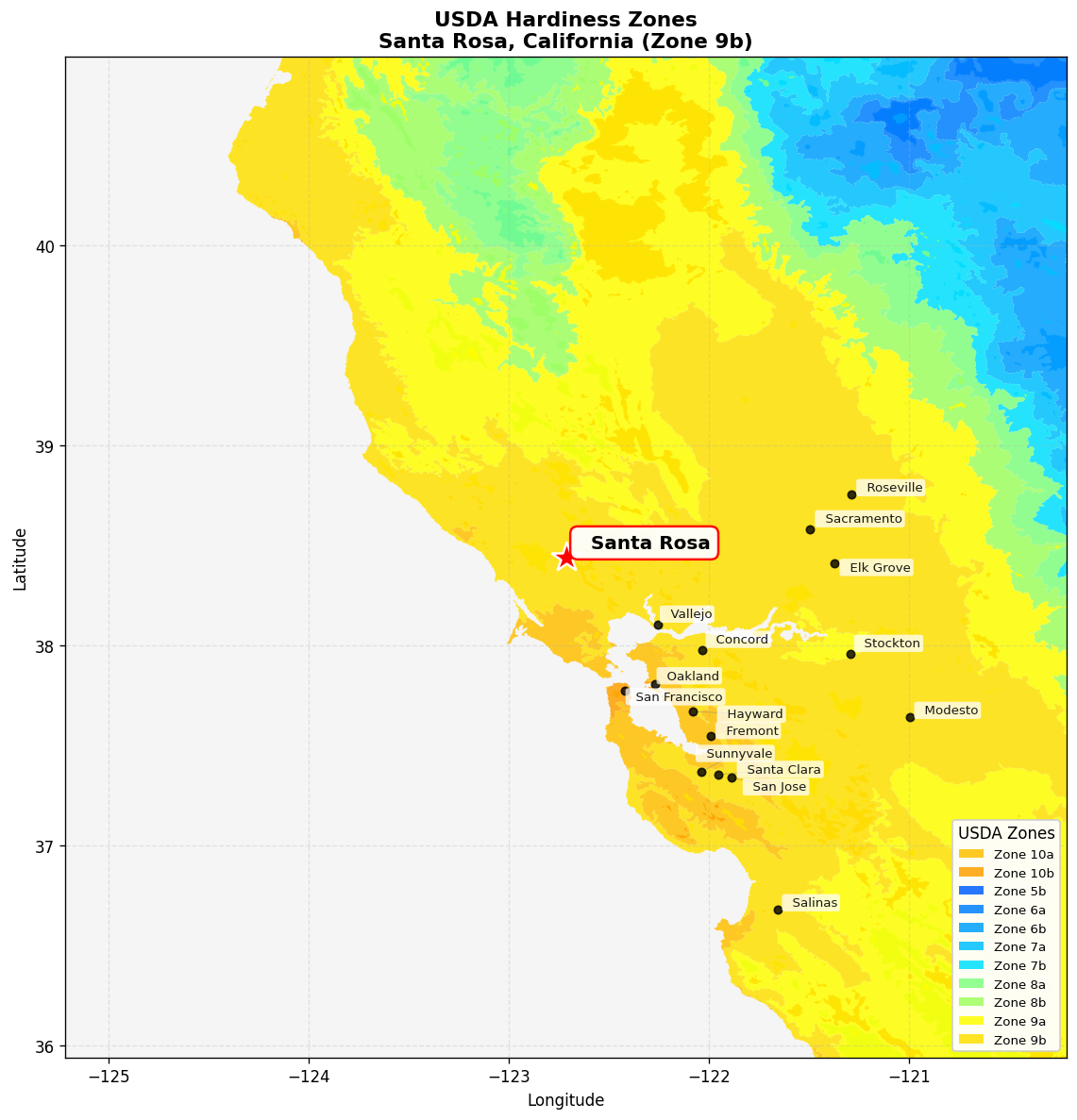
USDA Zone 9b
Hardiness zone for Santa Rosa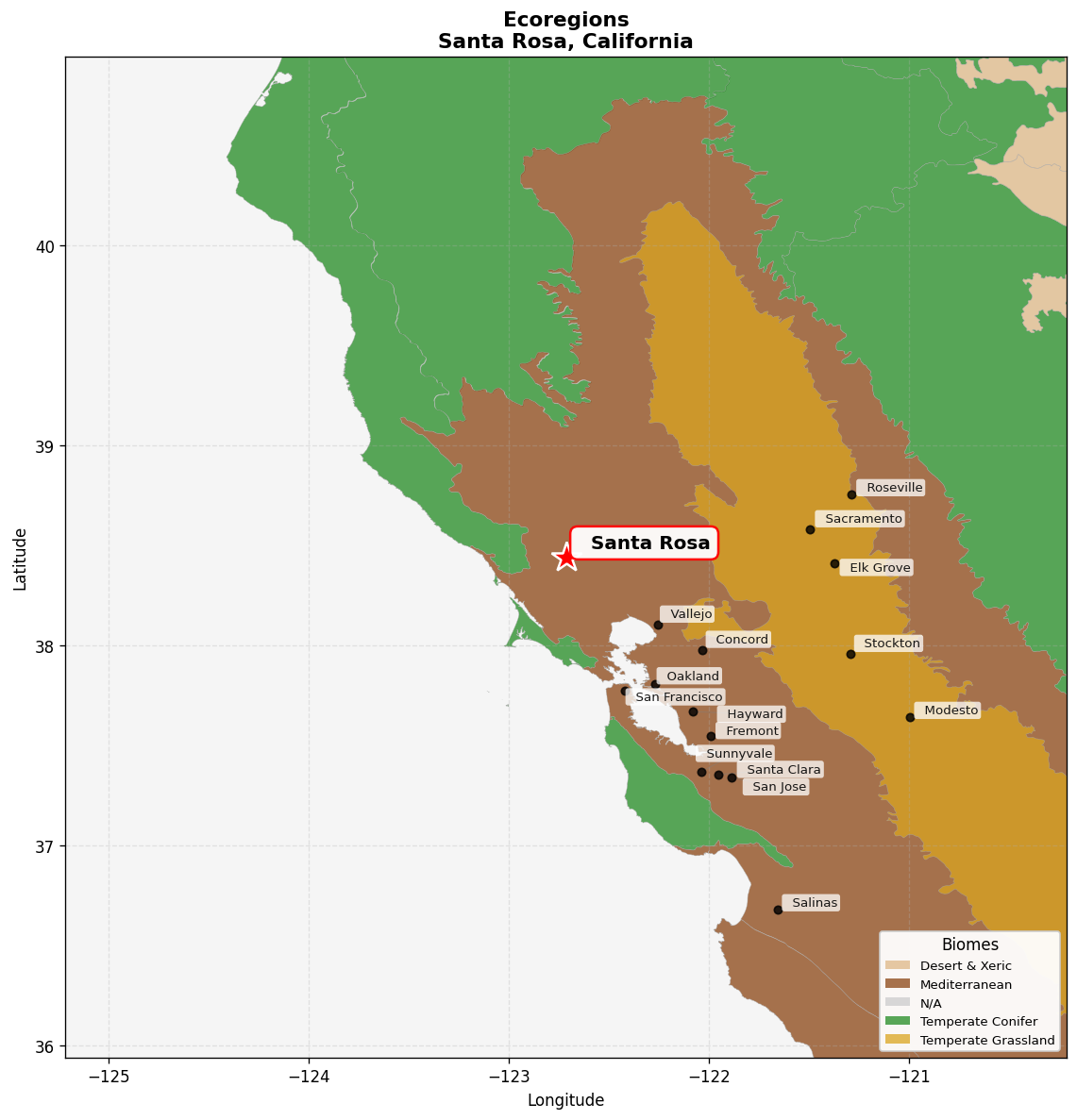
California interior chaparral and woodlands
Native ecoregionFrequently Asked Questions
Which roses actually perform in Santa Rosa without constant spraying?
Morning fog drifting off the Laguna de Santa Rosa followed by hot dry afternoons is a perfect powdery mildew incubator, so cultivar choice matters more than any fungicide program. Rosa 'Sally Holmes' is the local workhorse — nearly mildew-proof, blooms in huge single-petal trusses, and takes clay loam without complaint. Rosa 'Olivia Rose Austin', 'The Generous Gardener', 'New Dawn', and the thornless 'Zéphirine Drouhin' are similarly clean. Rosa 'Iceberg' is planted everywhere in Sonoma County and mildews reliably by June; 'Gertrude Jekyll' and 'Munstead Wood' are worth their fragrance but need airflow. Water at the roots with drip, never overhead, and prune in mid-January when the plants are truly dormant.
How do I keep an English-style garden alive through a bone-dry Santa Rosa summer?
Accept that Santa Rosa gets about 30 inches of rain and virtually all of it falls November through April — from mid-June to October you are the only water source. Split the garden onto separate valves: a high-water zone for Digitalis, Delphinium, Alchemilla, and Hydrangea running two or three deep cycles a week, and a low-water zone for Lavandula × intermedia 'Grosso', Nepeta 'Walker's Low', Salvia nemorosa 'Caradonna', Achillea 'Moonshine', and Erigeron karvinskianus that can drop to once every ten days. Use inline drip with 2 inches of shredded redwood mulch, not spray heads. Santa Rosa Water offers water-efficient landscape rebates and free QWEL-certified irrigation checkups — the QWEL program was actually founded here.
Can I mix California natives into a cottage border, and which ones die from summer watering?
You can, but you have to know which natives tolerate irrigation and which are killed by it. Warm, wet summer soil triggers Phytophthora root rot, so Ceanothus 'Julia Phelps', Ceanothus 'Concha', Arctostaphylos 'Howard McMinn', Arctostaphylos densiflora 'Sentinel', Fremontodendron, and Romneya coulteri will collapse — often the second summer, after they look great the first. Never irrigate inside the dripline of Quercus lobata or Quercus agrifolia either; that is how Sonoma County loses mature oaks to Armillaria. The natives that genuinely accept cottage-level water are Penstemon heterophyllus 'Margarita BOP', Salvia spathacea, Heuchera maxima, Iris douglasiana 'Canyon Snow', Ribes viburnifolium, Achillea millefolium 'Island Pink', and Sisyrinchium bellum.
What do Santa Rosa's defensible-space rules mean for a cottage garden?
After the Tubbs Fire in 2017 and the Glass Fire in 2020, PRC 4291 defensible space is enforced seriously across Santa Rosa's Very High Fire Hazard Severity Zones, and the new ember-resistant Zone 0 covers the first five feet around the house. That strip should be gravel, pavers, or bare irrigated ground — no bark mulch, no shrubs touching siding, nothing under the deck. The good news is that a cottage garden is a low-fuel landscape: irrigated Delphinium, Digitalis, Leucanthemum, Nepeta, and mown lawn hold high moisture and carry fire poorly. Keep resinous plants — Lavandula, rosemary, Ceanothus, Arctostaphylos — out to Zone 1 and beyond, remove Juniperus and Italian cypress entirely, and never plant Cortaderia selloana or Acacia.
Do I need to worry about gophers and deer?
Both, and they are the two most common reasons a Santa Rosa cottage garden fails in year one. Pocket gophers are endemic across the valley floor and will take out Delphinium, Alchemilla, and young roses from below — line every new bed with galvanized gopher wire at install time, and plant roses and specimen perennials in wire baskets. Deer pressure is heavy in Fountaingrove, Bennett Valley, Skyhawk, and Oakmont where lots back onto Annadel and Trione-Annadel open space. Deer will strip roses, Hosta, and Delphinium; they largely ignore Lavandula, Nepeta, Salvia, Achillea, Digitalis (toxic), Stachys byzantina, and Erigeron. Anything less than a 7-foot fence is decorative, not functional.
When should I plant, and how do I deal with the clay loam?
October through early December is the best planting window by a wide margin — roots establish through the wet winter and plants hit their first summer already anchored. February and March are the second window. Avoid planting June through September entirely. For the soil, Santa Rosa's valley-floor clay loam holds water in winter and sets hard in summer, so do not dig a narrow hole and backfill with potting mix; that creates a bathtub that drowns roses. Amend the entire bed area with 3 inches of compost tilled to 10 inches, plant roses slightly high with the graft above grade, and mulch. On heavier Clear Lake clay near the Laguna, build beds 6–10 inches above grade instead.