4 Modern Garden Ideas for Santa Rosa, CA | Corten, Gravel & Native Grass Design for Zone 9b
Native plants from the California interior chaparral and woodlands (Zone 9b) — Mediterranean (warm summer) climate
Why Modern/Minimalist Gardens in Santa Rosa?
Modern landscape design has a specific and unusual foothold in Santa Rosa, and the reason is not fashion — it is reconstruction. The Tubbs Fire of October 2017 destroyed roughly 3,000 homes inside city limits, flattening Coffey Park and most of Fountaingrove, and the Glass Fire came back through the Rincon Valley and Skyhawk edge in September 2020. The rebuild wave that followed produced hundreds of contemporary homes with standing-seam metal roofs, vertical cedar cladding, and full-height glass — architecture that wants a clean, geometric ground plane. Add the surviving mid-century ranch stock in Rincon Valley and Bennett Valley, and Santa Rosa has more genuinely modern facades than any comparable Northern California city.
Zone 9b and a Csb Mediterranean climate hand you the best structural plant palette in the country. Winter lows of 25–30°F mean Agave 'Blue Glow', Agave parryi var. truncata, Agave ovatifolia 'Frosty Blue', Aeonium arboreum 'Zwartkop', and Curio repens all hold their sculptural form year-round instead of collapsing to mush each January. The grasses that make modern planting work — Muhlenbergia rigens, Festuca californica, Carex divulsa, Muhlenbergia capillaris 'Regal Mist' — are natives or near-natives here and need almost no water once rooted. The real constraint is the rainfall pattern: about 30 inches falls between November and April, then essentially nothing until October. Every succulent bed needs to survive standing winter water in clay loam, which is exactly why the raised Corten and board-formed planters in the gallery below are a functional detail, not a styling one.
Fire code shapes the rest. Santa Rosa enforces PRC 4291 defensible space across its Very High Fire Hazard Severity Zones, with an ember-resistant Zone 0 covering the first five feet from any structure — no bark mulch, no shrubs against siding, nothing stored under decks. Modern design happens to be the most compliant style available: gravel and concrete ground planes, hydrated succulents at the foundation, and steel edging instead of combustible timber. Just avoid the traps. Cortaderia selloana and Juniperus are high-fuel, and Nassella tenuissima (Mexican feather grass) is a Cal-IPC-listed invasive that seeds into Sonoma County open space — substitute Festuca californica 'Serpentine Blue' and get a better plant. And resist the urge to put the handsome evergreen natives on the drip line: Ceanothus 'Ray Hartman', Ceanothus 'Yankee Point', and Arctostaphylos 'Howard McMinn' all contract Phytophthora root rot in warm, irrigated summer soil and die in their second season looking perfectly healthy right up until they don't. Keep them dry, keep Muhlenbergia rigens everywhere else, and the garden essentially runs itself.
4 Modern/Minimalist Design Ideas for Santa Rosa
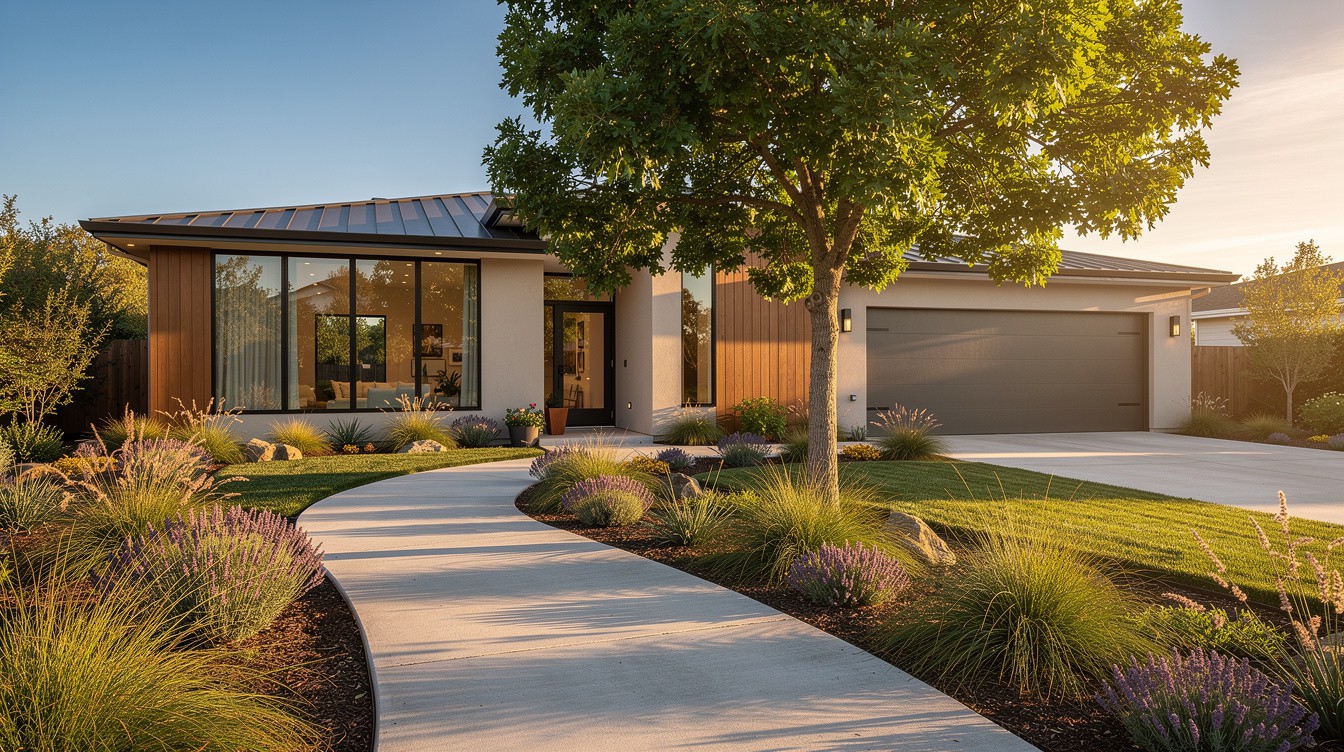
The Metal-Roof Rebuild Frontage
$12–24/sqftA single-story contemporary with a shed-form standing-seam roof, vertical cedar and stucco cladding, and black-framed glazing, fronted by a broad broom-finished concrete walk that sweeps in a long curve from the driveway to the entry. The planting is entirely soft: drifts of bunchgrasses in gold and blue-green, purple-flowering salvia and lavender woven through them, and a few placed boulders for weight — all of it set against two sculpted ribbons of lawn rather than a rectangle. A young deciduous shade tree occupies the center of the composition, which matters here, because a west-facing Fountaingrove rebuild takes brutal 95°F afternoon sun with no mature canopy left after 2017.
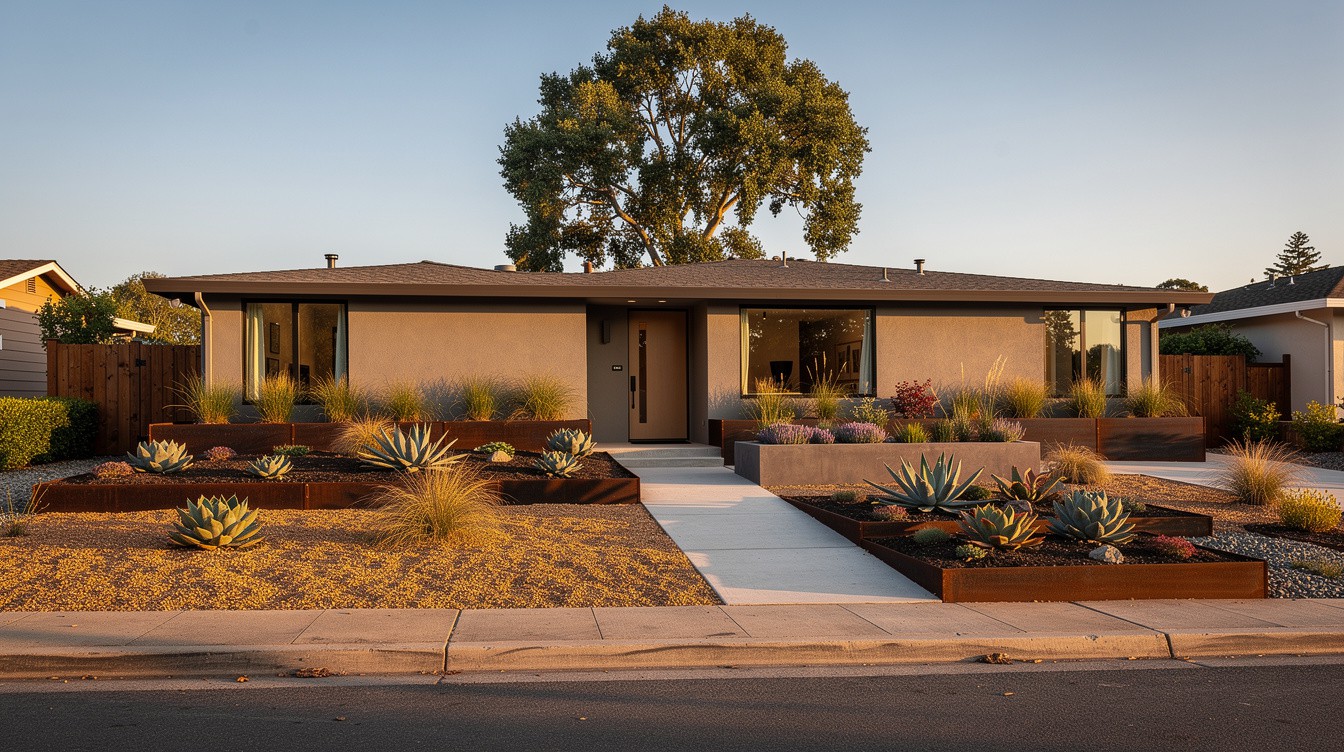
The Corten Terrace Front Yard
$16–32/sqftThe lawn is gone completely, replaced by a stepped composition of Corten steel and board-formed concrete raised planters that terrace across the full width of a low-slung mid-century ranch. Gold decomposed granite and dark basalt gravel fill the two ground-plane fields, and the planters hold rosette succulents in blue-grey and dusty pink with drifts of copper-toned bunchgrass between them. A rank of upright grasses runs the entire foundation line as a soft counterpoint to all that hard geometry. The raised beds are what make it survivable — succulents planted at grade in Santa Rosa clay loam simply rot out over a wet February.
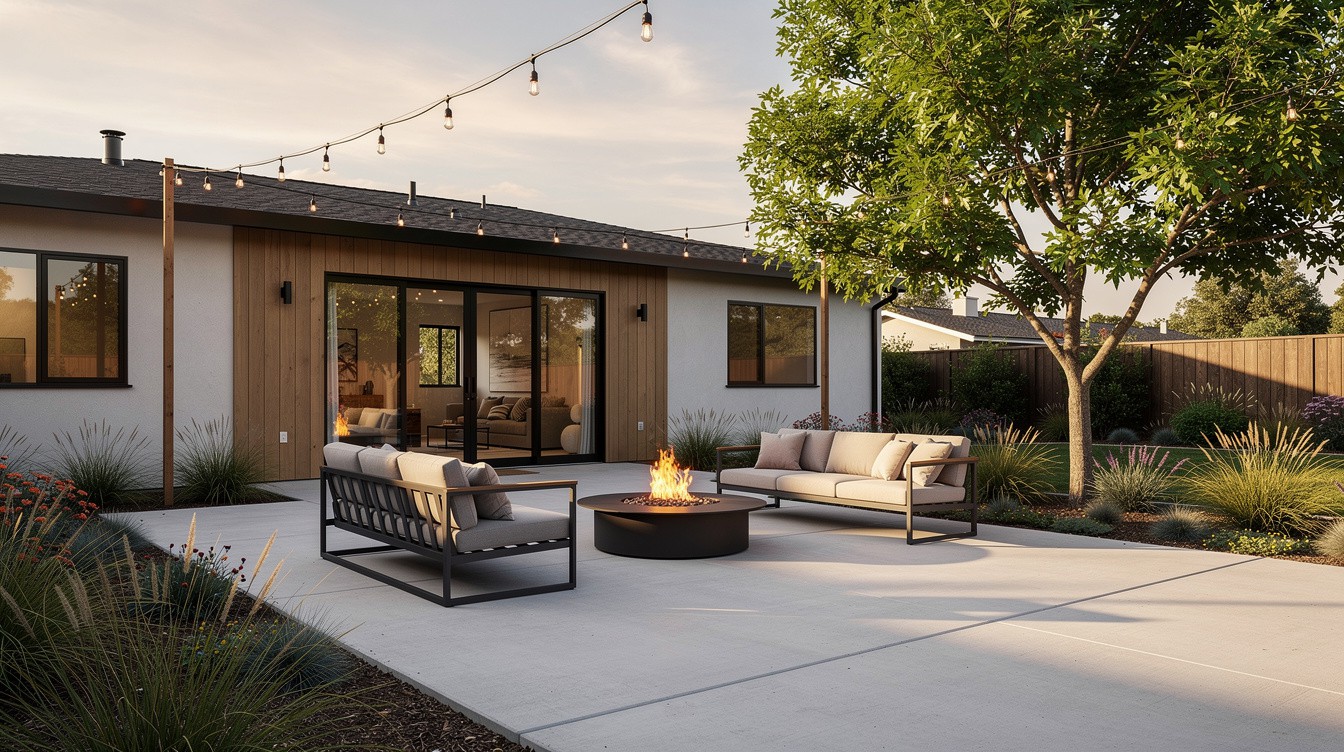
The Fire Bowl Concrete Patio
$18–36/sqftA large-format poured concrete patio with clean sawcut joints runs the full width of a cedar-clad single-story, furnished with two black steel-frame lounge sofas facing a round gas fire bowl. String lights sweep from the roofline to slim cedar posts, and the patio edges dissolve straight into loose beds of bunchgrass, salvia, and orange-flowering perennials rather than terminating at a hard wall. It is a genuinely buildable design — one floor material, one focal element, one planting texture — and the gas fire bowl is the right call over wood in a city where Sonoma County declares red-flag burn bans most Septembers.
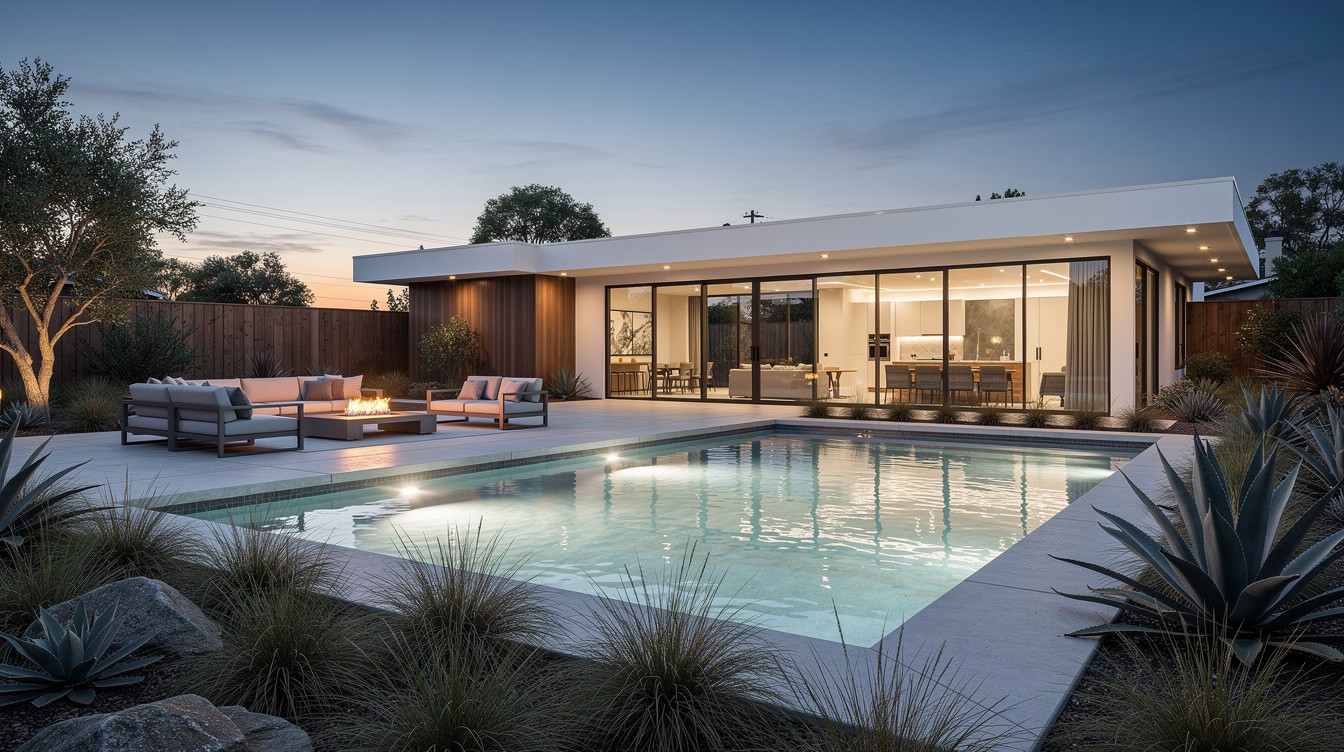
The Glass Wall Pool Garden
$45–90/sqft (pool area inclusive)A flat-roofed modern with a deep overhang and a full glass wall opens onto a rectangular pool set in pale large-format pavers, with a sunken lounge and a linear fire feature on the far deck. The planting is deliberately spare and architectural: big blue-grey agave rosettes and bunchgrass clumps in gravel with granite boulders at the foreground corners, and a mature olive holding the left edge. At dusk this is exactly the payoff Santa Rosa's dry-summer evenings deliver — warm interior light, pool uplighting, and hard-edged succulent silhouettes with no humidity and no mosquitoes.
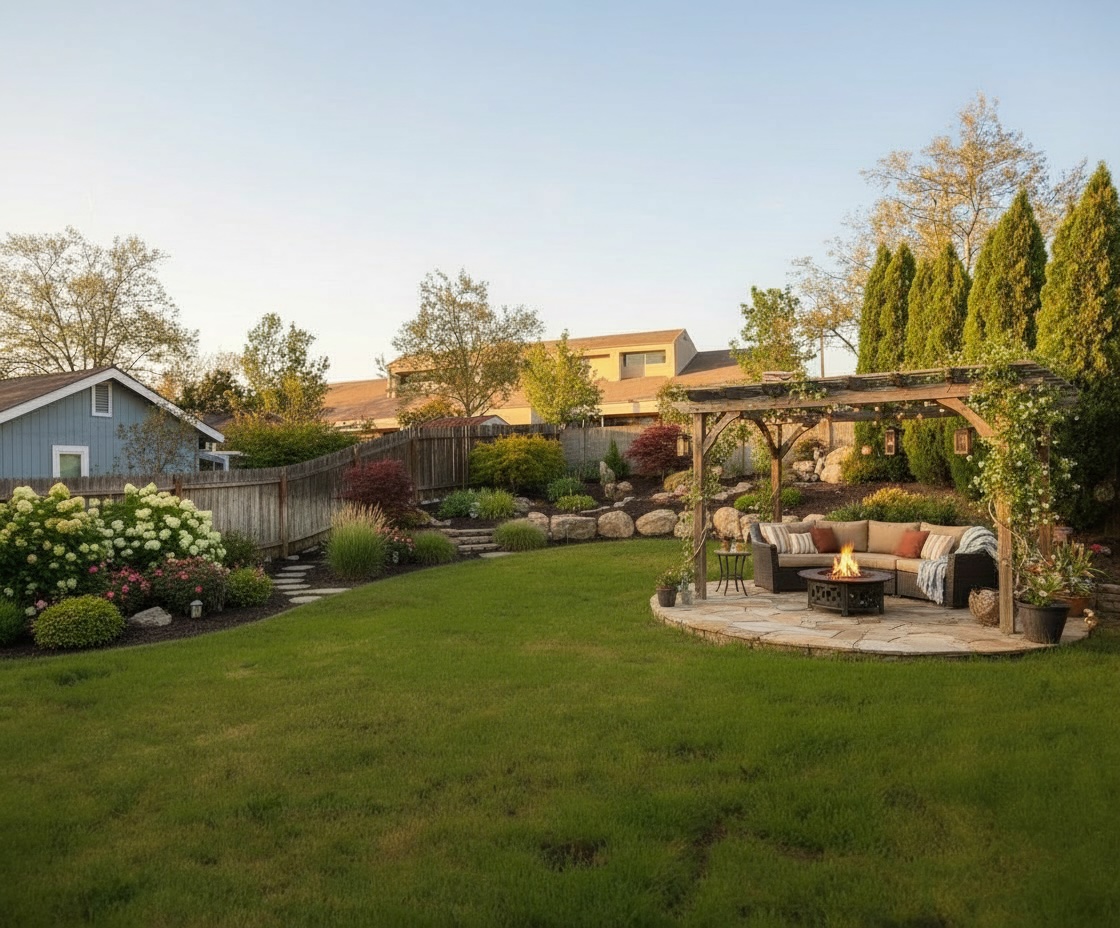
See how a modern/minimalist garden looks on YOUR property
Upload a photo of your Santa Rosa yard and visualize your dream garden in seconds.
Try ProScapeAI Free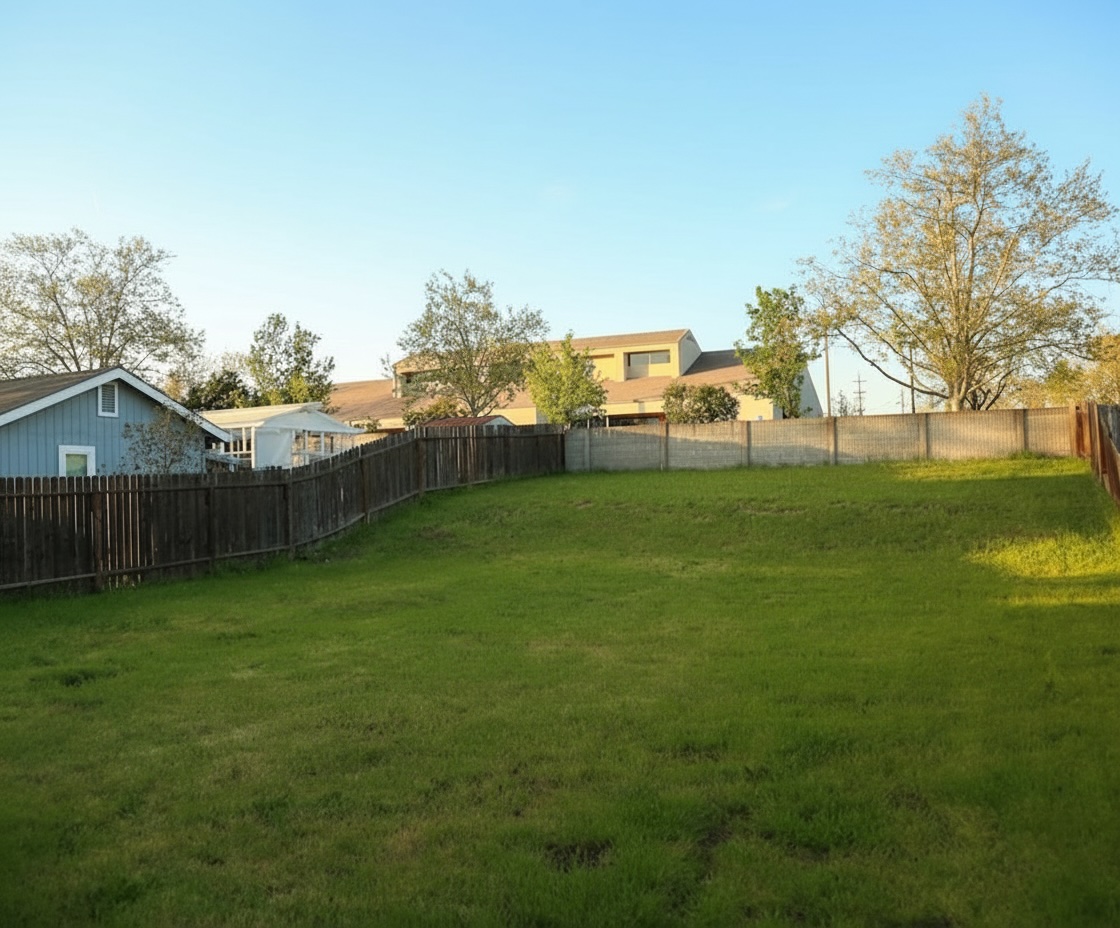
Featured Trees & Shrubs for Modern/Minimalist Gardens
Browse all 197 plants for Santa Rosa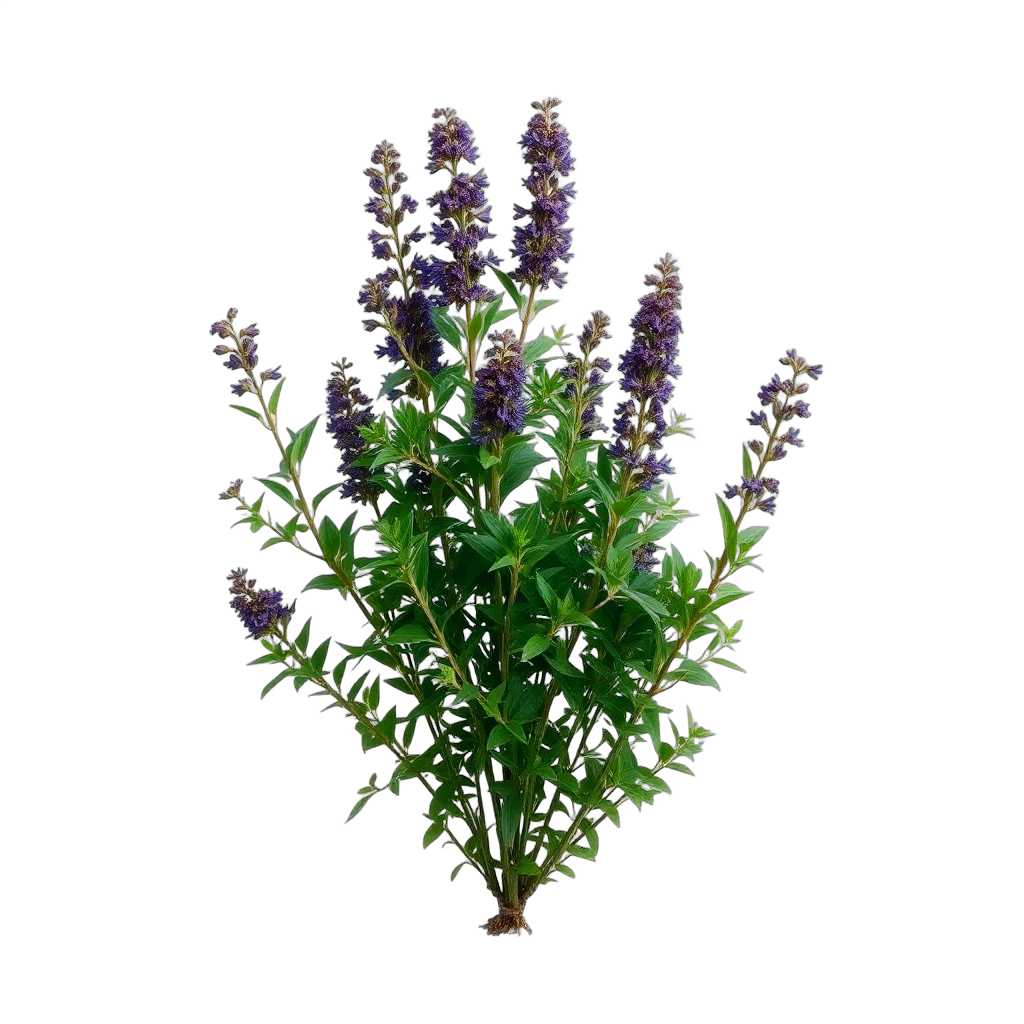
Black Sage
Salvia mellifera
grows to 4 feet, white blooms in spring. Attracts butterflies.
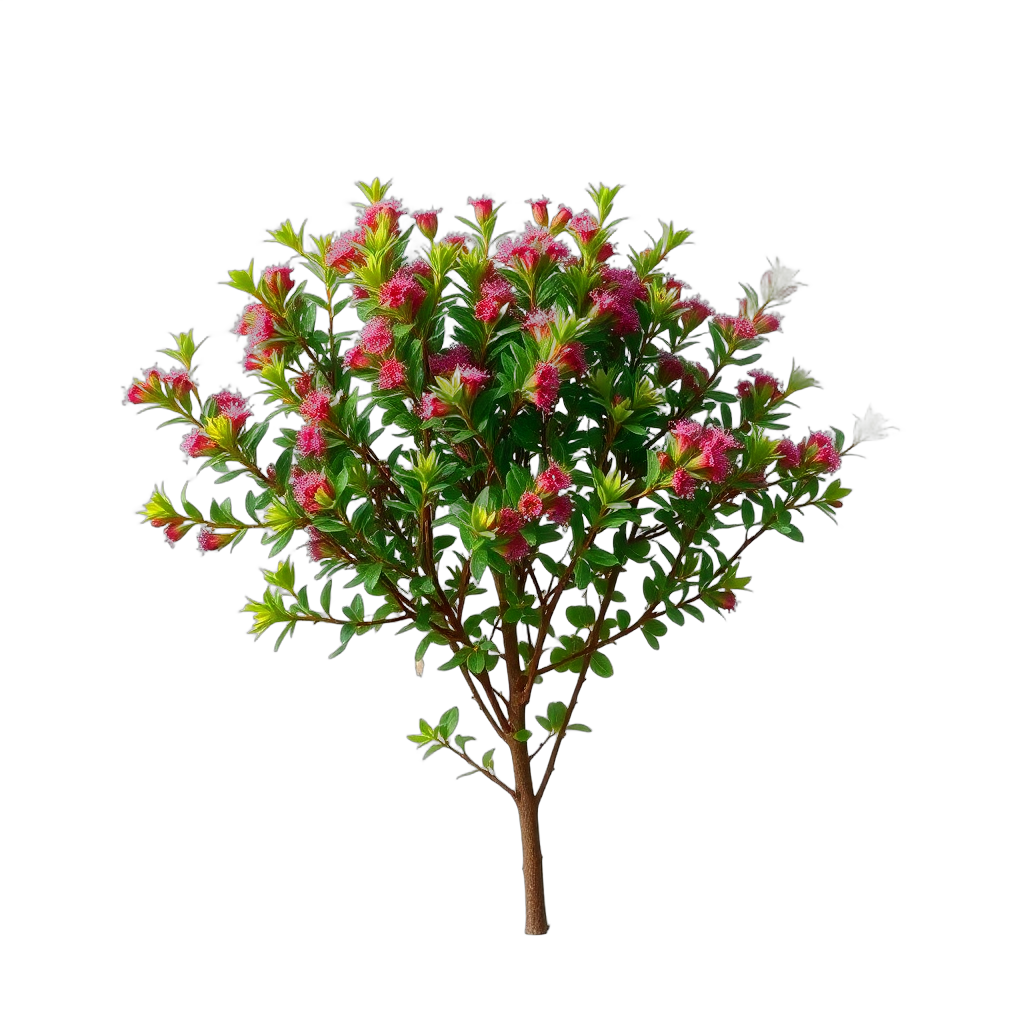
Buckbrush
Ceanothus cuneatus
medium-sized at 7 feet, white blooms in spring. Attracts butterflies.
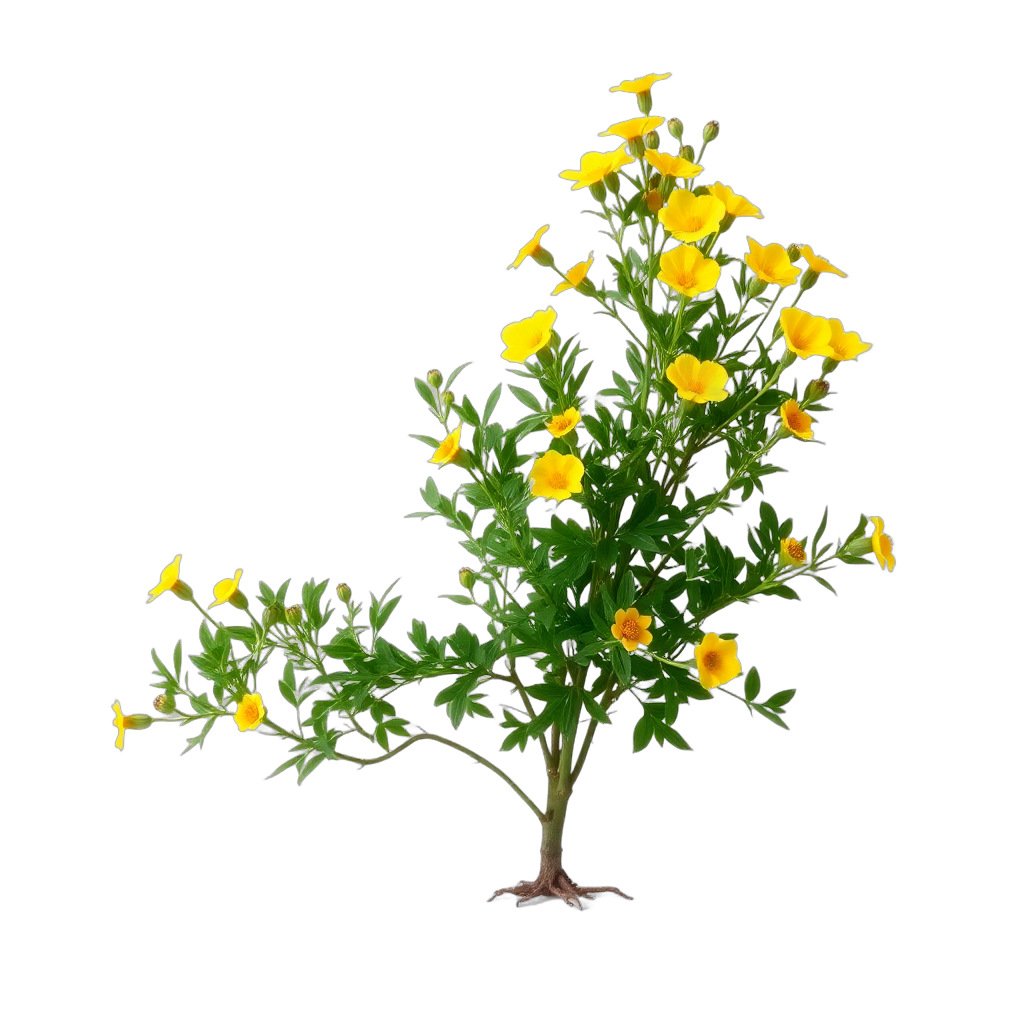
Bush Poppy
Dendromecon rigida
grows to 6 feet, yellow blooms in spring. Pollinator-friendly.
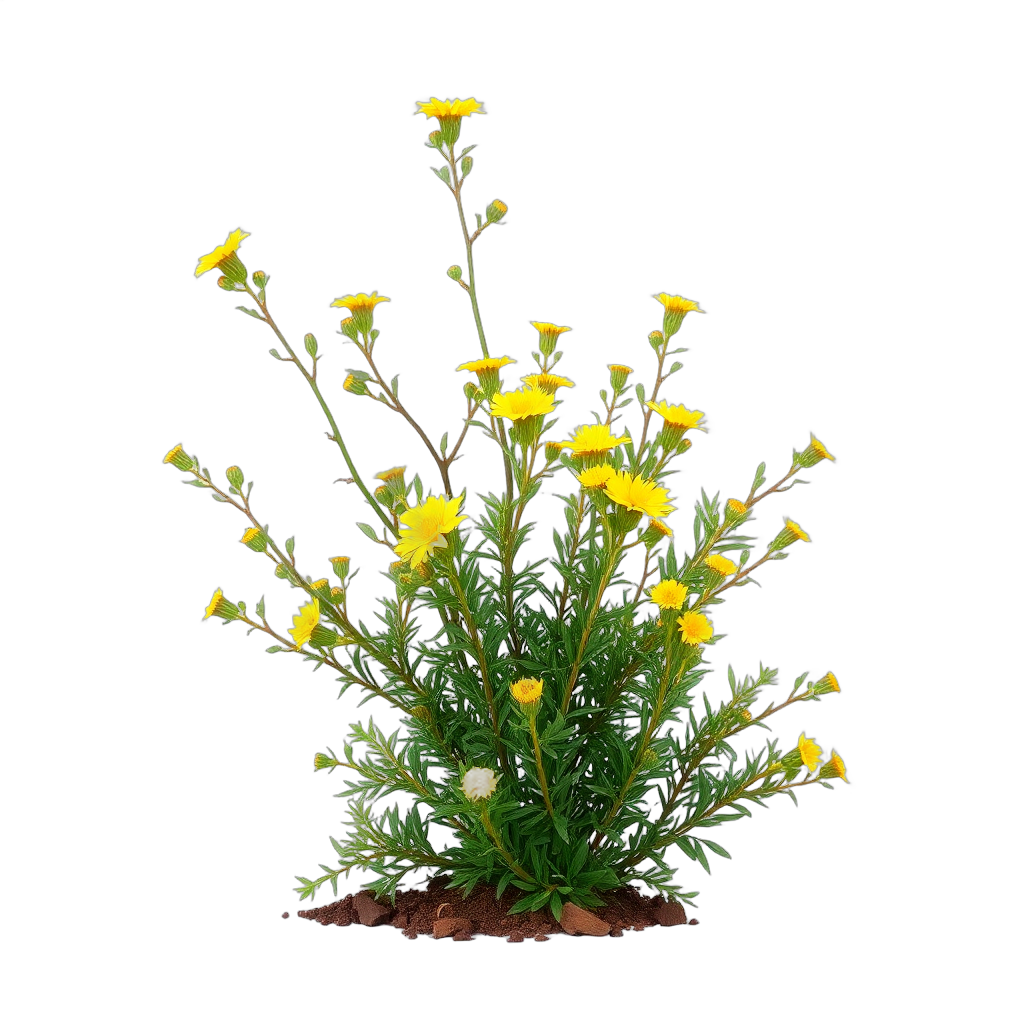
California Brittlebush
Encelia californica
grows to 4 feet, yellow blooms in spring. Attracts butterflies.
Featured Grasses & Groundcovers for Modern/Minimalist Gardens
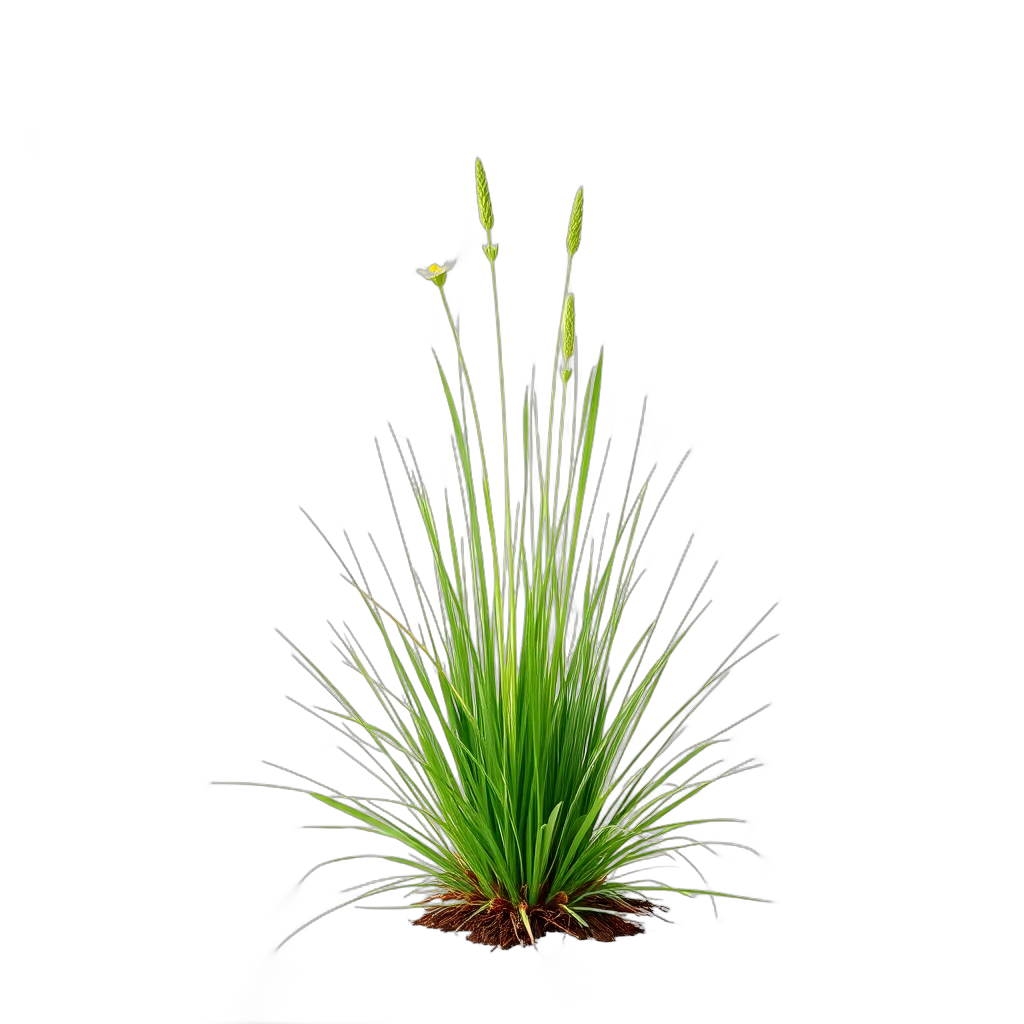
California Brome
Bromus carinatus
low-growing ground cover, blooms in spring. Yellow fall color.
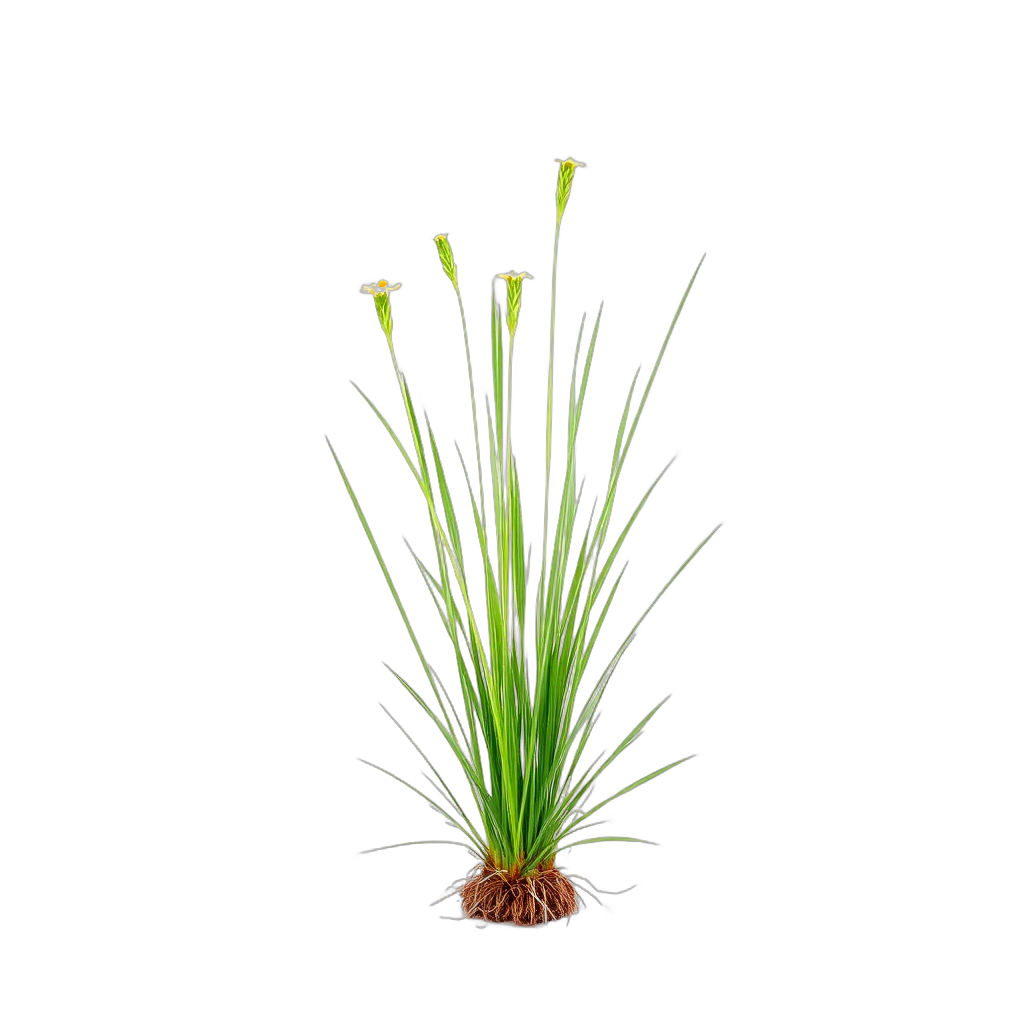
California Melic
Melica californica
low-growing ground cover, blooms in spring.
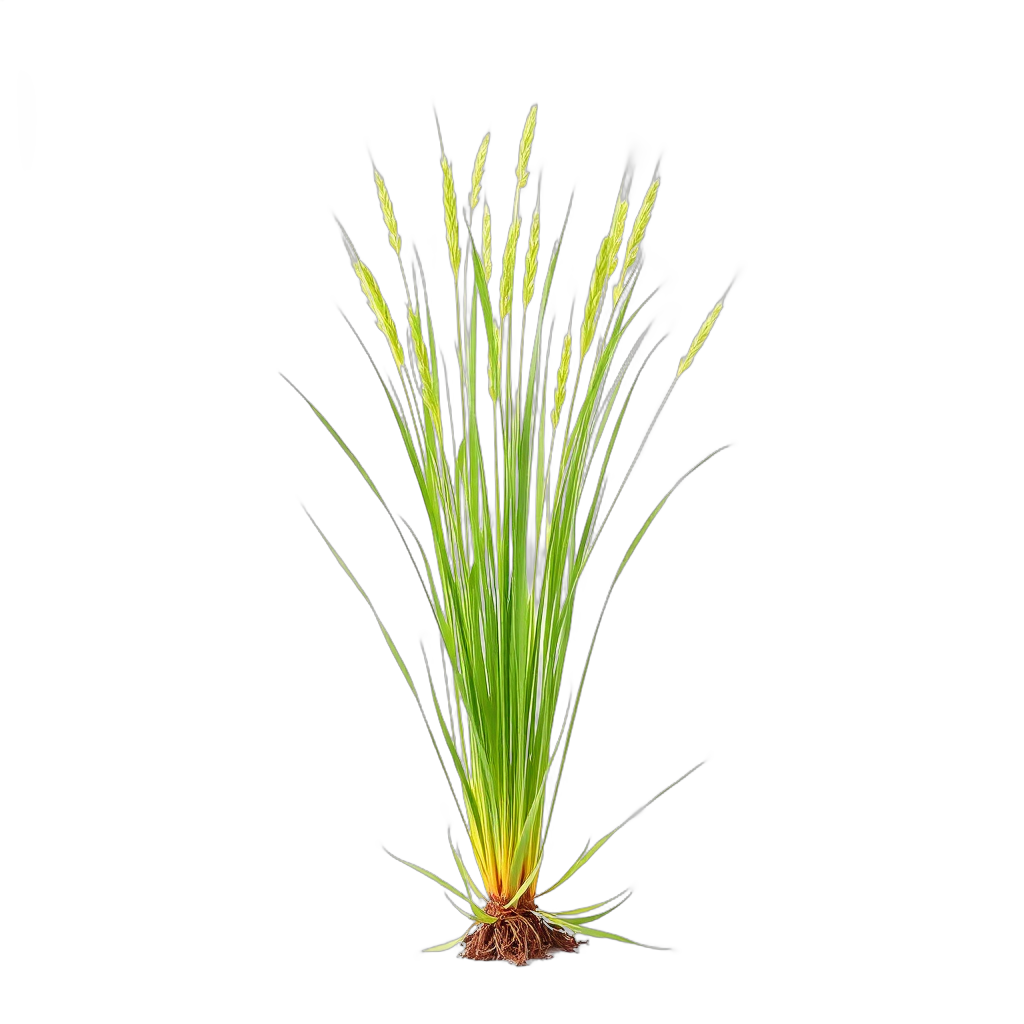
California Oatgrass
Danthonia californica
low-growing ground cover, blooms in spring. Yellow fall color.
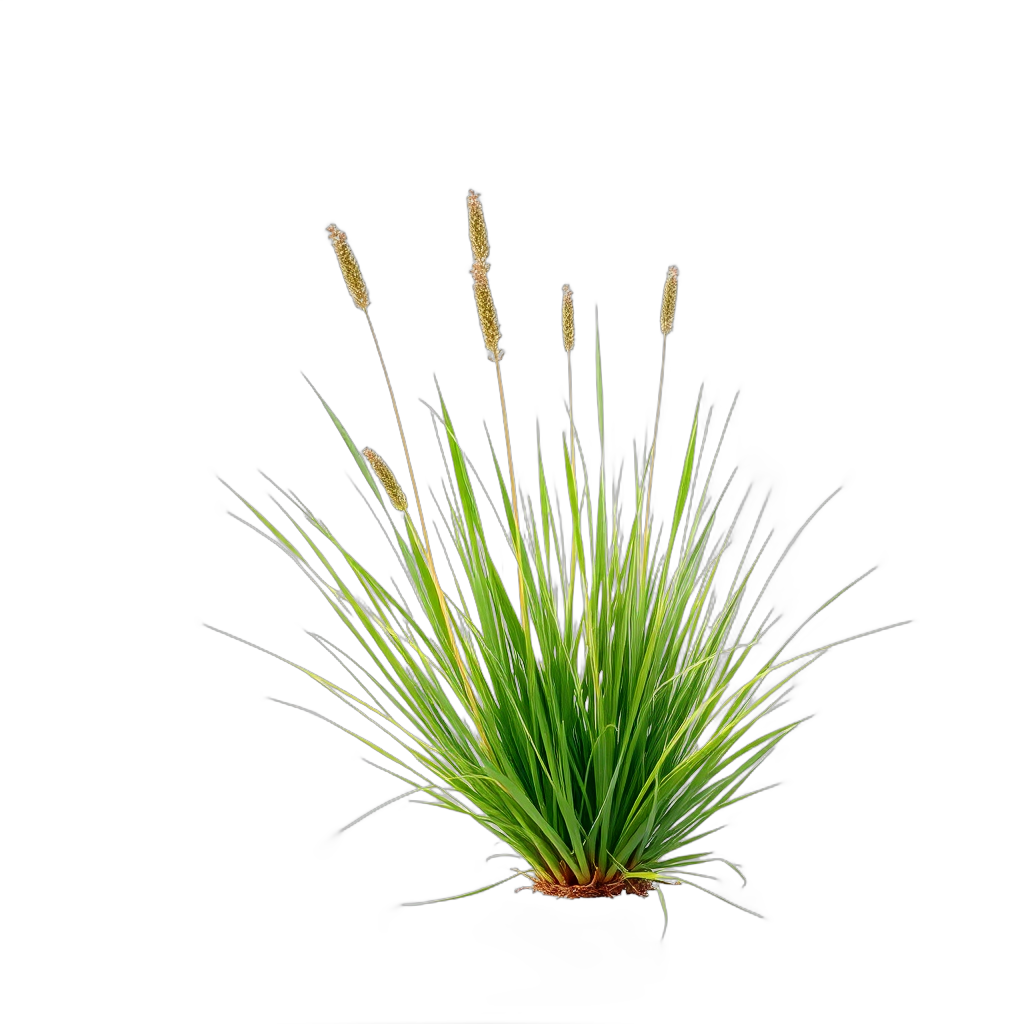
Deer Grass
Muhlenbergia rigens
grows to 3 feet, yellow blooms in fall. Evergreen year-round.
Featured Flowers & Perennials for Modern/Minimalist Gardens
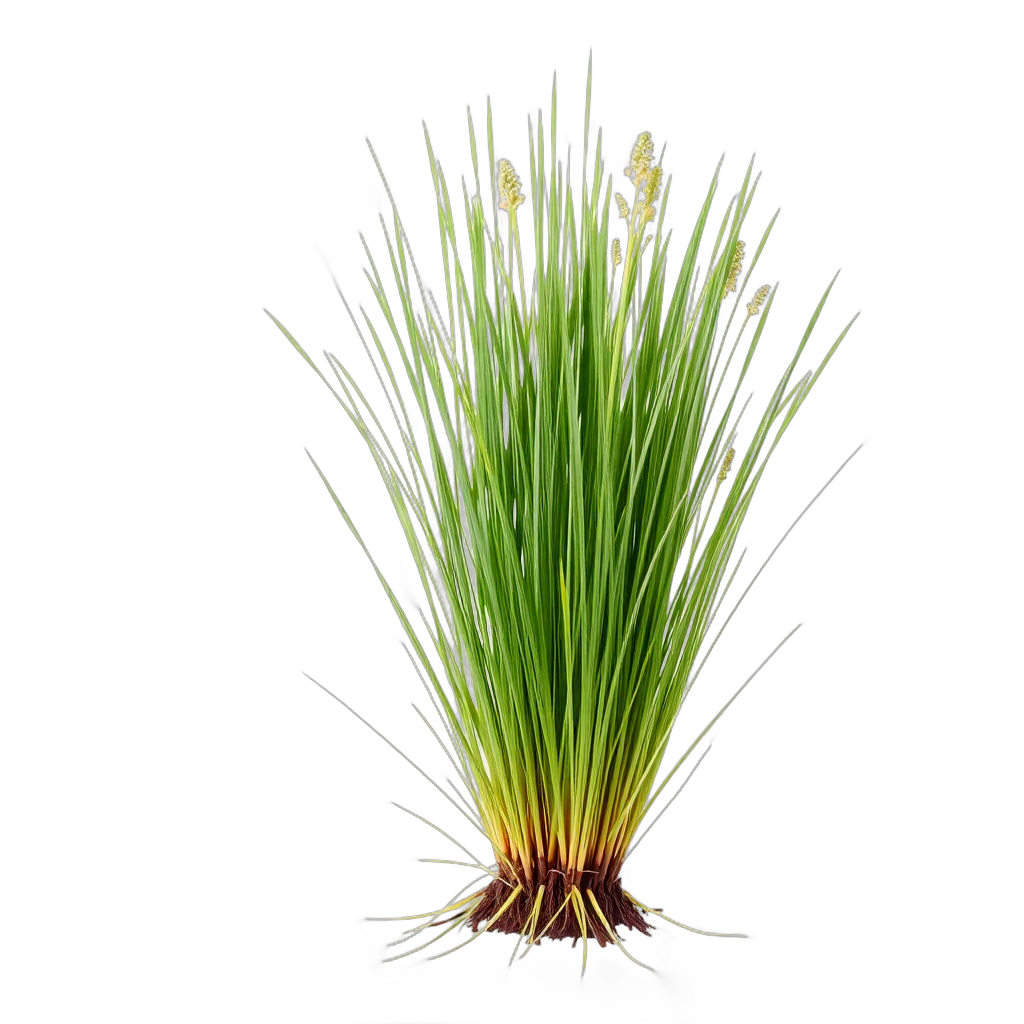
California Gray Rush
Juncus patens
low-growing ground cover, blooms in summer. Evergreen year-round.
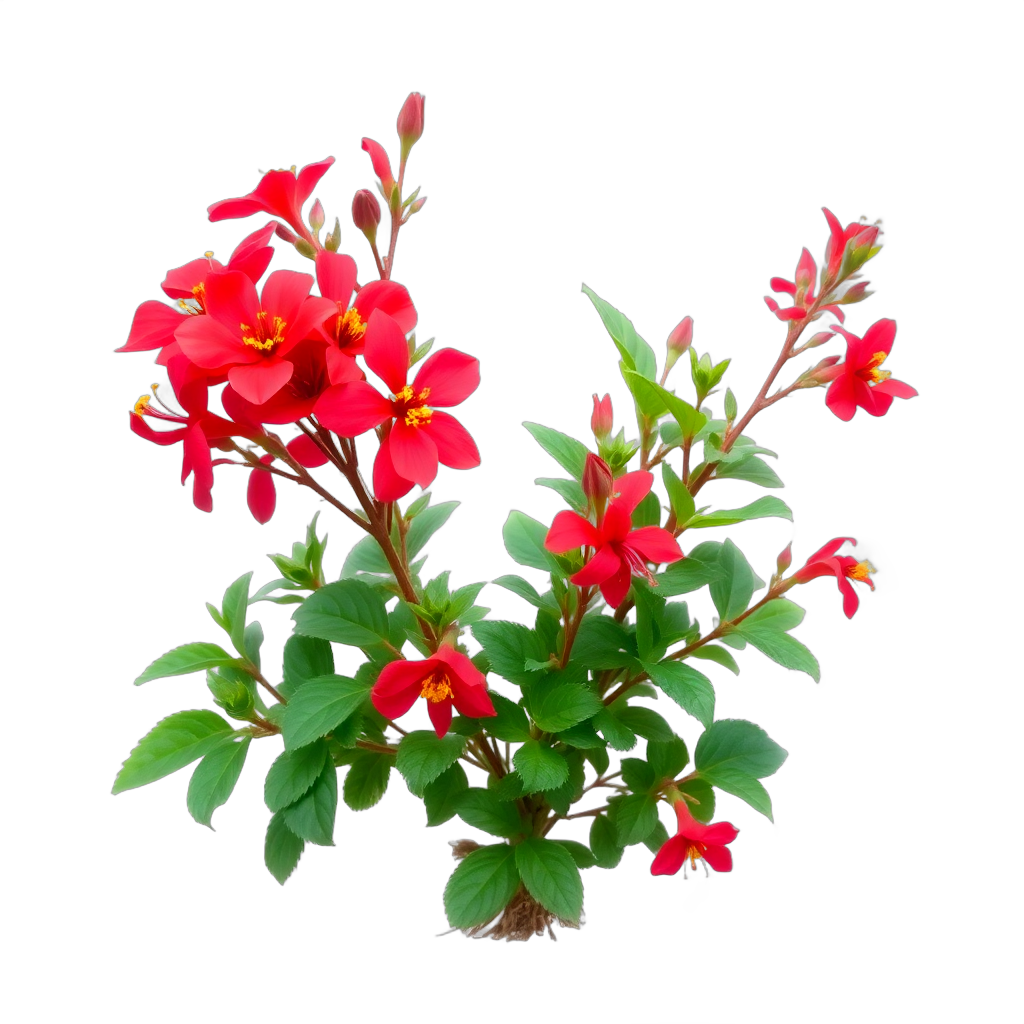
California Fuchsia
Zauschneria californica
low-growing ground cover, red blooms in fall. Attracts hummingbirds.
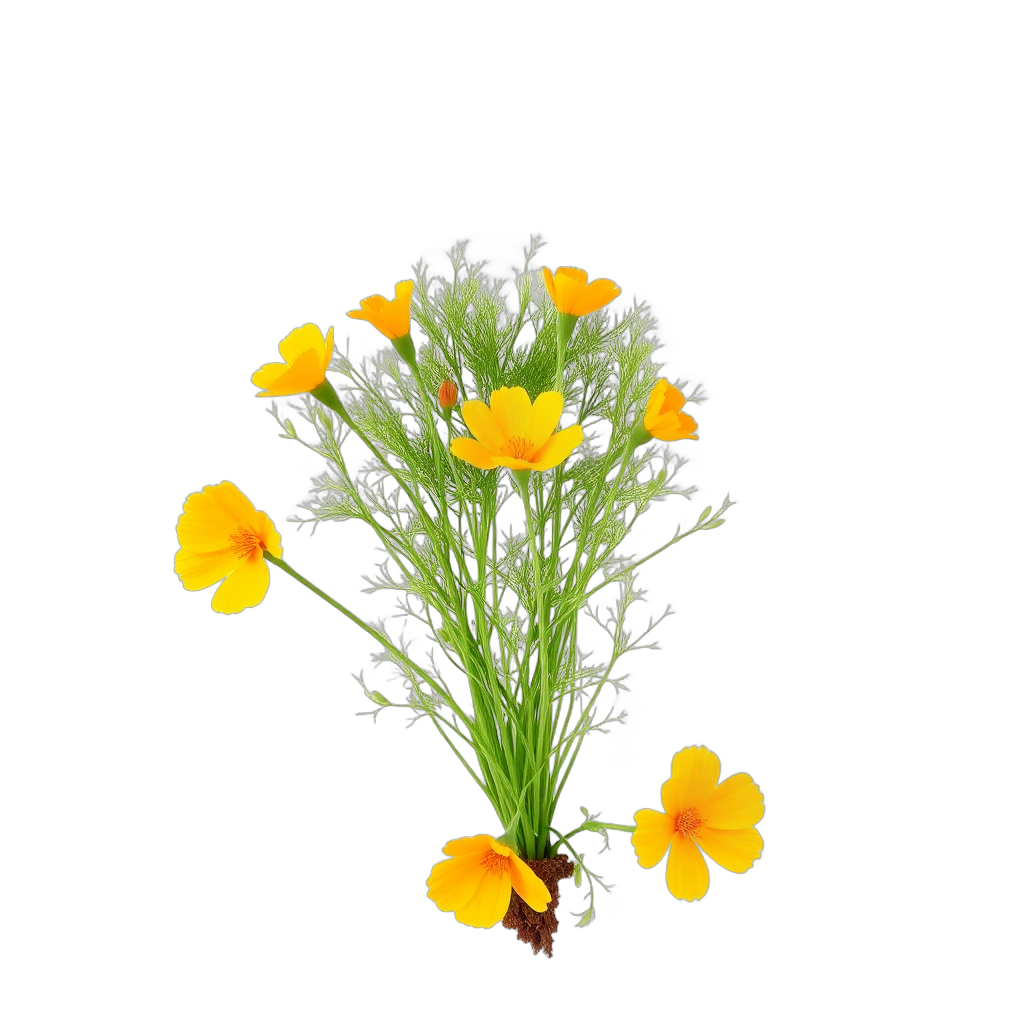
California Poppy
Eschscholzia californica
low-growing ground cover, orange blooms in spring.
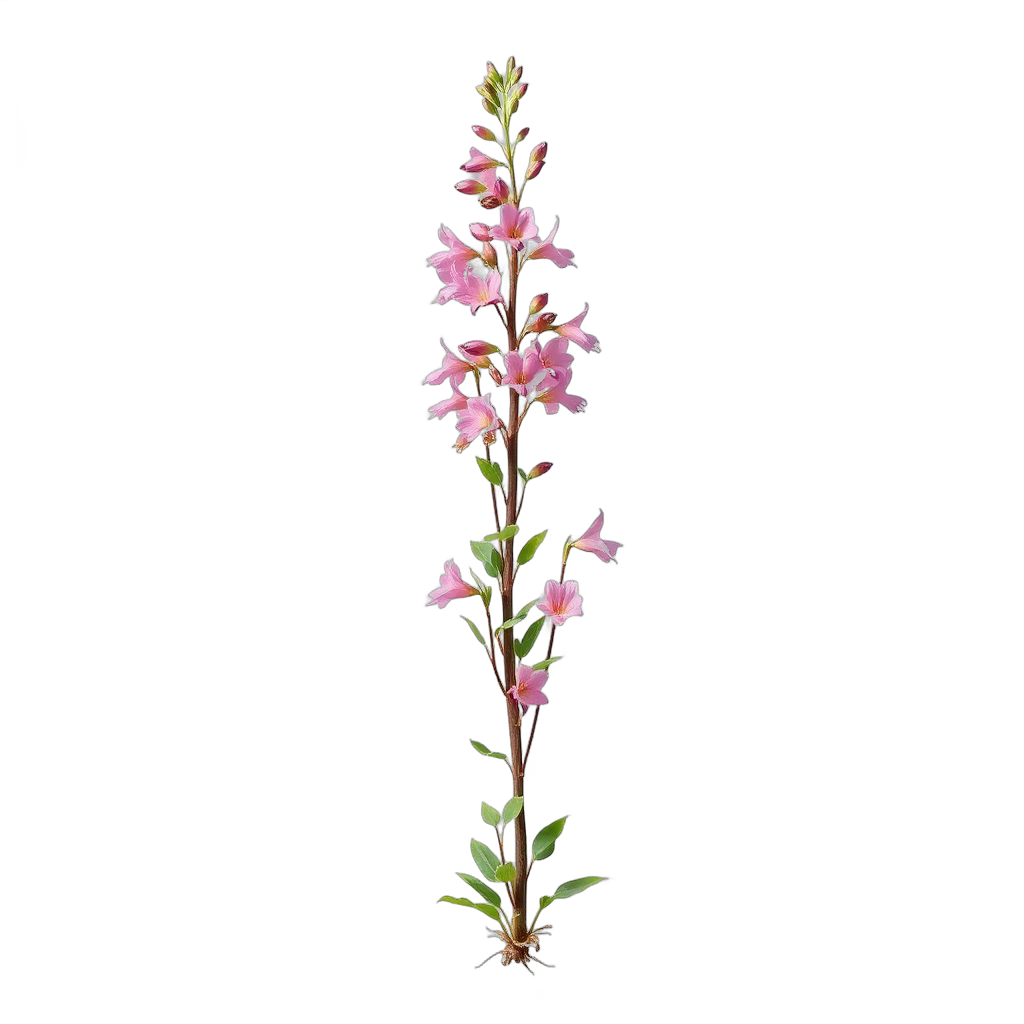
Foothill Penstemon
Penstemon heterophyllus
low-growing ground cover, blue blooms in spring. Attracts hummingbirds.
Bloom Calendar for Santa Rosa
spring
California Poppy, Foothill Penstemon, Foothill Sedgesummer
California Gray Rush, Black Sage, California Buckwheatfall
California Fuchsia, Deer Grasswinter
Limited bloomsDesign Tips for Santa Rosa (Zone 9b)
- Raise every succulent bed — Agave 'Blue Glow', Agave parryi var. truncata, and Echeveria 'Afterglow' die from a saturated clay-loam February, not from a 27°F night, so Corten or board-formed planters filled with a 50/50 pumice mix are a survival requirement rather than a design flourish
- Substitute Festuca californica 'Serpentine Blue' anywhere a designer specifies Nassella tenuissima — Mexican feather grass is Cal-IPC-listed and seeds straight into Trione-Annadel and the Laguna, and the native gives you the same fine blue haze with better summer presence
- Build the whole low-water planting on Muhlenbergia rigens; deergrass is the one plant in this palette that takes Santa Rosa clay, full sun, zero summer irrigation, and an annual cut-back while still reading as deliberate modern mass planting
- Keep Ceanothus 'Ray Hartman' and Arctostaphylos 'Howard McMinn' off the irrigated valve entirely — they are the best evergreen structure available locally and the most reliably killed by a well-meaning drip schedule in their second July
- Detail Zone 0 in gravel or pavers with steel edging and no bark mulch; after Tubbs, the first five feet around the structure is where Santa Rosa inspectors look first, and modern design gets full compliance for free where cottage and Mediterranean styles have to compromise
- Light the grasses and agave silhouettes rather than the paving — Santa Rosa's dry, mosquito-free summer evenings mean eight months of payoff from uplighting Muhlenbergia rigens and Agave ovatifolia, and it is the cheapest line item that changes how the whole yard reads after dark
Where to Source Plants in Santa Rosa
Skip the big-box stores. These independent Santa Rosa nurseries specialize in the plants that make modern/minimalist gardens thrive in Zone 9b.
King's Flower Nursery
Downtown Santa Rosa
Sonoma County's oldest running nursery (since 1896) for flowering plants, pollinator hosts, and garden supplies.
Prickett's Nursery
Rincon Valley
High-quality plants with a 90-day guarantee and hands-on gardening advice.
Urban Tree Farm Nursery
Fulton
Twenty acres of container-grown trees, shrubs, fruit trees, and perennials.
Emerisa Gardens
West Santa Rosa
Family-run nursery specializing in four-inch perennials, with an emphasis on hardy and unusual varieties.
Modern/Minimalist Landscaping Costs in Santa Rosa
| Project Scope | Estimated Cost |
|---|---|
| Front-yard turf to gravel-and-grasses conversion (600–800 sqft) | $8,000 – $18,000 |
| Corten steel raised planters (fabricated, delivered, filled) | $900 – $2,200 each |
| Poured concrete patio, 300–500 sqft, with sawcut joint pattern | $10,000 – $26,000 |
| Backyard modern room with gas fire bowl, lighting, and planting | $18,000 – $45,000 |
| Pool deck plus full modern backyard landscape | $90,000 – $220,000 |
| AI visualization with ProScapeAI | Free to start |
Estimates based on Santa Rosa, CA-area contractor rates as of 2026. Actual costs vary by site conditions, materials, and contractor.
Santa Rosa Climate & Growing Zone
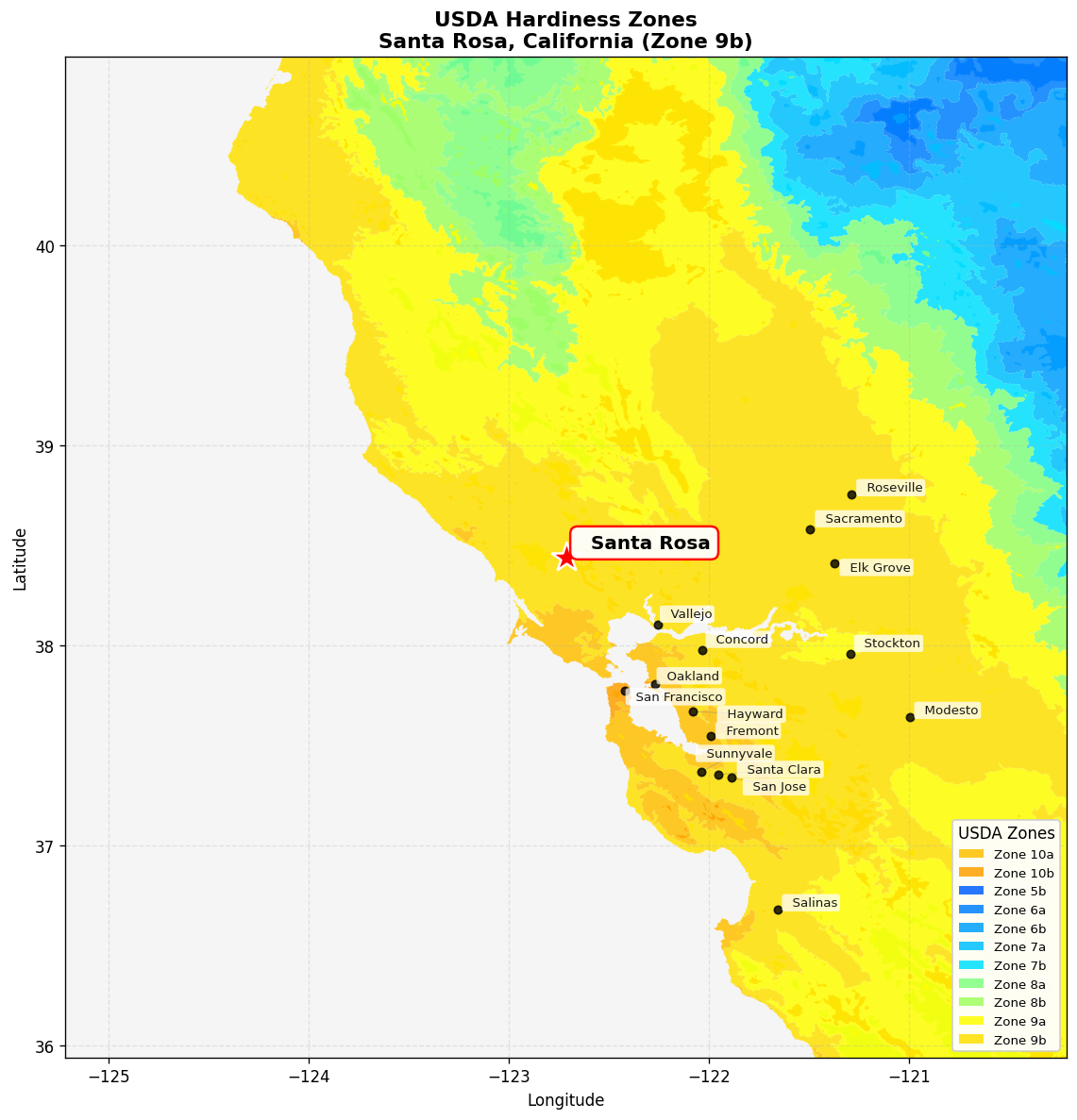
USDA Zone 9b
Hardiness zone for Santa Rosa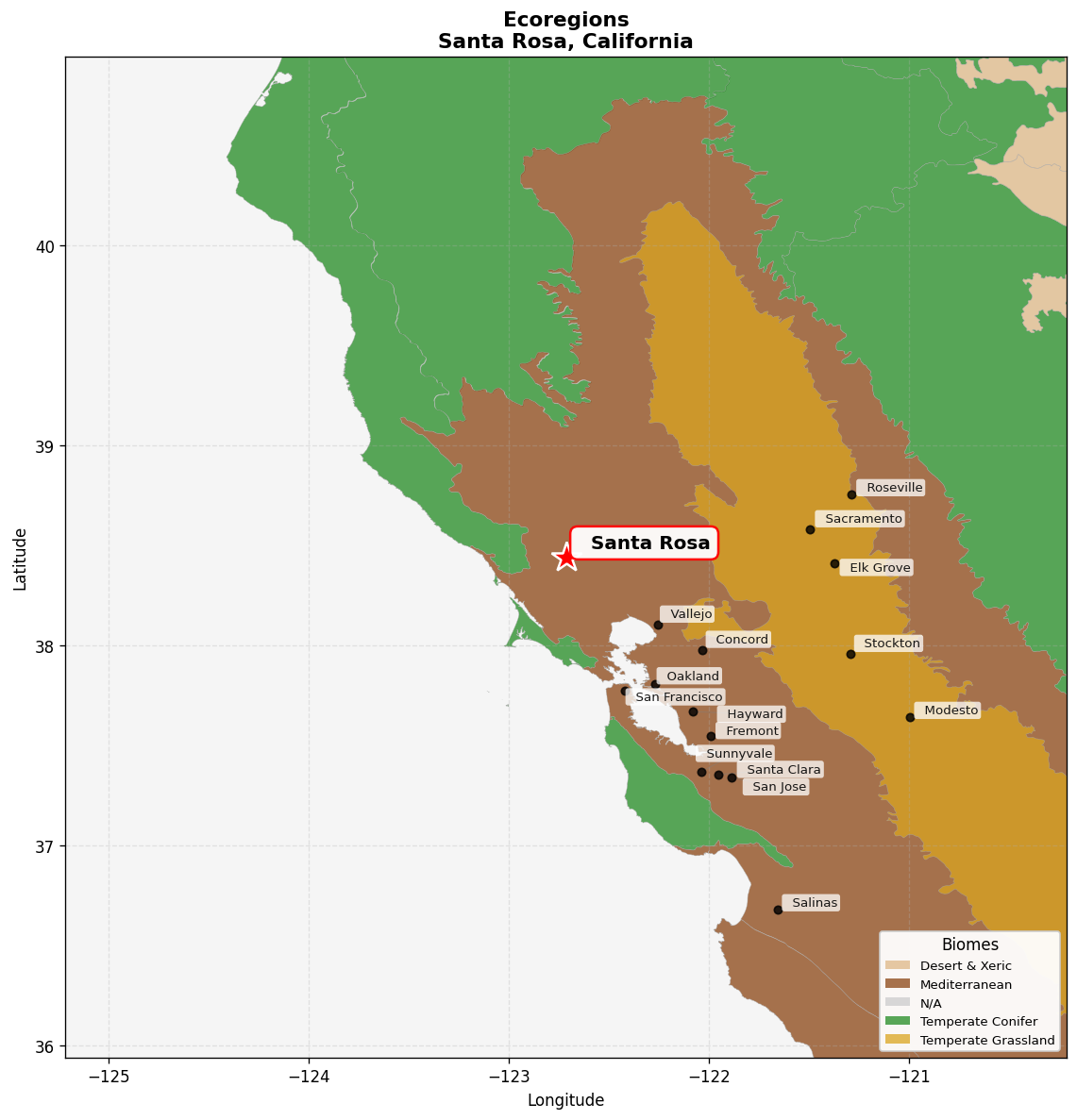
California interior chaparral and woodlands
Native ecoregionFrequently Asked Questions
Will agaves and succulents survive a Santa Rosa winter?
Cold is rarely the problem — Zone 9b lows of 25–30°F are comfortably within range for Agave 'Blue Glow', Agave parryi var. truncata, Agave ovatifolia 'Frosty Blue', Agave americana 'Mediopicta Alba', Aeonium arboreum 'Zwartkop', and Curio repens. Wet clay is what kills them. Santa Rosa's roughly 30 inches of rain arrives in concentrated winter storms, and valley-floor clay loam can stay saturated for days, which rots crowns and roots. The fix is structural: plant in raised Corten or board-formed beds filled with a 50/50 pumice or crushed-rock and sandy-loam mix, top with gravel rather than bark, and never plant a rosette succulent at grade in unamended clay. Frost cloth over Aeonium during a hard December radiation freeze is cheap insurance.
Which grasses should I use, and which ones should I never plant in Sonoma County?
Muhlenbergia rigens (deergrass) is the backbone — three to four feet, evergreen, tolerant of clay, and effectively zero water once established. Festuca californica and its selections 'Serpentine Blue' and 'Phil's Silver' give the blue-green haze, Carex divulsa and Carex pansa work as soft edging and lawn substitutes, and Muhlenbergia capillaris 'Regal Mist' delivers the October pink cloud. Avoid two things absolutely: Cortaderia selloana (pampas grass) is both invasive and a severe fire fuel, and Nassella tenuissima (Mexican feather grass) is Cal-IPC-listed and seeds aggressively into Sonoma County open space. Festuca californica gives you the same fine texture without the ecological damage.
How does Santa Rosa's defensible-space code affect a modern landscape?
It affects it less than any other style, which is a real advantage. Since Tubbs in 2017 and Glass in 2020, Santa Rosa enforces PRC 4291 across its Very High Fire Hazard Severity Zones, and the ember-resistant Zone 0 requires the first five feet around a structure to be free of bark mulch, combustible shrubs, and stored material. Modern design already wants gravel, concrete, and steel there. Keep Zone 0 to gravel or pavers with hydrated succulents, use steel edging rather than timber headers, and cut grasses back annually so no dead thatch accumulates. Remove any existing Juniperus, Cupressus sempervirens, or Cortaderia — those are the three plants that carried fire between houses in 2017.
Which California natives will die if I put them on my irrigation system?
This is the most common expensive mistake in Sonoma County landscapes. Warm summer soil plus regular water triggers Phytophthora root rot in the chaparral natives, so Ceanothus 'Ray Hartman', Ceanothus 'Julia Phelps', Ceanothus 'Yankee Point', Arctostaphylos 'Howard McMinn', Arctostaphylos densiflora 'Sentinel' (a Sonoma County endemic), Fremontodendron, and Romneya coulteri will look perfect their first year and die in their second summer if they share a valve with lawn or lounge-area plantings. Never irrigate inside the dripline of Quercus lobata or Quercus agrifolia either. The natives that genuinely tolerate summer water are Muhlenbergia rigens, Carex pansa, Heuchera maxima, Penstemon heterophyllus 'Margarita BOP', Salvia spathacea, and Iris douglasiana 'Canyon Snow'.
How much does a modern landscape cost in Santa Rosa?
Sonoma County labor and material costs run above the national average, so expect 10–20 percent more than published US metro figures. A front-yard turf-to-gravel-and-grasses conversion for 600–800 sqft typically lands at $8,000–18,000 installed. Corten steel raised planters run roughly $900–2,200 each fabricated, delivered, and filled. A poured concrete patio with a gas fire bowl and lighting comes in around $18,000–45,000 depending on size, and a full pool-and-landscape backyard in Fountaingrove or Skyhawk commonly runs $90,000–220,000. Santa Rosa Water offers turf-replacement and water-efficient landscape rebates through the Sonoma-Marin Saving Water Partnership, and a free QWEL-certified irrigation checkup — the QWEL program originated here.
When is the best time to install, and how should I prep the clay?
Plant October through early December so roots establish through the wet season and hit their first dry summer already anchored; February and March are the second window. Do not plant June through September — even drip-irrigated grasses struggle in 95°F with 15 percent humidity. For hardscape, excavate 6–8 inches and compact a class II aggregate base under all concrete and pavers; Santa Rosa's expansive clay loam swells in February and shrinks hard in August, and slabs poured directly on subgrade crack within a few seasons. For planting beds, build up rather than digging down — a hole backfilled with light mix in clay becomes a bathtub. Hillside lots in Fountaingrove and Skyhawk also need grading review and often a drainage plan.