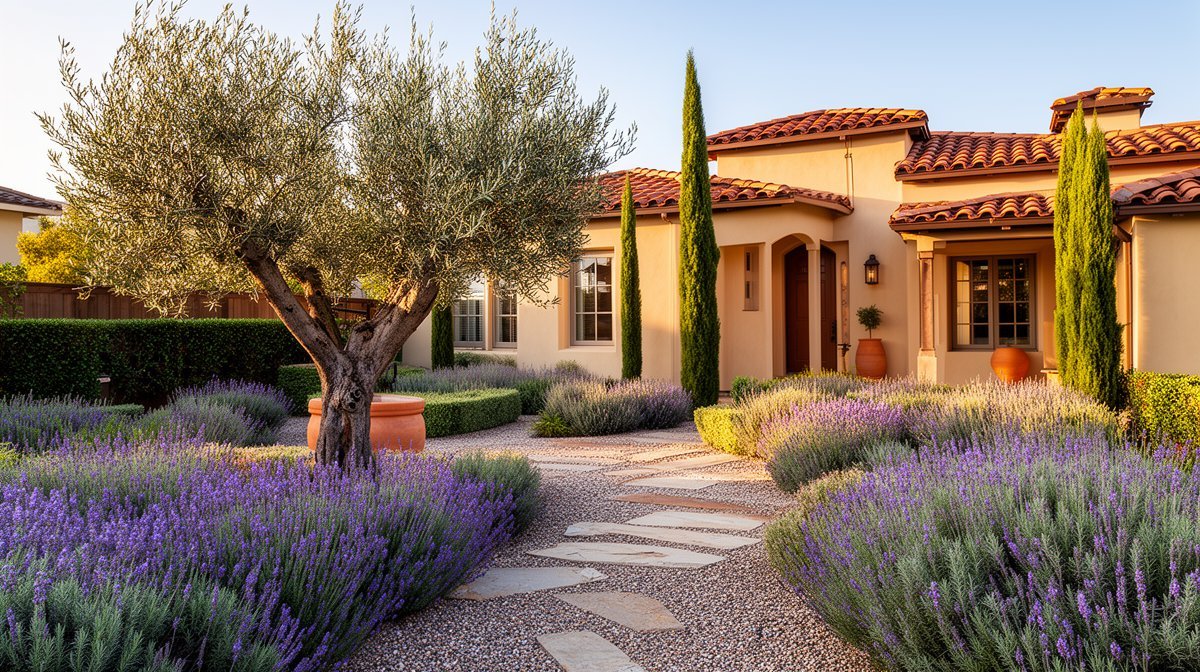
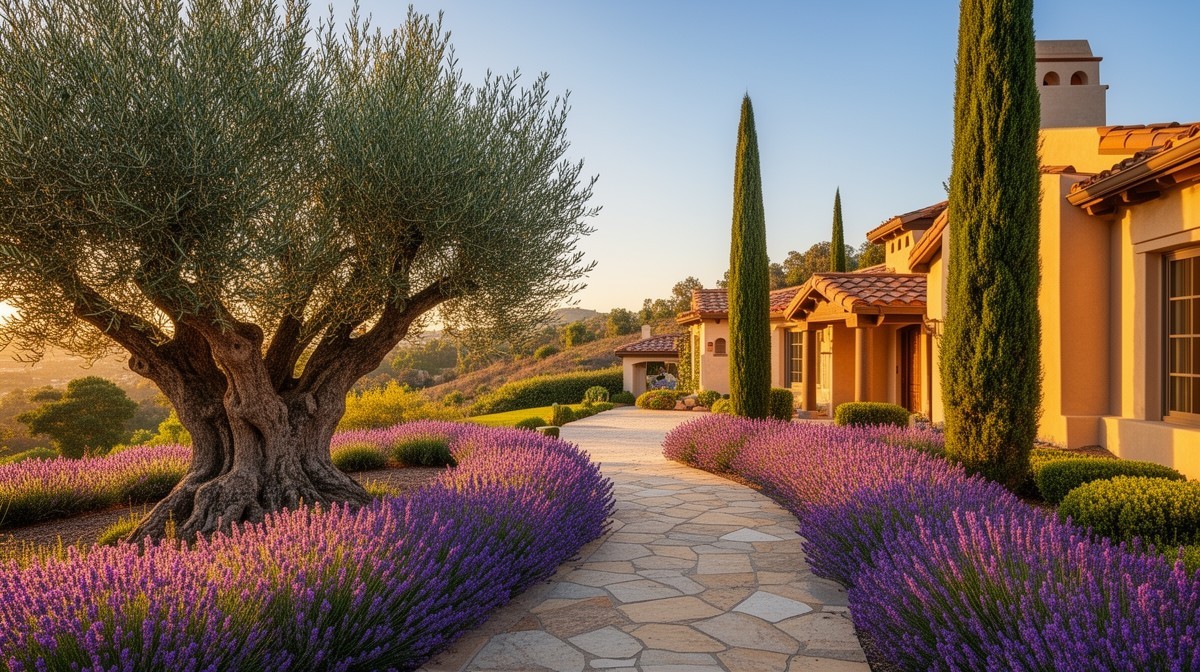
4 Mediterranean Garden Ideas for Santa Rosa, CA | Olive, Lavender & Citrus Design for Zone 9b
Native plants from the California interior chaparral and woodlands (Zone 9b) — Mediterranean (warm summer) climate
Why Mediterranean Gardens in Santa Rosa?
Santa Rosa does not have to imitate the Mediterranean — it is one. Köppen classifies the city as Csb, the same warm-summer Mediterranean type as Tuscany, Provence, and the Spanish Meseta, and the numbers back it up: roughly 30 inches of rain falling almost entirely between November and April, followed by four months of near-zero precipitation, low humidity, and 88–92°F afternoons. That is why olives, lavender, grapes, figs, and pomegranates are not decorative gestures here, they are the crops the region built its economy on. A Mediterranean landscape in Sonoma County is the only style that runs in phase with the actual weather instead of fighting it.
Zone 9b puts the whole palette in play, with two real caveats. Winter lows of 25–30°F are fine for Olea europaea 'Swan Hill', Lavandula × intermedia 'Grosso', Cistus × purpureus, Westringia fruticosa 'Wynyabbie Gem', and Punica granatum 'Wonderful'. But the valley floor gets radiational frost that hillside Fountaingrove does not, so bougainvillea 'Barbara Karst' and 'San Diego Red' will defoliate at 30°F and need a warm south wall, and citrus wants frost cloth on clear January nights — 'Improved Meyer' lemon and 'Owari' Satsuma mandarin are the two most forgiving choices. The second caveat is soil. Santa Rosa's clay loam holds winter water for days, and lavender, cistus, and santolina die of wet feet far more often than of cold. Every Mediterranean bed here should be mounded 8–12 inches above grade with gravel or DG mulch, never bark.
Then there is fire, and this is where Mediterranean design gets complicated locally. The Tubbs Fire in October 2017 destroyed Fountaingrove and Coffey Park; the Glass Fire ran the Rincon Valley and Skyhawk edge in September 2020. Santa Rosa enforces PRC 4291 defensible space with an ember-resistant Zone 0 in the first five feet of every structure. That directly conflicts with the postcard version of this style: Italian cypress, junipers, and rosemary are resinous, high-fuel plants that should never be planted against a wall. Move cypress accents out past thirty feet, replace foundation rosemary with hydrated succulents and Teucrium, and the look survives intact — irrigated olives, citrus, and lawn panels are genuinely fire-resistant. One further local nuance is worth knowing: the California natives that share this exact aesthetic are the ones most easily killed by kindness. Ceanothus 'Ray Hartman' and Arctostaphylos densiflora 'Sentinel', a Sonoma County endemic, contract Phytophthora root rot from warm, irrigated summer soil and typically die in their second July. Give them a dry perimeter valve and they will outlive everything else in the garden.
4 Mediterranean Design Ideas for Santa Rosa
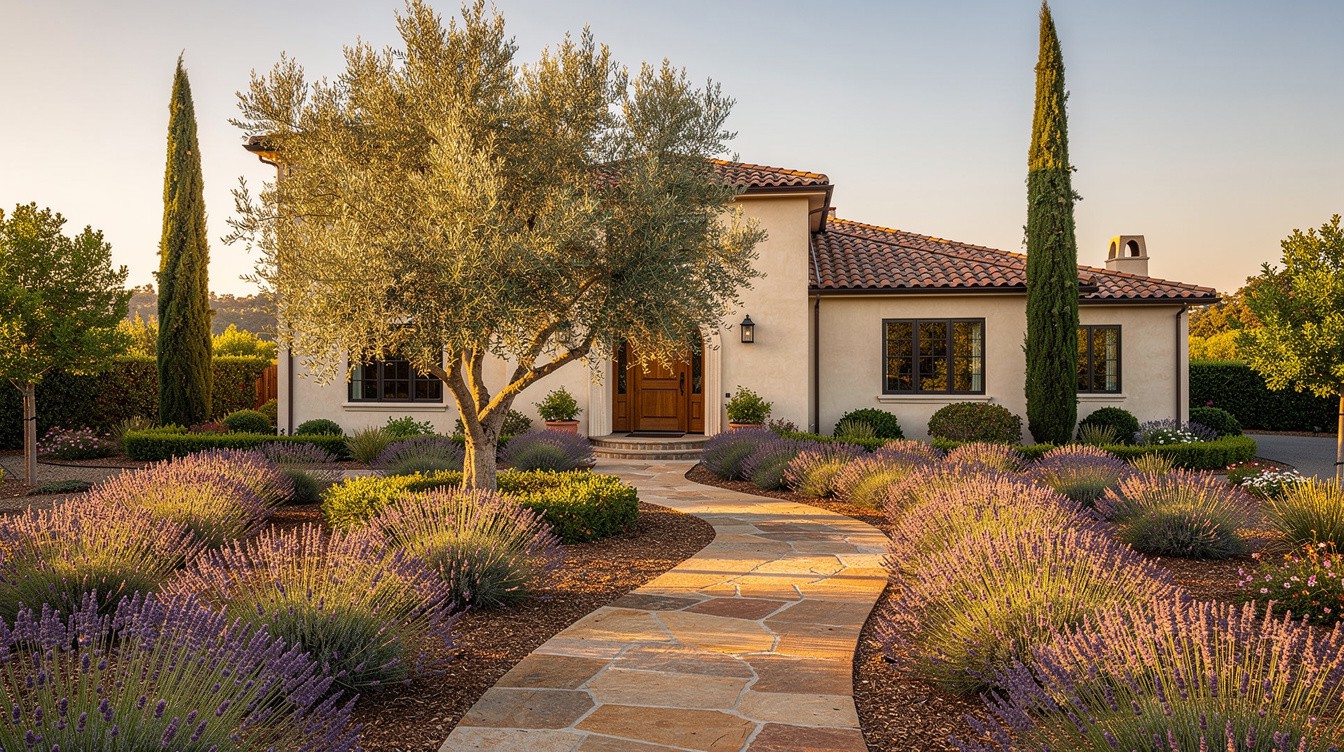
The Olive and Lavender Entry
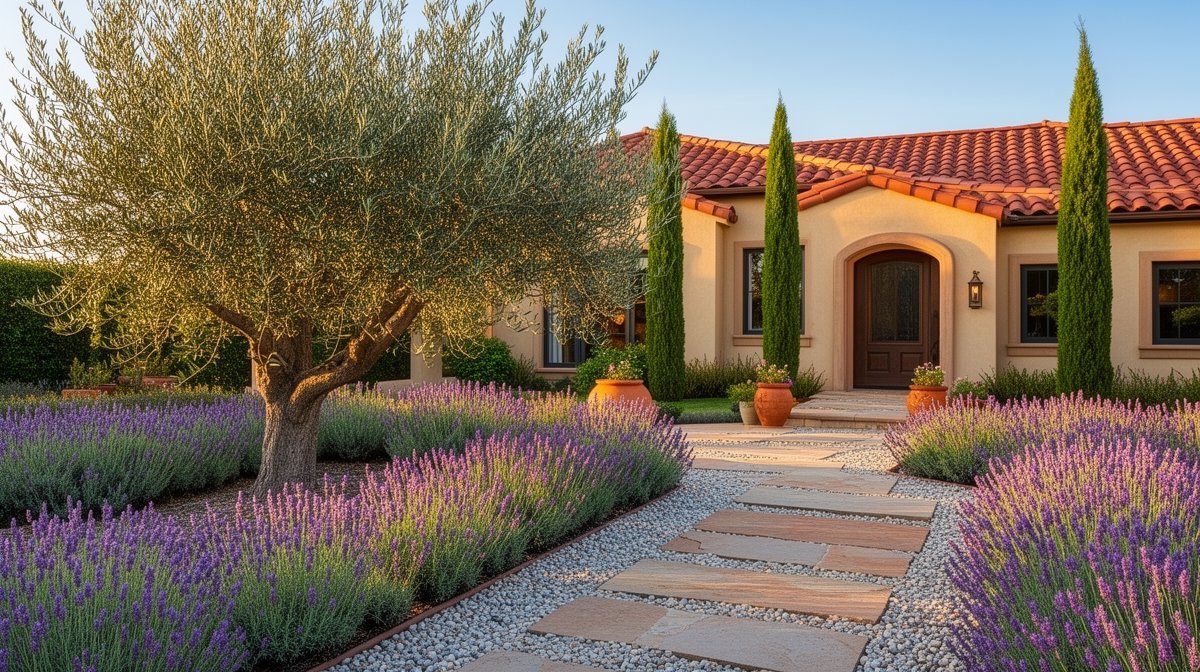
$14–28/sqftA two-story tile-roofed stucco home with a multi-trunk olive as the single specimen tree, its silver canopy backlit at sunset, and two narrow columnar cypress marking the corners of the facade. The front yard is essentially a lavender field cut by a winding sandstone flagstone path — broad mounded drifts of lavender in bark mulch, with clipped germander and boxwood spheres holding the foundation line and a low hedge screening the street. It is the Sonoma wine-country vernacular executed at residential scale, and it works because everything in it is on the same low-water valve. Note that the cypress belong out at the property edge, not tucked against the wall, in any Fountaingrove fire zone.
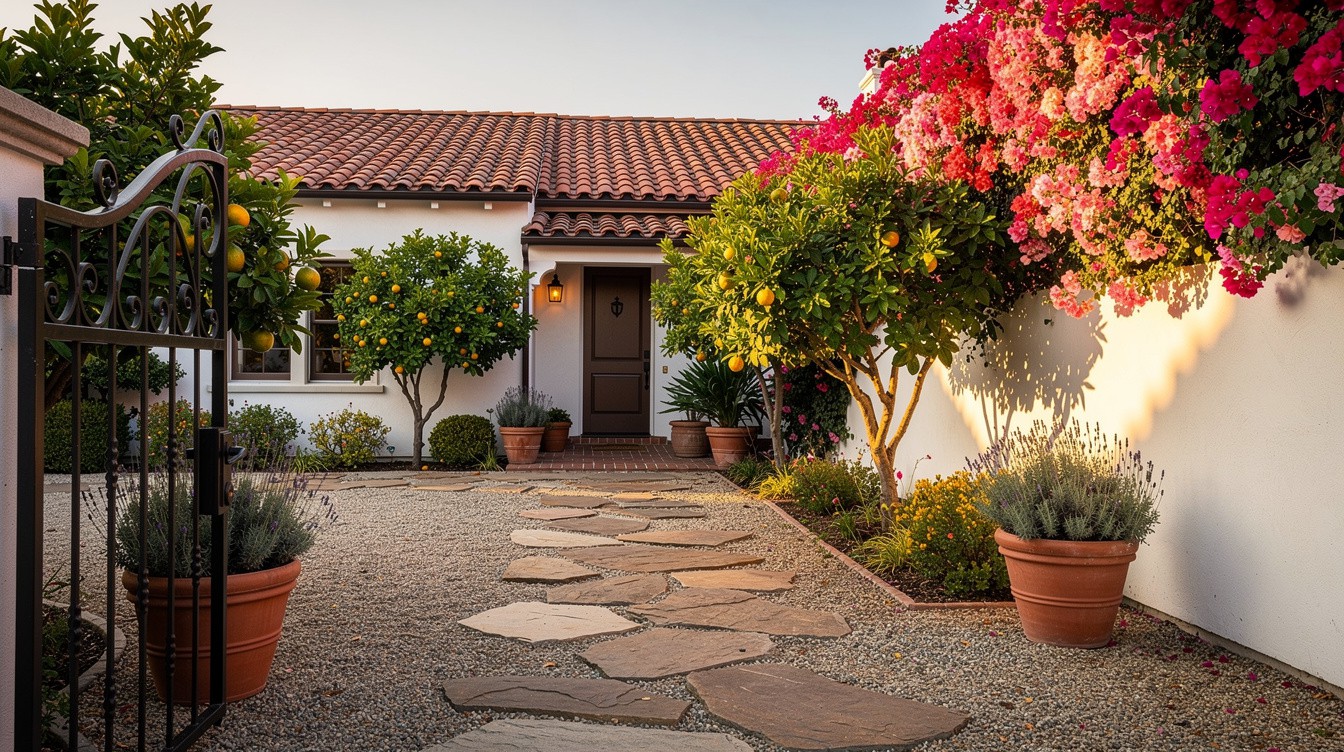
The Walled Citrus Courtyard
$18–34/sqftA wrought-iron gate opens into a small enclosed entry court where the ground plane is pea gravel with oversized irregular flagstone steppers floating in it — a detail that reads expensive and costs a fraction of full paving. Standard-trained lemon and orange trees flank the door in the ground and in terracotta, magenta bougainvillea cascades over the whitewashed wall to catch the evening light, and lavender in big terracotta pots anchors the corners. The white stucco wall is doing double duty: privacy from the street and a heat sink that pushes the bougainvillea and citrus through Santa Rosa's frostier January nights.
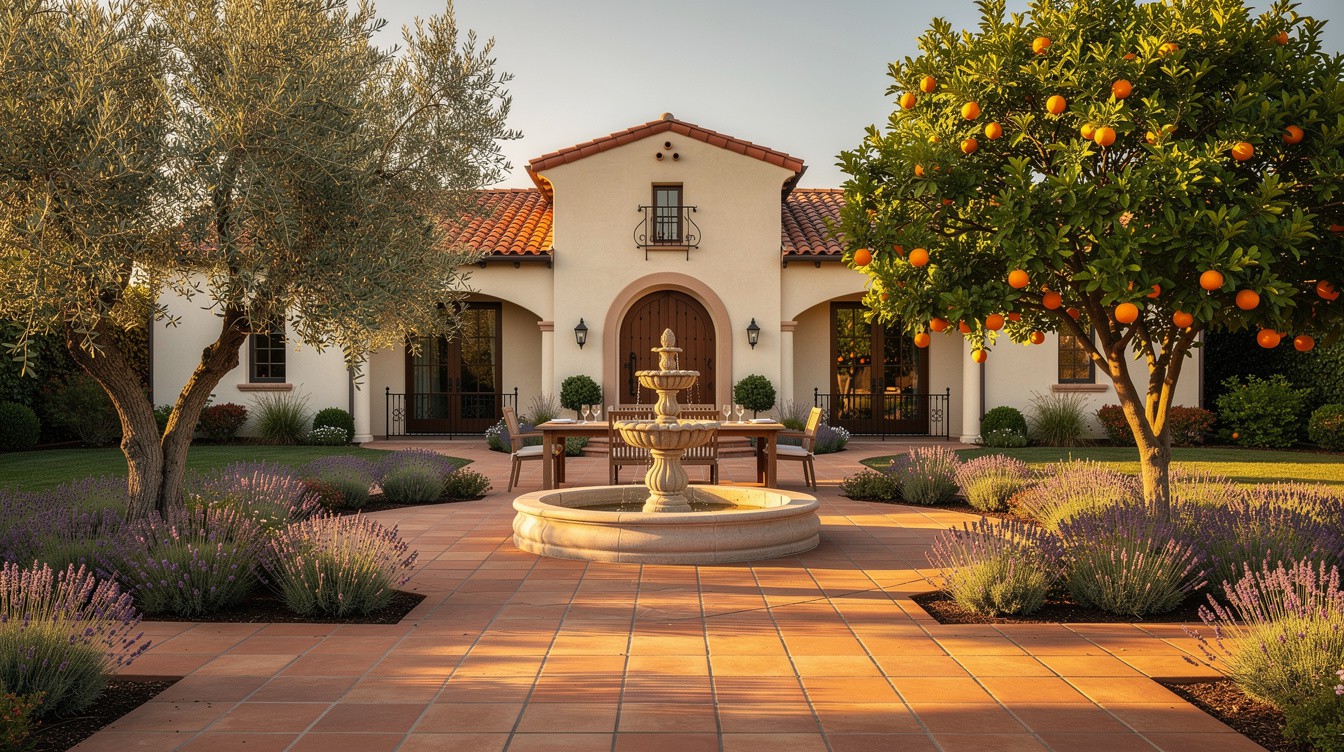
The Fountain Courtyard
$28–55/sqftA symmetrical hacienda with an arched wood door opens onto a saltillo-toned terracotta tile courtyard organized around a three-tier cast-stone fountain in a round basin. A gnarled olive anchors the left, a heavily fruiting orange tree the right, and lavender beds cut into the tile field on both sides with lawn panels beyond. The strict symmetry is what makes this design work — one axis, one focal point, mirrored planting — and the fountain earns its cost by masking road noise and dropping the perceived temperature of a tile courtyard that bakes at 95°F in July.
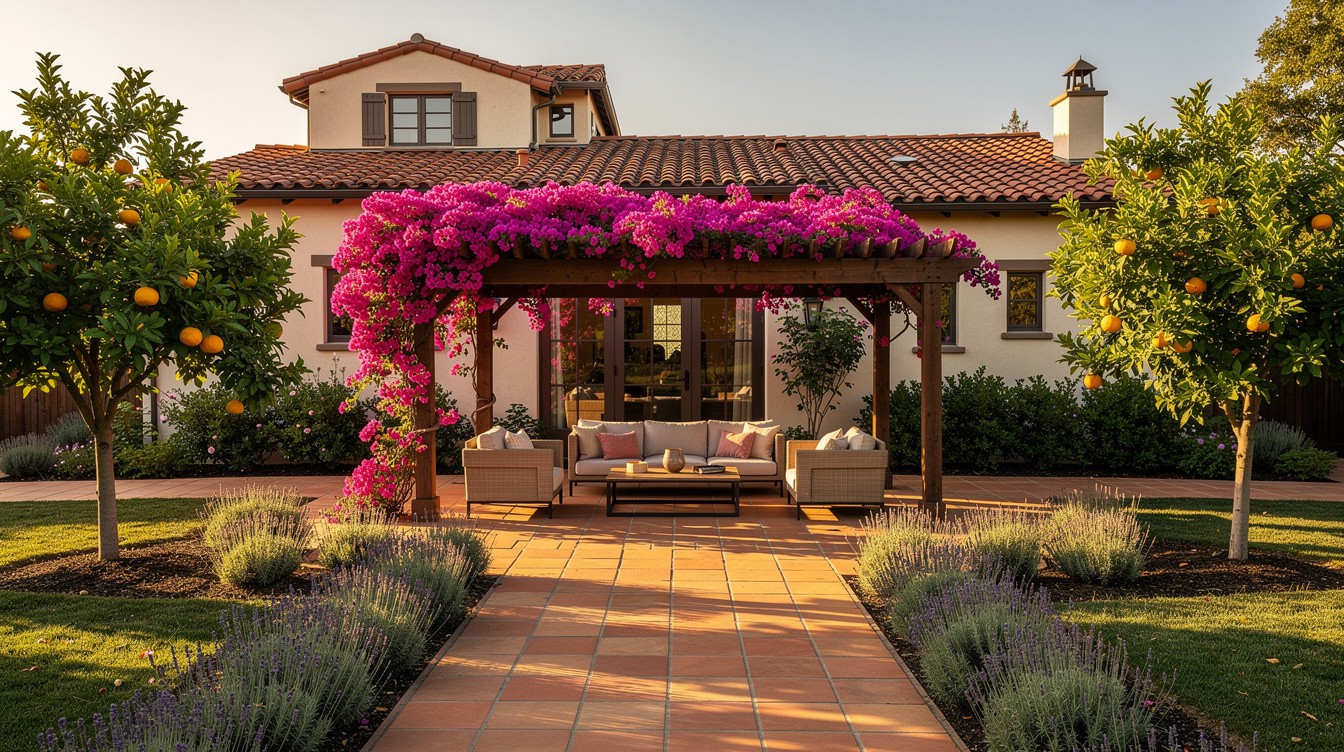
The Bougainvillea Pergola Lounge
$22–45/sqftA heavy timber pergola completely blanketed in magenta bougainvillea shelters a terracotta tile patio furnished as an outdoor living room, with lemon trees planted symmetrically in the lawn on both sides and a lavender-edged tile walk running back toward the yard. The living pergola roof is the entire point — Santa Rosa afternoons in July and August make an uncovered patio unusable, and bougainvillea gives dense shade in summer while thinning enough in winter to let low sun through. Plant it on the warmest exposure you have; on the valley floor it will brown at 30°F and regrow from the base.
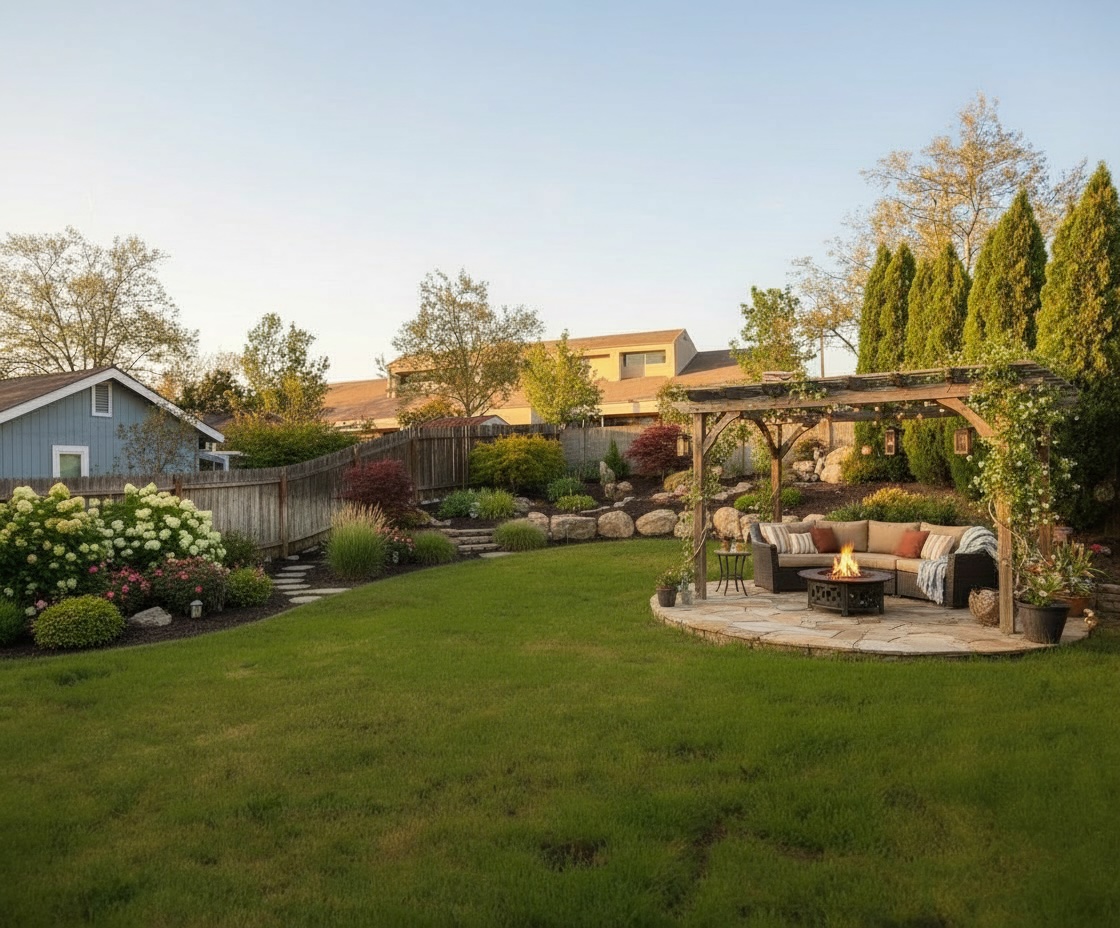
See how a mediterranean garden looks on YOUR property
Upload a photo of your Santa Rosa yard and visualize your dream garden in seconds.
Try ProScapeAI Free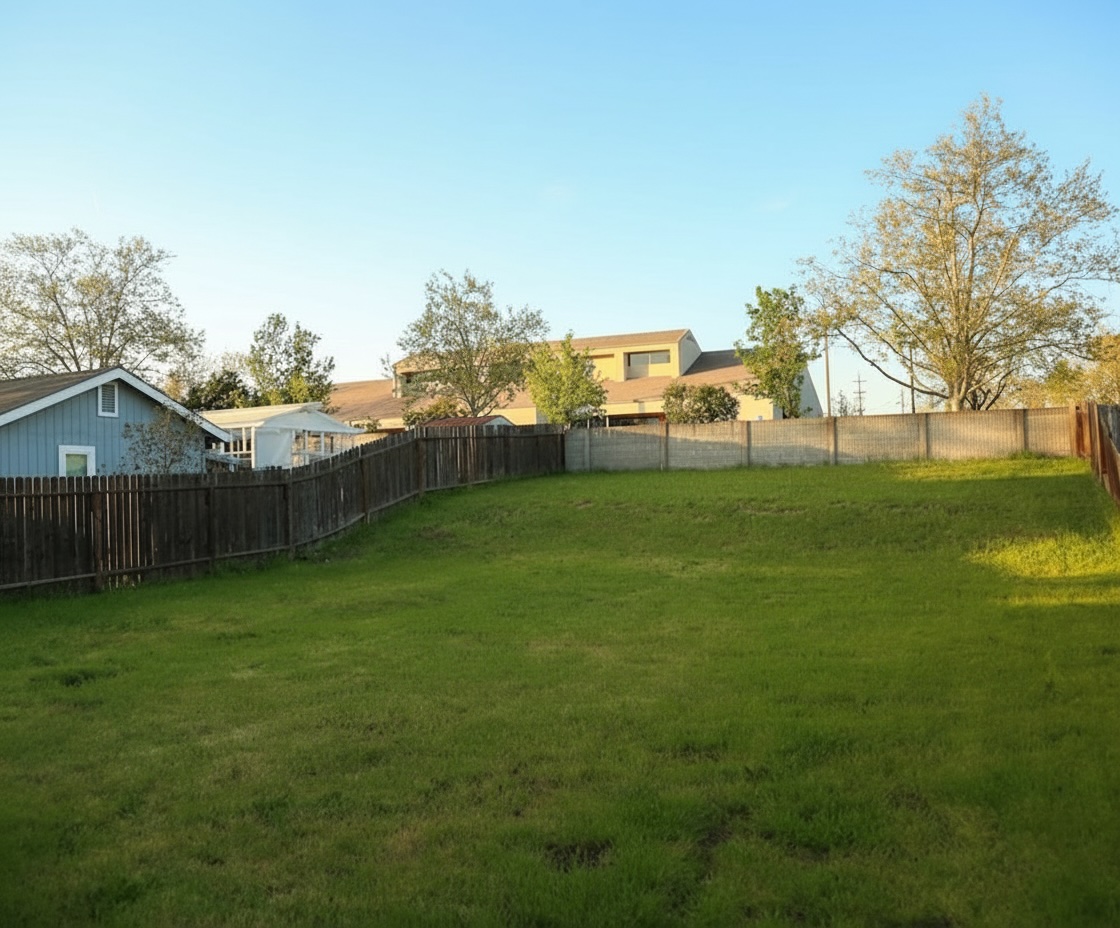
Featured Trees & Shrubs for Mediterranean Gardens
Browse all 197 plants for Santa Rosa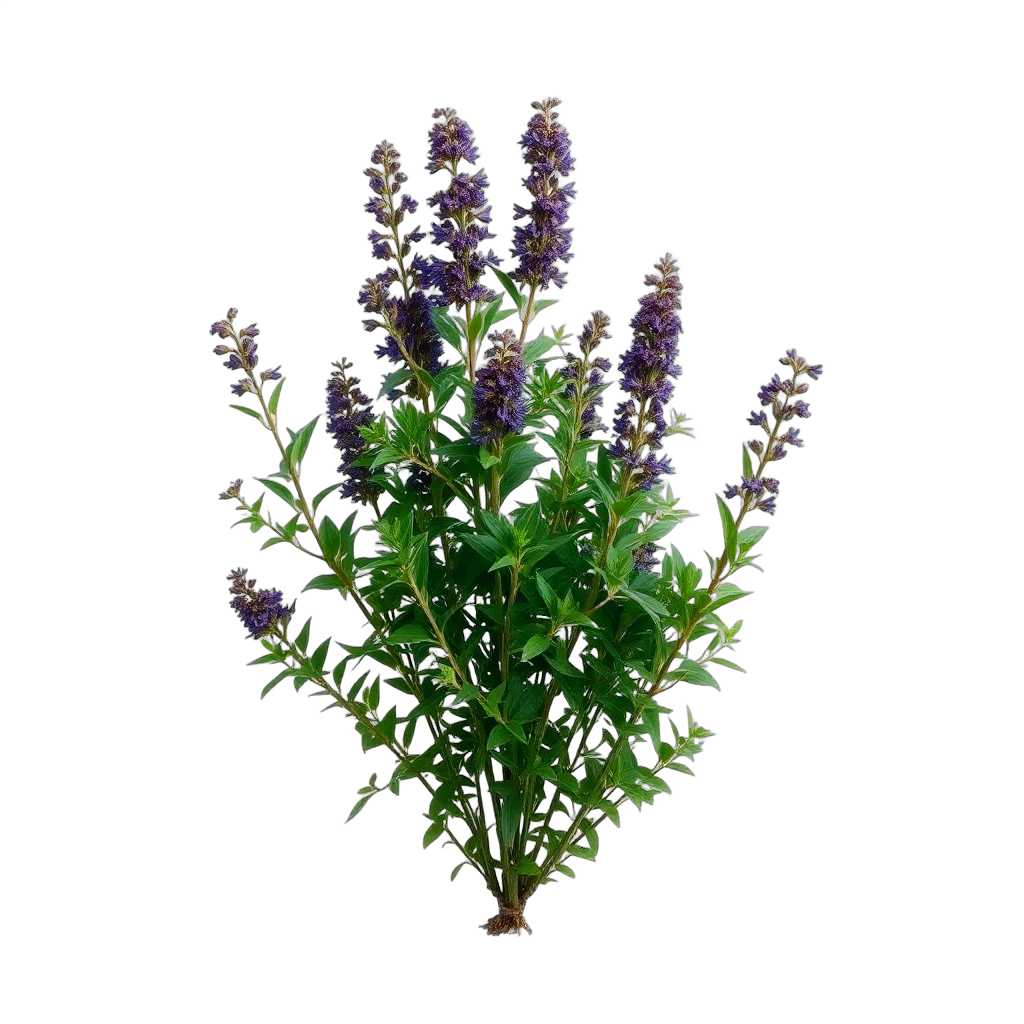
Black Sage
Salvia mellifera
grows to 4 feet, white blooms in spring. Attracts butterflies.
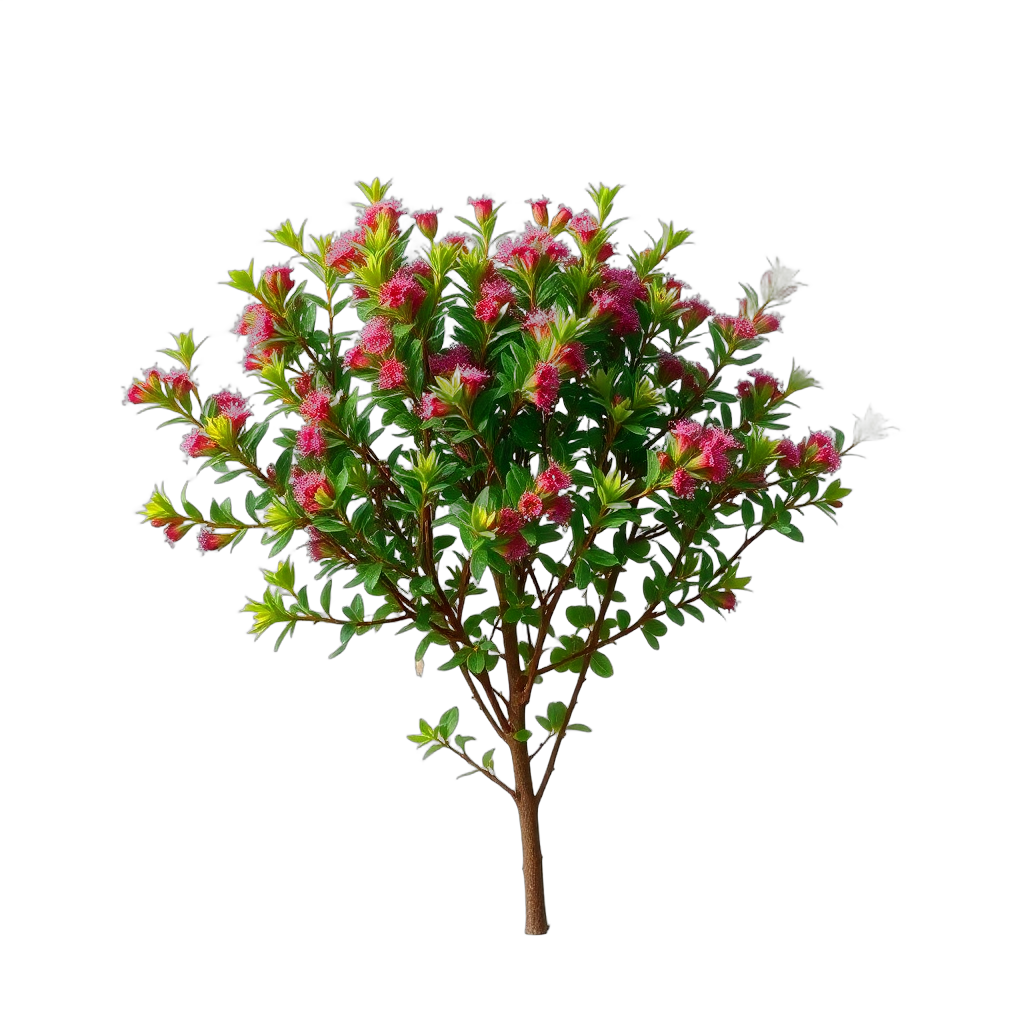
Buckbrush
Ceanothus cuneatus
medium-sized at 7 feet, white blooms in spring. Attracts butterflies.
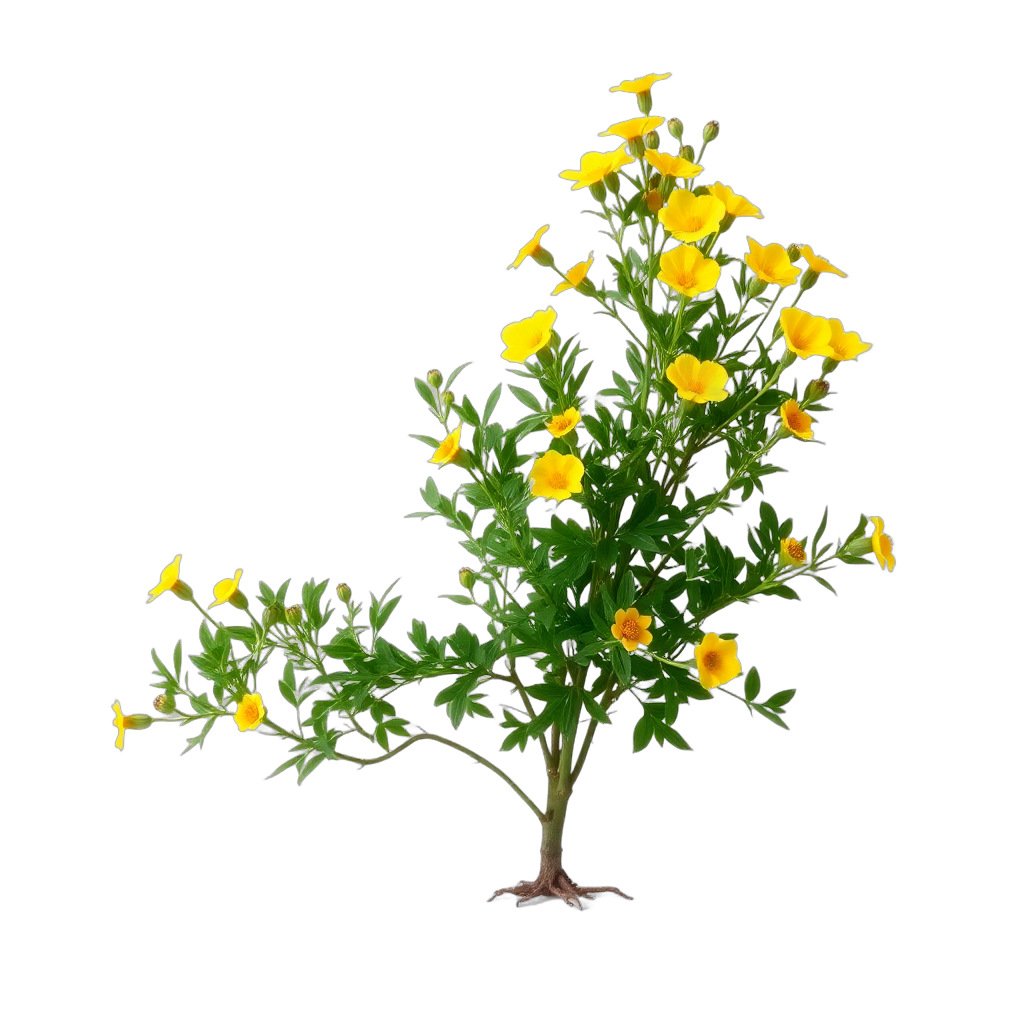
Bush Poppy
Dendromecon rigida
grows to 6 feet, yellow blooms in spring. Pollinator-friendly.
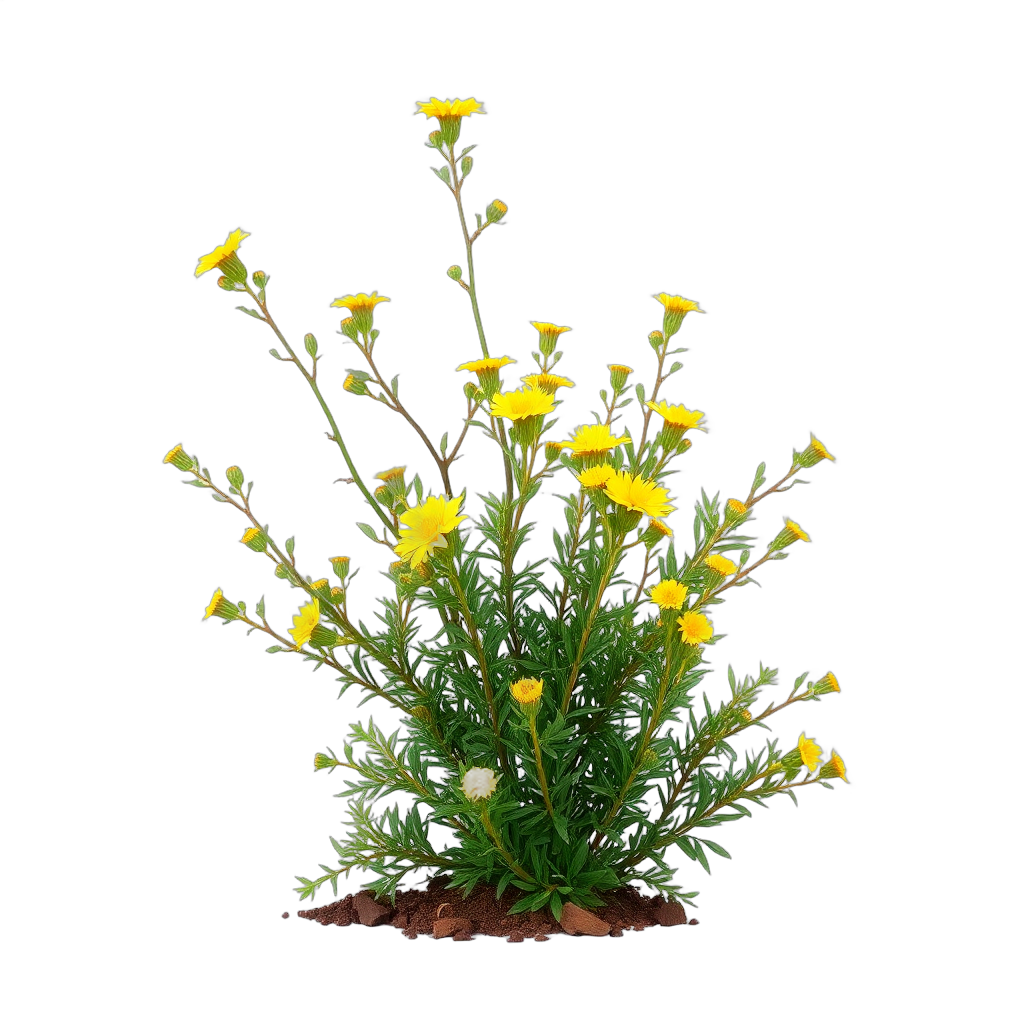
California Brittlebush
Encelia californica
grows to 4 feet, yellow blooms in spring. Attracts butterflies.
Featured Grasses & Groundcovers for Mediterranean Gardens
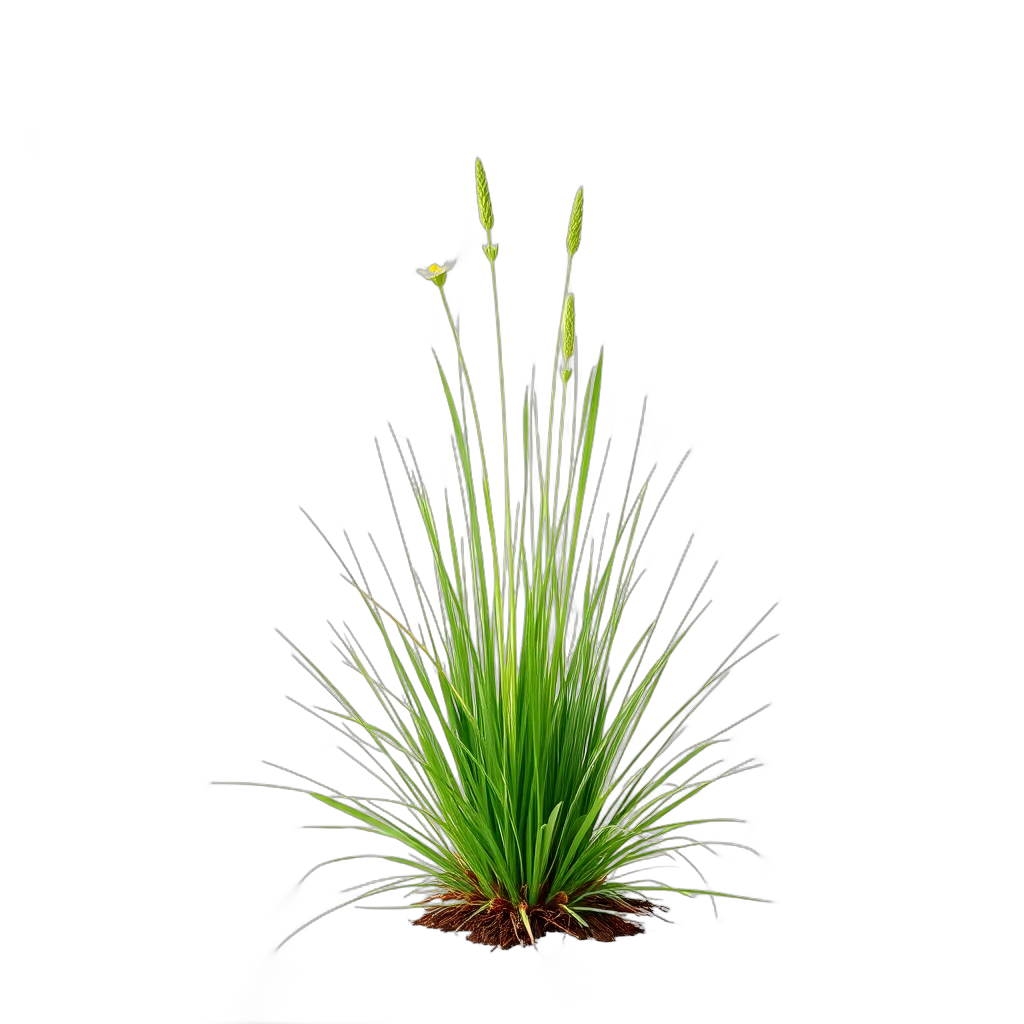
California Brome
Bromus carinatus
low-growing ground cover, blooms in spring. Yellow fall color.
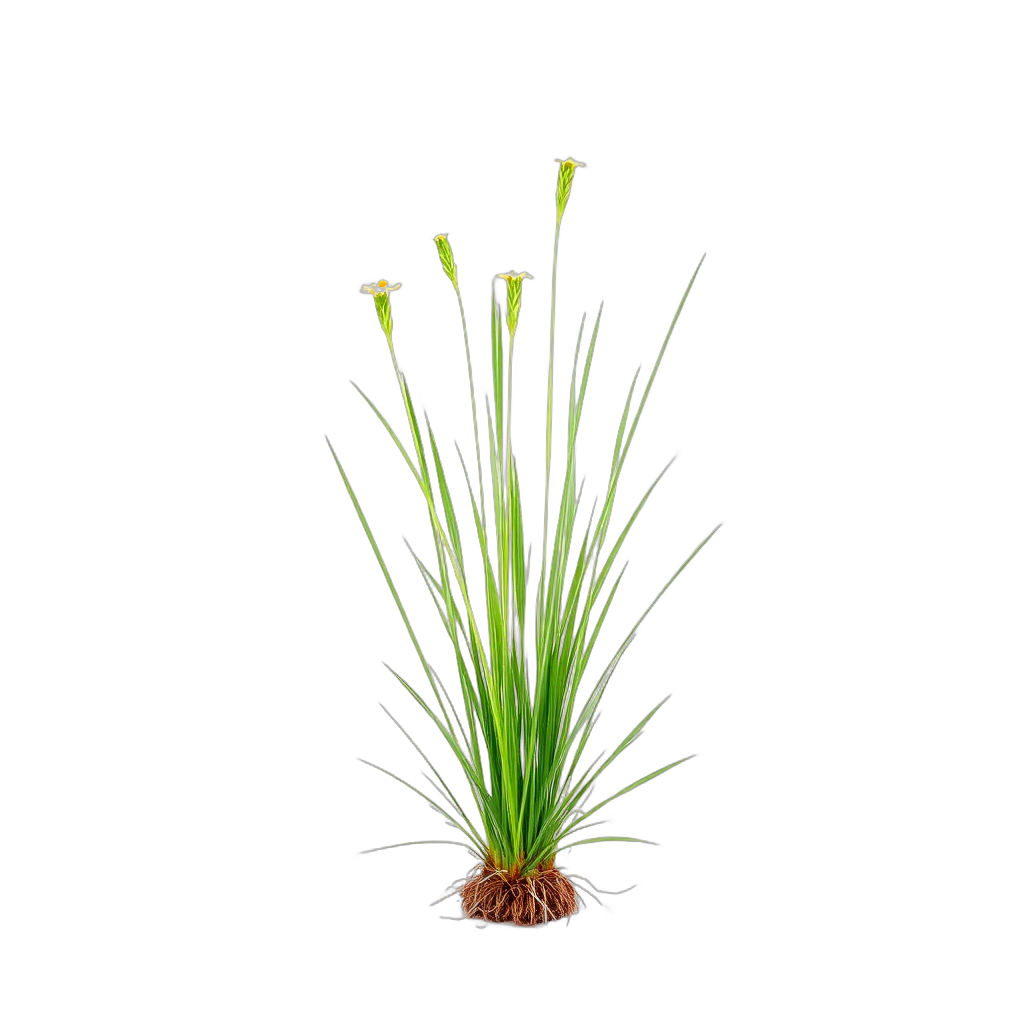
California Melic
Melica californica
low-growing ground cover, blooms in spring.
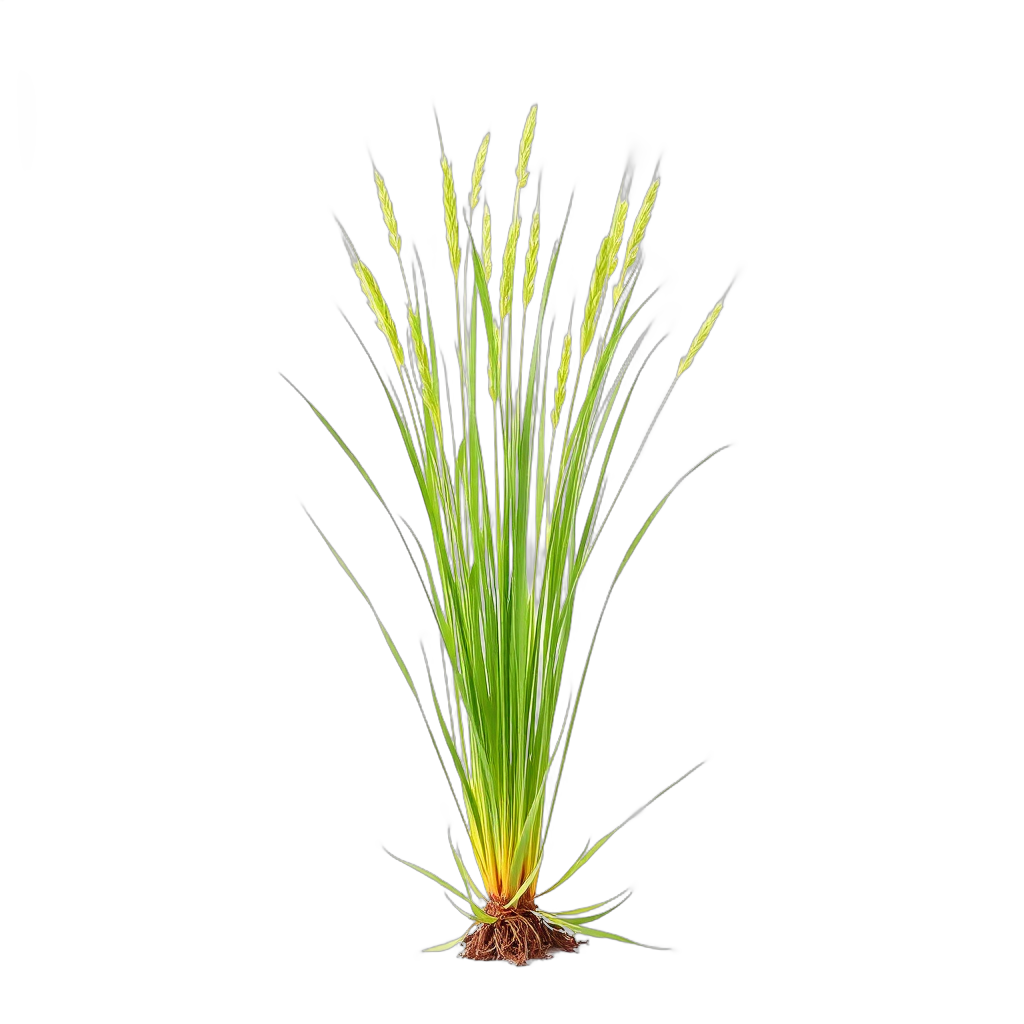
California Oatgrass
Danthonia californica
low-growing ground cover, blooms in spring. Yellow fall color.
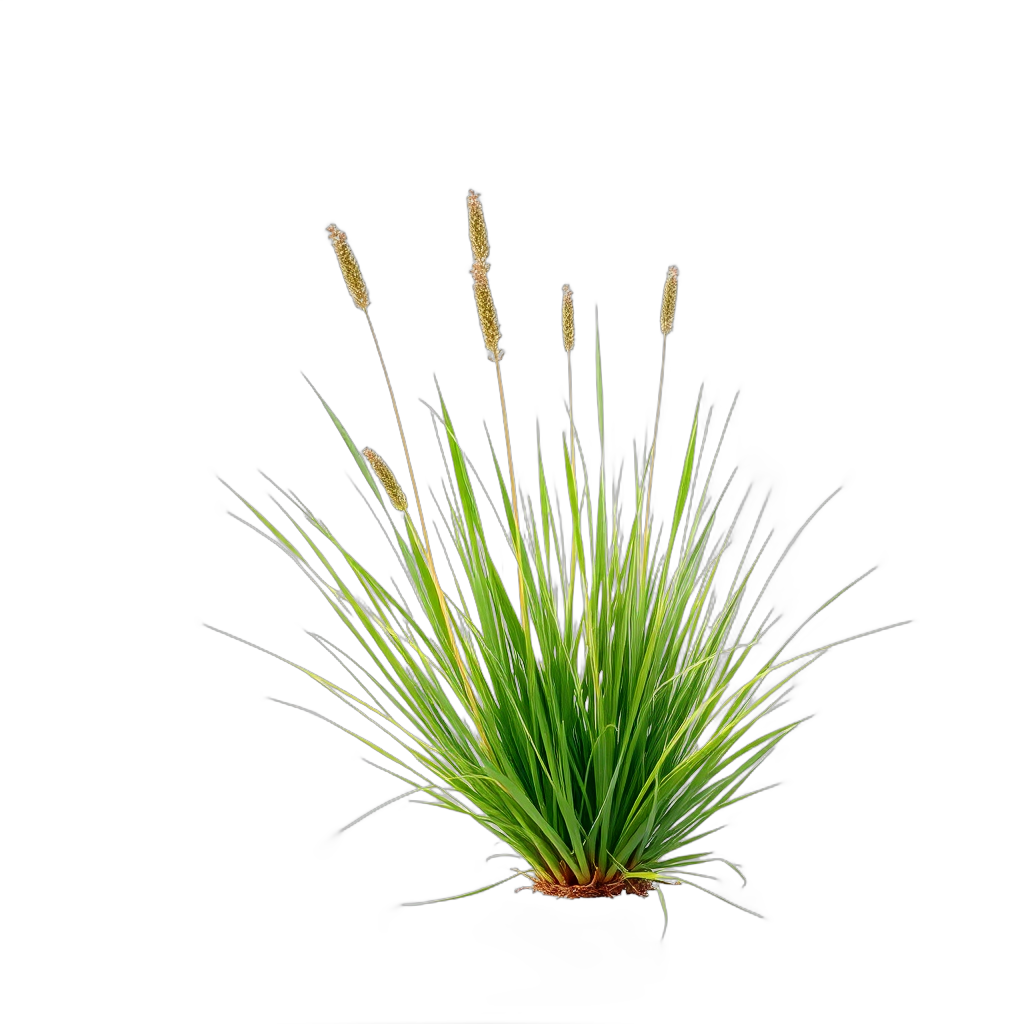
Deer Grass
Muhlenbergia rigens
grows to 3 feet, yellow blooms in fall. Evergreen year-round.
Featured Flowers & Perennials for Mediterranean Gardens
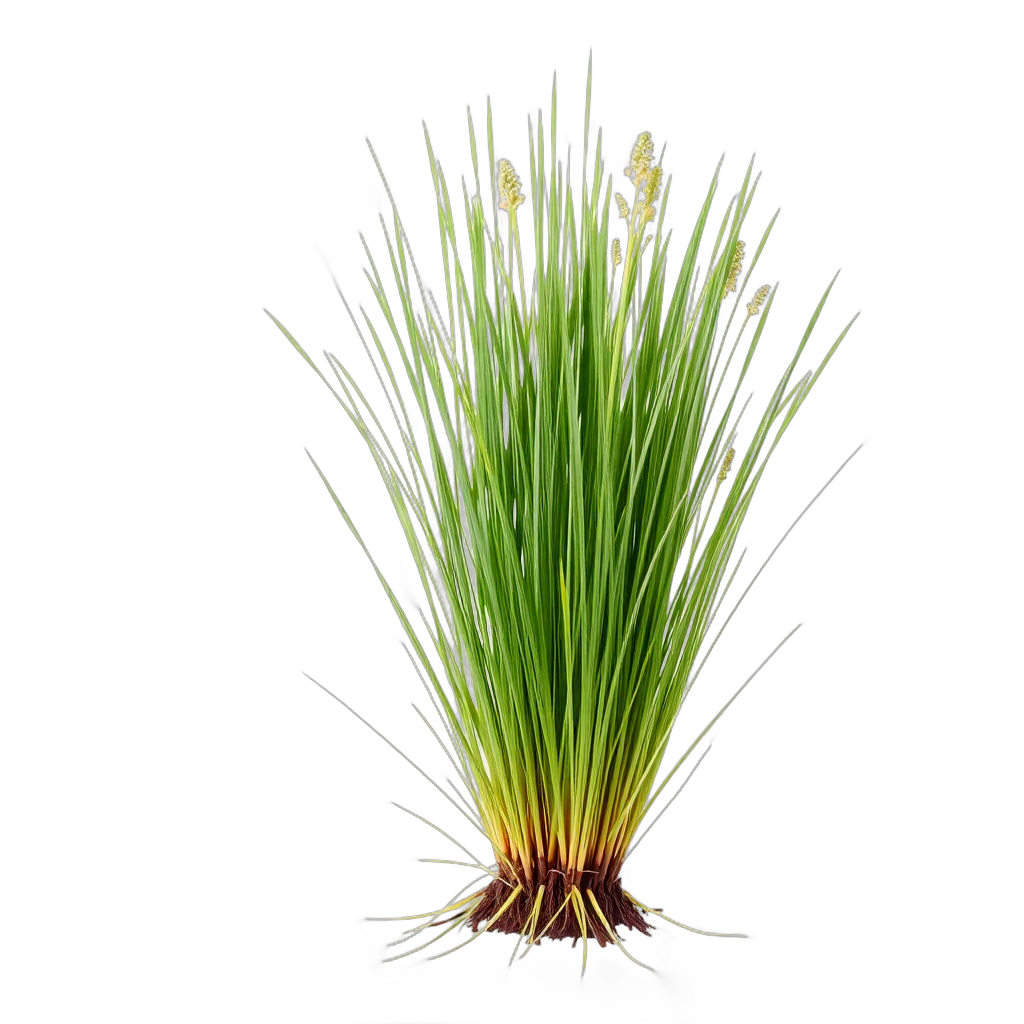
California Gray Rush
Juncus patens
low-growing ground cover, blooms in summer. Evergreen year-round.
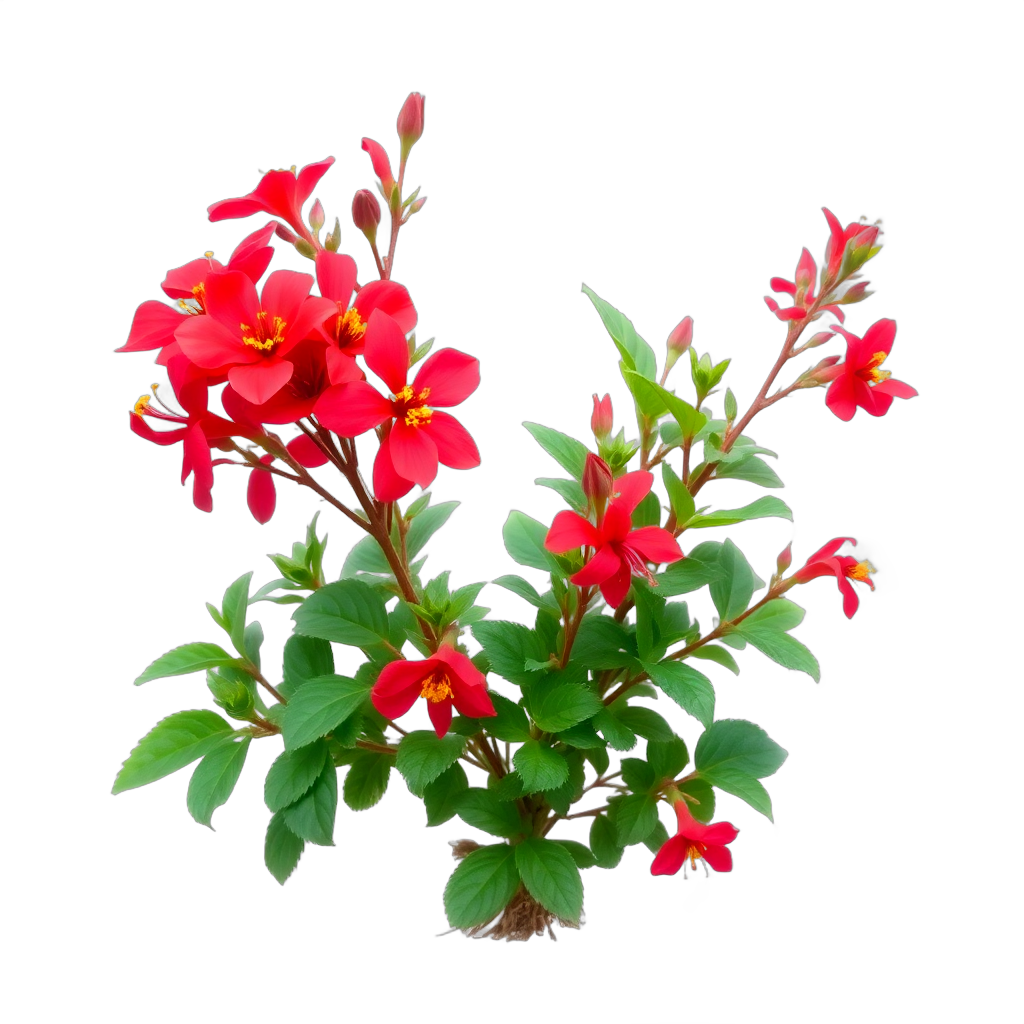
California Fuchsia
Zauschneria californica
low-growing ground cover, red blooms in fall. Attracts hummingbirds.
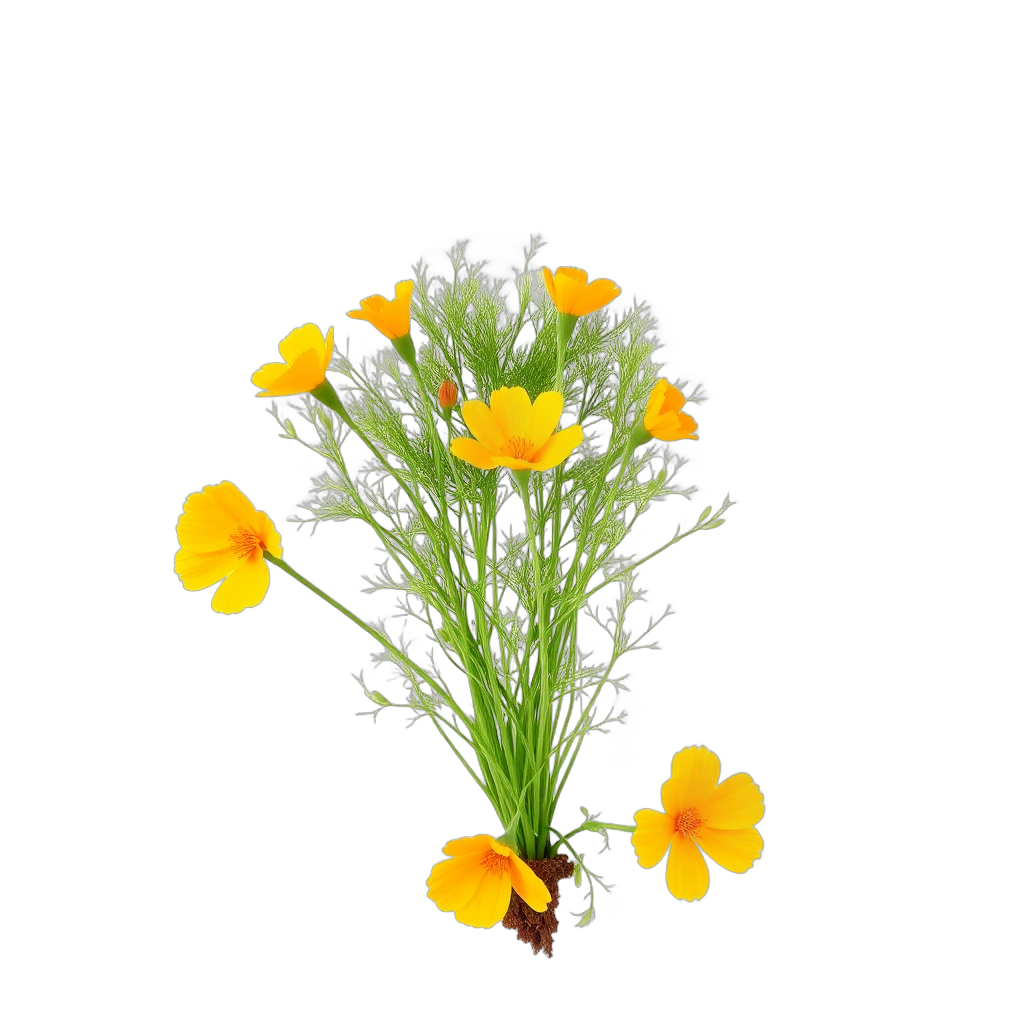
California Poppy
Eschscholzia californica
low-growing ground cover, orange blooms in spring.
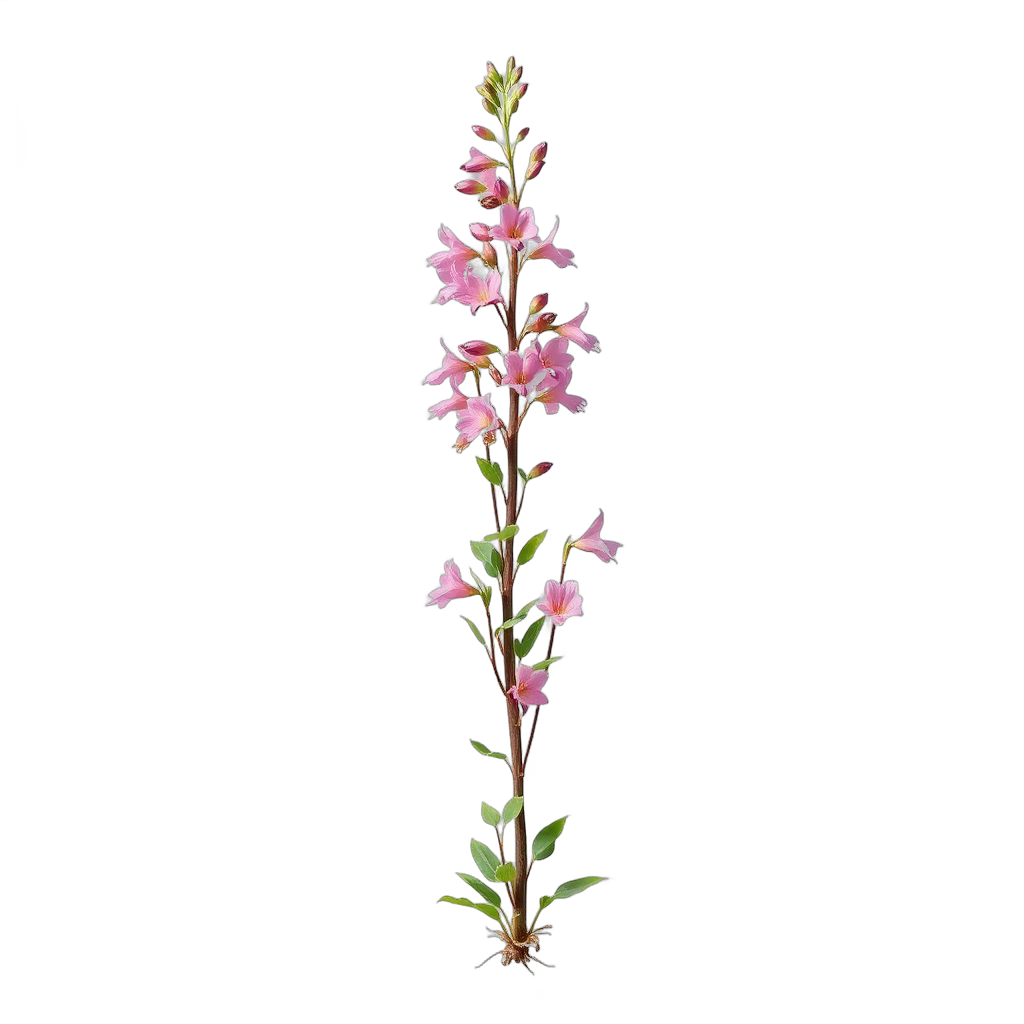
Foothill Penstemon
Penstemon heterophyllus
low-growing ground cover, blue blooms in spring. Attracts hummingbirds.
Bloom Calendar for Santa Rosa
spring
California Poppy, Foothill Penstemon, Foothill Sedgesummer
California Gray Rush, Black Sage, California Buckwheatfall
California Fuchsia, Deer Grasswinter
Limited bloomsDesign Tips for Santa Rosa (Zone 9b)
- Mound every Mediterranean bed 8–12 inches above grade and mulch with gravel or DG instead of bark — Lavandula 'Grosso', Cistus × purpureus, Santolina, and Phlomis fruticosa die of wet clay in February far more often than they die of anything summer throws at them
- Specify Olea europaea 'Swan Hill' for any olive within reach of paving; the fruiting varieties drop black olives on terracotta and concrete for six weeks every autumn and the stains do not come out
- Move Italian cypress and every juniper out past thirty feet from the house — they are the two most flammable plants in the Mediterranean catalog, and Santa Rosa's post-Tubbs Zone 0 rules make foundation plantings of resinous shrubs a genuine liability, not just a code note
- Give lavender and rosemary their own dry valve and shut it off entirely November through March; running one shared irrigation program across citrus, lawn, and lavender is the single most common reason Sonoma County Mediterranean gardens look tired by year three
- Keep Ceanothus 'Ray Hartman' and Arctostaphylos 'Howard McMinn' out on the unirrigated perimeter — they read as the same silvery, drought-adapted texture as the exotics but will rot within two summers if they share a valve with your Meyer lemon
- Use a warm south or west stucco wall as a microclimate: it stores enough daytime heat to carry Bougainvillea 'Barbara Karst' and 'Bearss' lime through Santa Rosa's clear January frost nights that would damage them ten feet out in the open
Where to Source Plants in Santa Rosa
Skip the big-box stores. These independent Santa Rosa nurseries specialize in the plants that make mediterranean gardens thrive in Zone 9b.
King's Flower Nursery
Downtown Santa Rosa
Sonoma County's oldest running nursery (since 1896) for flowering plants, pollinator hosts, and garden supplies.
Prickett's Nursery
Rincon Valley
High-quality plants with a 90-day guarantee and hands-on gardening advice.
Urban Tree Farm Nursery
Fulton
Twenty acres of container-grown trees, shrubs, fruit trees, and perennials.
Emerisa Gardens
West Santa Rosa
Family-run nursery specializing in four-inch perennials, with an emphasis on hardy and unusual varieties.
Mediterranean Landscaping Costs in Santa Rosa
| Project Scope | Estimated Cost |
|---|---|
| Front-yard lawn to olive-and-lavender conversion (600–800 sqft, mounded beds + drip) | $9,000 – $20,000 |
| Gravel and flagstone entry courtyard with stucco privacy wall | $14,000 – $32,000 |
| Terracotta tile courtyard with cast-stone tiered fountain | $30,000 – $70,000 |
| Timber pergola over tile patio, planted with bougainvillea | $16,000 – $38,000 |
| Specimen multi-trunk 'Swan Hill' olive, delivered and planted | $1,800 – $6,500 each |
| AI visualization with ProScapeAI | Free to start |
Estimates based on Santa Rosa, CA-area contractor rates as of 2026. Actual costs vary by site conditions, materials, and contractor.
Santa Rosa Climate & Growing Zone
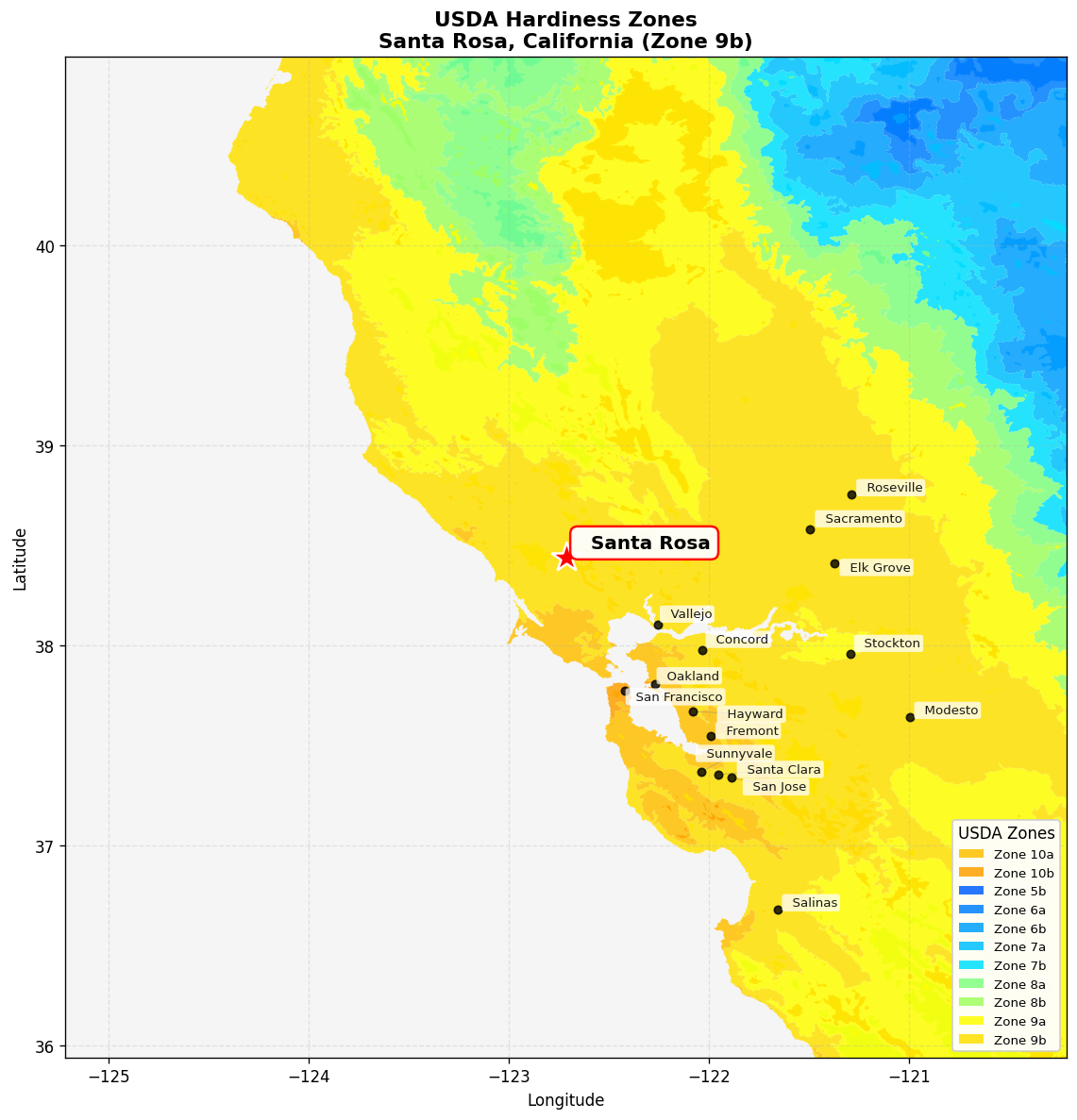
USDA Zone 9b
Hardiness zone for Santa Rosa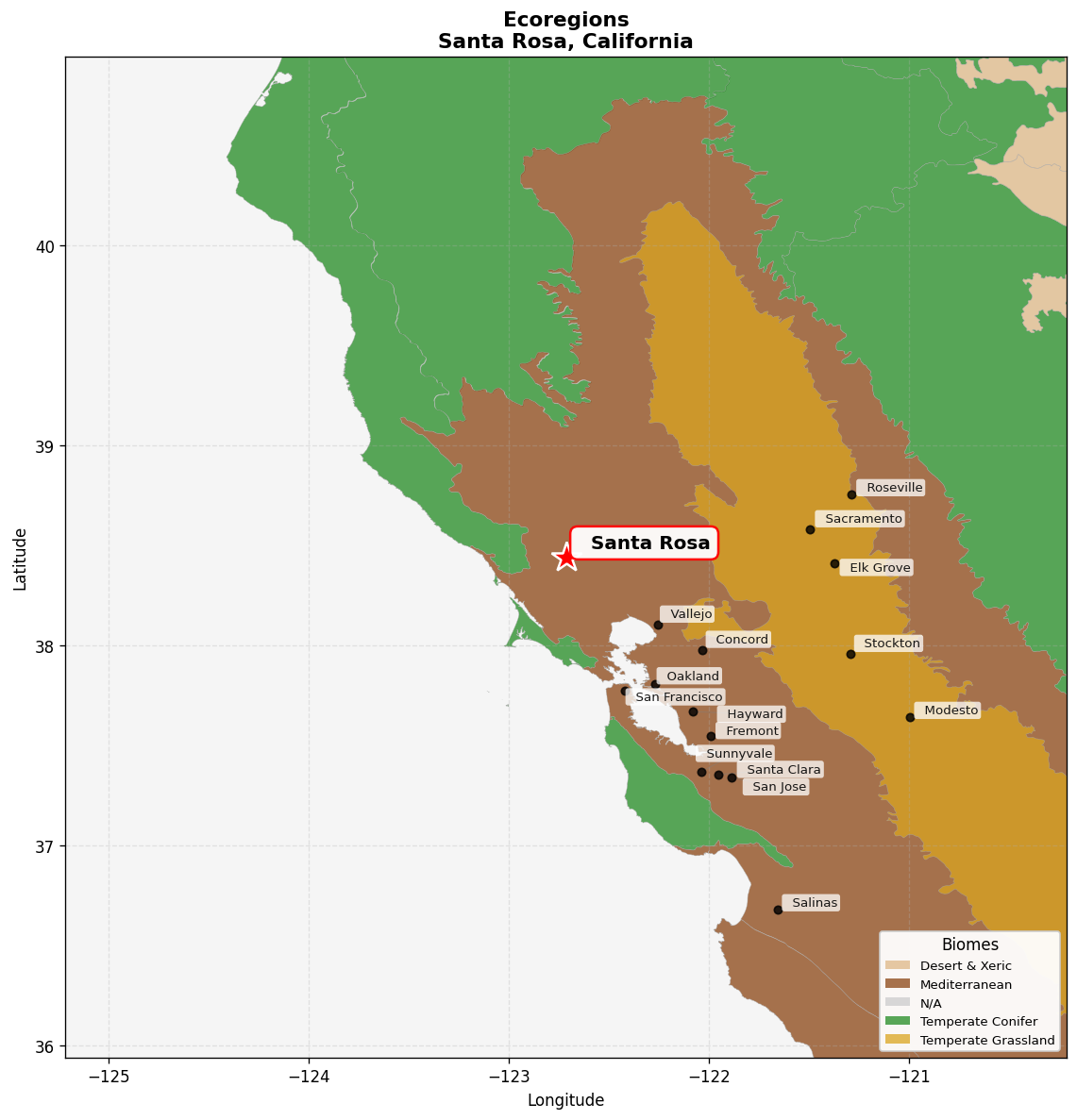
California interior chaparral and woodlands
Native ecoregionFrequently Asked Questions
Will olive trees really thrive in Santa Rosa, and should I plant a fruiting variety?
Olives are as at home in Sonoma County as anywhere in the world — Csb climate, hot dry summers, mild wet winters, and clay loam they tolerate as long as they are not sitting in standing water. Plant Olea europaea 'Swan Hill' unless you actually want olives: it is functionally fruitless and low-pollen, which spares you the black fruit staining your terracotta and driveway every autumn. For hedging or smaller spaces, Olea europaea 'Montra' (Little Ollie) stays under 6 feet. Water new olives deeply every two weeks for two summers, then back off to monthly; mature olives in Santa Rosa need almost nothing. Skip the multi-trunk specimen upcharge unless it is a true focal point.
Which Mediterranean plants are fire hazards under Santa Rosa's defensible-space rules?
This is the local design tension. After Tubbs in 2017 and Glass in 2020, Santa Rosa enforces PRC 4291 defensible space, and the ember-resistant Zone 0 covers the first five feet around any structure. The classic high-fuel offenders in this style are Cupressus sempervirens (Italian cypress), all Juniperus, Rosmarinus/Salvia rosmarinus, Cortaderia selloana, Acacia, and Eucalyptus — resinous, oil-rich, and prone to holding dead interior fuel. Push cypress accents to the property line, keep lavender and rosemary at ten feet or more, and use gravel, pavers, or hydrated succulents in the first five feet. Olea europaea, Citrus, Rhaphiolepis, Westringia, and irrigated lawn are the fire-resistant workhorses of the palette.
Can I grow citrus and bougainvillea in Santa Rosa, or is it too cold?
Zone 9b means design lows of 25–30°F, and the valley floor around Coffey Park and the Laguna sees harder radiational frost than hillside Fountaingrove. Citrus × meyeri 'Improved Meyer' lemon and Citrus unshiu 'Owari' Satsuma are the most cold-tolerant and reliably fruit here; 'Washington' navel and 'Bearss' lime want a warm wall. Keep frost cloth on hand for clear, still January nights and water the soil before a freeze — moist soil holds heat. Bougainvillea 'Barbara Karst' survives but is not evergreen here; expect defoliation and dieback most winters with vigorous regrowth by May. Plant it against a south or west stucco wall that radiates stored heat.
Why does my lavender keep dying in Santa Rosa?
Almost always winter drainage, not cold or summer neglect. Santa Rosa's clay loam holds water for days after a 2-inch storm, and lavender roots rot in saturated cold soil. Fix it structurally: mound beds 8–12 inches above grade, cut in 30–40 percent 1/4-inch crushed rock or DG, and mulch with gravel rather than bark, which traps moisture at the crown. Choose Lavandula × intermedia 'Grosso' or 'Provence' — the Provence-type hybrids grown on Sonoma lavender farms handle heavier soil far better than Lavandula angustifolia. Shear by one third right after the summer bloom, never into old wood, and turn the drip off entirely from November through March.
Which California natives blend into a Mediterranean garden, and which ones will summer irrigation kill?
Natives mix beautifully with the Mediterranean palette because they evolved in the same climate — but that also means many of them are killed by the summer water your lavender and citrus want. Ceanothus 'Ray Hartman', Ceanothus 'Julia Phelps', Arctostaphylos 'Howard McMinn', Arctostaphylos densiflora 'Sentinel' (a Sonoma County endemic), Fremontodendron, and Romneya coulteri all get Phytophthora root rot from warm wet soil and typically die in their second summer. Keep them on a separate dry valve or in an unirrigated outer zone. The forgiving ones you can integrate anywhere are Muhlenbergia rigens, Festuca californica, Frangula californica 'Eve Case', Heteromeles arbutifolia, Cercis occidentalis, Epilobium canum 'Everett's Choice', and Penstemon heterophyllus 'Margarita BOP'.
What does a Mediterranean landscape cost in Santa Rosa, and are there rebates?
Sonoma County labor runs above the national average, so budget accordingly: a front-yard lawn-to-Mediterranean conversion with soil mounding, gravel mulch, olives, and lavender typically lands at $9,000–20,000 for 600–800 sqft. A gravel-and-flagstone entry courtyard runs $18–34/sqft, and a full terracotta tile courtyard with a cast-stone fountain reaches $28–55/sqft. Santa Rosa Water offers water-efficient landscape and turf-replacement rebates through the Sonoma-Marin Saving Water Partnership, and the free QWEL-certified irrigation checkup — a program founded in Santa Rosa — is worth booking before you finalize the drip design. New landscapes over 500 sqft attached to a permit must also meet MWELO requirements.