4 Modern Garden Ideas for Seattle, WA | Pacific NW Architectural Designs for Zone 8b
Native plants from the Puget lowland forests (Zone 8b) — Mediterranean (warm summer) climate
Why Modern/Minimalist Gardens in Seattle?
Seattle's Zone 8b Puget lowland forest climate produces a modern landscape aesthetic that is distinctively Pacific Northwest — different from California's sun-bleached minimalism, but equally sophisticated in its own idiom. The city's 38 inches of annual rainfall, overcast winters, and cool summers create conditions where bold-leafed, moisture-tolerant structural plants perform brilliantly: Japanese maples with their four-season architecture, Phormium in sweeping straps of bronze and burgundy, ornamental grasses sway in the rain, and native ferns cascade over stone walls with an effortless naturalism that no other plant achieves.
Seattle's tech-industry wealth and design-forward culture have produced a residential landscape design market that values contemporary, sustainable, and architecturally rigorous work. The mid-century modern homes of Laurelhurst, the contemporary architecture of Capitol Hill and First Hill, the glass-and-steel townhouses emerging across Belltown and South Lake Union, and the architect-designed single-family homes in Magnolia and Madison Park all benefit from landscape design that matches their architectural ambition. Seattle's progressive environmental culture means that rain gardens, bioswales, permeable paving, and native plant integration are not sustainability compromises — they're the local expression of design sophistication.
Seattle Public Utilities' RainWise program and the city's stormwater management incentives create a financial structure that rewards the design decisions modern landscapes naturally make: permeable surfaces, rain gardens, and drought-tolerant (once established) plants all reduce stormwater runoff and qualify for meaningful rebates. A well-designed modern Seattle garden is simultaneously aesthetically compelling, environmentally responsible, and financially incentivized — the three factors rarely align this well.
4 Modern/Minimalist Design Ideas for Seattle
AI-generated image
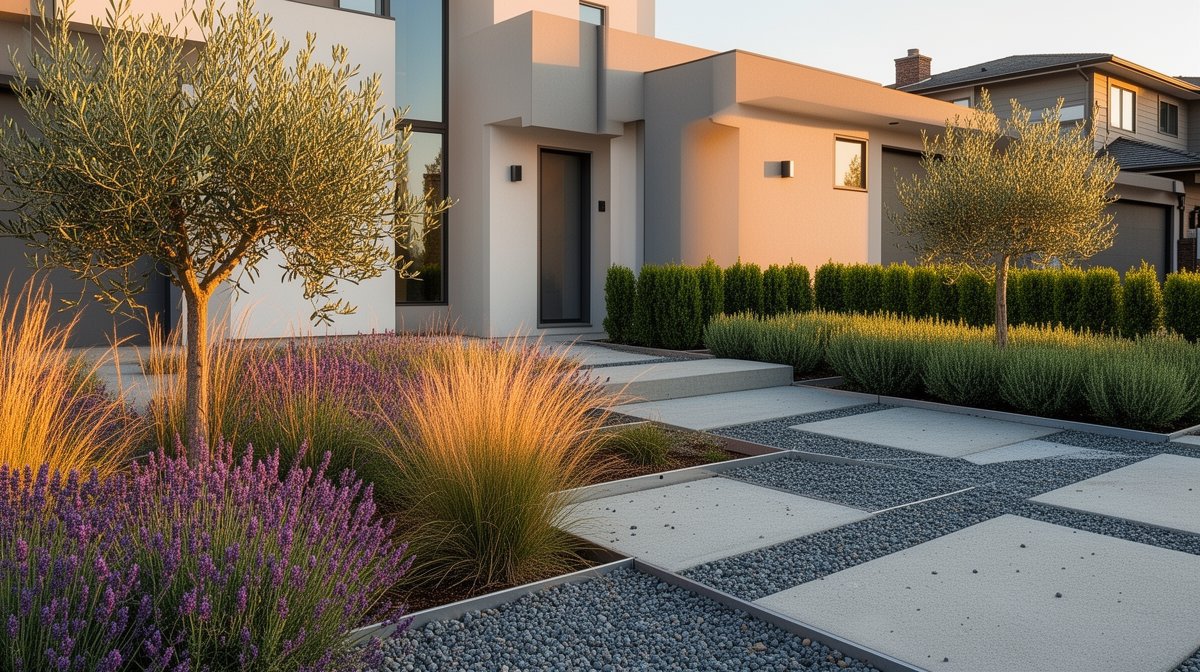
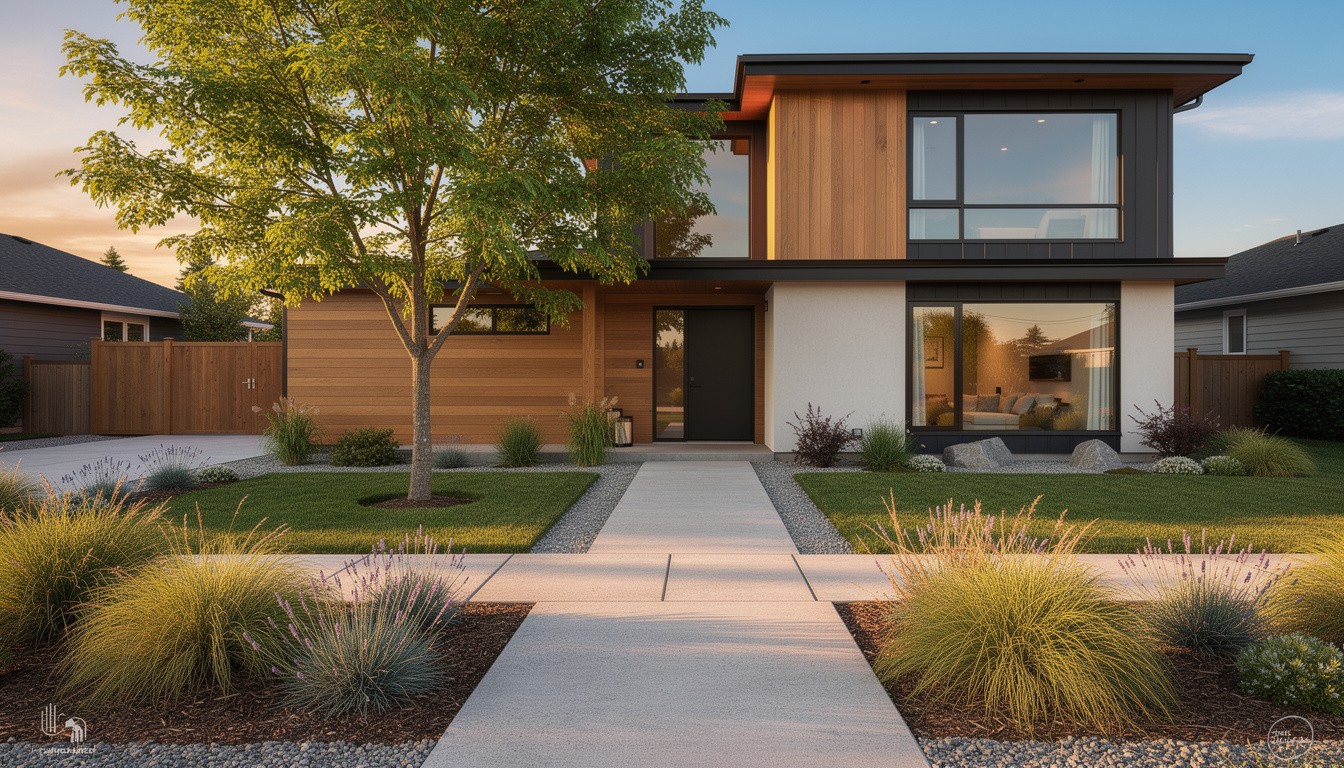
The Cedar & Grass Modern Entry
$18–34/sqftA contemporary two-story home with cedar cladding and dark metal accents is fronted by a polished modern landscape: a wide concrete walkway bisects warm decomposed granite beds planted with ornamental bunchgrasses, low blue-grey fescue, and a graceful accent tree. Cedar privacy screens along the side provide warmth and texture. The design is unmistakably Pacific Northwest modern — natural materials, restrained palette, and a respect for the surrounding green landscape.
AI-generated image
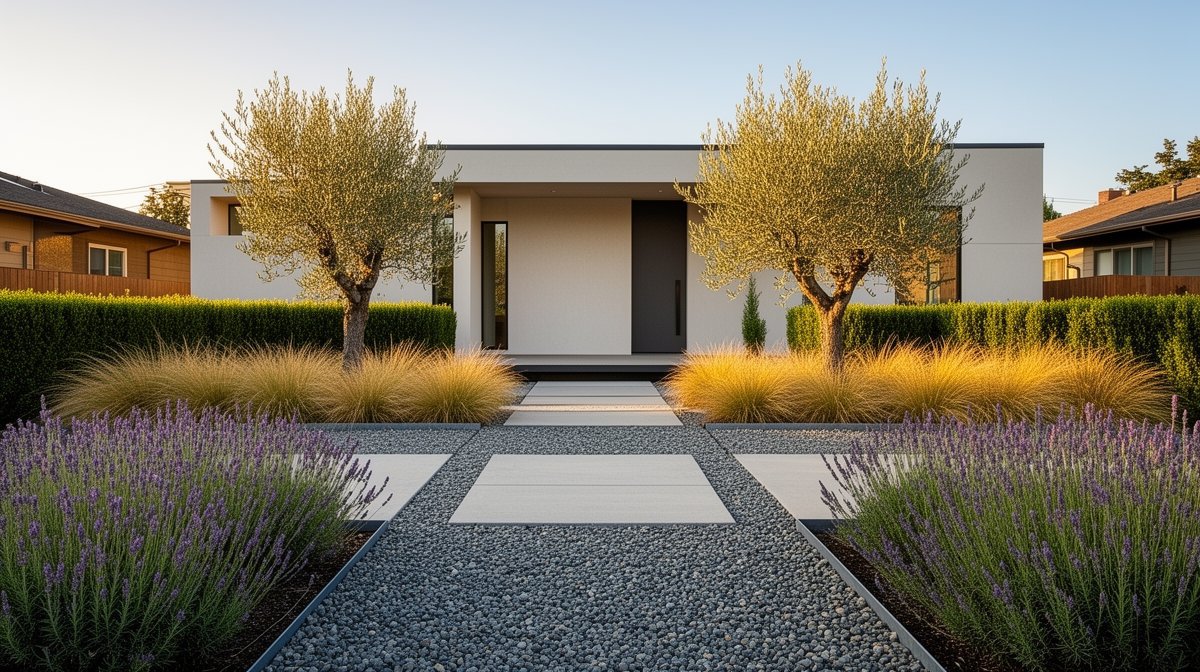
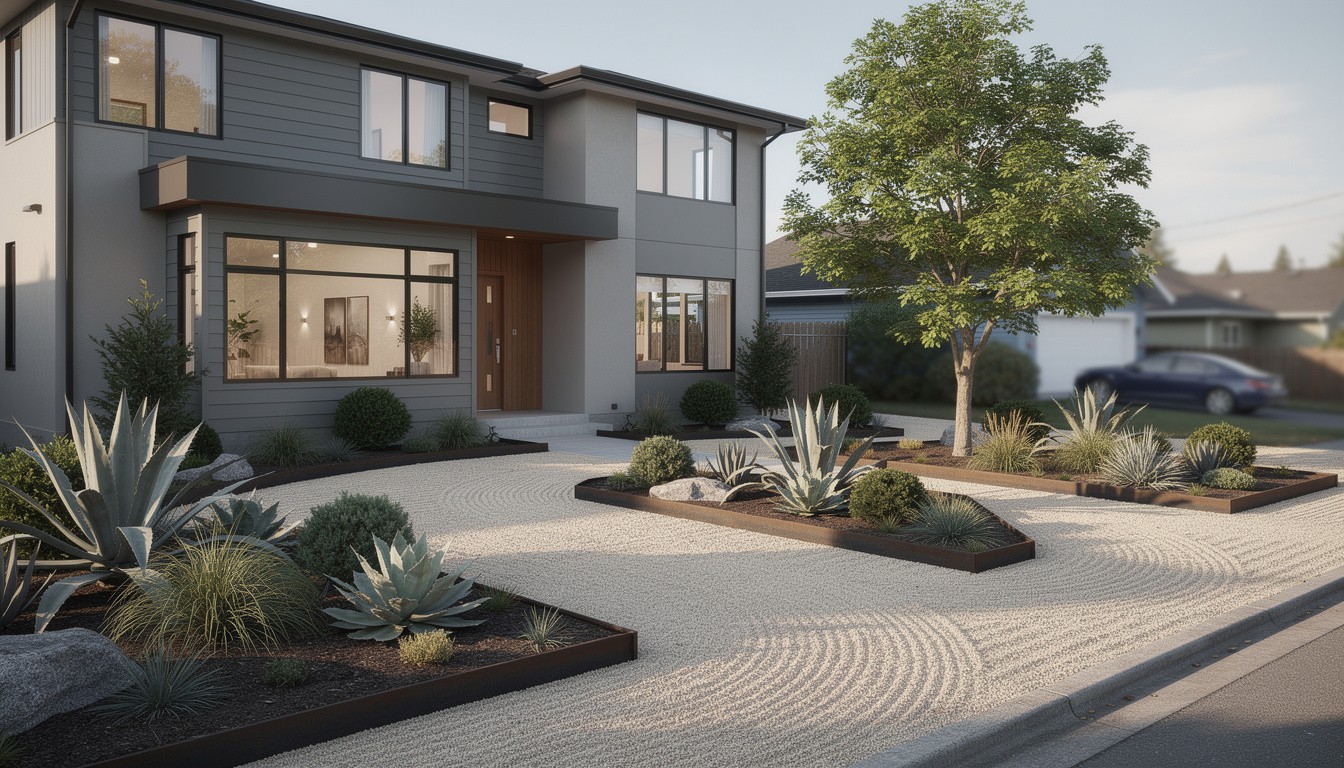
The Raked Gravel & Agave Entry
$13–24/sqftA grey modern home with large windows sits behind a Zen-influenced xeric front yard: raked light gravel fills the ground plane, with raised rectangular steel-edged beds holding clusters of agave and succulent rosettes in blue-grey and green tones. A single small accent tree punctuates one side. The raked gravel pattern adds textural interest and a contemplative quality to what is otherwise a minimal, low-maintenance composition.
AI-generated image
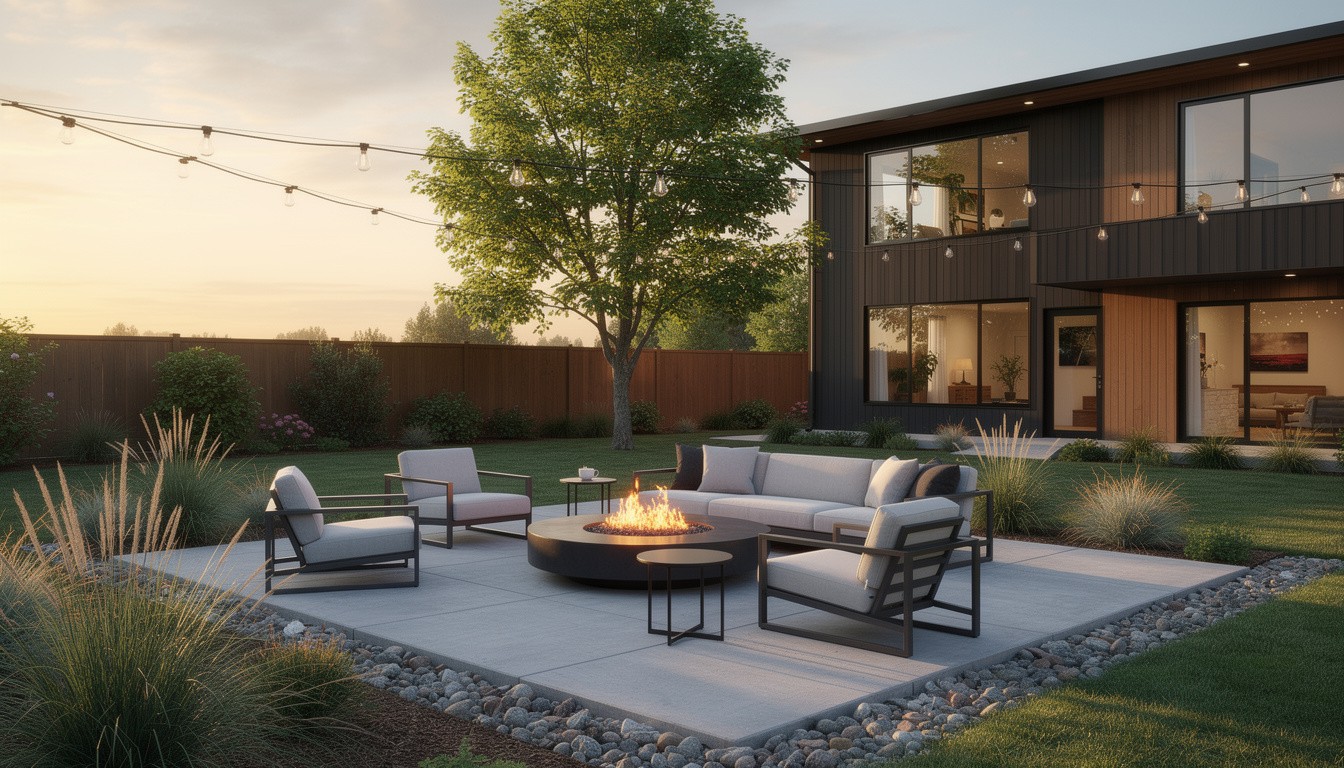
The Modern Fire Pit Terrace
$28–50/sqftA contemporary Seattle home opens onto a large concrete patio centered on a round fire pit, with modern lounge chairs grouped around it for evening gatherings. A mature deciduous tree provides summer shade, ornamental grasses soften the raised concrete perimeter wall, and string lights cross the patio overhead. The fire pit makes this outdoor room usable on Seattle's cool evenings well into October — extending the season by months compared to a standard patio.
AI-generated image
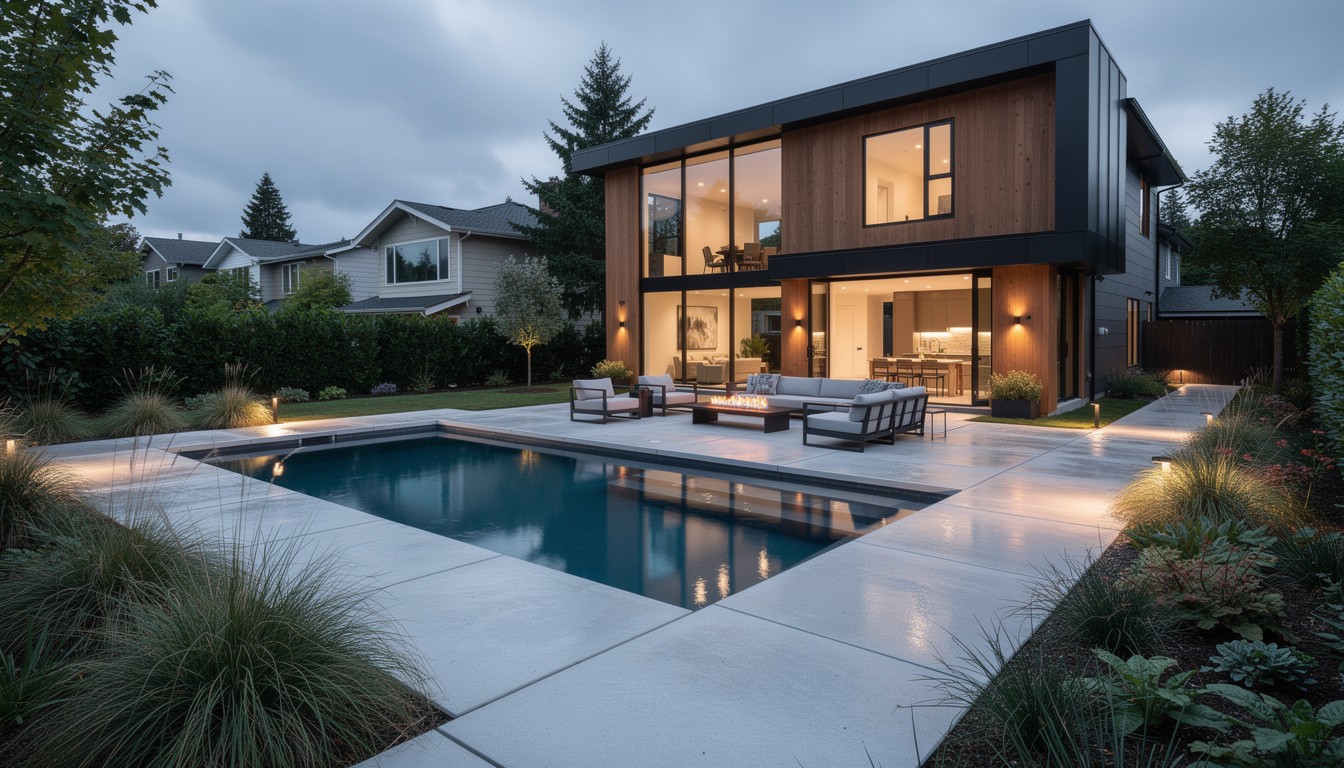
The Modern Pool & Fire Terrace
$60–120/sqftA premium Seattle modern home at dusk: a rectangular pool with white concrete coping and integrated lighting reflects the warm glow of a two-story glass pavilion with panoramic glazing. A square built-in fire table anchors the lounge area beside the pool, with a modern sectional sofa. Ornamental grasses and small accent trees soften the dark timber fence perimeter. Low-profile LED lighting frames every edge. Seattle's long summer days make this pool the center of family life from June through September.
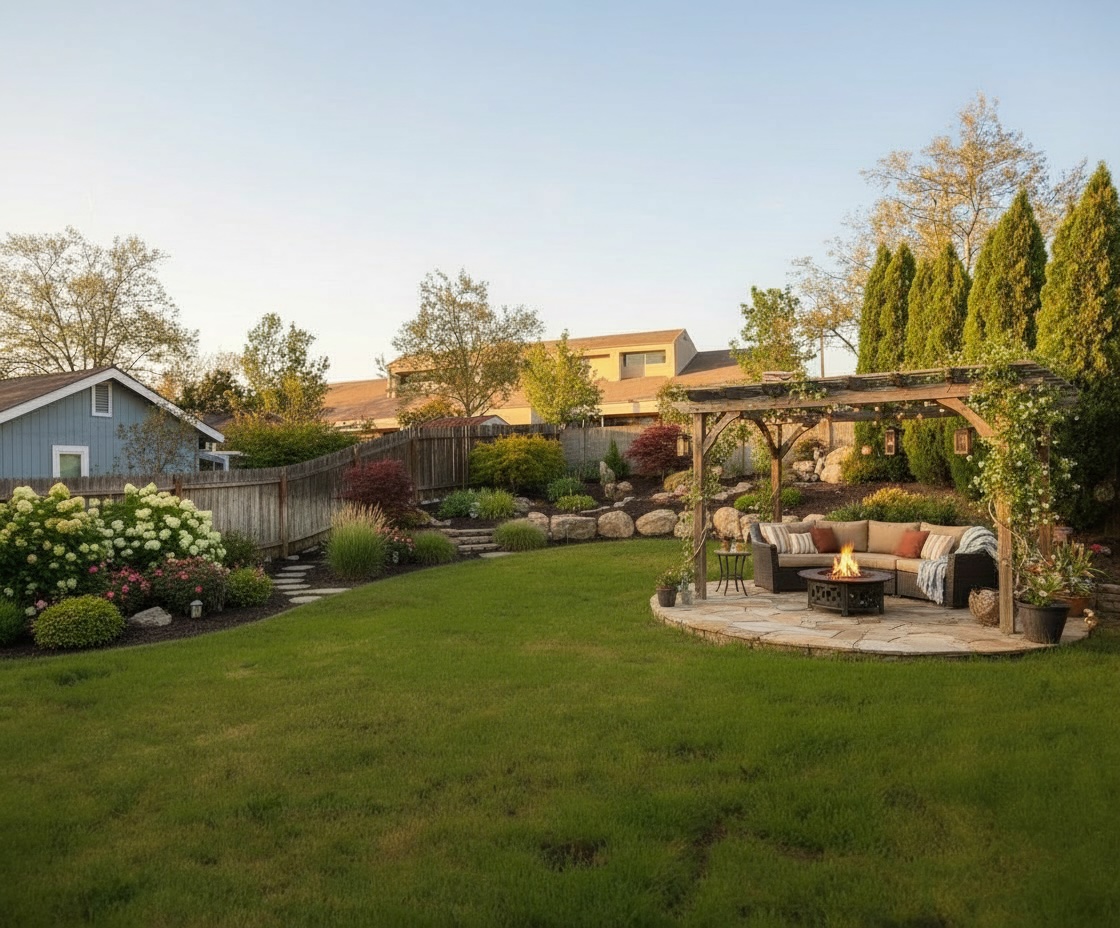
See how a modern/minimalist garden looks on YOUR property
Upload a photo of your Seattle yard and visualize your dream garden in seconds.
Try ProScapeAI Free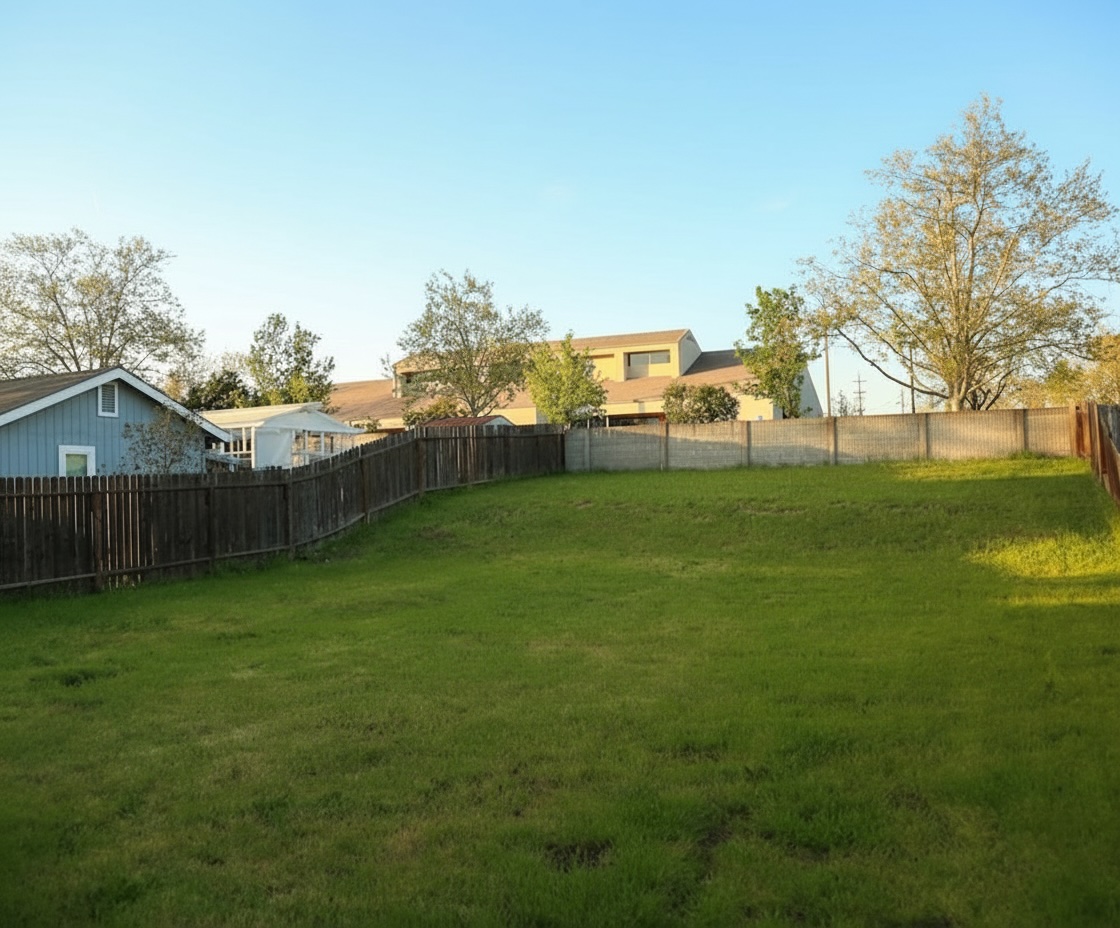
AI-generated image
Featured Trees & Shrubs for Modern/Minimalist Gardens
Browse all 163 plants for Seattle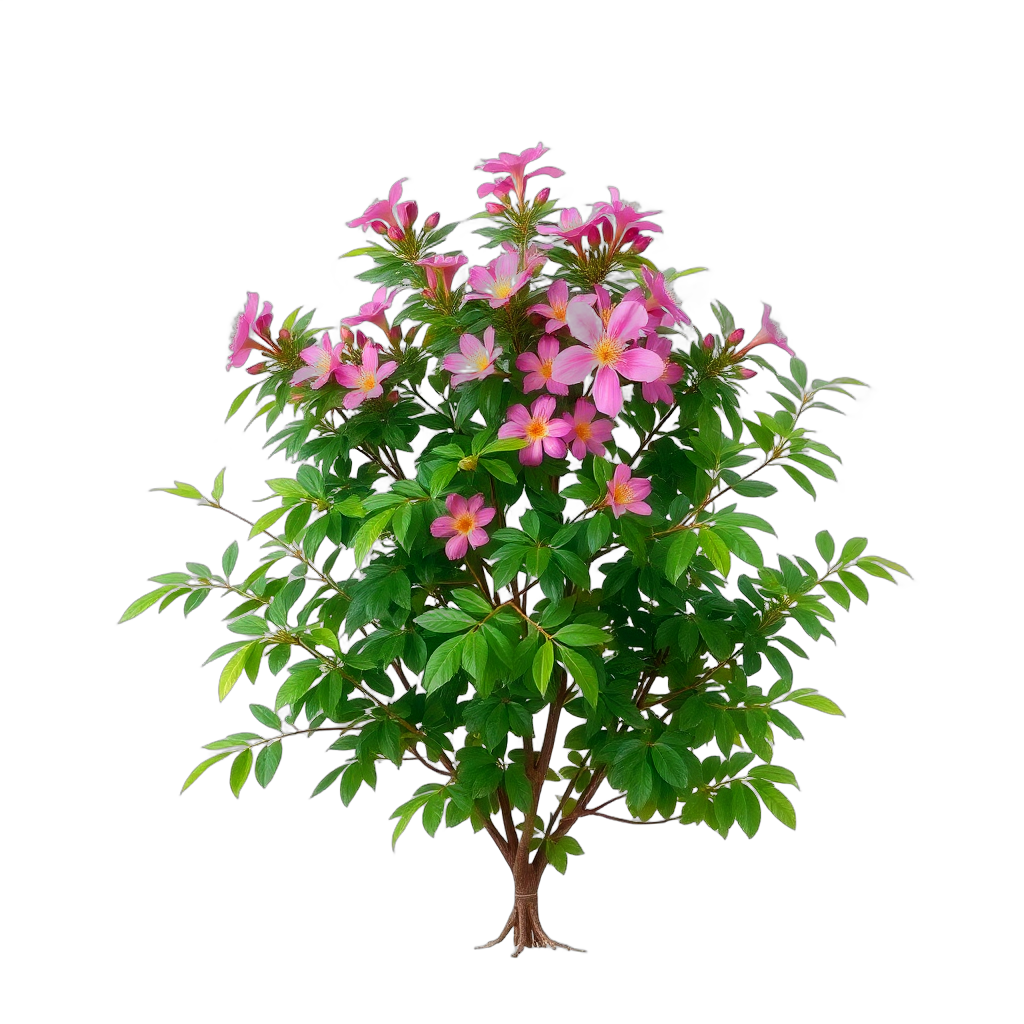
Nootka Rose
Rosa nutkana
grows to 5 feet, pink blooms in spring. Attracts butterflies.
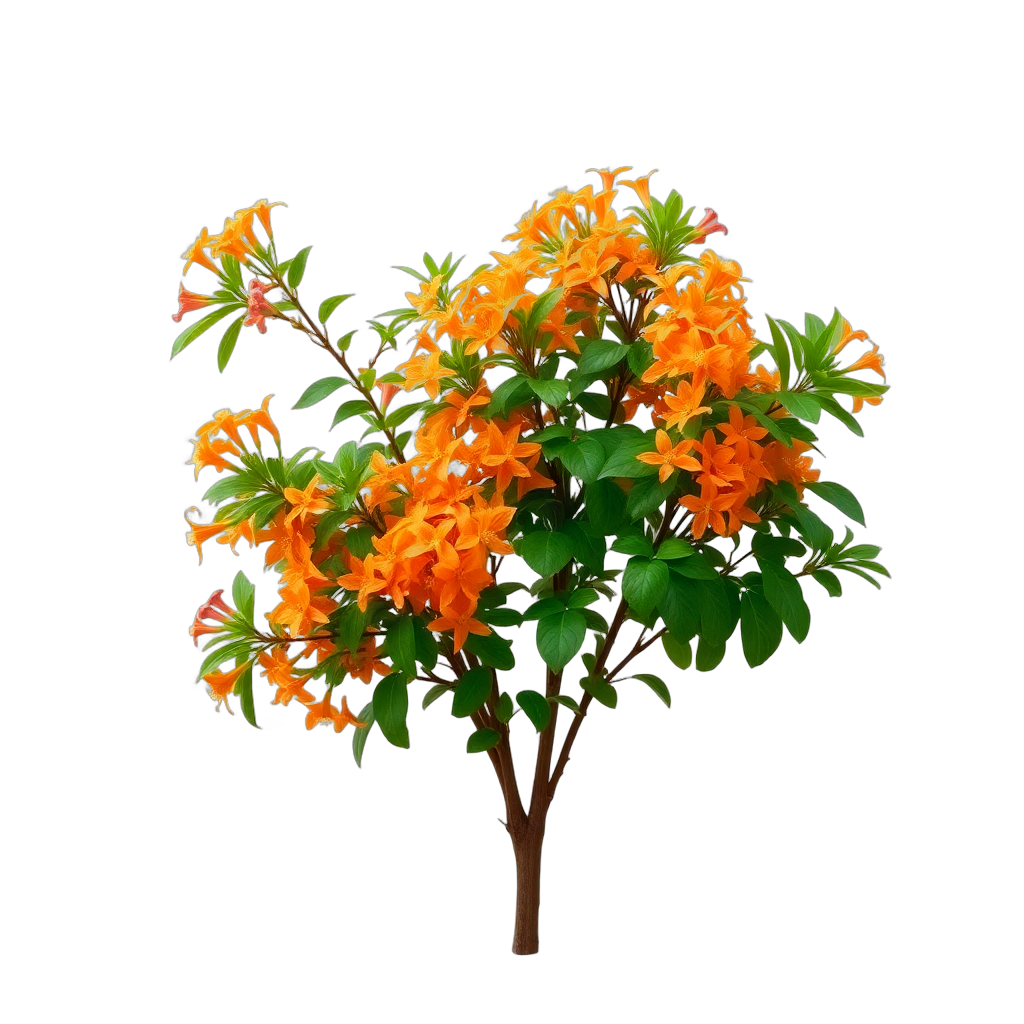
Orange Honeysuckle
Lonicera ciliosa
medium-sized at 15 feet, orange blooms in summer. Attracts hummingbirds.
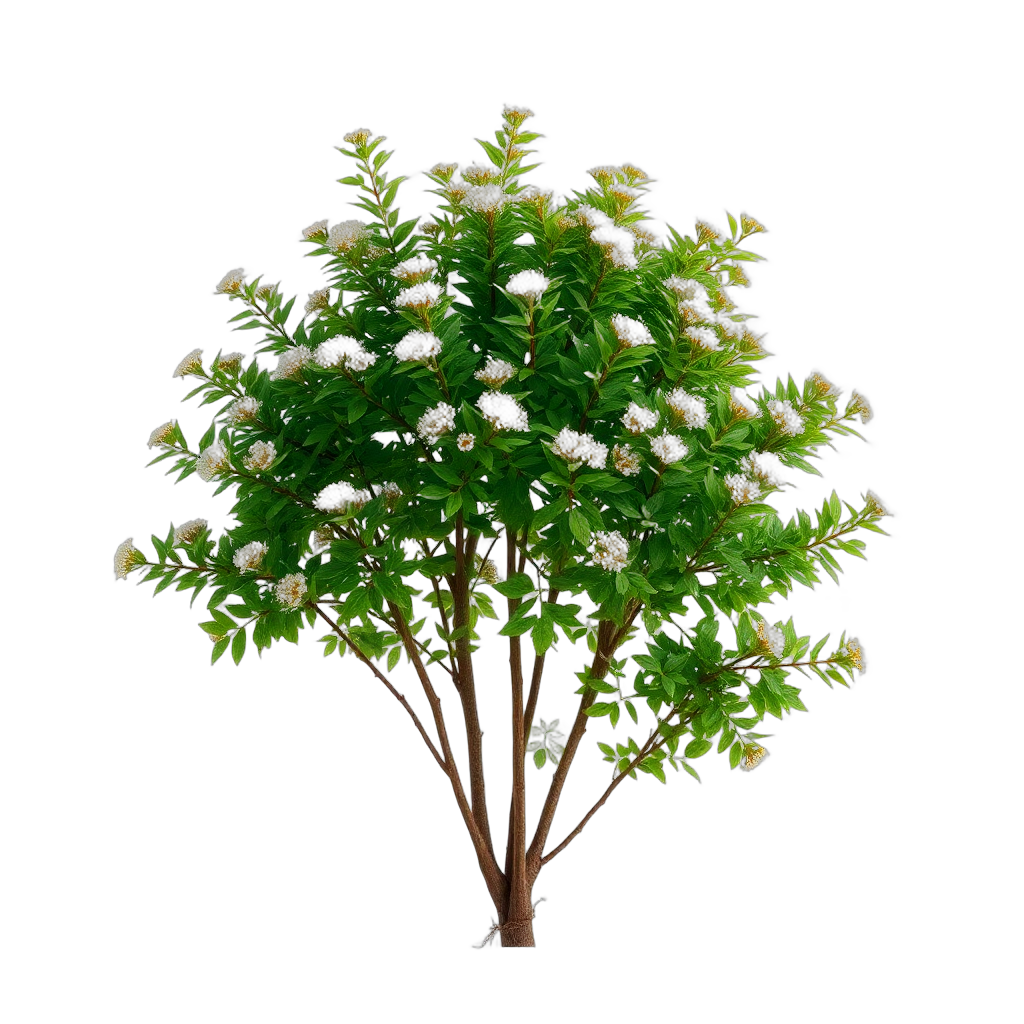
Pacific Ninebark
Physocarpus capitatus
medium-sized at 8 feet, white blooms in spring. Attracts butterflies.
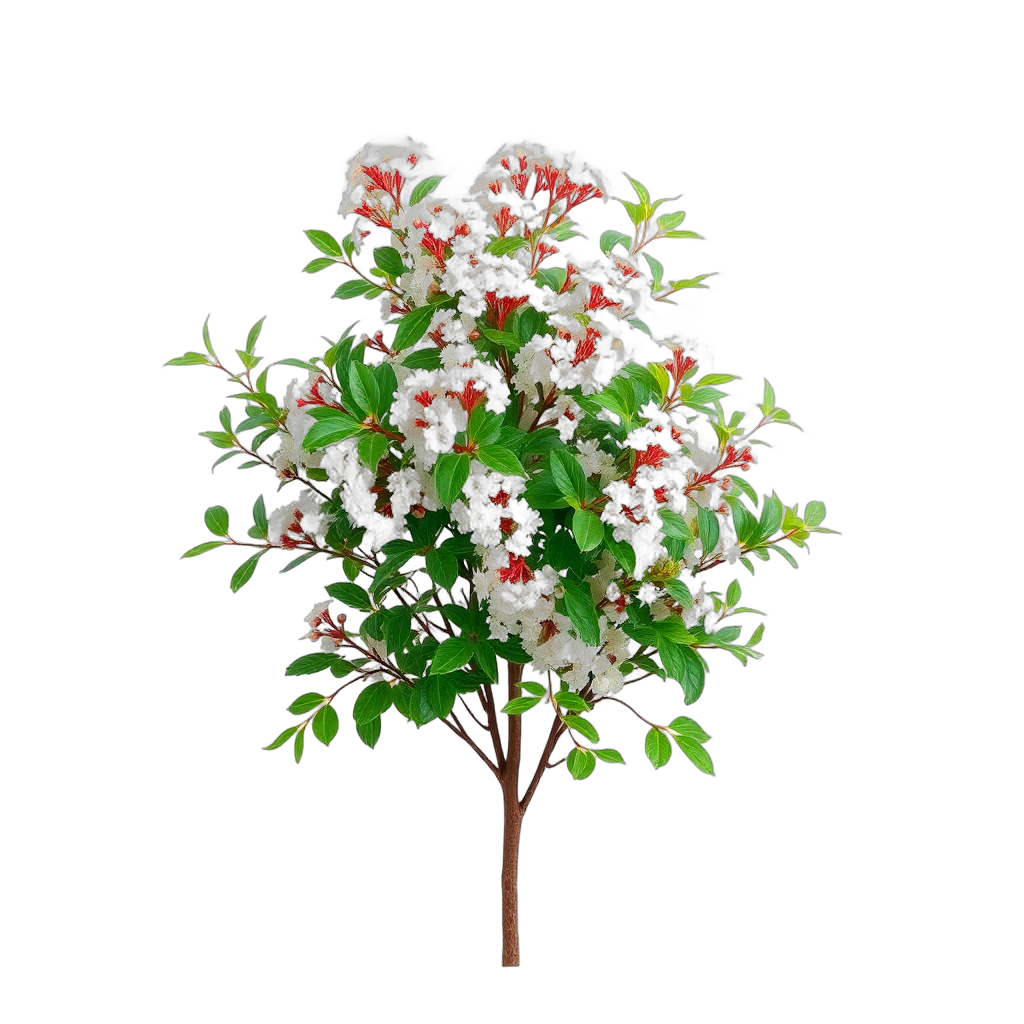
Snowberry
Symphoricarpos albus
grows to 4 feet, pink blooms in summer.
Featured Flowers & Perennials for Modern/Minimalist Gardens
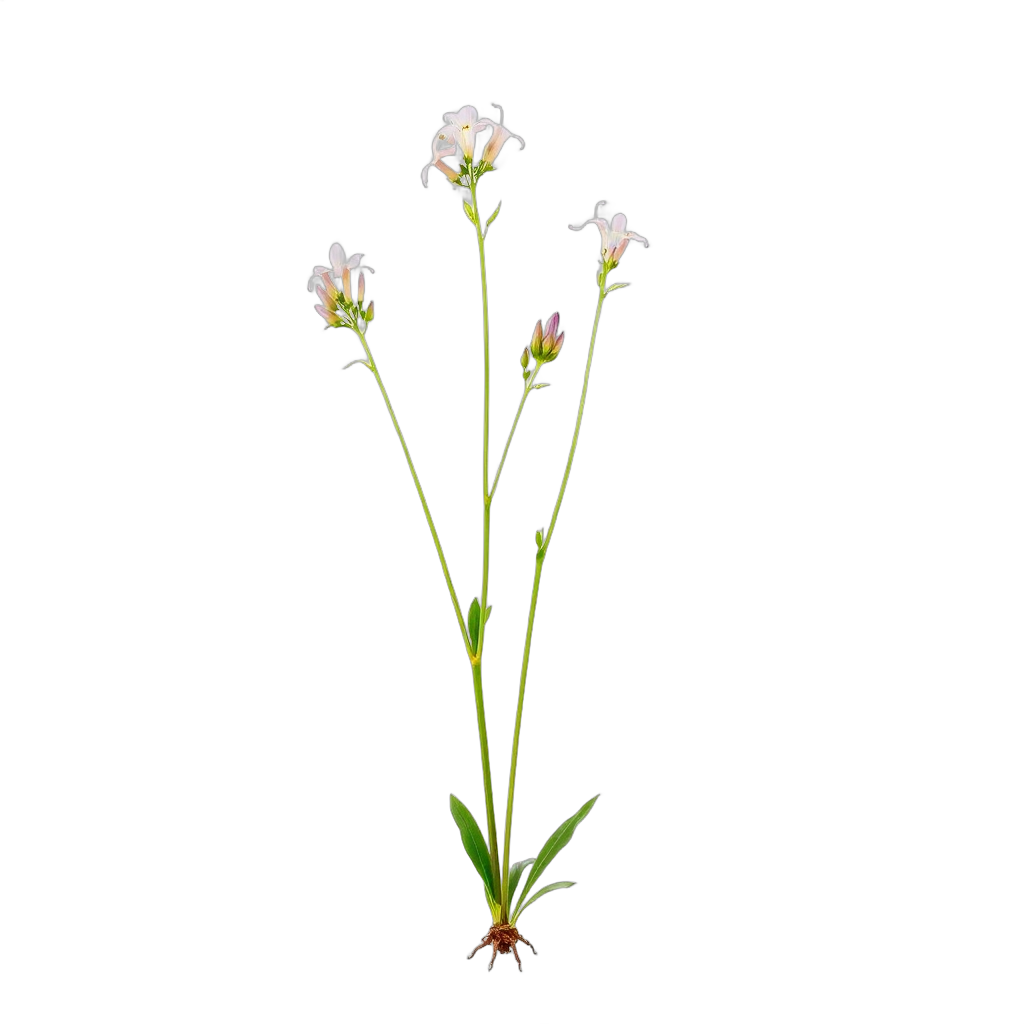
Common Camas
Camassia quamash
low-growing ground cover, blue blooms in spring. Pollinator-friendly.
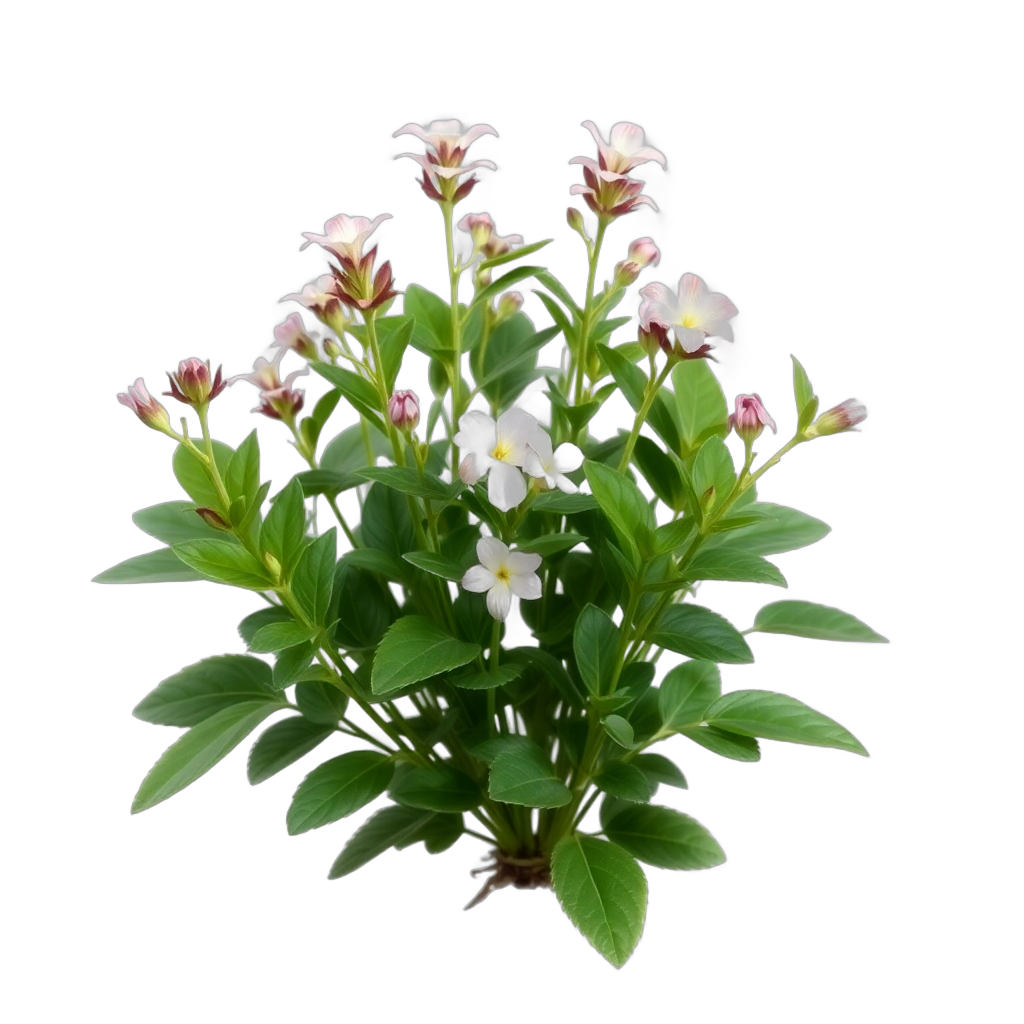
Inside-Out Flower
Vancouveria hexandra
low-growing ground cover, white blooms in spring.
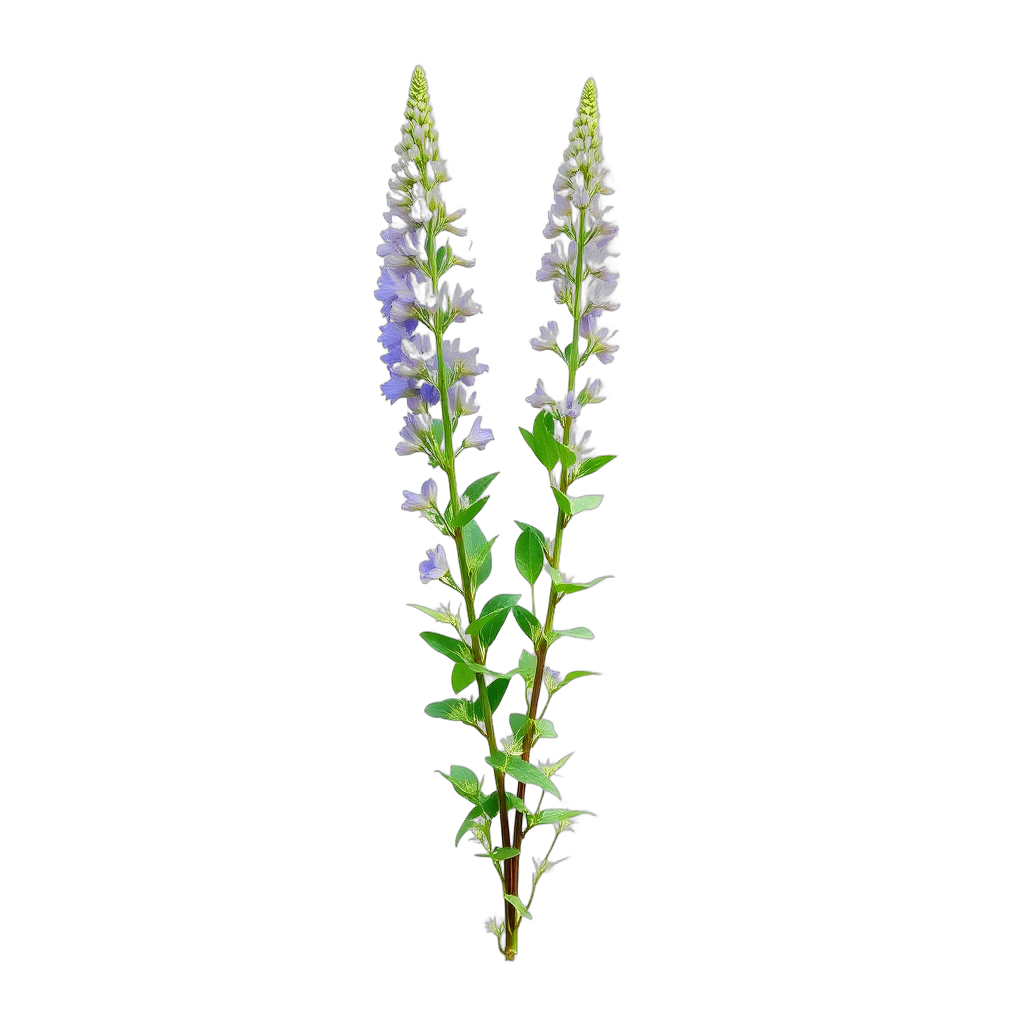
Large-Leaved Lupine
Lupinus polyphyllus
grows to 4 feet, multi blooms in spring. Attracts butterflies.
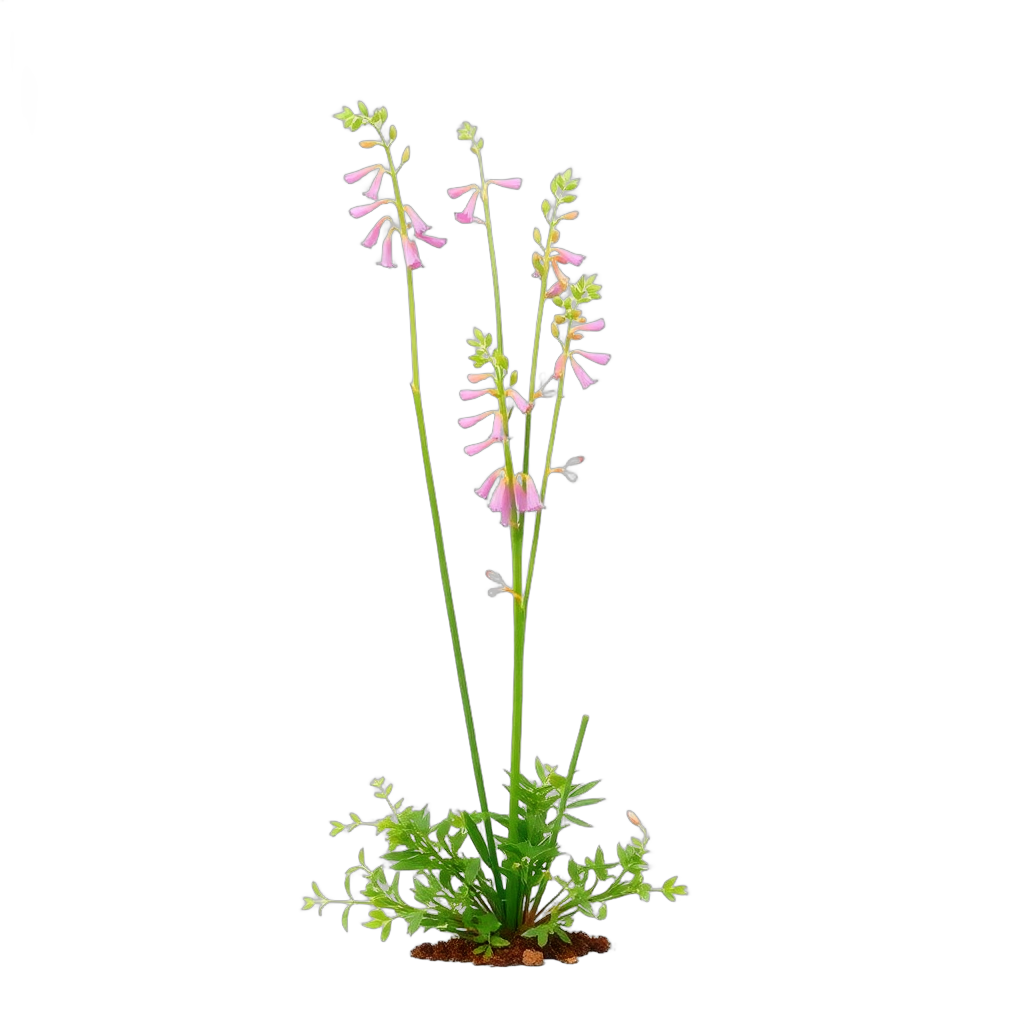
Scouler's Corydalis
Corydalis scouleri
grows to 3 feet, pink blooms in spring. Pollinator-friendly.
Zone and sun checks come from our database — confirm with your local nursery before you buy.
Bloom Calendar for Seattle
spring
Common Camas, Inside-Out Flower, Large-Leaved Lupinesummer
Tiger Lily, Orange Honeysuckle, Snowberryfall
Limited bloomswinter
Limited bloomsDesign Tips for Seattle (Zone 8b)
- Check Seattle's RainWise eligibility before finalizing any front or back yard design — if your property qualifies, incorporating a rain garden or downspout disconnection earns $2,000–$8,000 in rebates and the design decisions required (permeable surfaces, planted bowls) actually make for better modern design in Seattle's wet climate
- Specify Betula jacquemontii (Himalayan white birch) rather than paper birch or river birch for Seattle modern designs — its bark is dramatically whiter than any other birch species, it performs well in Seattle's climate, and the white trunk against Seattle's frequently overcast gray skies creates a graphic impact that few other trees can match in the Pacific NW light quality
- Use crushed local basalt as your primary permeable ground material rather than California DG — Seattle's rainfall turns DG to slippery mud within a season; basalt drains immediately, looks regionally appropriate, stays stable year-round, and the dark color creates a neutral ground plane that makes every plant placed on it look intentional
- Plant Japanese maples in October for fall color spectacle and winter establishment — Seattle's climate is among the best in North America for Japanese maples; fall-planted trees show noticeably stronger first-season growth than spring-planted equivalents, and the fall color in their first autumn is the best advertisement possible for your modern garden design
- Install COR-TEN steel edging at 4-inch minimum depth in Seattle soils — the seasonal freeze-thaw (rare but possible in Zone 8b) and saturated winter soils can heave shallow edging; deeper installation anchors the steel through Seattle's most challenging wet season conditions while the patina develops beautifully over the first 2–3 rainy seasons
- Incorporate a specimen birch (Betula jacquemontii) or Japanese maple with LED uplighting as your modern design's anchor — Seattle's long dark winters (5–6 hours of usable daylight in December) mean that the 4–8 hours of evening darkness when you see your garden from inside your lit home are actually the design's primary display window; uplighting on a white-barked birch or sculptural maple turns this dark-season reality into the design's greatest asset
Where to Source Plants in Seattle
Skip the big-box stores. These independent Seattle nurseries specialize in the plants that make modern/minimalist gardens thrive in Zone 8b.
Sky Nursery
Shoreline (north Seattle metro)
Seattle's largest independent nursery — outstanding Japanese maple, structural shrub, and architectural plant selection
Swansons Nursery
Crown Hill, Seattle
Beloved Seattle independent with excellent Japanese maple, fern, and unusual structural plant inventory
Wells Medina Nursery
Medina (Eastside)
Premium nursery — outstanding specimen Japanese maples and architectural plants for serious garden projects
Burnt Ridge Nursery
Onalaska, WA (ships to Seattle)
Birch trees, unusual ornamental specimens, and Pacific NW-adapted architectural plants
Far Reaches Farm
Port Townsend (Olympic Peninsula)
Rare and unusual structural plants for Pacific NW modern gardens — appointment-based, destination nursery
Modern/Minimalist Landscaping Costs in Seattle
| Project Scope | Estimated Cost |
|---|---|
| Front yard modern renovation with DG, steel edging, grasses (400 sqft) | $6,000 – $15,000 |
| Full backyard modern patio with concrete and fire pit | $24,000 – $62,000 |
| Pool and fire feature modern backyard (full build) | $55,000 – $130,000 |
| Round or square gas fire pit/table installation | $2,500 – $8,000 |
| Smart drip irrigation system | $1,200 – $3,800 |
| LED landscape uplighting | $800 – $2,800 |
| AI visualization with ProScapeAI | Free to start |
Estimates based on Seattle, WA-area contractor rates as of 2026. Actual costs vary by site conditions, materials, and contractor.
Seattle Climate & Growing Zone
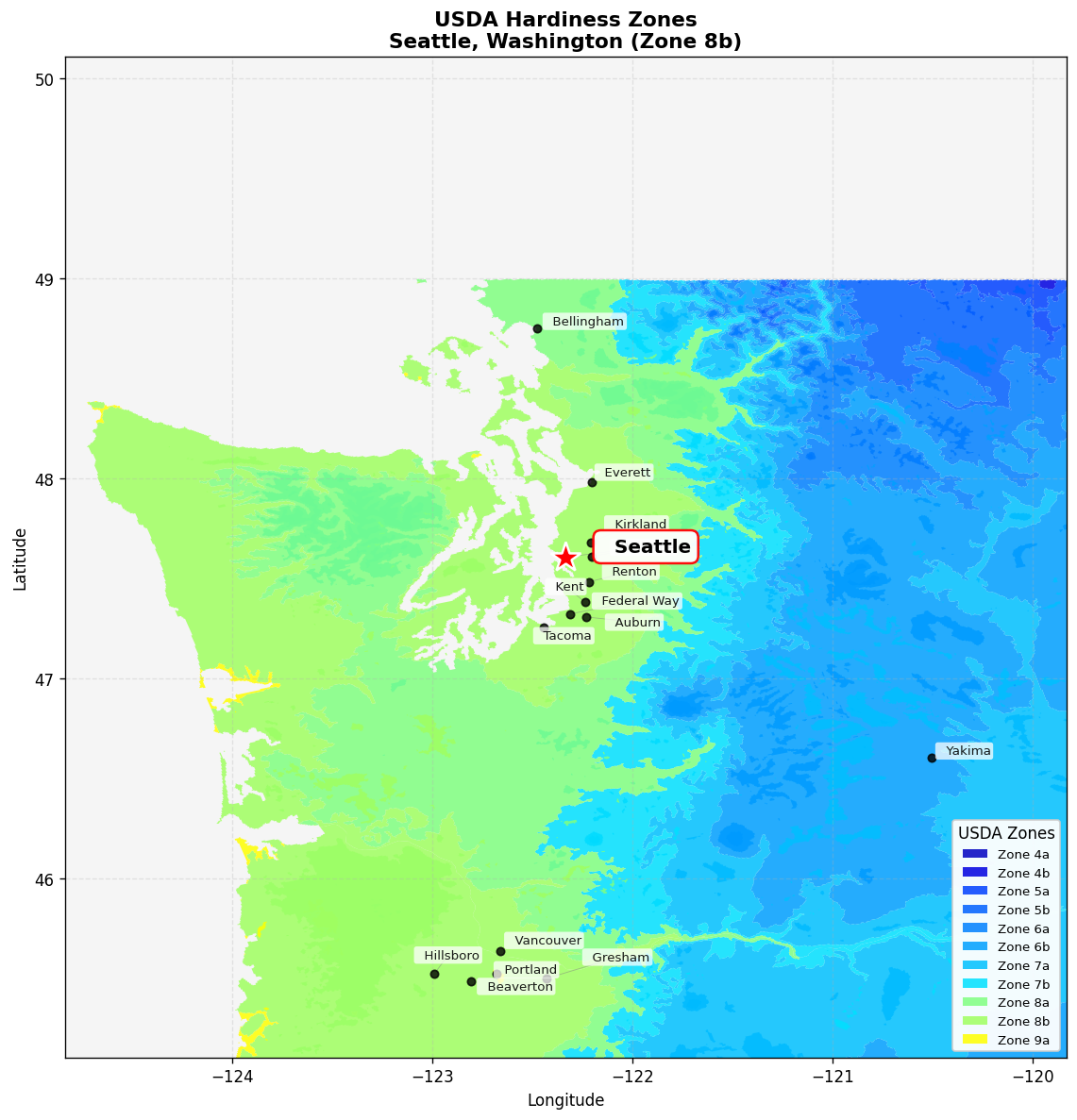
USDA Zone 8b
Hardiness zone for Seattle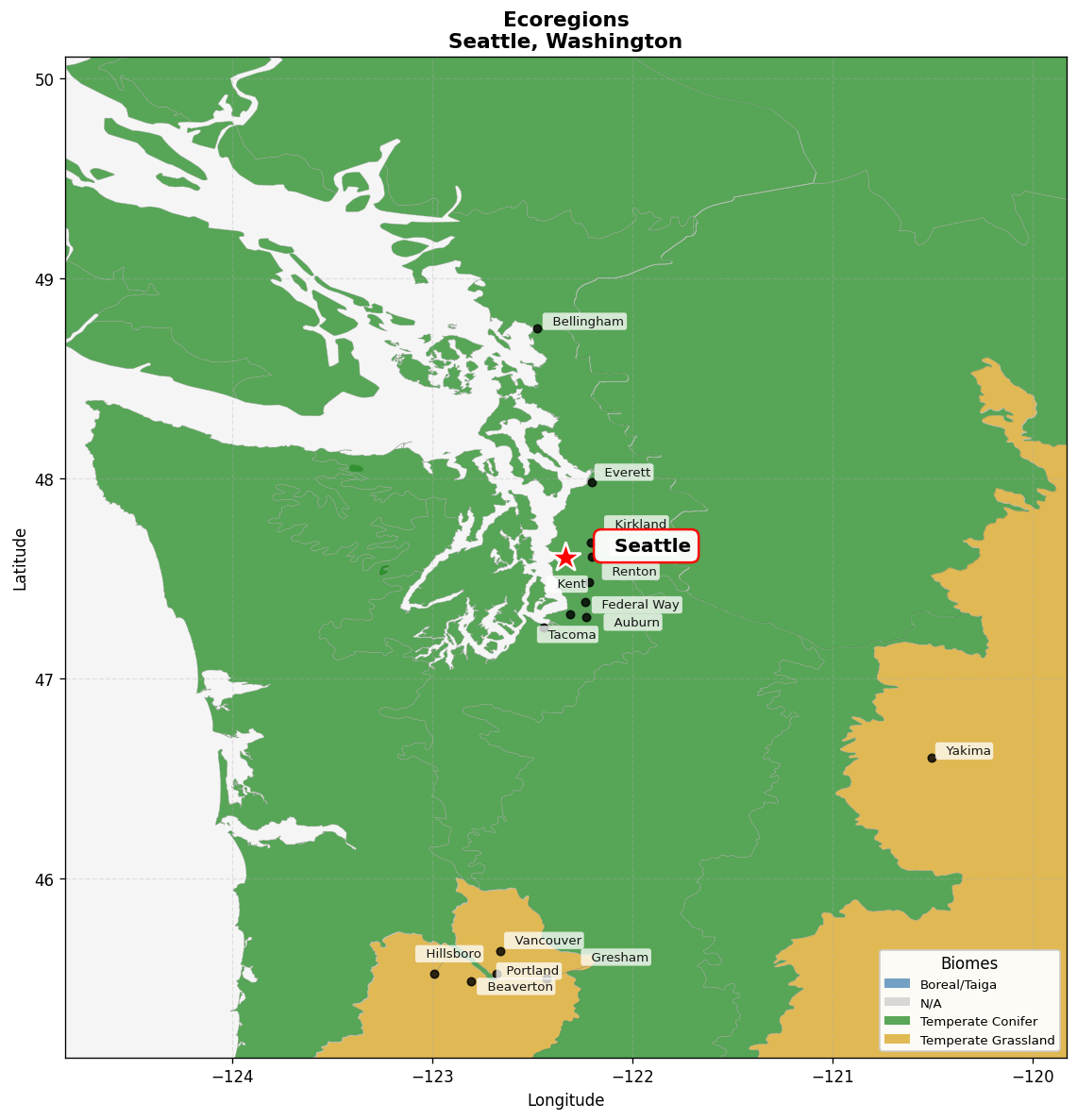
Puget lowland forests
Native ecoregionFrequently Asked Questions
What plants work best in a modern Seattle garden?
Seattle's Zone 8b climate supports excellent structural plants. Top performers: Japanese maple (outstanding in Seattle's cool, moist conditions — better here than almost anywhere in the US); Phormium (New Zealand flax, handles Seattle's rain and occasional cold); Karl Foerster grass (looks spectacular in Seattle's rain and wind); sword fern (native, bulletproof in all Seattle conditions); Betula jacquemontii (white birch, glows in Seattle's gray light); black bamboo (for bold vertical screening, must be contained); and Hakone grass (elegant in Seattle shade). All provide year-round structure with minimal maintenance.
How do I design a modern garden for Seattle's heavy winter rains?
Design for drainage from the start. Use permeable surfaces (crushed basalt, permeable pavers) rather than solid concrete. Grade all hardscape at minimum 2% slope away from foundations. Install a bioswale or rain garden for downspout disconnection — and check your RainWise eligibility before designing (rebates up to $4.50/sqft for qualifying installations). Choose plants that tolerate both winter saturation and summer dry spells. COR-TEN steel and local basalt stone are weather-appropriate materials that handle Seattle's wet-dry cycling beautifully.
How much does modern landscaping cost in Seattle?
Seattle is among the highest-cost US markets for landscaping, with labor rates driven by the tech economy. Front yard modern renovations (300–500 sqft) with basalt, steel edging, and structural plants run $9,000–$22,000. Full backyard projects with concrete, built-in seating, and specimen plants range $28,000–$70,000. RainWise rebates ($2,000–$8,000 for qualifying installations) help offset costs for projects including rain gardens or downspout disconnections.
Does COR-TEN steel work well in Seattle's rainy climate?
COR-TEN steel performs exceptionally well in Seattle's climate. The regular wet-dry cycling — wet winters, drier summers — is ideal for COR-TEN's patination process. Seattle gardens typically show the most beautiful, fully stabilized COR-TEN color (a warm deep rust-brown) after 2–3 wet seasons. The patina is both beautiful and protective once formed. The only precaution: ensure runoff from COR-TEN doesn't drain onto light-colored concrete or light flagstone, which it will stain orange-brown. Dark crushed basalt below COR-TEN eliminates this concern.
Can I qualify for Seattle's RainWise program with a modern landscape?
Yes — and modern landscape design decisions often naturally align with RainWise eligibility requirements. To qualify: your property must be in a RainWise-eligible area (check SPU's online eligibility map); you must disconnect at least one downspout; the installed rain garden or cistern must meet minimum sizing and drainage performance requirements; and plants must come from the approved list. Seattle Public Utilities offers free site assessments that include design guidance. Rebates typically range from $3.00–$4.50 per square foot of qualifying installation area, often $2,000–$8,000 total.
What permeable paving is best for a Seattle modern garden?
Crushed local basalt (3/8-inch minus or 1/4-inch minus) is the most authentic and practical choice for Seattle modern gardens — it's regionally sourced, drains excellently in Seattle's heavy rains, doesn't compact and muddy the way DG does in wet conditions, and the dark gray-black color grounds every modern design palette. Permeable concrete pavers (Techo-Bloc, Belgard, or custom poured) are the premium choice for high-traffic areas and qualify for RainWise as part of an overall stormwater management system. Avoid decomposed granite in Seattle — persistent rain turns it to mud within a season.