4 Cottage Garden Ideas for Lincoln, NE | Tallgrass Prairie Style for Zone 5b
Native plants from the Central Tallgrass prairie (Zone 5b) — Humid continental (hot summer) climate
Why Cottage/English Gardens in Lincoln?
Lincoln sits at the heart of the Central Tallgrass Prairie — one of the most biodiverse grassland ecosystems in North America and among the most threatened. Before European settlement, this land supported vast seas of big bluestem, Indian grass, purple coneflower, black-eyed Susan, and wild bergamot, punctuated by cottonwood gallery forests along Salt Creek and Oak Creek drainages. Today, Lincoln’s residential landscapes have an extraordinary opportunity to reconnect with that native heritage while also creating gardens of genuine beauty.
Lincoln’s moderate continental climate — cold Zone 5b winters and warm, humid summers — is actually ideal for cottage gardening. Cool-season plants establish well in the long Nebraska spring; summer bloomers like coneflower, black-eyed Susan, and rudbeckia thrive in Lincoln’s July heat; and the autumn color of native grasses — big bluestem turning copper, prairie dropseed glowing amber — extends the garden season into November. Neighborhoods like Irvingdale, Near South, Havelock, and the University Place area have seen growing interest in naturalistic and cottage-style front gardens that replace turf with layered, wildlife-supporting plantings.
The University of Nebraska’s extension programs have invested heavily in native plant research for Nebraska conditions, and Lincoln’s local nurseries — Campbell’s Nursery especially — maintain impressive native plant inventories throughout the season. A Lincoln cottage garden built on the tallgrass prairie palette requires zero supplemental irrigation after establishment, supports monarch butterfly migration corridors, and delivers bloom from April through October — a genuine four-season landscape.
4 Cottage/English Design Ideas for Lincoln
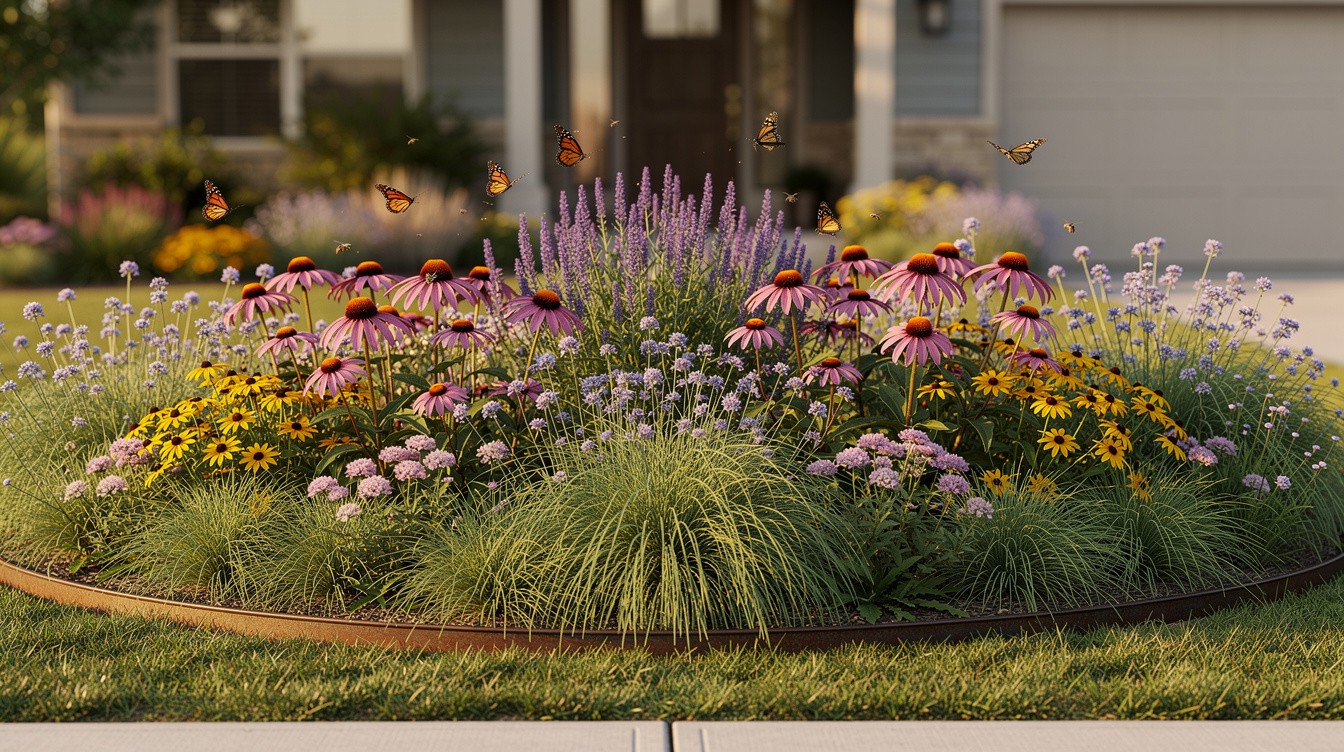
The Prairie Wildflower Front Border
$6–12/sqftA deep front yard border planted in loose drifts of native wildflowers and grasses replaces the traditional turf lawn. Swaths of purple coneflower, black-eyed Susan, wild bergamot, and prairie blazingstar rise from a base of prairie dropseed grass. A low curved steel edging separates the planting bed from a mown grass strip along the sidewalk. The planting is densest in the center and tapers toward the edges, mimicking the way prairie plants naturally colonize. By July, the border is alive with monarchs, swallowtails, and native bees.
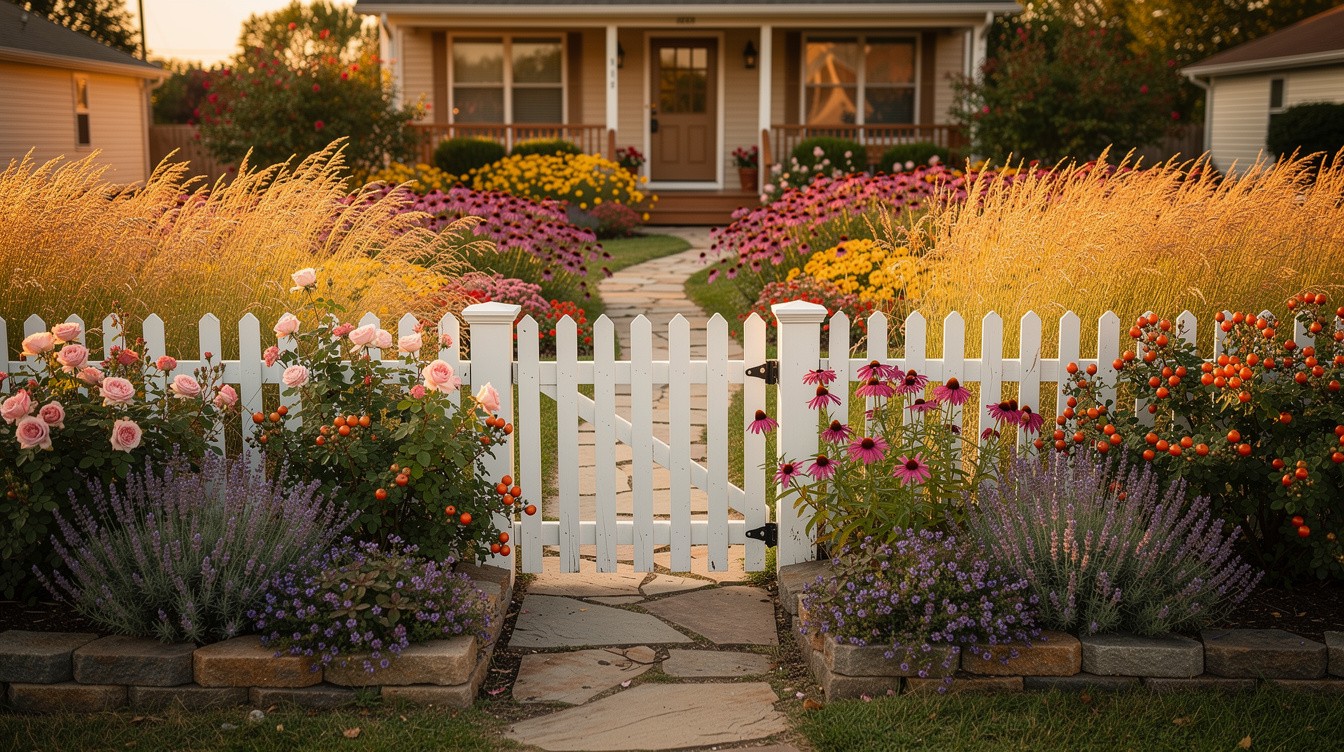
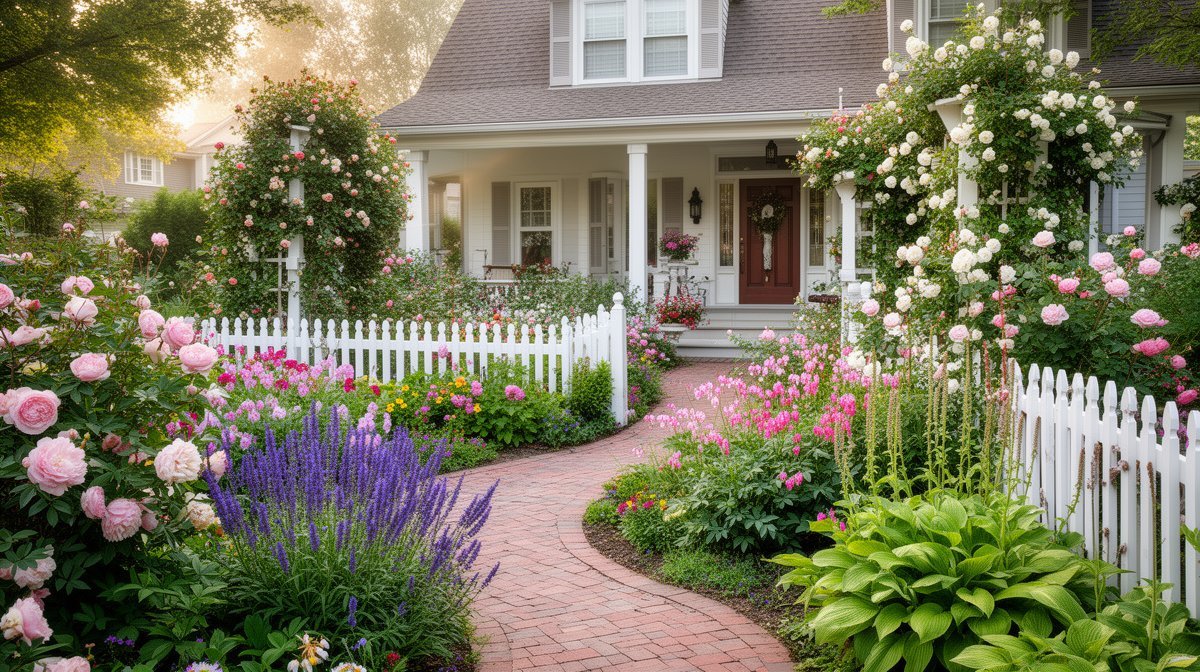
The English-Prairie Cottage Entry
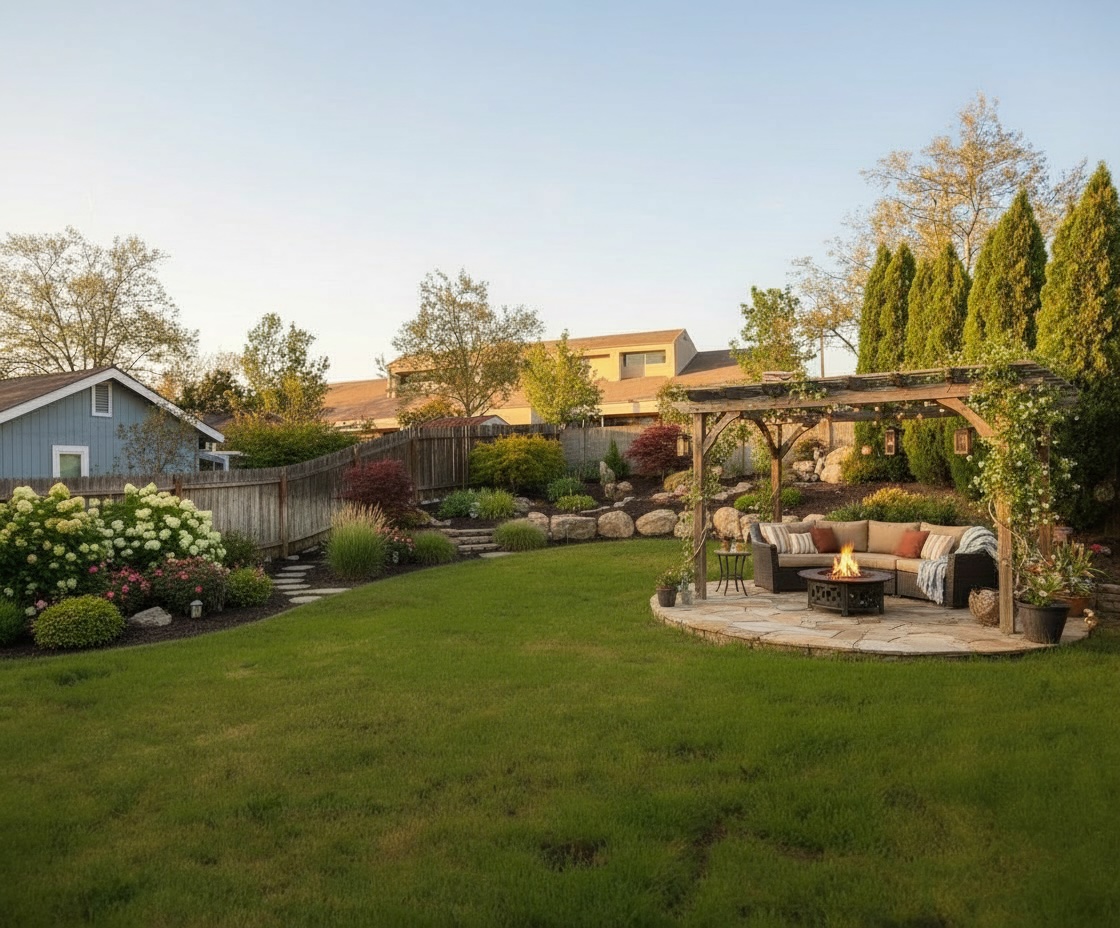
$8–16/sqftA picket fence fronts a front yard of mixed cottage and prairie plantings — roses and catmint in the foreground, transitioning to masses of coneflower and tall native grasses behind. A flagstone path winds from the gate through the plantings to the front door. The cottage aesthetic is established by the fence, the roses, and the informal layering of plants at varying heights. The prairie soul shows in the sweeps of native grasses and wildflowers that fill the middle and back of the border. In autumn, the grasses glow gold while rose hips provide winter interest.
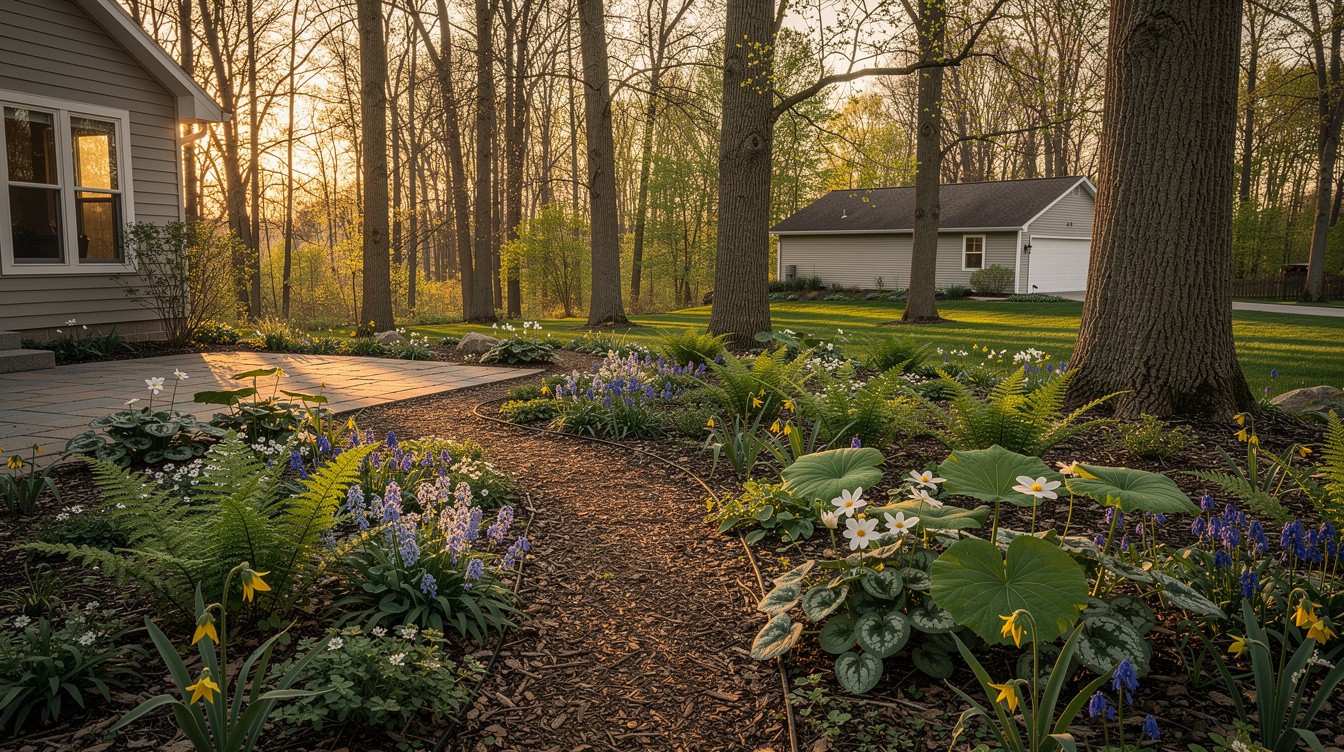
The Shaded Woodland Garden
$7–14/sqftA backyard shaded by mature oaks or maples becomes a naturalistic woodland garden with a carpet of native shade plants. Wild ginger, woodland phlox, Virginia bluebells, and ferns form a layered ground plane beneath the canopy. A simple bark chip path winds through the planting from the patio to the garage. Spring ephemeral bulbs — bloodroot, mayapple, trout lily — emerge before the canopy leafs out and go dormant by June. The garden requires minimal inputs: annual leaf mulching, spring cleanup, and occasional plant division.
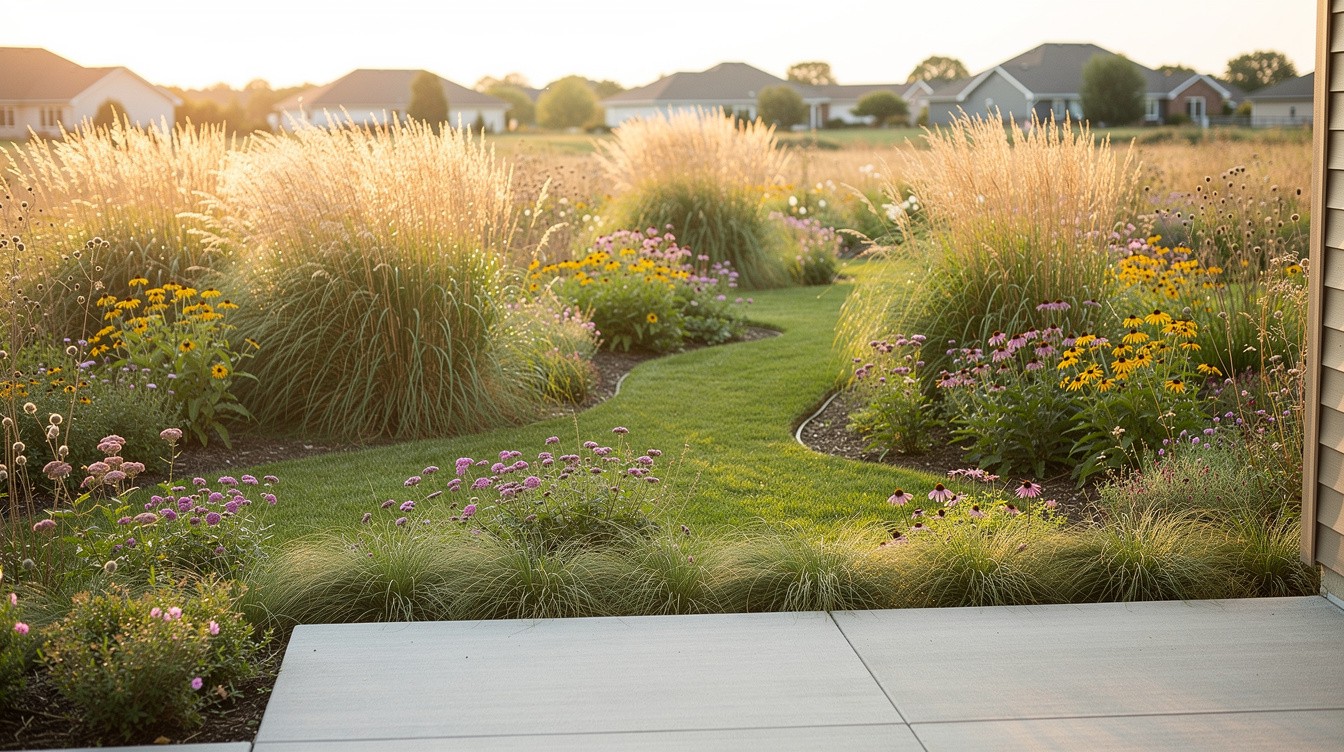
The Prairie Backyard with Patio
$12–22/sqftA concrete or paver patio steps down into a backyard of native grasses and wildflowers, with mown grass paths cutting through the planting for human-scale access. Big bluestem, Indian grass, and switchgrass create the taller structural backbone; coneflower, rudbeckia, and Joe Pye weed provide season-long color. The patio edge is softened by a low border of prairie dropseed. In fall, the seed heads feed goldfinches and chickadees from November through March. The only maintenance is a single annual cutback in late March.
See how a cottage/english garden looks on YOUR property
Upload a photo of your Lincoln yard and visualize your dream garden in seconds.
Try ProScapeAI Free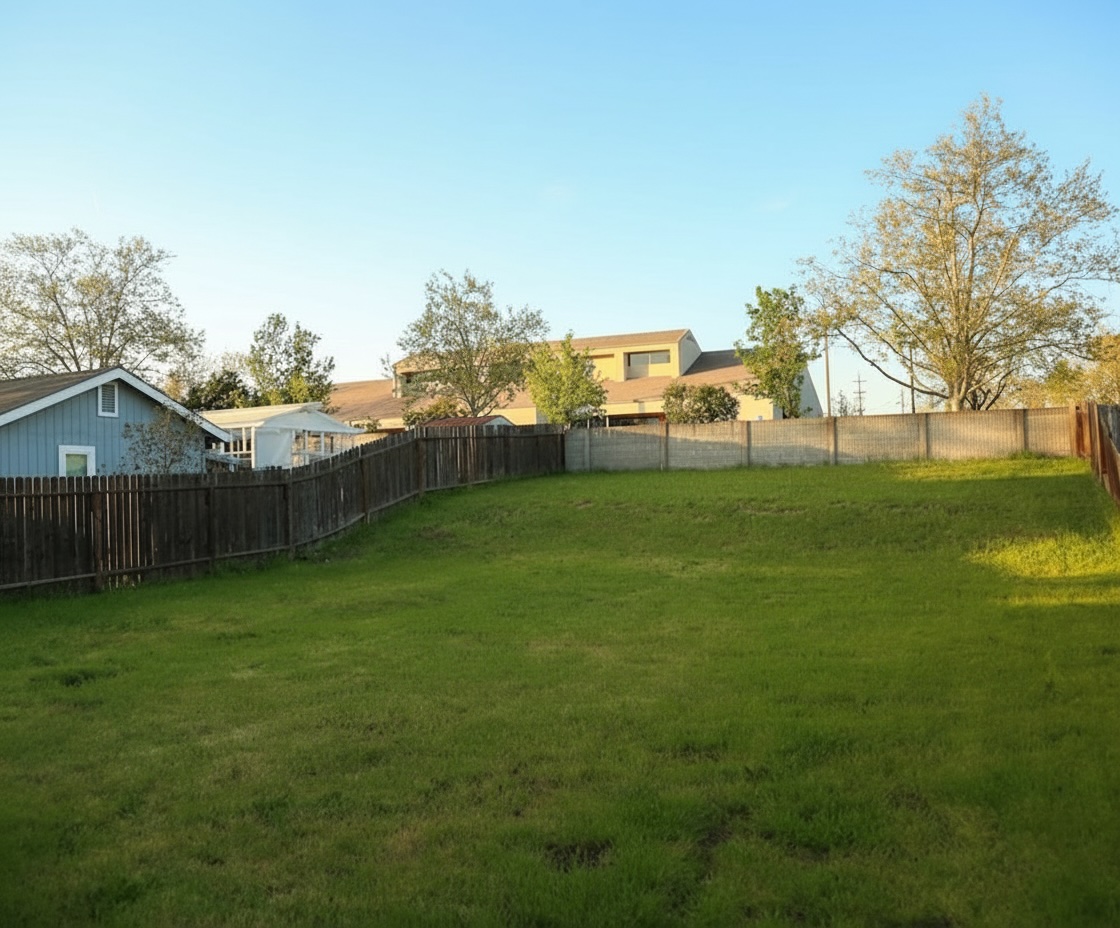
Featured Trees & Shrubs for Cottage/English Gardens
Browse all 193 plants for Lincoln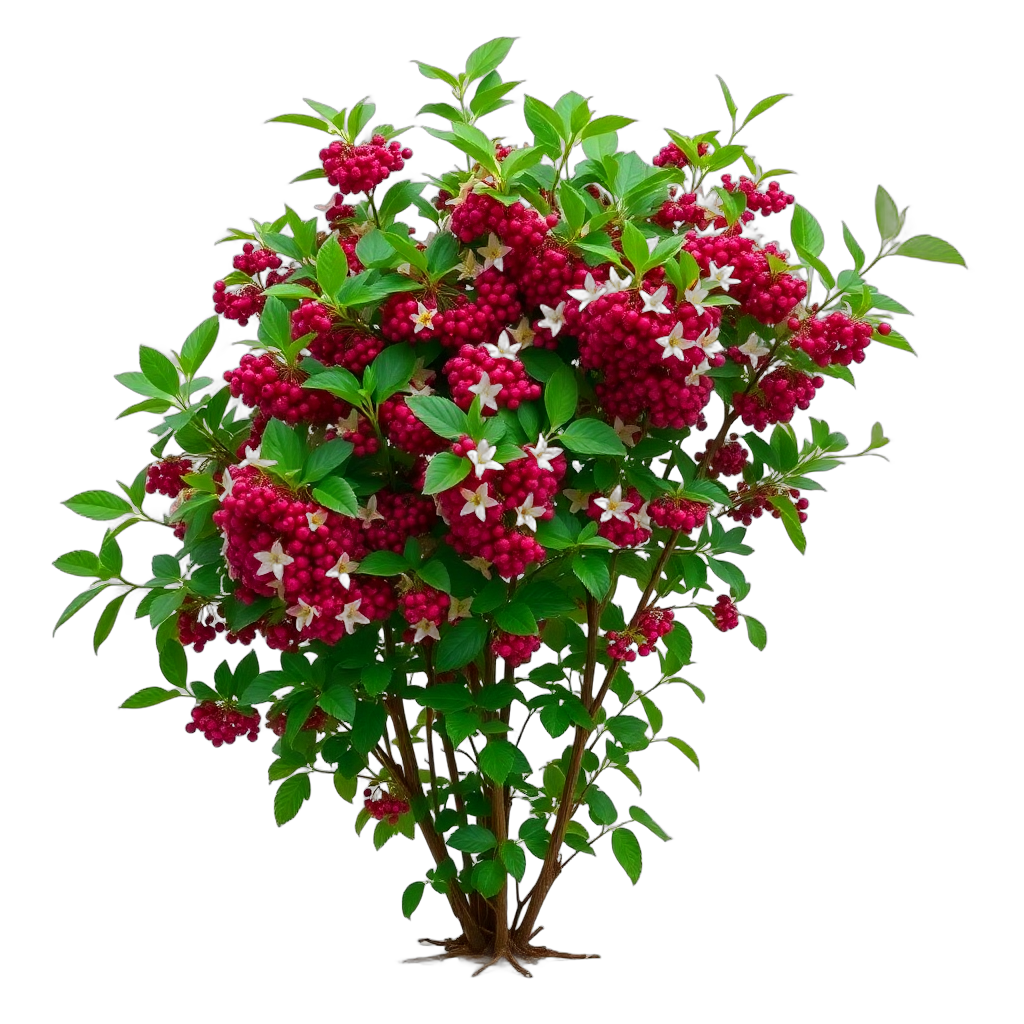
Clove Currant
Ribes odoratum
grows to 6 feet, yellow blooms in spring. Attracts hummingbirds.

Fragrant Sumac
Rhus aromatica
grows to 4 feet, yellow blooms in spring. Attracts butterflies.
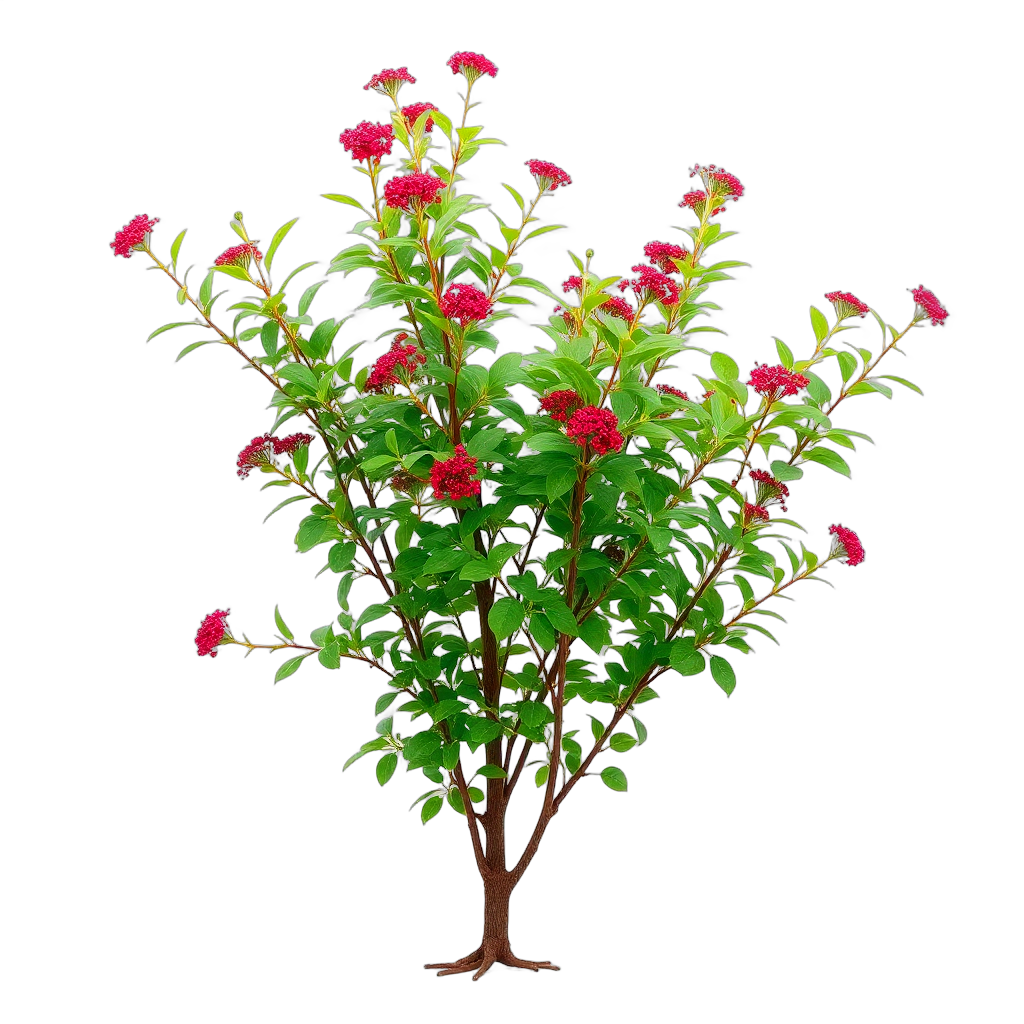
Smooth Sumac
Rhus glabra
medium-sized at 12 feet, white,green blooms in summer. Attracts butterflies.
Featured Grasses & Groundcovers for Cottage/English Gardens
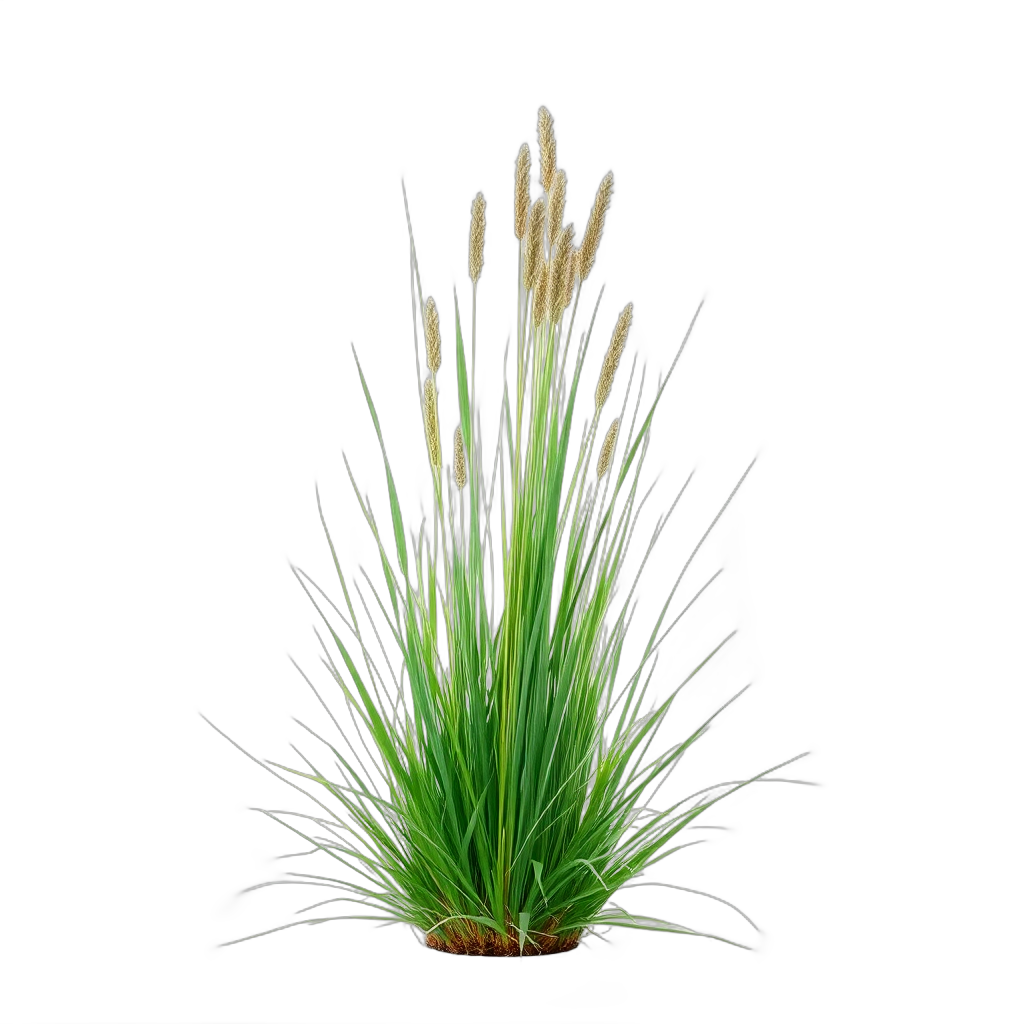
Big Bluestem
Andropogon gerardii
medium-sized at 7 feet, purple blooms in fall. Bronze,burgundy fall color.
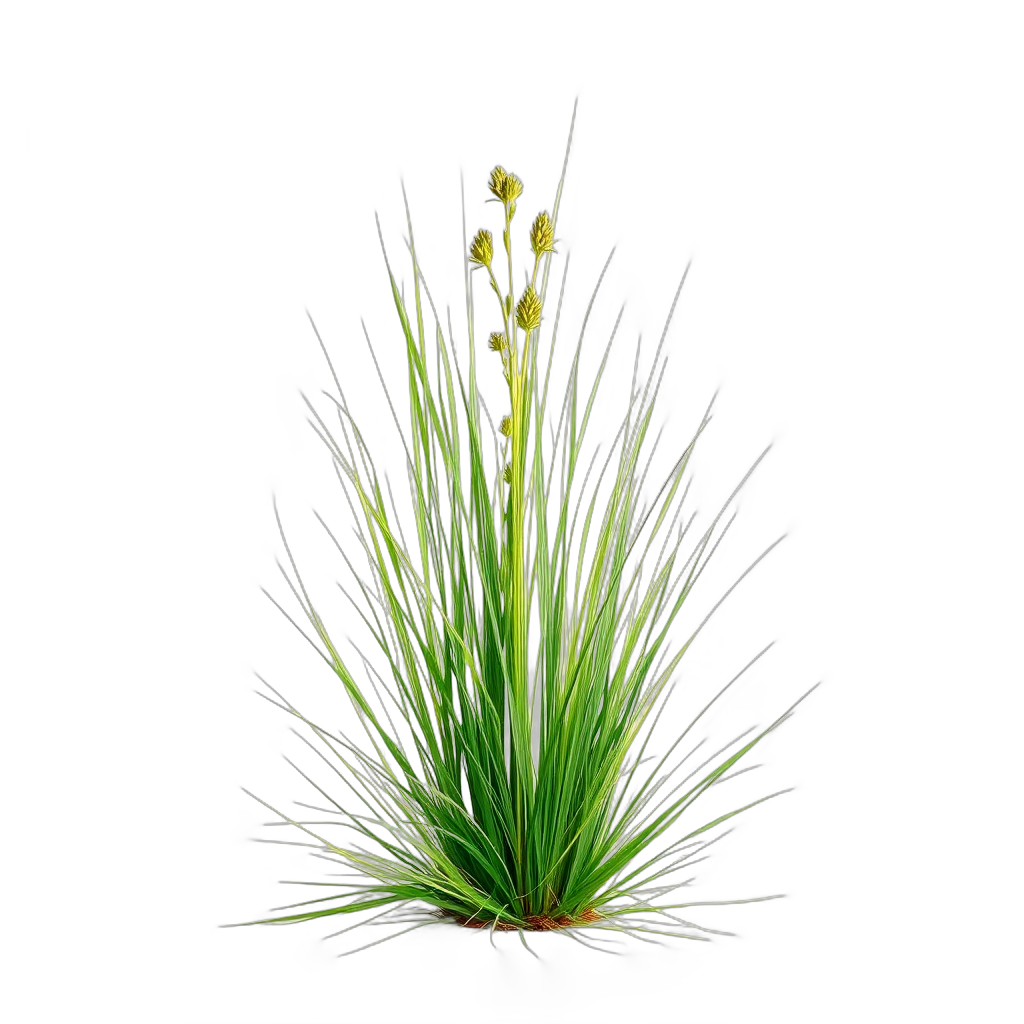
Canada Wild Rye
Elymus canadensis
grows to 4 feet, blooms in summer. Yellow fall color.
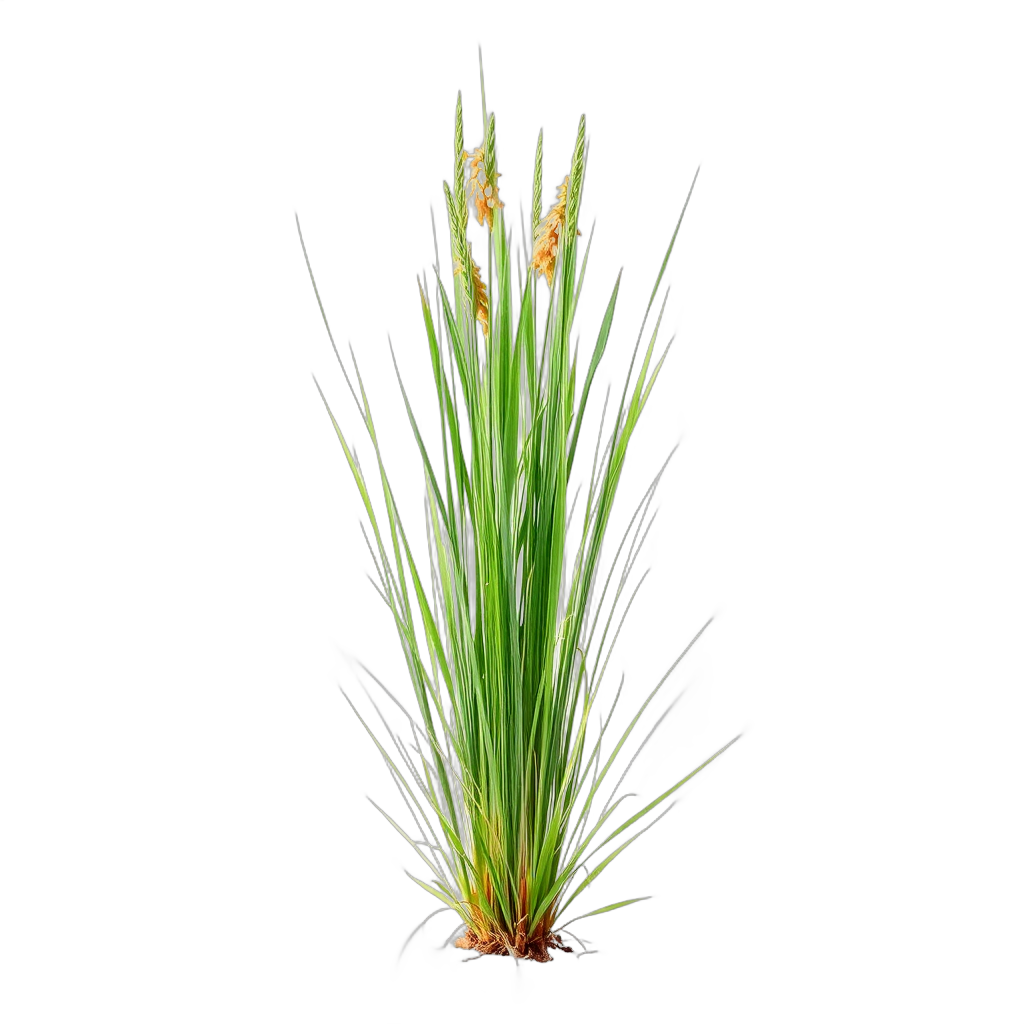
Eastern Gamagrass
Tripsacum dactyloides
grows to 6 feet, blooms in summer. Yellow fall color.
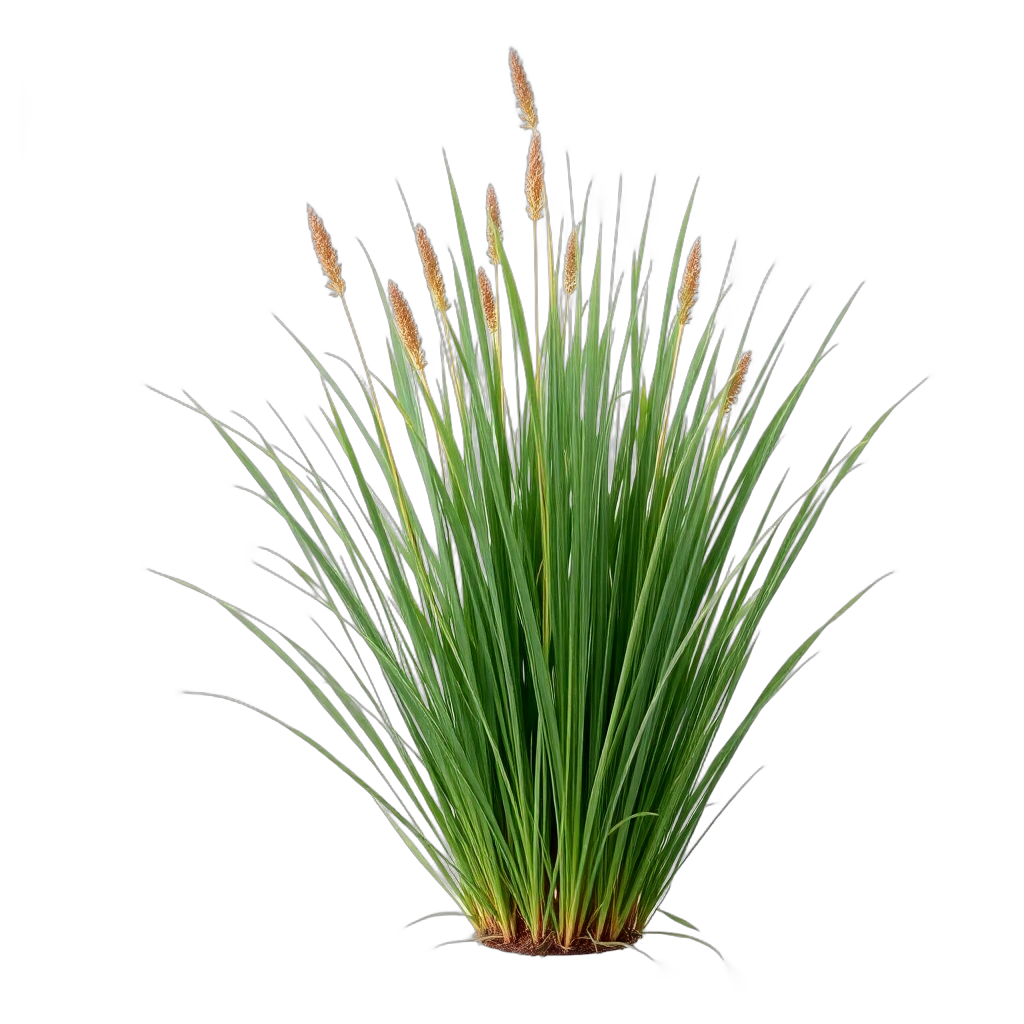
Heavy Metal Switchgrass
Panicum 'Heavy Metal'
grows to 4 feet, pink blooms in summer. Yellow fall color.
Featured Flowers & Perennials for Cottage/English Gardens
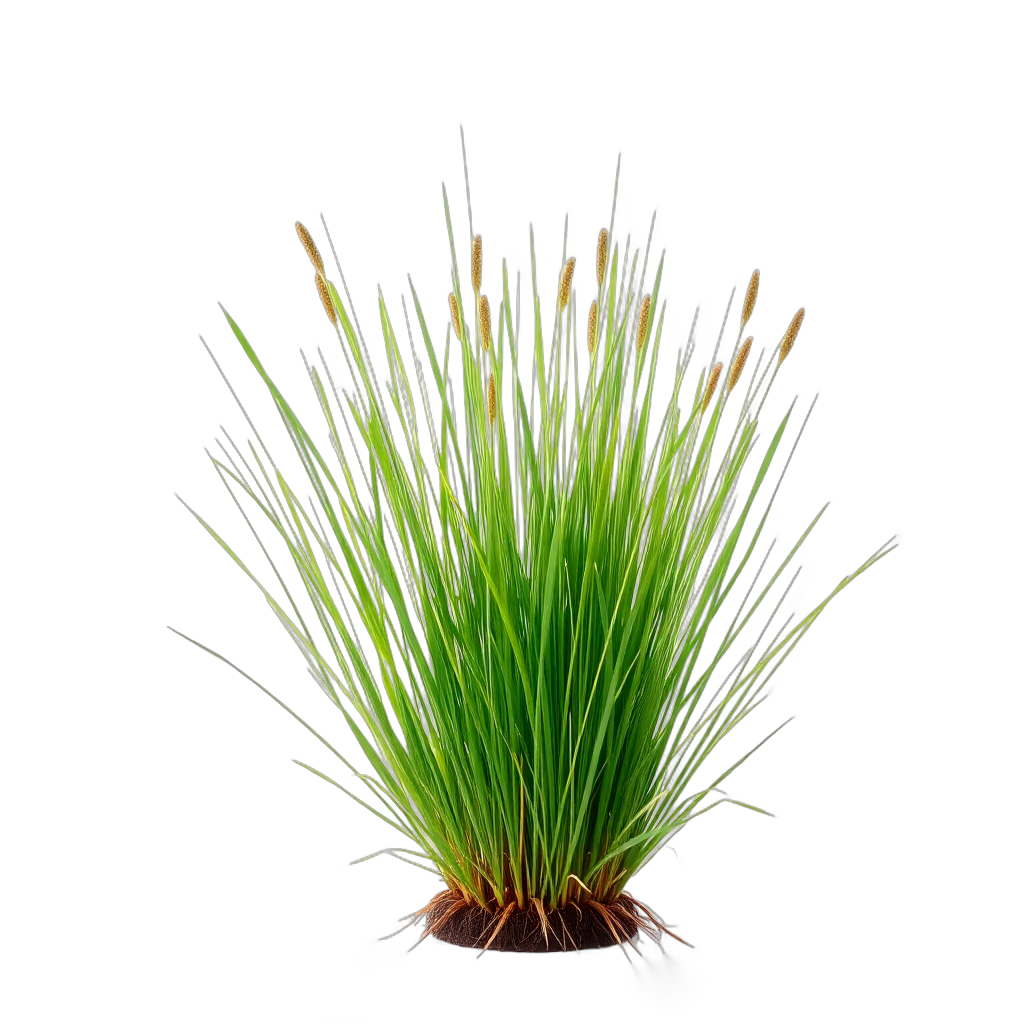
Path Rush
Juncus tenuis
low-growing ground cover, blooms in summer. Evergreen year-round.
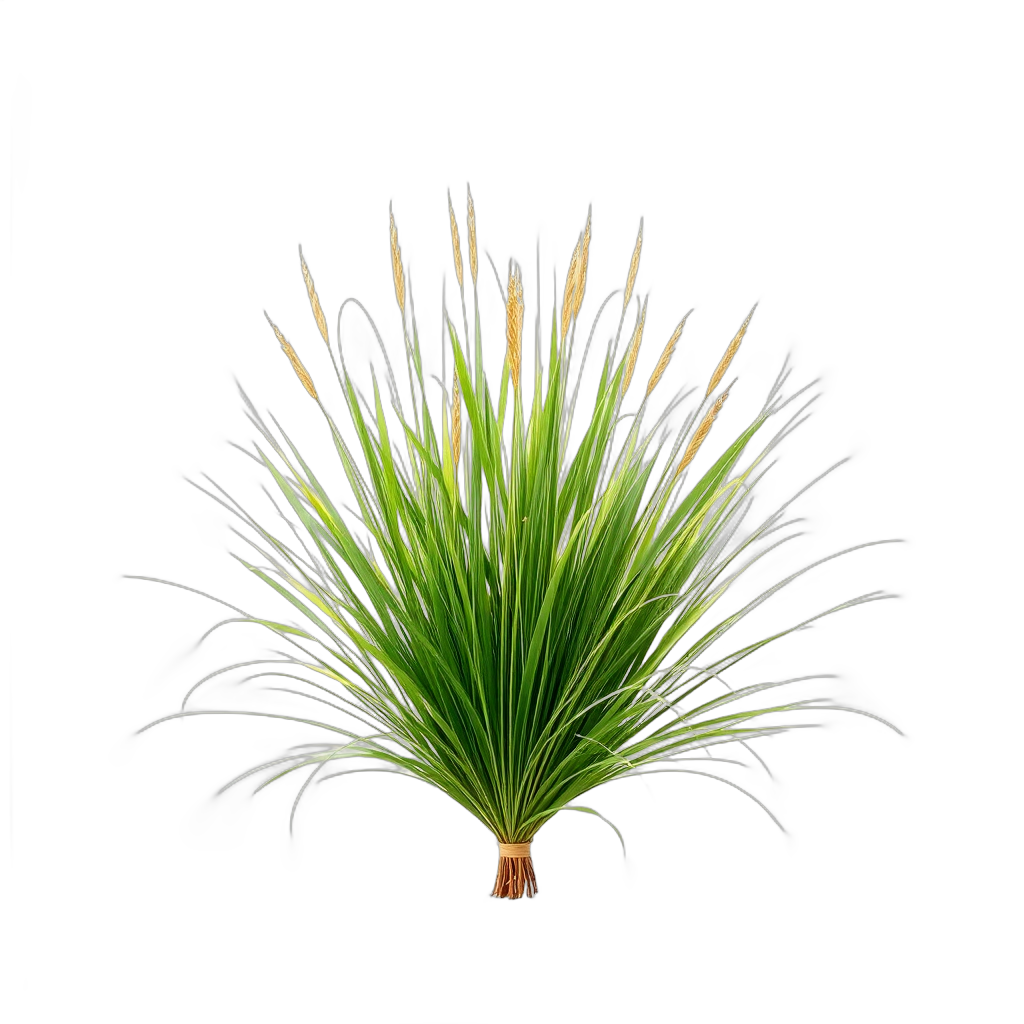
Prairie Cordgrass
Spartina pectinata
grows to 6 feet, blooms in summer. Yellow fall color.
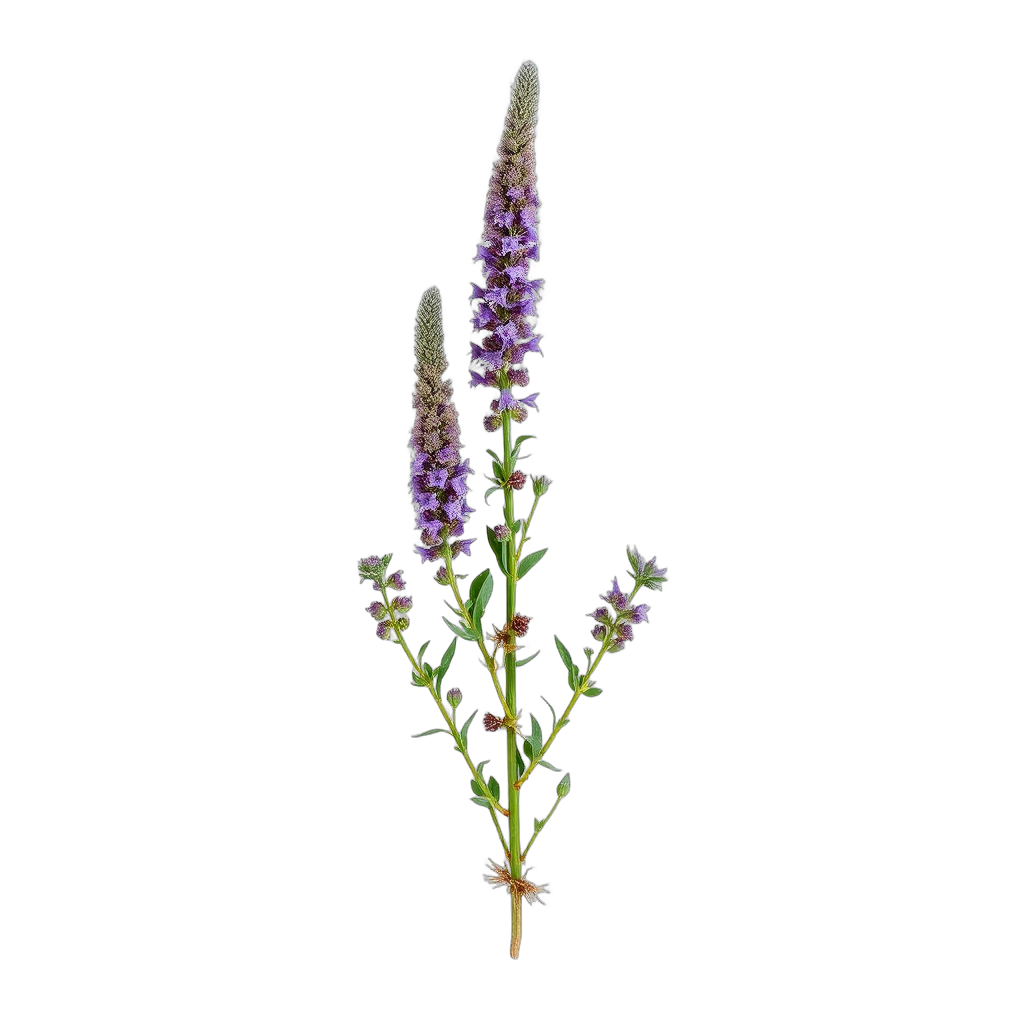
Anise Hyssop
Agastache foeniculum
grows to 3 feet, purple blooms in summer. Attracts hummingbirds.
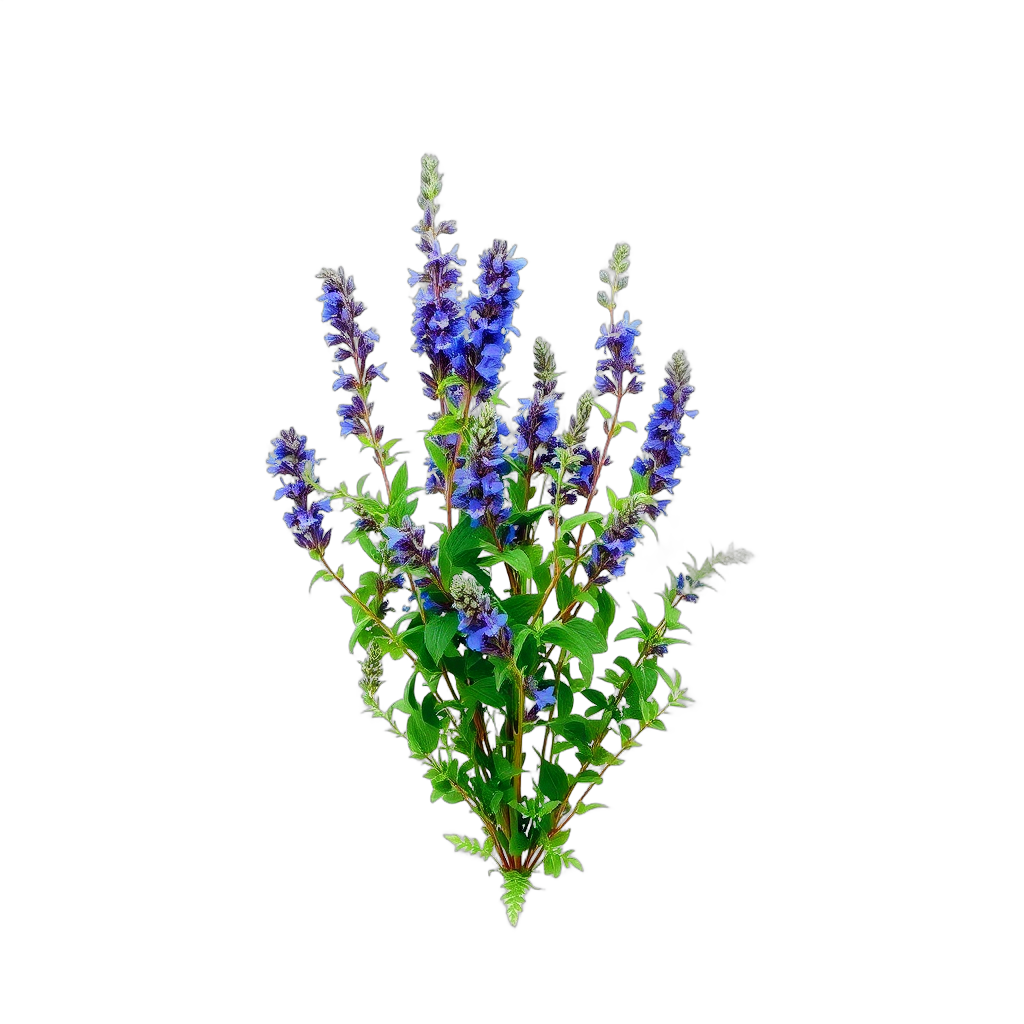
Azure Sage
Salvia azurea
grows to 4 feet, blue blooms in fall. Attracts hummingbirds.
Zone and sun checks come from our database — confirm with your local nursery before you buy.
Bloom Calendar for Lincoln
spring
Blue False Indigo, Foxglove Beardtongue, Golden Alexandersummer
Path Rush, Prairie Cordgrass, Anise Hyssopfall
Azure Sage, Maximilian Sunflower, New England Asterwinter
Limited bloomsDesign Tips for Lincoln (Zone 5b)
- Use shredded hardwood mulch rather than rock in a Lincoln cottage garden — it decomposes into the soil, feeding the plants and improving Nebraska’s heavy clay over time
- Plant in drifts of 5–9 of the same species for a naturalistic prairie look — single specimens scattered individually look suburban and designed; masses look like the native prairie they’re mimicking
- Leave seed heads standing all winter — Lincoln’s goldfinches and chickadees depend on coneflower and black-eyed Susan seeds from November through March; cut back in late March before new growth emerges
- Add a rain garden in low spots that collect runoff — Lincoln’s clay soils pond water after heavy rains, and a rain garden planted with cardinal flower, blue flag iris, and swamp milkweed turns a drainage problem into a butterfly magnet
- Visit Campbell’s Nursery in May for their native plant selection at peak availability — Lincoln’s top nurseries sell out of coneflower, blazingstar, and native grasses quickly once the planting season opens
- Include at least one native shrub layer — leadplant, wild plum, or American hazelnut — to provide structure and winter interest in a predominantly herbaceous prairie garden
Where to Source Plants in Lincoln
Skip the big-box stores. These independent Lincoln nurseries specialize in the plants that make cottage/english gardens thrive in Zone 5b.
Campbell’s Nursery
South Lincoln
Lincoln’s most beloved independent nursery — strong native plant selection and deep roots in southeast Nebraska horticulture
Nebraska Nursery & Color Gardens
Southwest Lincoln
Full-service garden center with native plants, perennials, and landscape installation services
Canoyer Garden Center Lincoln
East Lincoln
Curated selection of annuals, perennials, shrubs, and native plants with boutique garden shop
Landmark Nursery & Landscaping
East Lincoln / Roca area
15-acre garden center with largest tree and shrub variety in greater Lincoln, plus landscaping services
Heritage Nursery – Lincoln
Lincoln
Wholesale and retail native trees and shrubs — excellent for structural plants and prairie woodland edge species
Cottage/English Landscaping Costs in Lincoln
| Project Scope | Estimated Cost |
|---|---|
| Native wildflower front yard installation (400–600 sqft) | $2,500 – $7,000 |
| Full prairie backyard conversion with patio (800–1,200 sqft) | $10,000 – $22,000 |
| Flagstone or paver patio installation (200–300 sqft) | $3,000 – $8,000 |
| Picket fence installation (40 linear feet) | $1,800 – $4,500 |
| Soil preparation and turf removal (per sqft) | $1 – $3/sqft |
| Native plant installation labor (per sqft, plants extra) | $4 – $8/sqft |
| AI visualization with ProScapeAI | Free to start |
Estimates based on Lincoln, NE-area contractor rates as of 2026. Actual costs vary by site conditions, materials, and contractor.
Lincoln Climate & Growing Zone
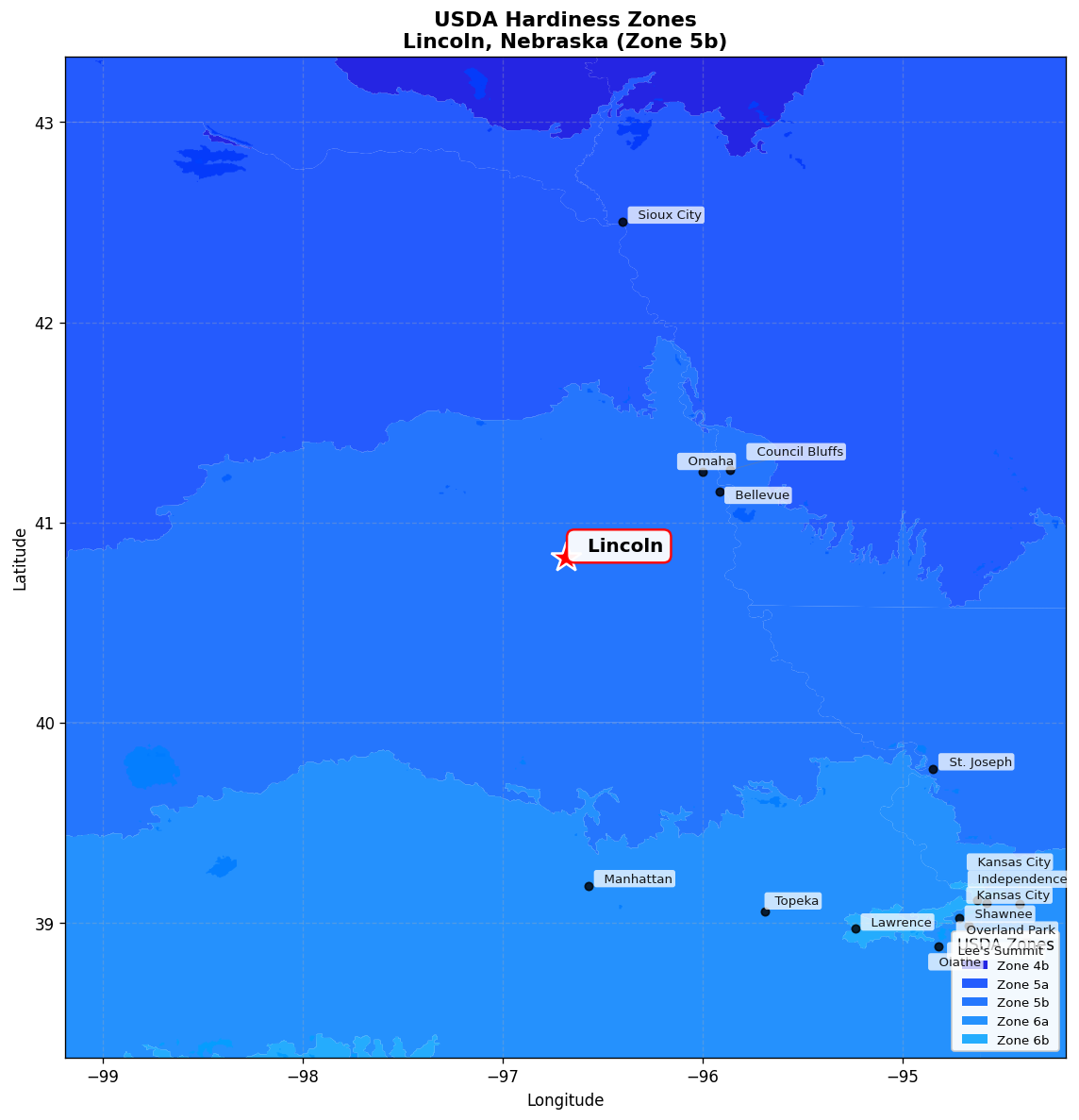
USDA Zone 5b
Hardiness zone for Lincoln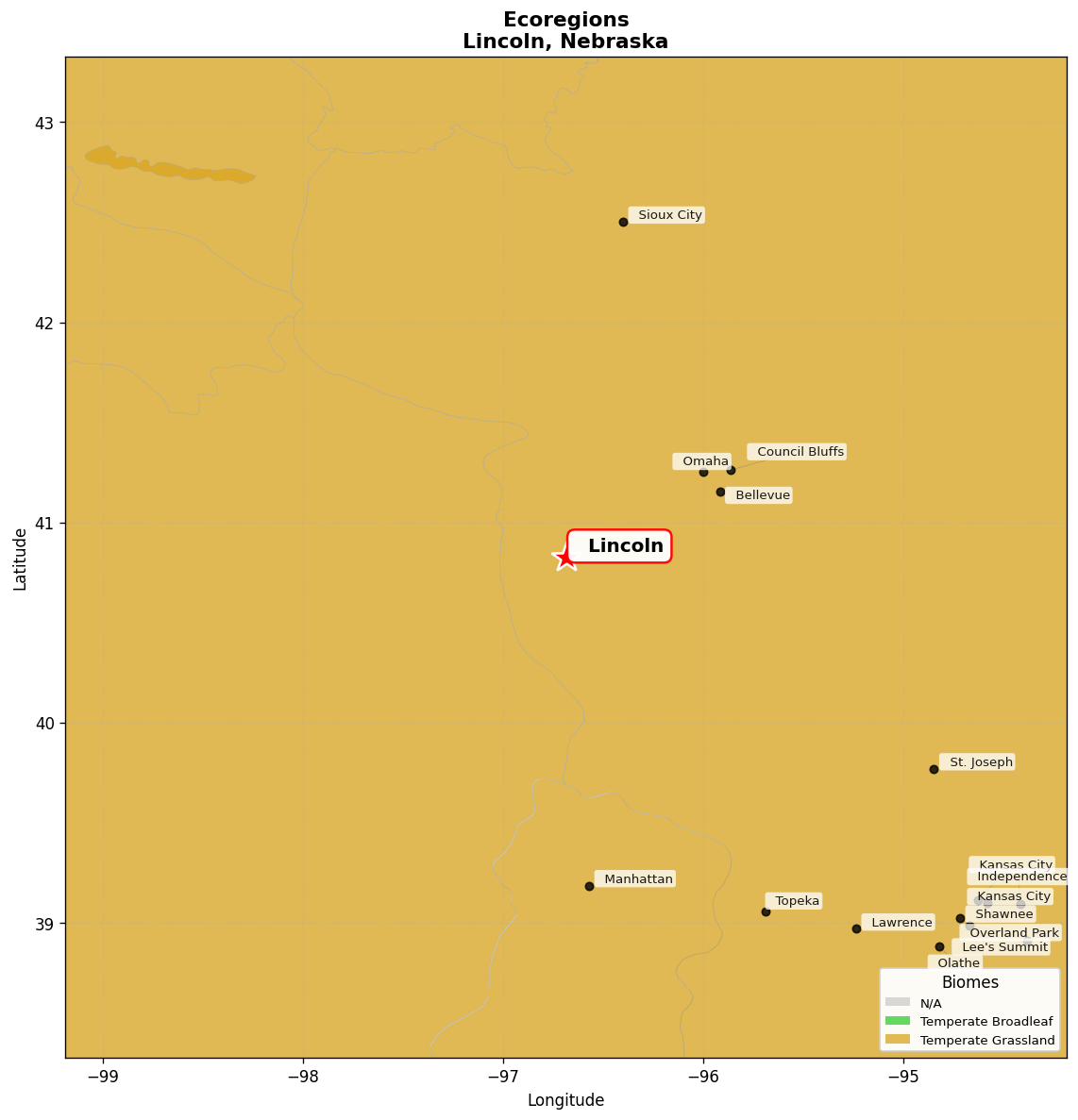
Central Tallgrass prairie
Native ecoregionFrequently Asked Questions
What plants are native to Lincoln, Nebraska’s tallgrass prairie?
Lincoln sits in the heart of the Central Tallgrass Prairie ecoregion. True natives for this area include grasses: big bluestem, little bluestem, Indian grass, prairie dropseed, and switchgrass. Wildflowers: purple coneflower (Echinacea purpurea), black-eyed Susan, prairie blazingstar, wild bergamot, wild blue indigo, prairie phlox, and compass plant. Shrubs: wild plum, leadplant, prairie rose, and American hazelnut. All are available from Nebraska nurseries like Campbell’s and are adapted to Lincoln’s Zone 5b winters and summer drought periods.
How much does a cottage garden cost in Lincoln, NE?
Cottage garden installation in Lincoln typically runs $5–15 per square foot depending on plant density, materials, and complexity. A 400-square-foot front yard transformation with native plants, steel edging, and mulch runs $2,000–6,000. A full backyard prairie and patio combination for a typical Lincoln lot (800–1,200 sqft of garden area) runs $8,000–20,000. These are 2025 local estimates; request quotes from Lincoln-based landscapers like Priority Lawn & Landscape for current pricing.
Can I have a naturalistic garden in Lincoln with an HOA?
Nebraska passed HOA reform legislation that limits HOAs from prohibiting water-conserving or wildlife-friendly landscapes, but specific rules vary by community. The practical key in Lincoln is design clarity: a clearly edged, maintained-looking native planting is almost never cited, while an overgrown unmaintained yard will be. Use visible steel edging, maintain clean paths, control weeds (especially invasive species like garlic mustard and bindweed), and cut back in late winter before the season opens. Most Lincoln HOAs will approve a native garden plan when presented proactively.
When should I plant a prairie garden in Lincoln?
Lincoln has two optimal planting windows. Spring planting (May 1 – June 15) works well for container plants and sod removal followed by immediate planting — plants establish through the warm growing season. Fall seeding (September–October) is ideal for direct-seeding native wildflowers and grasses — seeds stratify naturally through the winter and germinate in spring. Starting from seed is far less expensive than container plants but requires a full growing season before plants reach show-garden scale. Combine approaches: seed grasses and smaller wildflowers, use container plants for structural species.
How do I control weeds in a Lincoln native garden?
Weed control in the first 2 years is the main labor investment in a Lincoln native garden. The strategy: (1) smother existing turf and weeds before planting using cardboard sheet mulching or solarization in summer; (2) apply 3–4 inches of shredded hardwood mulch immediately after planting; (3) hand-pull any weeds that emerge, especially in the first season before natives fill in; (4) target invasives (garlic mustard, Canada thistle, bindweed) specifically with spot herbicide if necessary. By year 3, established natives out-compete most weeds and the labor drops dramatically.
What are Lincoln’s rules about natural or unmowed yards?
Lincoln’s municipal code requires vegetation to be maintained and not exceed 8 inches in height in the street-facing yard unless you obtain a variance or register as a prairie or natural garden. The city has a formal Prairie and Natural Landscape program that allows registered natural yards to exceed the height limit if the planting meets design and species requirements — primarily using native species and maintaining clear visual structure. The registration process is straightforward; contact Lincoln’s Urban Development department. Most cottage and prairie gardens that are clearly designed and maintained never receive complaints regardless of registration.