4 Modern Garden Ideas for Spokane, WA | Clean-Line Landscape Design in Zone 6b
Native plants from the Northern Rockies conifer forests (Zone 6b) — Temperate climate
Why Modern/Minimalist Gardens in Spokane?
Spokane is better suited to modern landscape design than almost anyone gives it credit for. The mid-century ranch stock in Comstock, Lincoln Heights, and Shadle Park, the Craftsman-to-contemporary remodels across the South Hill, and the new modern builds filling in Kendall Yards and Five Mile Prairie all supply the strong architectural lines that clean-line landscaping is designed to amplify. Add the exposed basalt that breaks through lots all over town — free sculptural rock that Palm Springs designers would pay to truck in — and the raw materials for a striking modern garden are already here.
The climate is the quiet advantage. Spokane's Köppen Dsb pattern delivers only about 16.5 inches of precipitation a year, and almost none of it falls in July and August — which means the gravel gardens, steel-edged beds, and massed ornamental grasses that define the modern look aren't just an aesthetic here, they're the practical response to summers where lawns demand constant irrigation to stay green. Dry air also means none of the humidity-driven disease pressure that plagues this style in the Southeast. The trade-off is winter: Zone 6b lows dip to -5°F, the city averages around 45 inches of snow, and any plant on the palette has to be genuinely cold-hardy. Tender agaves and echeverias that anchor modern gardens in California become summer container plants here; their place in the ground goes to Yucca glauca (a true Inland Northwest native), sempervivum, blue oat grass, feather reed grass, and Russian sage — all of which hold the same sculptural line and shrug off the freeze.
Hardscape in Spokane must be built for freeze-thaw. Frost reaches 24–36 inches here, so footings for pergola posts and pilasters need to sit below frost depth, paver bases want a full 6–8 inches of compacted crushed rock, and porous natural stone that spalls in freeze-thaw cycles should give way to concrete, porcelain pavers, or local basalt. Done right, a modern Spokane landscape is remarkably economical to live with: minimal turf slashes summer water bills (the city's SpokaneScape program even credits turf removal), grasses need one cutback a year, and the clean structure looks intentional even under four months of snow.
4 Modern/Minimalist Design Ideas for Spokane
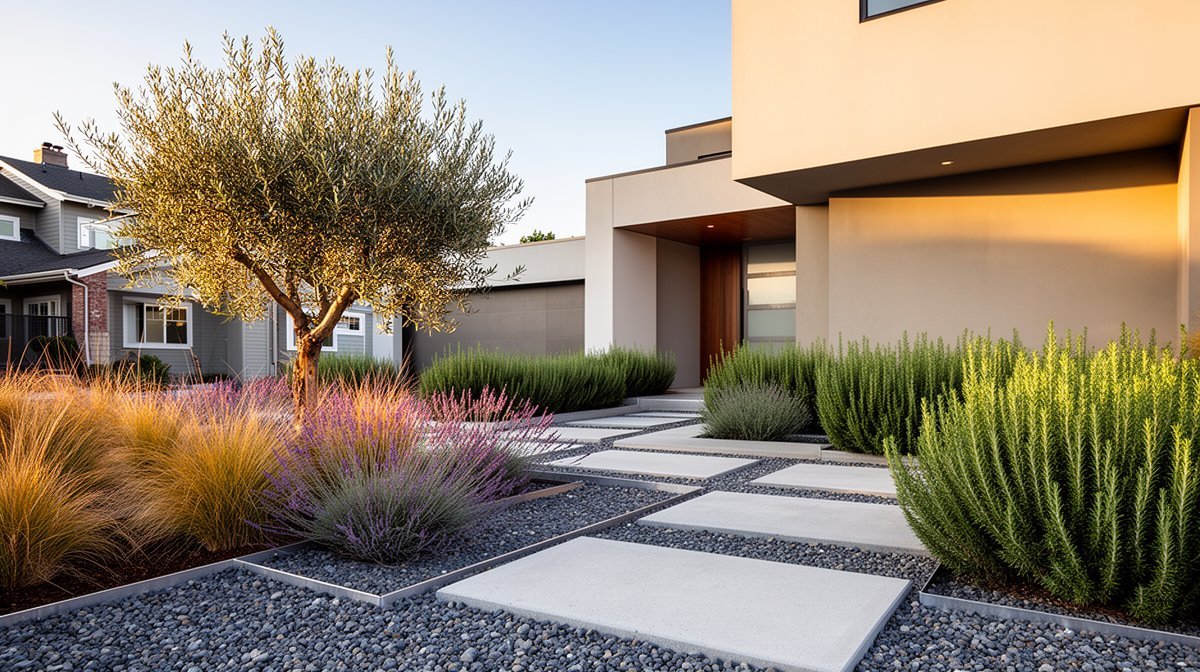
The Prairie-Line Entry Walk
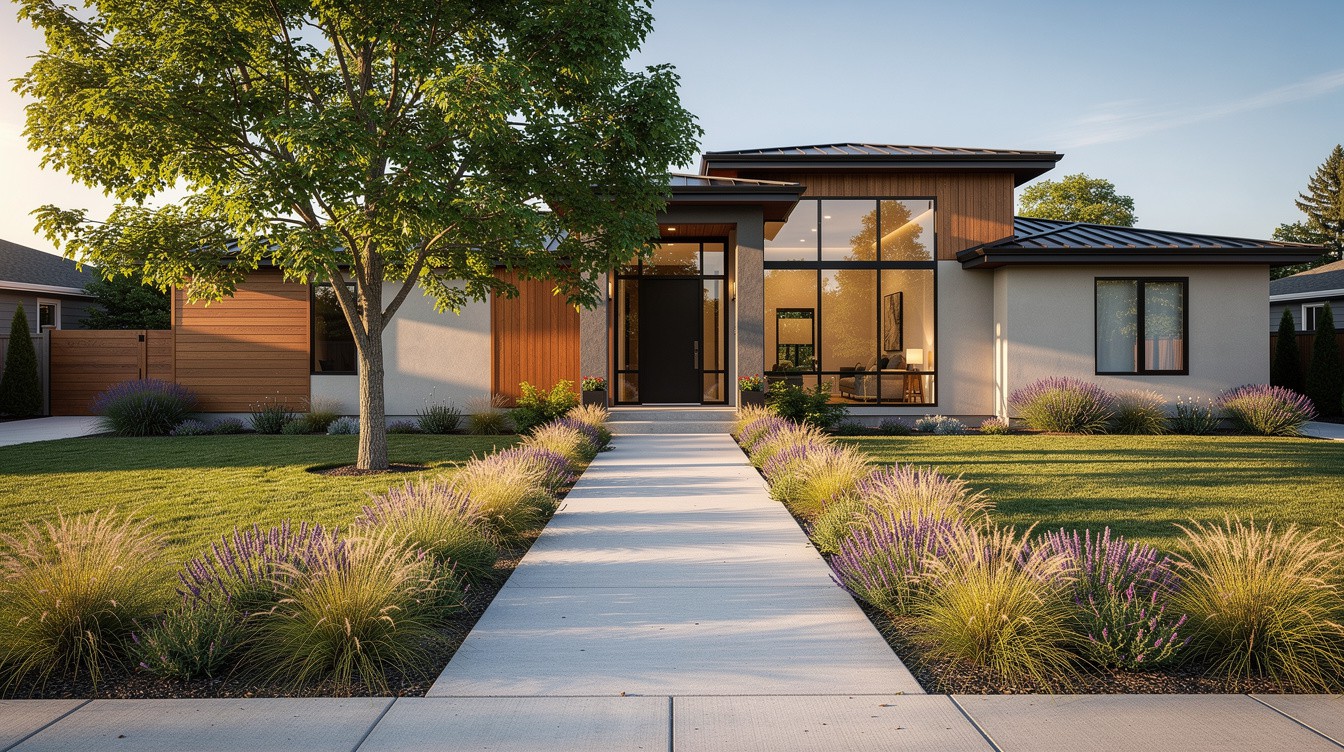
$8–16/sqftA single-story modern ranch — smooth stucco broken by warm cedar-tone slat panels, black metal roofline, and a full-height glass entry — approached by a wide, broom-finished concrete walk that runs dead straight from the sidewalk to the door. The planting does all the softening: loose ribbons of wheat-colored ornamental grass and purple-spiked Russian sage and lavender line both sides of the walk, glowing in the low evening light, while a mature maple anchors the left half of the lawn and a simple horizontal wood fence closes the side yard. It is the most buildable modern front yard on this list — one walk, two planted ribbons, one tree.
The Corten Terrace Succulent Garden
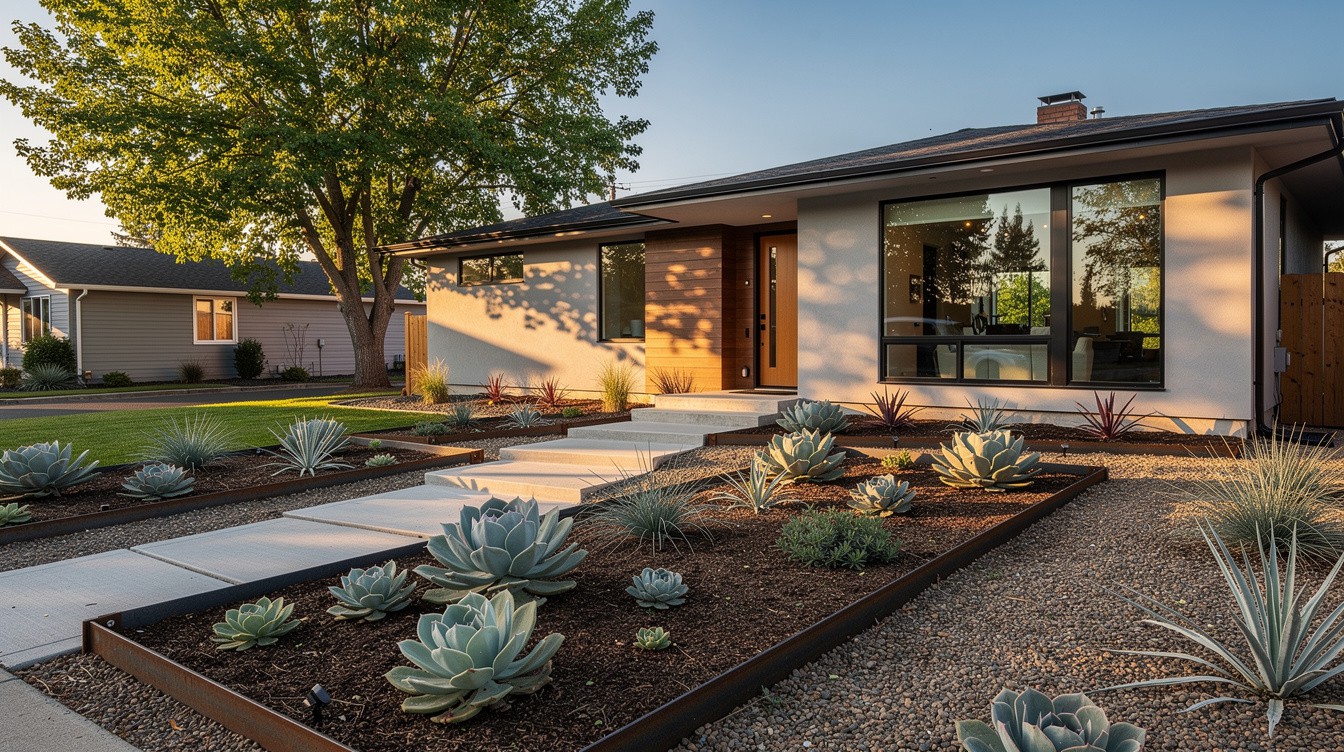
$10–20/sqftA flat-roofed mid-century remodel in white stucco with a wood-slat entry wall and a big black-framed corner window, fronted by weathered-steel-edged planting terraces that step down the gentle grade alongside floating concrete pad steps. The raised beds are filled with dark mulch and studded with blue-green succulent rosettes in drifts, while spiky yucca, burgundy accent foliage, and clumps of fine grass punctuate the surrounding pea-gravel field. In Spokane, plant the rosette drifts with cold-hardy sempervivum and plug in nursery echeverias as summer annuals — the steel, gravel, and geometry carry the look year-round.
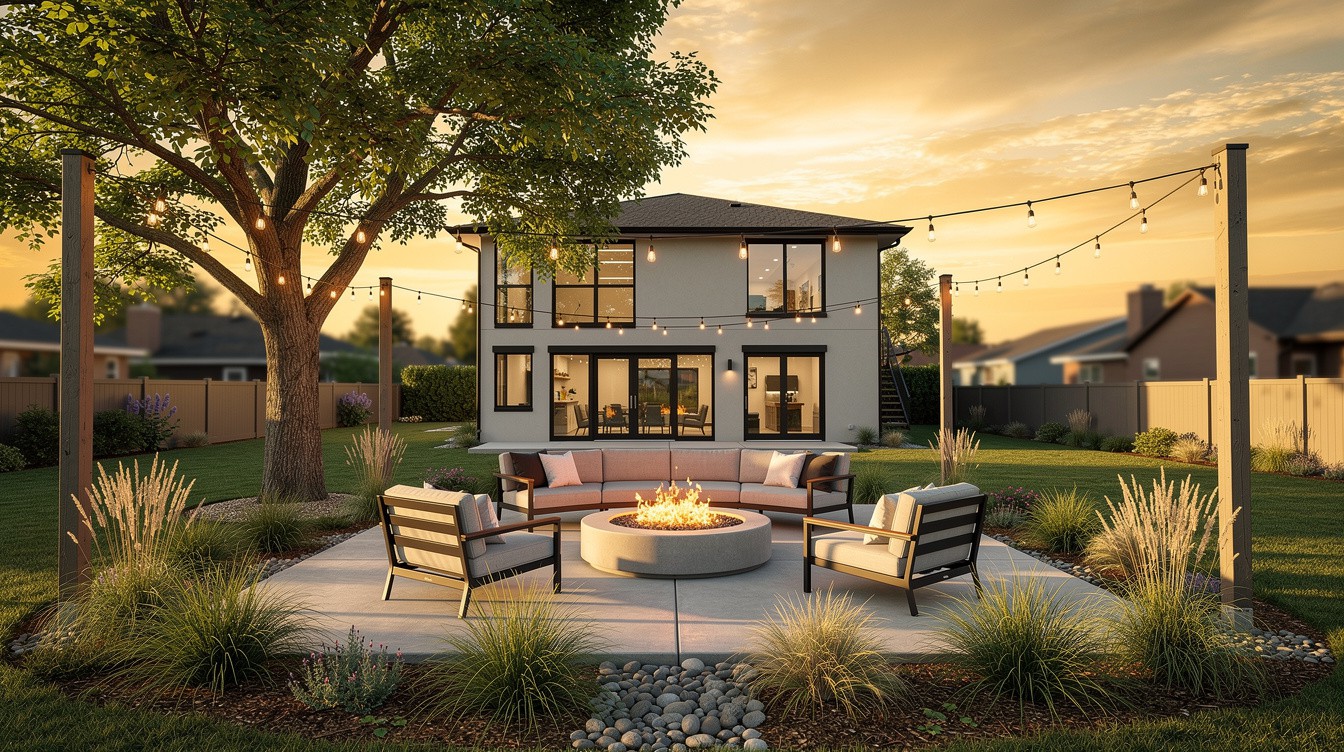
The String-Light Fire Circle
$14–28/sqftBehind a white two-story contemporary with black-trimmed glass doors, a square concrete patio holds a curved outdoor sectional and two modern lounge chairs pulled tight around a round board-formed concrete gas fire bowl. Cedar posts at the patio corners carry sweeping runs of string lights, billowing ornamental grasses crowd the patio edges so the hardscape seems to float in a meadow, and a river-rock pebble band leads the eye out toward the lawn. This is Spokane's best answer to the short evenings problem — the fire and lights stretch outdoor season from April into late October.
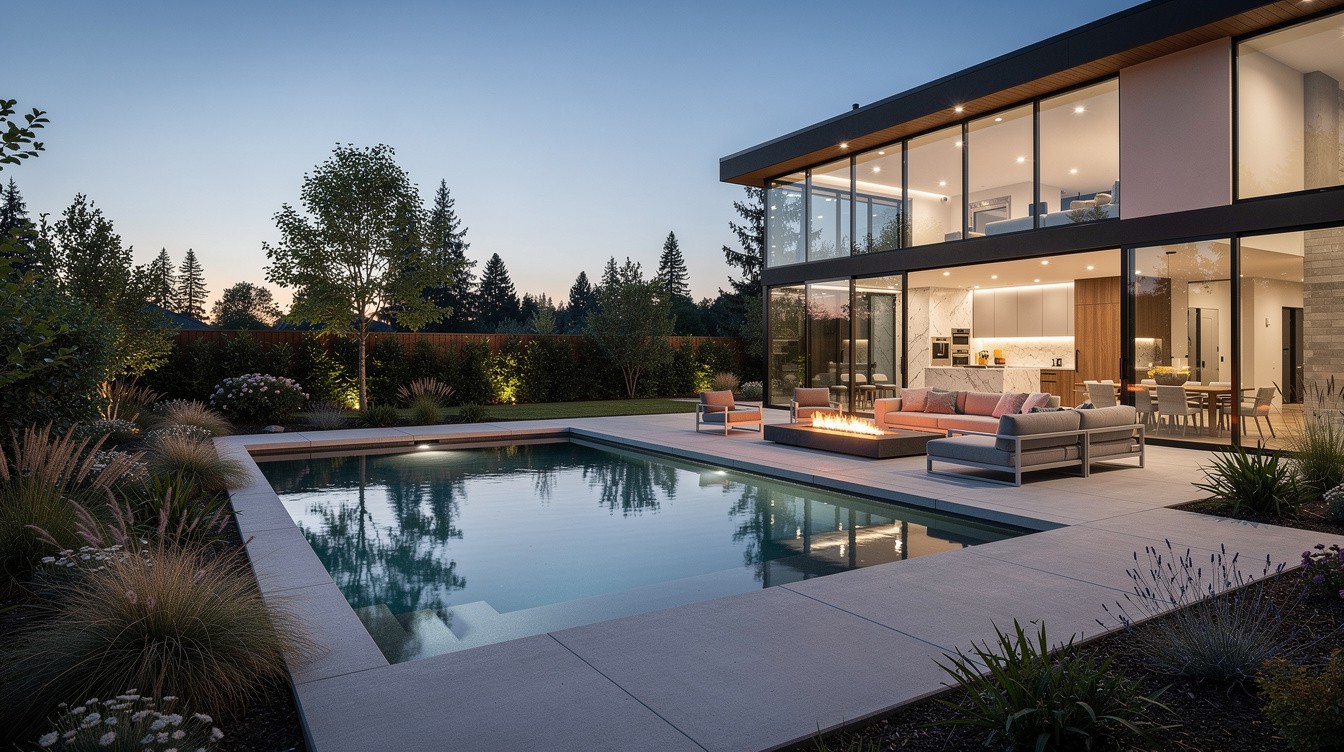
The Dusk-Lit Pool Pavilion
$50–100/sqft (pool area inclusive)A two-story glass-walled modern home spills light onto a rectangular pool wrapped in pale concrete pavers, with a low outdoor sofa grouping and a linear fire table set right at the water's edge. The planting is deliberately loose against all that geometry — silvery grasses, lavender spikes, and low evergreens soften the deck perimeter, while the borrowed backdrop of pines and birches beyond the fence line grounds the whole scene in the Inland Northwest. In Spokane's 150-day season, this design only pencils out with a heater and an automatic cover, but on a July evening with the fire lit it is unbeatable.
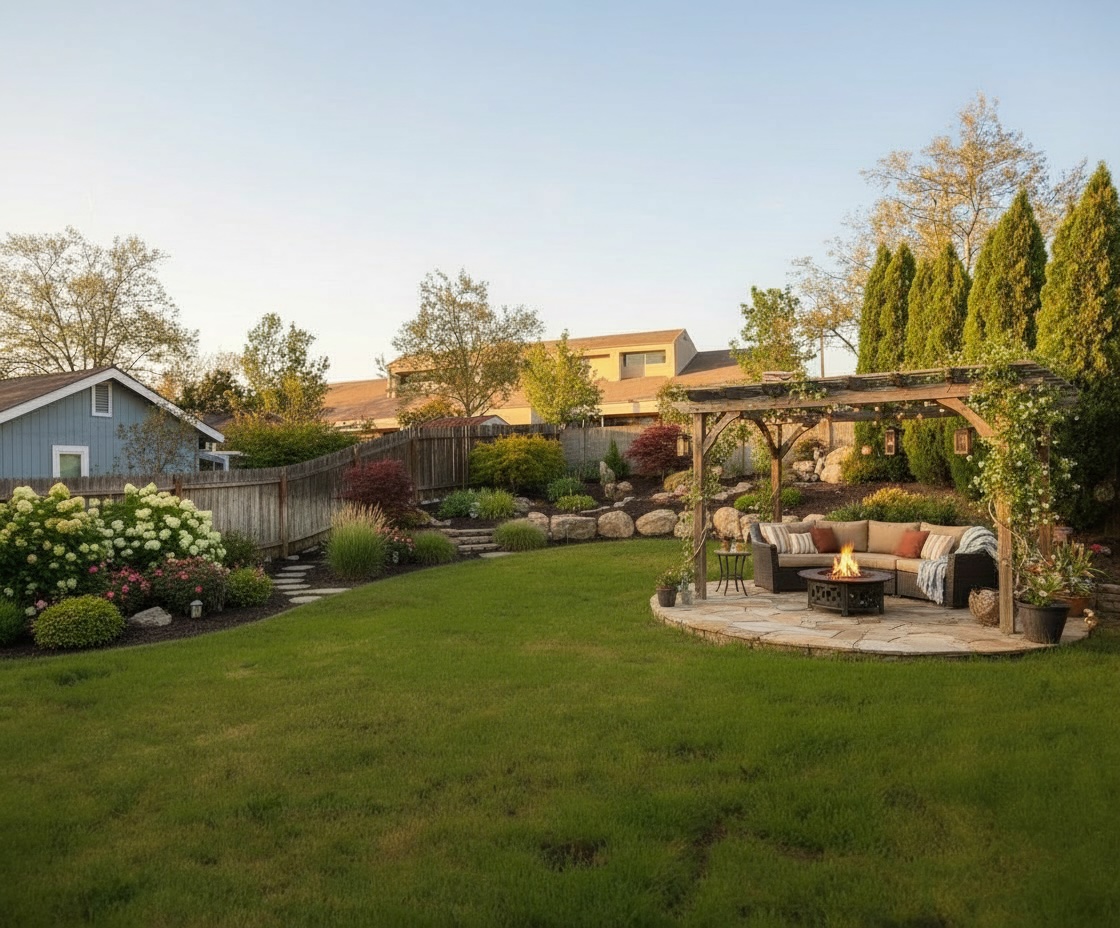
See how a modern/minimalist garden looks on YOUR property
Upload a photo of your Spokane yard and visualize your dream garden in seconds.
Try ProScapeAI Free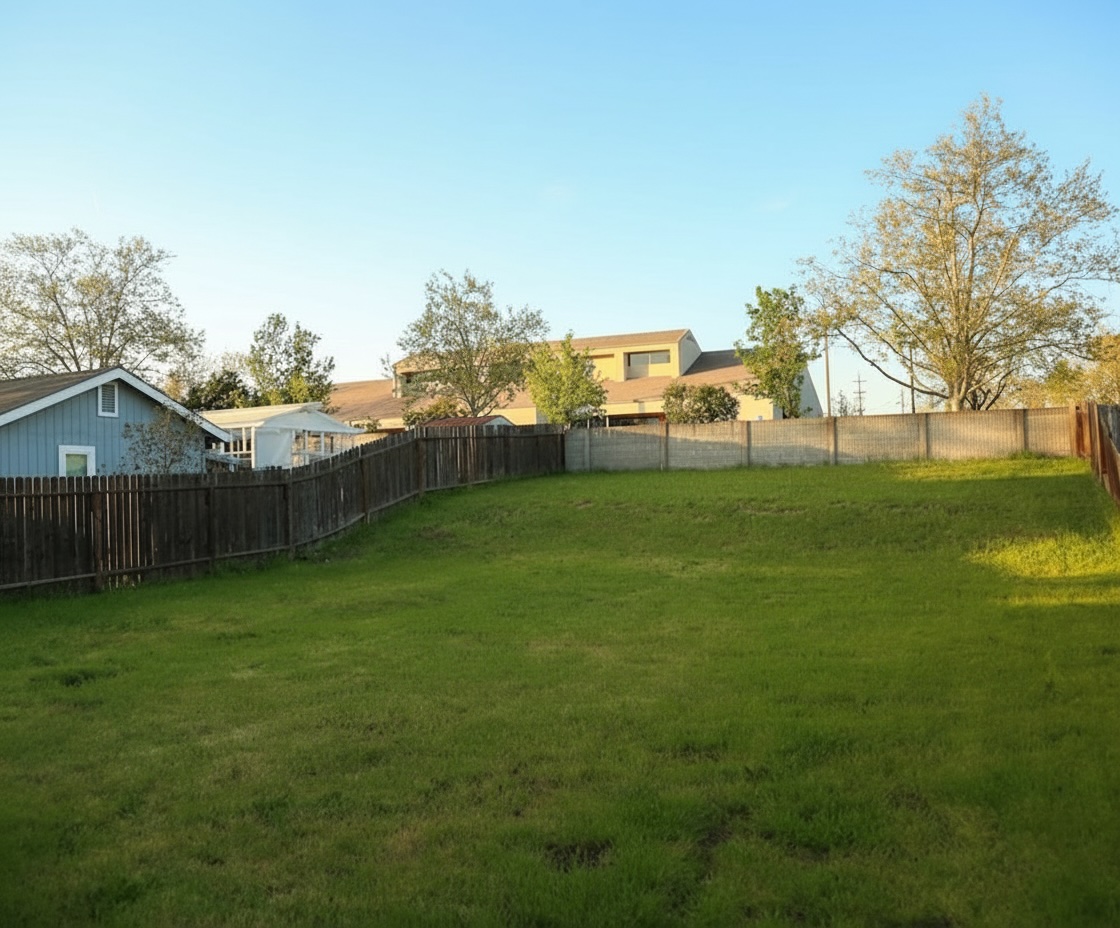
Featured Trees & Shrubs for Modern/Minimalist Gardens
Browse all 49 plants for Spokane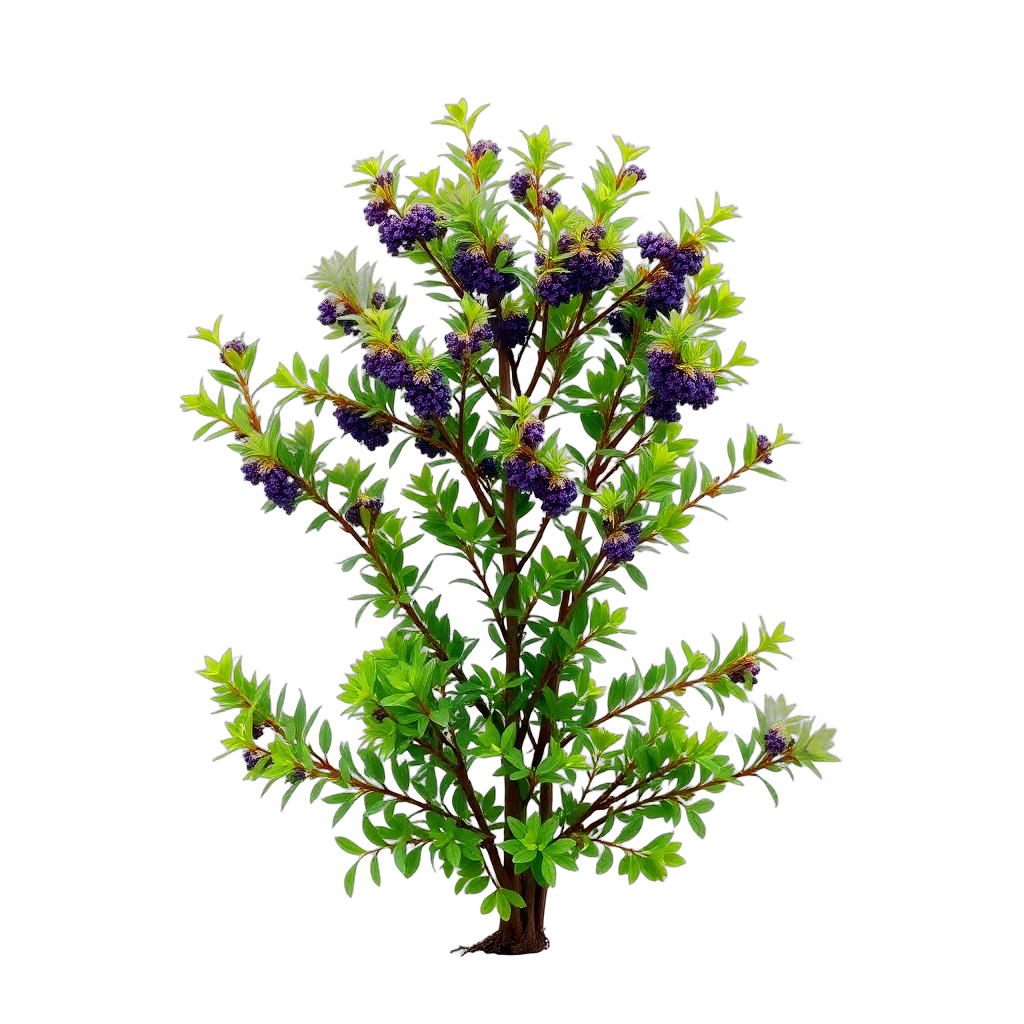
Creeping Mahonia
Mahonia repens
low-growing ground cover, yellow blooms in spring. Pollinator-friendly.
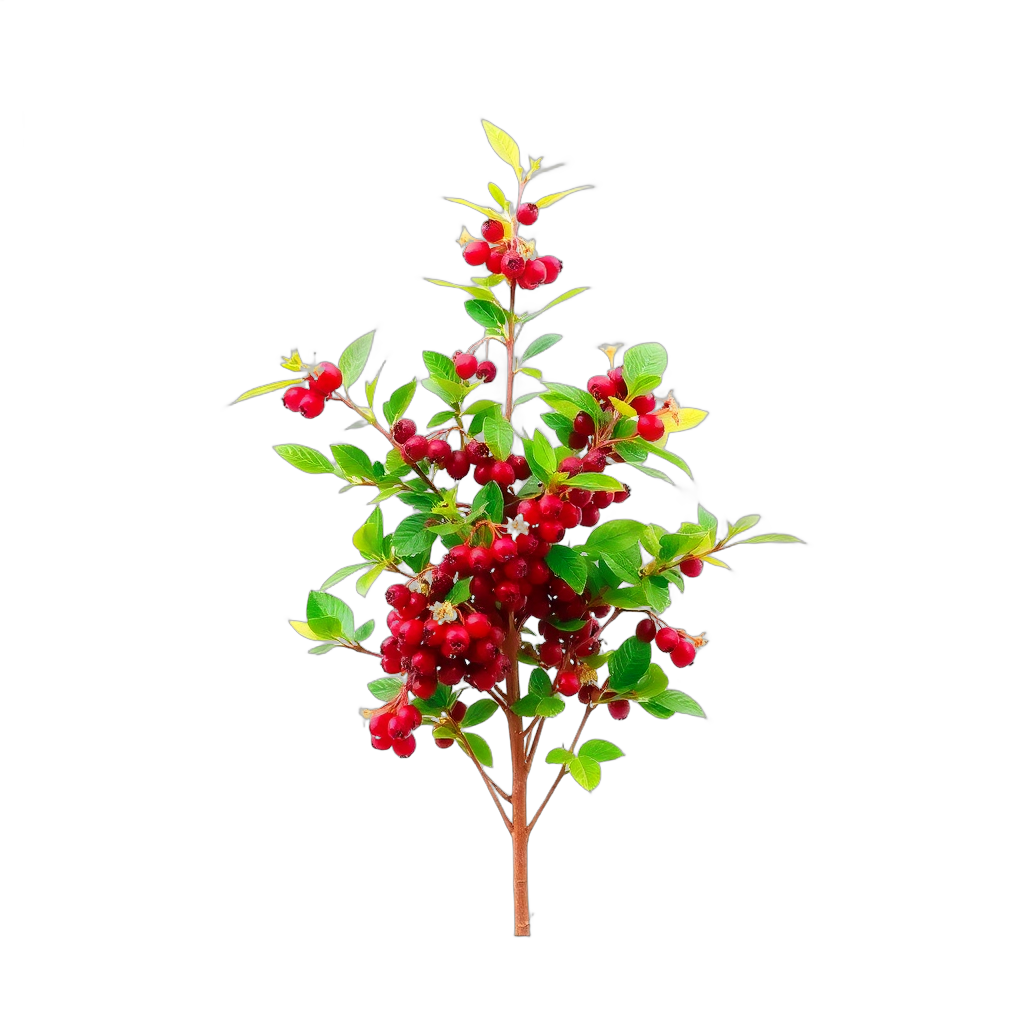
Grouseberry
Vaccinium scoparium
low-growing ground cover, pink blooms in spring. Attracts butterflies.
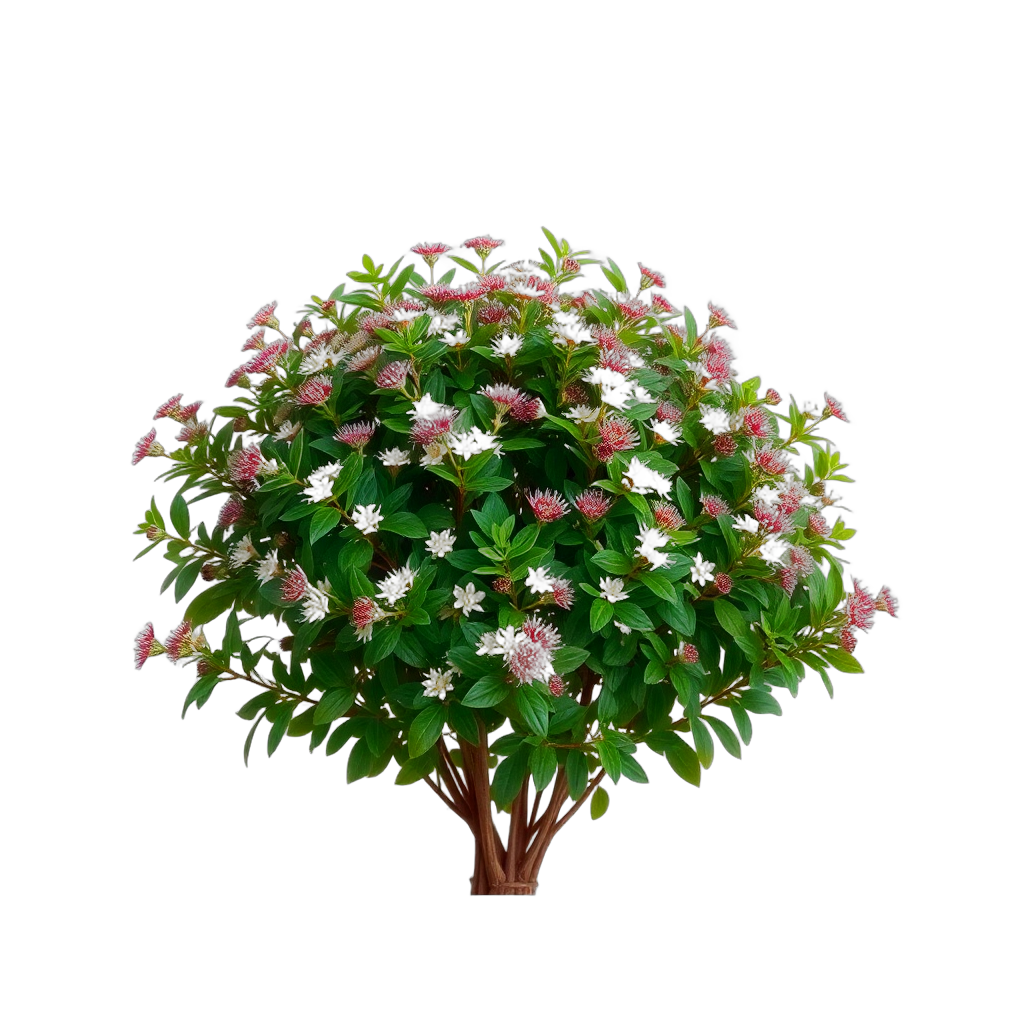
Labrador Tea
Ledum glandulosum
grows to 4 feet, white blooms in spring. Evergreen year-round.
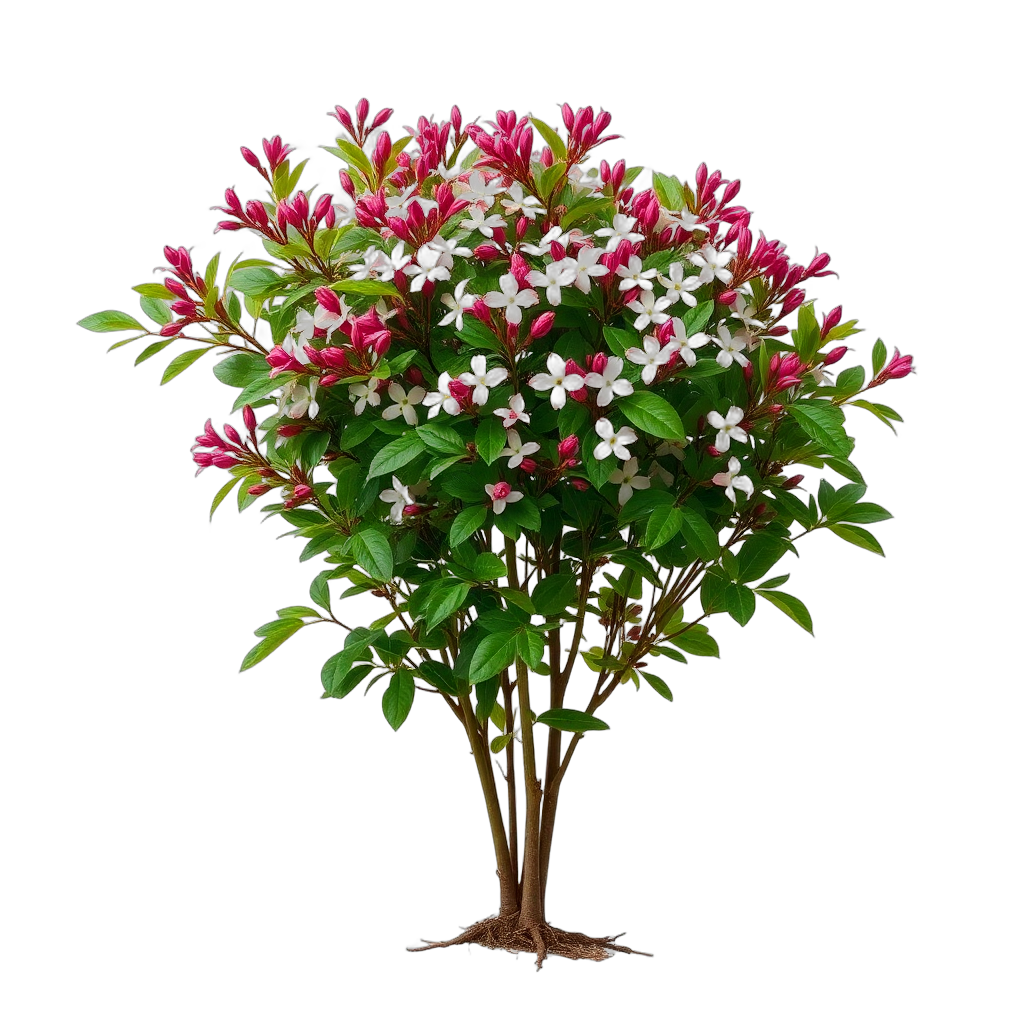
Red Osier Dogwood
Cornus sericea
medium-sized at 8 feet, white blooms in spring. Pollinator-friendly.
Featured Grasses & Groundcovers for Modern/Minimalist Gardens

Kentucky Bluegrass
Poa pratensis
low-growing ground cover, blooms in spring. Brown fall color.
Featured Flowers & Perennials for Modern/Minimalist Gardens
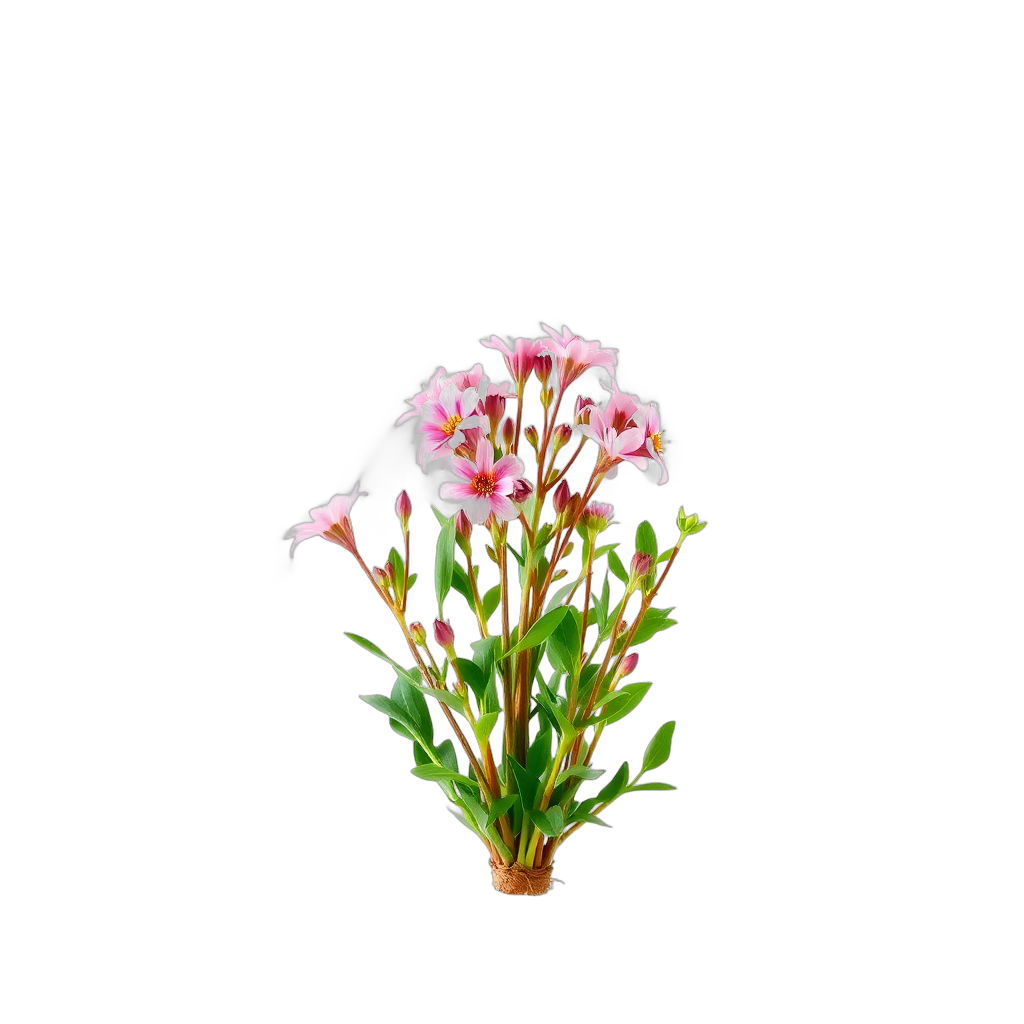
Bitterroot
Lewisia rediviva
low-growing ground cover, pink blooms in spring.
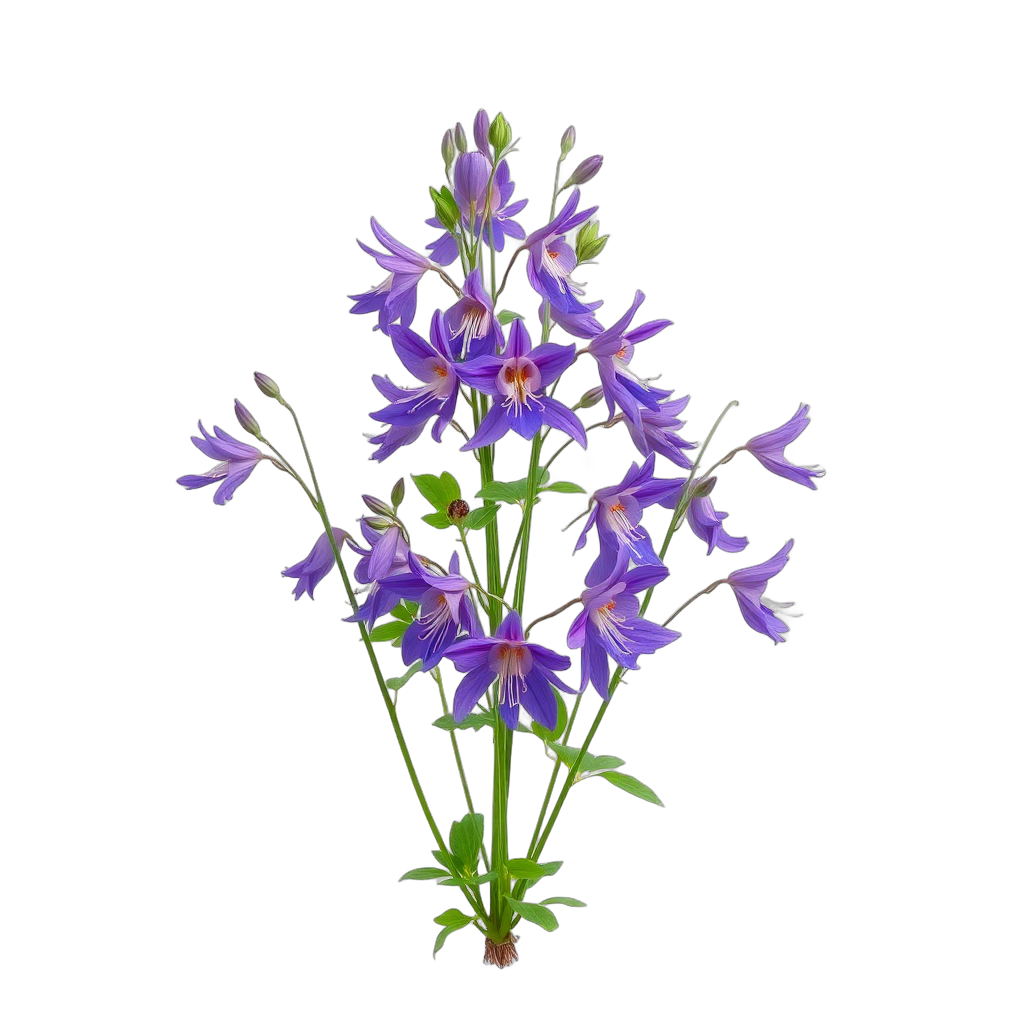
Colorado Columbine
Aquilegia caerulea
low-growing ground cover, blue blooms in spring. Attracts hummingbirds.
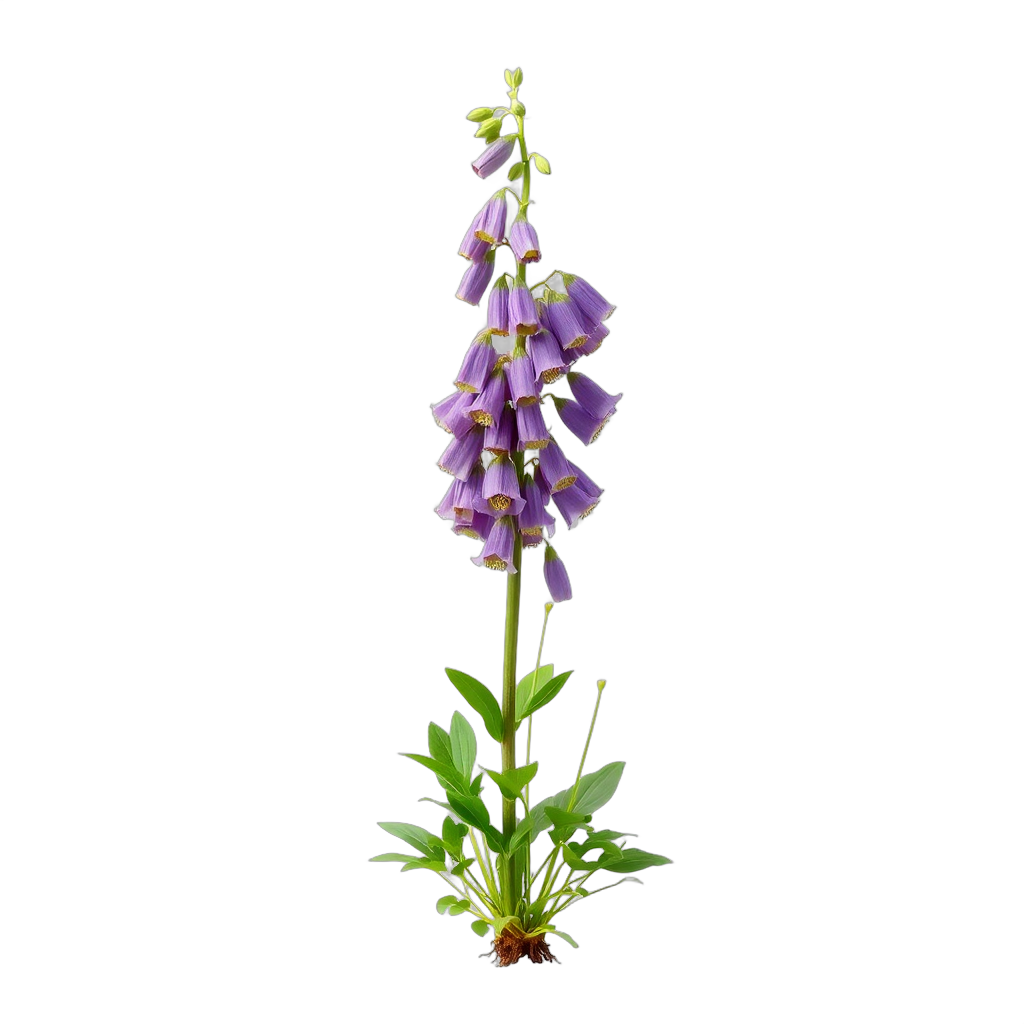
Columbian Monkshood
Aconitum columbianum
grows to 3 feet, purple blooms in summer. Pollinator-friendly.
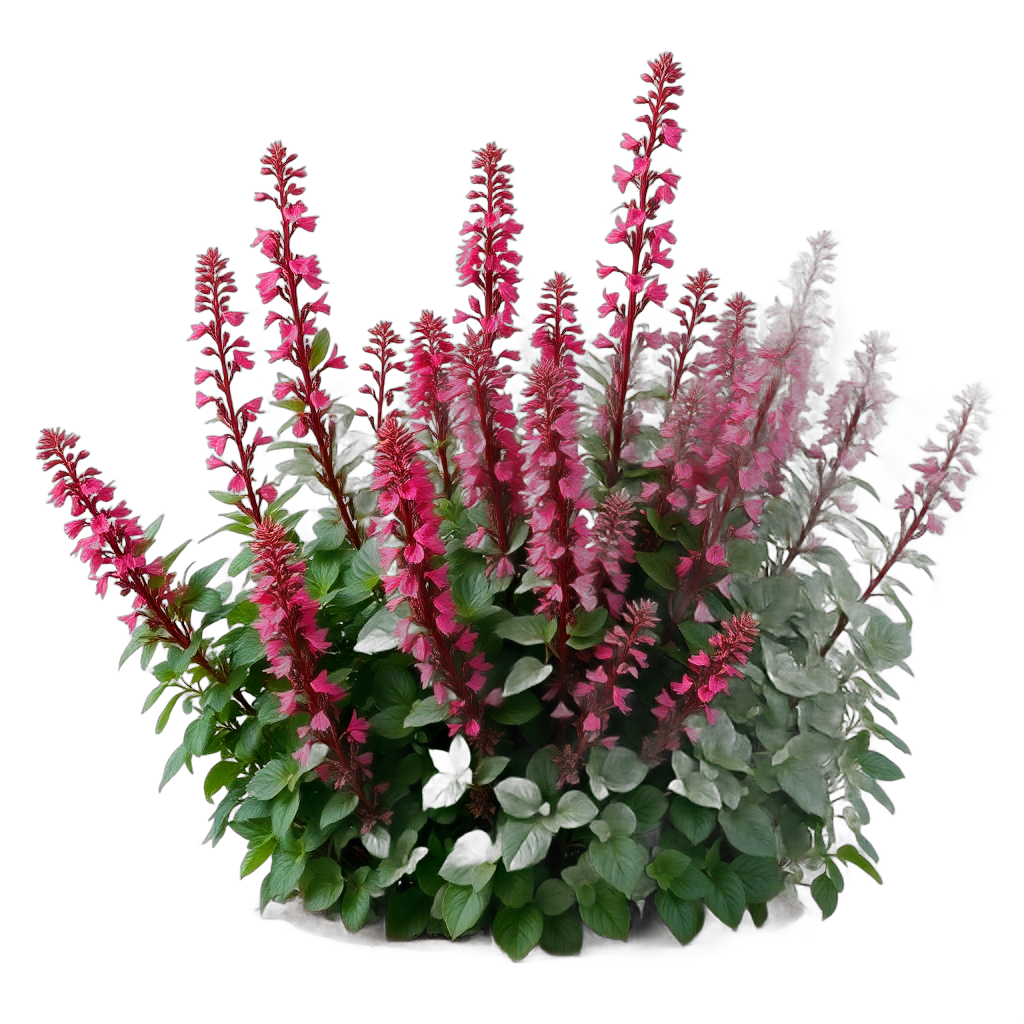
Coral Bells
Heuchera cylindrica
low-growing ground cover, white blooms in spring. Attracts hummingbirds.
Bloom Calendar for Spokane
spring
Bitterroot, Colorado Columbine, Coral Bellssummer
Columbian Monkshood, Mountain Death Camas, Pipsissewafall
Limited bloomswinter
Limited bloomsDesign Tips for Spokane (Zone 6b)
- Use exposed basalt as your sculpture — Spokane lots from the South Hill to Indian Trail sit on basalt, and locally quarried columns and boulders cost a fraction of imported stone while looking more honest against modern architecture
- Swap the California succulent list for its hardy twins: Yucca glauca for agave, sempervivum for echeveria, blue oat grass for senecio — the silhouette survives Zone 6b, the plants survive January
- Design for the snow: feather reed grass plumes, corten planters, and horizontal fence lines all read beautifully under 45 inches of annual snowfall, while fussy low groundcover compositions simply disappear for four months
- Set every pergola post and masonry footing below the 24–36 inch frost line and put 6–8 inches of compacted crushed rock under all flatwork — freeze-thaw heave is the number one killer of Spokane hardscape
- Apply for the SpokaneScape rebate before removing turf — the city credits up to $500 for approved drought-tolerant conversions, which can cover the entire gravel bill on a small front yard
- Add fire and light, not more plants, to extend the season — a gas fire bowl and string lights buy you April-to-October evenings in a climate where the calendar, not the garden, is the real constraint
Where to Source Plants in Spokane
Skip the big-box stores. These independent Spokane nurseries specialize in the plants that make modern/minimalist gardens thrive in Zone 6b.
Ritters Garden & Gift
North Spokane
Locally-owned full-service garden center with plants, home decor, pottery, and DIY terrarium offerings.
The Plant Farm
Spokane Valley
Family-owned nursery growing 95% of their plants on-site in 30+ greenhouses across 10 acres.
Smart Gardens Nursery
North Spokane
Independent nursery specializing in landscape design consulting with extensive plant selection.
Greenacres Nursery
Otis Orchards
Largest retail and wholesale nursery in the Inland Northwest with 17 acres of deciduous and coniferous trees.
Modern/Minimalist Landscaping Costs in Spokane
| Project Scope | Estimated Cost |
|---|---|
| Front yard modern conversion (turf removal + gravel + architectural plants) | $4,500 – $10,000 |
| Concrete or paver patio (200–400 sqft, frost-rated base) | $7,000 – $18,000 |
| Backyard fire-feature room with seating and lighting | $12,000 – $30,000 |
| Pool deck + full backyard landscape (heater and auto-cover included) | $90,000 – $180,000 |
| Corten steel raised planters (fabricated + filled) | $400 – $1,000 each |
| AI visualization with ProScapeAI | Free to start |
Estimates based on Spokane, WA-area contractor rates as of 2026. Actual costs vary by site conditions, materials, and contractor.
Spokane Climate & Growing Zone
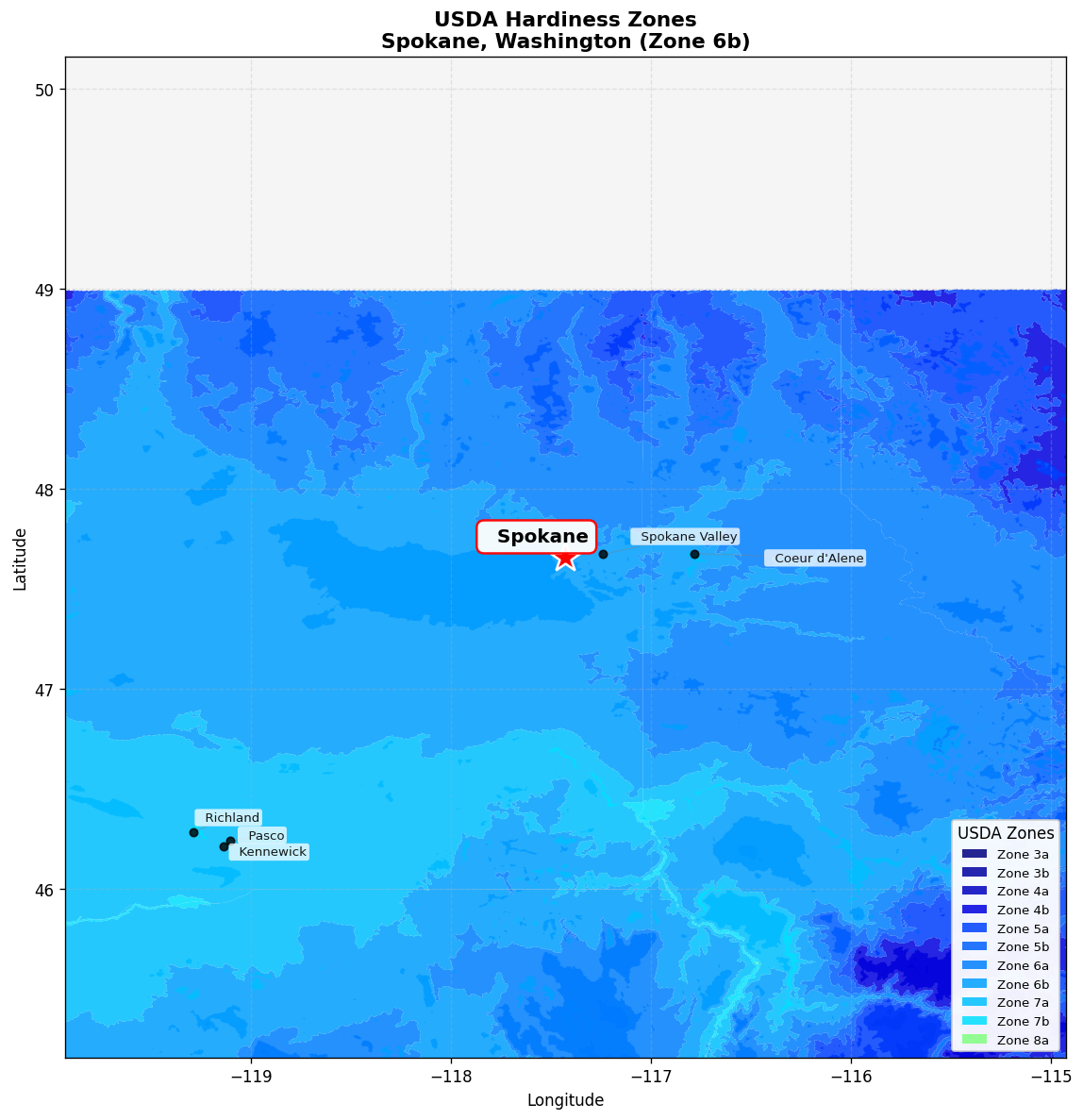
USDA Zone 6b
Hardiness zone for Spokane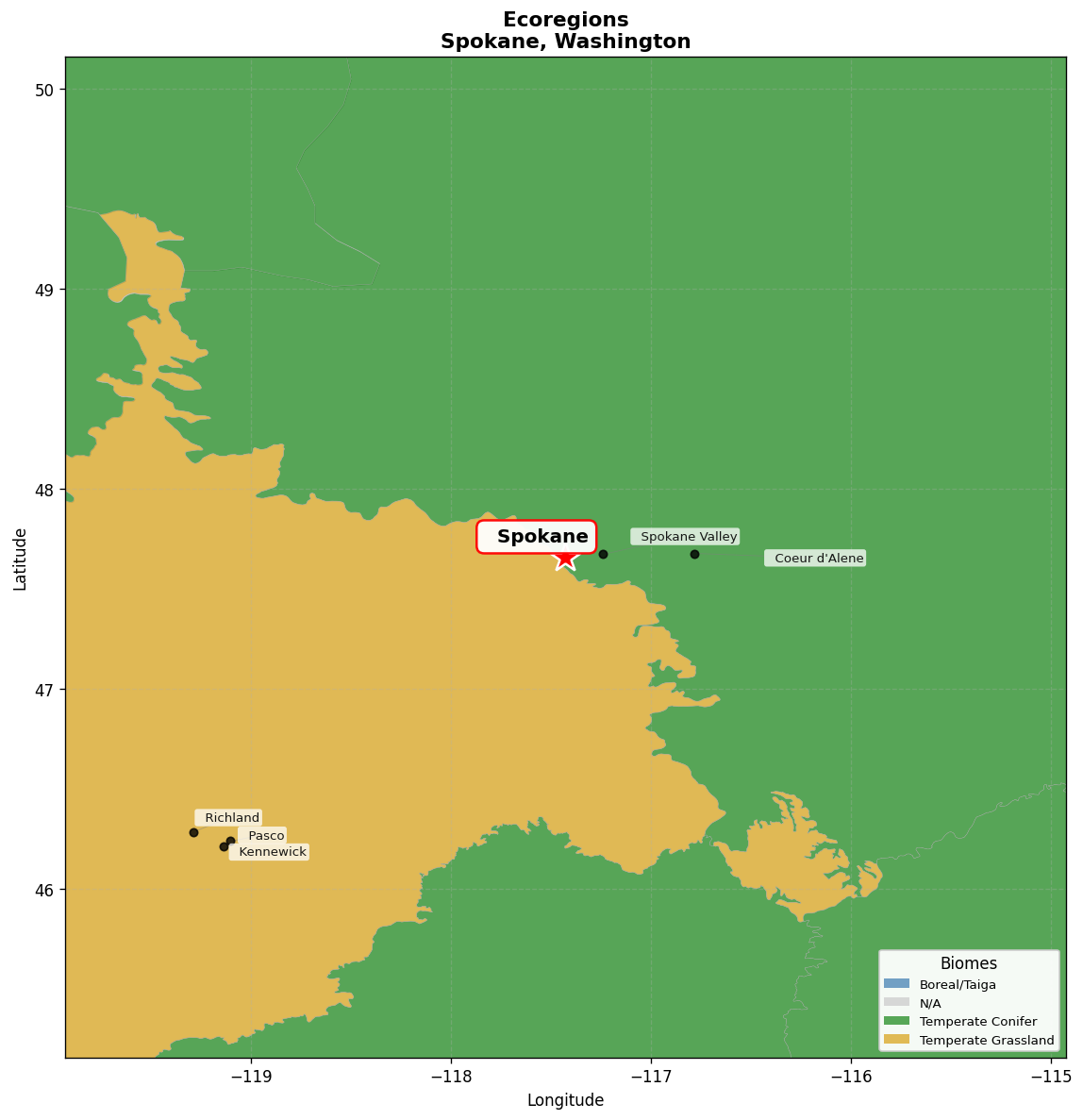
Northern Rockies conifer forests
Native ecoregionFrequently Asked Questions
How much does modern landscaping cost in Spokane?
Spokane installation costs run near or slightly below national averages — well under Seattle-side pricing. A complete front-yard modern conversion (turf removal, gravel, steel edging, architectural plants) on a typical 500 sqft front yard runs $4,500–10,000 installed. A concrete or paver back patio with seating and a gas fire feature lands between $12,000 and $30,000 depending on size and utilities. Full pool-and-landscape backyards run $90,000–180,000 here — pools cost more in Spokane than the Sun Belt because heaters, auto-covers, and freeze-proof plumbing are effectively mandatory. DIY gravel-and-grasses conversions can come in under $4/sqft.
Can I get the agave-and-succulent modern look in Spokane's Zone 6b winters?
You can get the look, but not with the California plant list. True agaves and echeverias die at Spokane's -5°F lows (or rot in the winter wet). The hardy equivalents are Yucca glauca and Yucca filamentosa for the big spiky silhouette, sempervivum and hardy sedums for rosette drifts, and blue oat grass or blue fescue for the silver-blue color. Agave parryi can survive here only in sharply drained rock mulch with overhead protection from winter wet — treat it as an experiment, not a foundation plant. Many Spokane designers simply drop potted agaves and echeverias out for summer and overwinter them in the garage.
How do I build hardscape that survives Spokane freeze-thaw cycles?
Three rules. First, footings for anything structural — pergola posts, masonry columns, retaining walls over 4 feet — must reach below frost depth, which is 24–36 inches in Spokane County. Second, pavers and flatwork need 6–8 inches of compacted crushed-rock base with good drainage so water can't pool under the surface and heave it. Third, choose freeze-thaw-rated materials: concrete, porcelain pavers, and local basalt perform beautifully; soft sandstones and unsealed porous stone spall after a few winters. Concrete work is best poured May through October — winter pours here require expensive cold-weather protection.
Which ornamental grasses do best in Spokane?
Karl Foerster feather reed grass is the regional workhorse — bolt upright, hardy to Zone 4, and its wheat-colored plumes stand through snow for genuine winter interest. Blue oat grass gives the steel-blue color modern designs love and stays evergreen-ish here. Little bluestem (a native) brings coppery fall color, and switchgrass handles the driest spots. Mexican feather grass — the soft, flowing grass in many design photos — is only reliable to Zone 7, so treat it as an annual or swap in Mexican feather-look natives like prairie dropseed. All get one cutback in March; otherwise they thrive on Spokane's dry summers with minimal irrigation once established.
When is the best time to install a landscape in Spokane?
Spring (mid-April through June) and early fall (September to mid-October) are the two windows. Fall planting works well for trees, shrubs, and grasses — roots establish in warm soil before freeze-up — but finish six weeks before the ground freezes, typically by mid-October. Avoid planting in July and August unless you can irrigate daily; Spokane's bone-dry 90°F summer stretches are brutal on unestablished roots. Hardscape season runs May through October. Book contractors early: Spokane's compressed season means the good crews are committed by March.
Do I need a permit for landscaping work in Spokane?
Planting, gravel conversions, and beds need no permit. The City of Spokane requires permits for retaining walls over 4 feet, pools and spas, decks above 30 inches, and roofed structures; Spokane Valley and Liberty Lake run their own permitting with similar thresholds. Two local specifics worth knowing: call 811 before digging — irrigation and gas lines are shallow here — and if you're removing turf, check the SpokaneScape program first, because the city credits up to $500 on your utility bill for approved water-wise conversions, and you must apply before you start work.