4 English Cottage Garden Ideas for Springfield, IL | Zone 5b Prairie-Soil Borders
Native plants from the Central US forest-grasslands transition (Zone 5b) — Humid continental (hot summer) climate
Why Cottage/English Gardens in Springfield?
Springfield has the old houses a cottage garden needs. The Italianate and Queen Anne houses of Enos Park and Old Aristocracy Hill, the Tudor and Colonial Revival streets around Washington Park, and the brick bungalows and foursquares of Harvard Park and Vinegar Hill all have the porches, the narrow front setbacks and the warm brick that make a full border look right. A cottage garden is full and loose: a rose over the gate, catmint falling over the path edge, peonies in June and phlox in August. On a 40 or 50 foot city lot it reads as a finished picture from the sidewalk, and on the older half of town it suits the houses better than a lawn does.
The climate allows most of the English list, but not all of it. Springfield sits in USDA Zone 5b, where the coldest night of the winter can reach -15 to -10°F, and the 1981–2010 normals at Abraham Lincoln Capital Airport put the January average low at 18.7°F and the July average high at 86.2°F, with about 37 inches of rain and 21 inches of snow a year. The humid July and August stretch causes more trouble than the cold. Delphinium elatum usually behaves as a two-year plant here, and Alchemilla mollis scorches in full sun, so give the delphinium a cool east-facing spot and treat it as replaceable, and put lady's mantle where it gets afternoon shade. For spires that last, use Salvia nemorosa 'Caradonna' and Veronica 'Royal Candles'. For roses, pick the cold-hardy, disease-tolerant ones: Rosa 'John Davis', Rosa 'Quadra' on an arbour, Rosa 'Bonica' and Rosa 'Olivia Rose Austin'. Peonies are the plant this climate does better than England does: Paeonia 'Sarah Bernhardt' and 'Festiva Maxima' need a real winter chill, and Springfield gives it to them.
Soil is the good news. Most of Springfield is built on deep, dark prairie silt loam formed in loess, with high organic matter and a pH that usually tests in the 6.0–7.0 range, close to ideal for roses, peonies and lavender. The catch is drainage. These soils hold water in a wet spring, and older lots often have compacted fill or a heavier clay subsoil under the topsoil. Lavandula × intermedia 'Phenomenal' and 'Hidcote' lavender both take a Zone 5b winter, but only if the crown sits dry, so raise the beds 6–8 inches and work in grit before you plant.
Springfield sits in the forest and grassland transition of central Illinois, and Lincoln Memorial Garden on Lake Springfield, laid out by Jens Jensen, shows how well native plants can fill a romantic, loose garden. A Springfield cottage border can use Echinacea purpurea 'Magnus', Baptisia australis and Phlox paniculata 'Jeana' alongside the English roses, and those natives feed the bees and take the August heat.
4 Cottage/English Design Ideas for Springfield

AI-generated image
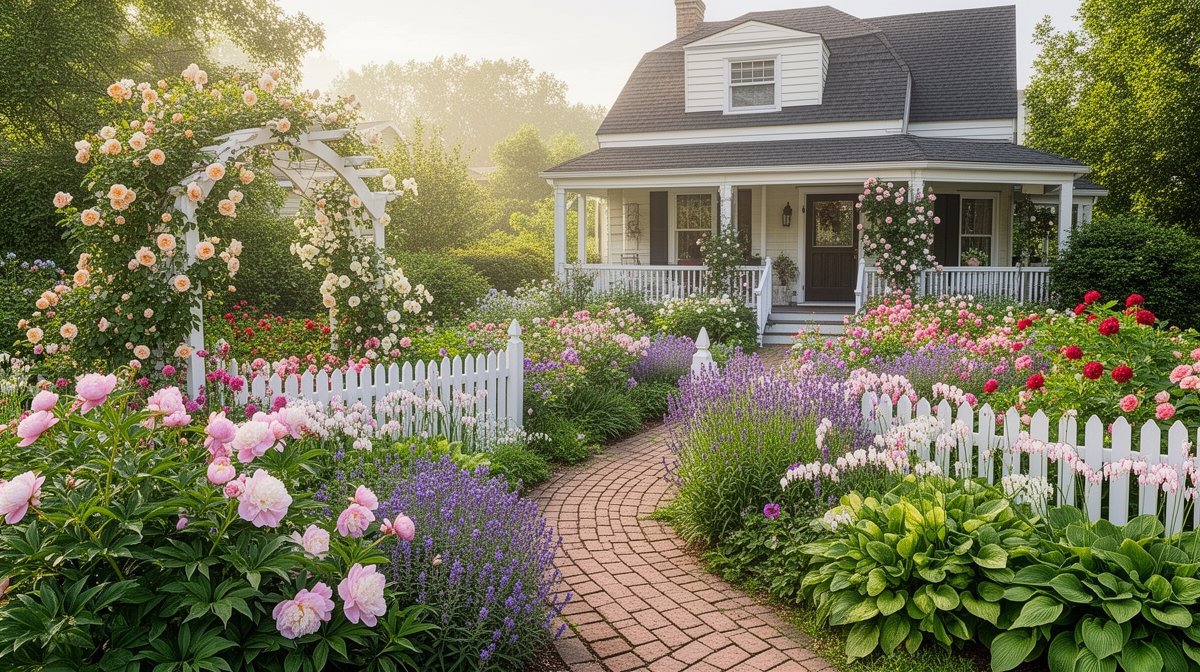
The Enos Park Picket Gate
$18–38/sqftA white picket fence runs along the sidewalk in front of a tall Italianate house with a deep front porch, and a cedar arch at the gate carries a pink climbing rose. A straight walk of reclaimed red brick runs to the porch steps, with a band of catmint along both sides and peonies and shrub roses behind it. The front faces south, so the beds get full sun all day and the roses dry off early after a summer storm.

AI-generated image
The Washington Park Porch Border
$20–42/sqftA Tudor Revival house with a stone-trimmed entry sits back under big old oaks, and a curved flagstone walk sweeps up to the door through a border three layers deep. Tall phlox and foxglove stand at the back, lavender and hardy geranium fill the middle, and the front edge is soft with lamb's ear. The sunny strip in the middle of the yard carries the roses and lavender, while the shady corners under the trees take hydrangea and hosta.

AI-generated image
The Peony Walk Back Garden
$14–30/sqftA narrow brick path runs straight down the middle of a long back yard behind a 1920s bungalow, with a double row of peonies on each side and a wooden bench at the far end under a 'Miss Kim' lilac. Behind the peonies, Russian sage and asters take over for late summer, and a clematis climbs the garage wall. The yard runs north to south, so both sides of the walk get the same sun and the planting stays even.

AI-generated image
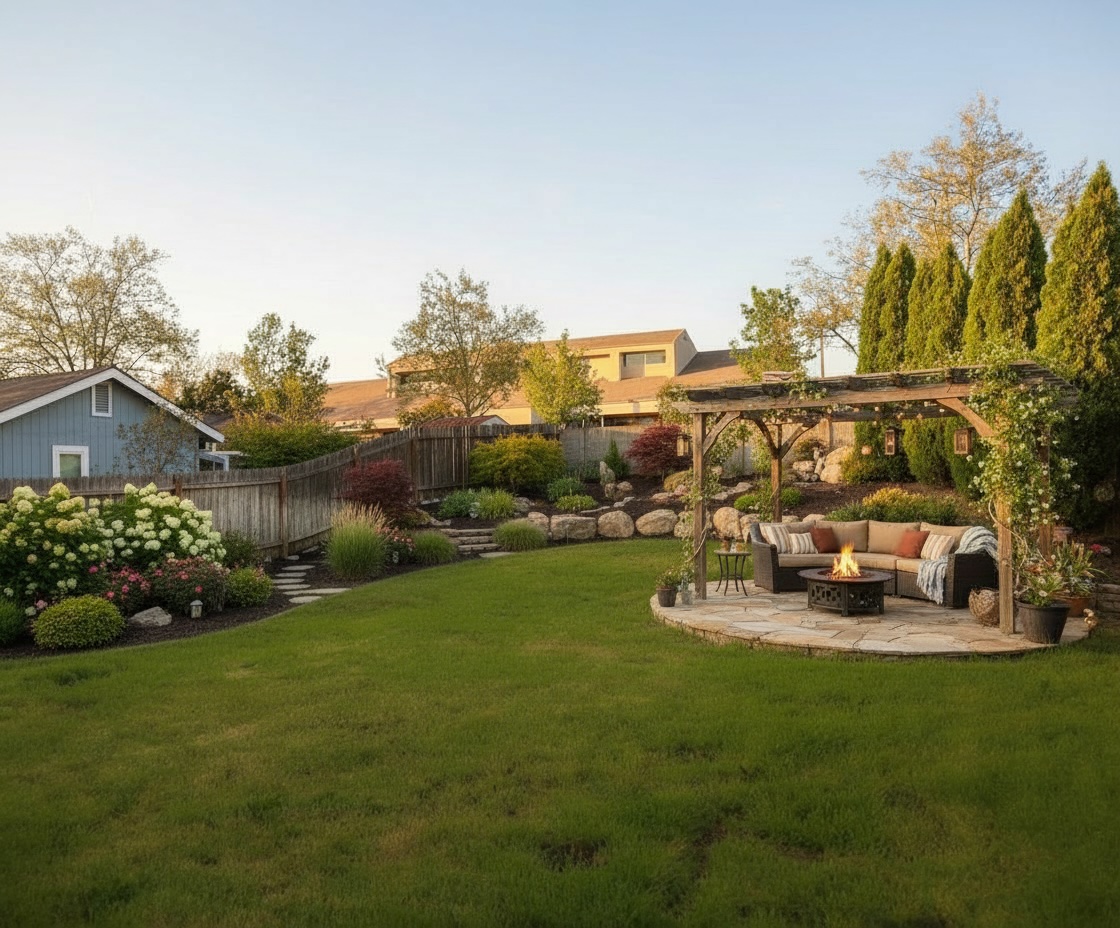
The Rose Arbour Patio
$22–45/sqftA small square patio of tumbled pavers sits behind a 1950s brick ranch, with a white arbour on one side covered in a pale pink rose and a bistro table under it. Deep borders wrap around three sides with English shrub roses, alliums and catmint, and a birdbath stands in the middle of the lawn panel. The patio faces east, so the morning sun is on the roses and the table is in shade by late afternoon on a hot July day.
See how a cottage/english garden looks on YOUR property
Upload a photo of your Springfield yard and visualize your dream garden in seconds.
Try ProScapeAI Free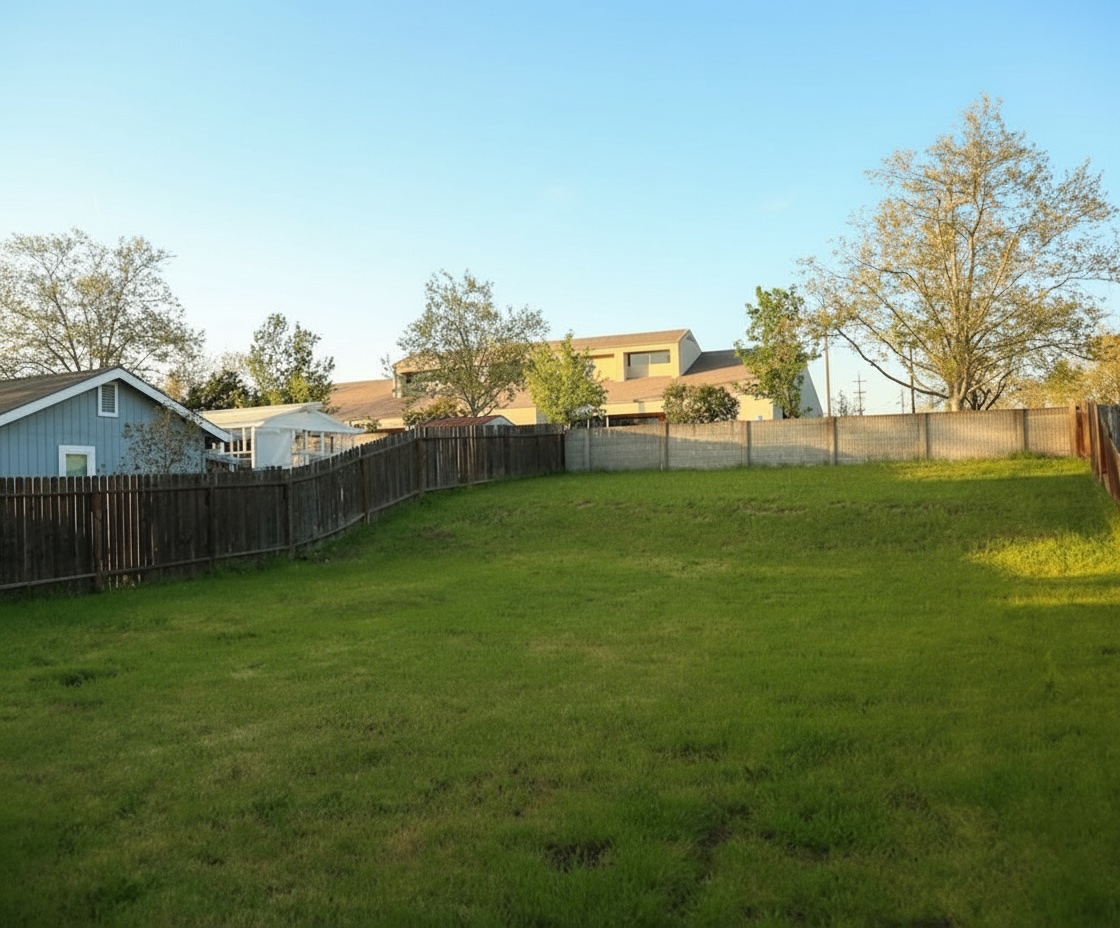
AI-generated image
Featured Trees & Shrubs for Cottage/English Gardens
Browse all 169 plants for Springfield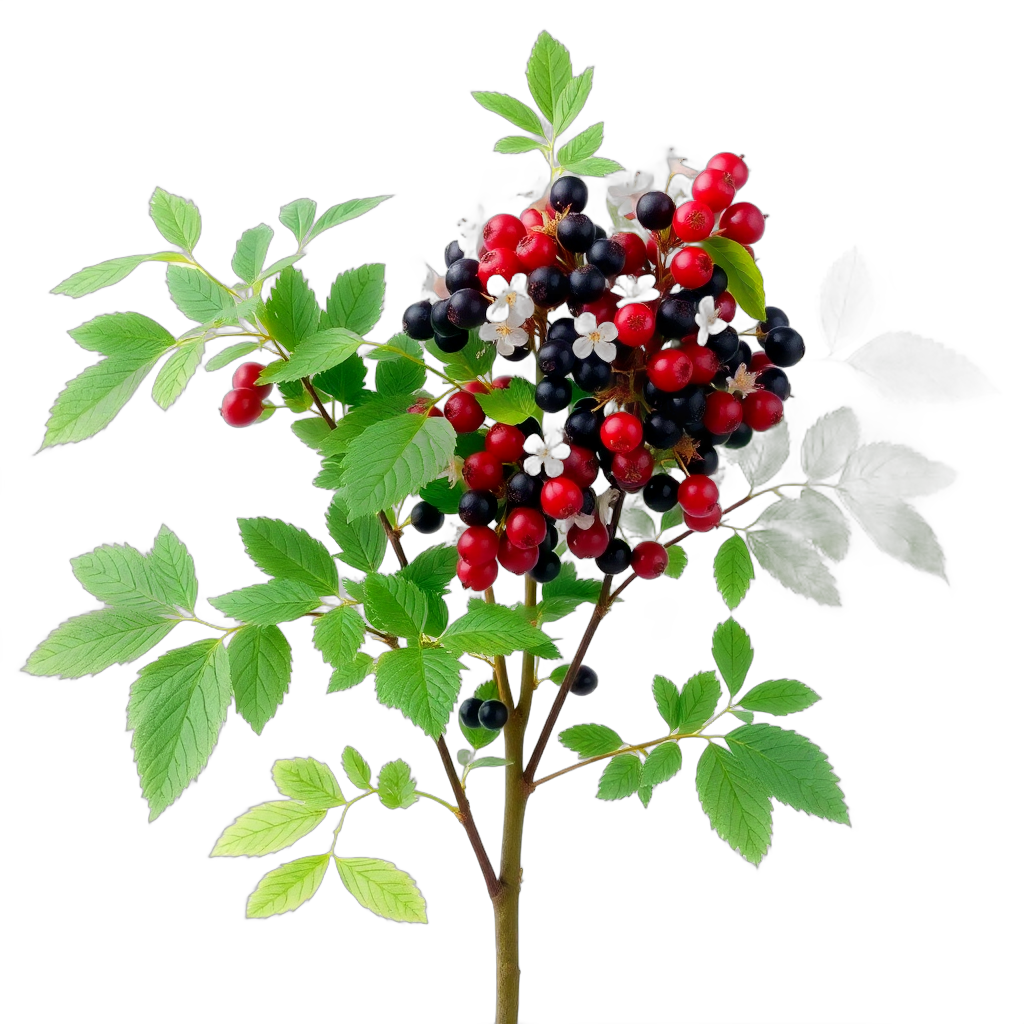
American Black Currant
Ribes americanum
grows to 5 feet, white,yellow blooms in spring. Attracts hummingbirds.
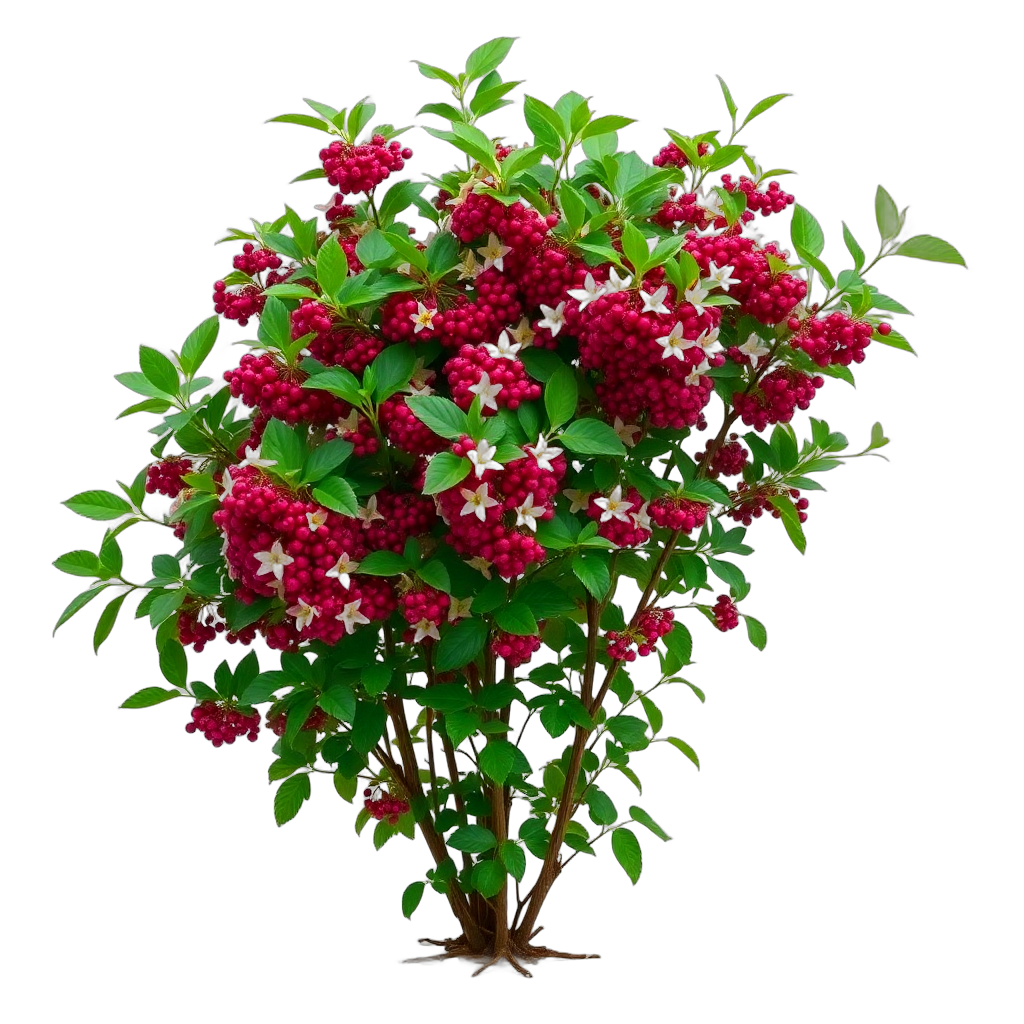
Clove Currant
Ribes odoratum
grows to 6 feet, yellow blooms in spring. Attracts hummingbirds.
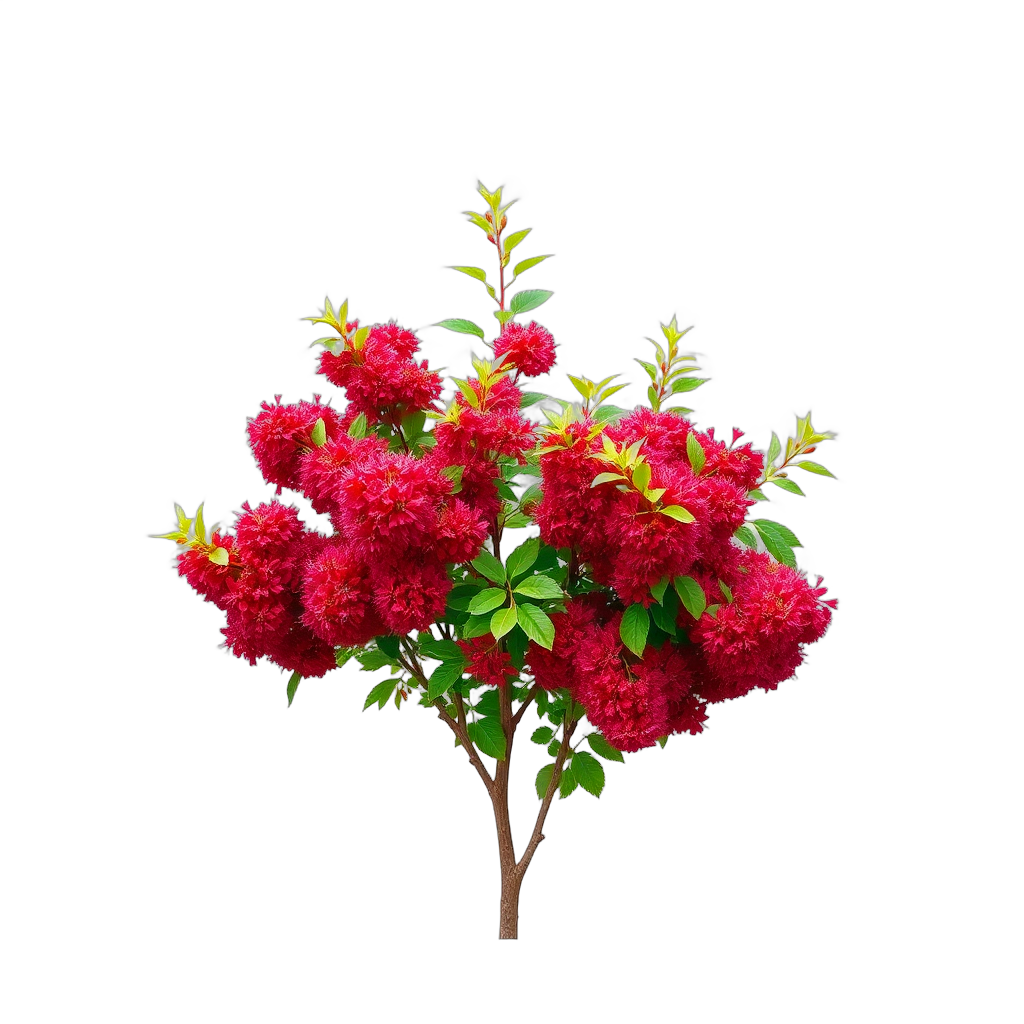
Fragrant Sumac
Rhus aromatica
grows to 4 feet, yellow blooms in spring. Attracts butterflies.
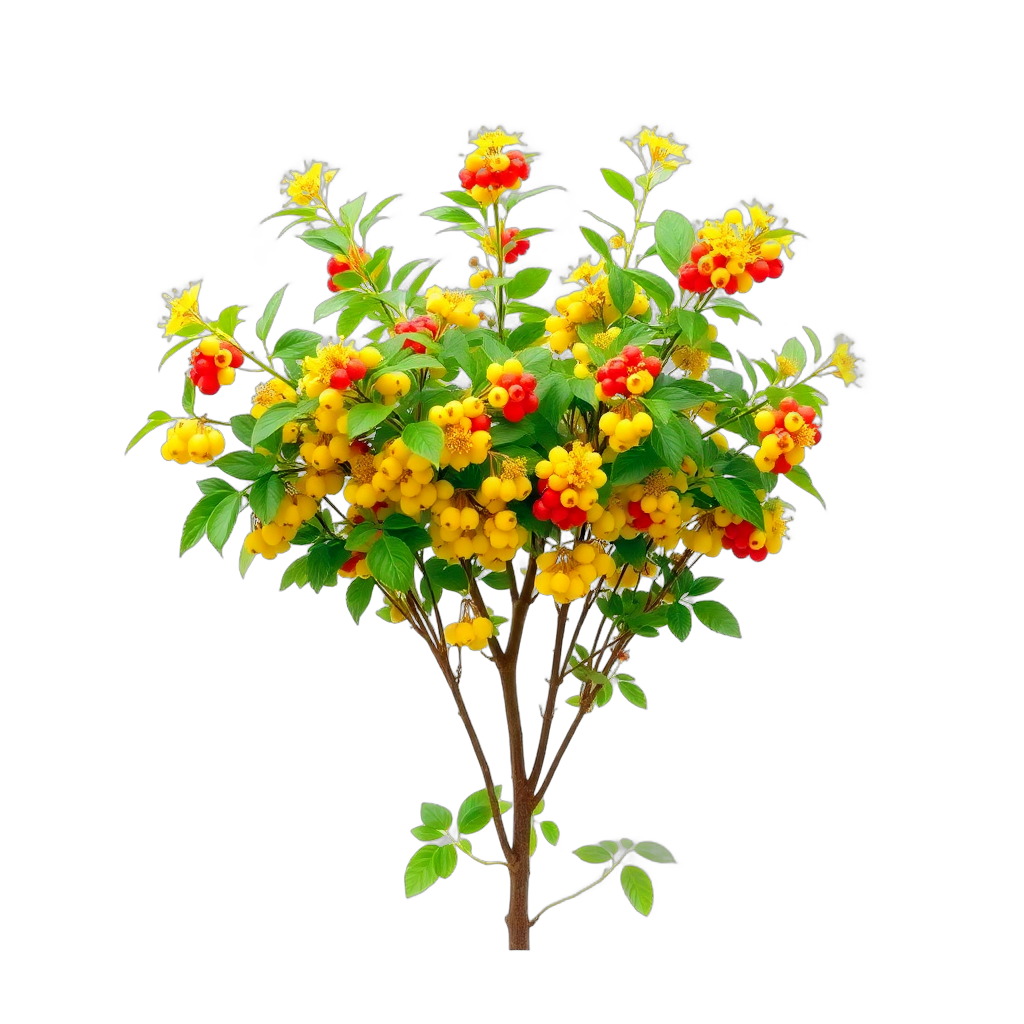
Golden Currant
Ribes aureum
grows to 6 feet, yellow blooms in spring. Attracts hummingbirds.
Featured Grasses & Groundcovers for Cottage/English Gardens
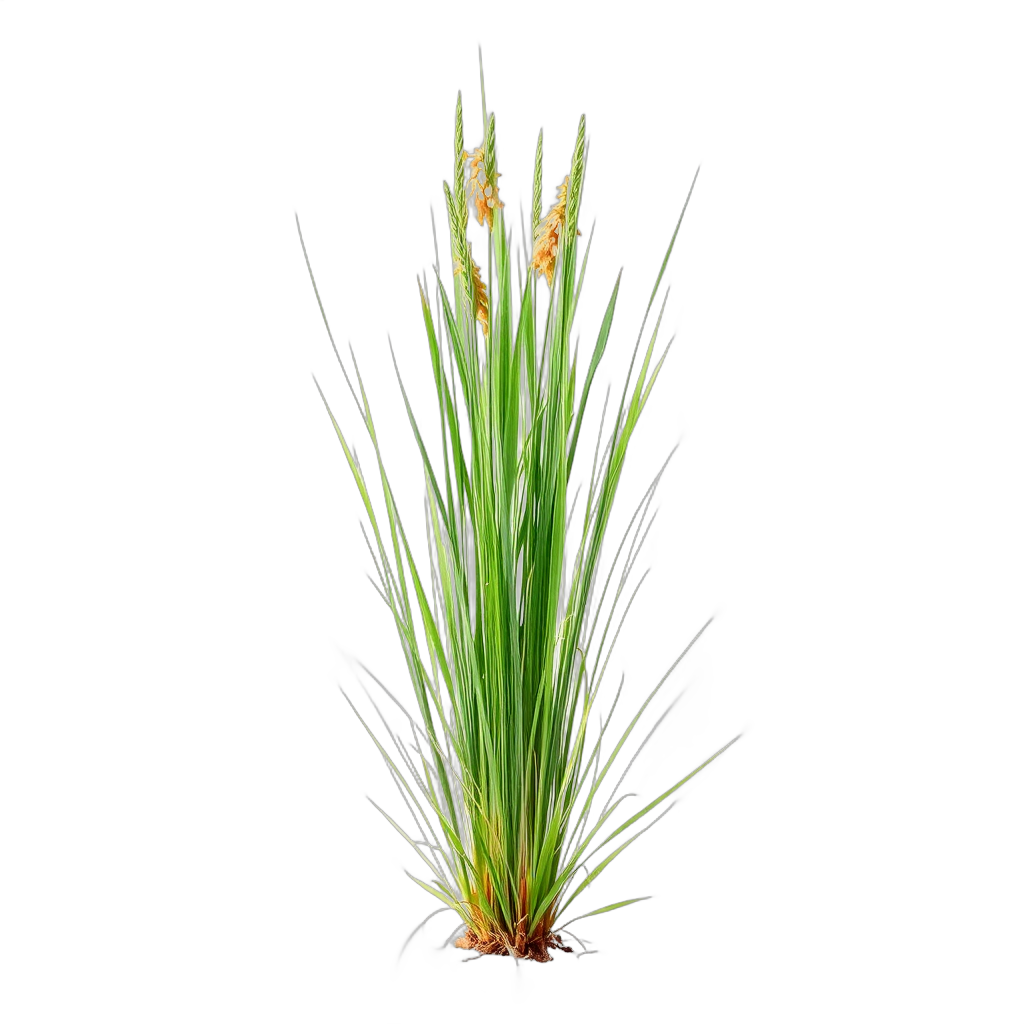
Eastern Gamagrass
Tripsacum dactyloides
grows to 6 feet, blooms in summer. Yellow fall color.
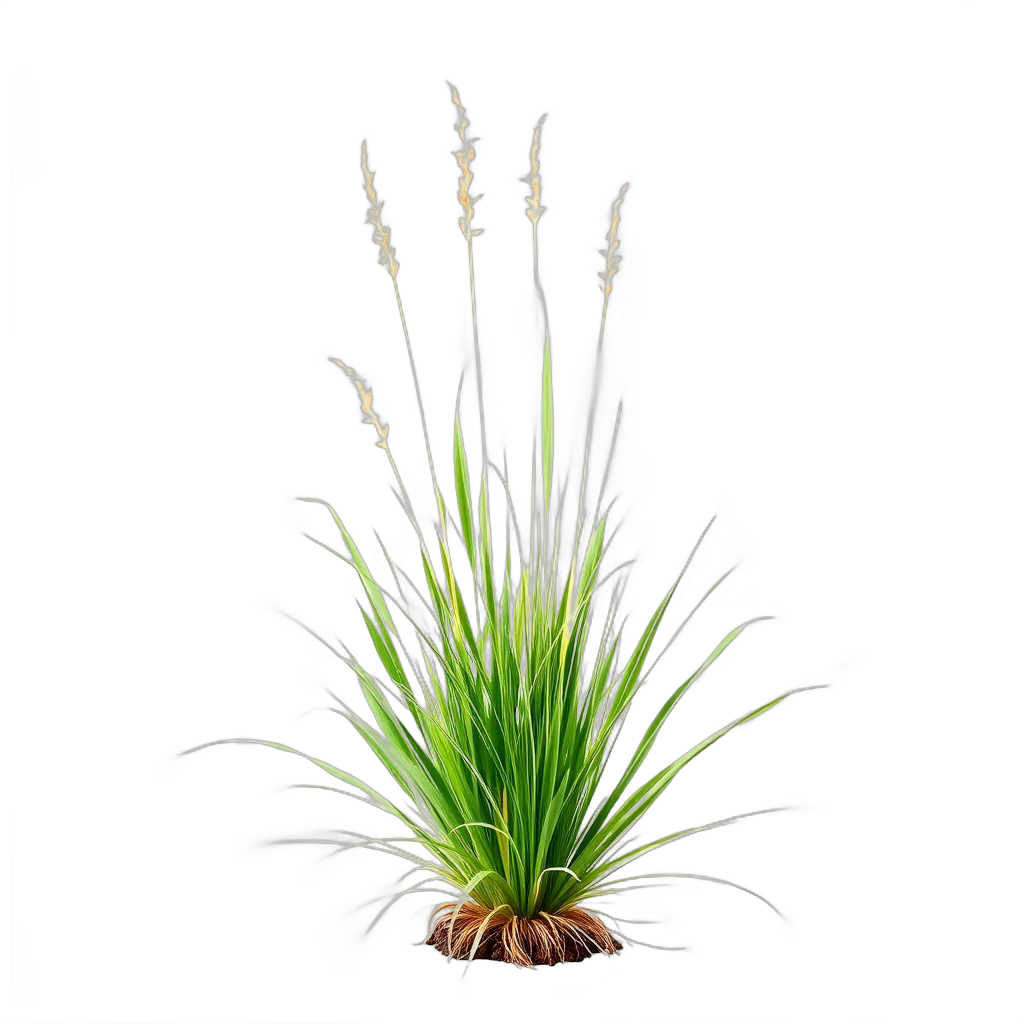
Northern Sea Oats
Chasmanthium latifolium
grows to 4 feet, blooms in fall. Bronze fall color.
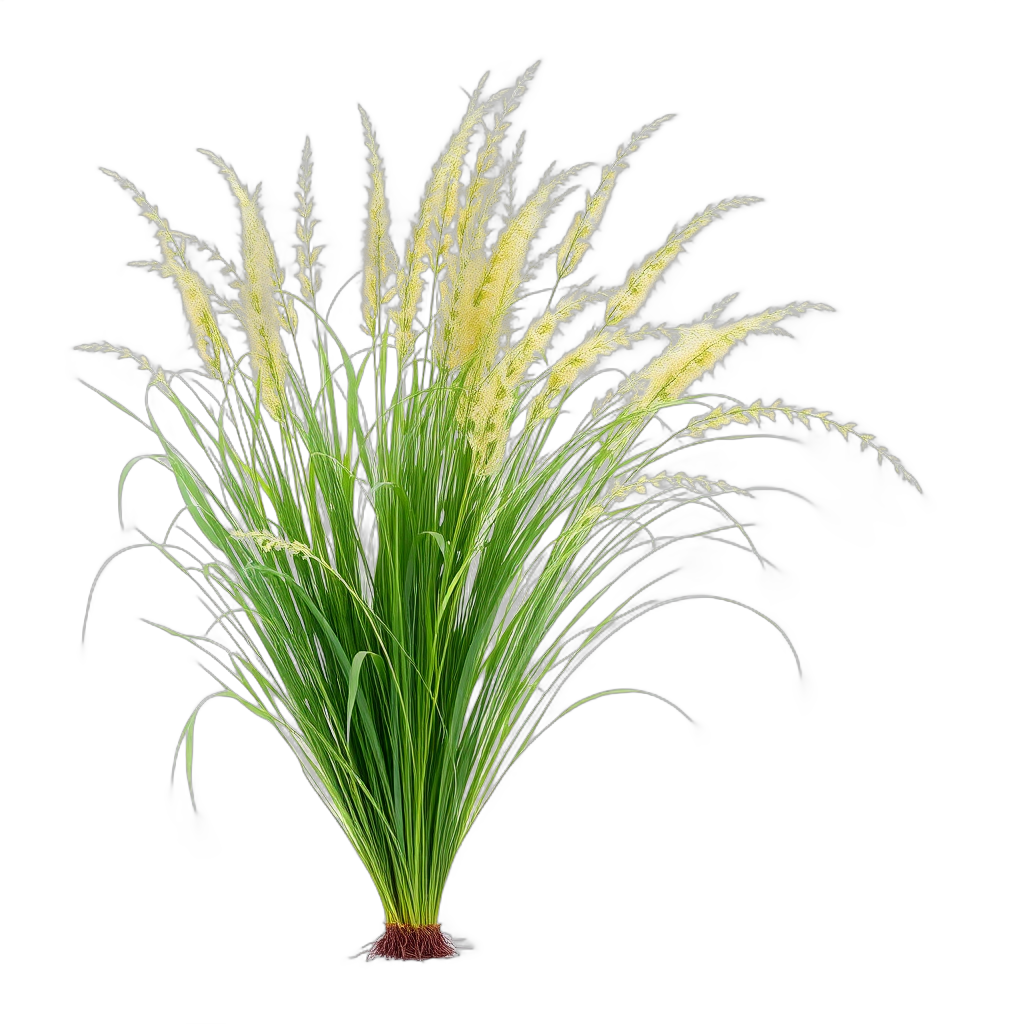
Adagio Maiden Grass
Miscanthus sinensis 'Adagio'
low-growing ground cover, pink blooms in summer. Orange fall color.
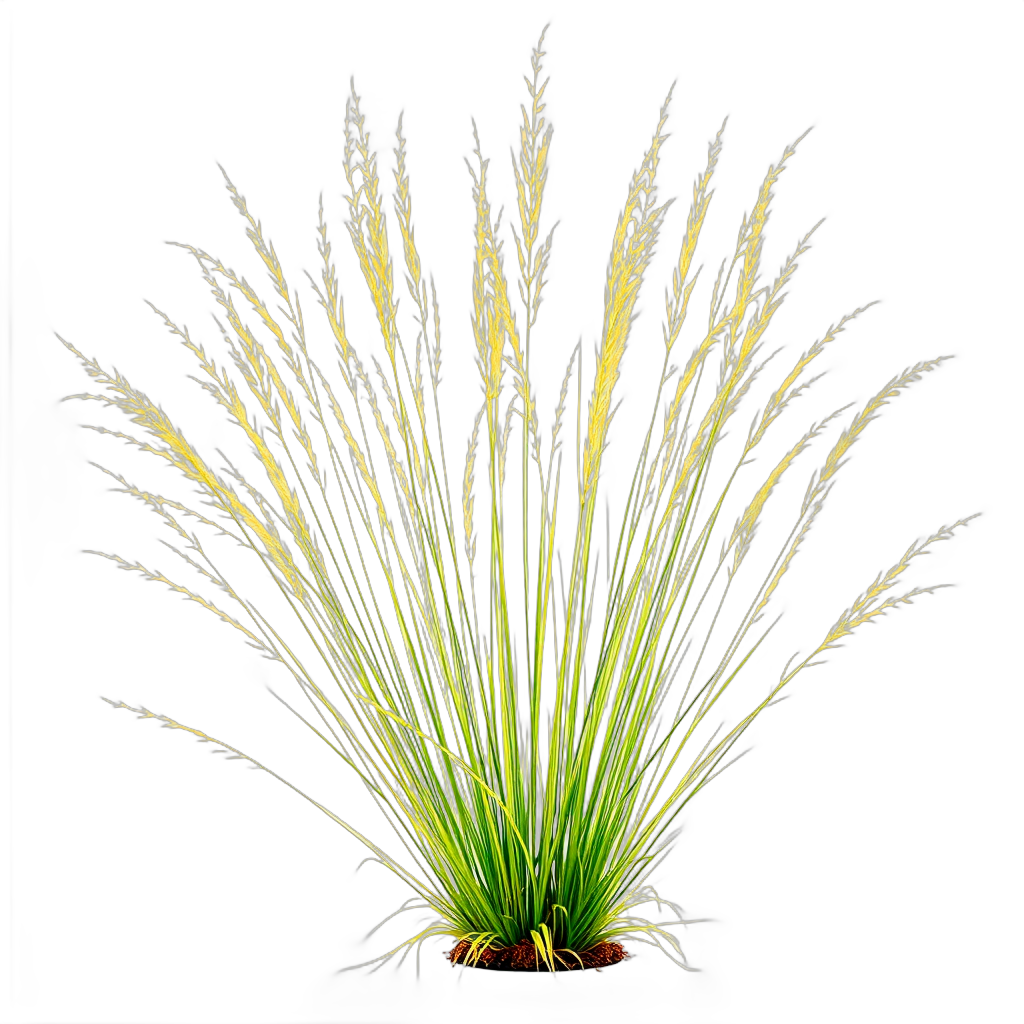
All Gold Japanese Forest Grass
Hakonechloa macra 'All Gold'
low-growing ground cover, blooms in summer.
Featured Flowers & Perennials for Cottage/English Gardens
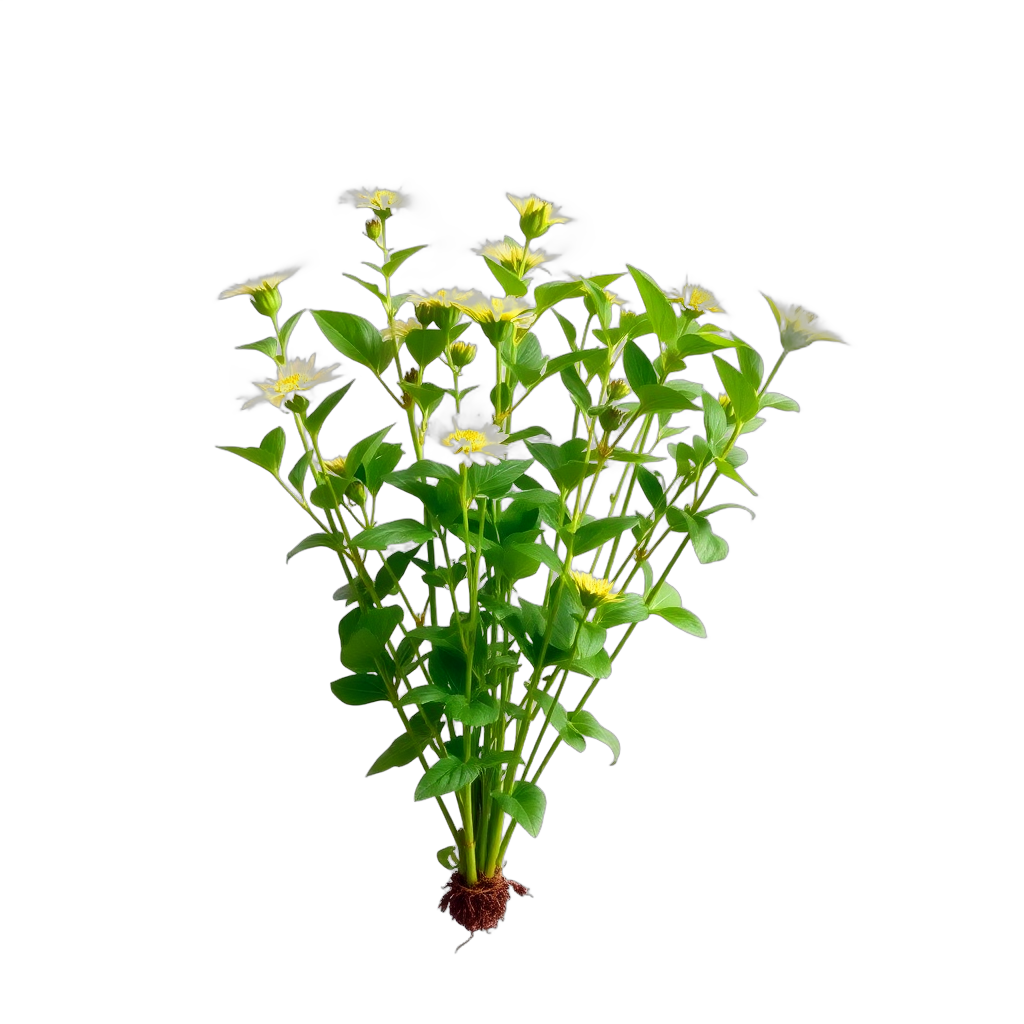
Cup Plant
Silphium perfoliatum
medium-sized at 7 feet, yellow blooms in summer. Attracts butterflies.
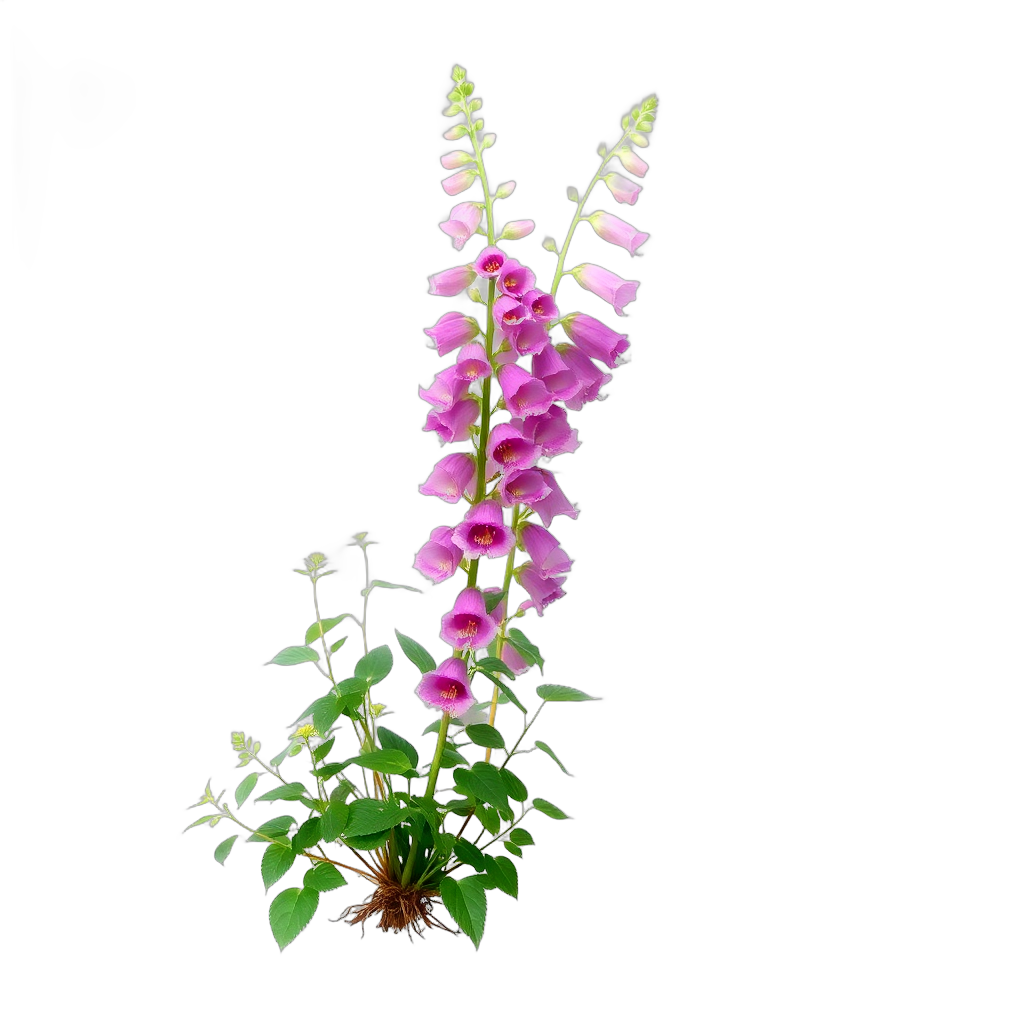
Foxglove Beardtongue
Penstemon digitalis
grows to 3 feet, white blooms in spring. Attracts hummingbirds.
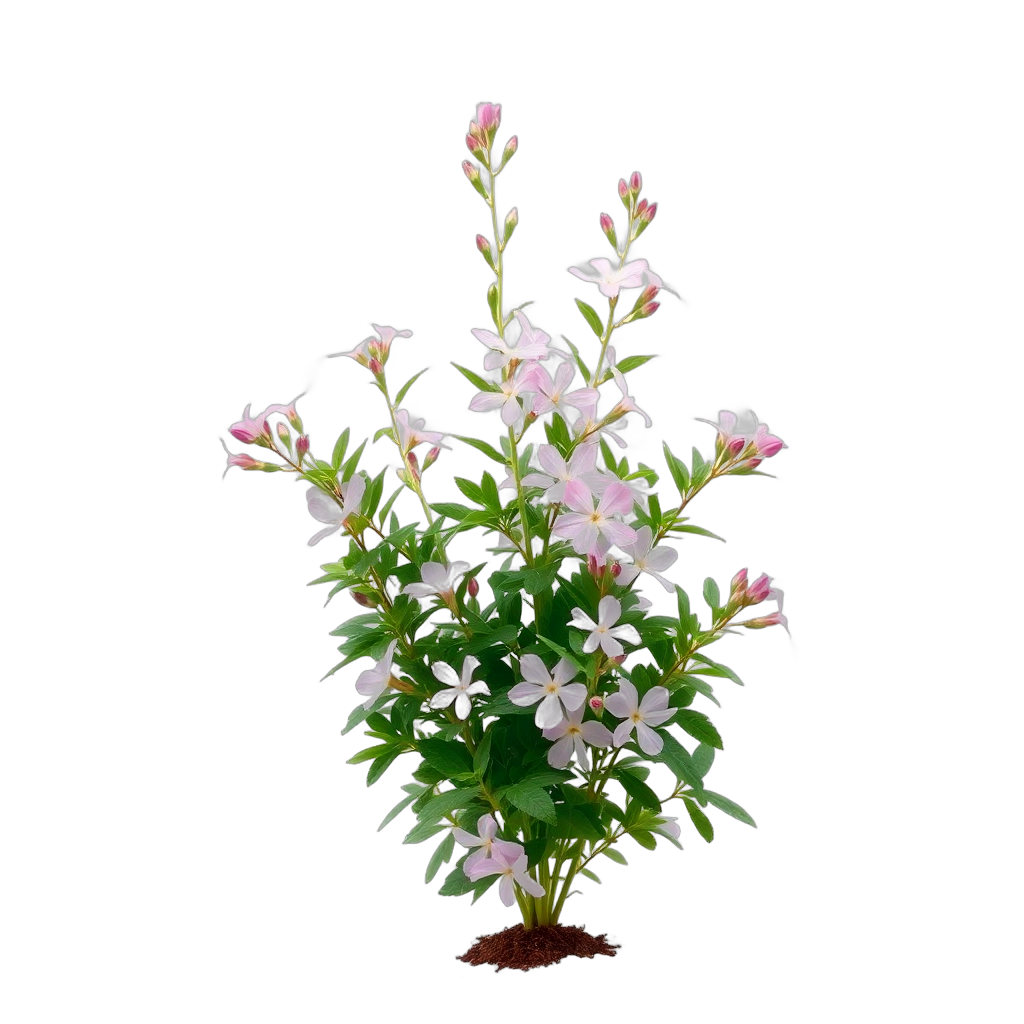
Garden Phlox
Phlox paniculata
grows to 3 feet, multi blooms in summer. Attracts hummingbirds.

Gloriosa Daisy
Rudbeckia hirta
low-growing ground cover, yellow blooms in summer. Attracts butterflies.
Zone and sun checks come from our database — confirm with your local nursery before you buy.
Bloom Calendar for Springfield
spring
Foxglove Beardtongue, American Black Currant, Clove Currantsummer
Cup Plant, Garden Phlox, Gloriosa Daisyfall
Northern Sea Oatswinter
Limited bloomsDesign Tips for Springfield (Zone 5b)
- Raise every lavender and rose bed 6–8 inches above the prairie silt loam: these soils hold water in a wet April, and wet crowns kill more lavender in Springfield than -10°F ever does
- Plant peonies in September, not spring, and keep the eyes 2 inches deep or shallower: Paeonia 'Sarah Bernhardt' and 'Festiva Maxima' love the cold winters here and will bloom for decades if planted right
- Use Canadian Explorer roses such as Rosa 'John Davis' and 'Quadra' for arches and fences: in a Zone 5b winter they come back from the roots, while grafted climbers can die back to the graft
- Put roses on the east or south side of the house so morning sun dries the leaves: July average highs of 86°F with high humidity are when blackspot spreads
- Plan for Japanese beetles in late June and July: lean on plants they leave alone, like Nepeta 'Walker's Low', Salvia 'Caradonna' and Baptisia australis, so the border still looks full if the roses get chewed
- Mix in prairie natives for August color: Echinacea purpurea 'Magnus', Phlox paniculata 'Jeana' and Symphyotrichum 'Purple Dome' bloom after the English roses fade and handle the heat
- Set brick and flagstone on 4–6 inches of compacted stone, with footings for arbours and fences below the frost line the City requires: freeze and thaw heaves anything laid straight on soil
Where to Source Plants in Springfield
Skip the big-box stores. These independent Springfield nurseries specialize in the plants that make cottage/english gardens thrive in Zone 5b.
Jeffrey Alans
Wabash Avenue, west Springfield
Regional sister store of Champaign's Prairie Gardens, a family business since 1964, with a garden centre, greenhouse plants and seasonal stock
Farmer's Market Garden Center
Wabash Avenue, west Springfield
Locally owned year-round garden centre since 1980, with a wide range of perennials and annuals for cottage borders
Cottage/English Landscaping Costs in Springfield
| Project Scope | Estimated Cost |
|---|---|
| Front cottage border with picket fence and gate arch (400–600 sqft) | $8,000 – $22,000 |
| Clay brick walkway on a compacted base (150–250 sqft) | $3,000 – $8,500 |
| Limestone flagstone patio (200–350 sqft) | $5,000 – $15,000 |
| Cedar rose arbour, built and stained | $2,500 – $7,000 |
| Raised lavender and rose beds with grit amendment (100 sqft) | $900 – $2,200 |
| Full back cottage garden: patio, arbour, deep borders | $25,000 – $65,000 |
| AI visualization (ProScapeAI) | Free to start |
Estimates based on Springfield, IL-area contractor rates as of 2026. Actual costs vary by site conditions, materials, and contractor.
Springfield Climate & Growing Zone
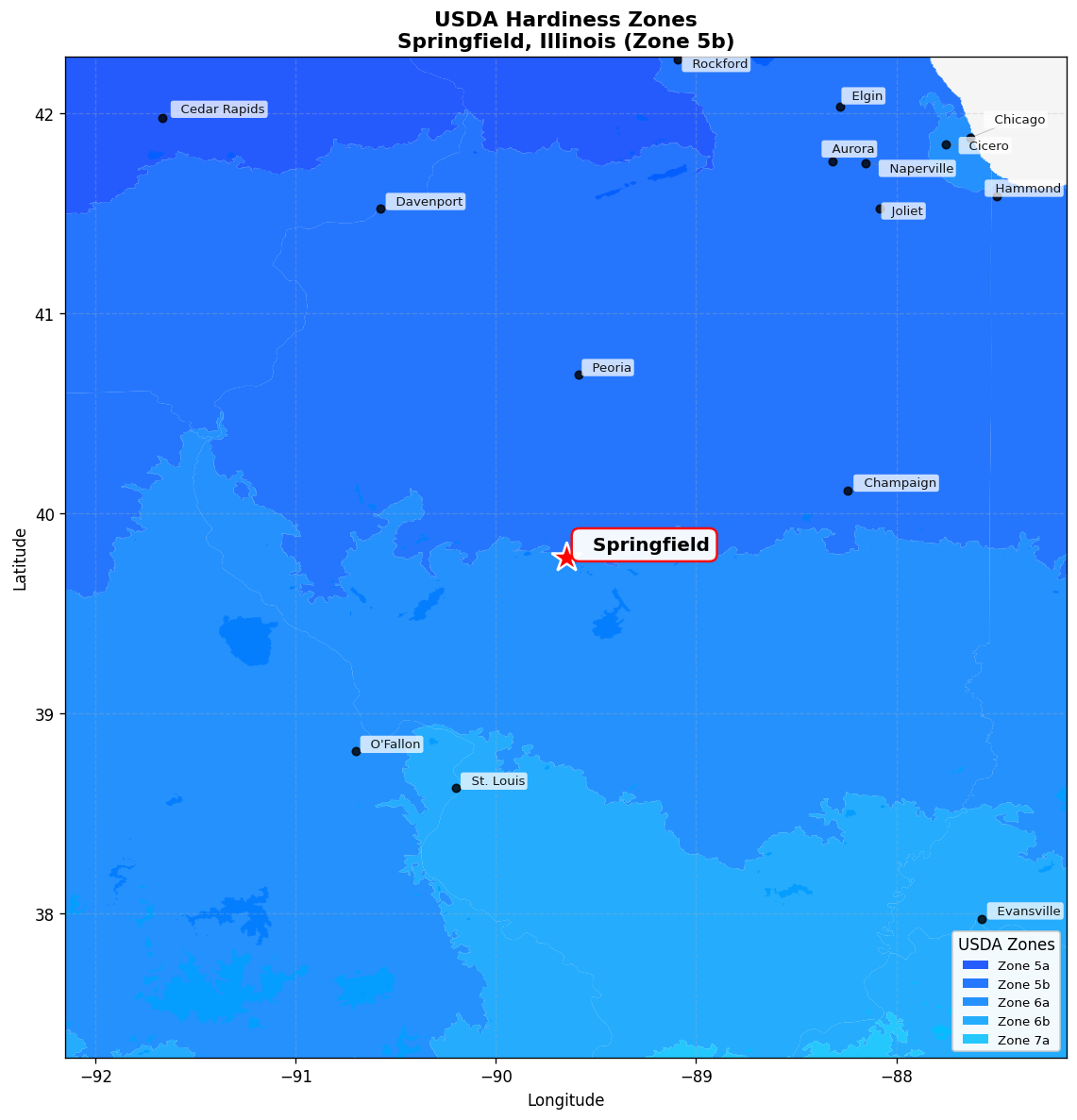
USDA Zone 5b
Hardiness zone for Springfield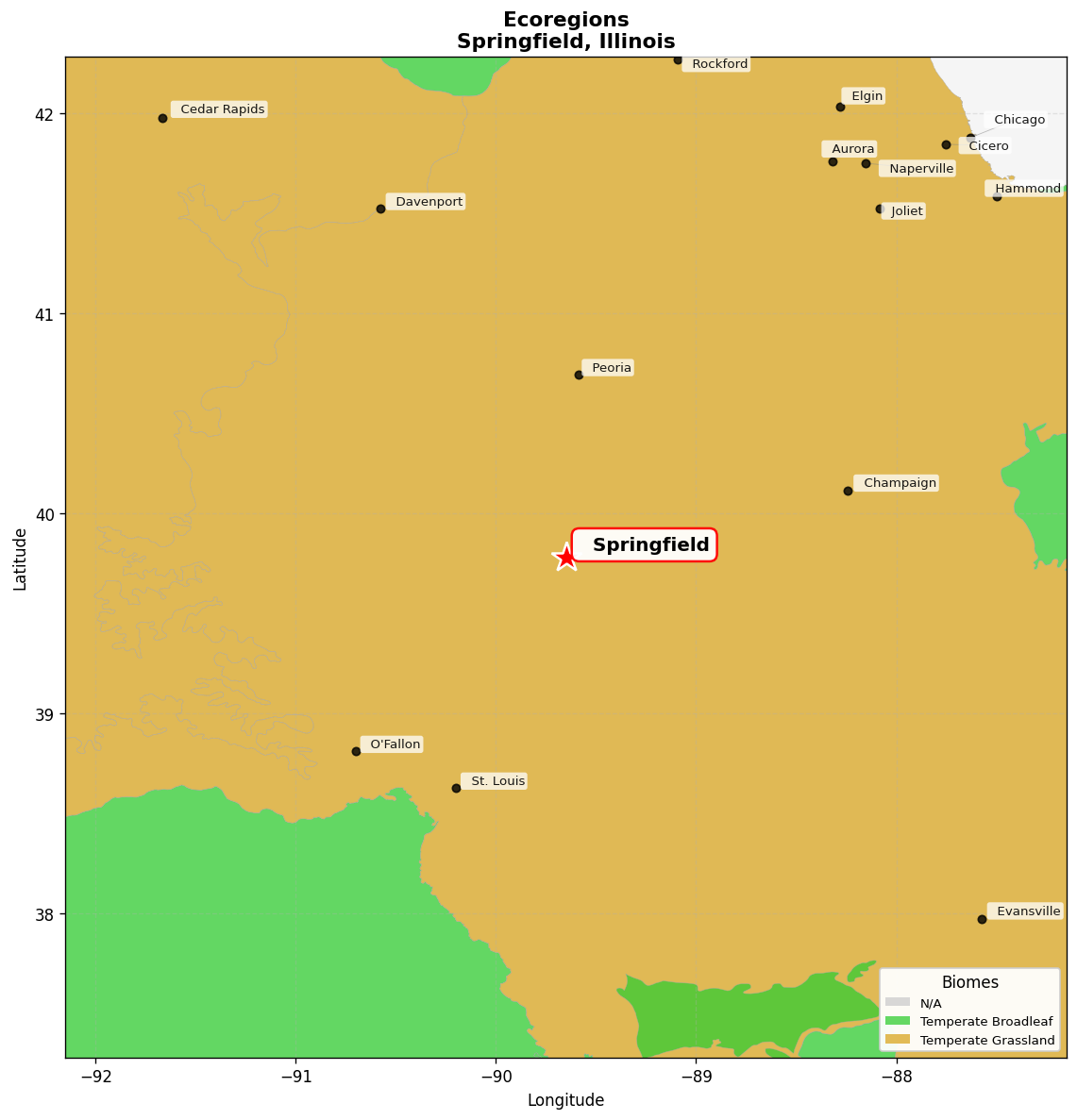
Central US forest-grasslands transition
Native ecoregionFrequently Asked Questions
How much does an English cottage garden cost in Springfield, IL?
Central Illinois labor costs less than Chicago or St. Louis, so a cottage garden goes further here. As a rough guide, a planted front border with a picket fence and gate arch on a typical 400–600 square foot Enos Park or Harvard Park front yard runs $8,000–22,000 installed. Brick walks on a proper base run about $20–35 per square foot, and limestone flagstone patios about $25–45 per square foot. A cedar arbour costs $2,500–7,000. If you plant it yourself and buy Nepeta 'Walker's Low', Salvia 'Caradonna' and peonies as bare-root or one-gallon stock, the border itself can come in under $10 per square foot. Get two or three local quotes, because prices change from year to year.
Which roses survive a Springfield winter?
Zone 5b winters can reach -15 to -10°F, so pick roses that are hardy without being buried. The Canadian Explorer roses are the safest: Rosa 'John Davis' and Rosa 'Quadra' both climb and come back from the roots if a hard winter kills the canes. Rosa 'Bonica' and the newer David Austin roses such as 'Olivia Rose Austin' do well with a mound of mulch over the crown in December. Grafted hybrid teas are the ones that fail most often. Plant every rose in at least six hours of sun with morning light so the leaves dry early, and water at the base. Japanese beetles are heavy in central Illinois in late June and July, so check the roses each morning and knock beetles into soapy water.
Is a cottage garden a lot of work in this climate?
It is more work than lawn in May and June, and less work than lawn the rest of the year. Plan on a spring cleanup in late March, cutting back last year's stems; one weeding a week through June; and cutting back Nepeta 'Walker's Low' by half after the first flush so it blooms again. Peonies need nothing except staking in a wet spring. The deep prairie silt loam here holds moisture well, so an established border usually needs watering only in dry spells in July and August, when the average high is 86°F. Mulch with 2 inches of shredded hardwood to cut the weeding in half.
When should I plant a cottage garden in Springfield?
Early September through mid-October is the best window. The soil is still warm, the autumn rains come back, and roots grow before the ground freezes. That is also the only time to plant or divide peonies: set Paeonia 'Sarah Bernhardt' with the eyes no more than 2 inches below the surface or it will not bloom. Spring planting works from mid-April into May, once the average low is past 40°F. Avoid planting in July, when the heat and humidity make new plants struggle.
Can lavender grow in Springfield's soil?
Yes, if you plant it high and dry. Lavandula angustifolia 'Hidcote' and Lavandula × intermedia 'Phenomenal' are both hardy in Zone 5b. What kills lavender here is wet soil in March, not cold. Raise the bed 6–8 inches, mix in a third coarse grit or pea gravel, mulch with gravel instead of wood, and do not cut it back in autumn: wait until new leaves show in April, then trim. The pH here is usually already in the 6.0–7.0 range, so you rarely need to add lime, but a soil test tells you for sure.
Do I need a permit for a fence or patio in Springfield?
Fences, retaining walls and some patios can need a permit or have height and setback limits, so check with the City of Springfield building and zoning office before you build. Leland Grove and Jerome are separate municipalities inside the Springfield area with their own rules, so check with them if you live there. If you are in a historic district or near the Lincoln Home area, ask about design review before you settle on a fence style. Always call JULIE (811) before you dig so buried lines are marked.
Where can I see cottage-style and rose gardens in Springfield?
Washington Park has a rose garden and botanical garden that are worth a visit in June to see which roses look good in this heat. Lincoln Memorial Garden on the south side of Lake Springfield, designed by Jens Jensen, shows how native plants like Baptisia australis and Echinacea purpurea can carry a loose, flowering garden. Take photos of the plants you like and bring them to a local nursery so you buy the same cultivars.